
Photos from current listings. Actual item, color, and included accessories may vary.
Watering Can Buying Guide
A watering can is a hand-held vessel with a spout and rose (sprinkler head) used to deliver a controlled flow of water to plants. The core trade-off is between plastic and metal construction: plastic is light and affordable but degrades under UV and becomes brittle, while galvanized steel or powder-coated metal resists sun and impact but adds weight. Choose metal if the can will live outdoors year-round; choose high-density polyethylene (HDPE) only if you need ultralight weight for indoor or small-space use.
Median $32.00
Key takeaways
- Roses with fine holes (1–2 mm) deliver a gentle shower for seedlings; coarse or removable roses switch to a fast fill stream for established plants.
- Galvanized or powder-coated steel resists UV degradation and impact; thin blow-molded plastic cracks after one or two seasons of sun exposure.
- Capacity tiers separate use cases: 0.5–1 L for indoor and bonsai, 2–5 L for balcony and patio pots, 8–10 L for garden beds and hanging baskets.
At a glance
- Category
- Watering & Irrigation
- Last updated
- Nov 28, 2026
Current offers
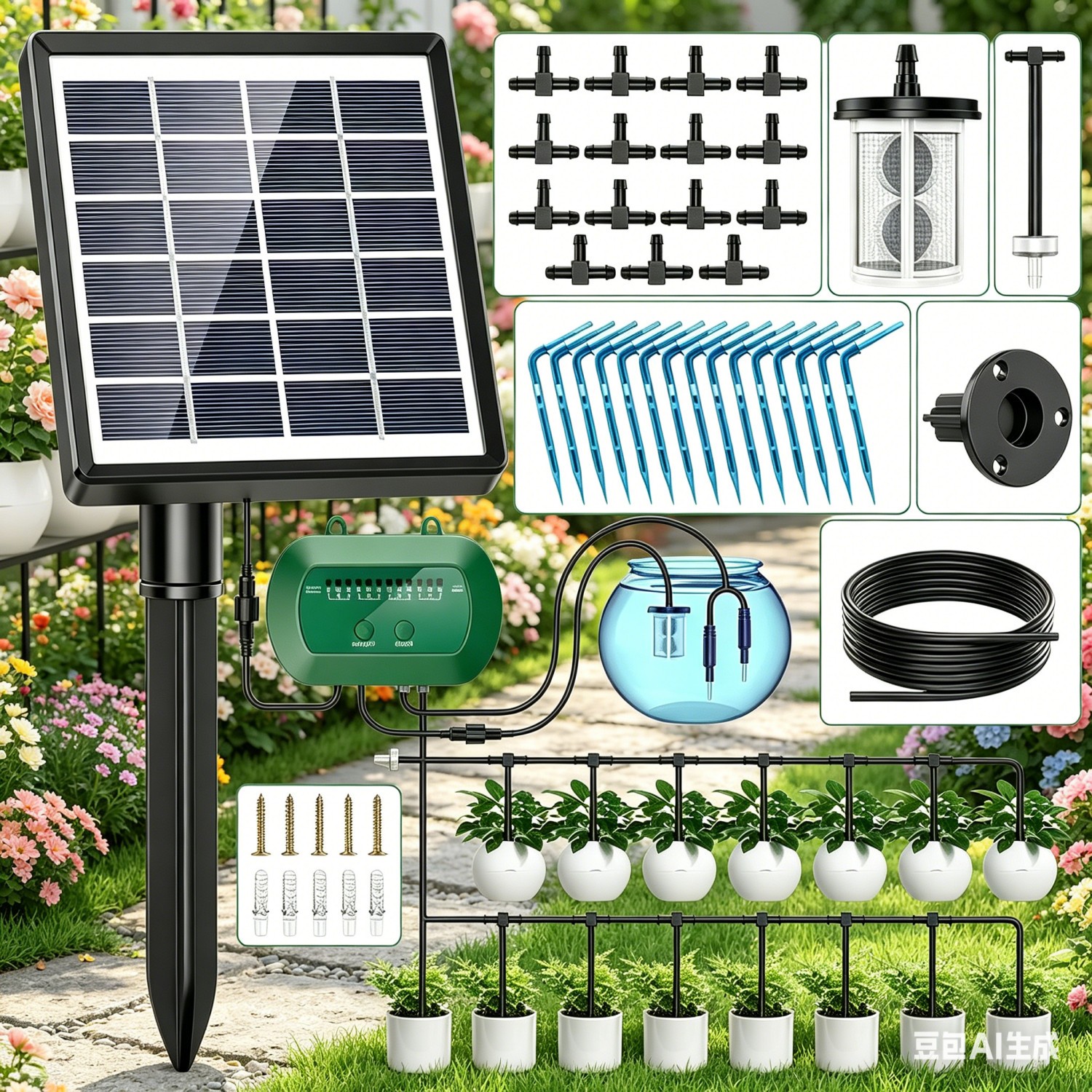 Automatic Solar Drip Irrigation System,Watering Kit for 15 Pots with 49ft Hose,g$26.99Last checked Nov 18, 2026View on eBay
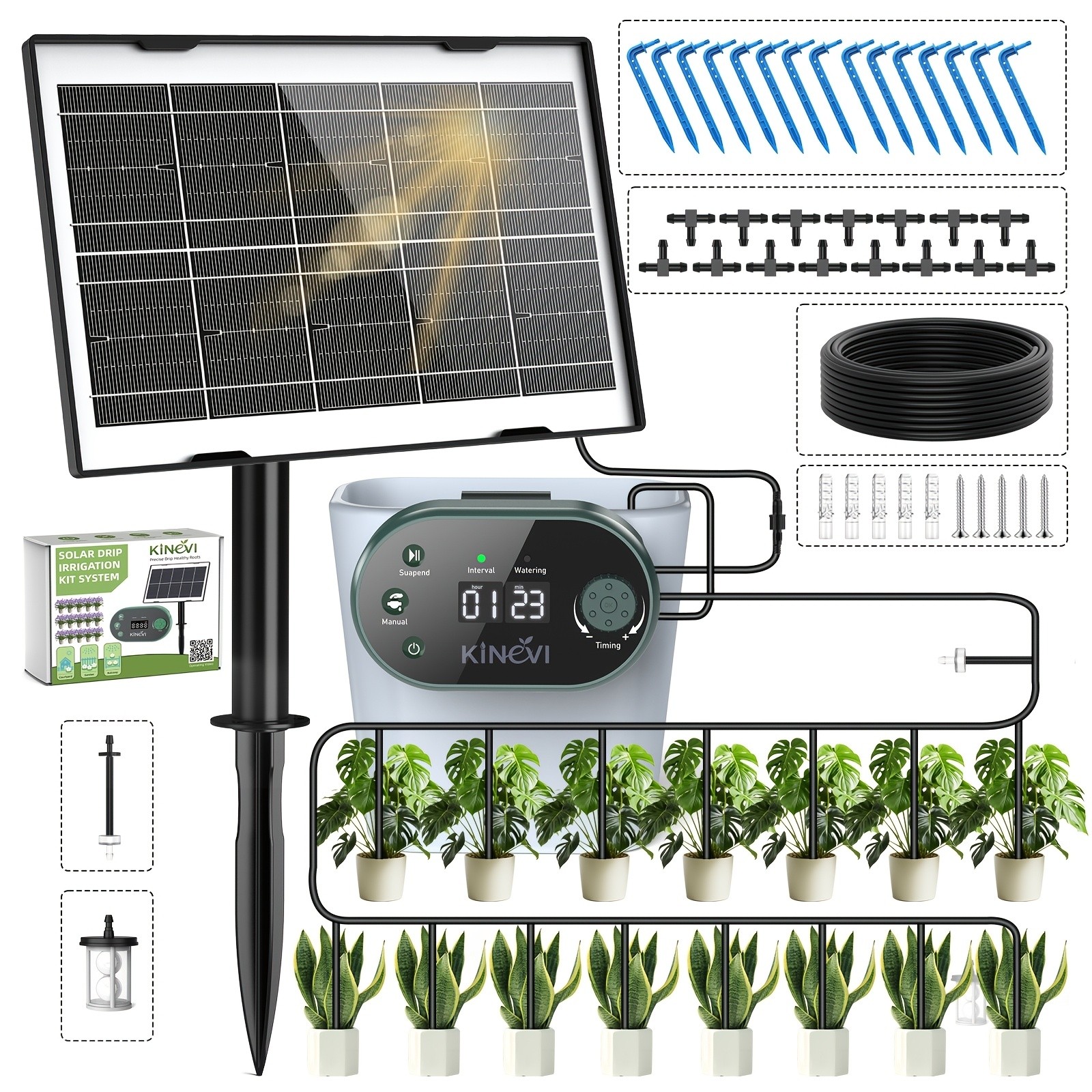 Solar Drip Irrigation System 3W,Automatic Plants Watering for 15 Pots,22 Modes$31.99View on eBay
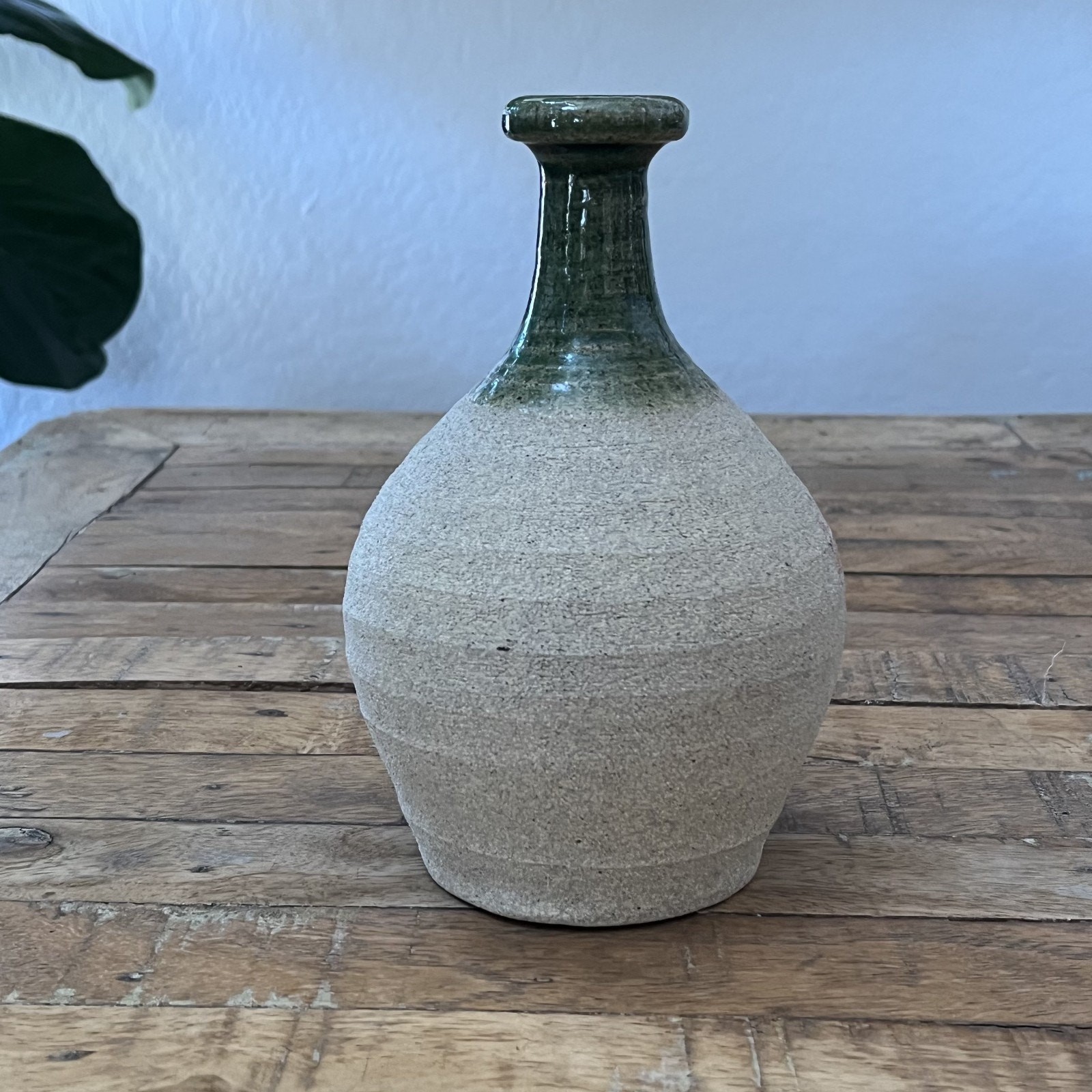 Art Studio Watering Bell Thumb Pot Green Tan 8" Stoneware Clay Water Pot$32.00View on eBay
- Solar Drip Irrigation System 3W,Automatic Plants Watering for 15 Pots,22 Modes$32.99Last checked Nov 18, 2026View on eBay
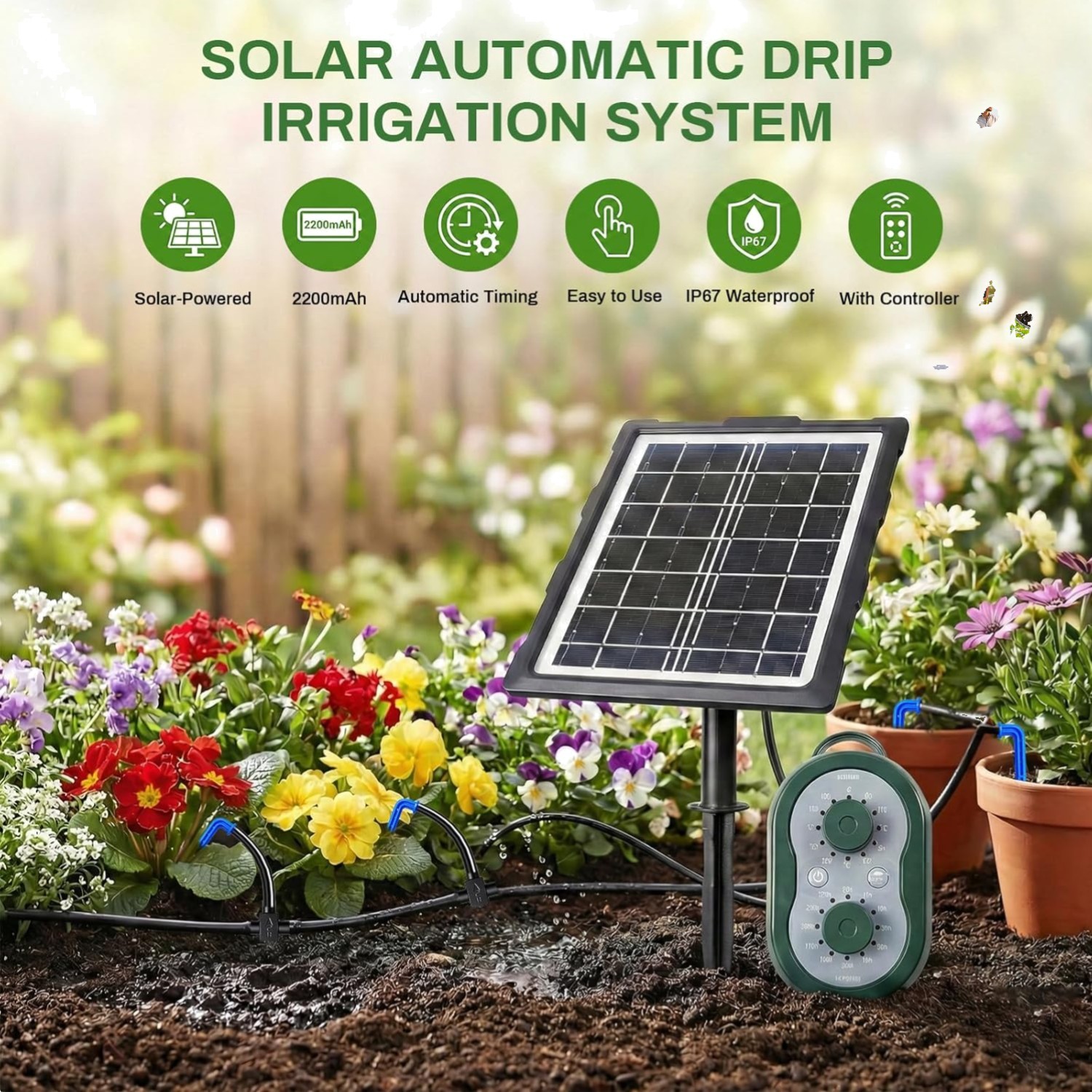 Weather-Resistant Solar Drip Irrigation Kit - Automatic Watering for 15 Pots$95.99Last checked Nov 23, 2026View on eBay
Highlights
- Roses with fine holes (1–2 mm) deliver a gentle shower for seedlings; coarse or removable roses switch to a fast fill stream for established plants.
- Galvanized or powder-coated steel resists UV degradation and impact; thin blow-molded plastic cracks after one or two seasons of sun exposure.
- Capacity tiers separate use cases: 0.5–1 L for indoor and bonsai, 2–5 L for balcony and patio pots, 8–10 L for garden beds and hanging baskets.
- Long spouts (30–45 cm) reach hanging baskets and the back of deep borders without tipping the can or spilling on foliage.
Best use cases
- Best fit: a 2–5 L powder-coated metal can with a long spout and removable fine rose for balcony containers and patio pots — the long spout reaches back-row plants without stepping into the bed.
- Best fit: a 0.5–1 L mini can with a narrow spout for indoor houseplants, seedlings, and bonsai — small capacity prevents overwatering and fits between crowded pots.
- Wrong fit: a 10 L plastic can left outdoors in full sun — UV embrittlement cracks the body within a season; use galvanized metal for outdoor storage instead.
- Wrong fit: a fine-rose can for filling large garden beds — the shower flow is too slow; remove the rose or pick a can with a wide-mouth fast-fill opening.
Buying tips
- Match capacity to watering time: a 5 L can fills roughly 10–15 medium pots per trip; a 10 L can covers a 10 m border but weighs about 10 kg when full.
- Pick HDPE or galvanized steel over thin PVC or blow-molded plastic — HDPE and steel survive freeze-thaw and UV, while thin plastic becomes brittle and cracks.
- For hanging baskets, choose a spout length of at least 30 cm so the rose reaches the basket rim without lifting the can above shoulder height.
- Check the rose attachment: threaded or bayonet-fit removable roses let you switch between fine shower and fast stream; press-fit roses fall off and are hard to replace.
Specs
| Body Material | Galvanized steel / powder-coated metal / HDPE |
|---|---|
| Capacity Range | 0.5 L mini to 10 L garden |
| Rose Hole Size | 1–2 mm fine shower / 3 mm+ coarse |
| Spout Length | Short <20 cm / long 30–45 cm |
Related searches
What to check before buying
- Measure the gap between pot rims and shelf or windowsill height — a mini can needs under 15 cm clearance, while a long-spout can needs 40–50 cm of swing room.
- Confirm the can fits under your tap or outdoor faucet: a 10 L can needs about 30 cm of vertical clearance to fill without removing the rose.
- For outdoor storage, verify the body is UV-stabilized HDPE or powder-coated steel; unstabilized plastic and bare terracotta crack in freezing temperatures.
- Check the rose hole size against your smallest plants: 1–2 mm holes suit seedlings, while 3 mm or coarser holes suit established potted plants and beds.
FAQ
Data sources: eBay / Amazon listings and product attribute feeds. Updated Nov 28, 2026.
Some links on this page are affiliate links. If you buy after clicking one, we may earn a commission at no extra cost to you. This does not change which products appear here or their order. Affiliate disclosure.