GardenPulse Guide

GardenPulse Guide

Garden, Yard & Outdoor Living Reviews & Buying Guides

Compare garden, yard & outdoor living by use case, features, trade-offs, price, returns, and seller terms before you buy.

Buying guides

Buying guide image
Honey Extraction & Packaging

Honey Centrifuge Extractor

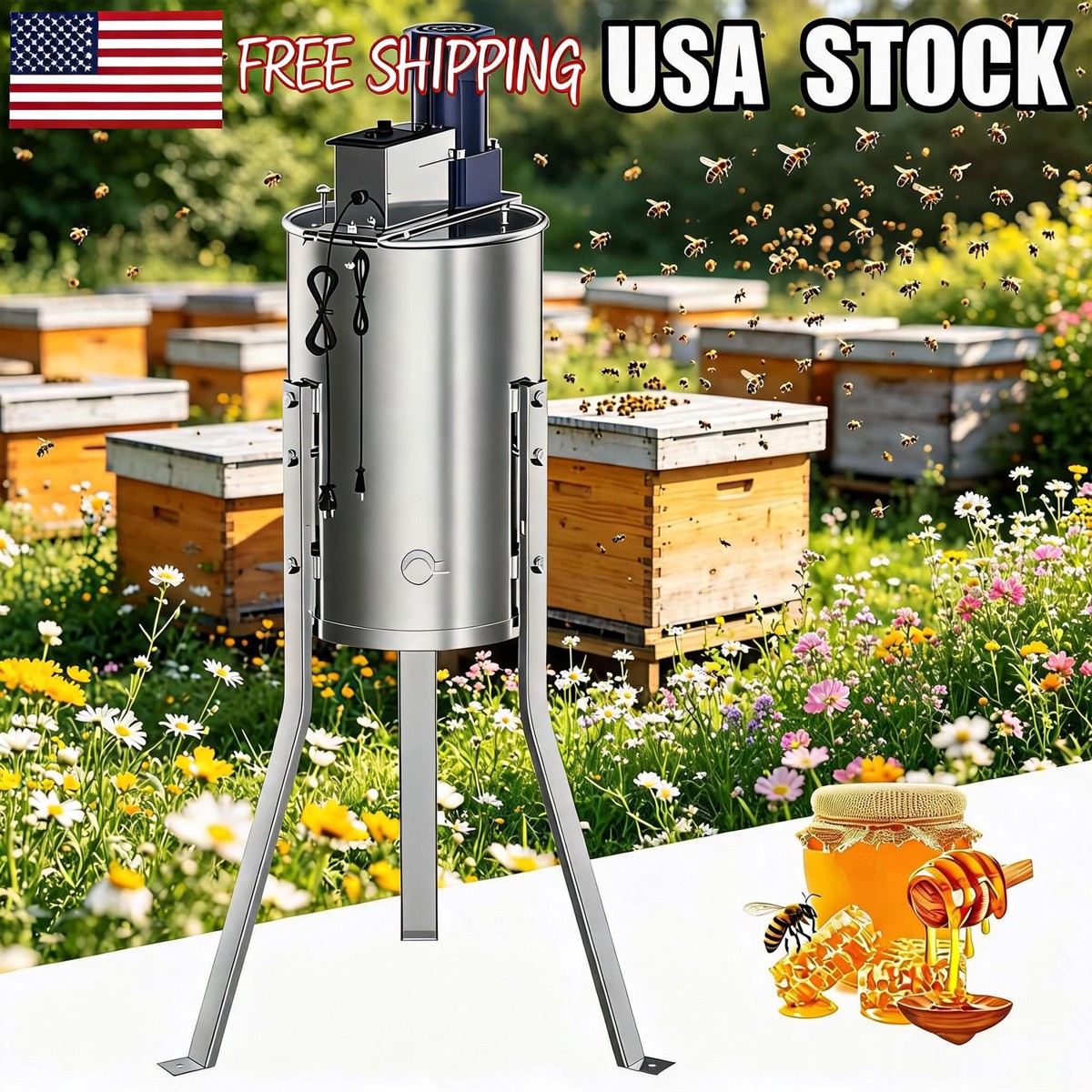
A honey centrifuge extractor is the single biggest equipment upgrade for any beekeeper harvesting more than a few frames per season, since it replaces crush-and-strain losses with reusable drawn comb. Frame count, drive type, and drum material determine how fast you can process a harvest and how long the unit survives sticky, heavy use. Most first-time buyers under-size the frame capacity and overpay for motorized units before understanding their real batch size.
Buying guide image
Watering & Irrigation

DIY Garden Irrigation

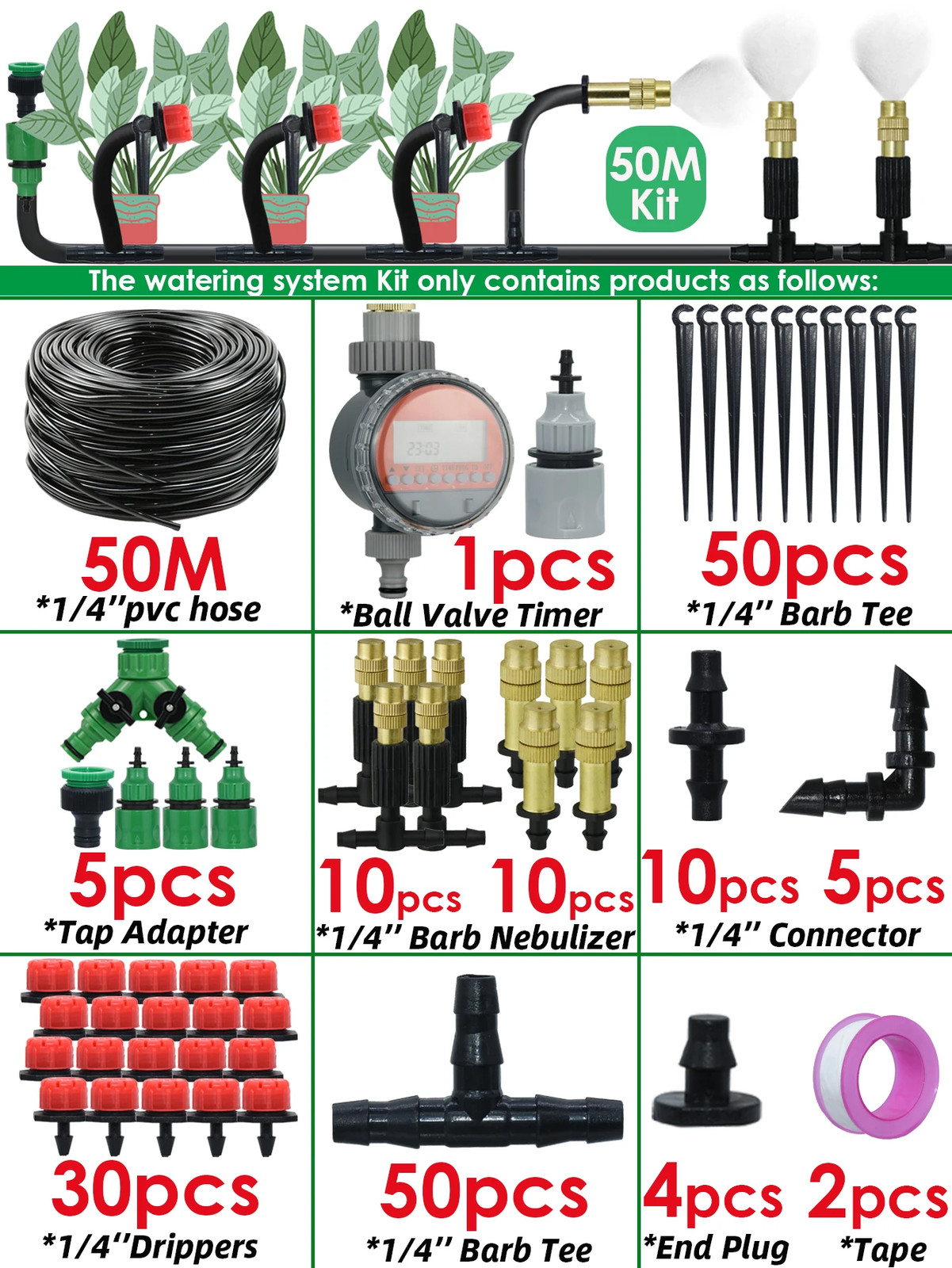
DIY garden irrigation succeeds or fails on one detail: matching tubing diameter and emitter flow to your water pressure and run length. Most kits sold online are 1/4-inch micro-drip or 1/2-inch hose-fed systems, and mixing those standards without a pressure regulator causes blown fittings or dry planters at the end of the line. Decide your water source, bed count, and hose run distance before choosing a kit size.

Buying guide image
Pools & Spas

Swimming Pool Liner

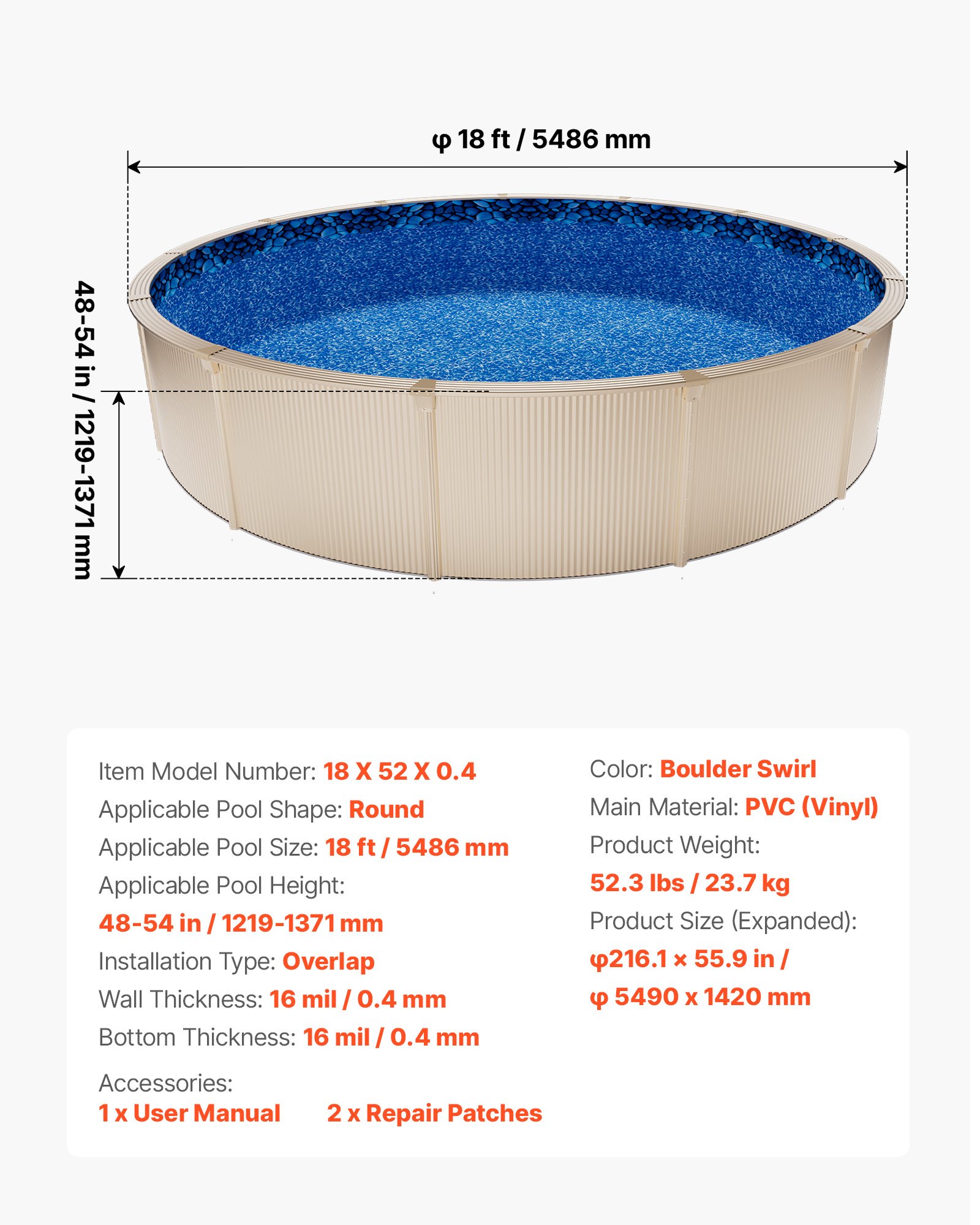
A swimming pool liner is the waterproof membrane that seals an above-ground or in-ground pool shell, and the primary trade-off is vinyl gauge and attachment style versus fit tolerance and installation difficulty. Overlap liners are the most forgiving and cheapest to fit, while UniBead and beaded liners lock into a receiver for a cleaner look but demand exact wall-height and bead-receiver matching. The decision rule: buy by exact pool diameter, wall height, and attachment type first, then step up vinyl gauge for sun exposure and longer service life.

Buying guide image
Patio Furniture

Outdoor Patio Furniture Cover

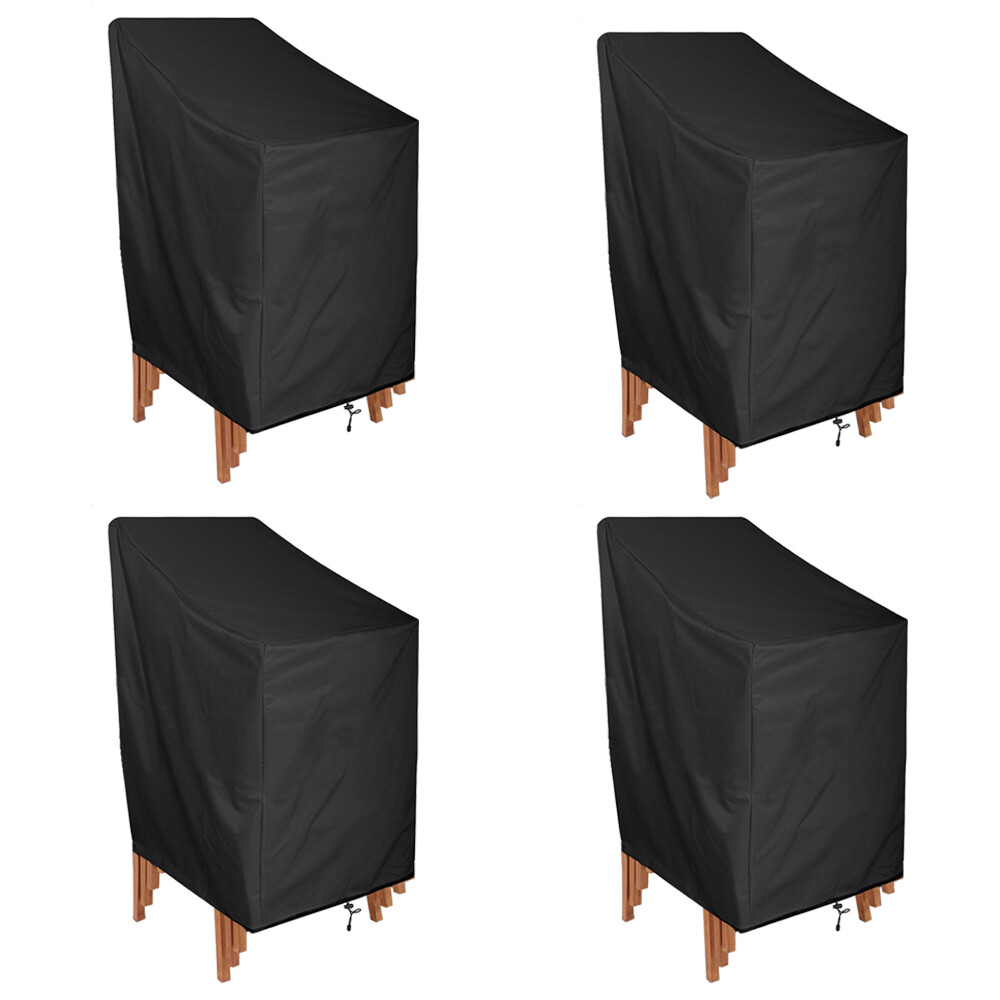
Outdoor patio furniture covers are protective shells that shield tables, chairs, sofas, and stackable seating from rain, UV, dust, and debris. The core trade-off is fabric grade versus breathability: cheap PVC or thin polyester traps moisture and cracks within a season, while solution-dyed woven polyethylene or ripstop polyester with taped seams and vented panels lasts multiple winters. The decision rule is simple—buy a cover whose measured dimensions exceed your furniture by at least 2 inches per side and whose fabric is explicitly labeled waterproof plus UV-resistant with sealed seams; skip any cover described only as 'waterproof' without seam or vent details.

Buying guide image
Garden Fencing & Privacy Screens

Freestanding Outdoor Privacy Screen

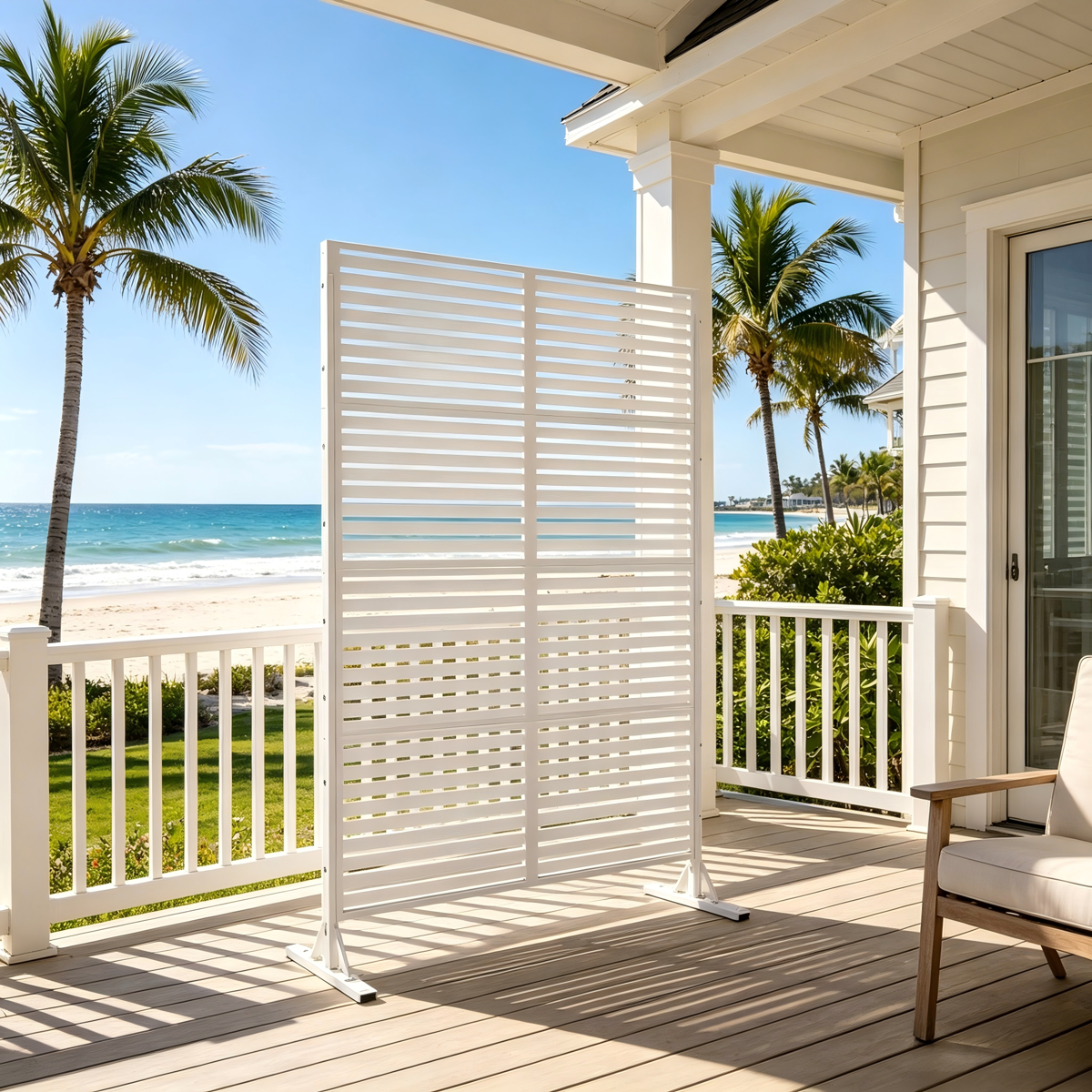
A freestanding outdoor privacy screen is a self-supporting panel or panel set that blocks sightlines on patios, decks, balconies, and gardens without digging post holes or attaching to a structure. The core trade-off is stability versus portability: lighter panels move easily but tip in wind, while heavier steel or solid-wood frames stay put but require anchoring and two-person handling. Buy a weighted-base or ground-stake-capable metal or hardwood frame for exposed sites, and reserve thin hollow panels for sheltered, temporary use.

Buying guide image
Patio Furniture

Outdoor Propane Fire Pit

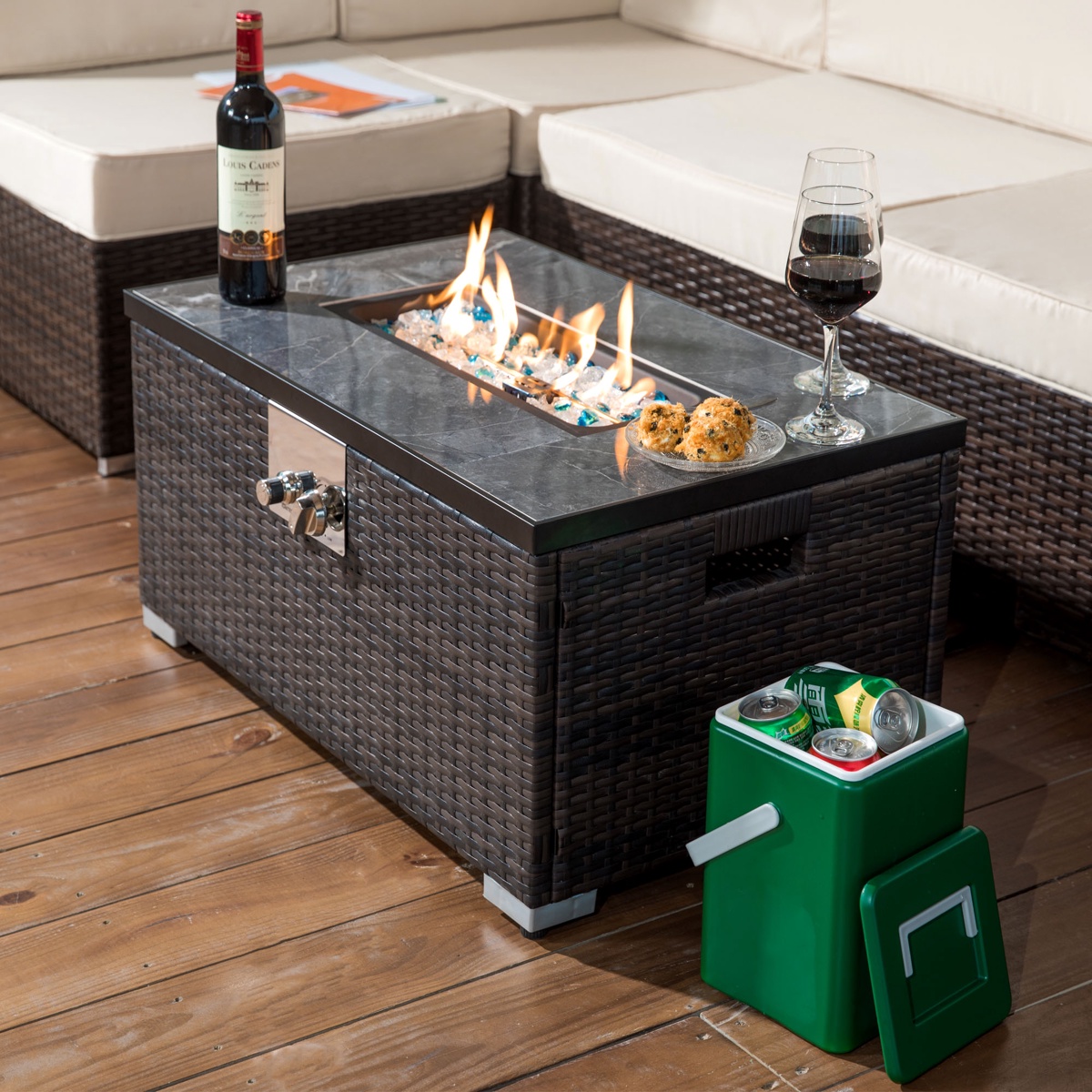
An outdoor propane fire pit is a self-contained gas appliance that delivers controllable flame and heat without wood, smoke, or ash. The decisive trade-off is between heat output and burn quality versus housing durability and wind resistance—cheap stamped-steel burners and thin magnesium-oxide tops degrade in one or two seasons. Buy a unit with a stainless-steel burner, a rated BTU output matched to your seating footprint, and a weather-resistant surround (concrete composite or powder-coated aluminum); skip painted mild-steel pans and unbranded regulators.

Buying guide image
Outdoor Structures, Shade & Awnings

Outdoor Storage Tent

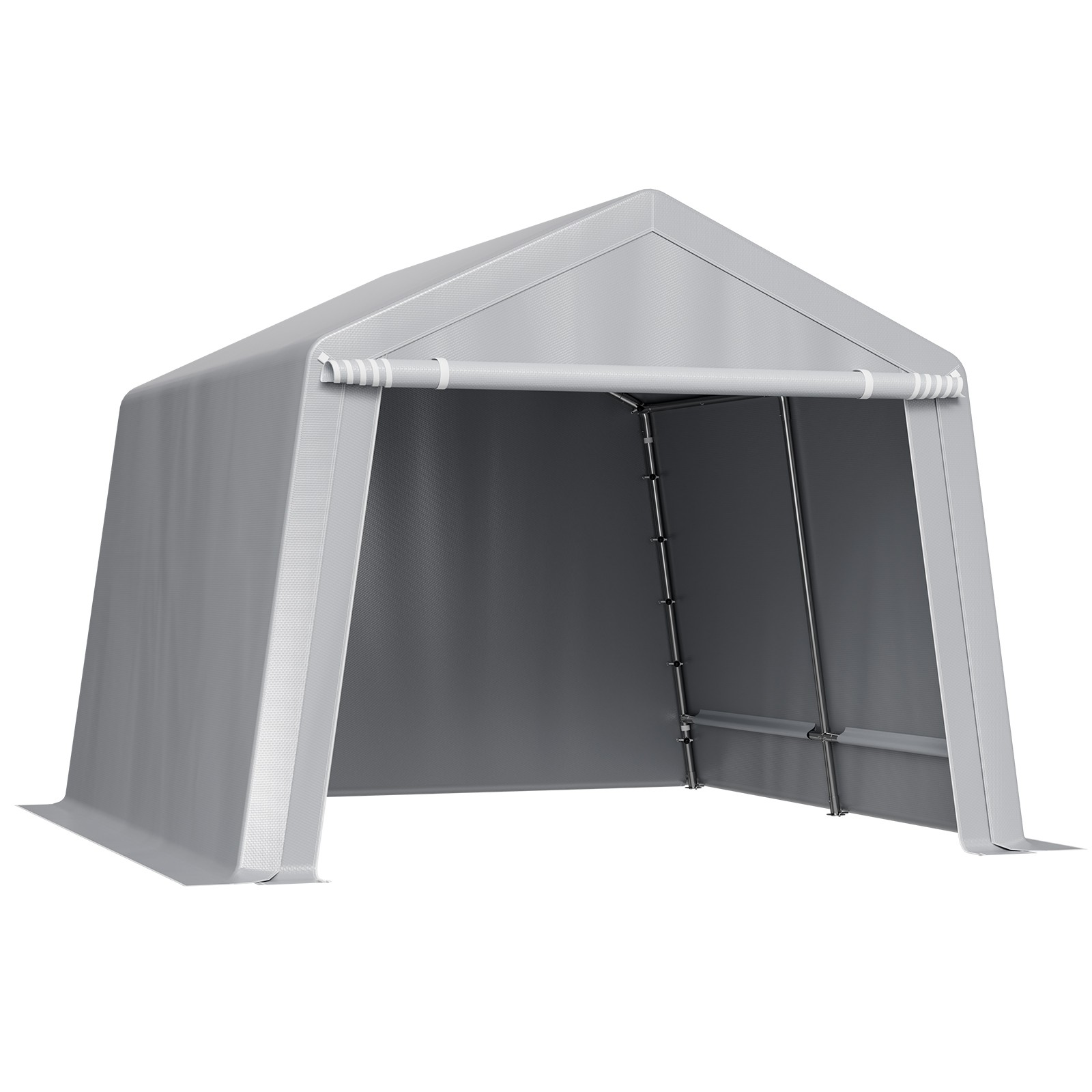
An outdoor storage tent is a temporary or semi-permanent fabric-and-frame structure for protecting bikes, motorcycles, tools, mowers, or vehicles from rain, snow, and UV. The decisive trade-off is frame gauge and fabric waterproof rating versus price and portability—lightweight pop-up units fail in wind, while galvanized steel and 210D+ Oxford with taped seams survive seasons. Buy by wind/snow load and floor footprint, not by advertised vehicle count.

Buying guide image
Greenhouse & Hydroponics

Grow Tent Setup

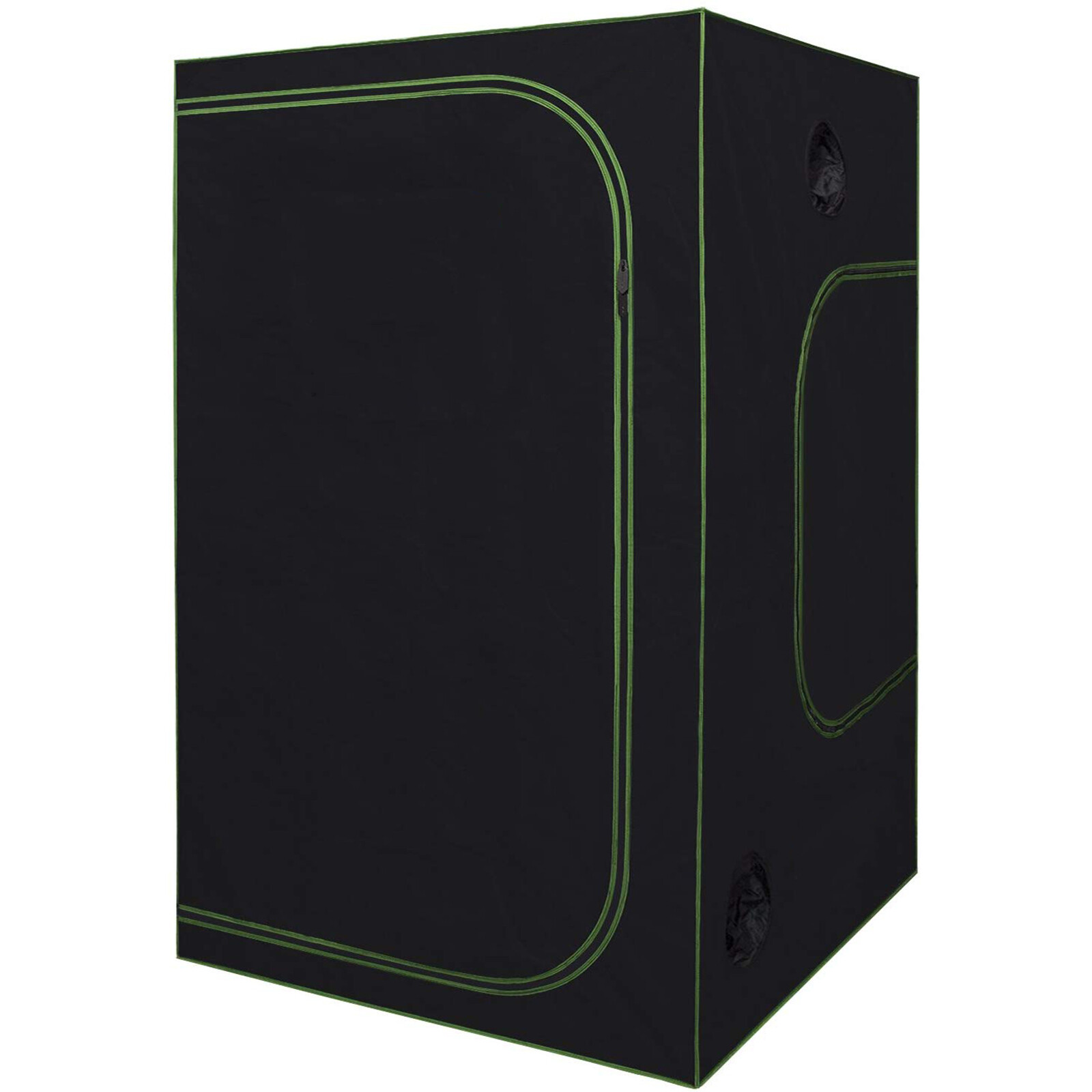
A grow tent is a reflective, opaque enclosure that controls light, humidity, and temperature for indoor plant cultivation. The primary trade-off is between thin, low-denier fabric with plastic corners and thick, high-denier Oxford fabric with metal pole frames and reinforced stitching. Choose a tent with a metal frame and at least 600D fabric for multi-cycle durability; skip PVC-film mini greenhouses and 210D tents for serious hydroponics.

Buying guide image
Beehives & Frames

Plastic Bee Hive

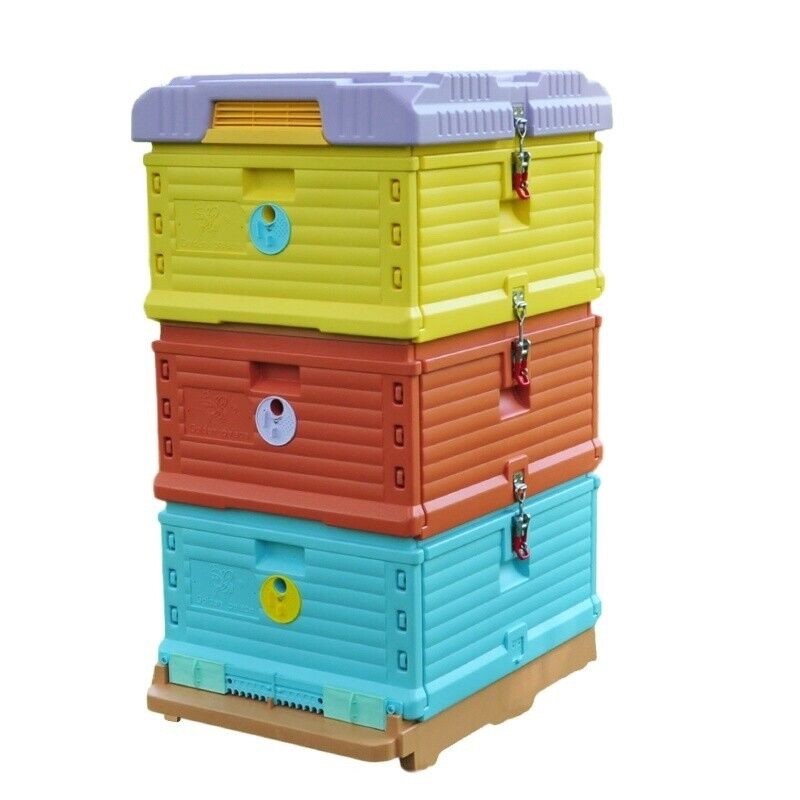
Plastic bee hives use molded food-grade polymer brood boxes and frames instead of wood, trading some breathability and repairability for rot resistance, UV stability, and uniform fit. The core trade-off is polymer grade and wall thickness versus colony insulation and moisture control; durable options use high-density polyethylene (HDPE) or polypropylene with UV inhibitors and interlocking joints, while compromises are thin recycled blends that warp, crack, or shed fittings within a few seasons.

Buying guide image
Garden Fencing & Privacy Screens

Outdoor Wood Privacy Screen

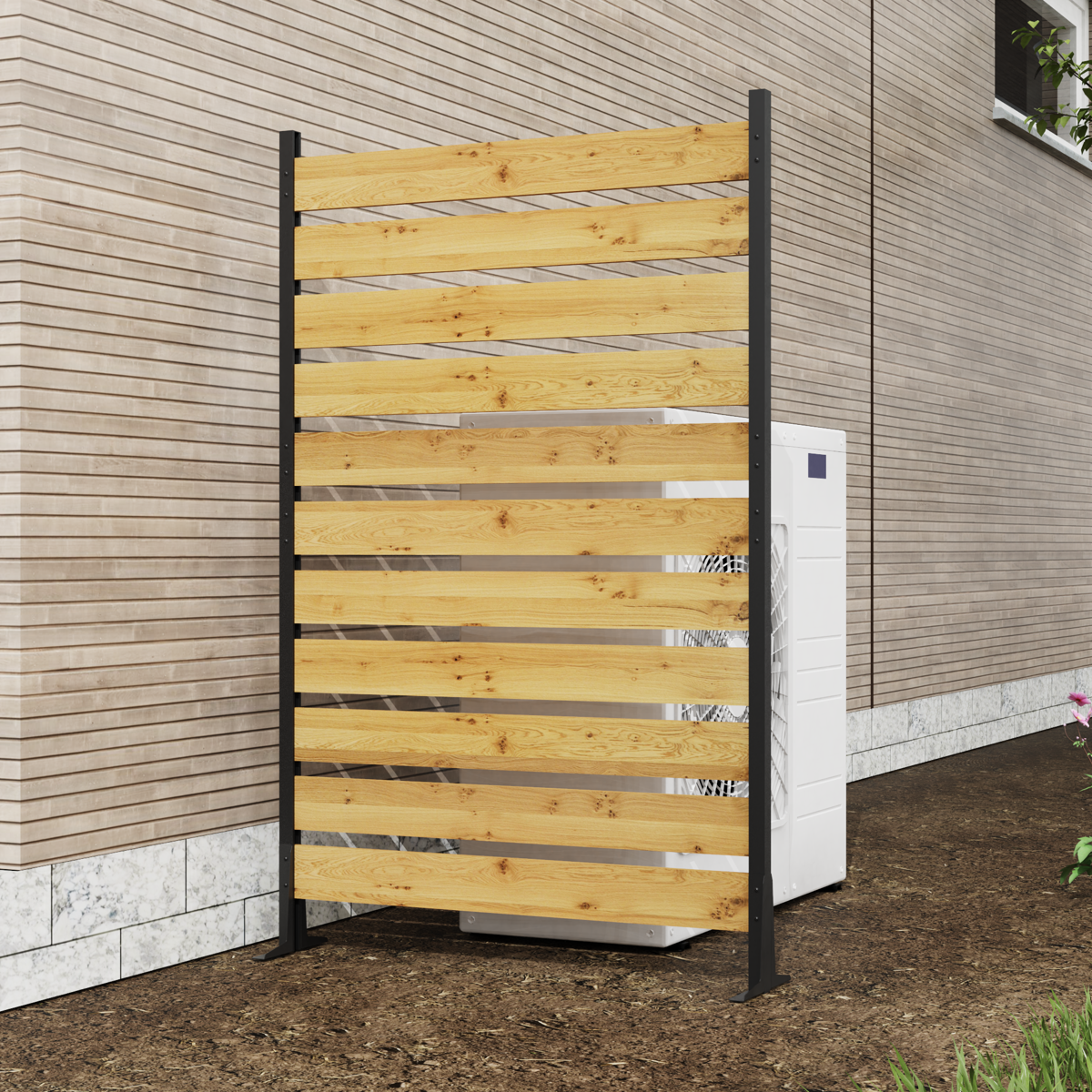
Outdoor wood privacy screens are freestanding or stake-mounted panels that conceal equipment, define boundaries, or add seclusion without a full fence build. The core trade-off is wood species and joinery versus panel height and wind load: cedar and fir with through-bolted or mortise-and-tenon frames survive seasons, while stapled slats and thin 0.4-inch boards warp and blow over. Choose cedar or fir panels with metal stakes or planter bases for exposed sites, and treat any screen above 61 inches as a wind sail requiring anchoring.

Buying guide image
Watering & Irrigation

Garden Hose Cart With Wheels

A wheeled hose cart saves your back and your lawn by keeping a heavy, water-filled hose off the ground and moving it where you need it. Most buyers underestimate how much a loaded cart weighs and pick a frame or wheel type that fails on soft turf or uneven patio edges. Focus on capacity rating, wheel diameter, and reel construction rather than cosmetic finish.

Buying guide image
Watering & Irrigation

Garden Hose Reel Cart

A garden hose reel cart is a wheeled frame that stores, transports, and winds a garden hose, typically rated by hose capacity and wheel type. The primary trade-off is between portability (pneumatic wheels, lighter frame) and long-term durability (steel gauge, powder coating, brass fittings). Choose a cart rated for at least 1.3x your hose length in feet and with metal axles and brass connections; skip plastic reels or thin-gauge steel if the cart will sit outdoors year-round.

Buying guide image
Patio Furniture

Deck Chair

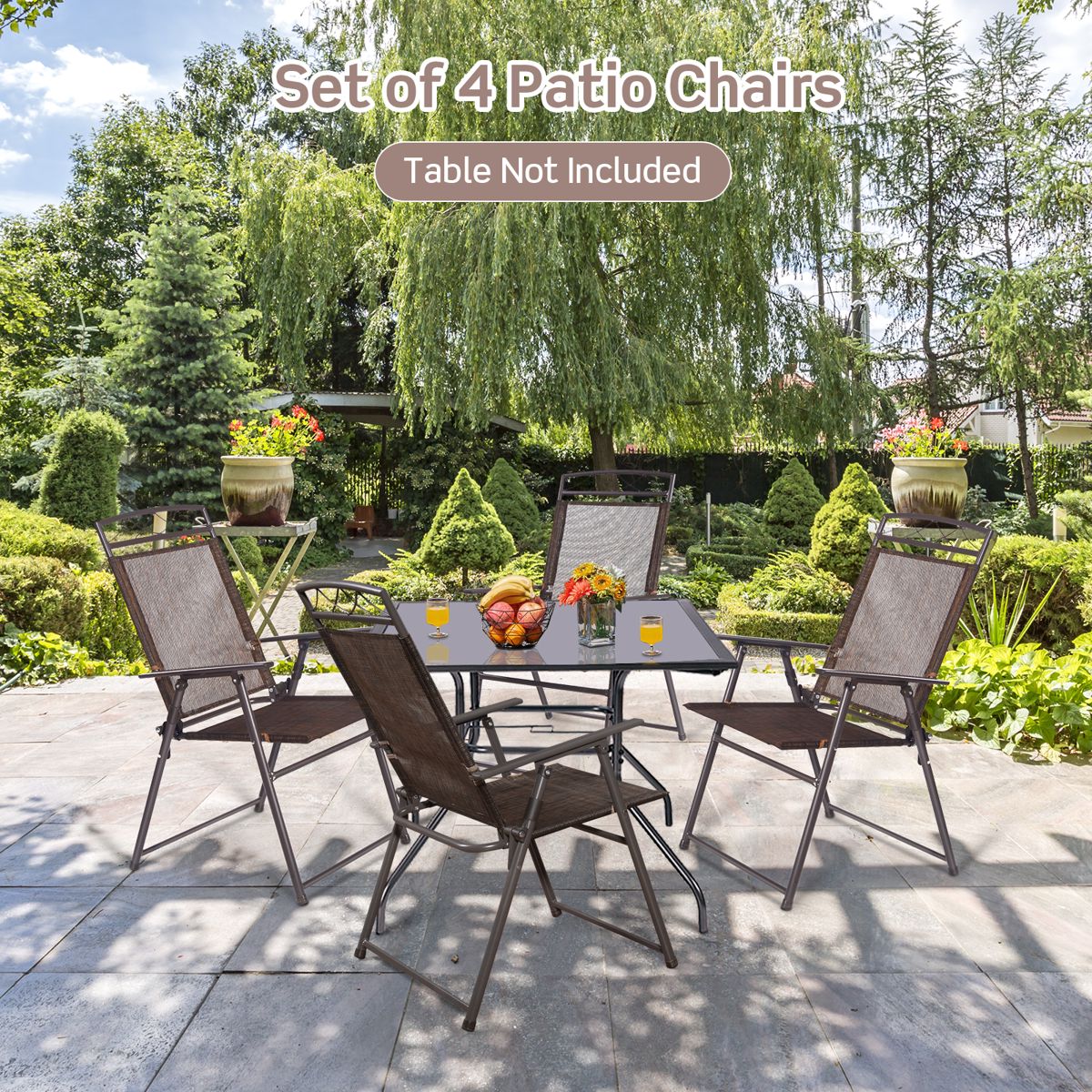
Deck chairs split into three durable archetypes—solid wood, HDPE/plastic, and metal-frame wicker—each with distinct maintenance and weight limits. Buyers most often err by choosing a lounging profile (Adirondack) for dining-height tables, or by ignoring cushion thickness and seat height on deep-seating models. Match the chair's frame material and seat geometry to your deck's exposure and table height before picking a tier.

Buying guide image
Patio Furniture

Teak Bench

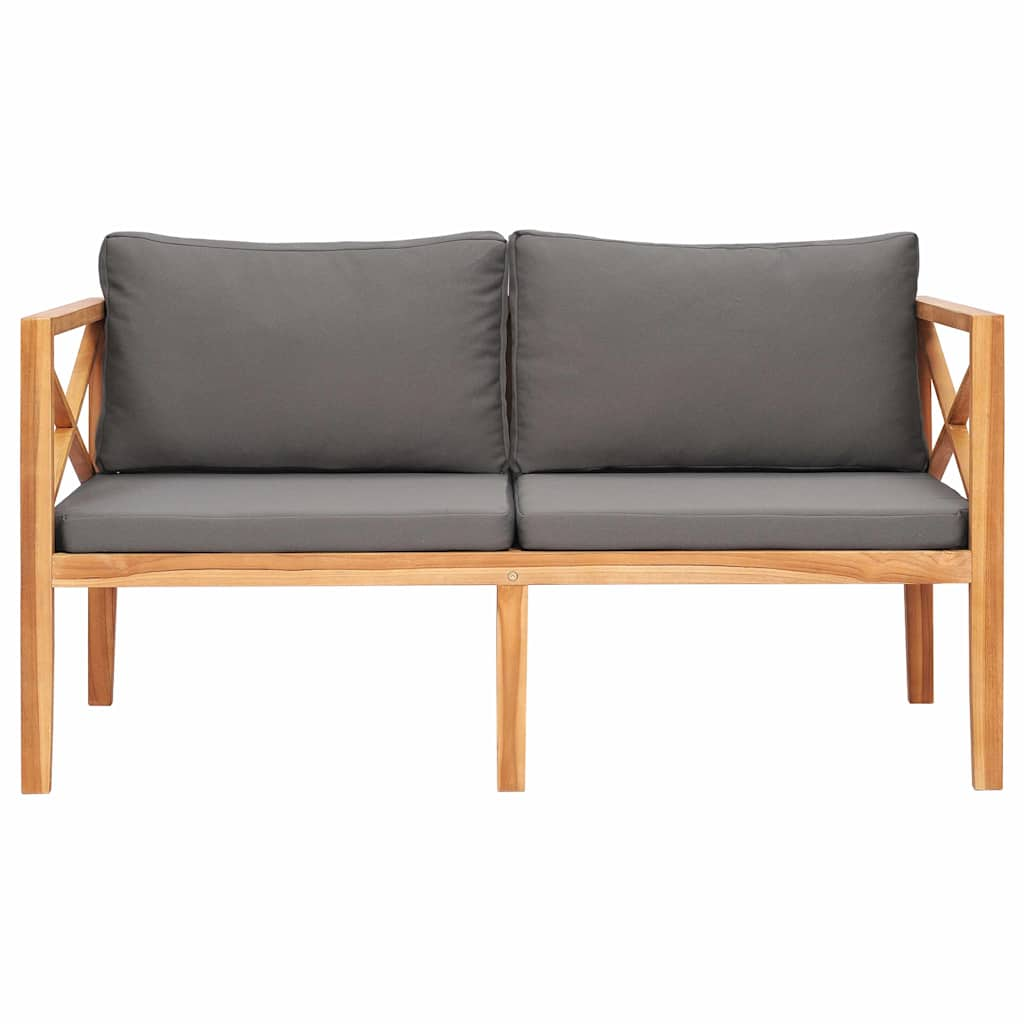
Teak benches earn their premium through dense, oily heartwood that resists rot and insects without chemical treatment, but the label 'teak' covers everything from solid A-grade slabs to thin veneers over acacia or eucalyptus. Buyers who skip construction details—joinery type, slat thickness, and whether the teak is genuinely solid—often end up with a bench that warps or grays unevenly within two seasons. The right pick depends on sun exposure, whether you want a backrest, and how much assembly and maintenance you're willing to take on.

Buying guide image
Chicken Fencing & Egg Handling

Chicken Coop Wire Mesh

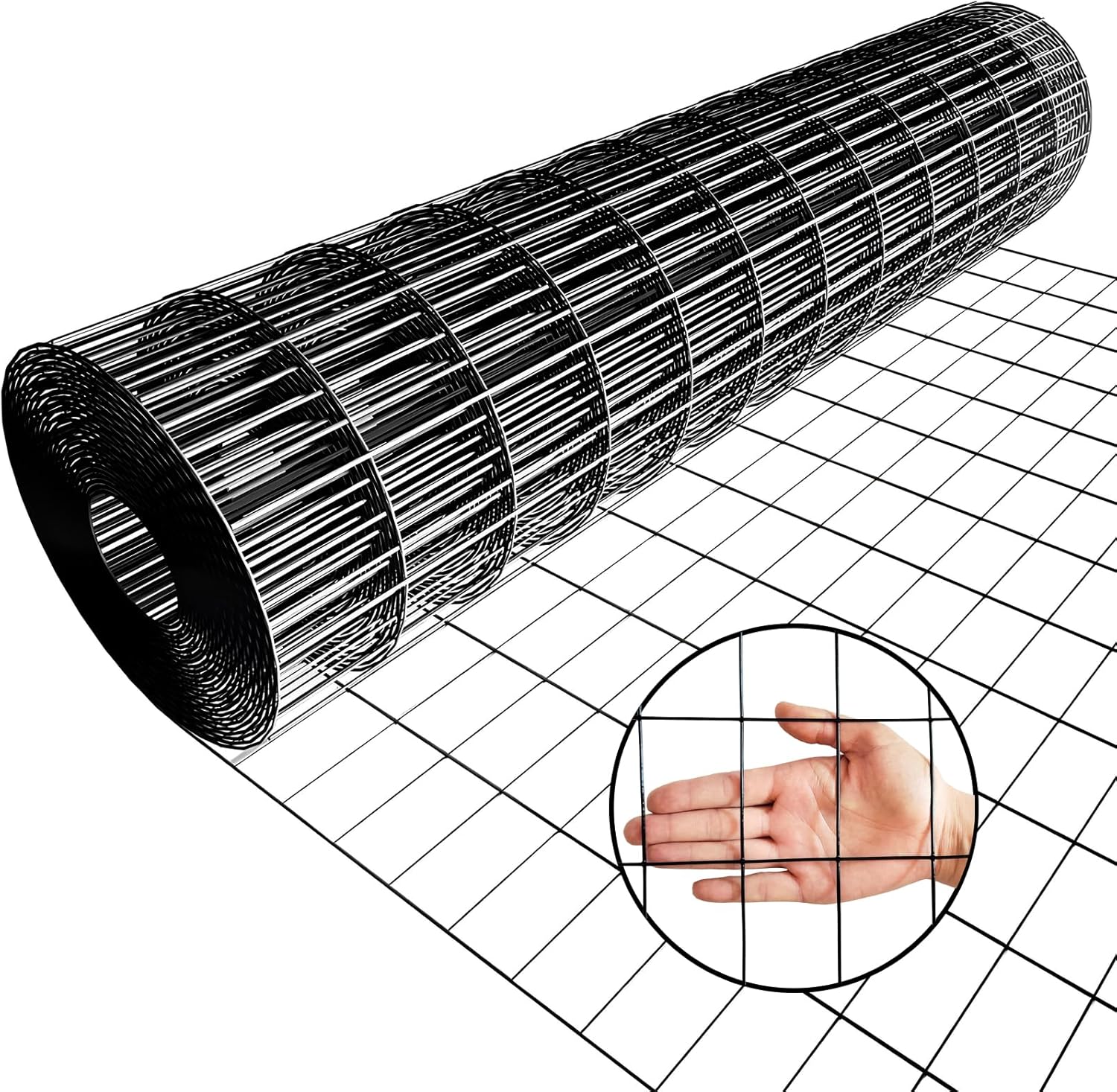
Chicken coop wire mesh is the physical barrier that separates your flock from predators, and its performance is governed almost entirely by wire gauge (thickness) and aperture (opening size). The core trade-off is between 16-gauge mesh, which resists bite-through and large-animal force, and 19-gauge mesh, which is lighter, cheaper, and easier to cut but deforms under determined raccoon or dog pressure. The decision rule is simple: use 16-gauge, 1/2-inch hardware cloth for any predator-exposed wall or apron, and reserve 19-gauge or 2x3-inch welded wire for interior dividers, trellises, and low-risk garden barriers.

Buying guide image
Beehives & Frames

Beginner Bee Kit

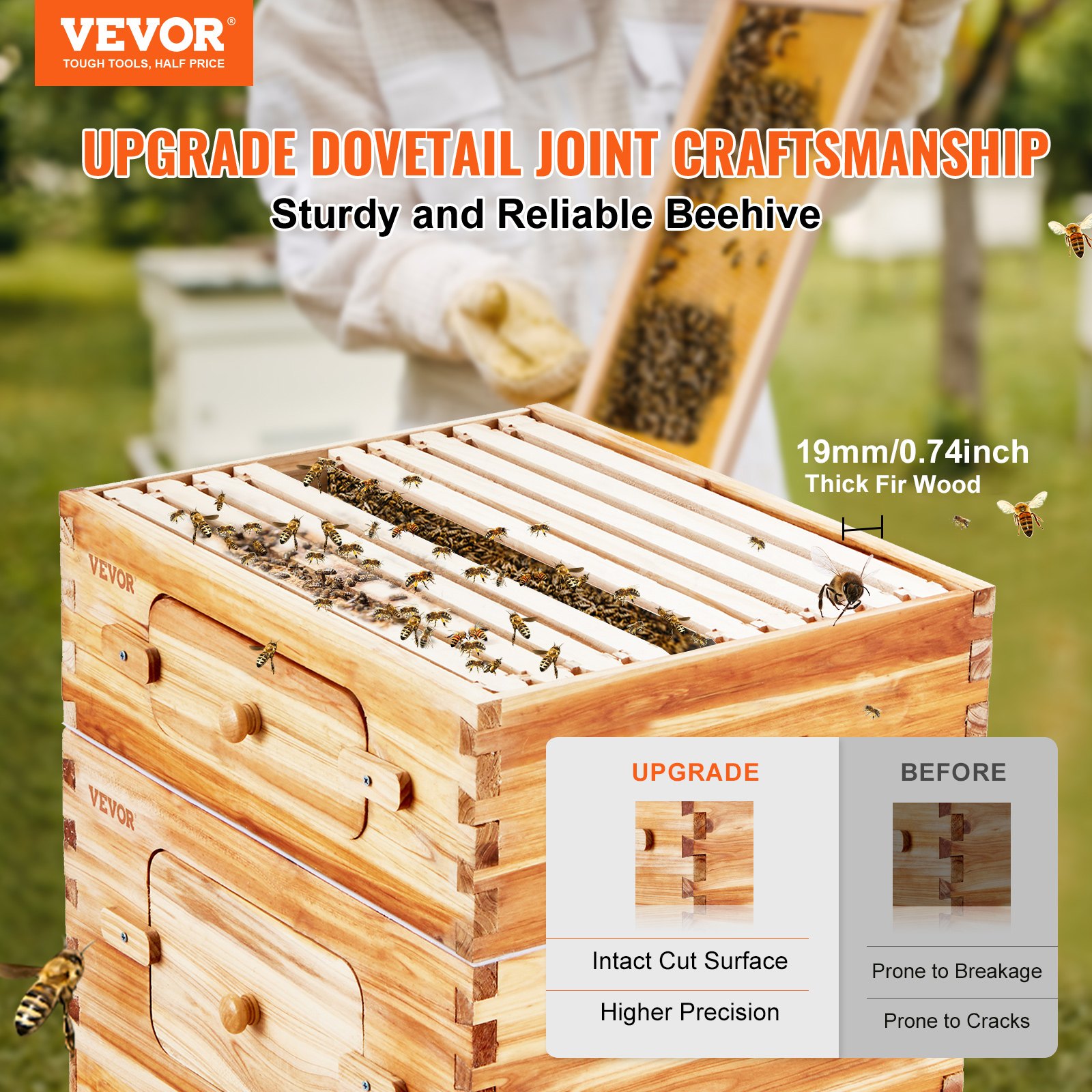
A beginner bee kit bundles the woodenware, frames, and foundation needed to start a Langstroth colony, and the core trade-off is box count and frame capacity versus cedar grade and coating quality. Kits with two deep brood boxes plus supers give colonies room to expand, while single-box kits force an early second purchase. The decision rule: buy a kit whose brood chamber matches your overwintering climate and whose frame count matches your apiary scale, not the cheapest box count.

Buying guide image
Watering & Irrigation

Heavy Duty Garden Hose Reel Cart

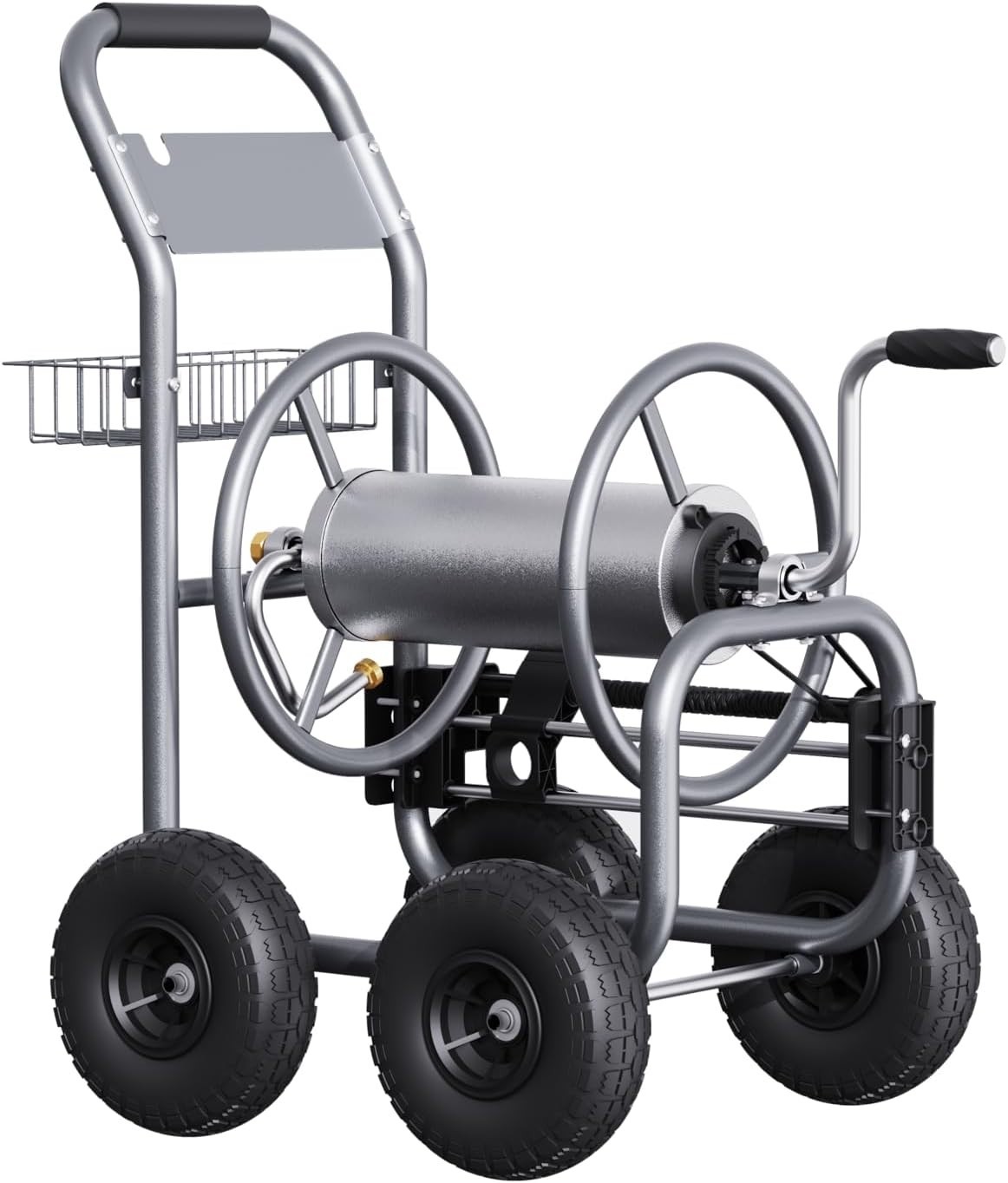
A heavy duty garden hose reel cart is a wheeled, powder-coated steel frame that carries 175–250 ft of hose, a winding spool, and often a storage basket. The core trade-off is wheel/axle durability and frame gauge versus portability: thin-gauge steel and small plastic wheels fail under full-hose load, while welded steel and pneumatic tires survive years of dragging. Buy a cart rated at least 20% above your hose length in welded or bolted steel with metal or pneumatic wheels—skip any cart with plastic hubs or a stamped single-ply frame.

Buying guide image
Residential Outdoor Power Equipment

Cordless Cultivator

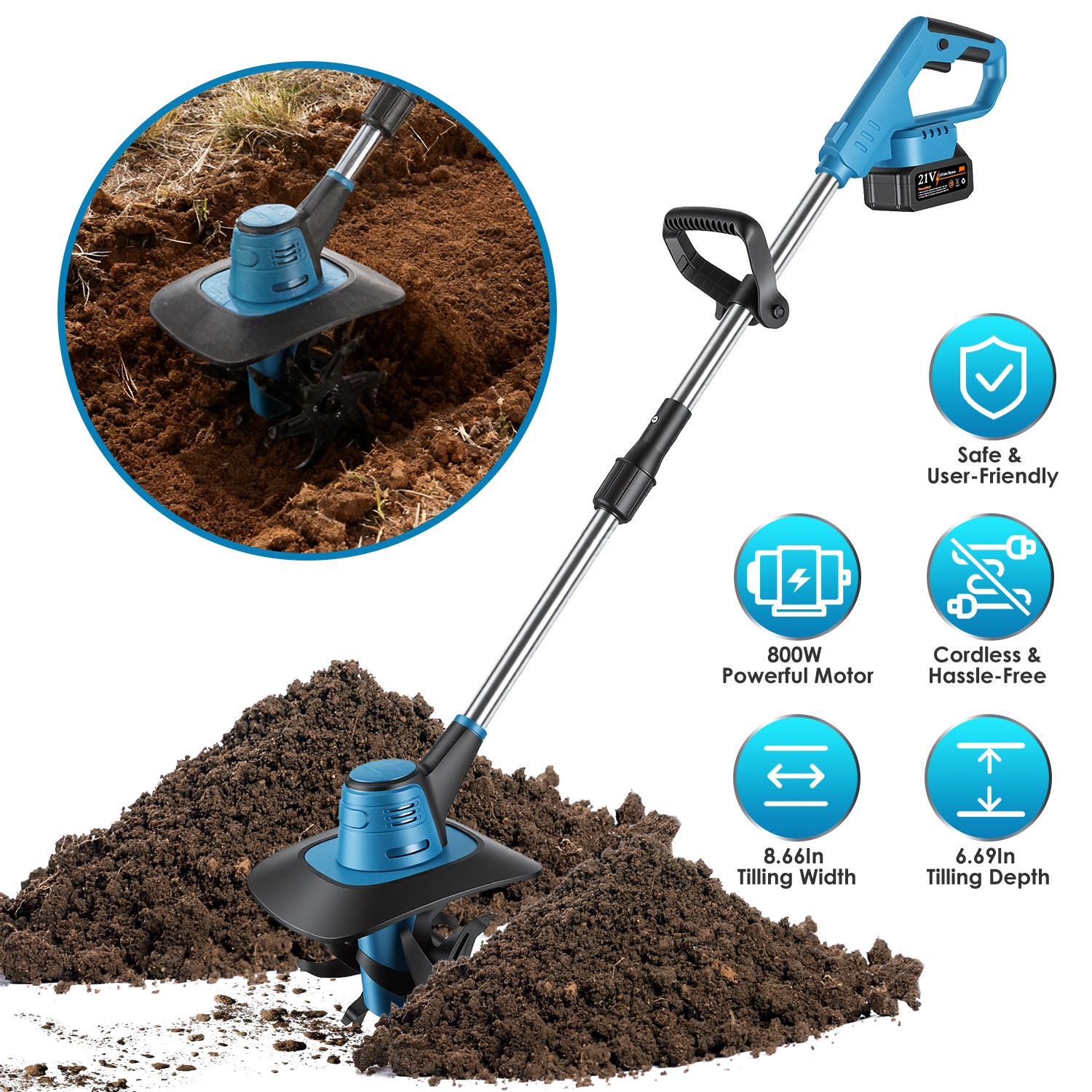
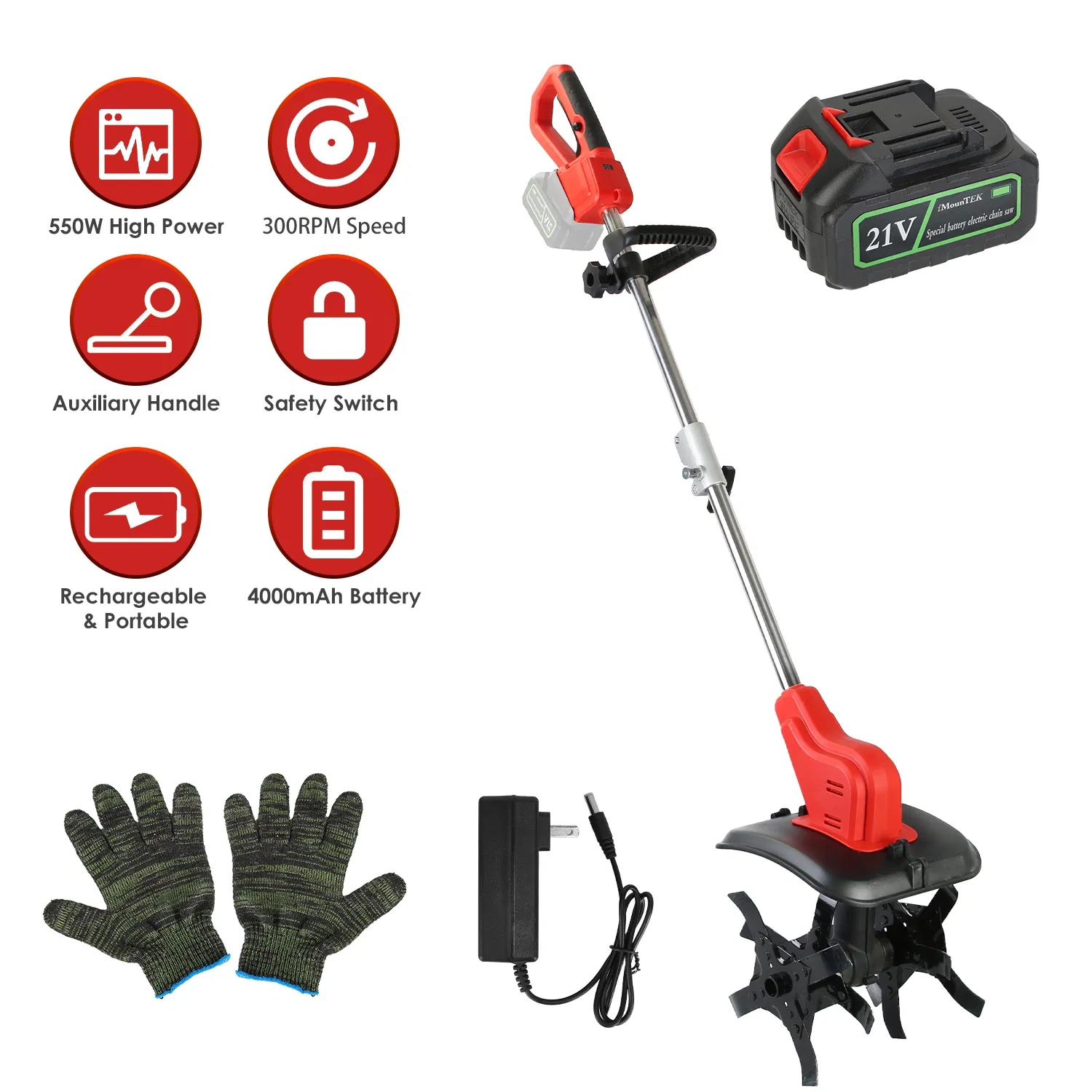
Cordless cultivators are battery-powered handheld or walk-behind tools that loosen and aerate soil without the tangle and fumes of a corded or gas tiller. The core trade-off is battery platform vs. tine torque: low-voltage (18-20V) units are light and share packs with drills, while high-voltage (21V+) or dual-battery designs deliver the sustained torque needed for sod-breaking depth. Choose a model whose battery system you already own and whose tine width matches your bed layout; skip anything with a non-removable battery or plastic tine hub if you plan to break new ground.

Buying guide image
Residential Outdoor Power Equipment

Cordless Tiller

Cordless tillers are battery-powered cultivators that loosen and aerate soil without the cord or exhaust of traditional models, trading raw torque for portability. The primary trade-off is between voltage (18/20V vs 21V+) and tine material/design: lower-voltage units suit light weeding and raised beds, while higher-voltage, steel-tined models handle compacted soil and larger plots. The clear decision rule: buy a brushless motor with manganese-steel tines for durability, and skip brushed motors with stamped plastic tines if you till more than a few square meters per session.

Buying guide image
Outdoor Structures, Shade & Awnings

Heavy Duty Outdoor Storage Tent

Heavy-duty outdoor storage tents are weatherproof fabric-and-frame shelters used for bikes, garden tools, firewood, and motorcycles where a permanent shed is not viable. The core trade-off is frame gauge and fabric denier versus price: budget tents use thin steel tubing and 150D polyester that fail in wind and UV, while durable options use galvanized or powder-coated steel and 300D+ ripstop fabric with taped seams. The decision rule is simple: buy the thickest frame and highest-denier fabric you can afford, and never trust a tent that lacks a full-coverage waterproof rating and ground-anchoring kit.

You may also like

Finding more guides for you…