
Photos from current listings. Actual item, color, and included accessories may vary.
Beginner Bee Hive Kit Buying Guide
A beginner beehive kit bundles the physical hive, frames, foundation, and often protective gear into one purchase, but the critical trade-off is hive depth configuration (deep-only vs. deep+medium) and wood treatment quality. Durable kits use rot-resistant cedar or pine with beeswax coating and standardized Langstroth dimensions; compromises use thin untreated wood, non-standard frame spacing, or omit essential components like a smoker or entrance reducer.
Median $157.49 · New listings
Key takeaways
- Langstroth hives dominate because interchangeable boxes and frames follow a universal 19-inch length and 9-5/8-inch deep or 6-5/8-inch medium depth standard.
- Cedar and cypress resist rot naturally; pine requires beeswax or food-grade oil coating, and thin 3/4-inch walls warp faster than 7/8-inch or 1-inch stock.
- A 10-frame box holds more brood but is heavier when full; 8-frame boxes are lighter but less common, so 10-frame Langstroth is the safest beginner standard.
At a glance
- Category
- Beehives & Frames
- Last updated
- Nov 27, 2026
Current offers
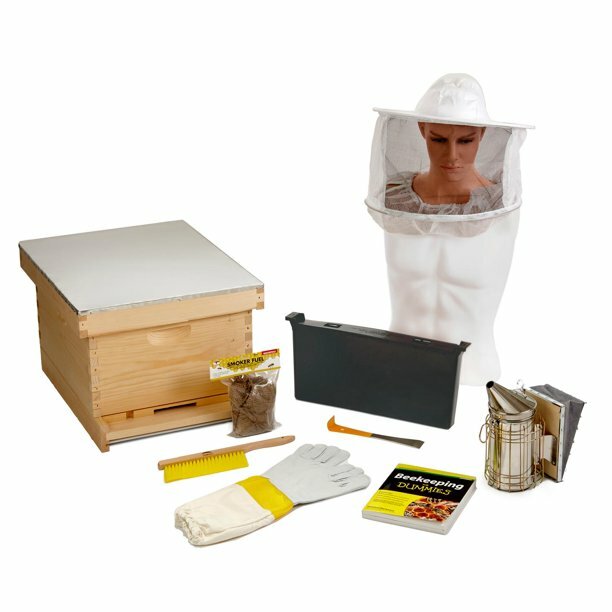 Miller Little Giant HIVE10KT Ten Frame Deluxe Beginner Smoker Honey Bee Hive Kit$309.95New · Last checked Nov 18, 2026View on eBay
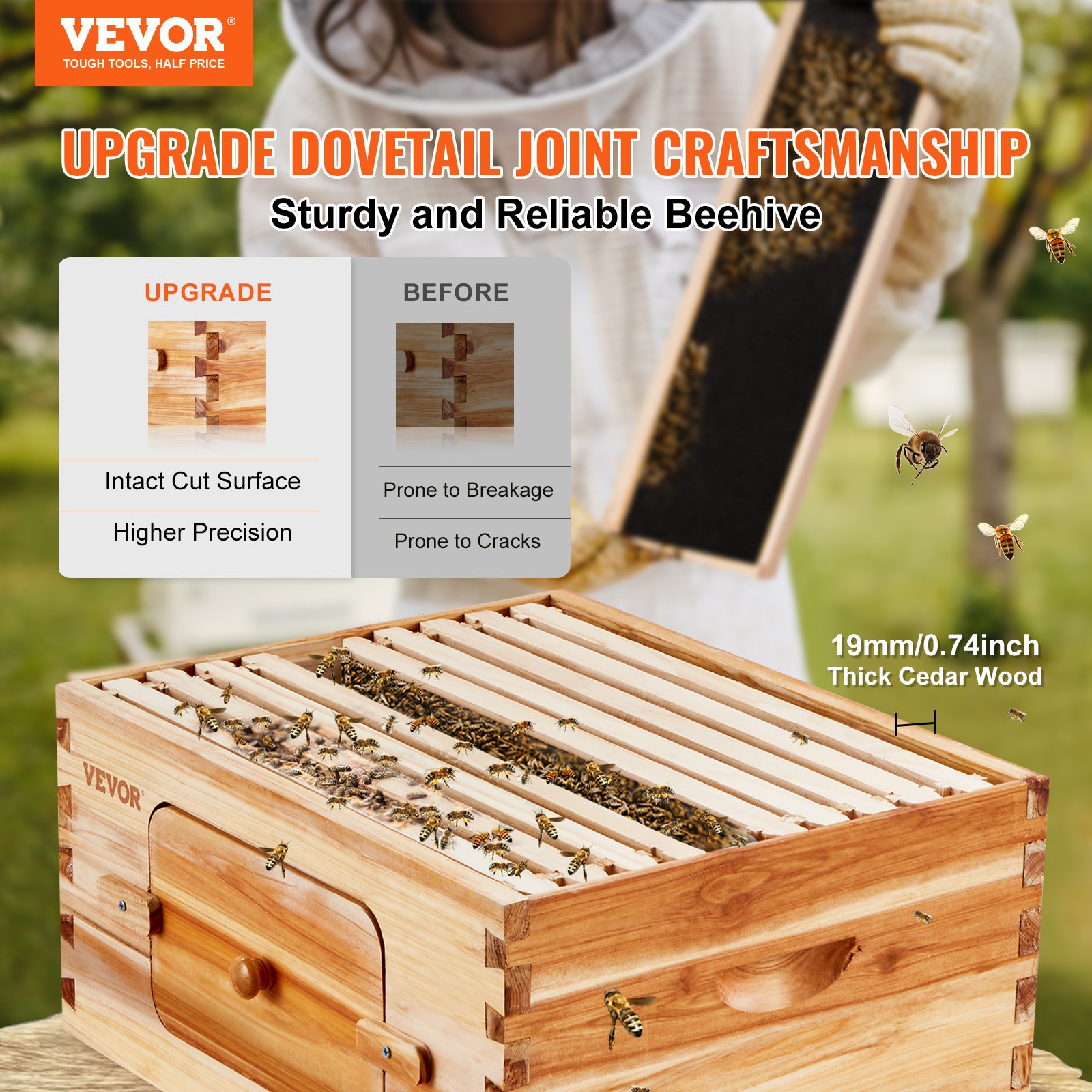 Bee Hive Deep Box Starter Kit, Beeswax Coated Natural Cedar Wood, Langstroth Beehive Kit With 10 Frames And Foundations, Transparent Acrylic Bee Windows For Beginners And Pro Beekeepers$49.99View on Mallflare
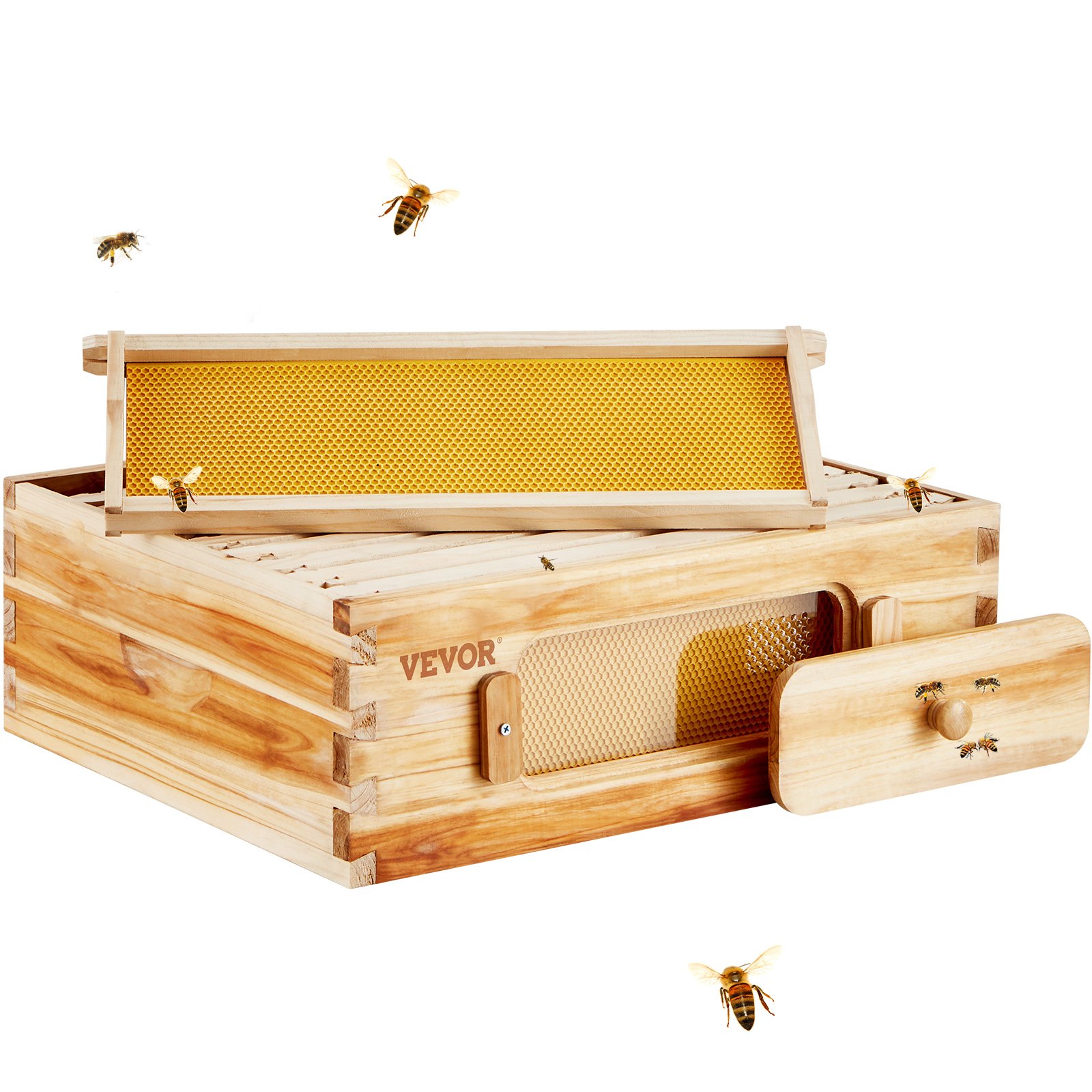 Bee Hive Medium Box Starter Kit, 100% Beeswax Coated Natural Cedar Wood, Langstroth Beehive Kit With 10 Frames And Foundations, Transparent Acrylic Bee Windows For Beginners And Pro Beekeepers$56.99View on Mallflare
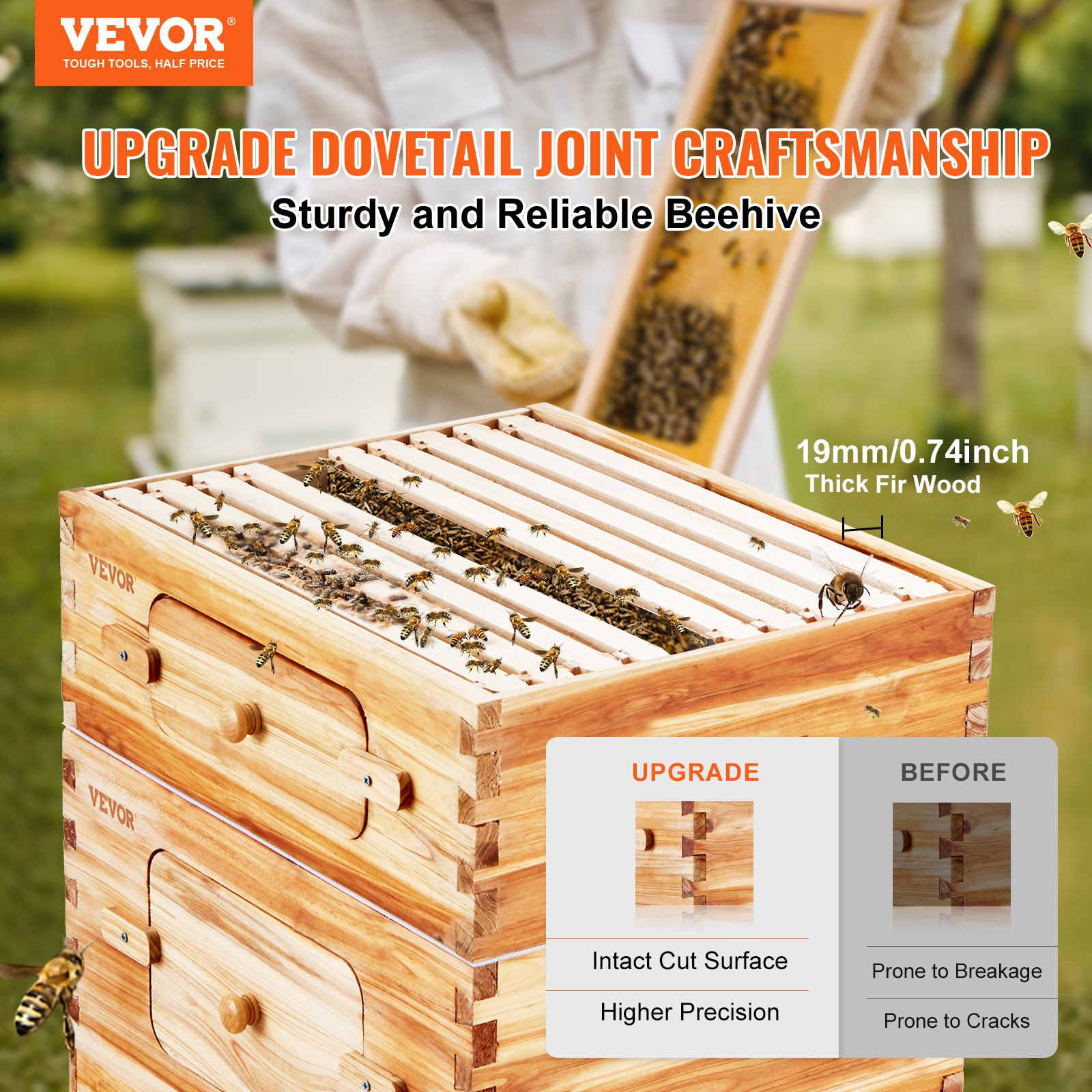 Bee Hive 20 Frame Bee Hives Starter Kit, Beeswax Coated Cedar Wood, Bee Boxes Langstroth Beehive Kit, Transparent Acrylic Windows With Foundations For Beginners Pro Beekeepers$144.99View on Mallflare
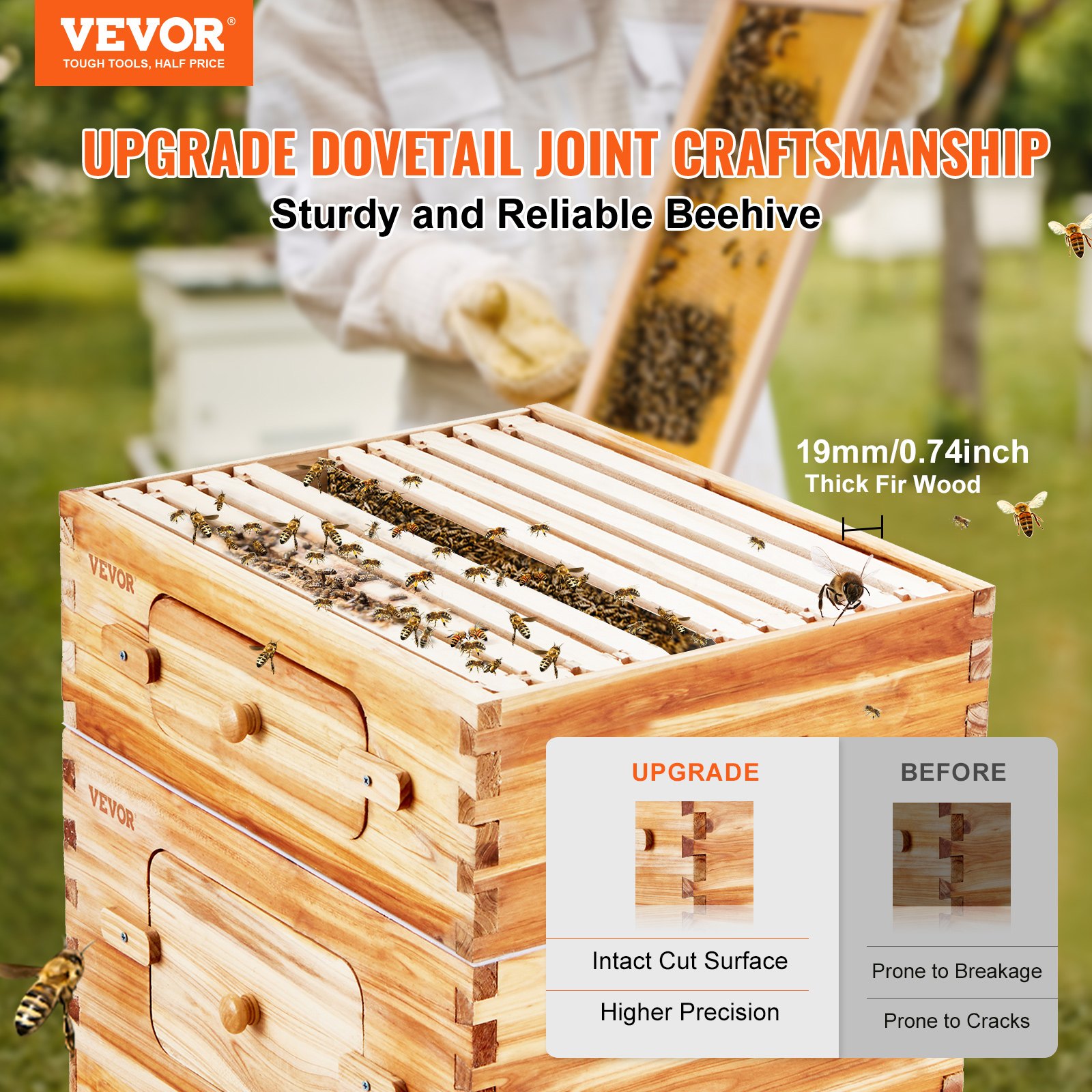 Bee Hive 30 Frame Bee Hives Starter Kit, Beeswax Coated Fir Wood, 2 Deep 1 Medium Bee Boxes Langstroth Beehive Kit, Transparent Acrylic Windows With Foundations For Beginners Pro Beekeepers$169.99View on Mallflare
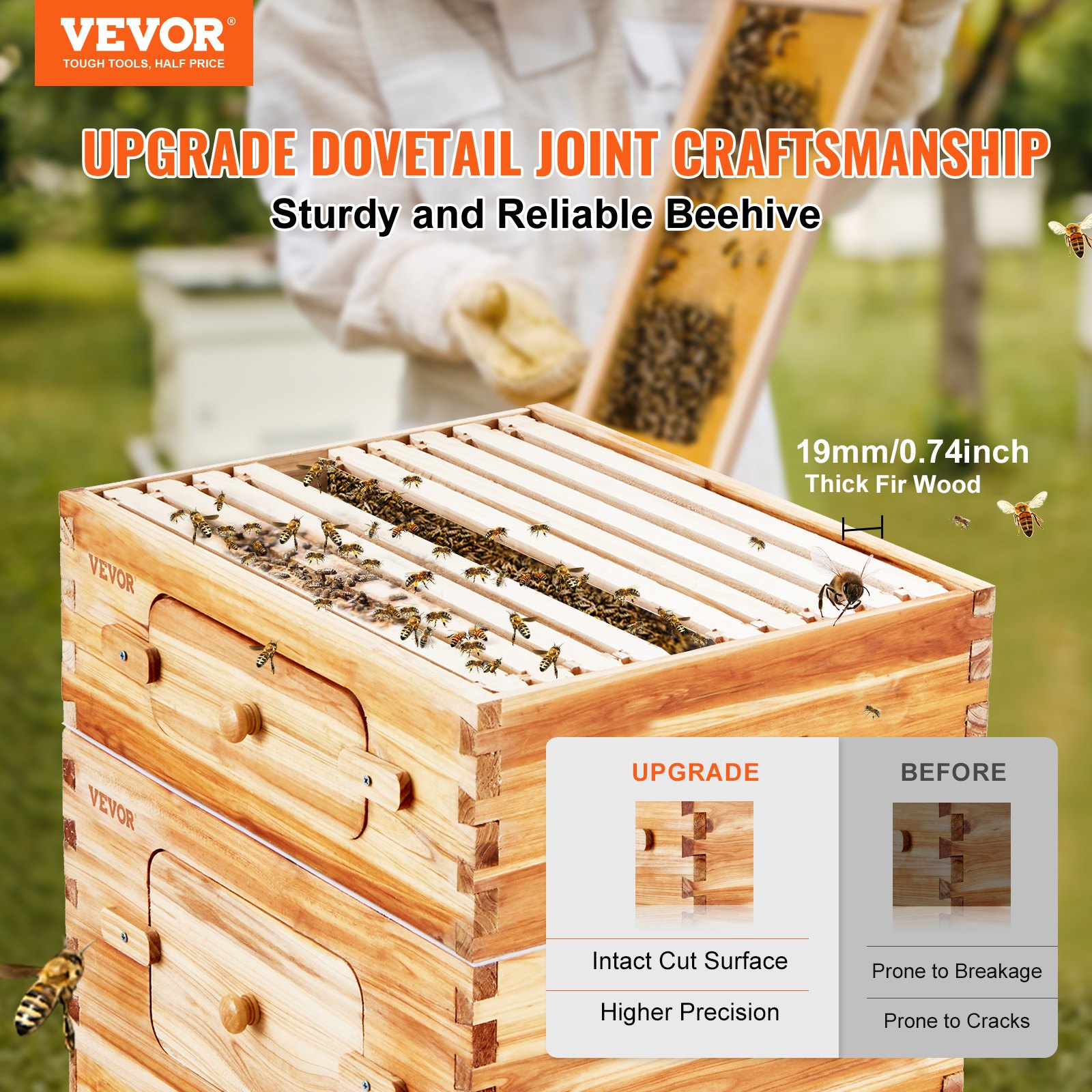 Bee Hive 40 Frame Bee Hives Starter Kit, Beeswax Coated Cedar Wood, 2 Deep 2 Medium Bee Boxes Langstroth Beehive Kit, Transparent Acrylic Windows With Foundations For Beginners Pro Beekeepers$207.99View on Mallflare
Highlights
- Langstroth hives dominate because interchangeable boxes and frames follow a universal 19-inch length and 9-5/8-inch deep or 6-5/8-inch medium depth standard.
- Cedar and cypress resist rot naturally; pine requires beeswax or food-grade oil coating, and thin 3/4-inch walls warp faster than 7/8-inch or 1-inch stock.
- A 10-frame box holds more brood but is heavier when full; 8-frame boxes are lighter but less common, so 10-frame Langstroth is the safest beginner standard.
- Deep boxes suit brood chambers (9-5/8 inches), while medium boxes (6-5/8 inches) are lighter supers for honey, so a 2-deep + 2-medium kit covers brood and surplus honey.
Best use cases
- Best fit: backyard beekeepers starting one colony in a temperate climate—choose a 2-deep + 2-medium 10-frame kit with beeswax-coated cedar and acrylic windows for inspection ease.
- Best fit: hobbyists who want minimal lifting—pick a kit with medium boxes only or an 8-frame setup, accepting slightly more frequent box additions.
- Wrong fit: buyers in humid subtropical zones without rot-resistant wood or proper ventilation—skip untreated pine kits and choose cedar or cypress with screened bottom boards.
- Wrong fit: anyone planning more than two colonies—skip bundled starter kits with one smoker and one suit; buy hive boxes in bulk and separate protective gear.
Buying tips
- Confirm the kit includes at least one deep brood box, one medium honey super, 10 frames with foundation, a bottom board, inner cover, outer cover, and entrance reducer—missing any of these adds hidden cost.
- Check frame count per box: 10-frame Langstroth is the North American standard, while 8-frame boxes save weight but require different frame counts and are less interchangeable.
- Verify wood thickness of at least 3/4 inch and a beeswax or food-grade oil finish; untreated thin pine warps within a season and creates bee-space violations.
- Prioritize kits with screened bottom boards for varroa monitoring and ventilation, and ensure the smoker is stainless steel with a heat shield—cheap galvanized smokers corrode quickly.
Specs
| Hive Standard | Langstroth 10-frame / 8-frame |
|---|---|
| Box Depth Combo | 2 Deep + 2 Medium / Deep only |
| Wood & Finish | Cedar / Pine, beeswax-coated |
| Included Components | Frames, foundation, smoker, windows |
Related searches
What to check before buying
- Measure your apiary space: a full 10-frame deep box weighs 60–80 lb when filled, so plan a level stand that holds two hive bodies plus supers and allows 3 feet of working clearance.
- Confirm your climate: cedar or cypress suits damp regions, while pine with beeswax coating works in dry climates; avoid kits without top ventilation in humid areas.
- Check local regulations: many municipalities require hive registration and a water source within 100 feet; verify entrance reducers and robbing screens are included.
- Ensure you have a bee source before assembly: packages or nucleus colonies ship in spring, and a hive without bees and a feeder (often not included) is incomplete.
FAQ
Data sources: eBay / Amazon listings and product attribute feeds. Updated Nov 27, 2026.
Some links on this page are affiliate links. If you buy after clicking one, we may earn a commission at no extra cost to you. This does not change which products appear here or their order. Affiliate disclosure.