
Photos from current listings. Actual item, color, and included accessories may vary.
Chicken Coop Door Buying Guide
A chicken coop door is the automated or manual barrier that secures your flock at night and lets them out at dawn, and the core trade-off is between cheap light-sensor pop-holes with plastic gearing and sealed aluminum or steel doors with anti-pinch sensing and solar/battery redundancy. Durable automated doors use aluminum or powder-coated steel frames, worm-gear or rack-and-pinion drives, and independent solar plus backup battery power; compromise units rely on thin plastic tracks, exposed micro-USB ports, and single light-sensor logic that fails in overcast weather.
Median $134.99
Key takeaways
- Door drive architecture separates tiers: rack-and-pinion or worm-gear aluminum doors lift 2-4 lb vertically without jamming, while plastic gear trains strip under snow load or a determined raccoon.
- Control logic varies by model: basic light-sensor-only doors open at dusk and close at dawn, while premium units add adjustable timer windows, remote fobs, and anti-pinch current sensing that reverses on obstruction.
- Power redundancy is the durability benchmark: solar panel plus 3.7V lithium or 4xAA backup keeps the door cycling through 3-5 days of heavy overcast, whereas solar-only units lock up when the cell is snow-covered.
At a glance
- Category
- Chicken Coops & Runs
- Last updated
- Nov 28, 2026
Current offers
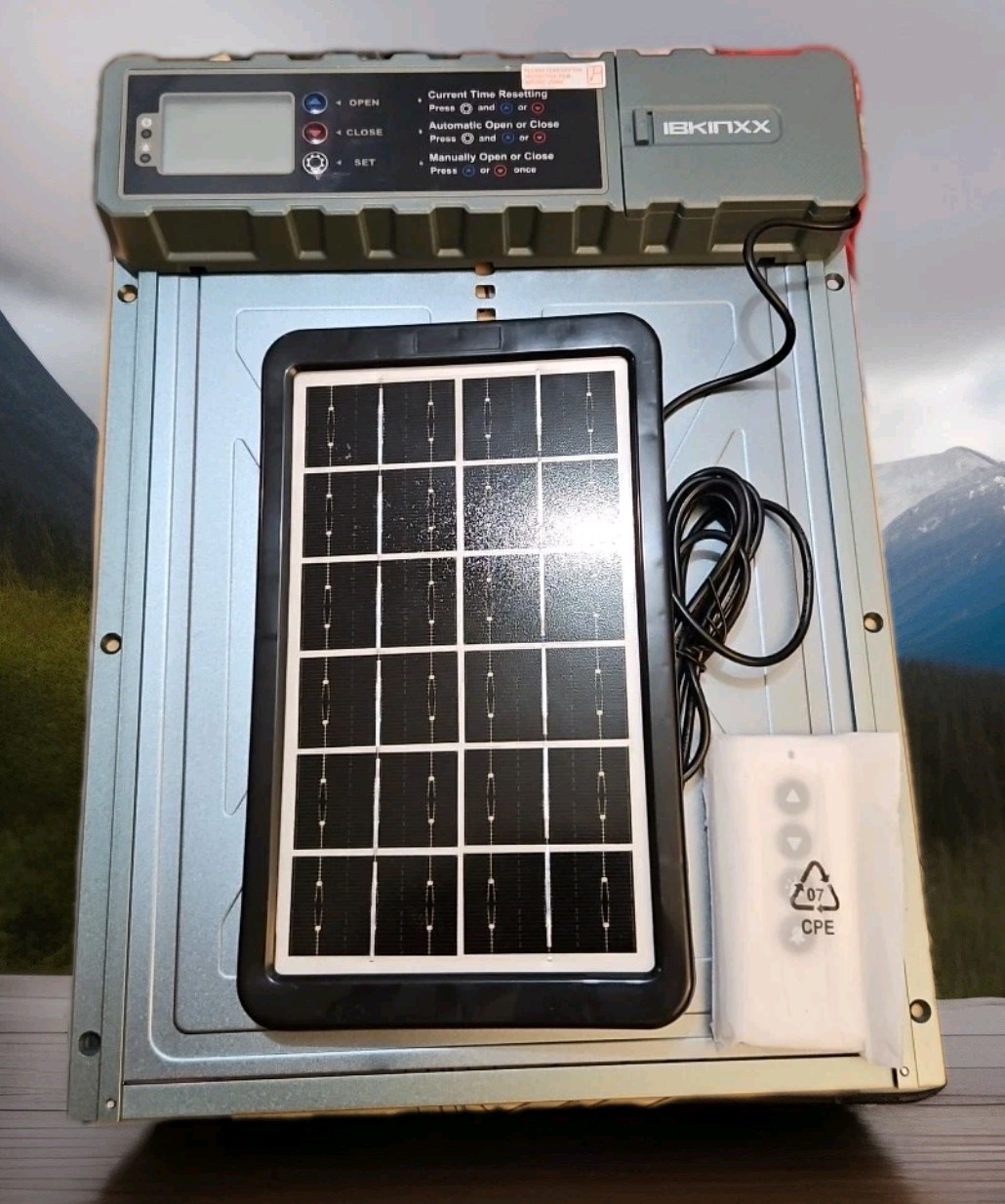 Solar Automatic Chicken Coop Door with Light Sensor Timer LCD Display$29.99View on eBay
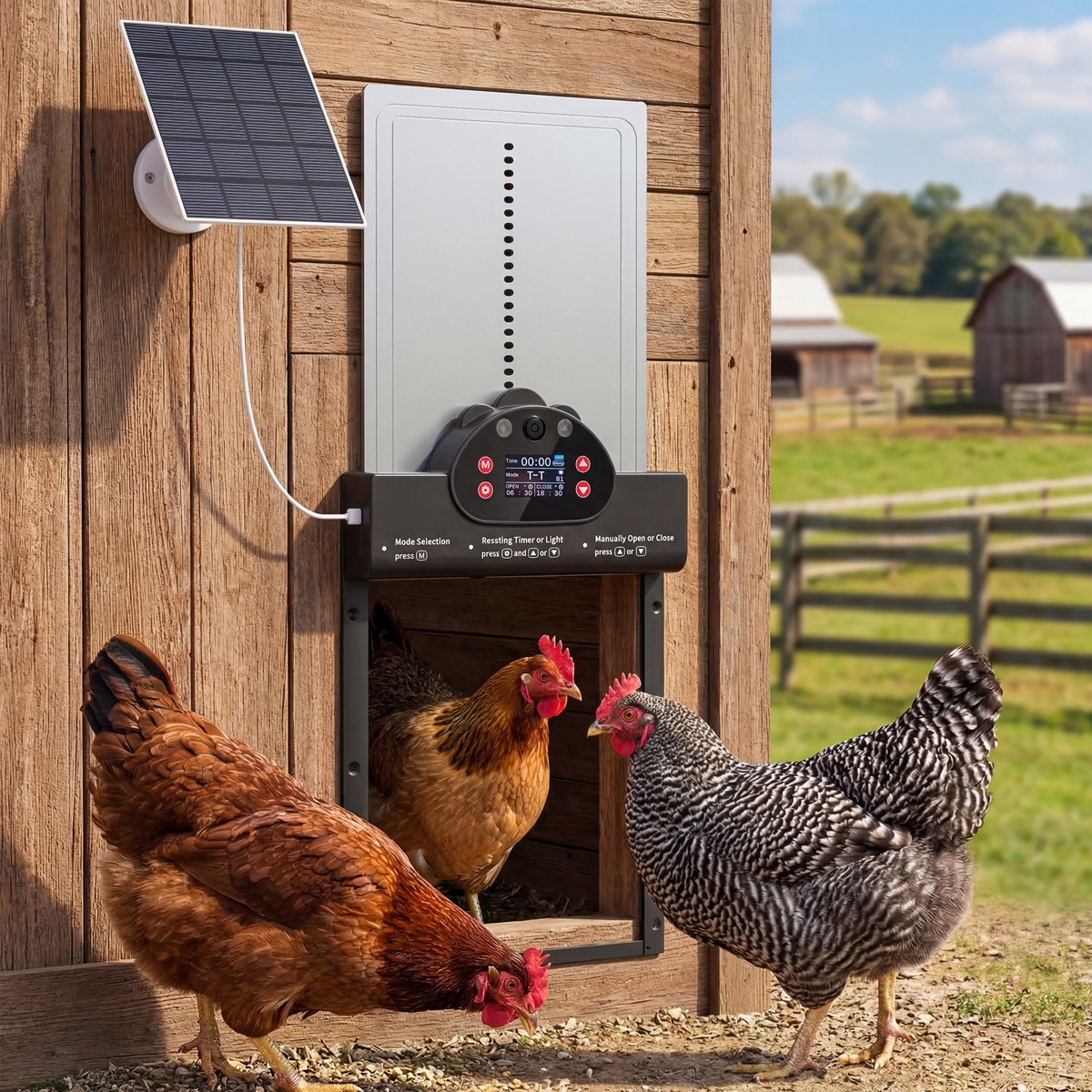 2K HD AI Camera Automatic Chicken Coop Door with APP Remote Control, WiFi Solar Powered 5200 mAh Large Battery$111.99View on Mallflare
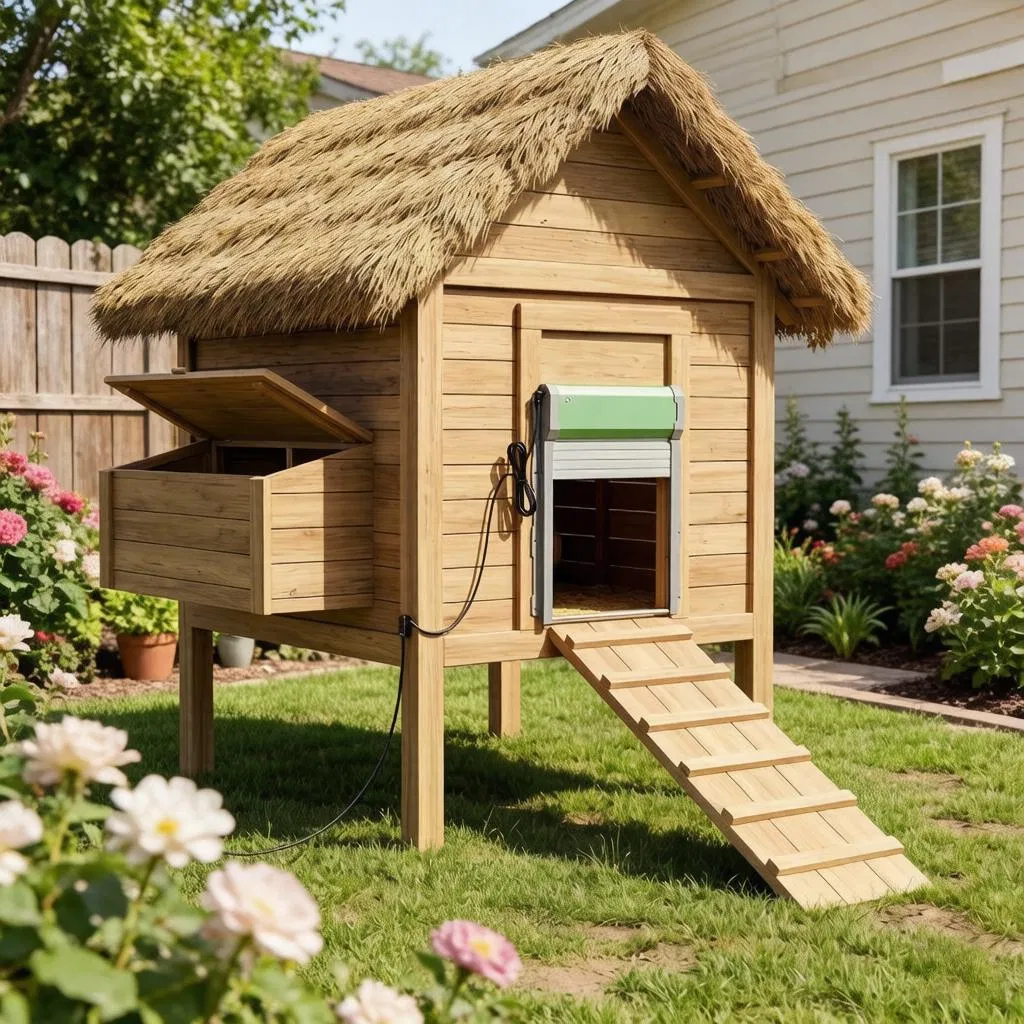 Automatic chicken coop door , equipped with remote control light sensor and outdoor timer$134.99View on Mallflare
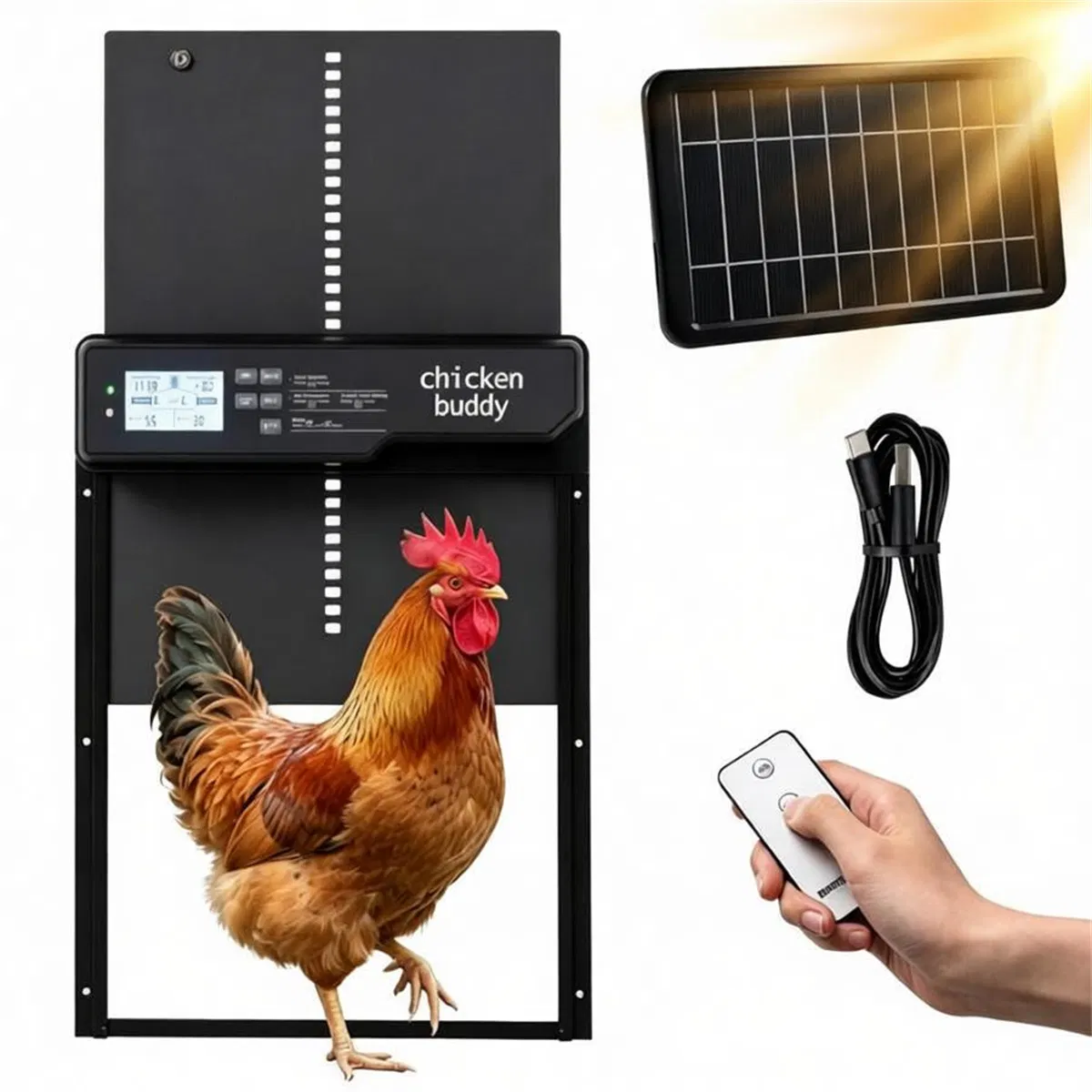 Solar Powered Automatic Chicken Coop Door with 4 Control Modes Light Sensor Timer Remote Manual, Anti-Pinch Weatherproof Aluminum Alloy Poultry Opener for Chickens Ducks Pigeons$141.99View on Mallflare
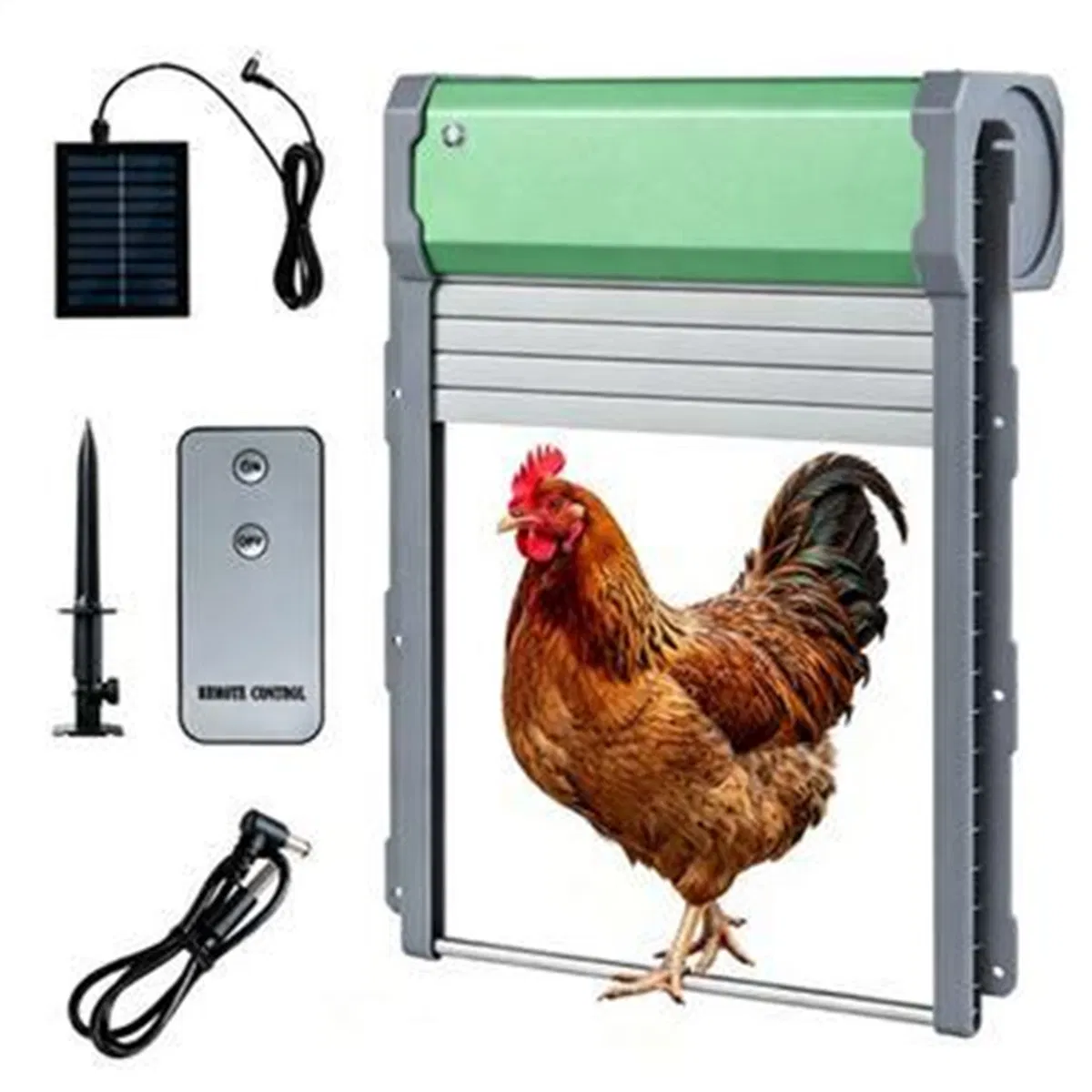 Solar Powered Automatic Chicken Coop Door with 4 Modes Light Sensor Timer Remote Control, Anti-Pinch Weatherproof Aluminum Opener for Chickens Ducks Rabbits Poultry$141.99View on Mallflare
Highlights
- Door drive architecture separates tiers: rack-and-pinion or worm-gear aluminum doors lift 2-4 lb vertically without jamming, while plastic gear trains strip under snow load or a determined raccoon.
- Control logic varies by model: basic light-sensor-only doors open at dusk and close at dawn, while premium units add adjustable timer windows, remote fobs, and anti-pinch current sensing that reverses on obstruction.
- Power redundancy is the durability benchmark: solar panel plus 3.7V lithium or 4xAA backup keeps the door cycling through 3-5 days of heavy overcast, whereas solar-only units lock up when the cell is snow-covered.
- Weather sealing separates outdoor-rated doors from fair-weather units: IP44 or better gasket sealing, stainless hardware, and aluminum frames resist rust and wind-driven rain; fabric or unsealed plastic housings degrade within a season.
Best use cases
- Best fit: a backyard flock of 4-12 hens in a fixed wooden or metal coop — choose a solar automatic door with light sensor plus timer and anti-pinch, sized to your pop-hole opening.
- Best fit: a remote or off-grid run with no AC power — pick a solar panel plus lithium-battery door rated for at least 3 days of autonomy and confirm the panel cable reaches full sun.
- Wrong fit: a large walk-in run with 10+ doors or heavy predator pressure — a single pop-hole door is insufficient; use a steel-frame run with lockable human doors and add the auto door only to the coop entry.
- Skip: fabric or soft-sided coops paired with heavy aluminum doors — the door weight and hardware will tear the fabric wall; use a wooden, metal, or hard-panel coop as the mounting structure.
Buying tips
- Measure the pop-hole opening precisely: most automatic doors fit a 8-12 inch wide by 10-14 inch tall opening; if your opening is larger, build a reducer frame rather than buying an undersized door.
- Match door lift capacity to your climate: a 2 lb aluminum door with rack-and-pinion drive handles snow and wind; plastic doors under 1.5 lb are fair-weather only and jam in freezing conditions.
- Choose power by sun exposure: a 5-6V solar panel with 2000-5200 mAh lithium battery suits most coops; in shaded runs, pick a door that accepts AA alkaline backup or a USB-C rechargeable pack.
- Prefer anti-pinch current sensing and a manual-release cord: these let the door reverse on a trapped bird and let you open the coop during a power or motor failure without disassembly.
Specs
| Drive Type | Rack-and-pinion / worm gear vs plastic gear |
|---|---|
| Power Source | Solar + lithium / 4xAA / USB-C recharge |
| Control Modes | Light sensor + timer + remote + manual |
| Door Material | Aluminum / powder-coated steel vs plastic |
Related searches
What to check before buying
- Measure your coop pop-hole width and height, plus the clear wall space around it for the door frame and solar panel cable run.
- Confirm mounting substrate: the door screws into wood, metal, or hard plastic; fabric coops need a plywood backing panel at least 1/2 inch thick.
- Check sun exposure at the panel location: 4-6 hours of direct sun is needed to keep a solar door charged through winter.
- Verify predator pressure and climate: raccoons and freezing rain demand aluminum frames, stainless screws, and a latching mechanism, not friction-fit plastic.
FAQ
Data sources: eBay / Amazon listings and product attribute feeds. Updated Nov 28, 2026.
Some links on this page are affiliate links. If you buy after clicking one, we may earn a commission at no extra cost to you. This does not change which products appear here or their order. Affiliate disclosure.