GardenPulse Guide

GardenPulse Guide

Garden, Yard & Outdoor Living Reviews & Buying Guides

Compare garden, yard & outdoor living by use case, features, trade-offs, price, returns, and seller terms before you buy.

Buying guides

Buying guide image
Raised Garden Beds & Planters

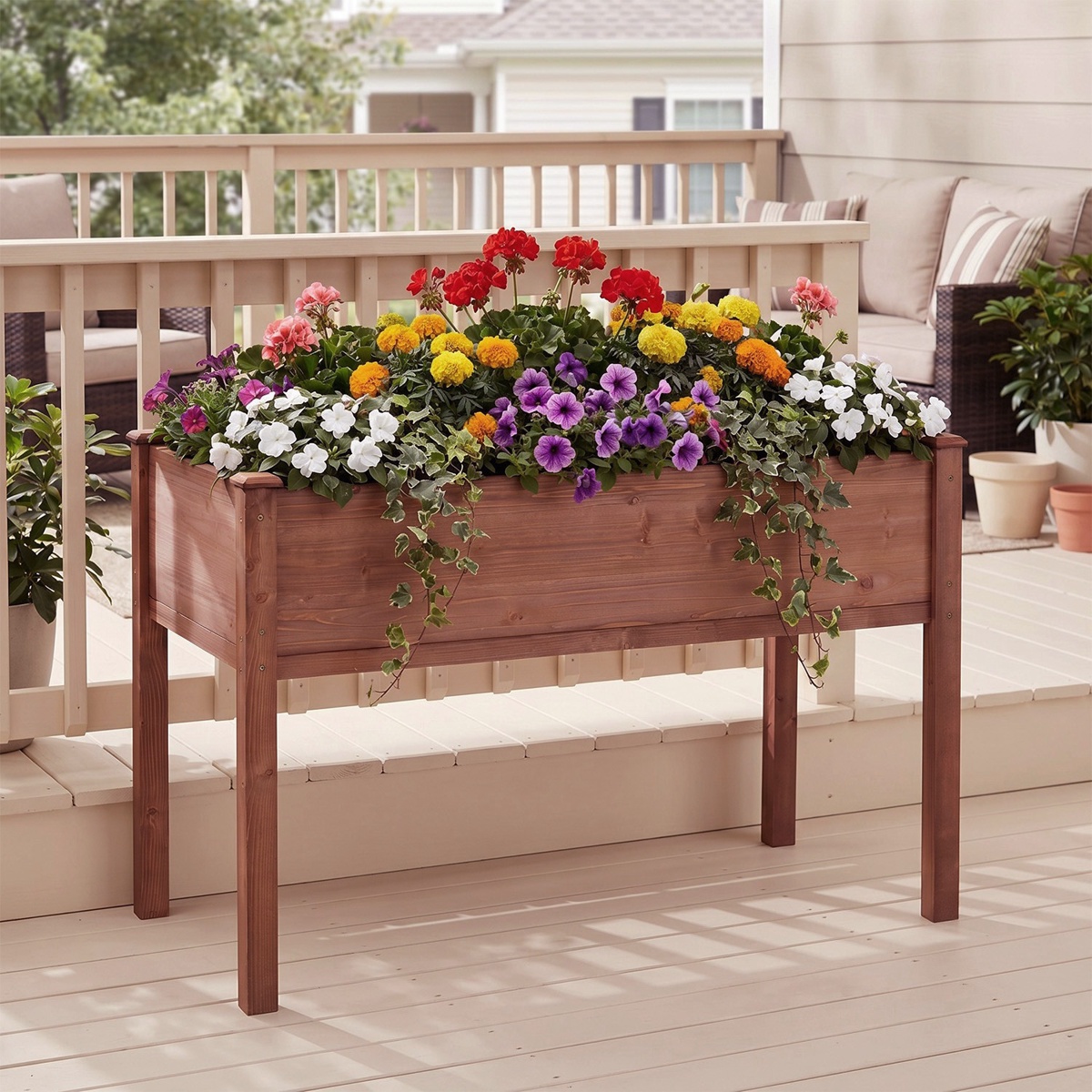
Portable Garden Bed

A portable garden bed is a raised growing container designed to be moved, folded, or disassembled—typically fabric grow bags, collapsible galvanized-metal troughs, or modular plastic panel kits. The core trade-off is between lightweight portability (thin fabric or snap-together plastic) and long-term structural integrity under wet soil load (thicker non-woven geotextile with reinforced seams or double-wall metal). Choose fabric or collapsible tiers only for seasonal, balcony, or renter use; choose rigid modular or thick-walled beds if the bed will stay in one place through winter freeze-thaw cycles.
Buying guide image
Patio Furniture

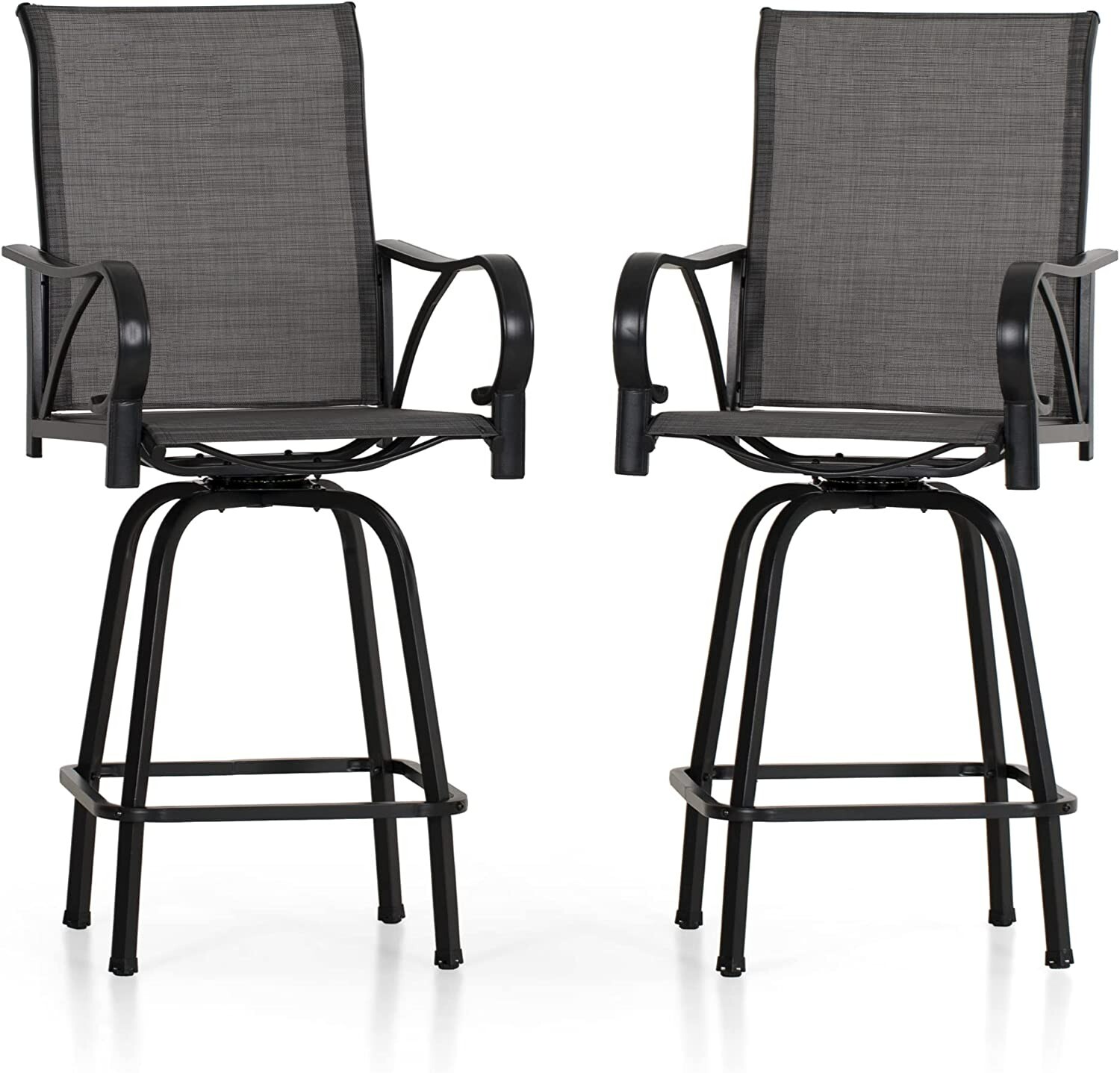
Patio Chair With Cushions

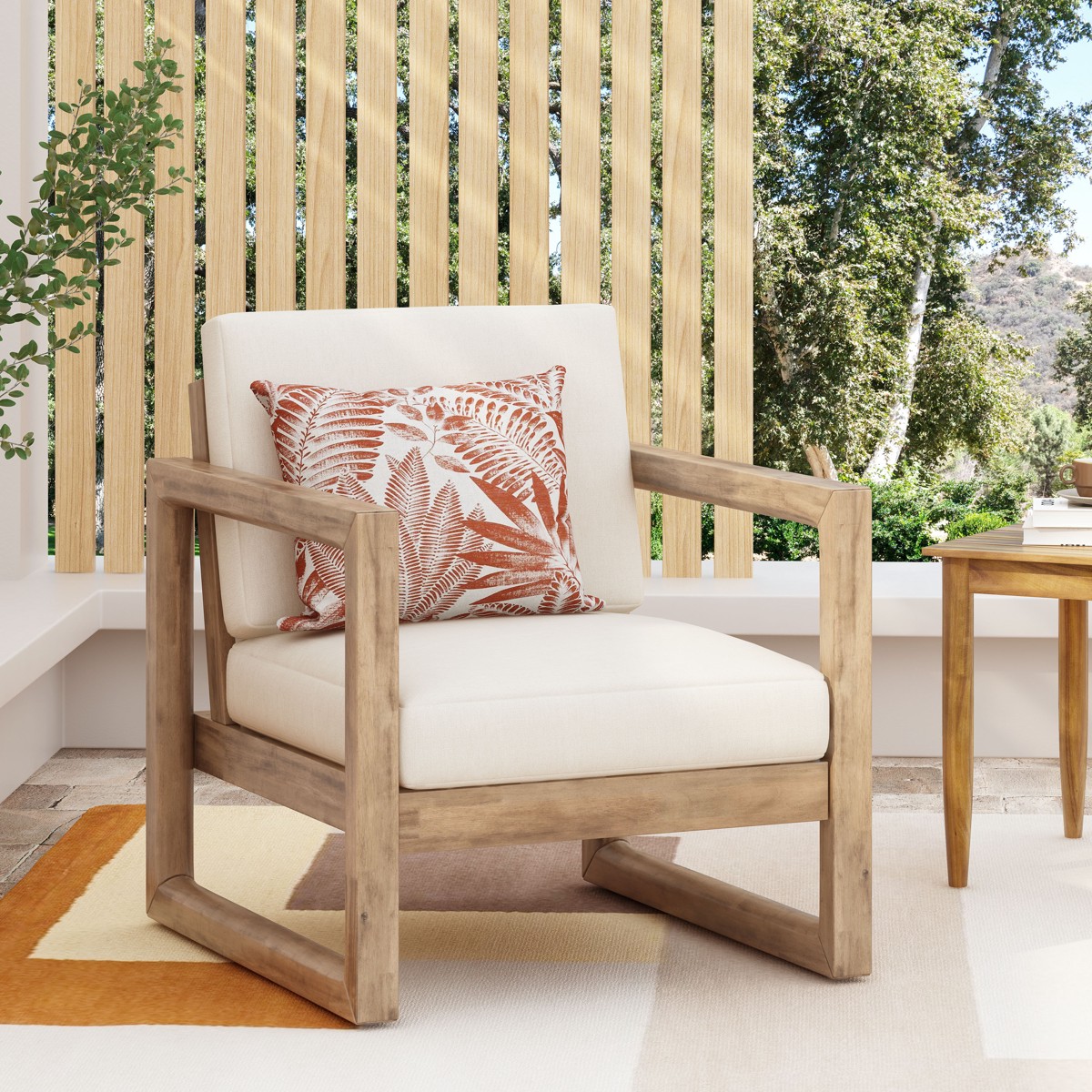
A patio chair with cushion is an outdoor seating piece where the frame material (powder-coated steel, aluminum, PE rattan, or wood) and the cushion foam density/fabric grade determine real-world comfort and lifespan. The core trade-off is frame corrosion resistance versus cushion weatherproofing: thin steel rusts at welds, while open-cell foam and untreated polyester covers degrade within a season. Buy a chair whose frame is fully welded and powder-coated with a cushion rated for outdoor use (solution-dyed acrylic or olefin, 1.8+ lb/ft³ foam); skip anything with bolt-together tube frames or non-removable covers.

Buying guide image
Greenhouse & Hydroponics

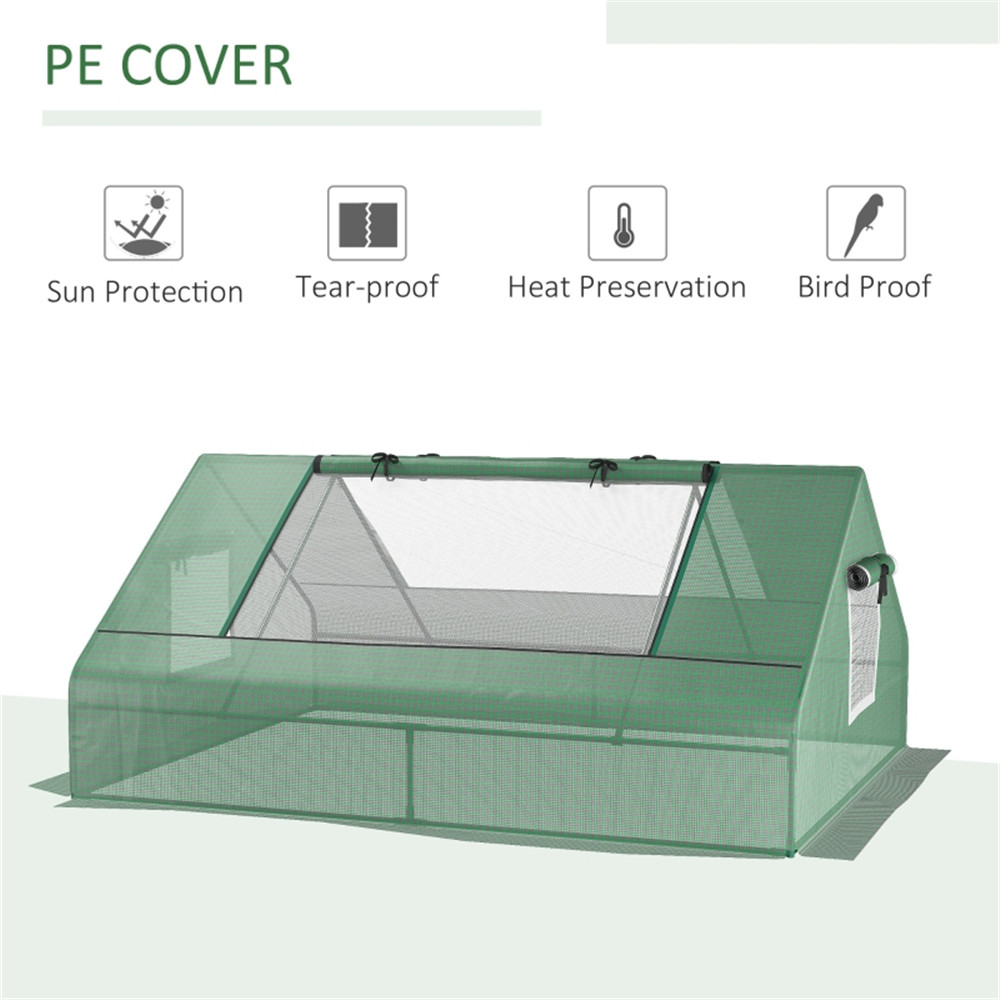
Greenhouse

A greenhouse is a structure or kit that modifies temperature, humidity, and light to extend growing seasons or protect plants. The core trade-off is between rigid, permanently glazed frames (glass or polycarbonate panels) that survive wind and snow, and lightweight film or fabric covers that are portable but short-lived. Choose rigid panels with a metal frame for year-round structural use; choose film or fabric only for seasonal, sheltered, or temporary growing.

Buying guide image
Watering & Irrigation

Irrigation

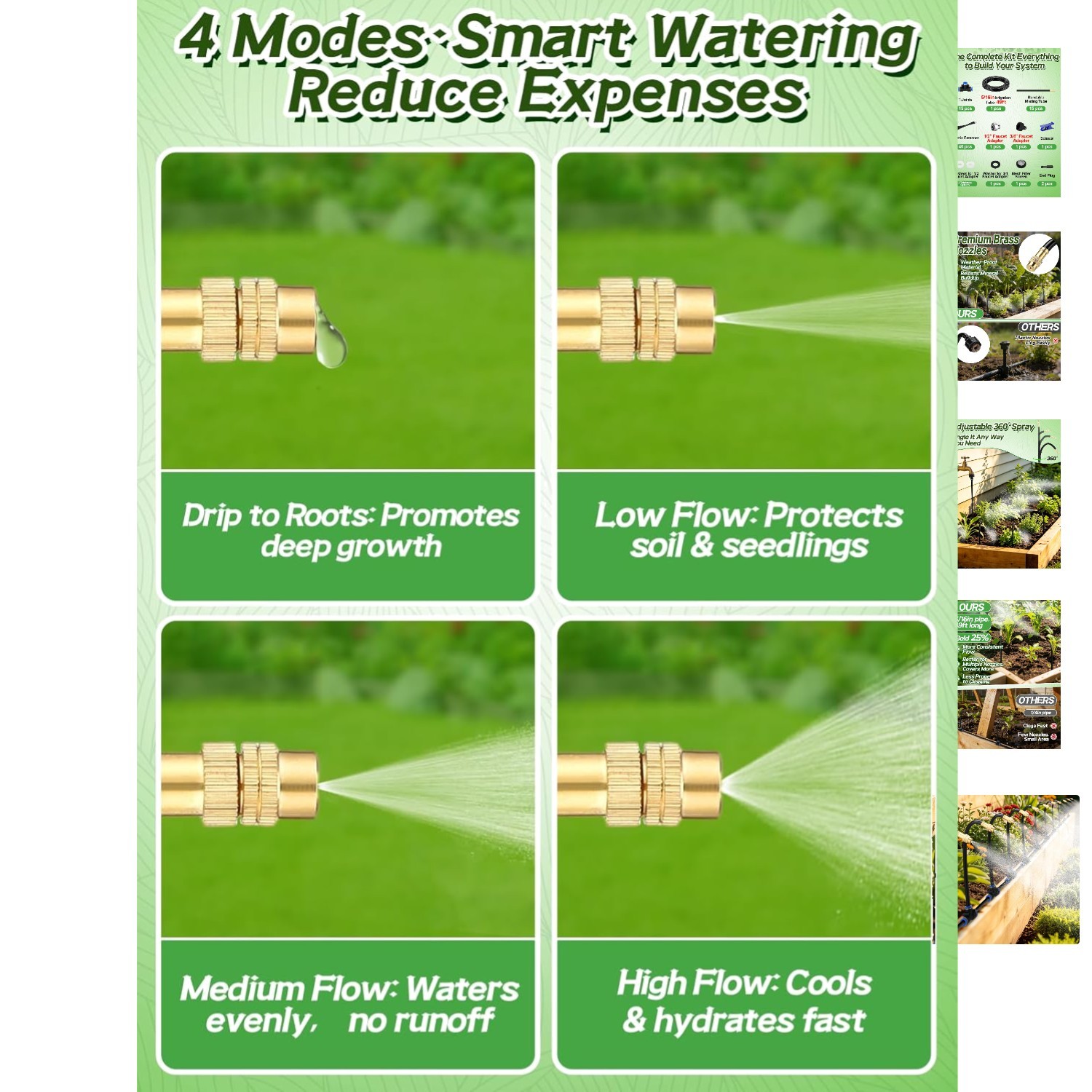
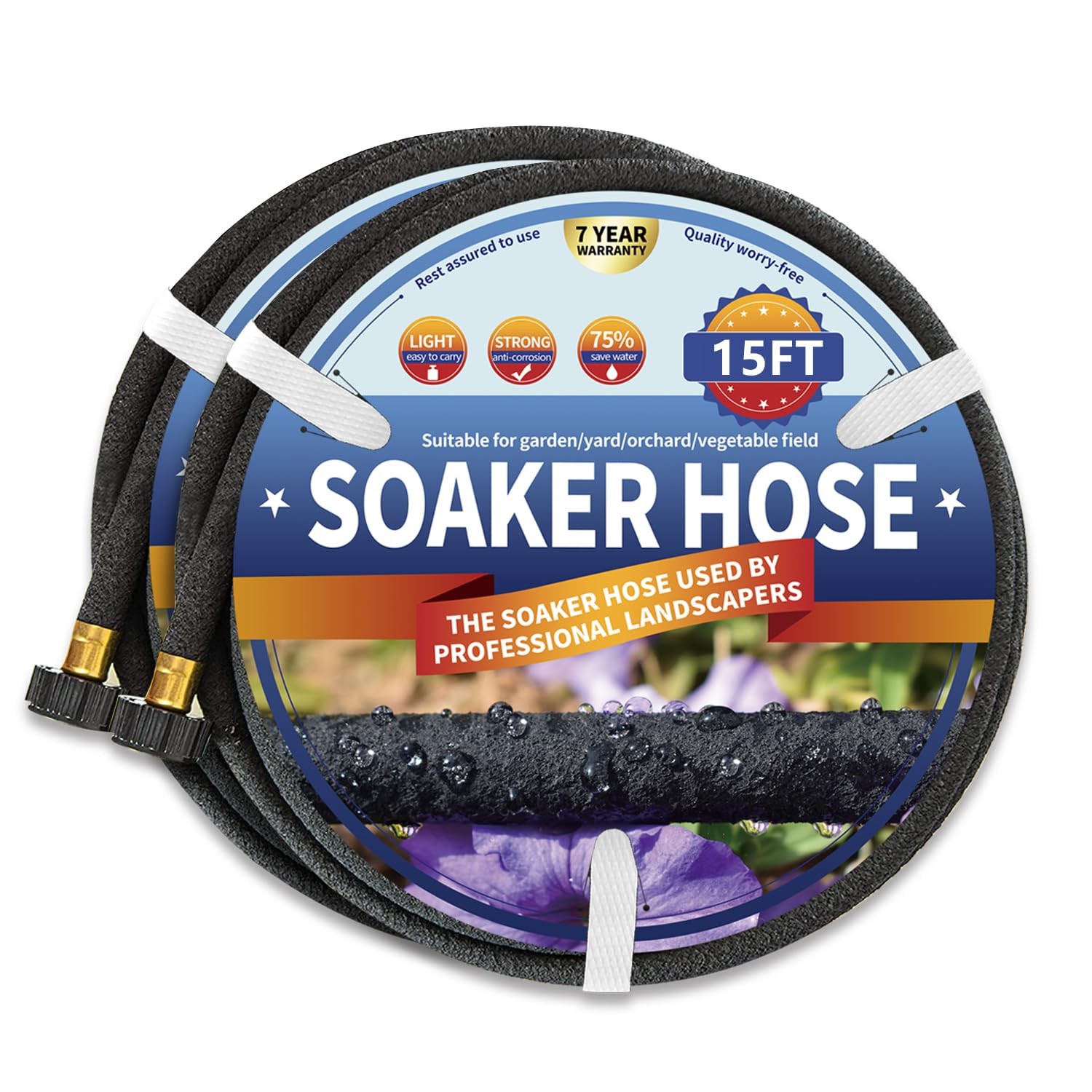
Irrigation covers everything from vacation drip spikes to multi-zone sprinkler controllers, and the core trade-off is between passive gravity/pressure-fed simplicity and active timer/pump-driven precision. Durable systems use brass or UV-stabilized ABS/POM fittings with pressure-compensating emitters, while disposable kits rely on thin PVC tubing and non-compensating drippers that clog or split within a season. Choose a timer-driven drip system for repeatable scheduling, or manual spikes and soaker rings for low-cost seasonal coverage of fewer than 15 plants.

Buying guide image
Patio Furniture

Outdoor Table

An outdoor table is the structural anchor of any patio setup, and the primary trade-off is frame material and top construction versus weather exposure—steel and aluminum resist rot, while wood and HIPS demand more care. The clear rule: buy powder-coated aluminum or stainless hardware for year-round wet climates, sealed acacia or eucalyptus for covered patios, and skip uncoated mild steel or thin resin tops if the table stays outside through winter.

Buying guide image
Outdoor Lighting & Decor

Outdoor Solar Light

Outdoor solar lights are self-contained, sun-charged fixtures that range from accent statues and string lights to path, wall, and motion-security lamps. The core trade-off is between decorative low-lumen ambiance and functional lighting output, driven by panel wattage, battery chemistry, and IP rating. Choose by IP65 or higher for permanent exposure and monocrystalline panels with LiFePO4 batteries for 5+ year life; treat IP44 decorative pieces and amorphous-panel budget sets as seasonal accents only.

Buying guide image
Outdoor Structures, Shade & Awnings

Shed

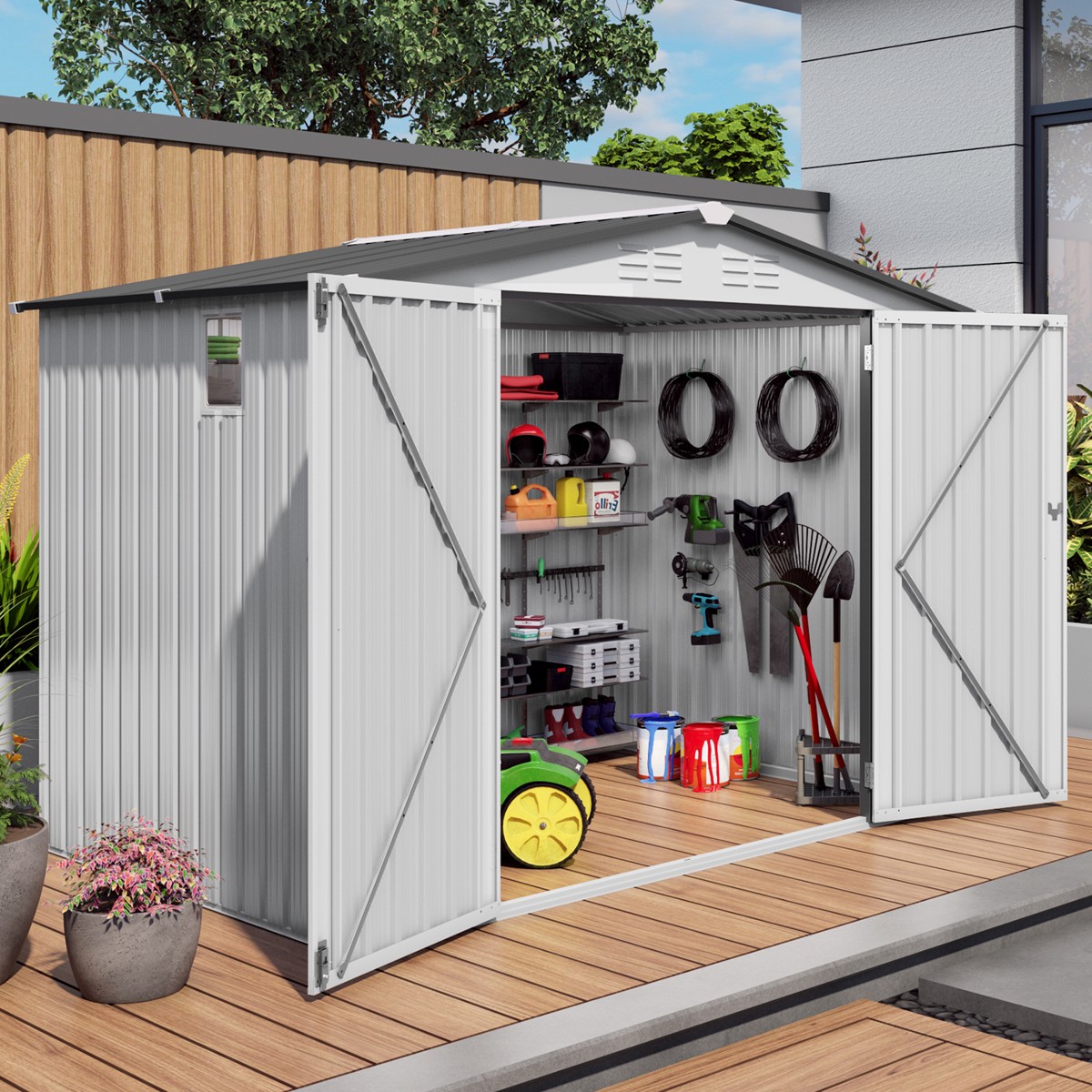
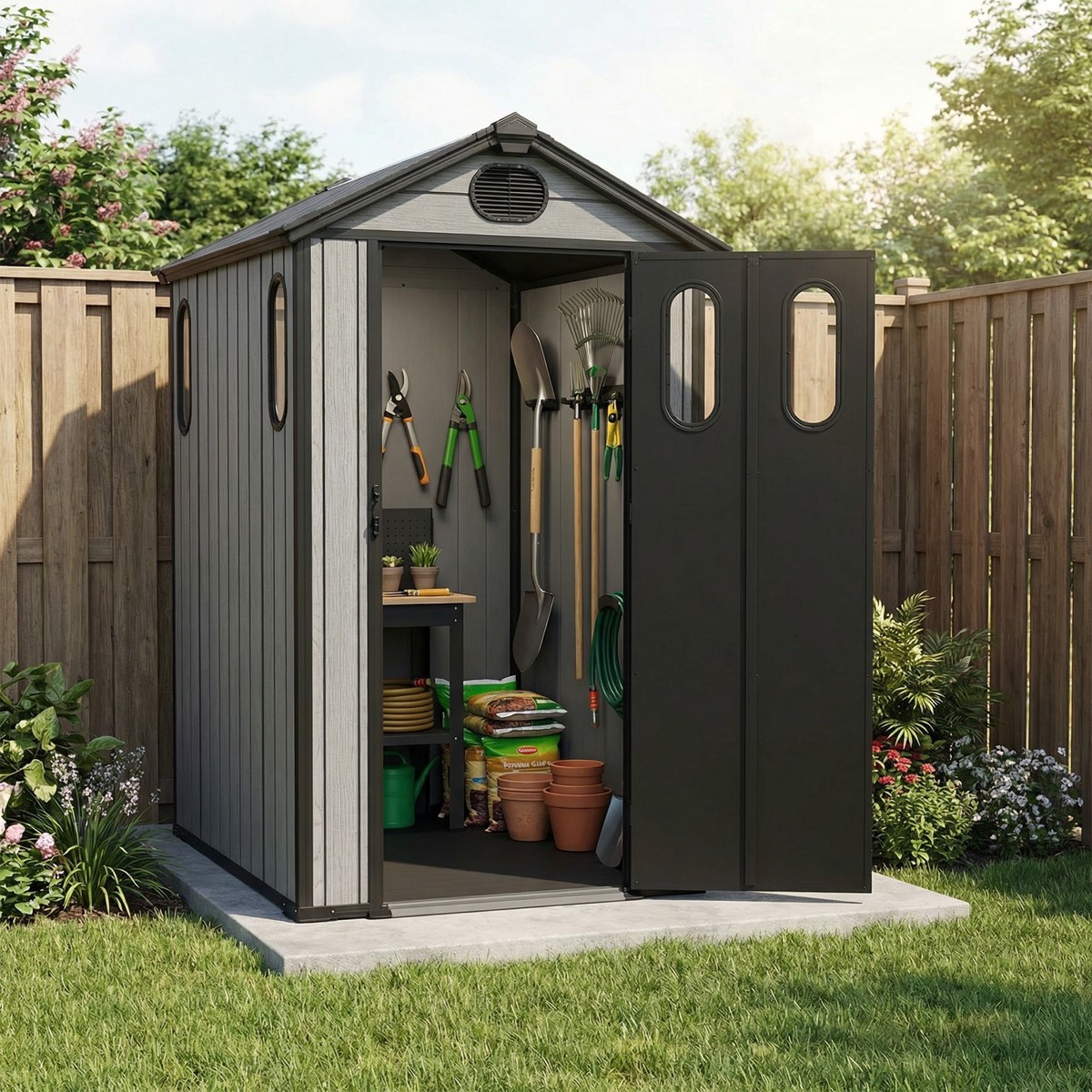
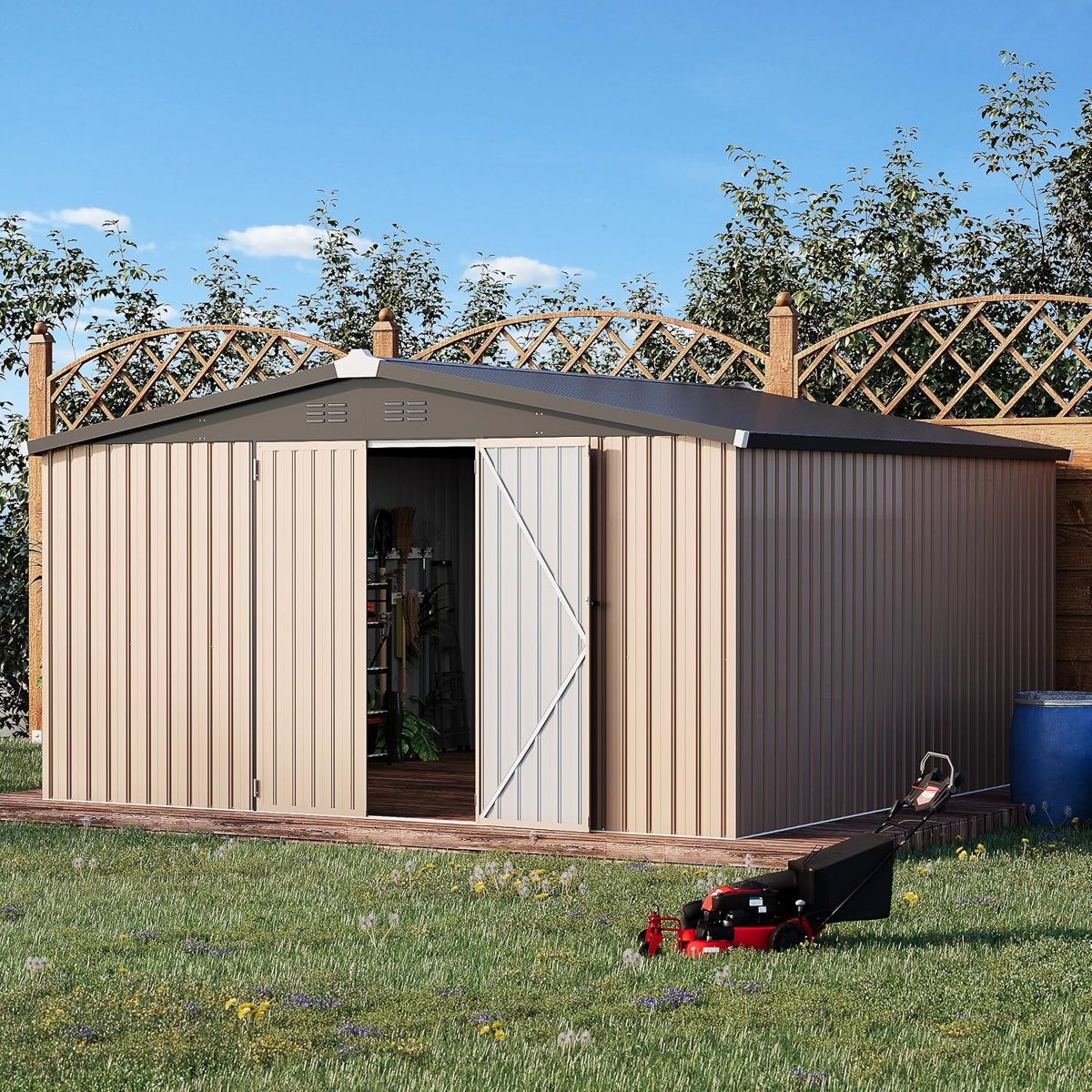
A shed is a freestanding outdoor storage structure, and buyers face a three-way trade-off between weather durability, assembly complexity, and footprint flexibility. Rigid metal or resin sheds handle snow and wind loads and secure tools; soft-sided tents are cheap and portable but degrade under UV and cannot be locked. The decision rule: buy rigid (galvanized steel or HDPE resin) for permanent tool and bike storage; buy soft-sided fabric only for seasonal, portable, or HOA-restricted overflow.

Buying guide image
Raised Garden Beds & Planters

Raised Garden Bed

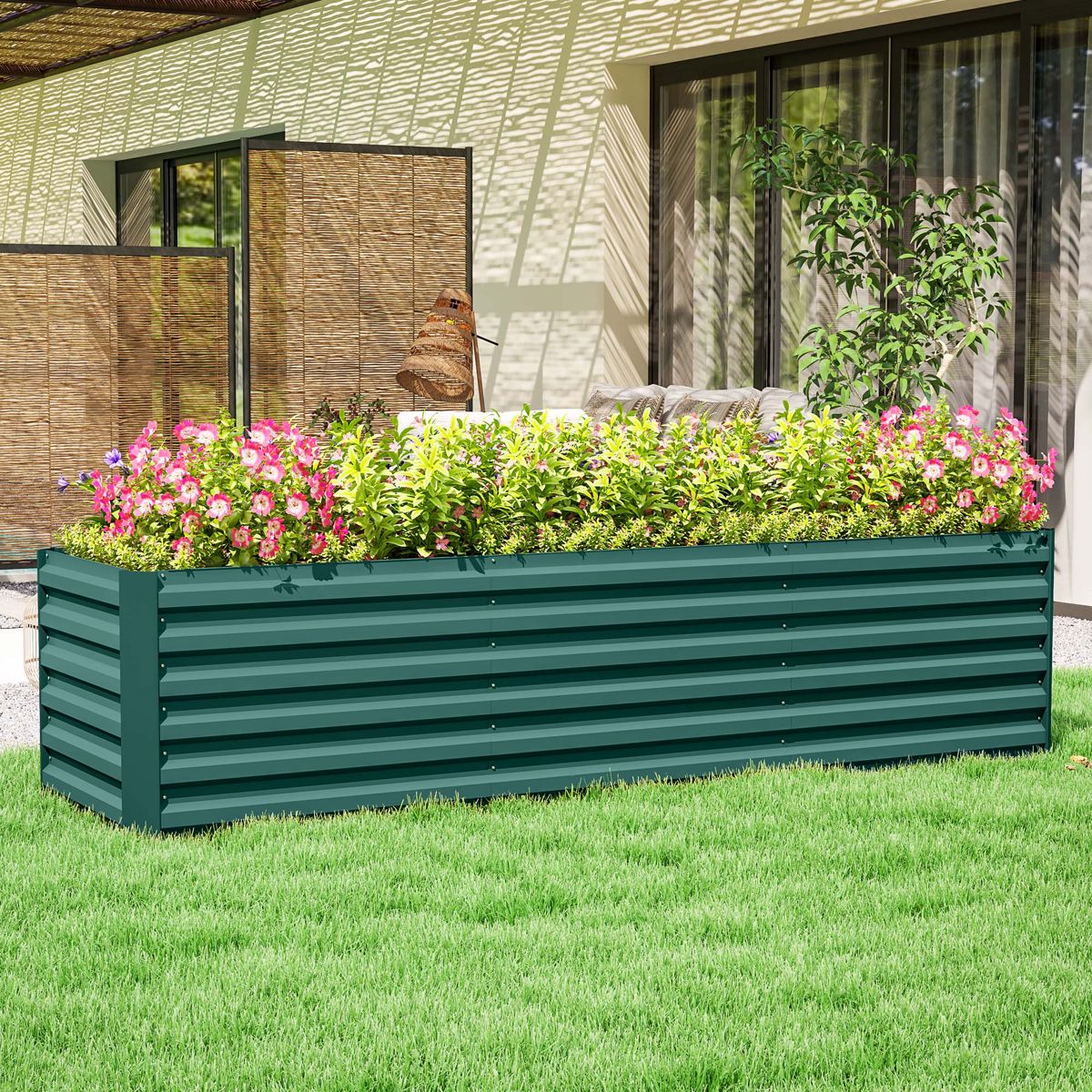
Raised garden beds are bottomless or lined growing containers that lift soil above grade for better drainage, ergonomics, and pest control. The core trade-off is material durability versus cost: galvanized steel and rot-resistant cedar last a decade or more, while thin fabric and untreated softwood collapse within a few seasons. The decision rule is simple: buy steel or cedar at 12+ inches deep for in-ground growing, and skip any bed under 300 GSM fabric or sub-0.5 mm steel if you expect more than two seasons of use.

Buying guide image
Raised Garden Beds & Planters

Raised Garden Box

Raised garden boxes are open-bottom or elevated growing containers that lift soil above grade for better drainage, ergonomics, and pest control. The core trade-off is between untreated rot-resistant wood (cheap, heavy, 5–10 yr lifespan) and galvanized steel or UV-stabilized HDPE (lighter, 15–20+ yr lifespan, higher cost). Choose wood if budget is tight and you accept replacement; choose galvanized metal, HDPE, or fabric grow bags for durability, and pick elevated models with legs when back strain or gopher pressure is a factor.

Buying guide image
Raised Garden Beds & Planters

Raised Planter

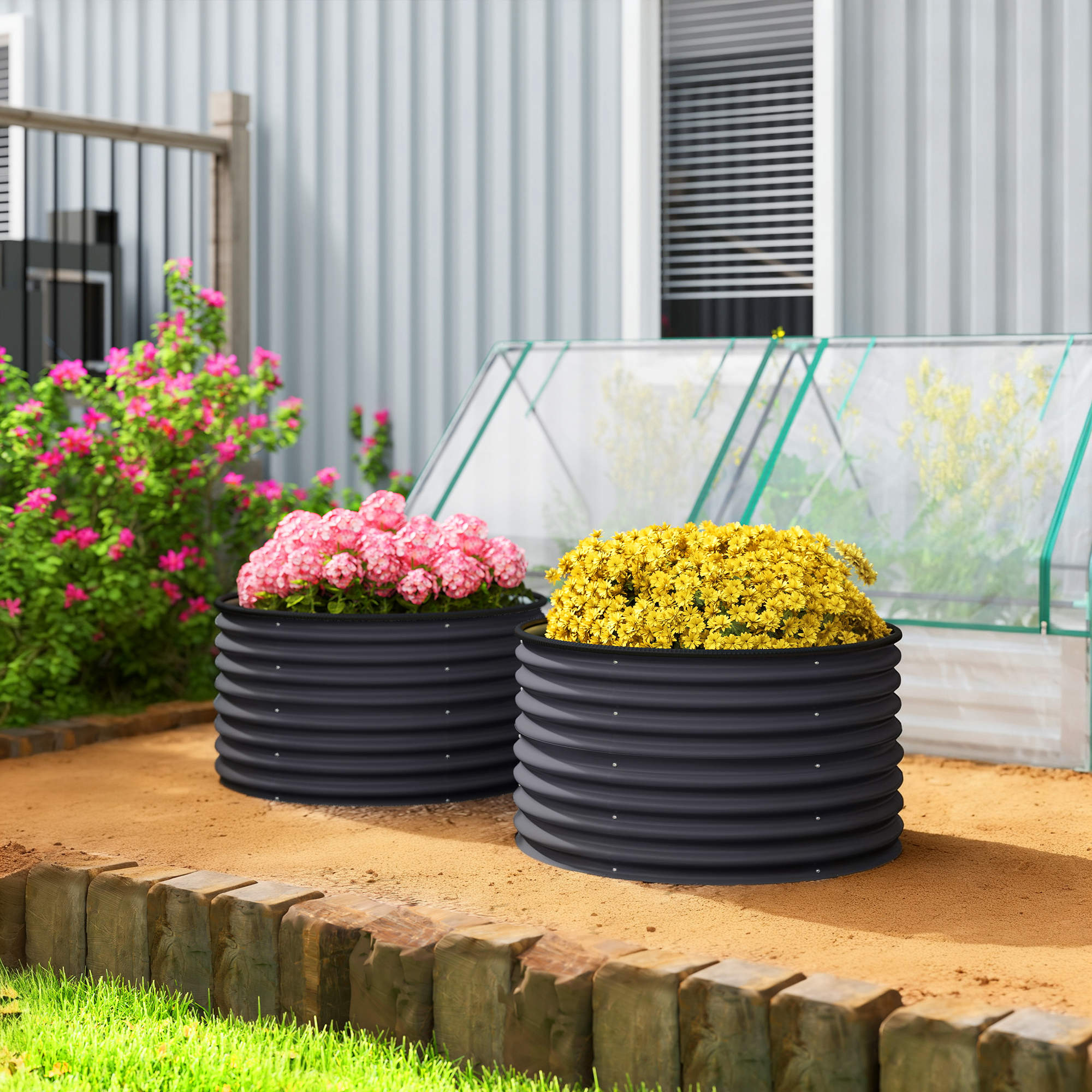
Raised planters are elevated growing containers that lift soil above ground level, available in metal, wood, plastic, and fabric, with the main trade-off being soil volume and drainage versus portability and self-watering convenience. The decisive rule: choose rigid metal or thick wood for multi-season outdoor durability and deep-root crops; choose plastic or fabric only for lightweight patio herbs, seasonal displays, or mobility-first setups.

Buying guide image
Raised Garden Beds & Planters

Raised Bed

A raised bed is a soil-containment frame that lifts growing medium above grade, and the decisive trade-off is material longevity versus soil volume: wood and thin galvanized steel corrode or rot in 3–7 years, while thick zinc-aluminum or HDPE panels last 15+ years. Buy by bed depth for your crop class and wall gauge for durability, not by decorative tier or included accessories.

Buying guide image
Outdoor Structures, Shade & Awnings

Storage House

A storage house only works when its footprint, door clearance, and material suit what you actually park inside it, so measure the mower or bike before picking a size. Metal sheds win on fire resistance and cost per square foot, while resin sheds resist dents and never rust but can sag under snow load. Most buyer mistakes are ignoring the foundation requirement, undersizing door width, and assuming a thin steel panel will hold up in high wind without anchoring.

Buying guide image
Watering & Irrigation

Drip Irrigation

Drip irrigation delivers low-volume water directly to root zones through tubing, emitters, and timers, cutting evaporation and runoff versus sprinklers. The core trade-off is emitter precision and UV-stable tubing against thin-walled kits that crack or clog within a season. Choose pressure-compensating emitters and UV-resistant polyethylene for permanent beds; reserve cheap micro-tubing spike kits for vacation duty on potted plants.

Buying guide image
Outdoor Structures, Shade & Awnings

Clearance Shed

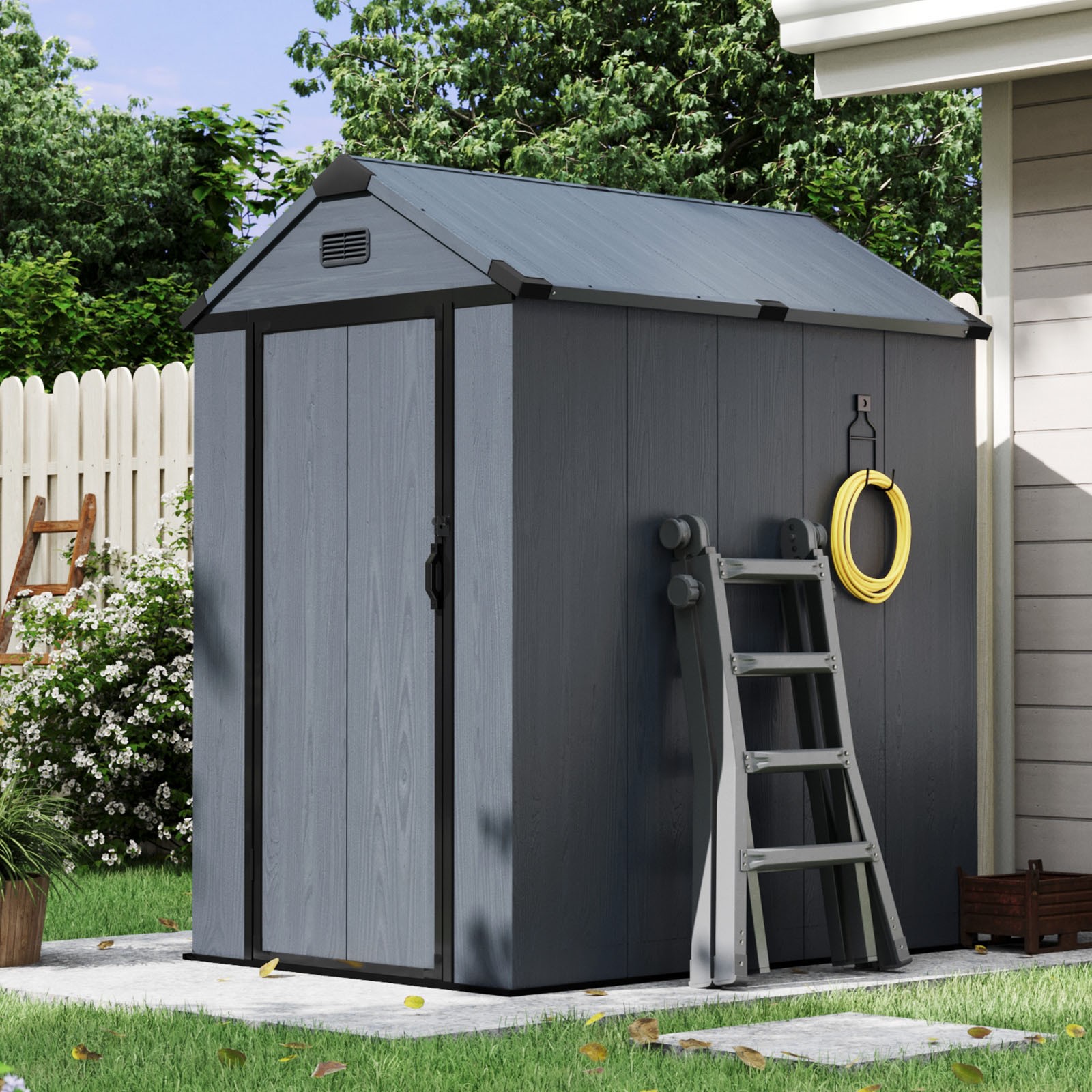
A clearance shed is a low-profile metal or resin outdoor storage structure sized to fit under eaves, beside fences, or in narrow side yards where full-height sheds cannot go. The primary trade-off is panel gauge and frame bracing versus footprint: thin 0.25 mm steel needs more internal ribs and a level base to resist wind, while heavier 0.4 mm panels allow wider unsupported spans. Buyers should treat any shed under 6 ft ridge height as a clearance-fit product first and a storage-capacity product second.

Buying guide image
Outdoor Structures, Shade & Awnings

Shed House

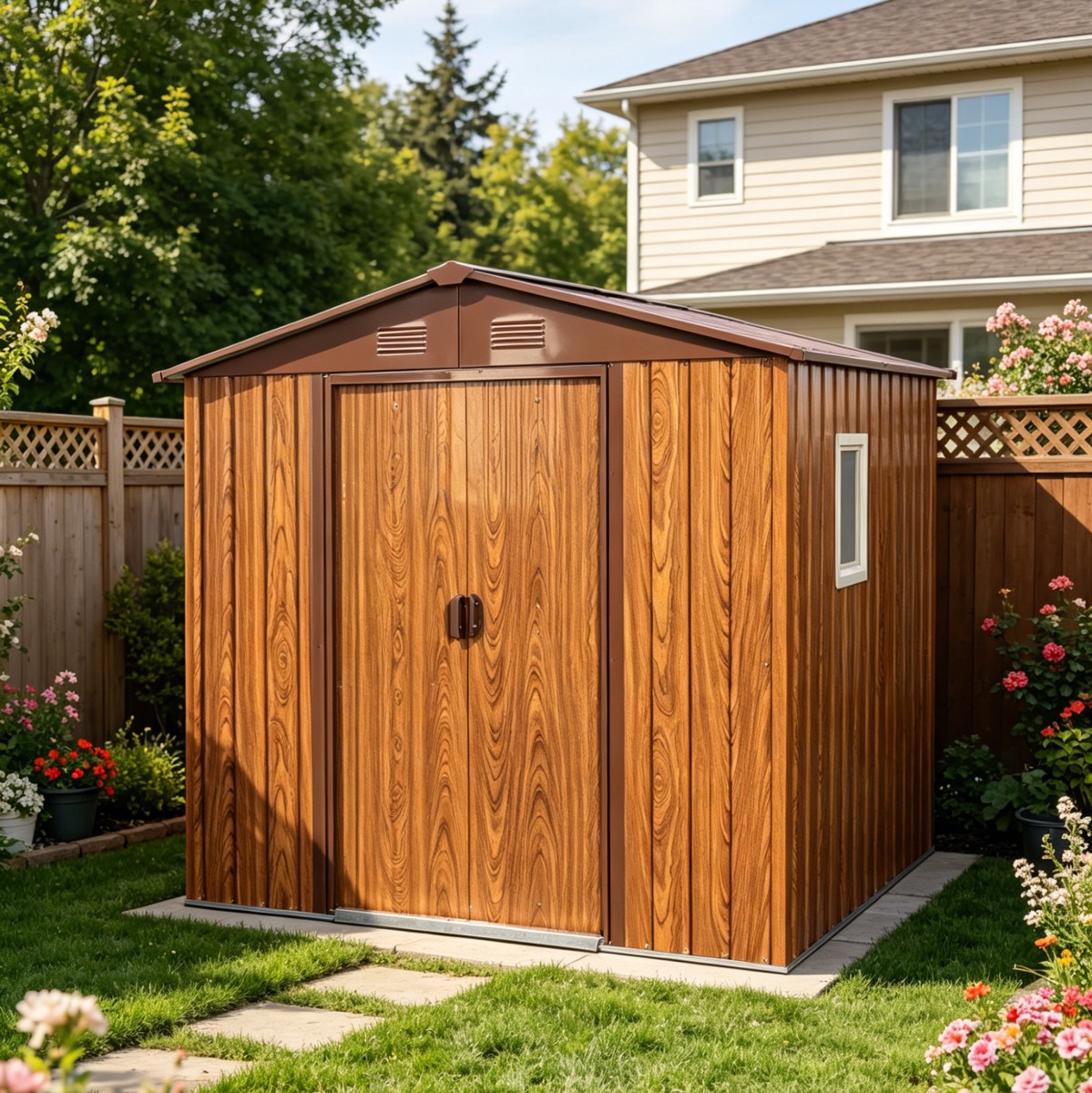
A shed house purchase hinges on whether you need a rigid metal or resin structure that can handle wind and snow, or a portable fabric tent for quick, season‑flexible overflow. The biggest mistakes are buying a fabric shelter for permanent storage, or a hard shed without checking local snow‑load and wind ratings. Start with your footprint and climate, then match the frame architecture to the job.

Buying guide image
Patio Furniture

Patio Furniture With Fire Pit

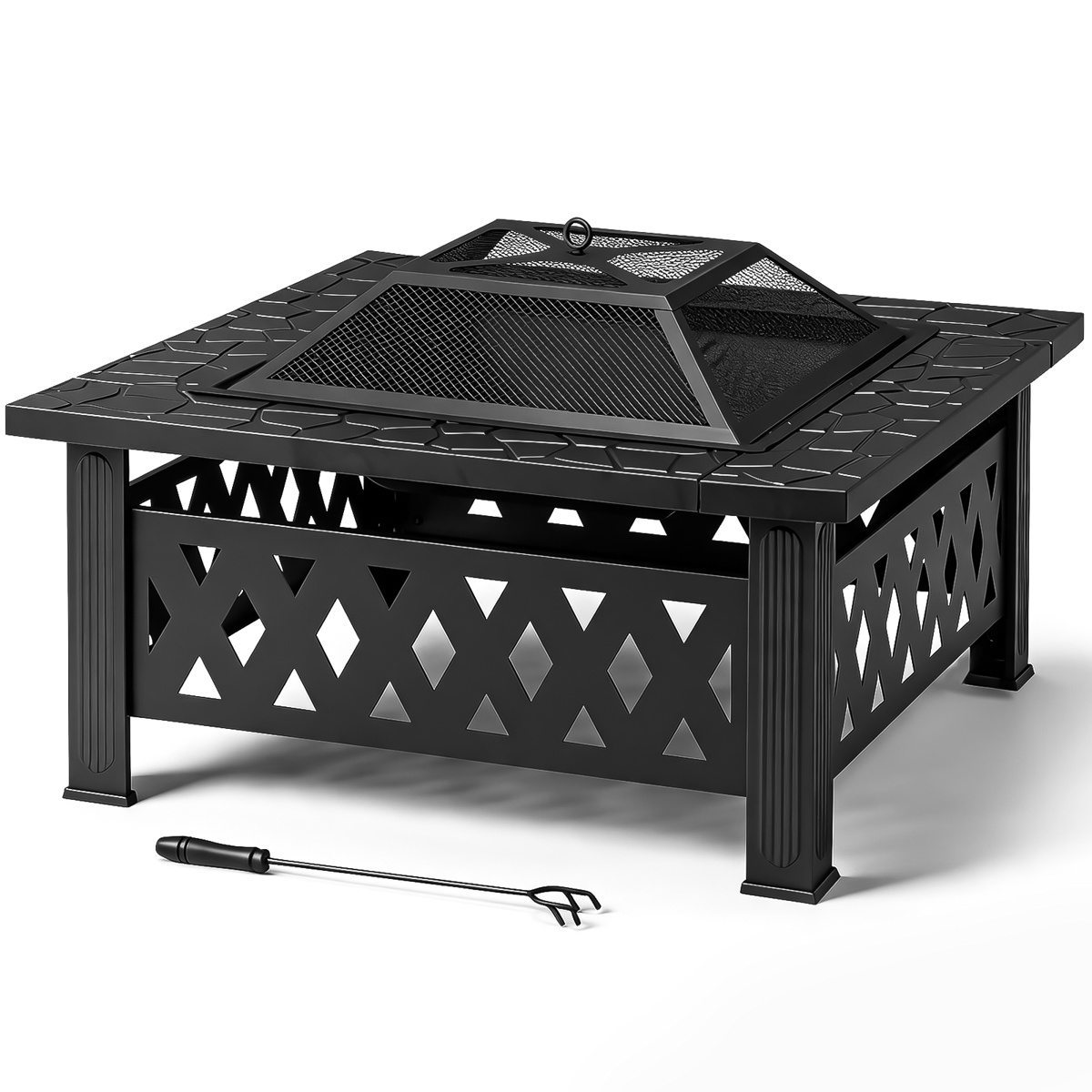
Patio furniture with fire pit sets combine seating and a heat source into one coordinated outdoor living package, with the main trade-off being fuel type (wood, propane, natural gas, or bioethanol) versus frame material durability (powder-coated steel, aluminum, or wicker). The clear decision rule is to match the fire feature's fuel and heat output to your space and local burn regulations, then require a frame that is fully welded or bolted with rust-resistant hardware—skip any set that lists only 'metal' without alloy or coating specifics.

Buying guide image
Outdoor Structures, Shade & Awnings

Storage Building

A storage building is a freestanding outdoor structure for protecting bikes, garden tools, mowers, and overflow household gear. The core trade-off is between rigid metal or resin panels that resist wind, snow, and UV versus fabric-tent shelters that are portable and cheap but degrade in harsh weather. Buy a hard-shell metal or HDPE building for permanent year-round use; choose a fabric tent only for temporary, seasonal, or rental-property storage.

Buying guide image
Outdoor Structures, Shade & Awnings

Shed With Floor

Sheds sold as 'with floor' range from resin horizontal boxes to full metal garden buildings, and the included floor often decides what you can store and how long the shed lasts. Measure the pad and the door swing before choosing a size, and pick the floor type that matches your climate and load. Skipping the floor spec is the most common way buyers end up with a shed that heaves, rusts, or sags.

Buying guide image
Raised Garden Beds & Planters

Raised Garden Bed With Bottom

A raised garden bed with a bottom is a contained planter with a solid or perforated floor, ranging from fabric grow bags and plastic self-watering boxes to wood and metal beds with integrated bases. The core trade-off is drainage and root airflow versus moisture retention and portability: bottoms that trap water risk root rot, while fully open bottoms defeat the purpose of a contained bed. Choose a bottom with drilled drainage or a wicking reservoir matched to your climate, and skip any sealed-bottom bed for outdoor use.

Buying guide image
Raised Garden Beds & Planters

Portable Raised Garden Bed

Portable raised garden beds are modular, collapsible, or fabric-based growing containers designed to be moved, stored, or reconfigured season to season. The primary trade-off is between structural rigidity (thick galvanized steel or rot-resistant wood) and true portability (lightweight fabric, folding frames, or snap-together panels). Choose rigid panel systems for multi-season durability in a fixed location, and fabric or folding-frame beds only for temporary, mobility-first growing.

You may also like

Finding more guides for you…