
Photos from current listings. Actual item, color, and included accessories may vary.
Portable Garden Bed Buying Guide
A portable garden bed is a raised growing container designed to be moved, folded, or disassembled—typically fabric grow bags, collapsible galvanized-metal troughs, or modular plastic panel kits. The core trade-off is between lightweight portability (thin fabric or snap-together plastic) and long-term structural integrity under wet soil load (thicker non-woven geotextile with reinforced seams or double-wall metal). Choose fabric or collapsible tiers only for seasonal, balcony, or renter use; choose rigid modular or thick-walled beds if the bed will stay in one place through winter freeze-thaw cycles.
Median $73.99
Key takeaways
- Fabric grow bags rely on non-woven geotextile GSM: 300–400 GSM lasts 3–5 seasons; sub-200 GSM degrades and tears within one to two summers under UV and wet soil load.
- Collapsible galvanized troughs work best at 0.6–0.8 mm (24–22 gauge) wall thickness with rolled top edges; 0.4 mm panels buckle and dent when filled with saturated soil.
- Modular plastic-panel beds use snap or bolt connectors; UV-stabilized HDPE or PP with a minimum 3 mm wall resists warping, while thin PVC panels become brittle and crack in freezing temperatures.
At a glance
- Category
- Raised Garden Beds & Planters
- Last updated
- Nov 28, 2026
Current offers
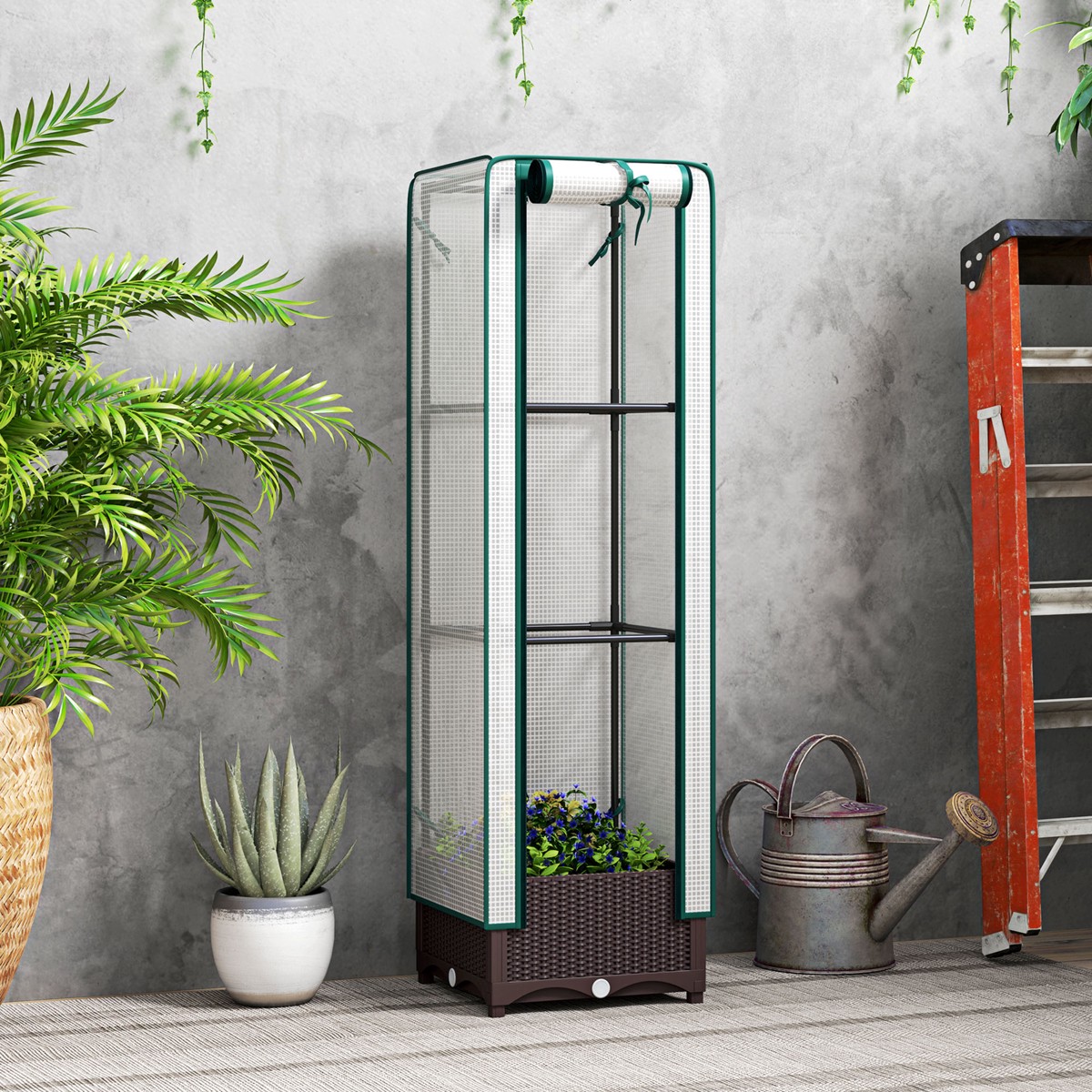 Garden Bed with Trellis, Outdoor Plant Box PE Cover, Drainage Holes and Zipper Door, 15.7" x x 48.8", Brown$20.99View on Mallflare
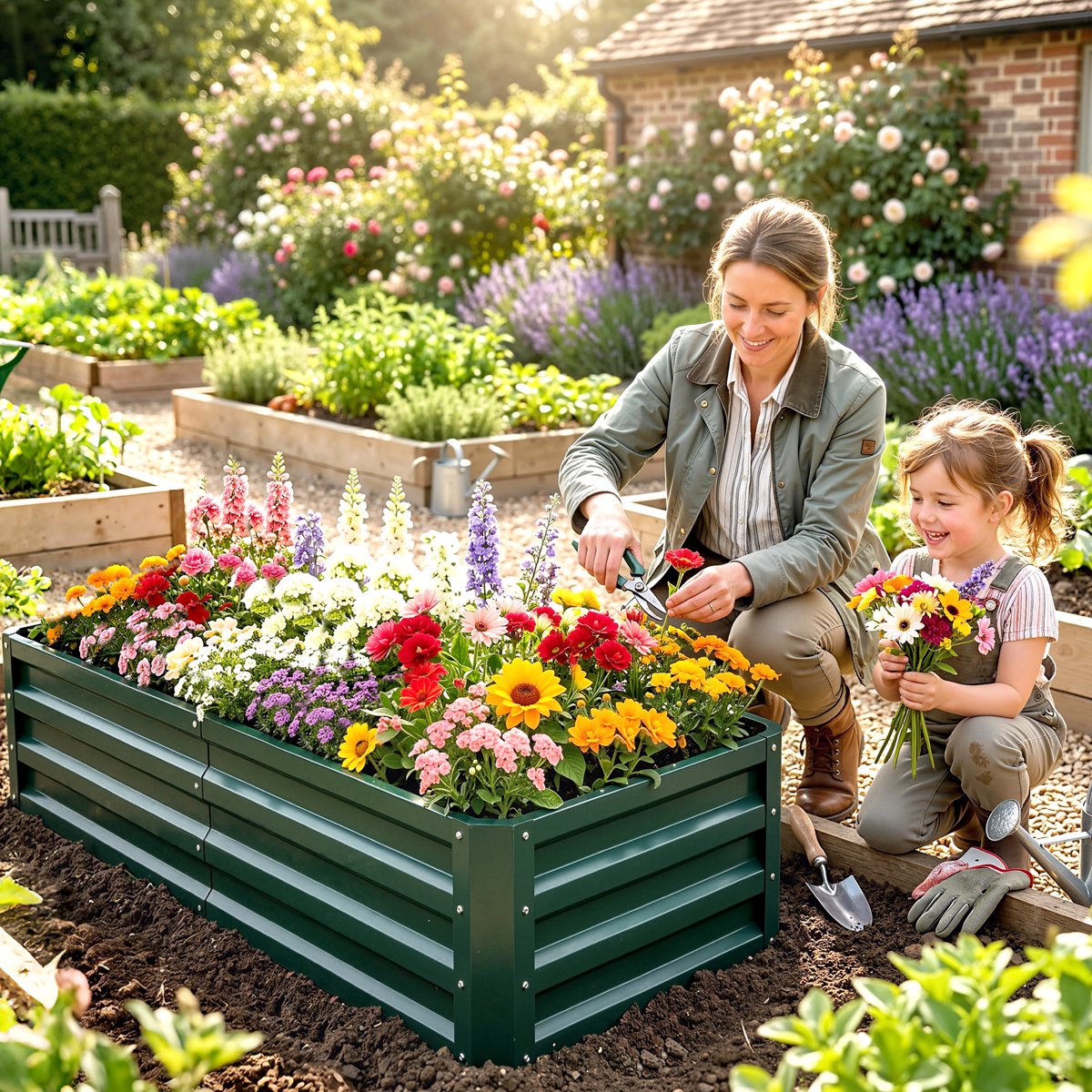 Galvanized Raised Garden Bed, 4' x 2' x 1' Metal Planter Box, for Growing Vegetables, Flowers, Herbs, Succulents, Green$35.99View on Mallflare
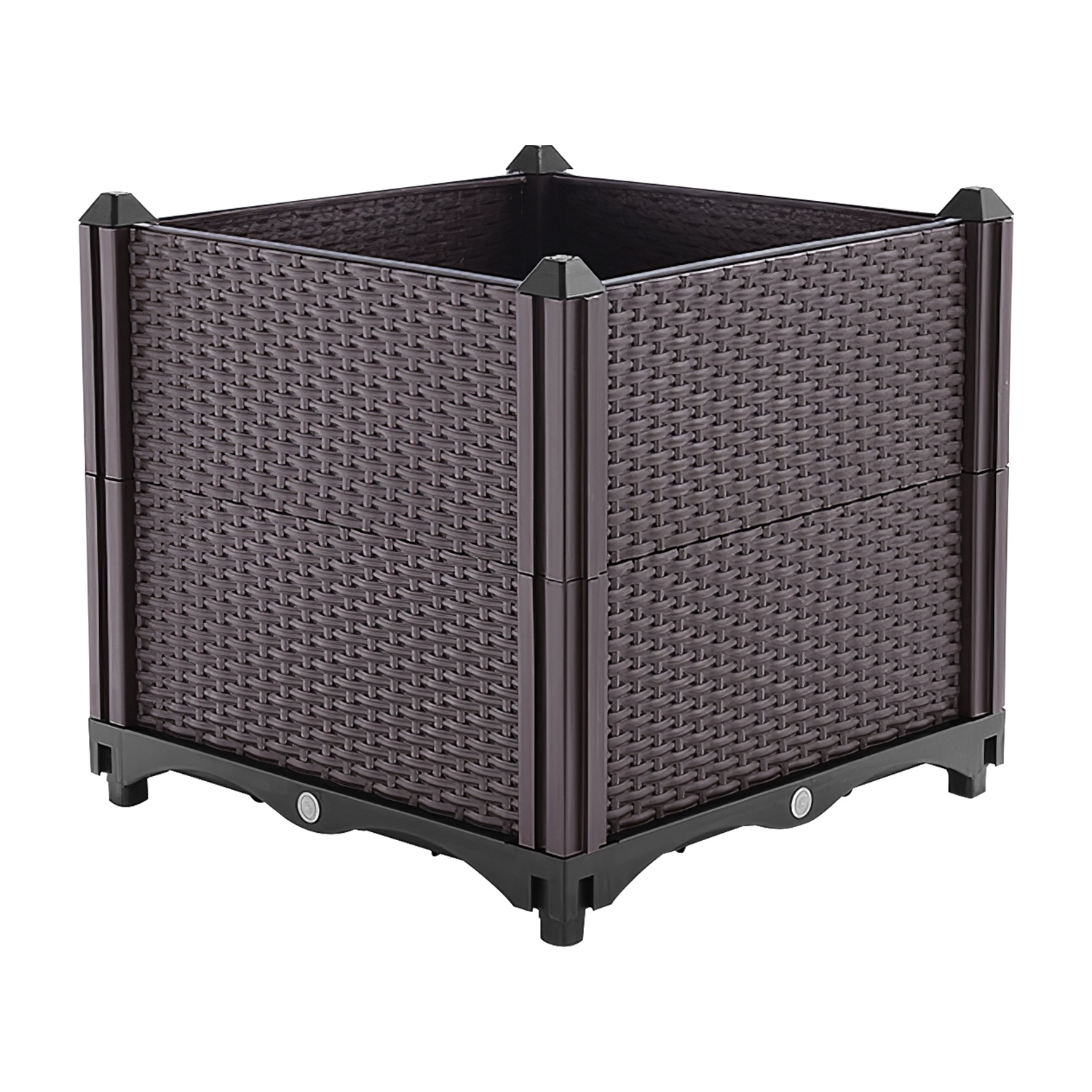 1 Set Raised Garden Bed For Spring Decoration Plant Growth Box With Self-watering System For Patio Balcony Elevated Planter Box For Flowers Vegetables Herbs$36.99View on Mallflare
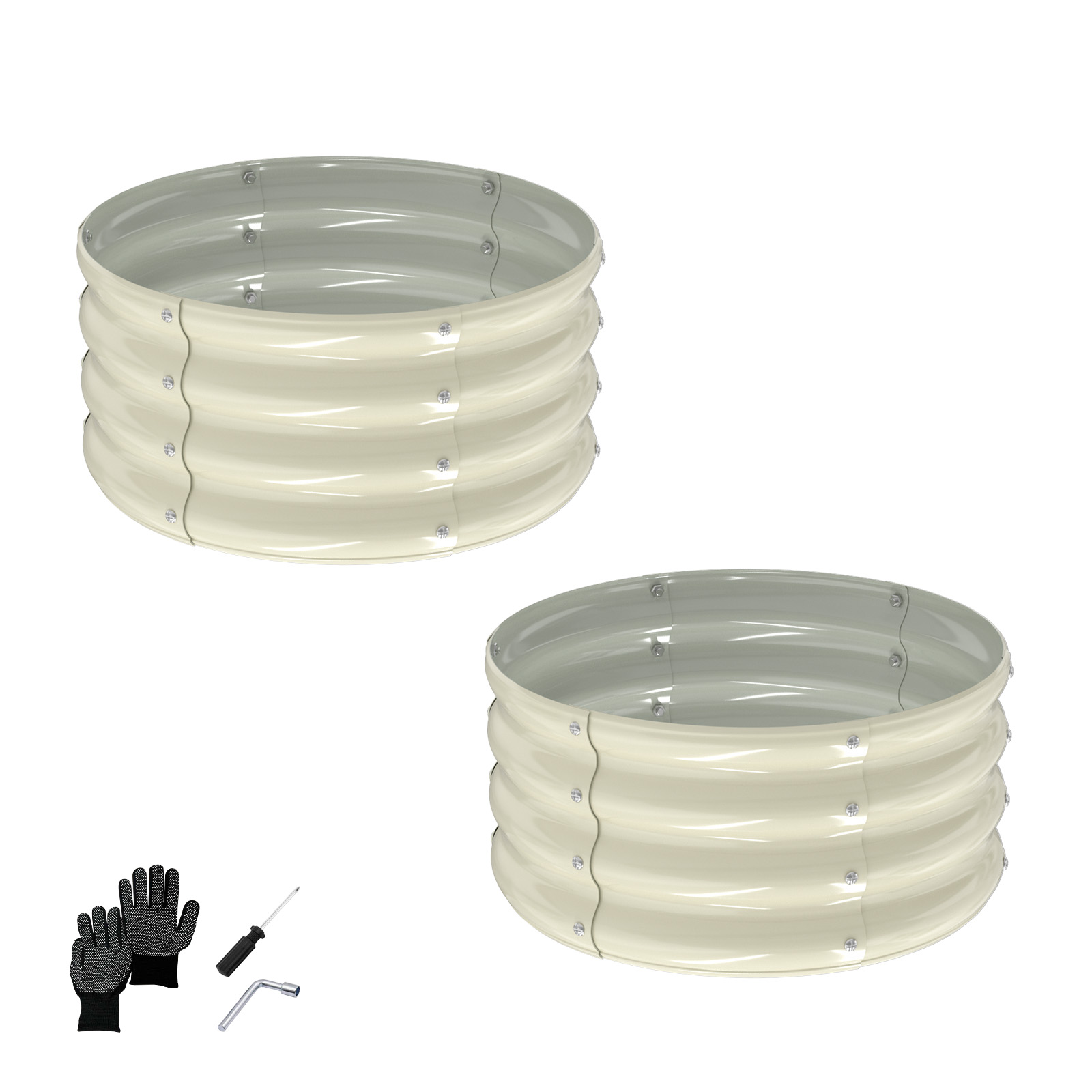 2 Pcs 2×2×1ft Raised Garden Bed, Round Galvanized Outdoor Planter Box, Metal Bed for Planting Vegetables Fruits Flowers, White$41.99View on Mallflare
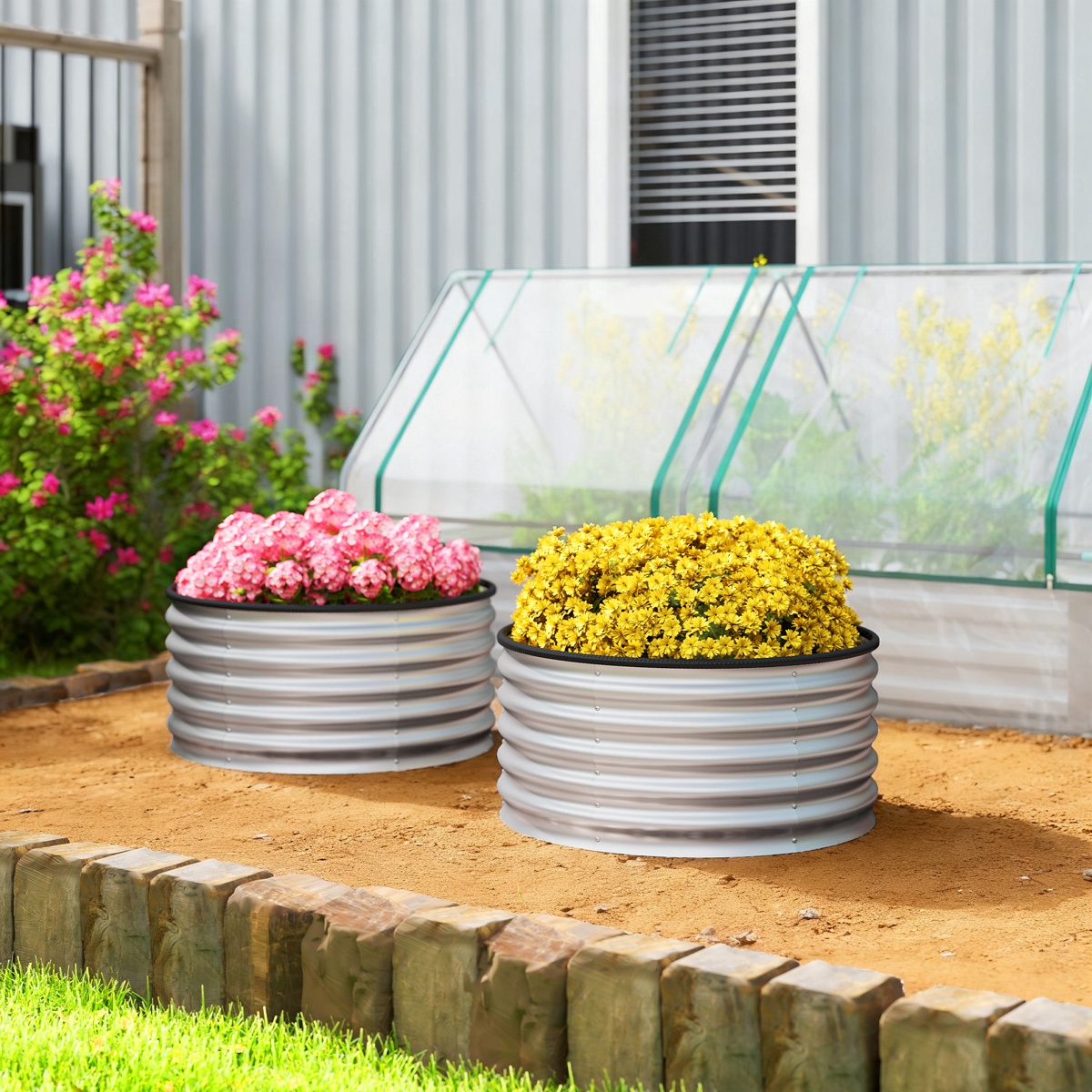 Set of 2 Raised Garden Bed, Metal Planter Box with Safety Edging, Easy-to-assemble Stock Tank 3x3x1.4 Silver$42.99View on Mallflare
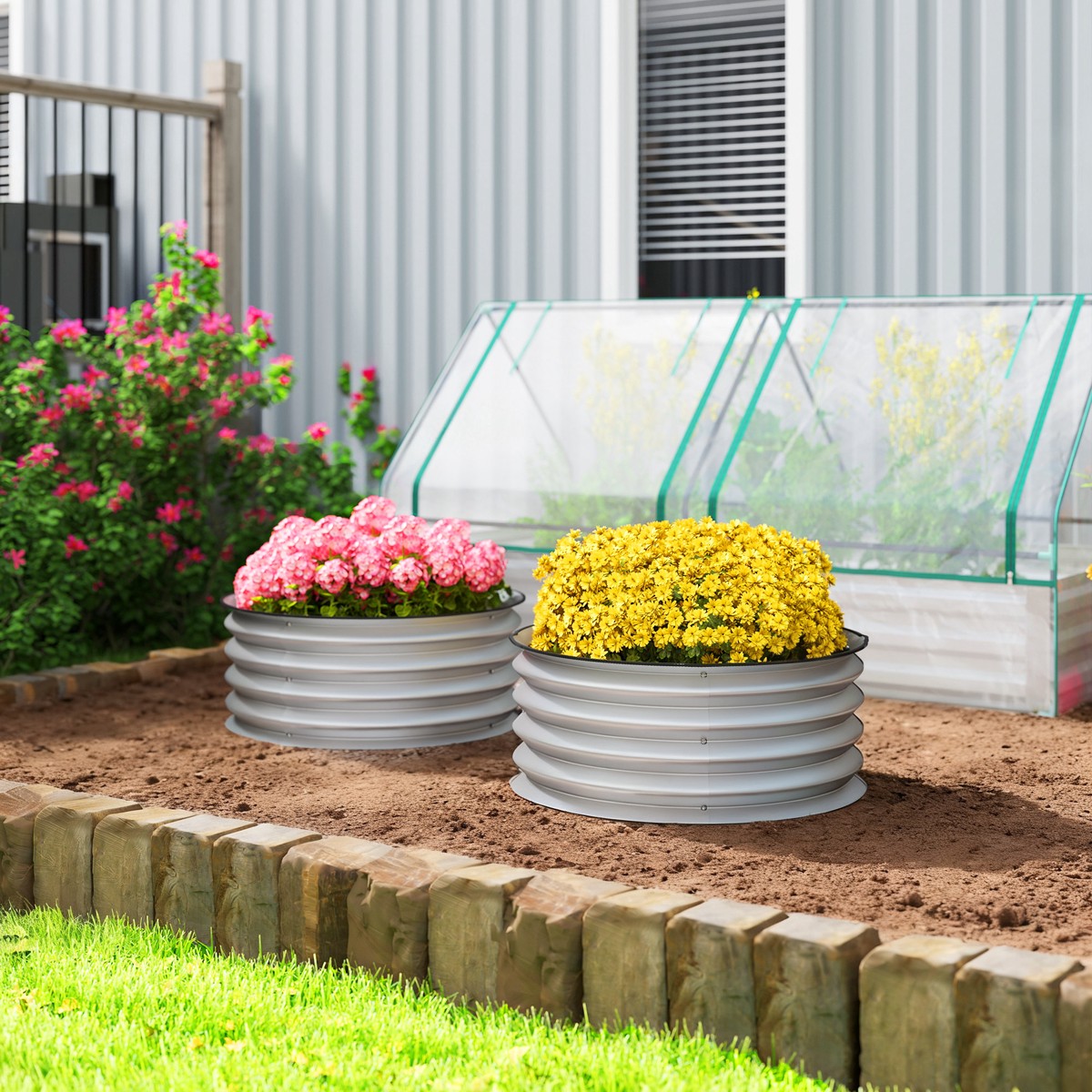 Set of 2 Raised Garden Bed, Metal Planter Box with Safety Edging, Easy-to-assemble Stock Tank 2x2x1 Silver$48.99View on Mallflare
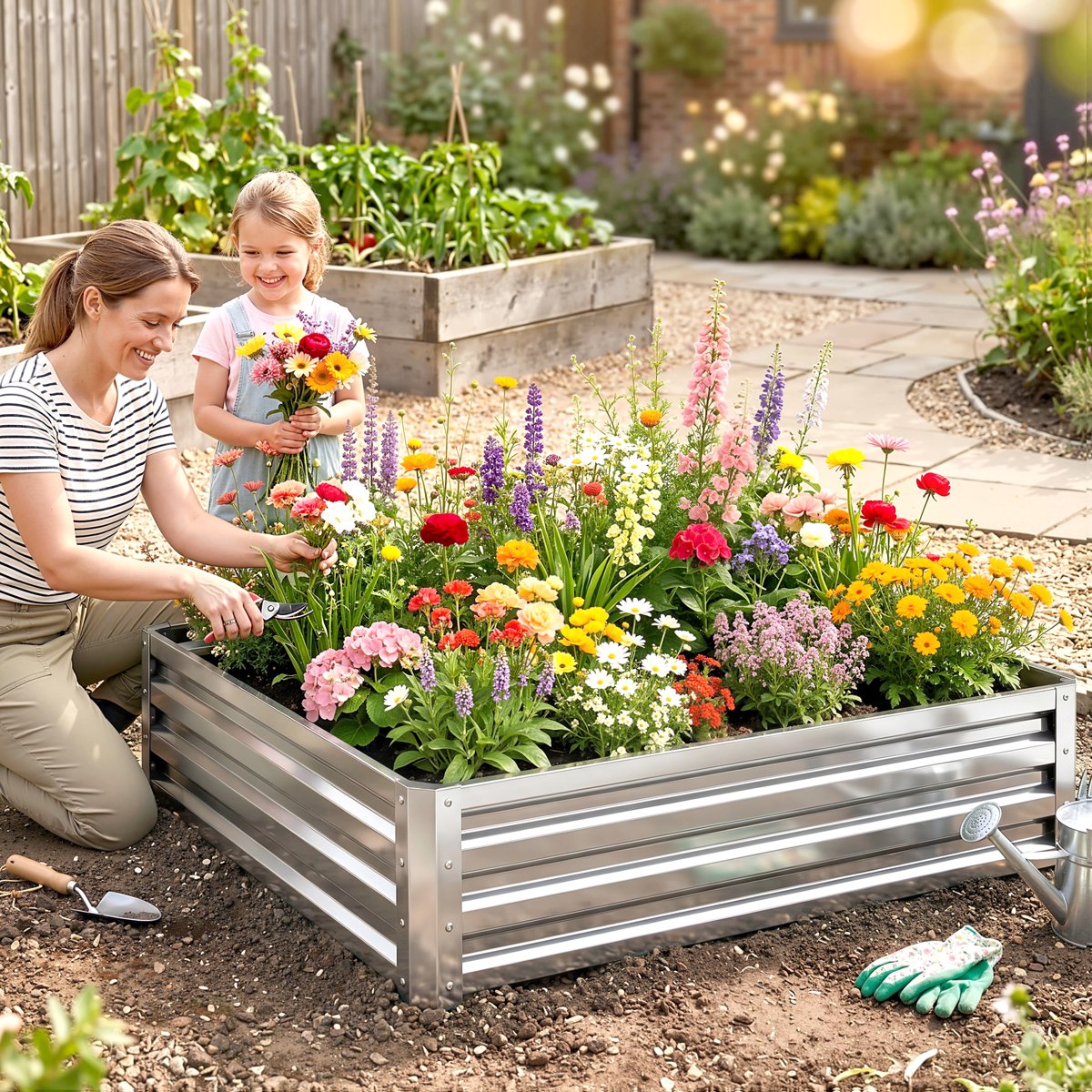 Galvanized Raised Garden Bed, 4' x 4' x 1' Metal Planter Box, for Growing Vegetables, Flowers, Herbs, Succulents, Silver$49.99View on Mallflare
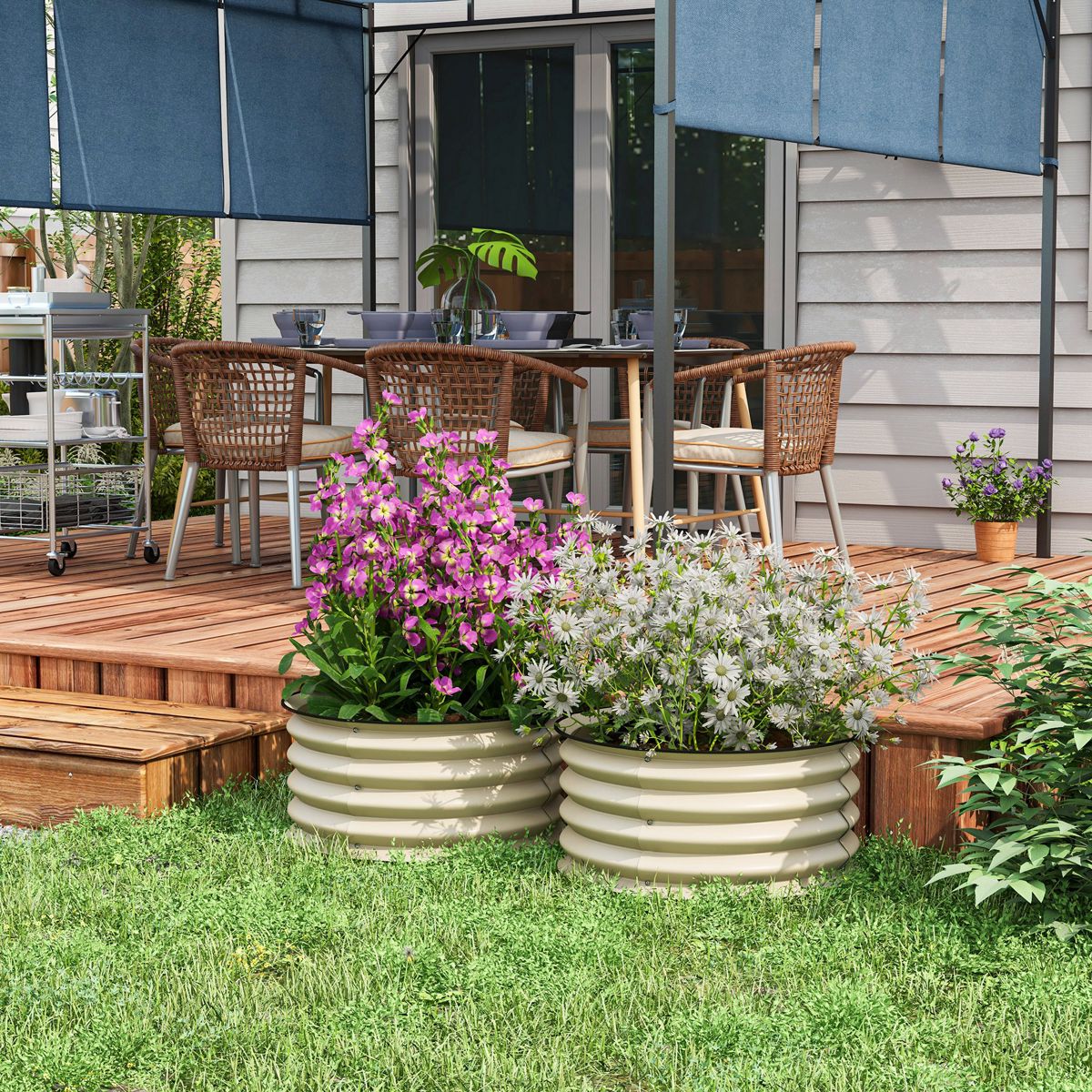 Set of 2 Raised Garden Bed, Metal Planter Box with Safety Edging, Easy-to-assemble Stock Tank, Cream$50.99View on Mallflare
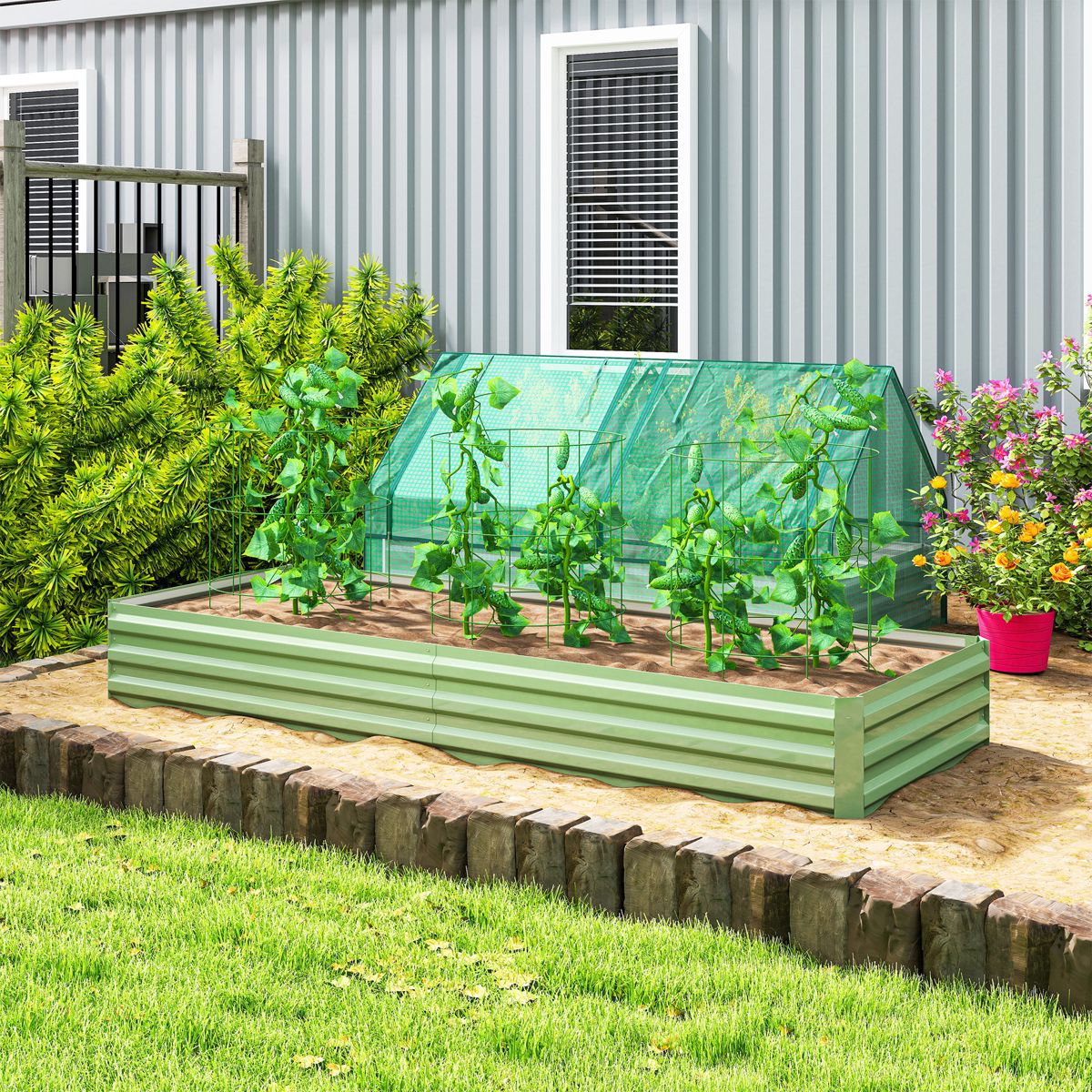 8x3x1FT Galvanized Raised Garden Bed, Easy DIY and Cleaning for Growing Flowers, Herbs, Succulents, Light Green$50.99View on Mallflare
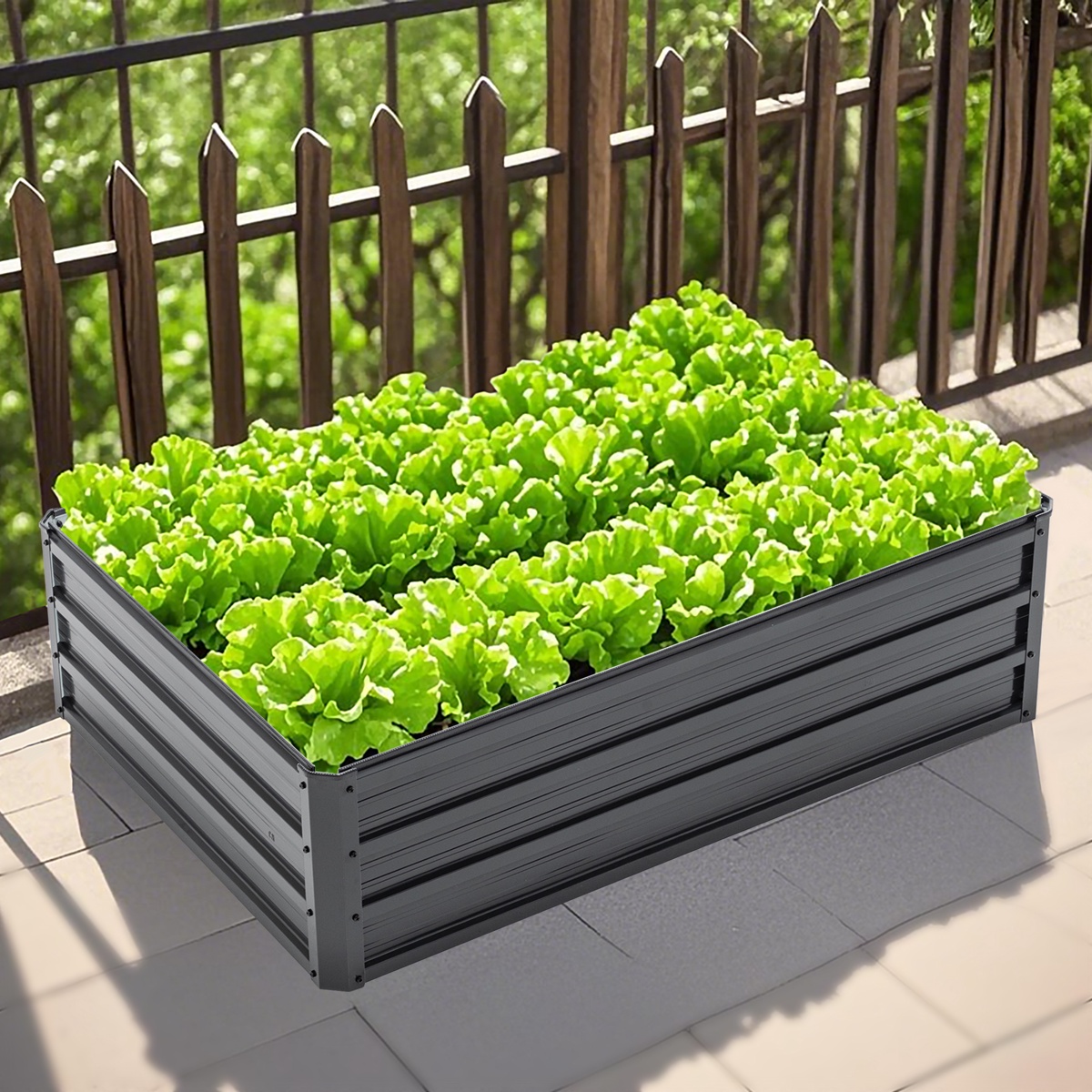 4x3x1ft Metal Raised Garden Bed,Deep Root Outdoor Galvanized Planter Box,Patio Kit Planting Beds for Vegetables Flowers Herb,Black$55.99View on Mallflare
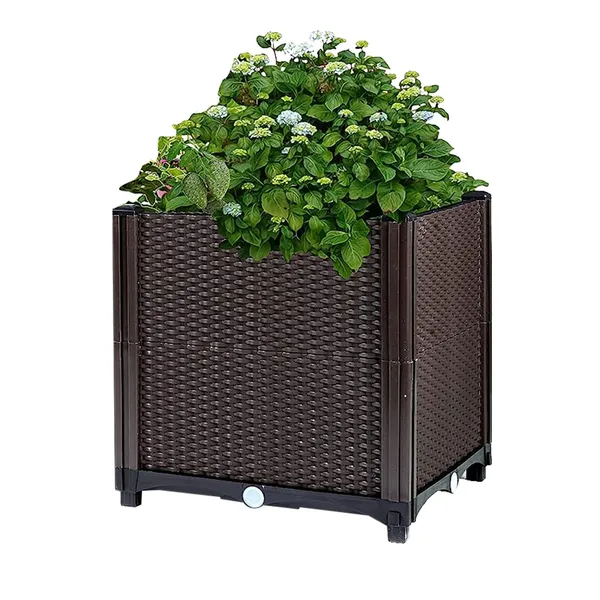 Raised Garden Bed With Self-watering System Rectangle Planter For Patio Balcony Elevated Box For Flowers Vegetables Herbs$56.99View on Mallflare
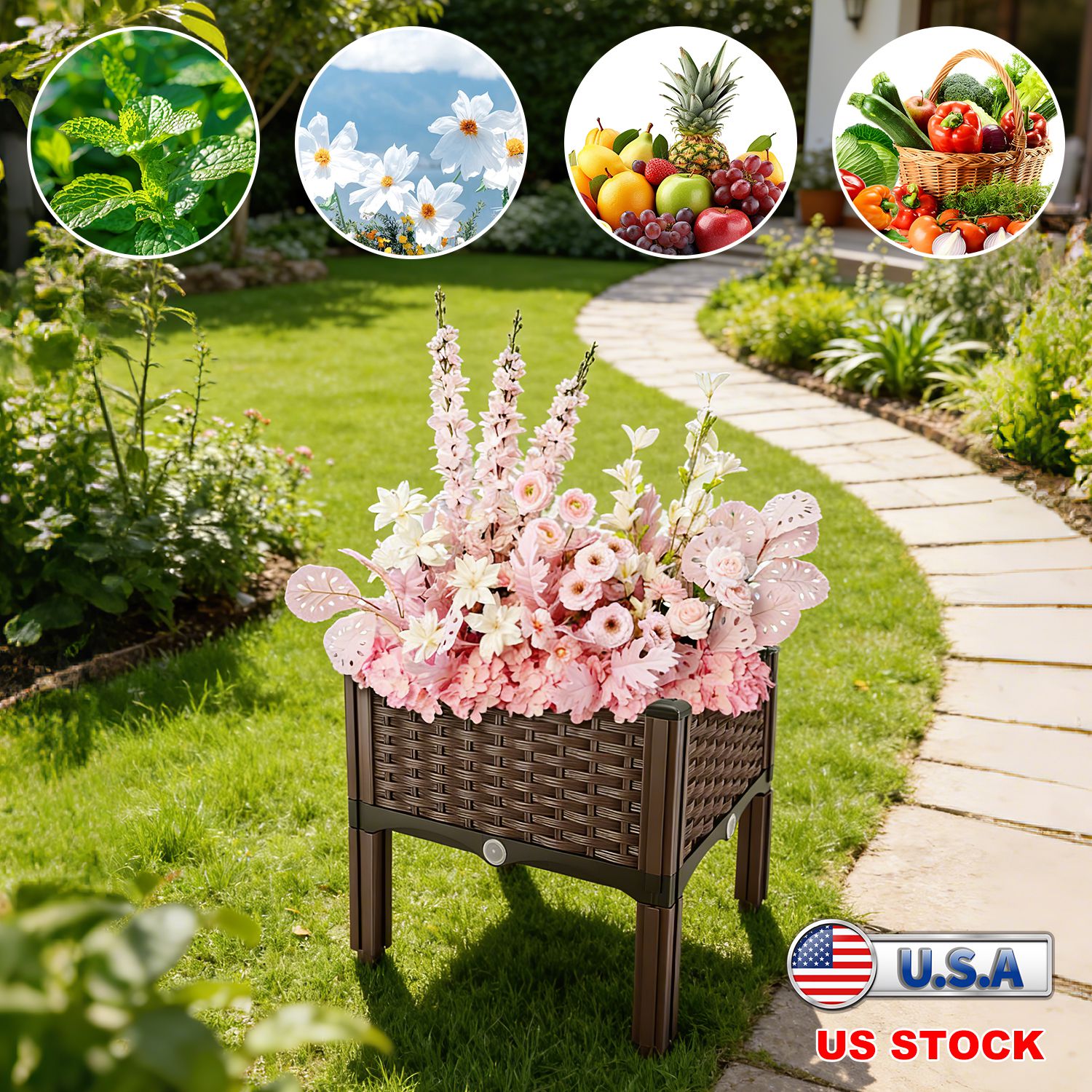 1Pc Outdoor Raised Garden Bed With Legs Elevated Planter Box Self Watering System For Patio Balcony Vegetables Flowers Herbs PP Plastic Box Easy Assembly$57.99View on Mallflare
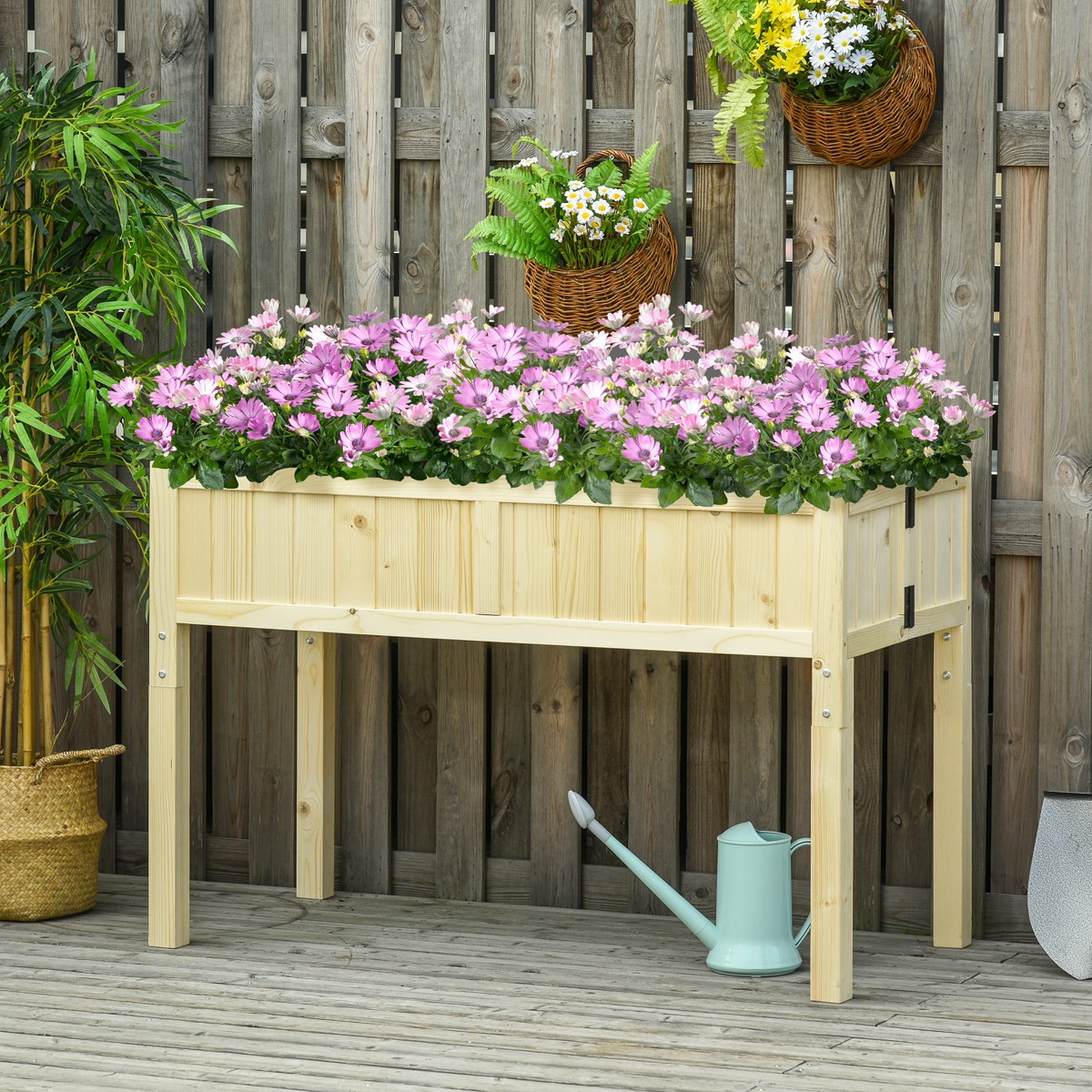 Raised Garden Bed Elevated Wooden Planter Box with Space-Saving Folding Design, Drainage Holes, & Inner Liner for Vegetable Fruit Herb Grow$58.99View on Mallflare
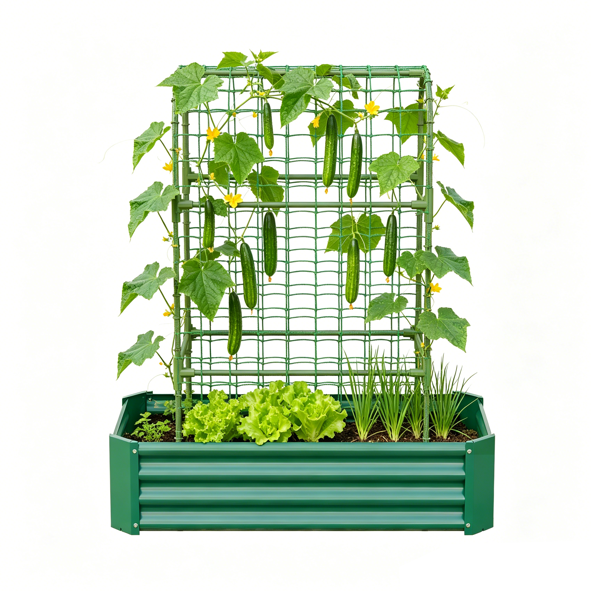 2-in-1 Raised Garden Bed With Trellis - 59inch Tall Arch Planter Box For Climbing Plants, Outdoor Galvanized Metal Gardening Bed For Vegetables, Fruits, Flowers Green, 4x2x1 Ft$59.99View on Mallflare
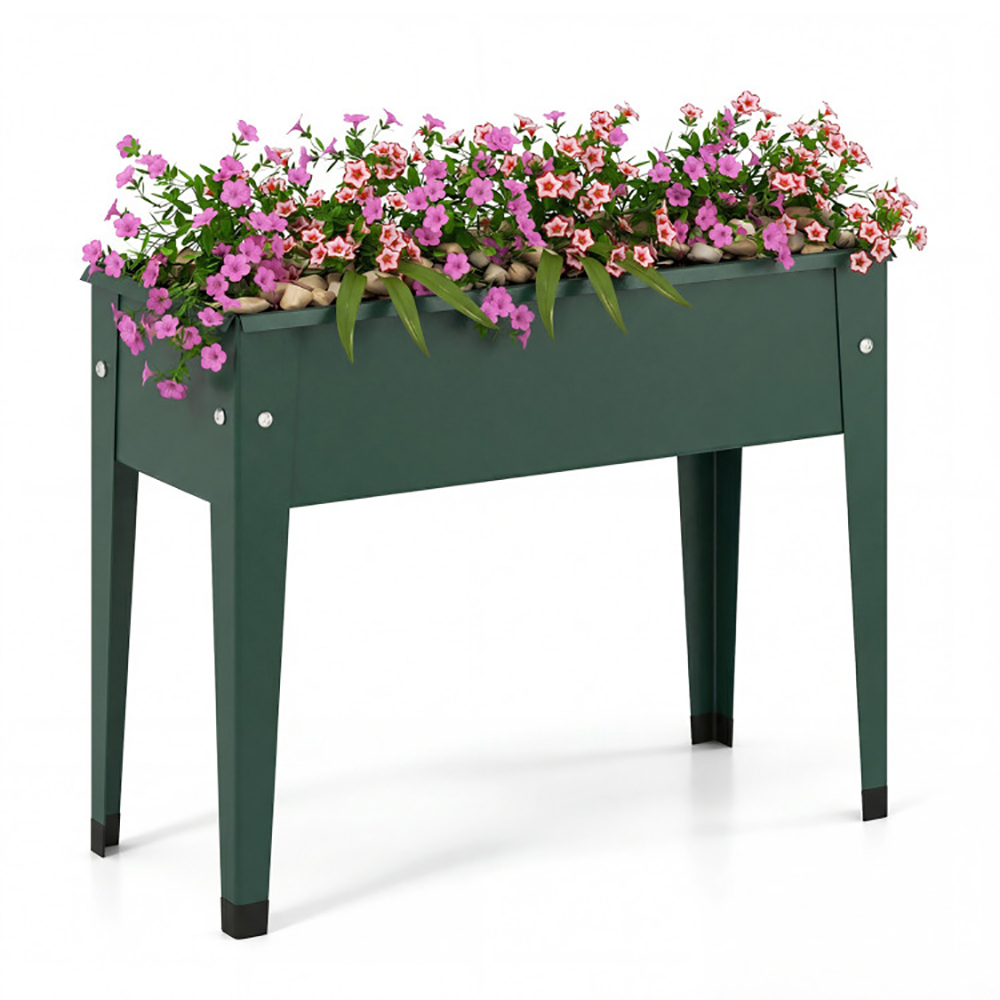 Raised Garden Bed Elevated Metal Gardening Box With Legs Of Up 44 Lbs For Various Plants, Flowers, Herbs, Vegetables, Fruits, Etc$60.99View on Mallflare
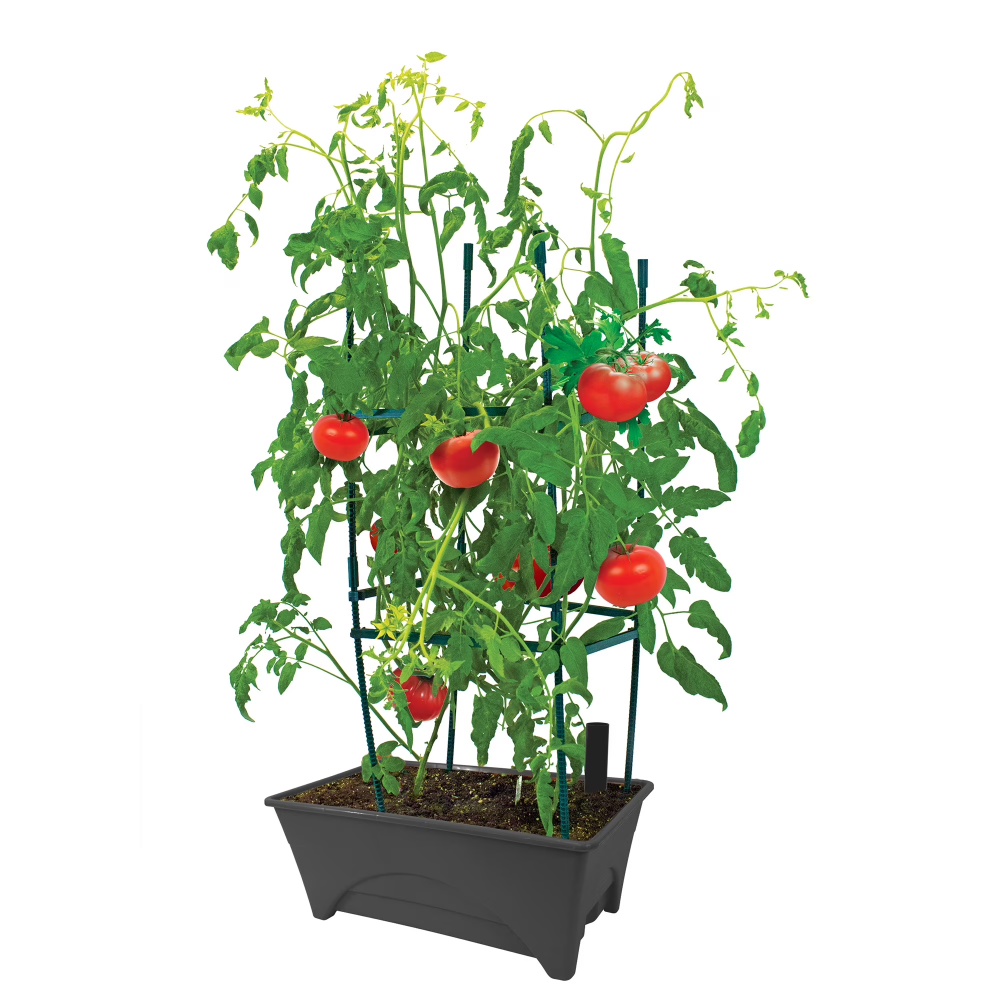 Garden Bed with Self-Watering Reservoir, Ideal for Patios and Indoor Spaces$63.99View on Mallflare
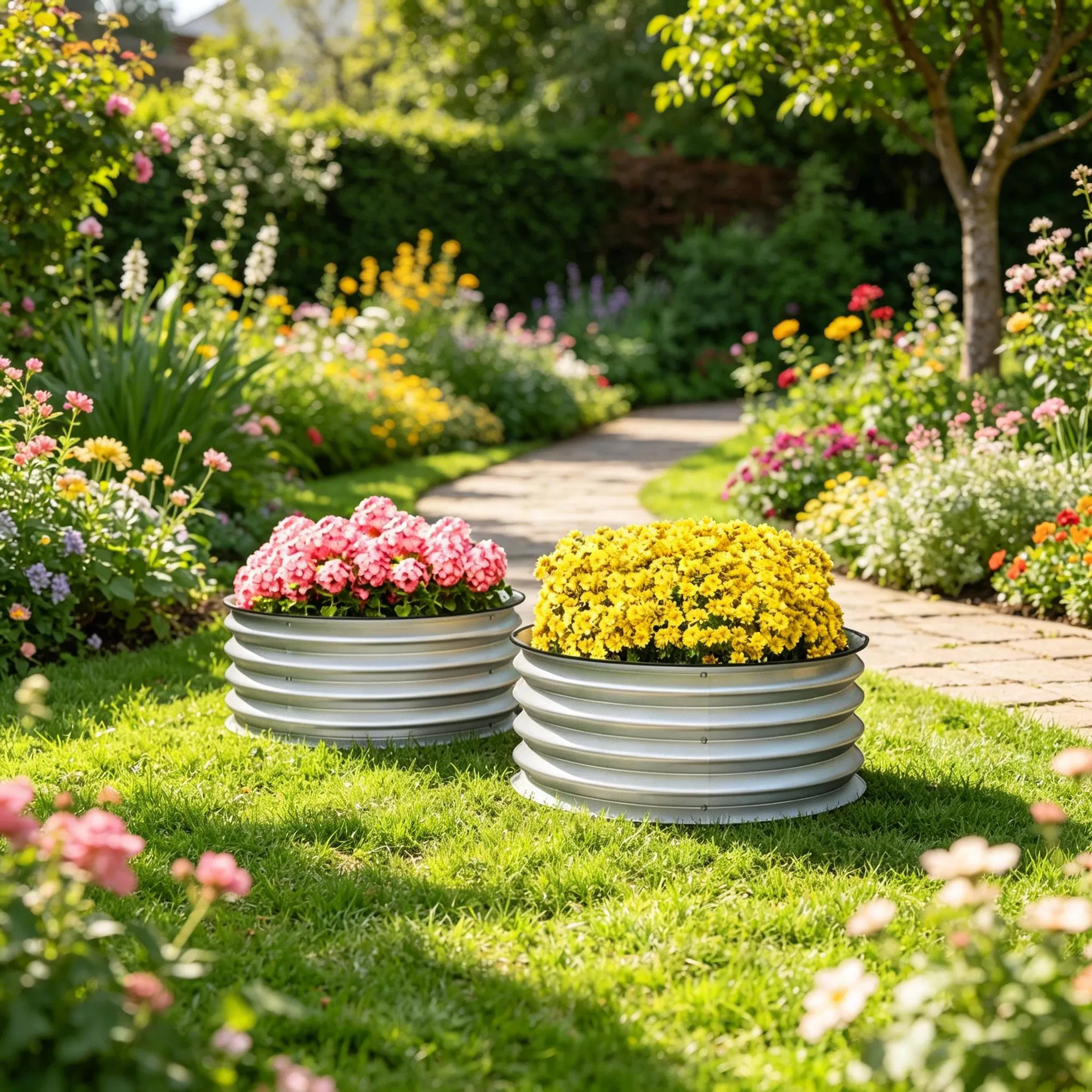 2 Pack Silver Metal Raised Garden Bed Planter Box 2x2x1 Easy to Assemble Stock Tank with Safety Edging for Gardening$66.99View on Mallflare
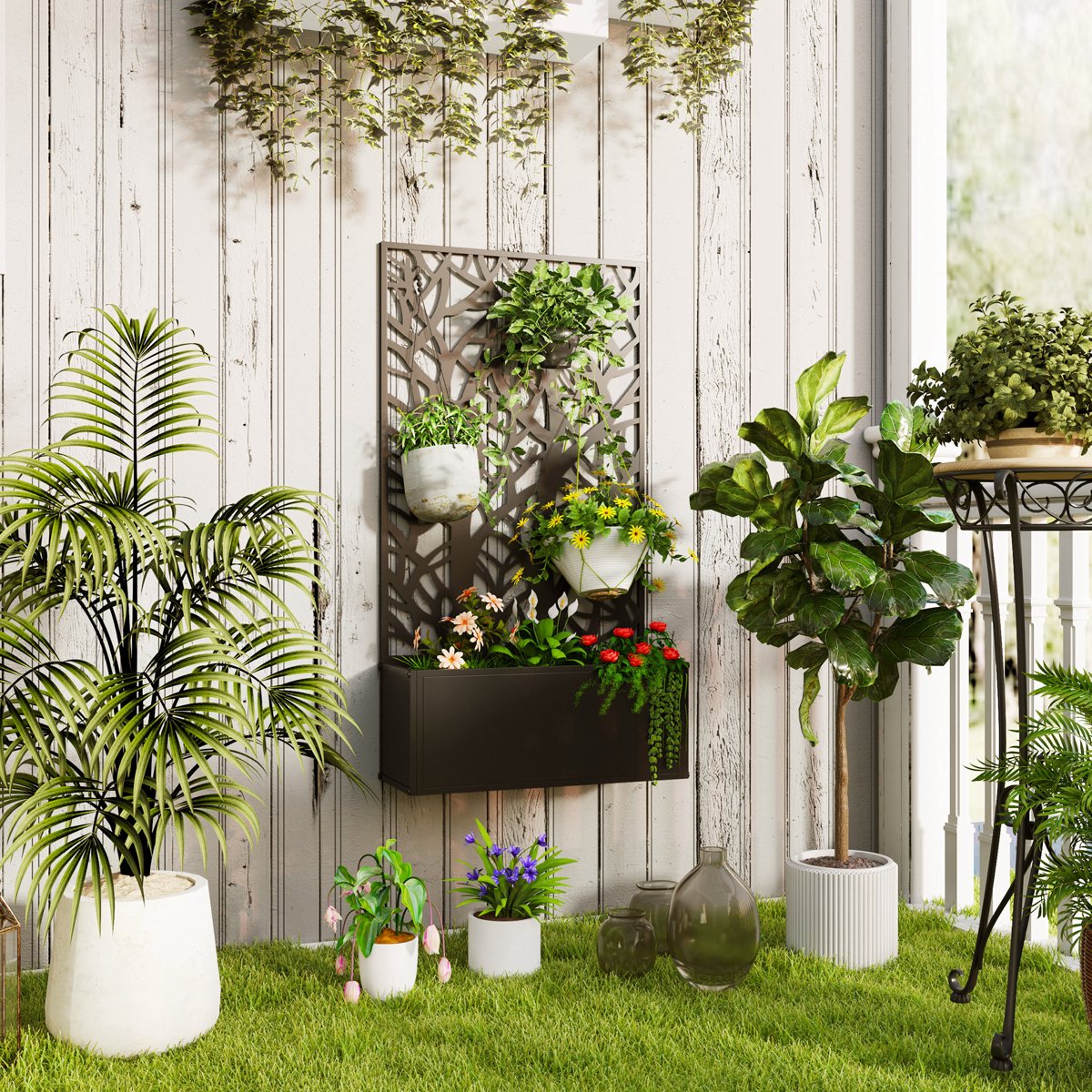 Metal Garden Bed with Trellis for Climbing Plants, Freestanding or Wall Mounted Flower Bed for Patio, Balcony$67.99View on Mallflare
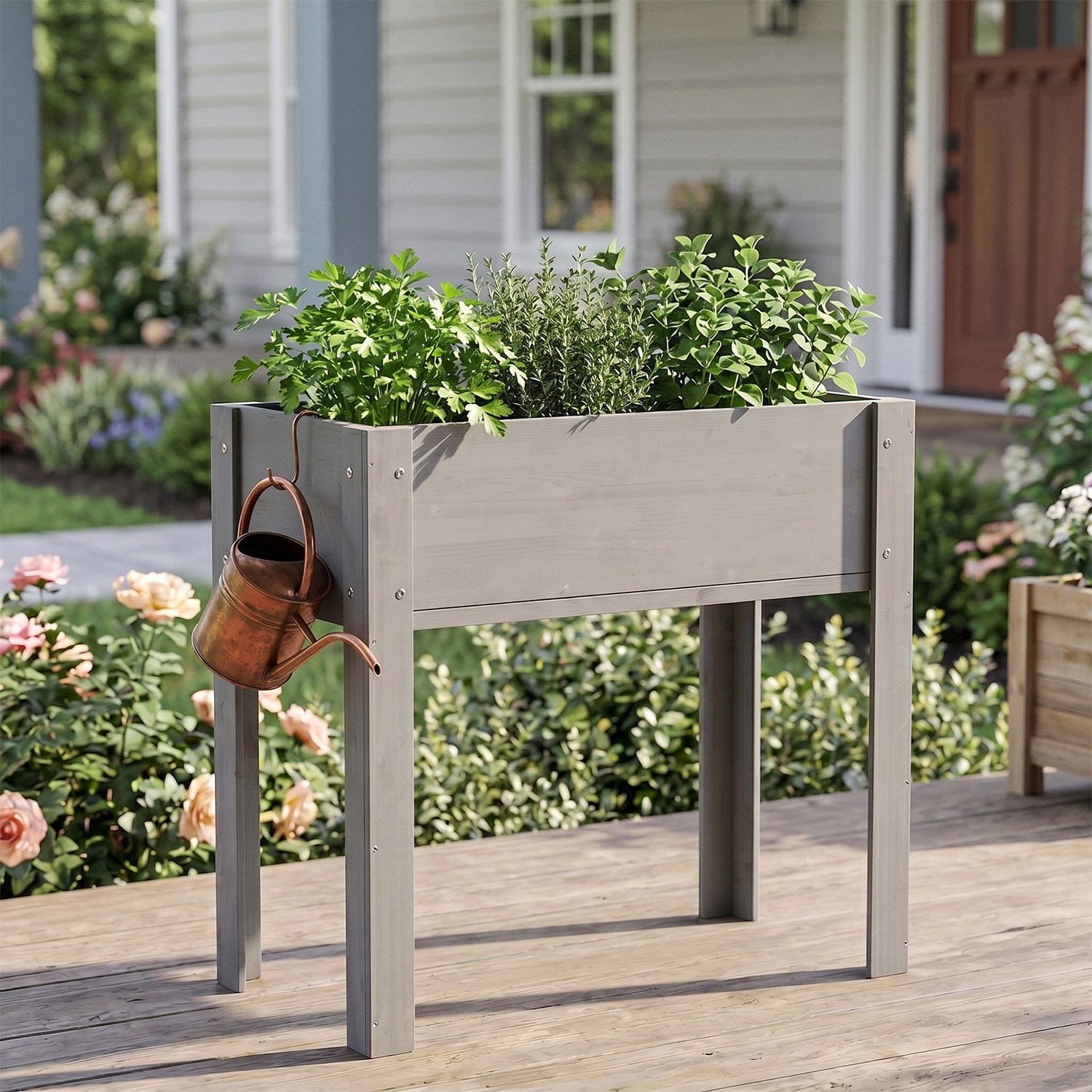 31IN 48IN Size Options Elevated Raised Garden Bed With Legs, Wooden Planter Box For Outdoor Vegetable Herb Flower Fruit Growing OLFC0002 GREY$68.99View on Mallflare
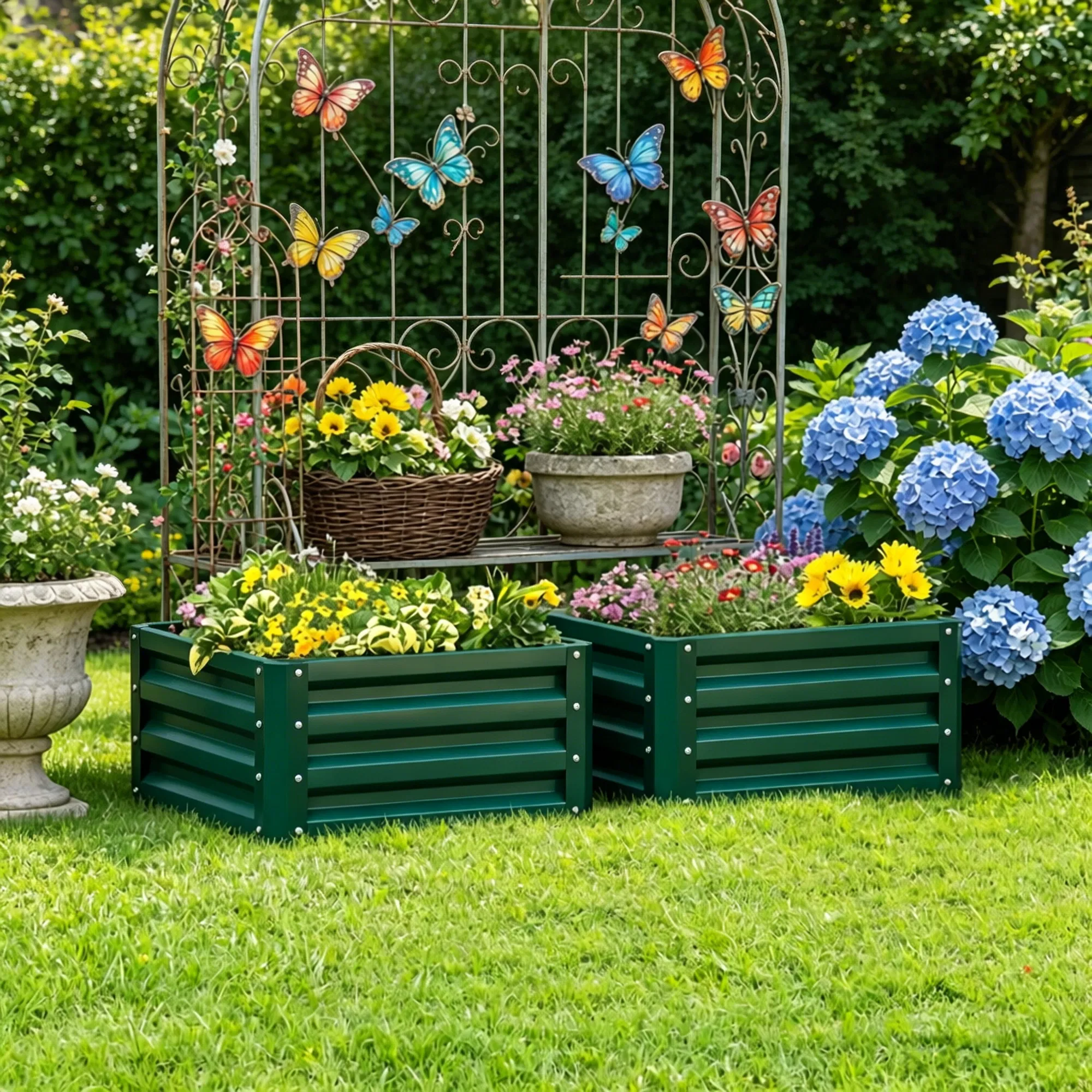 2-Pack Galvanized Steel Raised Garden Bed Rust-Resistant Metal Planter Box with Open Bottom for Easy Vegetable & Flower Growing$68.99View on Mallflare
Highlights
- Fabric grow bags rely on non-woven geotextile GSM: 300–400 GSM lasts 3–5 seasons; sub-200 GSM degrades and tears within one to two summers under UV and wet soil load.
- Collapsible galvanized troughs work best at 0.6–0.8 mm (24–22 gauge) wall thickness with rolled top edges; 0.4 mm panels buckle and dent when filled with saturated soil.
- Modular plastic-panel beds use snap or bolt connectors; UV-stabilized HDPE or PP with a minimum 3 mm wall resists warping, while thin PVC panels become brittle and crack in freezing temperatures.
- Portable beds generally hold 15–40 gallons of soil; at roughly 1.2 lb per gallon saturated, a 30-gallon bed weighs about 36 lb plus the frame, so any bed over 12 inches deep needs caster-rated or two-person lift planning.
Best use cases
- Best fit fabric grow bags: renters, balcony growers, and seasonal rotation where the bed moves indoors or under cover—pick 300+ GSM with handles rated for wet soil weight; skip thin decorative bags under 200 GSM.
- Best fit collapsible metal troughs: patios and driveways where a rigid but foldable bed is needed for winter storage—choose 0.7 mm galvanized with rolled edges; skip unrolled sharp-edge panels that cut liners and hands.
- Best fit modular plastic panel kits: community gardens or temporary plots where beds reassemble yearly—choose UV-stabilized HDPE at 3 mm+ wall with locking connectors; skip snap-together PVC kits sold for indoor only.
- Wrong fit for all portable types: permanent in-ground vegetable production or deep-rooted perennials in hard frost zones—use a fixed raised bed with ground-contact timber or masonry instead of any movable container.
Buying tips
- Match bed volume to crop: leafy greens and herbs need 10–15 gallons per plant cluster; tomatoes and peppers need 20–30 gallons per plant, so a 30-gallon portable bed fits only one large fruiting plant.
- Check the handle or lift-point rating: a saturated fabric bag weighs roughly its dry soil volume plus 20 percent—a 30-gallon bag needs handles stitched through the sidewall, not just top-hem loops.
- For collapsible metal, insist on rolled or hemmed top edges and a minimum 0.6 mm sheet; thinner panels flex and fatigue at fold lines after two or three seasonal cycles.
- Confirm drainage: portable beds need at least four 0.5-inch drain holes or a permeable geotextile base; sealed plastic panel kits without drainage will waterlog and rot roots within weeks.
Specs
| Bed Material | Geotextile fabric / galvanized metal / HDPE |
|---|---|
| Soil Capacity | 10–40 gallons typical portable range |
| Fabric Weight | 200–400 GSM non-woven geotextile |
| Bed Depth | 8–15 in (12–15 in for fruiting crops) |
Related searches
What to check before buying
- Measure your balcony or patio footprint and load rating: a 30-gallon saturated bed weighs 36–40 lb, and balconies typically rate 50–100 lb per square foot—keep beds over load-bearing beams, not cantilever tips.
- Check winter exposure: fabric and thin plastic become brittle below freezing; if the bed stays outdoors in a hard-frost climate, choose galvanized metal or thick HDPE and empty it before first freeze.
- Verify the bed depth against your crop roots: 8–10 inches suits lettuce and herbs; 12–15 inches is the minimum for tomatoes, carrots, and peppers in a portable container.
- Plan for a drainage path: portable beds on decks need saucers or a permeable base mat to prevent staining and water pooling under the container.
FAQ
Data sources: eBay / Amazon listings and product attribute feeds. Updated Nov 28, 2026.
Some links on this page are affiliate links. If you buy after clicking one, we may earn a commission at no extra cost to you. This does not change which products appear here or their order. Affiliate disclosure.