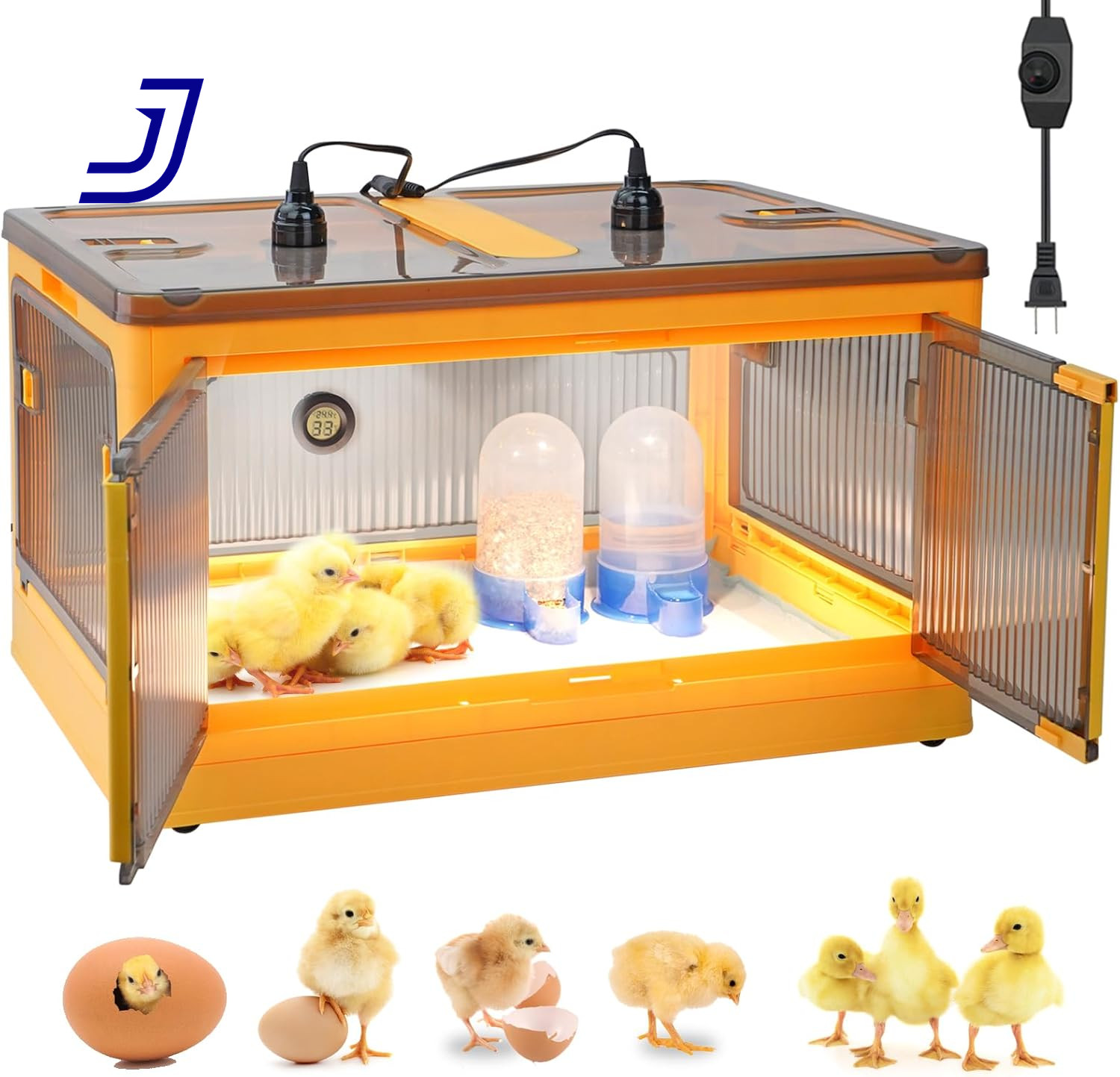
Chicken Brooders & Heat
Chicken Brooders & Heat
Compare chicken brooders & heat models, specs, and current prices.
GardenPulse Guide
Compare garden, yard & outdoor living by use case, features, trade-offs, price, returns, and seller terms before you buy.
Compare chicken brooders & heat models, specs, and current prices.
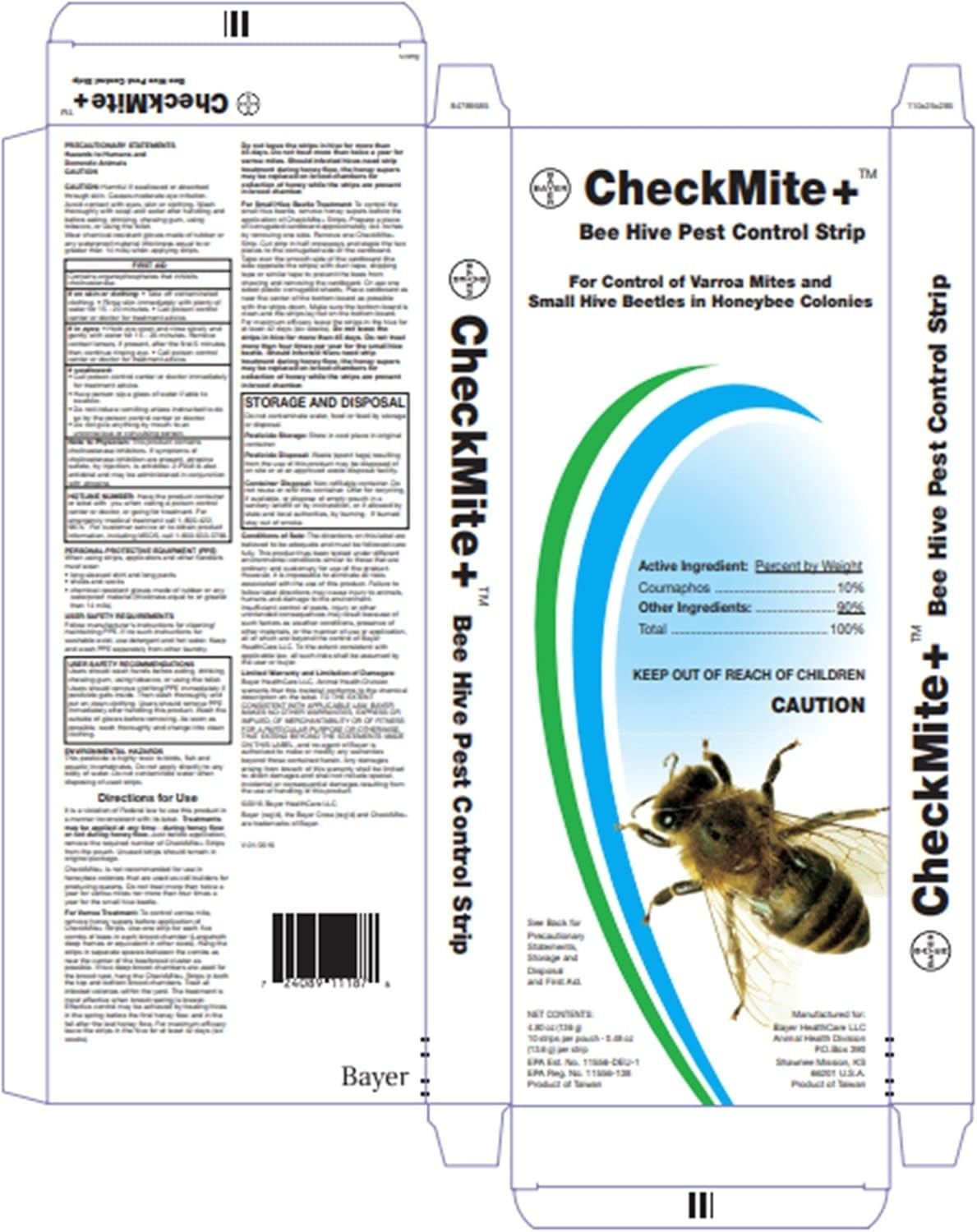
Compare bee feeders & mite treatment models, specs, and current prices.
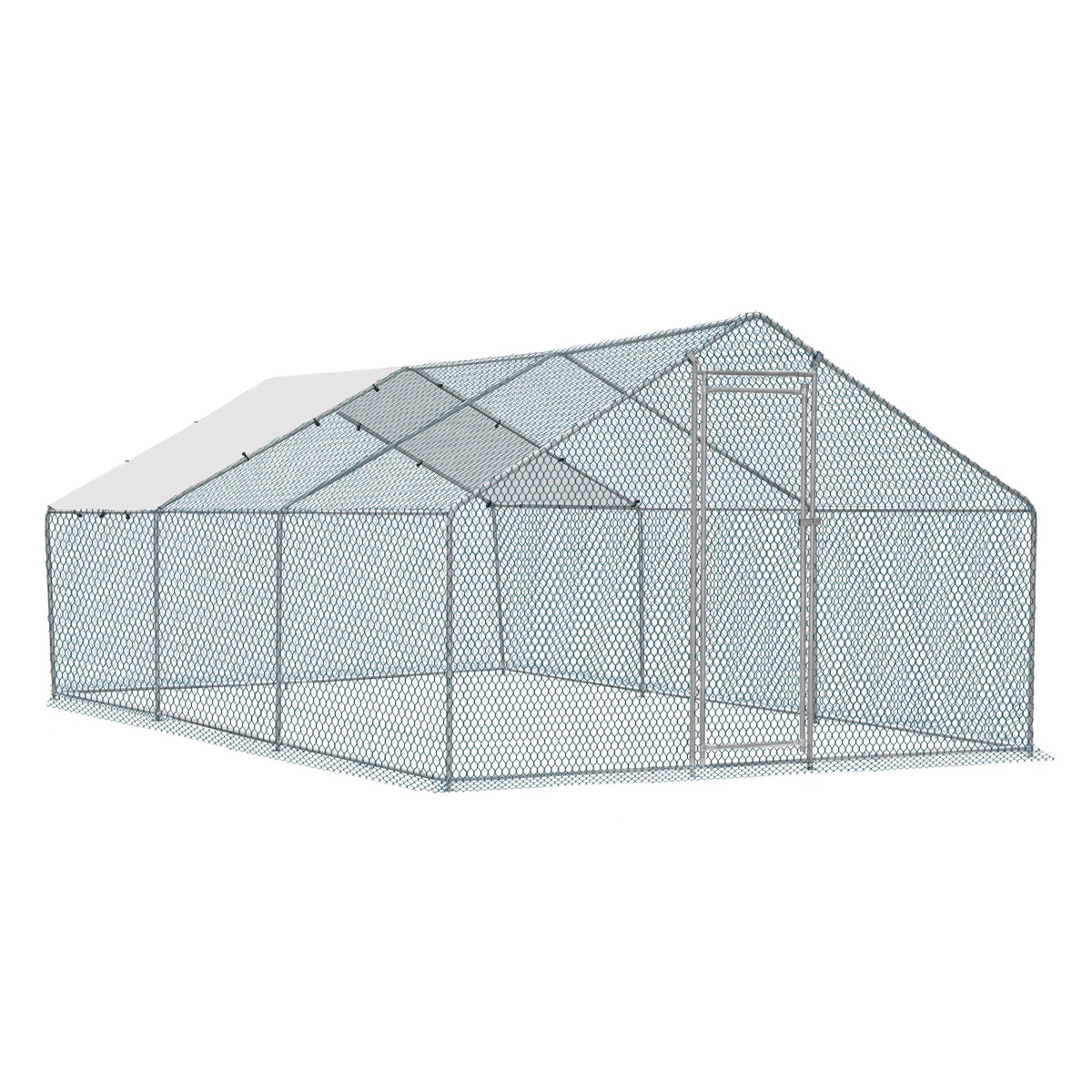
A chicken cage is a confined enclosure for poultry, ranging from small hutches to large walk-in runs; the core trade-off is between predator-proof construction and easy access/cleaning. Durable options use galvanized welded wire and rot-resistant framing, while compromises rely on thin mesh, untreated wood, or lightweight tube frames.
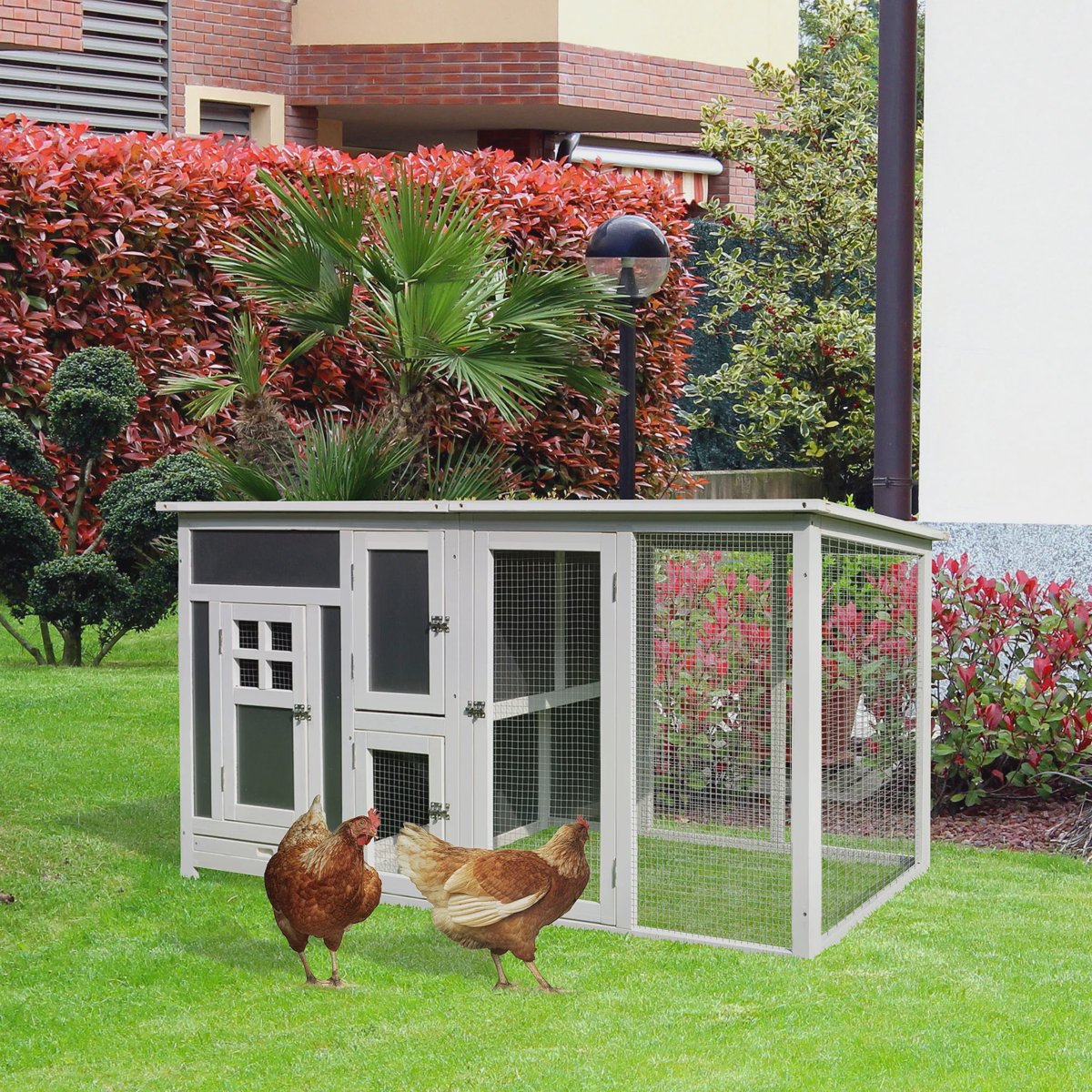
A chicken pen is the enclosed outdoor footprint—run, cage, or walk-in enclosure—that keeps birds safe while giving them room to range, and the core trade-off is predator-proof rigidity versus easy mobility and cost. Wood hutches win on insulation and nesting privacy but rot and harbor mites; welded galvanized-steel runs win on lifespan and visibility but need ground anchoring and wind bracing. The decision rule: buy steel tube at least 1 inch (25 mm) in diameter with 16-gauge or thicker wire and a lockable roof panel for permanent setups, and buy a modular wood or plastic hutch only for 2–4 birds with a lift-off cleaning tray.
A chicken coop is a predator-proof, weather-tight enclosure combining a sheltered henhouse with an attached run, and the core trade-off is mesh strength and framing rigidity versus decorative appeal. Durable coops use welded galvanized steel or pressure-treated lumber with 1/2-inch hardware cloth, while compromises use 1-inch chicken wire and thin stapled frames. The decision rule: pick hardware cloth and a rigid frame for any permanent outdoor setup, and only accept lighter coops for temporary brooder or covered-run use.
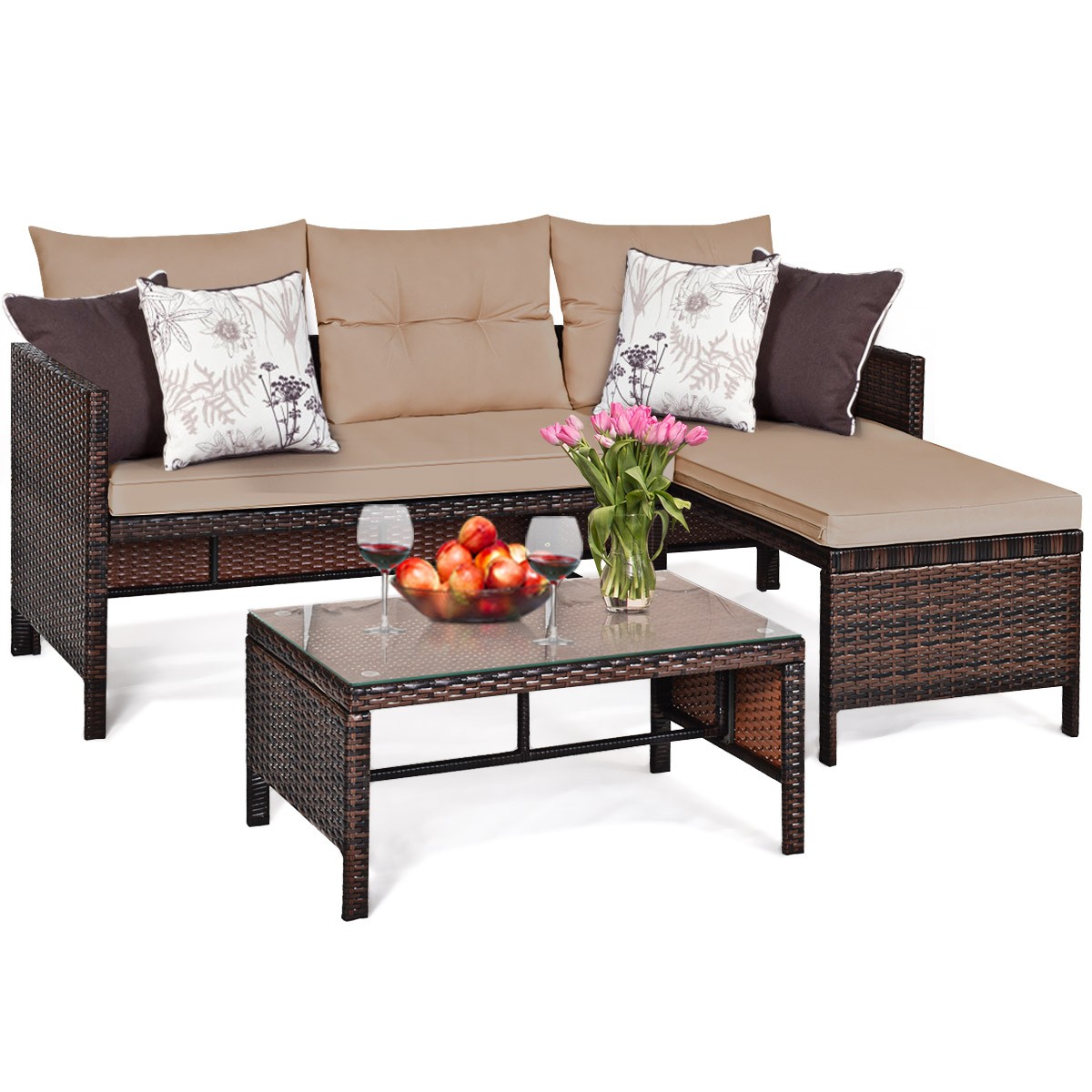
Patio furniture is a broad segment spanning seating, dining, and lounging built from weather-exposed structural frames and cushioning systems. The core trade-off is frame material (powder-coated steel and aluminum vs. e-coated or PE rattan vs. solid teak/acacia) against cushion foam density and fabric UV/water resistance. Buyers should commit to a frame that cannot rust from the inside and a cushion with removable, solution-dyed covers; skip set bundles that hide thin-gauge tubing behind glossy powder coat or use polyurethane foam without drainage.
A chicken house is the enclosed roosting and nesting structure within a coop system, ranging from small wooden hutches to large walk-in metal or plastic coops. The primary trade-off is predator-proofing and ventilation versus ease of cleaning and weather resistance. Choose a house sized by internal floor area and roost length, not by advertised bird count, and reject any model without a secure latching door and adequate ventilation.
A chicken coop with run is an integrated housing and outdoor enclosure system, where the primary trade-off is between predator-proof wire gauge and structural rigidity versus lightweight, low-cost frames that fail under load or digging pressure. Durability hinges on 12-14 gauge welded wire, galvanized or powder-coated steel, and a frame that stays true under snow and wind; budget tiers use thin 16-19 gauge mesh and spot-welded joints that separate within a season. The decision rule: buy a coop with a walk-in or lift-off roof for cleaning and a run with buried or skirted apron; skip any model that lacks a secure latching door and uses hex mesh thinner than 1 mm wire.
A portable chicken coop is a movable enclosure that lets you rotate flocks across fresh ground, ranging from wheeled wooden houses to fabric-covered metal runs. The core trade-off is mobility versus predator security: wheeled wooden coops offer shelter and nesting but need a sturdy frame and locking latches, while lightweight fabric runs are cheap and quick to move but vulnerable to digging predators. Choose a wheeled wooden coop on a hard frame if you need overnight housing, and a metal run with a waterproof cover if you need daytime grazing only.
A 10-chicken coop is a housing and run system sized around roughly 30–40 sq ft of interior floor plus 80–100 sq ft of secure outdoor run. The core trade-off is between wood coops with integrated nest boxes and metal walk-in run kits with waterproof covers; wood insulates and holds heat but rots, while galvanized tube frames resist weather but offer no thermal buffer. The decision rule: buy wood or insulated plastic for year-round laying flocks in cold climates, and buy a metal walk-in run plus a separate small hutch when the priority is predator-proof outdoor space and easy walk-in access.
A 20-chicken coop is a housing system sized for a flock of twenty, balancing floor area, predator security, and ventilation against climate and labor. The primary trade-off is between wooden coops with insulated nesting boxes and walk-in metal runs that prioritize space and airflow over warmth. The decision rule: buy for the number of birds you will actually keep at peak, and reject any coop that gives less than 2–3 ft² of indoor floor space per bird or uses mesh larger than ½-inch hardware cloth in predator zones.
A 12-chicken coop is a housing or run system sized for a dozen standard-size hens, and the main trade-off is between walk-in metal run cages (predator-resistant, open-air) and enclosed wooden coops with nesting boxes (weather protection, egg access). Durable options use galvanized steel tube frames with welded wire mesh and a UV-stabilized cover; compromises rely on thin powder-coated tubing, flimsy hexagonal mesh, or untreated fir that fails within a few seasons.
An 8-chicken coop is a housing and run system sized for a small backyard flock of eight hens, where the core trade-off is predator-proof construction versus cheap wire-and-tarp kits that fail within a season. The decisive rule: buy a coop with a rigid steel or thick wood frame, welded wire (not hex netting), and a raised or fully enclosed roost area — anything flimsy is a compromise that costs more in losses and repairs.
A 5-chicken coop is a small-flock housing unit sized to comfortably shelter up to five standard hens, but the category splits sharply between flimsy fabric/light-frame pens and rigid wood or galvanized-steel structures. The primary trade-off is upfront material cost versus predator resistance and weather durability: welded wire and true lumber last years, while zip-tied fabric and thin tubing fail within seasons. The decision rule is simple—buy a rigid frame with 1-inch or smaller galvanized mesh and a raised, ventilated house if the coop must survive raccoons, wind, and rain; choose a fabric pen only for supervised daytime ranging in mild climates.
A 15-chicken coop is a large-scale backyard poultry housing system sized for flocks of roughly 12 to 15 birds, requiring at least 45–60 sq ft of enclosed shelter plus a predator-proof run. The core trade-off is between flimsy plastic or thin metal kits that fail under predator pressure and properly framed wooden or heavy-gauge metal coops with real ventilation and secure latching. The decision rule is simple: buy for the flock you will have in two years, not today, and never accept less than 4 sq ft of indoor space per bird with 1-inch hardware cloth on every opening.
A chicken coop without a run is the enclosed, predator-proof housing structure only, leaving the run as a separate or DIY build. The primary trade-off is square-footage per bird versus construction durability: cheap thin-wood hutches rot and warp, while galvanized steel or thick cedar with proper ventilation last decades. The decision rule is simple: if you free-range or already have a fenced run, buy a standalone coop rated at minimum 4 sq ft per bird inside, prioritizing steel or 3/4-inch cedar over 1/2-inch fir and metal hardware over staples.
Heavy-duty chicken coops and runs are walk-in metal structures built for permanent outdoor use, where the primary trade-off is tube-wall thickness and mesh gauge versus powder-coat and roof design. The clear decision rule: specify a galvanized or powder-coated steel tube frame (never aluminum or plastic connectors) with at least 1-inch hexagonal mesh welded or clipped to the frame, and compare tube diameter, wall thickness, and mesh gauge rather than square footage alone.
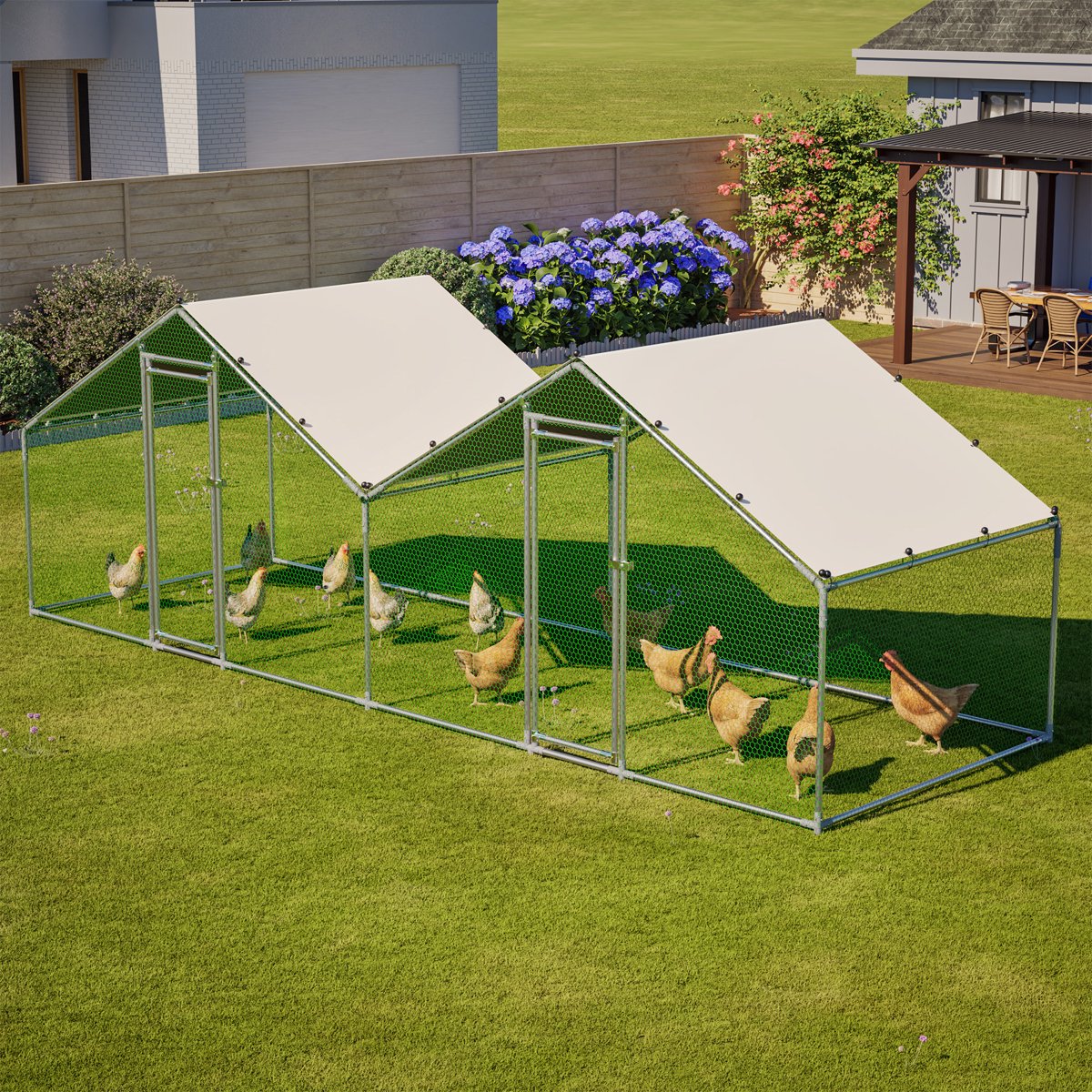
Chicken coop boxes span small wooden hutches with nesting boxes to large metal run-and-house kits, where the core trade-off is predator-proof construction and ventilation versus ease of cleaning and flock capacity. Durable options use thick galvanized wire, mortise-and-tenon or reinforced corner joints, and raised, ventilated roost areas; compromises rely on thin mesh, untreated softwood, and undersized nesting compartments.
A 6-chicken coop is a housing and run system sized for a small backyard flock of up to six hens, available in walk-in metal run, wooden house-and-run, and nesting-box-only configurations. The core trade-off is predator defense and weatherproofing versus footprint and access: thin tube frames and untreated wood fail within seasons, while welded-gauge steel and raised, vented houses last. Buy a walk-in metal run if you need full-height access and maximum run per dollar; buy a wooden house-and-run if you need nesting privacy and winter insulation; skip anything under 1.5 sq ft of indoor floor per bird or without a lockable, roofed enclosure.
A chicken coop with door encompasses both complete housing structures (wooden or metal coops with integrated doors) and retrofit automatic door openers that control flock access. The core trade-off is between predator-proof physical construction (hardware mesh gauge, frame rigidity, door latching) and the convenience of automated light-sensor/timer doors that add a layer of security but cannot compensate for a flimsy enclosure. The clear decision rule: buy a coop whose door frame and mesh are heavy enough to resist raccoons and foxes, then add automation only if the door opening is structurally rigid and the unit's battery/solar system can handle your climate.
Finding more guides for you…