
Photos from current listings. Actual item, color, and included accessories may vary.
Shed Buying Guide
A shed is a freestanding outdoor storage structure, and buyers face a three-way trade-off between weather durability, assembly complexity, and footprint flexibility. Rigid metal or resin sheds handle snow and wind loads and secure tools; soft-sided tents are cheap and portable but degrade under UV and cannot be locked. The decision rule: buy rigid (galvanized steel or HDPE resin) for permanent tool and bike storage; buy soft-sided fabric only for seasonal, portable, or HOA-restricted overflow.
Median $167.49
Key takeaways
- Galvanized steel panels at 0.25–0.32 mm thickness with hot-dip zinc coating resist rust for 10+ years; thinner 0.18 mm panels dent and corrode at cut edges within 2–3 seasons.
- HDPE resin double-wall panels (typically 1–1.5 in thick) are UV-stabilized and never rust, but require a level, anchored base; steel needs a frame-and-panel assembly with 200+ fasteners.
- Soft-sided shed tents use 210D–600D polyester or PE tarps with PU coating; 600D ripstop outlasts 210D by 2–3x under UV, but all fabric roofs sag and leak after 1–2 years of sun exposure.
At a glance
- Category
- Outdoor Structures, Shade & Awnings
- Last updated
- Nov 27, 2026
Current offers
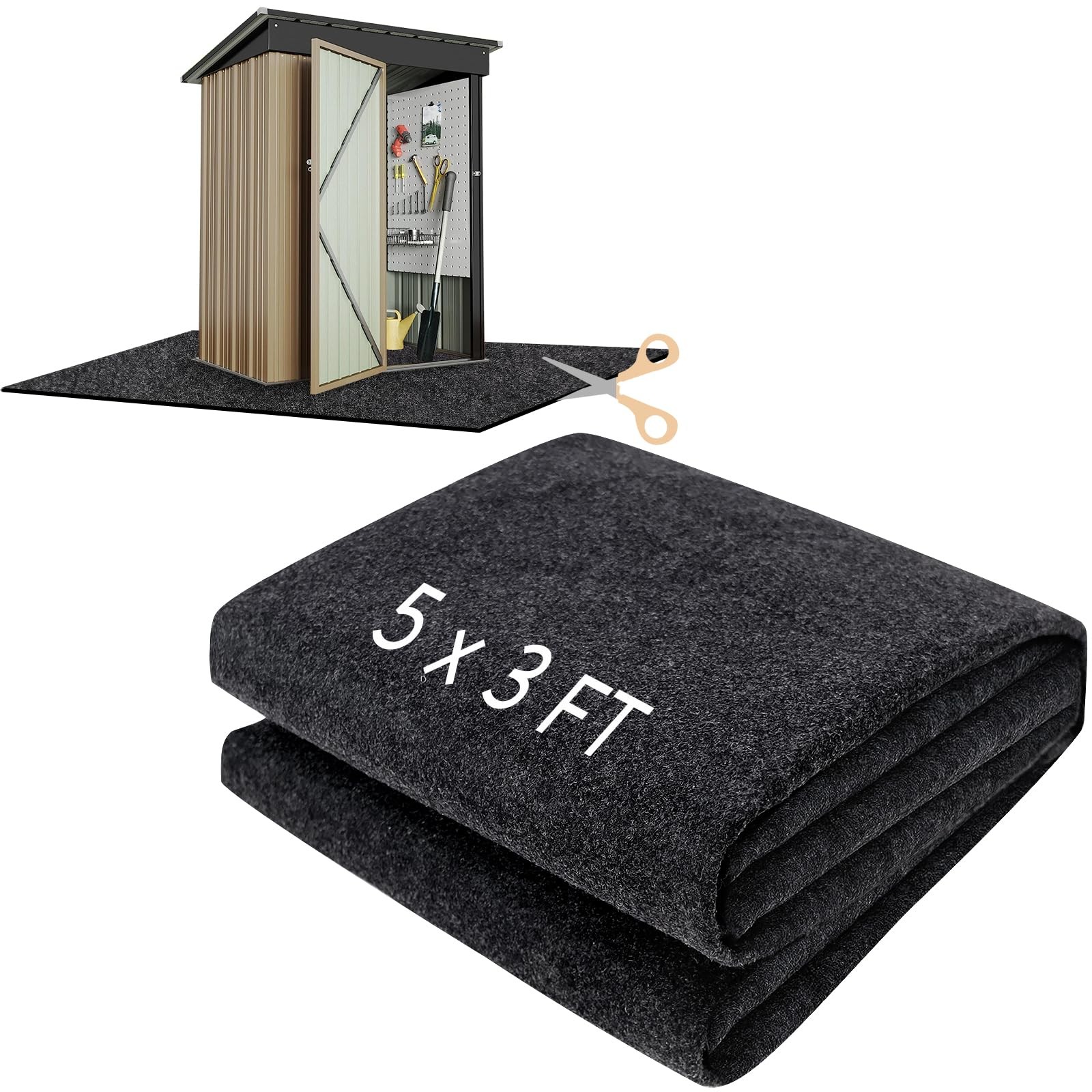 5 x 3 FT Outdoor Storage Shed 3'4" x 5'3" (Rectangular), 5 X 3 Ft$37.99Last checked Nov 24, 2026View on eBay
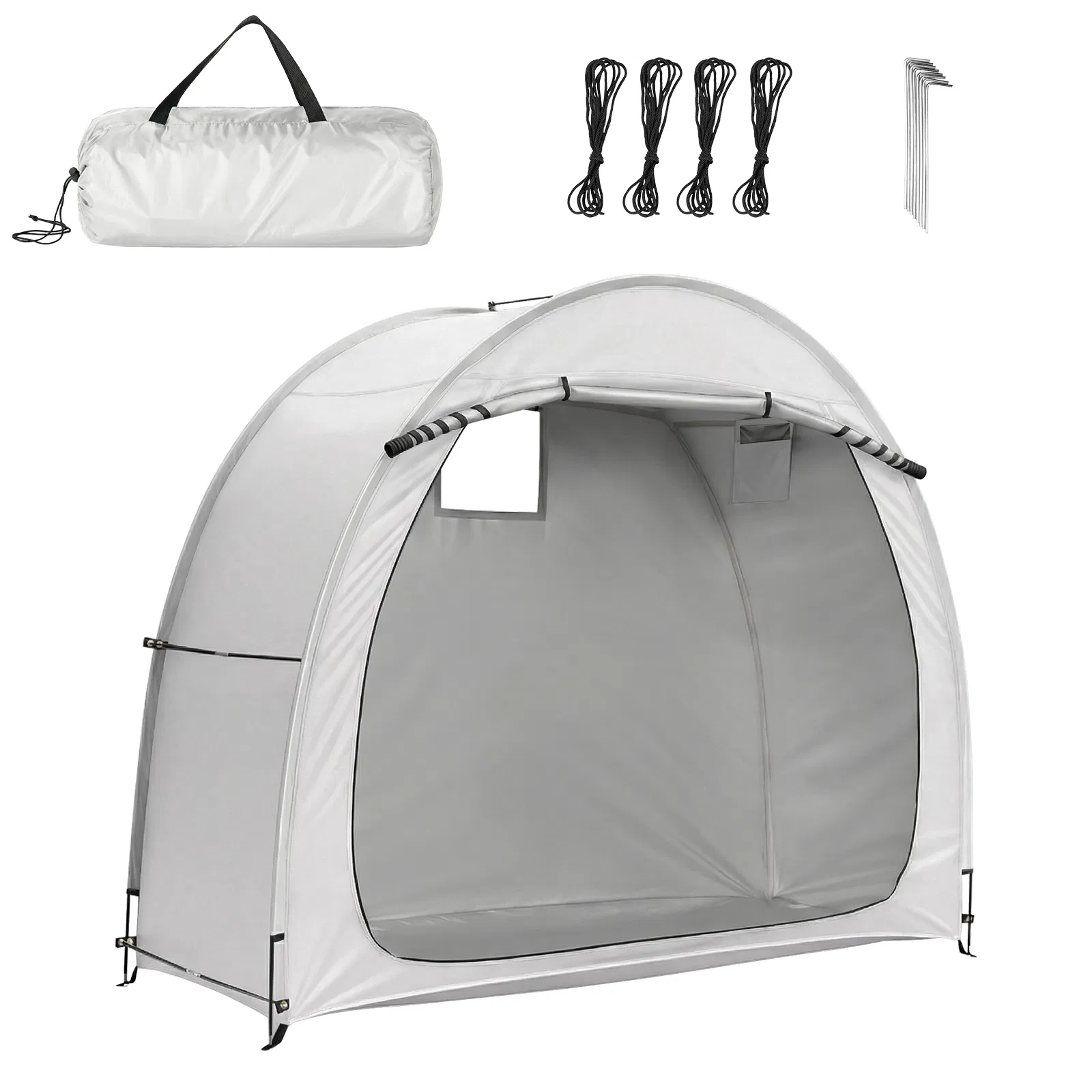 6.8x2.6FT Light Gray Arc Bicycle Storage Shed, 210D PU Silver Coated Oxford Cloth Bike Tent with Fiberglass Frame$40.99View on Mallflare
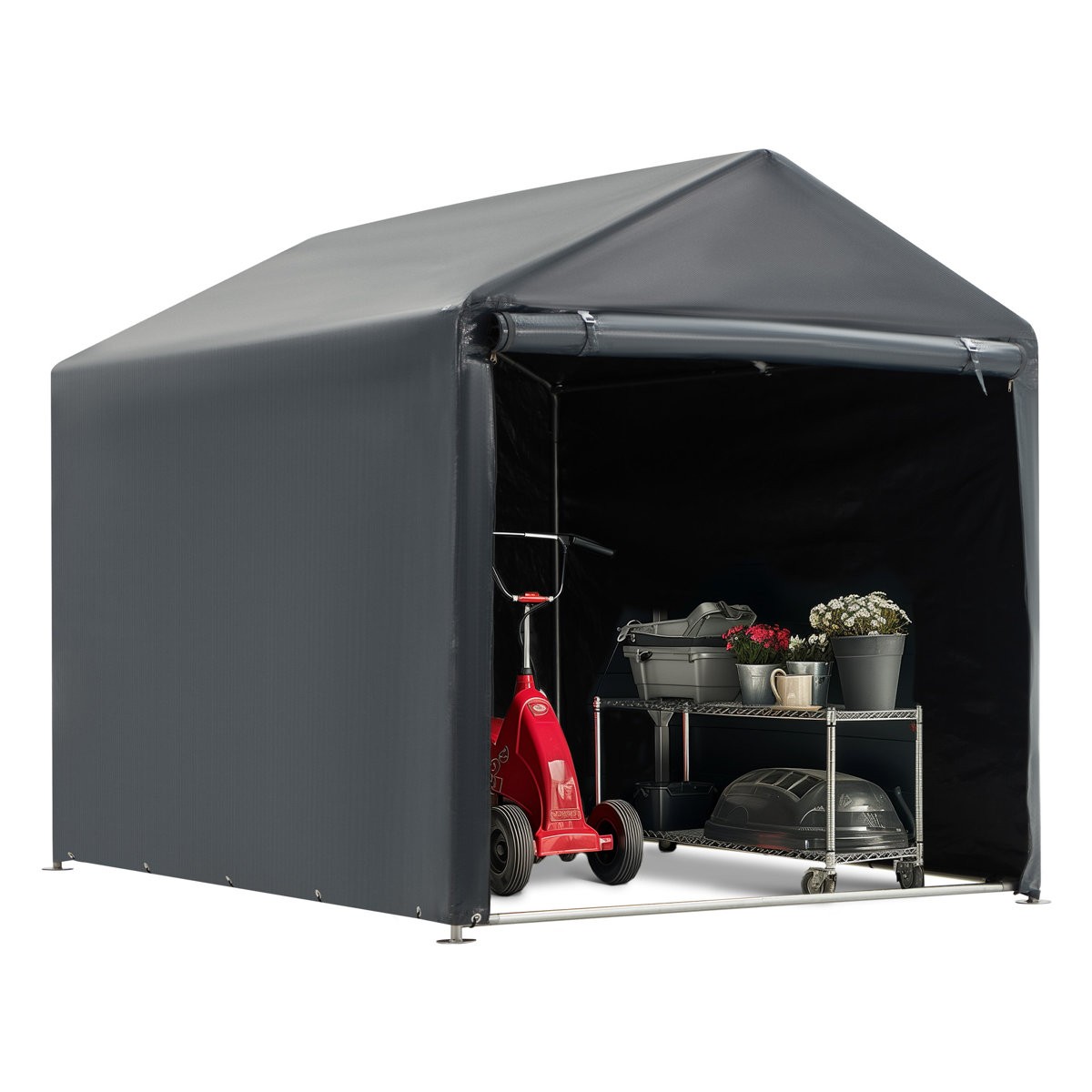 5x7.2ft Portable Garage Outdoor Storage Shed Waterproof$94.99Last checked Nov 19, 2026View on eBay
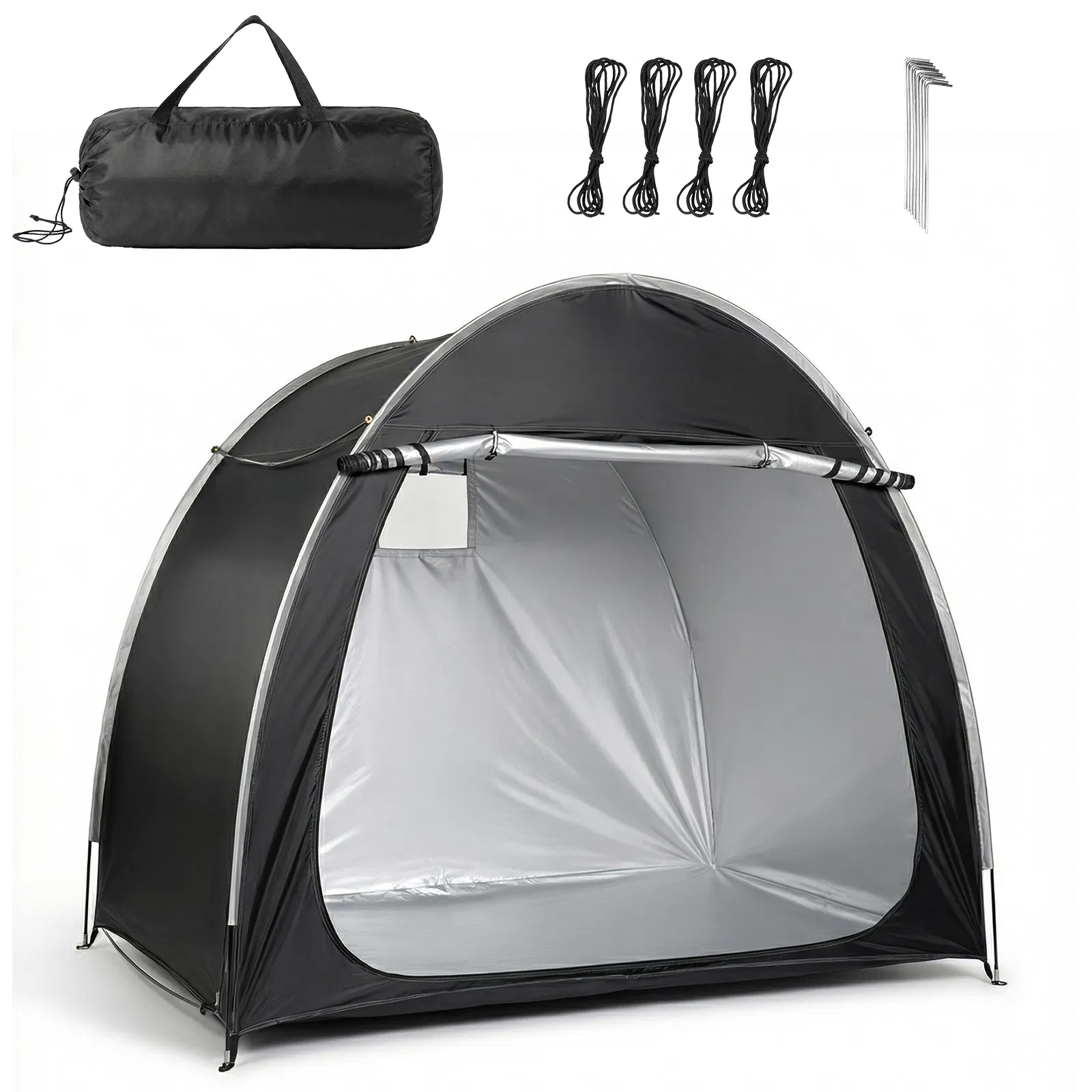 6.8x4.9FT Black Arc Bicycle Storage Shed, 210D PU Silver Coated Oxford, Fiberglass Frame, Front&Side Double Doors, Inner Bag & Carry Bag$59.99View on Mallflare
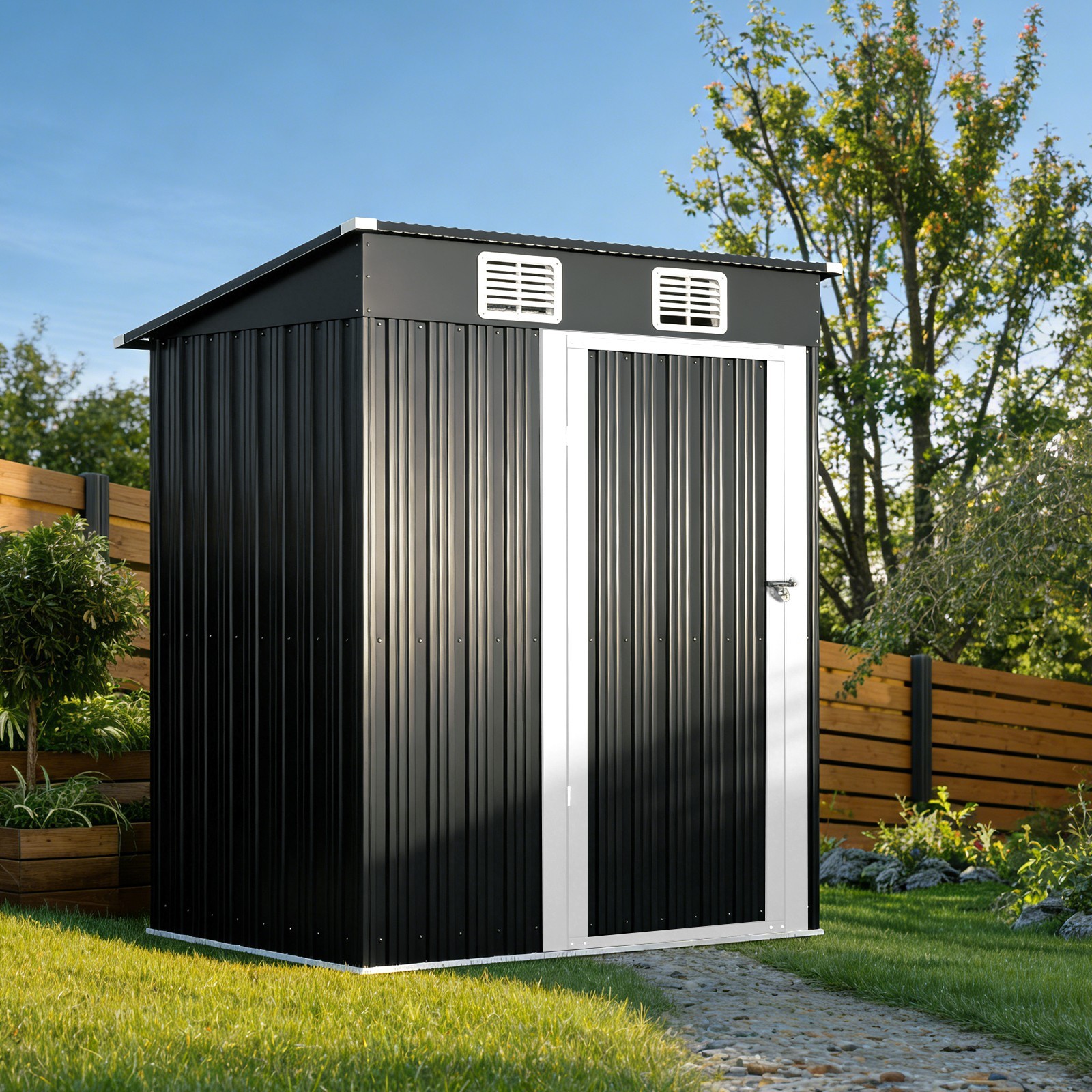 Storage Shed Outdoor Metal Tool Storage Cabinet Storage House Grey$115.99View on eBay
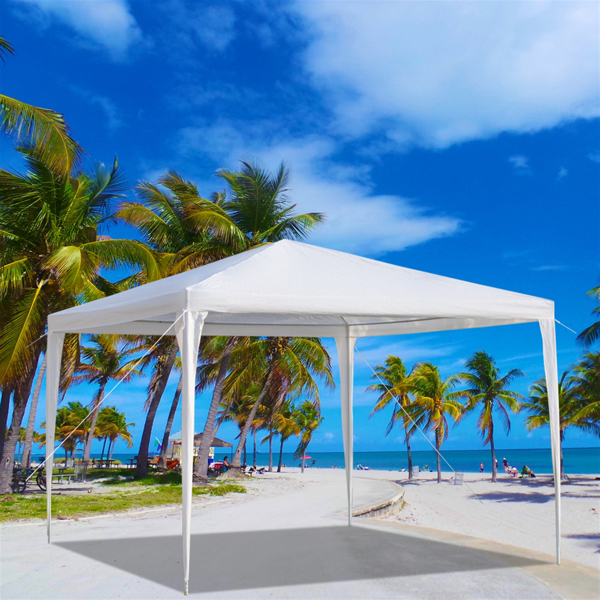 3 Sided Spiral Tube Cooling Shed$77.99View on Mallflare
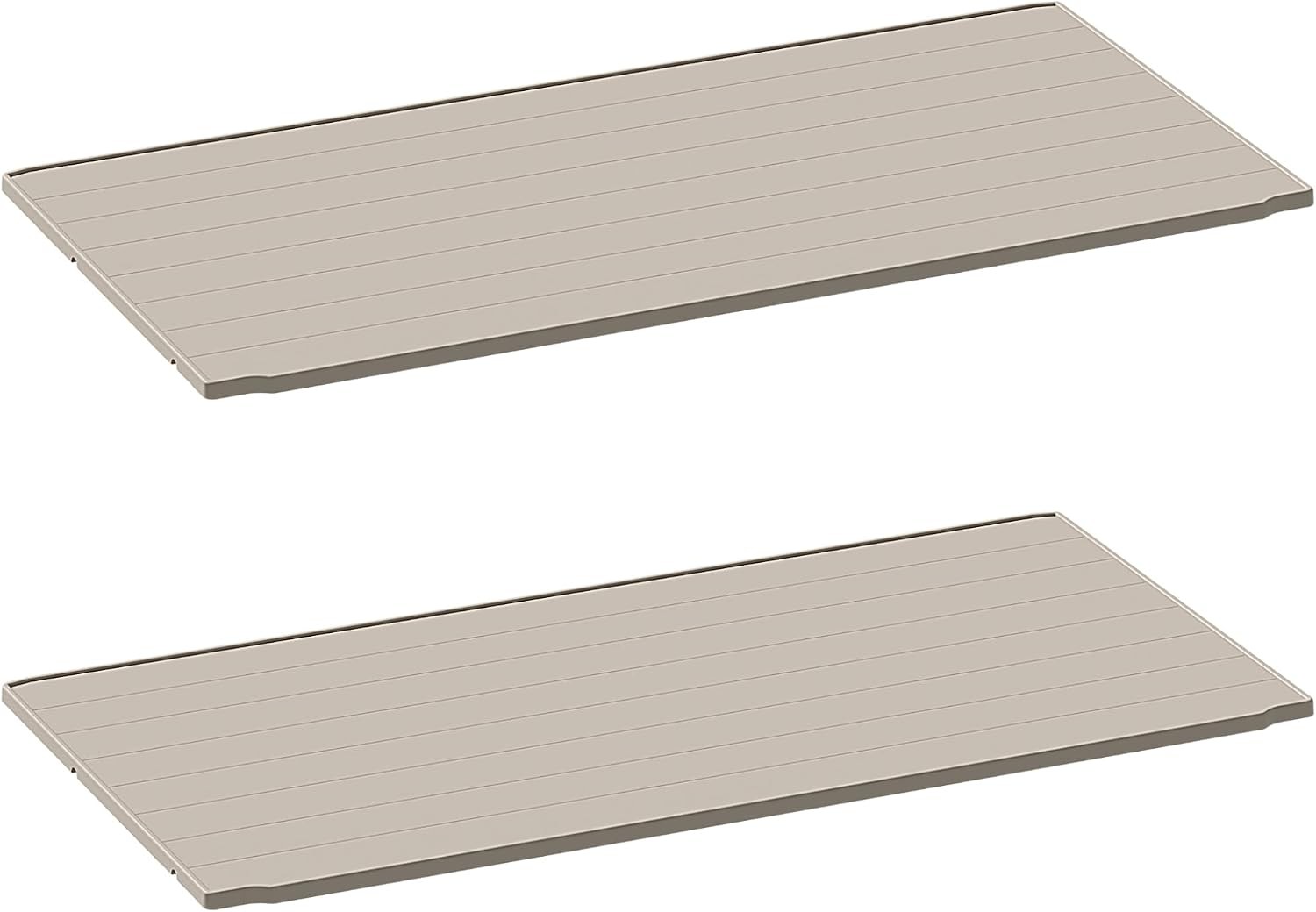 Shelf of Resin Outdoor Storage Cabinet 26 Cu Ft Horizontal Outdoor Storage Shed$118.98Last checked Nov 24, 2026View on eBay
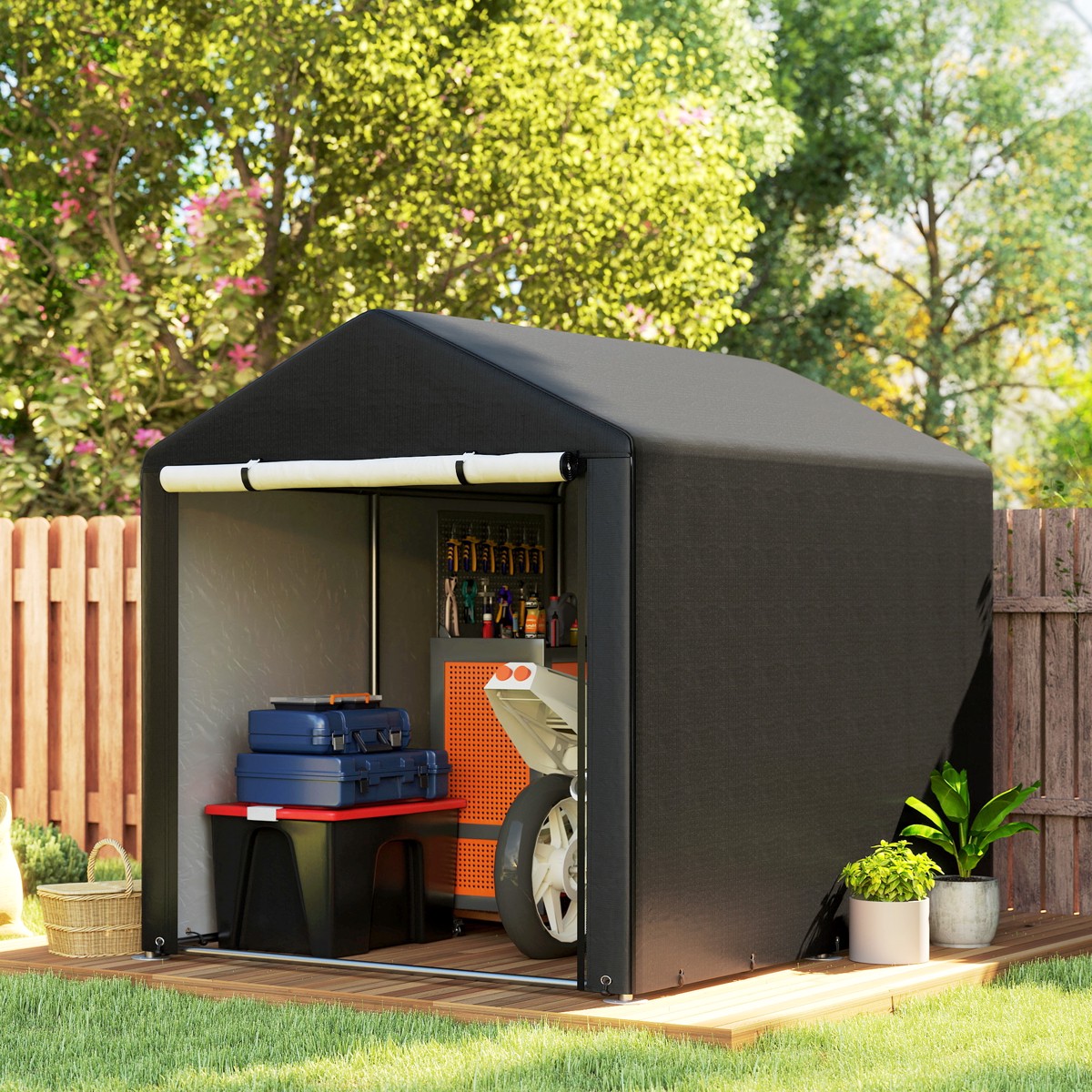 5.2 x 7.2 ft Portable Storage Shed Tent, Heavy Duty Outdoor Waterproof Garage Shelter with Galvanized Steel Black$127.99View on Mallflare
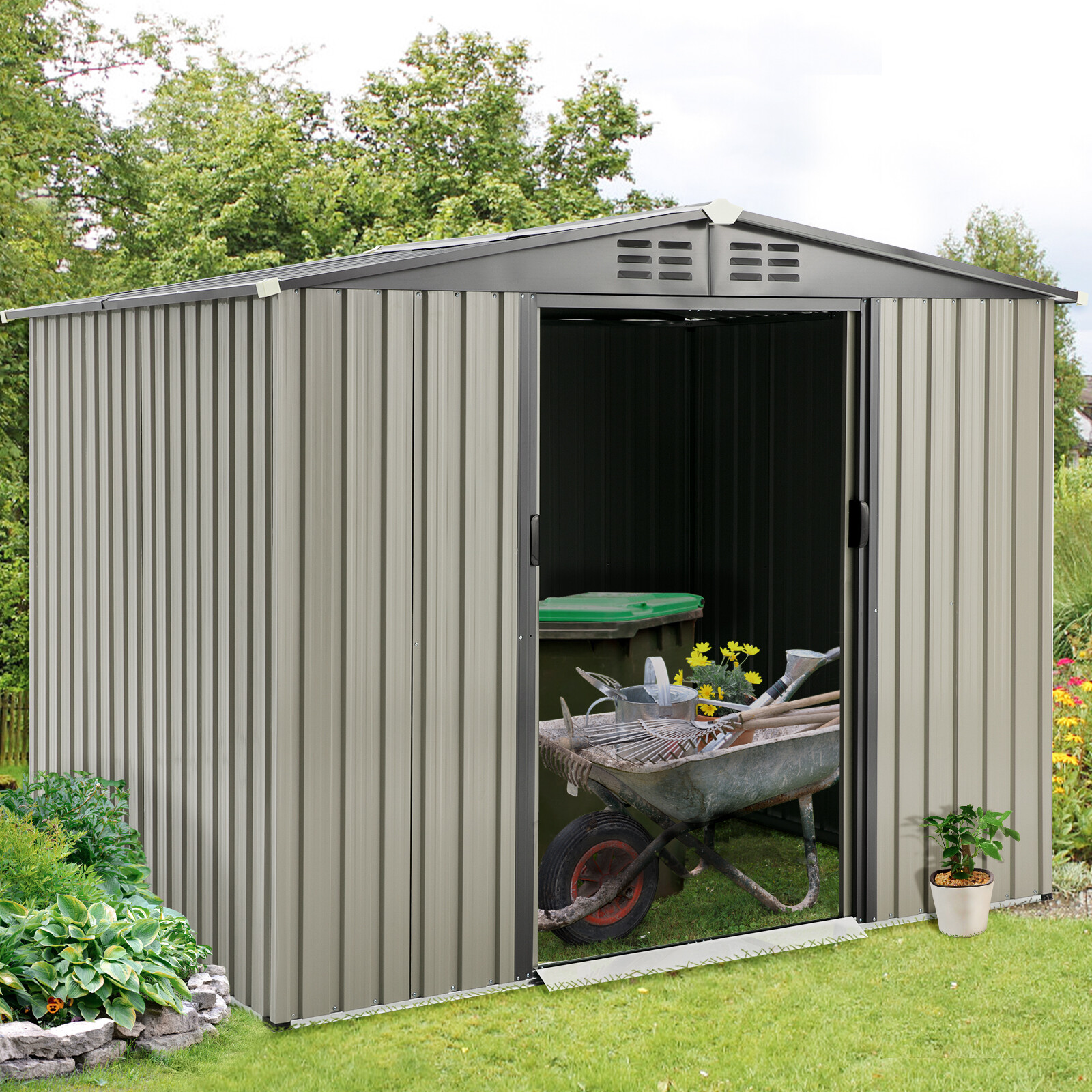 Outdoor Storage Shed Small Tool Shed w/ Sliding Door Storage Cabinet for Garden$126.98View on eBay
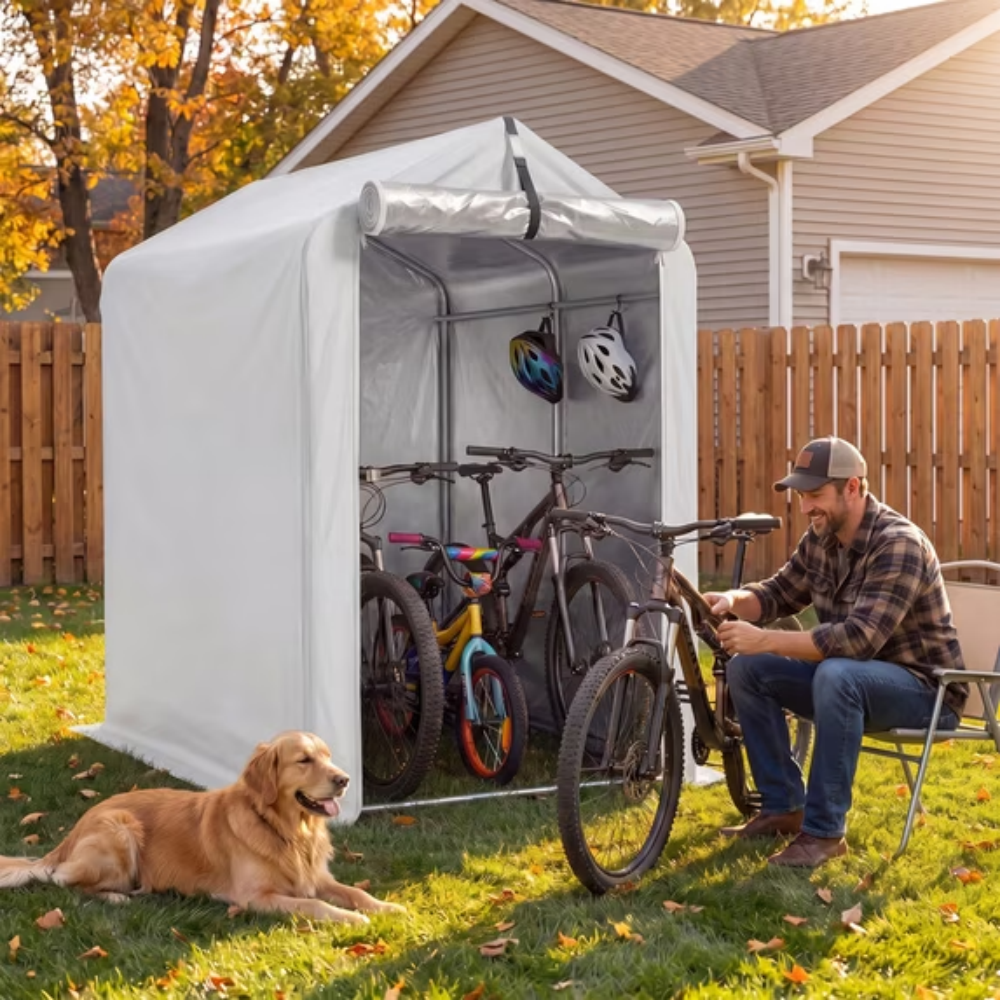 Outdoor Storage Shed, Waterproof Shelter, Wind Resistant Tent with Roll-Up Zipper Door & Fixed Buckle, for Bikes, Motorcycle, Garden Tools & Equipment, White$136.99View on Mallflare
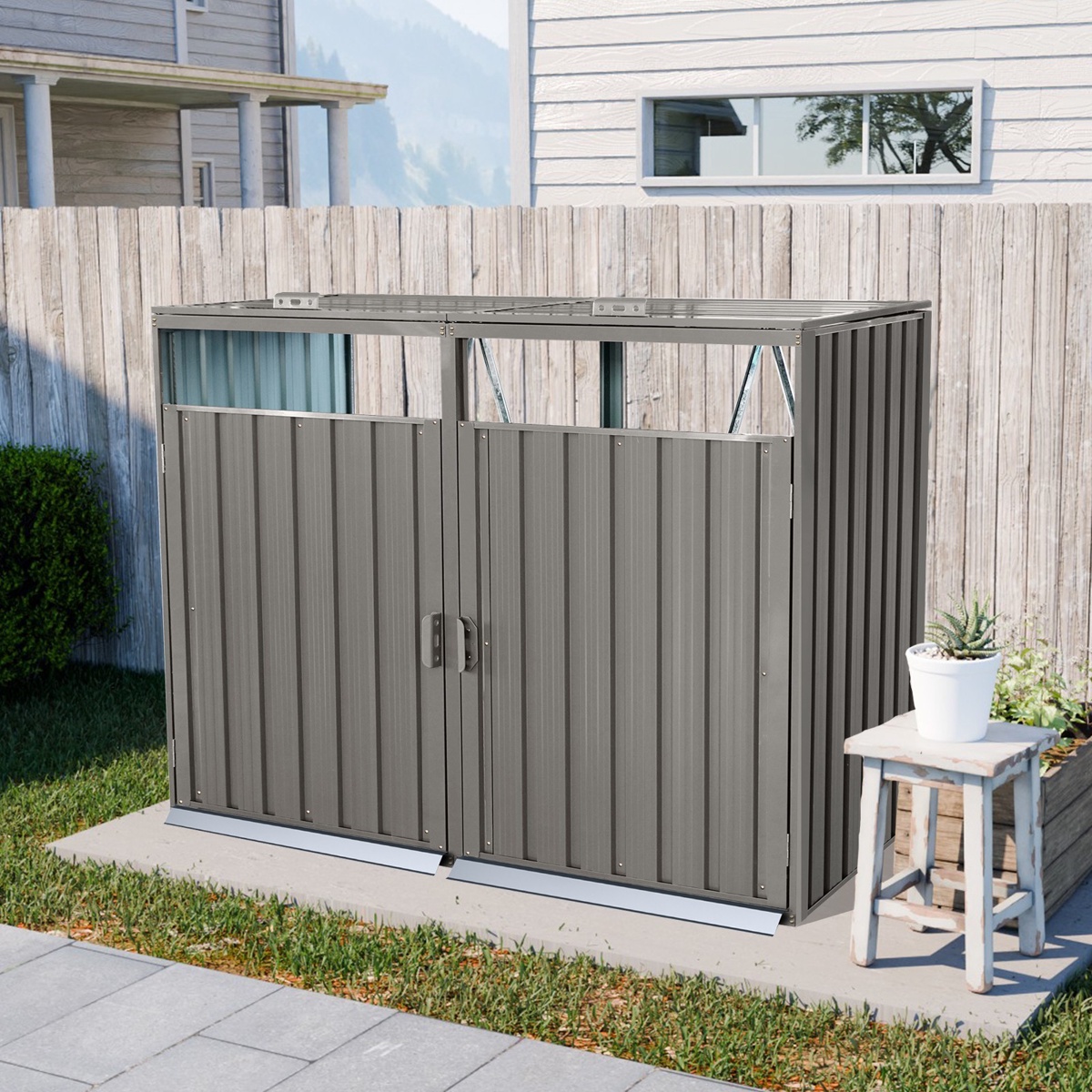 Metal Garbage Bin Shed 2/3 Trash Cans Outdoor Storage Shed Lockable for Garden$129.99Last checked Nov 24, 2026View on eBay
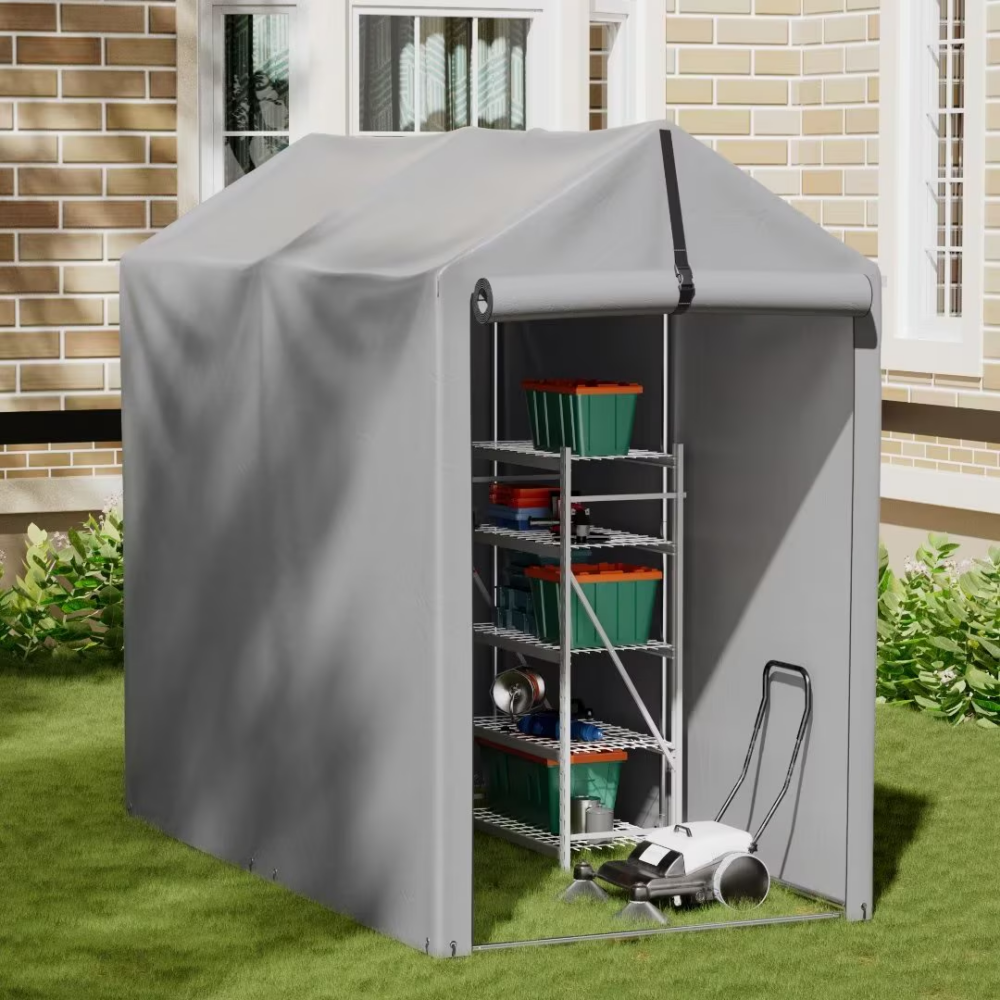 3x6x5 ft Outdoor Storage Shed Portable Garage Shelter, with Roll-up Zipper Door, for Motorcycle, Lawn Mower, Bike, Anti-Snow Kit Tent, Grey$136.99View on Mallflare
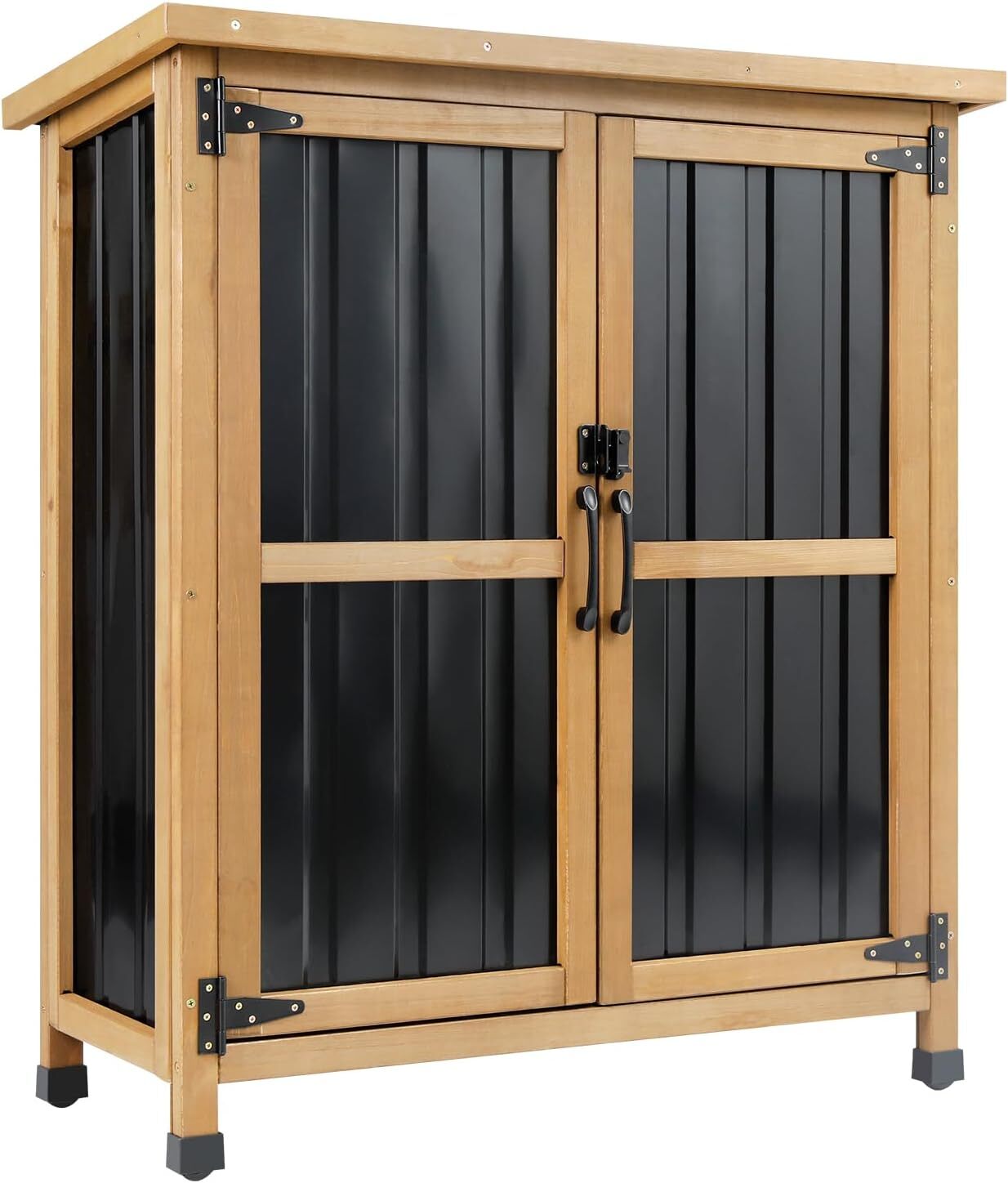 PETSCOSSET Outdoor Storage Shed, Garden Storage Cabinet$129.99Last checked Nov 23, 2026View on eBay
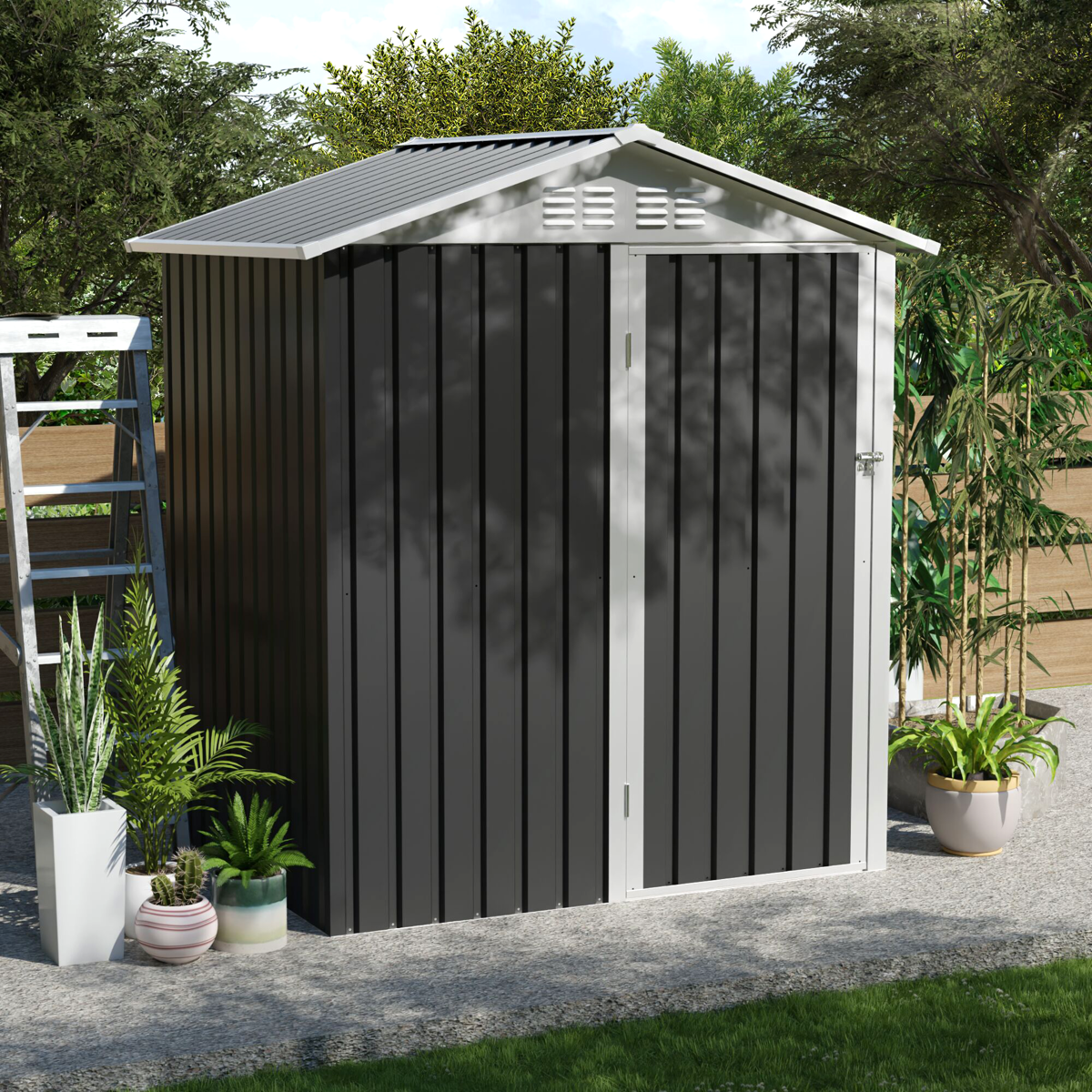 5.4x4.27 FT Outdoor Storage Shed With Hinge Door Metal Garden Sheds For Backyard, Patio,Lawn,Utility & Bike$204.99View on Mallflare
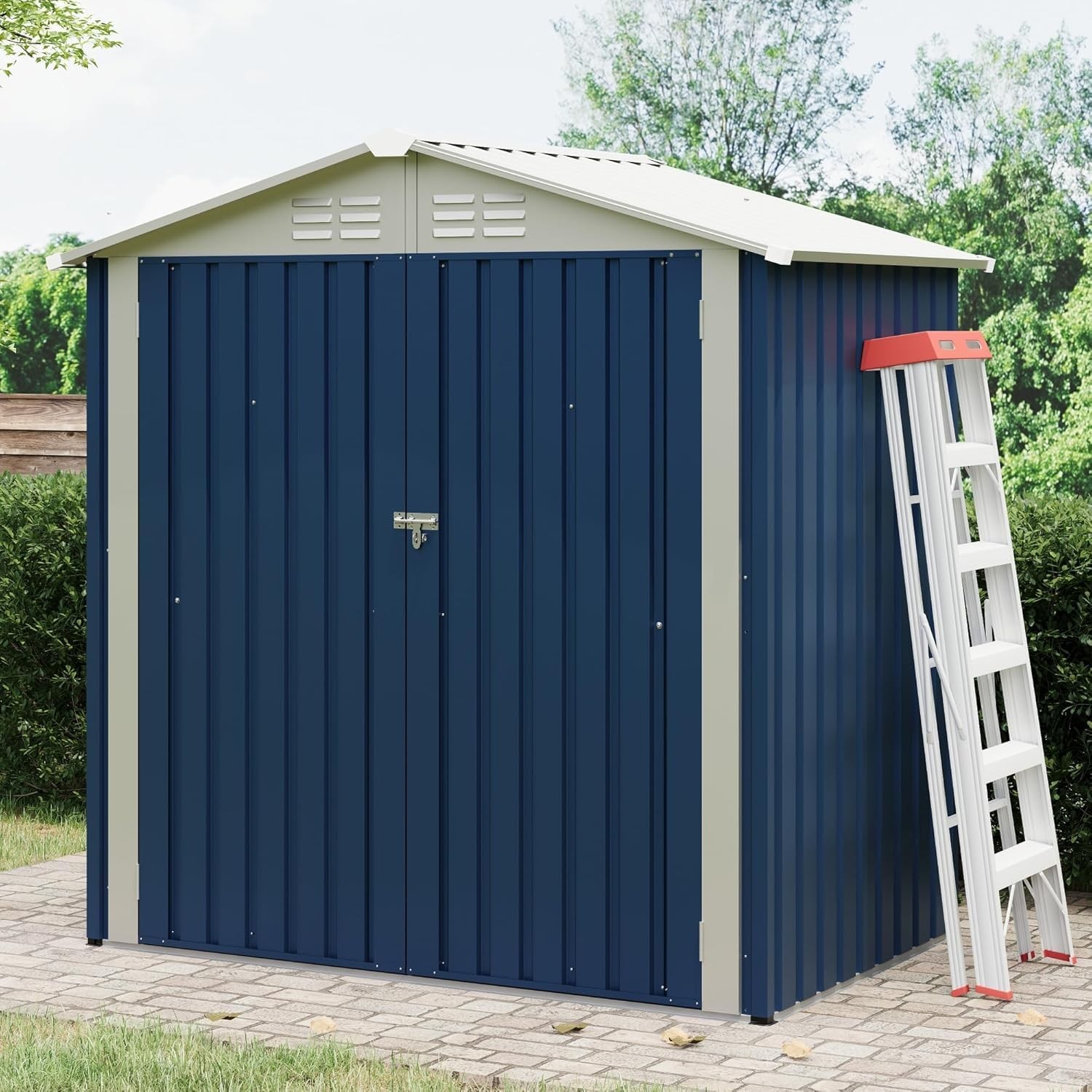 GRAVEE 6x4 FT Outdoor Metal Storage Shed with Apex Roof Waterproof Garden Tool$133.46View on eBay
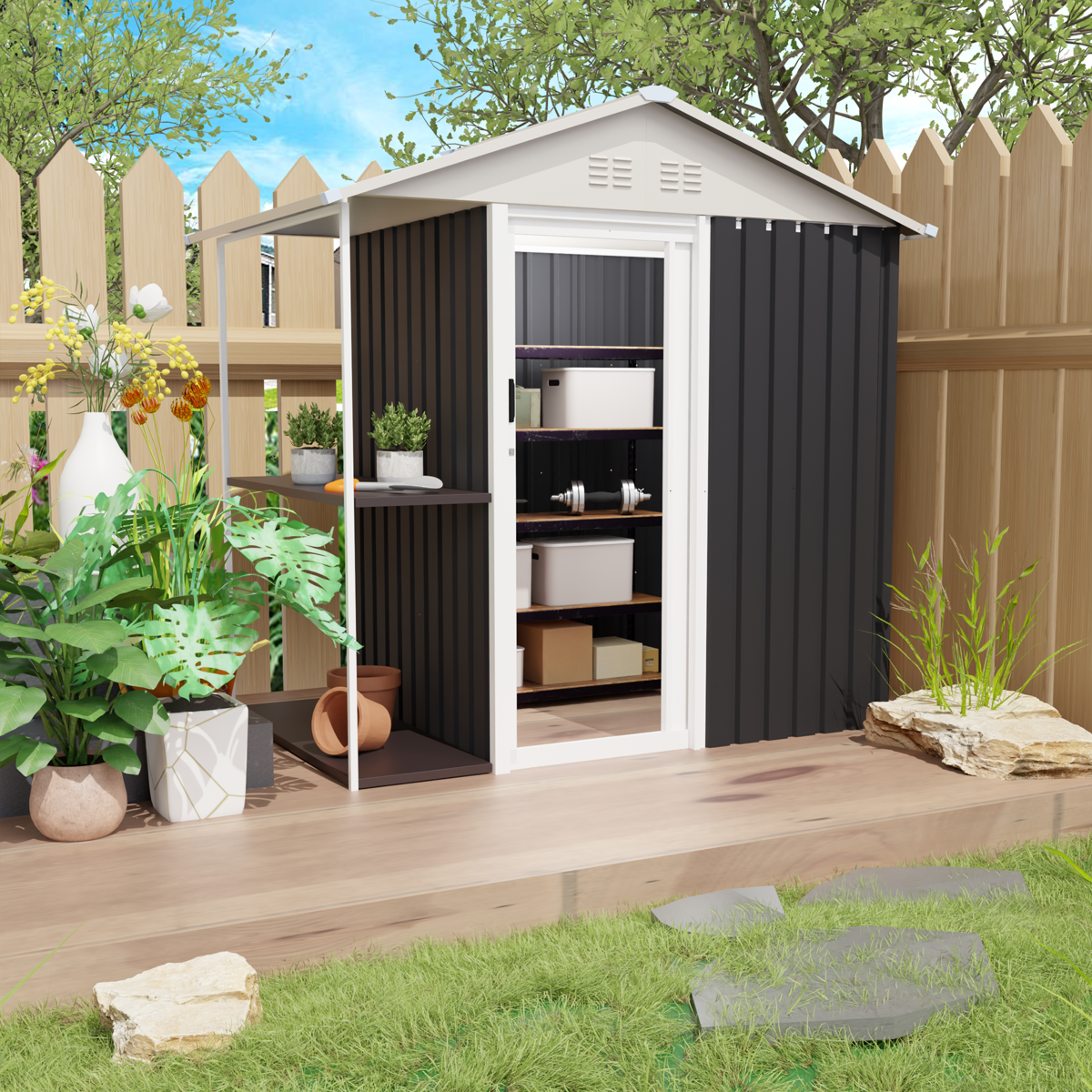 6 X 4 FT Outdoor Storage Shed With Rack Metal Garden Shelves Bike Tool Cabinet Box For Lawn Patio Use$215.99View on Mallflare
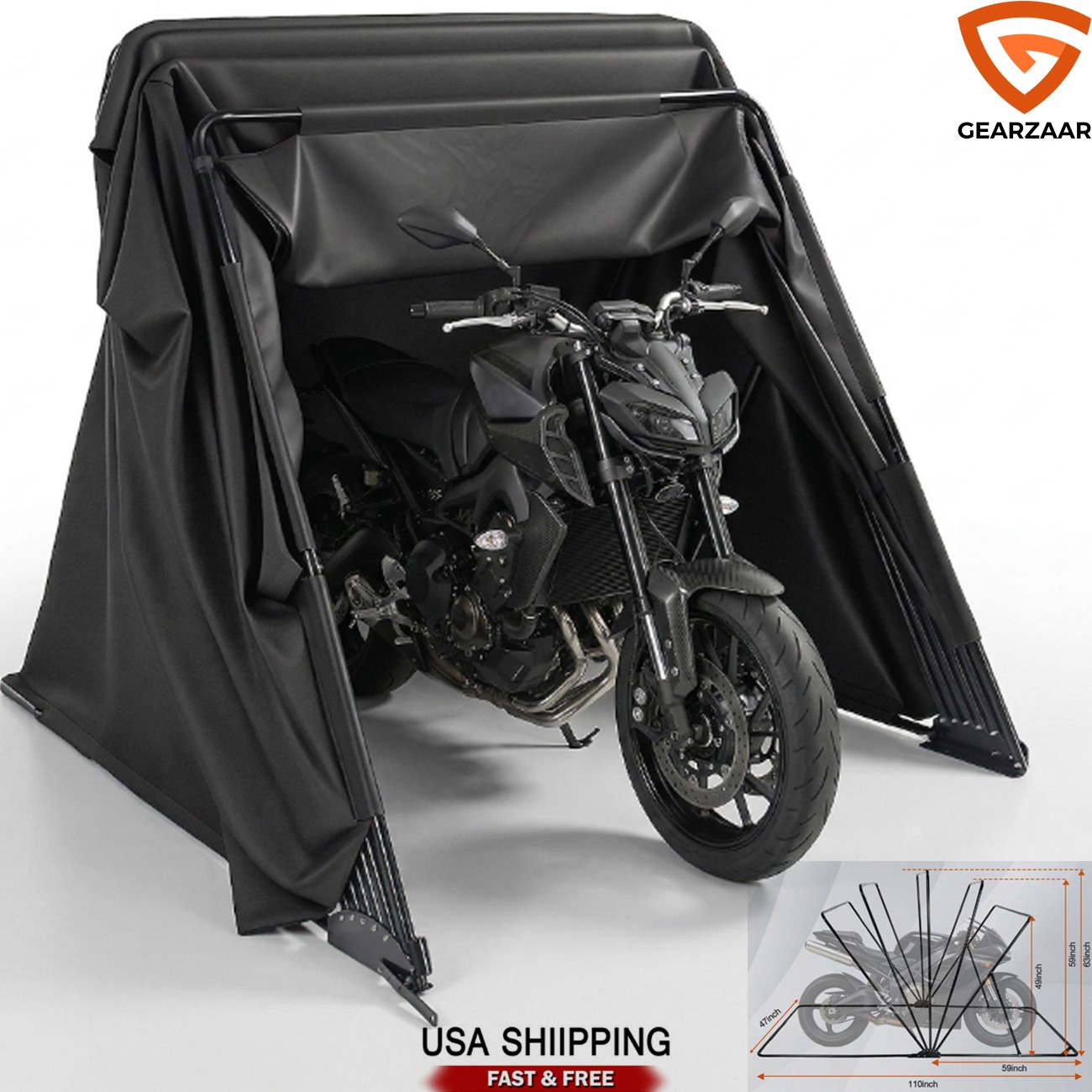 motorcycle storage shed portable storage shed for atv motorcycle shed$134.09View on eBay
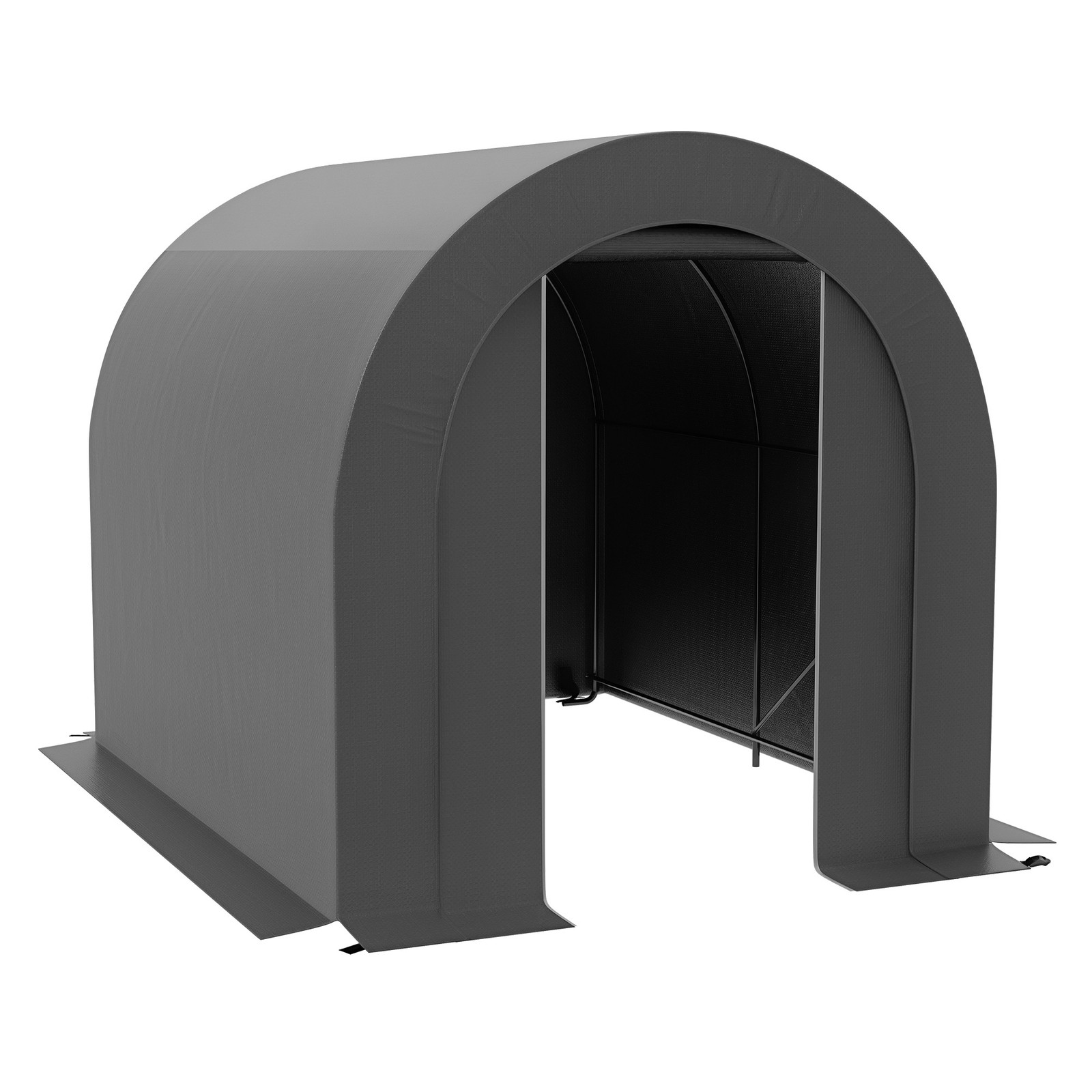 Outsunny 6 x 8ft Outdoor Storage Shed, Waterproof Heavy Duty Portable Shed$139.99Last checked Nov 22, 2026View on eBay
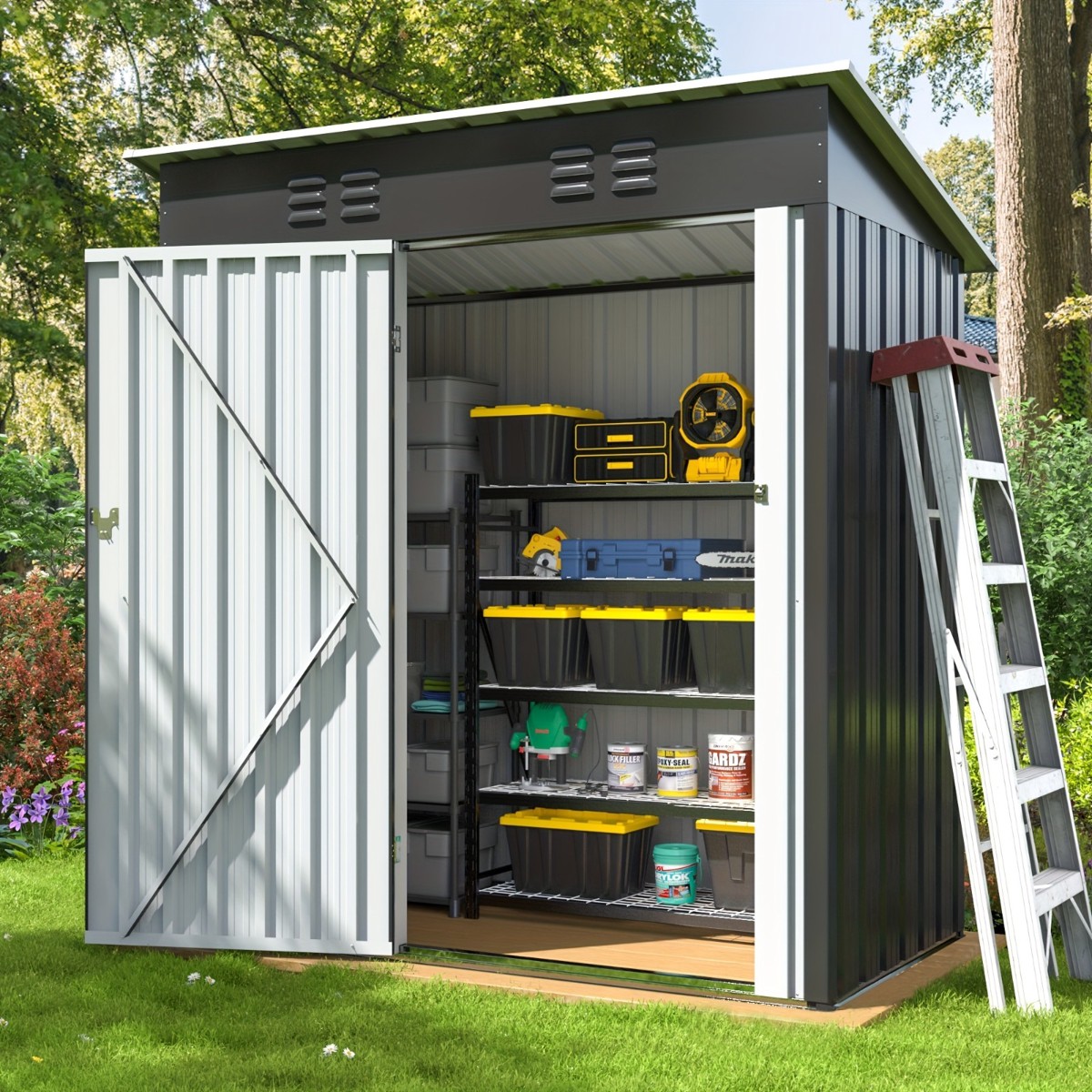 5x3 ft Metal Storage Shed Outdoor Lockable Tool Sheds for Backyard Garden, Black$149.99Last checked Nov 24, 2026View on eBay
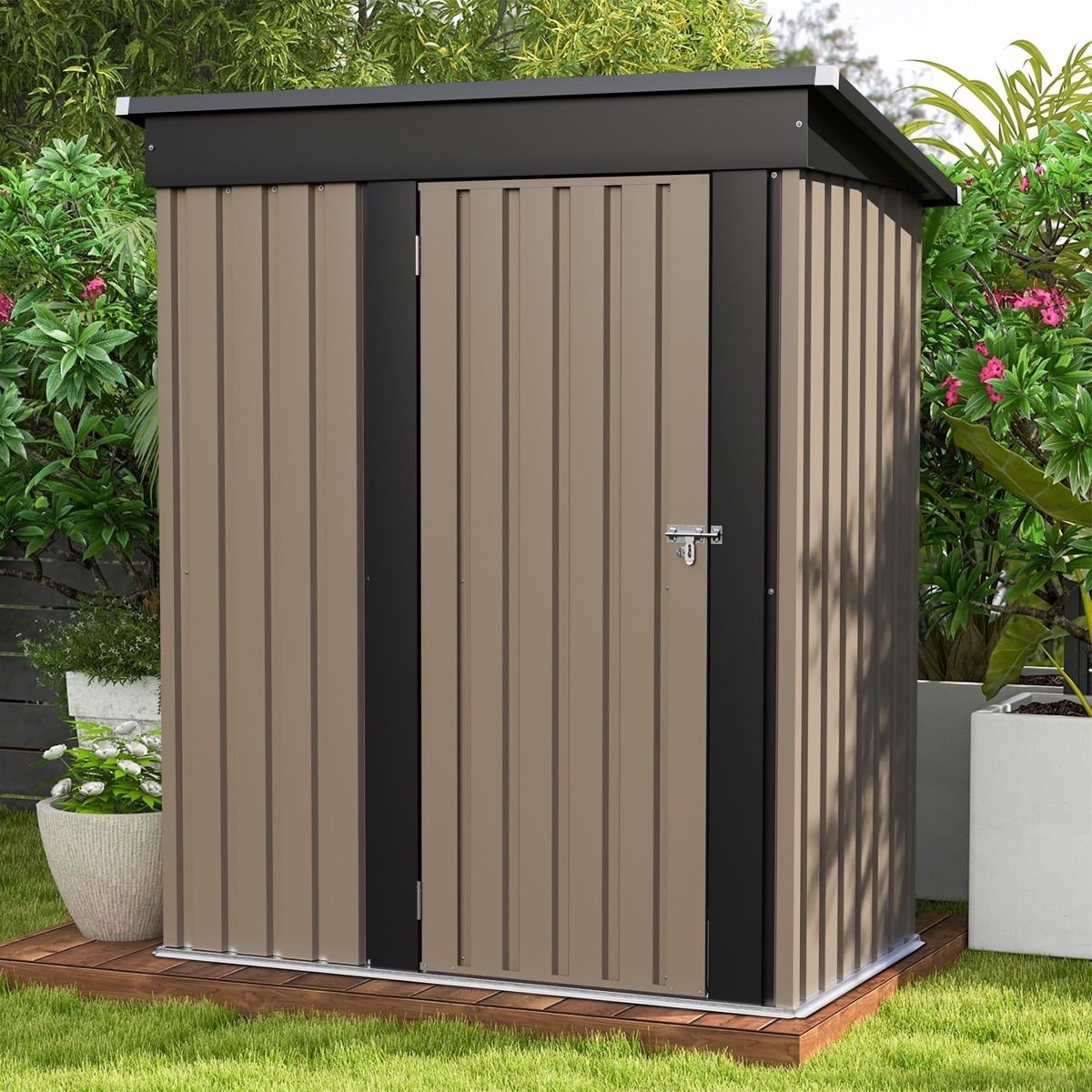 Patiowell 5x3 FT Outdoor Resin Storage Shed Sloping Roof Lockable Door$152.29Last checked Nov 25, 2026View on eBay
Highlights
- Galvanized steel panels at 0.25–0.32 mm thickness with hot-dip zinc coating resist rust for 10+ years; thinner 0.18 mm panels dent and corrode at cut edges within 2–3 seasons.
- HDPE resin double-wall panels (typically 1–1.5 in thick) are UV-stabilized and never rust, but require a level, anchored base; steel needs a frame-and-panel assembly with 200+ fasteners.
- Soft-sided shed tents use 210D–600D polyester or PE tarps with PU coating; 600D ripstop outlasts 210D by 2–3x under UV, but all fabric roofs sag and leak after 1–2 years of sun exposure.
- Snow load ratings separate tiers: rigid steel sheds typically rate 15–30 psf, resin 20 psf, and fabric tents near zero — a 10x10 ft roof at 20 psf must support roughly 2,000 lb of snow.
Best use cases
- Best fit: a 10x10 ft galvanized steel shed on a level concrete pad for lawn mowers, tools, and bikes in snow-belt climates — pick peak-roof steel over flat-roof resin for drainage and load.
- Best fit: a 4x6 ft or 5x3 ft resin or steel lean-to against a house wall for garbage bins and garden tools where full footprint is unavailable; skip fabric tents here because they trap moisture against siding.
- Best fit: a 3x6 ft fabric bike tent for 4–5 bicycles under a carport or eave for seasonal apartment storage — skip it for year-round security because zippers are cuttable and not lockable.
- Wrong fit: fabric or pop-up sheds in high-wind or heavy-snow zones; wind uplift tears anchors from soft ground and snow crush collapses the frame — specify a rigid shed with hurricane anchors instead.
Buying tips
- Measure the pad, not the shed: add 1–2 ft clearance on all sides for roof overhang install and door swing; a 10x10 ft shed needs a 12x12 ft level base area for assembly.
- Choose floor thickness by use: 1.25 in resin floor for light garden tools, 2x4 wood joists or 2 in reinforced resin for mowers and motorcycles; fabric sheds include no floor and need a separate mat.
- Match anchoring to ground: concrete wedge anchors for slabs, 15–18 in helical or auger anchors for lawn, and never rely on the shed's own stakes in wind zones above 90 mph.
- Door width determines access: a 4 ft wide shed typically has a 30–36 in door, too narrow for ride-on mowers; specify a 48–60 in double door or roll-up for equipment over 40 in wide.
Specs
| Frame Material | Galvanized steel / HDPE resin / fabric |
|---|---|
| Panel Thickness | Steel 0.25–0.32 mm; resin 1–1.5 in |
| Snow Load | Rigid 15–30 psf; fabric near 0 |
| Door Width | Single 30–36 in; double 48–60 in |
Related searches
What to check before buying
- Confirm your local permit threshold — many jurisdictions require a permit above 100–120 sq ft or 10 ft height, and HOA rules often cap shed size and color.
- Verify the base is level within 1/8 in per 8 ft; steel and resin panels rack and doors jam on sloped or soft ground, so a gravel pad or concrete slab is mandatory.
- Check snow and wind ratings against your zone: 20 psf snow load and 90 mph wind rating covers most suburban climates; coastal zones need 130+ mph anchoring.
- Plan the door approach and interior clearance — a 6 ft wall height limits vertical storage, and you need 3 ft of clear apron in front of the door for wheelbarrows and mowers.
FAQ
Data sources: eBay / Amazon listings and product attribute feeds. Updated Nov 27, 2026.
Some links on this page are affiliate links. If you buy after clicking one, we may earn a commission at no extra cost to you. This does not change which products appear here or their order. Affiliate disclosure.