
Photos from current listings. Actual item, color, and included accessories may vary.
Raised Garden Bed With Bottom Buying Guide
A raised garden bed with a bottom is a contained planter with a solid or perforated floor, ranging from fabric grow bags and plastic self-watering boxes to wood and metal beds with integrated bases. The core trade-off is drainage and root airflow versus moisture retention and portability: bottoms that trap water risk root rot, while fully open bottoms defeat the purpose of a contained bed. Choose a bottom with drilled drainage or a wicking reservoir matched to your climate, and skip any sealed-bottom bed for outdoor use.
Median $76.99
Key takeaways
- Galvanized steel beds use 0.6–1.0 mm zinc coating; thicker gauge resists soil pressure bowing and lasts 10+ years versus thin 0.3 mm panels that dent and rust at cut edges.
- Fabric grow bags (non-woven polypropylene, 260–400 GSM) air-prune roots and drain freely; they suit patios but dry out fast and degrade under UV in 2–3 seasons.
- Self-watering plastic planters use a false floor with a wicking column and overflow hole; reservoir depth of 1.5–2 in suits herbs and lettuce, while tomatoes need 3+ in or bottomless rooting.
At a glance
- Category
- Raised Garden Beds & Planters
- Last updated
- Nov 28, 2026
Current offers
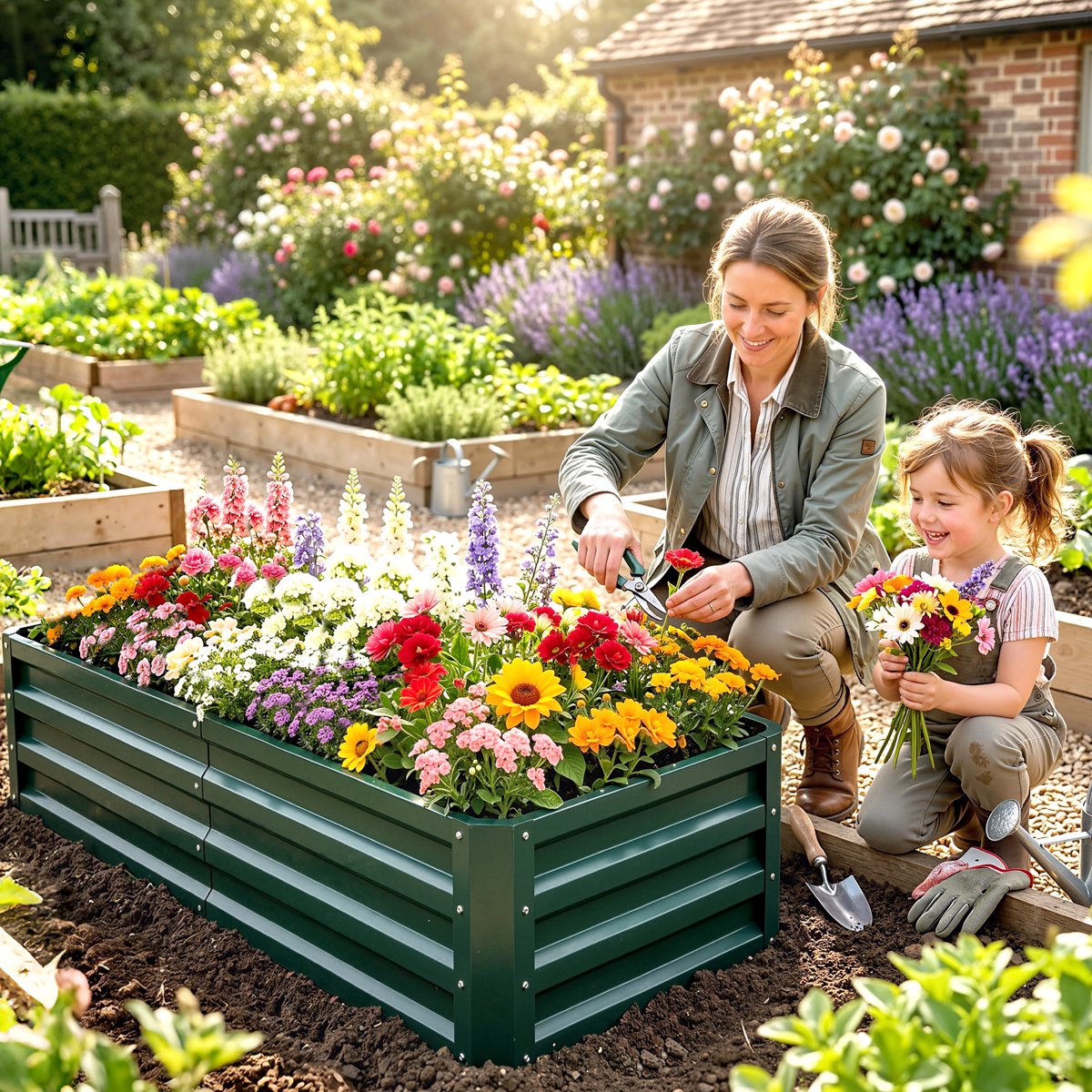 Galvanized Raised Garden Bed, 4' x 2' x 1' Metal Planter Box, for Growing Vegetables, Flowers, Herbs, Succulents, Green$35.99View on Mallflare
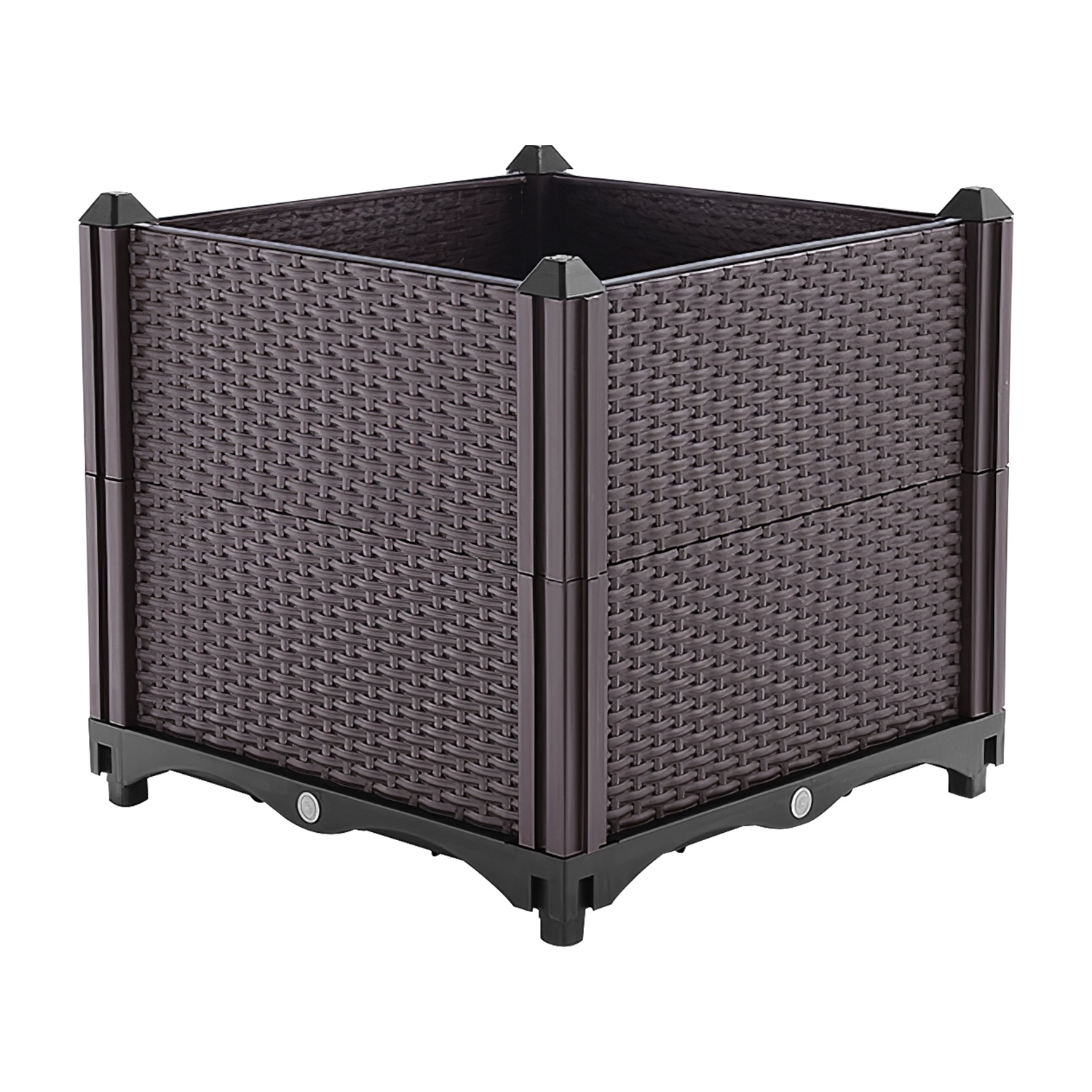 1 Set Raised Garden Bed For Spring Decoration Plant Growth Box With Self-watering System For Patio Balcony Elevated Planter Box For Flowers Vegetables Herbs$36.99View on Mallflare
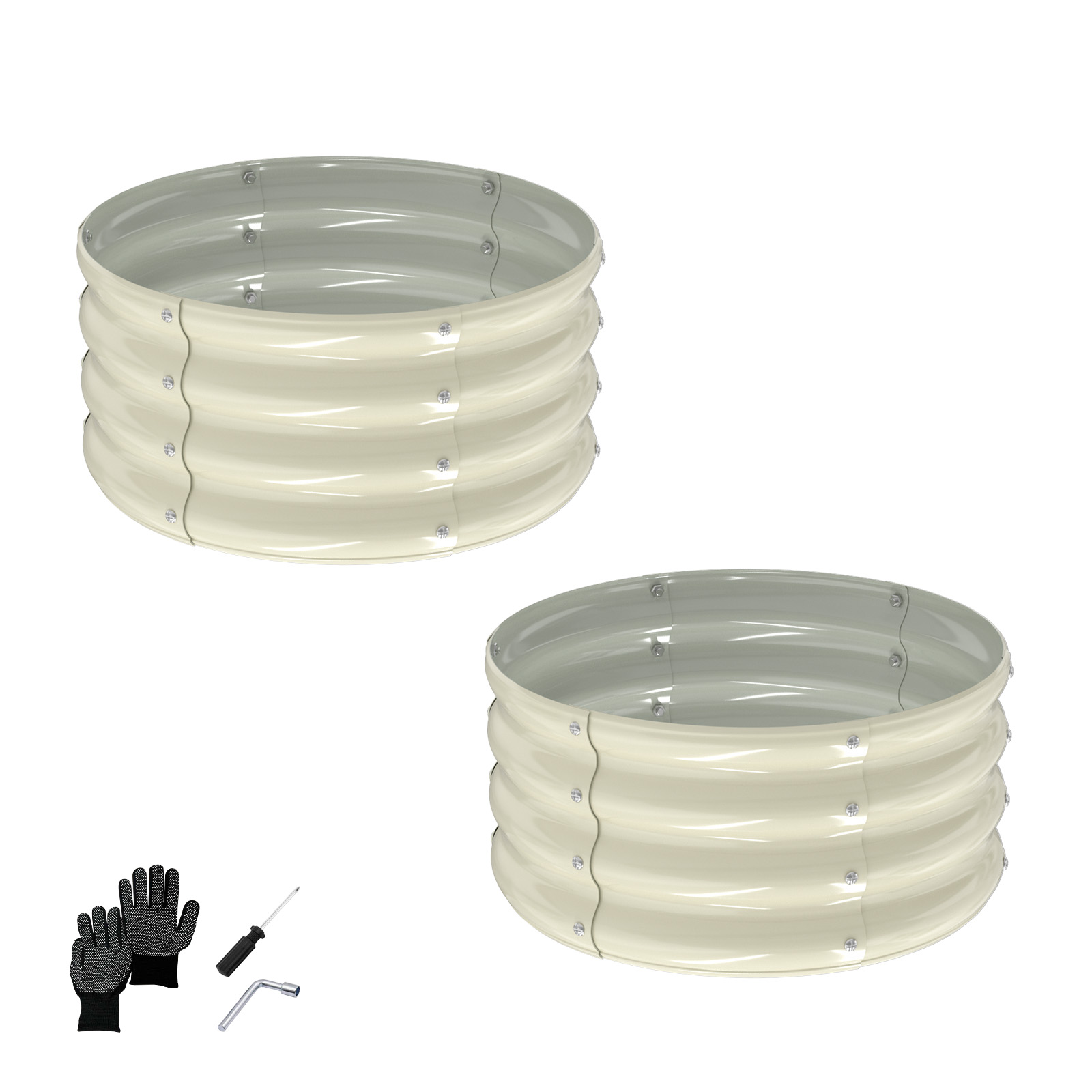 2 Pcs 2×2×1ft Raised Garden Bed, Round Galvanized Outdoor Planter Box, Metal Bed for Planting Vegetables Fruits Flowers, White$41.99View on Mallflare
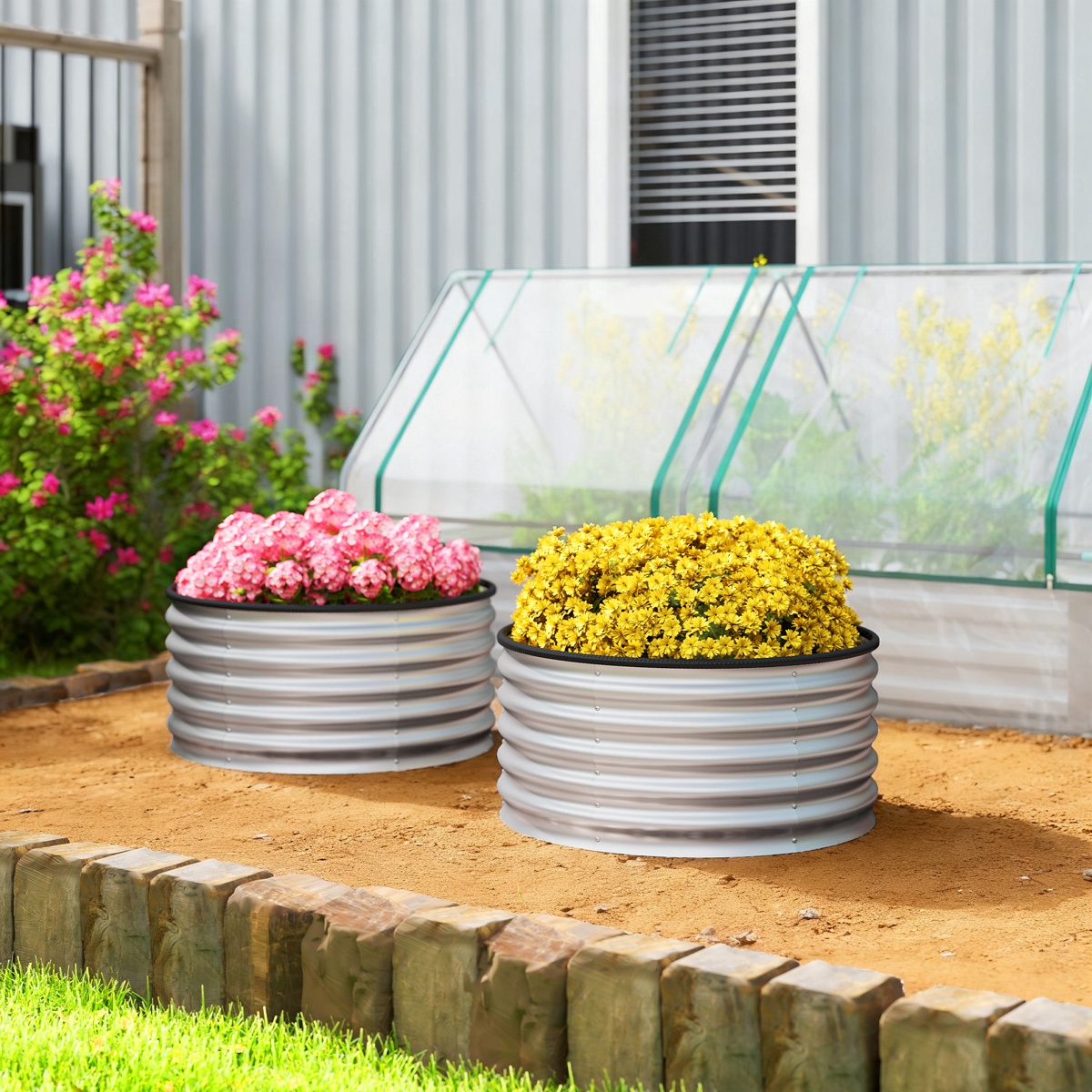 Set of 2 Raised Garden Bed, Metal Planter Box with Safety Edging, Easy-to-assemble Stock Tank 3x3x1.4 Silver$42.99View on Mallflare
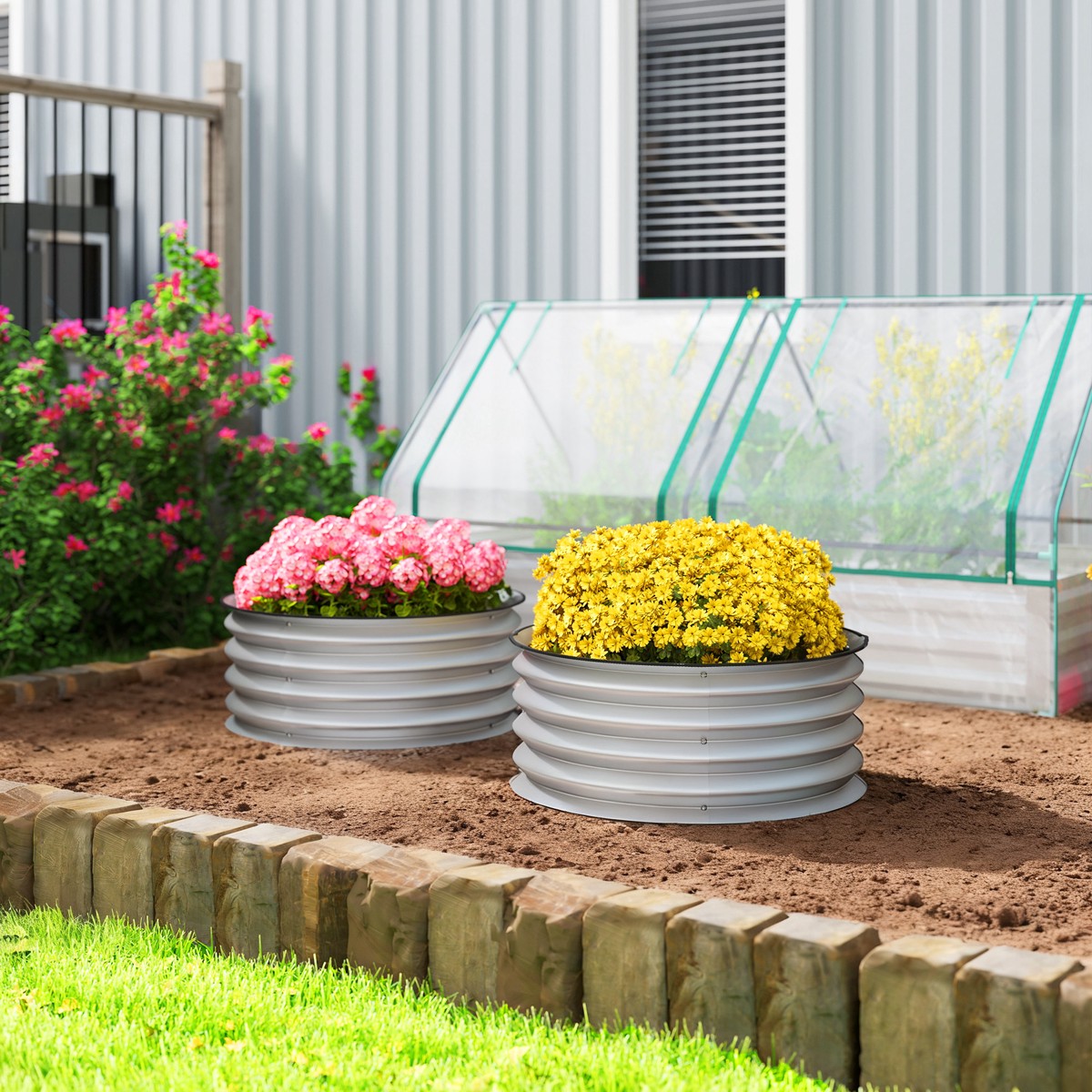 Set of 2 Raised Garden Bed, Metal Planter Box with Safety Edging, Easy-to-assemble Stock Tank 2x2x1 Silver$48.99View on Mallflare
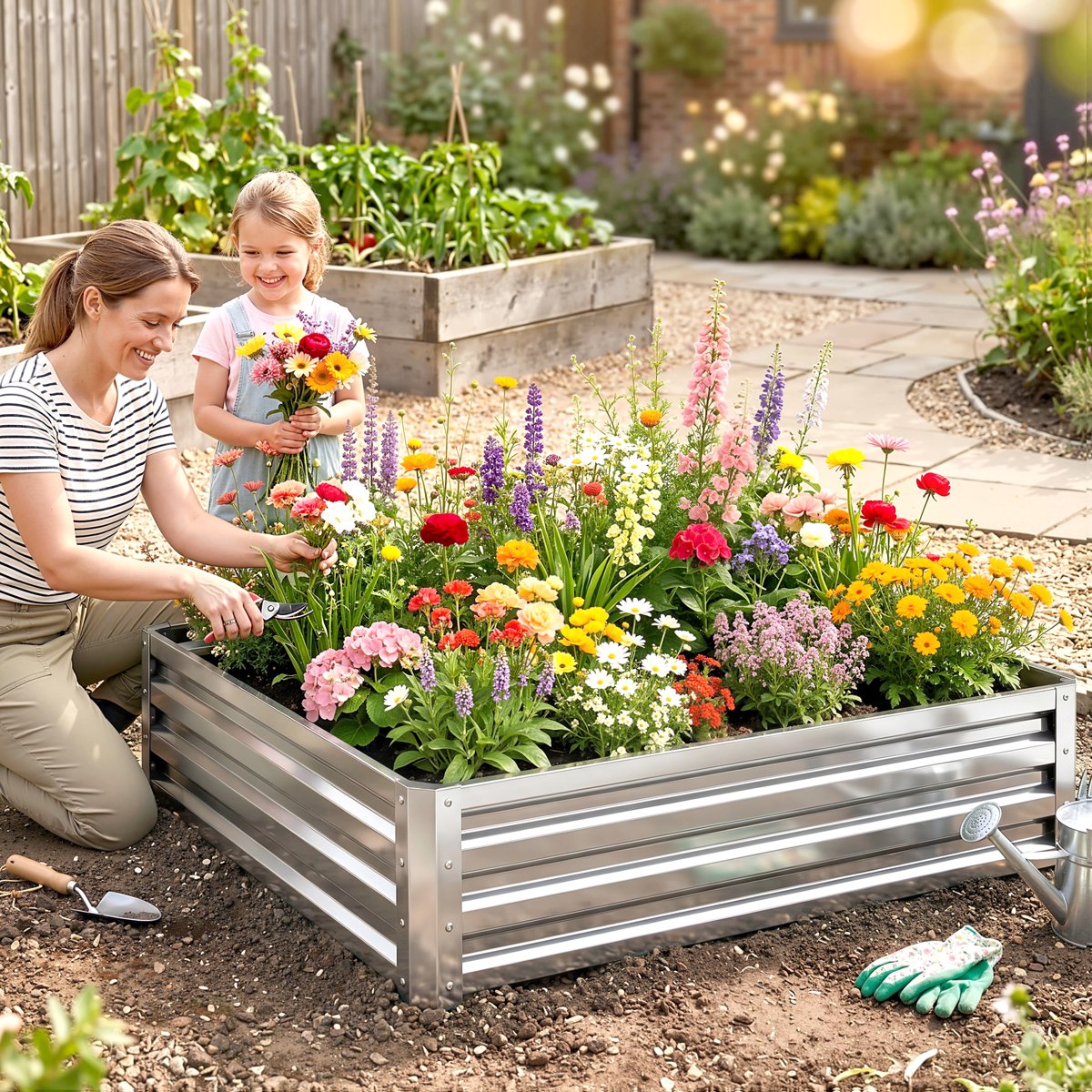 Galvanized Raised Garden Bed, 4' x 4' x 1' Metal Planter Box, for Growing Vegetables, Flowers, Herbs, Succulents, Silver$49.99View on Mallflare
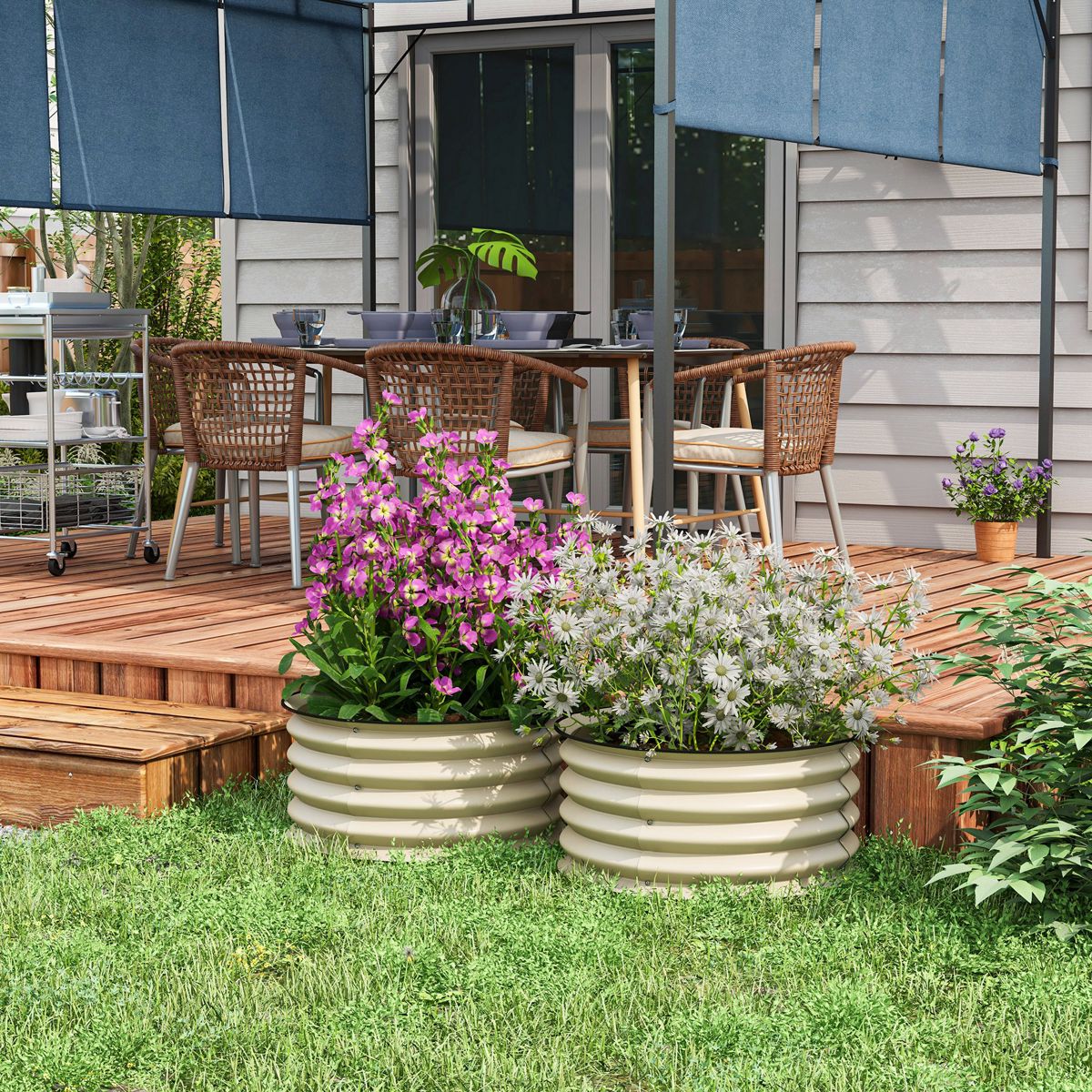 Set of 2 Raised Garden Bed, Metal Planter Box with Safety Edging, Easy-to-assemble Stock Tank, Cream$50.99View on Mallflare
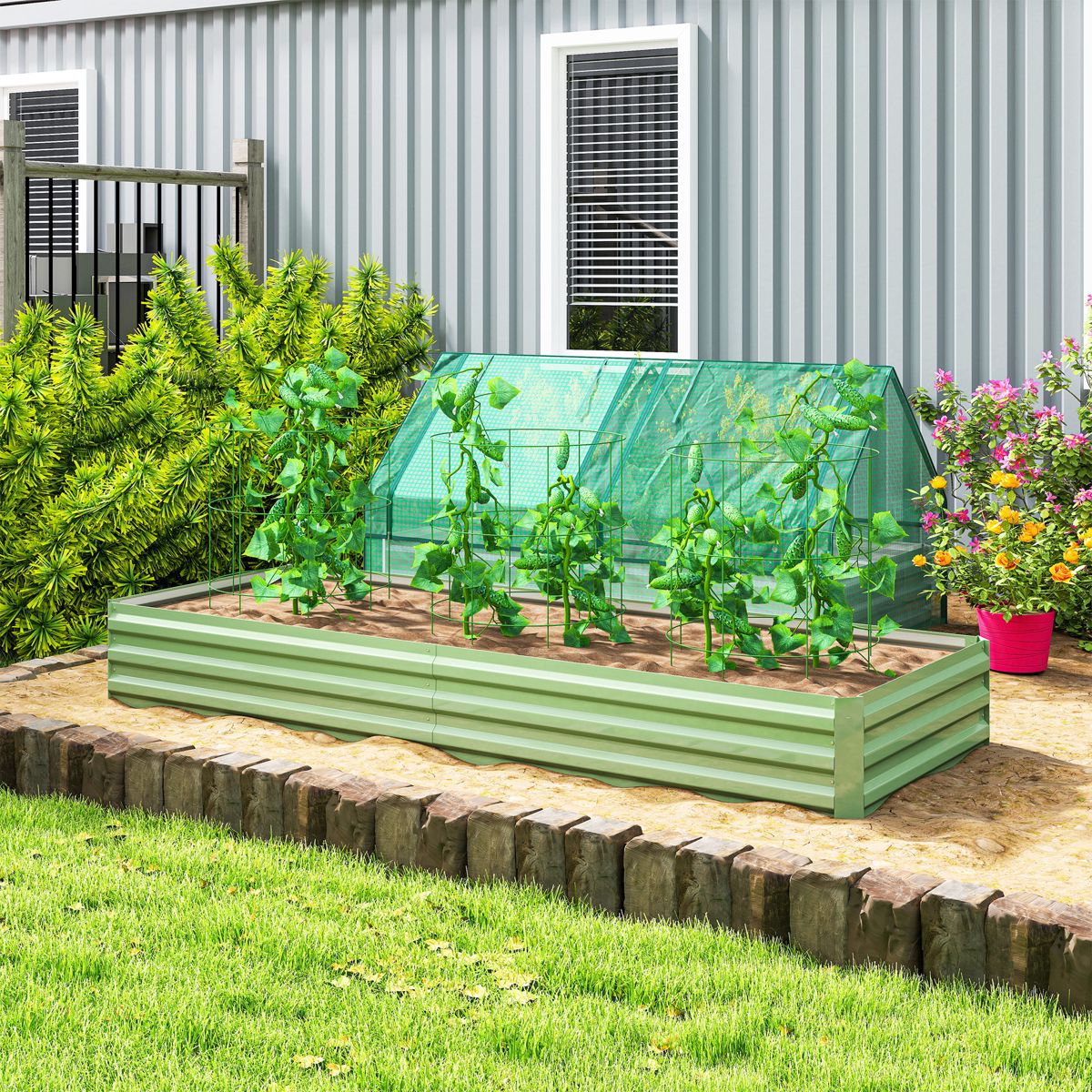 8x3x1FT Galvanized Raised Garden Bed, Easy DIY and Cleaning for Growing Flowers, Herbs, Succulents, Light Green$50.99View on Mallflare
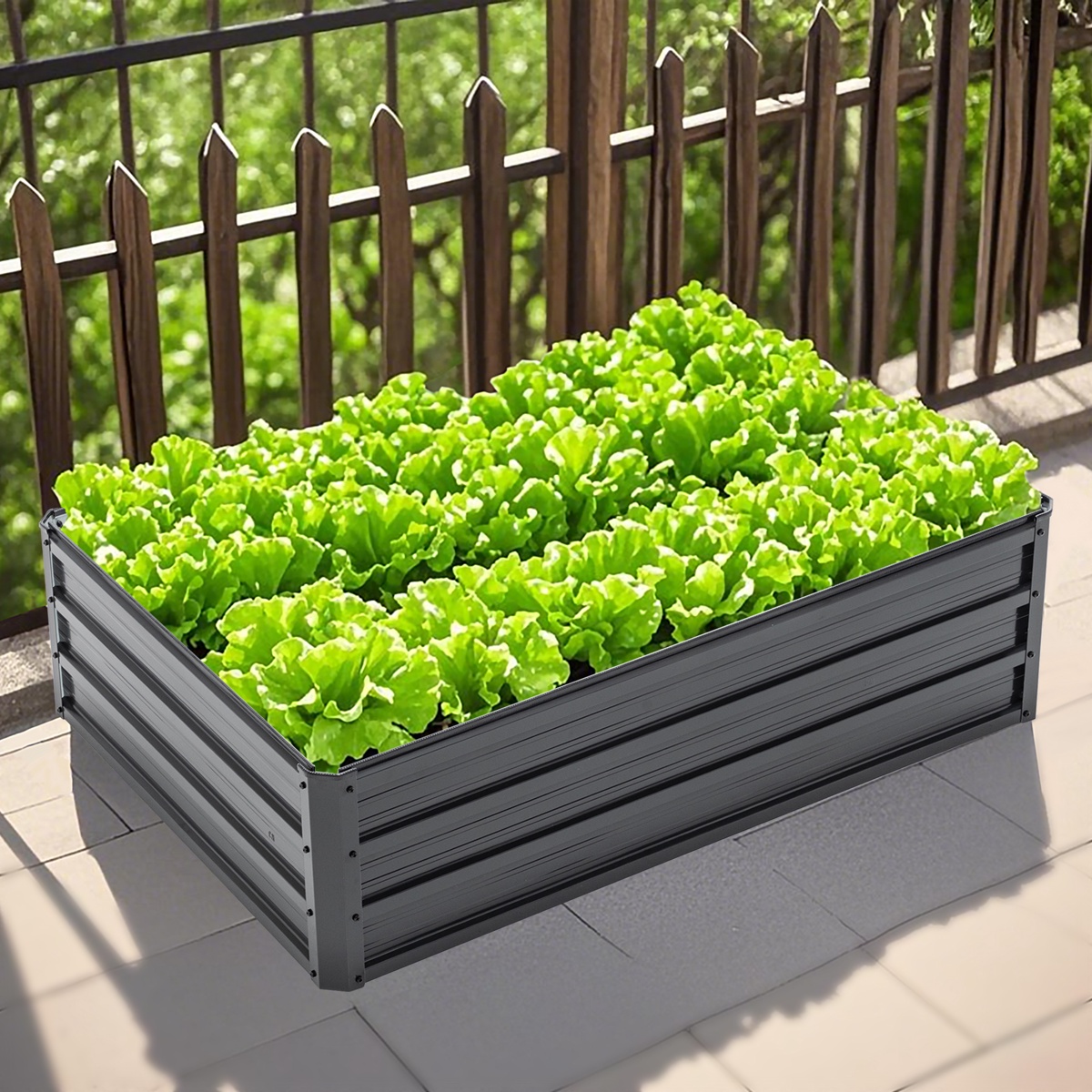 4x3x1ft Metal Raised Garden Bed,Deep Root Outdoor Galvanized Planter Box,Patio Kit Planting Beds for Vegetables Flowers Herb,Black$55.99View on Mallflare
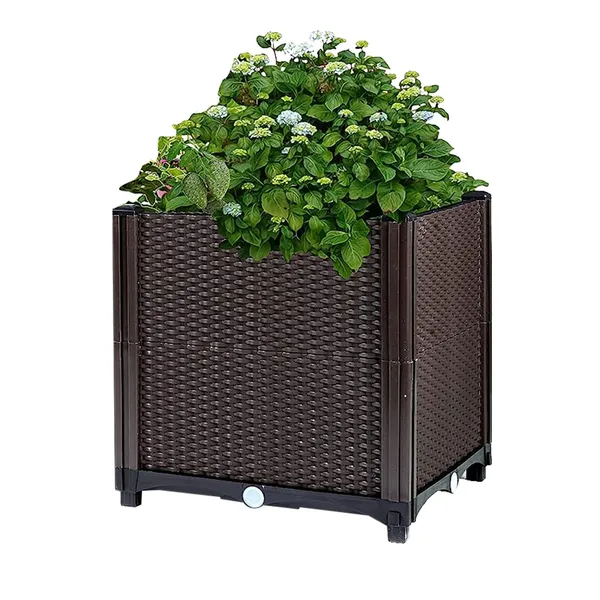 Raised Garden Bed With Self-watering System Rectangle Planter For Patio Balcony Elevated Box For Flowers Vegetables Herbs$56.99View on Mallflare
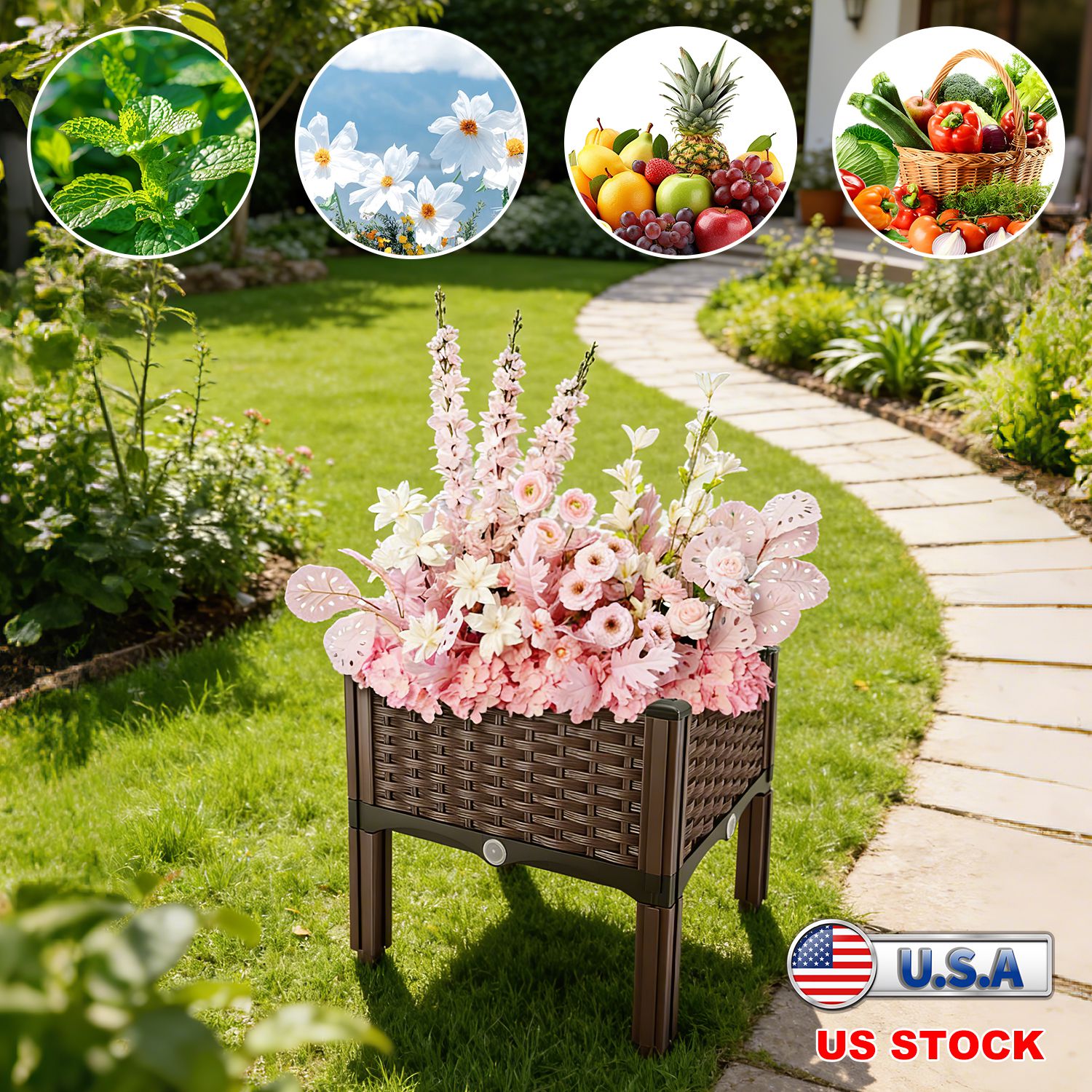 1Pc Outdoor Raised Garden Bed With Legs Elevated Planter Box Self Watering System For Patio Balcony Vegetables Flowers Herbs PP Plastic Box Easy Assembly$57.99View on Mallflare
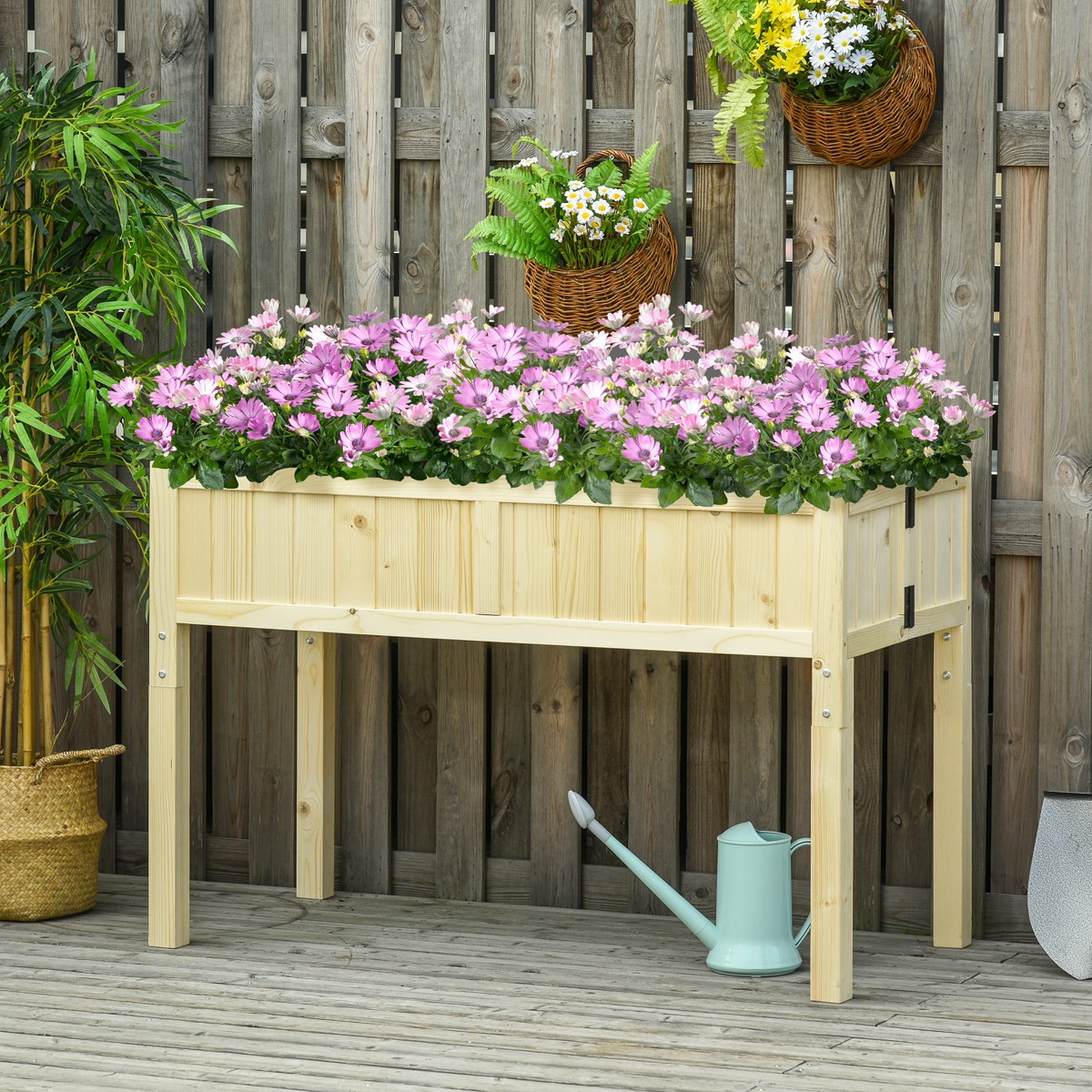 Raised Garden Bed Elevated Wooden Planter Box with Space-Saving Folding Design, Drainage Holes, & Inner Liner for Vegetable Fruit Herb Grow$58.99View on Mallflare
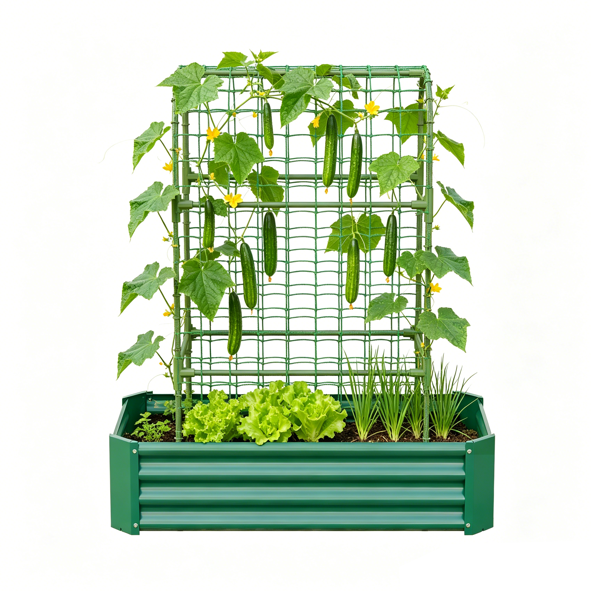 2-in-1 Raised Garden Bed With Trellis - 59inch Tall Arch Planter Box For Climbing Plants, Outdoor Galvanized Metal Gardening Bed For Vegetables, Fruits, Flowers Green, 4x2x1 Ft$59.99View on Mallflare
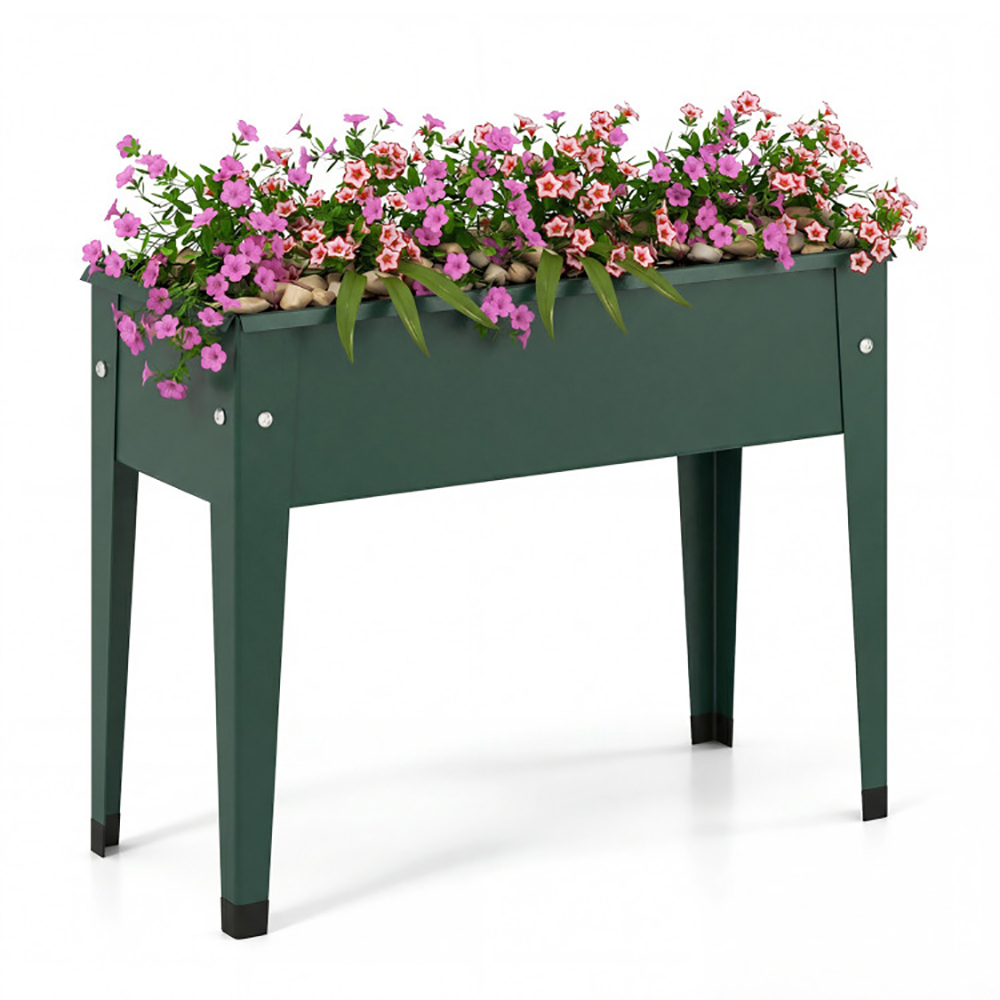 Raised Garden Bed Elevated Metal Gardening Box With Legs Of Up 44 Lbs For Various Plants, Flowers, Herbs, Vegetables, Fruits, Etc$60.99View on Mallflare
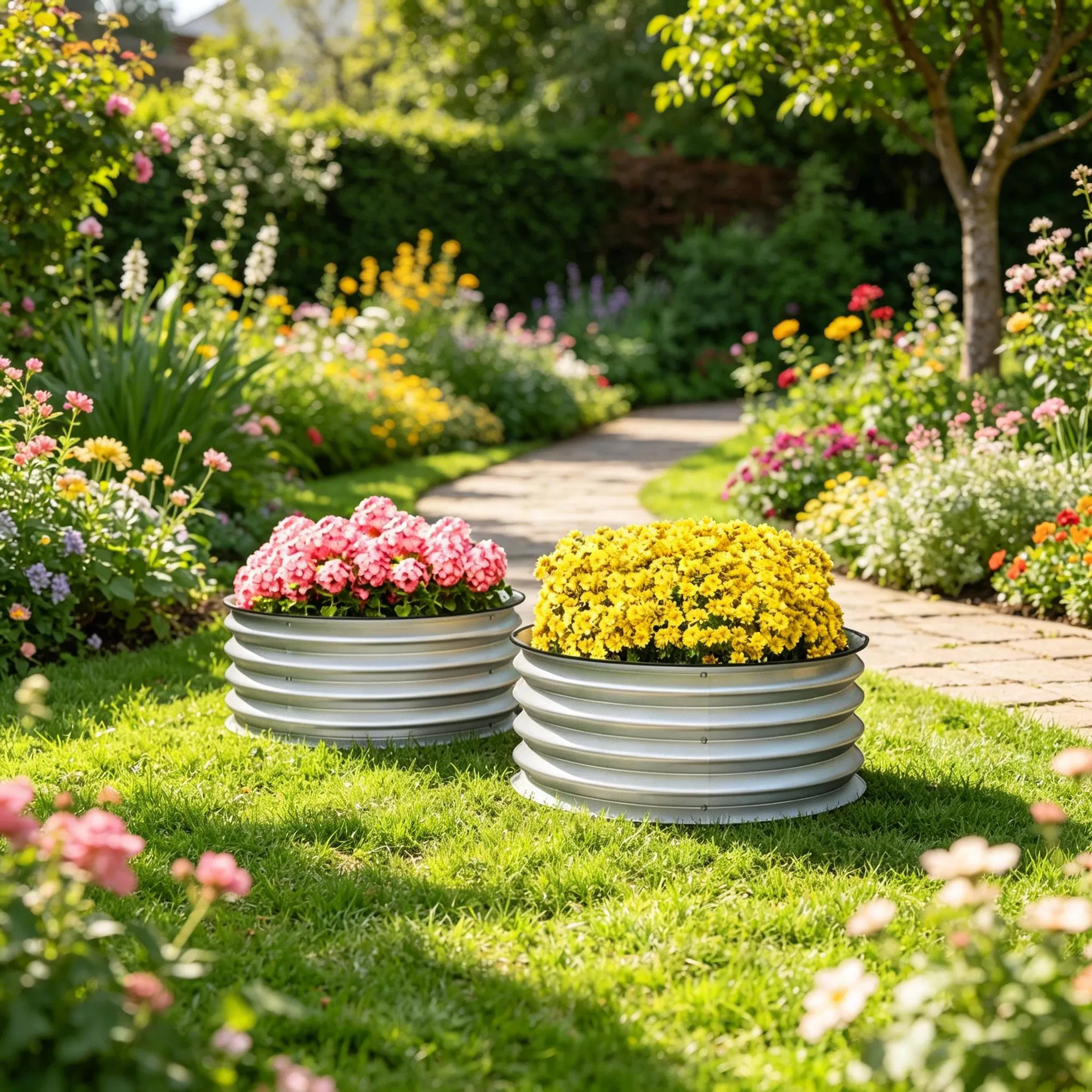 2 Pack Silver Metal Raised Garden Bed Planter Box 2x2x1 Easy to Assemble Stock Tank with Safety Edging for Gardening$66.99View on Mallflare
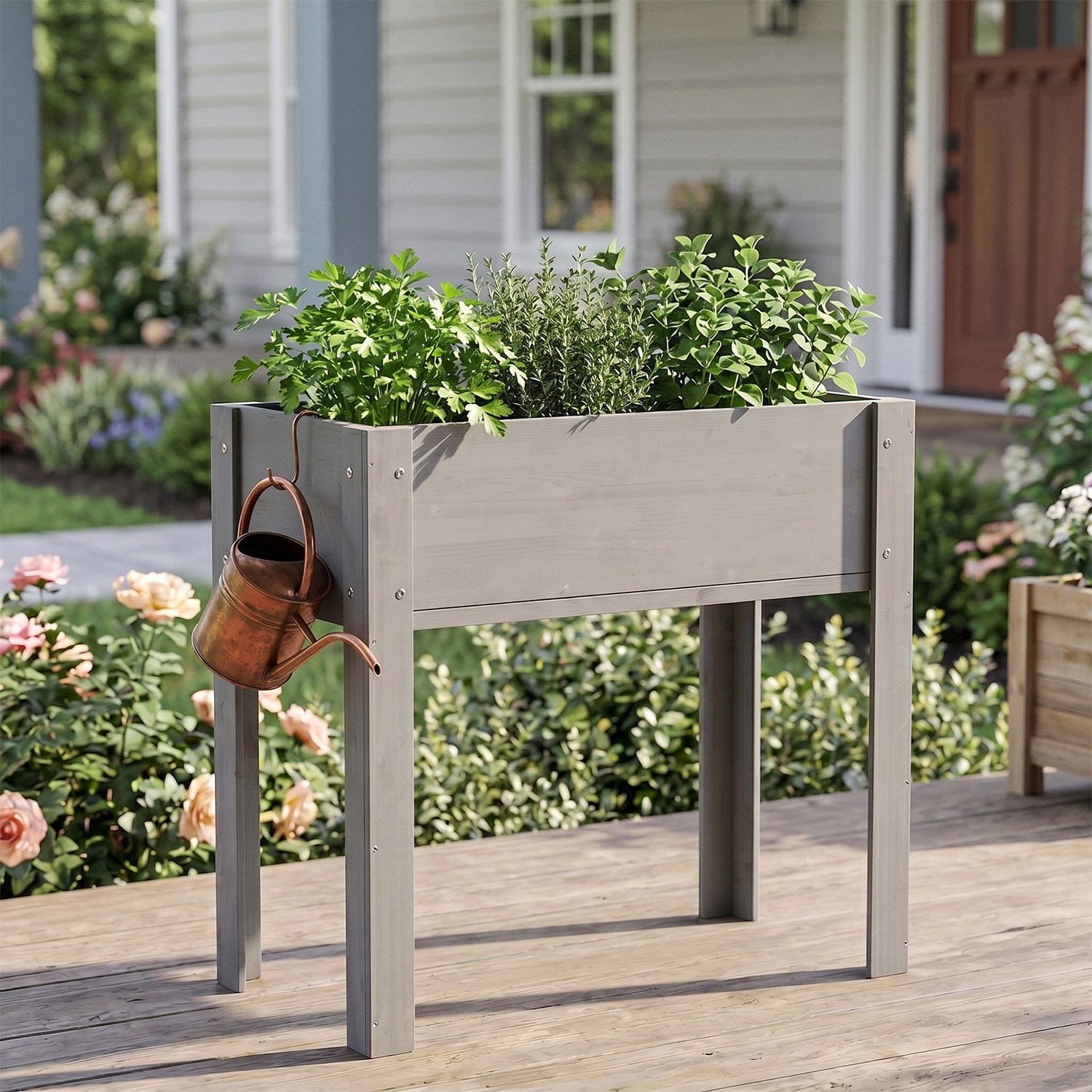 31IN 48IN Size Options Elevated Raised Garden Bed With Legs, Wooden Planter Box For Outdoor Vegetable Herb Flower Fruit Growing OLFC0002 GREY$68.99View on Mallflare
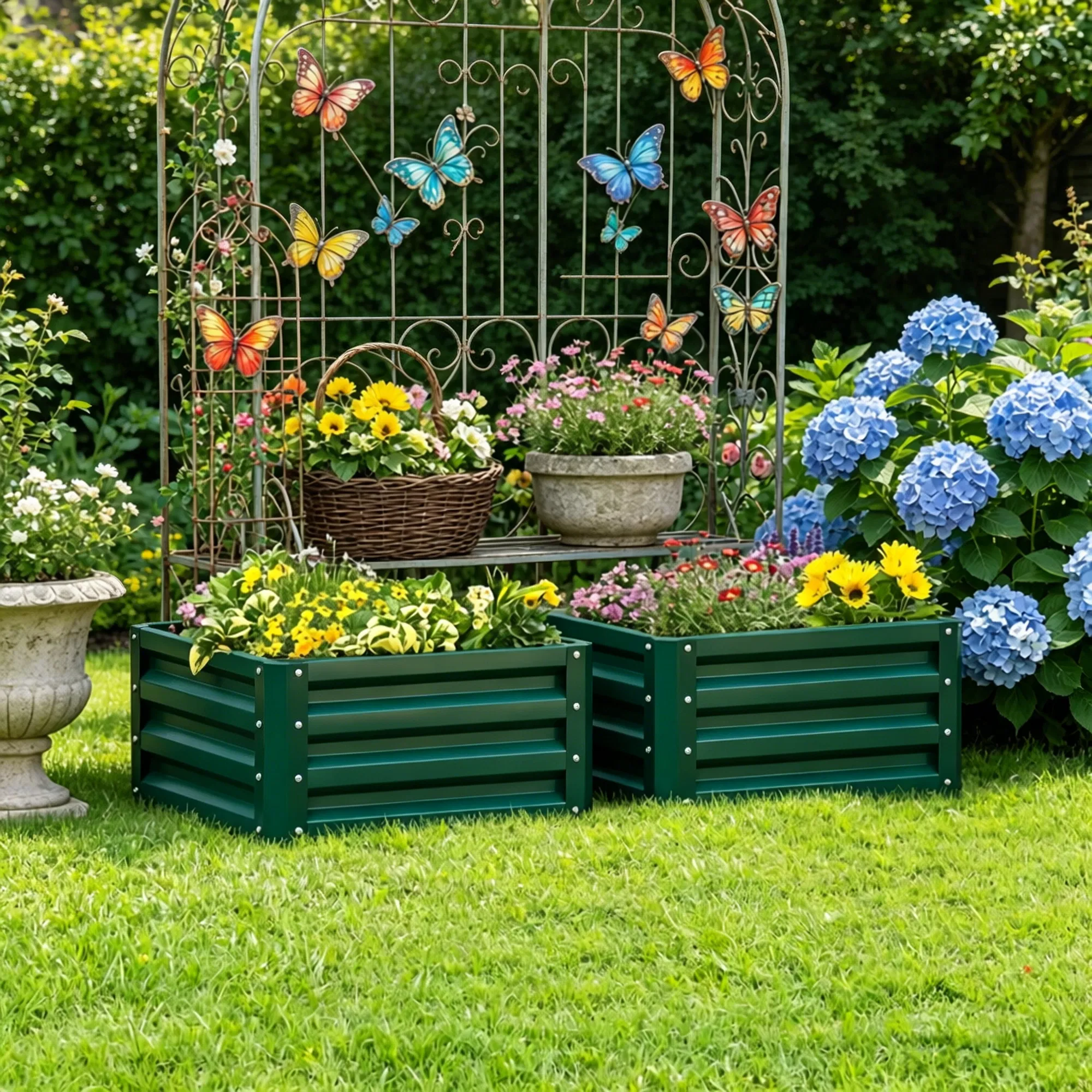 2-Pack Galvanized Steel Raised Garden Bed Rust-Resistant Metal Planter Box with Open Bottom for Easy Vegetable & Flower Growing$68.99View on Mallflare
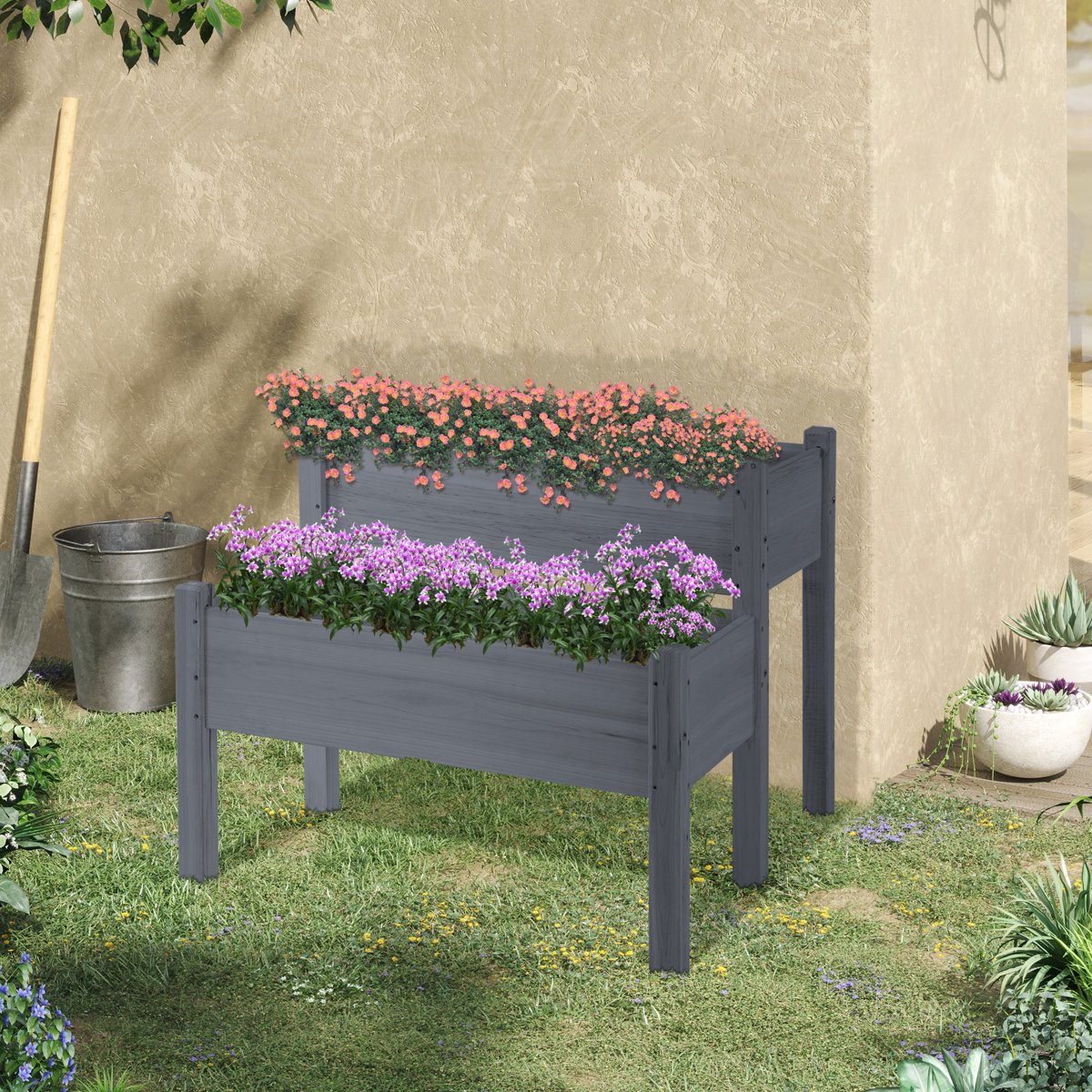 34"x34"x28" Raised Garden Bed 2-Tier Wooden Planter Box for Backyard, Patio to Grow Vegetables, Herbs and Flowers, Gray$69.99View on Mallflare
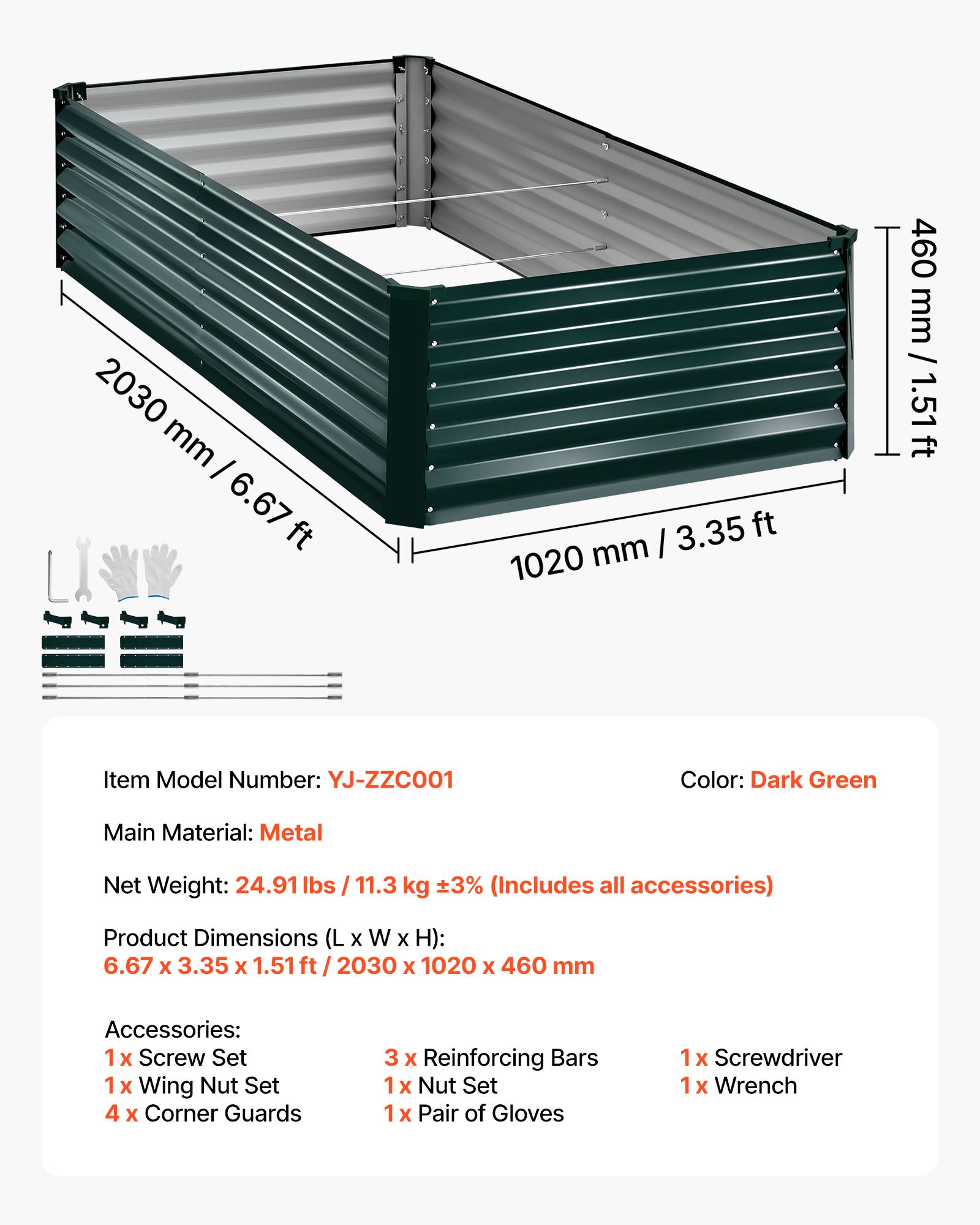 Galvanized Raised Garden Bed, 6.67 X 3.35 X 1.51 Ft, Rectangular Metal Planter Box Kit Outdoor, Rustproof Elevated Planting Box With Gloves, Alu-Zinc, For Growing Flowers Vegetables, Dark Green$72.99View on Mallflare
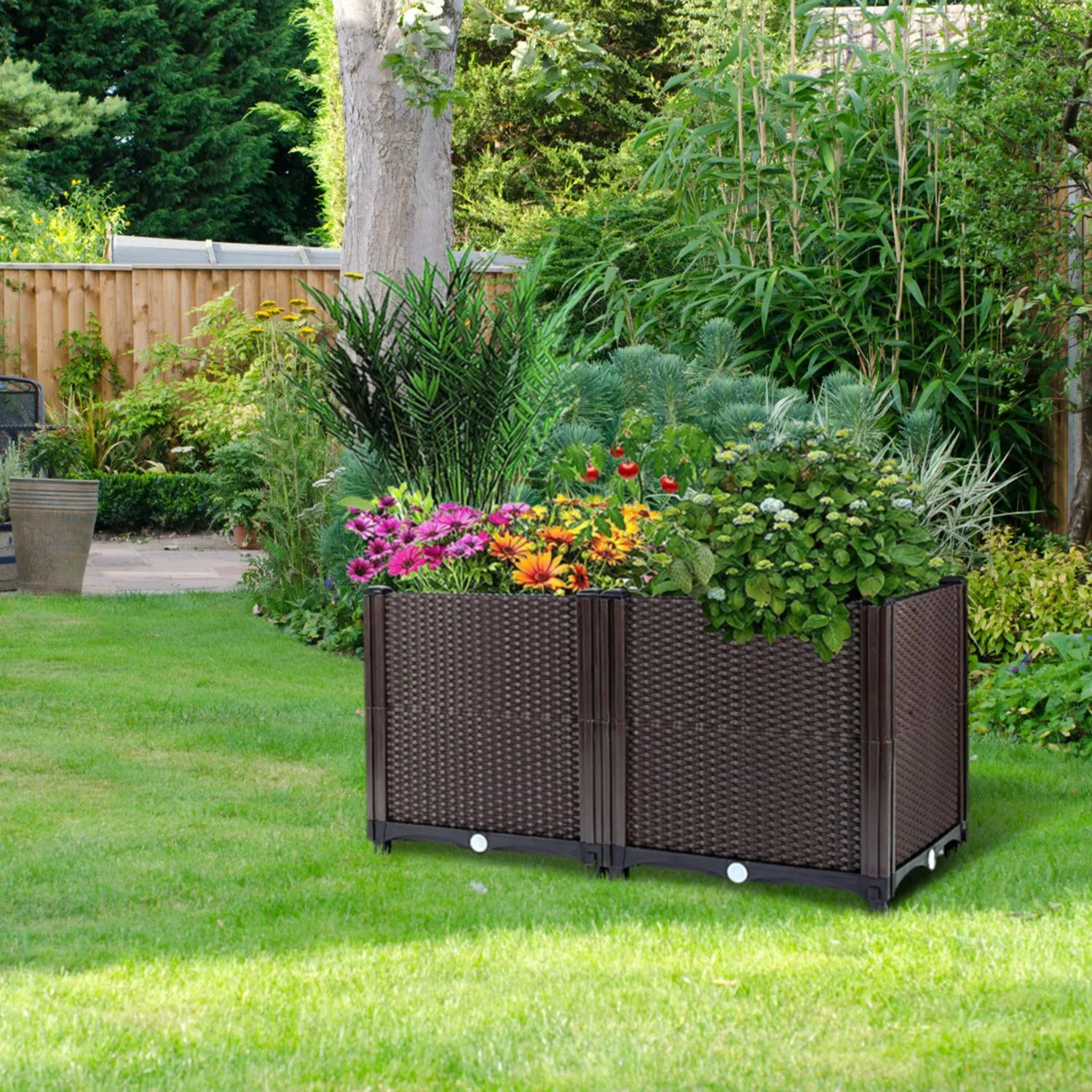 Raised Garden Bed Plant Growth Box with Self-watering System for Patio Balcony Elevated Planter Box for Flowers Vegetables Herbs$72.99View on Mallflare
Highlights
- Galvanized steel beds use 0.6–1.0 mm zinc coating; thicker gauge resists soil pressure bowing and lasts 10+ years versus thin 0.3 mm panels that dent and rust at cut edges.
- Fabric grow bags (non-woven polypropylene, 260–400 GSM) air-prune roots and drain freely; they suit patios but dry out fast and degrade under UV in 2–3 seasons.
- Self-watering plastic planters use a false floor with a wicking column and overflow hole; reservoir depth of 1.5–2 in suits herbs and lettuce, while tomatoes need 3+ in or bottomless rooting.
- Wood beds with a bottom must use rot-resistant cedar, larch, or heat-treated pine; untreated pine bottoms fail within 2–3 years, and lined bases extend life by keeping soil off the wood.
Best use cases
- Best fit: balcony or patio growers with no soil access should pick a legs-elevated plastic or metal bed with a self-watering reservoir and overflow drain—skip fabric bags if you cannot water daily.
- Best fit: root vegetables (carrots, potatoes) need 10–12 in of soil depth and a bottom with large drainage holes; skip shallow 8-in self-watering boxes, which stunt taproots.
- Best fit: indoor or sunroom use requires a sealed or drip-tray bottom to protect floors; choose plastic over wood, which warps and molds in humid rooms.
- Wrong fit: in rainy climates, solid-bottom beds without drainage holes become waterlogged—choose perforated metal, slatted wood, or fabric instead of sealed plastic trays.
Buying tips
- Match soil volume to crop: 8 in depth for herbs and lettuce, 10–12 in for peppers and determinate tomatoes, 12–18 in for indeterminate tomatoes and root crops.
- For elevated beds, check leg load rating: wet soil weighs roughly 75–100 lb per cubic foot, so a 4×2×1 ft bed holds about 8 cu ft and needs legs rated for 500+ lb total.
- Choose drainage style by climate: wet climates need open bottoms or 3+ drain holes per square foot; dry climates benefit from a 2-in reservoir with overflow.
- Prefer galvanized steel 0.6 mm or thicker, cedar 1 in nominal, or HDPE plastic 3 mm+ walls; avoid recycled rubber tires and thin PVC, which leach or crack.
Specs
| Bottom Type | Solid / slatted / fabric / self-watering |
|---|---|
| Drainage | 3+ holes per sq ft or overflow port |
| Soil Depth | 8–18 in by crop |
| Frame Material | Galvanized steel / cedar / HDPE / PP fabric |
Related searches
What to check before buying
- Measure your space and access path: a 4×2 ft bed needs 5×3 ft clearance and a gate or doorway at least 24 in wide if delivered assembled.
- Confirm surface level and load: elevated beds on decks need leg load spread over 12×12 in pads; soil-filled beds weigh 600–800 lb and may exceed balcony ratings.
- Check drainage destination: self-watering boxes overflow, so place them where excess water won't stain concrete or drip onto neighbors below.
- Verify companion parts: trellis beds need wall or frame anchoring; fabric beds need a pot saucer; metal beds need a liner if using fine seed-starting mix.
FAQ
Data sources: eBay / Amazon listings and product attribute feeds. Updated Nov 28, 2026.
Some links on this page are affiliate links. If you buy after clicking one, we may earn a commission at no extra cost to you. This does not change which products appear here or their order. Affiliate disclosure.