
Photos from current listings. Actual item, color, and included accessories may vary.
Drip Irrigation Buying Guide
Drip irrigation delivers low-volume water directly to root zones through tubing, emitters, and timers, cutting evaporation and runoff versus sprinklers. The core trade-off is emitter precision and UV-stable tubing against thin-walled kits that crack or clog within a season. Choose pressure-compensating emitters and UV-resistant polyethylene for permanent beds; reserve cheap micro-tubing spike kits for vacation duty on potted plants.
Median $21.19
Key takeaways
- Pressure-compensating (PC) emitters hold rated flow (typically 0.5-2 GPH) across 10-45 PSI, while non-PC drippers vary 30-50% with pressure changes.
- UV-stabilized polyethylene tubing in 1/2-inch mainline and 1/4-inch distribution lines resists sunlight degradation; thin PVC or vinyl cracks within one season.
- Battery timer valves run on 2xAA or 9V cells for 6-12 months and control 1-4 zones; AC transformers suit permanent installations with outdoor outlets.
At a glance
- Category
- Watering & Irrigation
- Last updated
- Nov 28, 2026
Current offers
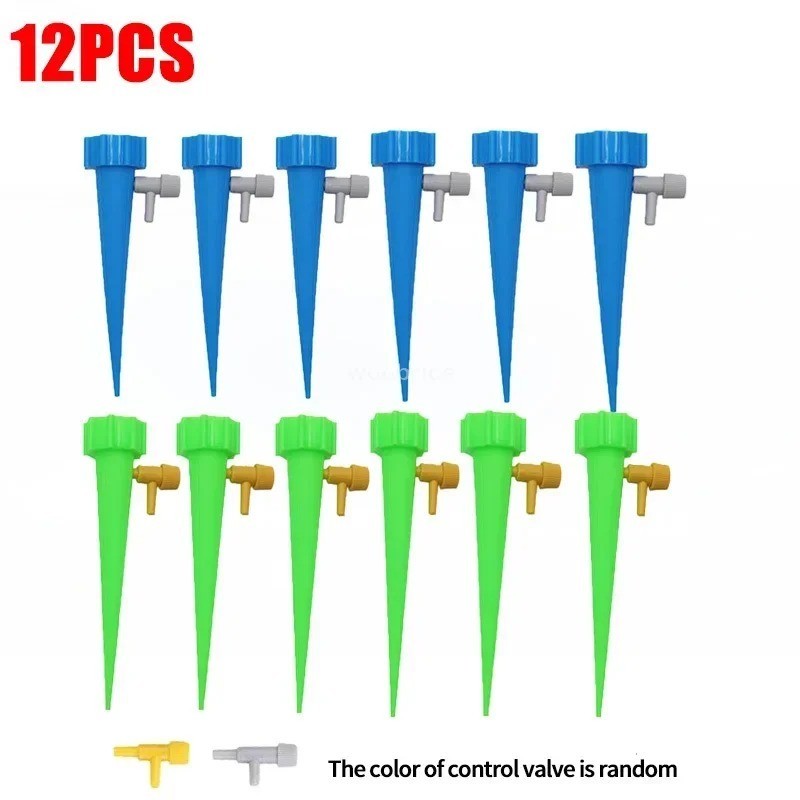 12PCS Mixed Automatic Drip Irrigation Plant Self Watering Kit Garden Device$5.91Last checked Nov 19, 2026View on eBay
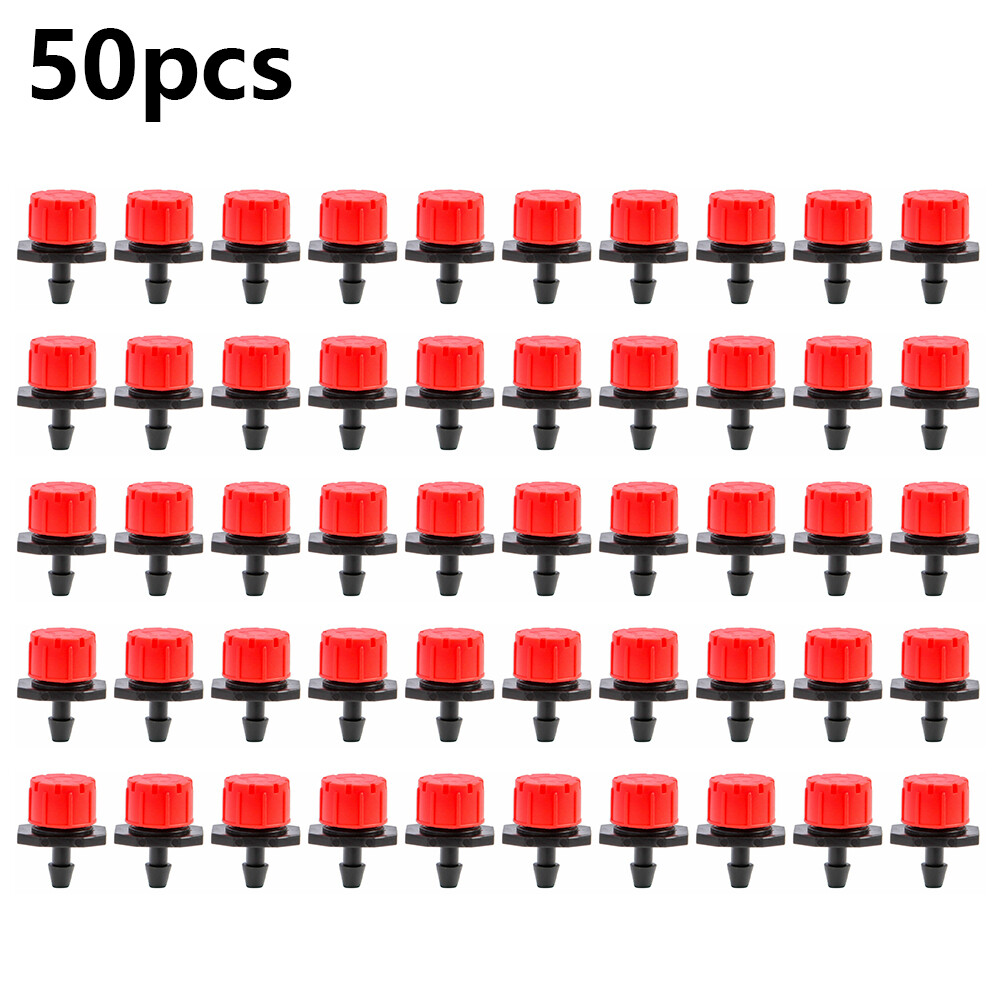 Adjustable Emitter Dripper Micro Drip Irrigation Sprinkler Watering System Lots$7.51View on eBay
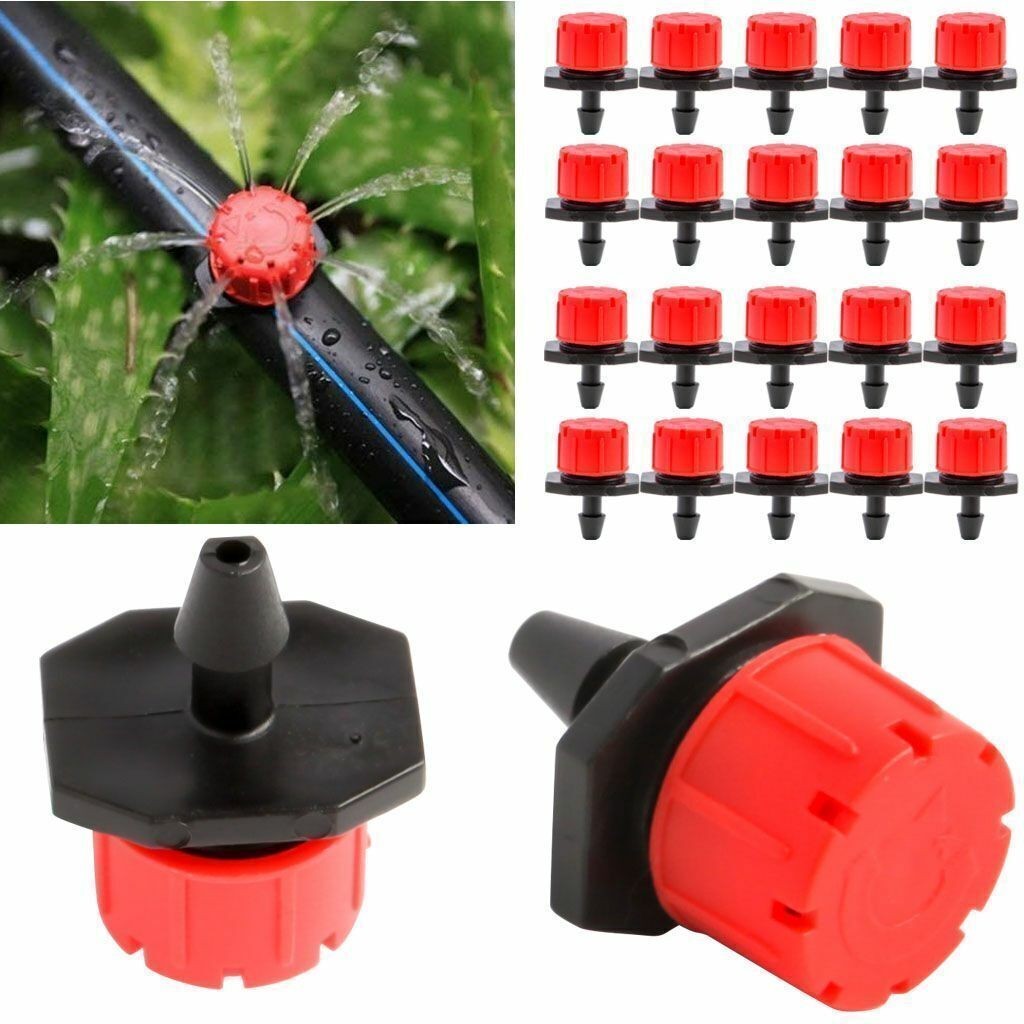 33-100ft Auto Drip Irrigation System Kit Timer Micro Sprinkler Garden Watering$7.99View on eBay
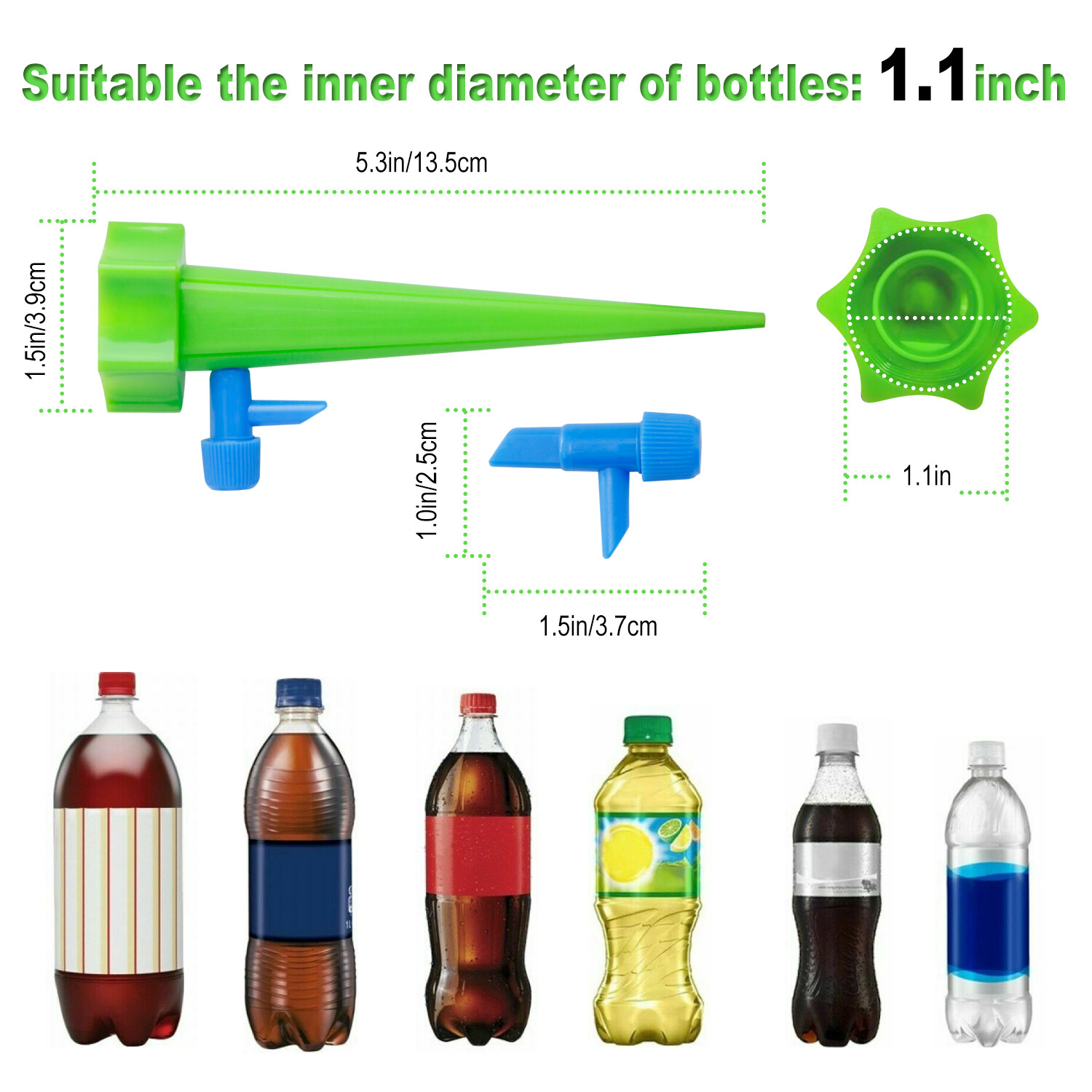 12/24PCS Garden Drip Irrigation Kit -Automatic Self Watering System for Vacation$9.95Last checked Nov 19, 2026View on eBay
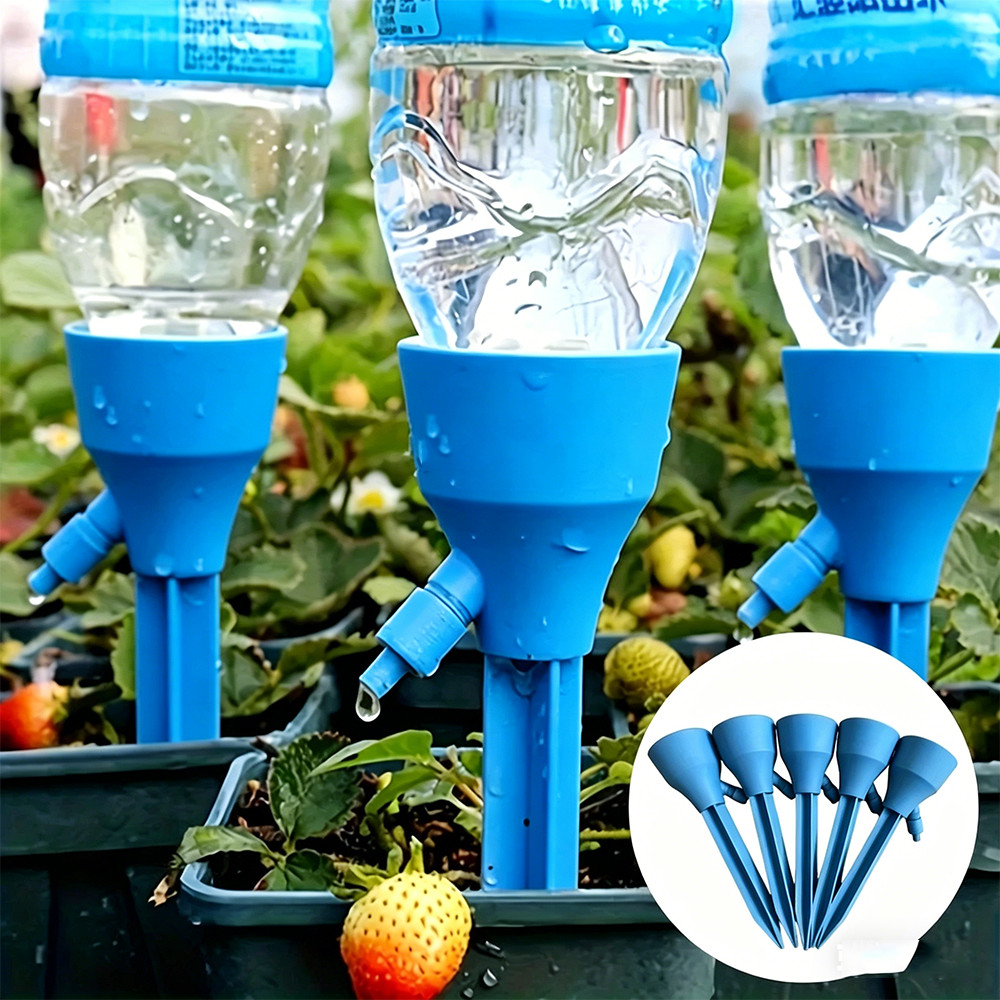 5 pcs Automatic Plant Watering Spikes Self Drip Irrigation for Potted Plants$9.99Last checked Nov 18, 2026View on eBay
- 12/24PCS Garden Drip Irrigation Kit -Automatic Self Watering System for Vacation$10.45View on eBay
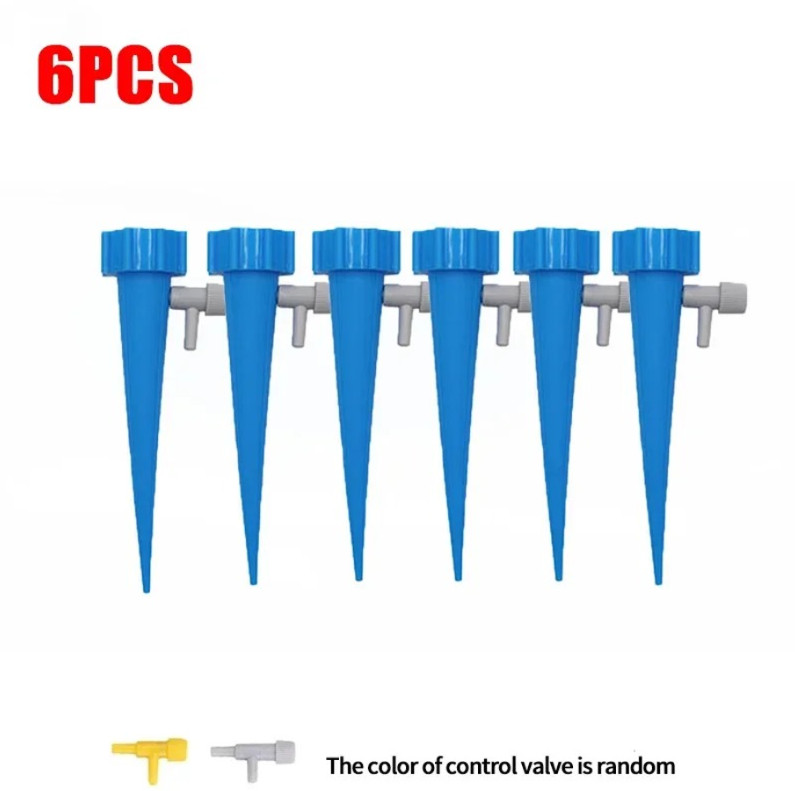 6pcs Automatic Drip Irrigation Self Watering Adjustable Plant Drippers Set - NEW$10.68View on eBay
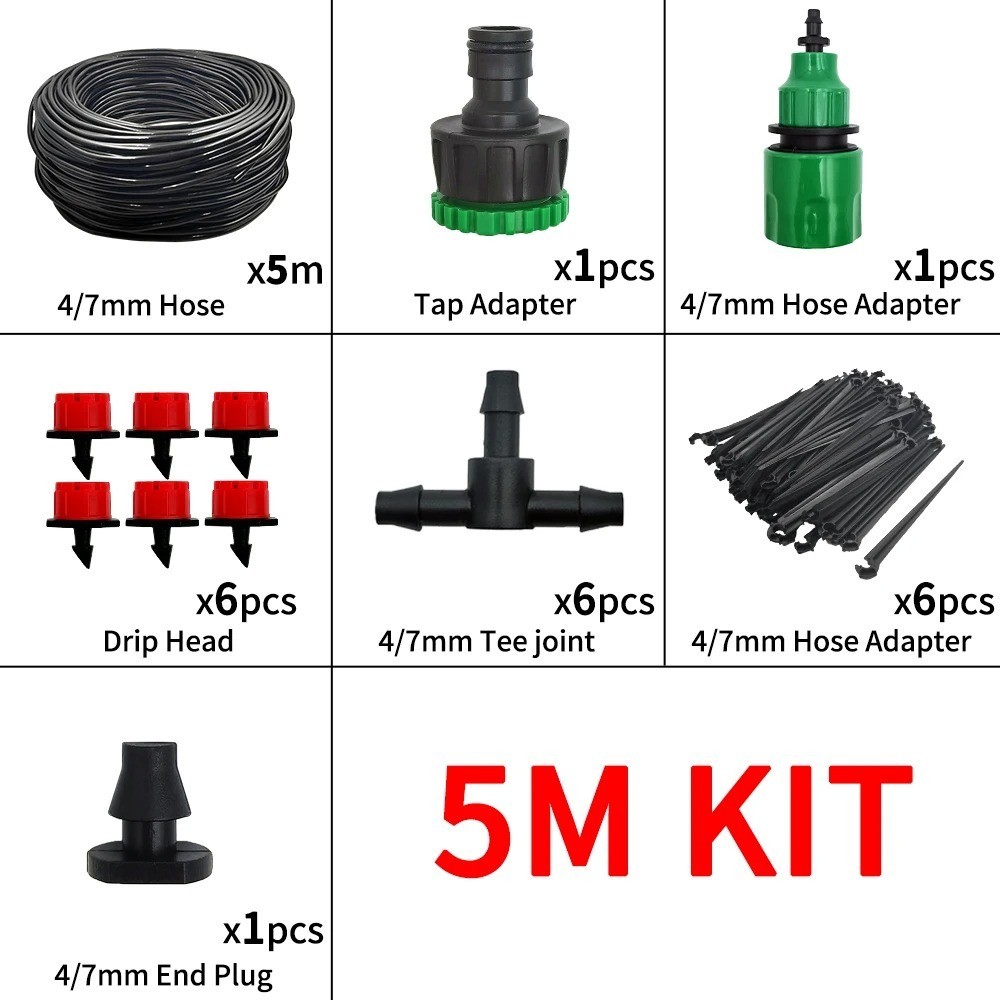 Drip Irrigation System Garden Plant Self Watering Mist Hose Micro Sprinkler Kit$10.70View on eBay
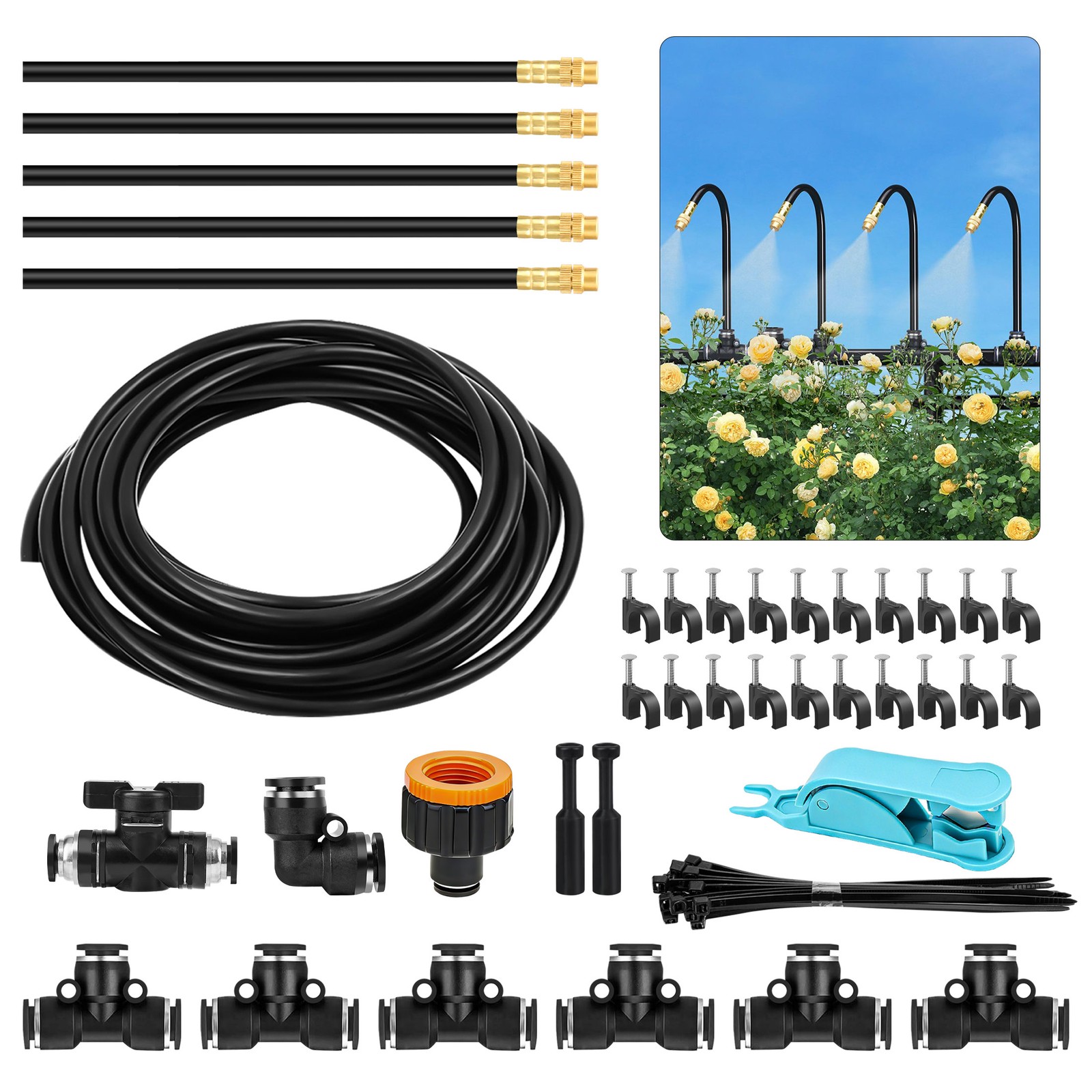 Drip Irrigation Kit DIY Garden Watering System Adjustable Sprayer Plant Lawn 1/4$11.95Last checked Nov 22, 2026View on eBay
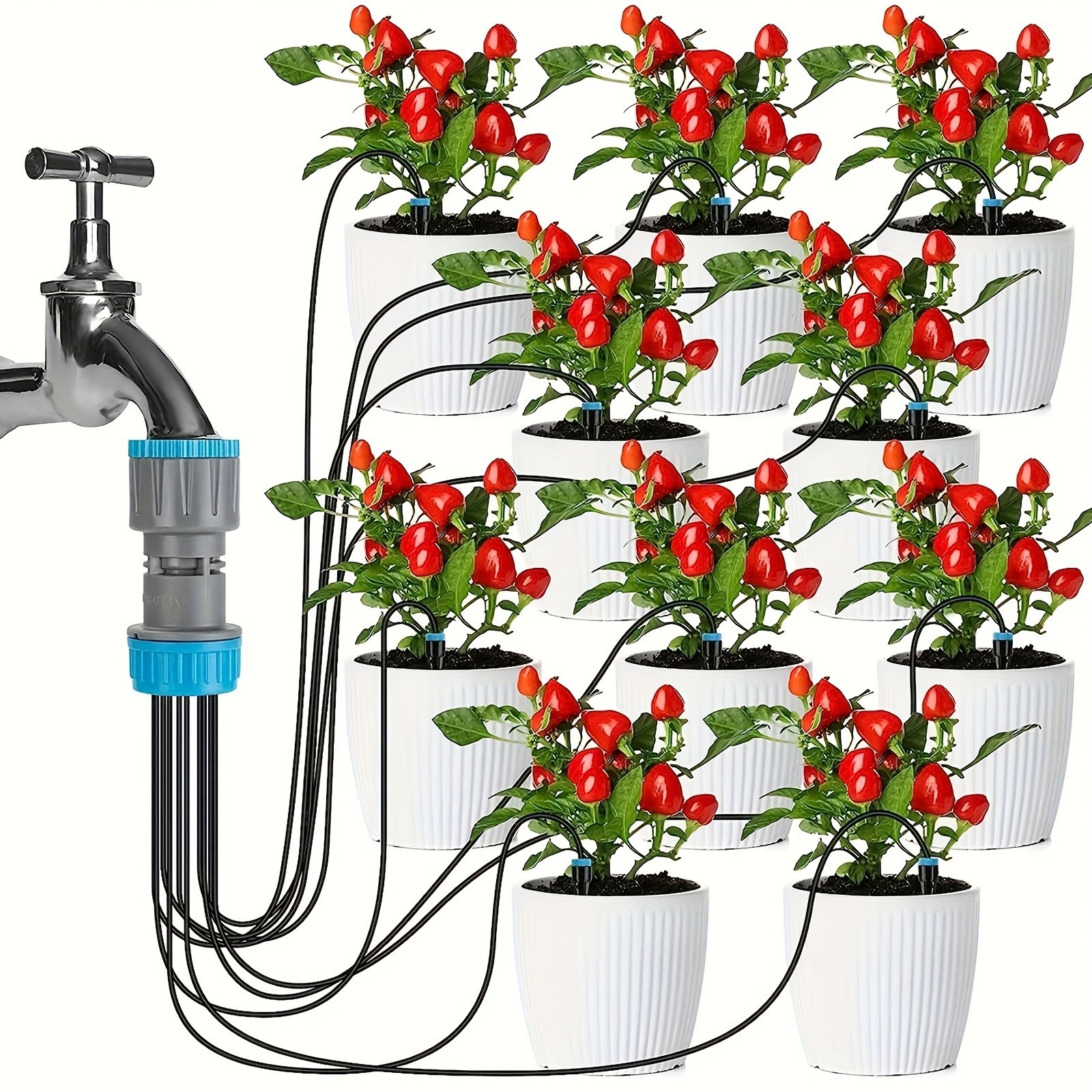 Garden Drip Irrigation Kit - Automatic Watering System for Potted Plants$12.49Last checked Nov 19, 2026View on eBay
- 12/24PCS Automatic Self Watering System Plant Water Drip Irrigation Garden Tools$14.95Last checked Nov 19, 2026View on eBay
- 12/24PCS Plant Drip Irrigation Garden Tools - Automatic Self Watering System$15.59View on eBay
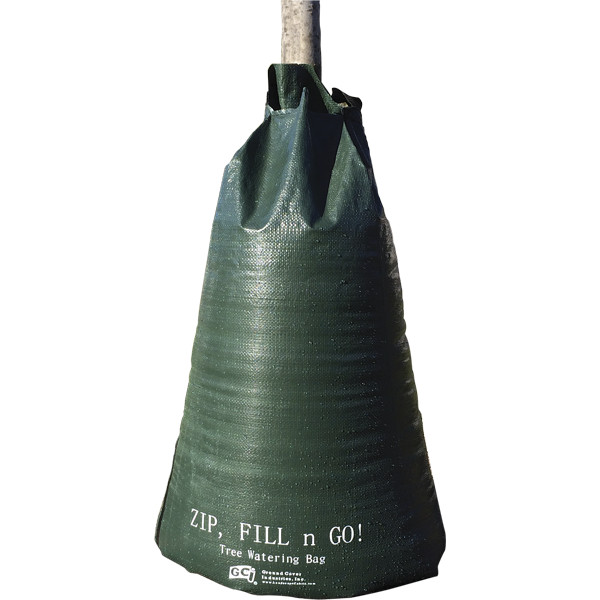 20 Gallon Tree Watering Bag Slow Release Drip Irrigation$15.95Last checked Nov 18, 2026View on eBay
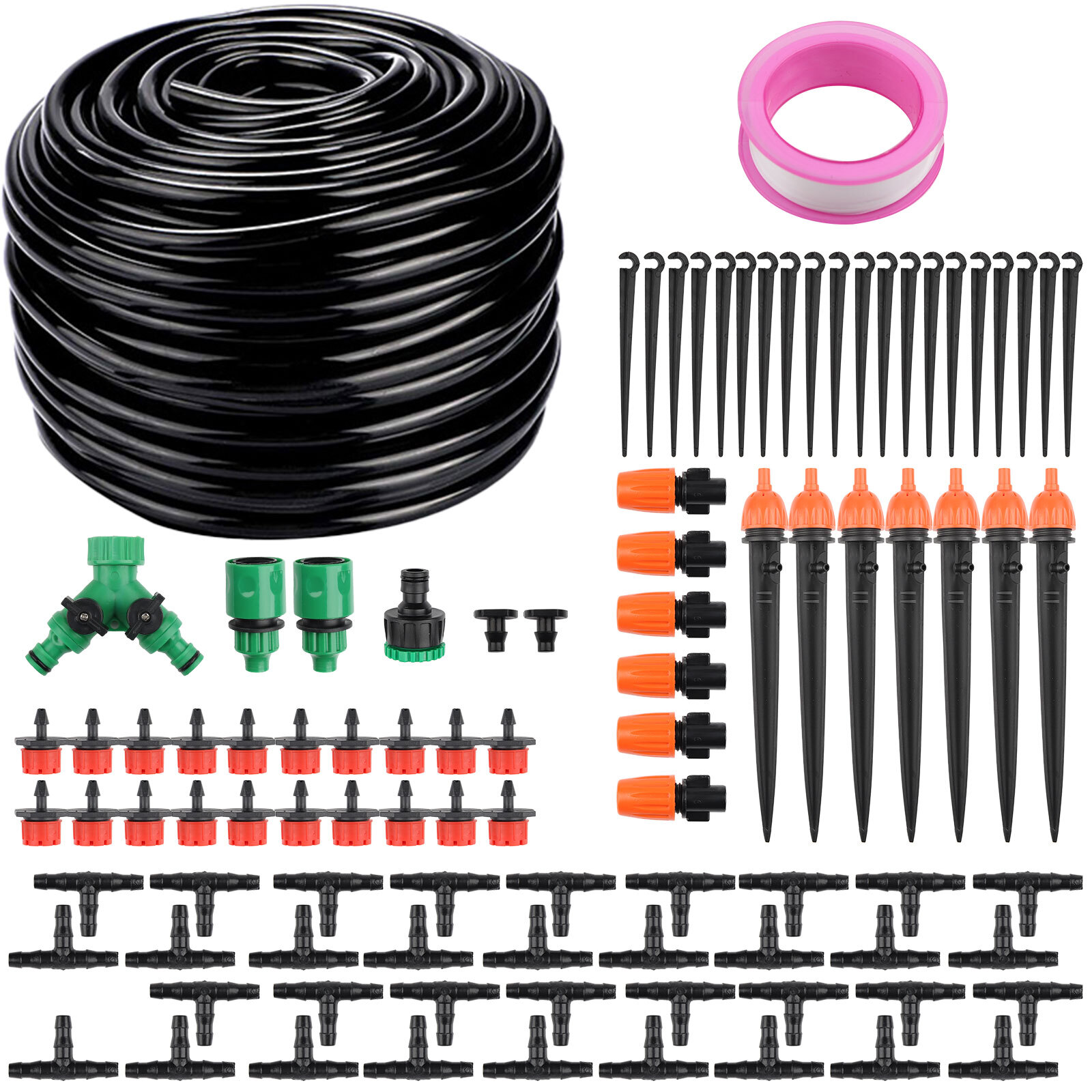 130FT Drip Irrigation System Garden Plant Self Watering Micro Hose Sprinkler Kit$15.99Last checked Nov 18, 2026View on eBay
- Drip Irrigation System Garden Plant Self Watering Hose Micro Sprinkler Kit$16.10Last checked Nov 19, 2026View on eBay
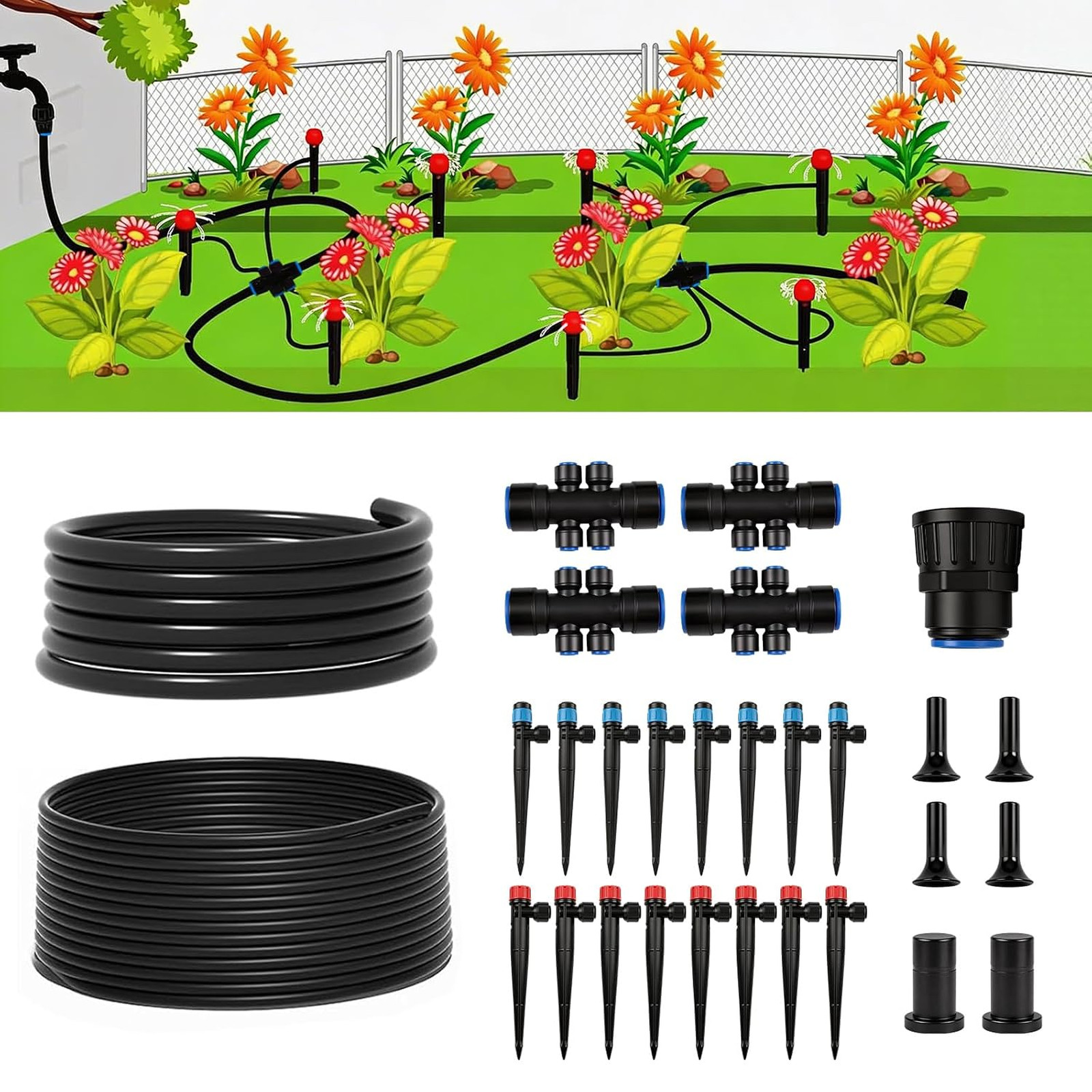 100FT Drip Irrigation Kit with Quick Connect System, 1/2 In and 1/4 In Tubing$16.47View on eBay
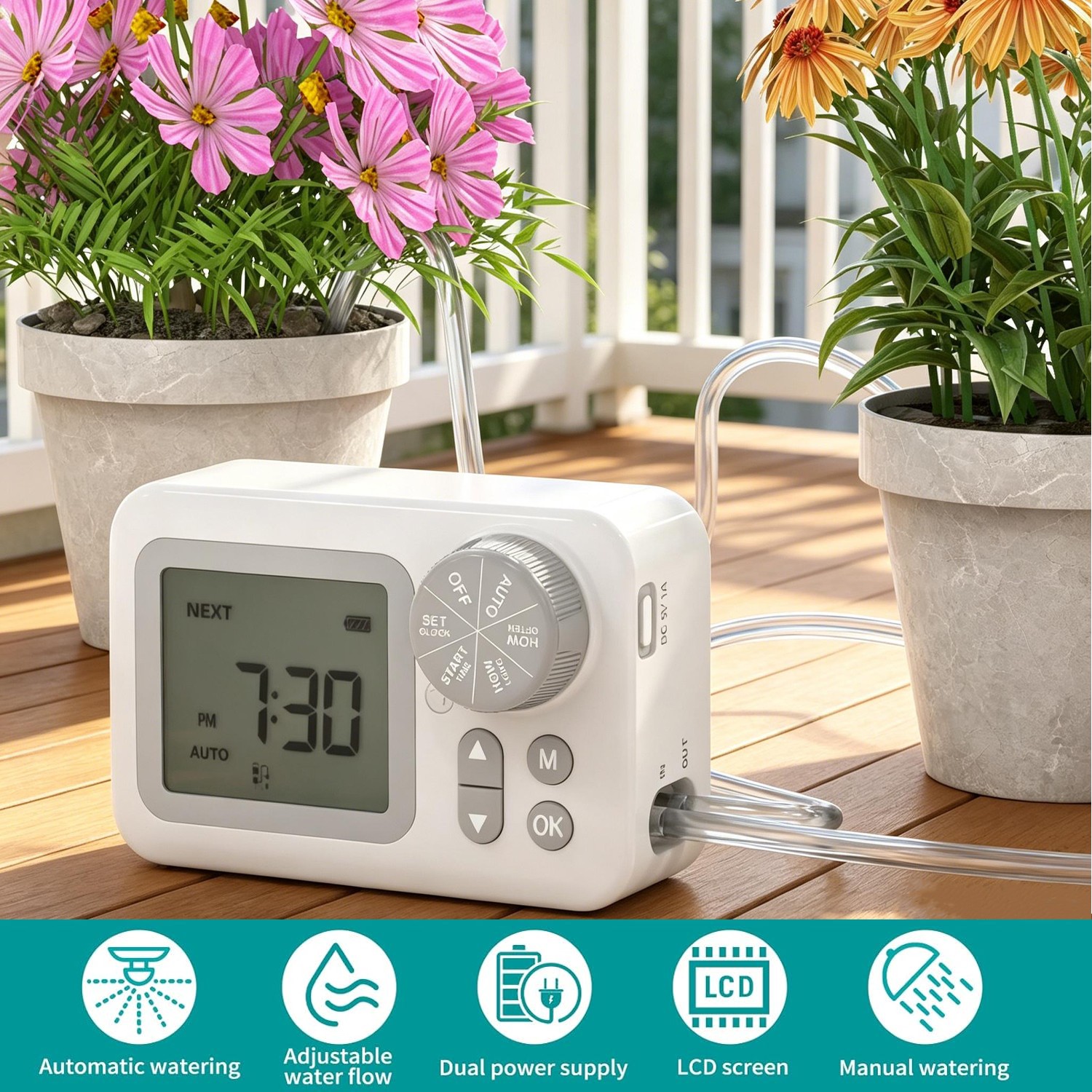 Automatic Garden Drip Irrigation Kit, Indoor Plant Watering System for Plants,h$17.99View on eBay
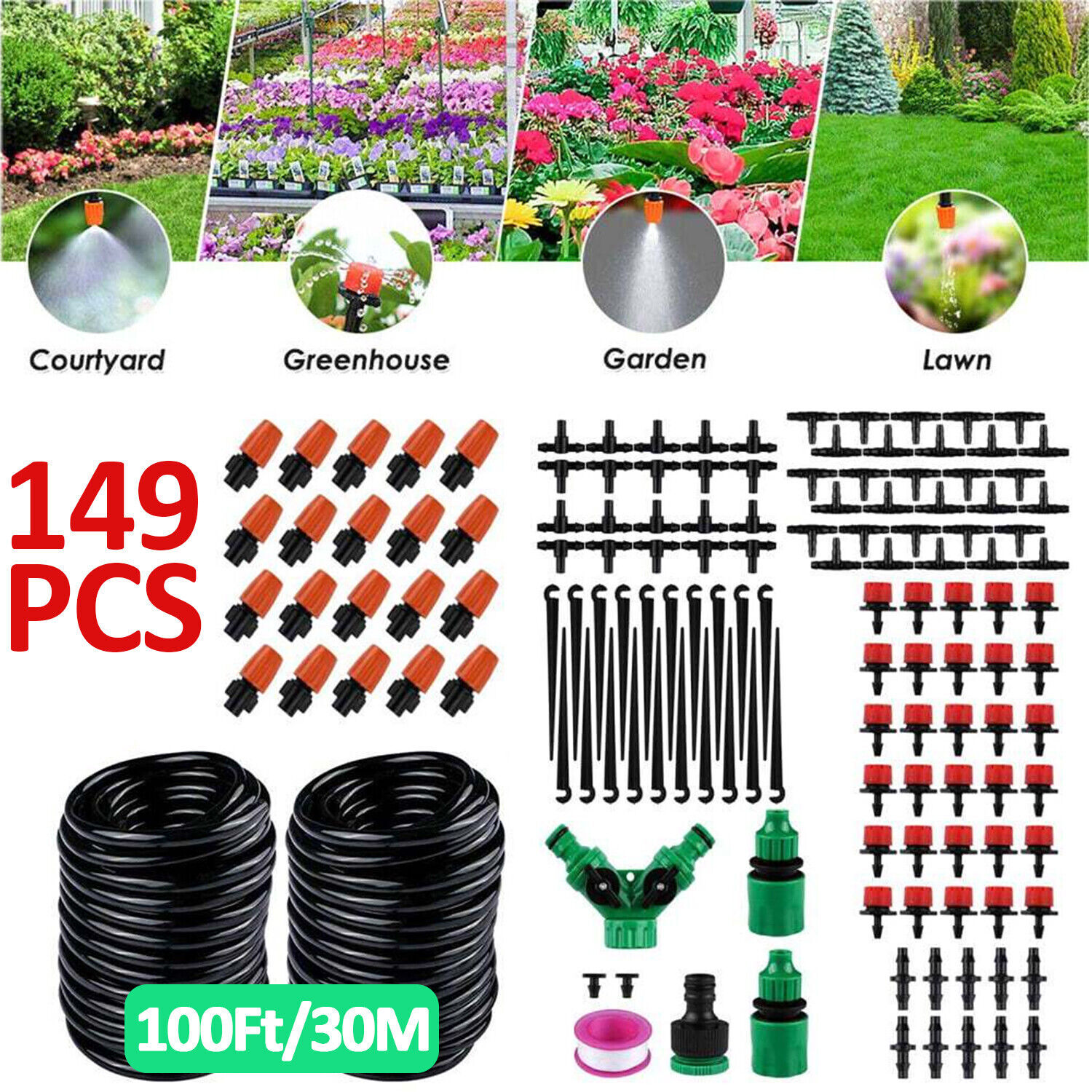 100ft Drip Irrigation System Garden Plant Self Watering Micro Hose Sprinkler Kit$19.94Last checked Nov 18, 2026View on eBay
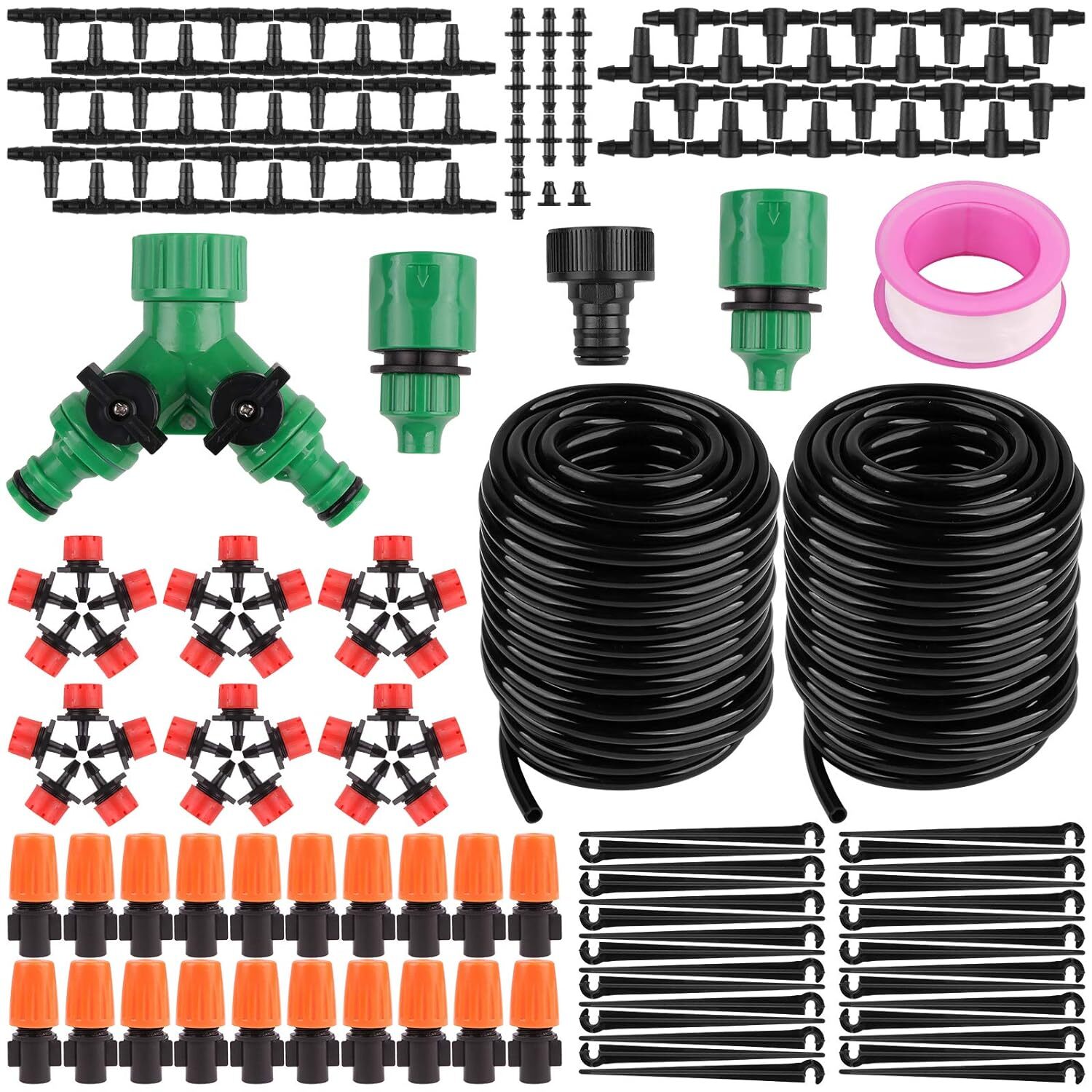 149PC Drip Irrigation System Garden Plant Self Watering Micro Hose Sprinkler Kit$19.98View on eBay
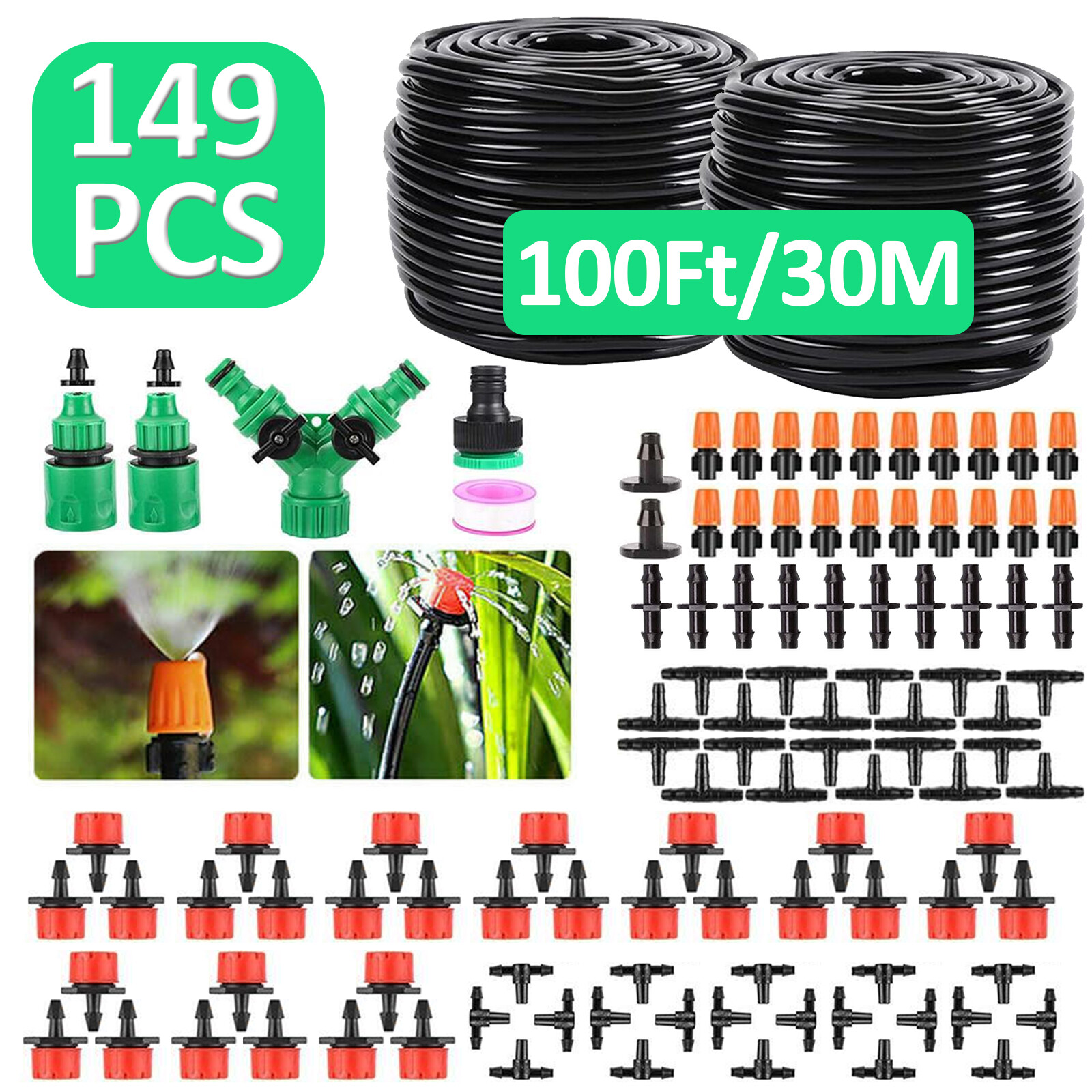 149-298pcs Micro Drip Irrigation System Kit Plant Garden Watering Hose Sprayer$19.99Last checked Nov 18, 2026View on eBay
Highlights
- Pressure-compensating (PC) emitters hold rated flow (typically 0.5-2 GPH) across 10-45 PSI, while non-PC drippers vary 30-50% with pressure changes.
- UV-stabilized polyethylene tubing in 1/2-inch mainline and 1/4-inch distribution lines resists sunlight degradation; thin PVC or vinyl cracks within one season.
- Battery timer valves run on 2xAA or 9V cells for 6-12 months and control 1-4 zones; AC transformers suit permanent installations with outdoor outlets.
- Barbed or quick-connect fittings in ABS or POM resist pull-out better than push-in connectors; brass or metal threads on hose adapters prevent cross-threading.
Best use cases
- Pick a 1/2-inch mainline kit with PC emitters and a battery timer for garden beds and raised planters; skip micro spike kits for anything beyond a single season.
- Choose a 1/4-inch micro-tubing vacation kit with 10-16 adjustable drippers for indoor potted plants; it is wrong for outdoor beds needing uniform coverage.
- Use a misting/overhead conversion with 1/4-inch line and misting nozzles for greenhouse humidity and seedling trays; do not use it for deep-rooted shrubs.
- For hose-fed balcony containers, select a quick-connect kit with a faucet adapter and 50-ft 1/4-inch line; heavy 1/2-inch mainline kits are overkill and hard to route.
Buying tips
- Size mainline by flow: 1/2-inch line handles roughly 200-240 GPH at 25 PSI; keep total emitter draw under 70% of that to preserve pressure uniformity.
- Match emitter count to timer zones: a single battery valve typically supports 10-20 emitters; exceed that and split into multiple zones or use a multi-zone controller.
- Select 1/4-inch distribution tubing for runs under 30 ft; beyond that, pressure drop starves far emitters, so step up to 1/2-inch sub-mains.
- Confirm thread standard: most kits use 3/4-inch GHT (garden hose thread) faucet adapters; outdoor AC timers require a GFCI-protected outlet within cord reach.
Specs
| Tubing Grade | UV-stabilized PE vs thin vinyl |
|---|---|
| Emitter Flow | 0.5-2 GPH (PC vs non-PC) |
| Timer Power | 2xAA/9V battery vs AC adapter |
| Faucet Thread | 3/4-inch GHT standard |
Related searches
What to check before buying
- Measure bed length and plant spacing: 1/4-inch emitter tubing with 12-inch emitter spacing covers roughly 50 ft per run; 1/2-inch mainline runs up to 100 ft.
- Check outdoor faucet thread (3/4-inch GHT standard) and whether a backflow preventer or vacuum breaker is included or required by local code.
- Verify timer power: battery models need no outlet but require seasonal cell changes; AC models need a weatherproof GFCI outlet near the valve.
- Confirm kit includes end caps, goof plugs, and a hole punch; missing fittings stall installation and force separate purchases.
FAQ
Data sources: eBay / Amazon listings and product attribute feeds. Updated Nov 28, 2026.
Some links on this page are affiliate links. If you buy after clicking one, we may earn a commission at no extra cost to you. This does not change which products appear here or their order. Affiliate disclosure.