
Photos from current listings. Actual item, color, and included accessories may vary.
Clearance Shed Buying Guide
A clearance shed is a low-profile metal or resin outdoor storage structure sized to fit under eaves, beside fences, or in narrow side yards where full-height sheds cannot go. The primary trade-off is panel gauge and frame bracing versus footprint: thin 0.25 mm steel needs more internal ribs and a level base to resist wind, while heavier 0.4 mm panels allow wider unsupported spans. Buyers should treat any shed under 6 ft ridge height as a clearance-fit product first and a storage-capacity product second.
Median $167.49
Key takeaways
- Clearance sheds ship as either corrugated galvanized steel panels (typically 0.25–0.4 mm gauge) or double-wall resin; steel panels under 0.3 mm require more horizontal bracing and a perfectly level foundation to avoid oil-canning and wind lift.
- Ridge height defines the clearance class: 5x3x6 ft models use a single-slope or low-gable roof to stay under 6 ft, while 10x10 ft clearance sheds use a full gable and need at least 8 ft of unobstructed side clearance for panel assembly.
- Panel overlap and screw spacing are the real weather seal: overlapping corrugations by one full rib with self-tapping screws every 8–12 in on purlins beats thicker panels fastened every 24 in for shed wind and rain resistance.
At a glance
- Category
- Outdoor Structures, Shade & Awnings
- Last updated
- Nov 27, 2026
Current offers
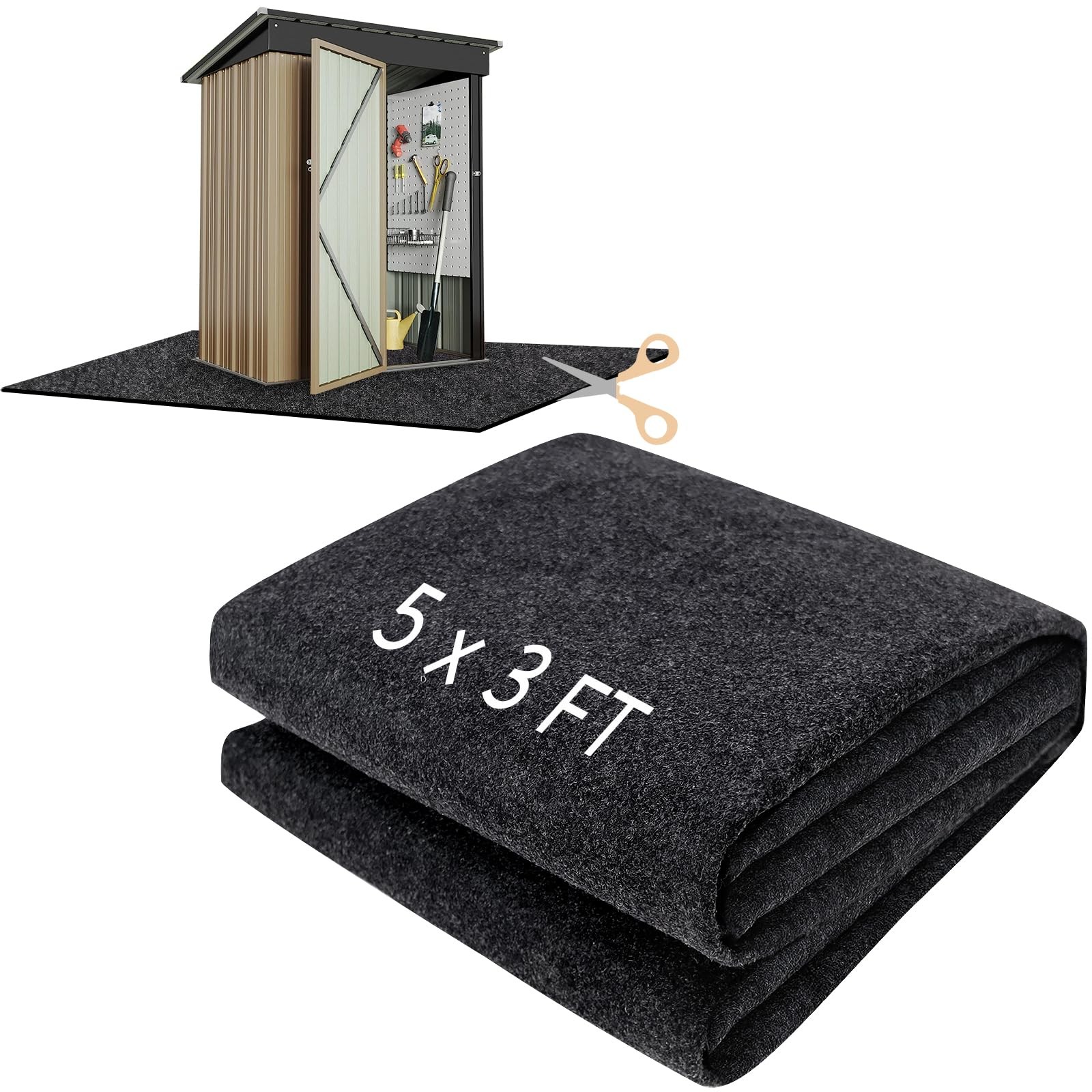 5 x 3 FT Outdoor Storage Shed 3'4" x 5'3" (Rectangular), 5 X 3 Ft$37.99Last checked Nov 24, 2026View on eBay
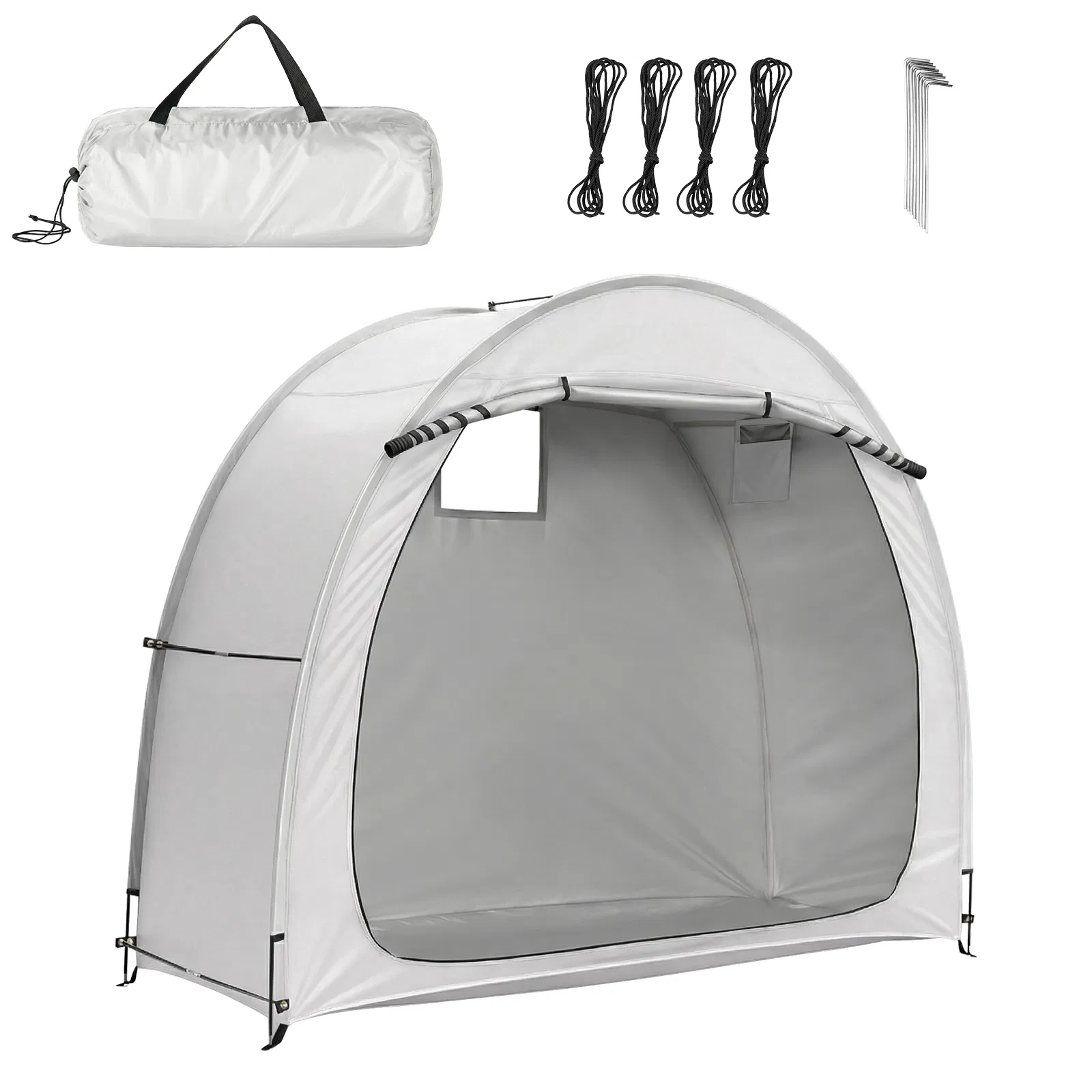 6.8x2.6FT Light Gray Arc Bicycle Storage Shed, 210D PU Silver Coated Oxford Cloth Bike Tent with Fiberglass Frame$40.99View on Mallflare
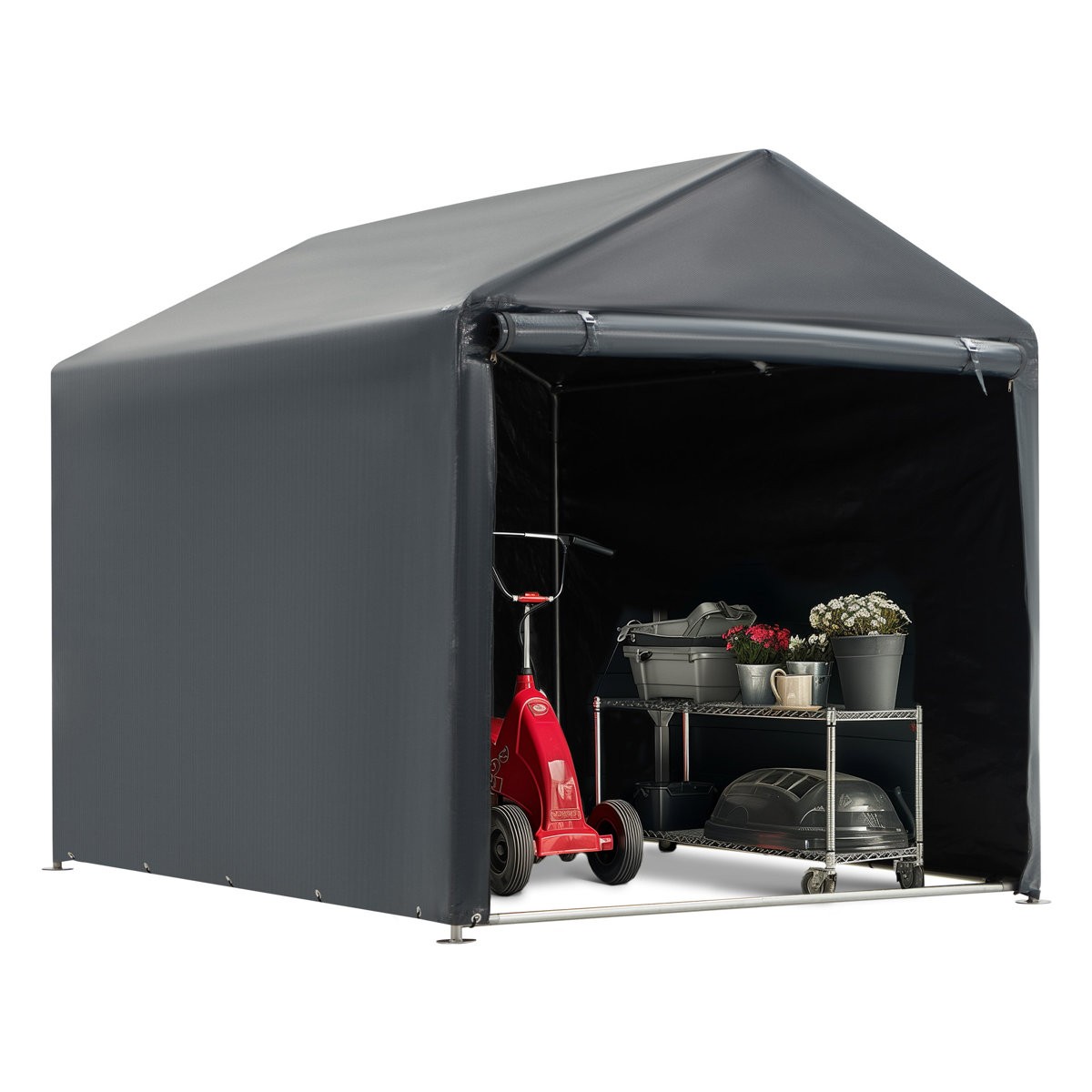 5x7.2ft Portable Garage Outdoor Storage Shed Waterproof$94.99Last checked Nov 19, 2026View on eBay
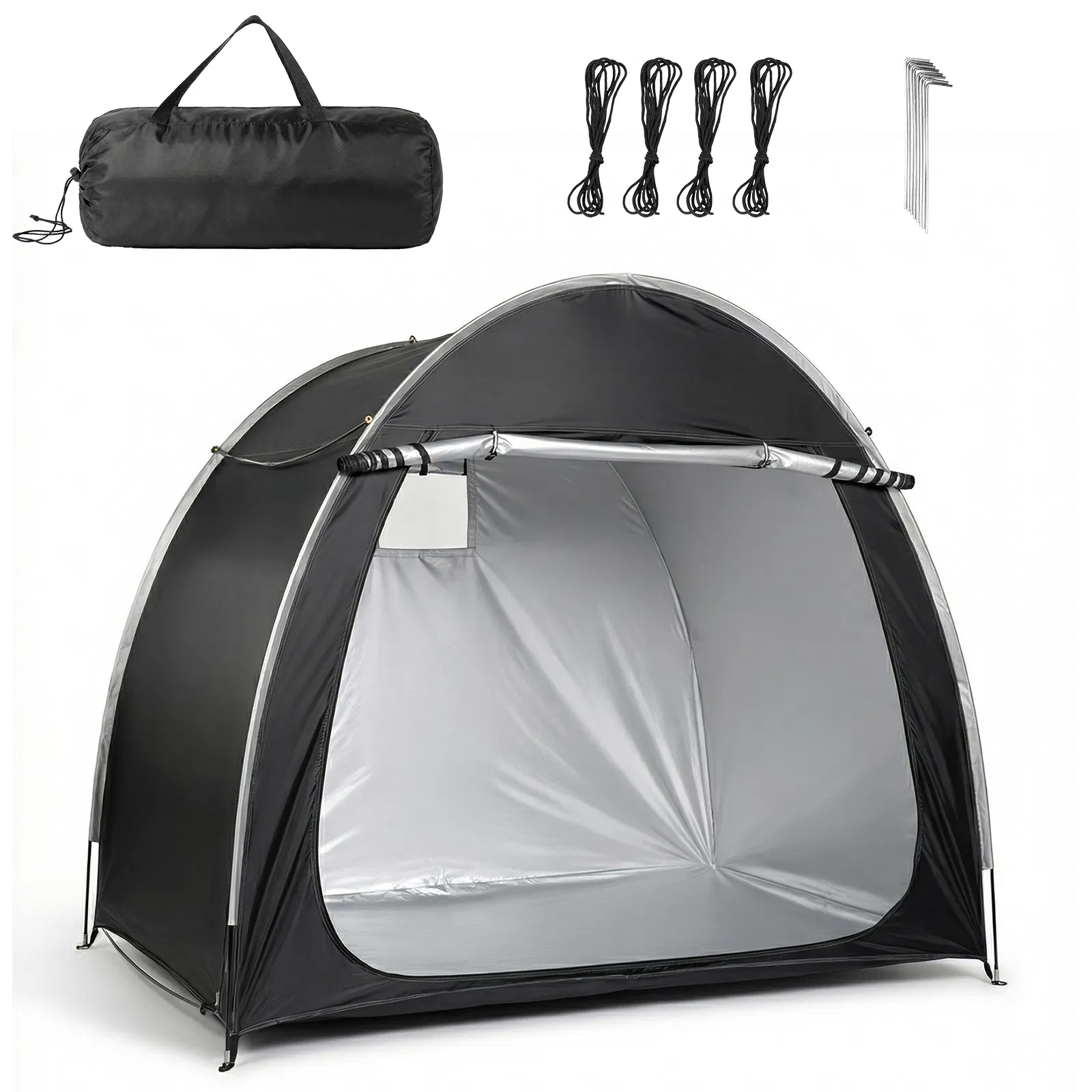 6.8x4.9FT Black Arc Bicycle Storage Shed, 210D PU Silver Coated Oxford, Fiberglass Frame, Front&Side Double Doors, Inner Bag & Carry Bag$59.99View on Mallflare
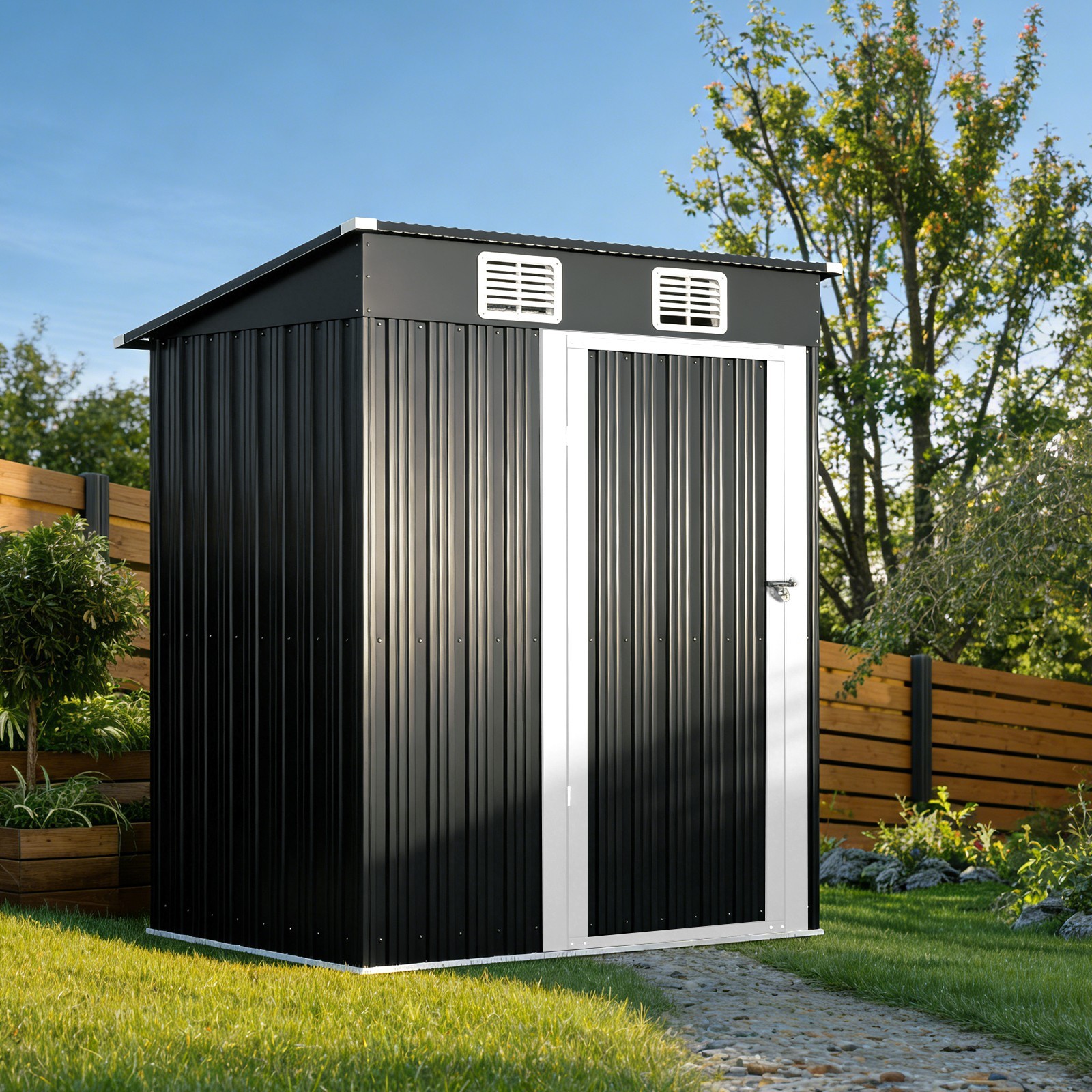 Storage Shed Outdoor Metal Tool Storage Cabinet Storage House Grey$115.99View on eBay
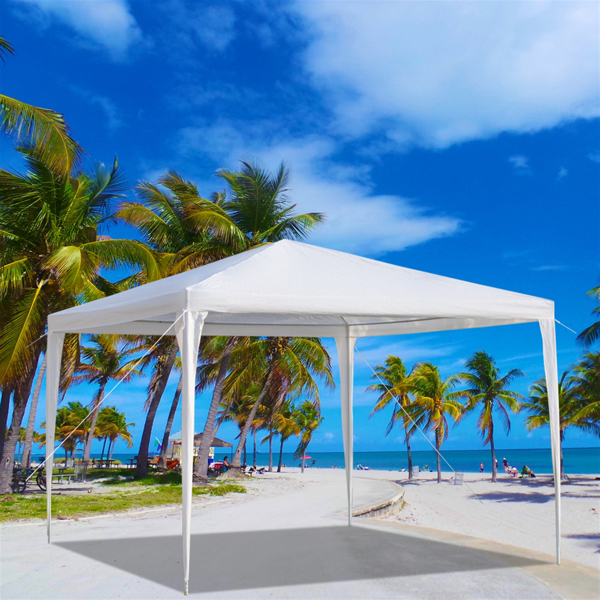 3 Sided Spiral Tube Cooling Shed$77.99View on Mallflare
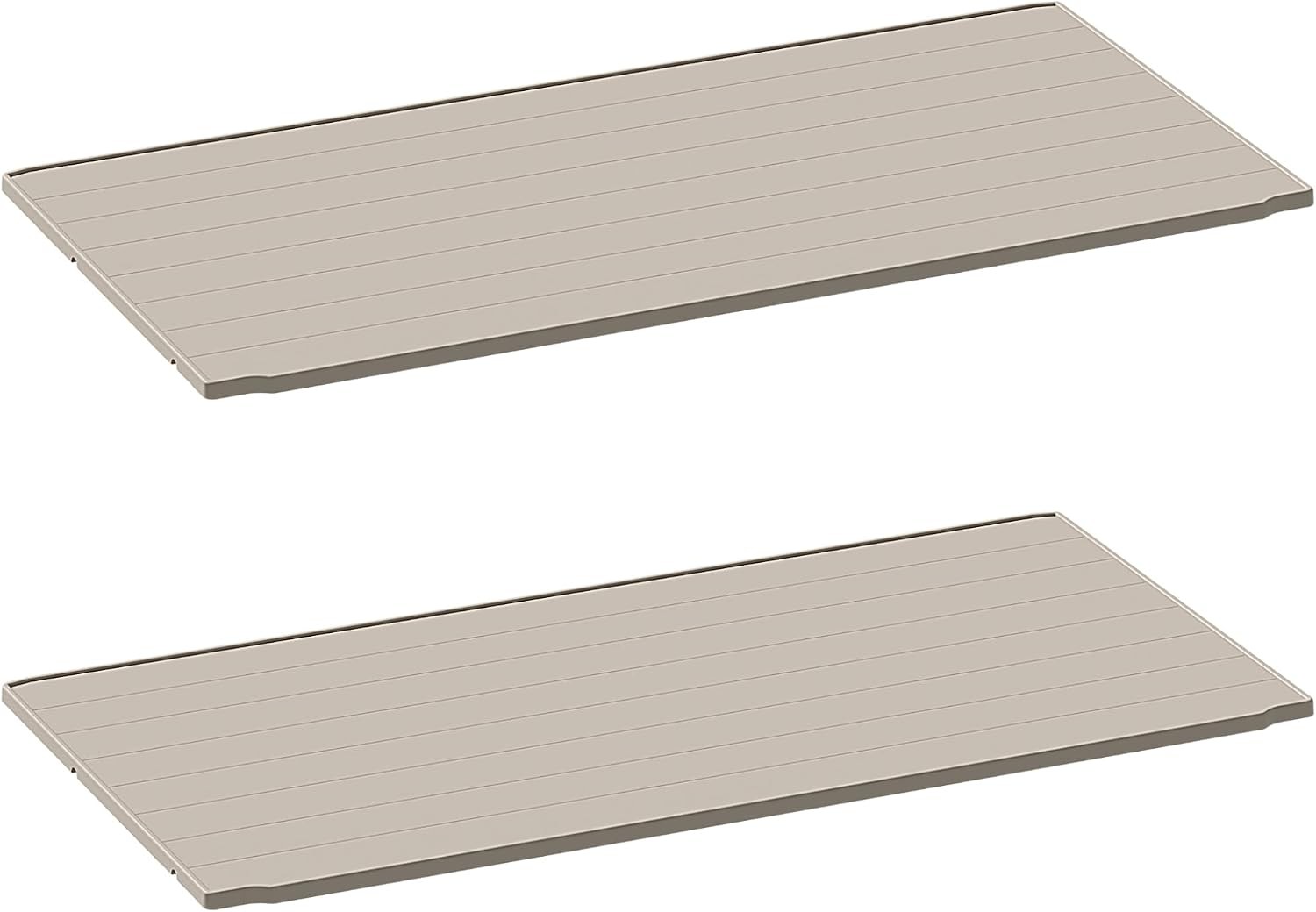 Shelf of Resin Outdoor Storage Cabinet 26 Cu Ft Horizontal Outdoor Storage Shed$118.98Last checked Nov 24, 2026View on eBay
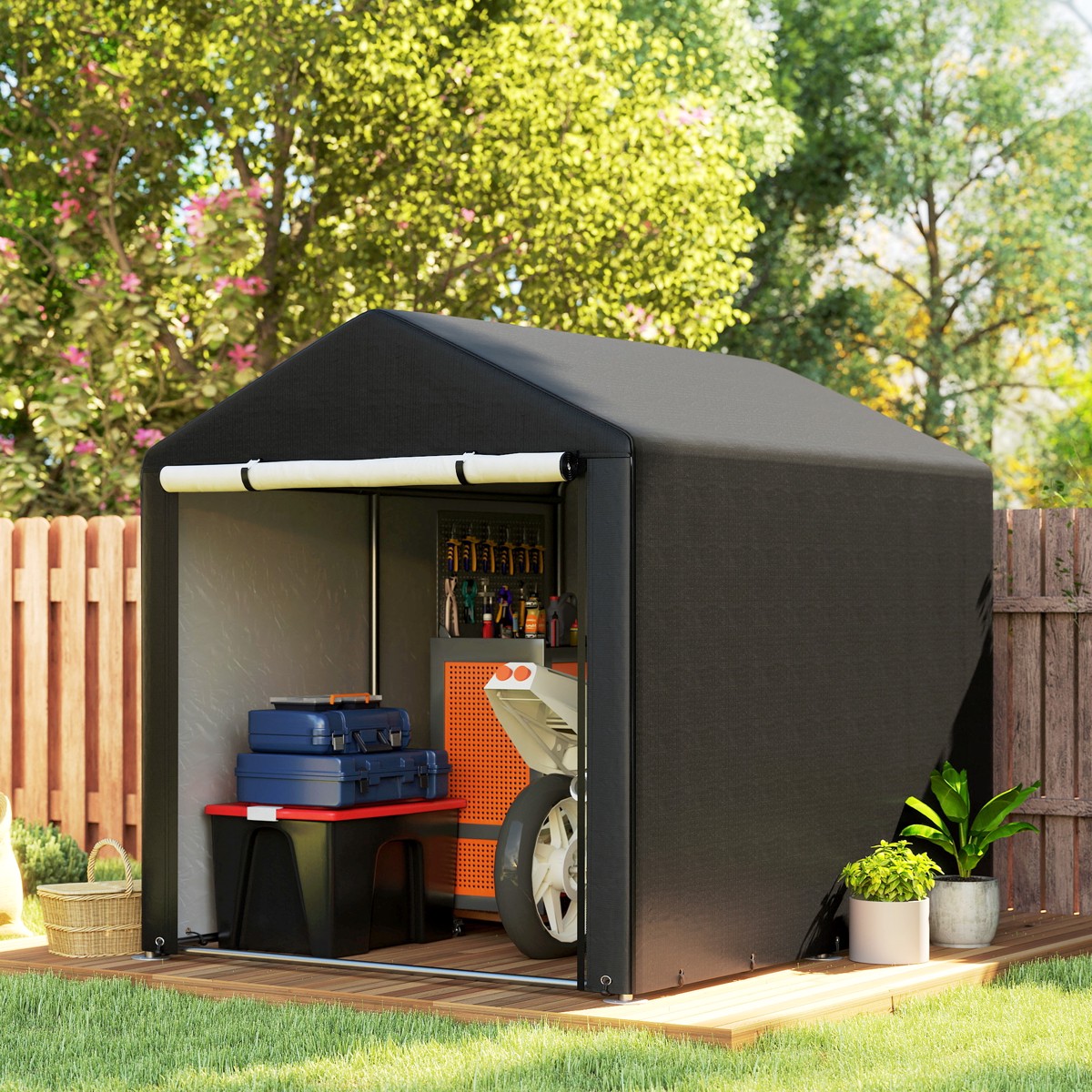 5.2 x 7.2 ft Portable Storage Shed Tent, Heavy Duty Outdoor Waterproof Garage Shelter with Galvanized Steel Black$127.99View on Mallflare
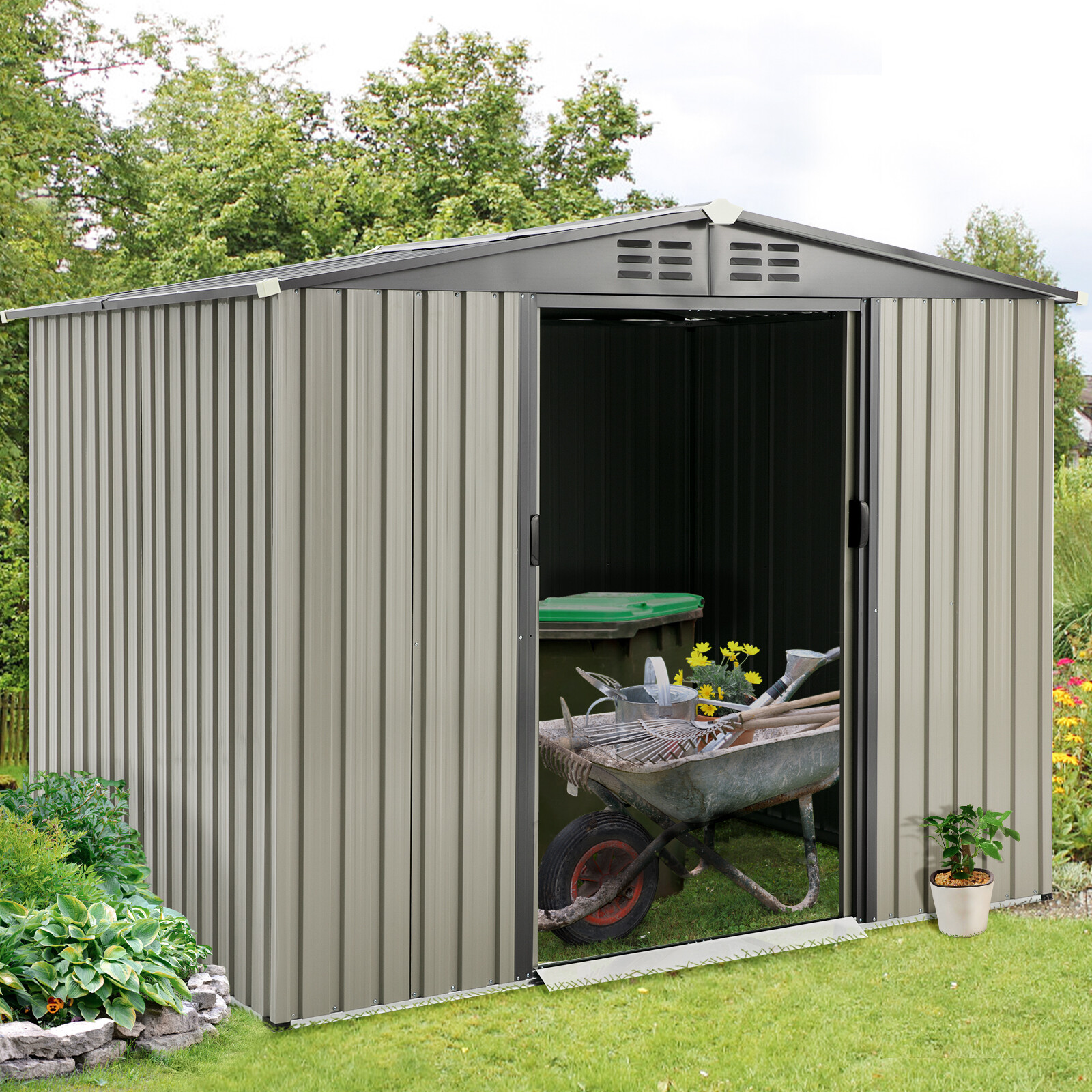 Outdoor Storage Shed Small Tool Shed w/ Sliding Door Storage Cabinet for Garden$126.98View on eBay
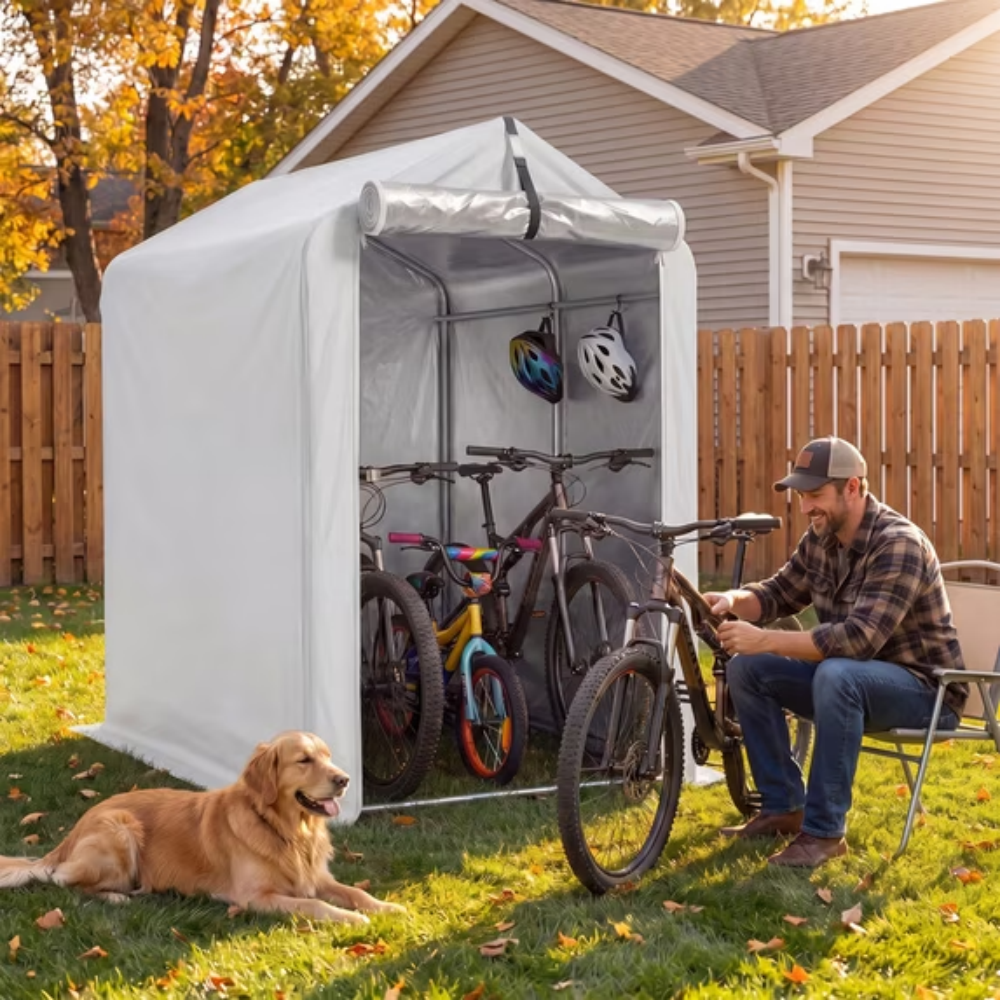 Outdoor Storage Shed, Waterproof Shelter, Wind Resistant Tent with Roll-Up Zipper Door & Fixed Buckle, for Bikes, Motorcycle, Garden Tools & Equipment, White$136.99View on Mallflare
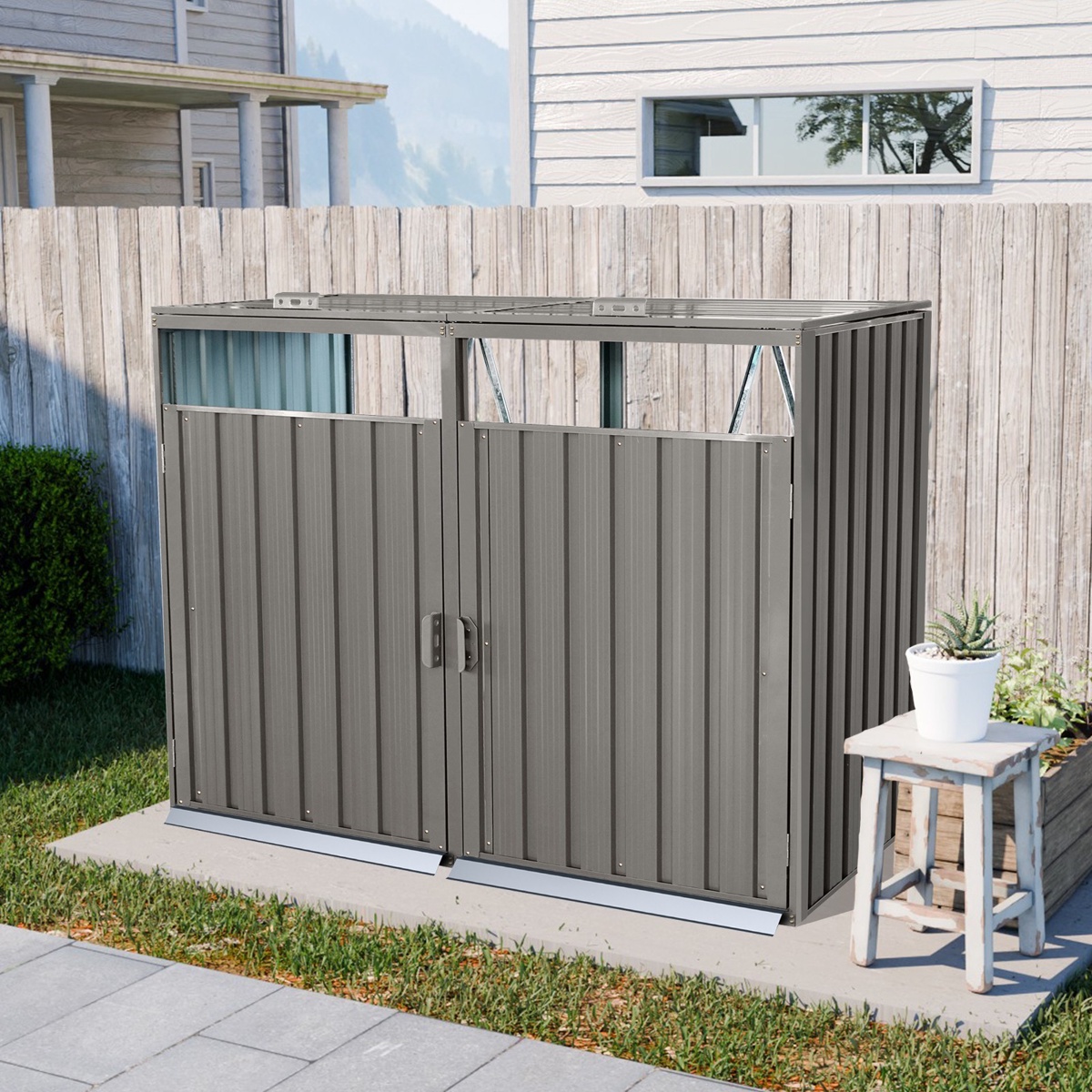 Metal Garbage Bin Shed 2/3 Trash Cans Outdoor Storage Shed Lockable for Garden$129.99Last checked Nov 24, 2026View on eBay
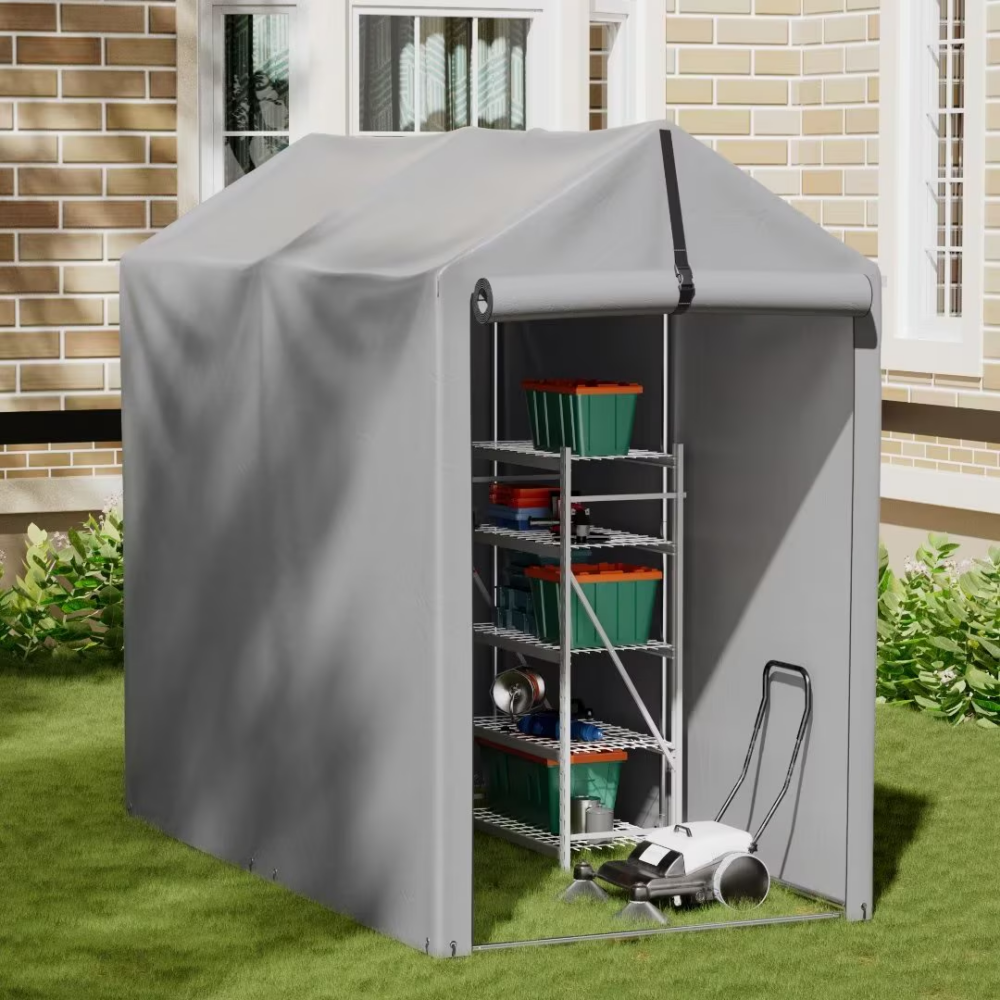 3x6x5 ft Outdoor Storage Shed Portable Garage Shelter, with Roll-up Zipper Door, for Motorcycle, Lawn Mower, Bike, Anti-Snow Kit Tent, Grey$136.99View on Mallflare
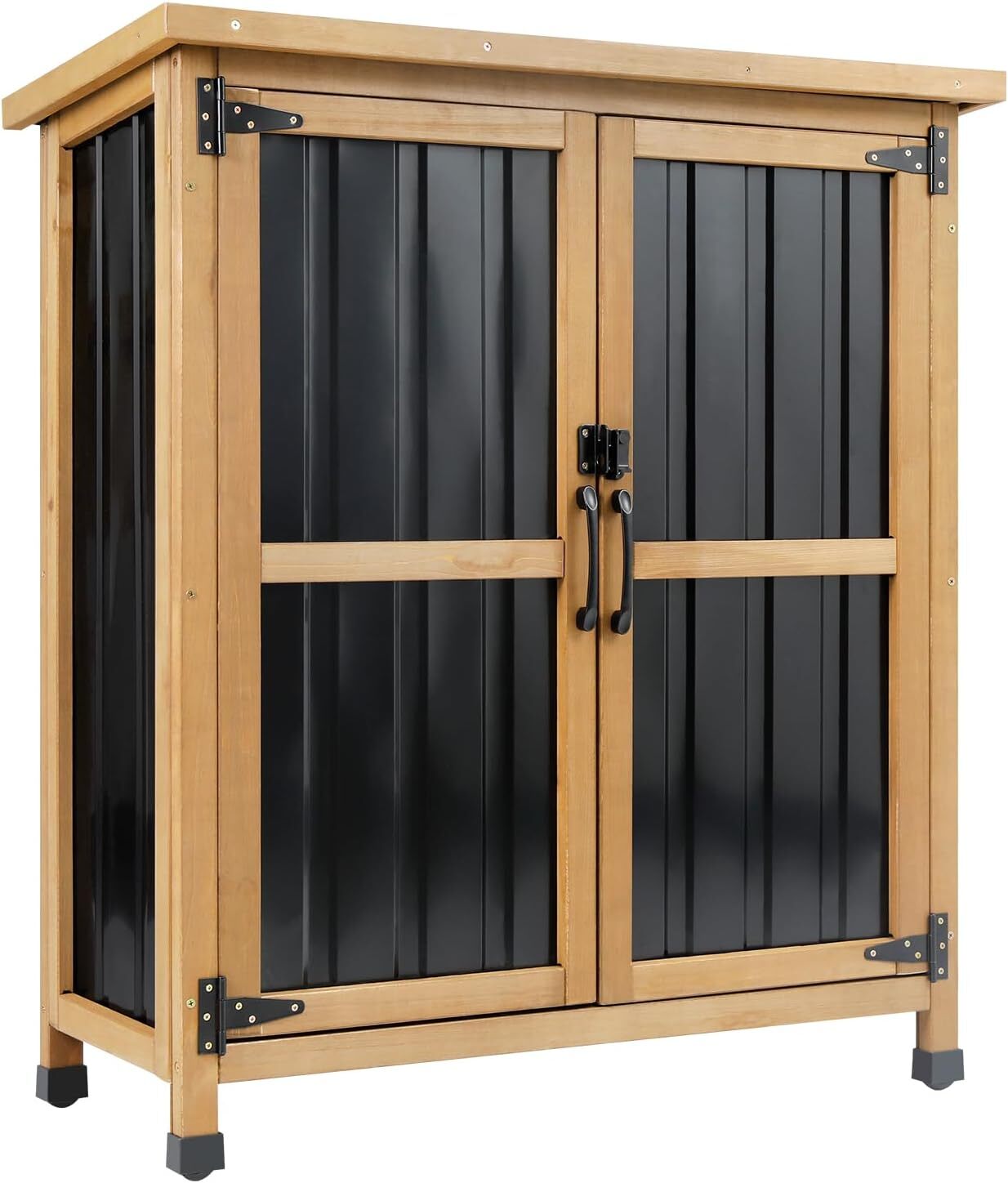 PETSCOSSET Outdoor Storage Shed, Garden Storage Cabinet$129.99Last checked Nov 23, 2026View on eBay
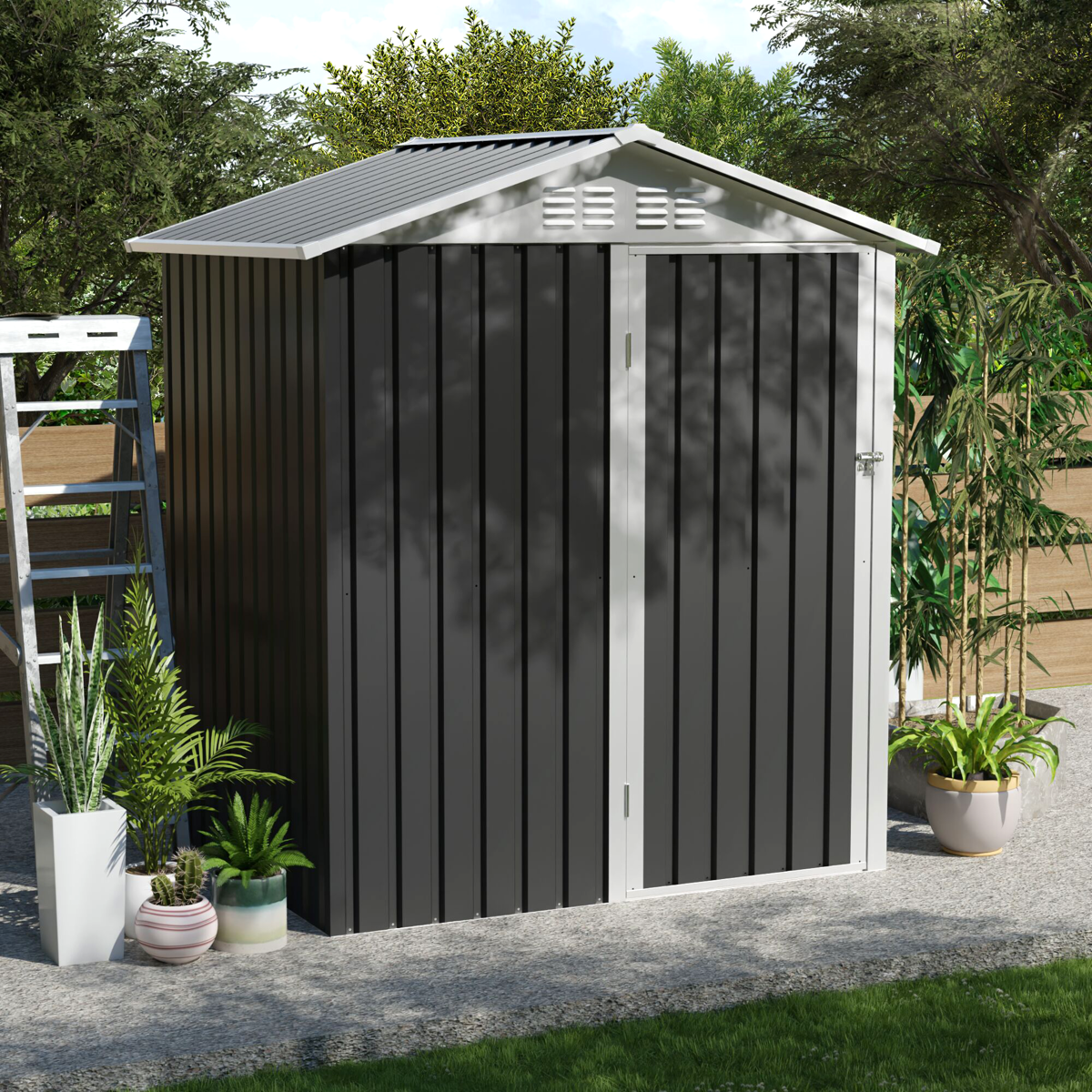 5.4x4.27 FT Outdoor Storage Shed With Hinge Door Metal Garden Sheds For Backyard, Patio,Lawn,Utility & Bike$204.99View on Mallflare
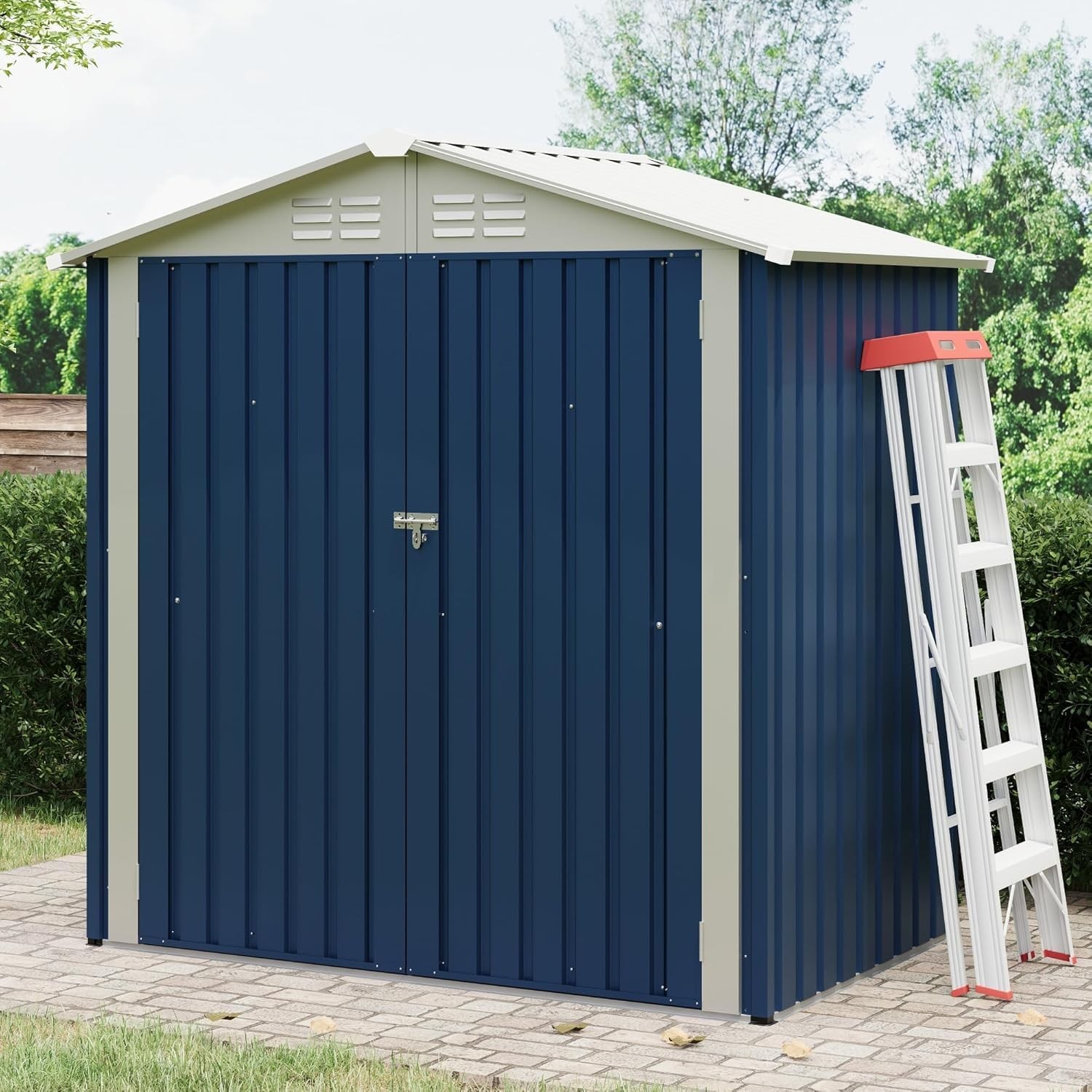 GRAVEE 6x4 FT Outdoor Metal Storage Shed with Apex Roof Waterproof Garden Tool$133.46View on eBay
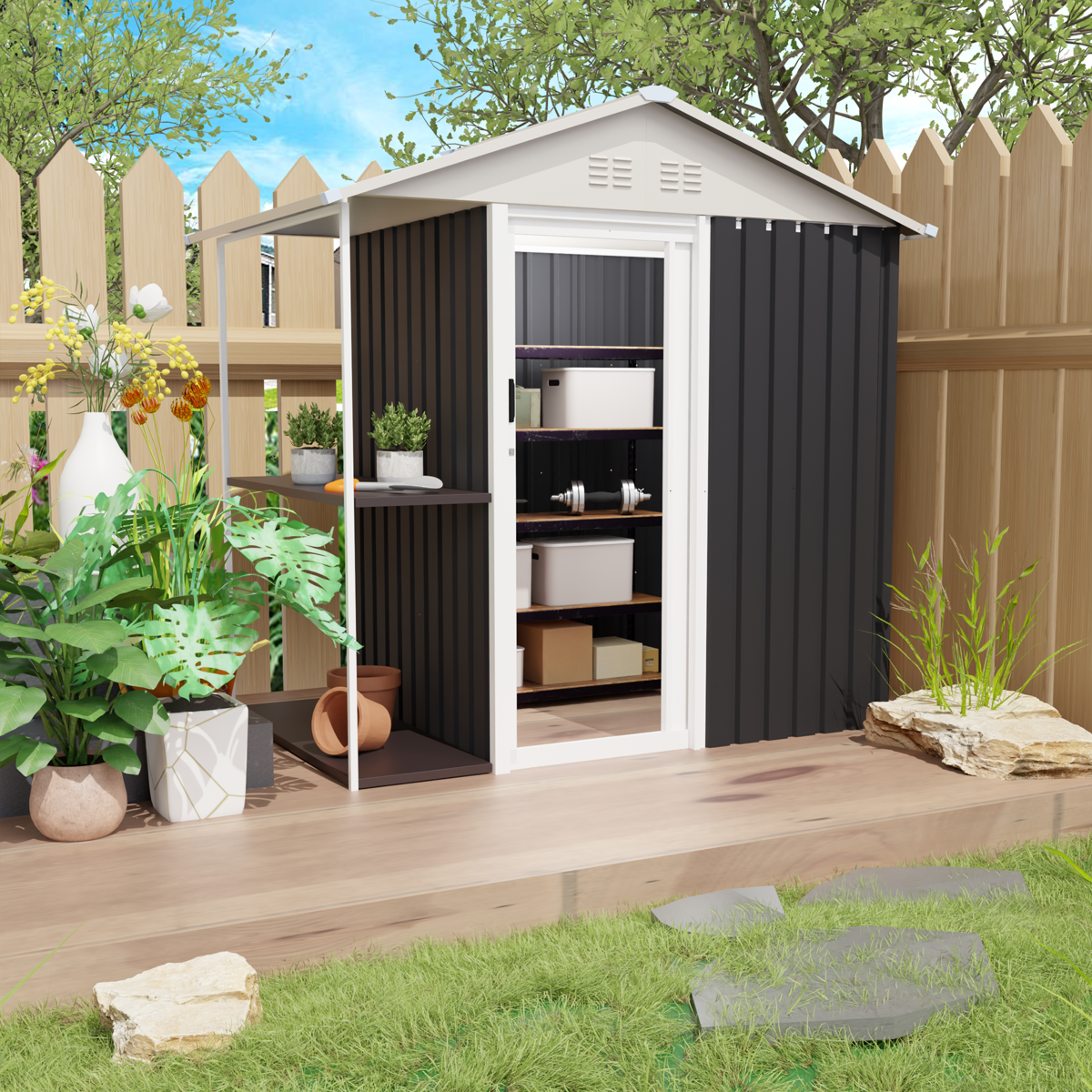 6 X 4 FT Outdoor Storage Shed With Rack Metal Garden Shelves Bike Tool Cabinet Box For Lawn Patio Use$215.99View on Mallflare
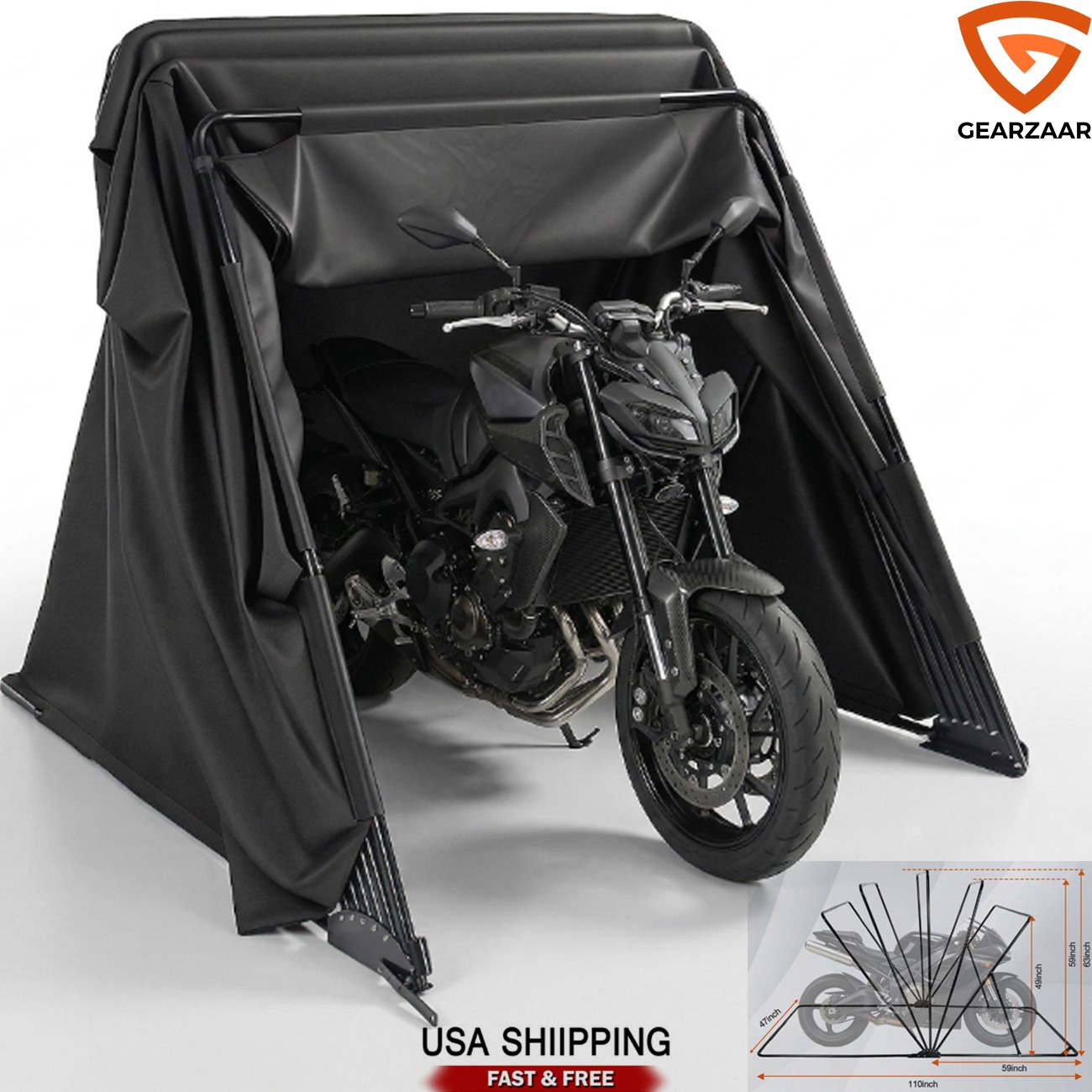 motorcycle storage shed portable storage shed for atv motorcycle shed$134.09View on eBay
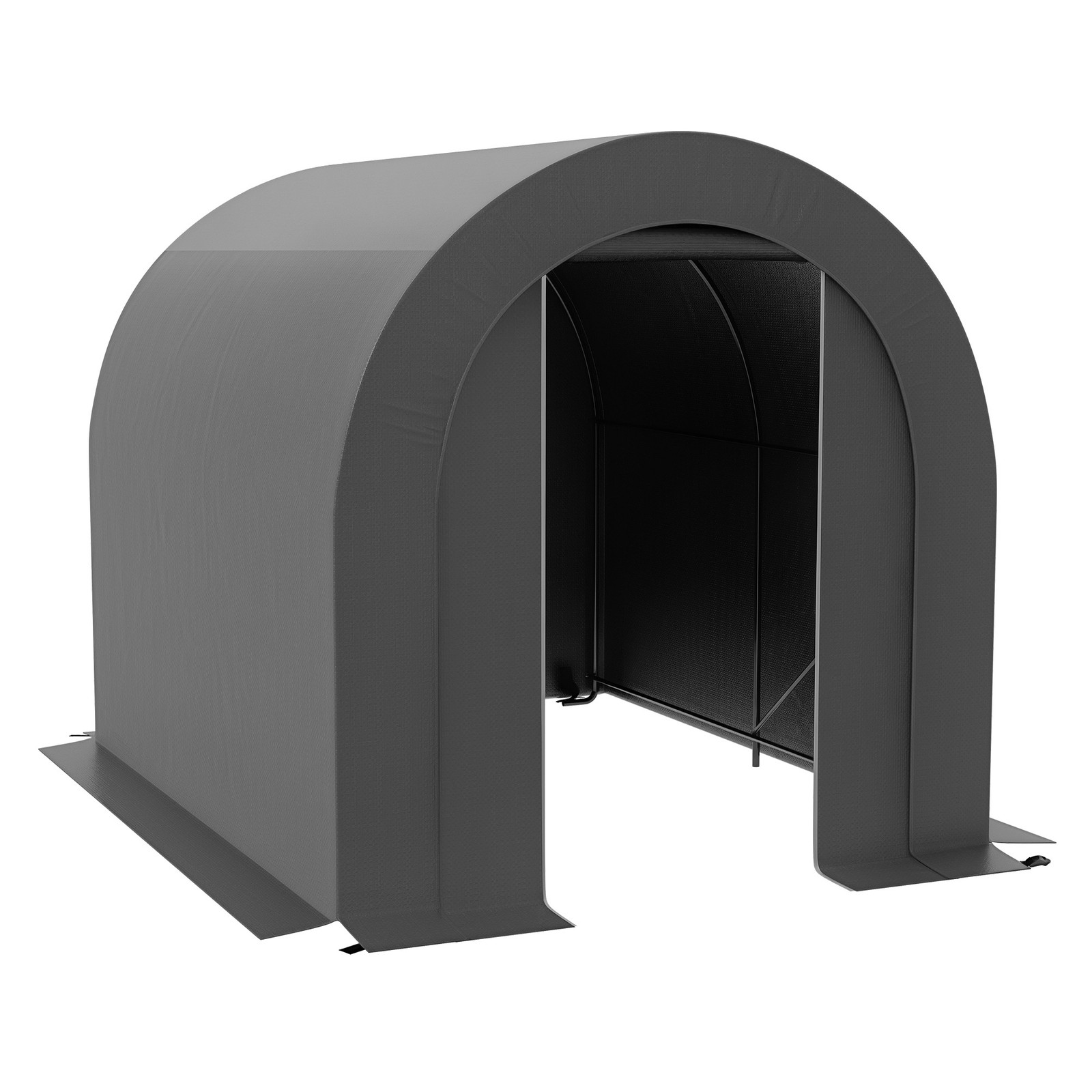 Outsunny 6 x 8ft Outdoor Storage Shed, Waterproof Heavy Duty Portable Shed$139.99Last checked Nov 22, 2026View on eBay
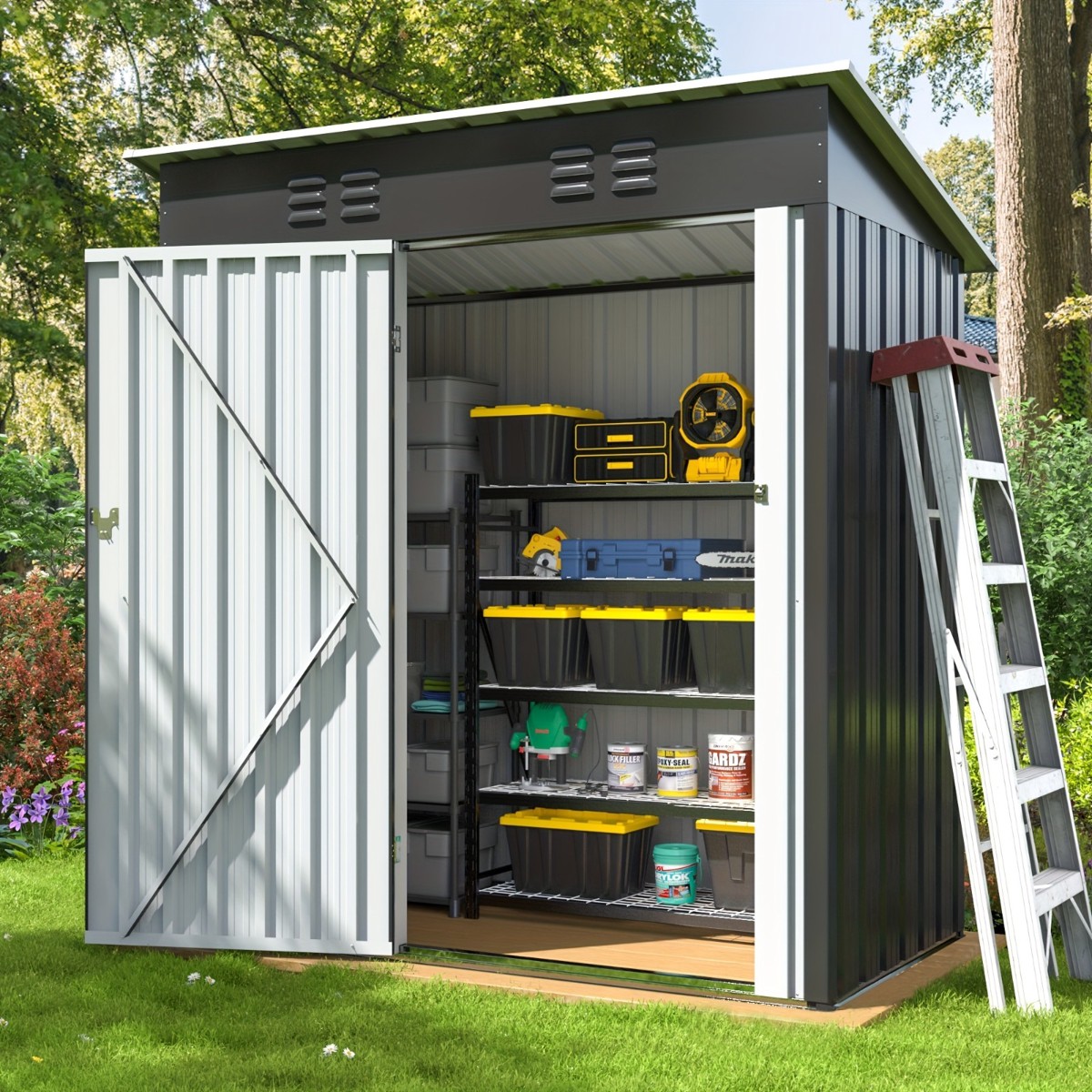 5x3 ft Metal Storage Shed Outdoor Lockable Tool Sheds for Backyard Garden, Black$149.99Last checked Nov 24, 2026View on eBay
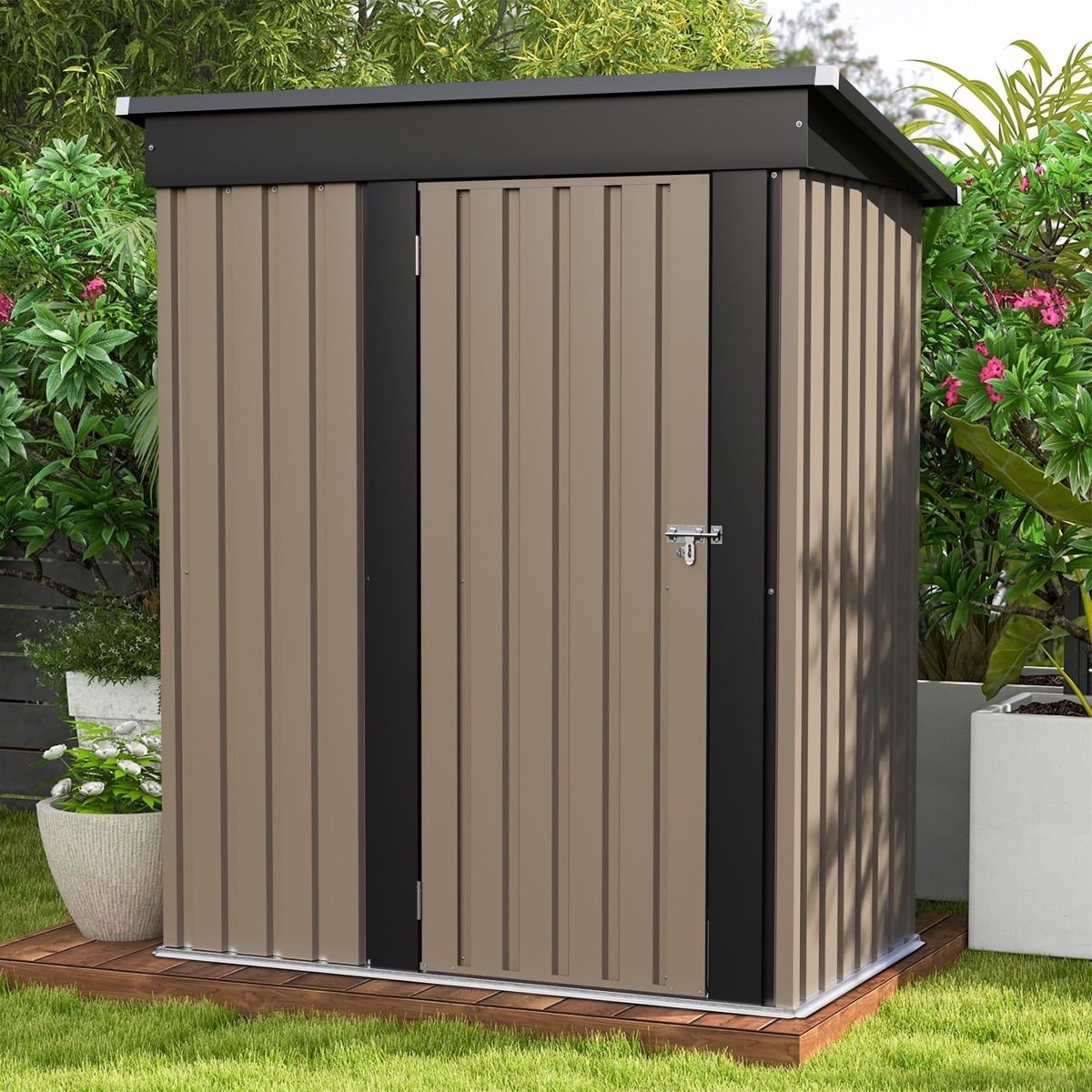 Patiowell 5x3 FT Outdoor Resin Storage Shed Sloping Roof Lockable Door$152.29Last checked Nov 25, 2026View on eBay
Highlights
- Clearance sheds ship as either corrugated galvanized steel panels (typically 0.25–0.4 mm gauge) or double-wall resin; steel panels under 0.3 mm require more horizontal bracing and a perfectly level foundation to avoid oil-canning and wind lift.
- Ridge height defines the clearance class: 5x3x6 ft models use a single-slope or low-gable roof to stay under 6 ft, while 10x10 ft clearance sheds use a full gable and need at least 8 ft of unobstructed side clearance for panel assembly.
- Panel overlap and screw spacing are the real weather seal: overlapping corrugations by one full rib with self-tapping screws every 8–12 in on purlins beats thicker panels fastened every 24 in for shed wind and rain resistance.
- Anchoring hardware scales with footprint: 5x3 ft sheds should be tied to the ground with at least four 12 in auger anchors or a timber floor frame, while 10x10 ft sheds need corner-to-corner diagonal bracing and a continuous perimeter base rail.
Best use cases
- Best fit: a 5x3x6 ft steel clearance shed for a narrow side-yard run beside a fence, storing long-handled tools, a push mower, and two bicycles—skip it if you need to store a riding mower or full sheets of plywood.
- Best fit: a 10x10 ft clearance metal shed for a backyard utility zone holding garden furniture, a wheelbarrow, and bagged soil—choose this only when you have a level 10x10 ft pad and at least 2 ft of working clearance on all sides for panel assembly.
- Wrong fit: placing any clearance shed on bare soil or a sloped patio; these units need a continuous level base (concrete slab, pressure-treated timber frame, or interlocking pavers) or the door will rack and panels will separate at the seams.
- Wrong fit: buying a large-window clearance model for high-theft or high-wind sites; windows add glazing panels and cutouts that reduce wall rigidity, so choose a windowless wall or add cross-bracing behind the window opening.
Buying tips
- Measure your narrowest access path first: a 5x3 ft shed arrives as a panel pack roughly 5–6 ft long, so gate width and stair turns—not the shed footprint—often decide whether assembly is possible.
- Match shed width to your stored item's longest dimension plus 6 in: a 5 ft-wide shed fits a 4 ft-wide wheelbarrow or mower deck with clearance, but 10 ft-wide units are needed for 8 ft lumber or a full patio set.
- Choose galvanized steel with a factory paint or zinc coating for wet climates; bare or thin-coated panels rust at cut edges and screw holes within a couple of seasons, while resin sheds avoid rust but can warp in sustained heat above 90°F.
- Confirm the door opening height and width against your tallest item: clearance sheds often have 5 ft door openings even when ridge height is 6 ft, so a 5 ft 6 in tall cabinet will not roll through.
Specs
| Panel Material | Galvanized steel 0.25-0.4 mm / resin |
|---|---|
| Ridge Height | 6 ft clearance / 7-8 ft full-gable |
| Footprint Class | 5x3 ft narrow / 10x10 ft utility |
| Foundation | Level slab / timber frame / compacted pavers |
What to check before buying
- Verify a level, well-draining base pad at least the full shed footprint plus 6 in on each side; sloped or soft ground requires a timber frame or slab before assembly.
- Check local permitting and setback rules for accessory structures—many jurisdictions exempt sheds under 100 sq ft or under 6 ft ridge height, but clearance sheds near property lines still need setback clearance.
- Measure gate, alley, and stair access for the flat panel pack; panel bundles for 10x10 ft sheds can exceed 6 ft in length and need two people to lift.
- Confirm anchor type against your surface: auger anchors for soil, wedge anchors for concrete, and timber screws for a wood floor frame, and buy the matching hardware before assembly day.
FAQ
Data sources: eBay / Amazon listings and product attribute feeds. Updated Nov 27, 2026.
Some links on this page are affiliate links. If you buy after clicking one, we may earn a commission at no extra cost to you. This does not change which products appear here or their order. Affiliate disclosure.