
Photos from current listings. Actual item, color, and included accessories may vary.
Greenhouse Buying Guide
A greenhouse is a structure or kit that modifies temperature, humidity, and light to extend growing seasons or protect plants. The core trade-off is between rigid, permanently glazed frames (glass or polycarbonate panels) that survive wind and snow, and lightweight film or fabric covers that are portable but short-lived. Choose rigid panels with a metal frame for year-round structural use; choose film or fabric only for seasonal, sheltered, or temporary growing.
Median $56.59
Key takeaways
- Frame strength separates tiers: galvanized steel or aluminum tubing with corner bracing outlasts push-fit PVC or plastic elbow connectors that brittle and snap under UV and wind load.
- Cover material dictates lifespan: twin-wall polycarbonate (4-6mm) and tempered glass resist hail and hold heat; single-layer PE or PVC film degrades in 1-3 seasons and needs annual replacement.
- Snow and wind ratings are structural, not cosmetic: peak-roof designs shed snow, while flat or arch film tunnels collapse without purlins or ground anchors rated for local wind zones.
At a glance
- Category
- Greenhouse & Hydroponics
- Last updated
- Nov 28, 2026
Current offers
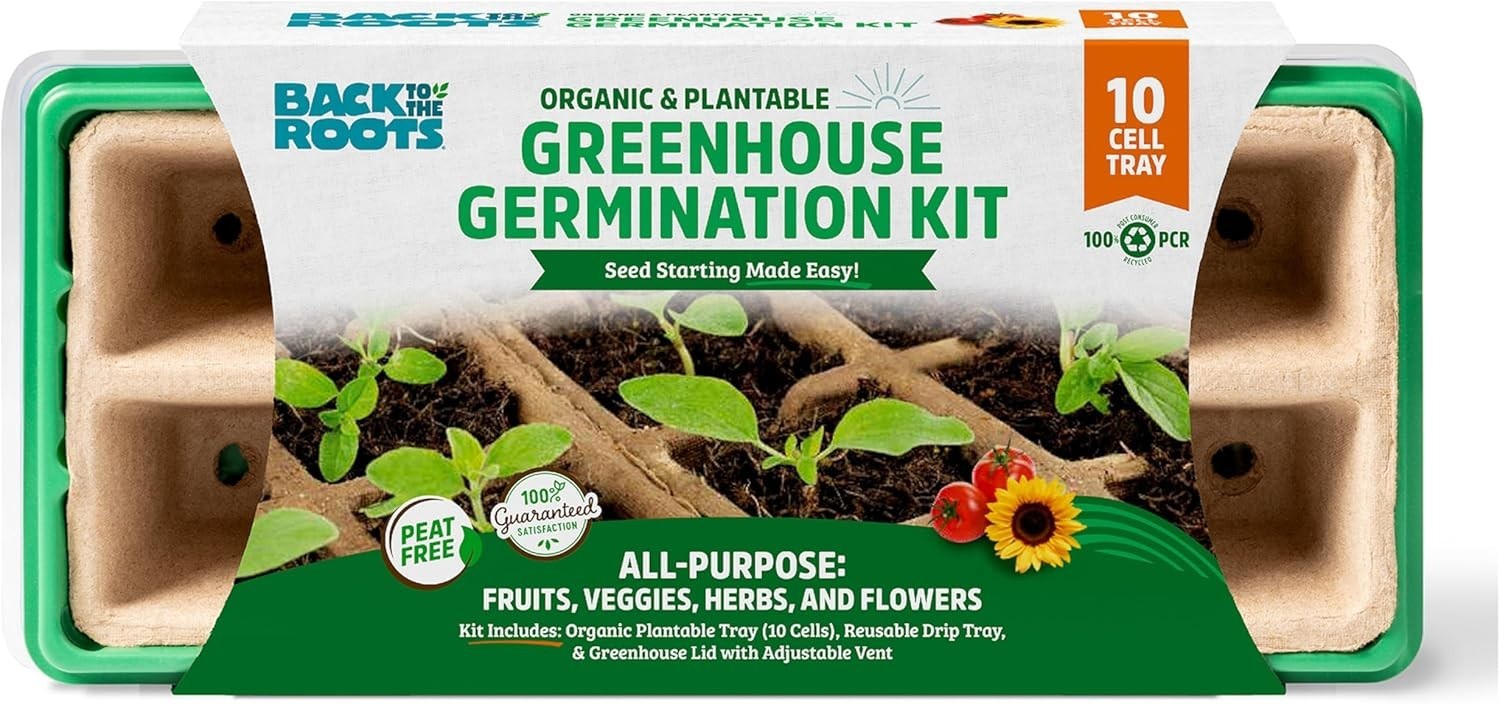 Guaranteed Grow Eco-Friendly Greenhouse Germination Kit - 10 Biodegradable Pots$10.99View on eBay
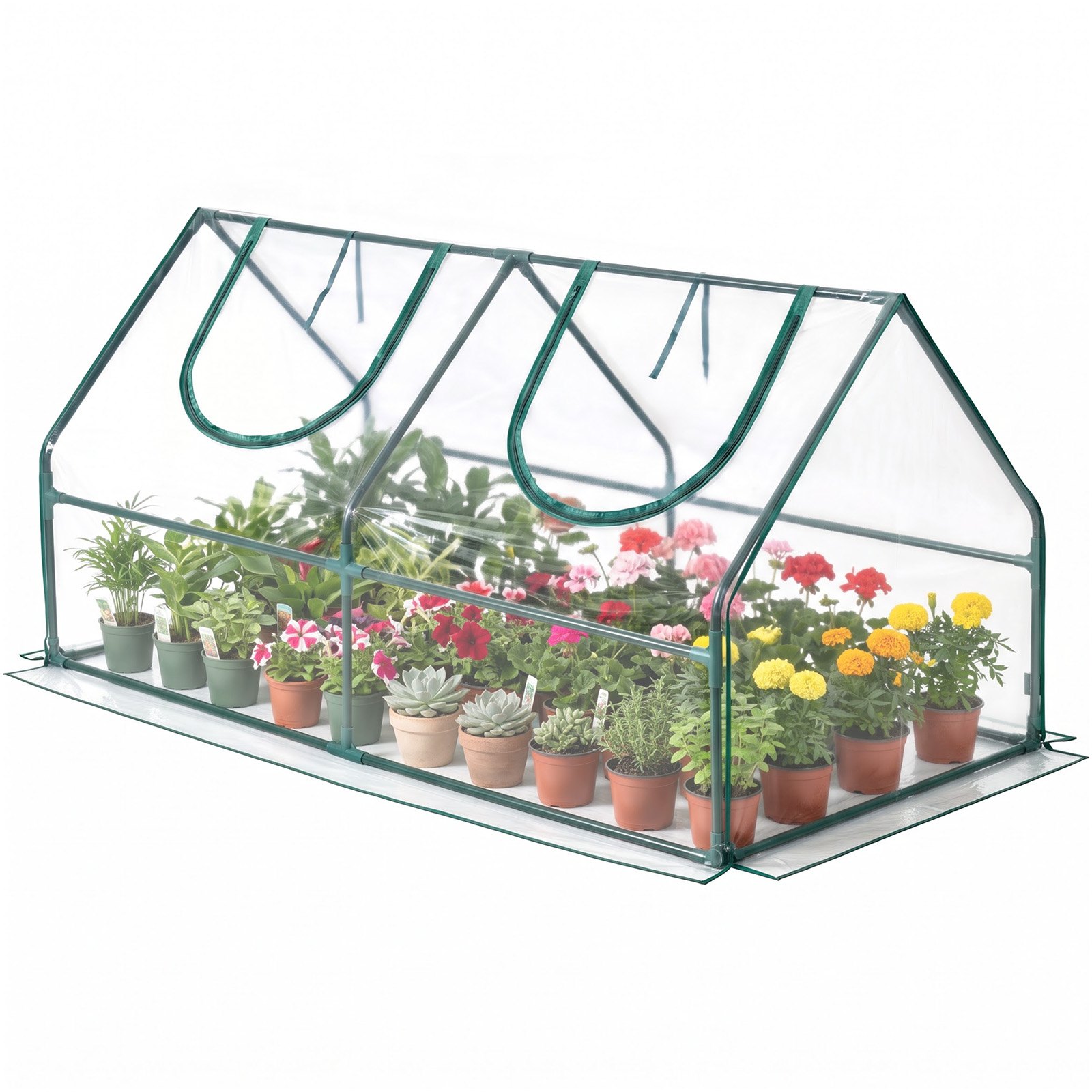 Mini Greenhouse 70.87"x35.43"x35.43" Portable Green House Grow Tent, for Indoor Outdoor Garden Bulk Plant Seed Starting, Small with PVC Cover, Roll-Up Zippered Door & Ventilation Windows$32.99View on Mallflare
 Shade Cloth for Garden Plants Greenhouse, 40-50% Sunblock Neting -For Outdoor Ga$13.69View on eBay
 4 Tier Mini Greenhouse with PE Cover & Roll-Up Zipper Door, Portable Waterproof for Garden Backyard, 27" x 19" x 62", White$34.99View on Mallflare
- Shade Cloth for Garden Plants Greenhouse, 40-50% Sunblock Neting -For Outdoor Ga$14.53View on eBay
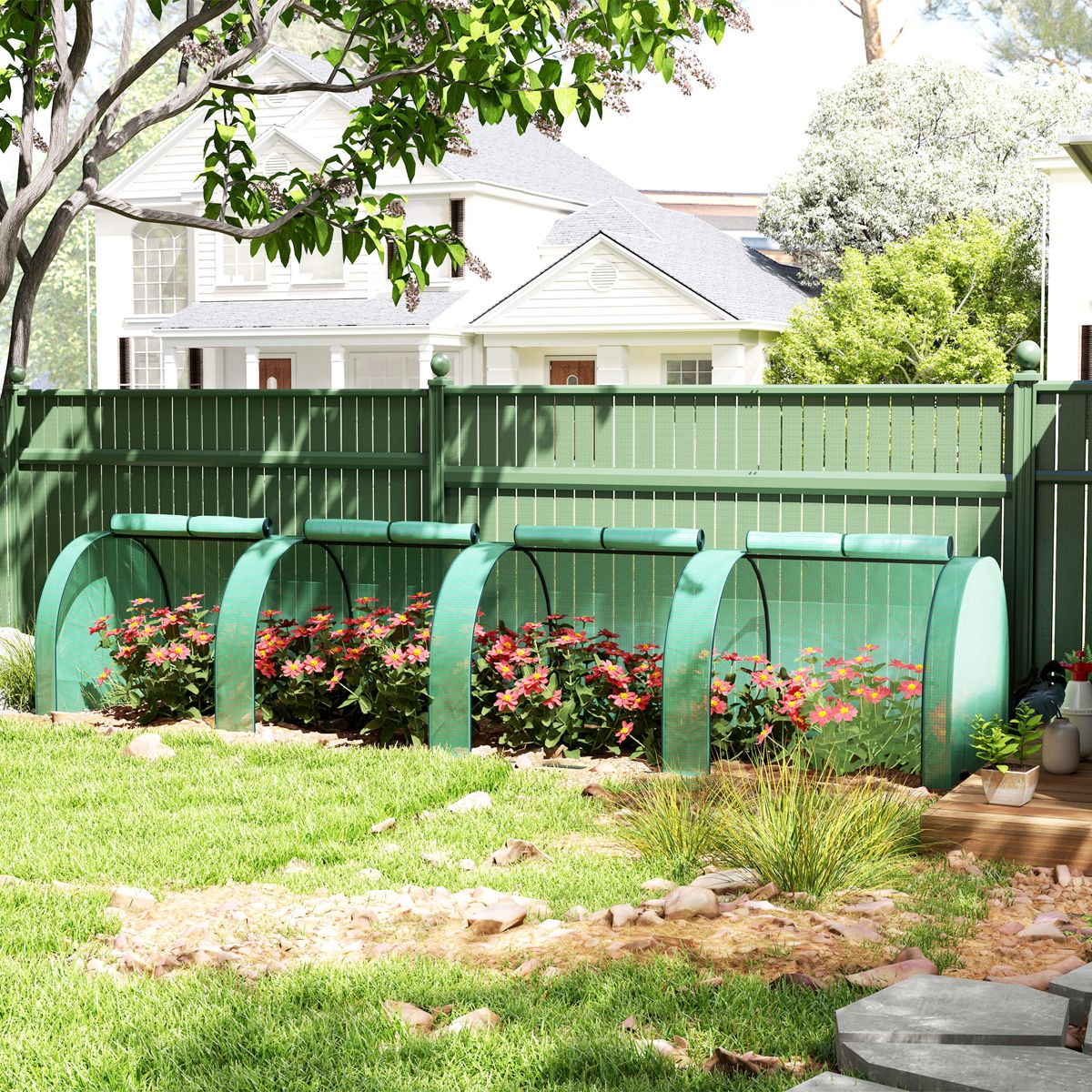 13' L x 3' W x 2.5' H Portable Tunneled Greenhouse with 4 Zippered Doors, Water/UV Fighting PE Cover, Green$34.99View on Mallflare
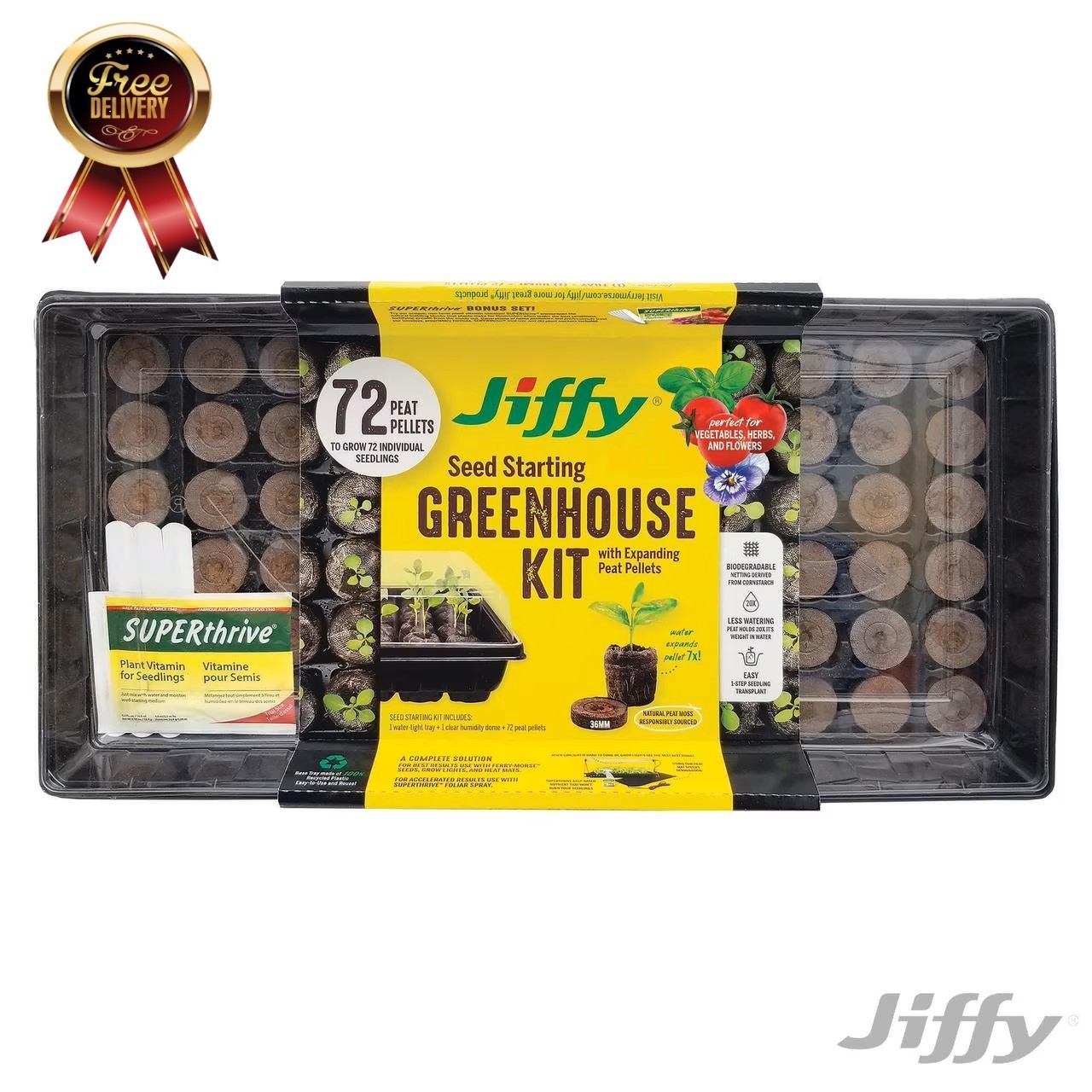 72 Cell Greenhouse Seed Starter Kit with 36Mm Peat Pellets$19.90View on eBay
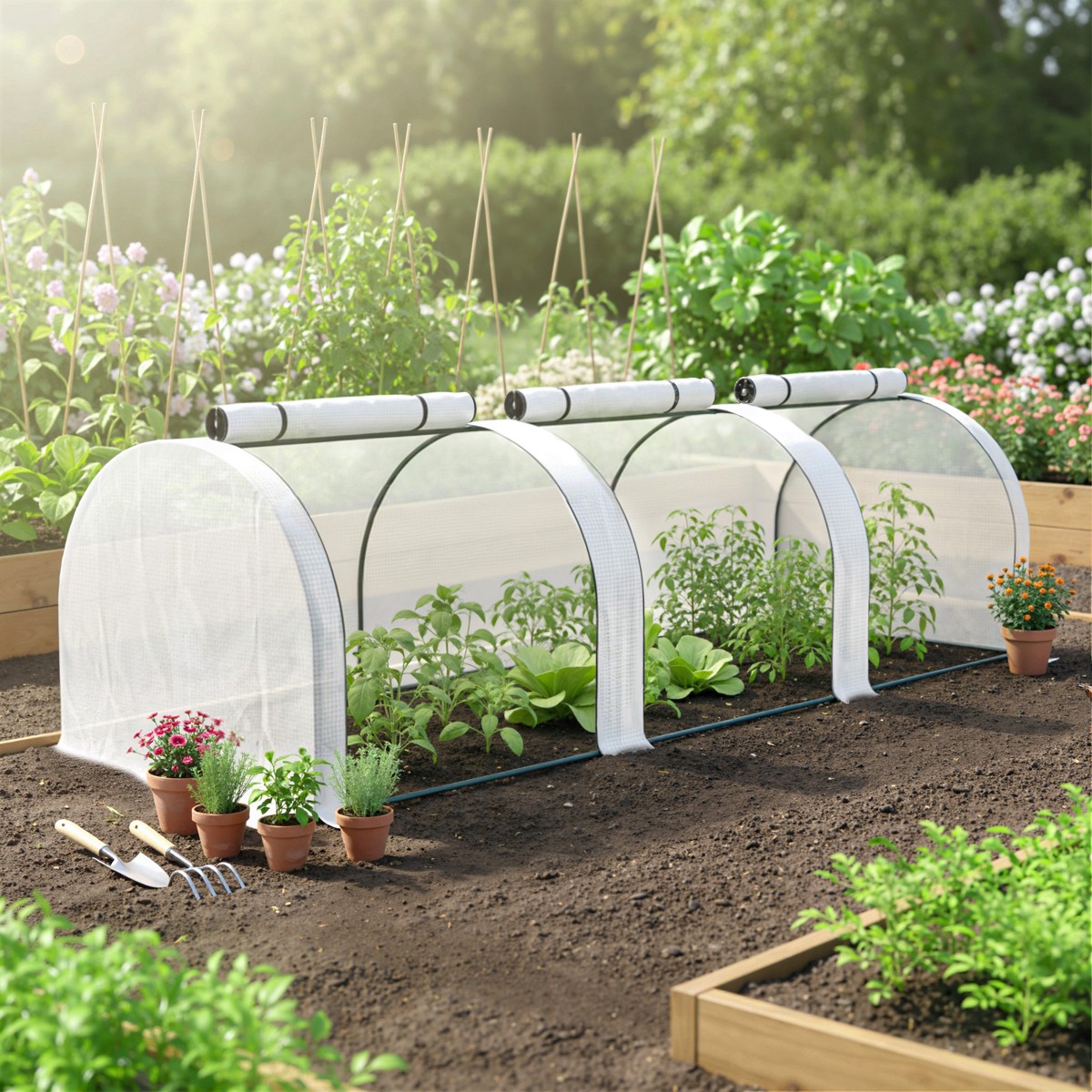 9.7' L x 3' W x 2.5' H Portable Tunneled Greenhouse with 3 Zippered Doors, Water/UV Fighting PE Cover, White$40.99View on Mallflare
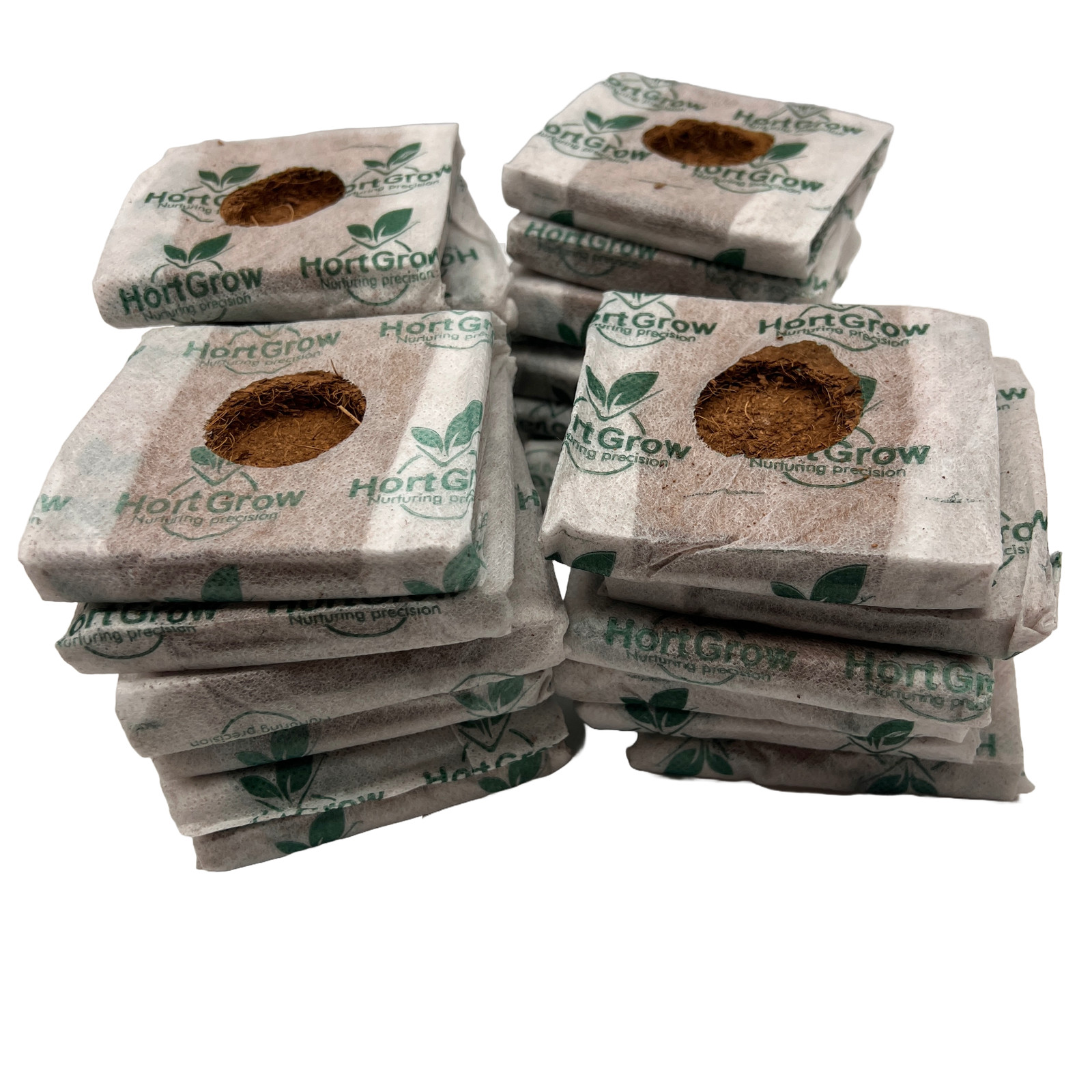 HortGrow Coco Coir Grow Cubes 4X4X2 24 Pcs Garden Hydroponics Greenhouse Organic$21.99View on eBay
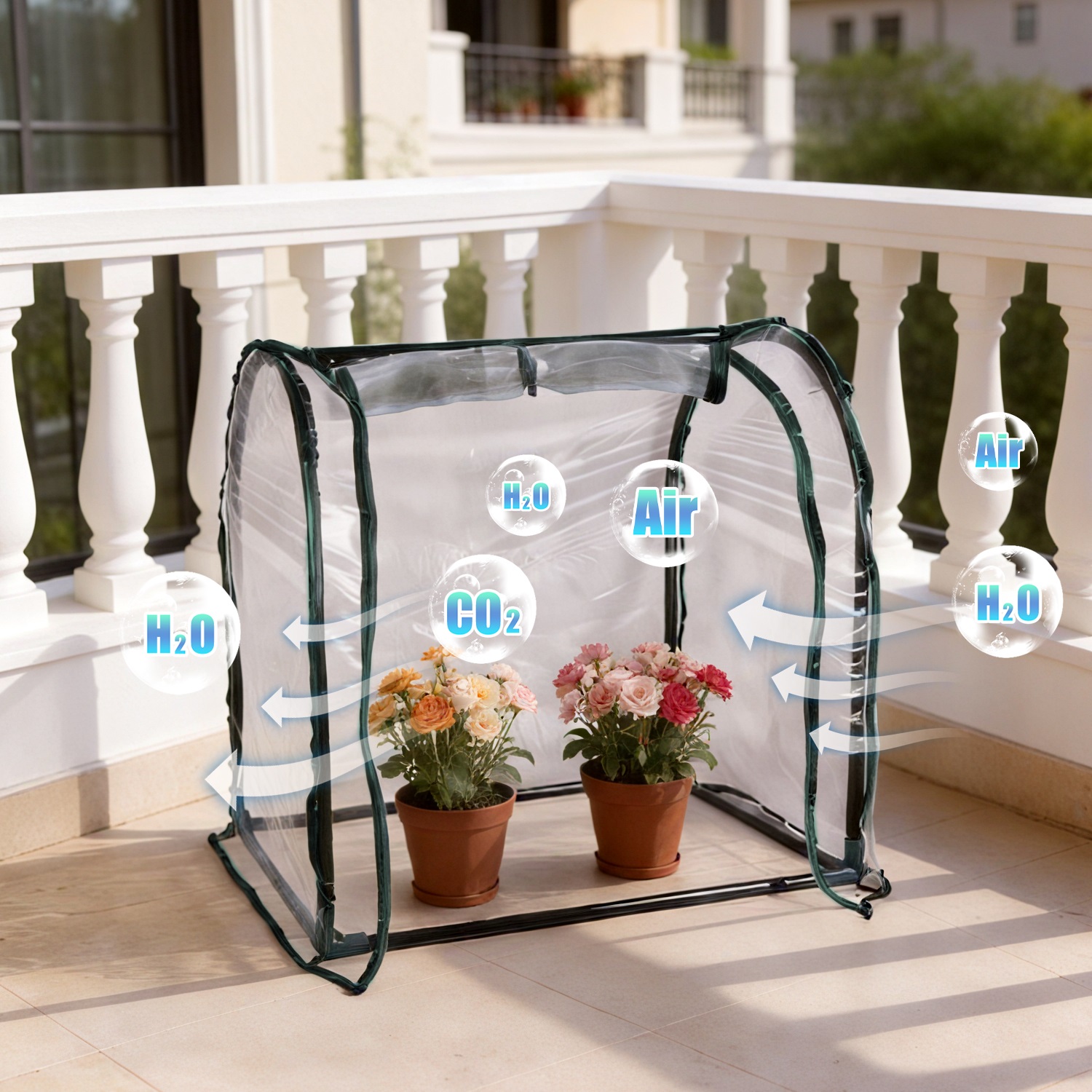 28.94 Plus 21.46 27.76in Tabletop Mini House Portable Greenhouse For Spring Indoor Outdoor Garden Tent For Seed Starting Plant Protection Gardening$43.99View on Mallflare
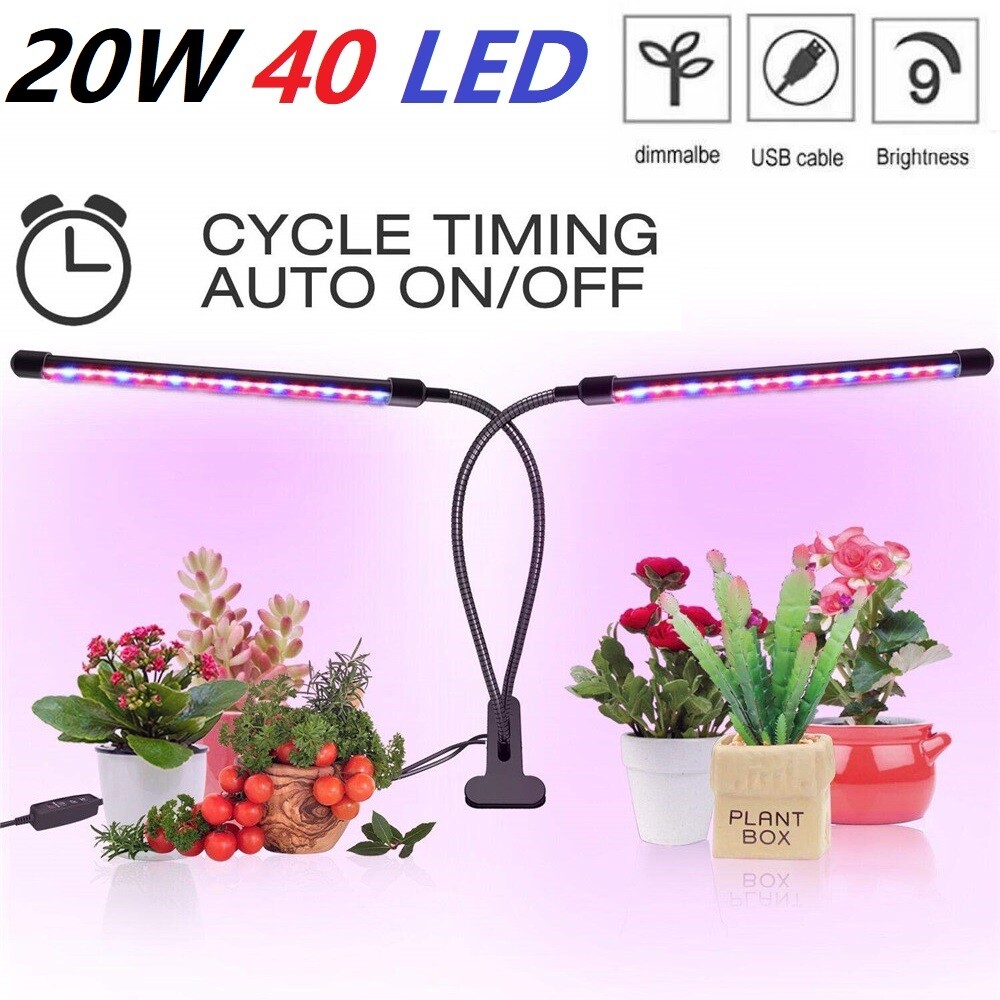 Plant Grow Light Gooseneck Dual Head LED Lamp Hydroponics Greenhouse Dimmable US$22.98View on eBay
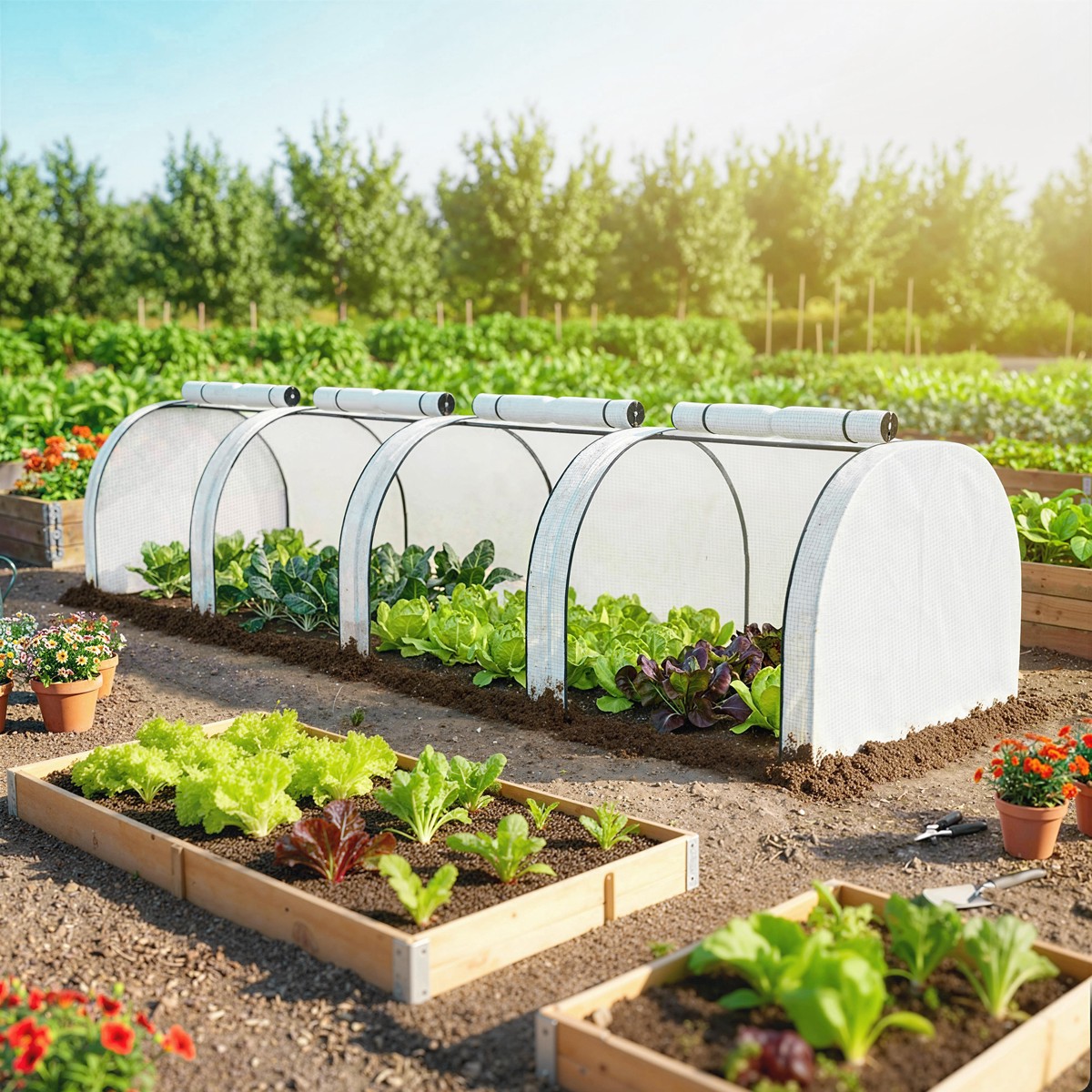 13' L x 3' W x 2.5' H Portable Tunneled Greenhouse with 4 Zippered Doors, Water/UV Fighting PE Cover, White$49.99View on Mallflare
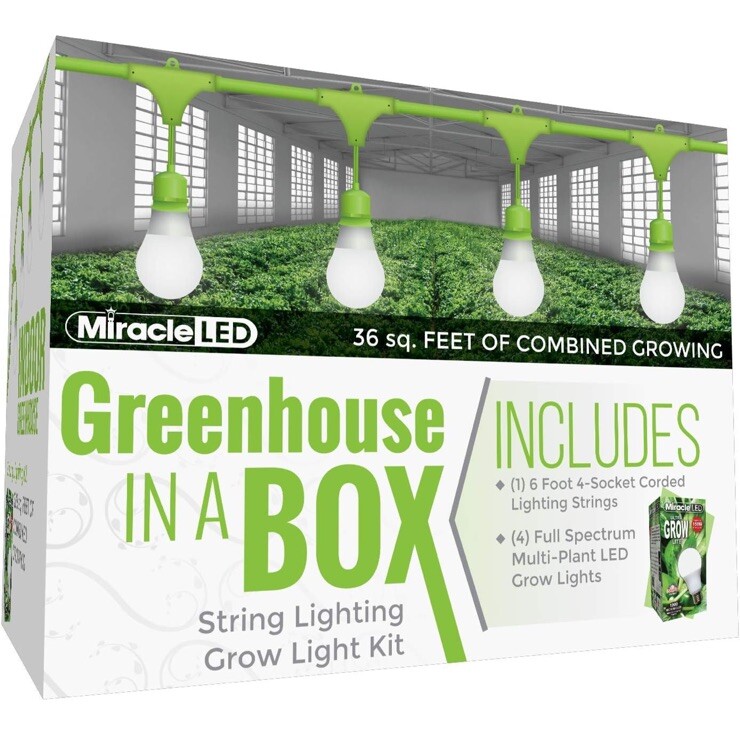 Miracle LED Greenhouse in a Box Grow Kit for Indoor Plants-Includes4 Ultra. R11$29.00View on eBay
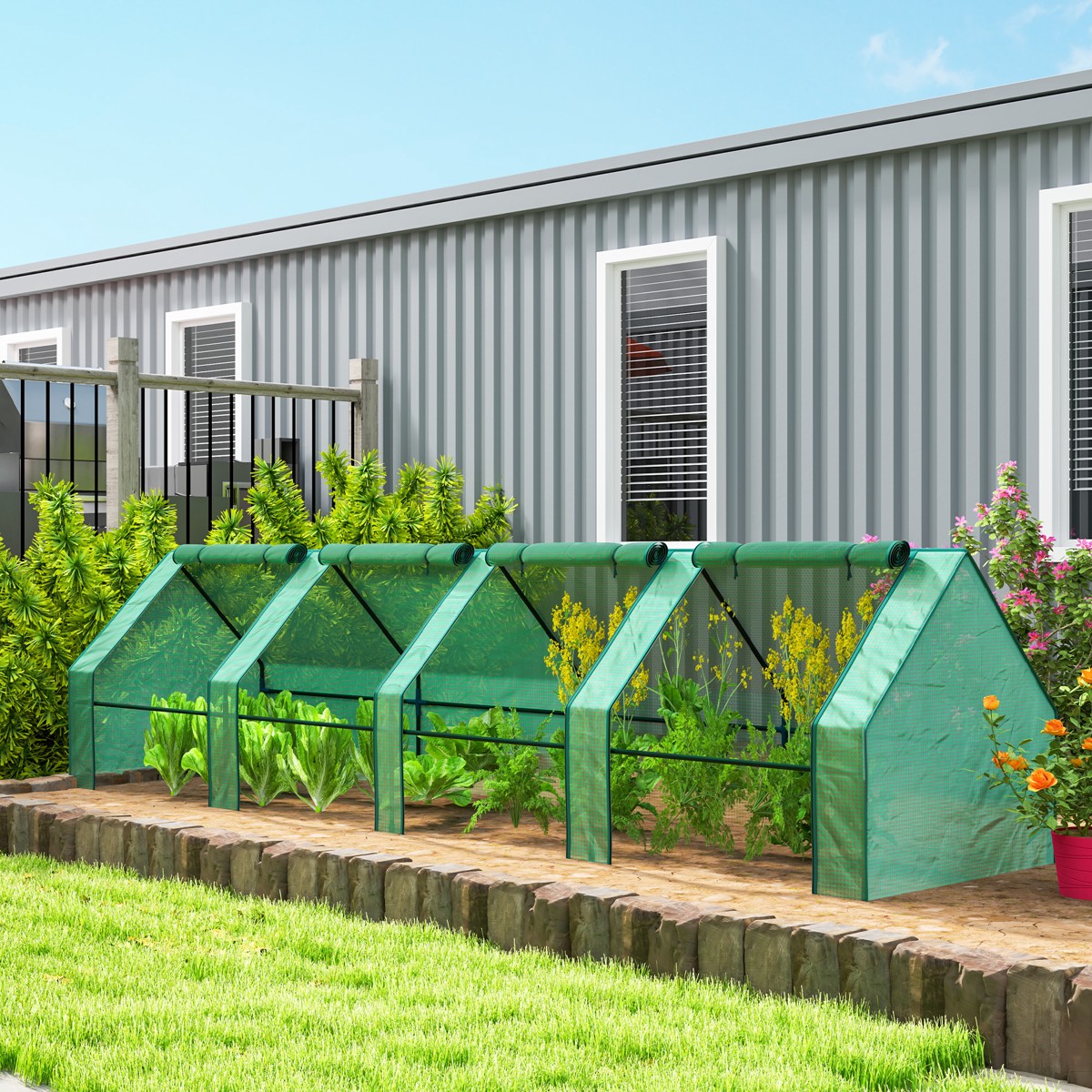 Portable Mini Greenhouse, Outdoor Garden with Large Zipper Doors and Water/UV PE Cover, 12' x 3' x 3', Green$49.99View on Mallflare
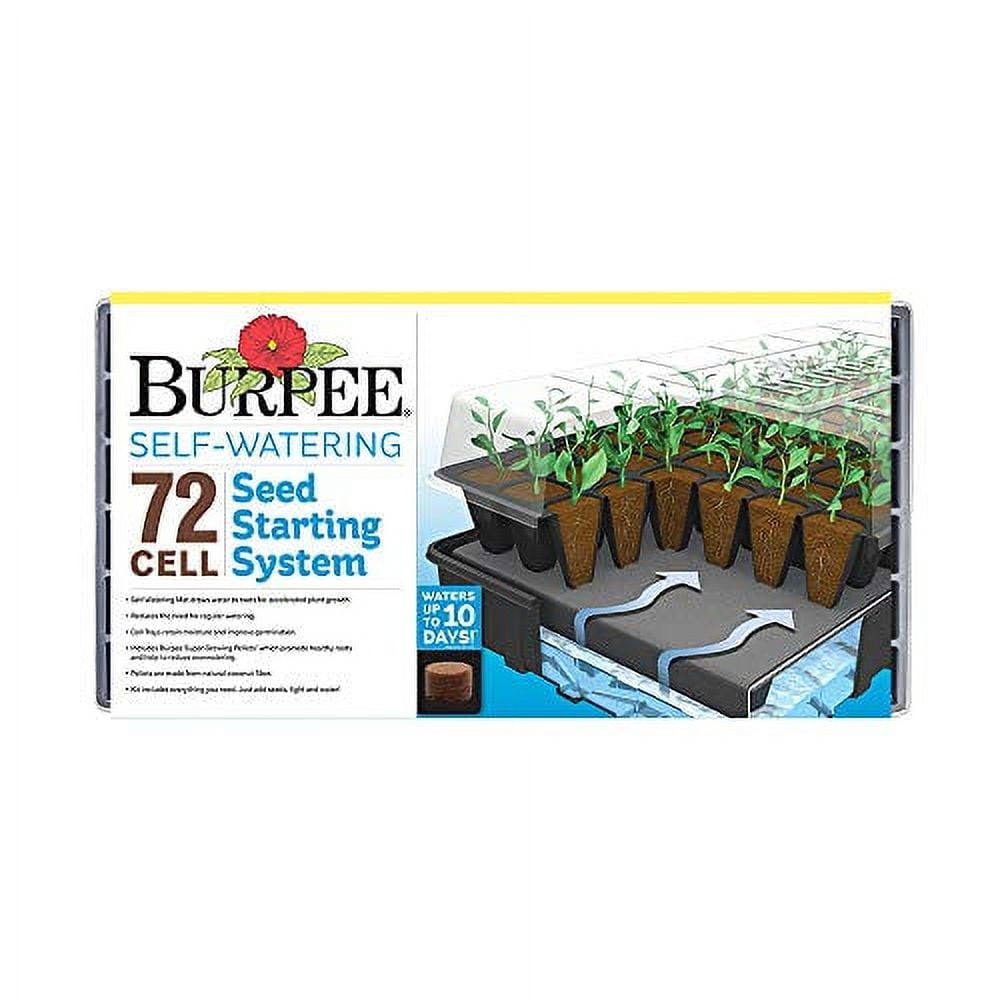 72-Cell Self-Watering Greenhouse Kit Indoor Growing System Comes W/ 72 pellets$35.95View on eBay
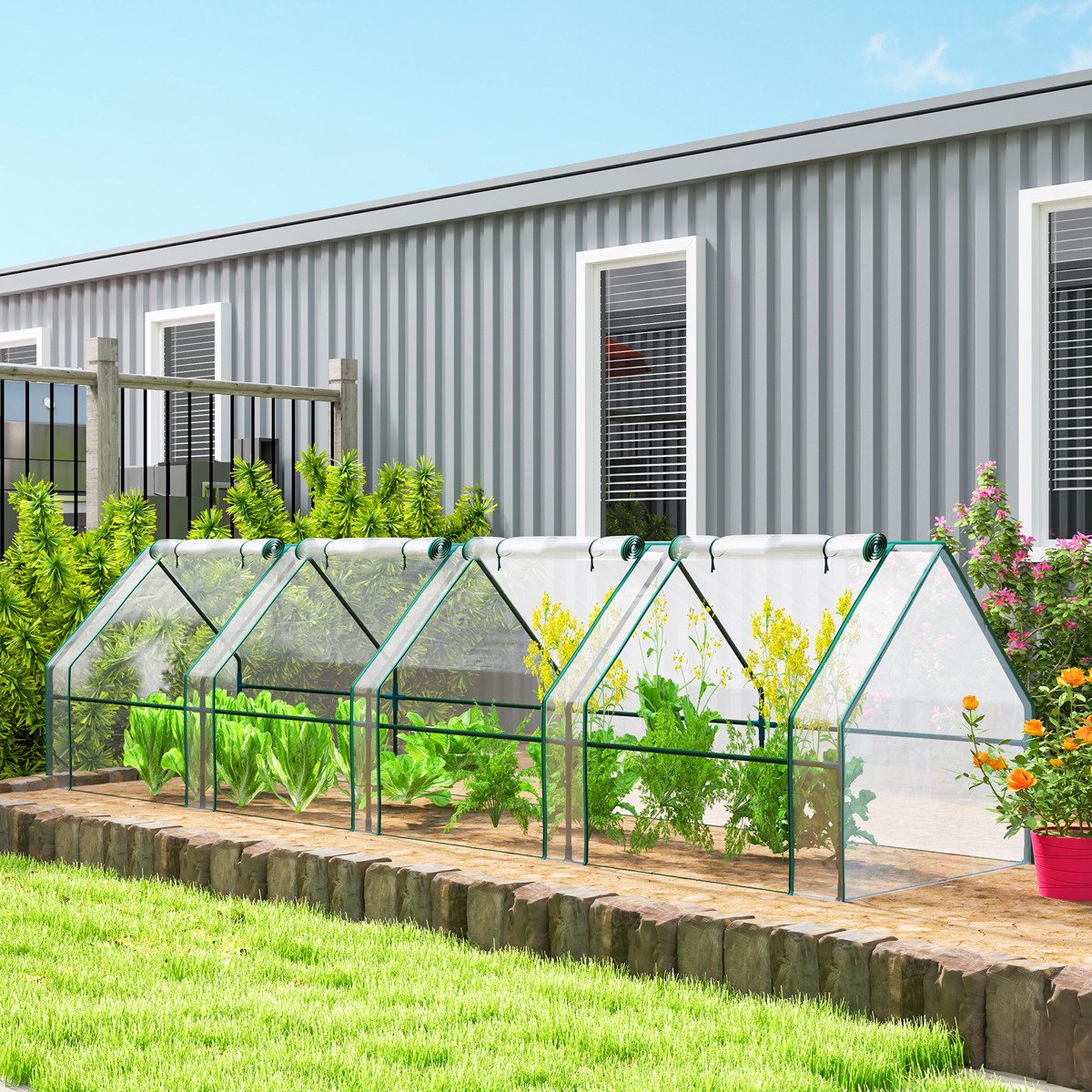 Portable Mini Greenhouse, Outdoor Garden with Large Zipper Doors and Water/UV PVC Cover, 12' x 3' x 3', Clear$51.99View on Mallflare
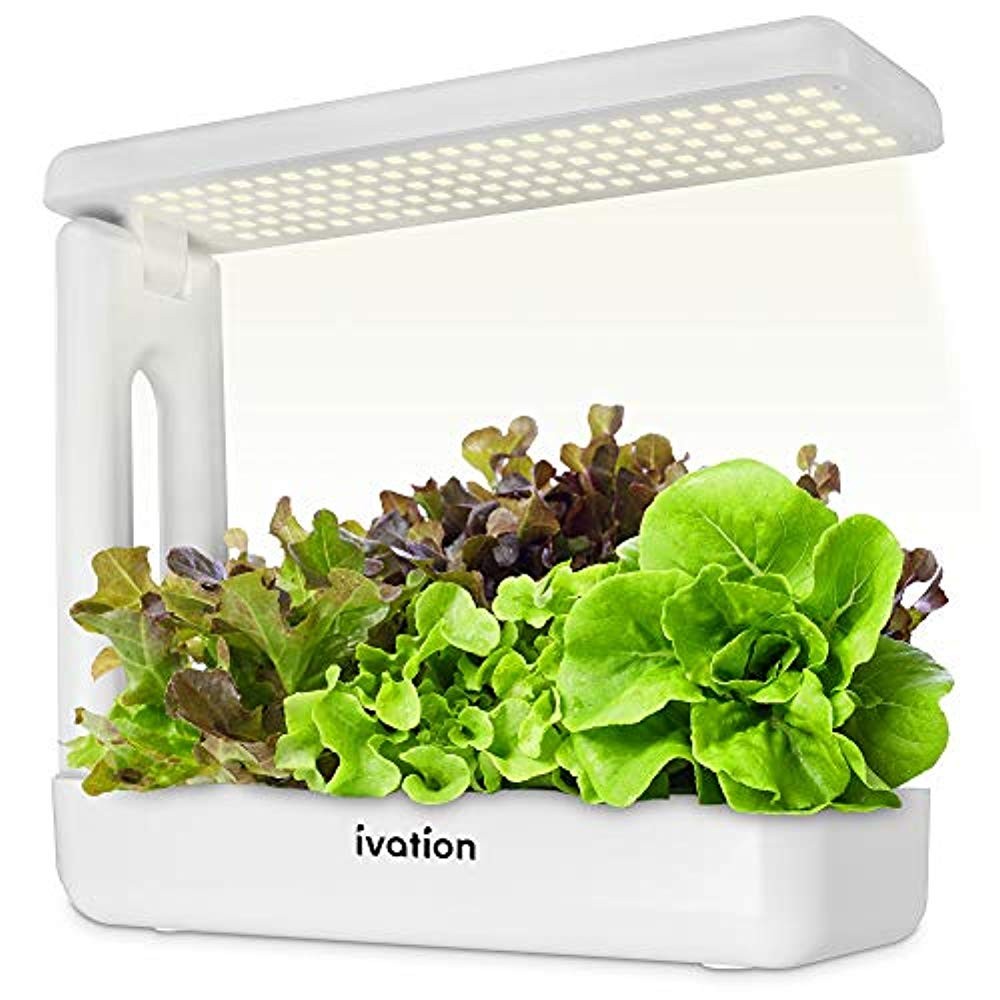 Ivation 12-Pod Hydroponics Growing System Indoor Greenhouse Box with Grow Light$37.64Last checked Nov 28, 2026View on eBay
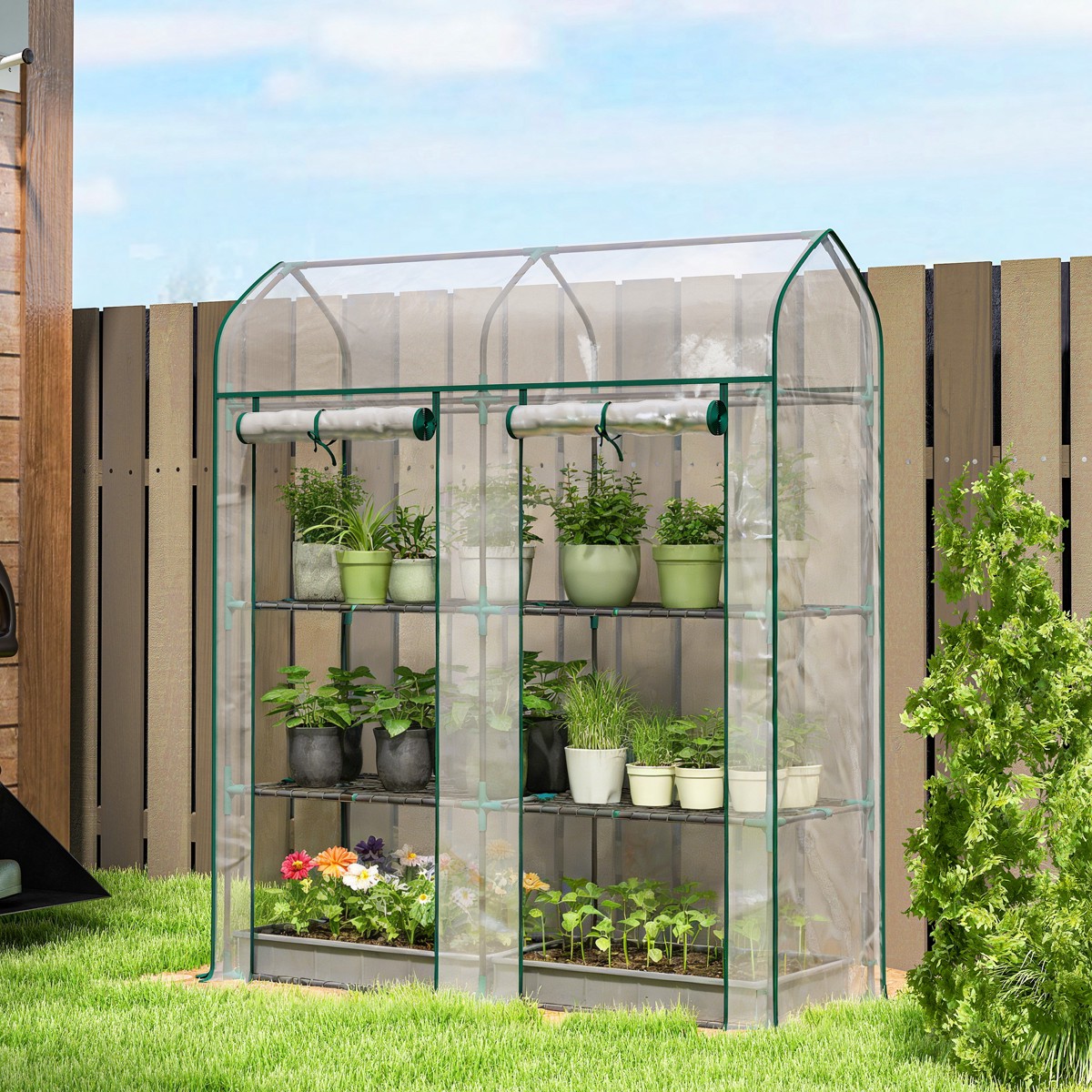 3 Tier Mini Greenhouse, Small Portable with 2 Roll-up Doors, 56.3" x 18.1" x 65", Clear$58.99View on Mallflare
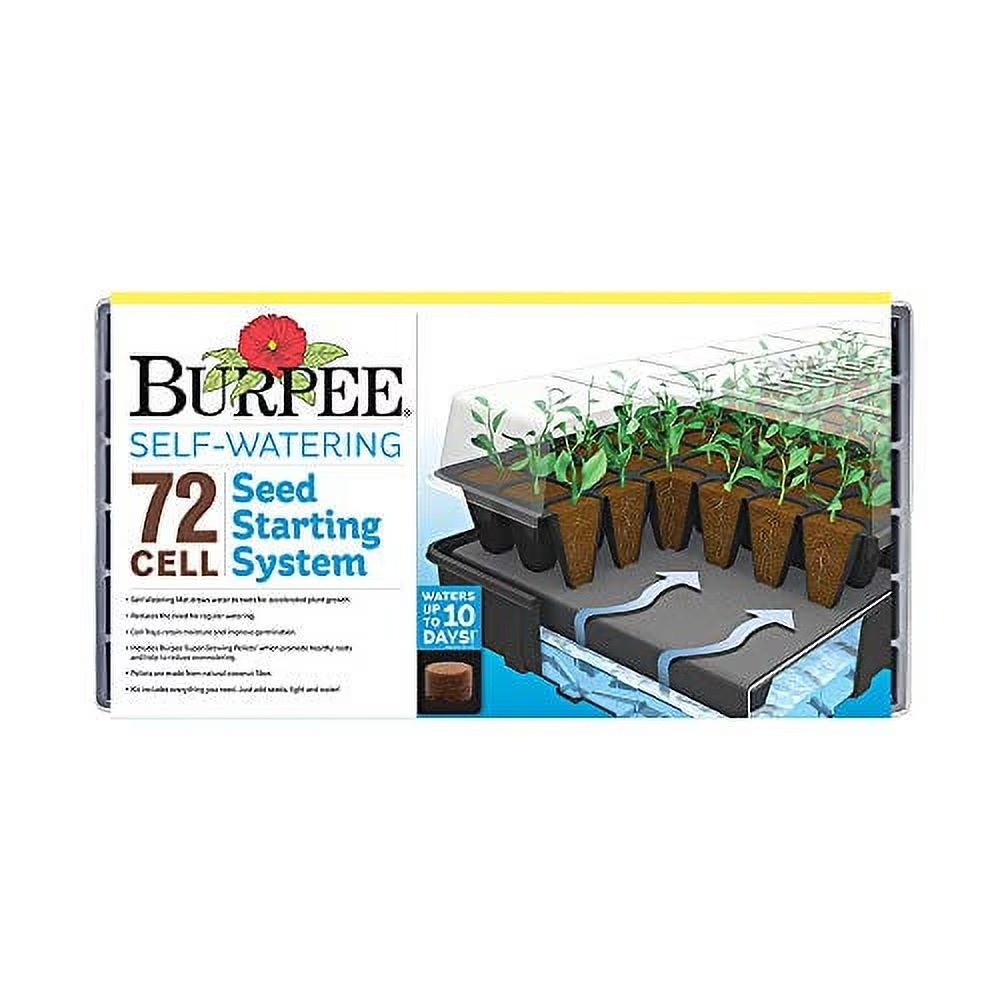 72-Cell Self-Watering Greenhouse Kit,Indoor Growing System,Comes with 72 pellets$39.94View on eBay
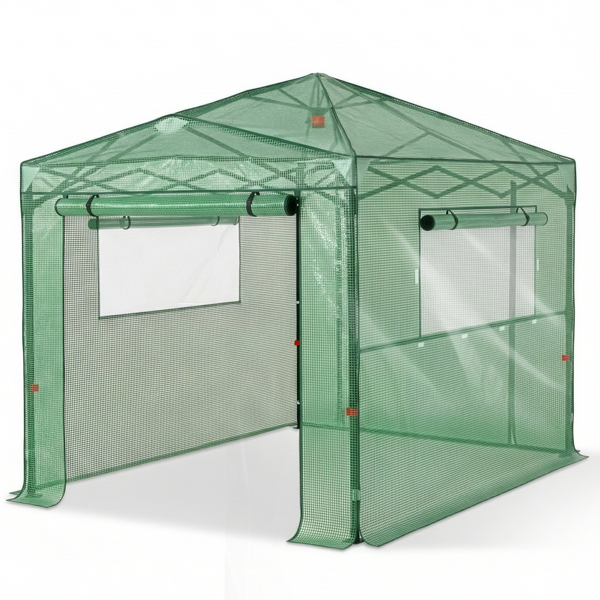 8x6ft Plastic Sprayed Iron Pipe PE Mesh Foldable Greenhouse Shed Green$58.99View on Mallflare
Highlights
- Frame strength separates tiers: galvanized steel or aluminum tubing with corner bracing outlasts push-fit PVC or plastic elbow connectors that brittle and snap under UV and wind load.
- Cover material dictates lifespan: twin-wall polycarbonate (4-6mm) and tempered glass resist hail and hold heat; single-layer PE or PVC film degrades in 1-3 seasons and needs annual replacement.
- Snow and wind ratings are structural, not cosmetic: peak-roof designs shed snow, while flat or arch film tunnels collapse without purlins or ground anchors rated for local wind zones.
- Small seed-starter kits use cell count and dome height to manage humidity: 10-72 cell trays with vented domes and LED bars suit indoor propagation, not outdoor overwintering.
Best use cases
- Best fit for winter protection: a rigid polycarbonate-paneled greenhouse with a peak roof, aluminum frame, and anchored base; skip single-layer film tunnels that lose heat overnight and tear under snow.
- Best fit for patio or rental growing: a 4-tier mini greenhouse (27" x 19" x 62") with zippered PE or PVC cover on a balcony; skip permanent glass structures that require footings and permits.
- Best fit for seed starting: a 10-72 cell germination kit with vented dome and LED grow light indoors; skip outdoor tunnels for germination, since temperature swings stall seedlings.
- Wrong fit: using a fabric or PVC gazebo-style cover as a four-season greenhouse—it will not bear snow load or hold heat below freezing; use it only as a seasonal shade or windbreak.
Buying tips
- Match cover to climate: choose 4-6mm twin-wall polycarbonate panels for frost and hail; choose 40-50% shade cloth only for summer sun reduction, never for winter warmth.
- Size by plant height and bench math: a 62-inch-tall mini greenhouse fits two shelves of seedlings; for tomatoes or peppers, select a walk-in height of at least 6.5 ft and a ridge height above 7 ft.
- Verify frame joints: prefer bolted or clamped metal connectors over push-fit plastic elbows; plastic elbow kits are replacement parts, not structural frames.
- For seed kits, count cells and dome vents: 10-12 cell kits suit large seeds, 72-cell trays suit fine seeds; vented domes prevent damping-off better than sealed lids.
Specs
| Frame Material | Galvanized steel / aluminum vs PVC |
|---|---|
| Glazing Type | Twin-wall polycarbonate 4-6mm / glass / film |
| Season Rating | 4-season rigid panel vs 1-3 season film |
| Form Factor | Walk-in peak roof / mini 4-tier / cold frame |
Related searches
What to check before buying
- Measure your footprint and doorway: confirm the assembled width, depth, and door height clear the patio, raised bed, or balcony rail before choosing a tier.
- Check ground anchoring: soil beds need ground stakes or a base frame; hard surfaces like decks need weighted bases or tie-downs rated for local wind.
- Confirm climate load: if snow or sustained wind above 30 mph is normal, select a rigid panel house with a peak roof and metal frame, not a film tunnel.
- Plan companion parts: seed kits need a heat mat and tray; outdoor houses need shelving, vents, and shade cloth sized to the panel area.
FAQ
Data sources: eBay / Amazon listings and product attribute feeds. Updated Nov 28, 2026.
Some links on this page are affiliate links. If you buy after clicking one, we may earn a commission at no extra cost to you. This does not change which products appear here or their order. Affiliate disclosure.