
Photos from current listings. Actual item, color, and included accessories may vary.
Raised Garden Bed Buying Guide
Raised garden beds are bottomless or lined growing containers that lift soil above grade for better drainage, ergonomics, and pest control. The core trade-off is material durability versus cost: galvanized steel and rot-resistant cedar last a decade or more, while thin fabric and untreated softwood collapse within a few seasons. The decision rule is simple: buy steel or cedar at 12+ inches deep for in-ground growing, and skip any bed under 300 GSM fabric or sub-0.5 mm steel if you expect more than two seasons of use.
Median $76.99
Key takeaways
- Galvanized steel beds at 0.5–0.8 mm wall thickness resist rust for 10+ years; thinner 0.3 mm panels dent and corrode within 2–3 seasons.
- Cedar and juniper resist rot naturally; pine and fir beds last only 3–5 years unless lined or sealed, and pressure-treated lumber can leach chemicals.
- Fabric beds at 300+ GSM are tear-resistant and breathable; 150–200 GSM fabric frays and UV-degrades within one to two growing seasons.
At a glance
- Category
- Raised Garden Beds & Planters
- Last updated
- Nov 28, 2026
Current offers
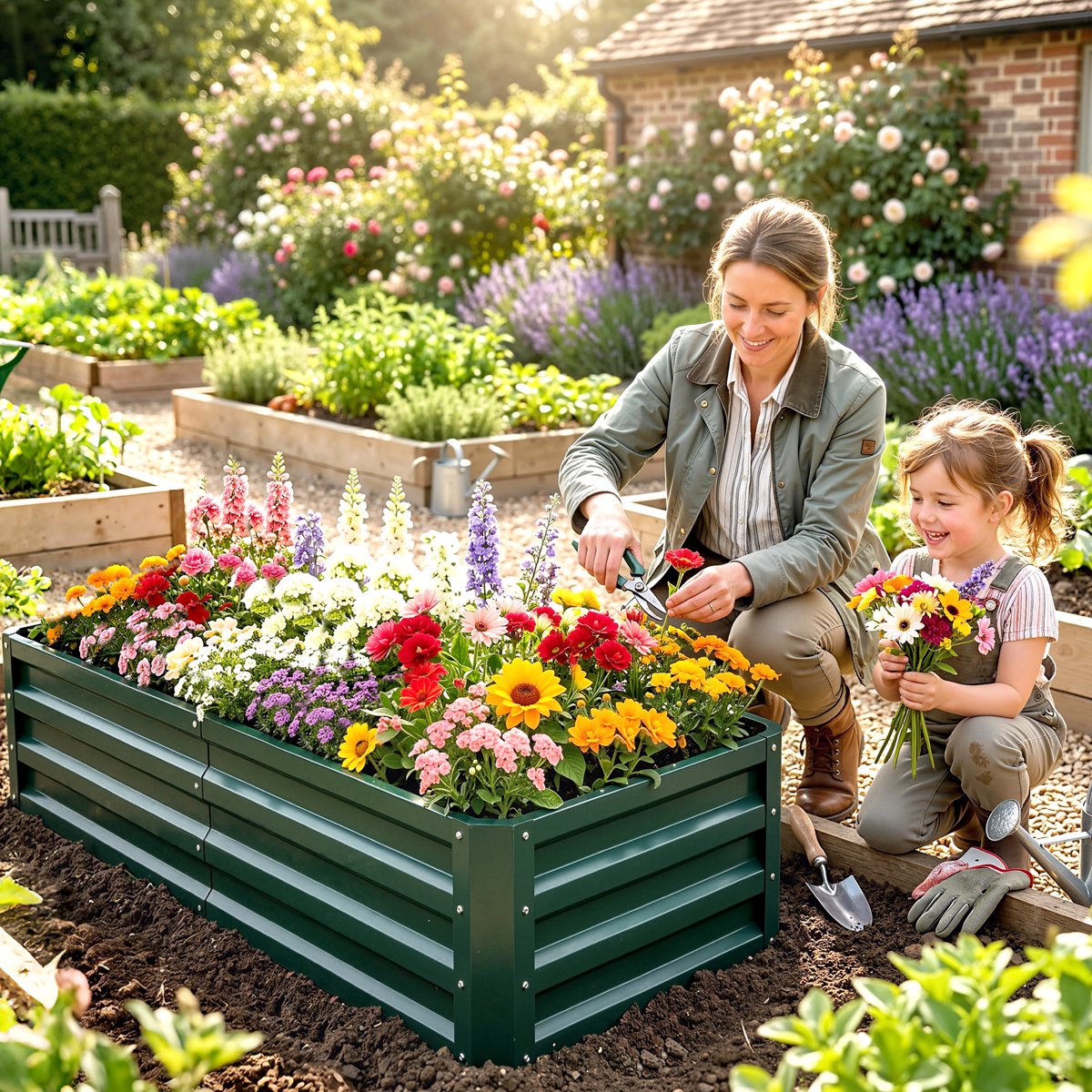 Galvanized Raised Garden Bed, 4' x 2' x 1' Metal Planter Box, for Growing Vegetables, Flowers, Herbs, Succulents, Green$35.99View on Mallflare
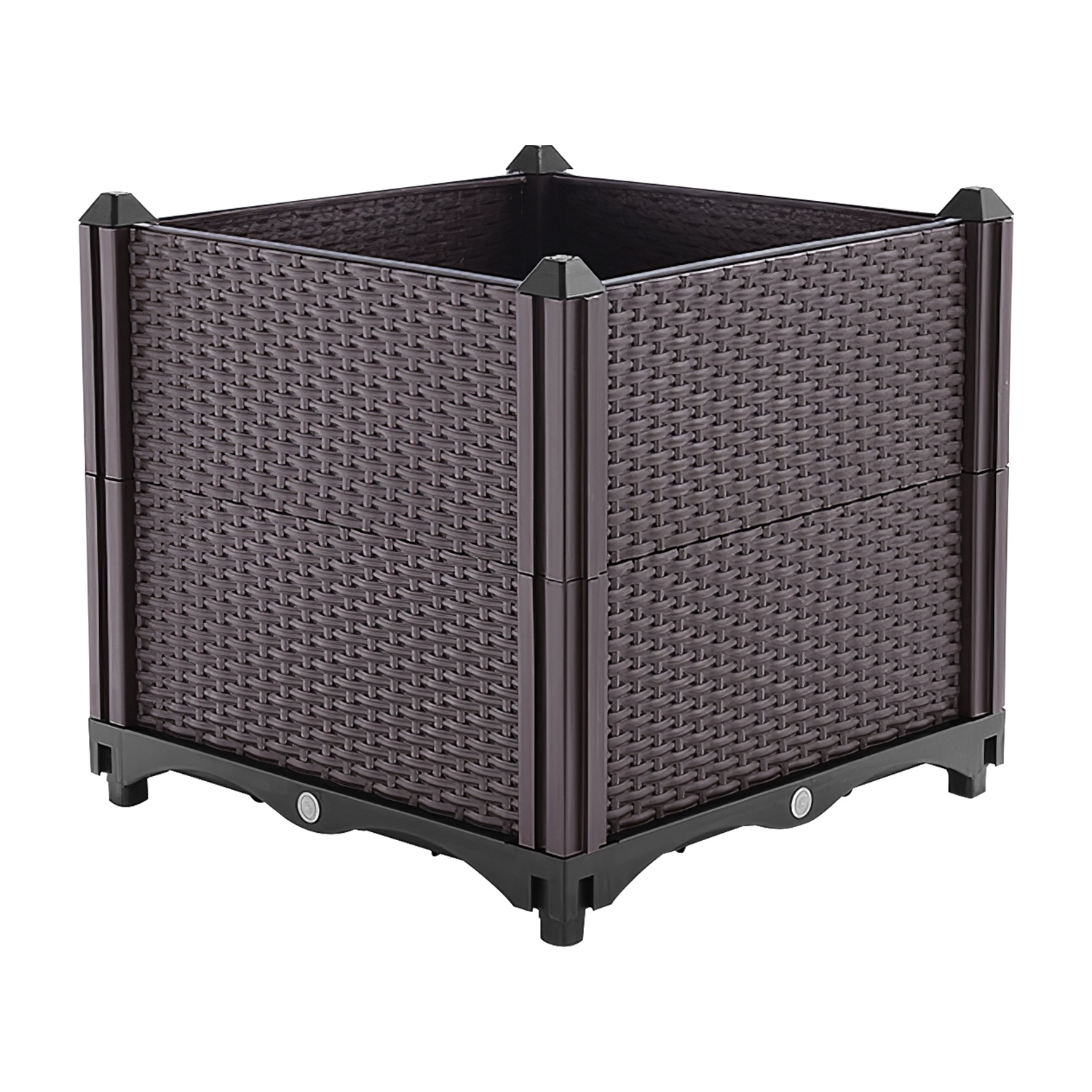 1 Set Raised Garden Bed For Spring Decoration Plant Growth Box With Self-watering System For Patio Balcony Elevated Planter Box For Flowers Vegetables Herbs$36.99View on Mallflare
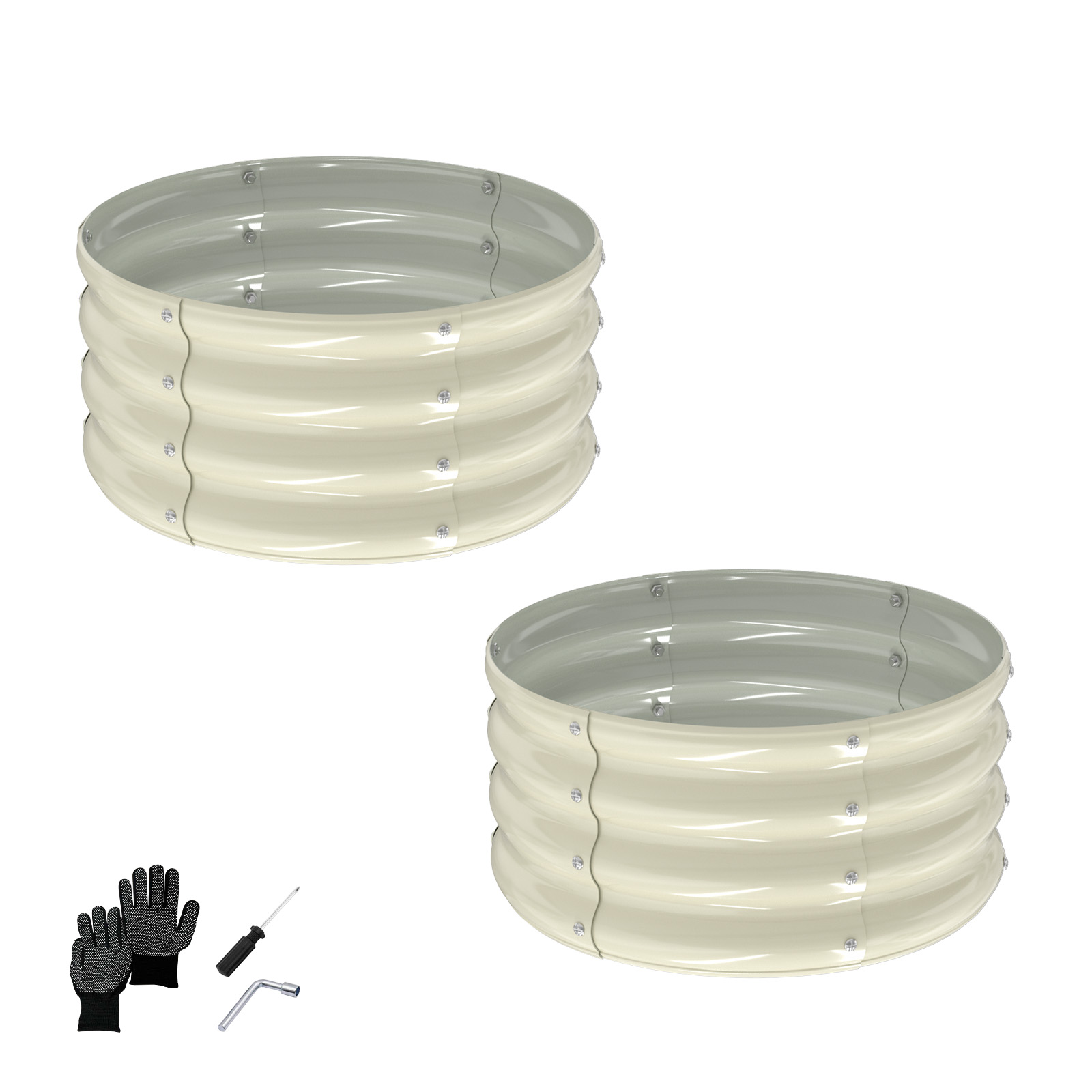 2 Pcs 2×2×1ft Raised Garden Bed, Round Galvanized Outdoor Planter Box, Metal Bed for Planting Vegetables Fruits Flowers, White$41.99View on Mallflare
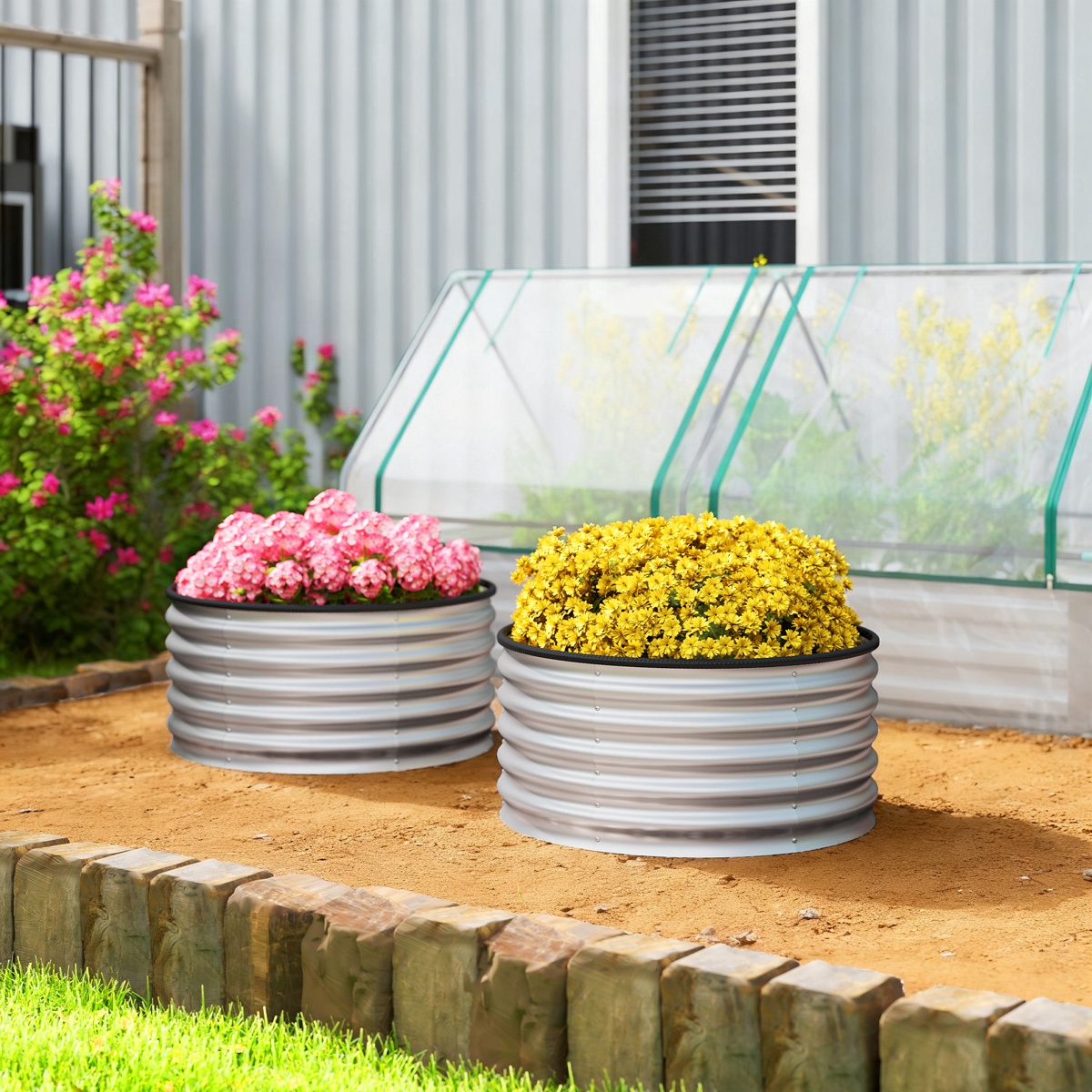 Set of 2 Raised Garden Bed, Metal Planter Box with Safety Edging, Easy-to-assemble Stock Tank 3x3x1.4 Silver$42.99View on Mallflare
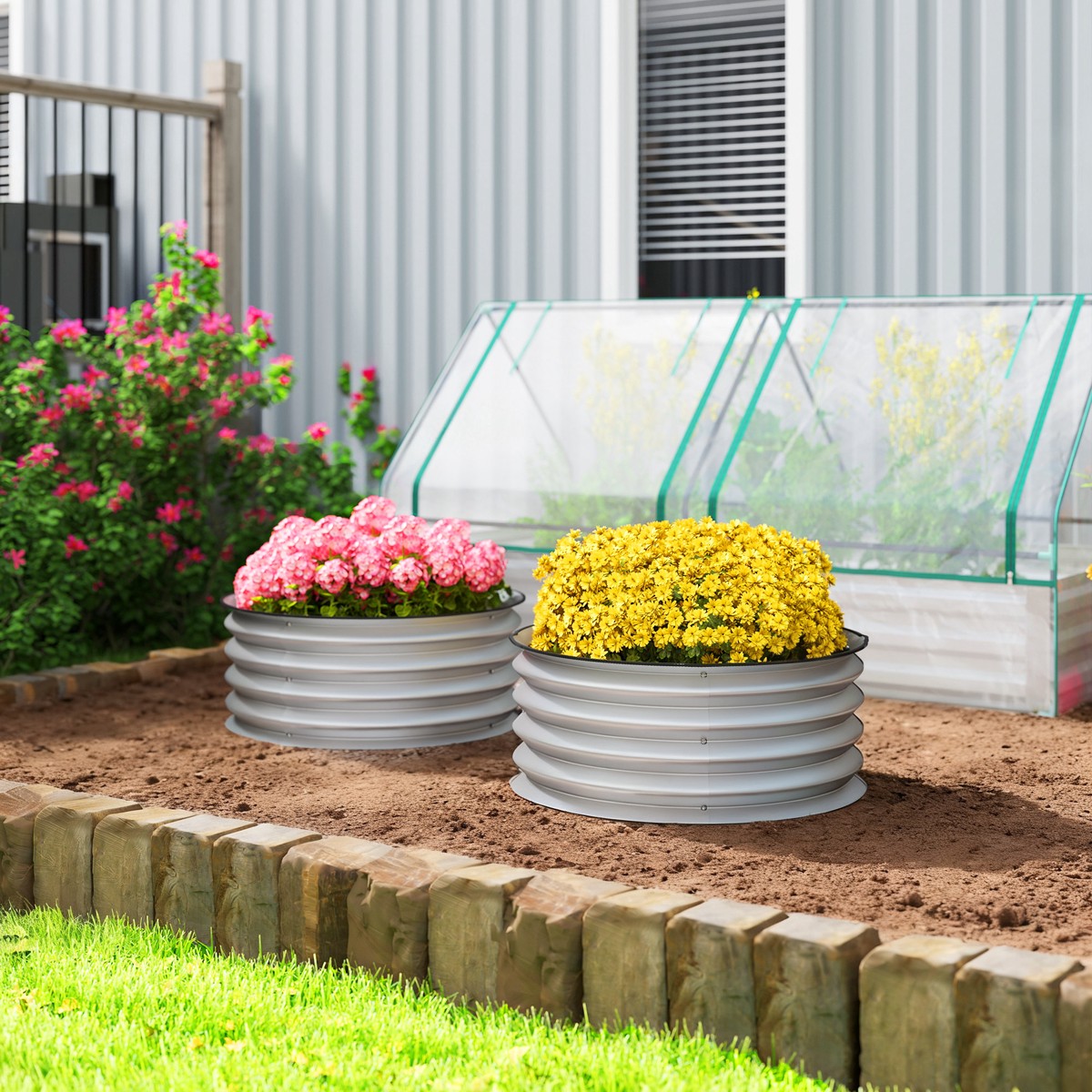 Set of 2 Raised Garden Bed, Metal Planter Box with Safety Edging, Easy-to-assemble Stock Tank 2x2x1 Silver$48.99View on Mallflare
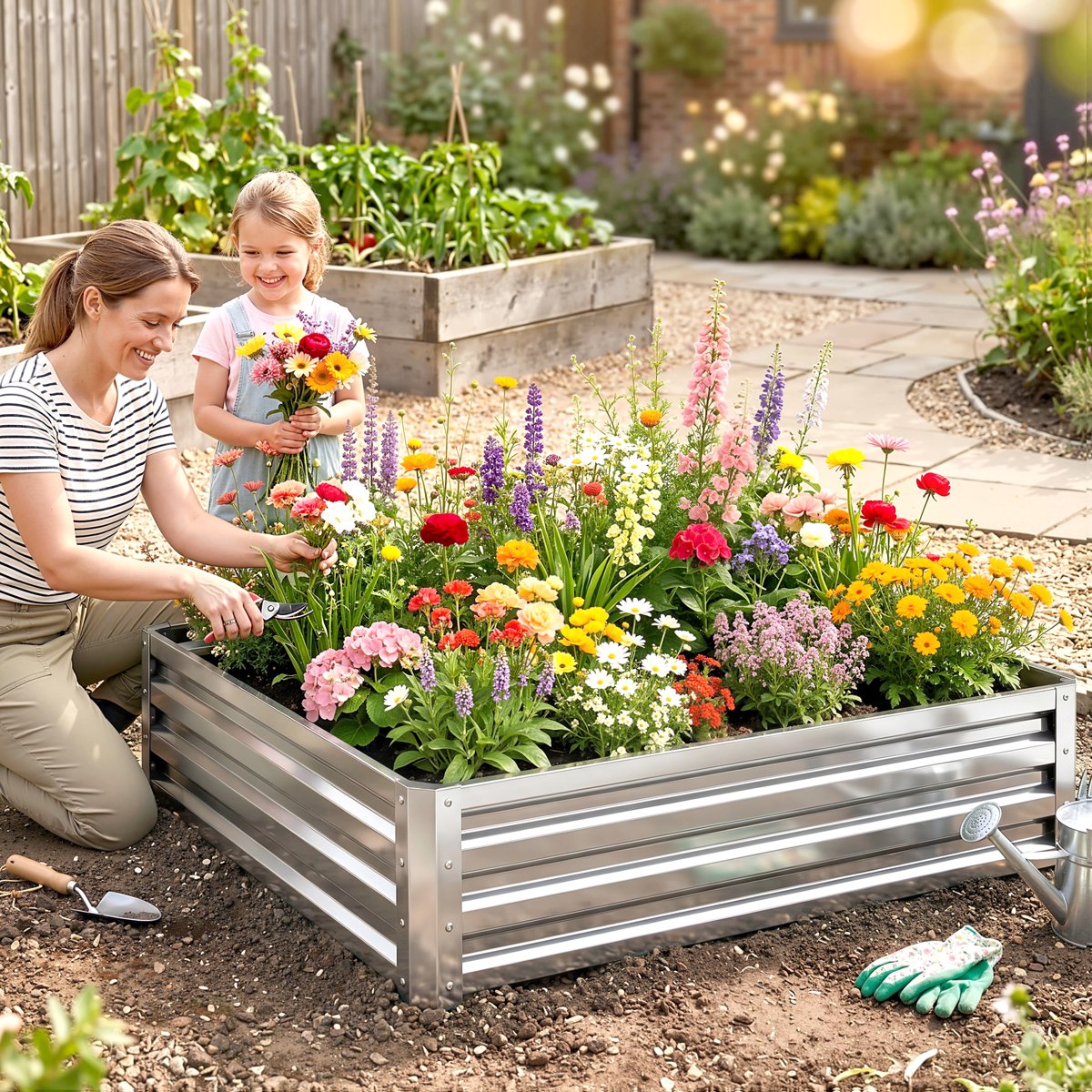 Galvanized Raised Garden Bed, 4' x 4' x 1' Metal Planter Box, for Growing Vegetables, Flowers, Herbs, Succulents, Silver$49.99View on Mallflare
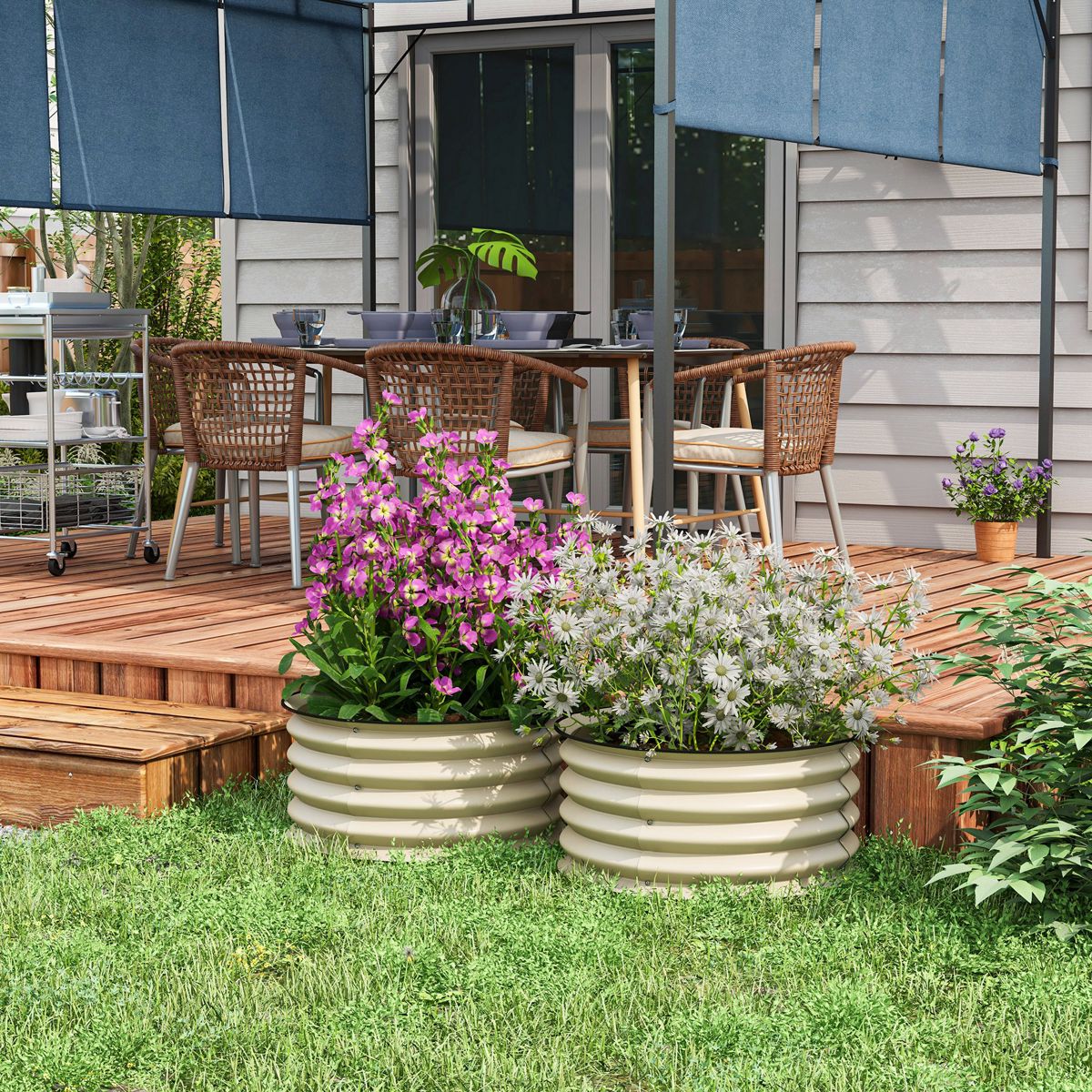 Set of 2 Raised Garden Bed, Metal Planter Box with Safety Edging, Easy-to-assemble Stock Tank, Cream$50.99View on Mallflare
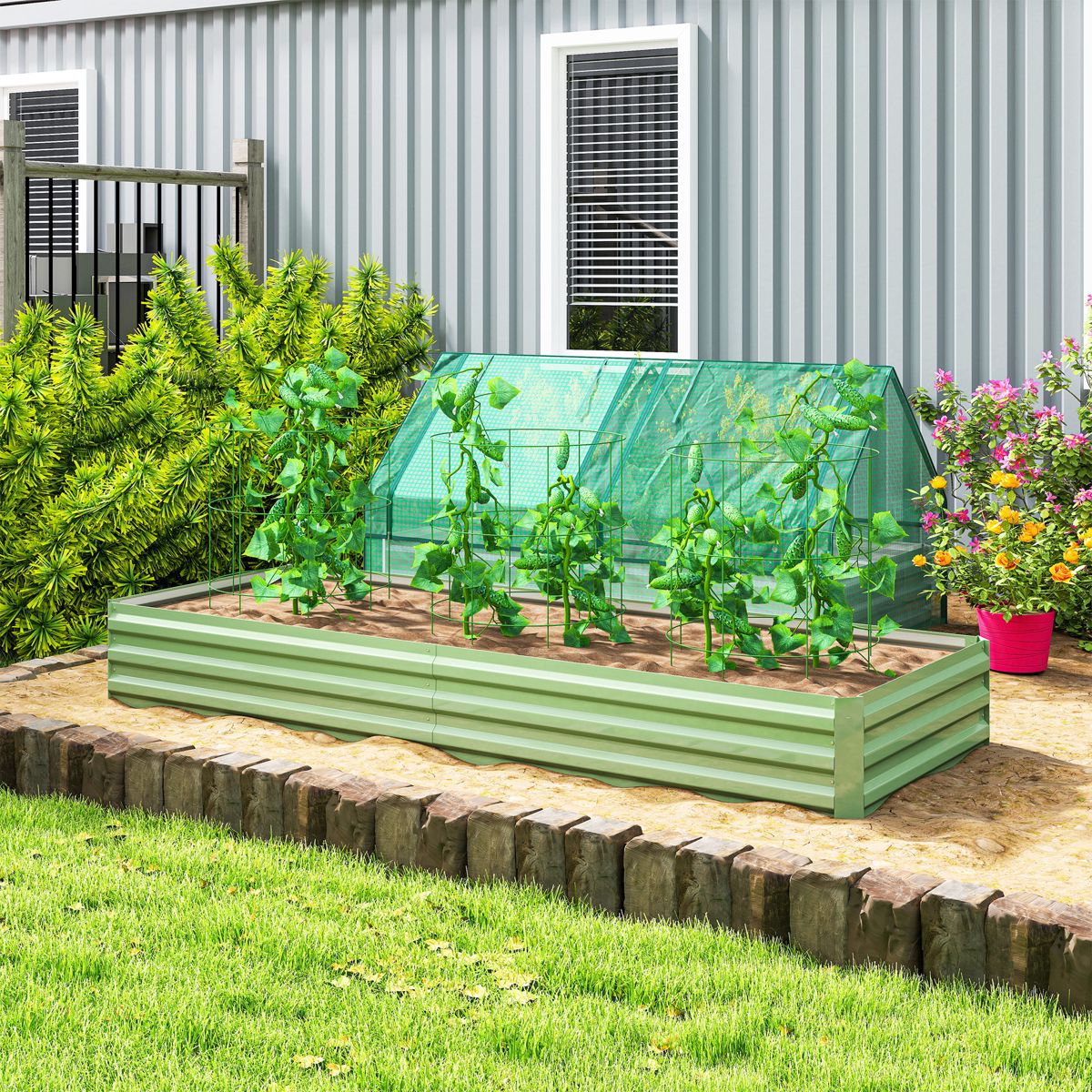 8x3x1FT Galvanized Raised Garden Bed, Easy DIY and Cleaning for Growing Flowers, Herbs, Succulents, Light Green$50.99View on Mallflare
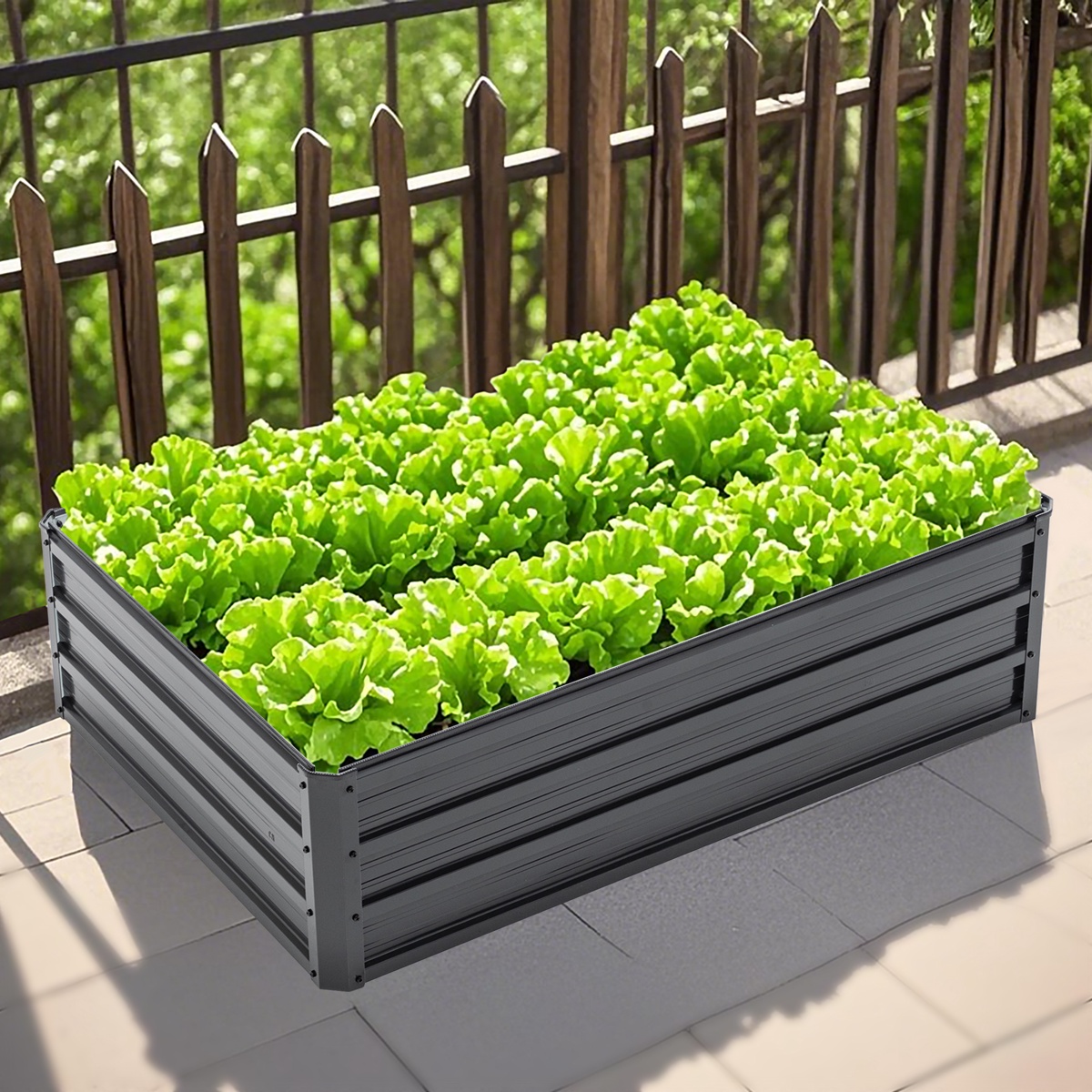 4x3x1ft Metal Raised Garden Bed,Deep Root Outdoor Galvanized Planter Box,Patio Kit Planting Beds for Vegetables Flowers Herb,Black$55.99View on Mallflare
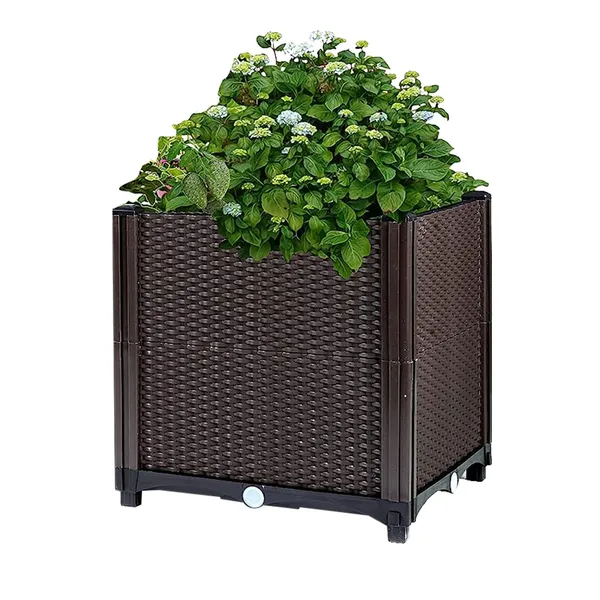 Raised Garden Bed With Self-watering System Rectangle Planter For Patio Balcony Elevated Box For Flowers Vegetables Herbs$56.99View on Mallflare
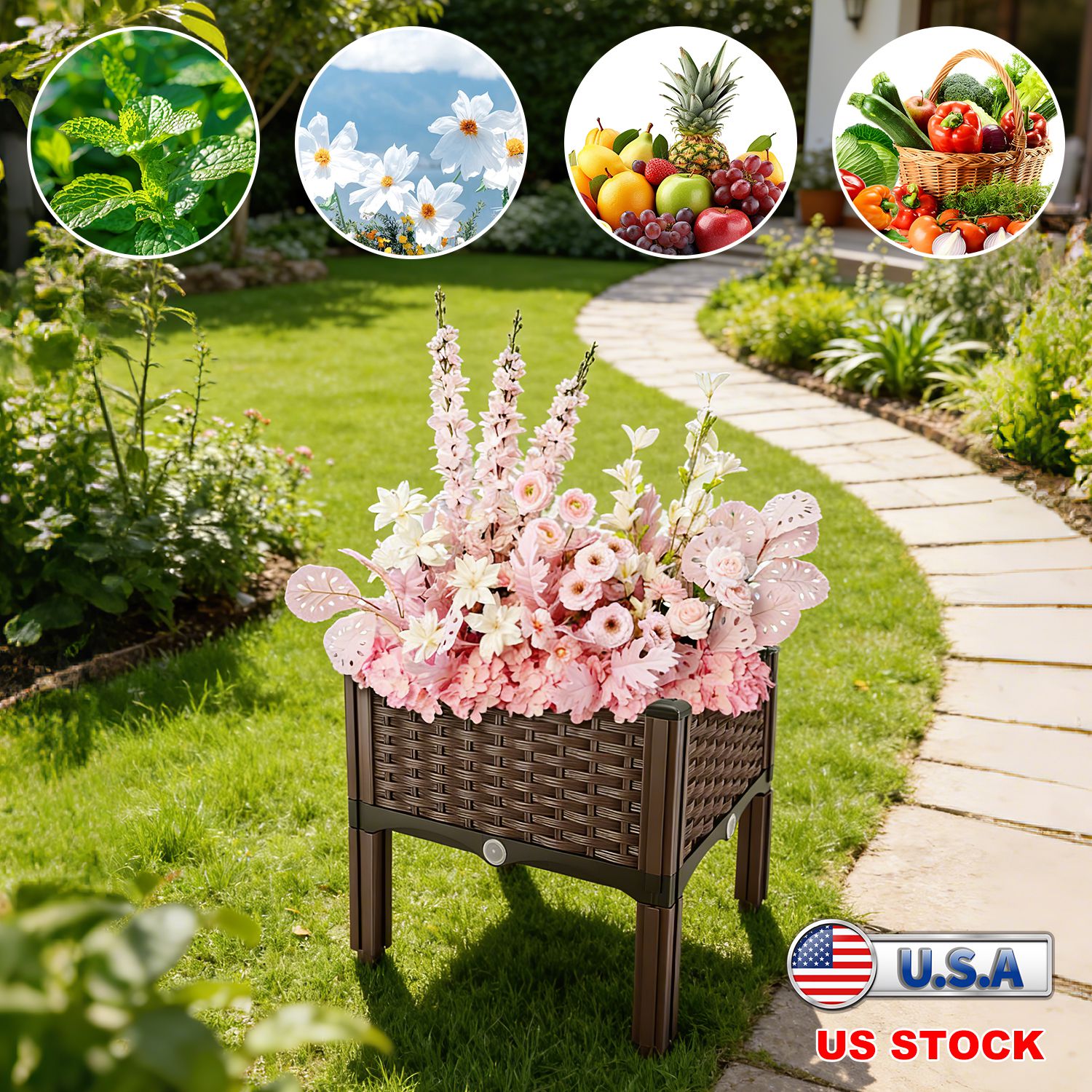 1Pc Outdoor Raised Garden Bed With Legs Elevated Planter Box Self Watering System For Patio Balcony Vegetables Flowers Herbs PP Plastic Box Easy Assembly$57.99View on Mallflare
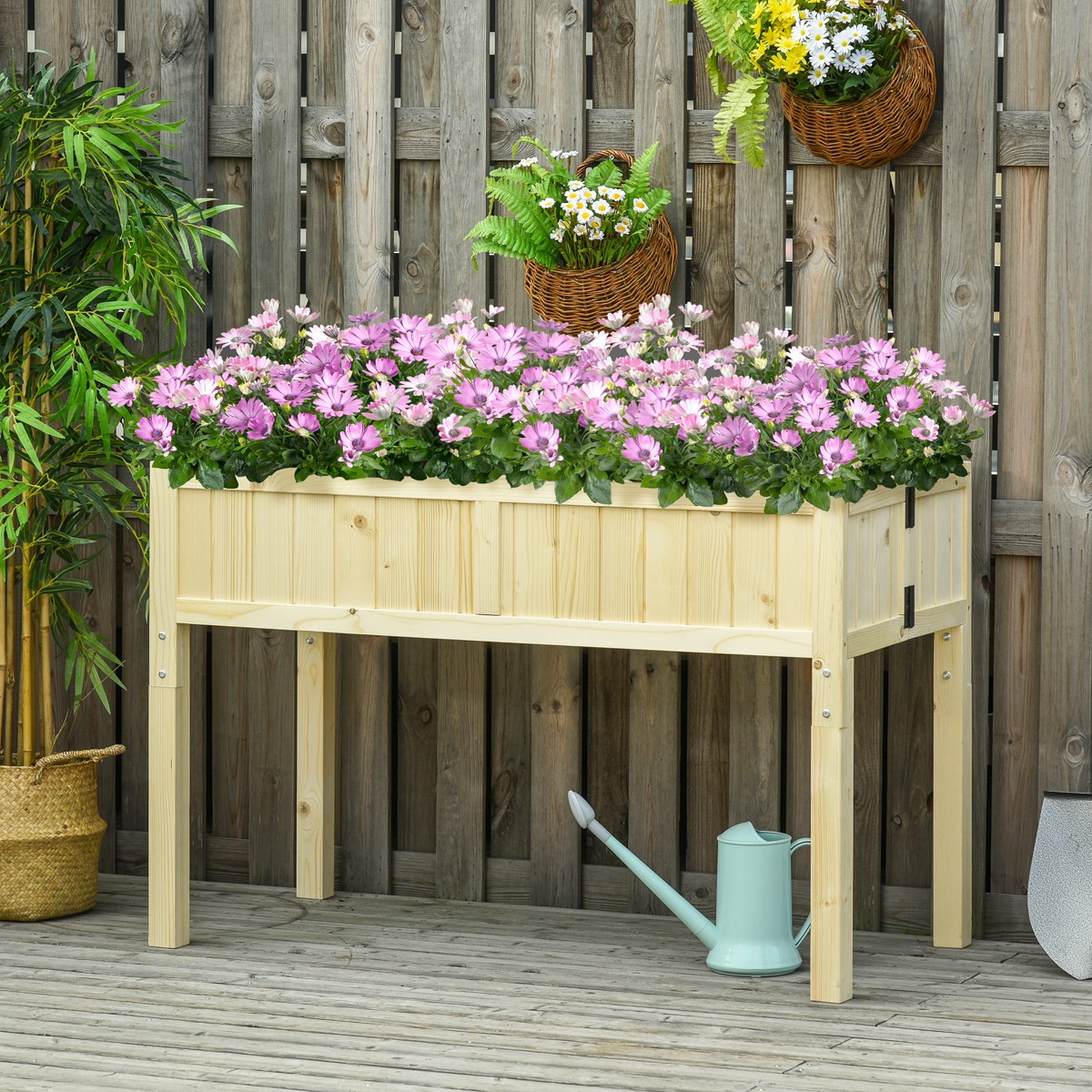 Raised Garden Bed Elevated Wooden Planter Box with Space-Saving Folding Design, Drainage Holes, & Inner Liner for Vegetable Fruit Herb Grow$58.99View on Mallflare
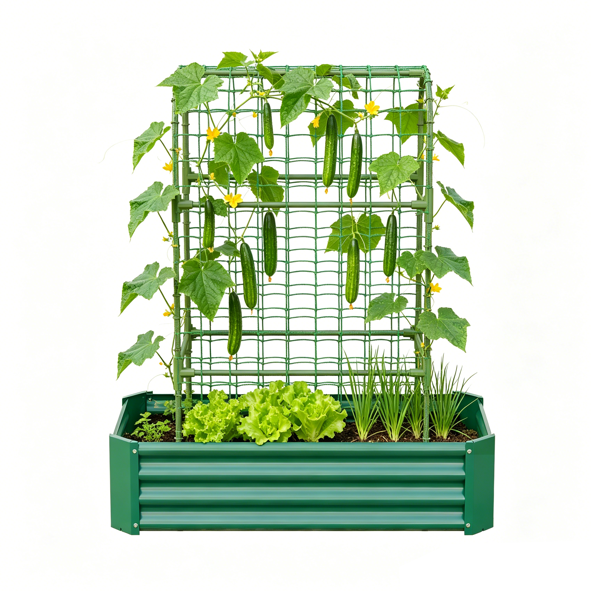 2-in-1 Raised Garden Bed With Trellis - 59inch Tall Arch Planter Box For Climbing Plants, Outdoor Galvanized Metal Gardening Bed For Vegetables, Fruits, Flowers Green, 4x2x1 Ft$59.99View on Mallflare
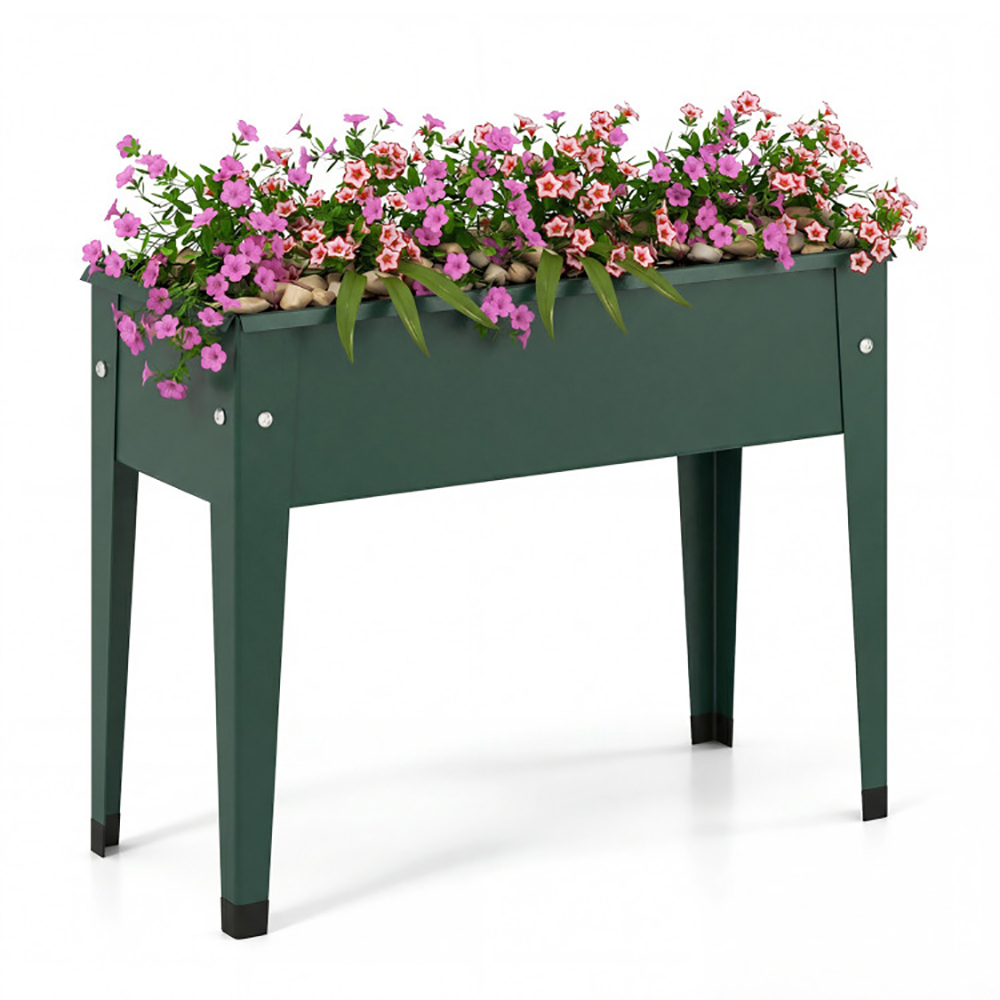 Raised Garden Bed Elevated Metal Gardening Box With Legs Of Up 44 Lbs For Various Plants, Flowers, Herbs, Vegetables, Fruits, Etc$60.99View on Mallflare
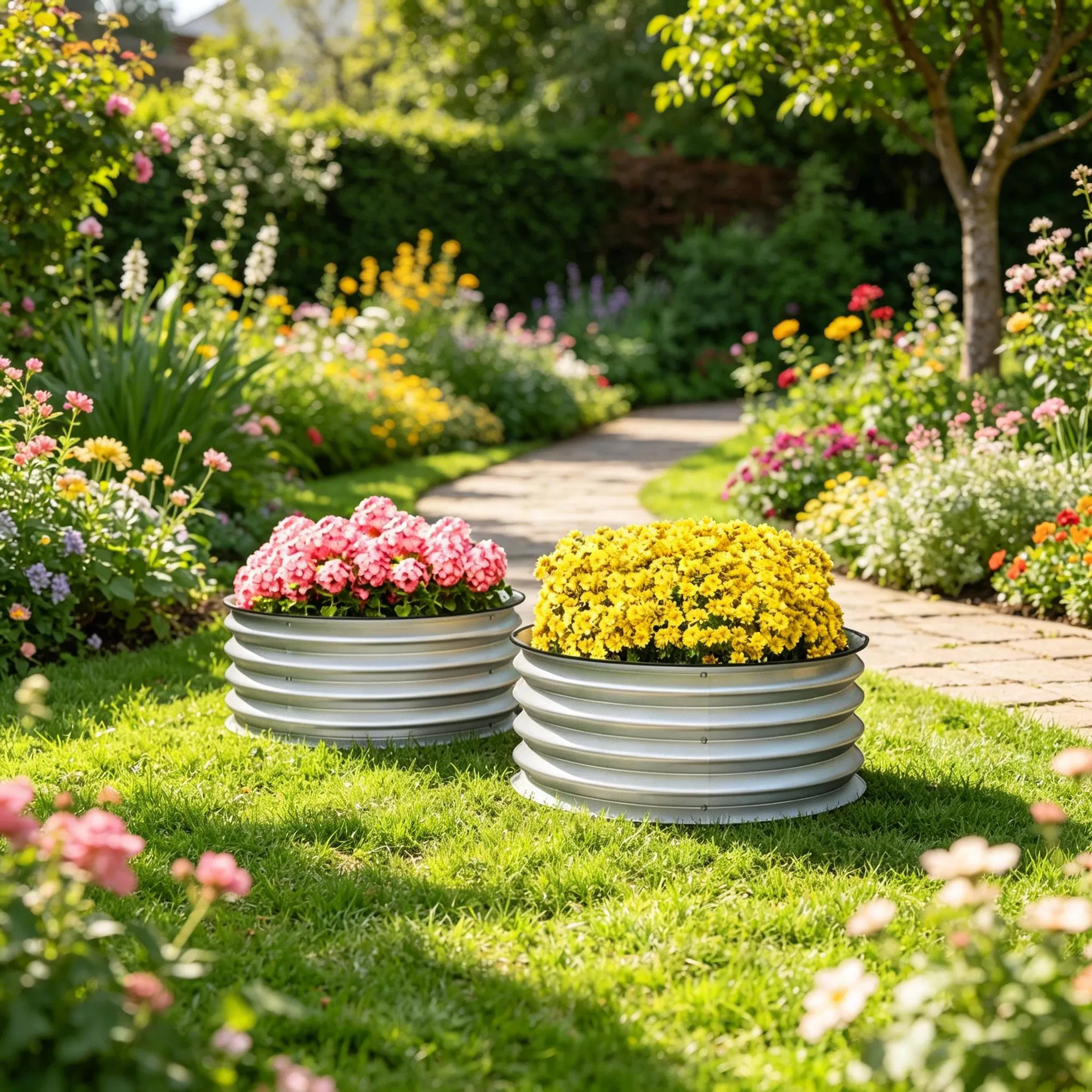 2 Pack Silver Metal Raised Garden Bed Planter Box 2x2x1 Easy to Assemble Stock Tank with Safety Edging for Gardening$66.99View on Mallflare
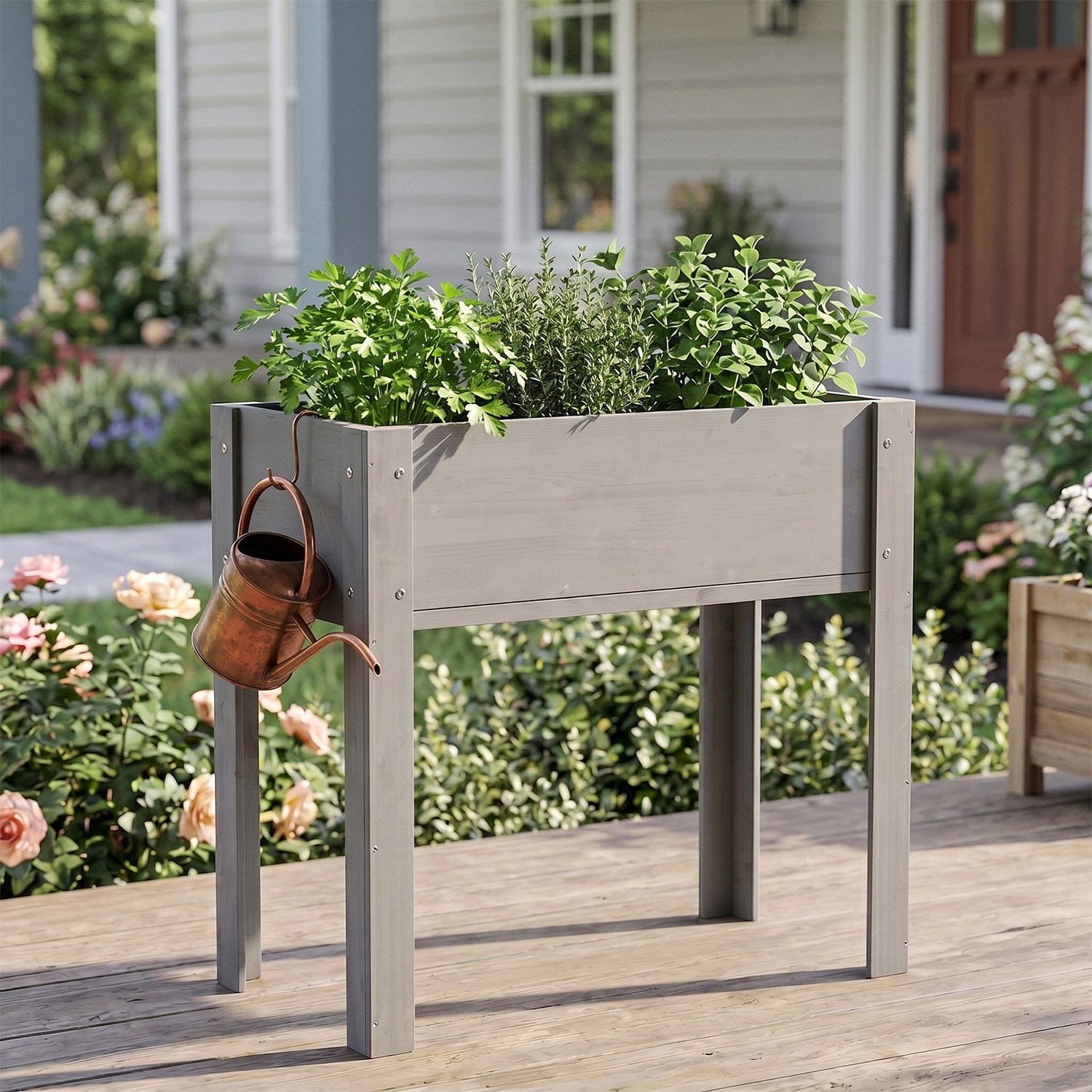 31IN 48IN Size Options Elevated Raised Garden Bed With Legs, Wooden Planter Box For Outdoor Vegetable Herb Flower Fruit Growing OLFC0002 GREY$68.99View on Mallflare
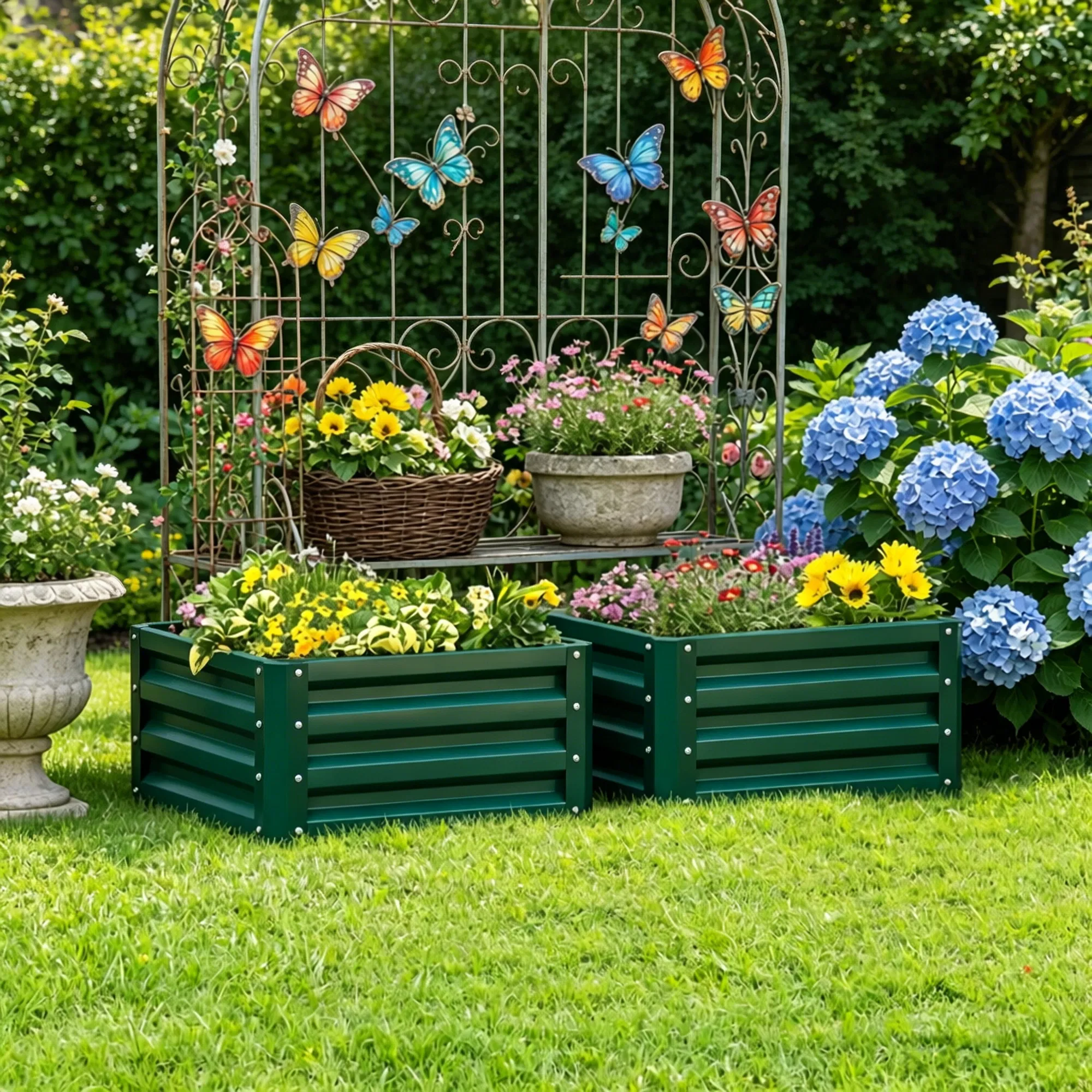 2-Pack Galvanized Steel Raised Garden Bed Rust-Resistant Metal Planter Box with Open Bottom for Easy Vegetable & Flower Growing$68.99View on Mallflare
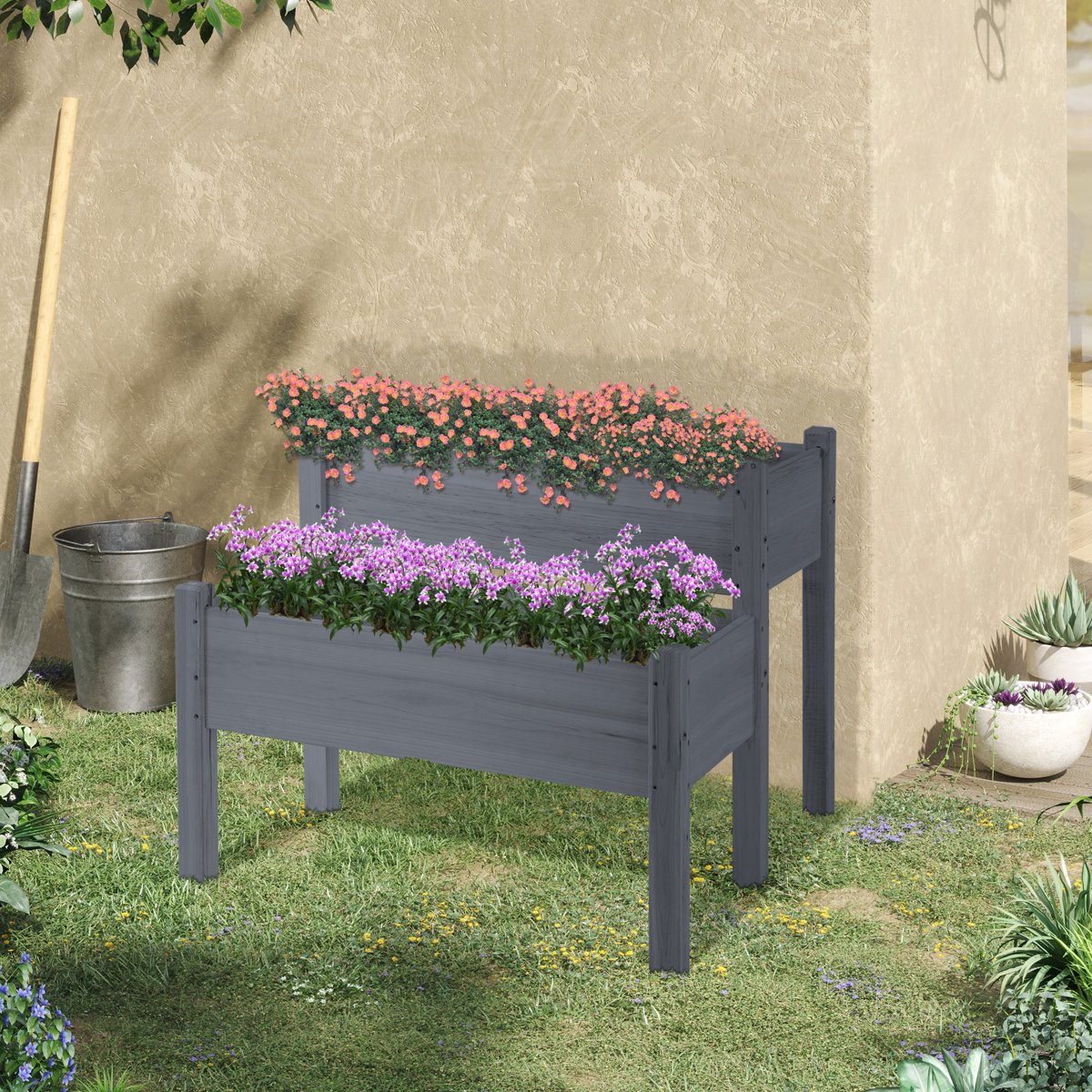 34"x34"x28" Raised Garden Bed 2-Tier Wooden Planter Box for Backyard, Patio to Grow Vegetables, Herbs and Flowers, Gray$69.99View on Mallflare
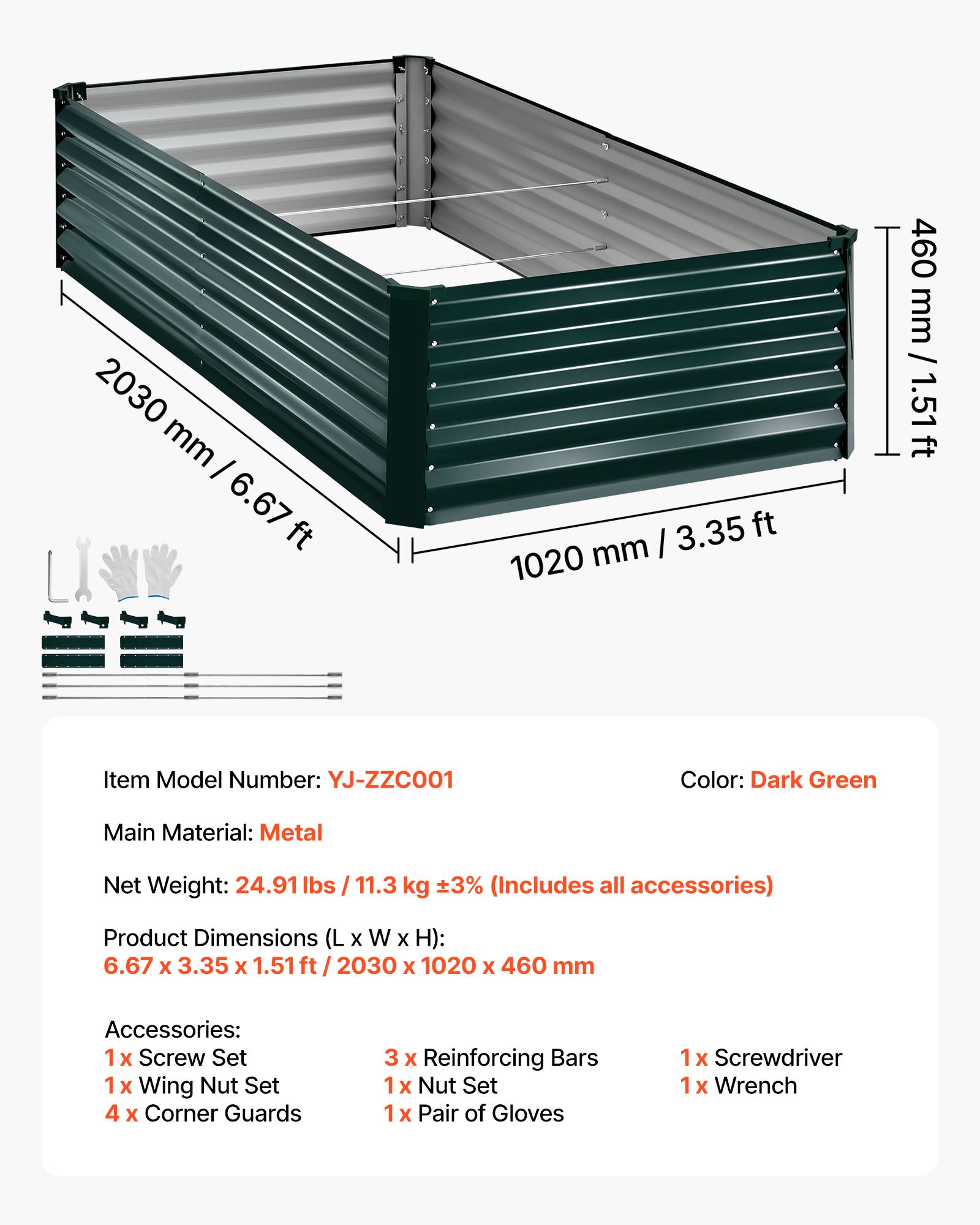 Galvanized Raised Garden Bed, 6.67 X 3.35 X 1.51 Ft, Rectangular Metal Planter Box Kit Outdoor, Rustproof Elevated Planting Box With Gloves, Alu-Zinc, For Growing Flowers Vegetables, Dark Green$72.99View on Mallflare
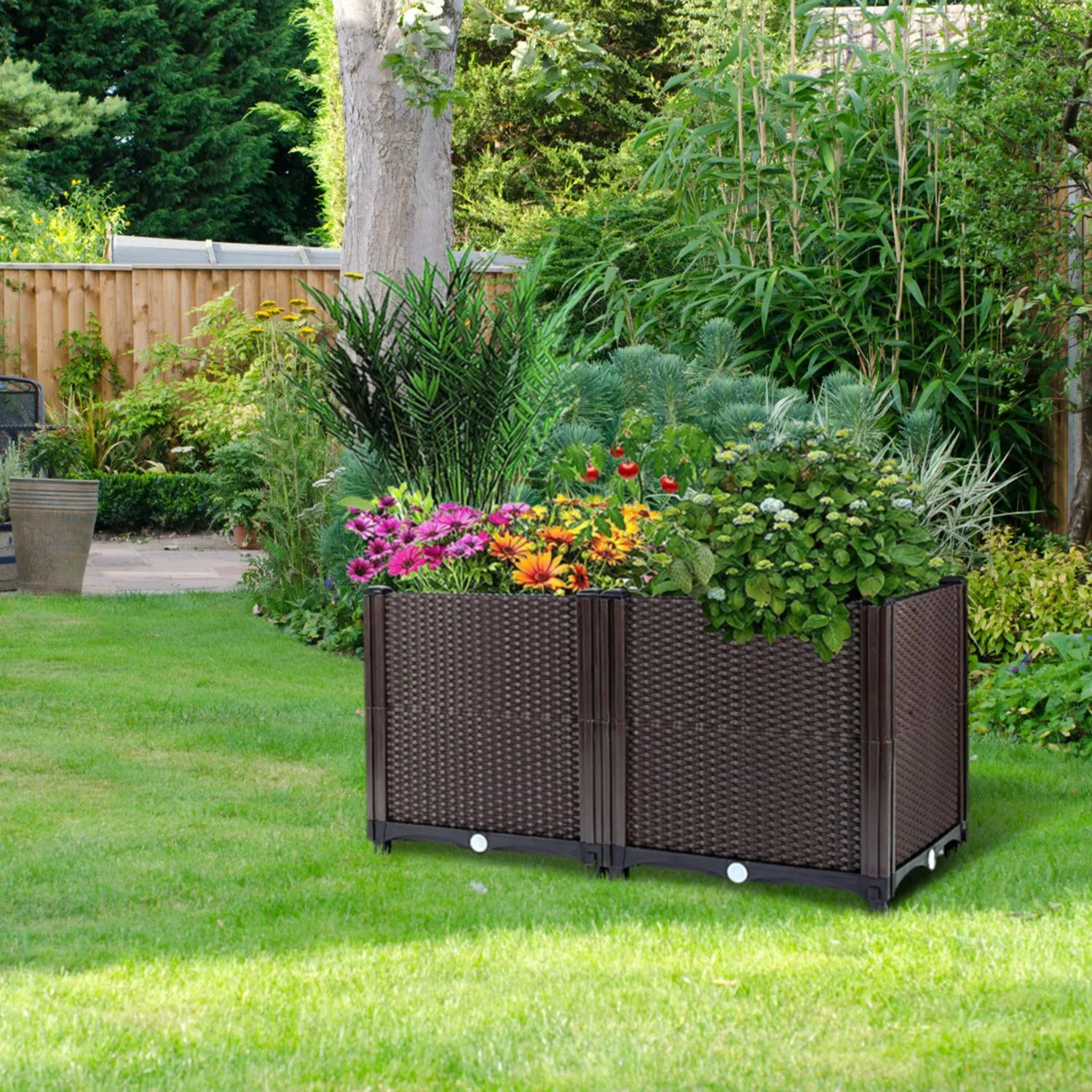 Raised Garden Bed Plant Growth Box with Self-watering System for Patio Balcony Elevated Planter Box for Flowers Vegetables Herbs$72.99View on Mallflare
Highlights
- Galvanized steel beds at 0.5–0.8 mm wall thickness resist rust for 10+ years; thinner 0.3 mm panels dent and corrode within 2–3 seasons.
- Cedar and juniper resist rot naturally; pine and fir beds last only 3–5 years unless lined or sealed, and pressure-treated lumber can leach chemicals.
- Fabric beds at 300+ GSM are tear-resistant and breathable; 150–200 GSM fabric frays and UV-degrades within one to two growing seasons.
- Bed depth controls root zone: 6–8 in suits lettuce and herbs, 12+ in needed for tomatoes and carrots, and 18+ in required for perennial shrubs and deep-root crops.
Best use cases
- Best fit: a 4×2×1 ft galvanized steel bed for a patio or small yard vegetable patch—deep enough for tomatoes and durable for a decade; skip thin fabric bags for this role.
- Best fit: a leg-elevated self-watering planter for balconies and decks where floor space is tight and drainage matters; skip ground-level beds that require direct soil contact.
- Best fit: a 6–8 in shallow cedar or fabric bed for herbs and salad greens on a porch; skip 18+ in deep beds here—they waste soil volume and cost more.
- Wrong fit: untreated pine or sub-300 GSM fabric beds for anyone wanting a permanent garden; these are one-to-two-season compromises, not durable infrastructure.
Buying tips
- Keep bed width at 4 ft max so you can reach the center from both sides; 2–3 ft width is better for one-sided access against a wall or fence.
- Choose 12+ in depth for fruiting vegetables and root crops; 18+ in for perennial berries and asparagus; 6–8 in only for shallow-root greens and herbs.
- Specify 0.5 mm or thicker galvanized steel with rolled edges; folded seams and rubber edging prevent cuts and extend panel life.
- For fabric beds, require 300+ GSM woven polypropylene with UV stabilization; below that, plan to replace within two seasons.
Specs
| Wall Material | Galvanized steel / cedar / 300+ GSM fabric |
|---|---|
| Bed Depth | 6–8 in shallow / 12+ in deep / 18+ in perennial |
| Footprint Width | 4 ft max for reach access |
| Elevation Type | Ground-level / leg-elevated self-watering |
Related searches
What to check before buying
- Measure your intended footprint and confirm a 4 ft max reach width; leave 18–24 in walkway clearance around all accessible sides.
- Check ground contact: ground-level beds need level soil or pavers; leg-elevated beds need a flat patio and a weight rating for wet soil (roughly 100 lb per cubic foot).
- Confirm drainage: bottomless beds drain into native soil; lined or elevated beds need drain holes or a self-watering reservoir with overflow.
- Verify companion parts: liners, trellis kits, and self-watering inserts are often sold separately—confirm they match the bed’s brand and dimensions.
FAQ
Data sources: eBay / Amazon listings and product attribute feeds. Updated Nov 28, 2026.
Some links on this page are affiliate links. If you buy after clicking one, we may earn a commission at no extra cost to you. This does not change which products appear here or their order. Affiliate disclosure.