
Photos from current listings. Actual item, color, and included accessories may vary.
Raised Bed Buying Guide
A raised bed is a soil-containment frame that lifts growing medium above grade, and the decisive trade-off is material longevity versus soil volume: wood and thin galvanized steel corrode or rot in 3–7 years, while thick zinc-aluminum or HDPE panels last 15+ years. Buy by bed depth for your crop class and wall gauge for durability, not by decorative tier or included accessories.
Median $76.99
Key takeaways
- Galvanized steel beds survive 10–20 years only at 0.6 mm (24-gauge) wall or thicker; sub-0.4 mm panels dent and rust at cut edges within 3–5 seasons.
- Cedar and larch resist rot 10–15 years untreated; pine and fir last 4–7 years and need food-safe liner or sealant to avoid leached treatment chemicals.
- Soil depth governs crop choice: 6–8 in for lettuce and herbs, 10–12 in for bush beans and determinate tomatoes, 15–18 in for carrots and indeterminate tomatoes.
At a glance
- Category
- Raised Garden Beds & Planters
- Last updated
- Nov 28, 2026
Current offers
 Galvanized Raised Garden Bed, 4' x 2' x 1' Metal Planter Box, for Growing Vegetables, Flowers, Herbs, Succulents, Green$35.99View on Mallflare
 1 Set Raised Garden Bed For Spring Decoration Plant Growth Box With Self-watering System For Patio Balcony Elevated Planter Box For Flowers Vegetables Herbs$36.99View on Mallflare
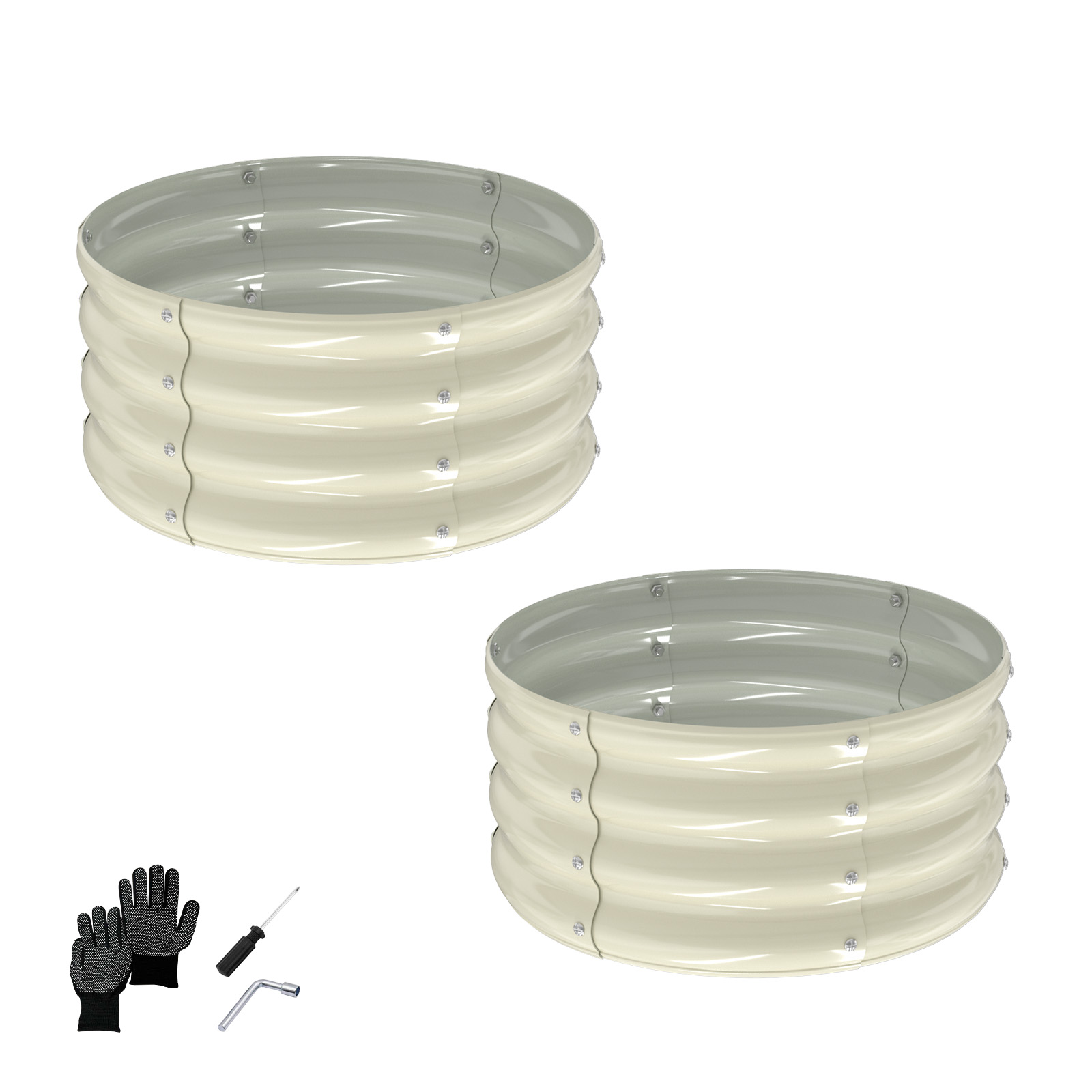 2 Pcs 2×2×1ft Raised Garden Bed, Round Galvanized Outdoor Planter Box, Metal Bed for Planting Vegetables Fruits Flowers, White$41.99View on Mallflare
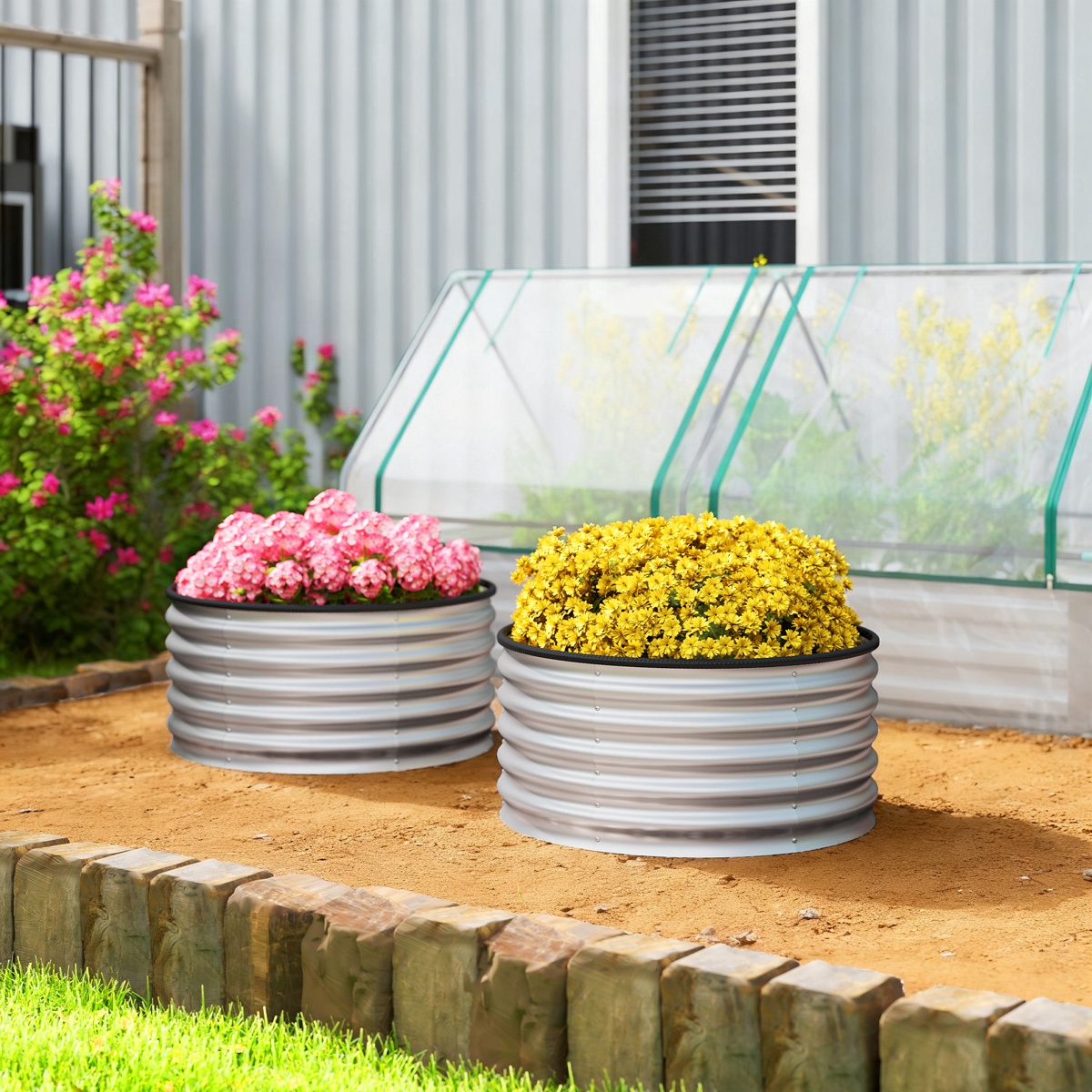 Set of 2 Raised Garden Bed, Metal Planter Box with Safety Edging, Easy-to-assemble Stock Tank 3x3x1.4 Silver$42.99View on Mallflare
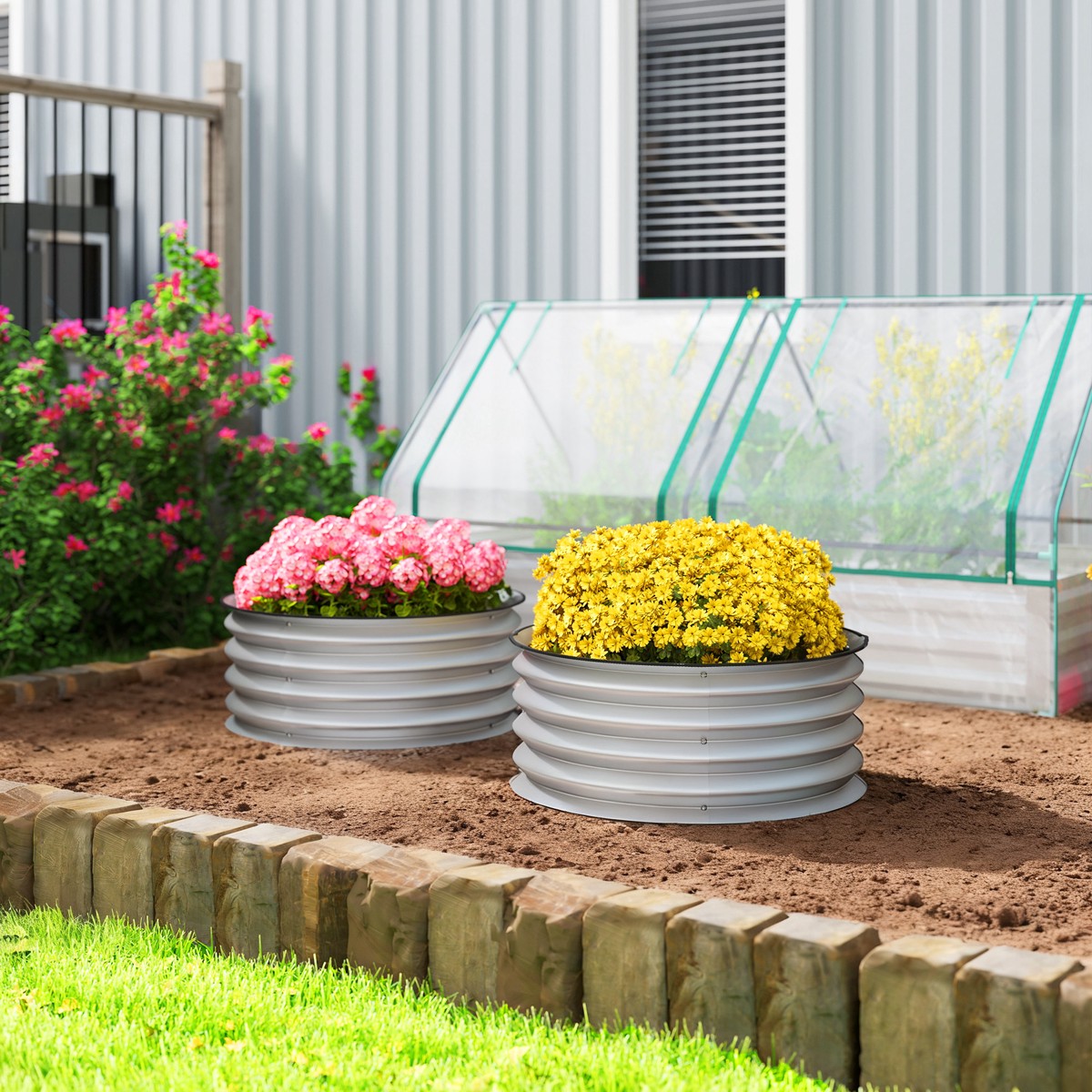 Set of 2 Raised Garden Bed, Metal Planter Box with Safety Edging, Easy-to-assemble Stock Tank 2x2x1 Silver$48.99View on Mallflare
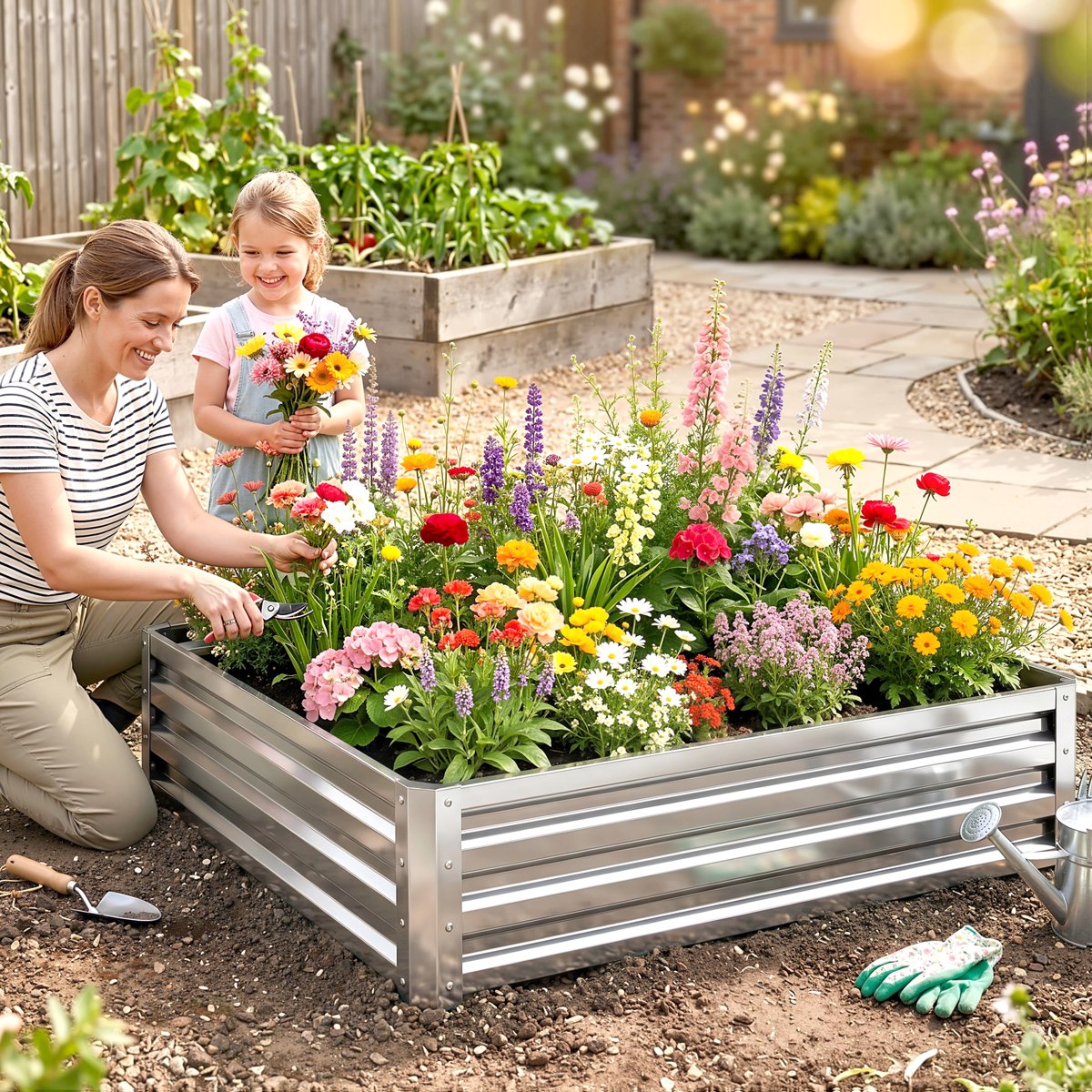 Galvanized Raised Garden Bed, 4' x 4' x 1' Metal Planter Box, for Growing Vegetables, Flowers, Herbs, Succulents, Silver$49.99View on Mallflare
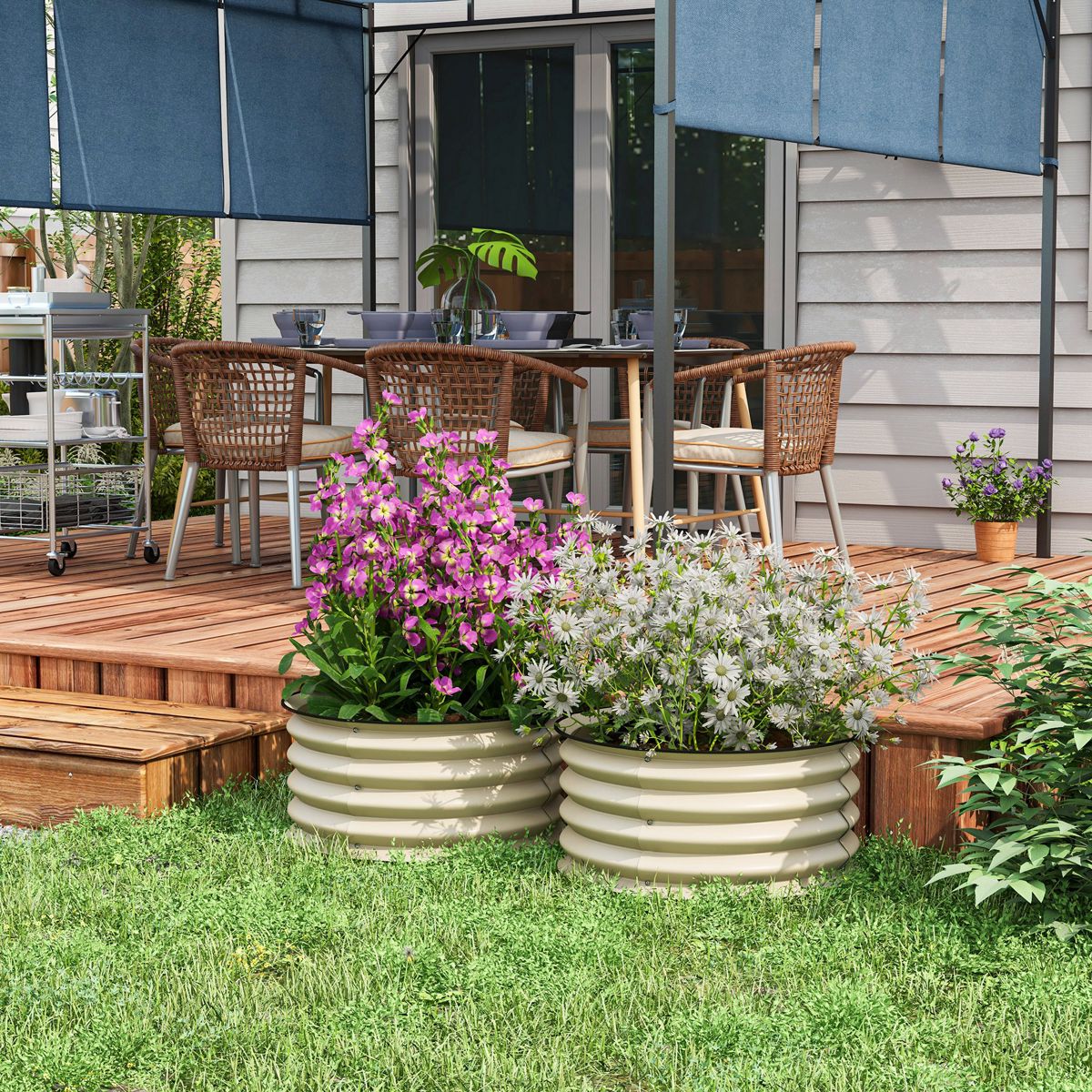 Set of 2 Raised Garden Bed, Metal Planter Box with Safety Edging, Easy-to-assemble Stock Tank, Cream$50.99View on Mallflare
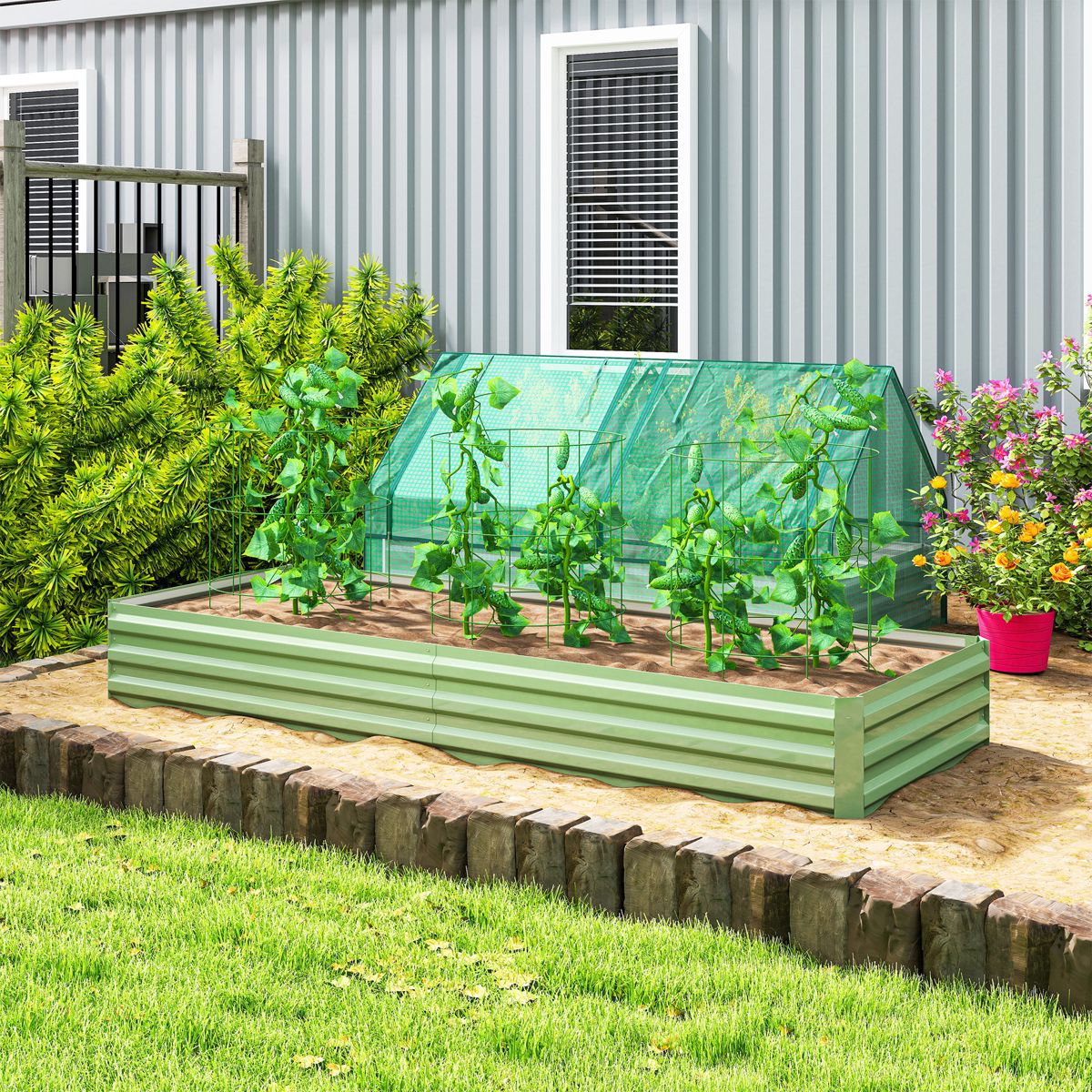 8x3x1FT Galvanized Raised Garden Bed, Easy DIY and Cleaning for Growing Flowers, Herbs, Succulents, Light Green$50.99View on Mallflare
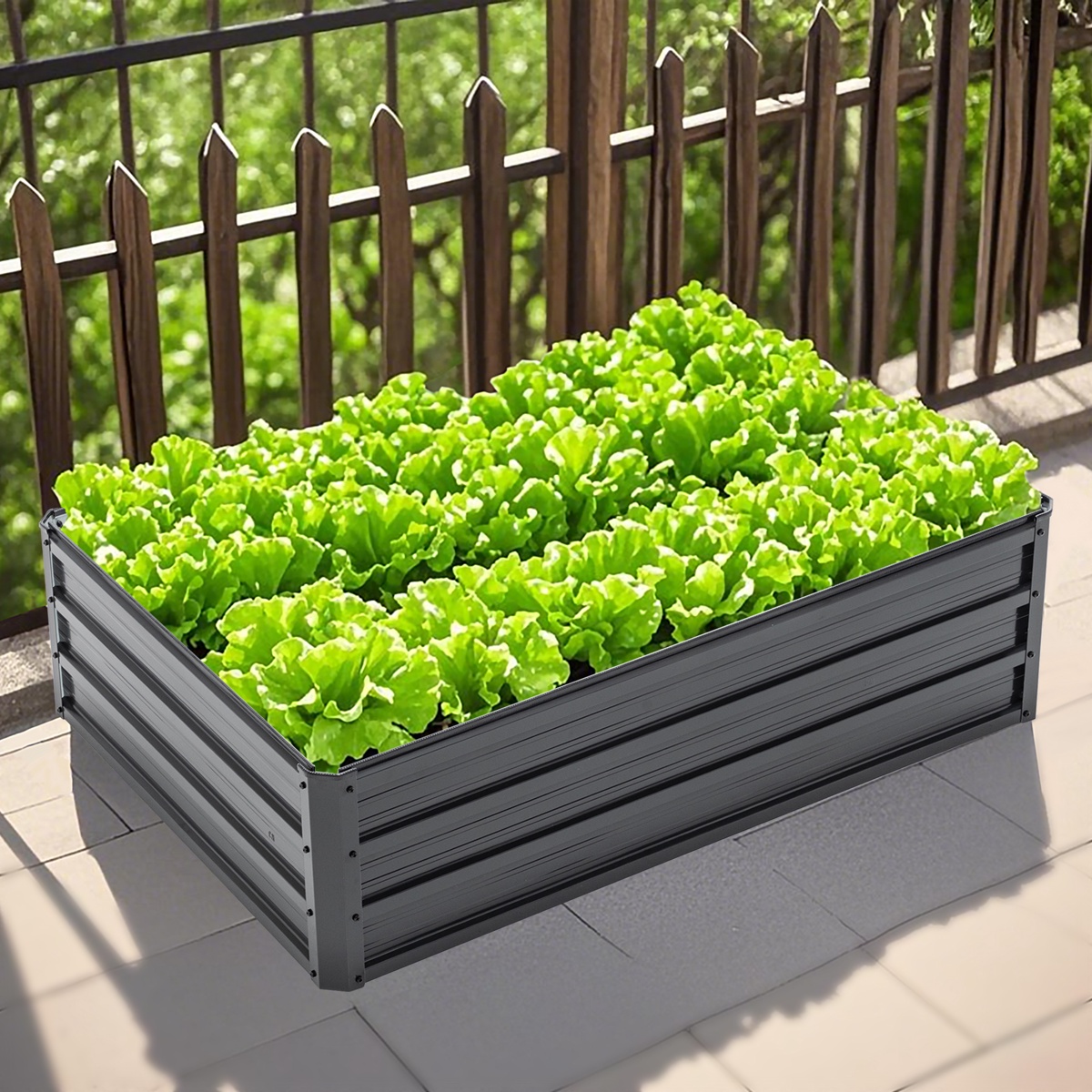 4x3x1ft Metal Raised Garden Bed,Deep Root Outdoor Galvanized Planter Box,Patio Kit Planting Beds for Vegetables Flowers Herb,Black$55.99View on Mallflare
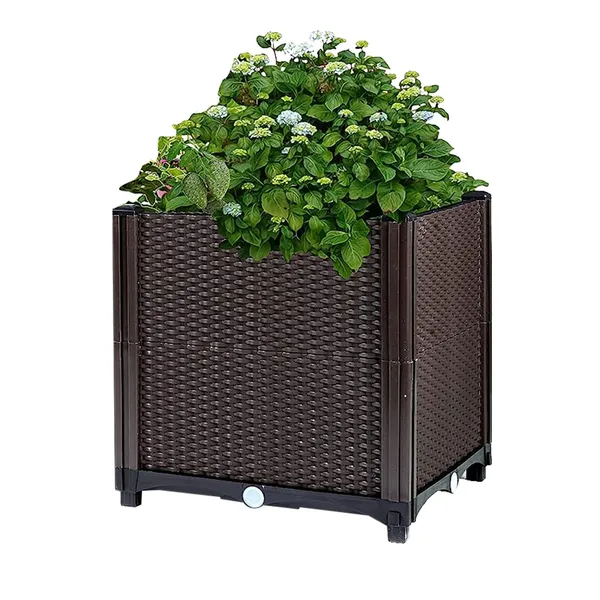 Raised Garden Bed With Self-watering System Rectangle Planter For Patio Balcony Elevated Box For Flowers Vegetables Herbs$56.99View on Mallflare
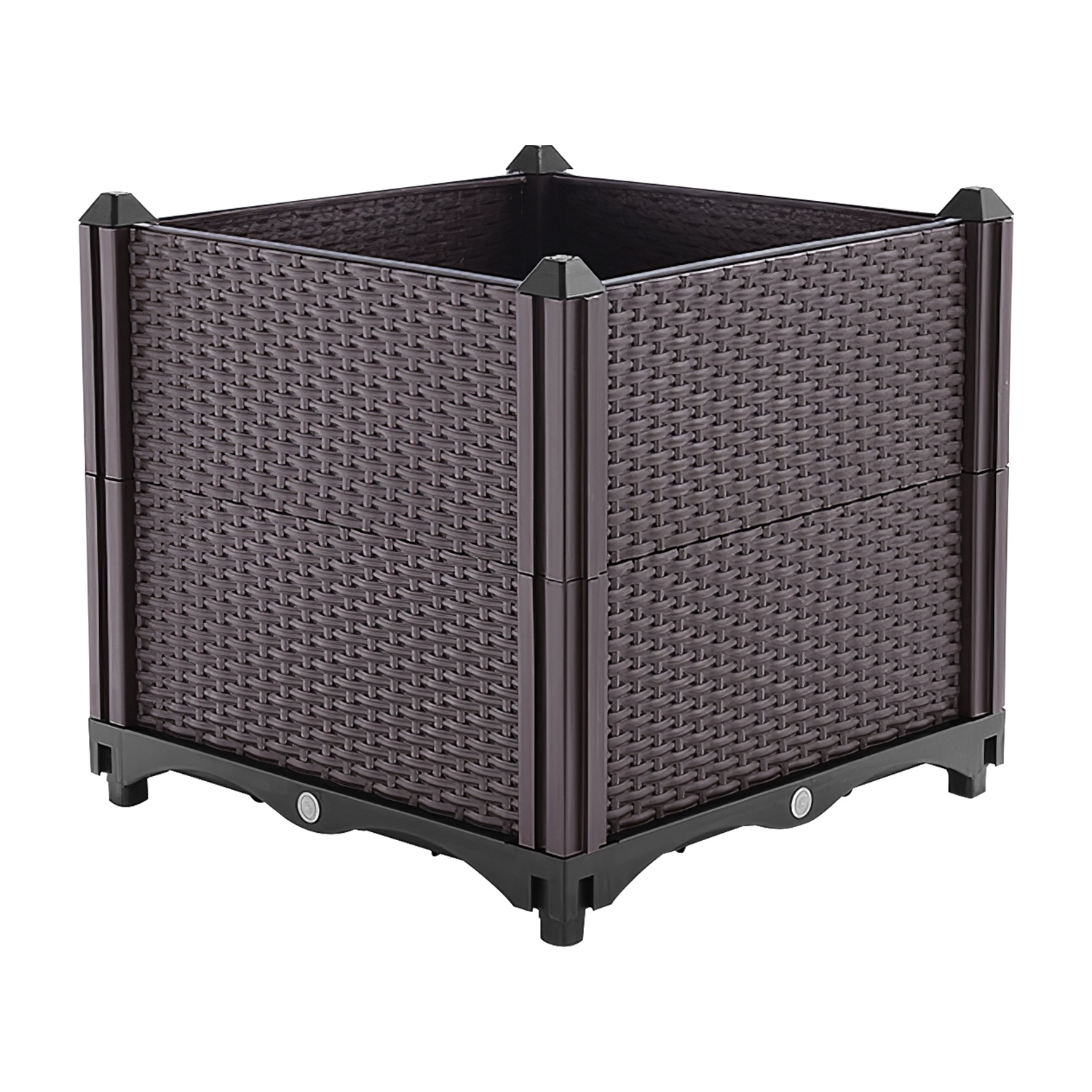
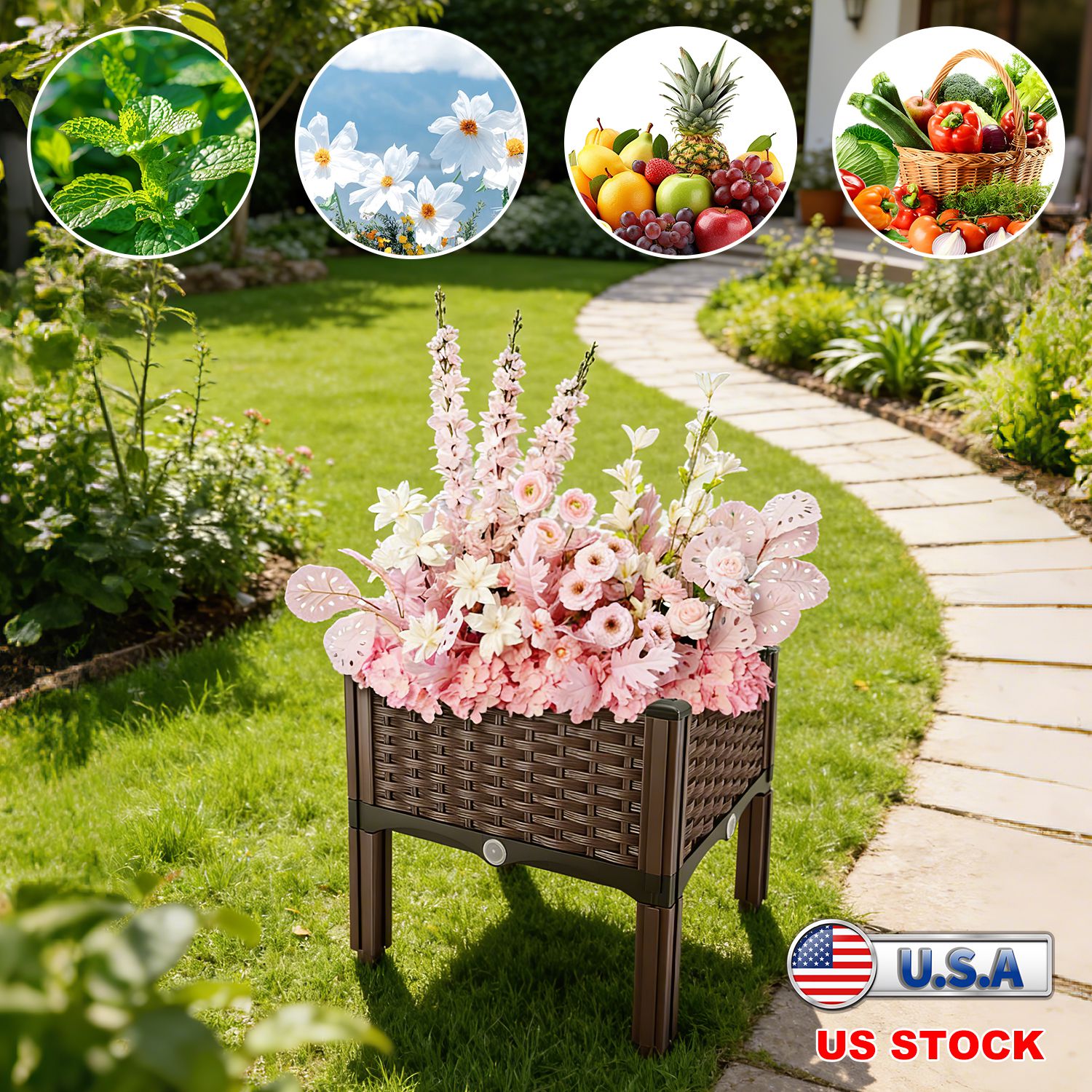 1Pc Outdoor Raised Garden Bed With Legs Elevated Planter Box Self Watering System For Patio Balcony Vegetables Flowers Herbs PP Plastic Box Easy Assembly$57.99View on Mallflare
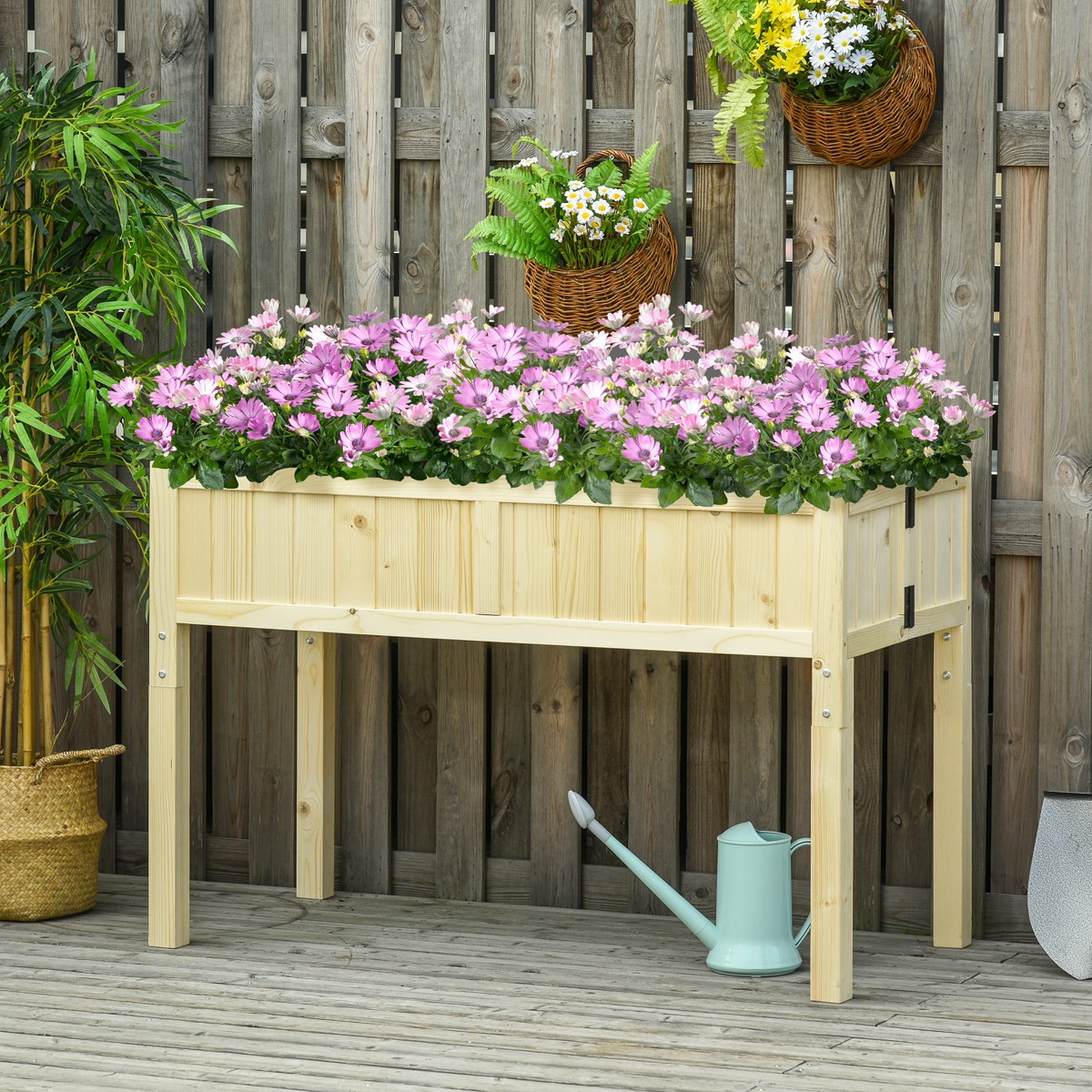 Raised Garden Bed Elevated Wooden Planter Box with Space-Saving Folding Design, Drainage Holes, & Inner Liner for Vegetable Fruit Herb Grow$58.99View on Mallflare
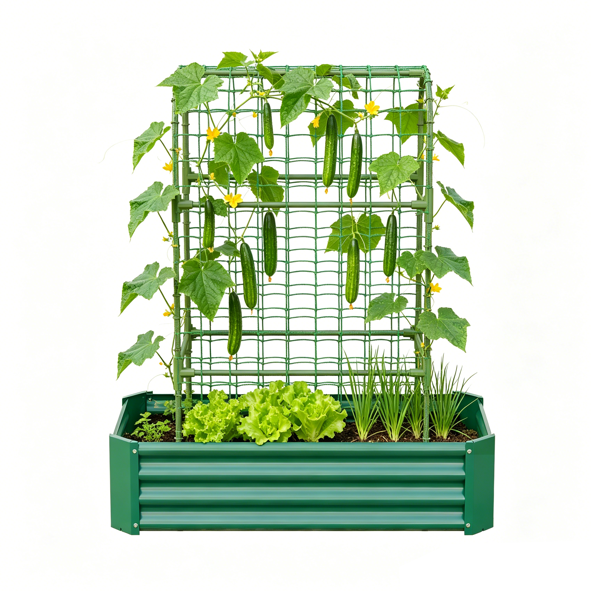 2-in-1 Raised Garden Bed With Trellis - 59inch Tall Arch Planter Box For Climbing Plants, Outdoor Galvanized Metal Gardening Bed For Vegetables, Fruits, Flowers Green, 4x2x1 Ft$59.99View on Mallflare
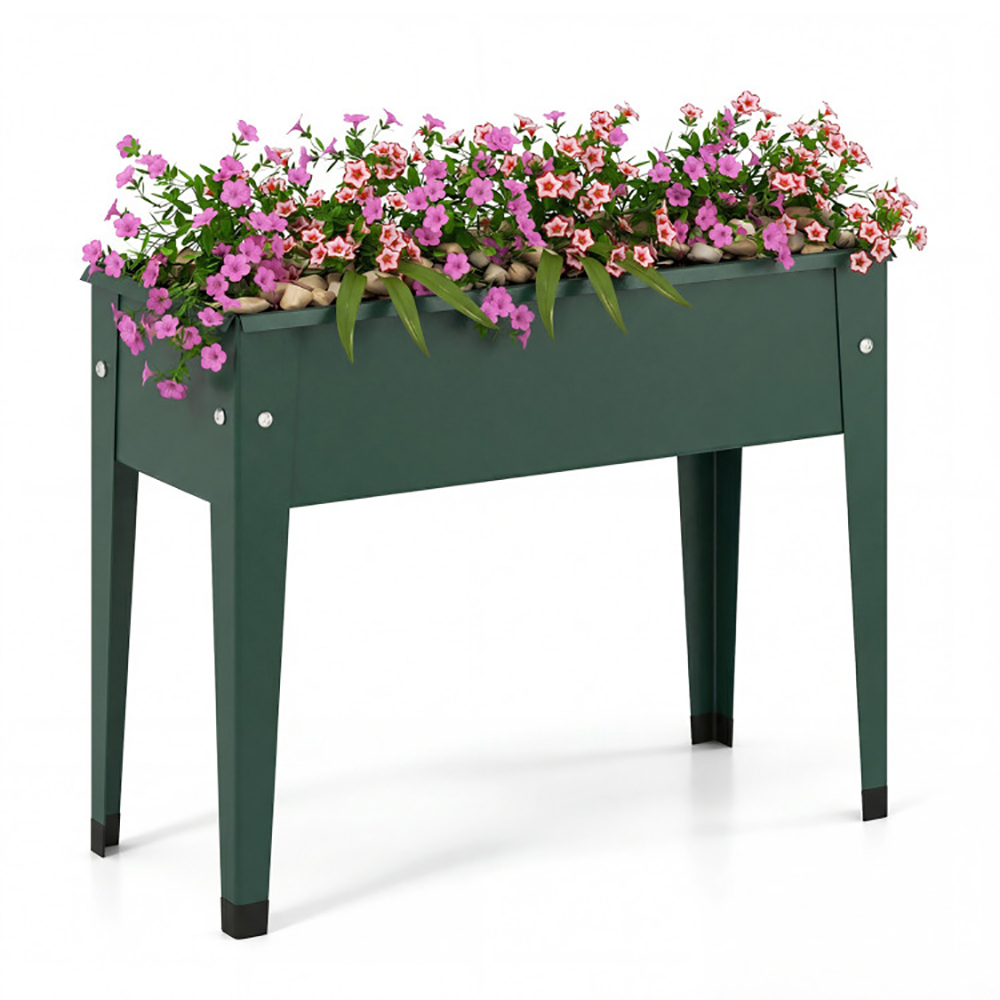 Raised Garden Bed Elevated Metal Gardening Box With Legs Of Up 44 Lbs For Various Plants, Flowers, Herbs, Vegetables, Fruits, Etc$60.99View on Mallflare
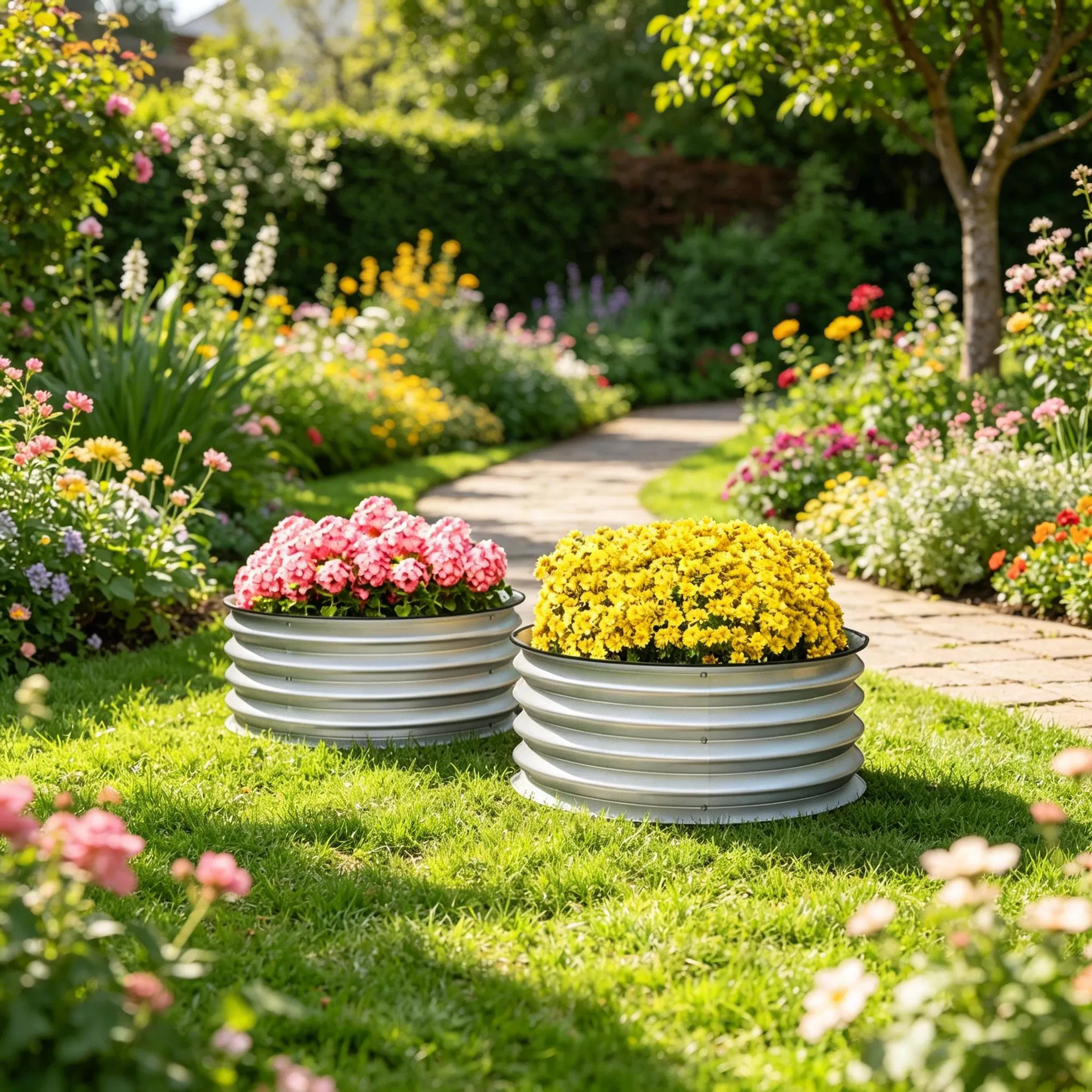 2 Pack Silver Metal Raised Garden Bed Planter Box 2x2x1 Easy to Assemble Stock Tank with Safety Edging for Gardening$66.99View on Mallflare
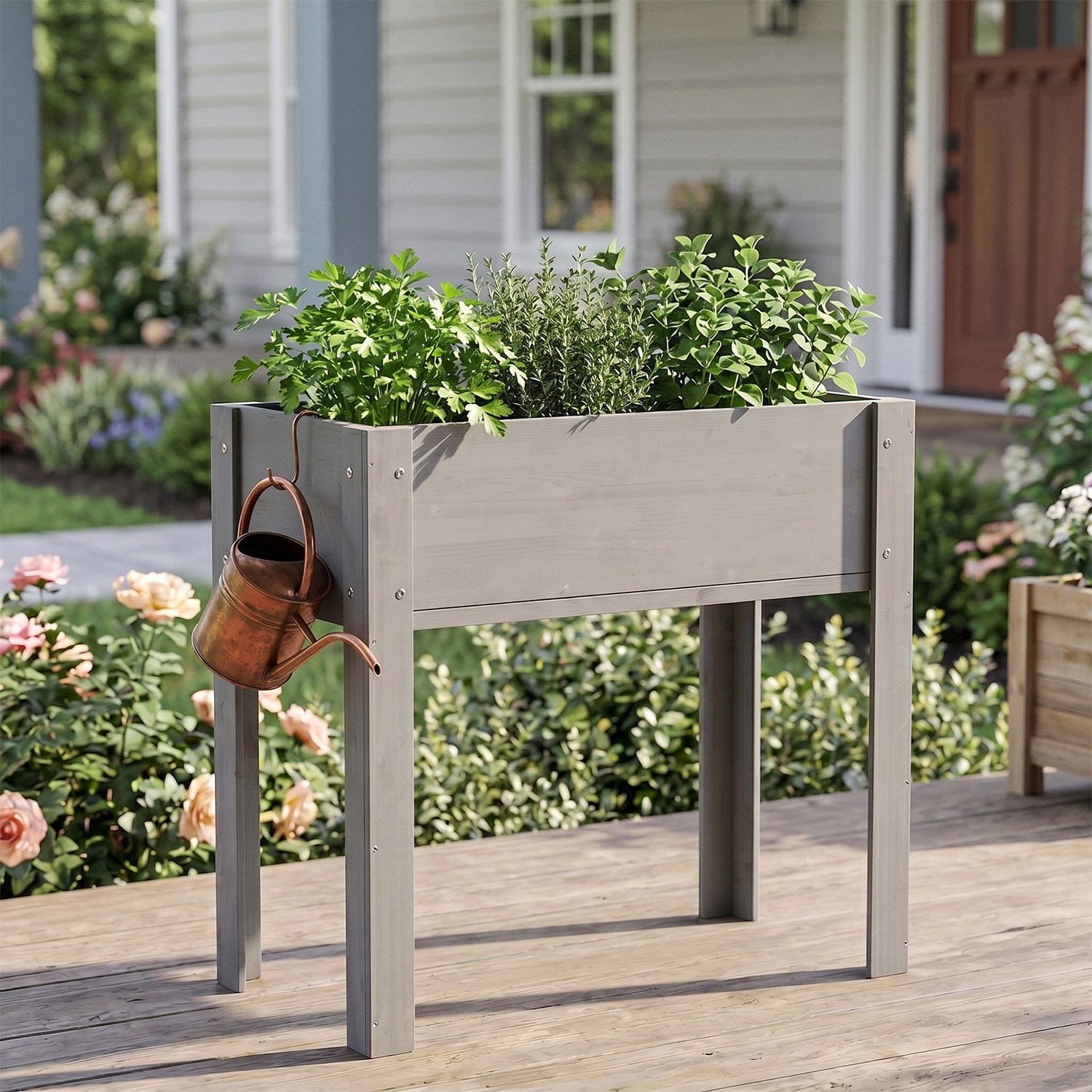 31IN 48IN Size Options Elevated Raised Garden Bed With Legs, Wooden Planter Box For Outdoor Vegetable Herb Flower Fruit Growing OLFC0002 GREY$68.99View on Mallflare
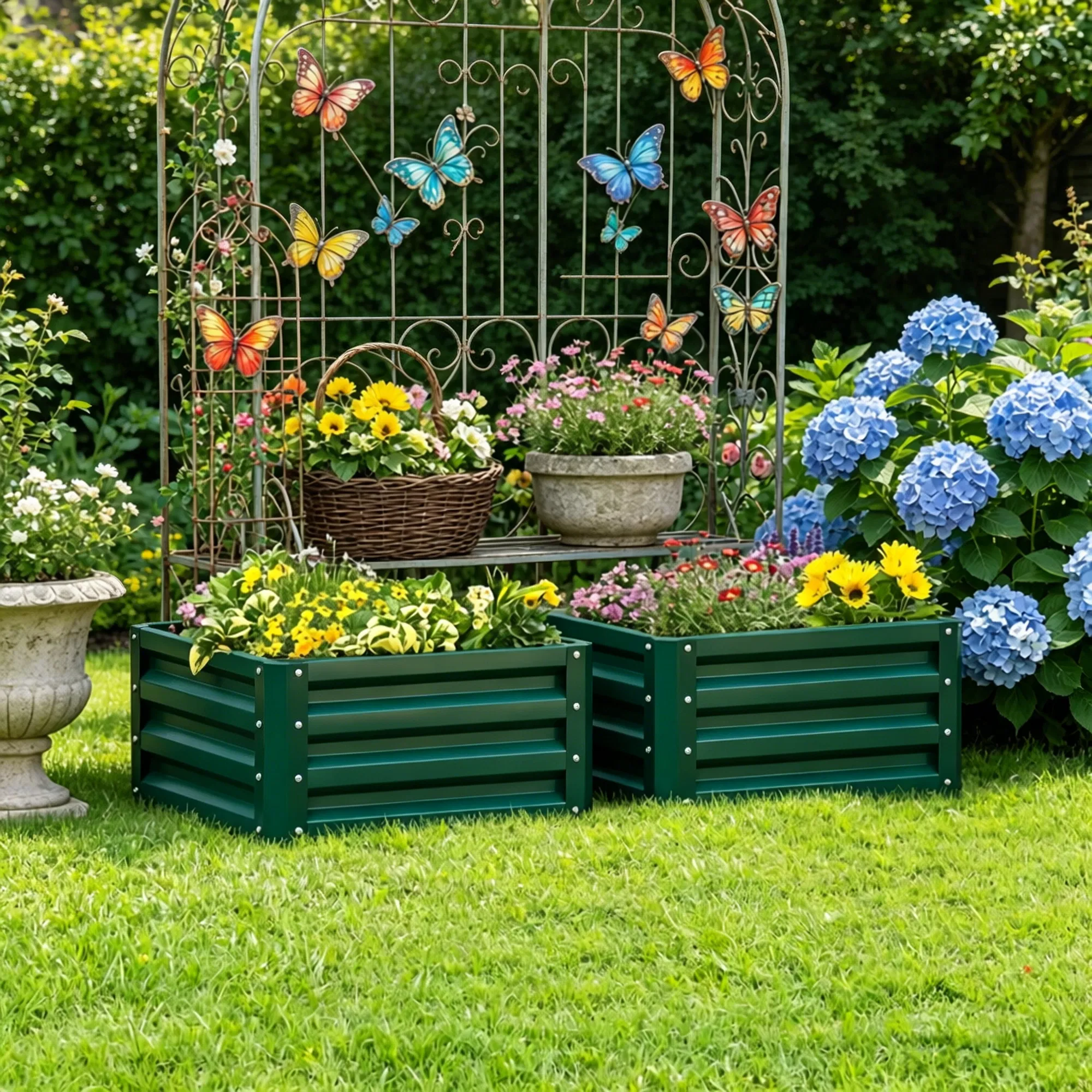 2-Pack Galvanized Steel Raised Garden Bed Rust-Resistant Metal Planter Box with Open Bottom for Easy Vegetable & Flower Growing$68.99View on Mallflare
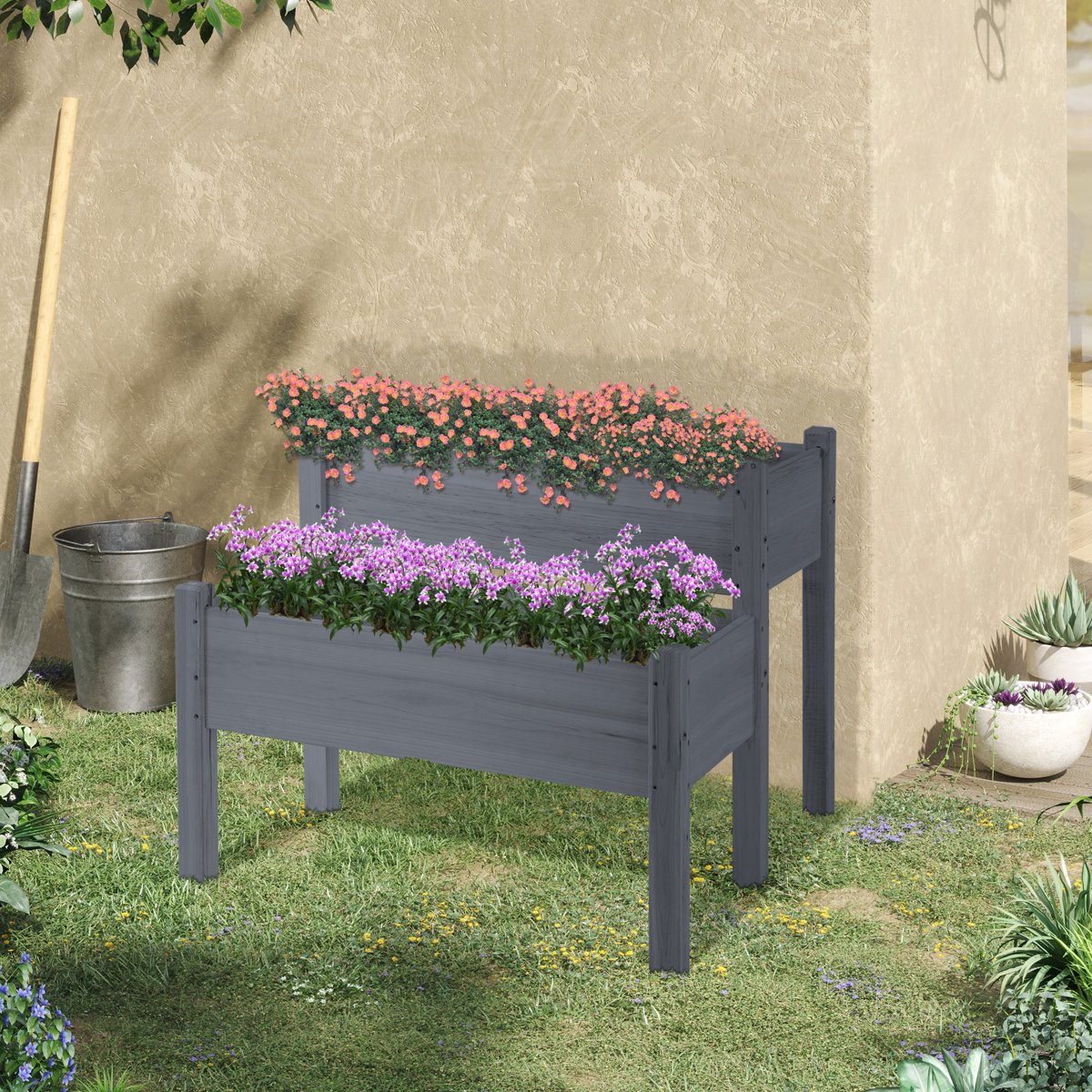 34"x34"x28" Raised Garden Bed 2-Tier Wooden Planter Box for Backyard, Patio to Grow Vegetables, Herbs and Flowers, Gray$69.99View on Mallflare
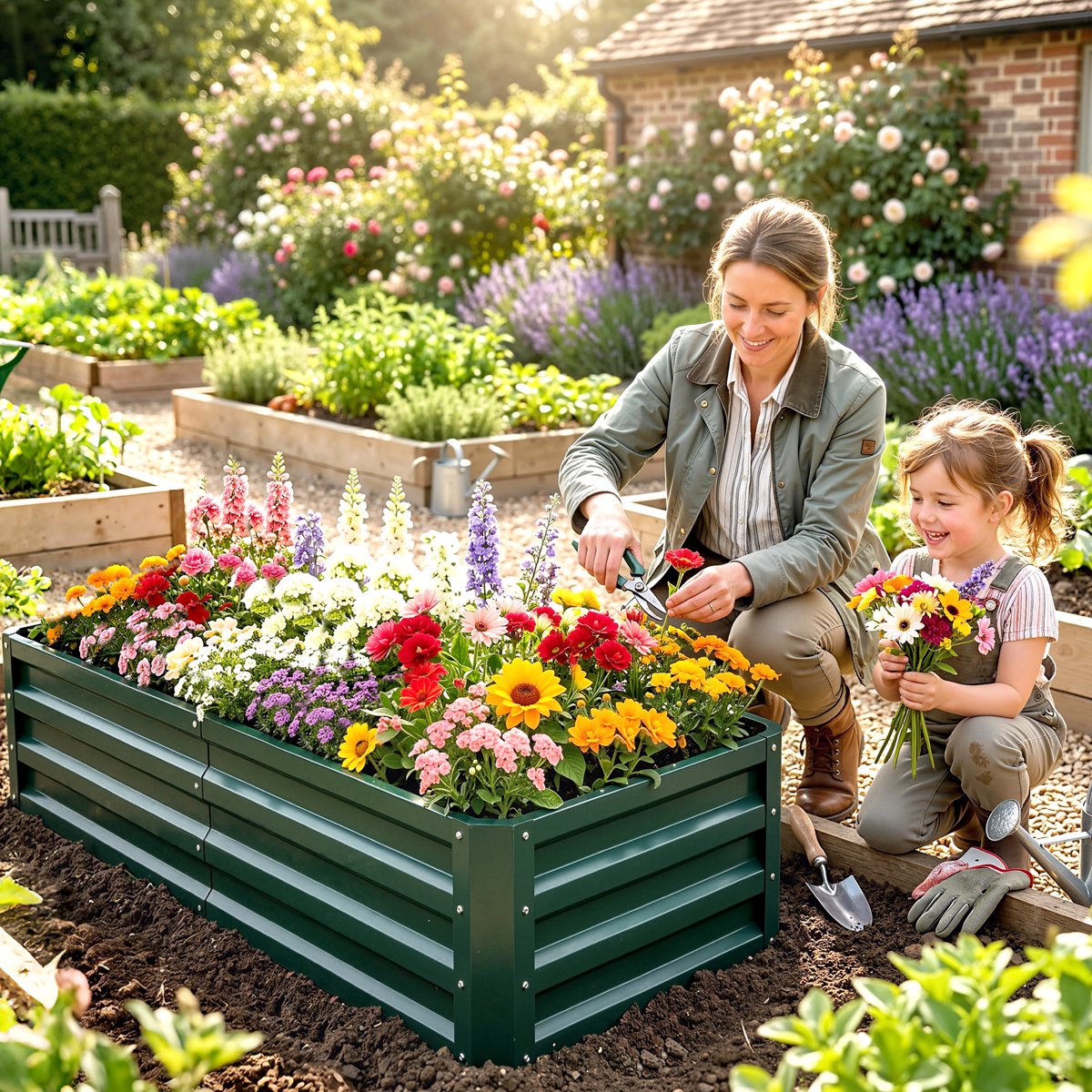
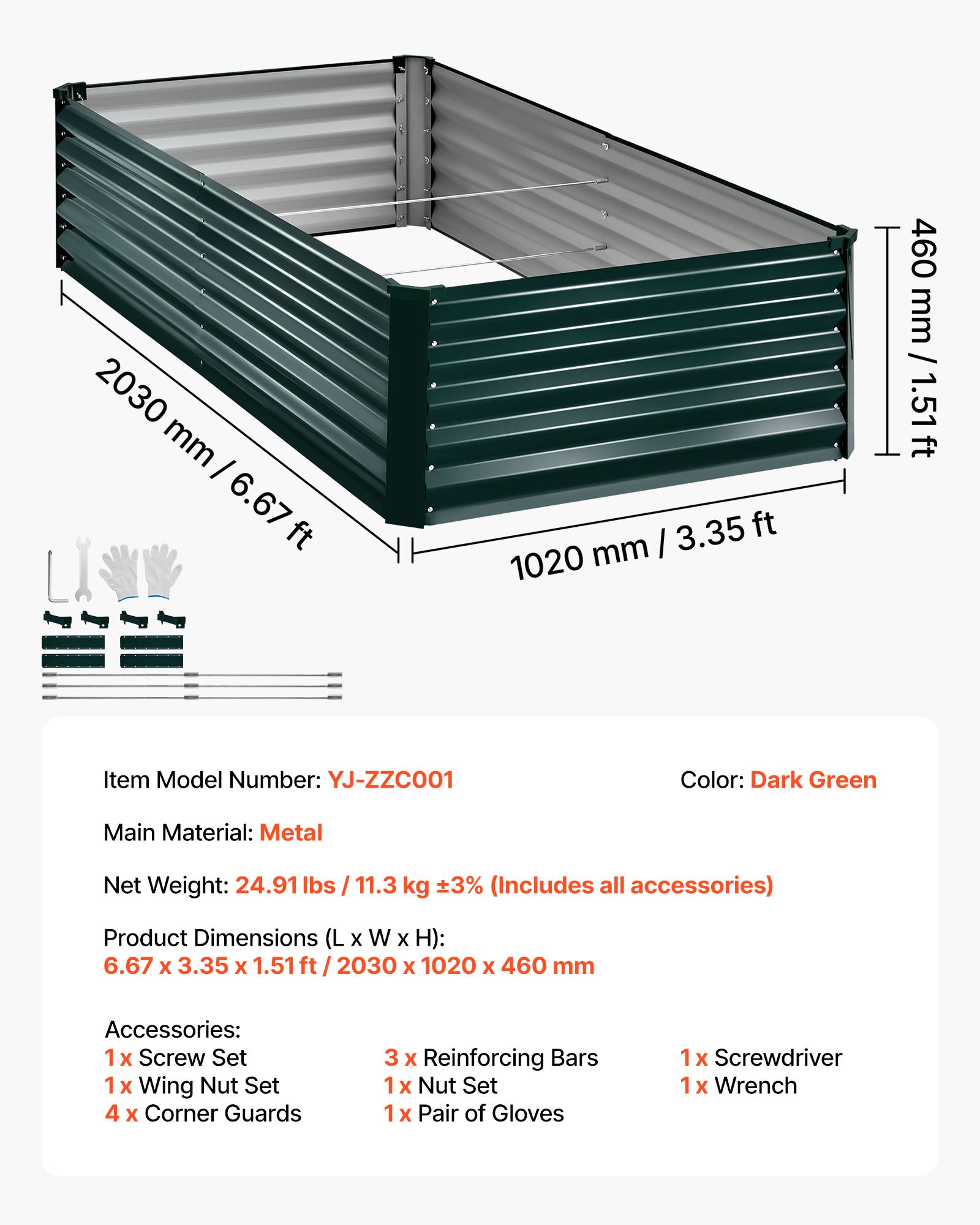 Galvanized Raised Garden Bed, 6.67 X 3.35 X 1.51 Ft, Rectangular Metal Planter Box Kit Outdoor, Rustproof Elevated Planting Box With Gloves, Alu-Zinc, For Growing Flowers Vegetables, Dark Green$72.99View on Mallflare
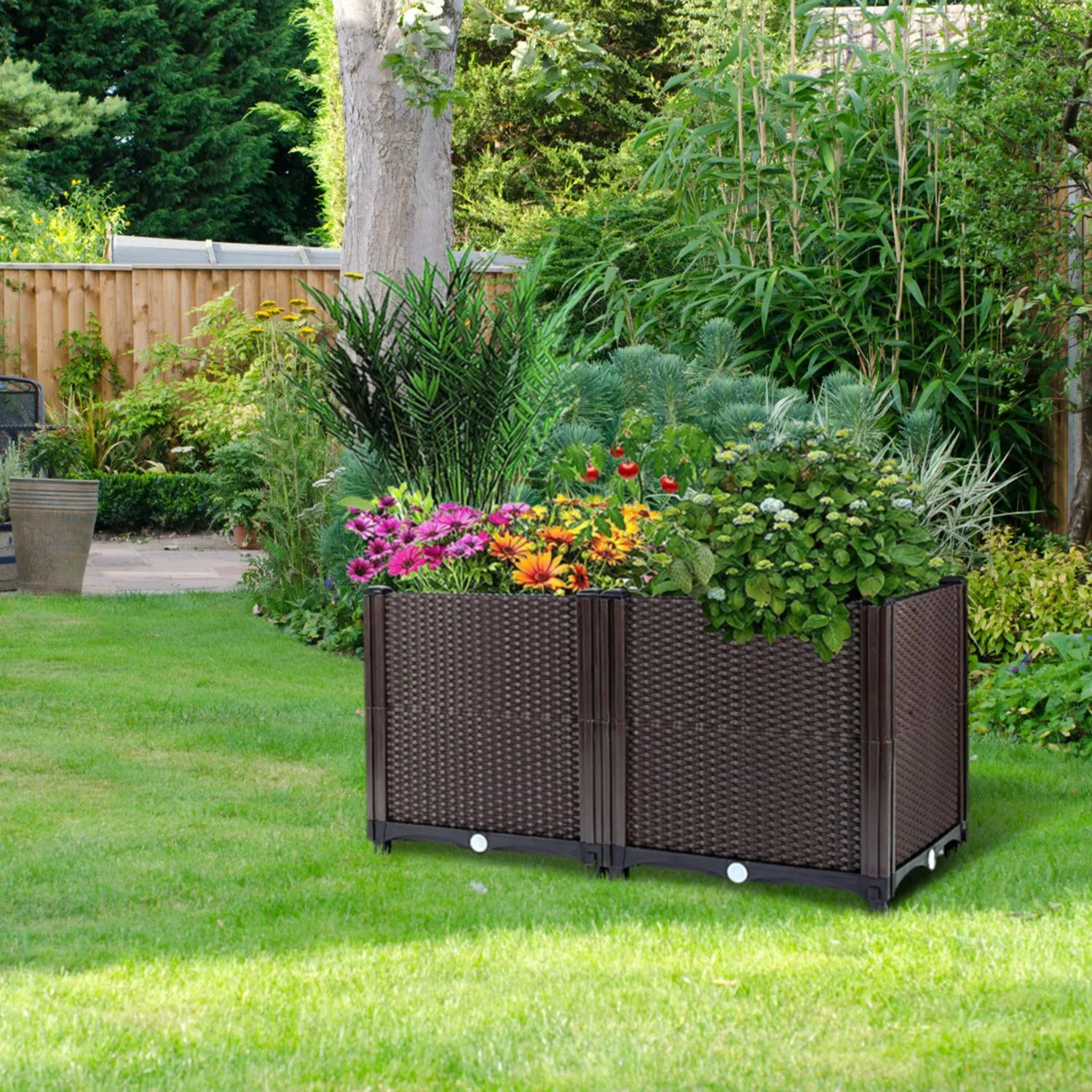 Raised Garden Bed Plant Growth Box with Self-watering System for Patio Balcony Elevated Planter Box for Flowers Vegetables Herbs$72.99View on Mallflare
Highlights
- Galvanized steel beds survive 10–20 years only at 0.6 mm (24-gauge) wall or thicker; sub-0.4 mm panels dent and rust at cut edges within 3–5 seasons.
- Cedar and larch resist rot 10–15 years untreated; pine and fir last 4–7 years and need food-safe liner or sealant to avoid leached treatment chemicals.
- Soil depth governs crop choice: 6–8 in for lettuce and herbs, 10–12 in for bush beans and determinate tomatoes, 15–18 in for carrots and indeterminate tomatoes.
- HDPE and PP plastic beds are UV-stabilized and rot-proof for 10–15 years, but need sidewall bracing or they bow outward under wet-soil load.
Best use cases
- Patio or balcony with weight limits: pick a 10–12 in deep HDPE or fabric elevated bed with drainage holes and a self-watering reservoir; skip thick cedar or 0.8 mm steel beds, which weigh 3–4× more when filled.
- In-ground vegetable plot for long-term crops: choose 0.6 mm+ zinc-aluminum steel or 1.5 in cedar at 12–17 in depth; skip 6 in decorative beds, which dry out too fast for tomatoes and root crops.
- Mobility or ergonomic access: select a 28–32 in working-height elevated bed on lockable casters; skip ground-level 8 in plastic kits that require deep bending and kneeling.
- Root vegetables and deep-rooted perennials: specify 15–18 in interior depth; skip 8–10 in shallow beds, which stunt carrots, parsnips, and asparagus.
Buying tips
- Order interior dimensions, not exterior: a 4×8 ft bed at 0.75 in wall thickness holds about 27 cu ft at 12 in depth; subtract 10–15% for framing and soil settlement.
- Steel gauge rule: 0.6 mm (24-gauge) or thicker for permanent beds; 0.3–0.4 mm panels are cosmetic and fail at fastener holes and cut edges.
- Wood rule: cedar, larch, or thermally modified ash for 10+ years; untreated pine requires a food-safe liner because standard pressure-treatment leachate is not crop-safe.
- Elevated beds: confirm 1.5–2 cu ft soil capacity per leg footprint and lockable casters rated for wet-soil weight, or the unit will sag and roll under load.
Specs
| Bed Material | Galvanized steel / cedar / HDPE / fabric |
|---|---|
| Steel Wall Gauge | 0.6 mm+ (24-ga) vs 0.3–0.4 mm |
| Soil Depth Class | 6–8 in greens / 12 in fruiting / 15–18 in roots |
| Configuration | Ground bed / elevated on legs / fabric pot |
Related searches
What to check before buying
- Measure the footprint plus 18–24 in access clearance on all sides for weeding and harvest reach.
- Confirm interior depth against crop class: 6–8 in greens, 10–12 in fruiting vegetables, 15–18 in root crops.
- Verify the base: level compacted gravel for ground beds, joist or slab rating for roof decks, and a solid floor for elevated leg units.
- Check drainage path and overflow: drill or confirm 3–4 drain holes per 8 sq ft, and place a 2–3 in gravel or drainage layer under fabric-lined beds.
FAQ
Data sources: eBay / Amazon listings and product attribute feeds. Updated Nov 28, 2026.
Some links on this page are affiliate links. If you buy after clicking one, we may earn a commission at no extra cost to you. This does not change which products appear here or their order. Affiliate disclosure.