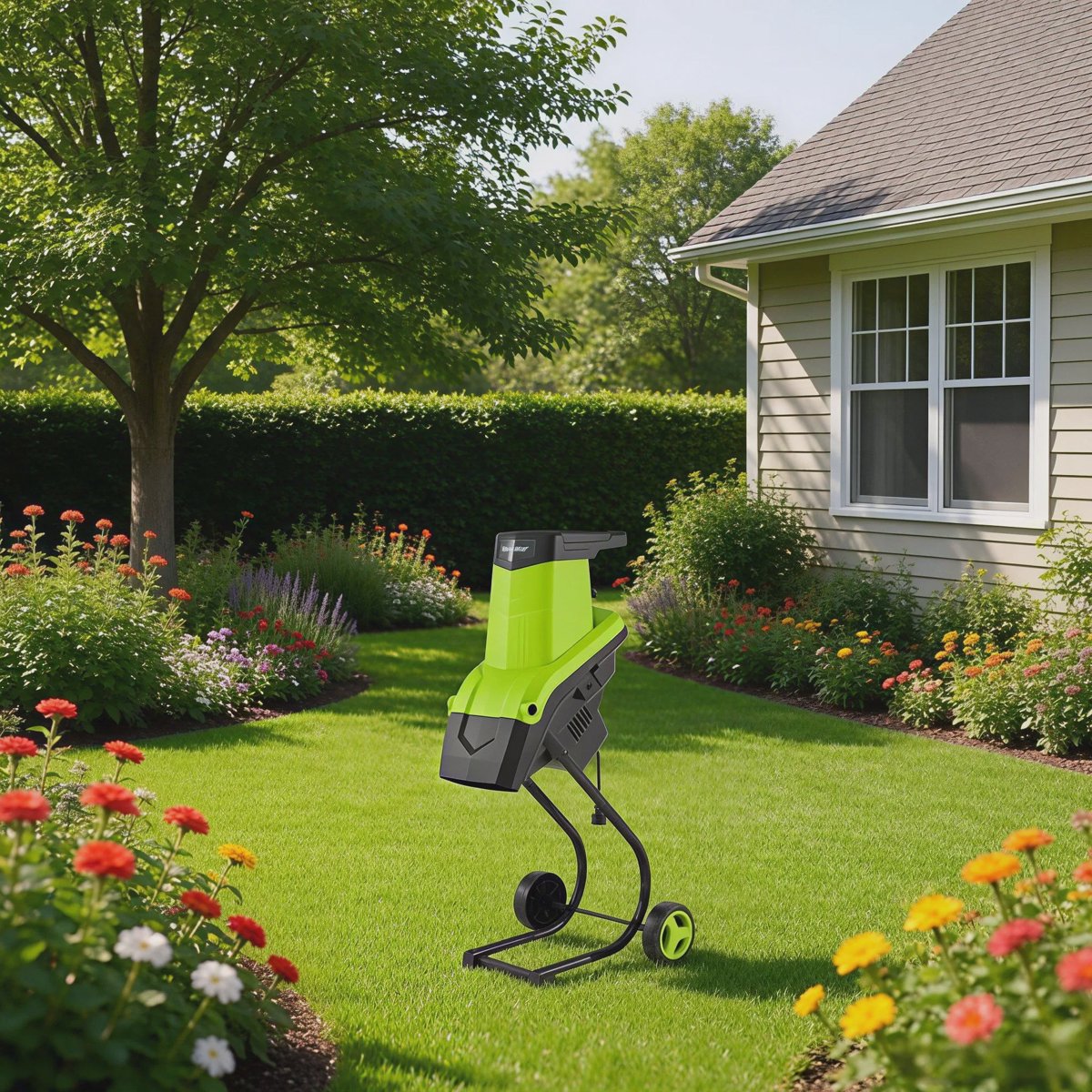

Photos from current listings. Actual item, color, and included accessories may vary.
Shredder Buying Guide
Shredders split into two clear architectures: 15-amp electric units for branches up to ~1.75 inches and gas-powered 212cc units for 3-inch material, so the right choice hinges on your thickest regular branch and distance from an outlet. Most buyer mistakes are buying gas when a corded electric covers the yard, or expecting a chipper to process soft wet garden waste without a separate shredding chute.
Median $404.49
Key takeaways
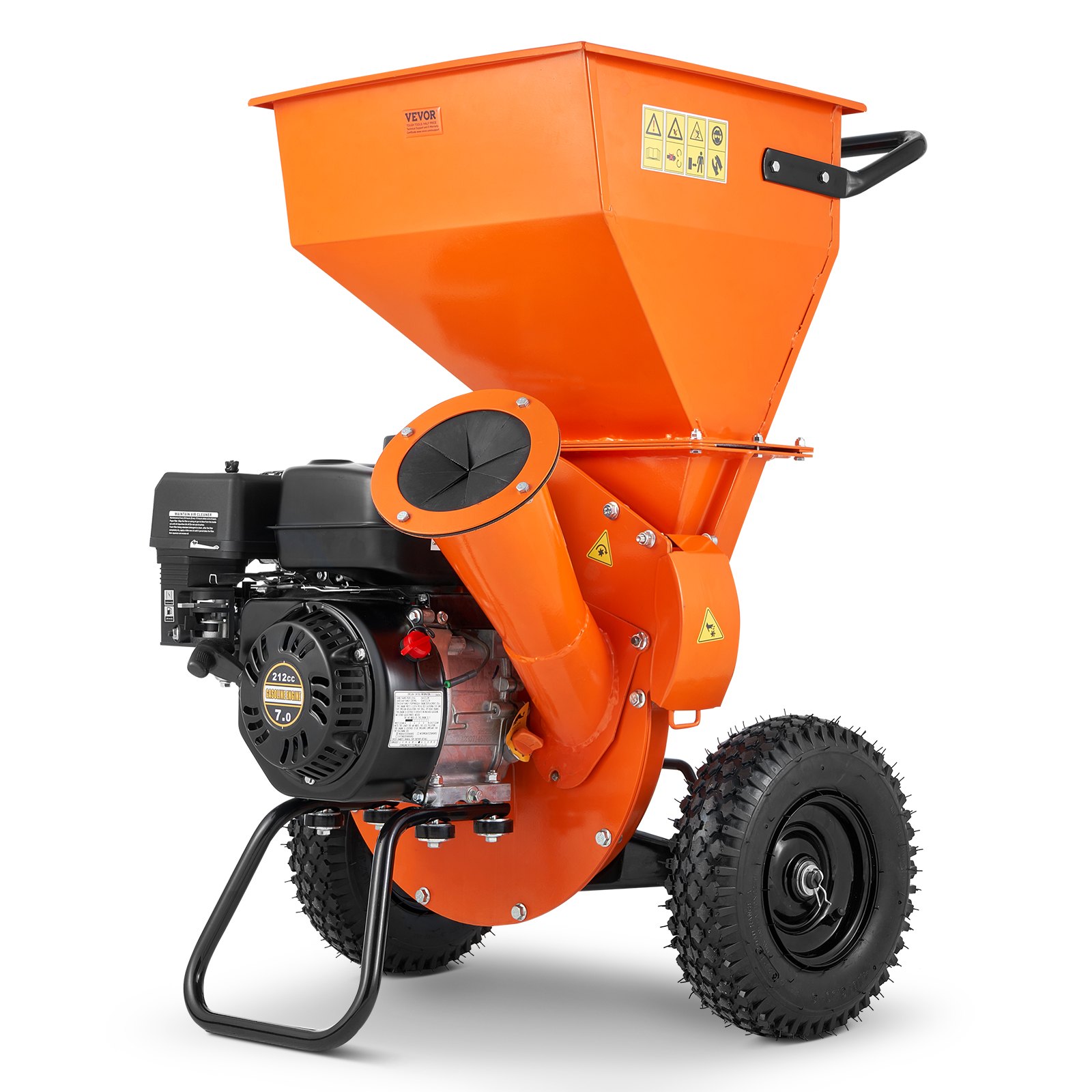
- Electric shredders draw 15 amps on 120V household circuits, which limits practical cutting to about 1.75 inches; gas 212cc units deliver roughly 7 HP and handle 3-inch limbs.
- Two-stage designs separate a chipper chute for rigid branches from a shredder funnel for leaves and twigs, reducing clogging versus single-port units.
- Cutting mechanism matters: revolving flails shred soft waste, while hardened chipper blades slice limbs; combination units carry both and cost more.
At a glance
- Category
- Residential Outdoor Power Equipment
- Last updated
- Nov 28, 2026
Current offers
Highlights
- Electric shredders draw 15 amps on 120V household circuits, which limits practical cutting to about 1.75 inches; gas 212cc units deliver roughly 7 HP and handle 3-inch limbs.
- Two-stage designs separate a chipper chute for rigid branches from a shredder funnel for leaves and twigs, reducing clogging versus single-port units.
- Cutting mechanism matters: revolving flails shred soft waste, while hardened chipper blades slice limbs; combination units carry both and cost more.
- Collection is either a hard catcher bin or a blower-assisted bag; bag capacity and discharge height determine how often you stop to empty.
Best use cases
- Choose a 15-amp electric chipper-shredder if your thickest routine branch is under 1.75 inches and your work area is within cord reach of an outdoor GFCI outlet.
- Step up to a 212cc gas unit only if you regularly process 2- to 3-inch limbs or work beyond extension-cord range on larger properties.
- Skip both and use a dedicated leaf shredder or mulching mower if your waste is mostly soft leaves and grass clippings with almost no woody material.
Buying tips
- Size the machine to your thickest routine branch, not the occasional outlier: 1.75-inch electric covers most suburban pruning, while 3-inch gas suits storm cleanup and felled saplings.
- Prioritize a two-stage chipper-plus-shredder design if you mix limbs with leaves; single-chute units clog when fed soft, wet green waste.
- Inspect the cutting system: hardened reversible blades last longer in gritty limbs, and flail-style shredders tolerate leafy material better than fixed chipper knives.
- Choose a collection method that matches your disposal: catcher bins suit compost piles, while blower-assisted bags reduce raking on large lawns.
Specs
| Power Source | 15A corded electric vs 212cc gas |
|---|---|
| Max Branch Capacity | 1.75 in electric / 3 in gas |
| Cutting System | Chipper blades + shredder flails |
| Collection Type | Catcher bin or blower-assist bag |
What to check before buying
- Measure your thickest regular branch diameter and confirm it sits at least a quarter-inch below the machine's rated maximum capacity.
- For electric models, confirm a grounded outdoor GFCI outlet within reach and use a 12-gauge extension cord for runs over 50 feet.
- Check storage footprint and weight: gas units run heavier and need fuel storage plus seasonal oil changes; electric units need dry storage for the cord and motor.
- Verify local noise and emissions rules for gas equipment and confirm the discharge bag or bin volume suits your typical cleanup session.
FAQ
Data sources: eBay / Amazon listings and product attribute feeds. Updated Nov 28, 2026.
Some links on this page are affiliate links. If you buy after clicking one, we may earn a commission at no extra cost to you. This does not change which products appear here or their order. Affiliate disclosure.