
Photos from current listings. Actual item, color, and included accessories may vary.
Growing Light Buying Guide
Growing lights are the engine of any indoor garden, and the core trade-off is spectrum efficiency versus heat and wattage draw. Durable options use full-spectrum Samsung or Bridgelux diodes with passive or active cooling and honest PPFD ratings; compromises use blurple panels or inflated watt claims that starve plants and run hot.
Diode Type:Samsung LM281B+/LM301B vs genericTrue Wattage:100W / 200W / 400W+ wall drawSpectrum:Full-spectrum white + 660nm redEfficiency:2.5–3.0 µmol/J (LED)
Typical price range$39.99 – $139.29
Median $55.90
Key takeaways
- LED efficiency: Samsung LM281B+ / LM301B diodes deliver 2.5–3.0 µmol/J, while generic blurple panels often fall below 1.5 µmol/J.
- Wattage math: true wall draw (not 'equivalent' wattage) determines yield; a 200W LED replaces a 400W HPS in a 2x4 or 3x3 ft canopy.
- Spectrum coverage: full-spectrum white (3000K–5000K plus 660nm red) supports both vegetative and flowering stages without lamp swaps.
At a glance
- Category
- Greenhouse & Hydroponics
- Last updated
- Nov 27, 2026
Current offers
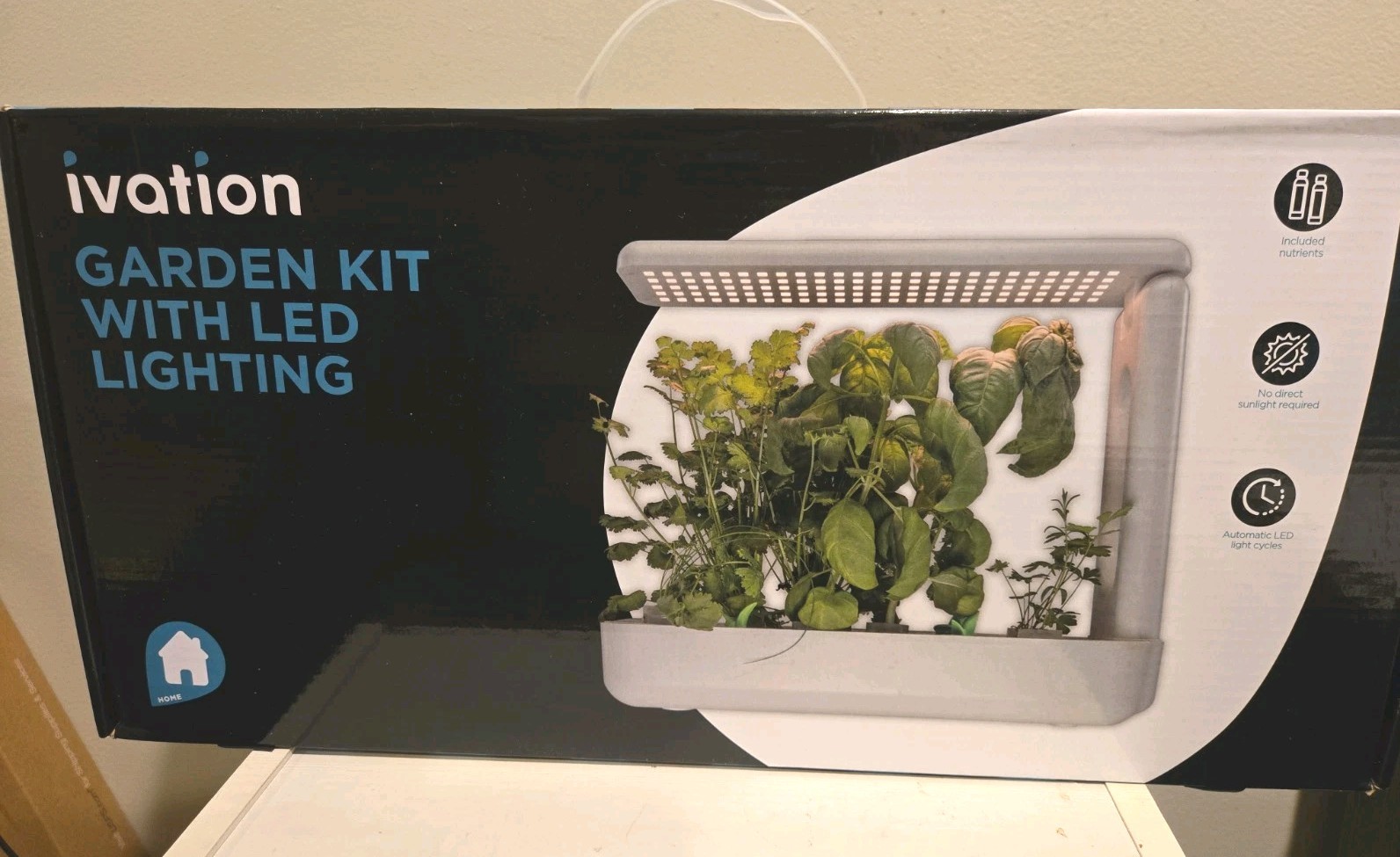 Indoor Greenhouse Box 12-Pod Hydroponics Growing System Grow Light Ivation NIB$39.99View on eBay
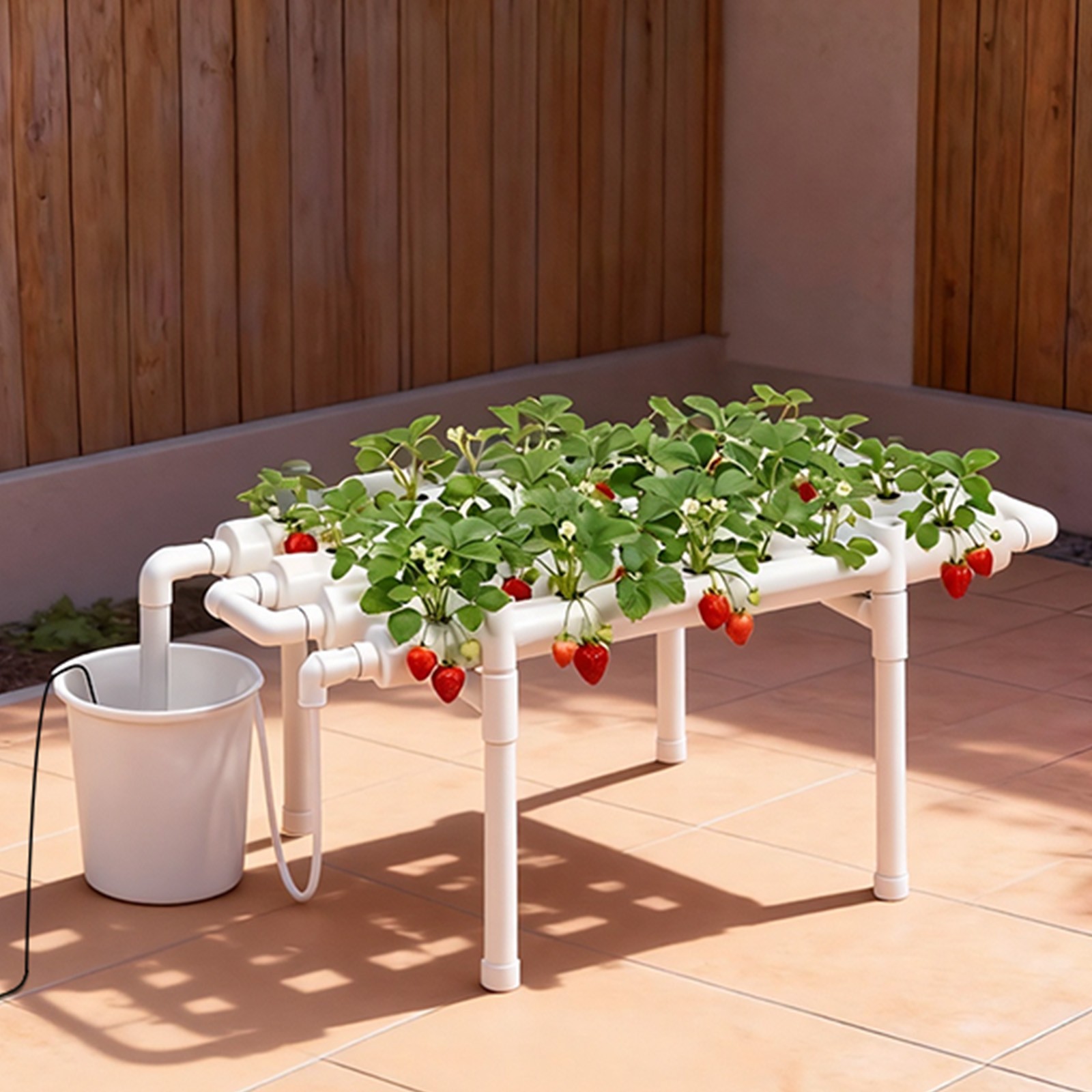 VEVOR Hydroponics Growing System Kit 1-Tier 36 Sites Sun & Light Blocking UPVC$55.90View on eBay
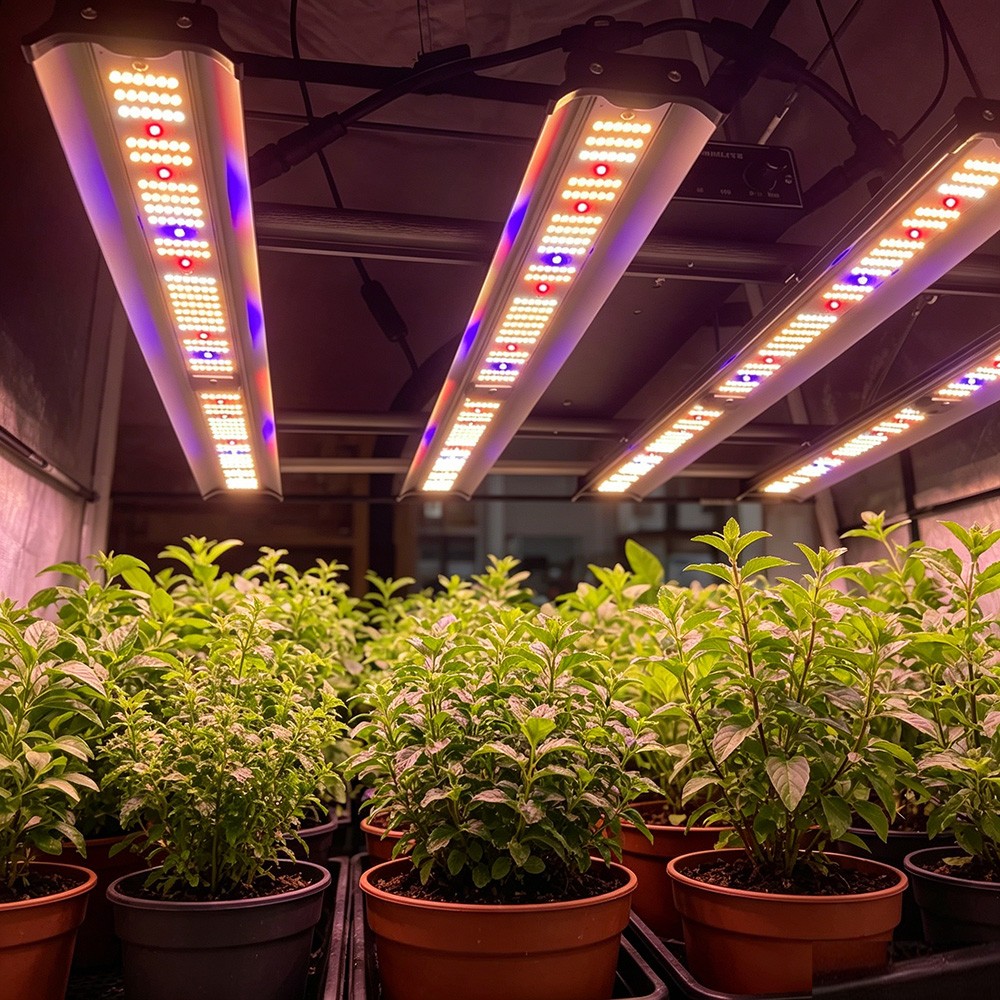 4000W Spider Commercial Greenhouse LED Grow Light High Yield Indoor Growing Lamp$139.29Last checked Nov 28, 2026View on eBay
Highlights
- LED efficiency: Samsung LM281B+ / LM301B diodes deliver 2.5–3.0 µmol/J, while generic blurple panels often fall below 1.5 µmol/J.
- Wattage math: true wall draw (not 'equivalent' wattage) determines yield; a 200W LED replaces a 400W HPS in a 2x4 or 3x3 ft canopy.
- Spectrum coverage: full-spectrum white (3000K–5000K plus 660nm red) supports both vegetative and flowering stages without lamp swaps.
- Thermal design: passive aluminum heatsinks suit 100–200W fixtures; above 300W, active fans or bar-style spread are required to prevent diode degradation.
Best use cases
- Seedlings and cuttings: choose a 100–150W full-spectrum LED bar at 24–30 inches height; skip high-wattage COB lights that scorch young leaves.
- Vegetative and flowering in a 2x4 or 3x3 tent: pick a 200W dimmable Samsung-diode panel with daisy-chain support; skip blurple 300W 'equivalent' units.
- Commercial or multi-tier hydroponic racks: use 400W+ bar-style fixtures with sun-blocking UPVC channels and timed irrigation; skip single-pod desktop systems.
- Desktop herb kits and 12-pod systems: integrated 15–30W LEDs suffice for lettuce and herbs; skip them for fruiting crops like tomatoes or peppers.
Buying tips
- Match true wattage to canopy: 30–40W per square foot for flowering, 15–20W per square foot for vegetative; ignore 'equivalent' wattage claims.
- Demand PPFD or µmol/J data: a 200W fixture should deliver 800–1000 µmol/m²/s at 18 inches; without a PAR map, treat output as unverified.
- Check diode brand and generation: Samsung LM281B+ and LM301B are current benchmarks; older LM561C is acceptable but less efficient.
- For hydroponic kits, match site count to light footprint: 12-pod systems need 30–40W; 36–108-site UPVC racks need 200W+ per tier.
Specs
| Diode Type | Samsung LM281B+/LM301B vs generic |
|---|---|
| True Wattage | 100W / 200W / 400W+ wall draw |
| Spectrum | Full-spectrum white + 660nm red |
| Efficiency | 2.5–3.0 µmol/J (LED) |
Related searches
What to check before buying
- Measure your grow space or tent footprint: a 2x4 ft tent needs a 200W bar or panel; a 4x4 ft needs 400–480W.
- Confirm ceiling or rack clearance: LED panels need 18–30 inches above canopy; bar lights need 6–12 inches.
- Check voltage and plug standard: US buyers need 120V NEMA 5-15P; commercial racks may require 240V or daisy-chain capacity.
- For hydroponic systems, verify reservoir capacity, pump timers, and light-blocking pipe material (UPVC) to prevent algae growth.
FAQ
Data sources: eBay / Amazon listings and product attribute feeds. Updated Nov 27, 2026.
Some links on this page are affiliate links. If you buy after clicking one, we may earn a commission at no extra cost to you. This does not change which products appear here or their order. Affiliate disclosure.