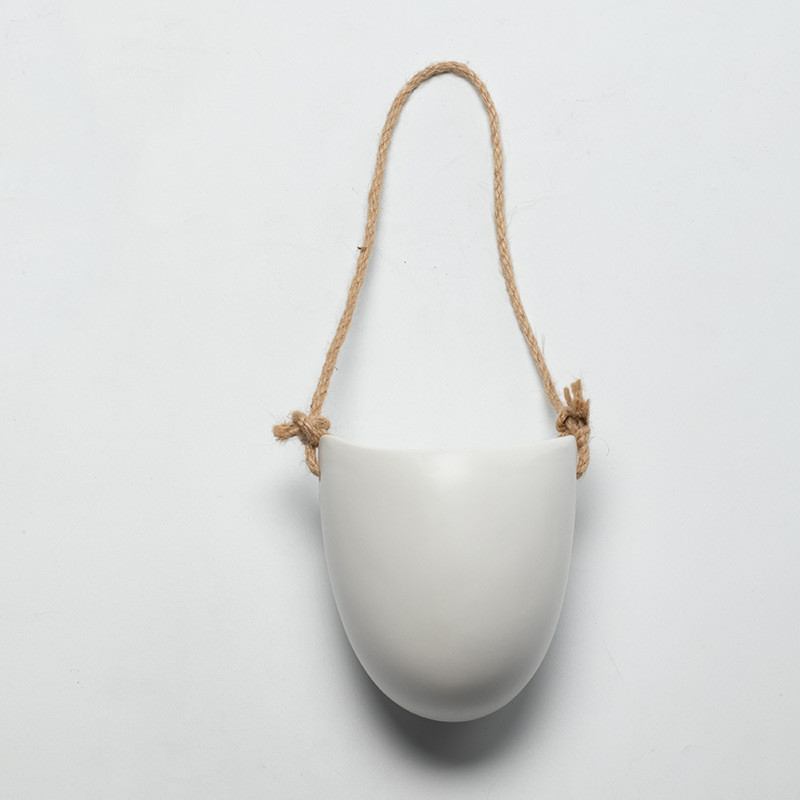

Photos from current listings. Actual item, color, and included accessories may vary.
Ceramic Plant Pot Buying Guide
Ceramic plant pots are kiln-fired clay vessels defined by body porosity, glaze coverage, and wall thickness, which together govern root aeration, moisture retention, and frost durability. The core trade-off is porous, breathable terracotta versus non-porous sealed stoneware, and the decision rule is simple: match the ceramic body to the plant's moisture needs and your climate rather than to décor alone. Buyers who ignore drainage mechanics and freeze-thaw ratings end up with waterlogged roots or cracked pots after one winter.
Median $51.49
Key takeaways
- Earthenware and terracotta fire below 1200°C and stay porous, so unglazed walls wick moisture and oxygen to roots; stoneware fires above 1200°C and is dense and watertight.
- Unglazed terracotta with a drainage hole is the only common ceramic body that measurably moderates overwatering; fully glazed pots retain water and suit moisture-loving plants only.
- Frost-proof ceramic requires a high-fire, low-porosity body plus a drainage hole and a raised base; thin-walled glazed earthenware is the pot type that shatters in freezing winters.
At a glance
- Category
- Raised Garden Beds & Planters
- Last updated
- Nov 27, 2026
Current offers
Highlights
- Earthenware and terracotta fire below 1200°C and stay porous, so unglazed walls wick moisture and oxygen to roots; stoneware fires above 1200°C and is dense and watertight.
- Unglazed terracotta with a drainage hole is the only common ceramic body that measurably moderates overwatering; fully glazed pots retain water and suit moisture-loving plants only.
- Frost-proof ceramic requires a high-fire, low-porosity body plus a drainage hole and a raised base; thin-walled glazed earthenware is the pot type that shatters in freezing winters.
- Wall-mounted half-pots rely on the mounting bracket and pot weight, so they need ceramic-rated anchors into masonry or studs, not adhesive hooks; mini 2-inch pots are desk decor, not specimen planters.
Best use cases
- Pick unglazed terracotta with a drainage hole for succulents, cacti, herbs, and any plant you tend to overwater; skip sealed glazed pots for these because they hold moisture against the roots.
- Pick high-fired stoneware or labeled frost-proof glazed pots for year-round outdoor patios and cold-winter balconies; skip thin earthenware outdoors in freezing climates because freeze-thaw cycles crack it.
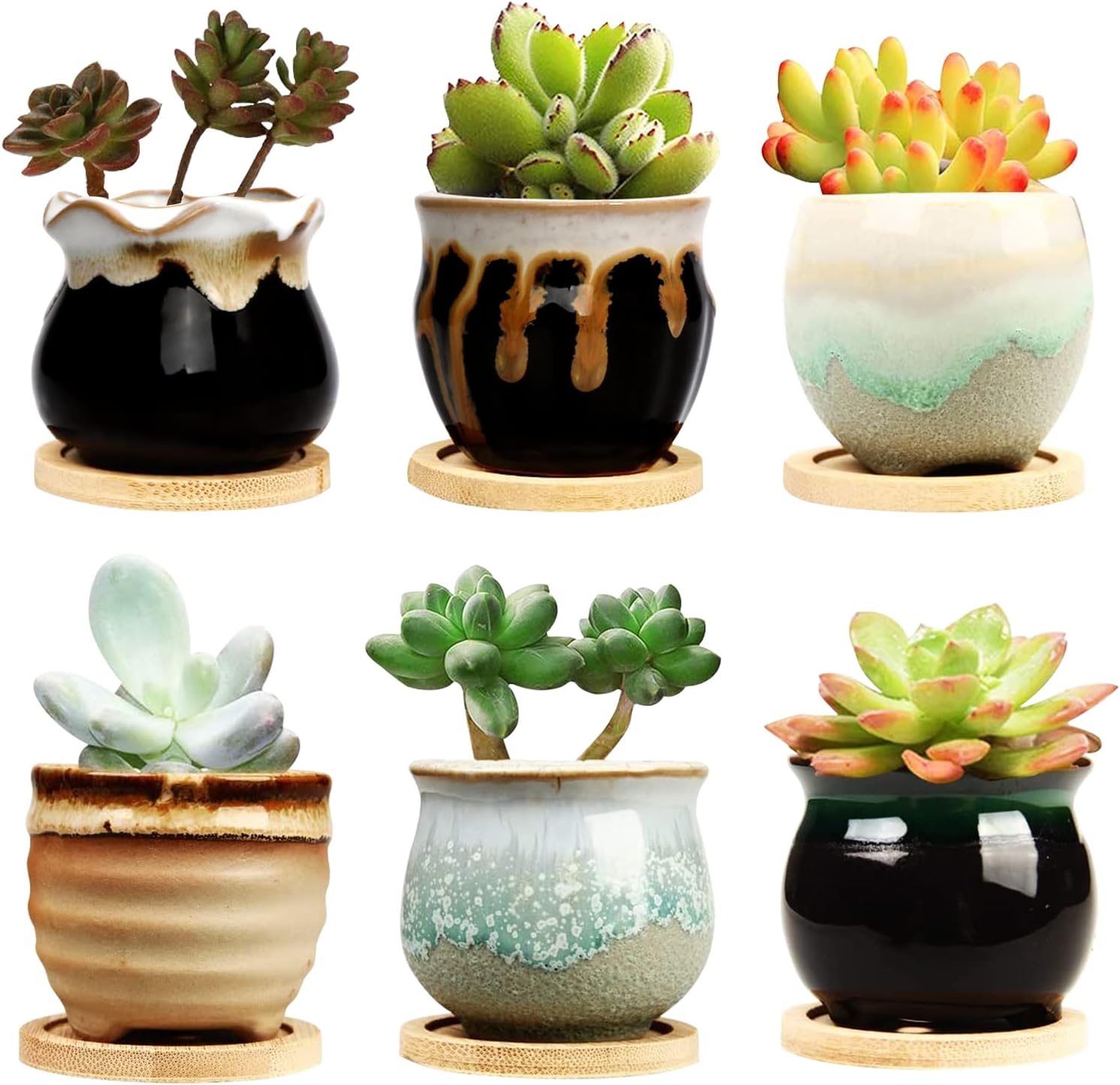
- Pick mini 2-inch ceramic pots for desk succulents and small cacti; skip them for established houseplants or outdoor growing, where root volume and evaporation outrun a tiny pot.
- Pick a wall-mounted half-pot for trailing plants on balconies and fences with masonry or stud backing; skip it on drywall or rendered surfaces where the bracket cannot anchor.
Buying tips
- Size the pot to the root ball: the new pot's interior diameter should be roughly 1–2 inches larger than the current root ball for houseplants, and at least one-third of the plant's height for tall specimens.
- Read the ceramic body, not just the glaze: terracotta and earthenware are porous and breathable, stoneware is dense and watertight, and porcelain is densest — match porosity to plant water needs.
- For outdoor pots in freezing climates, buy only pots explicitly rated frost-proof and fit them with a drainage hole plus pot feet, and avoid thin glazed earthenware regardless of price tier.
- Check that drainage holes exist and that a saucer or tray is sized to the pot's base; a pot without drainage traps water and rots roots even in a breathable ceramic body.
Specs
| Ceramic Body | Terracotta / Stoneware / Porcelain |
|---|---|
| Drainage | Drainage hole + saucer required |
| Frost Rating | Frost-proof high-fire vs indoor-only |
| Mount Type | Floor / Tabletop / Wall half-pot |
Related searches
What to check before buying
- Measure the plant's current root ball and the intended surface (shelf, sill, balcony rail) before choosing a pot diameter and height; oversized pots waterlog small root systems.
- Confirm the pot has a drainage hole and plan a saucer; saucer diameter must match or slightly exceed the pot base to catch runoff.
- For outdoor and balcony use, confirm frost-proof rating plus raised pot feet so the pot drains and does not freeze to the surface.
- For wall-mounted half-pots, verify masonry or stud backing at the mounting point and use ceramic-rated anchors sized to the pot plus wet soil weight.
FAQ
Data sources: eBay / Amazon listings and product attribute feeds. Updated Nov 27, 2026.
Some links on this page are affiliate links. If you buy after clicking one, we may earn a commission at no extra cost to you. This does not change which products appear here or their order. Affiliate disclosure.