
Photos from current listings. Actual item, color, and included accessories may vary.
Wooden Greenhouse Buying Guide
A wooden greenhouse uses a timber frame for rigidity and insulation, paired with glazing that determines light transmission and heat retention. The core trade-off is frame durability versus glazing performance: untreated softwood rots within a few seasons, while 4mm twin-wall polycarbonate outperforms single-pane or film in heat retention and impact resistance. The decision rule is simple: choose a pressure-treated or cedar frame with at least 4mm twin-wall polycarbonate panels and a real foundation anchor—anything less is a seasonal cold frame, not a permanent greenhouse.
Median $165.99
Key takeaways
- Frame lumber grade decides lifespan: pressure-treated pine or cedar resists rot for 10+ years; untreated fir or spruce fails in 2-3 seasons without sealing.
- Glazing thickness drives insulation: 4mm twin-wall polycarbonate retains heat far better than 6mm single pane or polyethylene film, and resists hail cracking.
- Walk-in models need a ridge height of at least 6.5 ft and base anchoring to wind-rated ground stakes or a timber foundation sill.
At a glance
- Category
- Greenhouse & Hydroponics
- Last updated
- Nov 27, 2026
Current offers
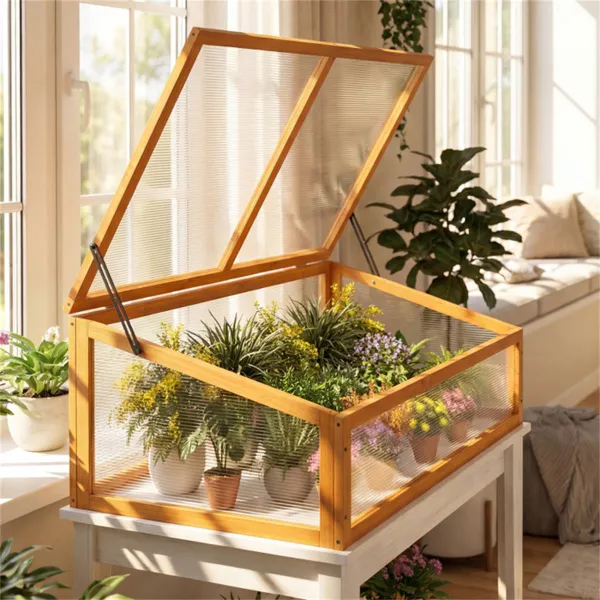 37" X 25' X 16' Wooden Cold Frame Greenhouse With Adjustable Polycarbonate Roof, Portable Mini Hot House For Extending Growing Season$133.99View on Mallflare
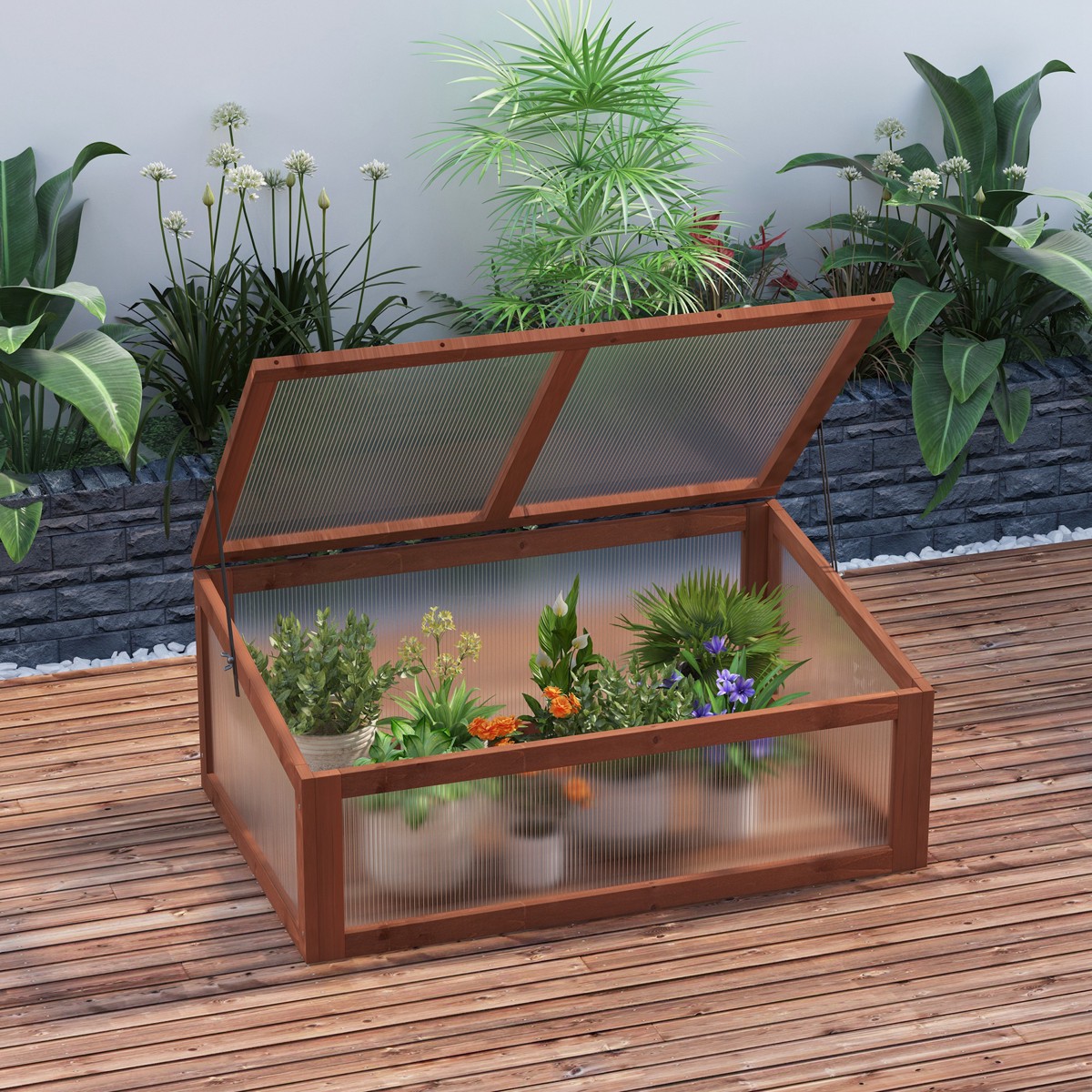 Wooden Cold Frame Greenhouse, Mini With Polycarbonate Board And Solid Wood Green House Indoor Outdoor Terrarium Planter Box, 39" X 26" X 16", Natural$145.99View on Mallflare
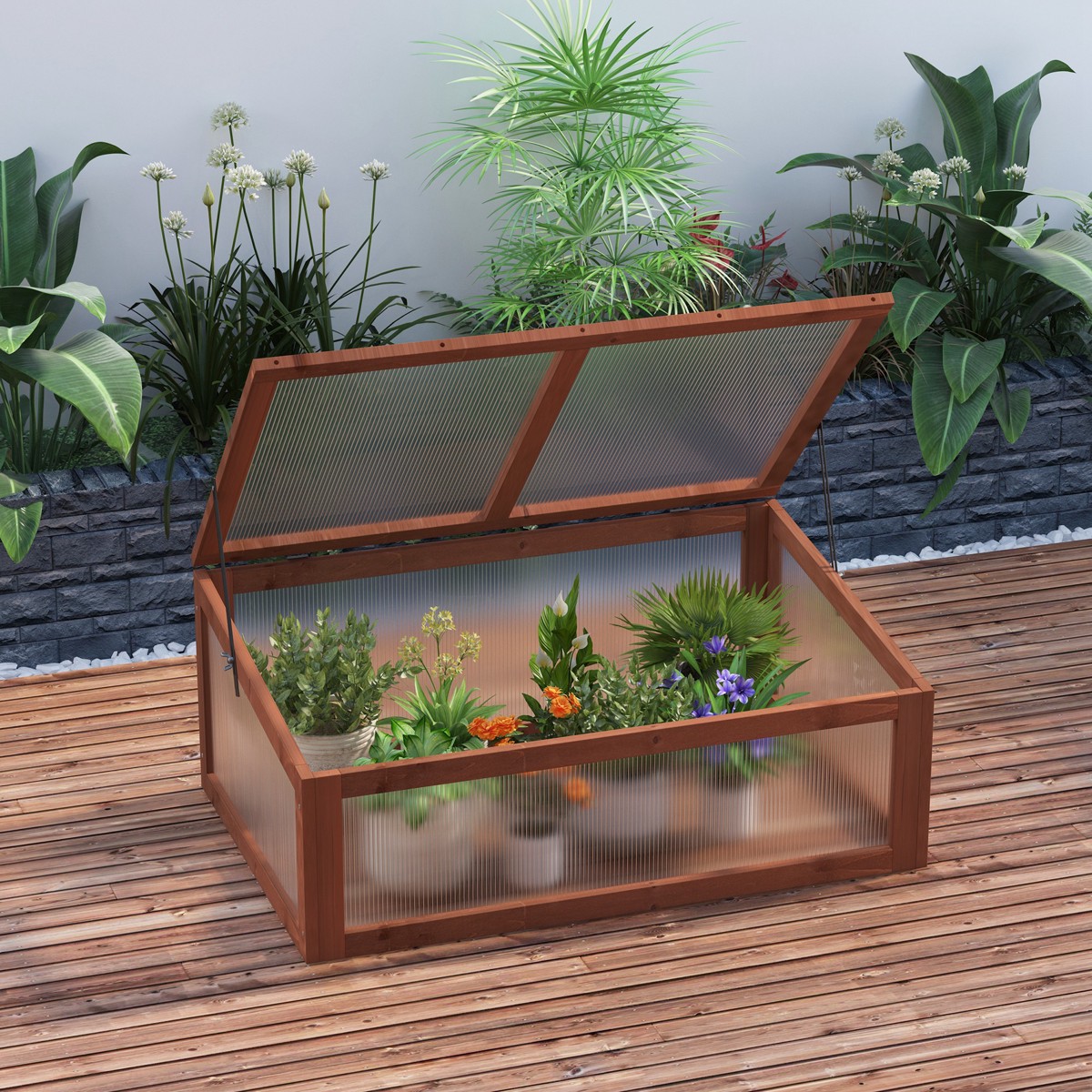 Wooden Cold Frame Greenhouse$185.99View on Mallflare
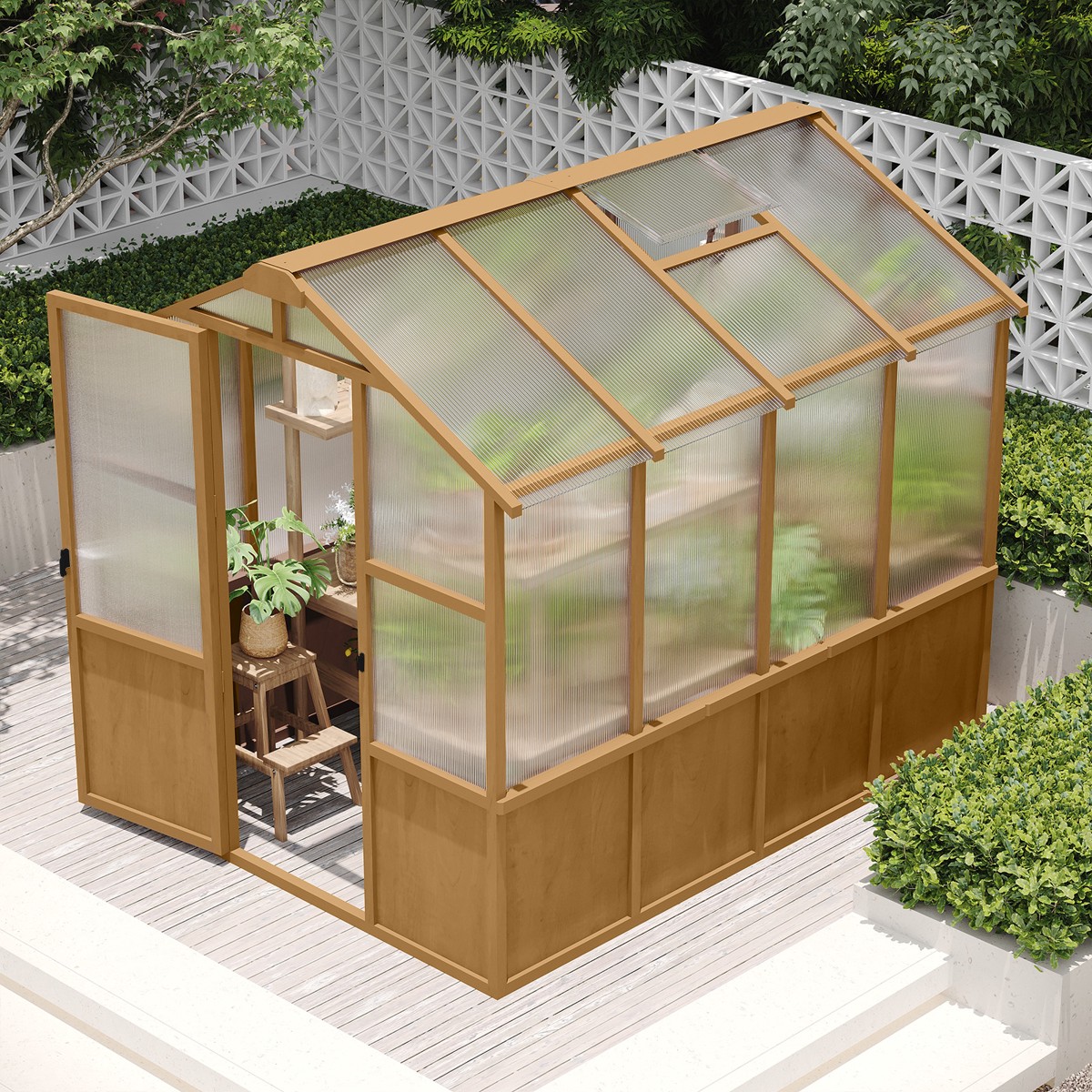 6x8 FT Greenhouse, Wooden Walk-in For Outdoors With 6MM Thick Polycarbonate Panel And Adjustable Roof Vents, Garden Backyard, Patio, Lawn, Wood Colour$663.99View on Mallflare
Highlights
- Frame lumber grade decides lifespan: pressure-treated pine or cedar resists rot for 10+ years; untreated fir or spruce fails in 2-3 seasons without sealing.
- Glazing thickness drives insulation: 4mm twin-wall polycarbonate retains heat far better than 6mm single pane or polyethylene film, and resists hail cracking.
- Walk-in models need a ridge height of at least 6.5 ft and base anchoring to wind-rated ground stakes or a timber foundation sill.
- Cold frames (16-18 in tall) extend season by weeks; walk-in greenhouses (6-8 ft tall) enable full-season vertical growing and shelving.
Best use cases
- Best fit: a backyard vegetable grower wanting year-round lettuce and seedlings should pick a 6x8 ft walk-in with 6mm twin-wall polycarbonate and roof vents—skip cold frames, which overheat in sun.
- Right fit: a patio gardener hardening off transplants needs a 37x25x16 in cold frame with adjustable polycarbonate roof; do not buy a walk-in for this, as ventilation control matters more than height.
- Wrong fit: a windy, exposed site without anchoring—any wooden greenhouse lighter than 100 lb unanchored will rack or tip; pick a model with a foundation sill and stake kit or skip wood entirely.
Buying tips
- Match glazing to climate: 4mm twin-wall polycarbonate for cold-winter zones; 6mm for moderate zones; single-pane acrylic only for mild, frost-free areas.
- Size by bed math: a 6x8 ft footprint fits two 2-ft-wide side beds plus a 2-ft central path—do not size below 6x6 ft if you want walk-in shelving.
- Demand a pressure-treated or cedar frame; if the listing says 'solid wood' without species or treatment, assume untreated softwood and budget for annual sealing.
- Check panel retention: polycarbonate should be held by aluminum or timber battens, not clips alone, or panels blow out in 30+ mph gusts.
Specs
| Frame Material | Pressure-treated pine / cedar vs untreated |
|---|---|
| Glazing Type | 4-6mm twin-wall polycarbonate / acrylic |
| Structure Height | Cold frame 16-18 in / walk-in 6-8 ft |
| Anchoring | Ground stakes / timber sill / slab base |
Related searches
What to check before buying
- Measure your site footprint plus 2 ft clearance on all sides for door swing and ventilation; confirm the base is level within 1 in across the span.
- Confirm your ground anchor method—earth stakes, concrete slab, or timber sill—matches the model's base flange; cold frames can sit on soil, walk-ins cannot.
- Check door width and height against your wheelbarrow and tallest plants; walk-in doors under 24 in wide are a daily frustration.
- Verify panel UV rating: polycarbonate must be UV-stabilized on the sun-facing side or it yellows and embrittles within 3-5 years.
FAQ
Data sources: eBay / Amazon listings and product attribute feeds. Updated Nov 27, 2026.
Some links on this page are affiliate links. If you buy after clicking one, we may earn a commission at no extra cost to you. This does not change which products appear here or their order. Affiliate disclosure.