
Photos from current listings. Actual item, color, and included accessories may vary.
Indoor Herb Garden With Light Buying Guide
An indoor herb garden with light is a self-contained growing system combining a reservoir, grow medium, and integrated LED or fluorescent lighting to raise culinary herbs indoors year-round. The core trade-off is between compact countertop units with fixed-spectrum LEDs and modular multi-tier pipe or tray systems that require external lighting and plumbing knowledge. The decision rule: pick a sealed countertop unit with full-spectrum LEDs and a timer if you want plug-and-play herb production; choose a multi-site pipe or tray system only if you will supply your own high-output grow lights and have space for a reservoir and pump.
Median $83.49
Key takeaways
- Countertop units typically use 20–40W full-spectrum LEDs with built-in 12–16 hour timers; light intensity at canopy is the limiting factor for fruiting plants but sufficient for leafy herbs.
- Multi-tier pipe systems (90–108 sites) are NFT or deep-water culture architectures needing external LED bars or T5 fixtures; site count reflects pipe length, not light coverage.
- Reservoir capacity of 1–2 gallons suits 3–6 herb pods for 2–3 weeks between refills; larger 5–10 gallon reservoirs are required for 90+ site pipe systems.
At a glance
- Category
- Greenhouse & Hydroponics
- Last updated
- Nov 27, 2026
Current offers
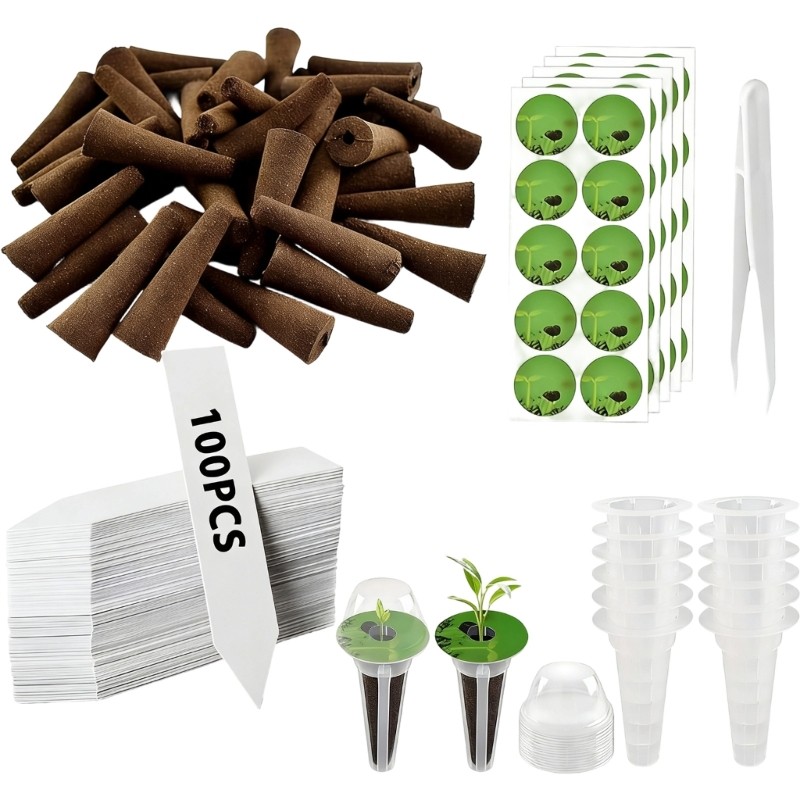 Indoor Herb Garden Set Soilless Growing Supply With Nursery Trays And Sponges$32.41View on eBay
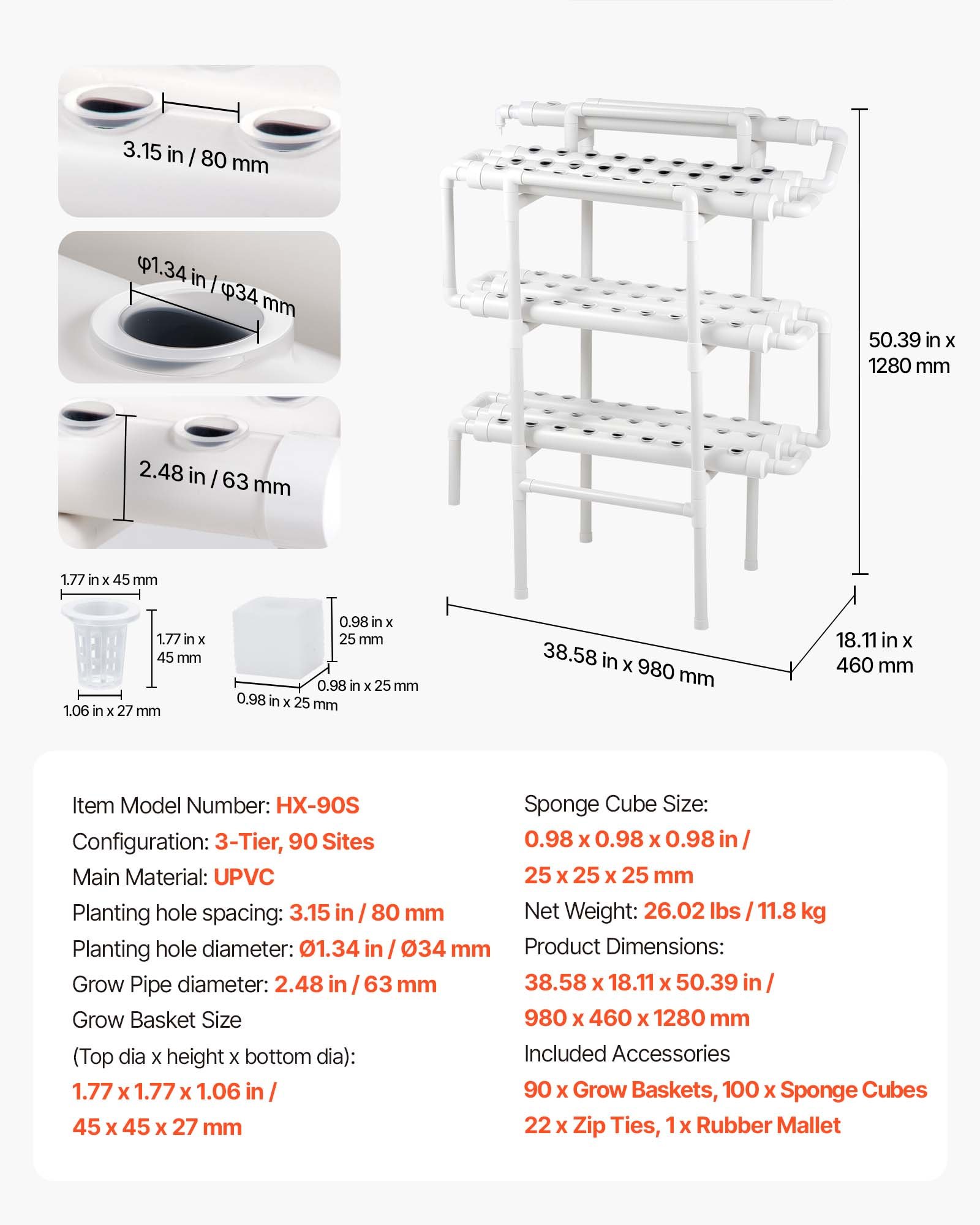 Hydroponics Growing System Kit, 3-Tier 90 Sites UPVC Pipe Hydroponic Grow Kit With Timed Irrigation, Sun & Light Blocking Pipes, Indoor Home Garden Vegetable Planting Kits For Fruit Herb$82.99View on Mallflare
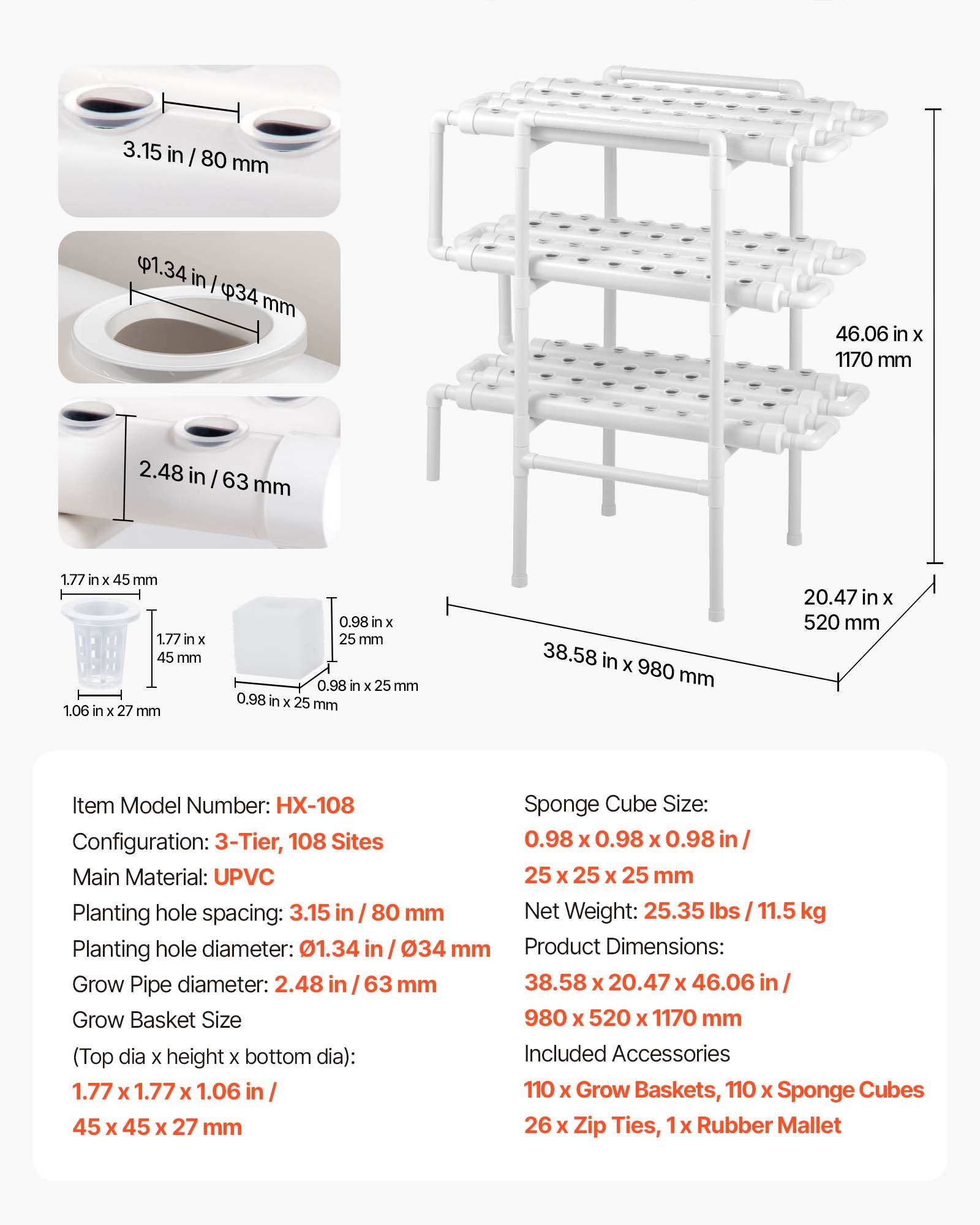 Hydroponics Growing System Kit, 3-Tier 108 Sites UPVC Pipe Hydroponic Grow Kit With Timed Irrigation, Thickened Pipes, Indoor Home Garden Vegetable Planting Kits For Fruit Herb$83.99View on Mallflare
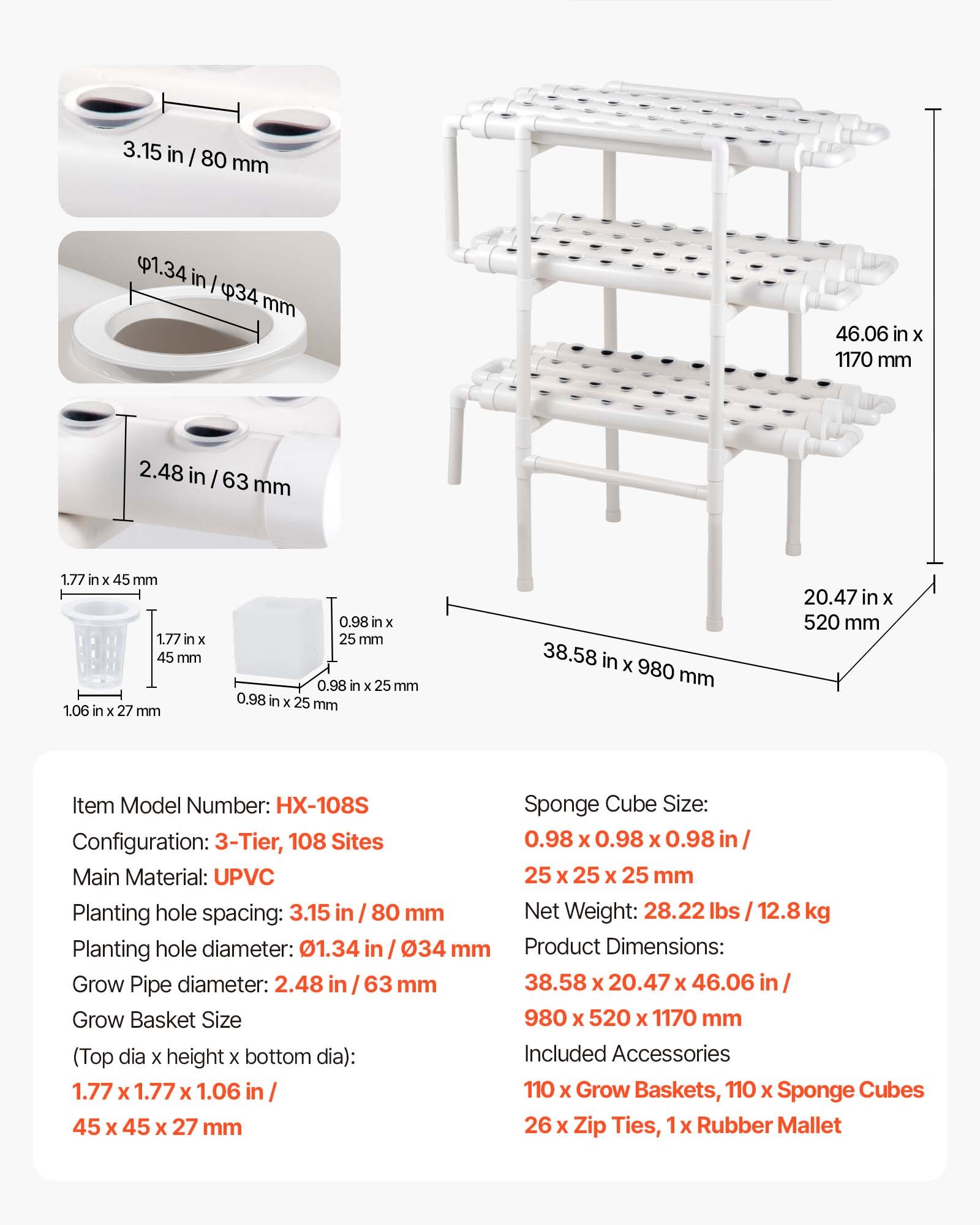 Hydroponics Growing System Kit, 3-Tier 108 Sites UPVC Pipe Hydroponic Grow Kit With Timed Irrigation, Sun & Light Blocking Pipes, Indoor Home Garden Vegetable Planting Kits For Fruit Herb$104.99View on Mallflare
Highlights
- Countertop units typically use 20–40W full-spectrum LEDs with built-in 12–16 hour timers; light intensity at canopy is the limiting factor for fruiting plants but sufficient for leafy herbs.
- Multi-tier pipe systems (90–108 sites) are NFT or deep-water culture architectures needing external LED bars or T5 fixtures; site count reflects pipe length, not light coverage.
- Reservoir capacity of 1–2 gallons suits 3–6 herb pods for 2–3 weeks between refills; larger 5–10 gallon reservoirs are required for 90+ site pipe systems.
- Soilless sponge or rockwool starter plugs wick moisture by capillary action; net pots with clay pebbles or coco coir offer better root aeration for long-lived herbs like rosemary and thyme.
Best use cases
- Best fit: a 6–12 pod countertop unit with integrated full-spectrum LED and timer for a kitchen counter growing basil, mint, parsley, and cilantro with weekly top-offs.
- Best fit: a 3-tier 90–108 site UPVC pipe system with timed irrigation for a dedicated indoor garden room where you add 2–4 LED bar fixtures and manage a 10+ gallon reservoir.
- Wrong fit: buying a 108-site pipe system for a small apartment without planning external lighting—site count does not include light and plants will stretch and fail.
- Skip sealed pod systems if you want to grow rosemary, thyme, or sage long-term; their root zones demand larger net pots and stronger light than compact units provide.
Buying tips
- Match pod count to light wattage: 6–12 pods need 20–40W LED; 90+ sites require 200W+ of external LED or T5 coverage split across tiers.
- Choose a reservoir of at least 1 gallon per 6 pods; for pipe systems, budget 0.5–1 gallon per 10 sites and plan a drain-and-refill every 2–3 weeks.
- Verify the light timer is built into the fixture, not a separate plug-in; integrated 12–16 hour cycles prevent herb bolting from interrupted dark periods.
- For long-term herbs, use net pots of 2 inches or larger with clay pebbles or coco coir rather than sponge plugs, which compress and waterlog after one cycle.
Specs
| System Type | Countertop pod vs multi-tier pipe NFT |
|---|---|
| Light Integration | Built-in LED vs external grow light |
| Grow Site Count | 6-12 pods vs 90-108 pipe sites |
| Reservoir Capacity | 1-2 gal countertop; 5-10+ gal pipe |
Related searches
What to check before buying
- Measure counter depth and overhead clearance: countertop units need 18–24 inches of height for LED clearance; 3-tier pipe systems need 5–6 feet of vertical wall space.
- Confirm a nearby grounded outlet and timer capacity; multi-tier systems with pump and lights may draw 100–300W and should not share a circuit with major appliances.
- Check reservoir access: units with top-fill ports or removable tanks simplify weekly refills; pipe systems need a drain valve or accessible sump for water changes.
- Plan for humidity and drainage: indoor systems raise ambient humidity, so place on water-resistant surfaces and away from sensitive electronics or wood furniture.
FAQ
Data sources: eBay / Amazon listings and product attribute feeds. Updated Nov 27, 2026.
Some links on this page are affiliate links. If you buy after clicking one, we may earn a commission at no extra cost to you. This does not change which products appear here or their order. Affiliate disclosure.