
Photos from current listings. Actual item, color, and included accessories may vary.
Deep Irrigation Buying Guide
Deep irrigation targets water and nutrients directly to the root zone below the surface, bypassing evaporation and runoff. The core trade-off is between thin stamped wands that bend under soil pressure and full-bore stainless or brass probes with reinforced couplings that survive years of insertion. Buyers should pick a rigid, full-flow probe with a defined outlet pattern for trees and shrubs, and skip decorative or short-reach spikes for established root systems.
Median $28.98
Key takeaways
- Stainless steel probes resist bending and corrosion; brass fittings hold threads better than plastic under repeated insertion.
- Full-bore internal channels deliver sediment and fertilizer without clogging, unlike pinhole drip emitters.
- Reinforced hose-to-wand couplings prevent the typical failure point where plastic threads strip or crack.
At a glance
- Category
- Watering & Irrigation
- Last updated
- Nov 28, 2026
Current offers
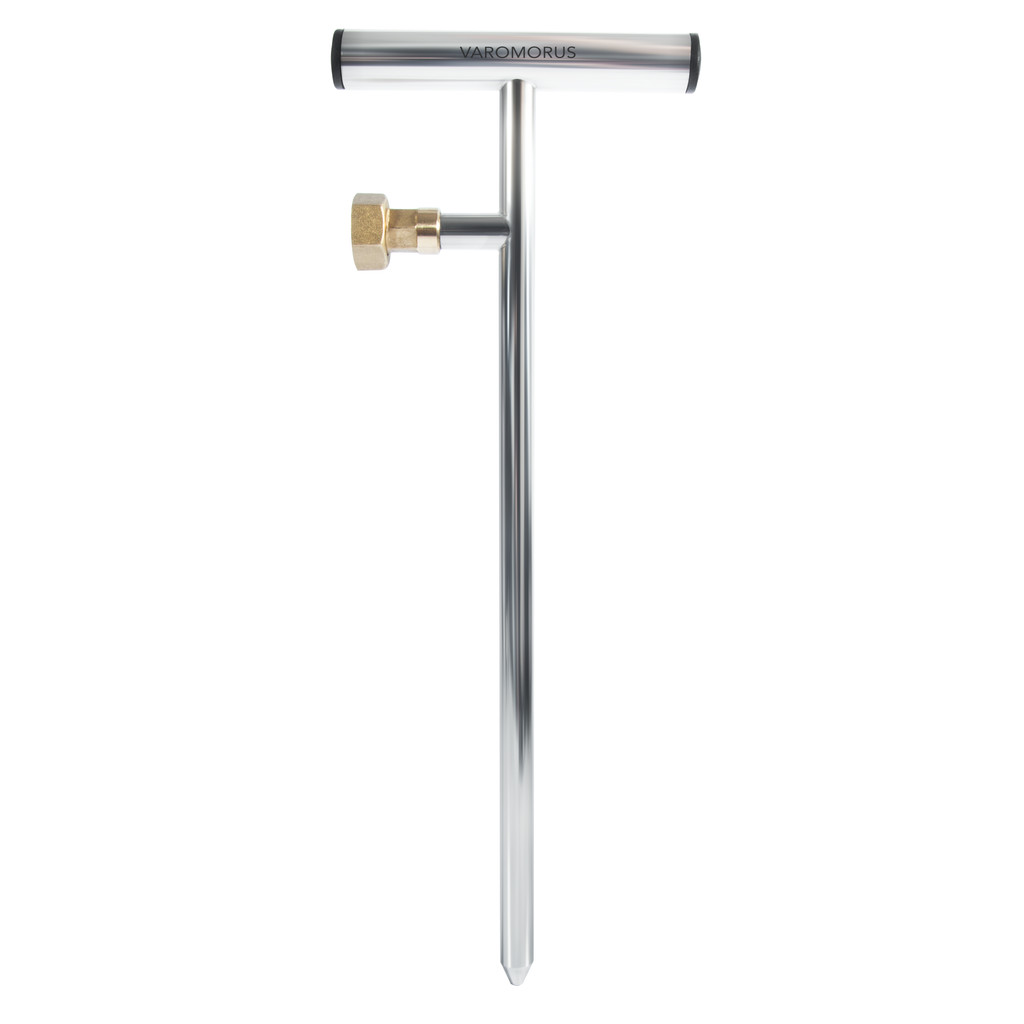 Varomorus Stainless Steel Deep Root Tree Watering Mini Irrigation System Wand$21.95View on eBay
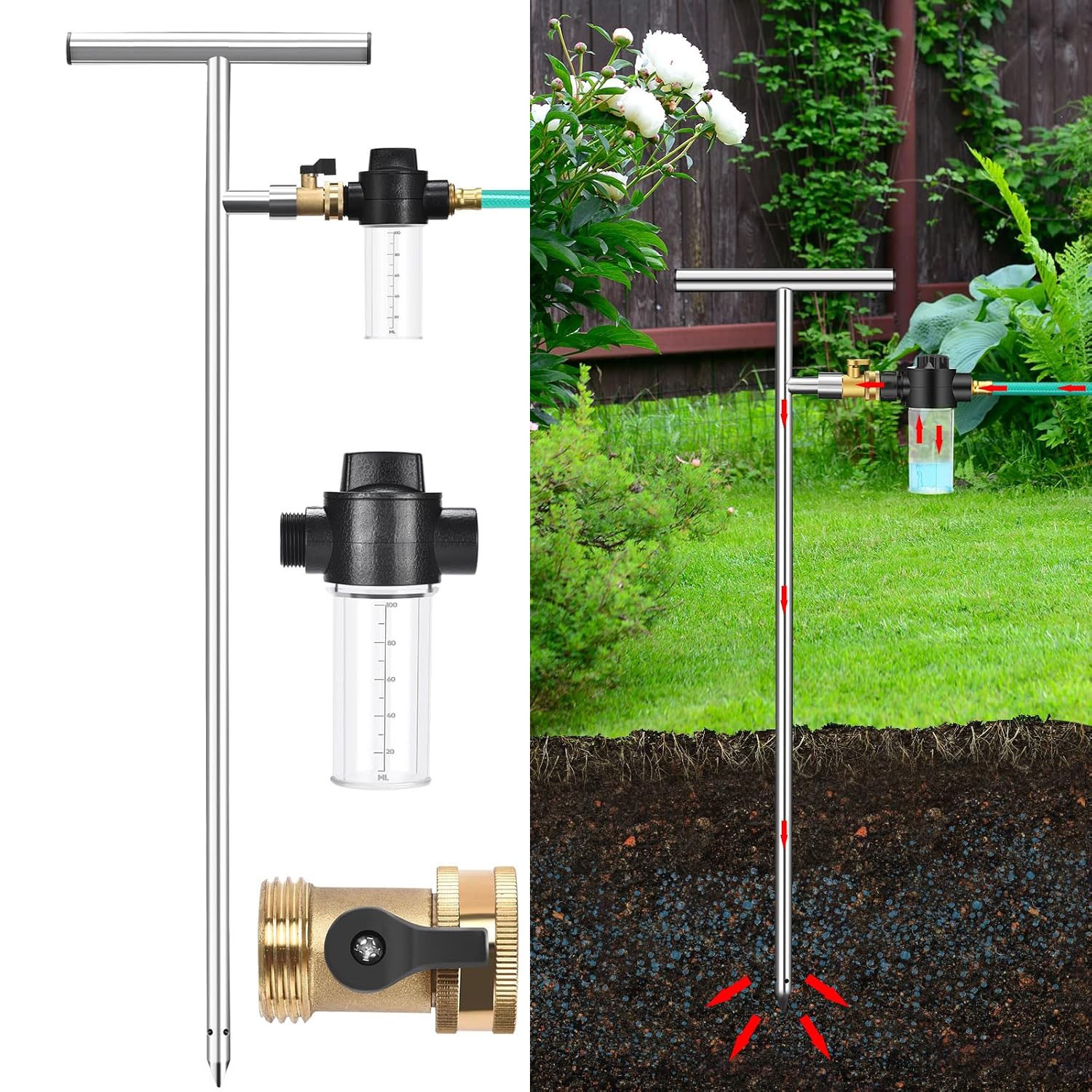 Root Feeder Deep Root Watering Tool With Fertilizer Dispenser Tree Watering Spik$28.98View on eBay
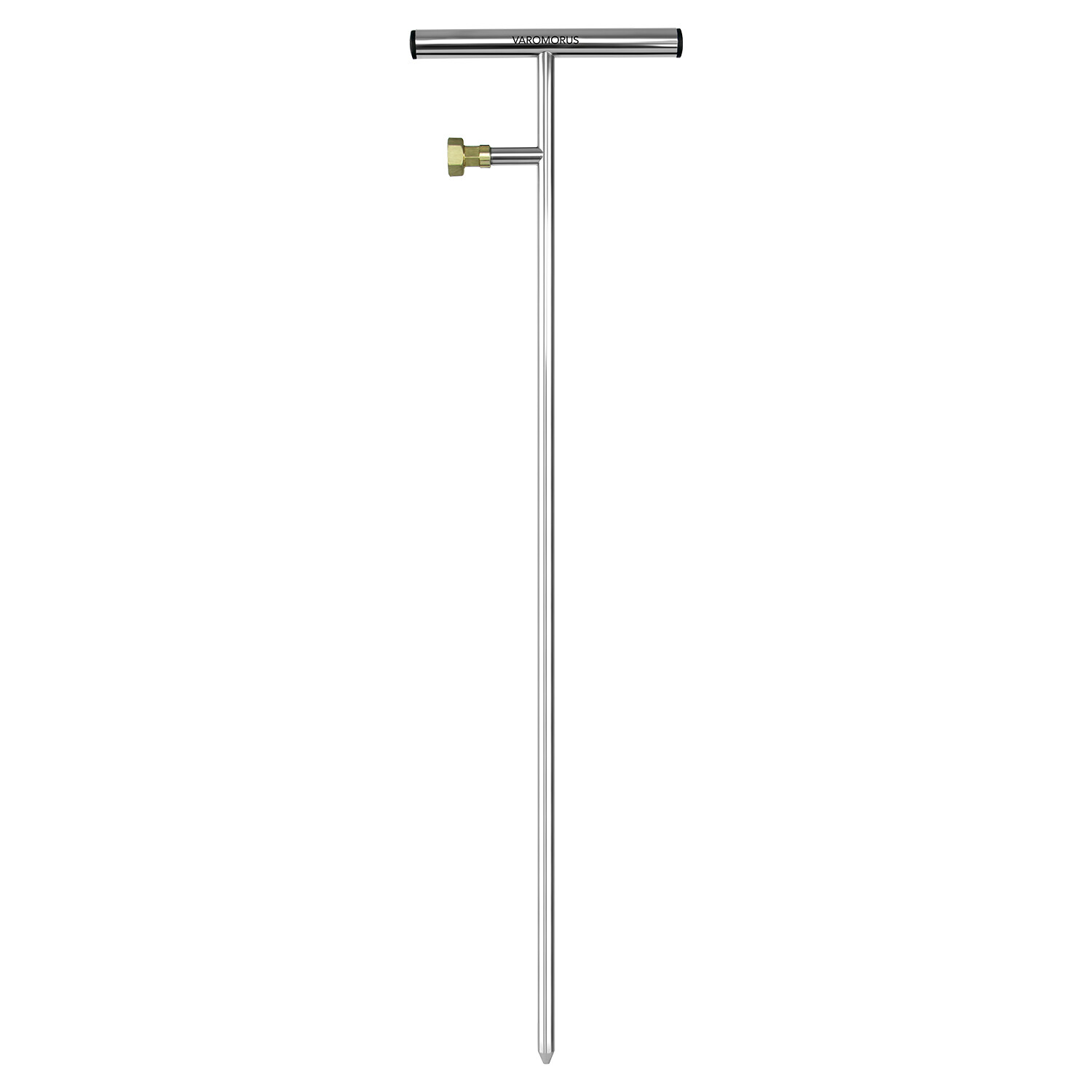 Varomorus Stainless Steel Deep Root Tree Watering Tool Irrigation System Wand$44.95Last checked Nov 18, 2026View on eBay
Highlights
- Stainless steel probes resist bending and corrosion; brass fittings hold threads better than plastic under repeated insertion.
- Full-bore internal channels deliver sediment and fertilizer without clogging, unlike pinhole drip emitters.
- Reinforced hose-to-wand couplings prevent the typical failure point where plastic threads strip or crack.
- Multi-outlet probes with a T-handle let you direct water laterally into the root ball without surface pooling.
Best use cases
- Best fit: newly planted or established trees and shrubs in compacted or clay soil — choose a stainless steel probe with a T-handle and a threaded hose coupling.
- Best fit: fertilizing deep-rooted plants — pick a probe with a removable dispenser chamber so granular or liquid feed reaches below the thatch.
- Wrong fit: raised beds, seedlings, and shallow-rooted annuals — a watering can or drip line is cheaper and less disruptive than a deep probe.
- Skip short decorative spikes and plastic-bodied wands; they bend at the soil line and cannot reach sub-surface root zones.
Buying tips
- Match probe length to root depth: 12–18 inches reaches most shrub roots; 24 inches or more is needed for mature trees.
- Choose 304 or 316 stainless steel over coated mild steel; coatings chip and expose rust at the tip.
- Confirm the inlet is a standard 3/4-inch GHT hose thread; proprietary quick-connects limit replacement parts.
- For fertilizer dispensing, pick a chamber with a sealed cap and a metered outlet so granules do not flush straight through.
Specs
| Probe Material | Stainless steel vs brass vs plastic |
|---|---|
| Probe Length | 12 in / 18 in / 24 in+ |
| Hose Connection | 3/4-in GHT standard thread |
| Fertilizer Dispenser | Sealed chamber with metered outlet |
Related searches
What to check before buying
- Measure the distance from the hose bib to the planting bed; a 10-foot leader hose prevents kinking at the coupling.
- Check soil type: rocky or compacted ground needs a hardened, full-tang probe tip, not a hollow spike.
- Verify your outdoor tap is standard 3/4-inch GHT and that your water pressure is under 80 PSI to avoid blowing couplings.
- For multi-plant beds, plan one probe per tree or shrub and a shared hose splitter rather than a single short spike.
FAQ
Data sources: eBay / Amazon listings and product attribute feeds. Updated Nov 28, 2026.
Some links on this page are affiliate links. If you buy after clicking one, we may earn a commission at no extra cost to you. This does not change which products appear here or their order. Affiliate disclosure.