
Photos from current listings. Actual item, color, and included accessories may vary.
Bee Keeping Hive Buying Guide
A bee keeping hive is a modular Langstroth, observation, or auto-flow box system where frame count, box depth, and wood treatment determine colony management ease and hive longevity. The core trade-off is standard Langstroth compatibility versus gimmick flow/observation designs that limit frame interchange and wintering. Buy standard 10-frame Langstroth boxes in pine or cypress with wax-coated or painted exteriors; skip proprietary auto-flow and narrow observation boxes unless they are a secondary educational hive.
Median $208.83 · New listings
Key takeaways
- Langstroth hives use interchangeable 10-frame deep boxes (9 5/8 in) or medium boxes (6 5/8 in); 8-frame boxes suit lighter lifting but reduce brood capacity.
- Wax-coated or exterior-painted pine and cypress resist rot; untreated pine degrades in 2-3 damp seasons and requires annual re-coating.
- Auto-flow frames replace standard foundation and are proprietary, so they cannot be mixed with Langstroth deeps for brood expansion or winter stores.
At a glance
- Category
- Beehives & Frames
- Last updated
- Nov 27, 2026
Current offers
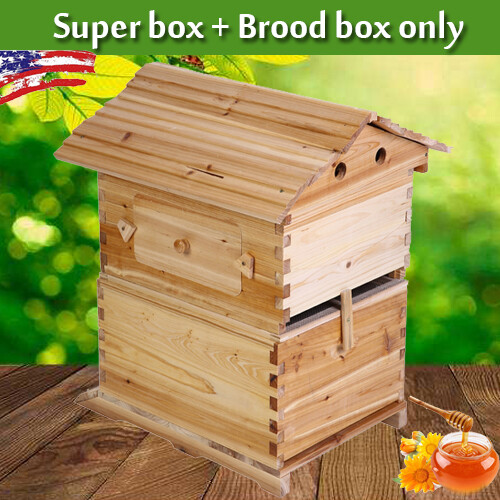 Auto Bee Hive Box Beekeeping Beehive House Beekeeping Equipment Tools Supplies$149.69View on eBay
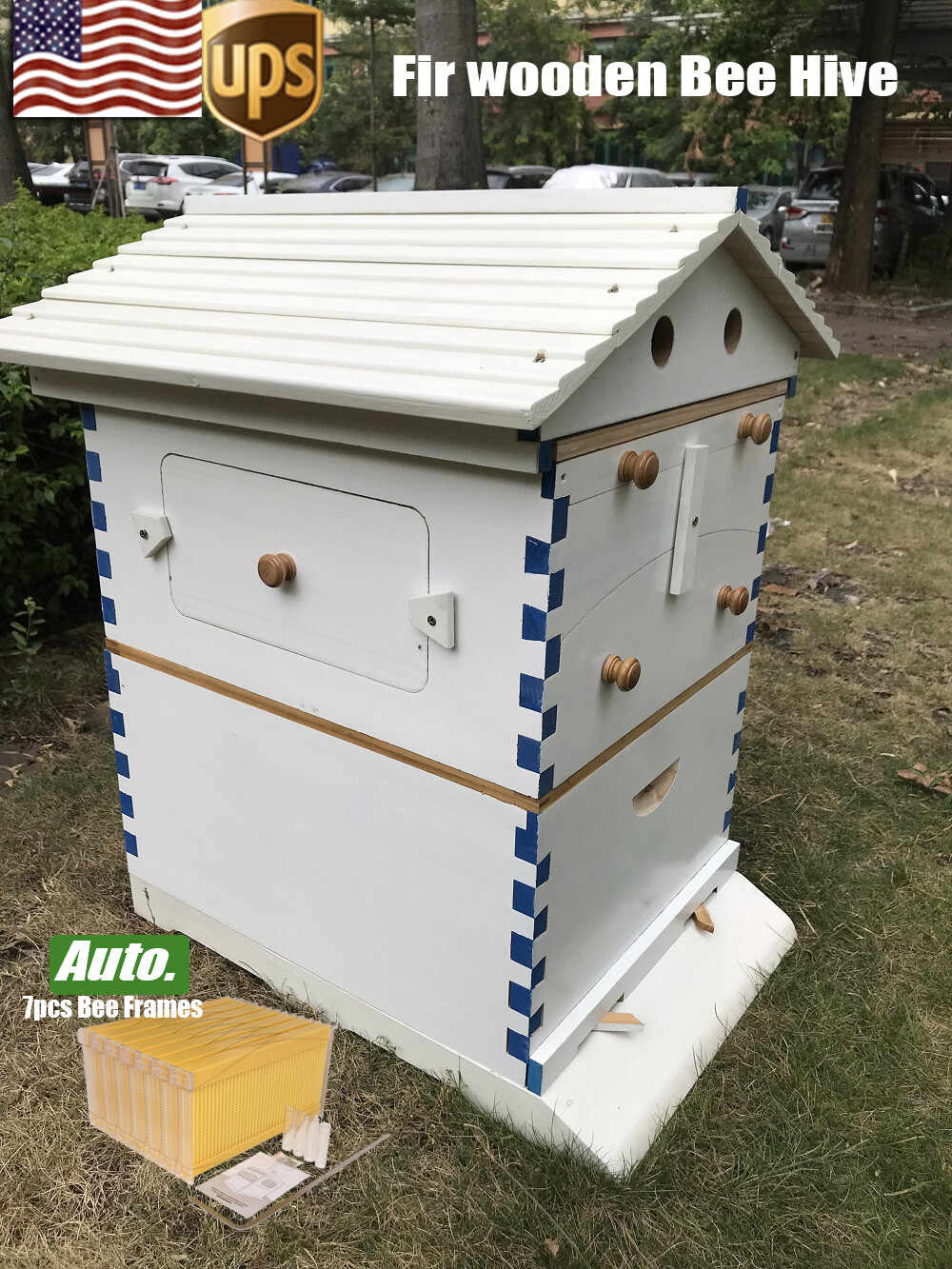 Painted Auto Langstroth Bee Hive Boxes Beekeeping Hives House 7x Bee Frames New$188.66Last checked Nov 18, 2026View on eBay
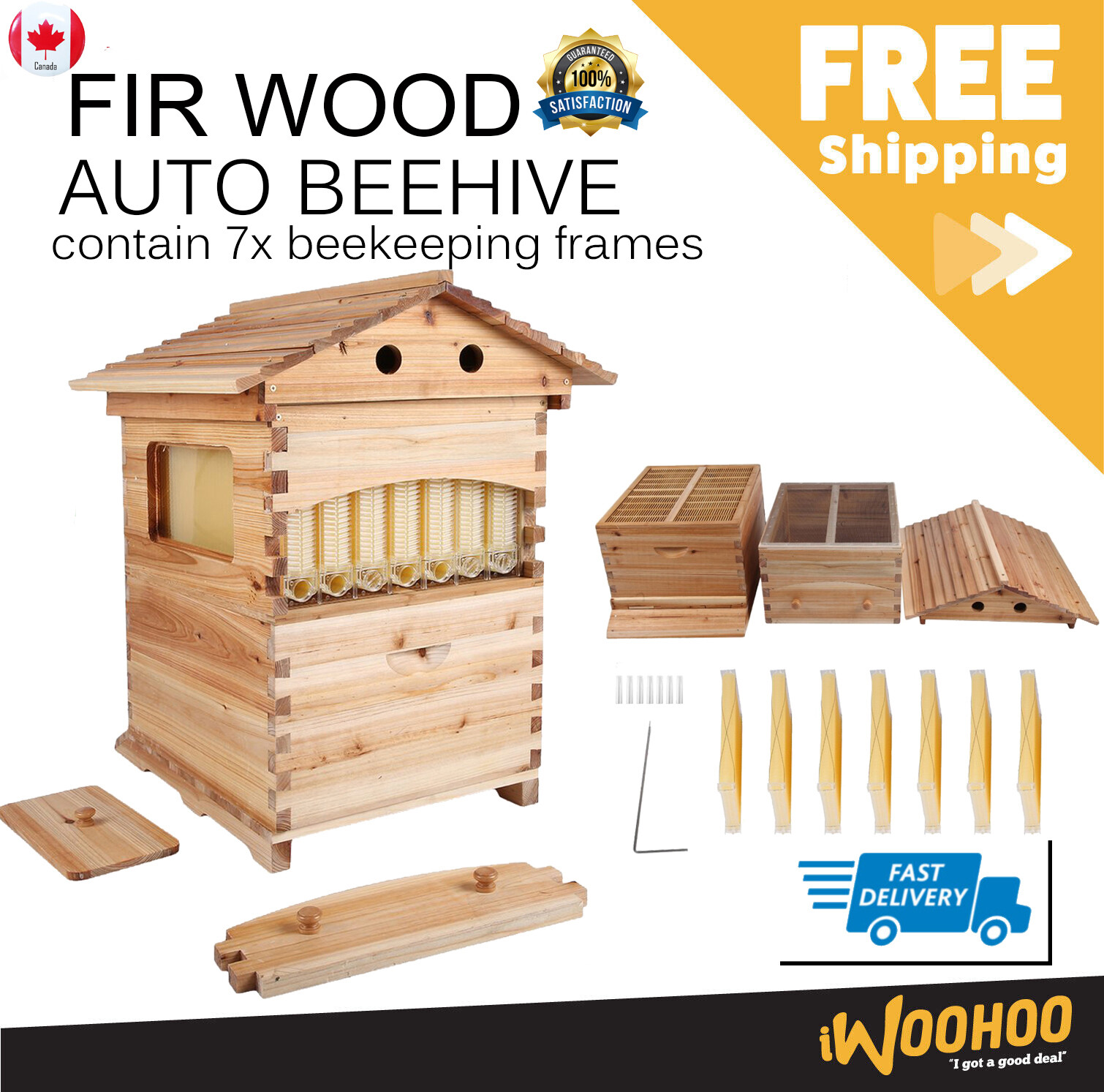 Auto Shed Bee Hives Langstroth Bee Hive Beekeeping Boxes with 7x Bee Hive Frames$228.99New · Last checked Nov 23, 2026View on eBay
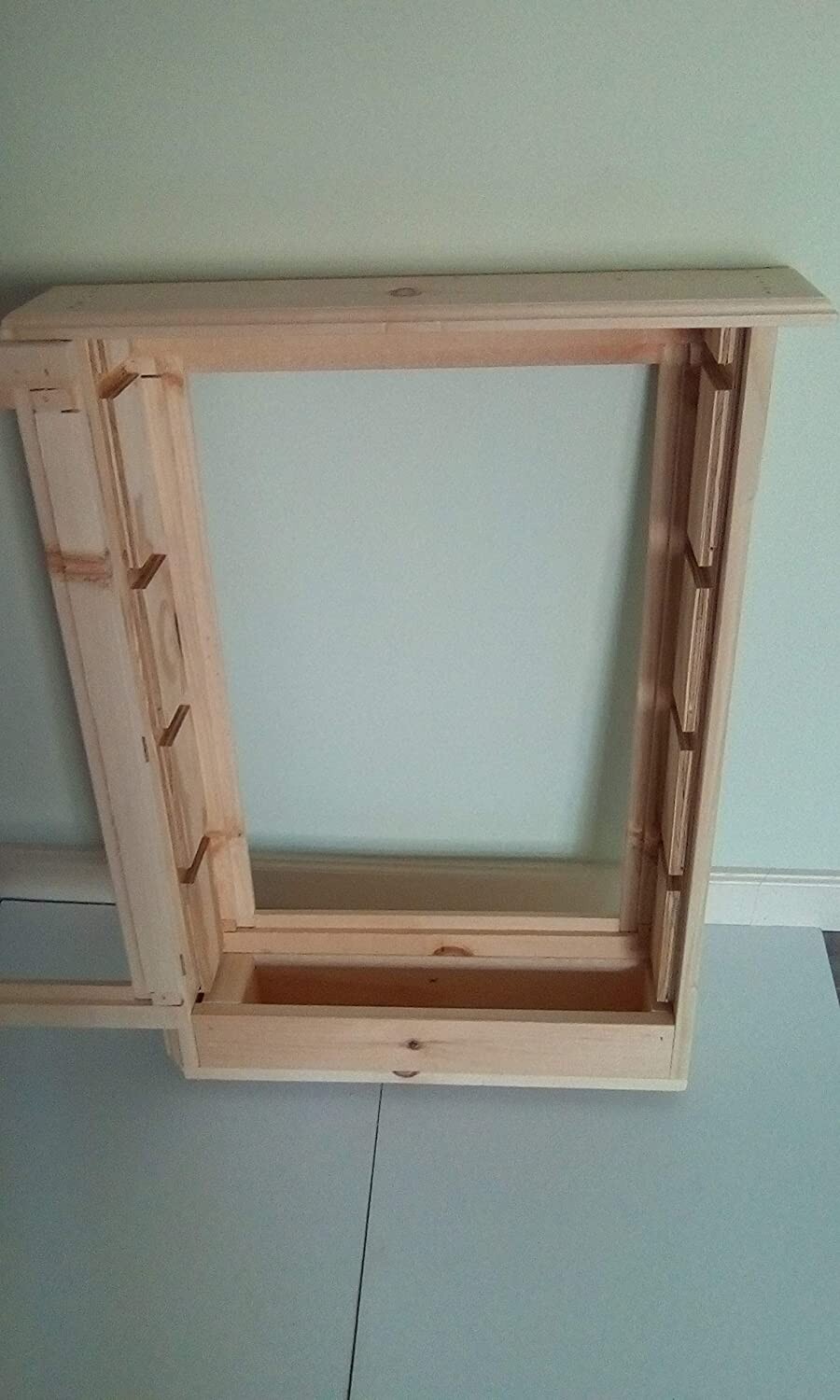 Indoor Full Size Bee Keeping Observation Bee Hive Holds 8 Medium Frames$285.00New · Last checked Nov 18, 2026View on eBay
Highlights
- Langstroth hives use interchangeable 10-frame deep boxes (9 5/8 in) or medium boxes (6 5/8 in); 8-frame boxes suit lighter lifting but reduce brood capacity.
- Wax-coated or exterior-painted pine and cypress resist rot; untreated pine degrades in 2-3 damp seasons and requires annual re-coating.
- Auto-flow frames replace standard foundation and are proprietary, so they cannot be mixed with Langstroth deeps for brood expansion or winter stores.
- Observation hives hold 8 medium frames behind glass for indoor viewing but have limited ventilation and are not winter-hardy in cold climates.
Best use cases
- Best fit: backyard honey production — pick a 10-frame Langstroth setup with two deep brood boxes plus medium supers and standard wax foundation.
- Best fit: classroom or indoor education — pick an 8-medium-frame observation hive as a secondary display unit, not as the main apiary hive.
- Wrong fit: cold-climate overwintering — skip thin observation boxes and auto-flow-only designs; choose insulated 10-frame deeps with upper ventilation.
- Wrong fit: buyers wanting minimal lifting — an 8-frame medium setup reduces box weight, but accept lower brood capacity and more frequent inspections.
Buying tips
- Match frame count to box width: 10-frame boxes are 19 7/8 in wide and 8-frame boxes 16 1/4 in; confirm your extractor and lid fit the same standard.
- Choose box depth by colony role: deep boxes (9 5/8 in) for brood, medium (6 5/8 in) for honey supers; mixing depths requires separate frames and foundations.
- Prioritize wax-coated or painted exterior wood over raw pine; cypress and cedar last longer in humid climates than untreated softwood.
- Buy auto-flow hives only as a supplement: they use proprietary frames and cannot accept standard Langstroth deep frames for brood or winter stores.
Specs
| Hive Type | Langstroth / Observation / Auto-flow |
|---|---|
| Frame Count | 8-frame vs 10-frame boxes |
| Box Depth | Deep 9 5/8 in vs Medium 6 5/8 in |
| Exterior Finish | Wax-coated / Painted / Untreated pine |
Related searches
What to check before buying
- Measure your apiary space: a 10-frame Langstroth hive needs roughly 2 ft x 2 ft per box plus 3 ft clearance for inspections.
- Confirm frame size and box depth match your existing extractor, foundation, and lid before mixing brands.
- Check climate: insulate or choose thicker wood in freezing zones; observation glass hives need indoor temperatures above 50°F.
- Verify the hive includes a bottom board, inner cover, outer cover, and entrance reducer — starter kits missing these add hidden cost.
FAQ
Data sources: eBay / Amazon listings and product attribute feeds. Updated Nov 27, 2026.
Some links on this page are affiliate links. If you buy after clicking one, we may earn a commission at no extra cost to you. This does not change which products appear here or their order. Affiliate disclosure.