GardenPulse Guide

GardenPulse Guide

Garden, Yard & Outdoor Living Reviews & Buying Guides

Compare garden, yard & outdoor living by use case, features, trade-offs, price, returns, and seller terms before you buy.

Buying guides

Buying guide image
Raised Garden Beds & Planters

Plant Pot With Saucer

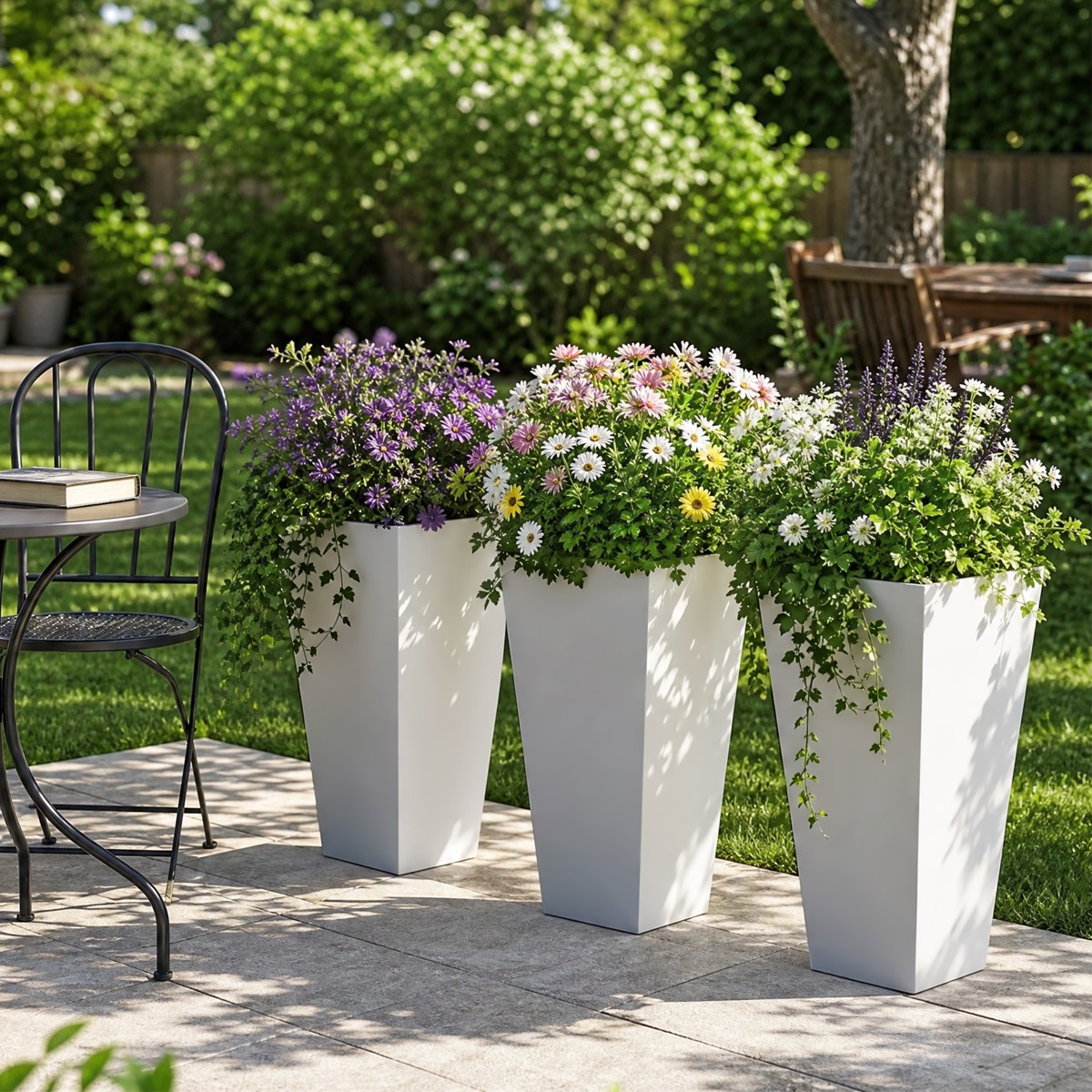
A plant pot with saucer is a two-part system: the pot holds soil and roots, while the saucer catches excess water to protect surfaces and retain humidity. The core trade-off is drainage versus mess—pots without a drain hole risk root rot, while pots with large holes need a saucer sized to the pot's base diameter. The decision rule: buy a pot whose saucer diameter equals or exceeds the pot's top diameter, and match material to environment (plastic for humidity-loving plants and budget, ceramic/stone for stability and breathability, fabric for root aeration outdoors).
Buying guide image
Raised Garden Beds & Planters

Plant Pot With Drainage

Plant pots with drainage are containers engineered with one or more evacuation points to prevent waterlogging and root rot, available in fabric, plastic, ceramic, and metal. The core trade-off is drainage efficiency versus moisture retention: larger or more numerous holes speed drying but demand more frequent watering, while restrictive drainage suits moisture-sensitive species but risks salt buildup. The decision rule is simple: match drainage capacity and material porosity to the plant's water tolerance and the pot's indoor/outdoor exposure, and skip any pot without measurable hole area or a documented reservoir system.

Buying guide image
Beehives & Frames

Beehive Frame

Beehive frames are the removable wooden or plastic inserts that hold wax foundation and give bees a straight comb-building guide inside Langstroth, Warre, or custom hive boxes. The core trade-off is frame dimension and material: standard Langstroth frames (deep 9-1/8 in, medium 6-5/8 in, or shallow 5-3/8 in) must match your box depth, while wood vs plastic and wax vs plastic foundation dictate durability, pest resistance, and extraction speed. Buy standard-dimension frames in the same depth as your boxes; skip any frame that is not dimensionally specified or that mixes incompatible top/bottom bar styles.

Buying guide image
Chicken Fencing & Egg Handling

Chicken Fence

Chicken fence is the primary predator barrier for a flock, and it splits into two job families: rigid hardware cloth for permanent coops and portable electric netting for rotational grazing. The trade-off is aperture and wire gauge versus portability—half-inch mesh blocks snakes and weasels, while 2-inch mesh and thin 19-gauge wire only stop larger animals. The decision rule: any barrier a raccoon can reach with fingers needs 1/2-inch × 16-gauge or better; open pasture moved weekly uses electric netting above 36 inches.

Buying guide image
Greenhouse & Hydroponics

Polycarbonate Greenhouse Kit

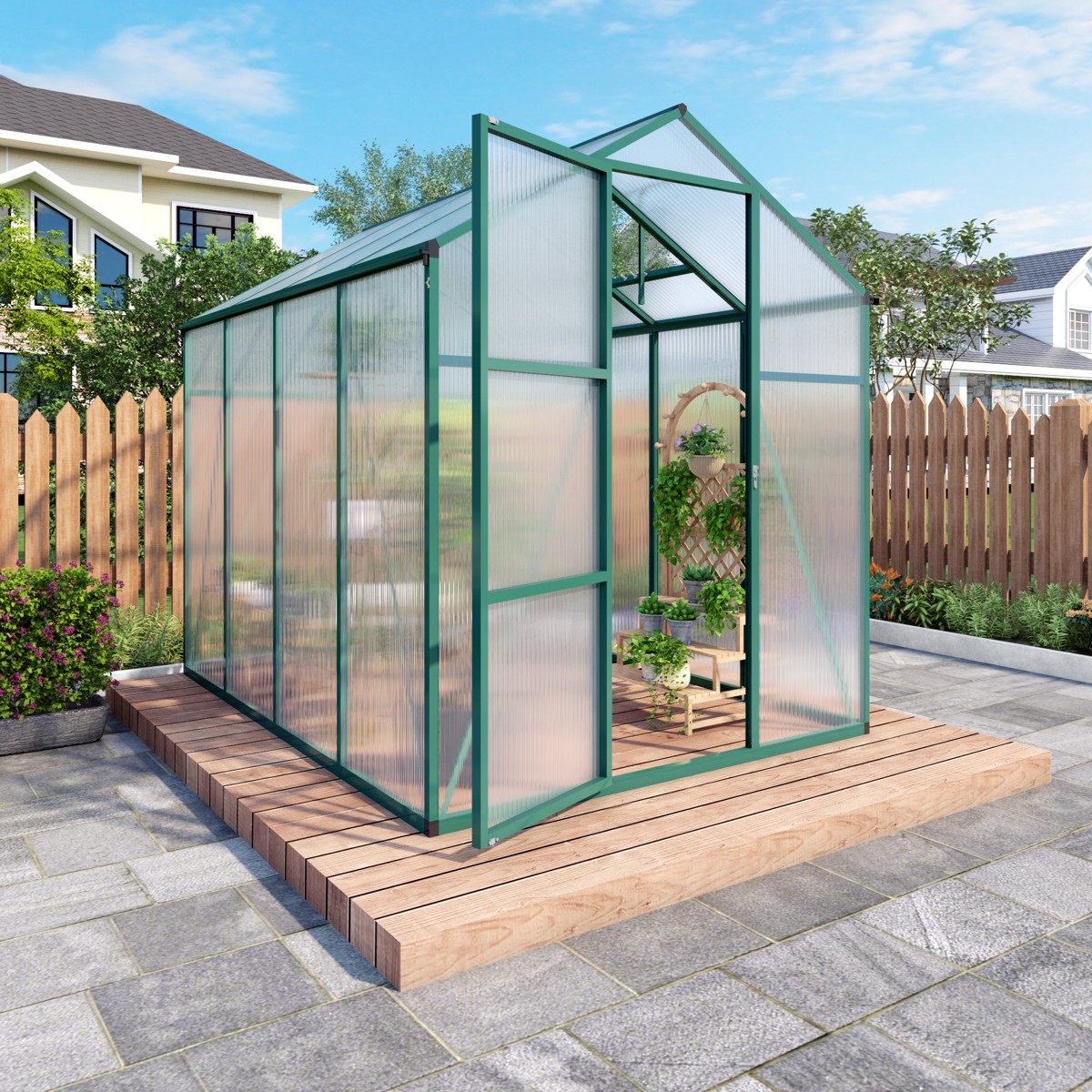
Polycarbonate greenhouse kits are the practical middle ground between flimsy film hoop houses and expensive glass structures, but panel grade, frame gauge, and snow/wind ratings vary enormously between tiers. Most buyer mistakes happen before assembly: ordering a footprint that ignores local snow-load and wind exposure, or assuming twin-wall polycarbonate alone guarantees warmth. The sizing, anchoring, and panel-thickness rules below are what actually separate a decade-long structure from a season-one collapse.

Buying guide image
Outdoor Structures, Shade & Awnings

Outdoor Canopy Gazebo

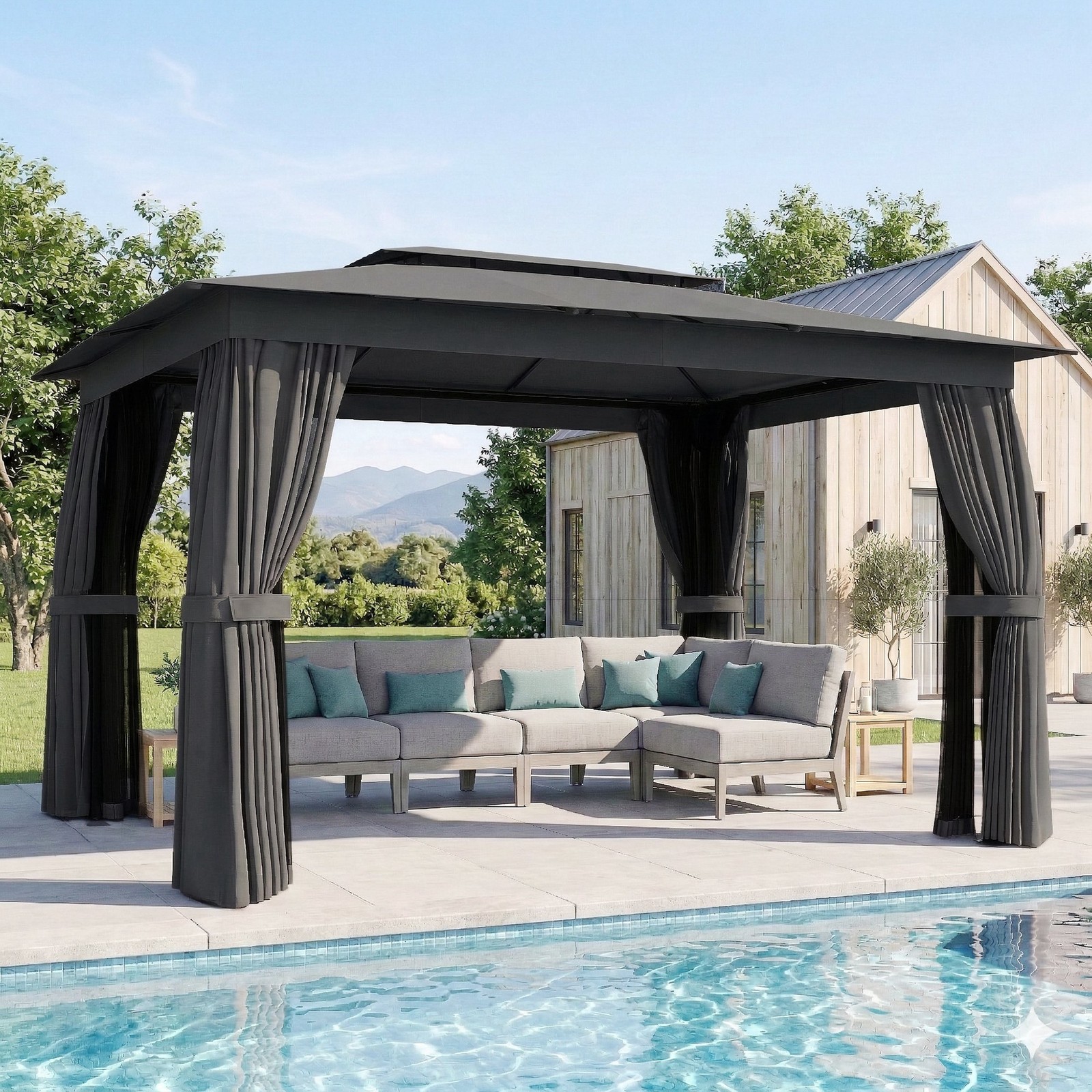
Outdoor canopy gazebos are freestanding fabric-and-frame shelters used for patio shade, event overflow, and temporary carports. The core trade-off is frame gauge vs. canopy fabric grade: thin steel tubes and 150D polyester fail in wind and UV within a season, while thicker wall aluminum or galvanized steel with 250D+ ripstop fabric or PVC-coated tops last years. The decision rule: pick a gazebo whose frame wall thickness and fabric denier are stated numerically, and skip any listing that hides those two figures behind 'heavy duty' marketing.

Buying guide image
Watering & Irrigation

Self Watering System

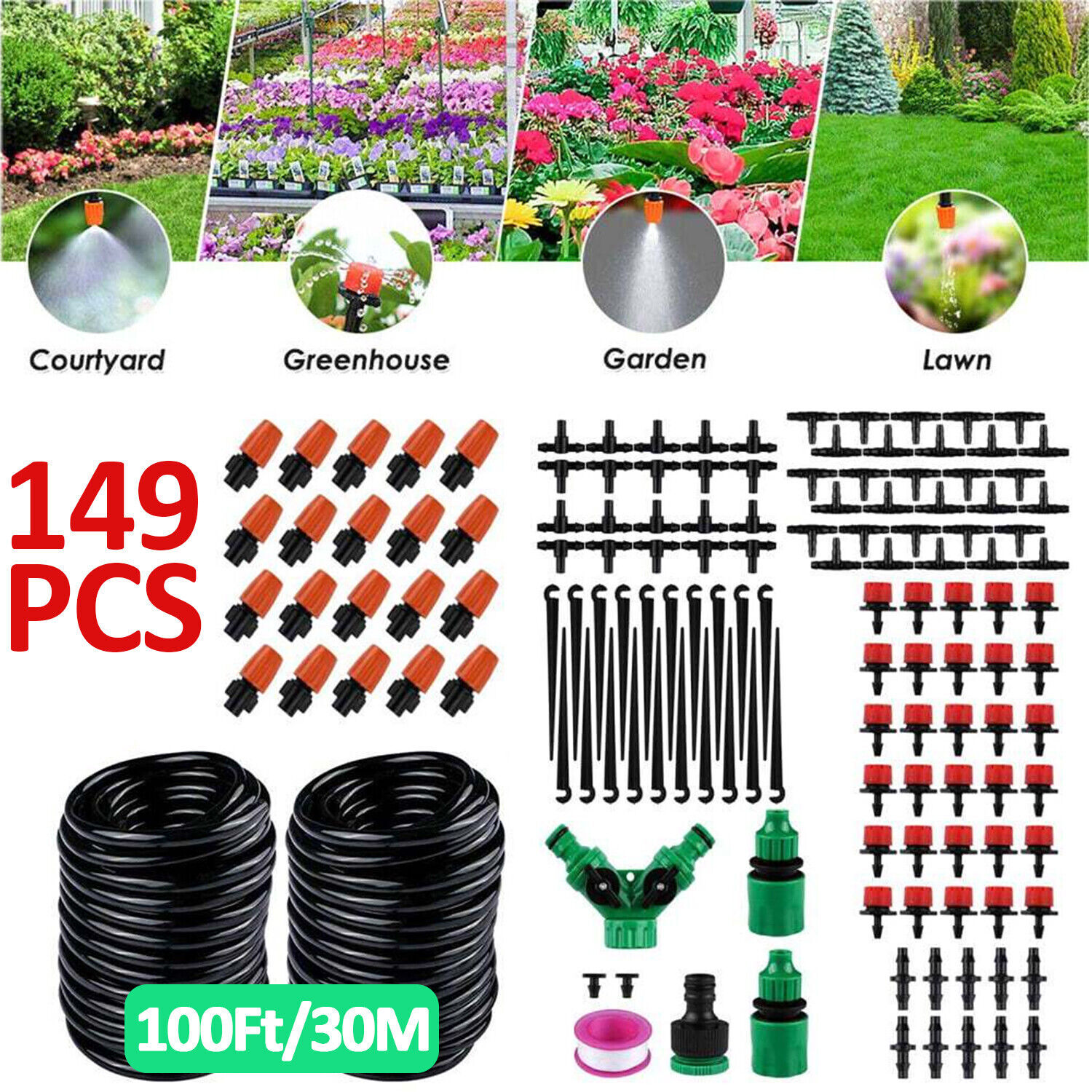
A self-watering system delivers measured water to potted plants without manual watering, using either passive wicks/spikes or active pump-and-timer drip kits. The core trade-off is passive capillary spikes (cheap, no power, but uncontrolled flow and salt buildup) versus active diaphragm-pump kits with programmable timers (precise, vacation-capable, but need power and emitter maintenance). Buy active timed drip for reliable multi-week coverage; choose passive spikes only for short trips or low-demand succulents.

Buying guide image
Chicken Coops & Runs

Poultry Run

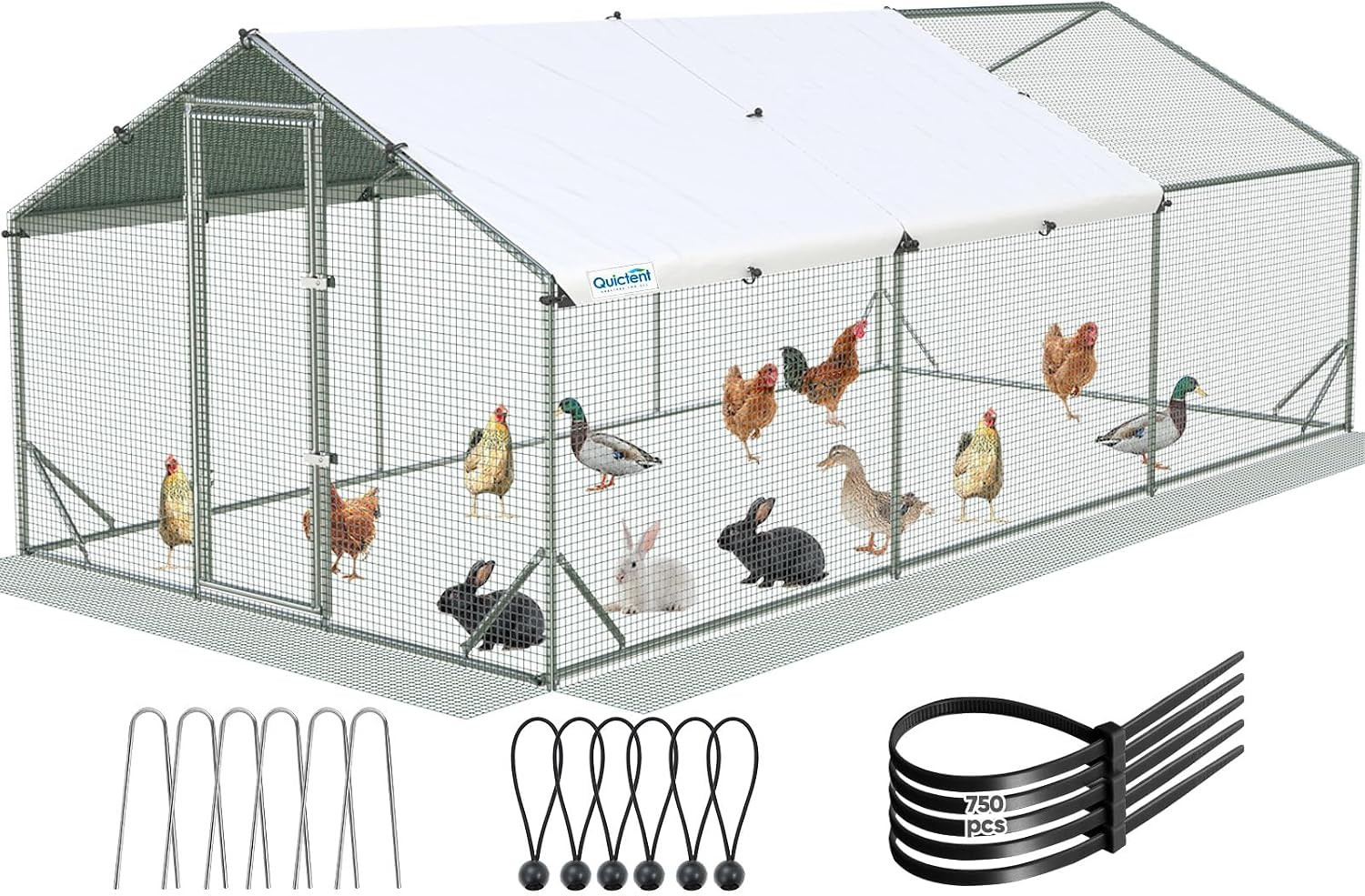
Poultry runs solve a different job than coops: they provide predator-resistant, weather-exposed daytime space where birds can forage and dust-bathe without free-ranging into gardens or traffic. Buyers get tripped up by undersizing the footprint against flock count, buying a run without a compatible coop, and missing the predator-threat match (buried skirts, hardware cloth, roof coverage).

Buying guide image
Patio Furniture

Folding Patio Chair

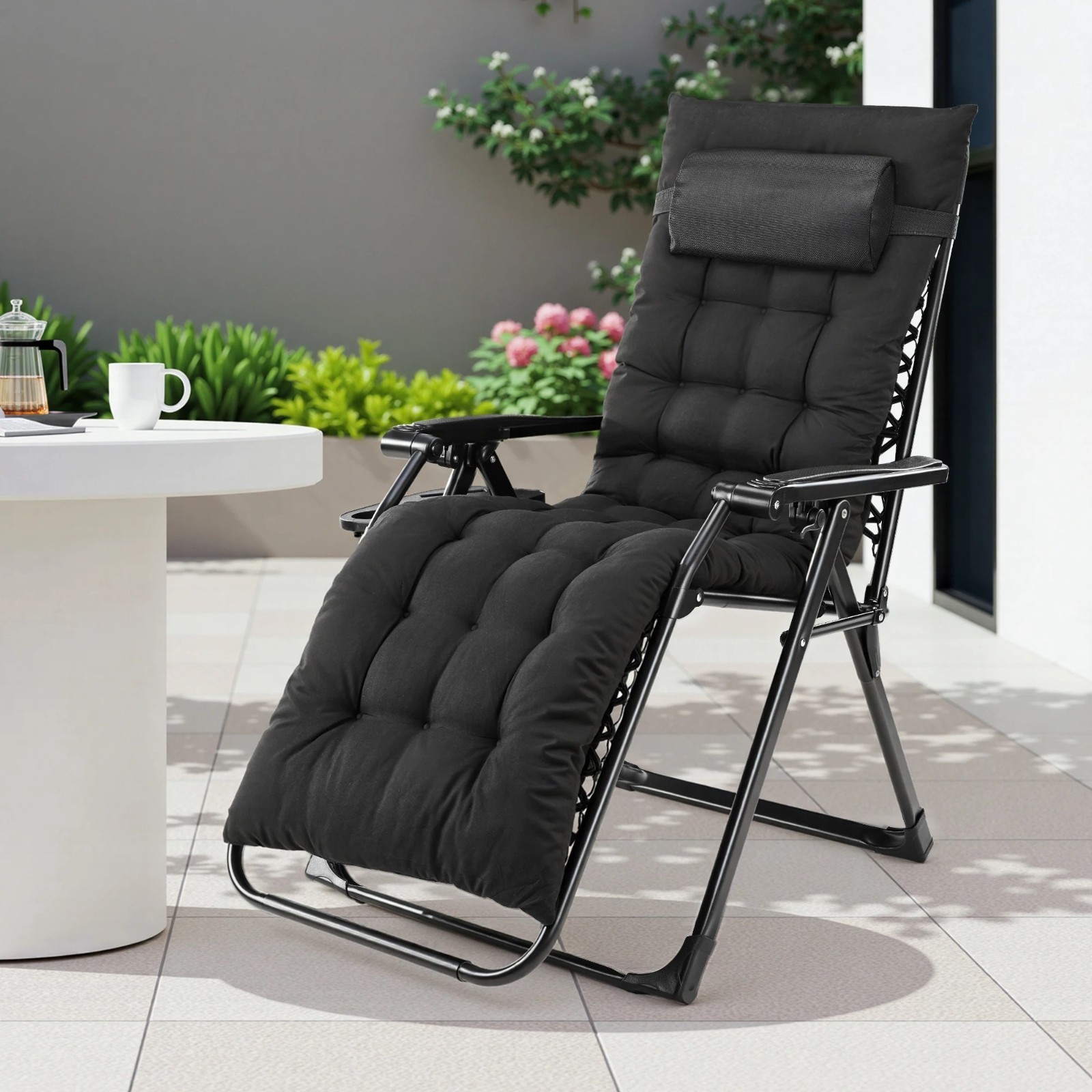
Folding patio chairs succeed or fail on three things: frame steel gauge and coating, fabric or sling UV resistance, and folded footprint versus your storage closet. Buyers routinely pick a chair that fits the body but not the balcony, or chase a low weight rating that fails within two seasons of sun exposure. Start with frame alloy and joint construction, then size the folded dimensions against where the chair actually lives off-season.

Buying guide image
Outdoor Structures, Shade & Awnings

Cantilever Umbrella

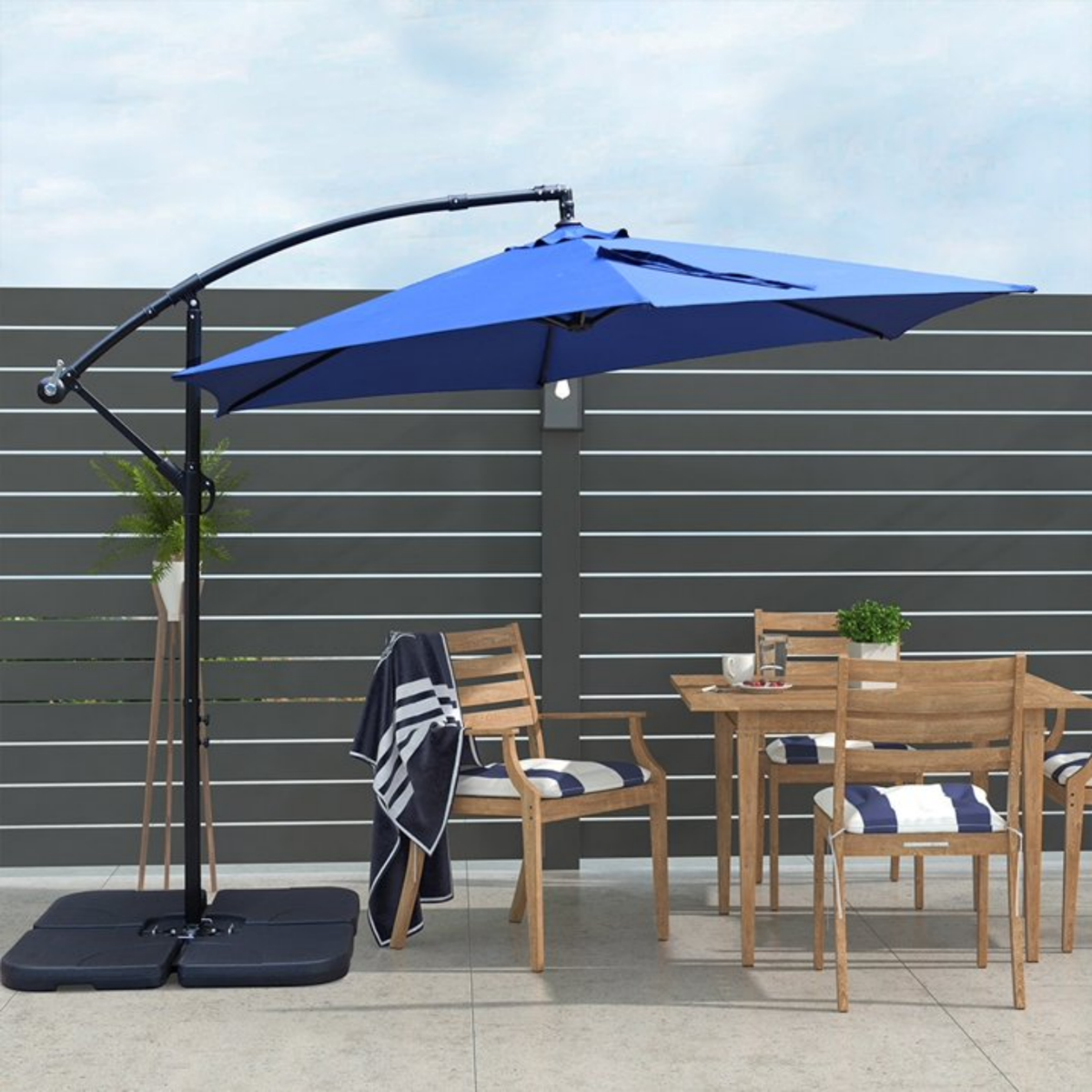
Cantilever umbrellas solve the problem of a center pole blocking your table or seating area, but the offset design shifts the stability burden to the base and arm. Buyers often under-buy the base or misjudge canopy rotation clearance, leading to tipping or limited shade coverage. Focus on frame material, base fill weight, and crank/tilt mechanics before choosing canopy size.

Buying guide image
Beehives & Frames

Beehive Frame With Foundation

A beehive frame with foundation is a ready-to-install Langstroth frame pre-fitted with a wax or plastic sheet that guides bees to draw straight, uniform comb. The core trade-off is foundation material and frame construction: pure beeswax foundation with wired wooden frames draws fastest and lasts decades, while plastic foundation or thin unwired frames save assembly time but risk sagging, blowouts, and inconsistent comb. Buy wooden frames with beeswax-coated foundation for brood and honey production; choose plastic foundation only for harsh-humidity shortcuts or wax-moth-prone storage.

Buying guide image
Outdoor Storage

Waterproof Storage Container

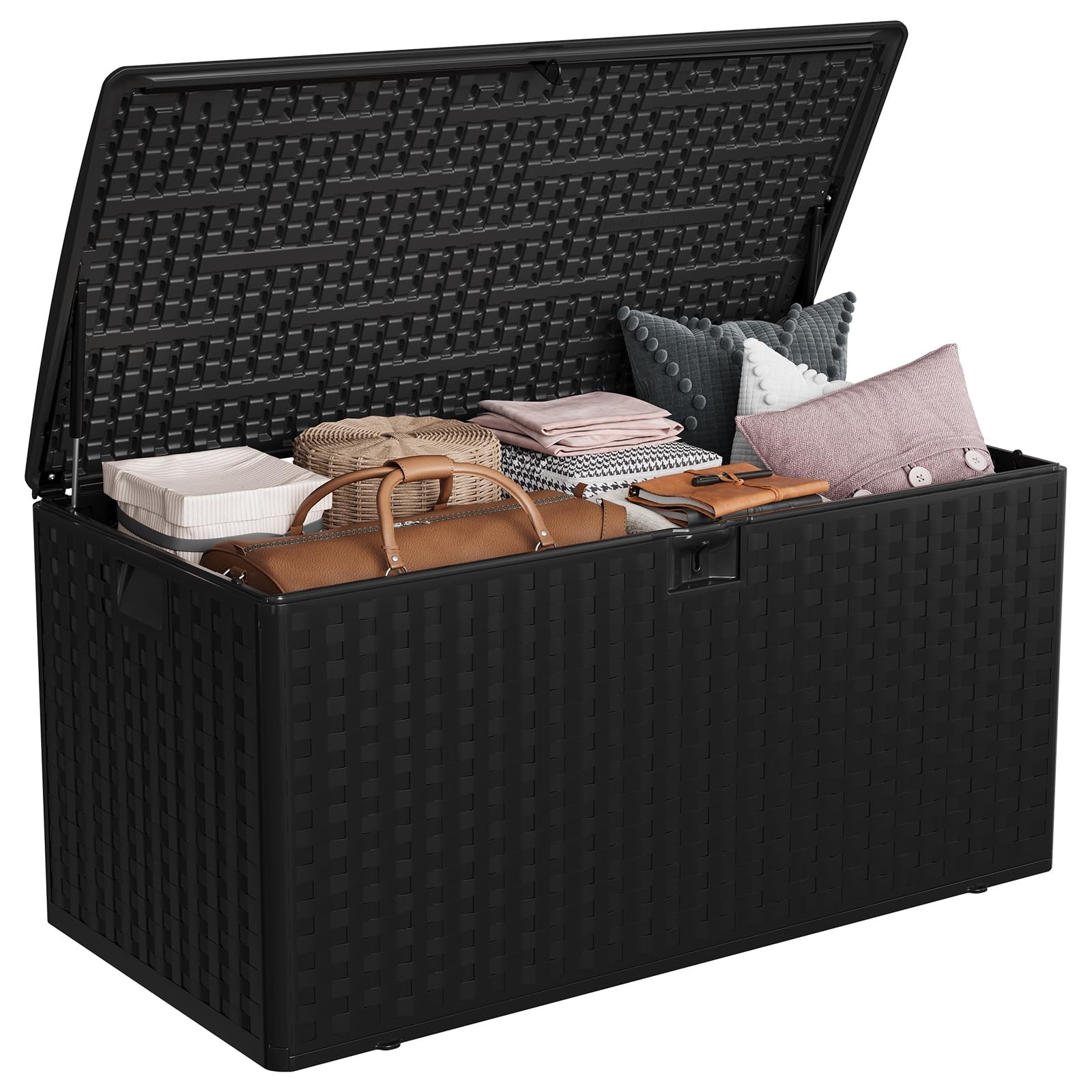
Waterproof storage containers for outdoor use are rigid deck boxes, parcel drop boxes, and heavy-duty bins that protect cushions, tools, and deliveries from rain, UV, and theft. The core trade-off is resin vs. steel: resin resists rust and never needs painting but can warp or fade under extreme heat, while steel is stronger and lockable but requires rust-proof coating and weighs far more. The decision rule is simple: pick a resin box with a gasketed lid and UV-stabilized walls for weatherproofing, or a powder-coated steel box if security and load-bearing matter more than portability.

Buying guide image
Beehives & Frames

Beehive Kit

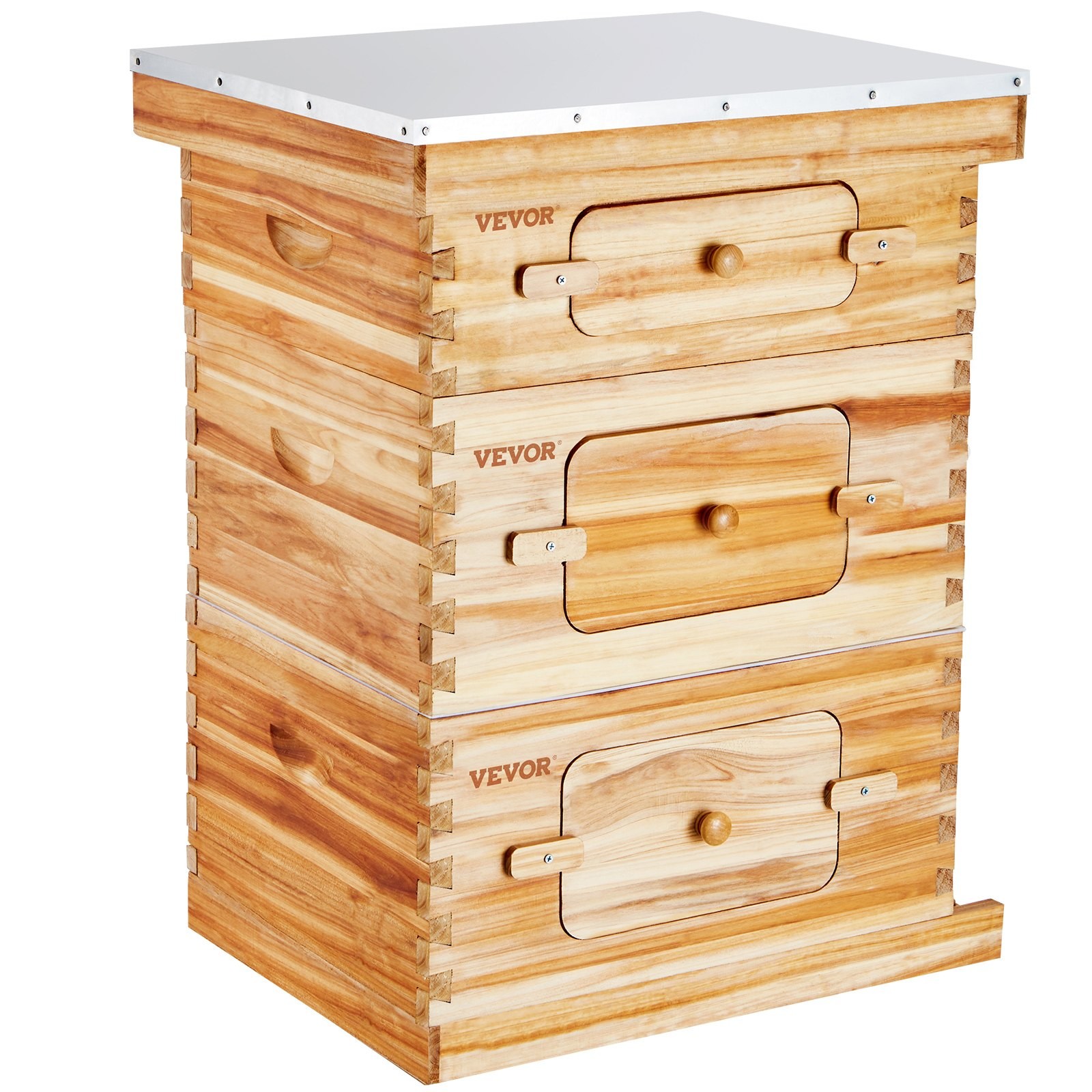
A beehive kit bundles the hive bodies, frames, and often accessories needed to start a Langstroth colony, where the key trade-off is wood species and wax coating versus frame count and box depth. Durable kits use cedar or fir with full beeswax dipping and standard 10-frame Langstroth dimensions, while compromises rely on thin pine, paraffin blends, or non-standard frame spacing. Choose a kit sized to your apiary plan (2 deep + 2 medium is the practical minimum for a full season) and skip decorative or auto-flow-only gimmicks until you have a proven brood-chamber system.

Buying guide image
Pools & Spas

Hot Tub

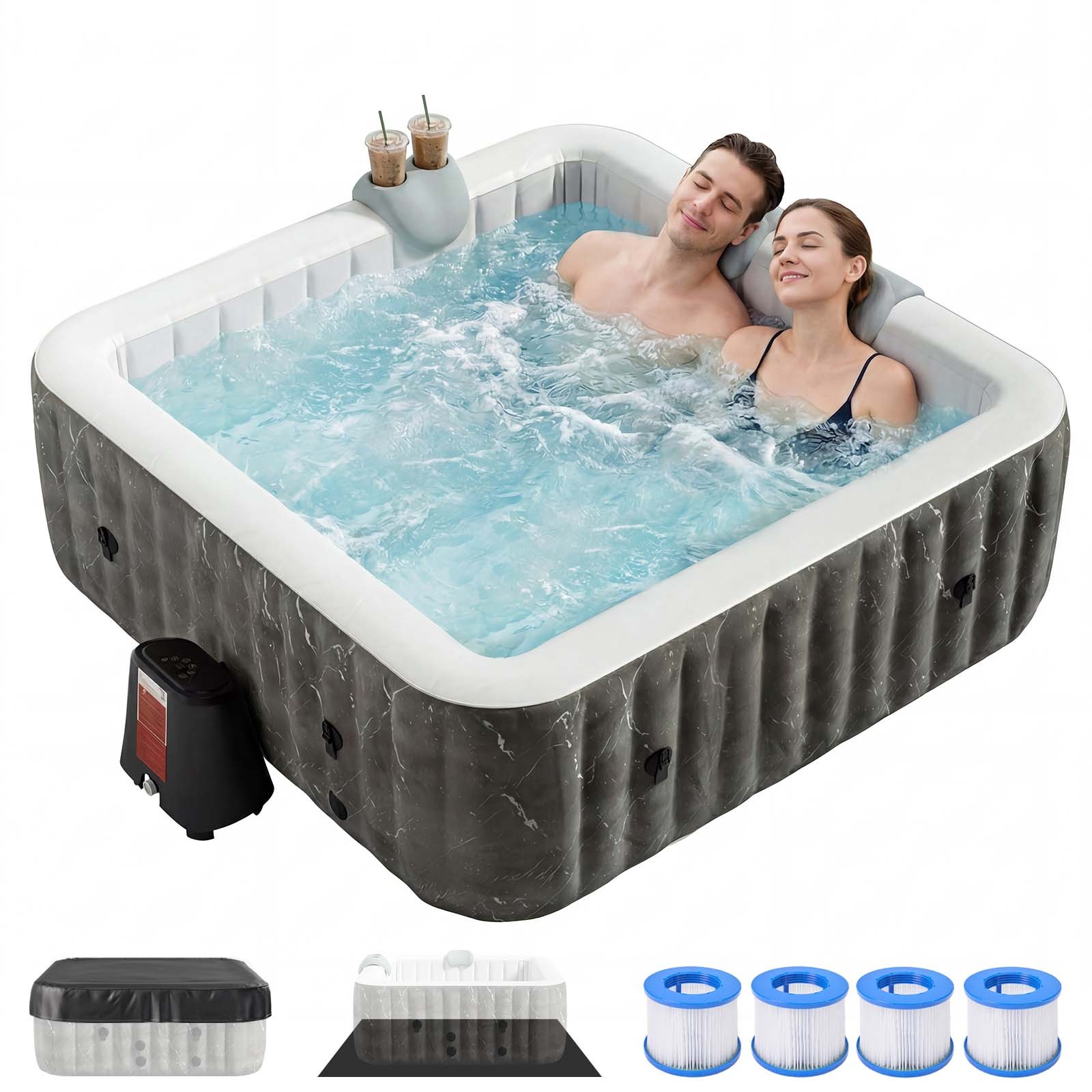
A hot tub is a heated, filtered water vessel for hydrotherapy and relaxation, available as portable plug-and-play units, hardwired acrylic spas, and inflatable models. The core trade-off is insulation and frame rigidity versus portability and installation cost: roto-molded and inflatable tubs sacrifice heat retention and jet pressure, while acrylic tubs with full foam insulation and dedicated pumps deliver durability and performance. Choose a hardwired acrylic spa for permanent outdoor installation; choose a 110V plug-and-play or inflatable model only for renters, seasonal use, or limited electrical capacity.

Buying guide image
Pools & Spas

Portable Hot Tub

Portable hot tubs split into two distinct architectures: inflatable air-jet spas with integrated heater/pump units, and non-heated foldable soaking tubs that rely on household hot water. The core trade-off is heater wattage and jet-count versus insulation thickness and tub-wall rigidity—inflatable units win on massage and sustained heat, foldable tubs win on portability and drainage speed. Buy an inflatable spa only if you have a dedicated 15A/20A outdoor GFCI circuit and a level pad; buy a foldable tub only for occasional hot-water soaks without jets.

Buying guide image
Outdoor Structures, Shade & Awnings

Resin Shed

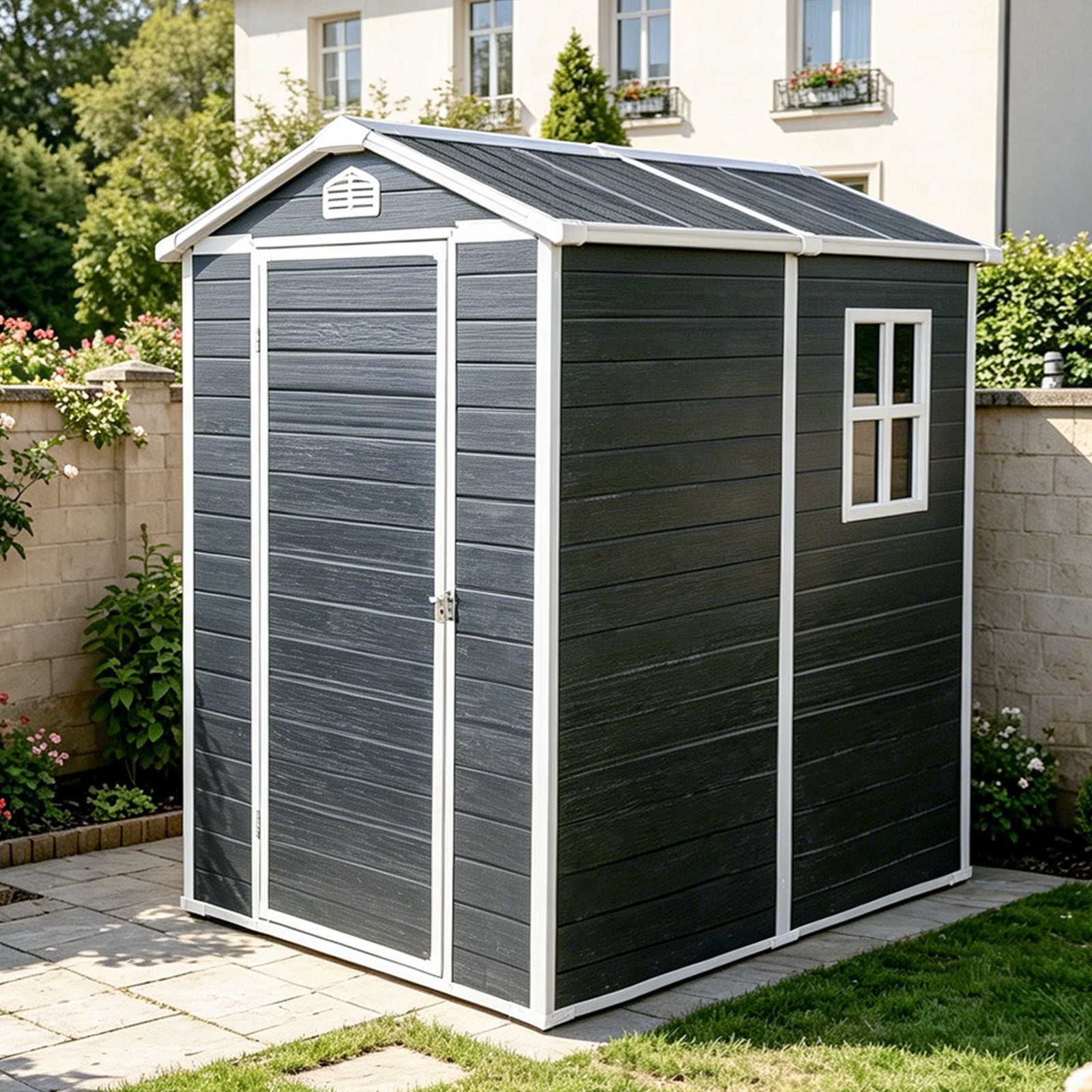
Resin sheds are modular plastic outbuildings using blow-molded or injection-molded panels, typically HDPE or polypropylene, that snap or screw together without foundations or painting. The trade-off is panel wall thickness and UV stabilization: thin hollow panels crack at fastener points and fade, while thick double-wall panels and reinforced floors handle snow load and heavy tools. The rule is simple: choose a resin shed only for light-to-medium storage on a level surface, and step up to metal or wood if you need walk-in headroom, heavy equipment, or permanent structure.

Buying guide image
Patio Furniture

Metal Patio Set

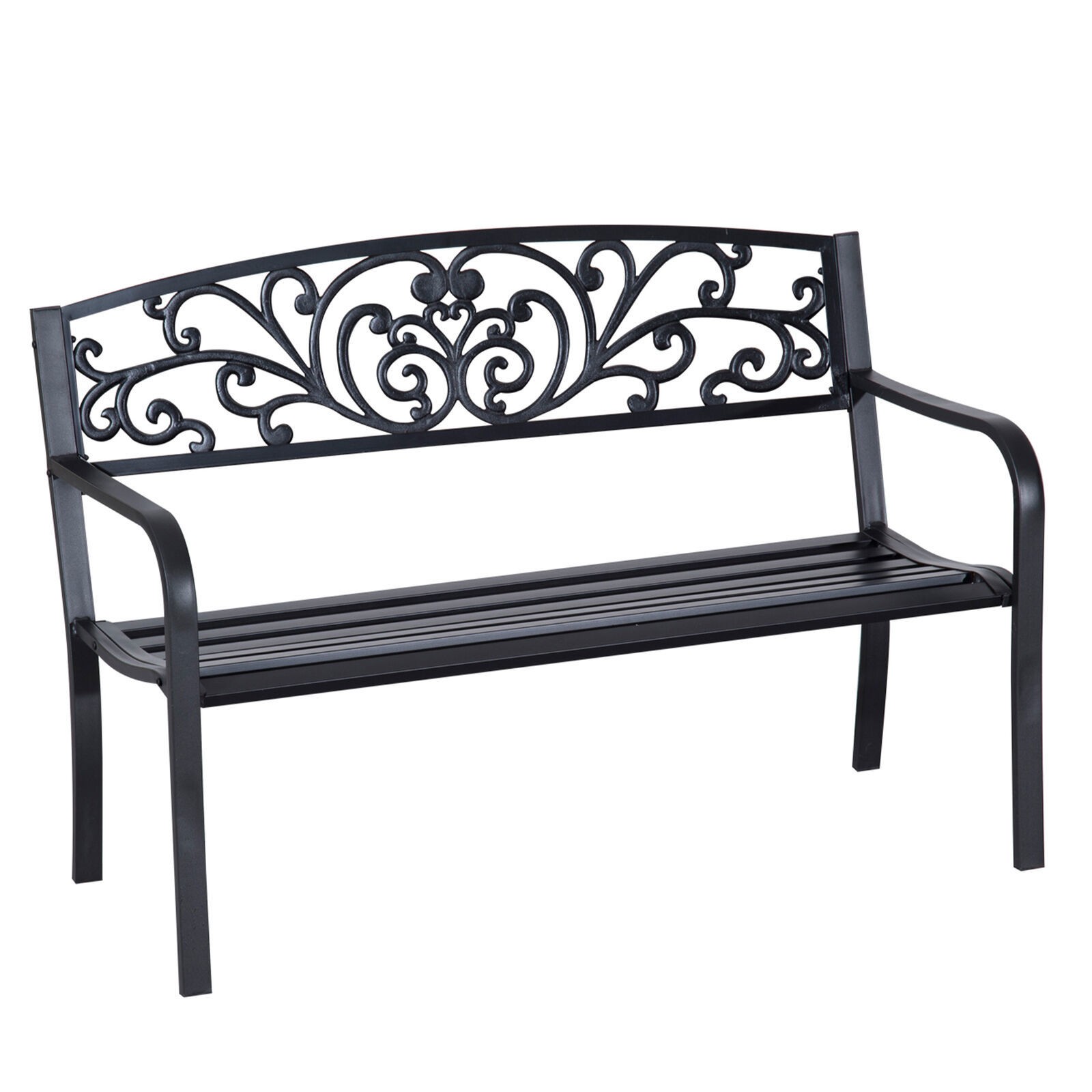
A metal patio set is outdoor furniture built on a steel, aluminum, or cast-aluminum frame, and the primary trade-off is finish quality and frame gauge versus corrosion and flex. Buyers should decide by climate: powder-coated aluminum or cast aluminum for coastal or humid exposure, and heavier-gauge steel with a full powder coat for inland dry climates where the set stays put.

Buying guide image
Pools & Spas

Hot Tub Pool

A hot tub pool is a self-contained, portable or permanent vessel that combines heated water, hydromassage jets, and filtration into one unit—distinct from a swimming pool by size, insulation, and dedicated spa equipment. The primary trade-off is between inflatable/rotomolded plug-and-play models (low cost, low heat retention, limited pump power) and acrylic/thermally insulated hard-shell tubs (higher cost, superior heat retention, serviceable standardized pumps and heaters). The clear decision rule: choose a hard-shell tub with a standard 48- or 56-frame pump and UL-listed components for long-term durability; choose an inflatable only if you accept shorter equipment life and slower heat recovery.

Buying guide image
Pools & Spas

Hot Tub Spa

A hot tub spa is a heated, jetted water vessel for relaxation and hydrotherapy, available as inflatable, roto-molded, or acrylic cabinet models. The core trade-off is insulation and pump architecture: budget inflatables use thin PVC and low-flow pumps, while premium acrylic tubs use full-foam insulation and multi-speed jet pumps. Choose inflatable for seasonal portability, roto-molded for balanced durability, and acrylic for year-round efficiency and longevity.

Buying guide image
Outdoor Structures, Shade & Awnings

Resin Shed With Floors

Resin sheds with floors are molded plastic outdoor storage buildings that include a structural floor panel, eliminating the need for a separate concrete pad. The core trade-off is resin wall thickness and UV stabilization versus floor load rating and panel interlock quality—thin hollow-wall panels and snap-together floors sag under heavy tools, while double-wall resin and reinforced floor channels hold up for years. Buy a double-wall resin shed with a floor rated for your heaviest equipment; skip single-wall kits with thin floors if you plan to store mowers, generators, or stacked bins.

You may also like

Finding more guides for you…