
Photos from current listings. Actual item, color, and included accessories may vary.
Beehive Frame With Foundation Buying Guide
A beehive frame with foundation is a ready-to-install Langstroth frame pre-fitted with a wax or plastic sheet that guides bees to draw straight, uniform comb. The core trade-off is foundation material and frame construction: pure beeswax foundation with wired wooden frames draws fastest and lasts decades, while plastic foundation or thin unwired frames save assembly time but risk sagging, blowouts, and inconsistent comb. Buy wooden frames with beeswax-coated foundation for brood and honey production; choose plastic foundation only for harsh-humidity shortcuts or wax-moth-prone storage.
Median $198.34 · New listings
Key takeaways
- Langstroth frames are standardized to 19 mm (3/4 in) end bars; deep frames measure 232 x 482 mm and medium frames 168 x 482 mm, so foundation sheets must match box depth exactly.
- Pure beeswax foundation (approx. 220–260 g per deep sheet) outperforms plastic-coated or paraffin-blend sheets because bees accept and draw it 2–3x faster with less bridging.
- Wire-reinforced wooden frames with horizontal support pins prevent comb blowout during extraction; unwired frames are brood-only and should never be spun in a centrifuge.
At a glance
- Category
- Beehives & Frames
- Last updated
- Nov 27, 2026
Current offers
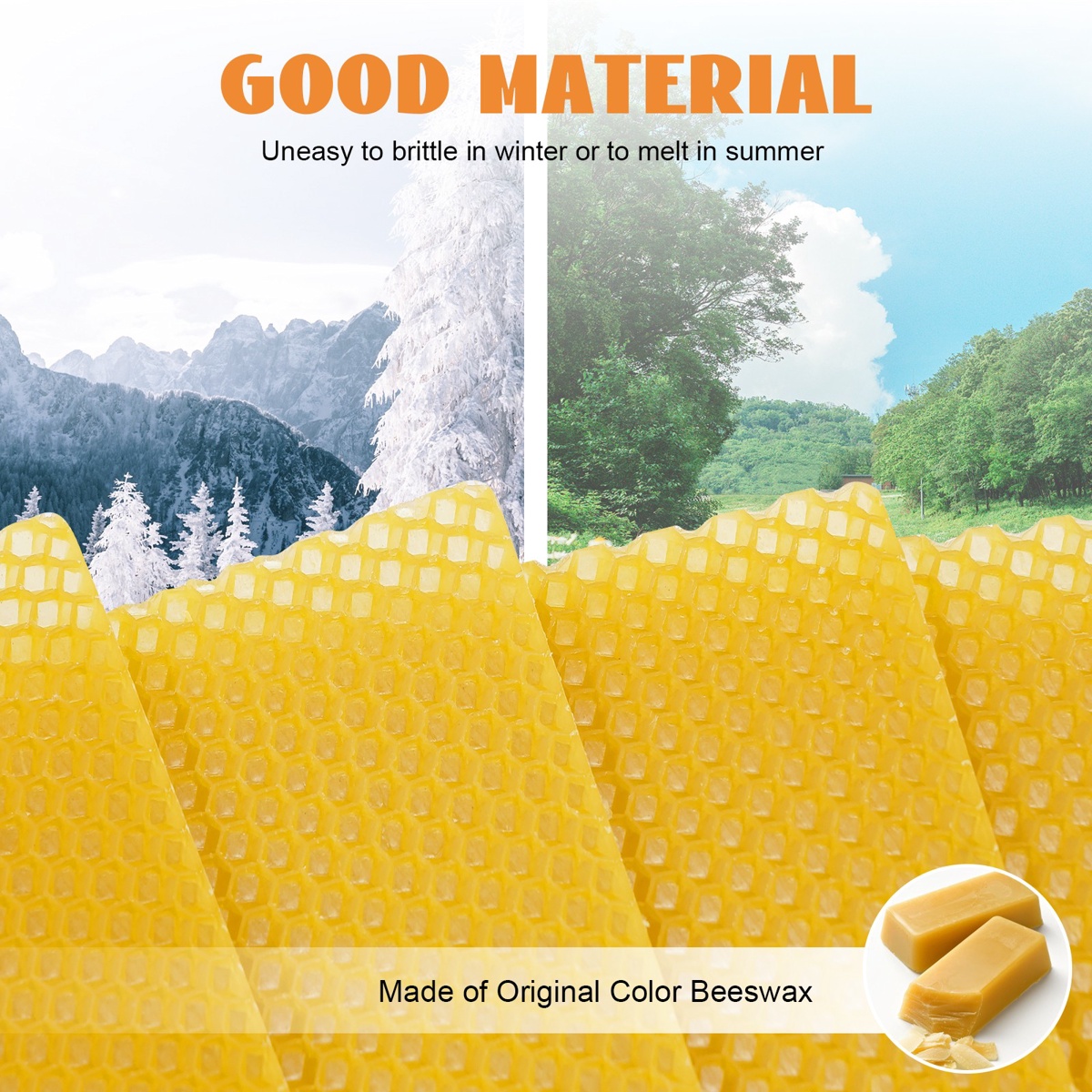 30x Honeycomb Foundation Beehive Wax Frames Waxing Beekeeping Equipment Bee$37.39View on eBay
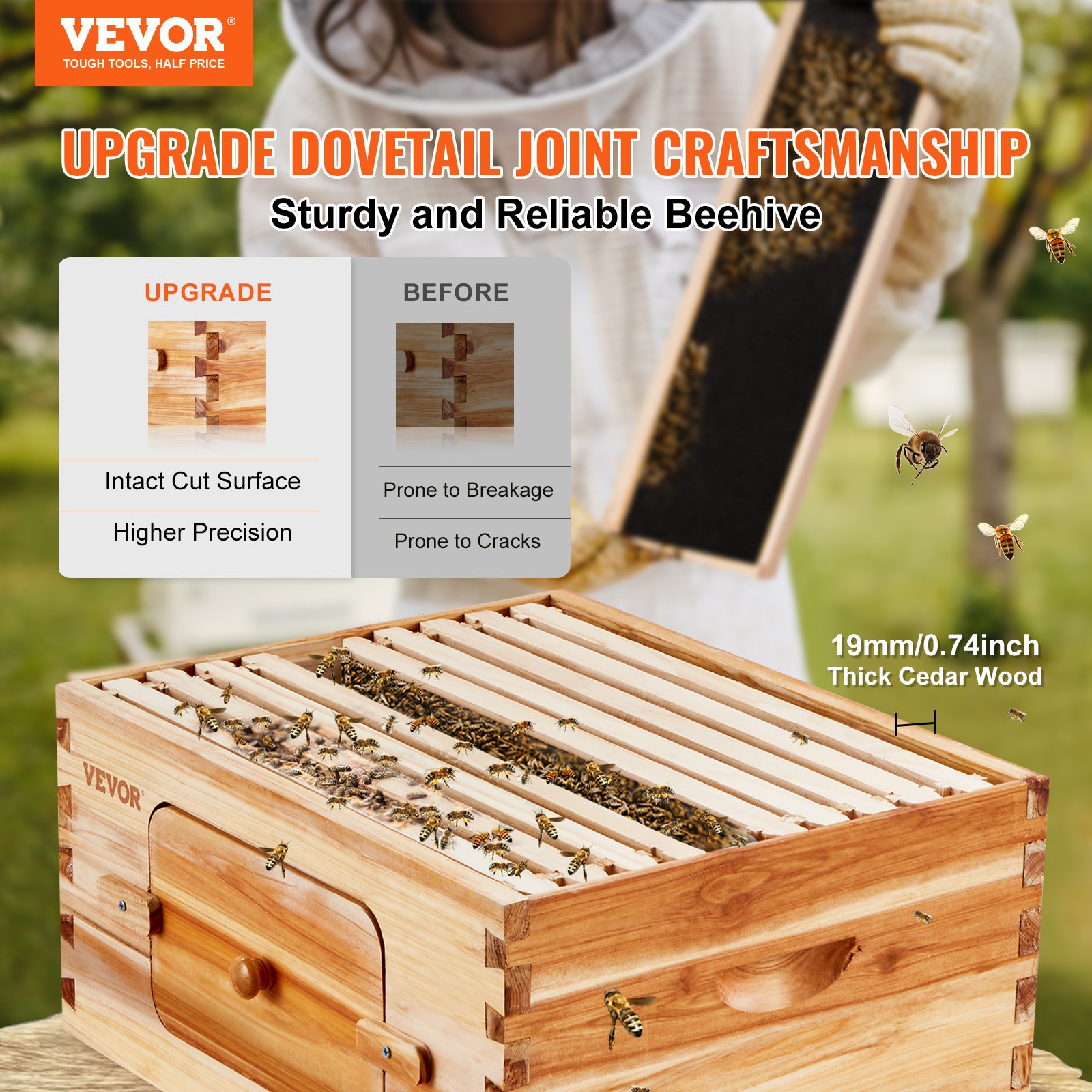 Bee Hive Deep Box Starter Kit, Beeswax Coated Natural Cedar Wood, Langstroth Beehive Kit With 10 Frames And Foundations, Transparent Acrylic Bee Windows For Beginners And Pro Beekeepers$49.99View on Mallflare
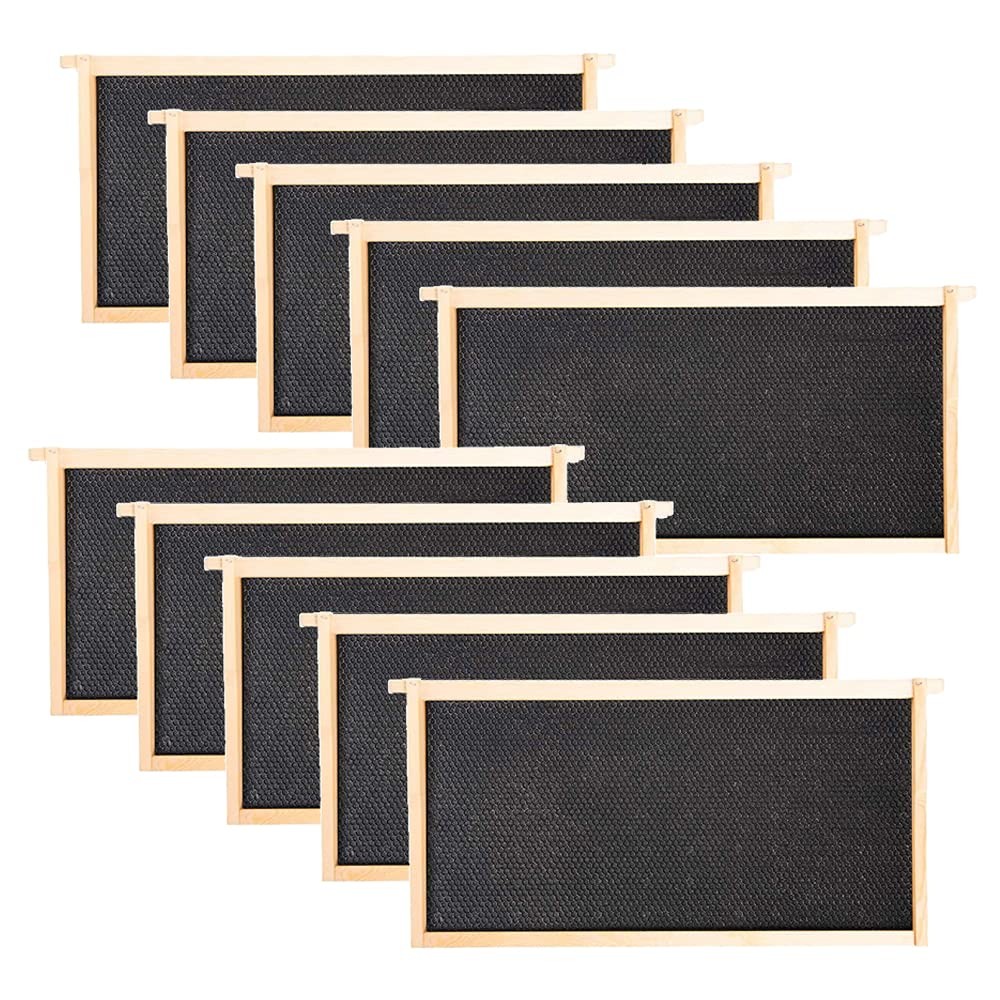 Beehive Frames 10-Pack Deep Brood Box Wax Foundations Beekeeping Equipment$54.38View on eBay
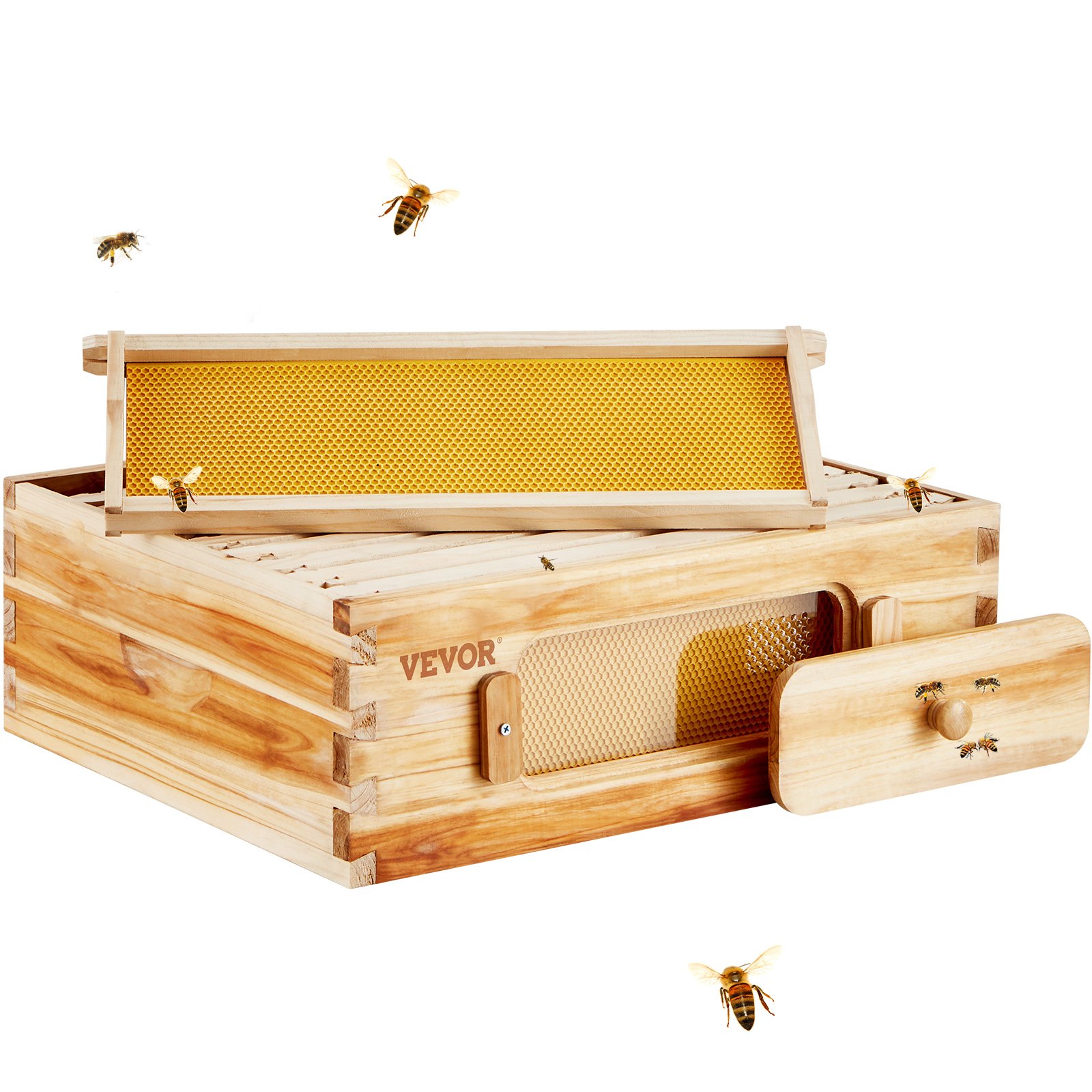 Bee Hive Medium Box Starter Kit, 100% Beeswax Coated Natural Cedar Wood, Langstroth Beehive Kit With 10 Frames And Foundations, Transparent Acrylic Bee Windows For Beginners And Pro Beekeepers$56.99View on Mallflare
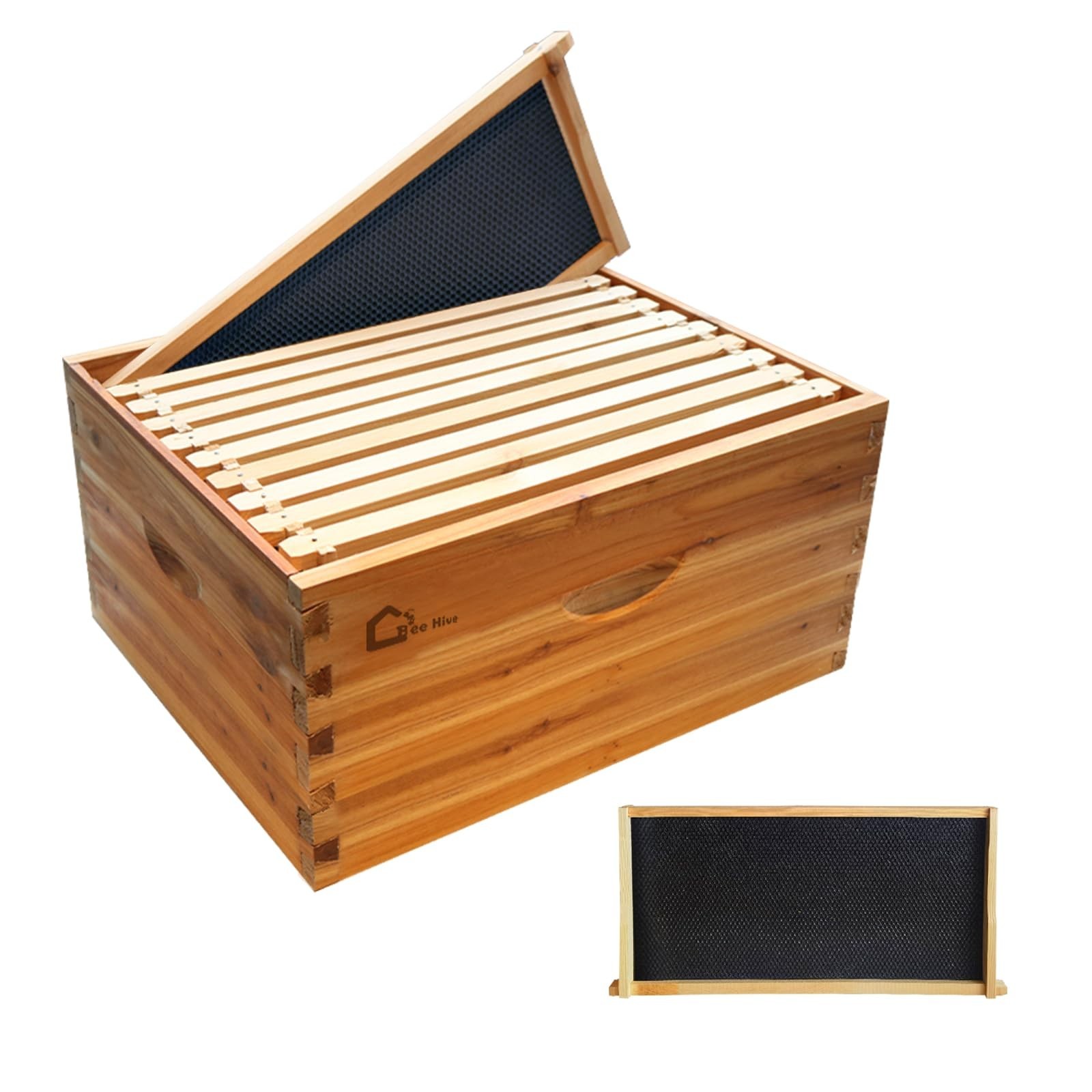 Beehive 10 Frame Complete Box Kit Langstroth Traditional Beekeeping Waterproof$55.10View on eBay
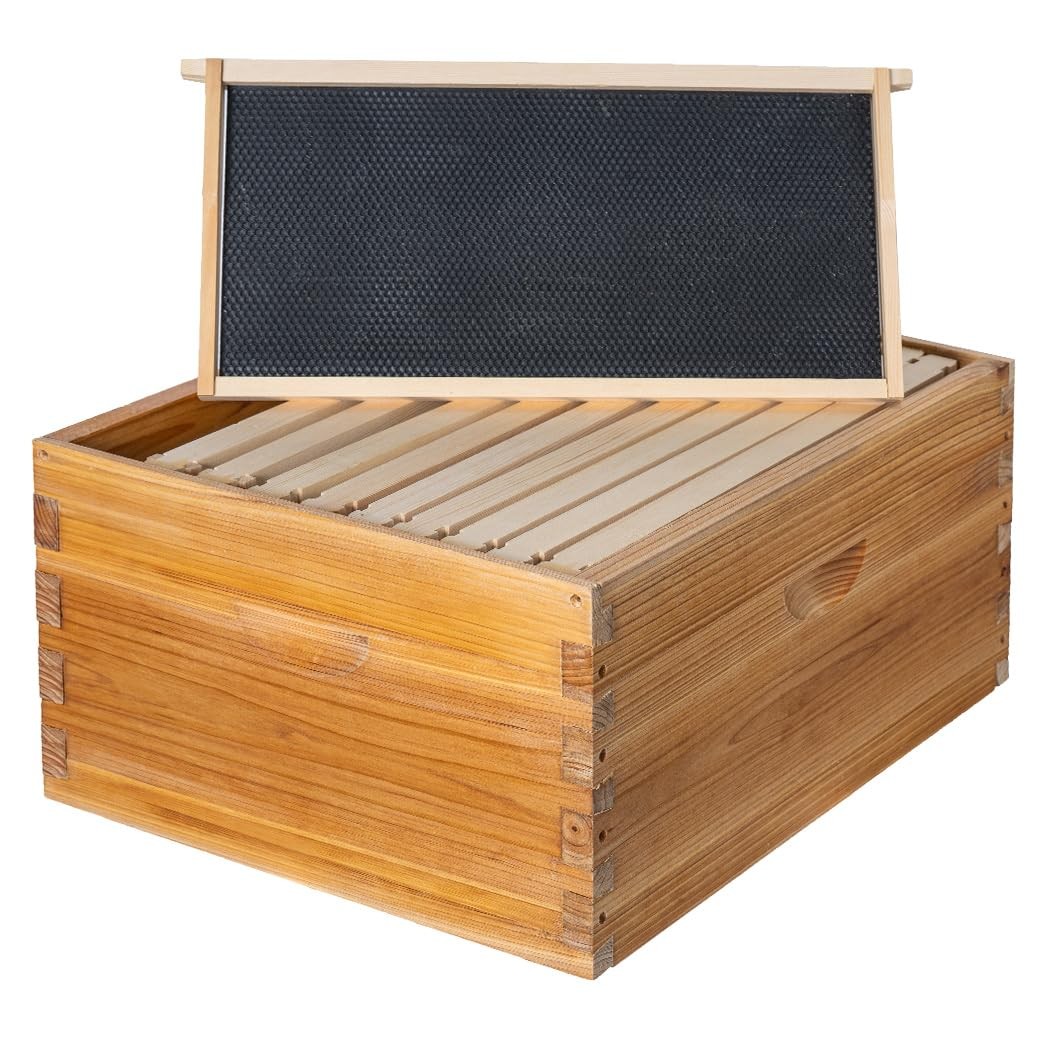 Beeswax Dipped Langstroth Bee Hive Box 10 Frame Deep Brood Beehive Equipment$75.56View on eBay
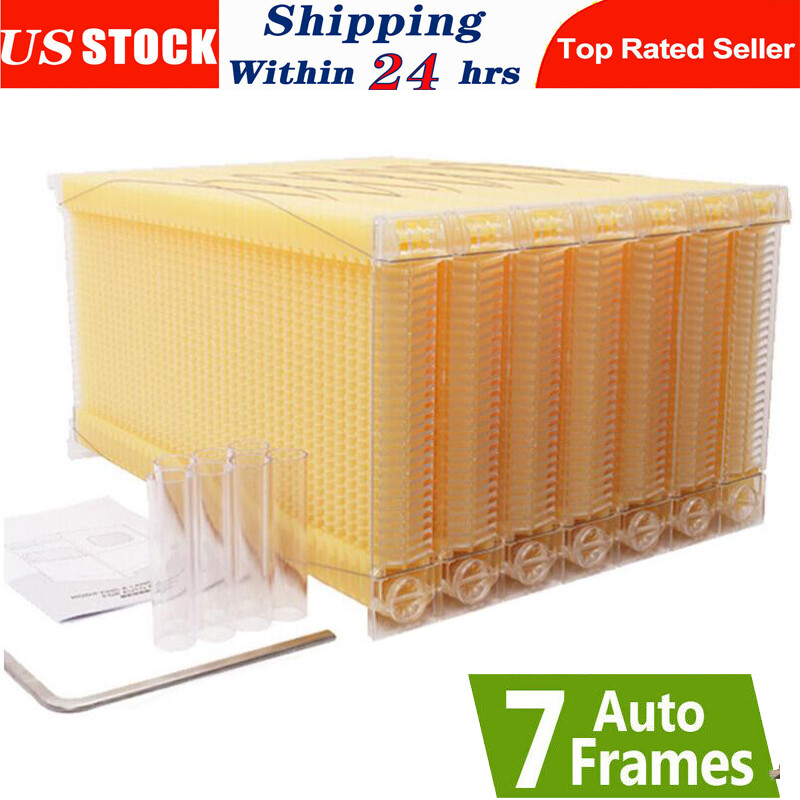 Improved 7x Auto Seep Beehive Frames Beekeeping Frames Bee Frames Beehive Frames$105.99View on eBay
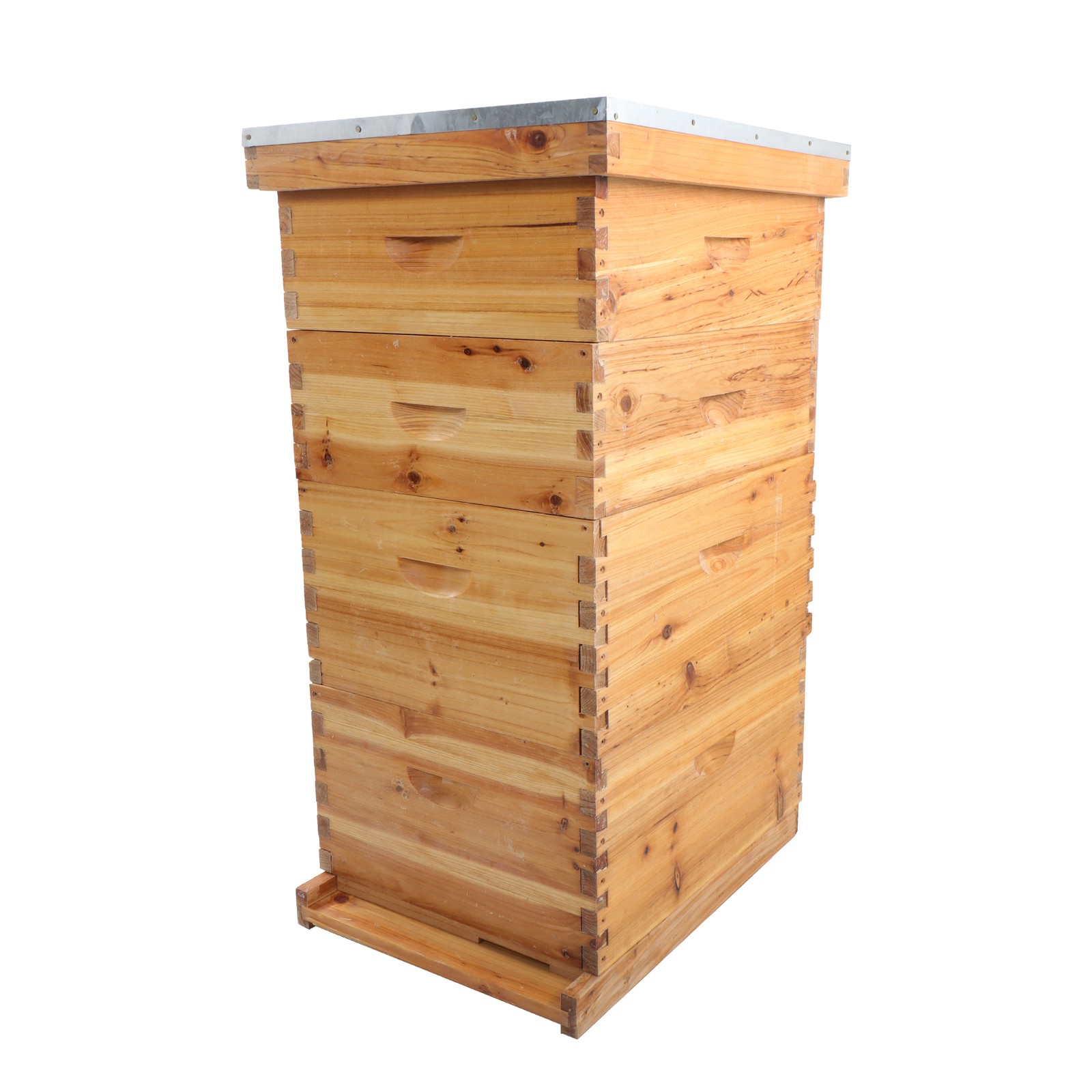 4 Layer 10 Frame Bee Hive Beeswax Coated Includes Beehive Frames and Foundations$166.08View on eBay
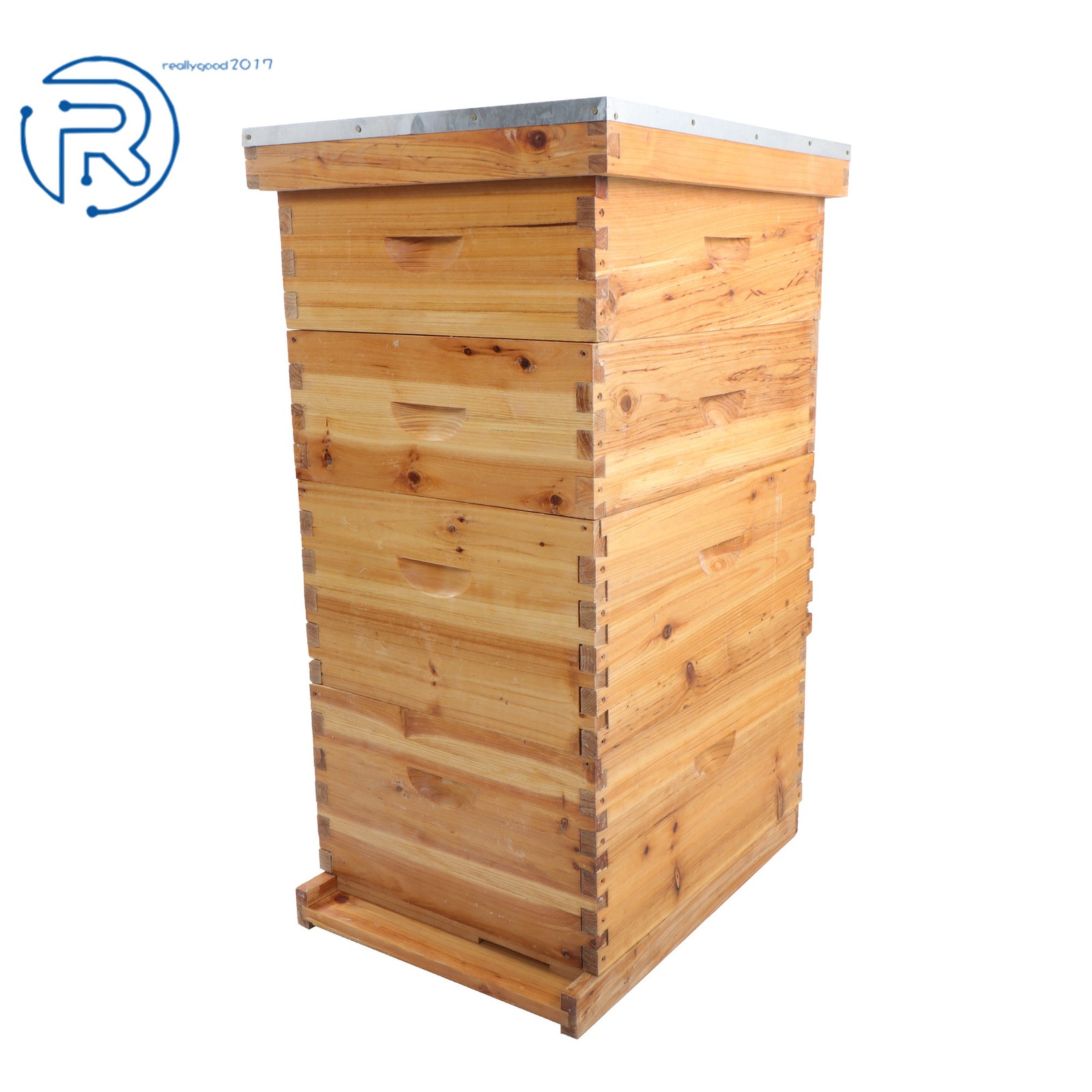 Beeswax Coated 4 Layer 10 Frame Bee Hive Includes Beehive Frames and Foundations$167.46View on eBay
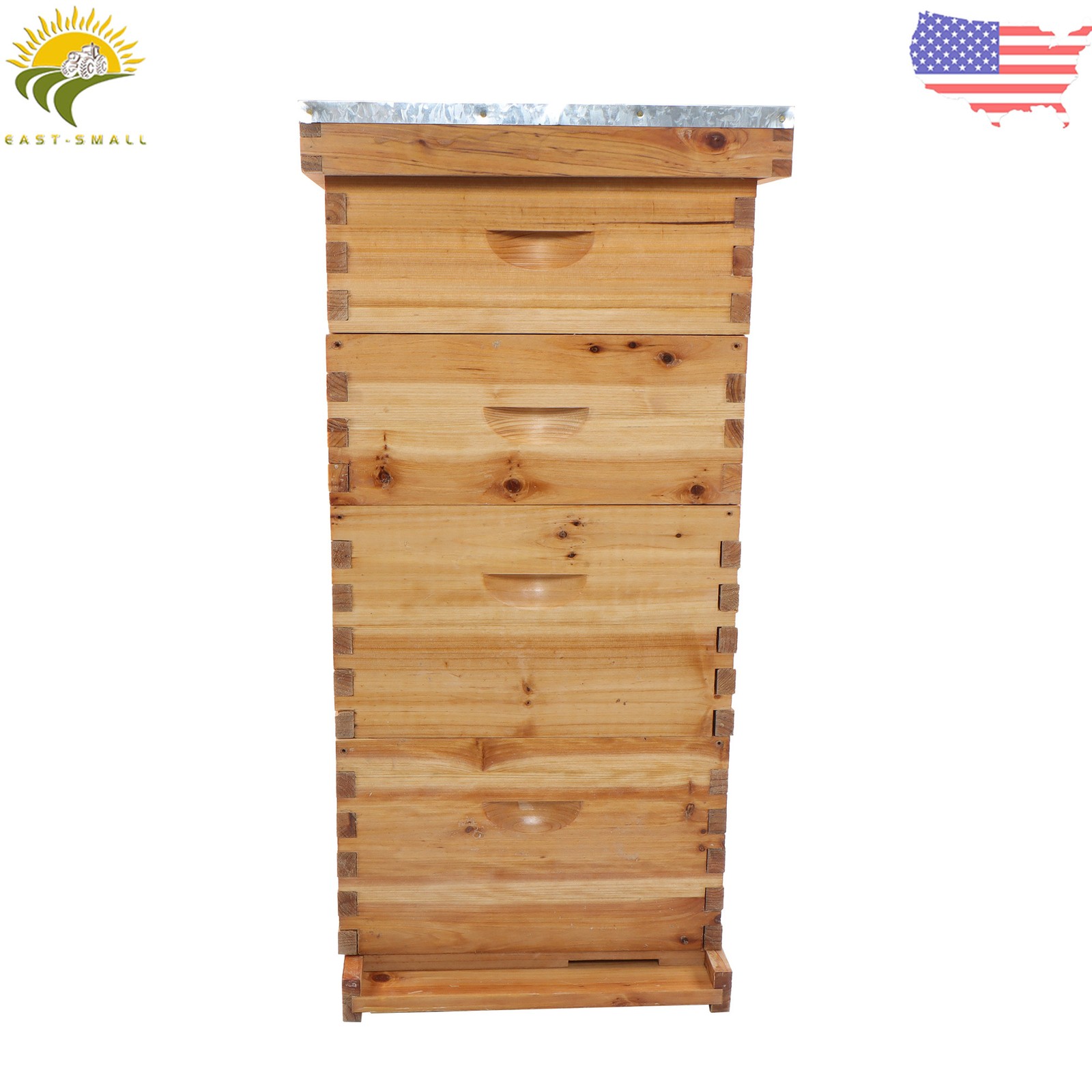 4 Layer Beehive Box 10 Frame Beeswax Coated Bee Hive With Frames For Bee Keeping$167.46View on eBay
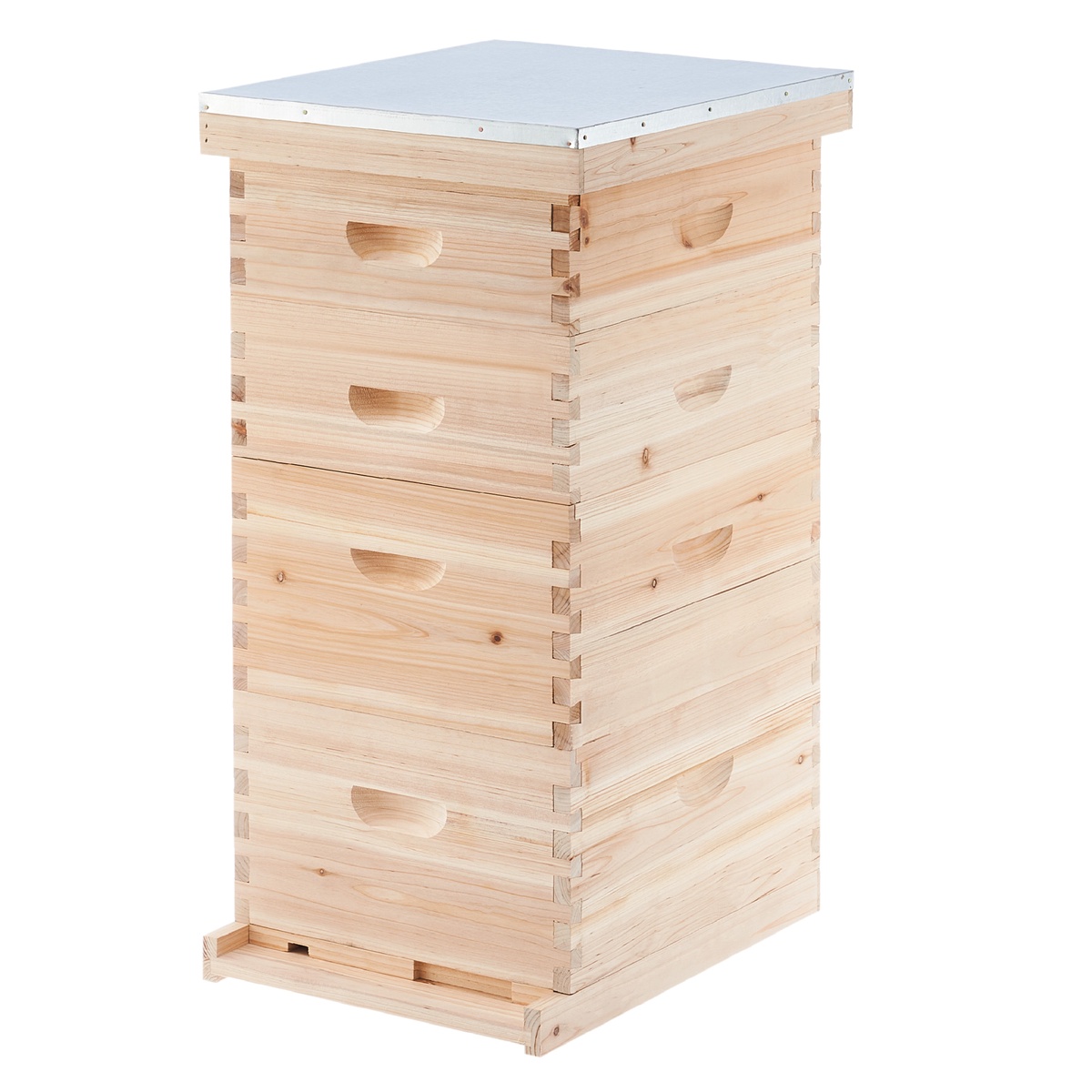 Langstroth Beehive Kit - 40 Frame Box with 20 Deep & 20 Medium Frames$177.99View on eBay
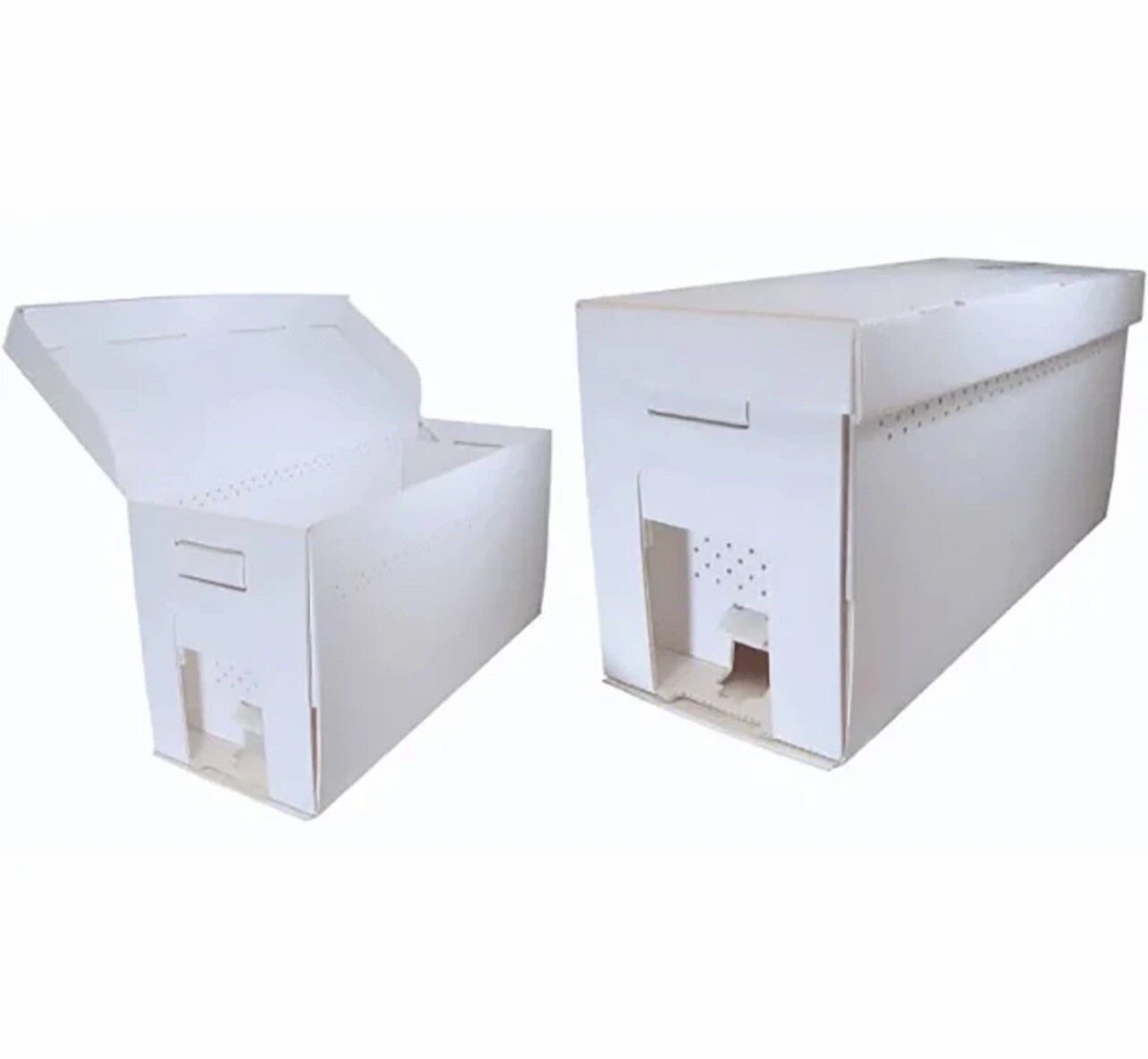 5 frame Nucs , Corrugated plastic Langstroth beehive deep frame box 12 PACK$218.69New · Last checked Nov 23, 2026View on eBay
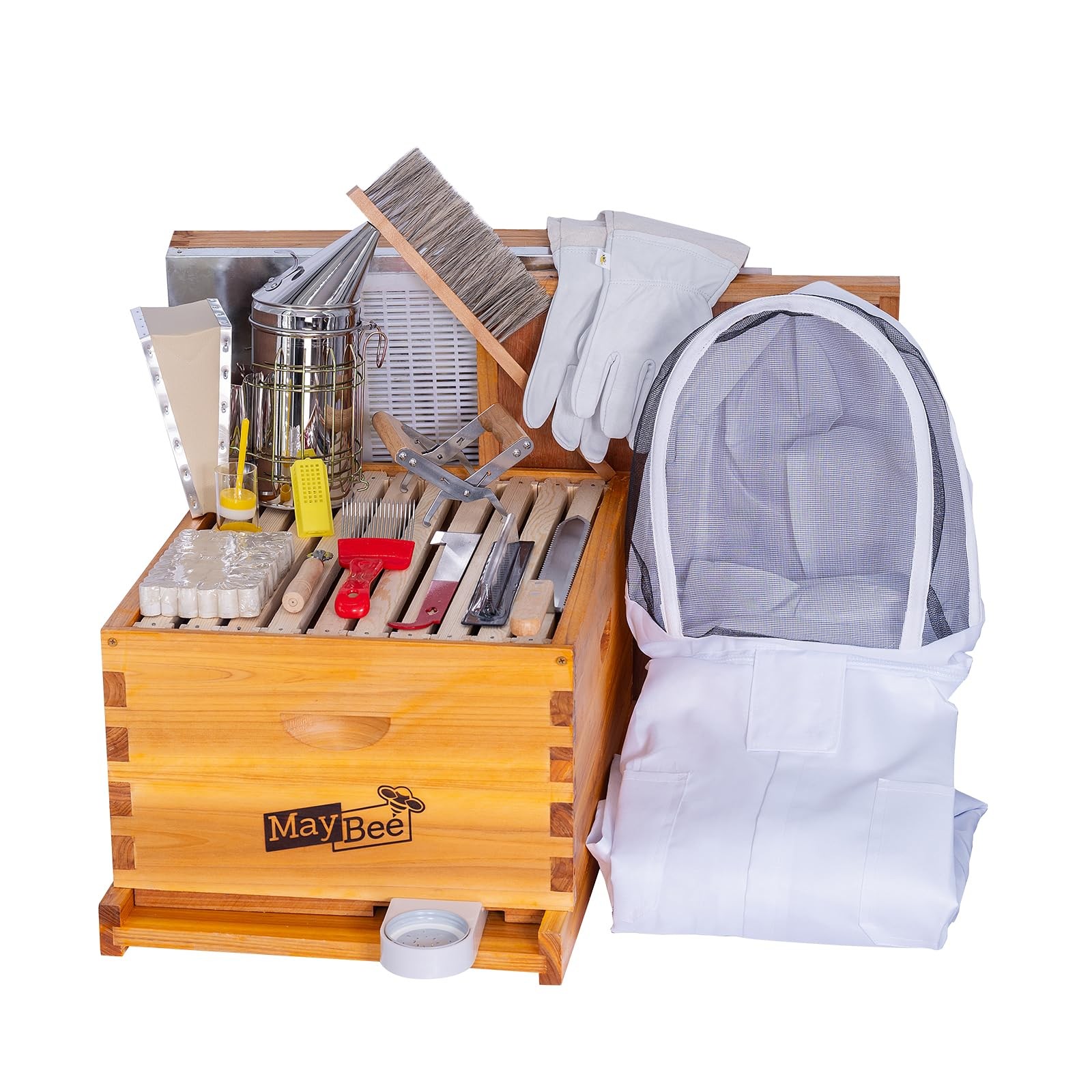 10-Frame Beehive Starter Kit, Bee Hive Kit Dipped in Beeswax, Bee Hives Boxes...$219.86New · Last checked Nov 18, 2026View on eBay
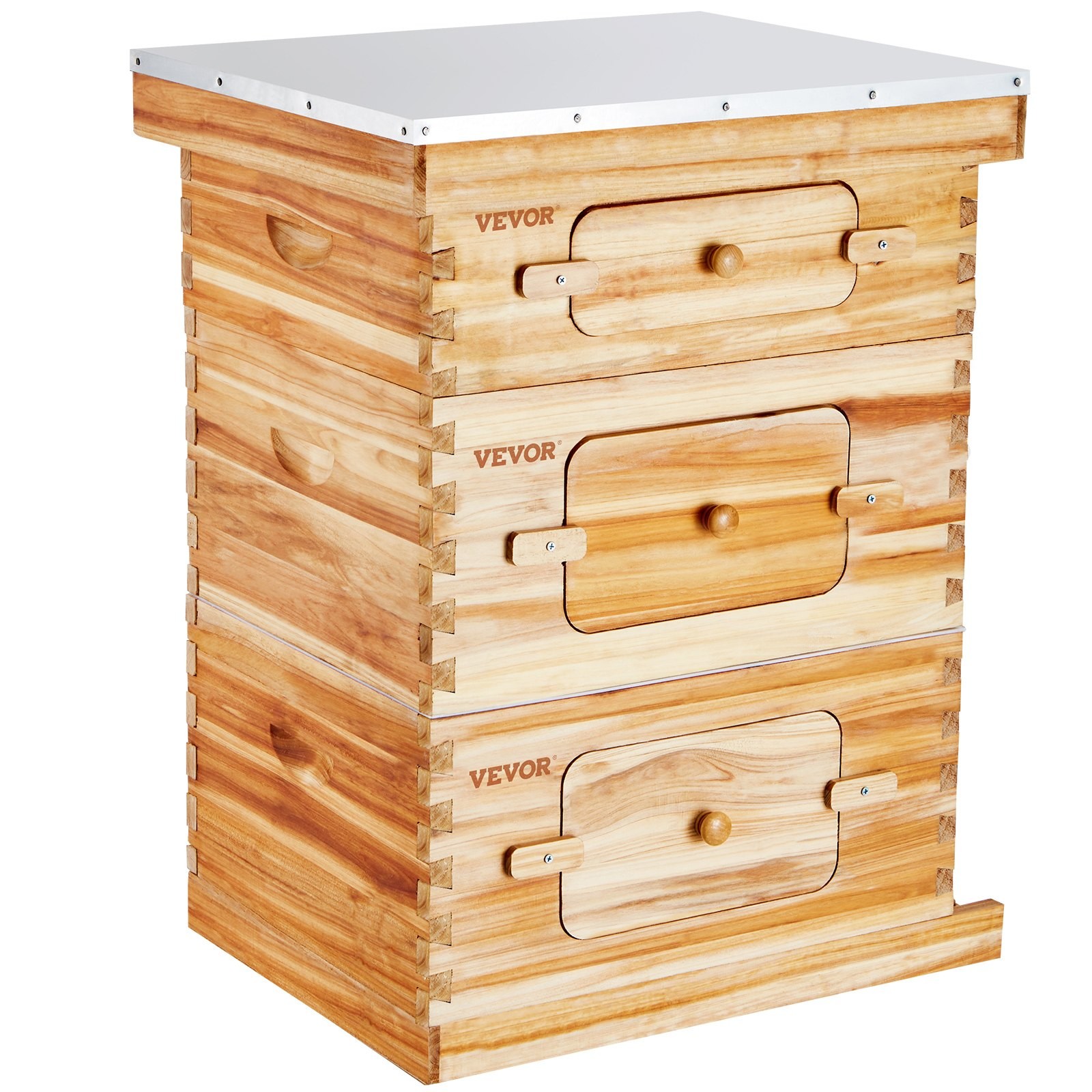 Langstroth Beehive Kit, 30 Frame Beeswax-Coated Fir Wood, 2 Deep 1 Medium Boxes$225.14New · Last checked Nov 23, 2026View on eBay
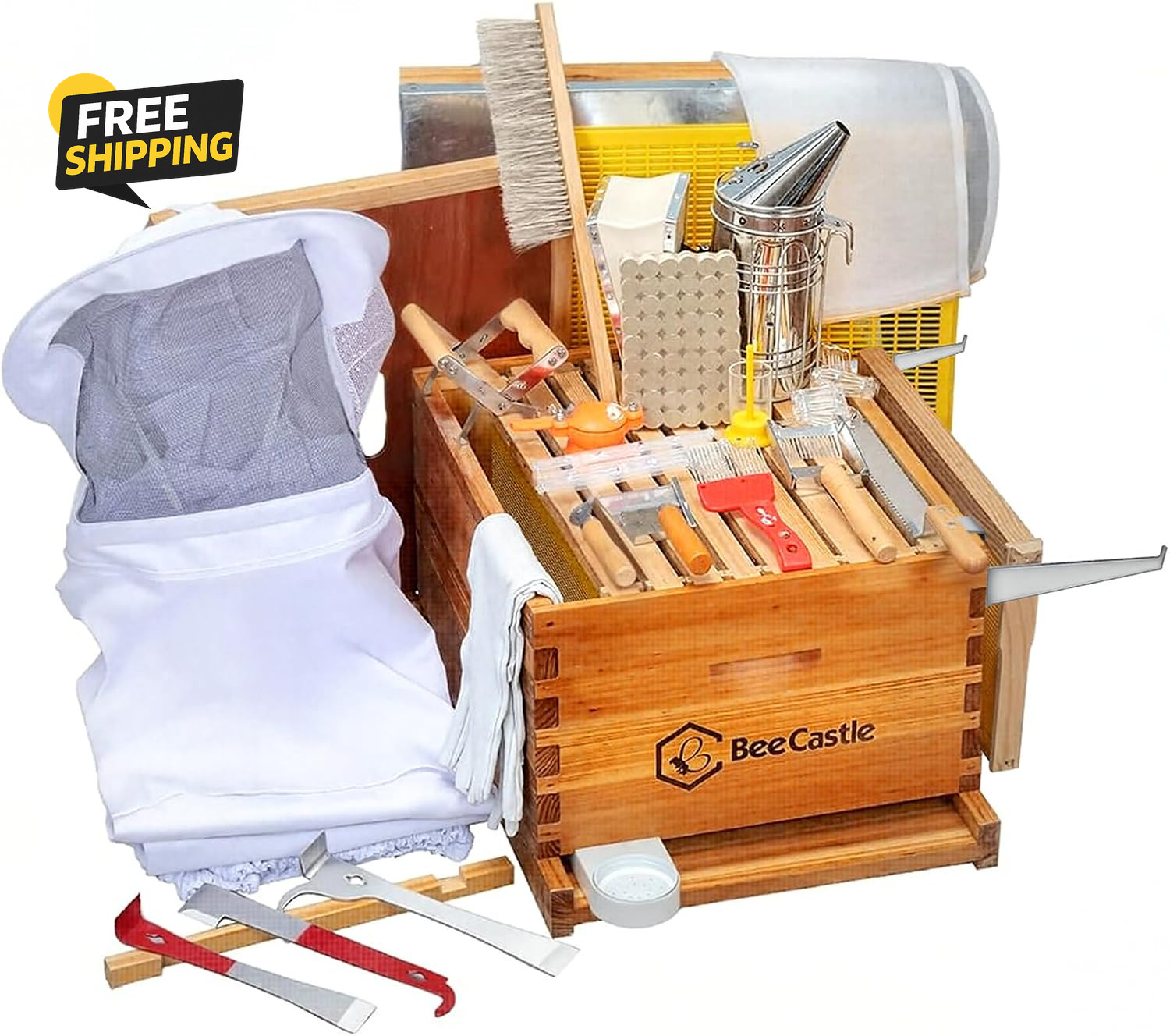 10 Frame Beehive Starter Kit with Bee Suit Tools and Supplies$225.39New · Last checked Nov 18, 2026View on eBay
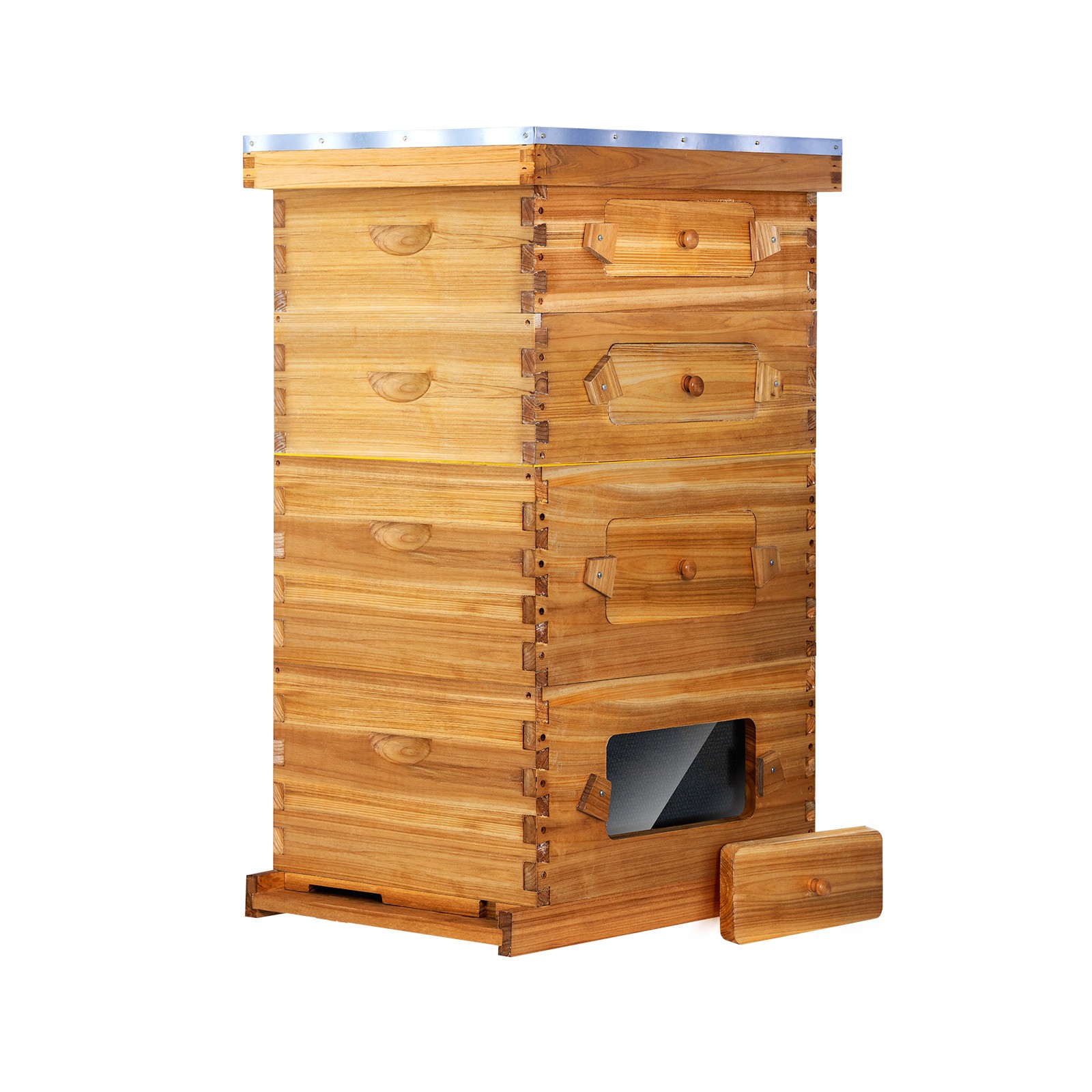 BeeCastle 10-Frame Langstroth Beeswax Coated Beehive with Windows( 4 Boxes)$229.99New · Last checked Nov 23, 2026View on eBay
- MayBee 10-Frame Beehive Starter Kit, Bee Hive Kit Dipped in 100% Beeswax, Bee...$239.95New · Last checked Nov 18, 2026View on eBay
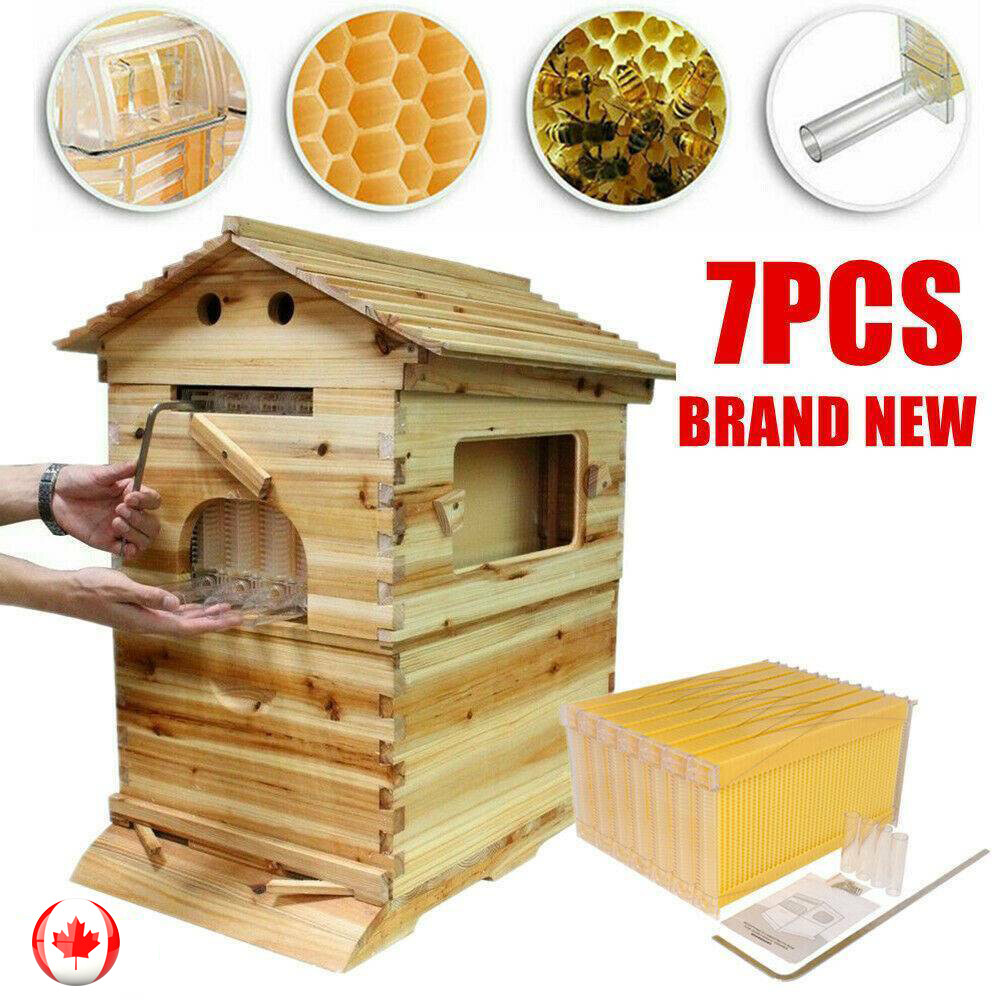 7 Auto Reap Bee Hive Beehive Starter Kit Beekeeping Frames Wooden Bee Boxes$239.99Last checked Nov 18, 2026View on eBay
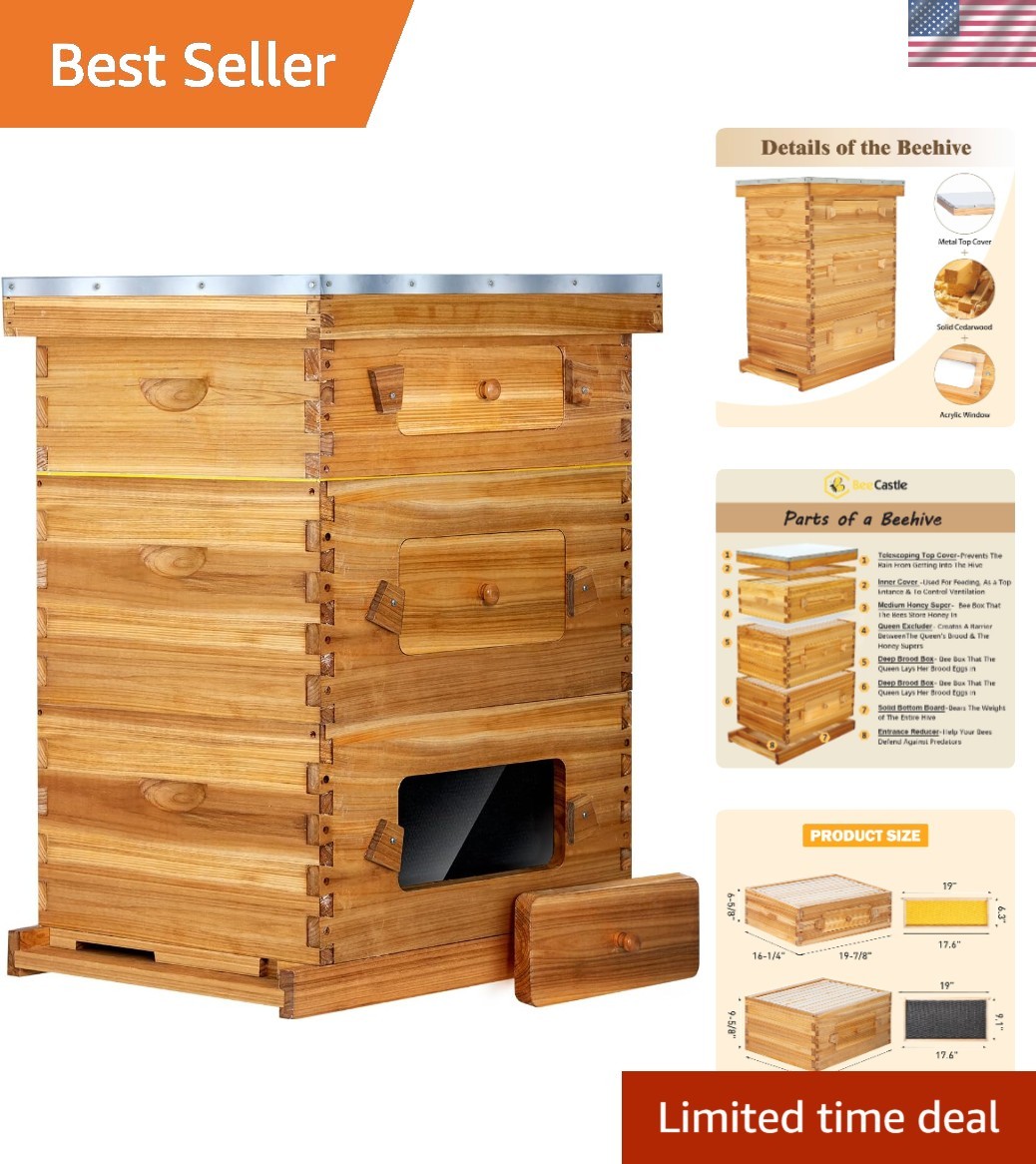 10-Frame Langstroth Beehive with Plexiglass Windows - Complete Starter Kit$242.24New · Last checked Nov 23, 2026View on eBay
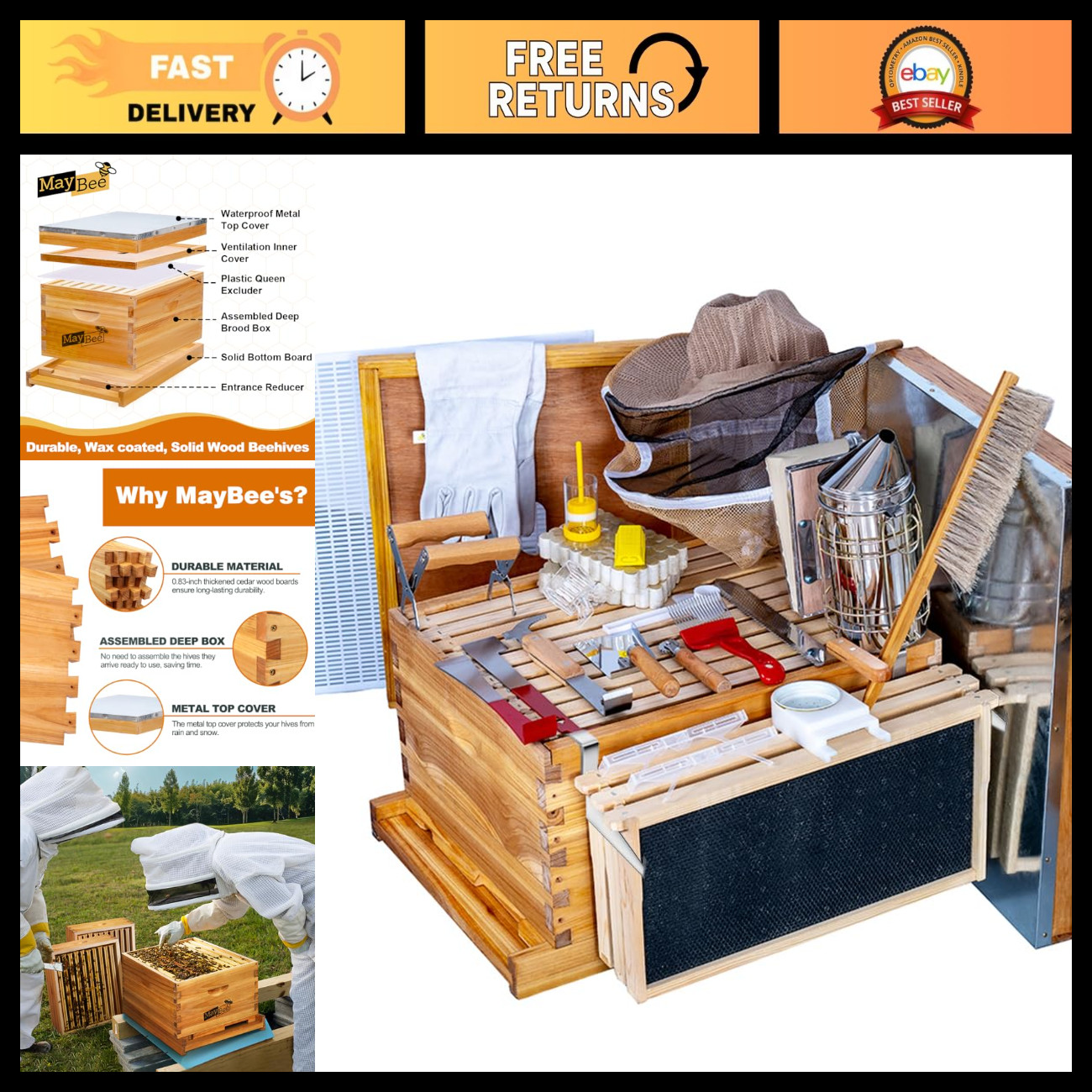 Beehive Starter Kit - 8-Frame Wax Coated Bee Boxes & Frames, Beekeeping Tools &$253.39New · Last checked Nov 18, 2026View on eBay
Highlights
- Langstroth frames are standardized to 19 mm (3/4 in) end bars; deep frames measure 232 x 482 mm and medium frames 168 x 482 mm, so foundation sheets must match box depth exactly.
- Pure beeswax foundation (approx. 220–260 g per deep sheet) outperforms plastic-coated or paraffin-blend sheets because bees accept and draw it 2–3x faster with less bridging.
- Wire-reinforced wooden frames with horizontal support pins prevent comb blowout during extraction; unwired frames are brood-only and should never be spun in a centrifuge.
- Cedar and cypress frames resist rot and moisture better than pine; fir/pine frames are serviceable but require painting or wax dipping for multi-season durability.
Best use cases
- Choose 10-frame deep boxes with wired beeswax foundation for brood chambers and nucleus colony expansion; skip plastic foundation if you plan to extract honey from brood frames.
- Pick 8-frame medium boxes with beeswax-coated foundation for lighter-weight supers and backyard hives where lifting full 10-frame supers exceeds safe weight limits.
- Buy 10-frame medium honey supers with thin wax foundation for cut-comb or chunk honey production; skip reinforced wired foundation if you want clean cut-comb sections.
- Avoid auto-flow or plastic-only frames for overwintering colonies in cold climates; solid beeswax foundation on wooden frames provides better thermal mass and moisture regulation.
Buying tips
- Match foundation sheet size to frame type: deep frames take 232 x 482 mm sheets, medium frames take 168 x 482 mm sheets; mismatched sheets leave gaps that trigger burr comb.
- Count frame count per box: 10-frame boxes need 10 frames plus 10 foundation sheets; 8-frame boxes need 8 of each; order 10–20% spares for breakage and replacement.
- Select wired frames for honey supers and unwired frames for brood; wired frames accept embedded wire or support pins and survive radial extraction without comb failure.
- Prefer frames with pre-waxed or beeswax-dipped foundation over bare plastic; beeswax coating improves acceptance rate and reduces the need for sugar syrup spraying.
Specs
| Frame Standard | Langstroth 19 mm end bars |
|---|---|
| Frame Depth | Deep 232 mm / Medium 168 mm |
| Foundation Type | Beeswax, plastic-coated, wired |
| Frame Material | Cedar, pine, fir, cypress wood |
Related searches
What to check before buying
- Measure your hive box interior: standard 10-frame Langstroth boxes are 505 mm wide inside and 8-frame boxes are 415 mm wide; frames must match box width with correct bee space.
- Confirm foundation thickness and coating: beeswax-coated sheets should be 2–3 mm thick and evenly coated; thin or patchy coating causes bees to chew through or ignore the sheet.
- Check frame end bars and top bars for uniform 19 mm thickness and tight joints; loose or warped frames create cross-comb and reduce hive inspection speed.
- Verify climate suitability: in high-humidity regions choose cedar or wax-dipped pine frames; in dry climates standard pine frames with beeswax foundation perform well without warping.
FAQ
Data sources: eBay / Amazon listings and product attribute feeds. Updated Nov 27, 2026.
Some links on this page are affiliate links. If you buy after clicking one, we may earn a commission at no extra cost to you. This does not change which products appear here or their order. Affiliate disclosure.