
Photos from current listings. Actual item, color, and included accessories may vary.
Hot Tub Buying Guide
A hot tub is a heated, filtered water vessel for hydrotherapy and relaxation, available as portable plug-and-play units, hardwired acrylic spas, and inflatable models. The core trade-off is insulation and frame rigidity versus portability and installation cost: roto-molded and inflatable tubs sacrifice heat retention and jet pressure, while acrylic tubs with full foam insulation and dedicated pumps deliver durability and performance. Choose a hardwired acrylic spa for permanent outdoor installation; choose a 110V plug-and-play or inflatable model only for renters, seasonal use, or limited electrical capacity.
Median $459.50 · New listings
Key takeaways
- Acrylic shells with full-foam insulation retain heat far better than inflatable PVC or roto-molded polyethylene shells, cutting standby energy loss and protecting plumbing from freeze damage.
- Dedicated jet pumps (1-2 units at 2-5 HP) produce stronger, more targeted massage than inflatable tubs' single blower or low-flow pump, which relies on air injection rather than water pressure.
- A 220-240V hardwired circuit supports heater and jets simultaneously; 110V plug-and-play models typically limit heater operation while jets run, causing water temperature to drop during extended use.
At a glance
- Category
- Pools & Spas
- Last updated
- Nov 27, 2026
Current offers
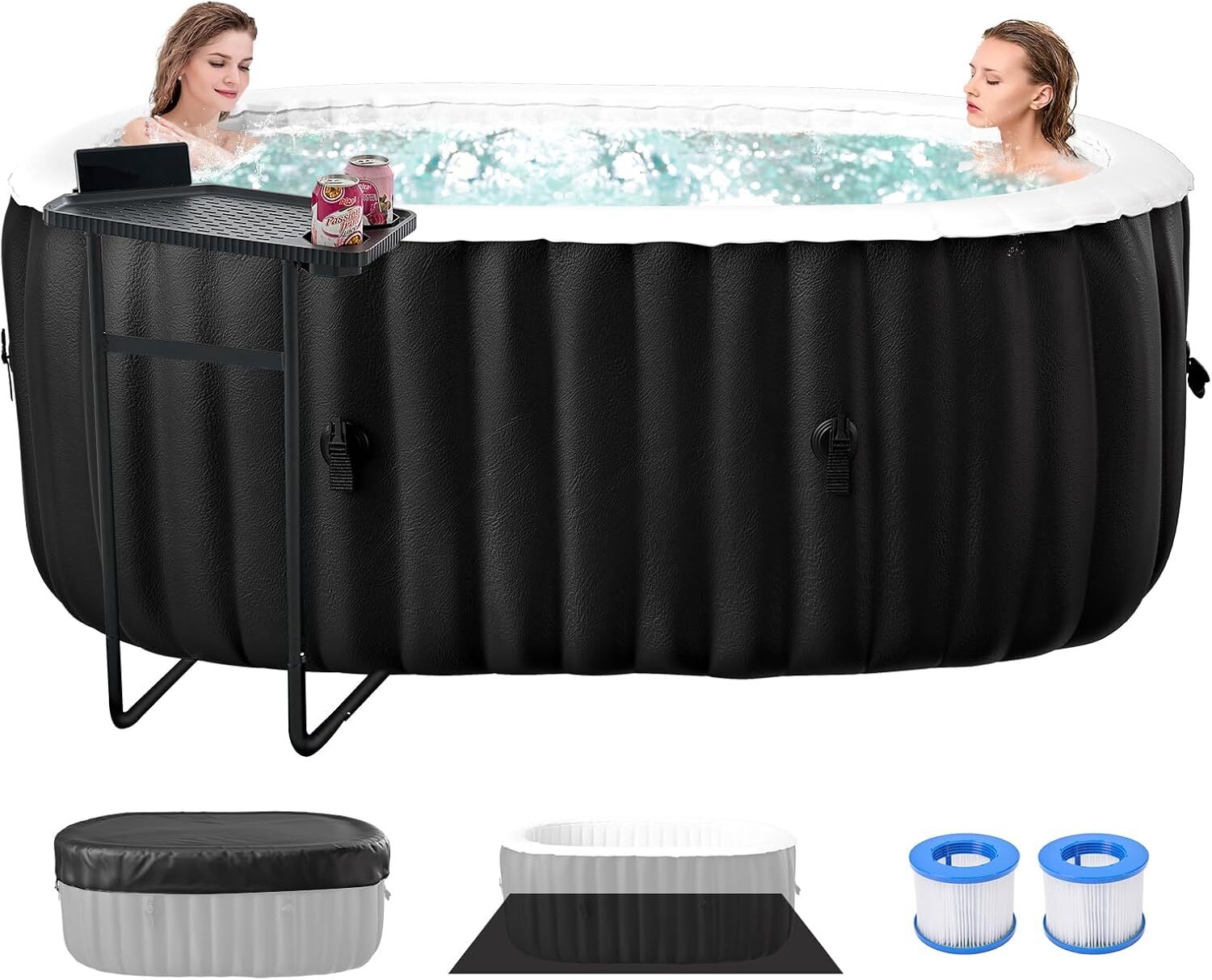 H&ZT Hot Tub 75”X47”X26” Inflatable Hot Tub 2 Person Portable Blow Up Hot Tub$399.99New · Last checked Nov 22, 2026View on eBay
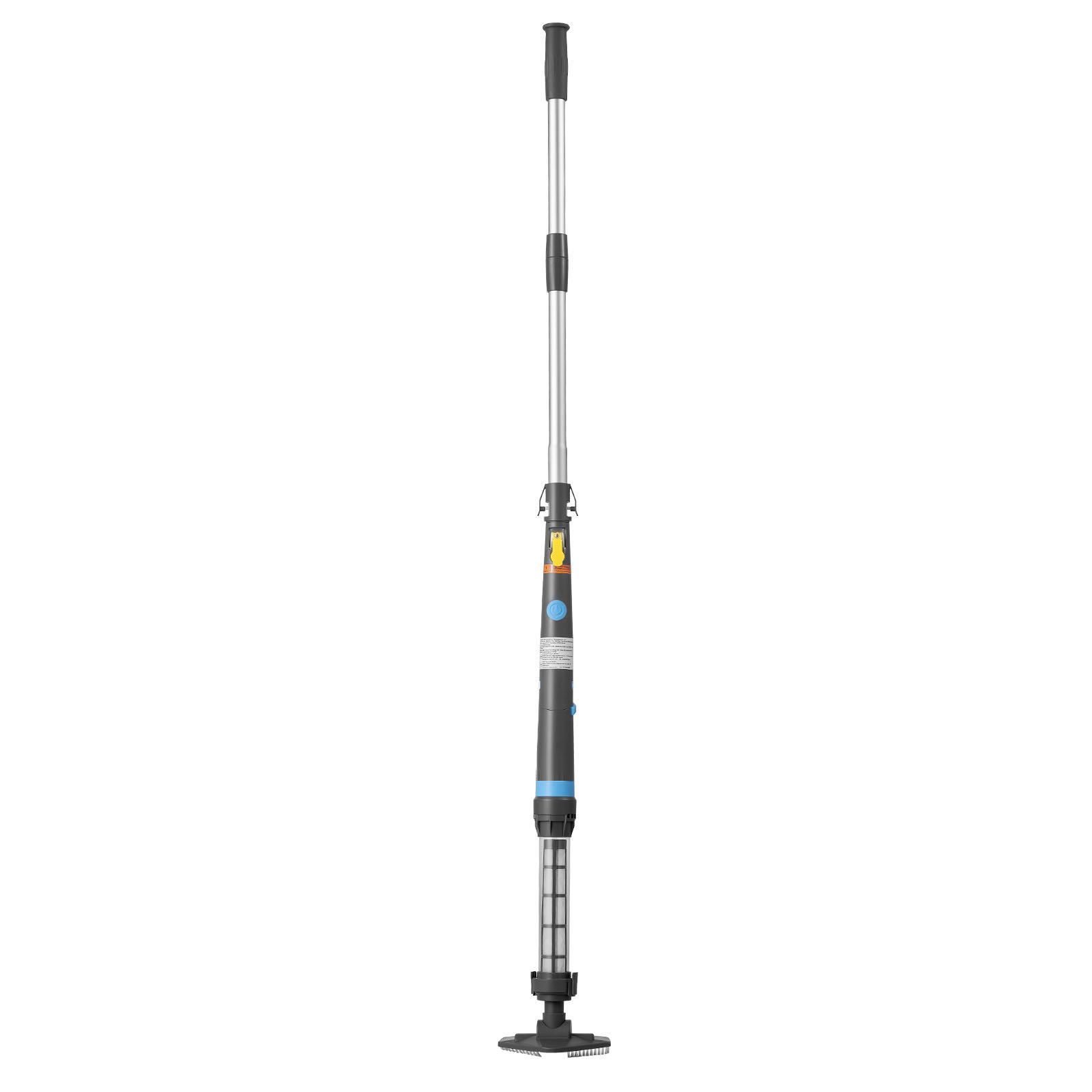 Handheld Pool Vacuum, 8.5 GPM Cordless Spa Hot Tub With Extension Pole And 2 Brush Heads, 60 Mins Running Time, For Small Debris, Sand, Rechargeable Cleaner For Above Ground Pools$78.99View on Mallflare
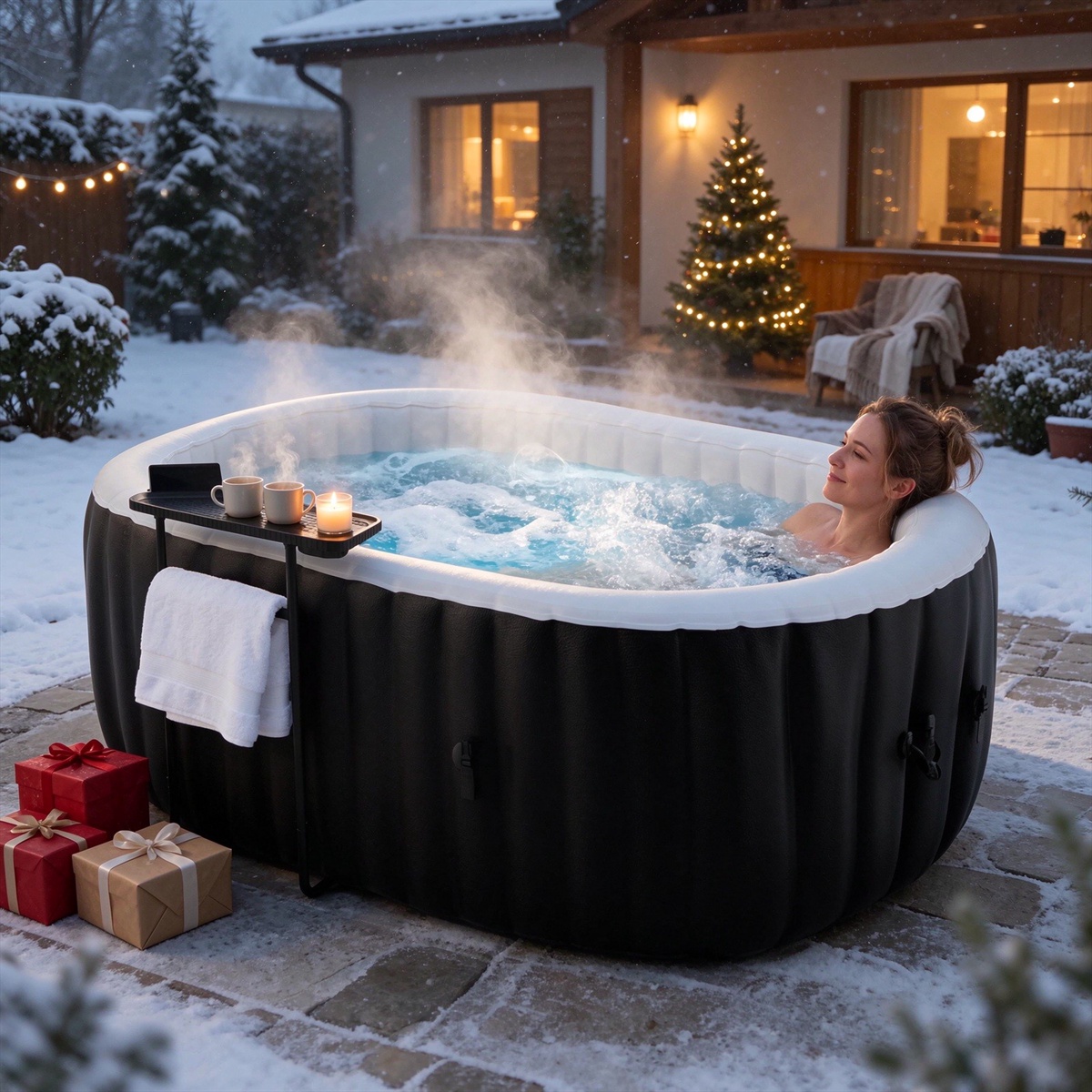 NAIZEA Hot Tub 75"X47"X25" Inflatable Hot Tub 2 Person Portable Blow Up Hot Tub$399.99New · Last checked Nov 22, 2026View on eBay
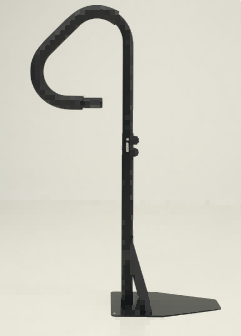 Hot Tub Handrail, Aluminum Spa Hand Rail With 44 -60 Adjustable Height & 360 Swivel, Safety Side Handrails Slide-Under Mount Base For Most Hot Tubs & Swim Spas, 600 LBS Capacity$93.99View on Mallflare
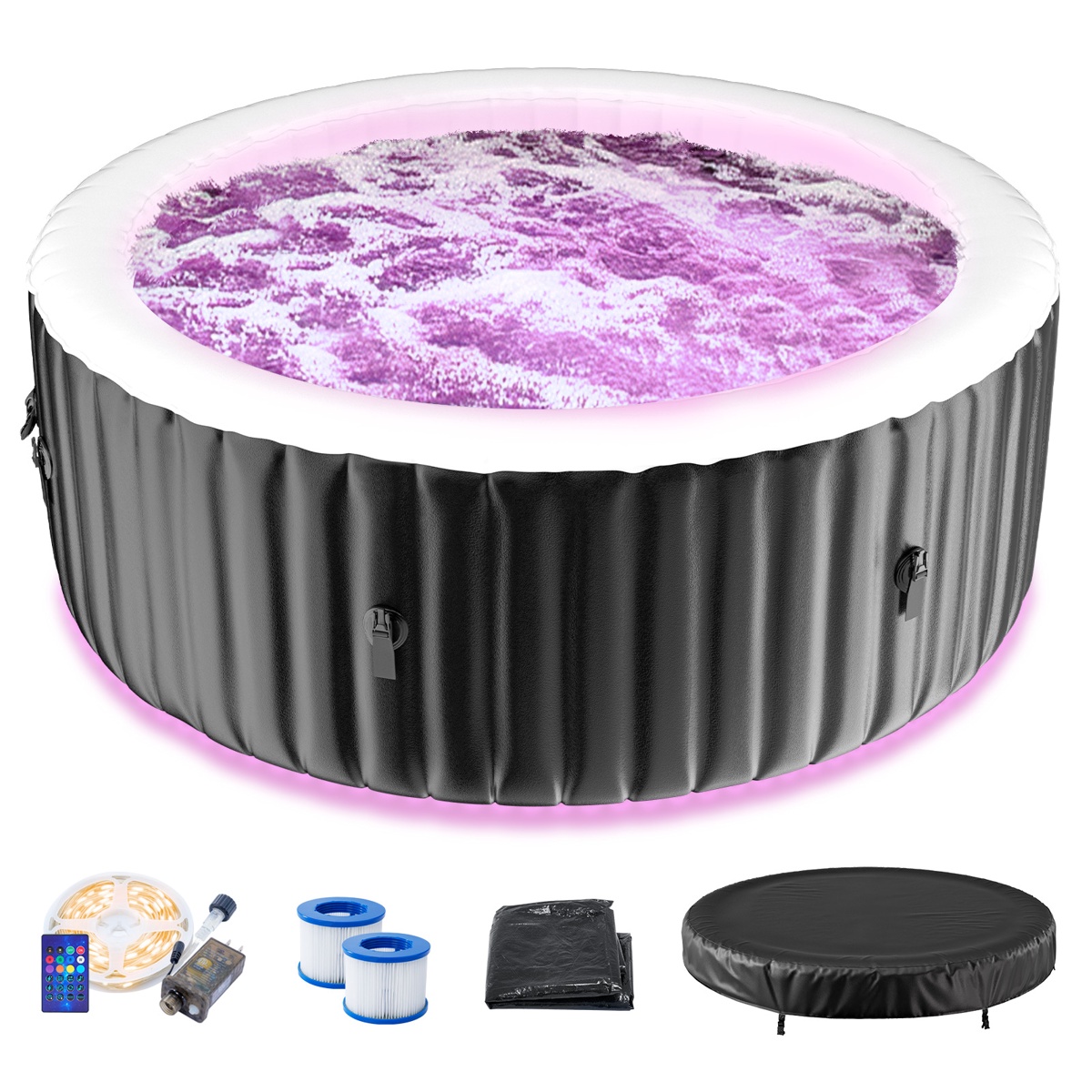 NAIZEA Inflatable Hot Tub with LED Lights 4 Person Blow Up Portable Hot Tub Spa$428.99New · Last checked Nov 22, 2026View on eBay
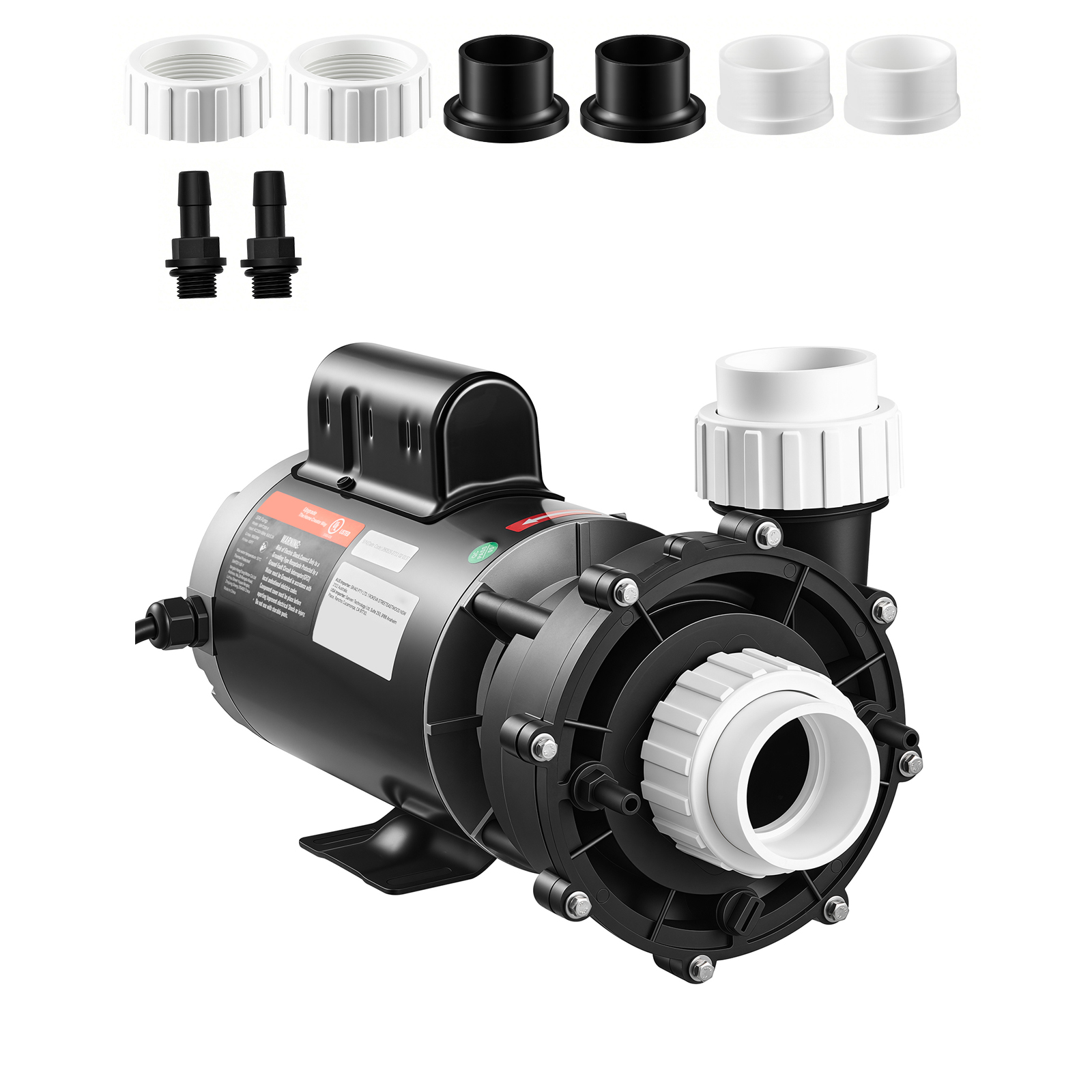 SPA Pump 2HP Hot Tub 2 Speed 56 Frame With 1.5" & 2" Port, 230V, 168 GPM High & 68 GPM Low 90° Rotational Interface, SPA Bath Water Circulation, Compatible OEM Models$273.99View on Mallflare
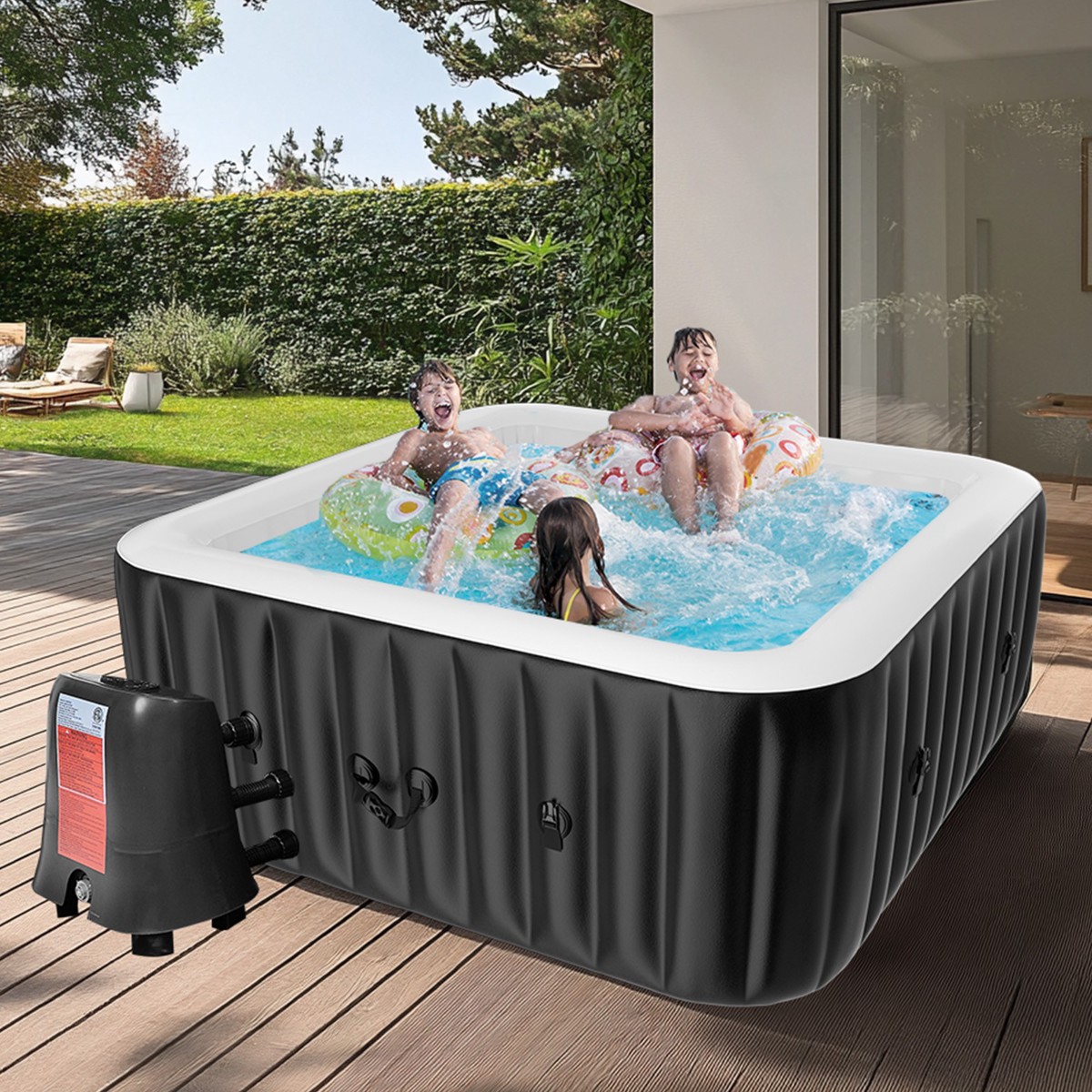 MOPHOTO Hot Tub 4 Person Inflatable Blow Up Hot Tub Spa 110 Bubble Jets 158Gal$428.99New · Last checked Nov 22, 2026View on eBay
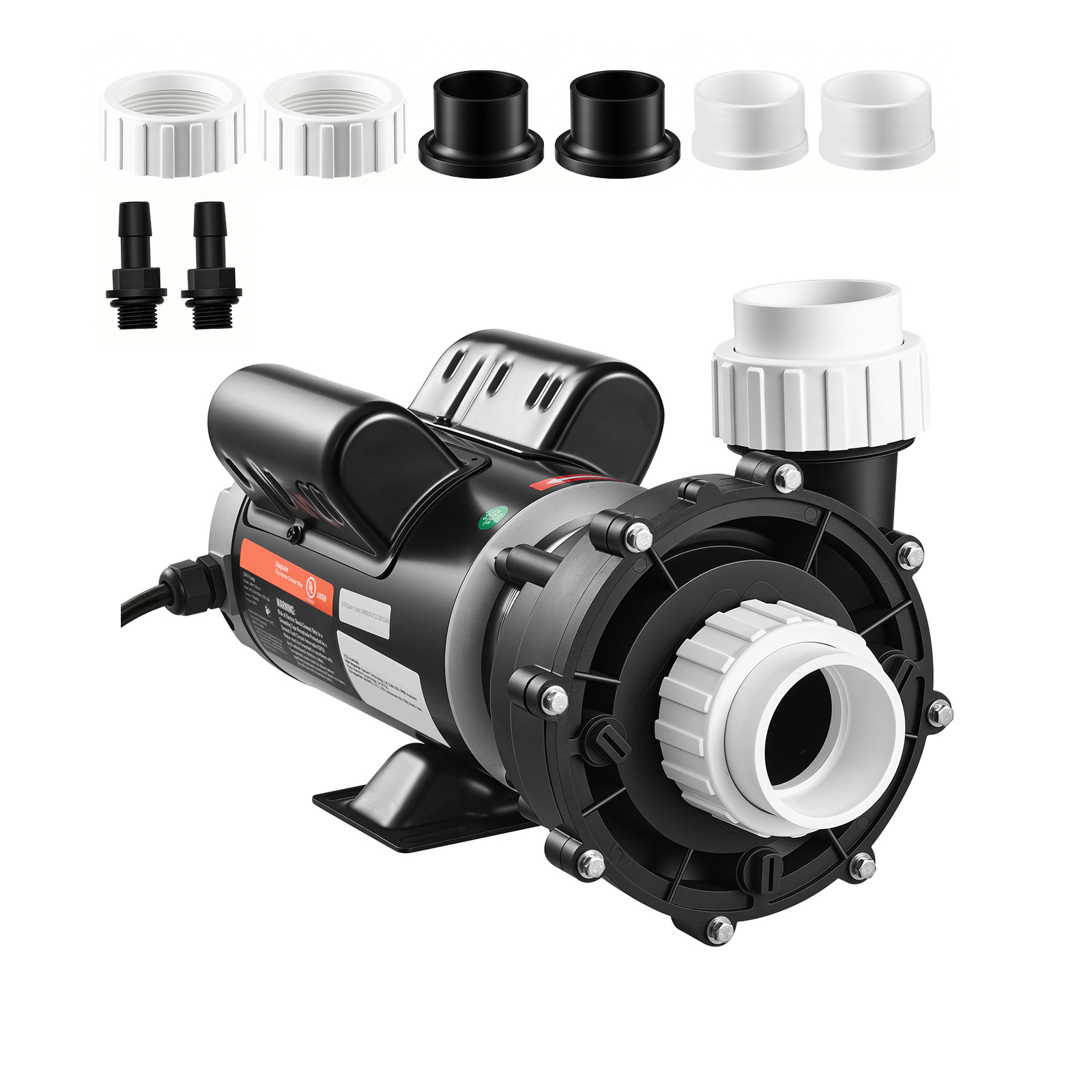 SPA Pump 3HP Hot Tub 2 Speed 48 Frame With 1.5" & 2" Port, 230V, 190 GPM High & 90 GPM Low 90° Rotational Interface, SPA Bath Water Circulation, Compatible OEM Models$273.99View on Mallflare
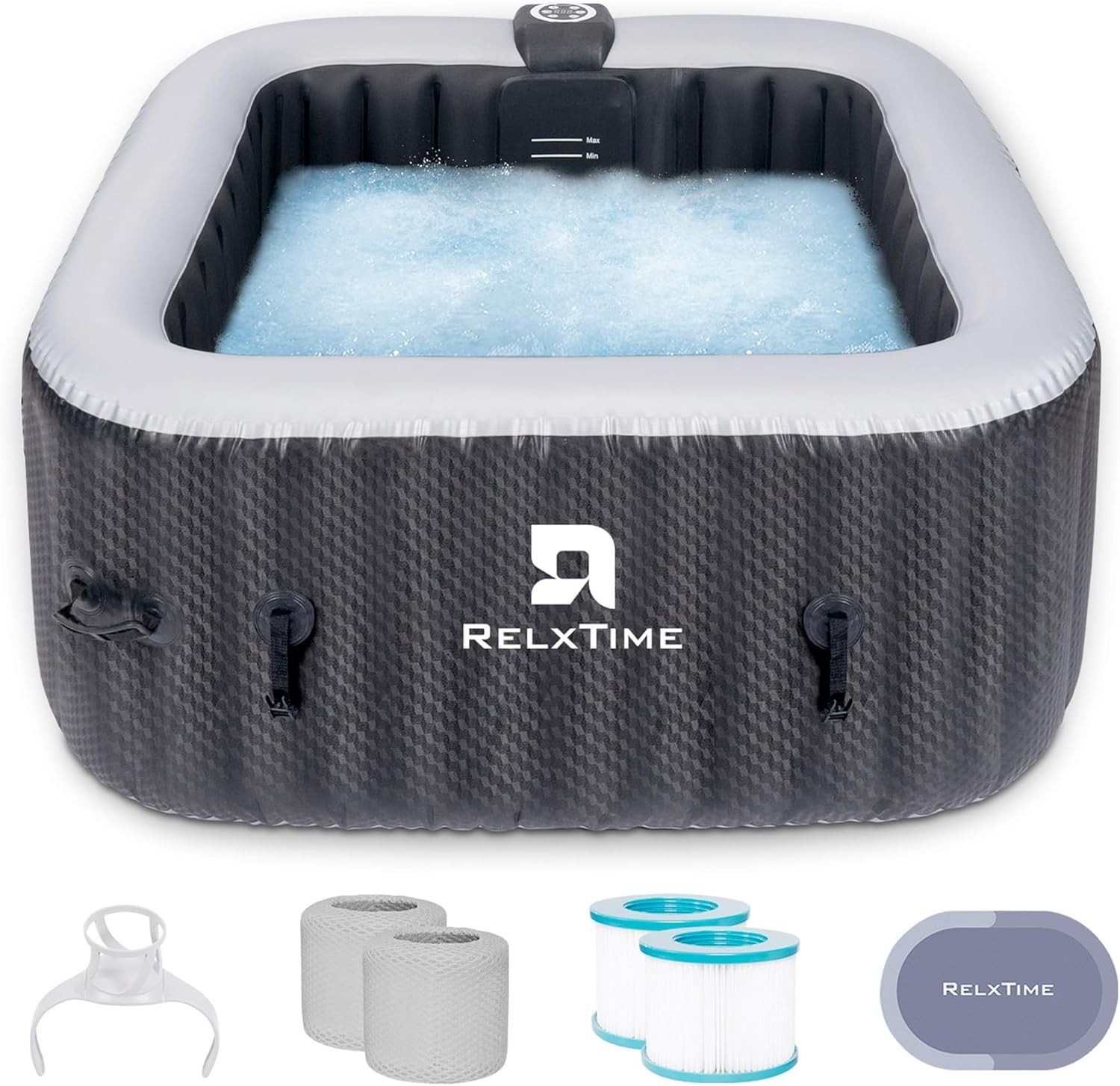 RELXTIME Square Inflatable Hot Tub Black 2 to 4 Person Blow Up Spa 120 Jets$429.00New · Last checked Nov 22, 2026View on eBay
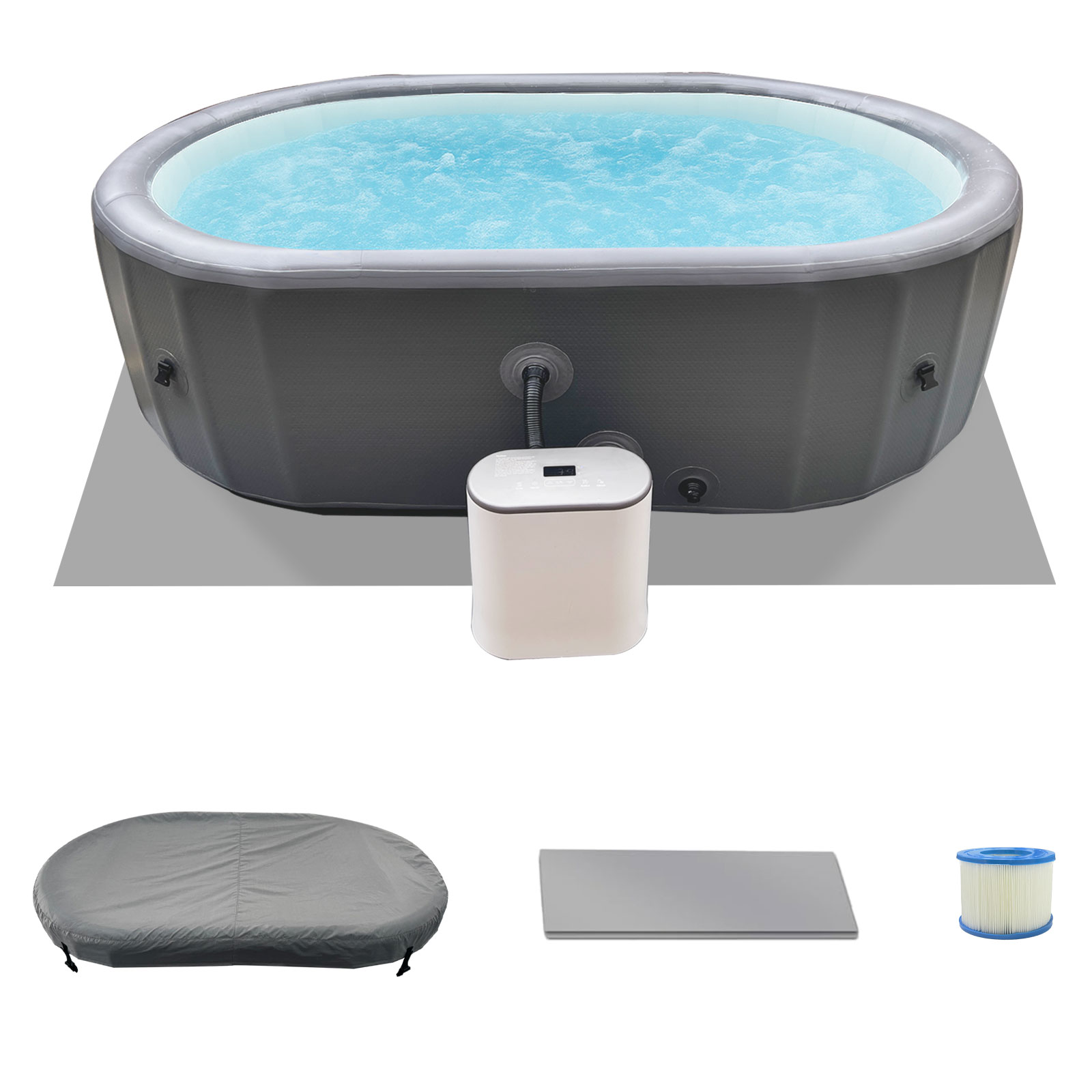 Hot Tub Inflatable Portable Oval Spa 2 Person Hot Tub with 180 Bubble Jets, Cover, Filter Cartridges, Pump$922.99View on Mallflare
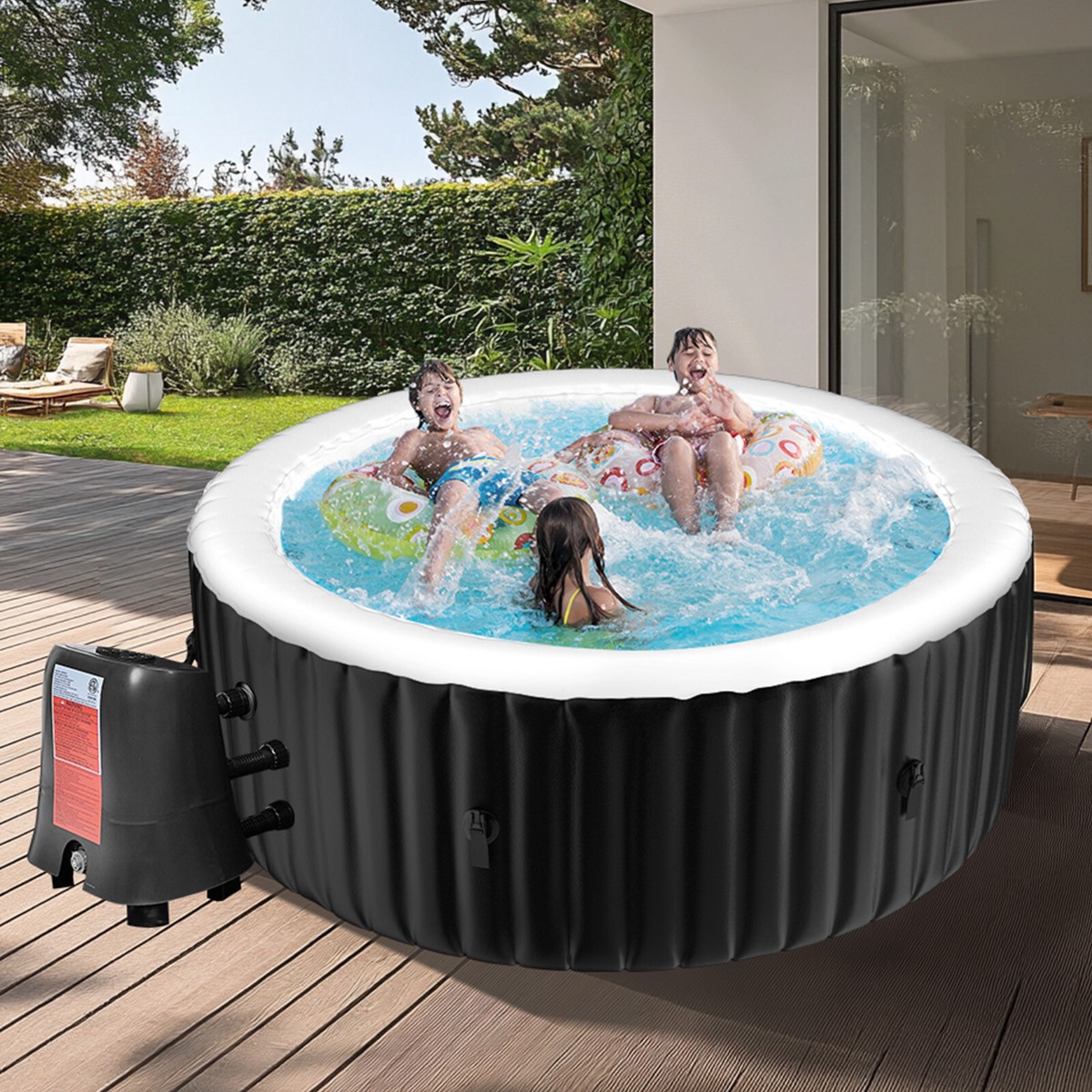 NAIZEA Hot Tub 4 Person Portable Blow Up Hot Tub Portable Spa 120 Bubble Jet$429.99New · Last checked Nov 22, 2026View on eBay
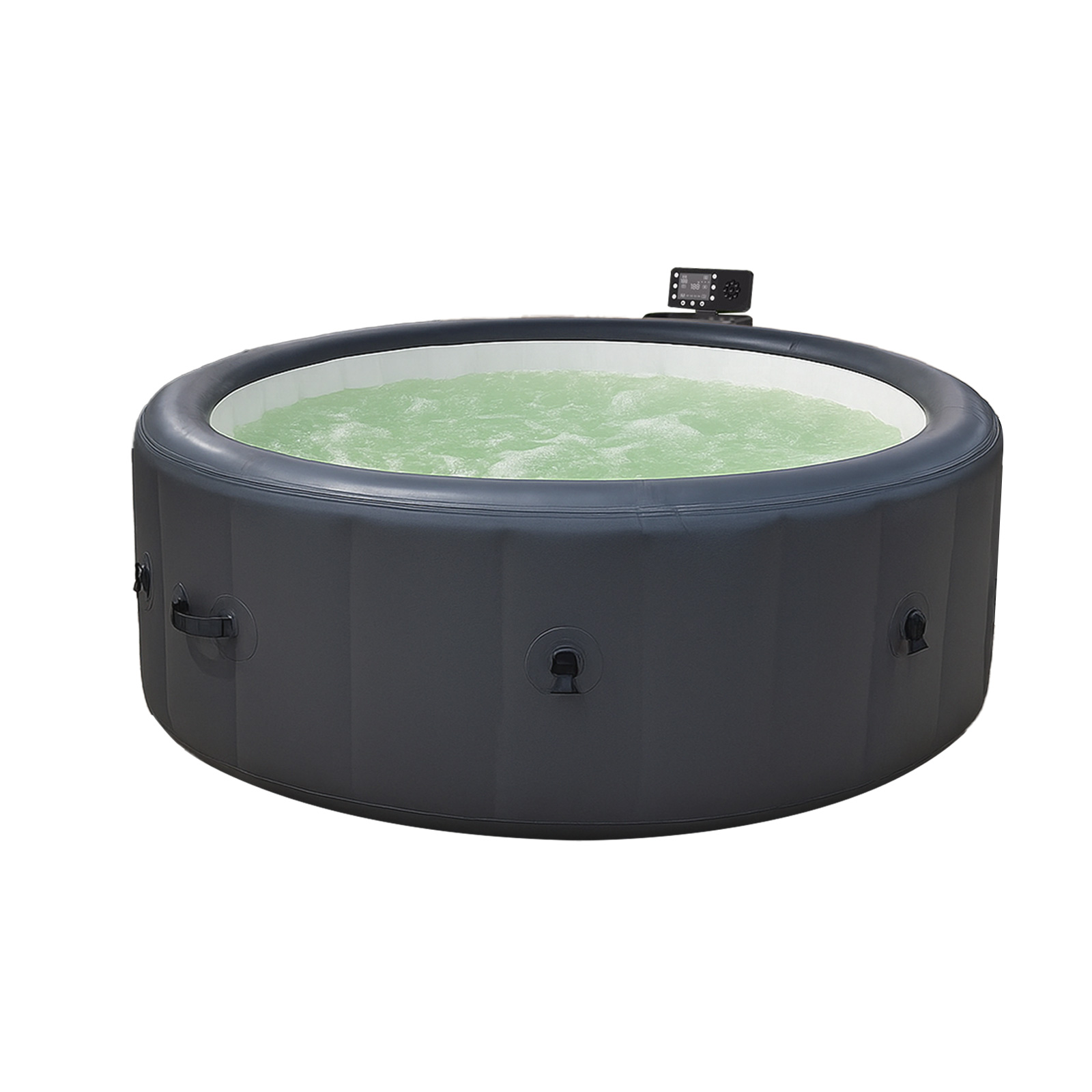 Grey 196 * 71cm hot tub. A swimming pool with heating, bubble massage, ambient lighting, filtration, and one click inflation. Home inflatable bathtub.$1,001.99View on Mallflare
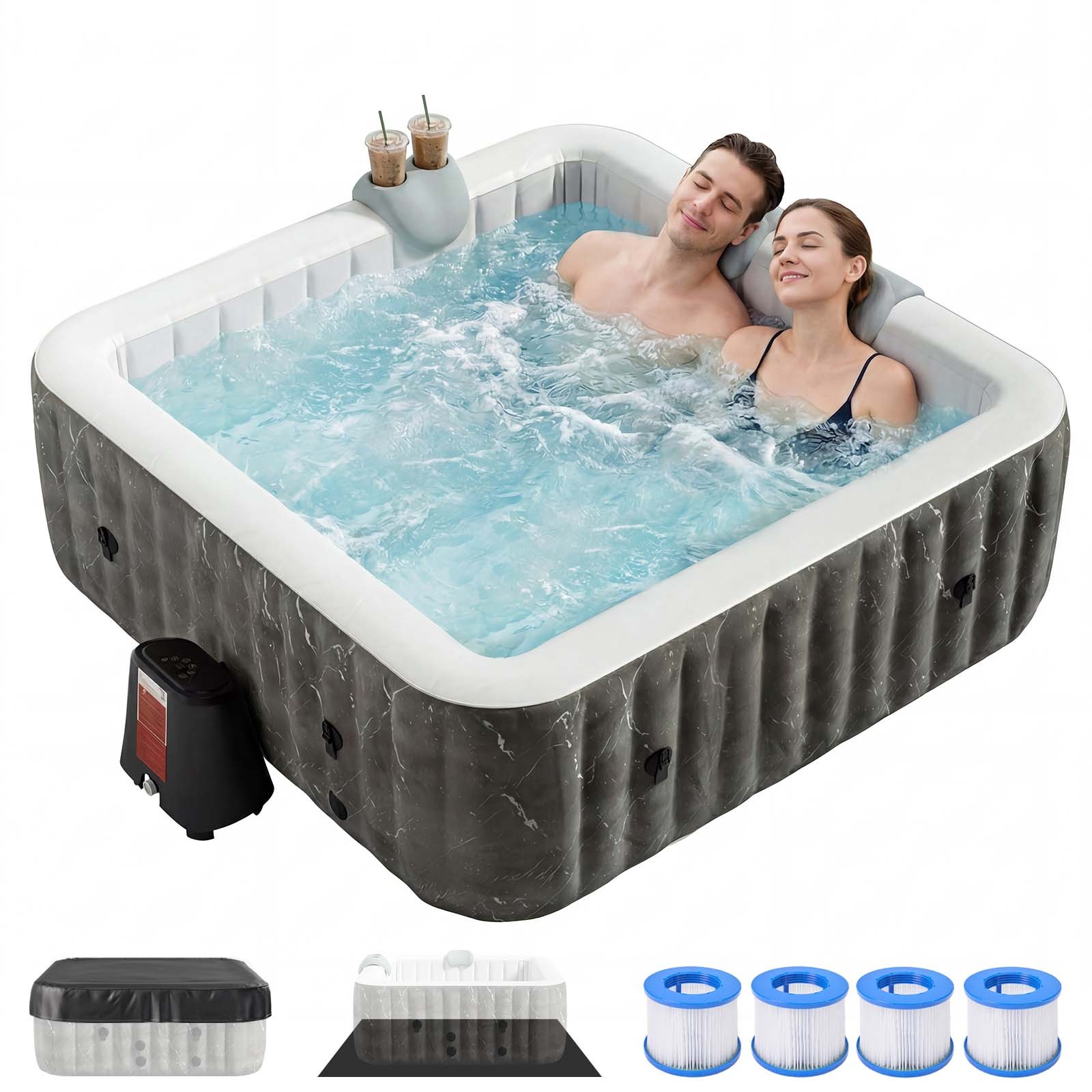 Inflatable Hot Tub with 2 Headrests & Cup Holder Portable Outdoor Blow Up Spa$449.99New · Last checked Nov 22, 2026View on eBay
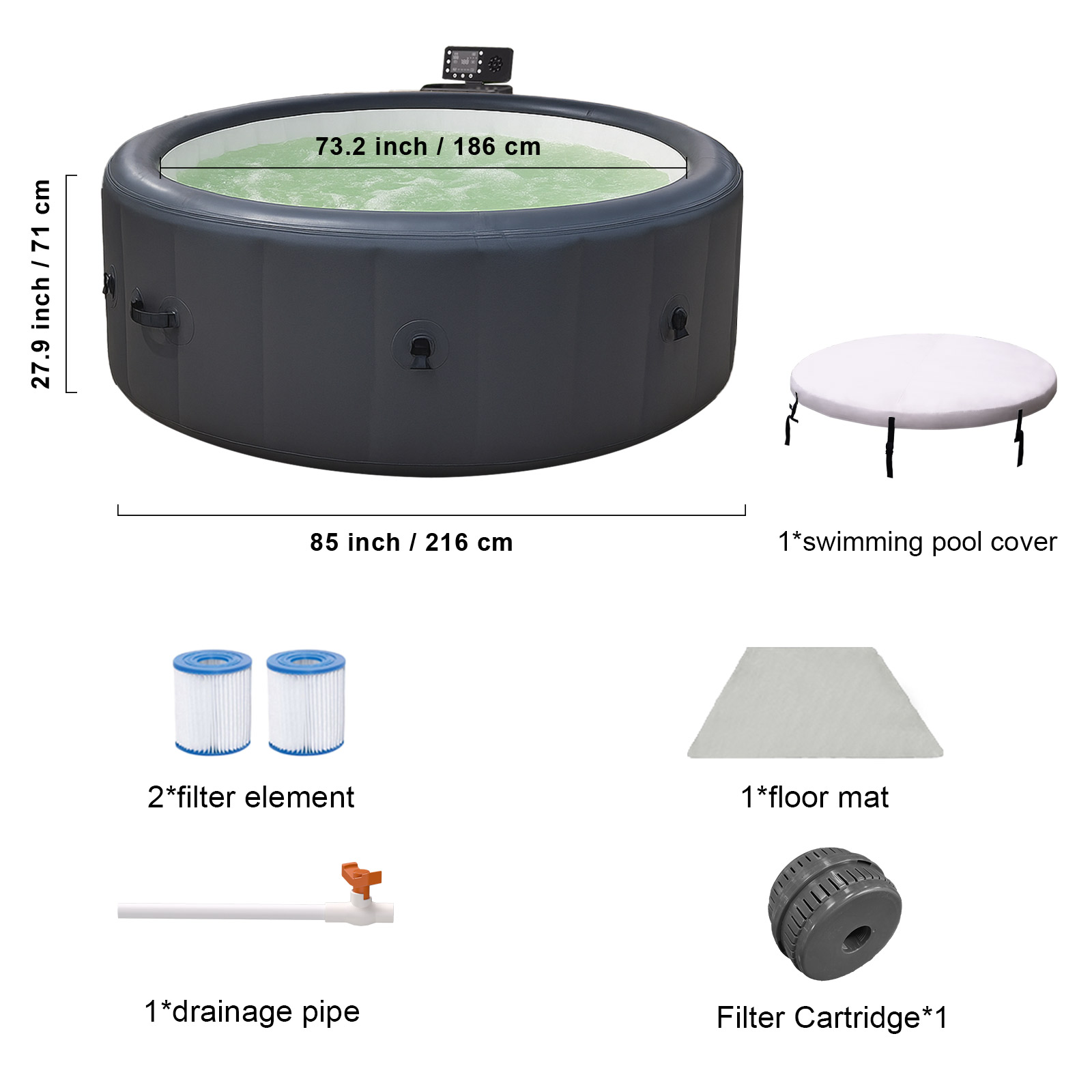 Grey 216* 71cm hot tub. A swimming pool with heating, bubble massage, ambient lighting, filtration, and one click inflation. Home inflatable bathtub.$1,032.99View on Mallflare
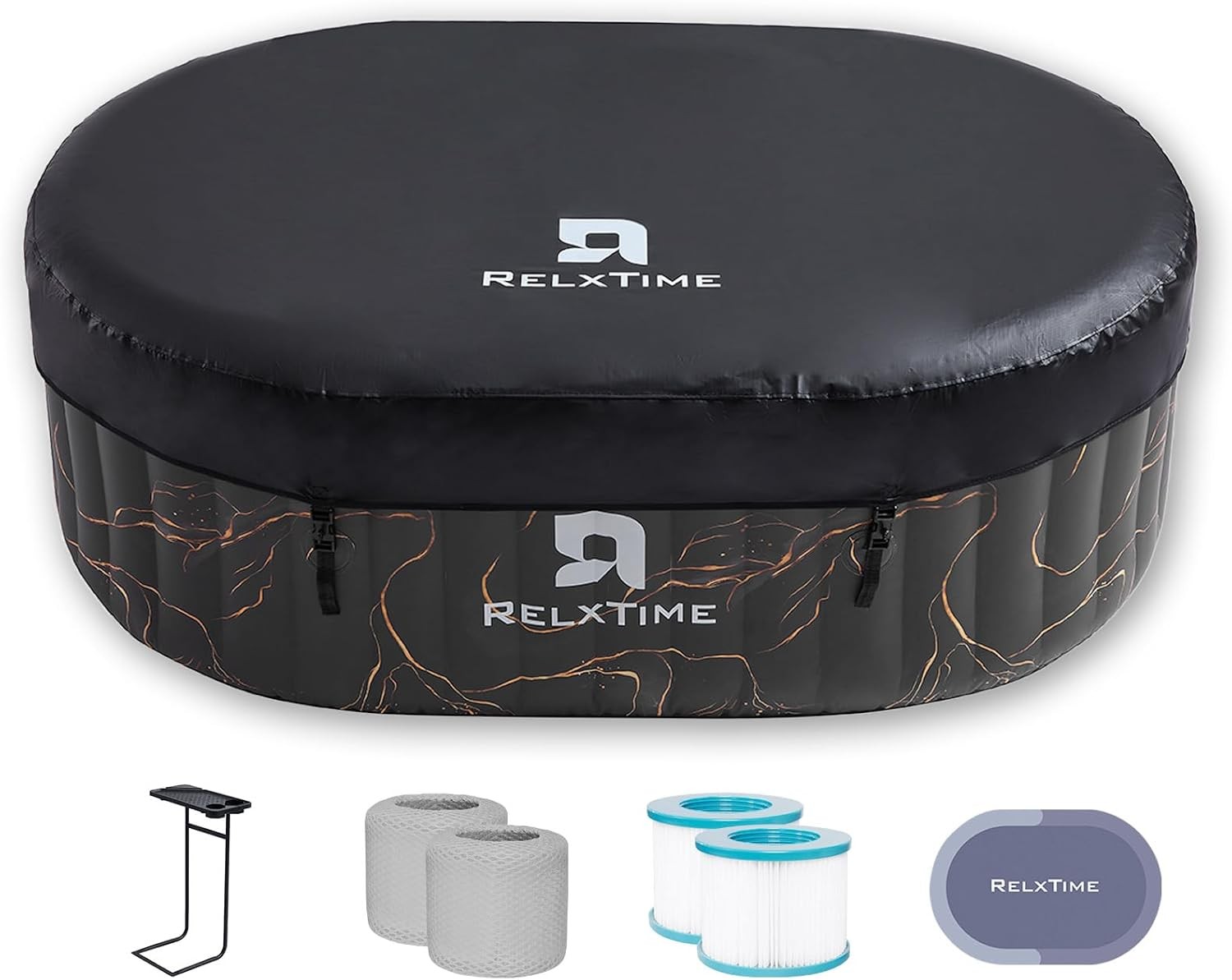 RELXTIME Portable Blow Up Hot Tub With Bubble Jets And Energy-saving Covers Spa$469.00New · Last checked Nov 22, 2026View on eBay
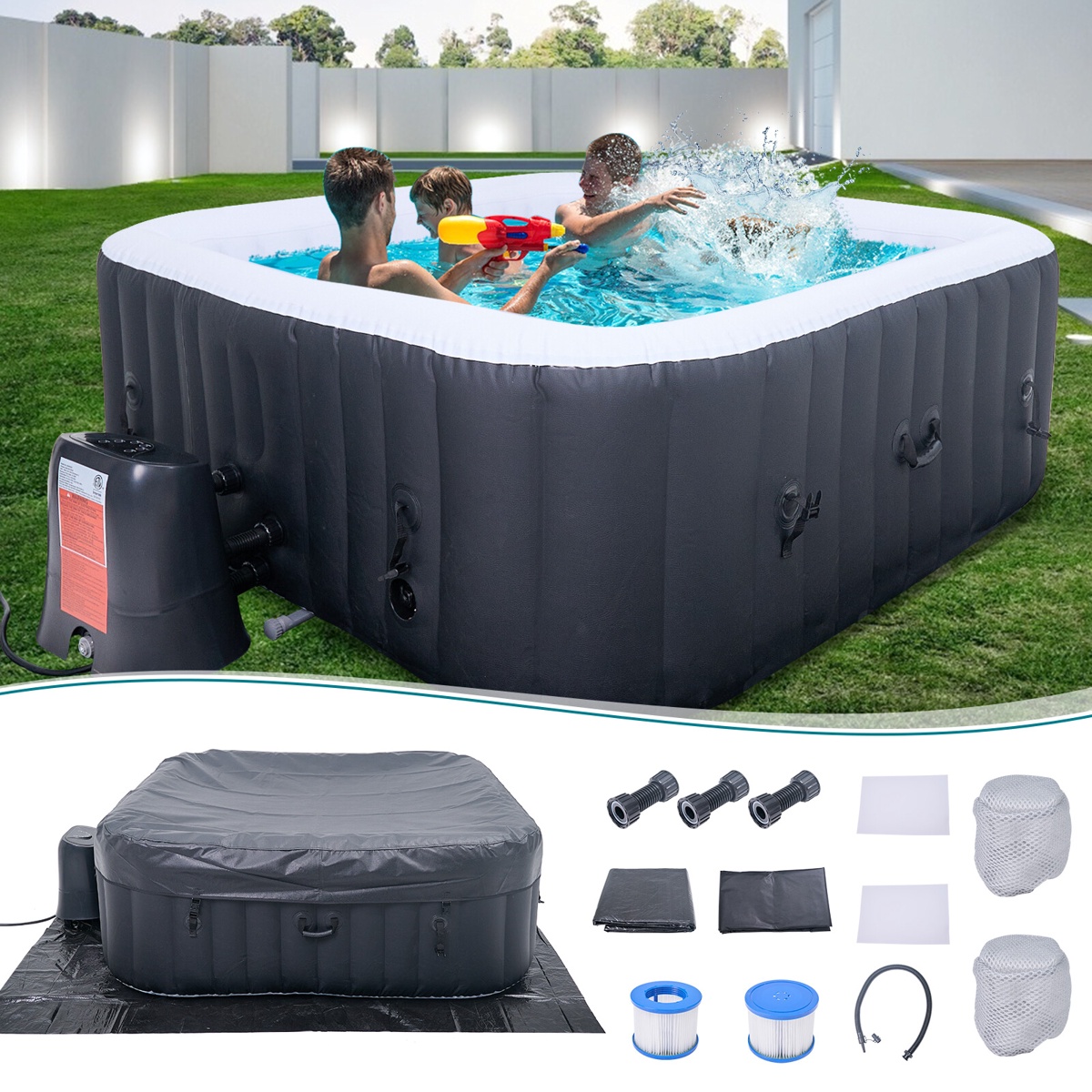 MOPHOTO Hot Tub 6 Inflatable Hot Tub with Cover, 72” X 72” X 26” Blow Up Hot Tub$478.99New · Last checked Nov 22, 2026View on eBay
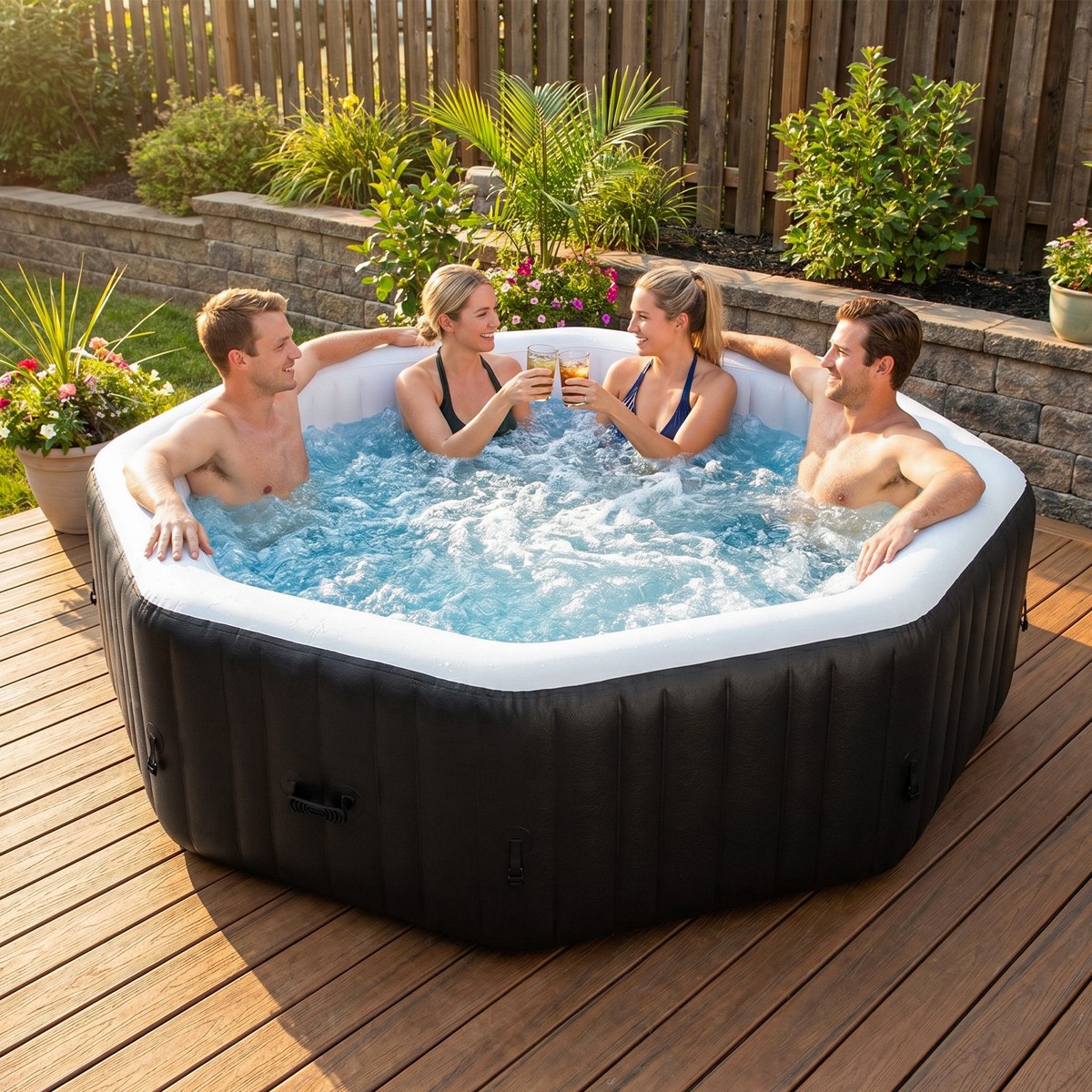 NAIZEA 4-6 Person Inflatable Hot Tub 77"X77"X25" Octagonal Blow up Hot tub Spa$479.99New · Last checked Nov 22, 2026View on eBay
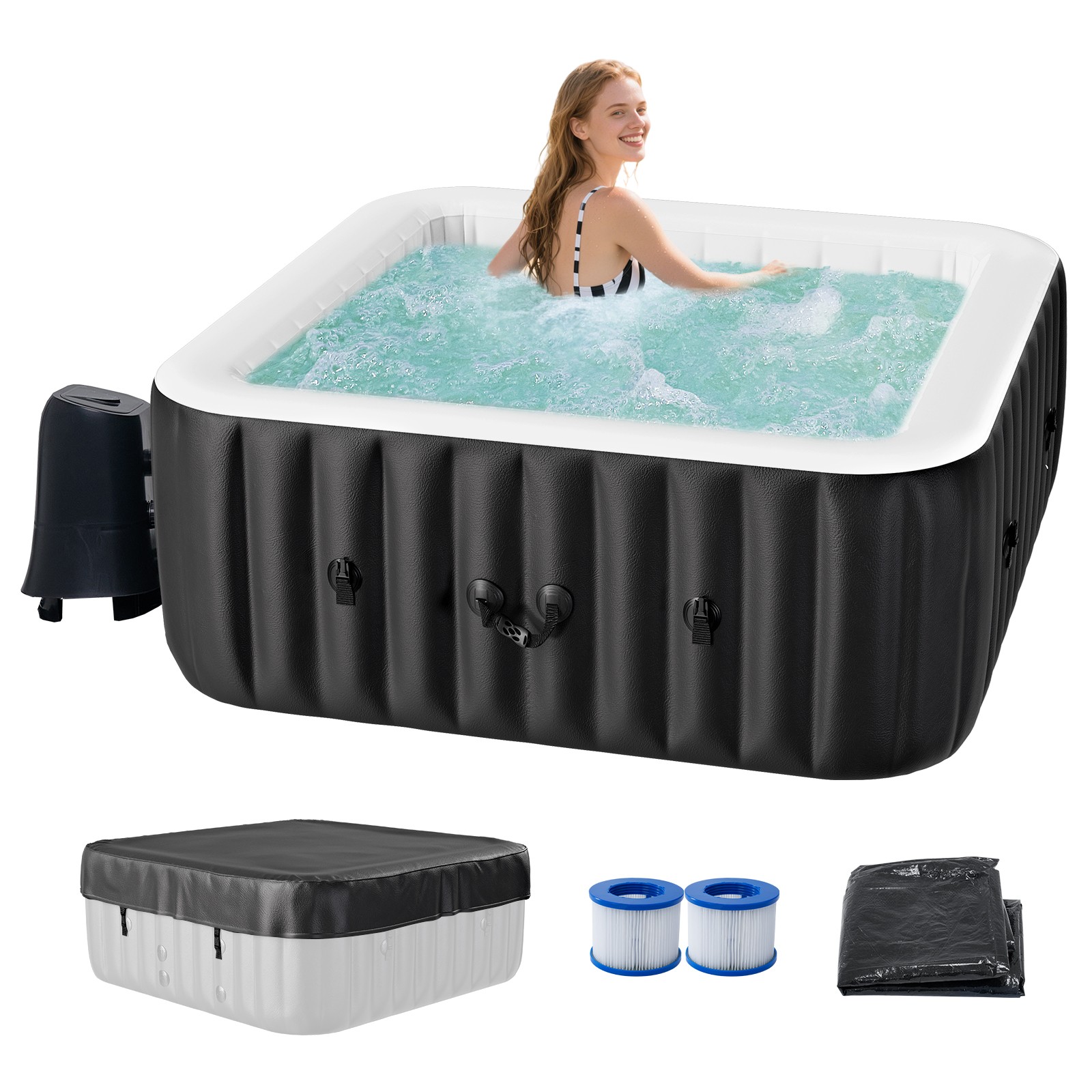 6 Person Blow Up Hot Tub with 130 Air Jets – Portable Outdoor Spa Pool$499.99New · Last checked Nov 22, 2026View on eBay
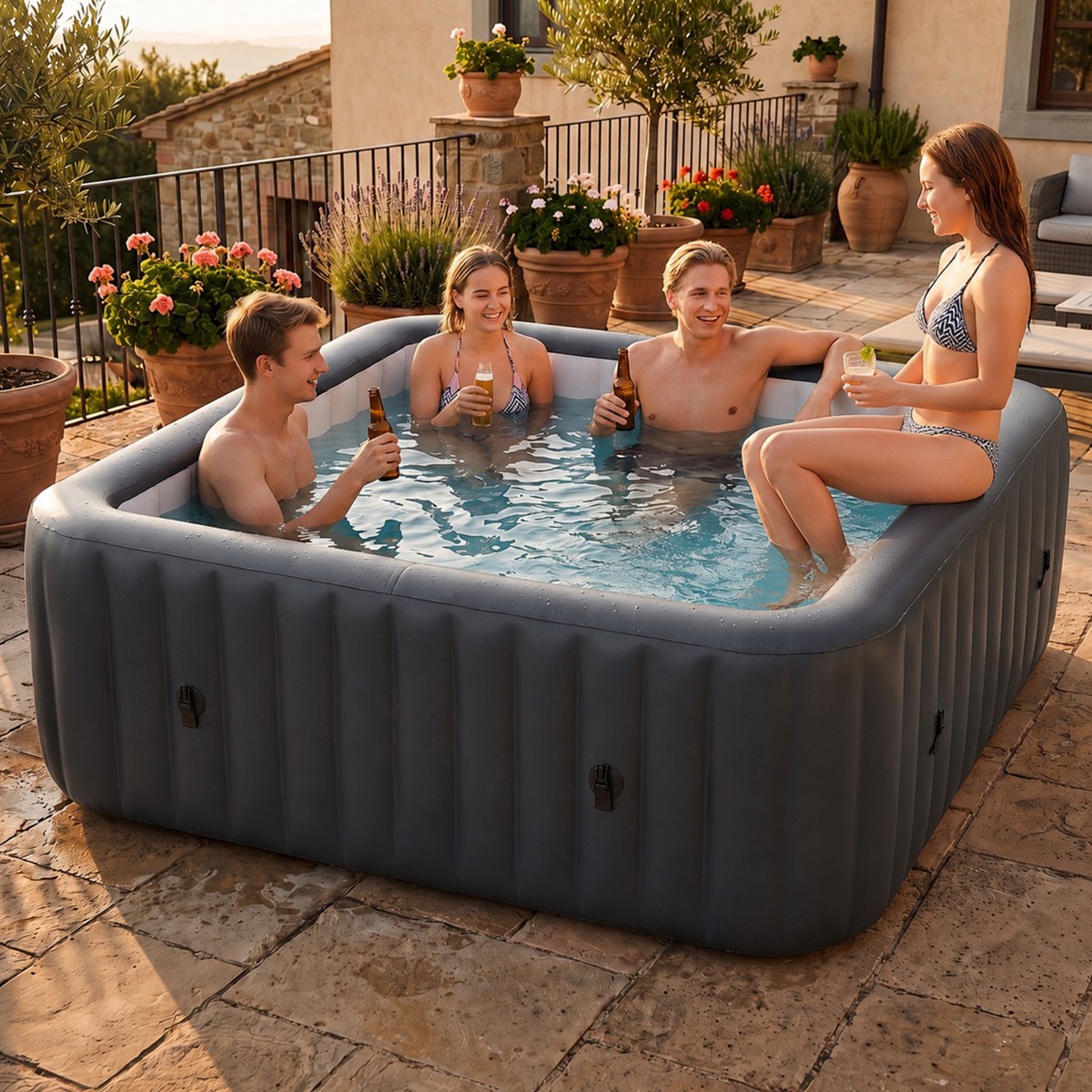 NAIZEA 73"x73"x25" Inflatable Hot Tub 240 Gal,Reinforced Mesh PVC Blow Up Spa$509.98New · Last checked Nov 22, 2026View on eBay
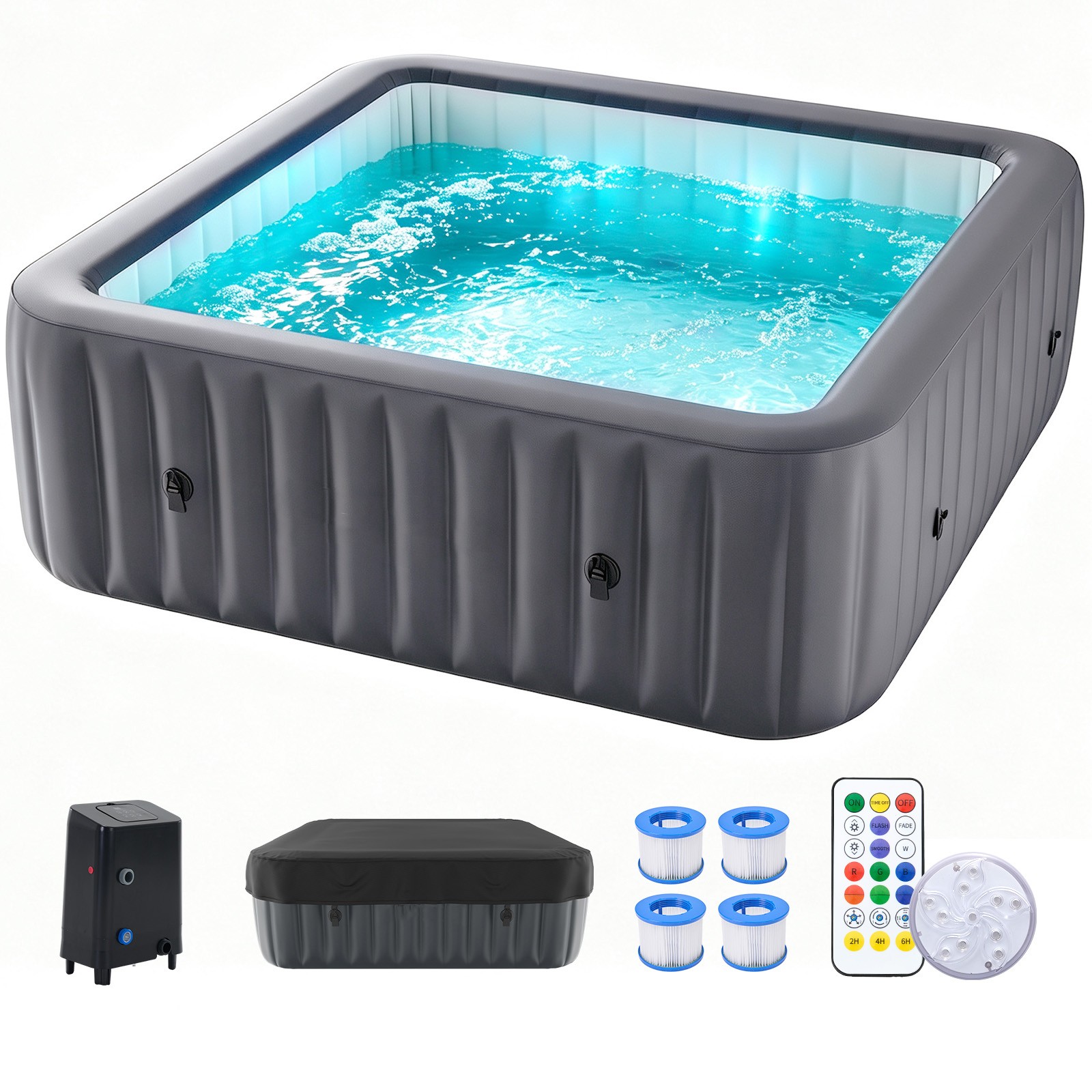 NAIZEA Inflatable Hot Tub,Reinforced Mesh PVC Blow Up Spa with adsorption light$509.98New · Last checked Nov 22, 2026View on eBay
Highlights
- Acrylic shells with full-foam insulation retain heat far better than inflatable PVC or roto-molded polyethylene shells, cutting standby energy loss and protecting plumbing from freeze damage.
- Dedicated jet pumps (1-2 units at 2-5 HP) produce stronger, more targeted massage than inflatable tubs' single blower or low-flow pump, which relies on air injection rather than water pressure.
- A 220-240V hardwired circuit supports heater and jets simultaneously; 110V plug-and-play models typically limit heater operation while jets run, causing water temperature to drop during extended use.
- Ozone and UV sanitation systems reduce chemical demand but do not replace chlorine or bromine; cartridge filters (50-100 sq ft) should be sized to tub volume and cleaned weekly.
Best use cases
- Best fit: permanent backyard installation with 220V service — pick a 5-7 person acrylic spa with full foam insulation and a dedicated 24-hour circulation pump for lowest operating cost and strongest jets.
- Best fit: renters, decks, or seasonal use — pick a 110V plug-and-play or inflatable tub (2-4 person) that runs on a standard outlet and drains for storage; skip hardwired models that require an electrician and permit.
- Best fit: small spaces, patios, or indoor use — pick a 2-3 person mini or corner tub under 7 ft wide; skip large 8-person models that need a reinforced 8x8 ft pad and 6-8 ft clearance for the cover lifter.
- Wrong fit: cold-climate use with an inflatable tub — PVC shells and thin insulation cannot hold temperature in freezing conditions; choose a fully insulated acrylic spa with a sealed cabinet instead.
Buying tips
- Sizing math: allow 2 ft per seated bather plus footwell; a 4-person tub needs roughly 6x6 ft and a 6-person tub 7x7 ft, plus 2-3 ft clearance for the cover lifter and entry steps.
- Electrical tier: confirm 110V/15A outlet for plug-and-play (heater and jets may not run together) versus 220V/50A hardwired service for simultaneous heater and jet operation; hardwiring requires a GFCI breaker and permit.
- Insulation grade: full-foam or closed-cell spray insulation with a sealed ABS base is the durability benchmark; open-frame or inflatable tubs lose heat rapidly and cost more to run in cold months.
- Shell and cabinet: acrylic shell over a pressure-treated or composite frame outlasts roto-molded polyethylene and inflatable PVC; stainless or composite cabinets resist rot and pests better than wood.
Specs
| Shell Material | Acrylic vs Roto-molded vs Inflatable PVC |
|---|---|
| Electrical | 110V Plug-in vs 220V Hardwired GFCI |
| Seating Capacity | 2-3 / 4-5 / 6-8 persons |
| Insulation | Full foam vs Open frame vs None |
Related searches
What to check before buying
- Measure the delivery path and installation site: gate width, stair turns, and overhead obstructions must clear the tub's widest dimension; most 6-person spas are 7-8 ft wide and weigh 400-900 lbs dry.
- Verify the electrical supply: a dedicated 220V GFCI circuit within 5-10 ft of the tub for hardwired models, or a grounded 110V outlet on a dedicated circuit for plug-and-play.
- Confirm the base: a level, compacted gravel or concrete pad rated for the filled weight (tub plus water at roughly 8.3 lbs per gallon; a 400-gallon spa adds about 3,300 lbs).
- Check climate and cover: an insulated locking cover is mandatory for heat retention and safety; in freezing climates, choose a fully insulated cabinet and freeze-protection mode.
FAQ
Data sources: eBay / Amazon listings and product attribute feeds. Updated Nov 27, 2026.
Some links on this page are affiliate links. If you buy after clicking one, we may earn a commission at no extra cost to you. This does not change which products appear here or their order. Affiliate disclosure.