
Photos from current listings. Actual item, color, and included accessories may vary.
Outdoor Canopy Gazebo Buying Guide
Outdoor canopy gazebos are freestanding fabric-and-frame shelters used for patio shade, event overflow, and temporary carports. The core trade-off is frame gauge vs. canopy fabric grade: thin steel tubes and 150D polyester fail in wind and UV within a season, while thicker wall aluminum or galvanized steel with 250D+ ripstop fabric or PVC-coated tops last years. The decision rule: pick a gazebo whose frame wall thickness and fabric denier are stated numerically, and skip any listing that hides those two figures behind 'heavy duty' marketing.
Median $262.49
Key takeaways
- Frame wall thickness separates tiers: 0.6–0.8 mm steel is light-duty pop-up grade, 1.0–1.2 mm rust-treated steel or 1.5 mm+ aluminum handles permanent patio duty.
- Canopy fabric denier and coating determine UV life: 150D polyester with silver coating lasts 1–2 seasons; 250D–300D ripstop or PVC-coated 500D+ tops resist tearing and UV for 3+ years.
- Double-tier roofs vent wind and heat but require a matching replacement top skin; single-tier flat roofs pool water unless the frame has a peak slope of at least 15 degrees.
At a glance
- Category
- Outdoor Structures, Shade & Awnings
- Last updated
- Nov 28, 2026
Current offers
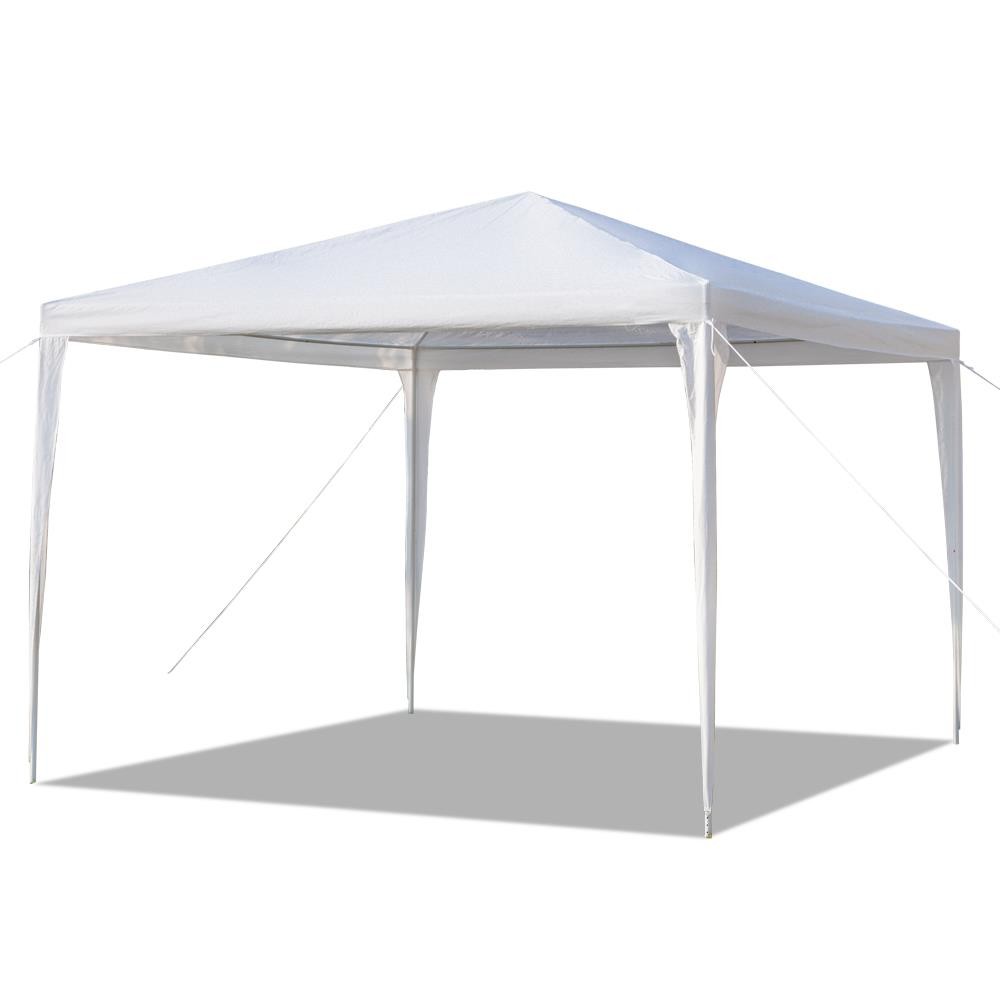 10' X 10' Canopy BBQ Party Tent Wedding Outdoor Patio Gazebo Upgrade$34.98View on eBay
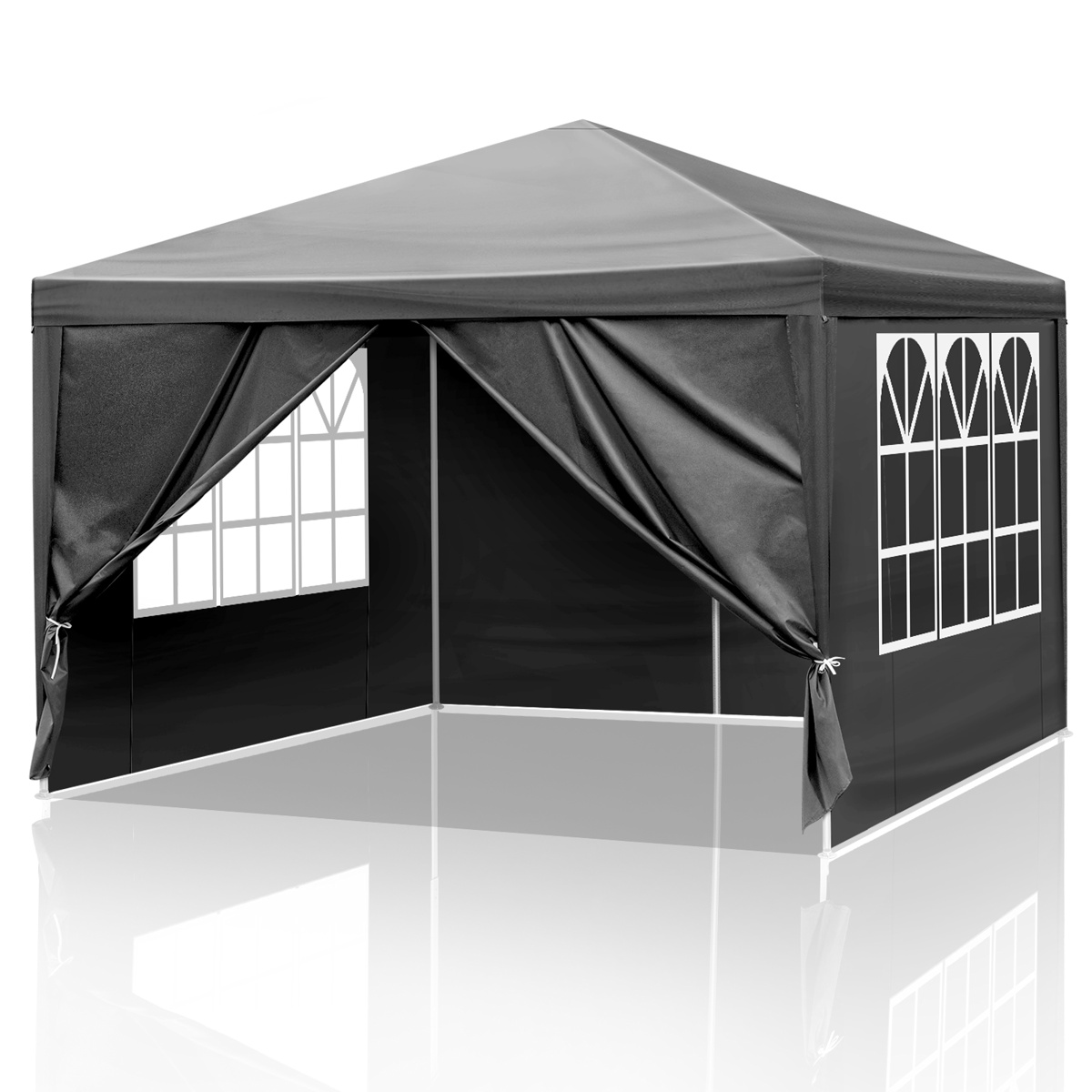 【Same Code:00418742】10×10ft Black Outdoor Canopy Gazebo with 4 Removable Side Panels, 2 Zipper Doors and 2 Mesh Windows, Heavy Duty PE Cloth, Powder Coated Iron Pipes for Backyard Party Camping$85.99View on Mallflare
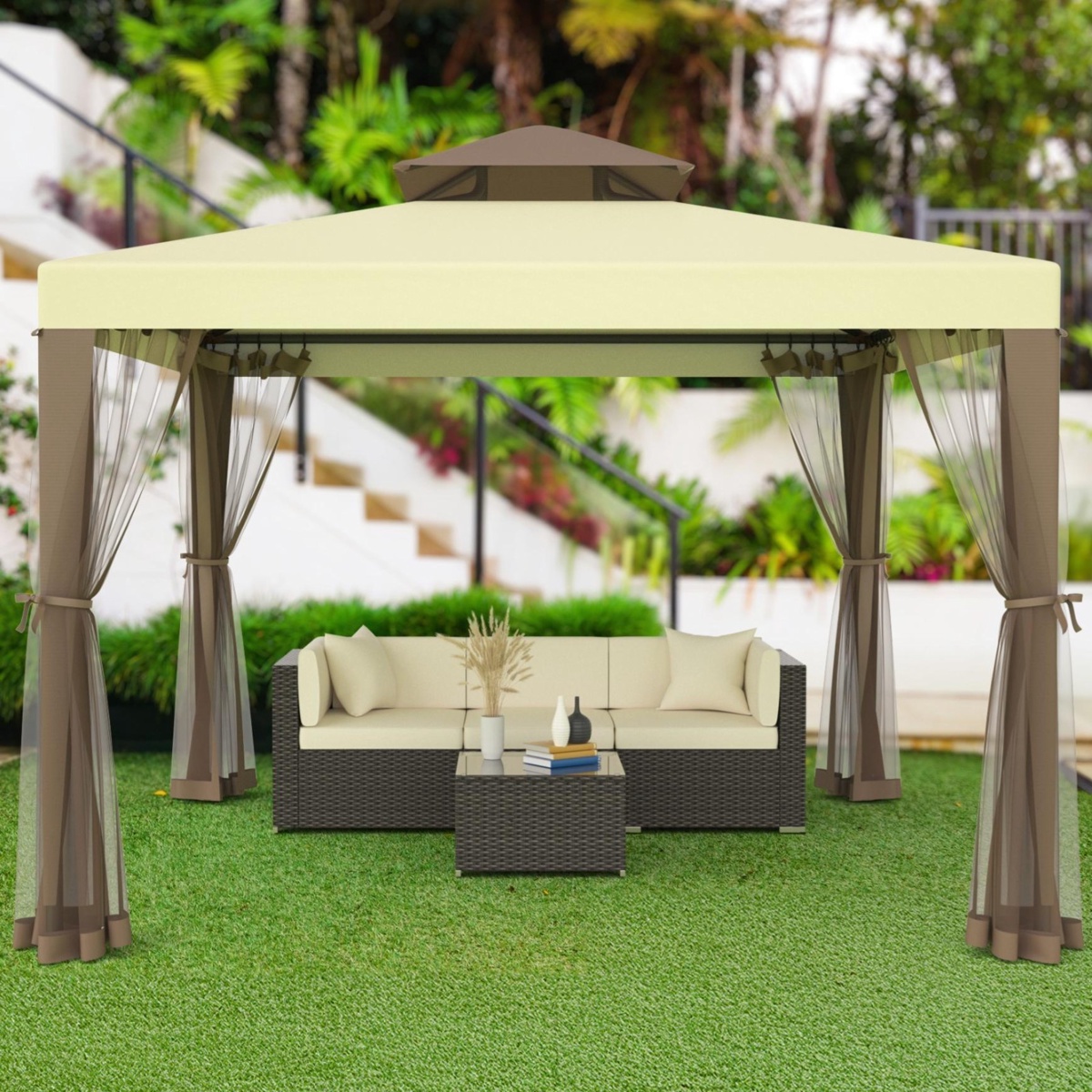 Gazebo Canopy Tent Outdoor Gazebo for Backyard & Patio w/ Mosquito Netting$102.99View on eBay
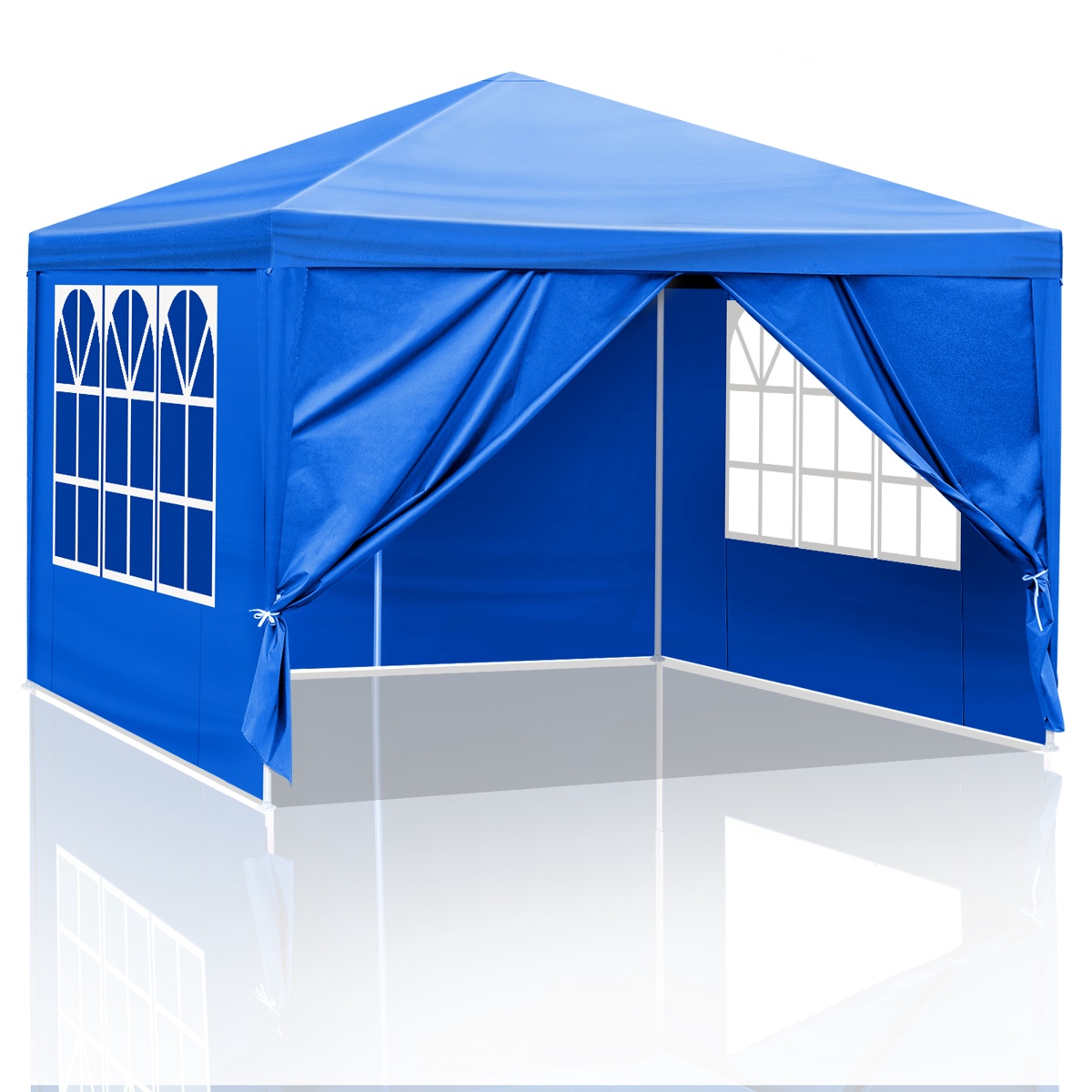 【Same Code:44225798】10'x10' Gazebo Waterproof Outdoor Canopy Patio Tent Party for Wedding BBQ Cater, Blue$93.99View on Mallflare
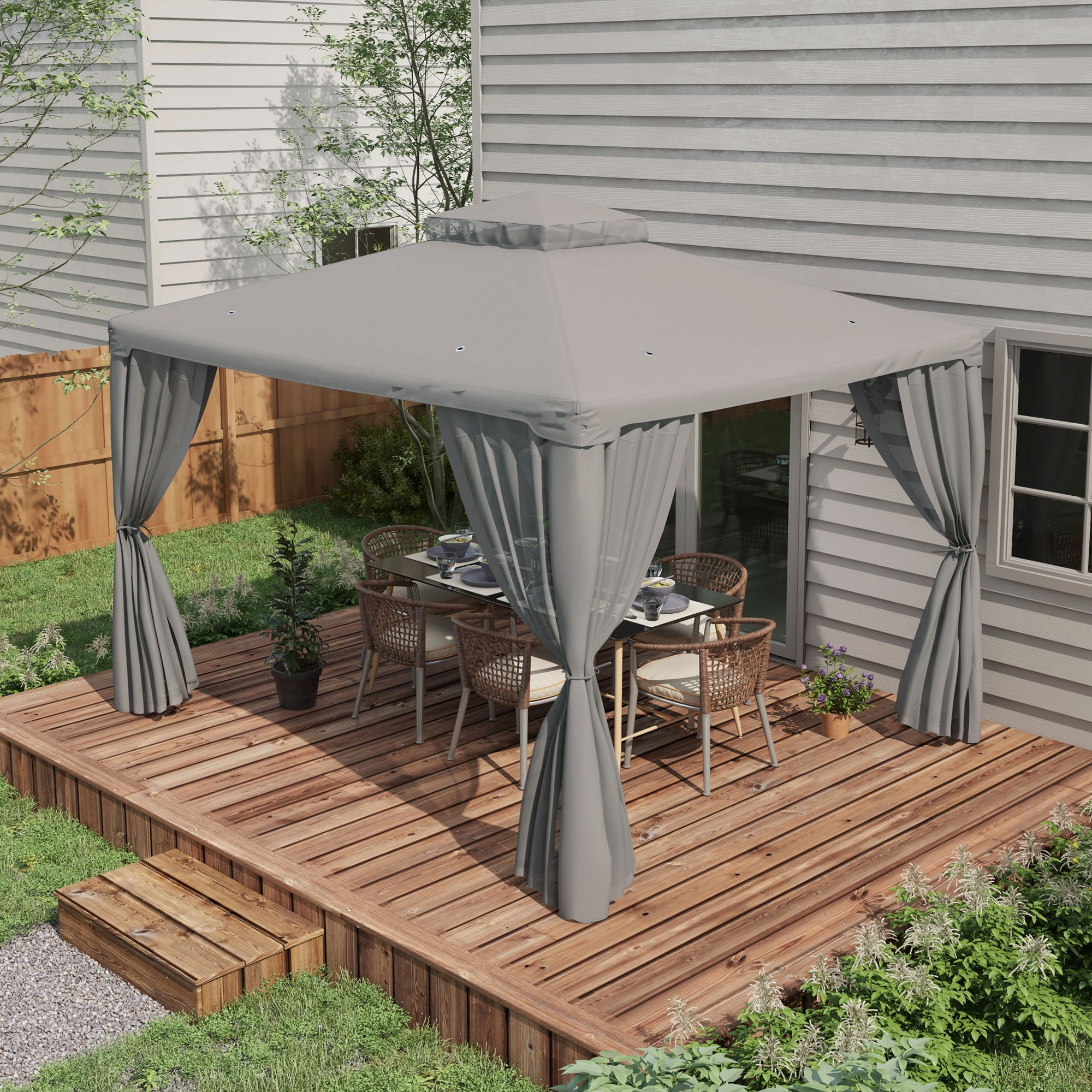 Outsunny Outdoor Patio Gazebo Pavilion Canopy Tent w/ 2-tier Roof$112.99View on eBay
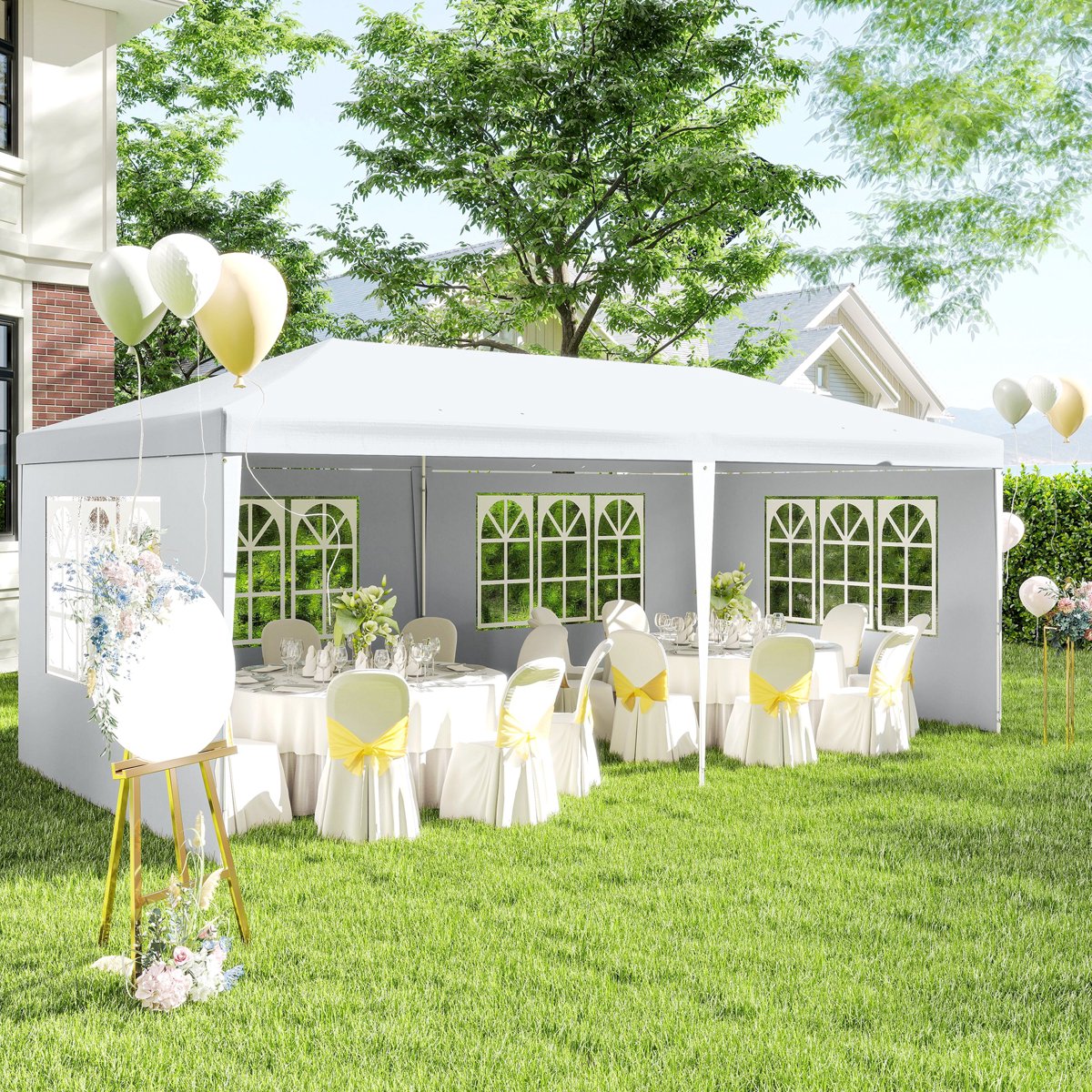 Large 20 x 10 Gazebo Canopy Party Tent with 4 Removable Window Side Walls, Outdoor Events - White$105.99View on Mallflare
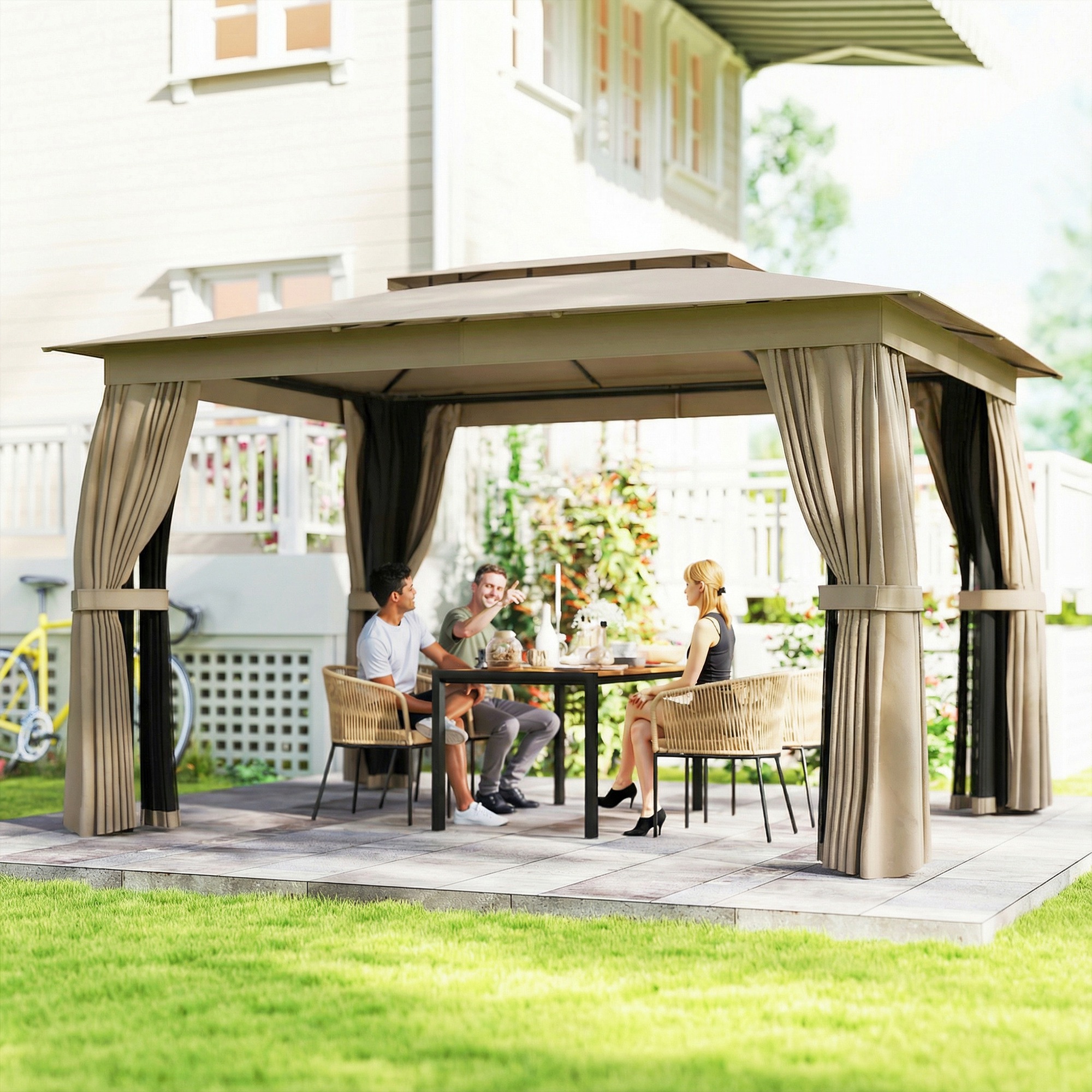 Outsunny 10' x 10'/12' Outdoor Patio Gazebo, Double Roof Gazebo Canopy Shelter$229.99Last checked Nov 18, 2026View on eBay
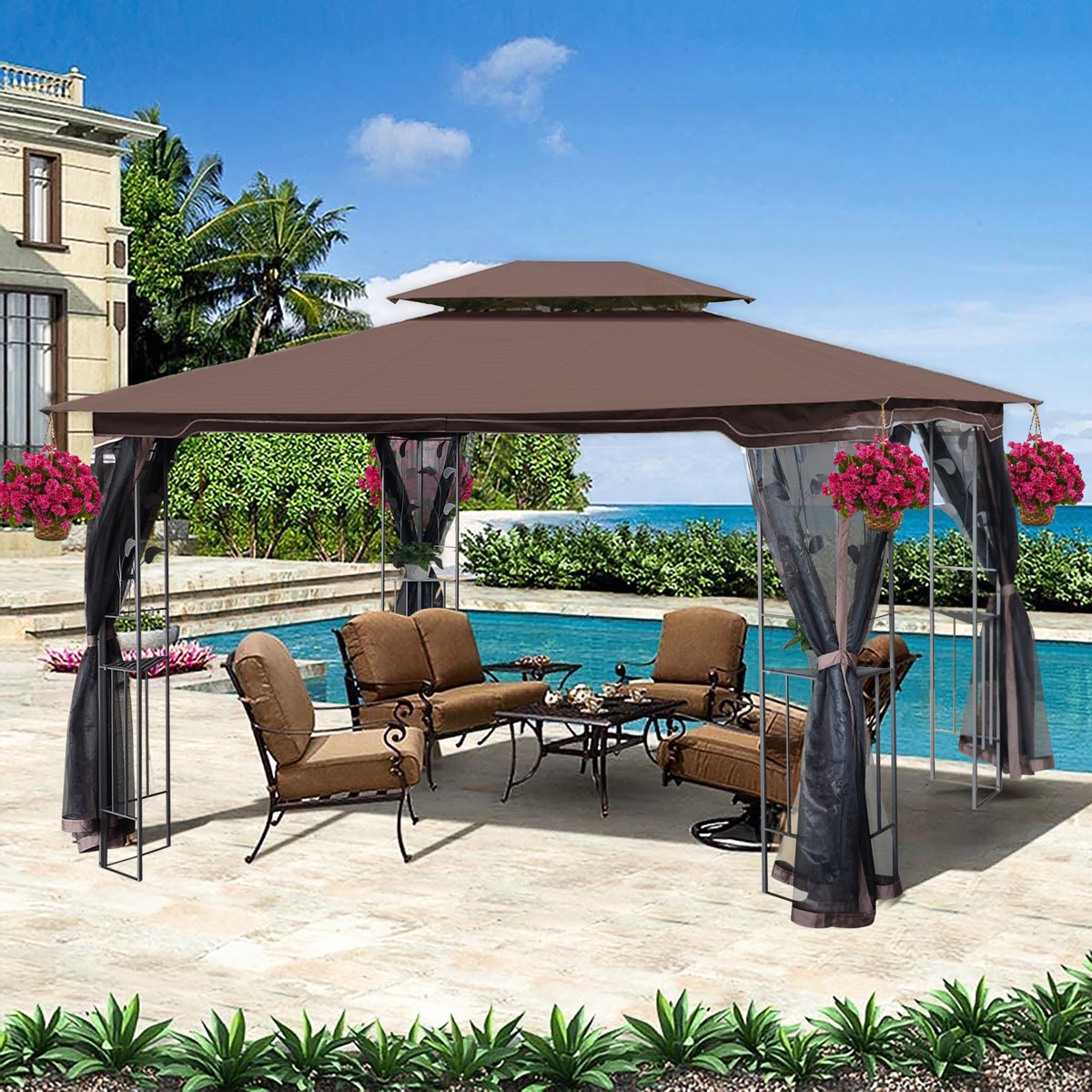 13x10 Outdoor Patio Gazebo Canopy Tent With Ventilated Double Roof And Mosquito net(Detachable Mesh Screen On All Sides),Suitable for Lawn, Garden, Backyard and Deck,Brown Top$211.99View on Mallflare
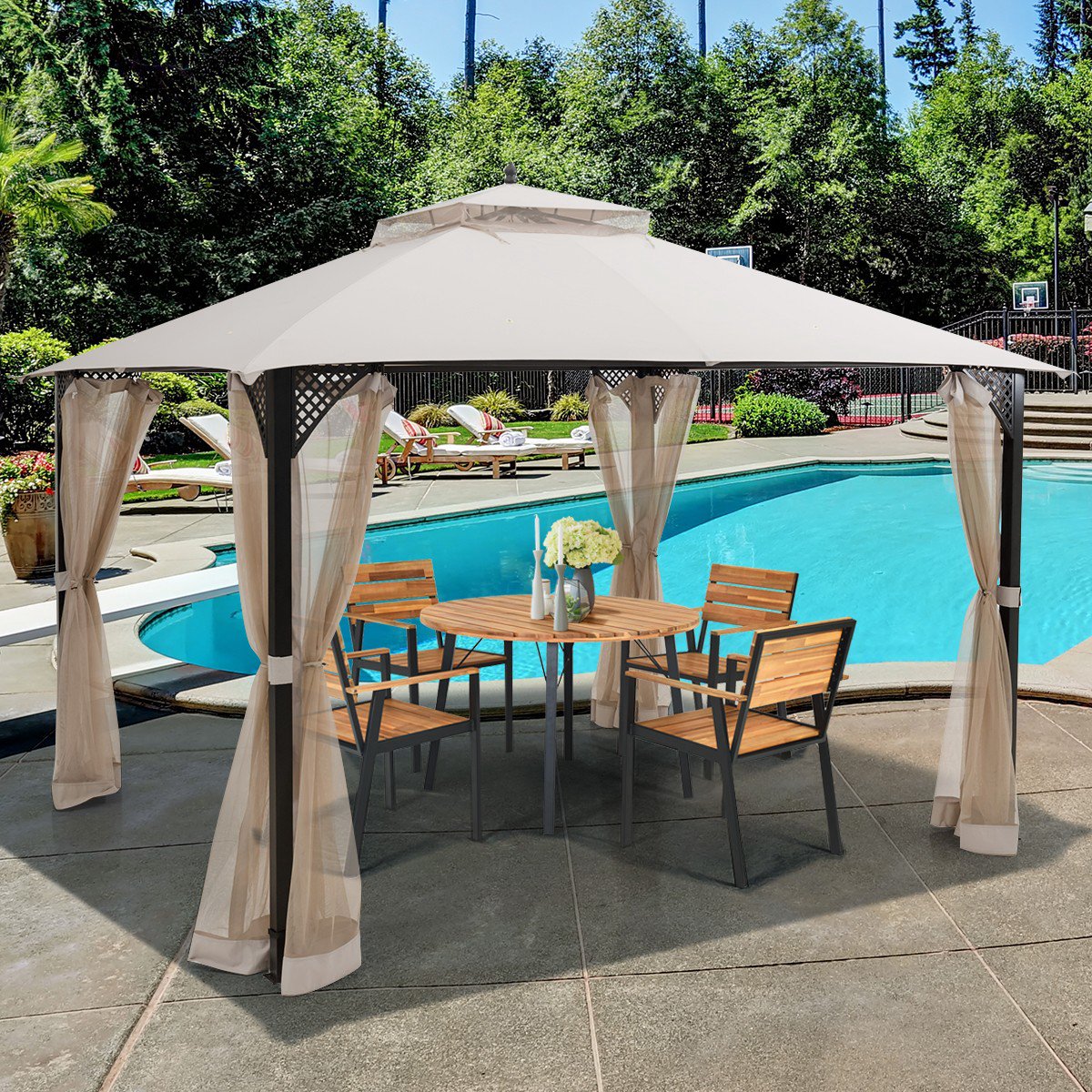 12' X 10' Outdoor Patio Gazebo Canopy Shelter Double Top Sidewalls Netting Beige$249.99Last checked Nov 18, 2026View on eBay
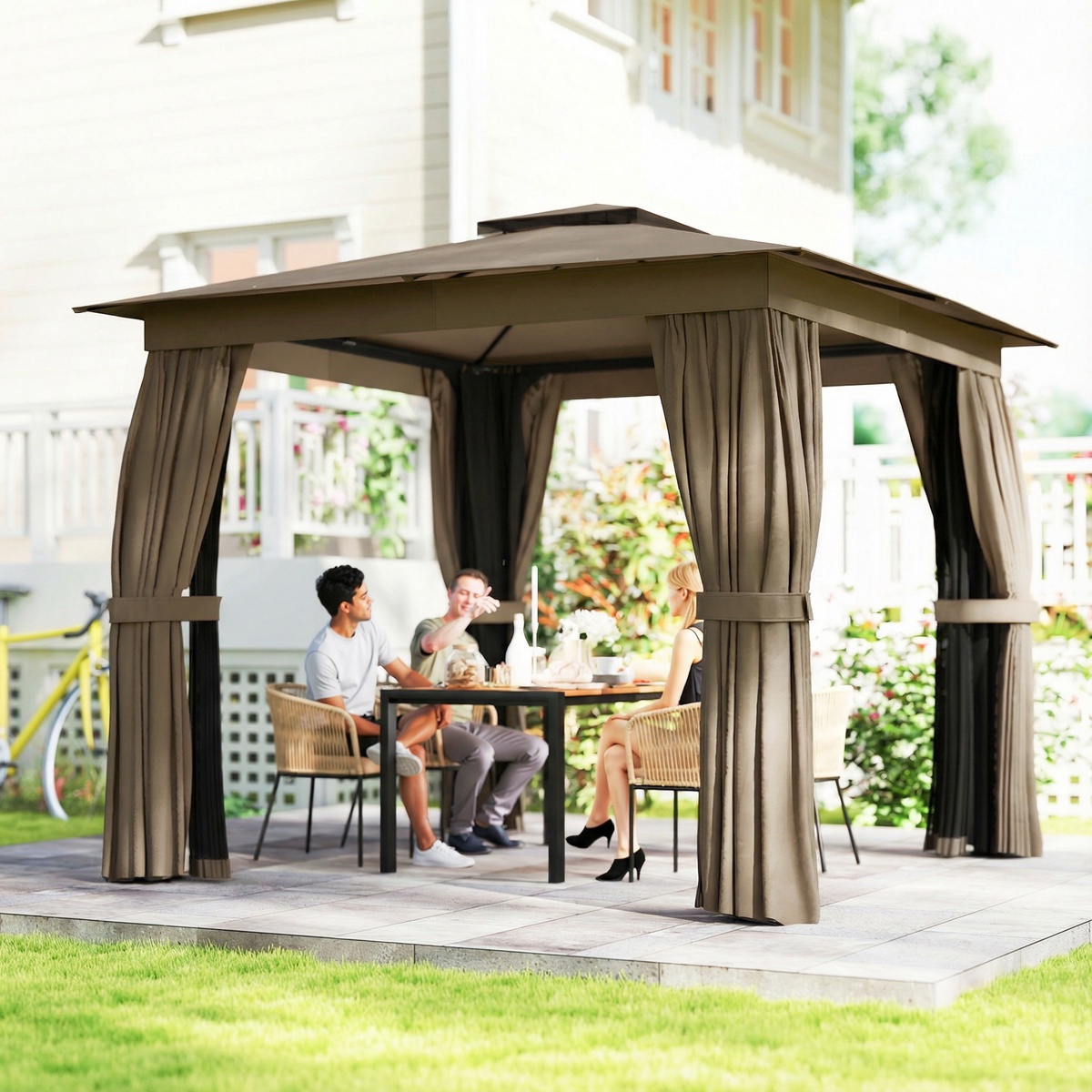 10 x 10 Outdoor Patio Gazebo, Soft Top Canopy Shelter with Curtains, Netting, Steel Frame, Hook, Khaki$257.99View on Mallflare
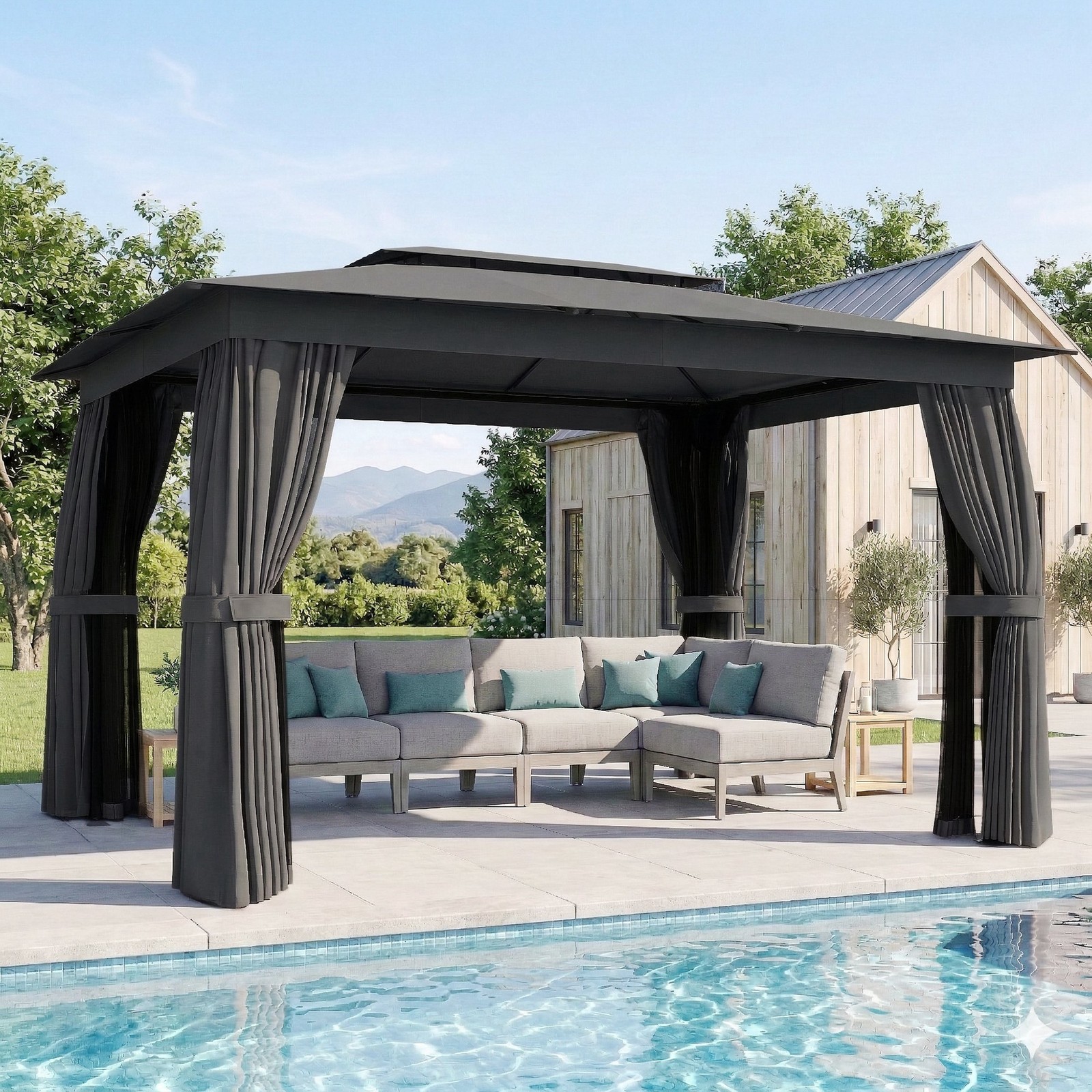 10' x 12' Outdoor Patio Gazebo, Double Roof Gazebo Canopy Shelter$265.99Last checked Nov 17, 2026View on eBay
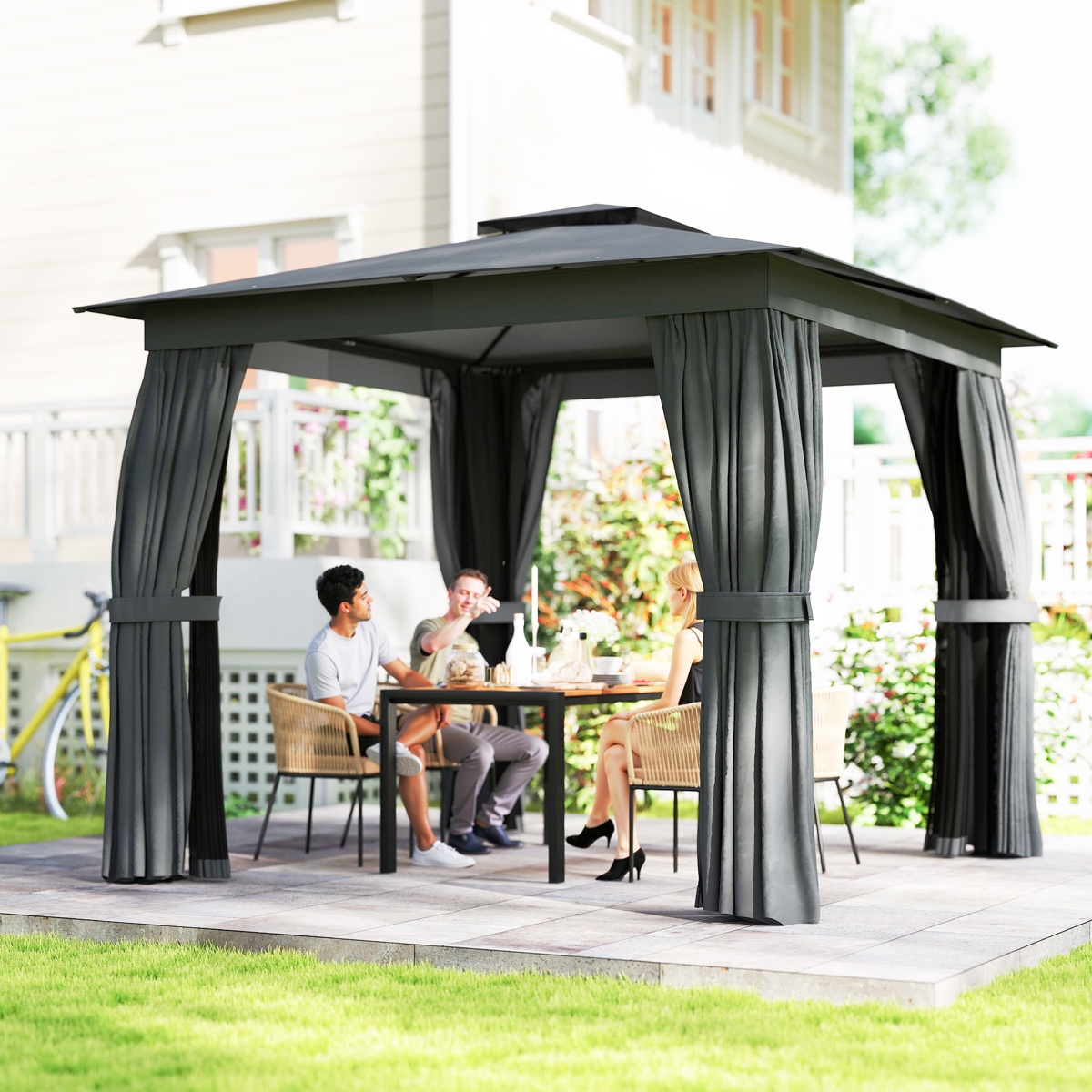 10 x 10 Outdoor Patio Gazebo, Soft Top Canopy Shelter with Curtains, Netting, Steel Frame, Hook, Dark Gray$260.99View on Mallflare
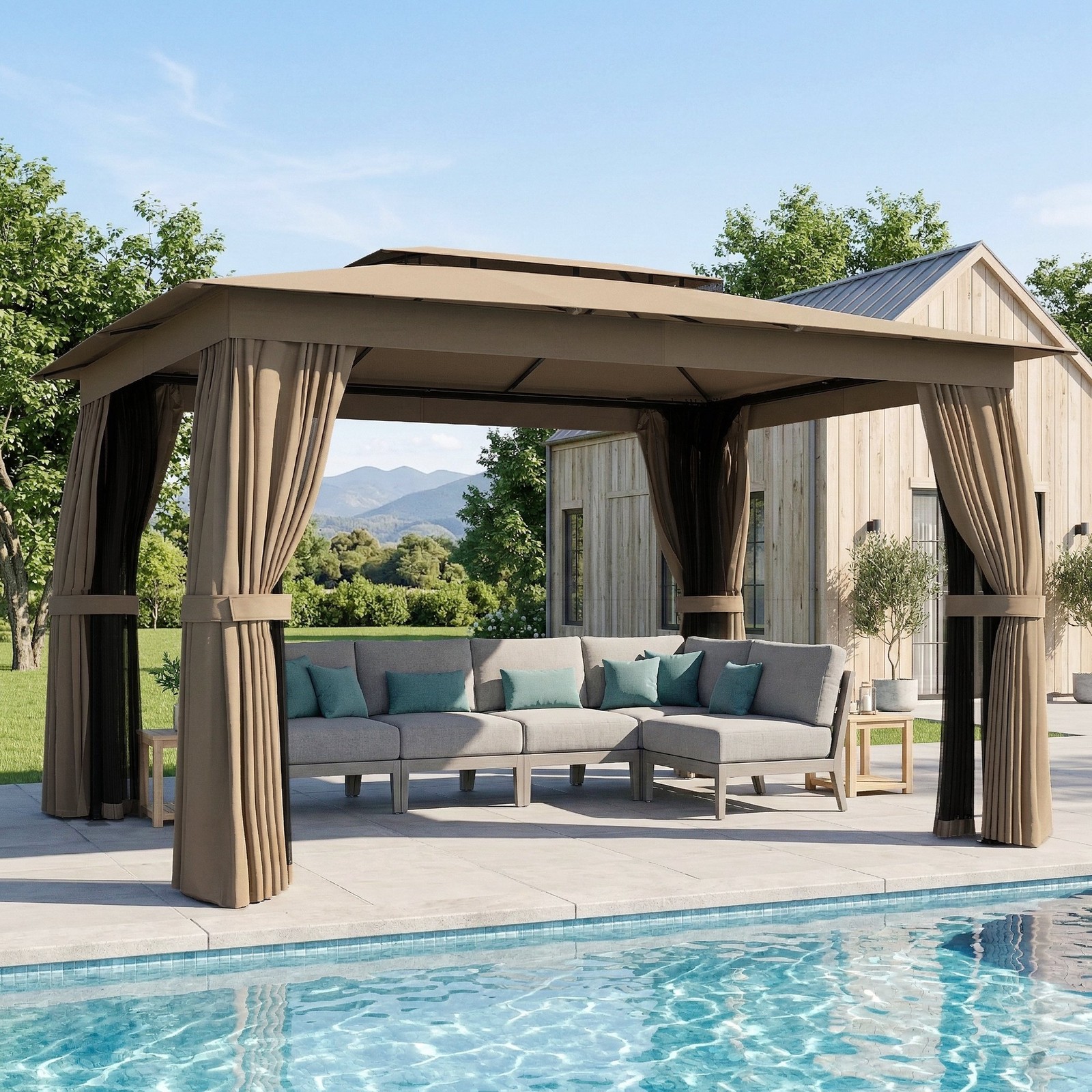 10' x 12' Outdoor Patio Gazebo, Double Roof Gazebo Canopy Shelter$297.99Last checked Nov 17, 2026View on eBay
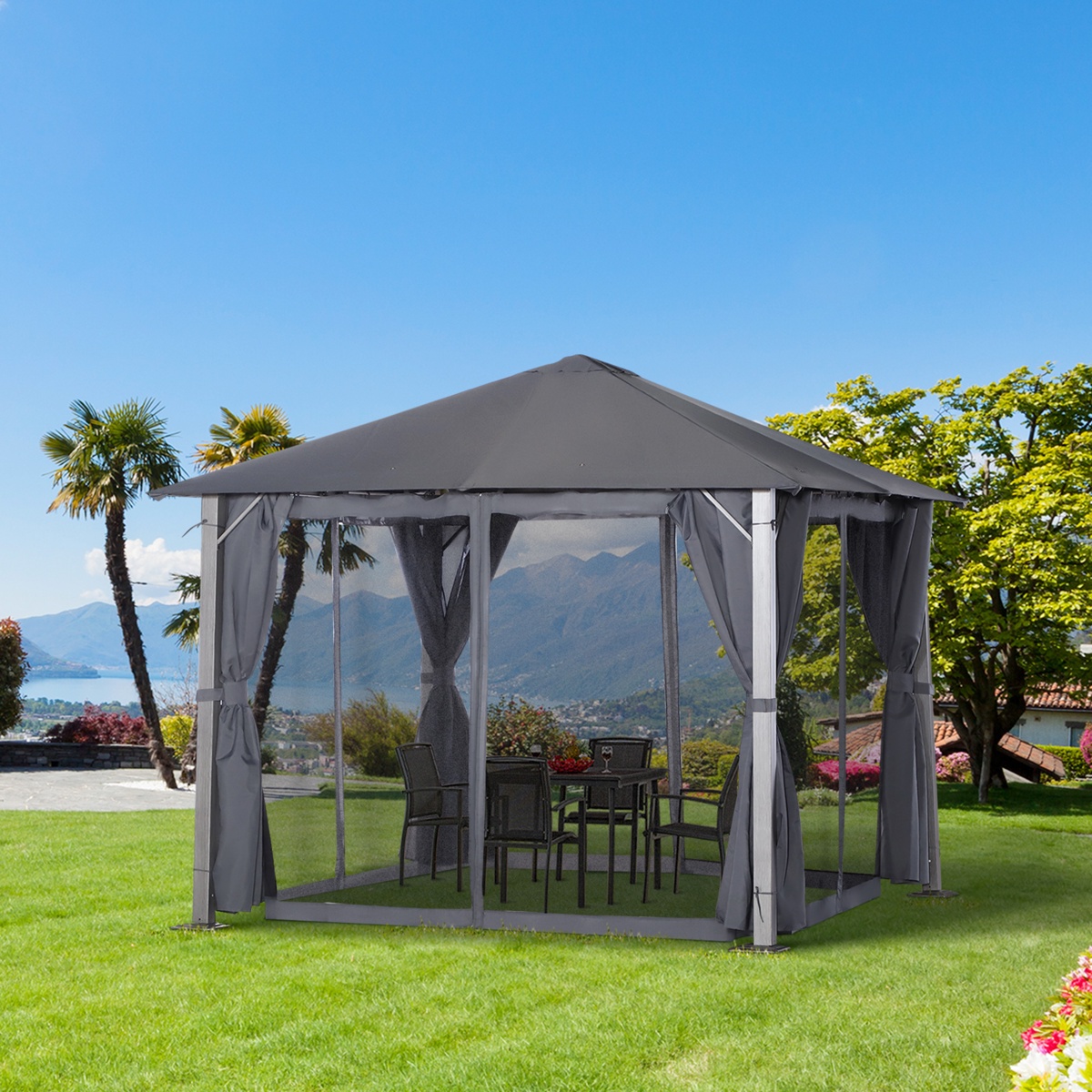 10' x 10' Patio Gazebo, Outdoor Canopy Shelter with Netting & Curtains, Vented Roof, for Garden, Lawn, Backyard and Deck, Dark Gray$263.99View on Mallflare
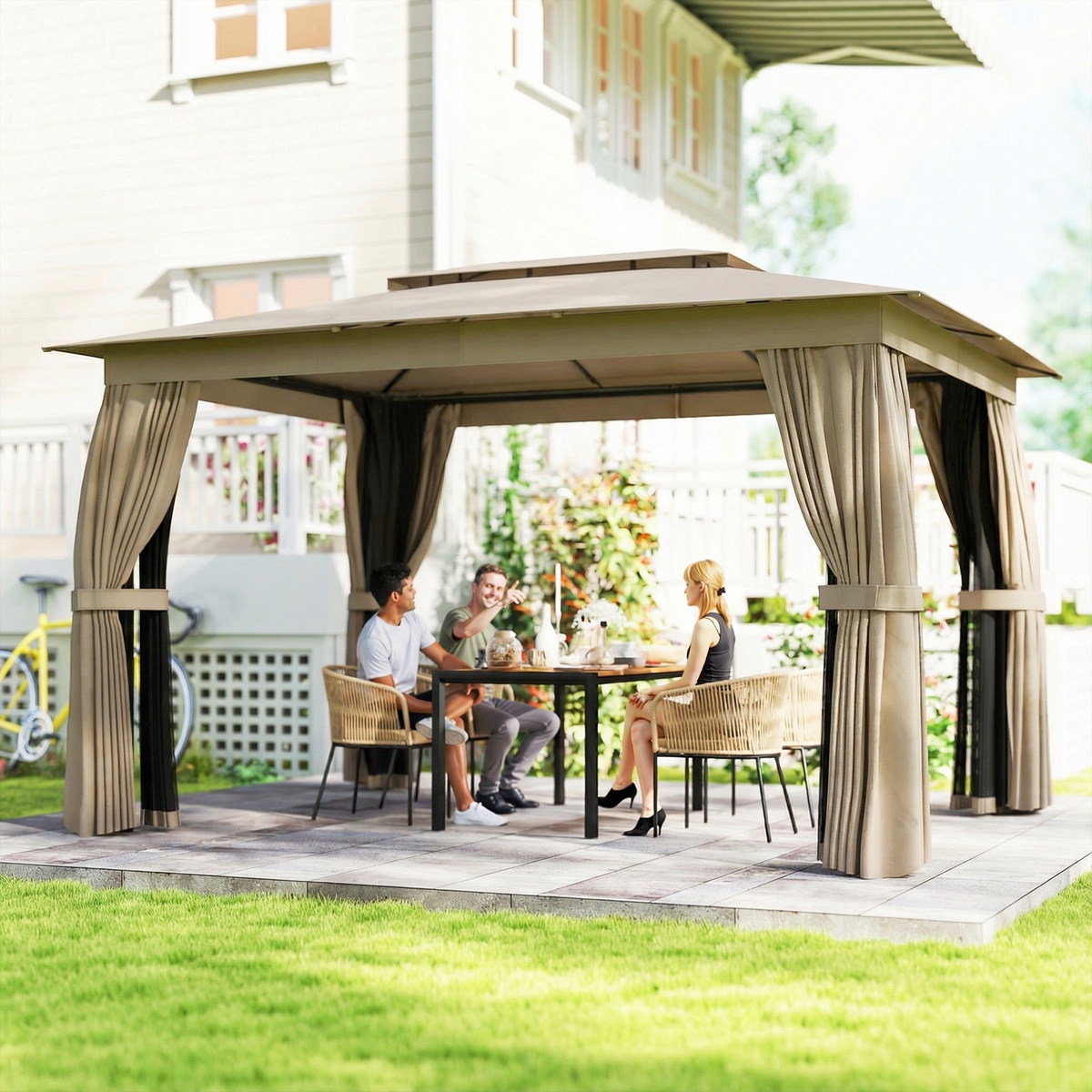 10 x 12 Outdoor Patio Gazebo, Soft Top Canopy Shelter with Curtains, Netting, Steel Frame, Hooks, Khaki$305.99View on Mallflare
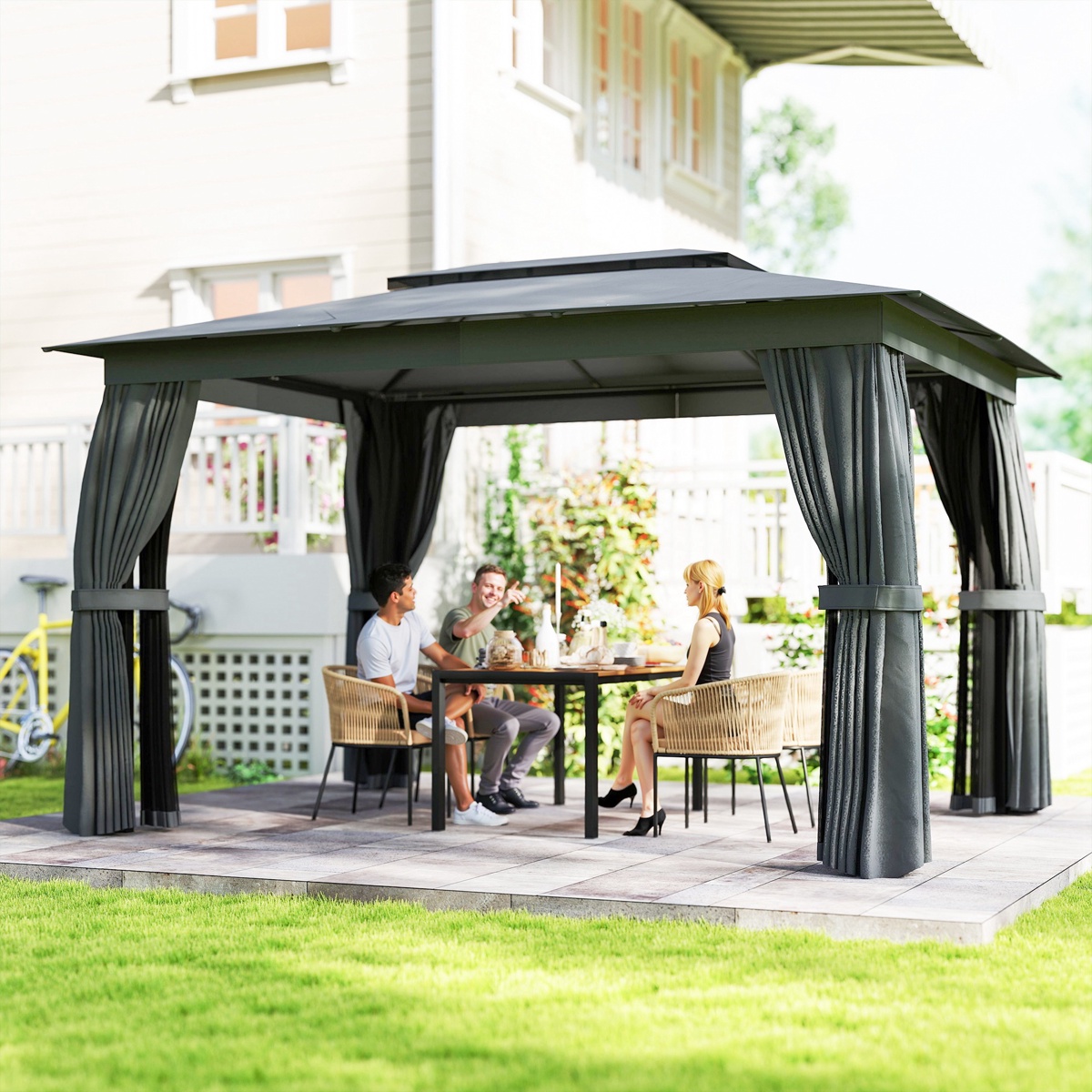 10 x 12 Outdoor Patio Gazebo, Soft Top Canopy Shelter with Curtains, Netting, Steel Frame, Hooks, Dark Gray$305.99View on Mallflare
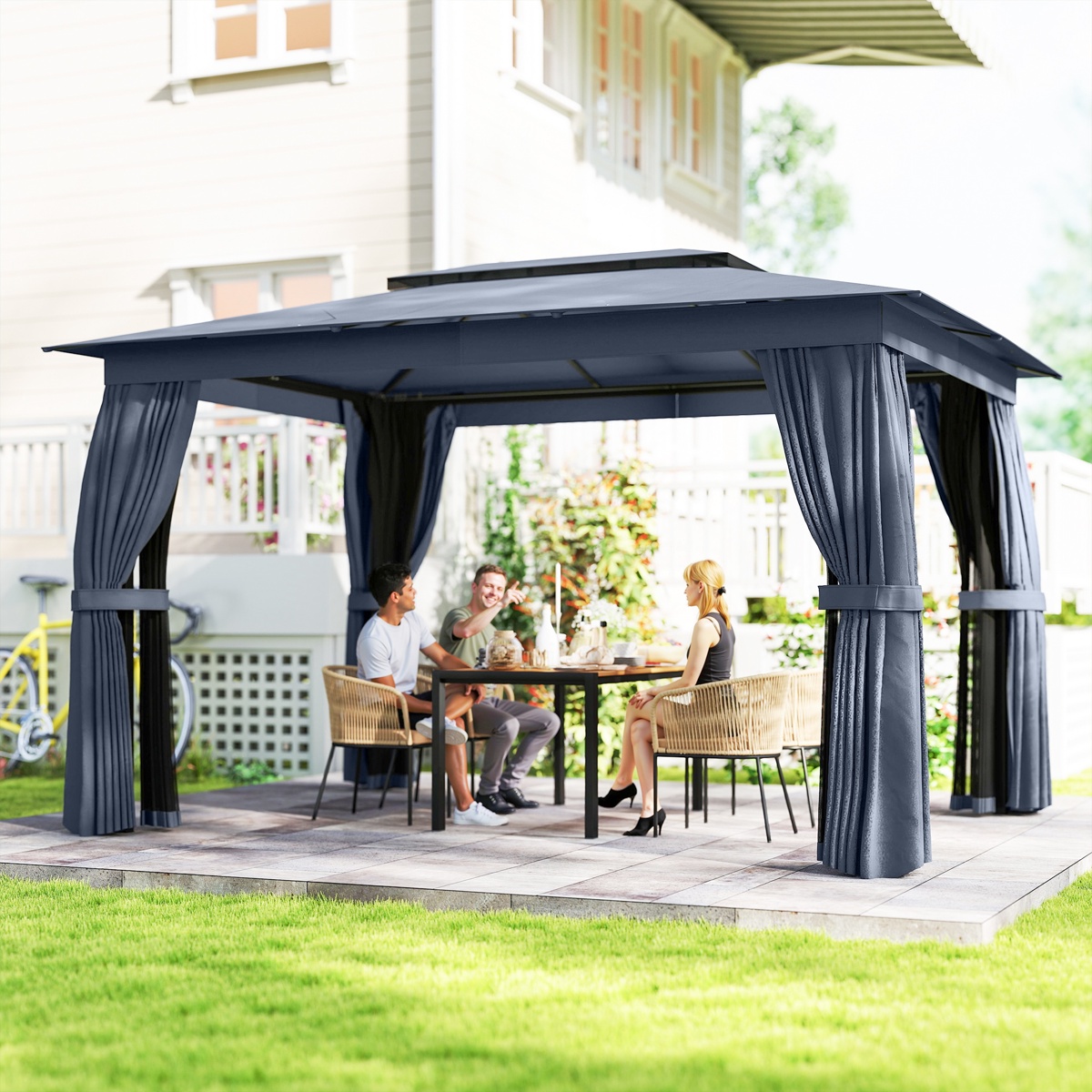 10 x 12 Outdoor Patio Gazebo, Soft Top Canopy Shelter with Curtains, Netting, Steel Frame, Hooks, Blue$305.99View on Mallflare
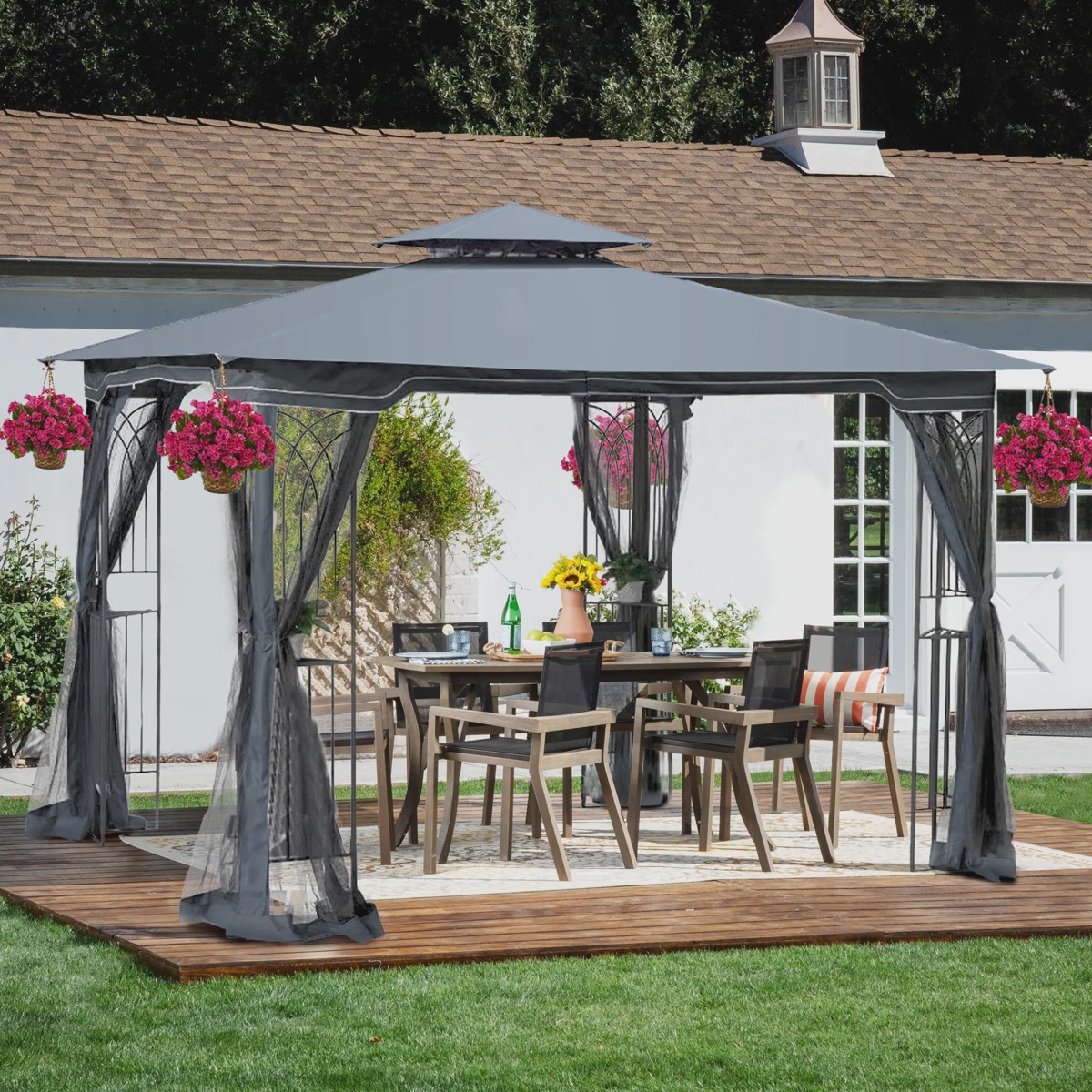 10x10 Outdoor Patio Gazebo Canopy Tent With Ventilated Double Roof And Mosquito net(Detachable Mesh Screen On All Sides),Suitable for Lawn, Garden, Backyard and Deck,Gray Top$332.99View on Mallflare
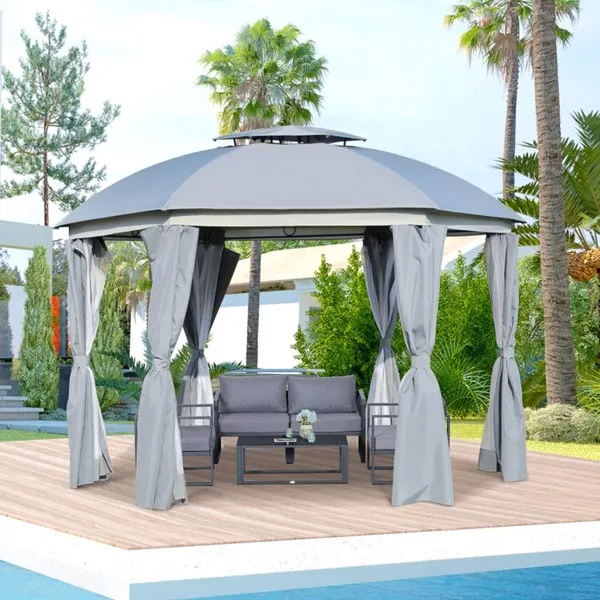 144x144 Inch Round Outdoor Gazebo, Patio Dome Canopy Shelter With Double Roof, Netting Sidewalls And Curtains$403.99View on Mallflare
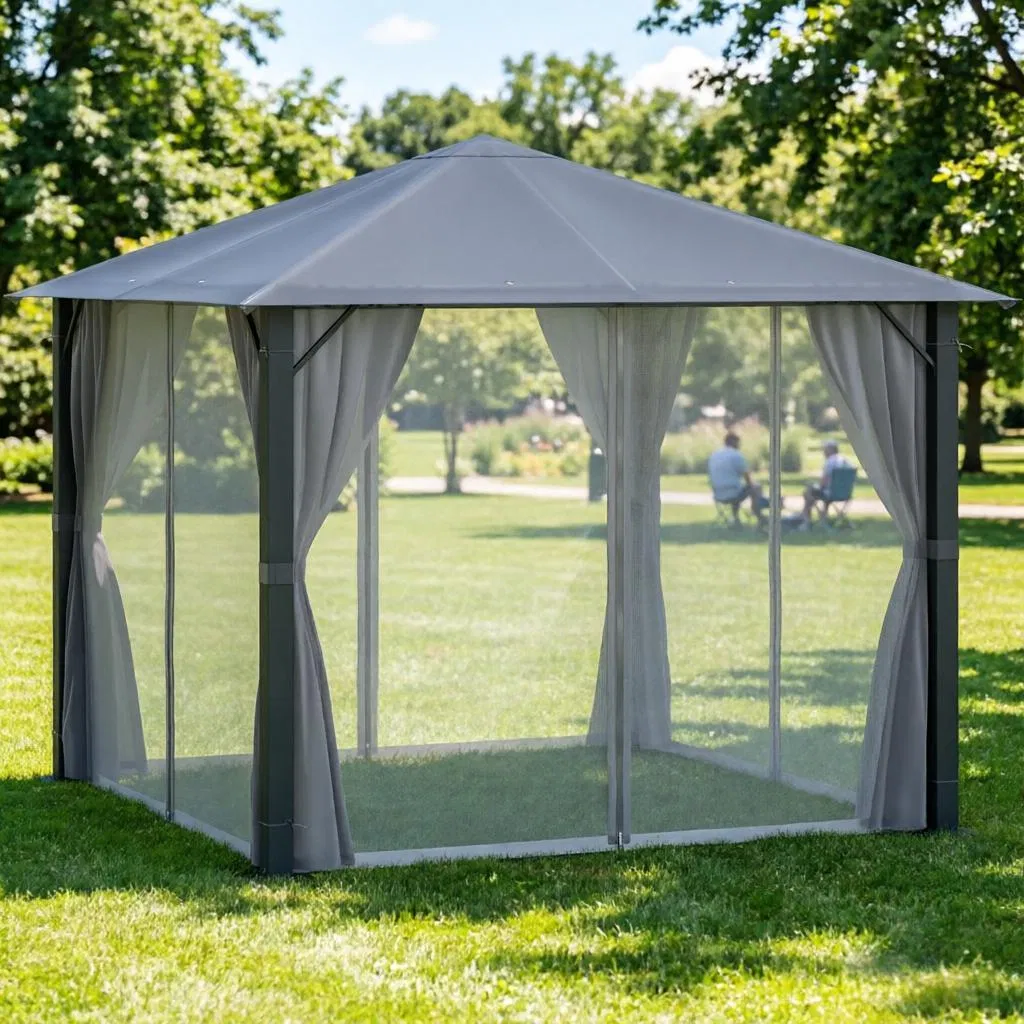 Black 10' X 10' Patio Gazebo Outdoor Canopy Shelter with Netting & Curtains Vented Roof for Garden Lawn Backyard And Deck$481.99View on Mallflare
Highlights
- Frame wall thickness separates tiers: 0.6–0.8 mm steel is light-duty pop-up grade, 1.0–1.2 mm rust-treated steel or 1.5 mm+ aluminum handles permanent patio duty.
- Canopy fabric denier and coating determine UV life: 150D polyester with silver coating lasts 1–2 seasons; 250D–300D ripstop or PVC-coated 500D+ tops resist tearing and UV for 3+ years.
- Double-tier roofs vent wind and heat but require a matching replacement top skin; single-tier flat roofs pool water unless the frame has a peak slope of at least 15 degrees.
- Sidewall and netting attachment systems differ: velcro loop straps are quick but weak in gusts; zippered or snap-in walls with weighted hems stay put on commercial and wedding setups.
Best use cases
- Best fit: 10x10 or 10x13 pop-up gazebo with 1.0 mm steel frame and 250D top for backyard patio shade and small gatherings—skip 0.6 mm frames sold as 'party tents' if the gazebo stays up all season.
- Best fit: 10x20 or 20x32 event tent with removable zippered sidewalls, storage bags, and 1.2 mm+ galvanized frame for weddings, BBQ events, and commercial overflow—skip fabric-only 'replacement canopy' listings unless you already own the matching frame.
- Best fit: double-tier hardtop-look gazebo with mosquito netting and 1.5 mm aluminum frame for permanent patio installation in windy or bug-heavy climates—skip pop-up units for permanent use; their scissor joints and thin legs fatigue under constant load.
- Wrong fit: using a soft-top canopy gazebo as a winter carport or in snow-load regions—fabric roofs collapse under snow accumulation; choose a hardtop or metal carport structure instead.
Buying tips
- Measure your footprint first: a 10x10 gazebo needs a 12x12 ft clear pad for stakes and guy lines; 10x20 and 20x32 event tents need vehicle-access clearance on at least two sides for sidewall removal.
- Match replacement tops by frame model and roof style—double-tier wavy-edge tops do not fit flat single-tier frames; confirm the top's corner-to-corner span and peak height against your existing frame before ordering a TOP ONLY listing.
- Choose frame material by exposure: powder-coated steel for seasonal patio use, galvanized steel for event rental and frequent teardown, aluminum for permanent coastal or humid installations where rust is the failure mode.
- For wind resistance, prioritize units with ground stakes, guy ropes, and weighted feet included; a 10x10 canopy catches roughly 100 sq ft of sail area, so anchoring hardware is not optional.
Specs
| Frame Material | Powder-coated steel / galvanized steel / aluminum |
|---|---|
| Frame Wall Thickness | 0.6–0.8 mm pop-up; 1.0–1.5 mm+ permanent |
| Canopy Fabric Grade | 150D entry; 250D–500D+ ripstop/PVC |
| Roof Style | Single-tier flat vs. double-tier vented |
Related searches
What to check before buying
- Pad and clearance: confirm a level surface at least 2 ft larger than the canopy footprint on all sides for stakes, guy lines, and sidewall drop.
- Anchor and surface type: grass accepts spiral stakes; concrete or deck requires weighted plates or bolt-down feet—confirm the frame includes anchoring hardware.
- Climate load: check local snow and wind exposure; soft-top gazebos require removal before winter or storm events, while hardtop and aluminum-frame units tolerate permanent installation.
- Companion parts: verify whether the listing is frame-plus-top, top only, or sidewalls separately—replacement canopy listings ship without poles, and netting sets often sell separately from the structure.
FAQ
Data sources: eBay / Amazon listings and product attribute feeds. Updated Nov 28, 2026.
Some links on this page are affiliate links. If you buy after clicking one, we may earn a commission at no extra cost to you. This does not change which products appear here or their order. Affiliate disclosure.