GardenPulse Guide

GardenPulse Guide

Garden, Yard & Outdoor Living Reviews & Buying Guides

Compare garden, yard & outdoor living by use case, features, trade-offs, price, returns, and seller terms before you buy.

Buying guides

Buying guide image
Garden Fencing & Privacy Screens

Outdoor Privacy Screen

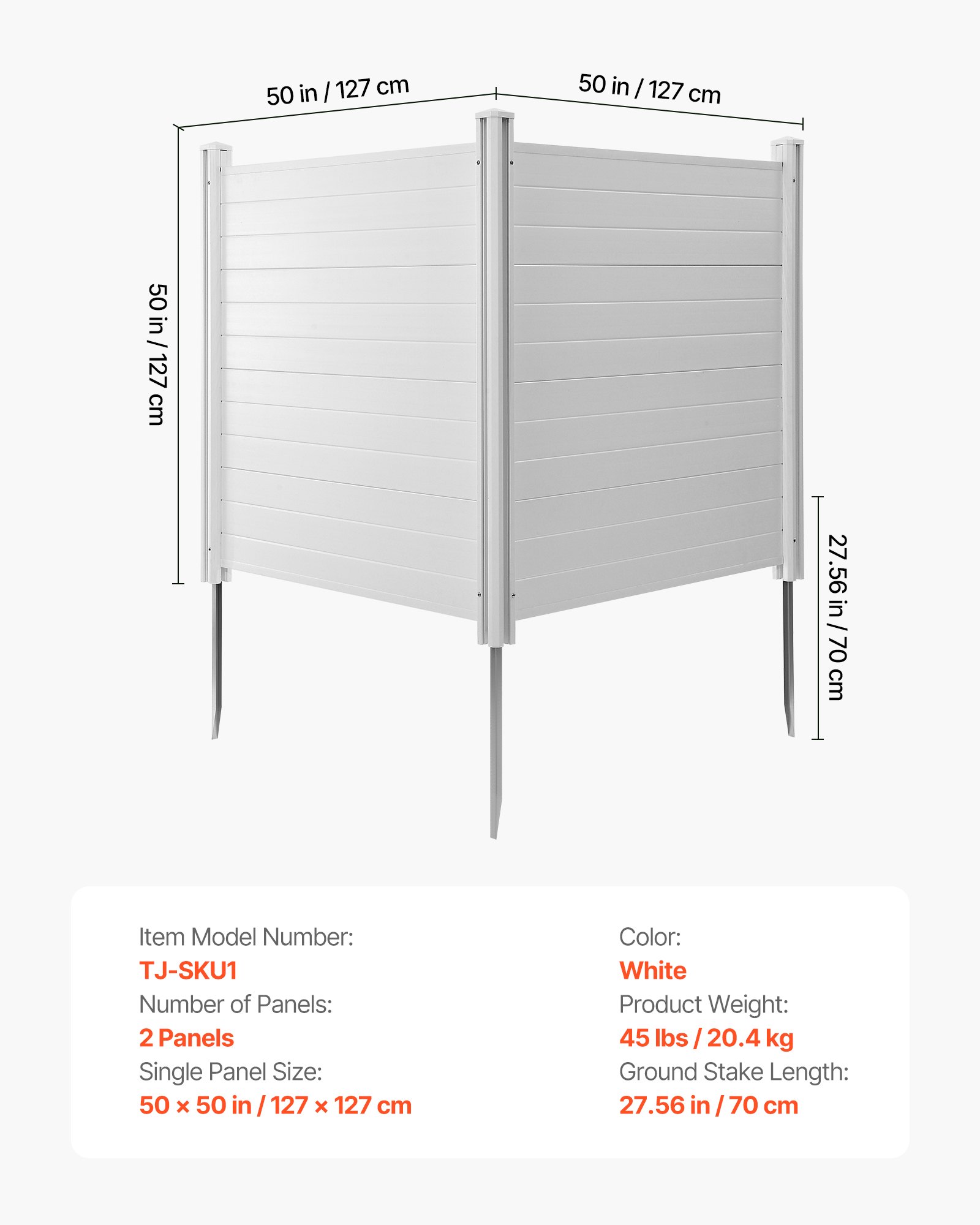
Outdoor privacy screens are freestanding or stake-mounted panels that block sightlines on decks, patios, and around equipment like AC units. The core trade-off is between rigid metal or composite builds that resist wind and UV versus lightweight vinyl or artificial-foliage screens that fade, sag, or blow over within a season or two. Choose powder-coated steel or aluminum with welded frames for permanent wind exposure; choose stake-driven vinyl or artificial hedge panels only for sheltered, temporary, or equipment-concealment use.
Buying guide image
Outdoor Lighting & Decor

Outdoor Wall Light Fixture

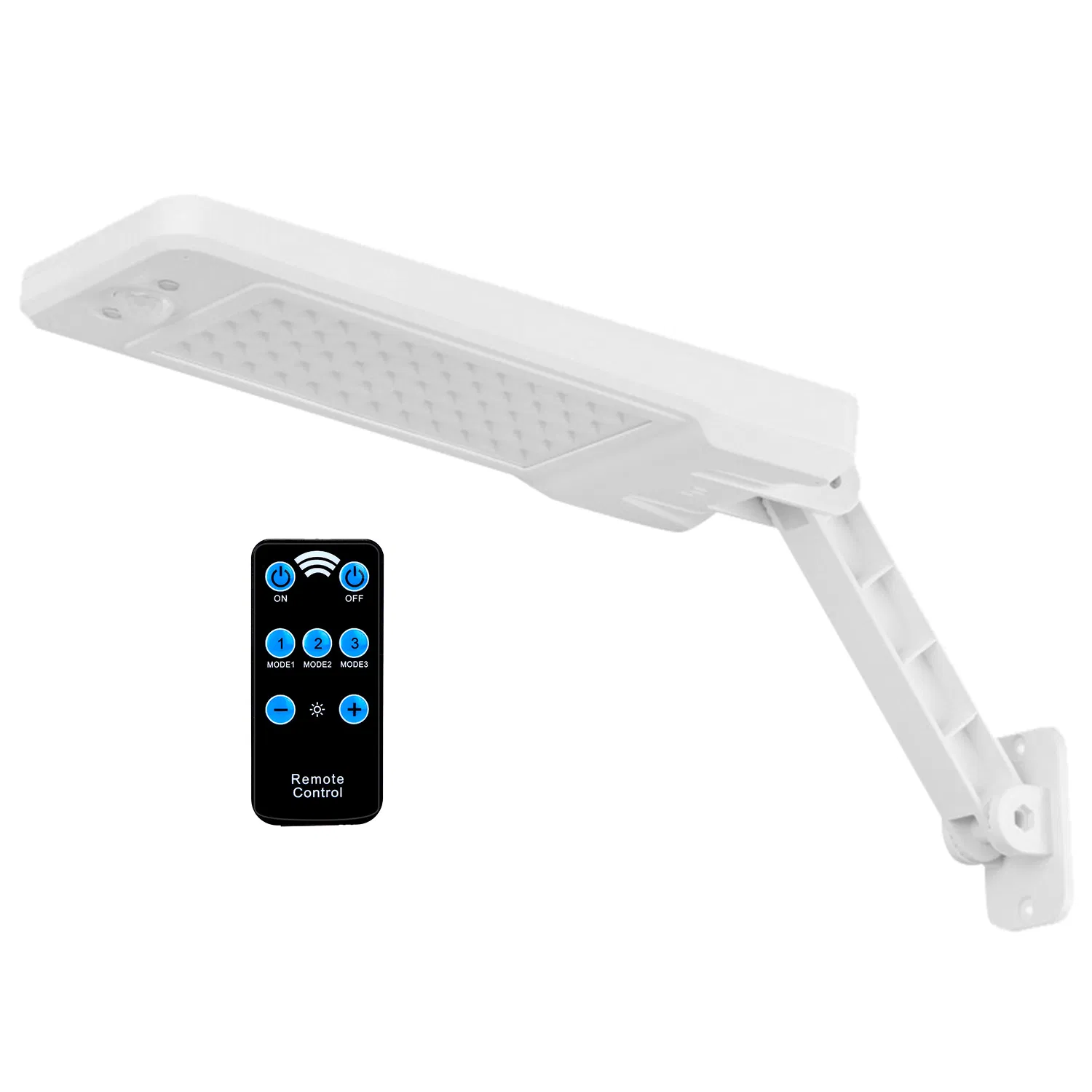
An outdoor wall light fixture is a surface-mounted or bracket-mounted luminaire that provides perimeter illumination, security, or accent lighting on building exteriors. The key trade-off is between solar self-contained units with integrated panels and batteries versus hardwired line-voltage fixtures with sealed LED modules and weather-rated housings. Choose solar for gateposts, sheds, and fences where no wiring exists; choose hardwired metal-and-glass fixtures for entryways and facades where consistent brightness and long service life matter.

Buying guide image
Watering & Irrigation

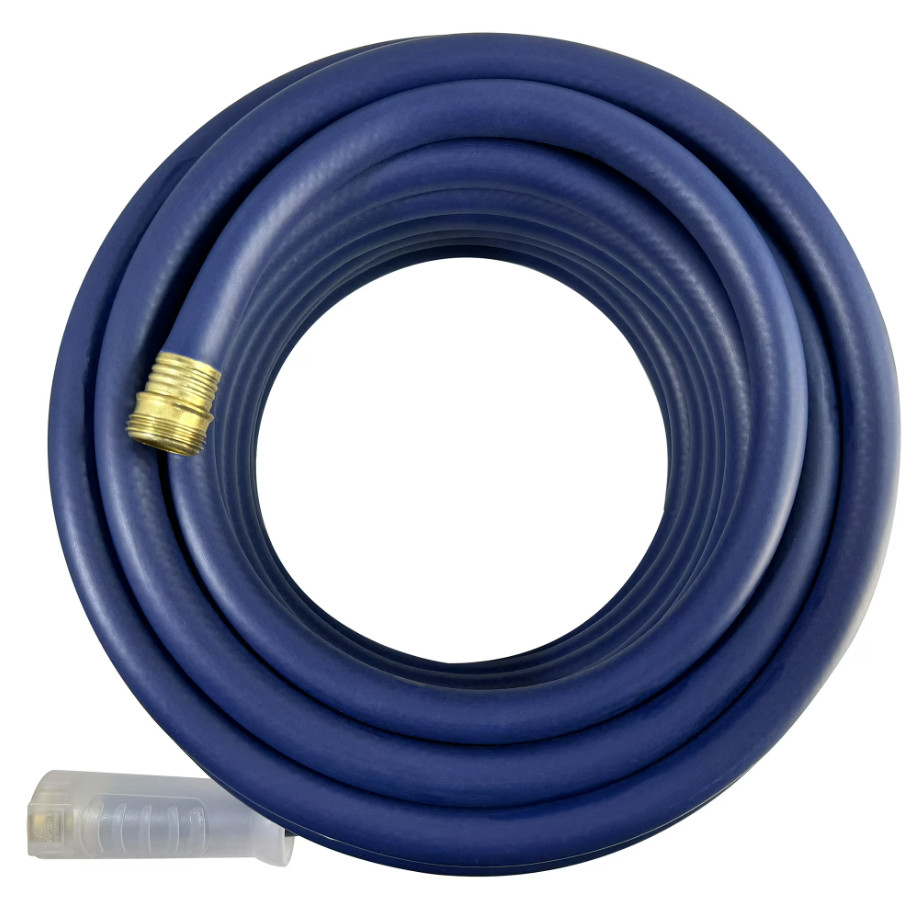
Garden Hose

A garden hose is a pressure-rated flexible conduit that must balance burst strength, kink resistance, and fitting compatibility with your outdoor spigot and attachments. The core trade-off is material construction: rubber and hybrid polymer hoses deliver flexibility and durability, while expandable and thin PVC hoses prioritize light weight at the cost of longevity and flow. Choose a rubber or hybrid hose with brass fittings and a rated burst pressure above your usage; skip expandable or vinyl hoses for pressure washers or continuous outdoor exposure.

Buying guide image
Outdoor Lighting & Decor

Outdoor Wall Light

Outdoor wall lights are exterior-rated fixtures that combine weather-sealed housings with mounting hardware for porches, garages, and facades. The primary trade-off is material and seal quality versus upfront cost: die-cast aluminum or solid brass with tempered glass and a UL-listed damp/wet rating lasts decades, while thin steel, plastic lenses, and unrated gaskets fail within seasons. The decision rule: buy wet-location-rated housings in corrosion-resistant metal and choose hardwired for primary entry lighting, solar only for accent or remote spots with adequate sun.

Buying guide image
Garden Fencing & Privacy Screens

Outdoor Privacy Fence

Outdoor privacy fencing spans three distinct architectures: living/artificial green screens, rigid panel systems (wood, vinyl, metal), and freestanding enclosures. The core trade-off is between airflow/light transmission and true sightline blocking—woven mesh and slats block views but not wind, while solid panels block both but require anchoring. Choose based on whether you need permanent property division, equipment concealment, or seasonal decor.

Buying guide image
Patio Furniture

Patio Swing

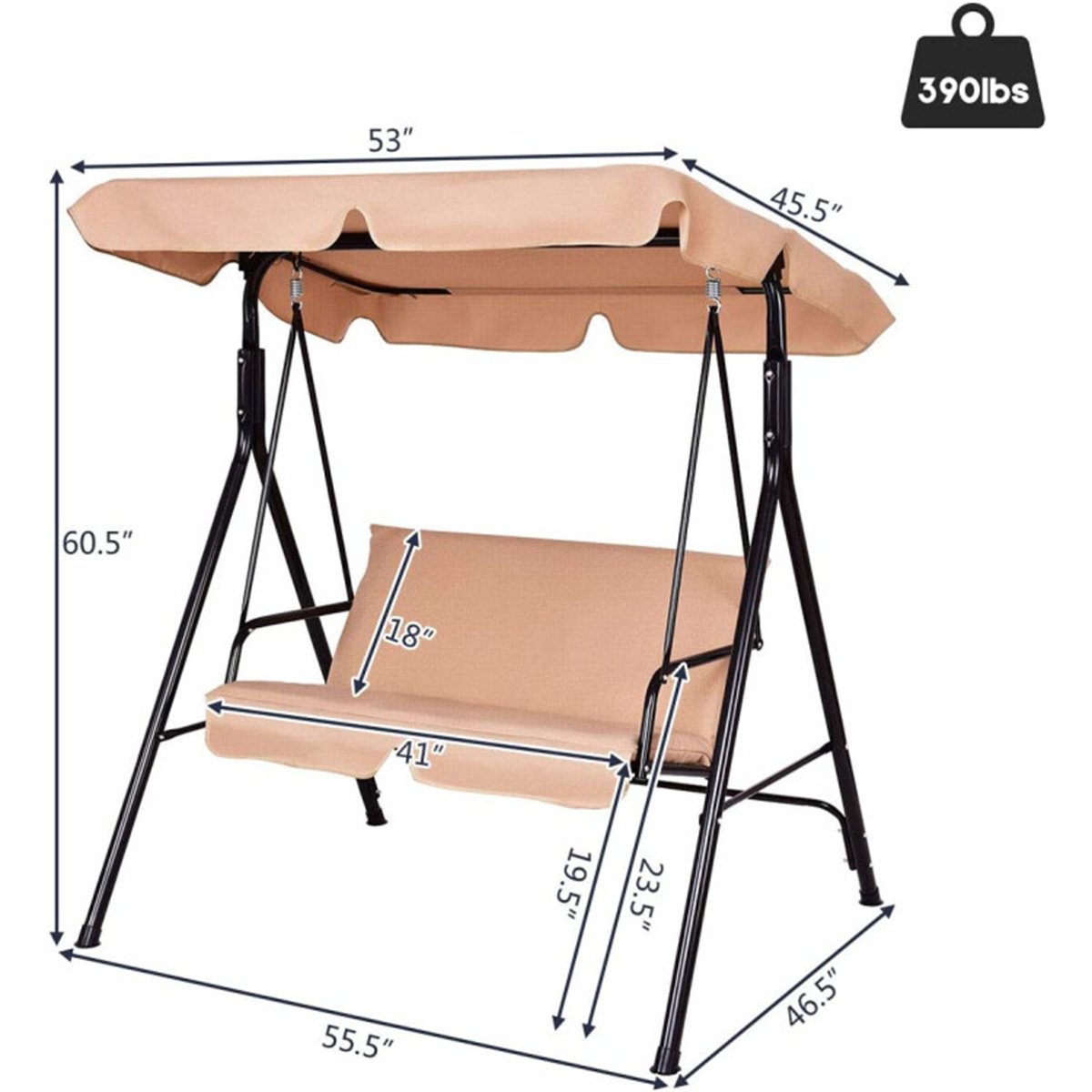
Patio swings split into two distinct architectures — freestanding steel-frame canopy swings and hanging chain swings — and picking the wrong one for your yard or porch is the most common and expensive mistake. Seat count (2 vs 3), frame gauge, canopy adjustability, and whether a stand is included determine both safety and how much deck or lawn space you need. Decide mounting method and seat capacity first; fabric and cushion details are secondary refinements.

Buying guide image
Garden Fencing & Privacy Screens

Portable Outdoor Privacy Screen

A portable outdoor privacy screen is a freestanding or tension-mounted barrier that creates instant visual seclusion on decks, patios, balconies, and rental yards without a permanent fence build. The core trade-off is between lightweight roll-up fabric panels that pack away but flap and fade, and rigid frame-and-panel systems that hold shape but weigh more and cost more. Buy a reinforced, UV-stabilized, wind-rated panel with a mechanical anchoring method for anything left out seasonally; reserve lightweight pop-up fabric only for temporary, calm-weather use.

Buying guide image
Patio Furniture

Pool Lounge Chair

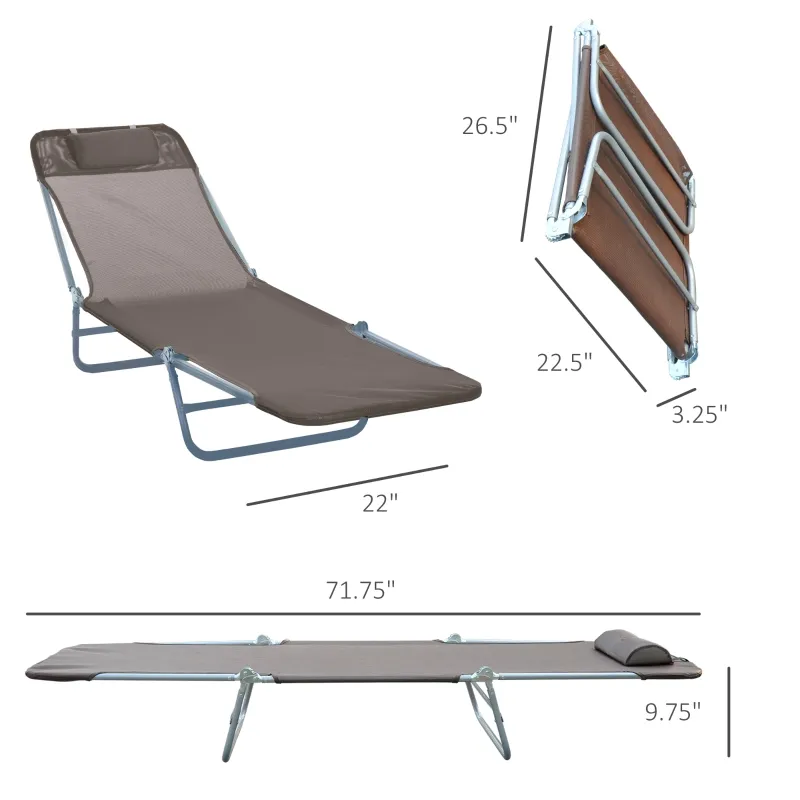
Pool lounge chairs break down into two distinct builds: folding steel-frame mesh loungers for portability, and rigid plastic/resin chaise lounges for permanent poolside placement. Buyers often mis-size the recline footprint or overlook frame coating, which determines whether the chair survives chlorinated splash zones and UV exposure. The right pick hinges on storage space, body weight rating, and whether you need a face cavity for tanning.

Buying guide image
Garden Fencing & Privacy Screens

Portable Privacy Fence Outdoor

Portable privacy fencing is a free-standing or semi-permanent screen system that blocks sightlines without a buried post foundation. The core trade-off is wind load versus portability: heavy ballasted bases and rigid panels resist gusts but require two people to move, while lightweight fabric and pop-up panels are easy to reposition but demand guy-lines or stakes. Choose ballasted rigid panels for exposed, long-season privacy and lightweight stake-down fabric or accordion panels for temporary, calm-weather use.

Buying guide image
Greenhouse & Hydroponics

Grow Lamp

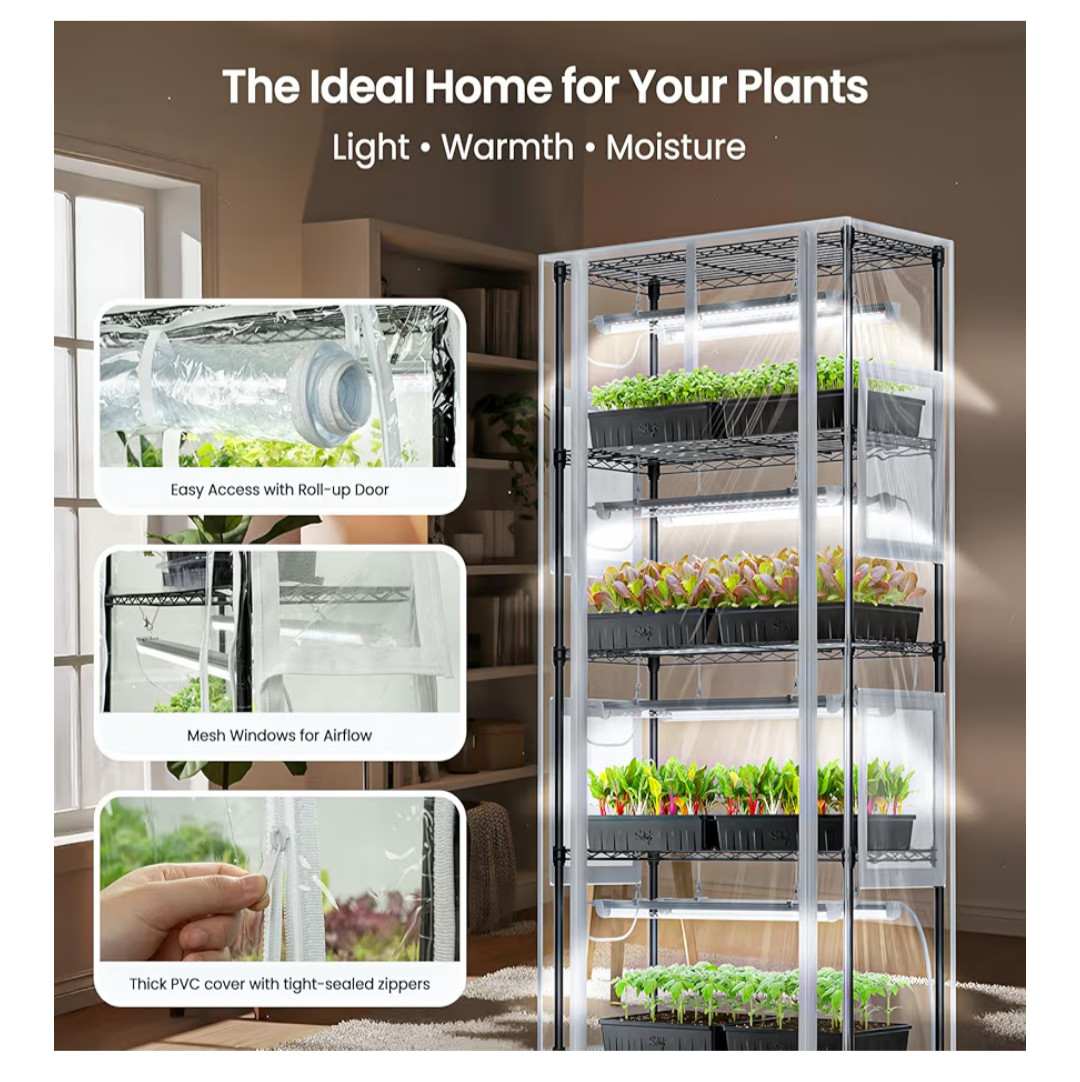
Grow lamps are artificial light sources that replace or supplement sunlight for indoor plant growth, and the core trade-off is between photon efficiency (PPF/W) and heat management versus upfront cost. Durable, high-yield options use full-spectrum white LEDs with quantum boards and meanwell drivers, while compromise lamps rely on blurple diodes and poor thermal design. The decision rule: choose a lamp with a proven diode brand, adequate heatsink area, and a dimmable driver for your canopy size, and skip anything without PPF or PAR maps.

Buying guide image
Garden Fencing & Privacy Screens

Garden Fencing

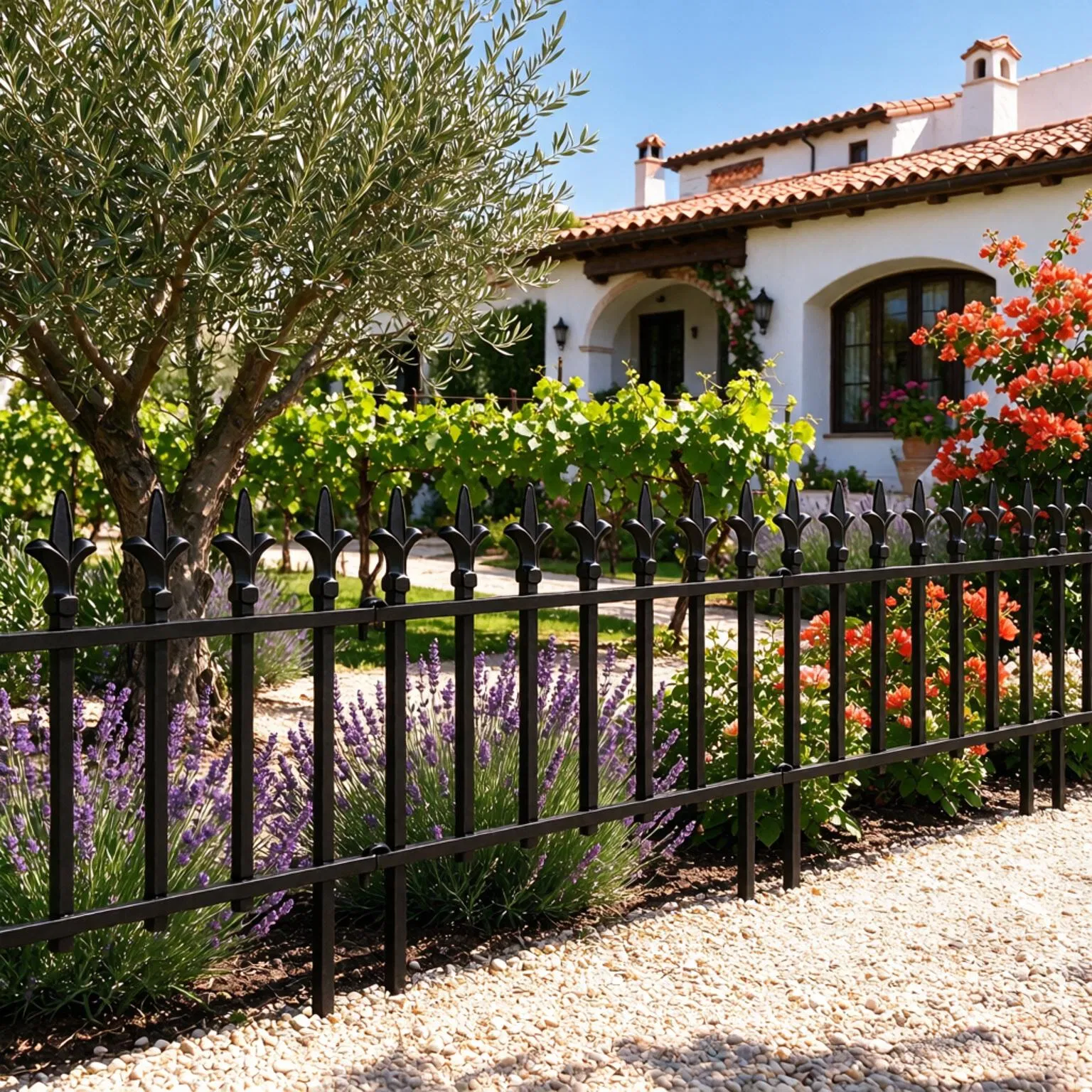
Garden fencing spans two distinct product classes: lightweight plastic border/edging panels for bed definition and decorative privacy, and galvanized welded-wire mesh rolls (hardware cloth) for physical exclusion of animals and pests. The core trade-off is material durability versus installation effort: plastic panels install in minutes but degrade under UV and frost, while metal mesh requires posts and tensioning but lasts decades. The decision rule is simple: choose plastic edging only for cosmetic bed borders and seasonal privacy, and choose hot-dip galvanized welded wire whenever the fence must physically stop rabbits, chickens, or deer.

Buying guide image
Greenhouse & Hydroponics

Grow Light Tomato

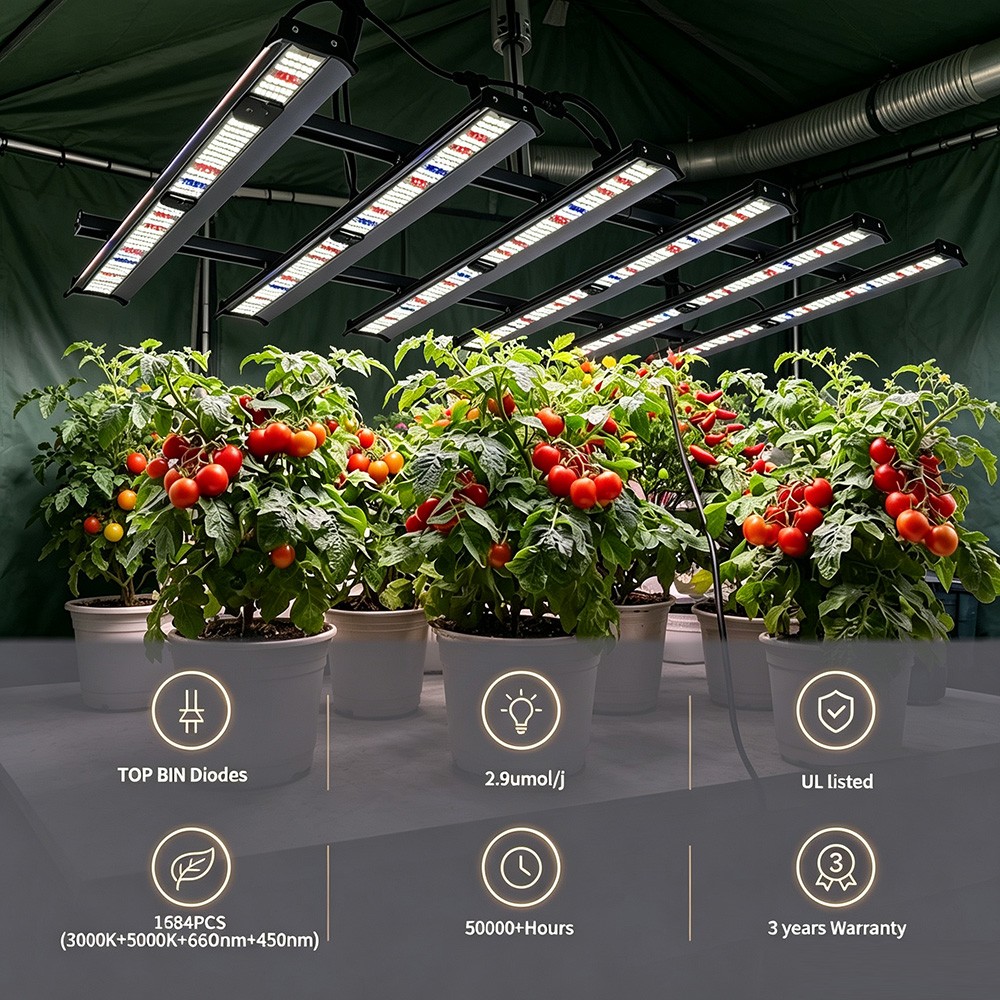
Grow lights for tomatoes must deliver high photosynthetic photon flux density (PPFD) and a spectrum weighted toward red and blue to support fruiting, not just vegetative growth. The key trade-off is upfront electrical efficiency (LED vs. legacy HID) versus heat output and initial cost, with LED quantum boards and bar fixtures now dominating durable, high-yield setups. Choose fixtures rated for full-cycle flowering with dimming and daisy-chaining; skip low-power gooseneck or seed-starter LEDs for mature tomato plants.

Buying guide image
Outdoor Lighting & Decor

Light Stake

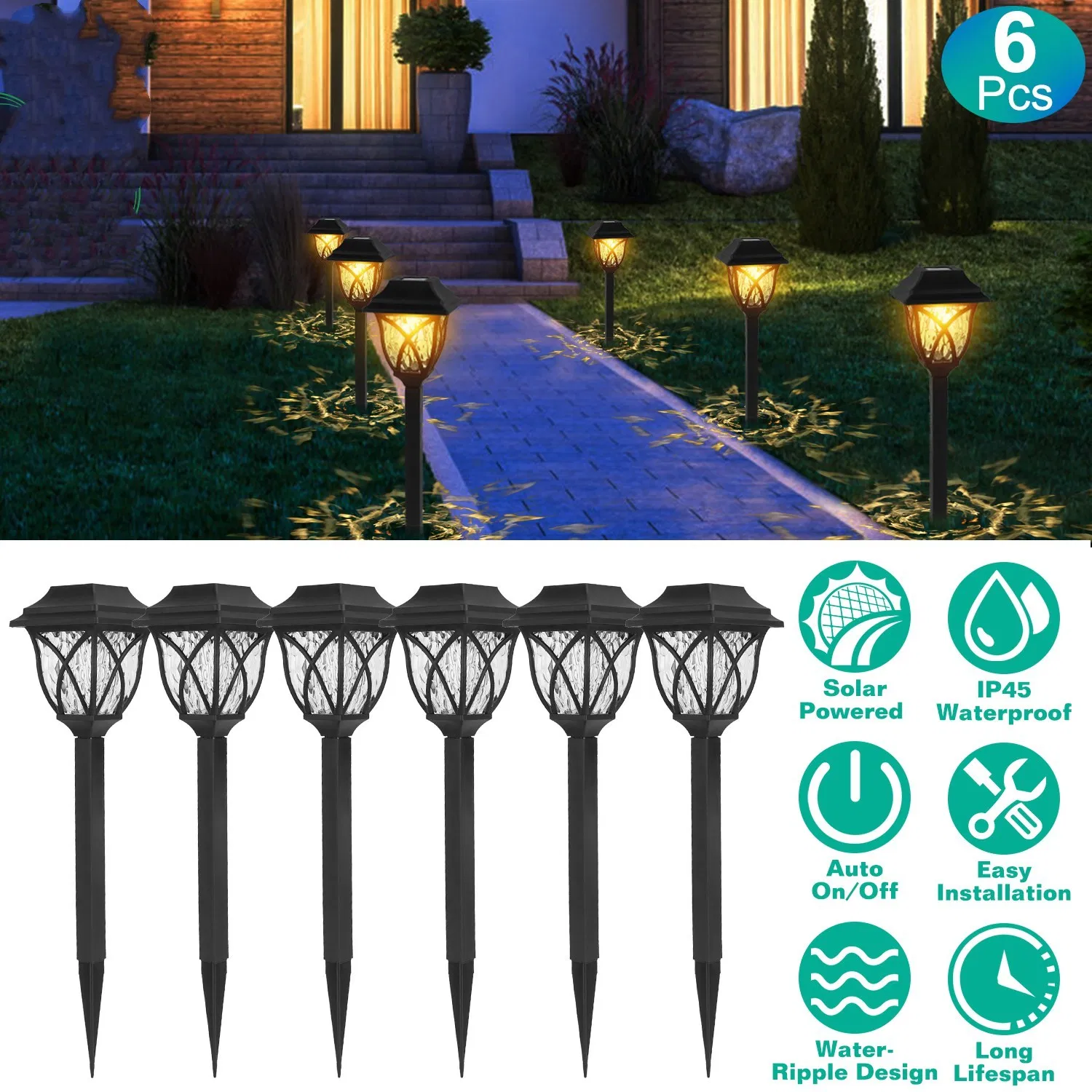
Light stakes are ground-driven outdoor fixtures—solar path lights, holiday string-light anchors, and decorative figurine lamps—that hold a light source at or near grade along paths, beds, and rooflines. The core trade-off is stake and housing durability versus decorative novelty: metal stakes with IP65+ sealed housings survive seasons, while thin plastic stakes and IP44 figurines are seasonal decor. Buy structural metal stakes for year-round anchoring and accept plastic only for temporary holiday display.

Buying guide image
Outdoor Lighting & Decor

Outdoor Metal Art

Outdoor metal art spans garden stakes, kinetic wind spinners, wall plaques, and statues, where the core trade-off is between decorative lightweight aluminum/iron and weather-resistant, wind-rated construction. Durable pieces use powder-coated or rusted corten steel with welded joints and sealed bearings, while compromises rely on thin stamped metal, glued assemblies, or painted finishes that chalk within a season. The decision rule: choose 14-gauge or thicker steel or marine-grade aluminum with welded construction and stainless hardware for exposed sites; accept thinner aluminum or decorative iron only for sheltered porches and seasonal display.

Buying guide image
Greenhouse & Hydroponics

Grow Light Seedling

Seedling grow lights range from tiny LED strips embedded in propagation trays to full-spectrum quantum boards and multi-tier plant stands. The core trade-off is photon output and coverage versus heat and running cost: seedlings need 100–300 PPFD for 14–16 hours daily, and lights that cannot deliver that at the canopy produce leggy, weak starts. Buy based on measured PPFD at the intended height and full-spectrum white diodes; avoid blurple panels and unrated wattage claims.

Buying guide image
Honey Extraction & Packaging

Electric Honey Extractor

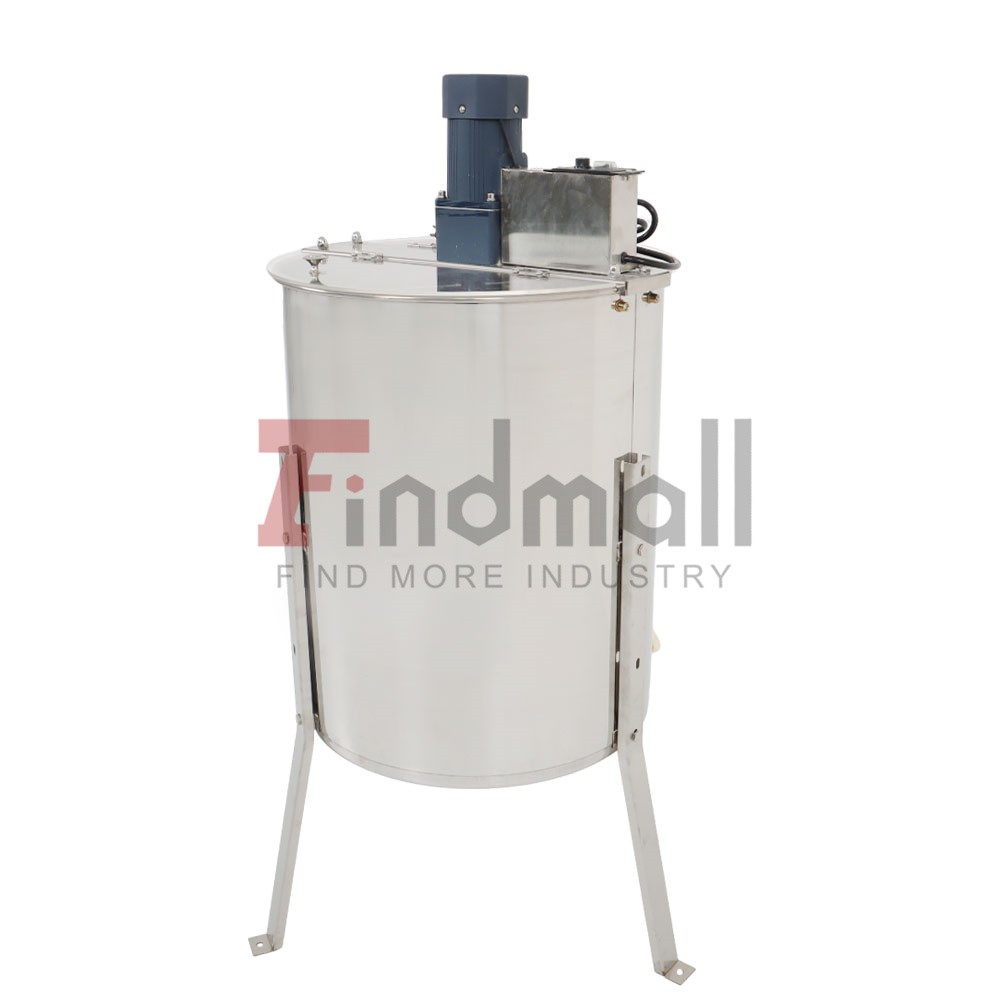
Electric honey extractors are centrifugal drums that spin uncapped frames to fling honey out by force, and the core trade-off is drum/frame capacity versus motor and drive quality: small 2-frame tangential units use direct brushed motors and thin stainless, while 4-frame+ radial units need gear or belt drives and welded food-grade steel to survive harvest loads. The decision rule is simple: buy a unit whose frame count matches your hive count, whose drum is welded 304 stainless (not riveted or painted), and whose motor is rated for continuous duty—anything less is a one-season compromise.

Buying guide image
Patio Furniture

Bistro Chair

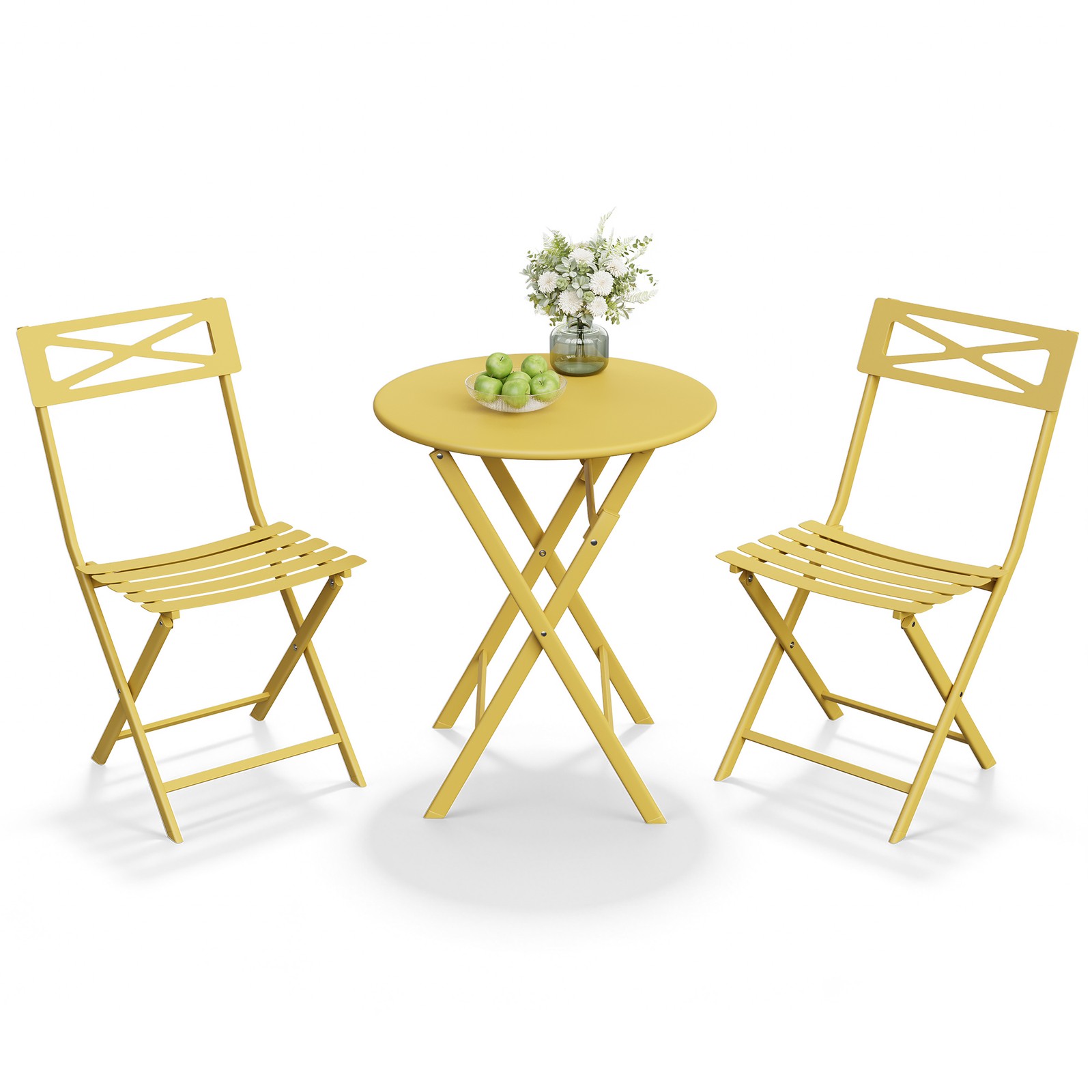
Bistro chairs solve a very specific problem: seating two people in a footprint too small for a dining set, so chair dimensions, folding mechanism, and frame material matter more than styling. Buyers typically err by prioritizing looks over the frame gauge and seat material, then discovering thin steel folds that wobble or woven seats that fray within a season. Match the chair type to how it will be stored and how much weather it will face.

Buying guide image
Patio Furniture

Outdoor Furniture Replacement Cushion

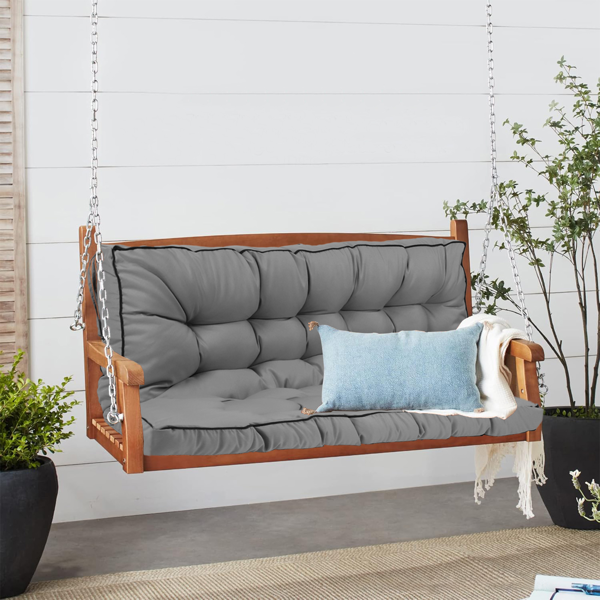
Replacement cushions restore comfort and appearance to patio furniture, but fit and fabric grade decide whether they last two seasons or ten. Measure the seat and back separately, confirm the foam density and cover construction, and buy to your climate rather than the lowest-cost set.

Buying guide image
Honey Extraction & Packaging

Electric Honey Spinner

An electric honey spinner is a motorized centrifuge that flings honey from uncapped frames, replacing hand-cranking with a gearmotor drive for faster, more consistent extraction. The core trade-off is frame capacity versus drum rigidity and motor torque: small 2/4-frame units suit hobbyists, while 4/8-frame tangential/radial units need thicker steel and higher wattage to avoid wobble under load. Buy stainless steel with a welded or reinforced drum and a motor rated for continuous run; skip thin painted-steel drums and underpowered motors that stall on heavy frames.

Buying guide image
Raised Garden Beds & Planters

Plant Pot

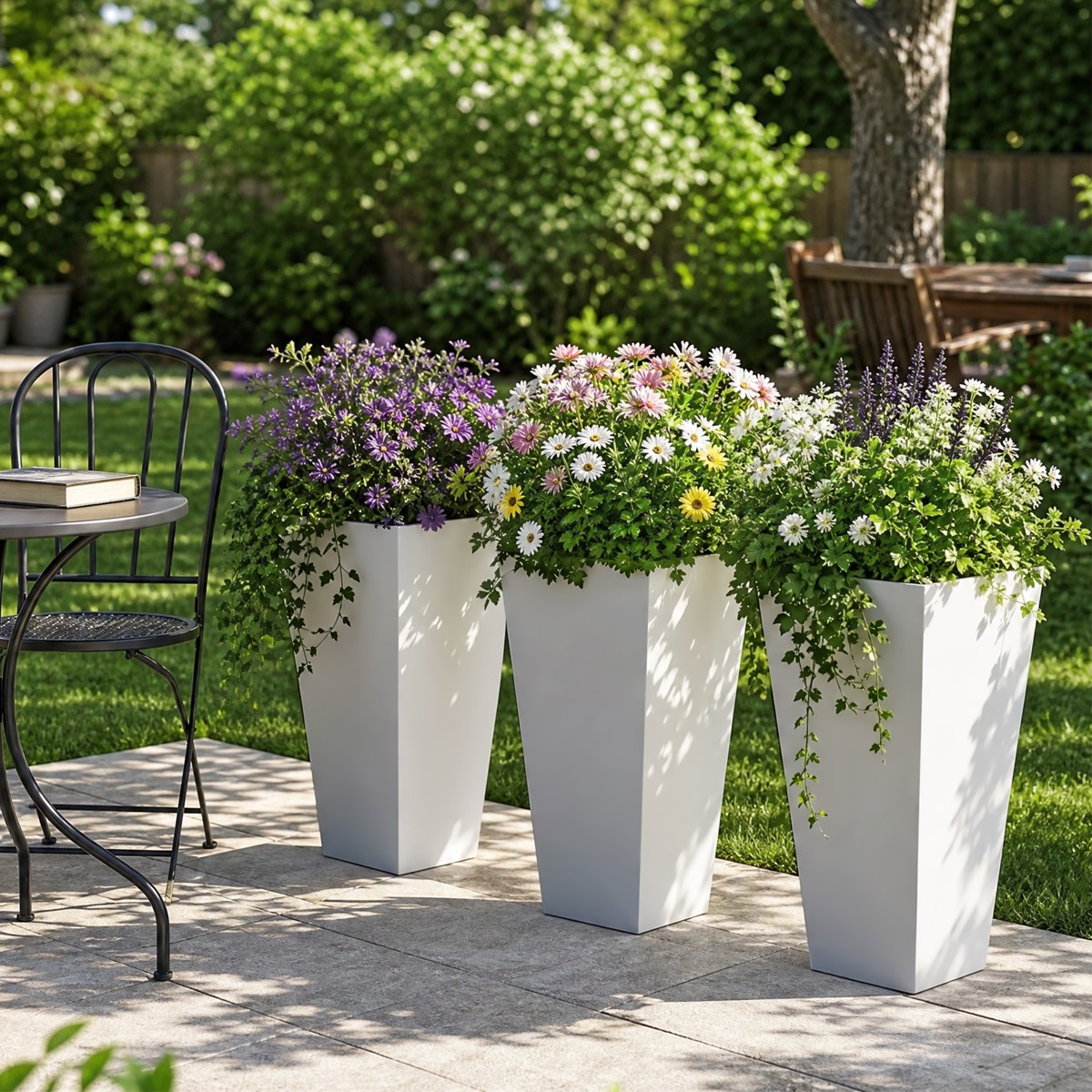
Plant pots are rigid containers that hold growing media and roots, and the segment splits into porous natural materials (terracotta, unglazed ceramic, fabric) that breathe and non-porous materials (glazed ceramic, plastic, metal) that seal in moisture. The primary trade-off is breathability and weight versus moisture retention and weather resistance: porous pots dry faster and suit succulents and orchids, while sealed pots suit moisture-loving tropicals and outdoor exposure. The decision rule is simple—match the pot's drainage, porosity, and frost rating to the plant's root needs and the pot's exposure, because a sealed pot without drainage is a root-rot compromise regardless of style.

You may also like

Finding more guides for you…