
Photos from current listings. Actual item, color, and included accessories may vary.
Chicken Fence Buying Guide
Chicken fence is the primary predator barrier for a flock, and it splits into two job families: rigid hardware cloth for permanent coops and portable electric netting for rotational grazing. The trade-off is aperture and wire gauge versus portability—half-inch mesh blocks snakes and weasels, while 2-inch mesh and thin 19-gauge wire only stop larger animals. The decision rule: any barrier a raccoon can reach with fingers needs 1/2-inch × 16-gauge or better; open pasture moved weekly uses electric netting above 36 inches.
Median $95.99 · New listings
Key takeaways
- Hardware cloth aperture is the predator filter: 1/2-inch mesh excludes snakes and weasels, 1-inch stops raccoons, and 2-inch or larger only blocks dogs and foxes.
- Wire gauge sets chew and crush resistance: 16-gauge takes a raccoon's bite and stays rigid, while 19-gauge is cheaper and needs closer framing support.
- Galvanized-then-vinyl-coated mesh adds years outdoors; plain galvanized is cheaper but corrodes faster at ground contact and cut edges.
At a glance
- Category
- Chicken Fencing & Egg Handling
- Last updated
- Nov 27, 2026
Current offers
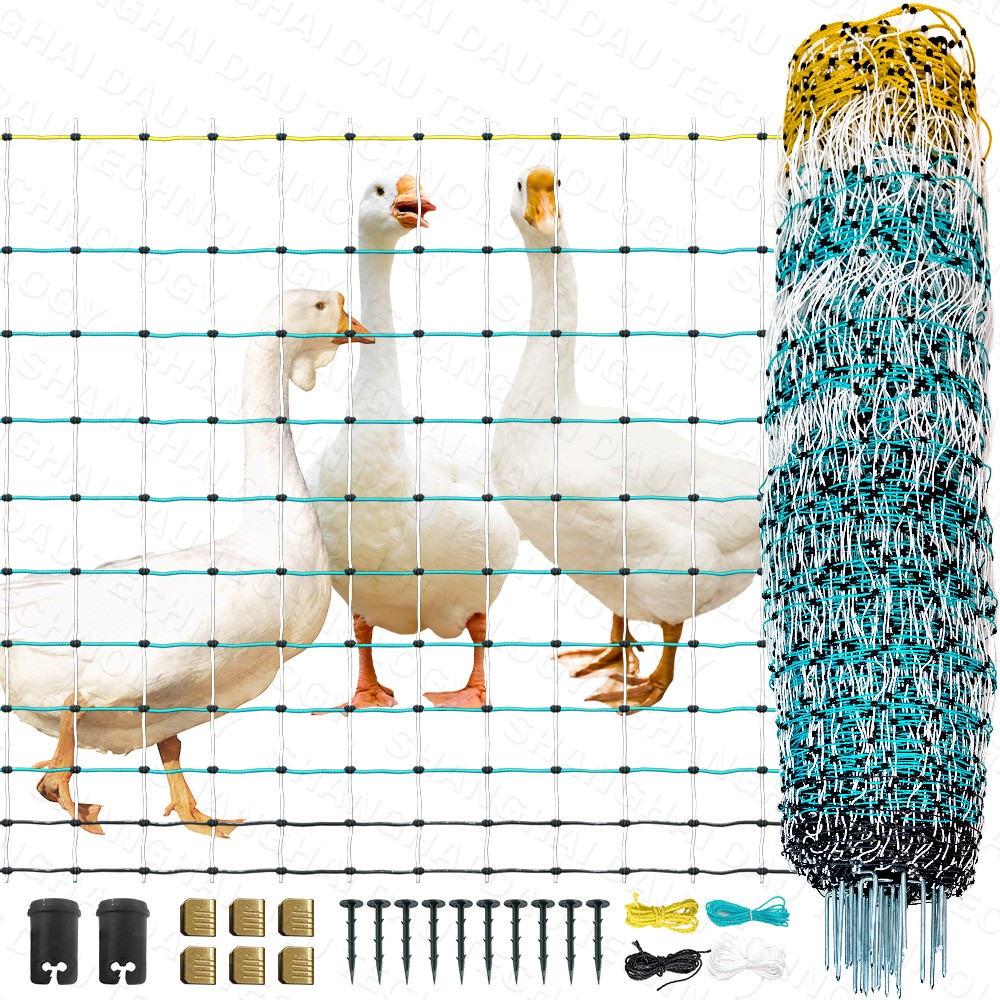 Electric Poultry Netting Chicken Fence Ducks Turkeys Sheep Geese Fence in Yard$147.19View on eBay
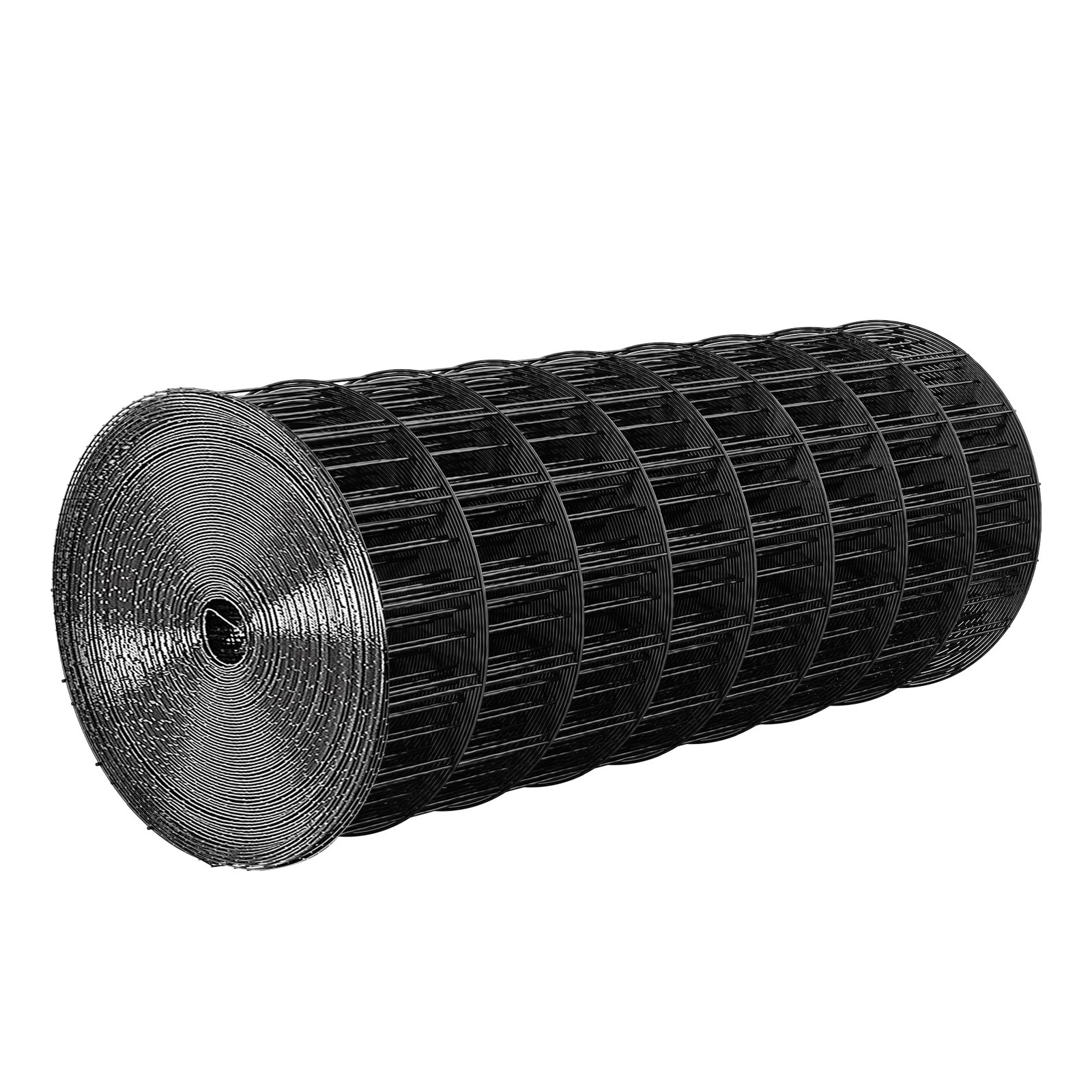 Hardware Cloth 24 In X 25 Ft, 2 X 3 In Mesh 16 Gauge Galvanized Wire Roll, Weather-Resistant Vinyl Coated Chicken Fencing, Heavy Duty Welded Garden Plant For Rabbit Cage Snake$30.99View on Mallflare
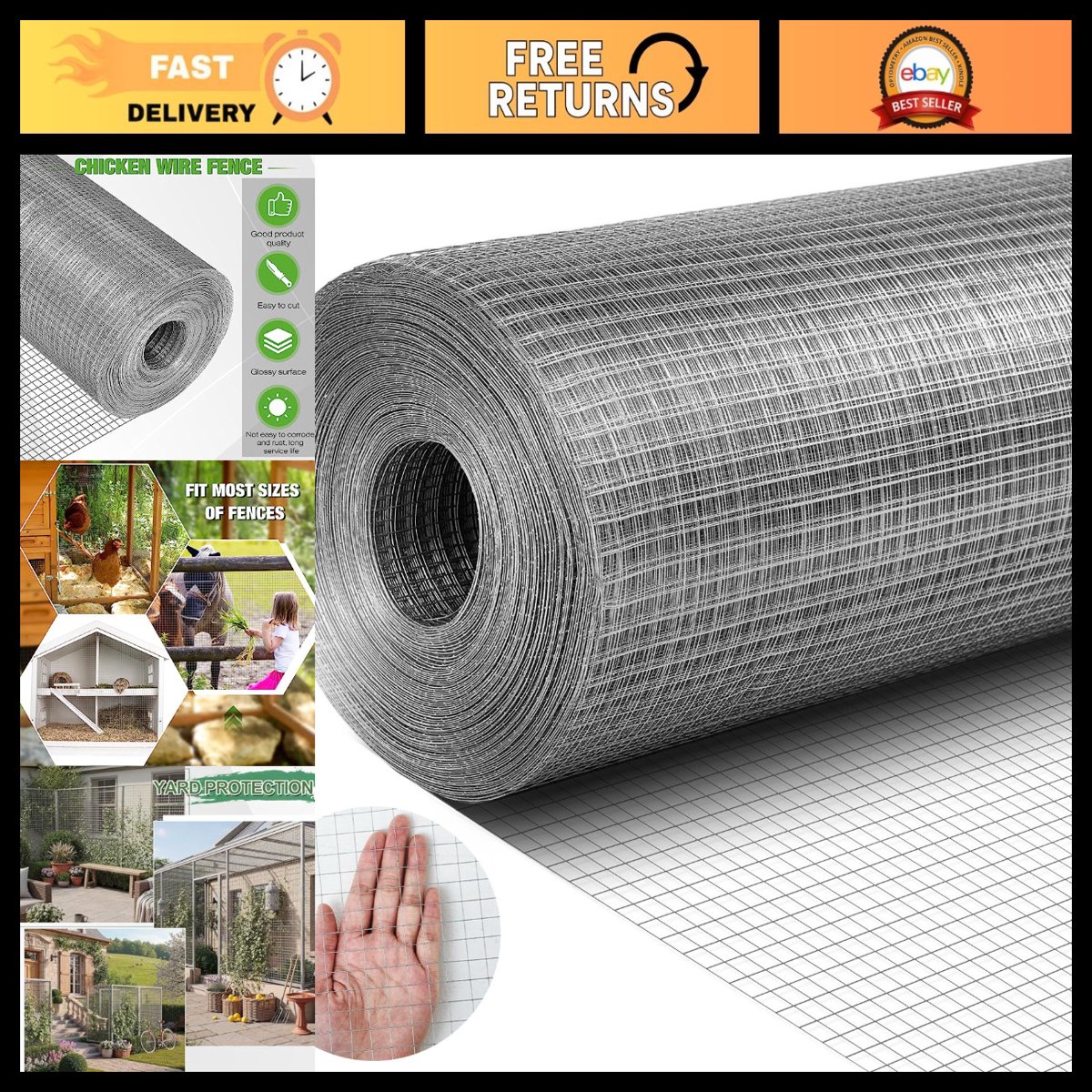 1/2" Galvanized Hardware Cloth 48"x150' Metal Chicken Wire Fencing for Garden &$205.99New · Last checked Nov 18, 2026View on eBay
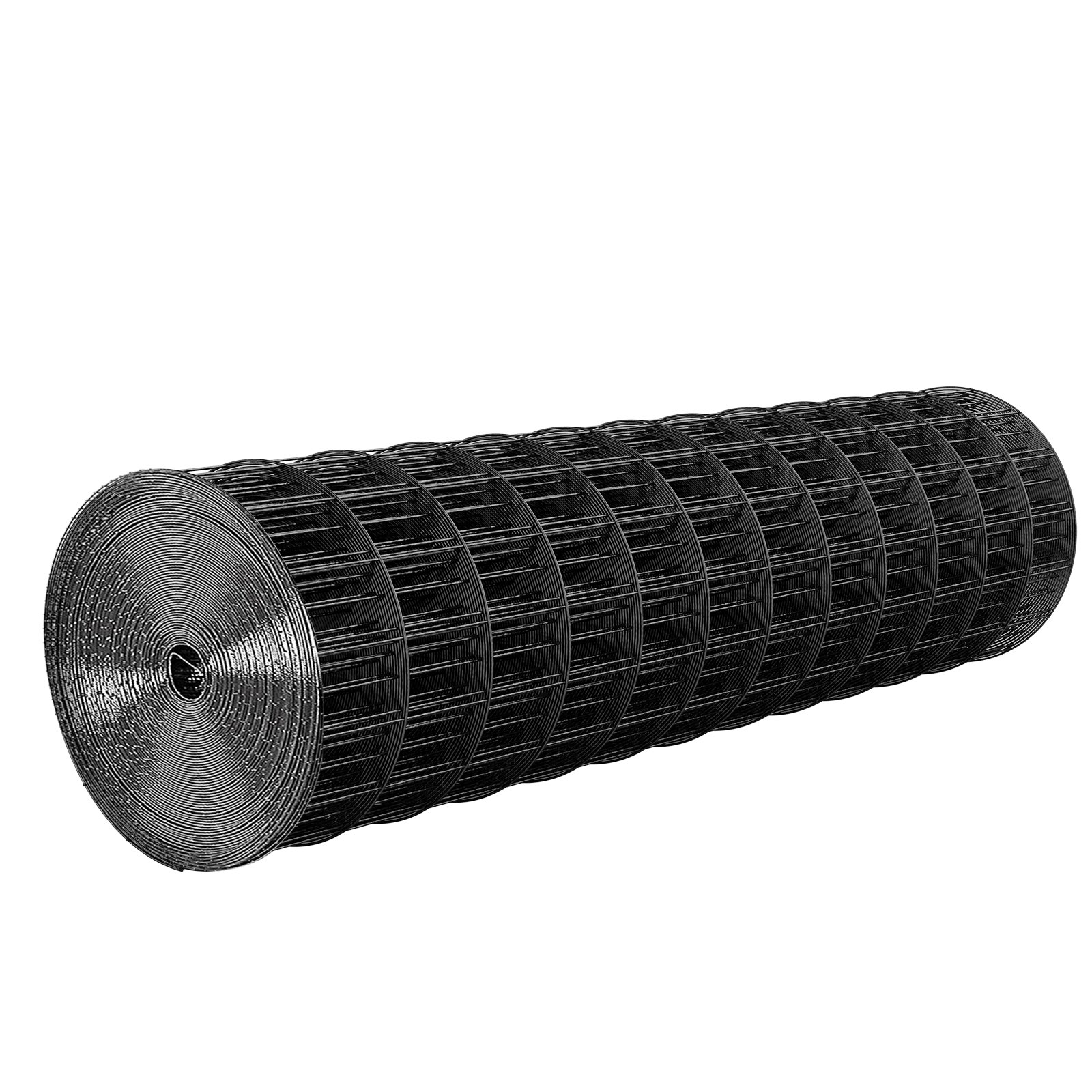 Hardware Cloth 36 In X 25 Ft, 2 X 3 In Mesh 16 Gauge Galvanized Wire Roll, Weather-Resistant Vinyl Coated Chicken Fencing, Heavy Duty Welded Garden Plant For Rabbit Cage Snake$32.99View on Mallflare
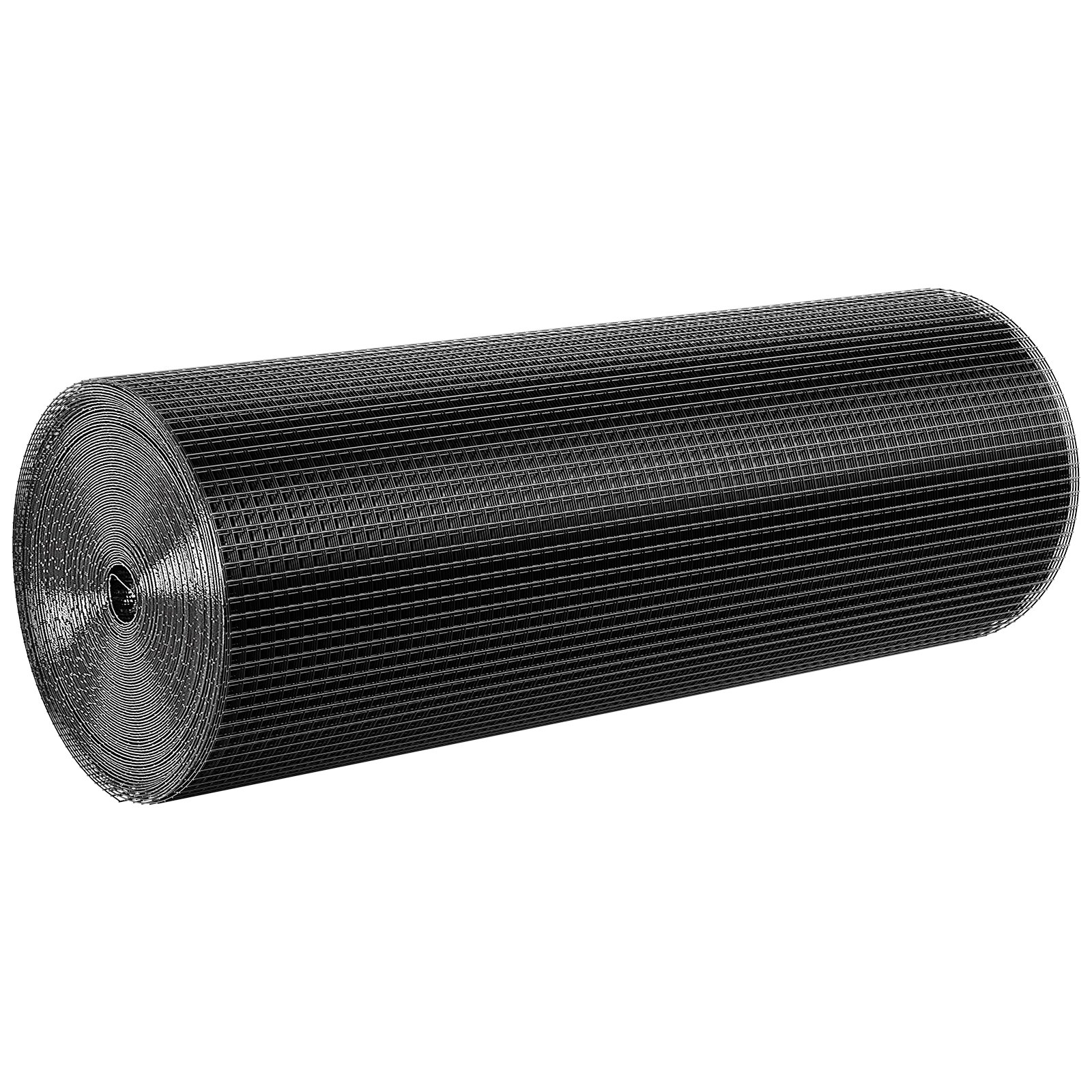 Hardware Cloth 24 In X 50 Ft, 1'2 In 19 Gauge Galvanized Wire Mesh Roll, Weather-Resistant Vinyl Coated Chicken Fencing, Heavy Duty Welded Garden Plant For Rabbit Cage Snake Fence$43.99View on Mallflare
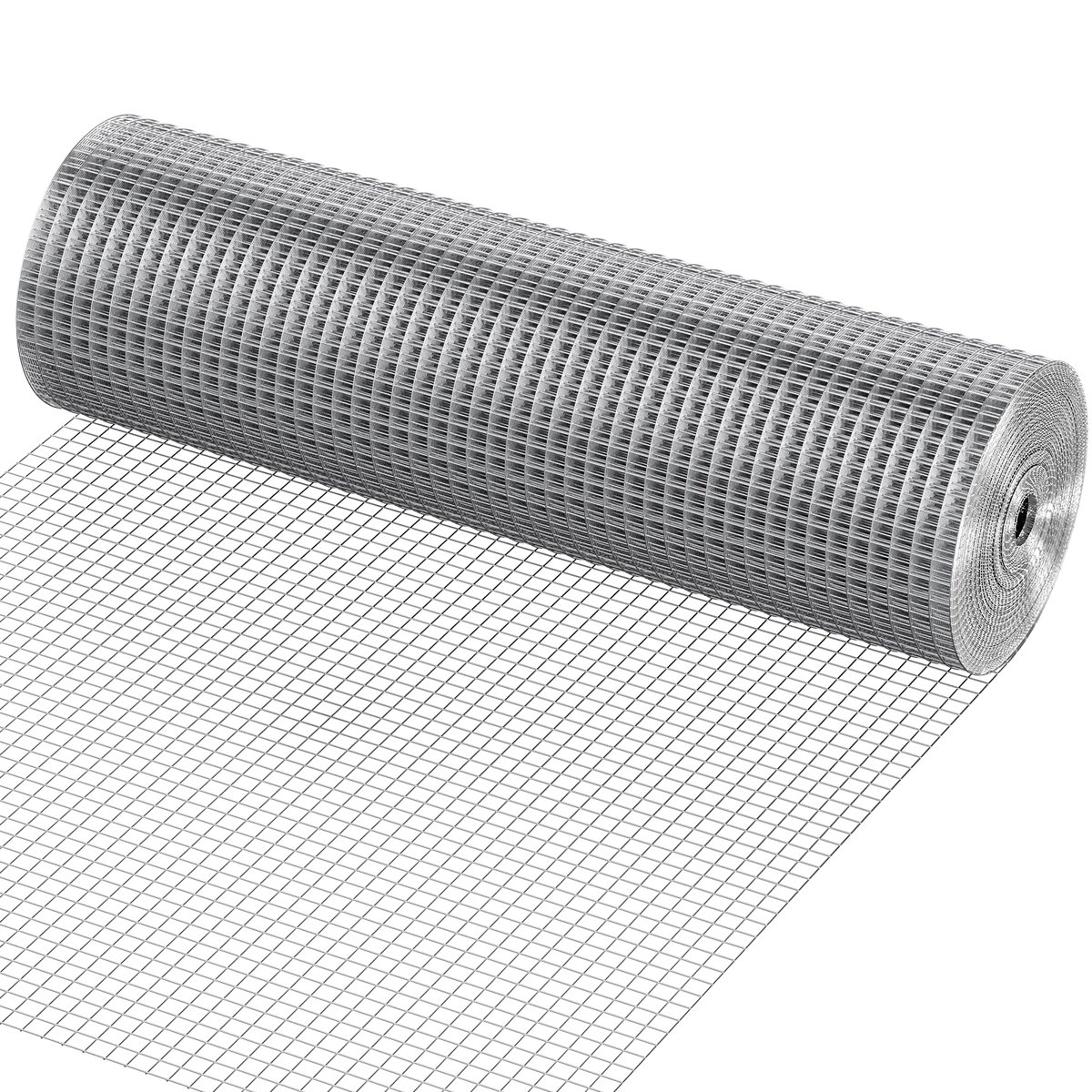 Hardware Cloth 1/2 Inch 24 X 50 Ft 19 Gauge Chicken Wire Fence, Hot-Dip Galvanized After Welding Metal Mesh Roll, Garden Plant Welded Fencing Supports Poultry Netting Cage$46.99View on Mallflare
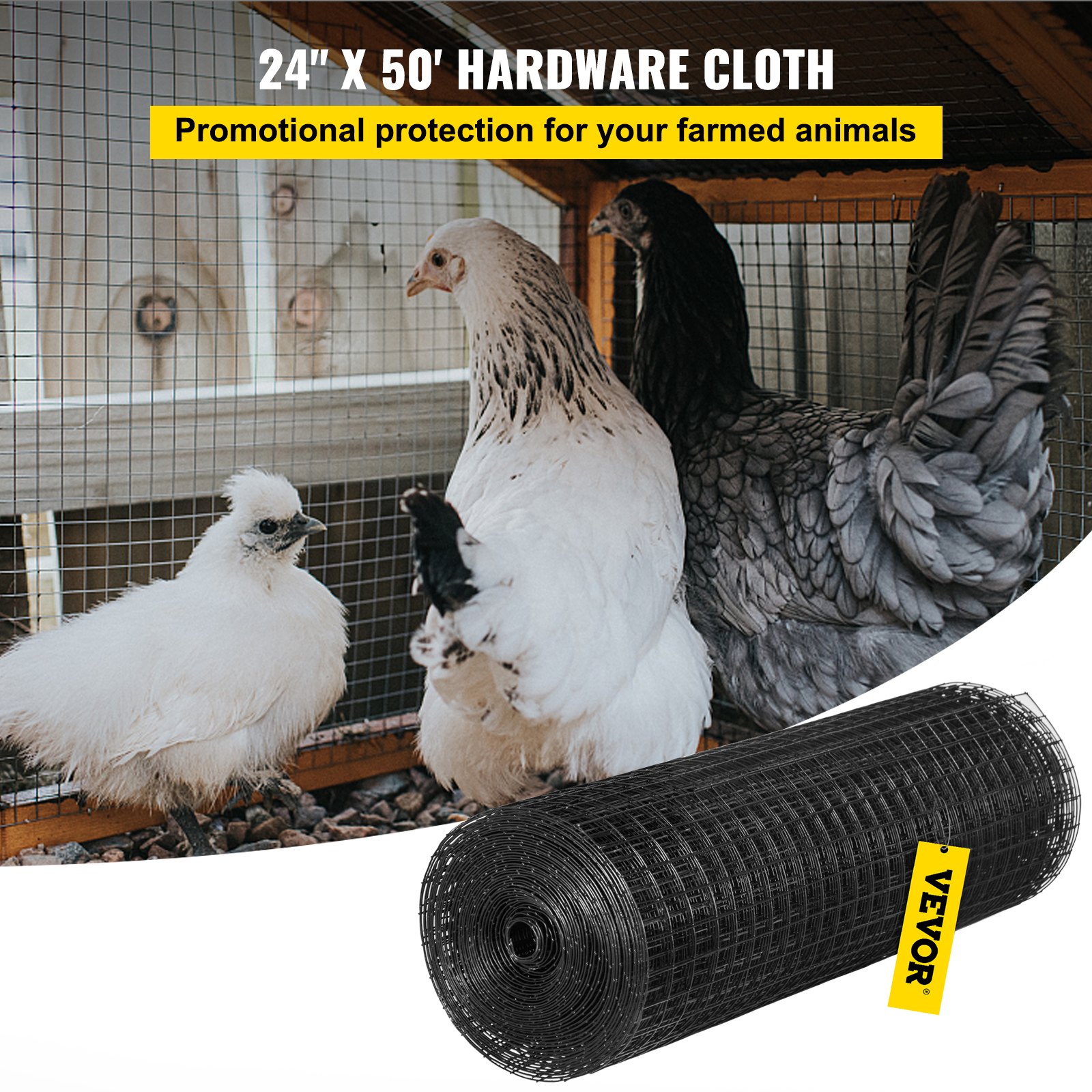 Welded Wire Fence Vinyl Coated Chicken Rabbit Mesh$55.99View on Mallflare
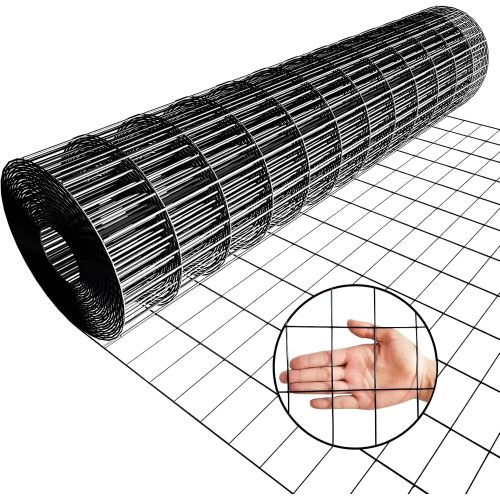 24inch X 50ft Black Vinyl Coated Hardware Cloth 2 X 3 16Ga Welded Wire Mesh Fence, PVC Chicken Fencing, Metal Garden Plant For Coop And Home Improvement$65.99View on Mallflare
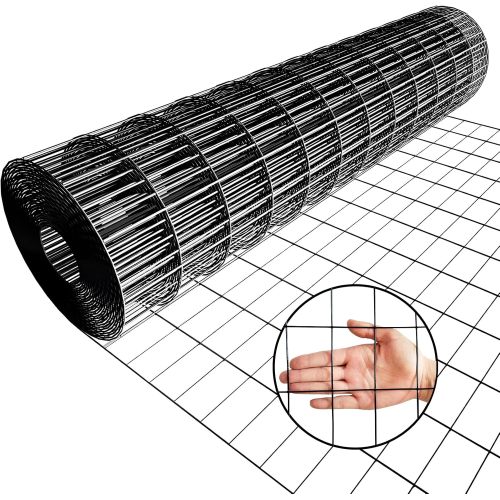 36inch X 50ft Black Vinyl Coated Hardware Cloth 2 X 3 16Ga Welded Wire Mesh Fence, PVC Chicken Fencing, Metal Garden Plant For Coop And Home Improvement$68.99View on Mallflare
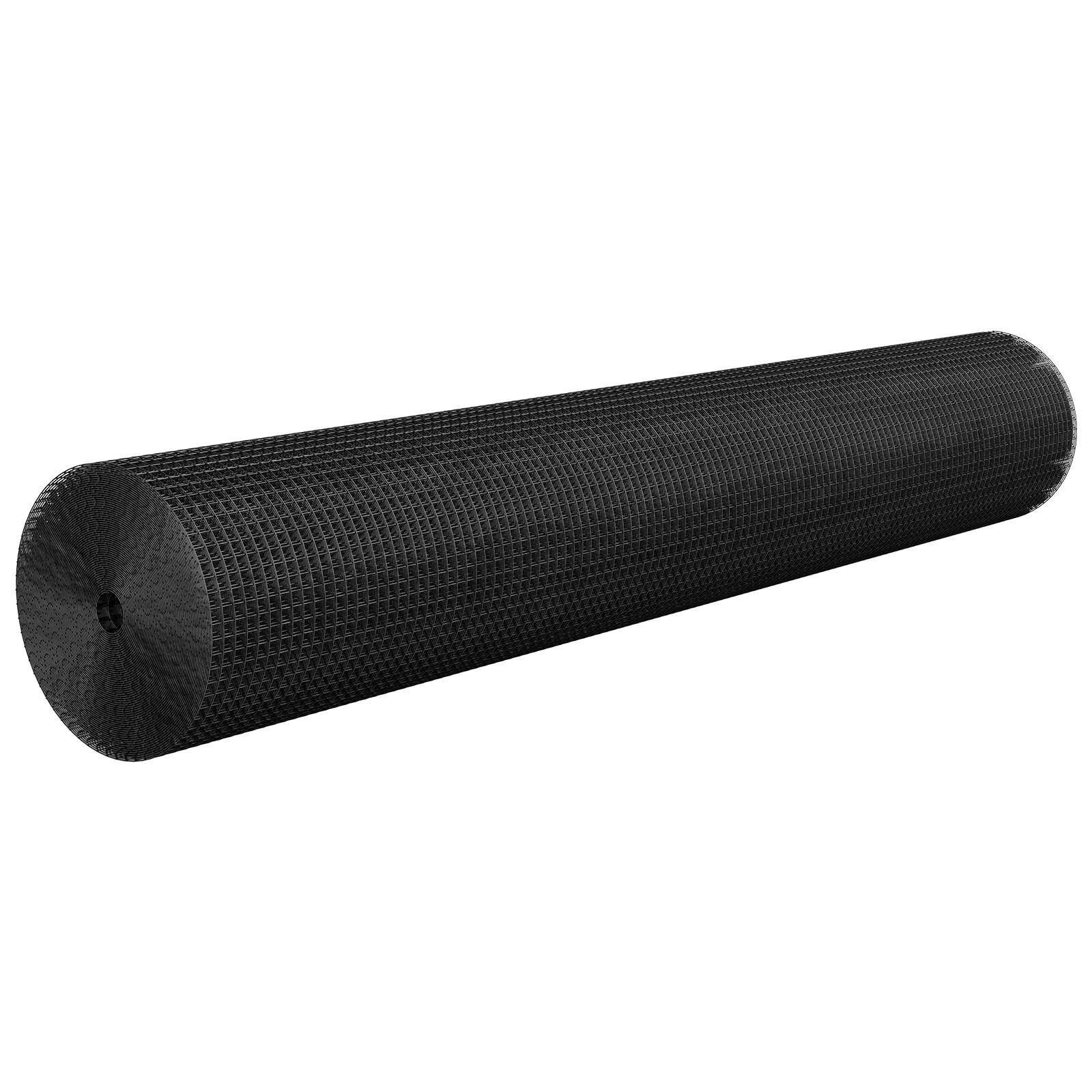 Hardware Cloth 60 In X 50 Ft, 1'2 In 19 Gauge Galvanized Wire Mesh Roll, Weather-Resistant Vinyl Coated Chicken Fencing, Heavy Duty Welded Garden Plant For Rabbit Cage Snake Fence$73.99View on Mallflare
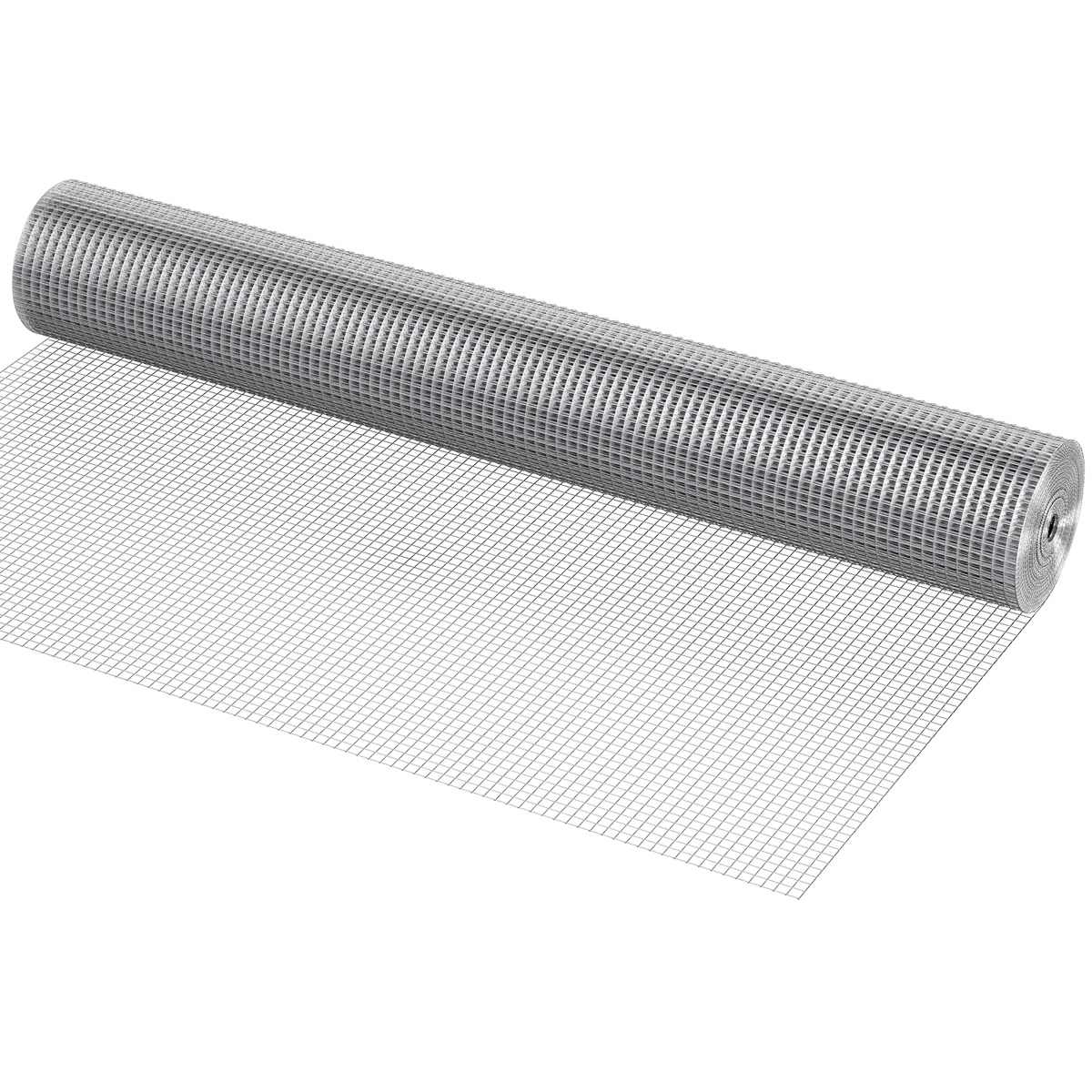 Hardware Cloth 1/2 Inch 48 X 50 Ft 19 Gauge Chicken Wire Fence, Hot-Dip Galvanized After Welding Metal Mesh Roll, Garden Plant Welded Fencing Supports Poultry Netting Cage$74.99View on Mallflare
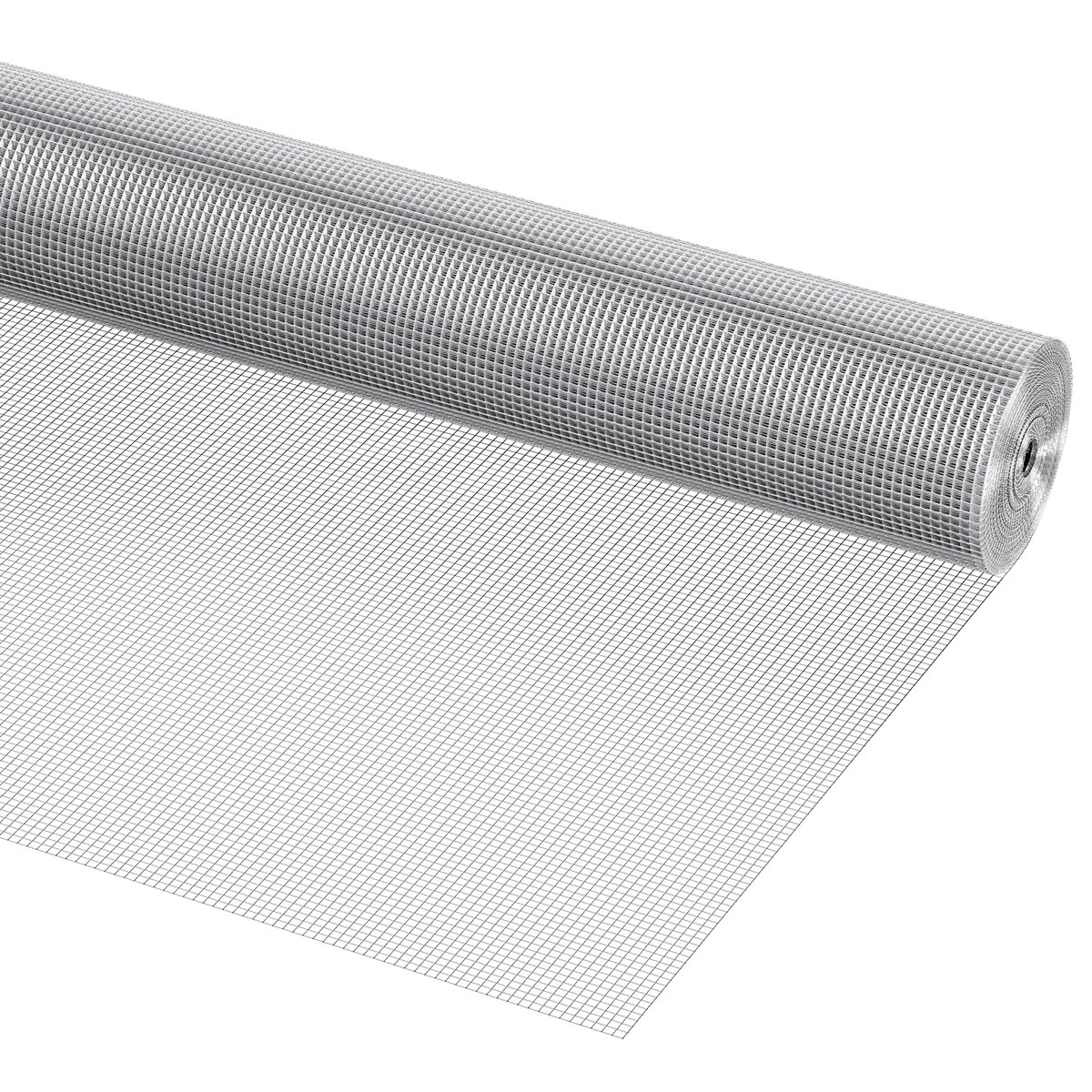 Hardware Cloth 1/4 Inch 48 X 50 Ft 23 Gauge Chicken Wire Fence, Hot-Dip Galvanized After Welding Metal Mesh Roll, Garden Plant Welded Fencing Supports Poultry Netting Cage$77.99View on Mallflare
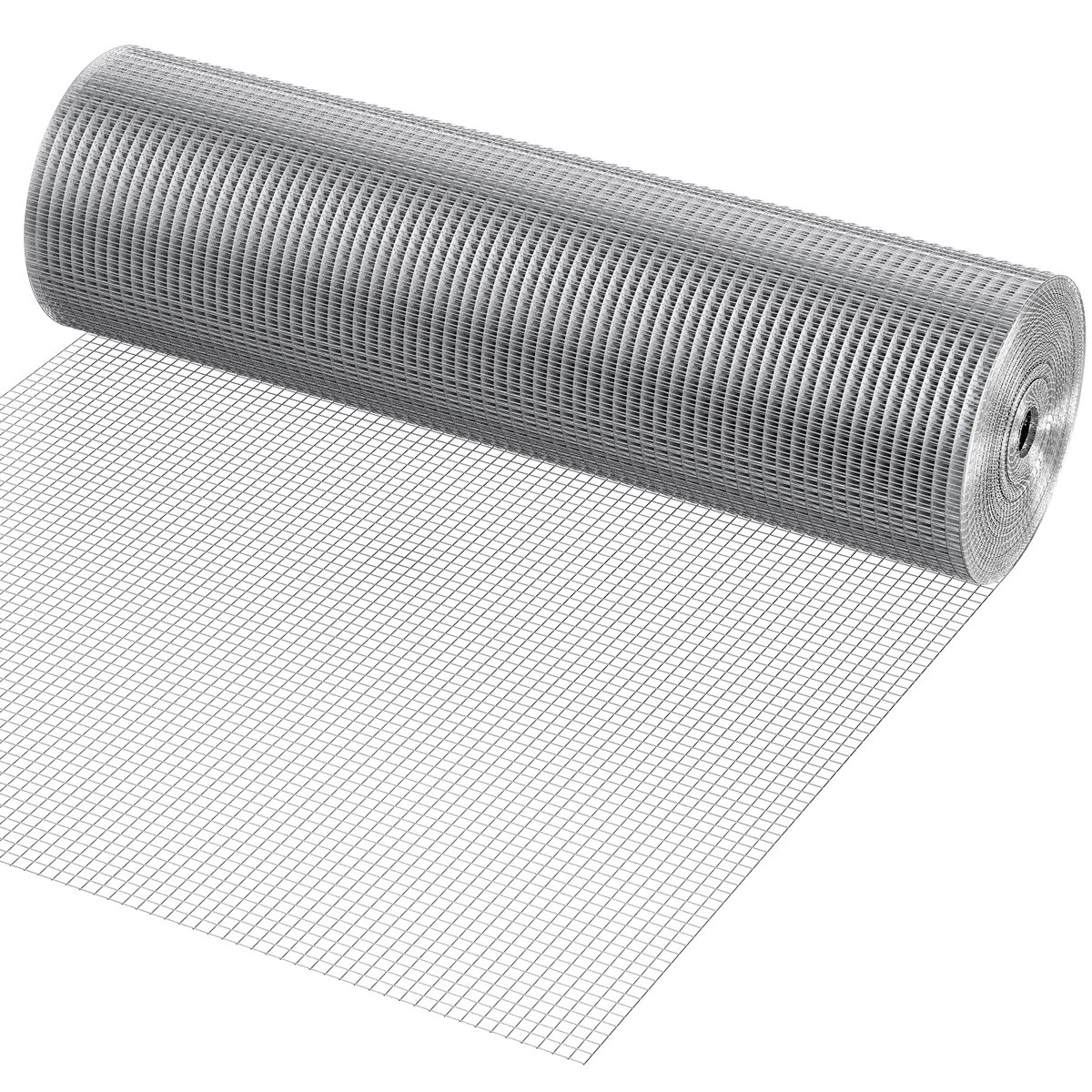 Hardware Cloth 1/2 Inch 36 X 100 Ft 19 Gauge Chicken Wire Fence, Hot-Dip Galvanized After Welding Metal Mesh Roll, Garden Plant Welded Fencing Supports Poultry Netting Cage$93.99View on Mallflare
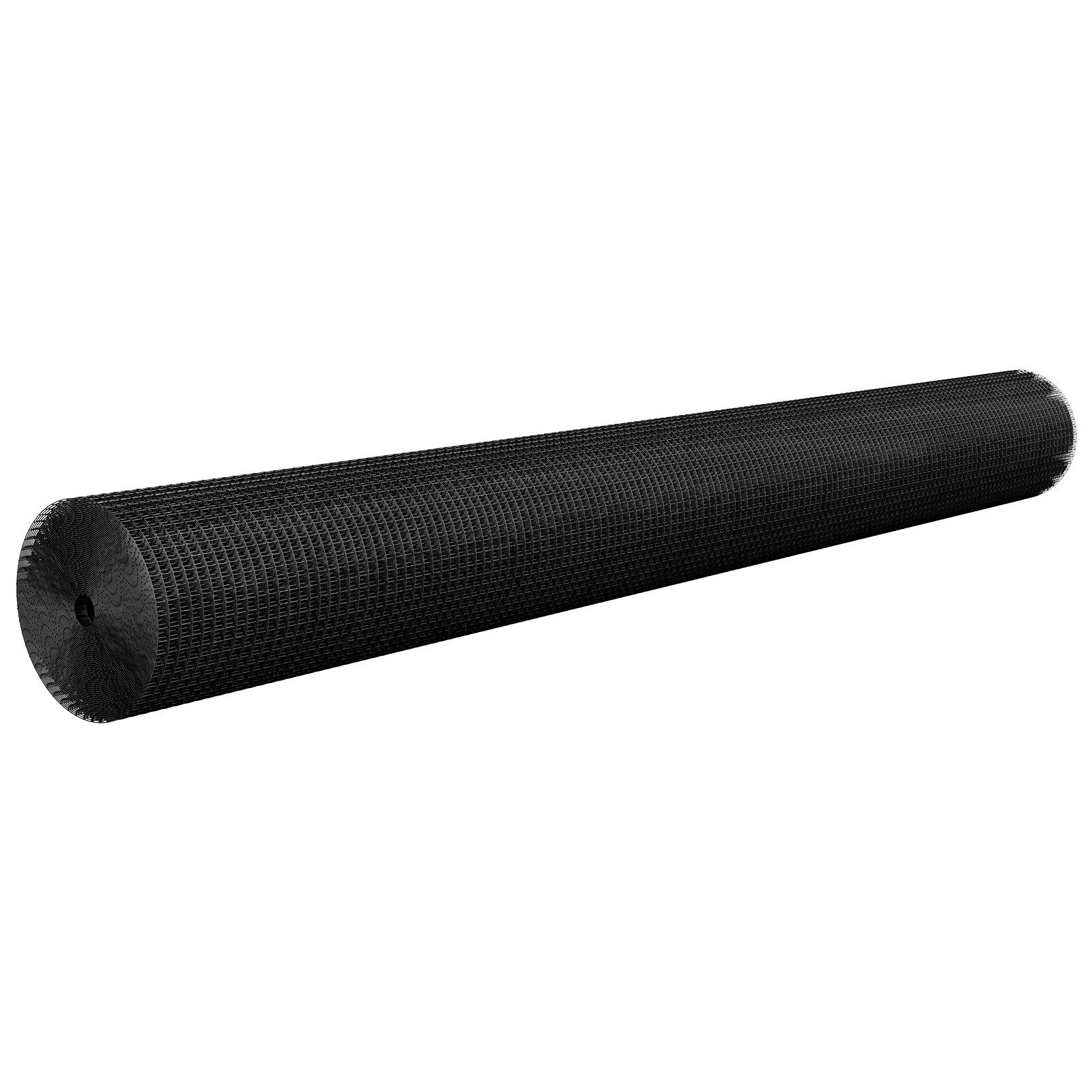 Hardware Cloth 72 In X 50 Ft, 1'2 In 19 Gauge Galvanized Wire Mesh Roll, Weather-Resistant Vinyl Coated Chicken Fencing, Heavy Duty Welded Garden Plant For Rabbit Cage Snake Fence$95.99View on Mallflare
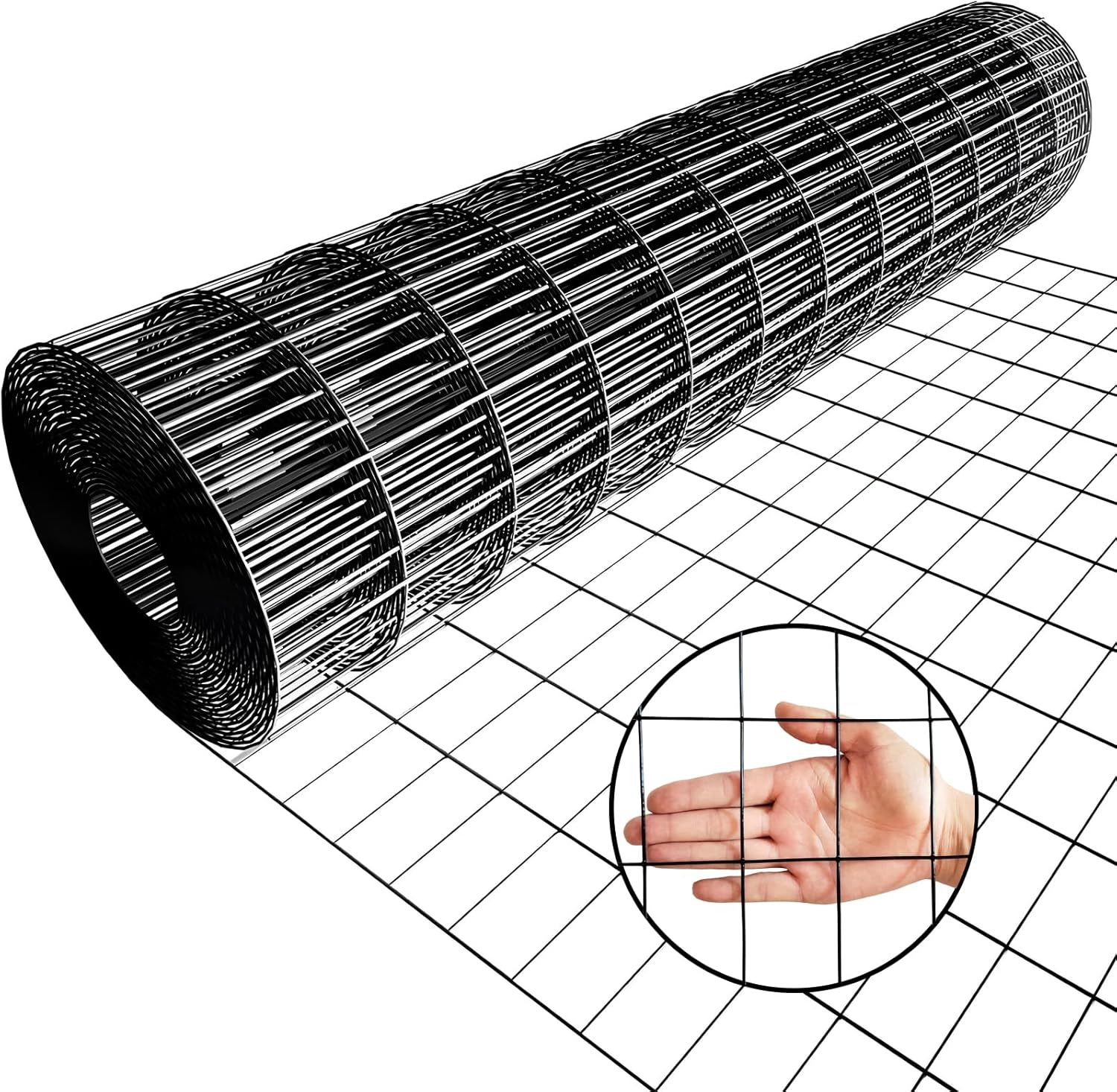 24inch x 50ft Black Vinyl Coated Hardware Cloth 2" X 3" 16Ga Welded Wire Mesh fence, PVC Chicken Fencing, Metal Garden Plant for Coop and Home Improvement$98.99View on Mallflare
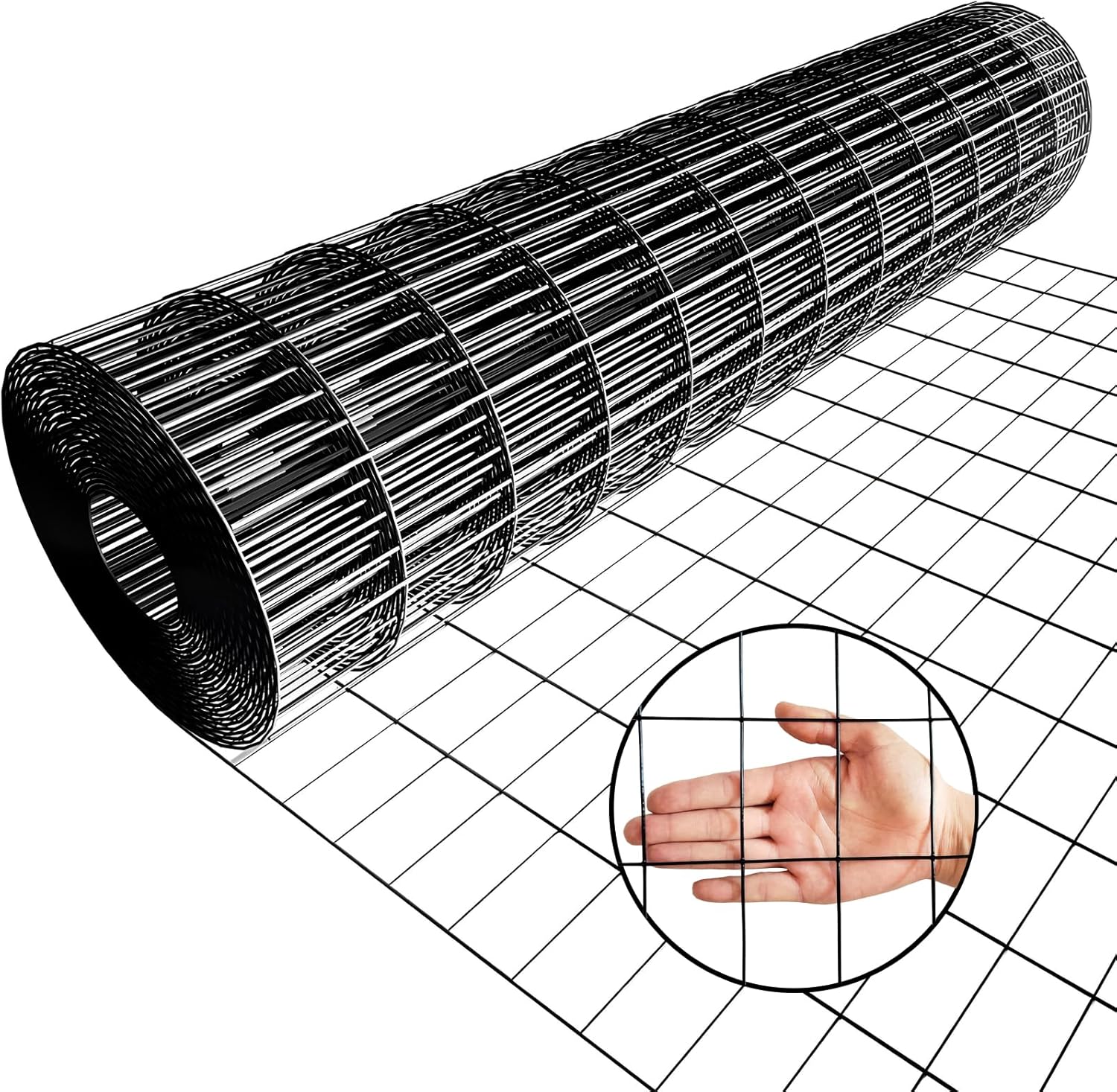 36inch x 50ft Black Vinyl Coated Hardware Cloth 2" X 3" 16Ga Welded Wire Mesh fence, PVC Chicken Fencing, Metal Garden Plant for Coop and Home Improvement$104.99View on Mallflare
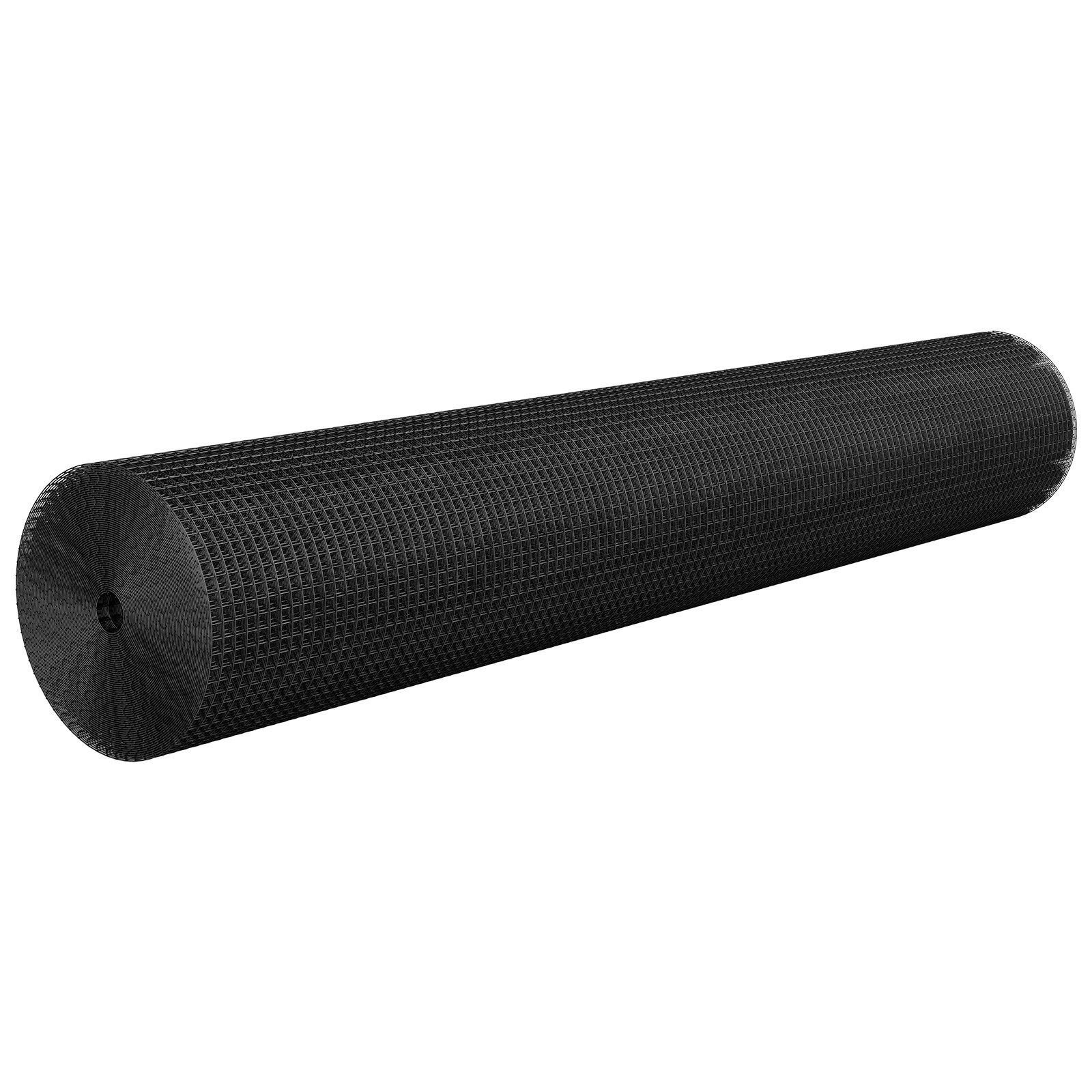 Hardware Cloth 60 In X 100 Ft, 1/2 In 19 Gauge Galvanized Wire Mesh Roll, Weather-Resistant Vinyl Coated Chicken Fencing, Heavy Duty Welded Garden Plant For Rabbit Cage Snake Fence$114.99View on Mallflare
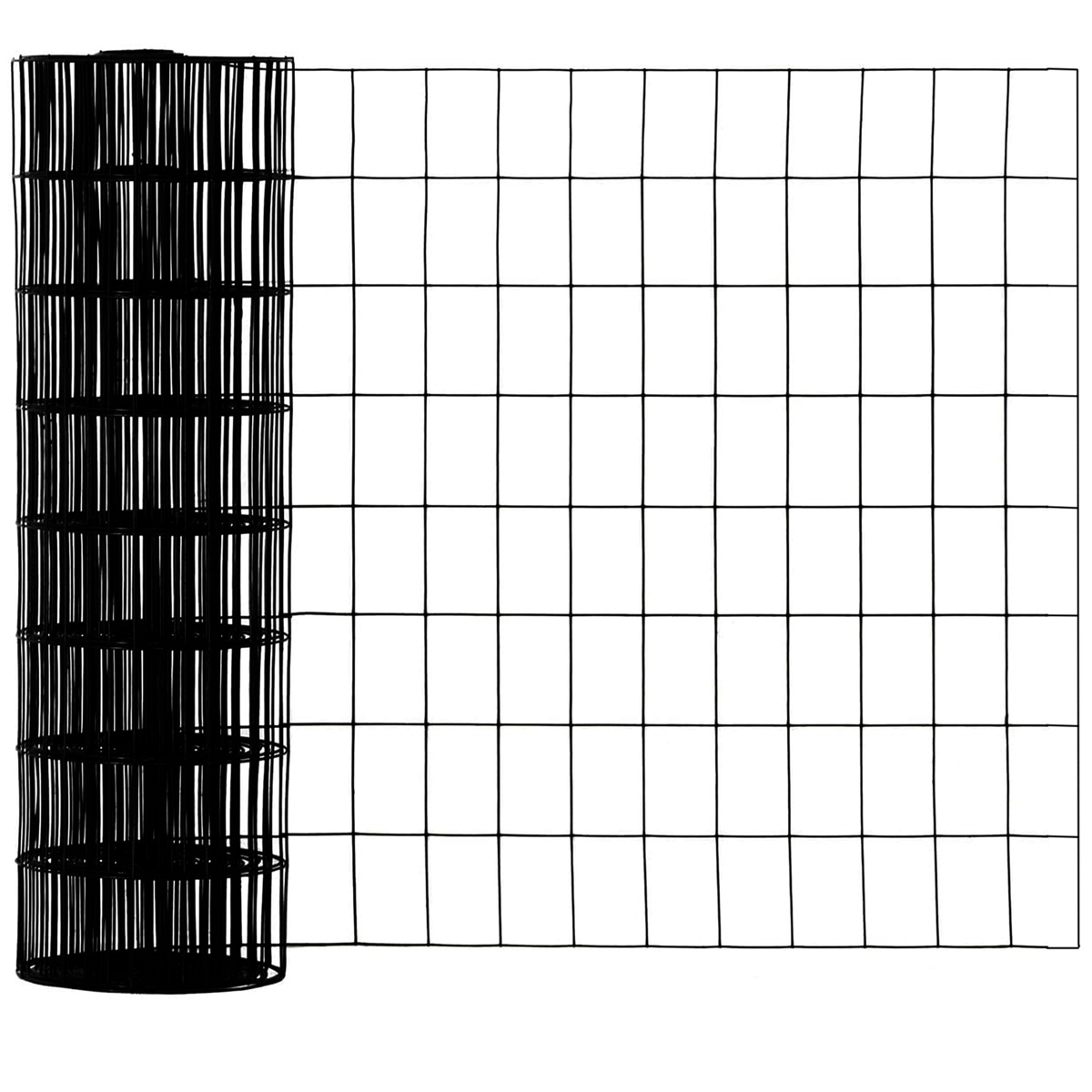 60inch X 50ft Black Vinyl Coated Hardware Cloth 2 X 4 16Ga Welded Wire Mesh Fence, PVC Chicken Fencing, Metal Garden Plant For Coop And Home Improvement$115.99View on Mallflare
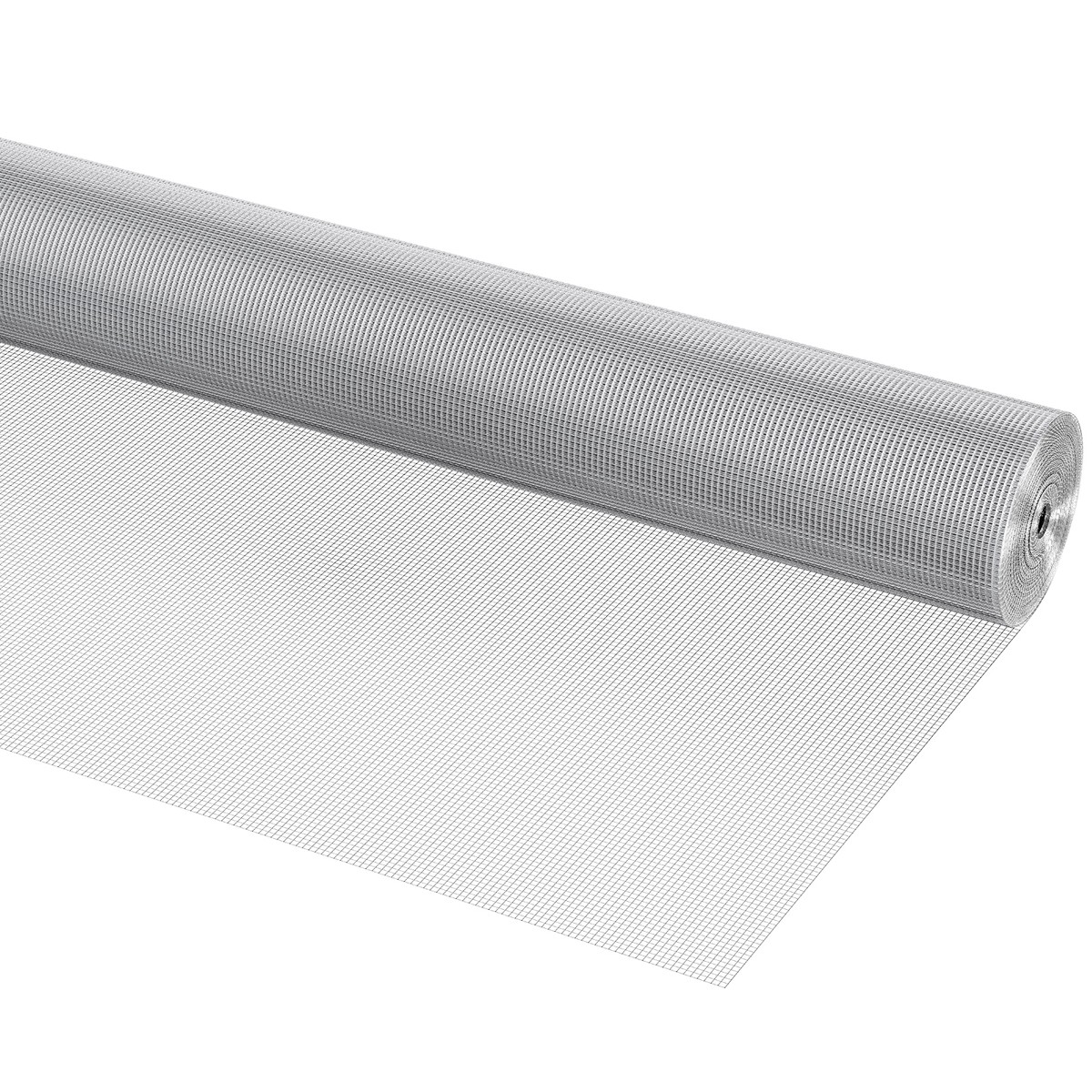 Hardware Cloth 1/4 Inch 48 X 100 Ft 23 Gauge Chicken Wire Fence, Hot-Dip Galvanized After Welding Metal Mesh Roll, Garden Plant Welded Fencing Supports Poultry Netting Cage$124.99View on Mallflare
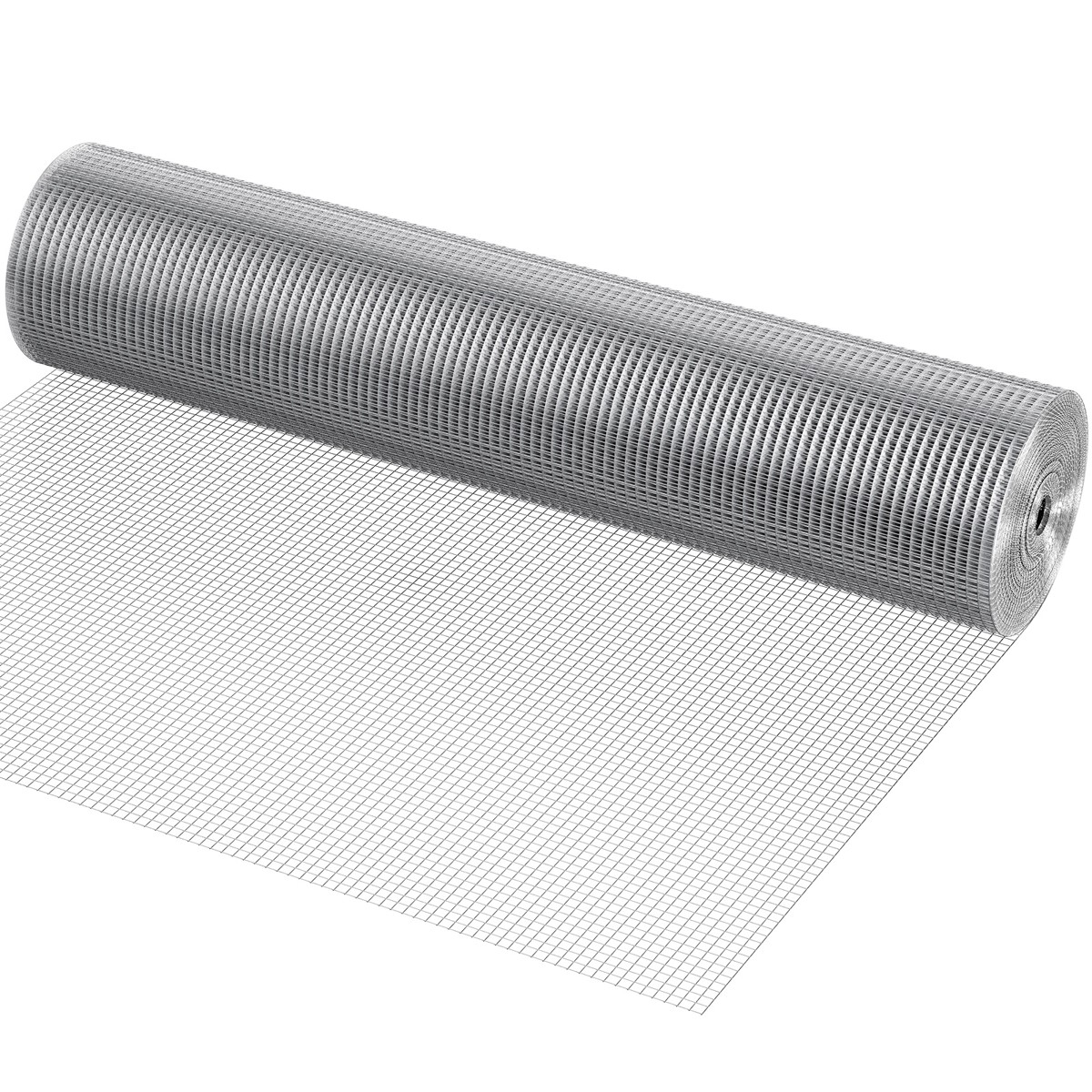 Hardware Cloth 1/2 Inch 48 X 100 Ft 19 Gauge Chicken Wire Fence, Hot-Dip Galvanized After Welding Metal Mesh Roll, Garden Plant Welded Fencing Supports Poultry Netting Cage$131.99View on Mallflare
Highlights
- Hardware cloth aperture is the predator filter: 1/2-inch mesh excludes snakes and weasels, 1-inch stops raccoons, and 2-inch or larger only blocks dogs and foxes.
- Wire gauge sets chew and crush resistance: 16-gauge takes a raccoon's bite and stays rigid, while 19-gauge is cheaper and needs closer framing support.
- Galvanized-then-vinyl-coated mesh adds years outdoors; plain galvanized is cheaper but corrodes faster at ground contact and cut edges.
- Electric poultry netting powers through a charger and typically stands 36–48 inches tall with step-in posts, so perimeter shock deters foxes and dogs but not tunnels.
Best use cases
- Permanent backyard coop and run: install 1/2-inch 16-gauge hardware cloth with an 18–24 inch buried apron; skip 19-gauge 2-inch mesh for anything raccoons or snakes can reach.
- Rotational pasture grazing: choose electric netting 42–48 inches tall on a 3-night move schedule; skip rigid rolls because they cannot be re-staked daily.
- Snake- and rodent-prone climates: use 1/2-inch aperture hardware cloth over 1-inch; skip 2-inch rolled wire for coop skirting.
- Dog-heavy yards: rely on electric netting or 16-gauge hardware cloth on a framed run; skip bare 19-gauge mesh that bends under a leaning dog.
Buying tips
- Size the roll by perimeter math: multiply a 50-foot roll by the run height plus apron—a 10×20 foot run at 6 feet with a 2-foot apron needs about 140 feet of cloth.
- For nothing larger than a raccoon, buy 1/2-inch aperture at 16-gauge; 1-inch is acceptable only above 18 inches off the ground on a framed coop.
- Electric netting needs a compatible energizer matched to net length and a ground rod; a fence without a charger is just a plastic mesh curtain.
- Buy vinyl- or zinc-coated mesh at ground contact because buried galvanized wire corrodes at the soil line within a few seasons.
Specs
| Mesh Aperture | 1/2 in predator / 1 in raccoon / 2 in large |
|---|---|
| Wire Gauge | 16 ga rigid / 19 ga light-duty |
| Coating | Vinyl-coated or plain galvanized |
| Fence Type | Hardware cloth vs electric netting |
Related searches
What to check before buying
- Measure coop and run perimeter in feet and add 20 percent for corners, gates, and the buried apron before choosing roll length.
- Check post spacing and frame stiffness: 16-gauge spans up to 8 feet between supports, while 19-gauge needs supports every 4–6 feet.
- Confirm electric netting energizer output covers total net length and that the fence line has a dry, grounded return path.
- Verify gate latches and top cover height against local predators—a 6-foot fence without a top still admits climbing raccoons and owls.
FAQ
Data sources: eBay / Amazon listings and product attribute feeds. Updated Nov 27, 2026.
Some links on this page are affiliate links. If you buy after clicking one, we may earn a commission at no extra cost to you. This does not change which products appear here or their order. Affiliate disclosure.