
Photos from current listings. Actual item, color, and included accessories may vary.
Self Watering System Buying Guide
A self-watering system delivers measured water to potted plants without manual watering, using either passive wicks/spikes or active pump-and-timer drip kits. The core trade-off is passive capillary spikes (cheap, no power, but uncontrolled flow and salt buildup) versus active diaphragm-pump kits with programmable timers (precise, vacation-capable, but need power and emitter maintenance). Buy active timed drip for reliable multi-week coverage; choose passive spikes only for short trips or low-demand succulents.
Median $19.94
Key takeaways
- Active kits use a diaphragm or peristaltic pump rated for 1–3 L/min; peristaltic handles low flow and long runs better, diaphragm clogs faster on hard water.
- Passive spikes work by capillary suction and deliver roughly 50–150 mL/day per spike, heavily dependent on soil type and moisture tension, not on a set schedule.
- Rechargeable LCD timer heads typically program 1–16 drip arrows with interval and run-time settings; battery life falls sharply above 10 emitters or long daily run times.
At a glance
- Category
- Watering & Irrigation
- Last updated
- Nov 28, 2026
Current offers
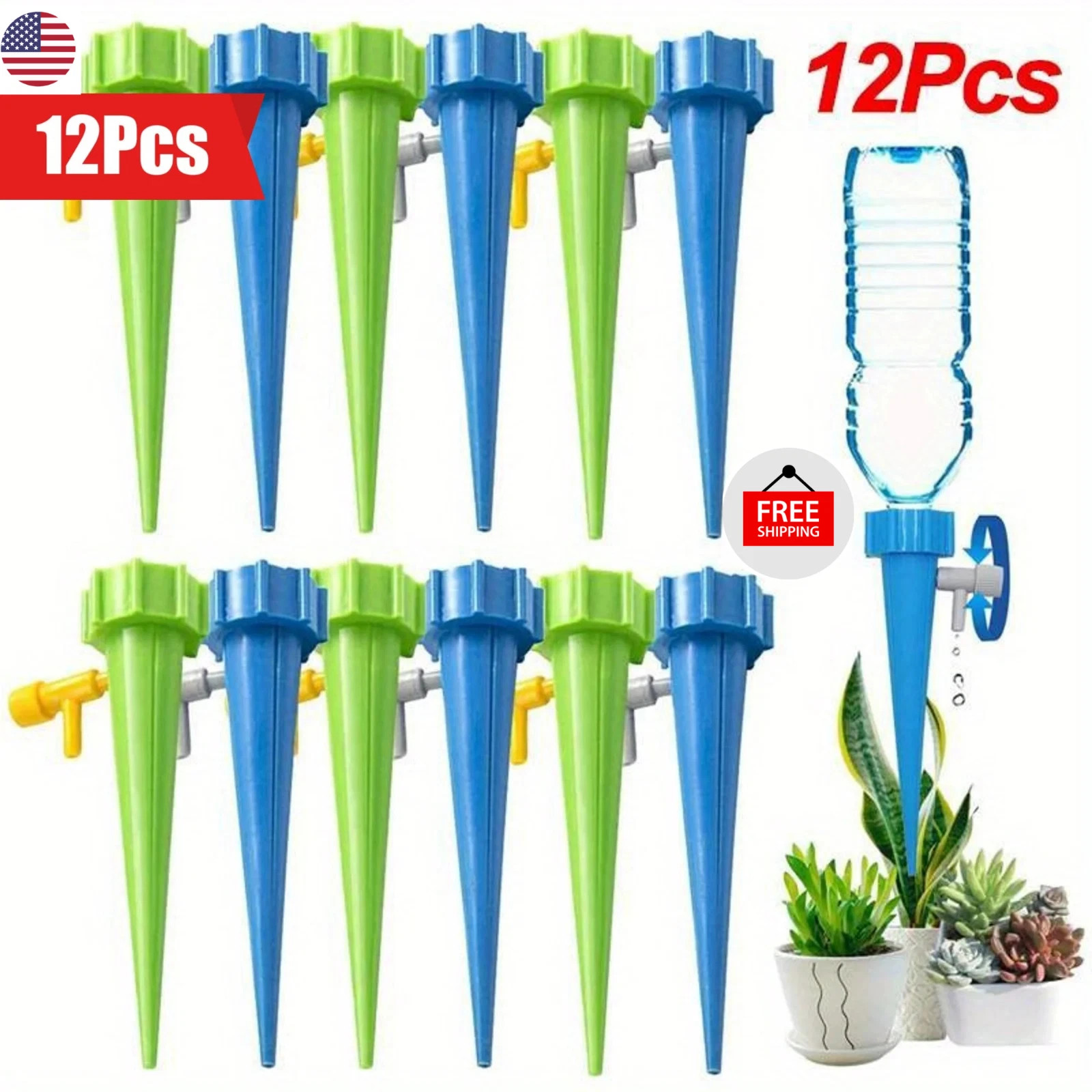 12Pcs Self Watering Spikes Automatic Irrigation Watering Drip System for Plants$5.45View on eBay
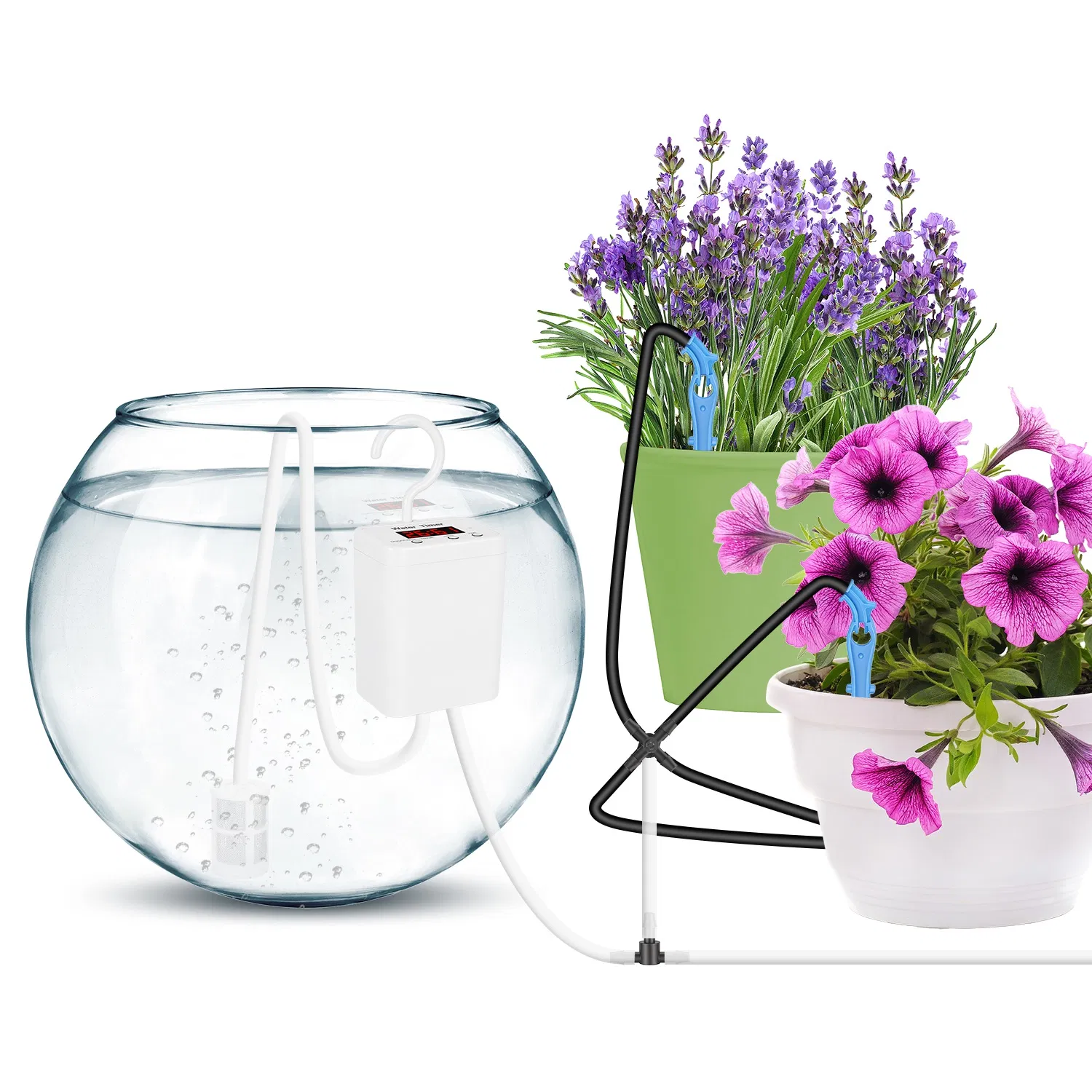 Automatic Plant Watering Device Indoor Drip Irrigation System with LCD Display Rechargeable Adjustable Timer for Up to 16 Arrows Vacation Self for Houseplant$35.99View on Mallflare
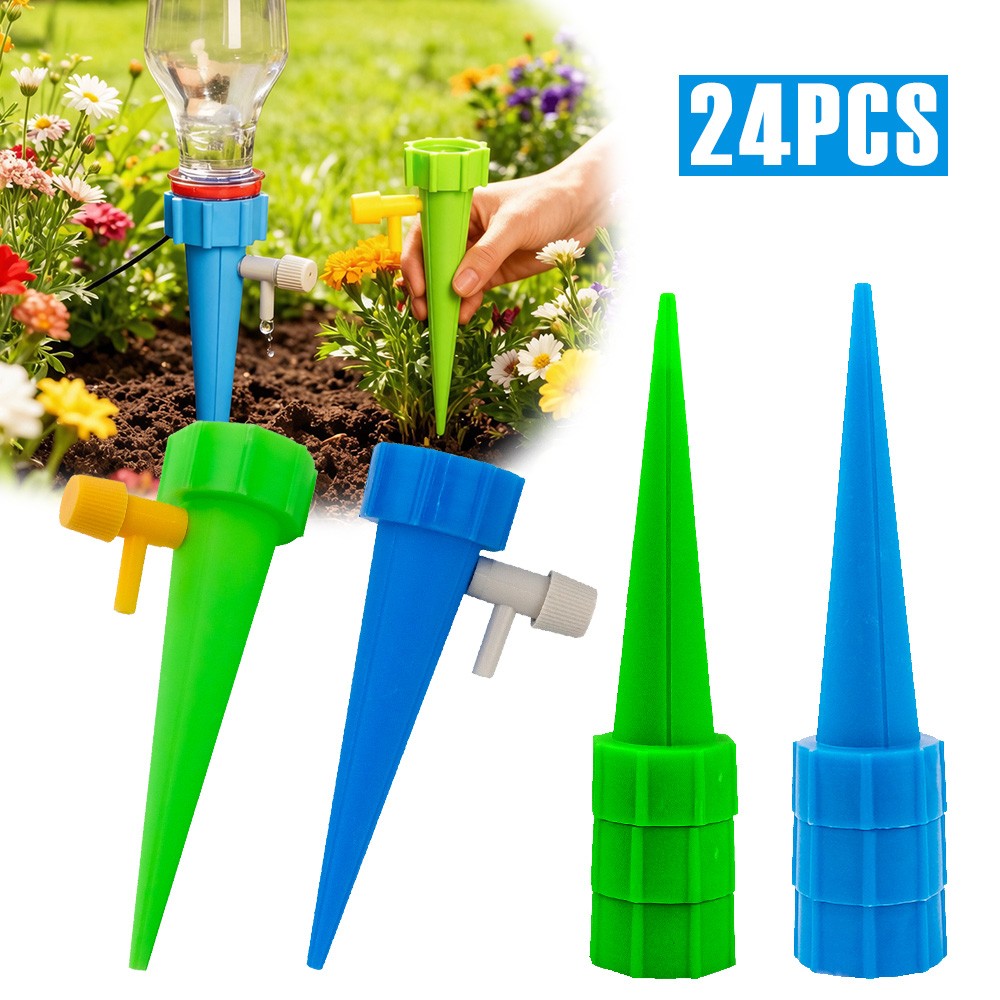 24PCS Self Watering Spikes Automatic Irrigation Watering Drip System for Plants$7.88View on eBay
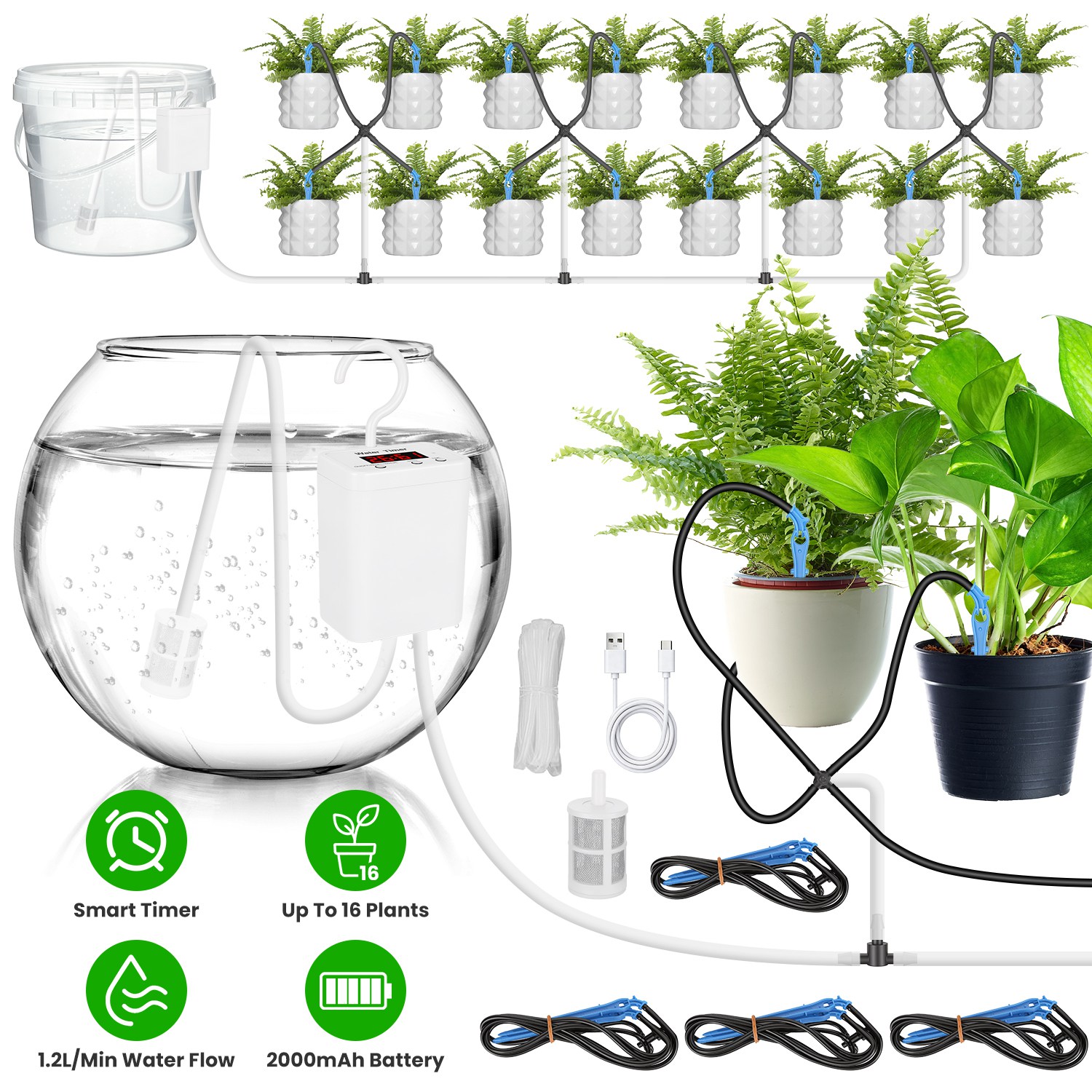 1Pc Automatic Plant Watering Device Indoor Drip Irrigation System With LCD Display Rechargeable Adjustable Timer For Up To 16 Arrows Vacation Self For House$37.99View on Mallflare
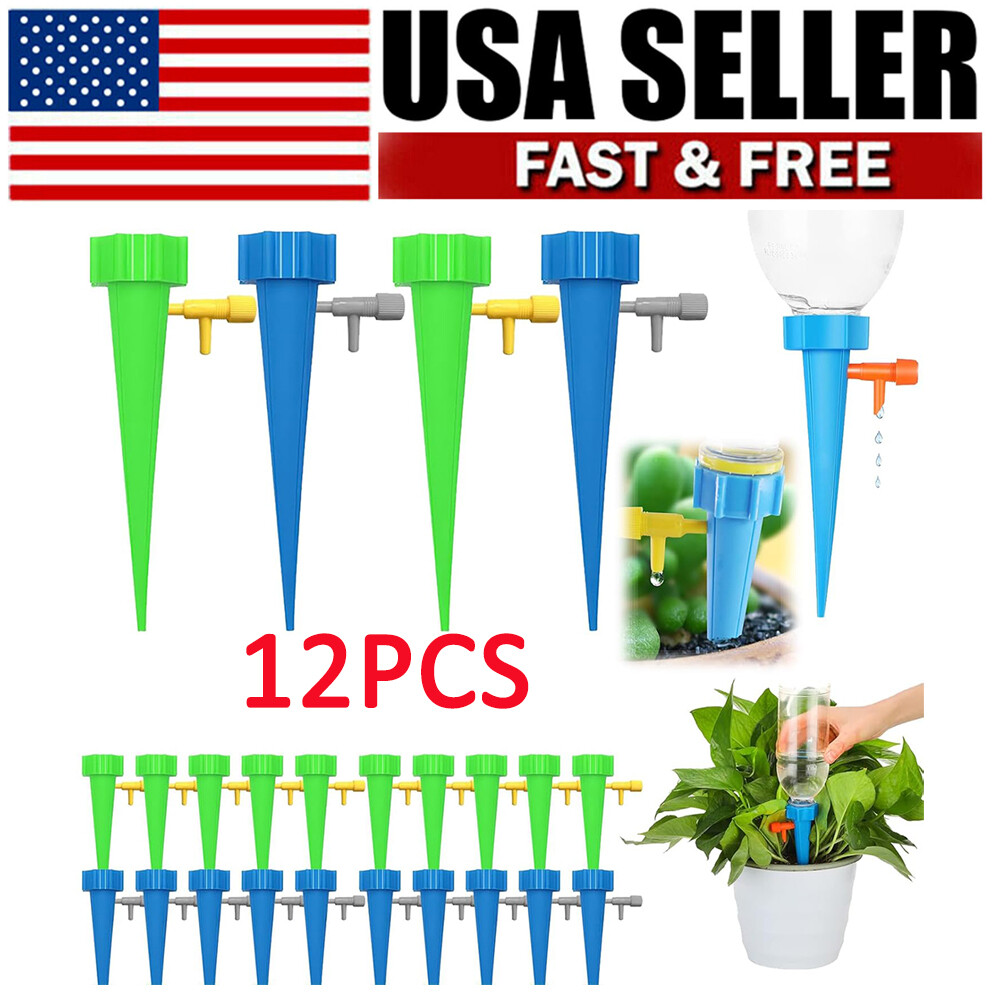 12Pcs Self Watering Spikes Automatic Irrigation Watering Drip System for Plants$8.79View on eBay
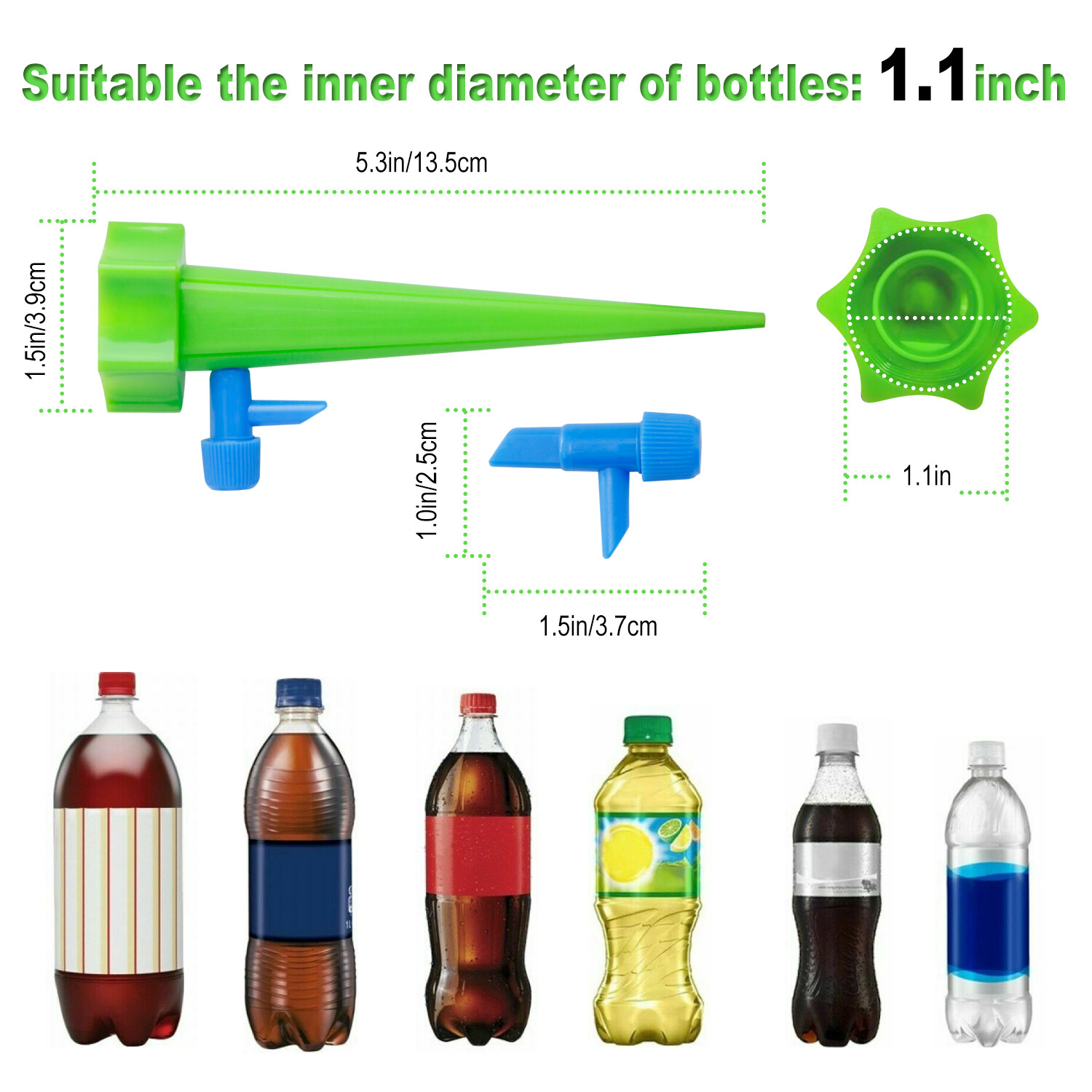 12/24PCS Garden Drip Irrigation Kit -Automatic Self Watering System for Vacation$9.95Last checked Nov 19, 2026View on eBay
- 12/24PCS Garden Drip Irrigation Kit -Automatic Self Watering System for Vacation$10.45View on eBay
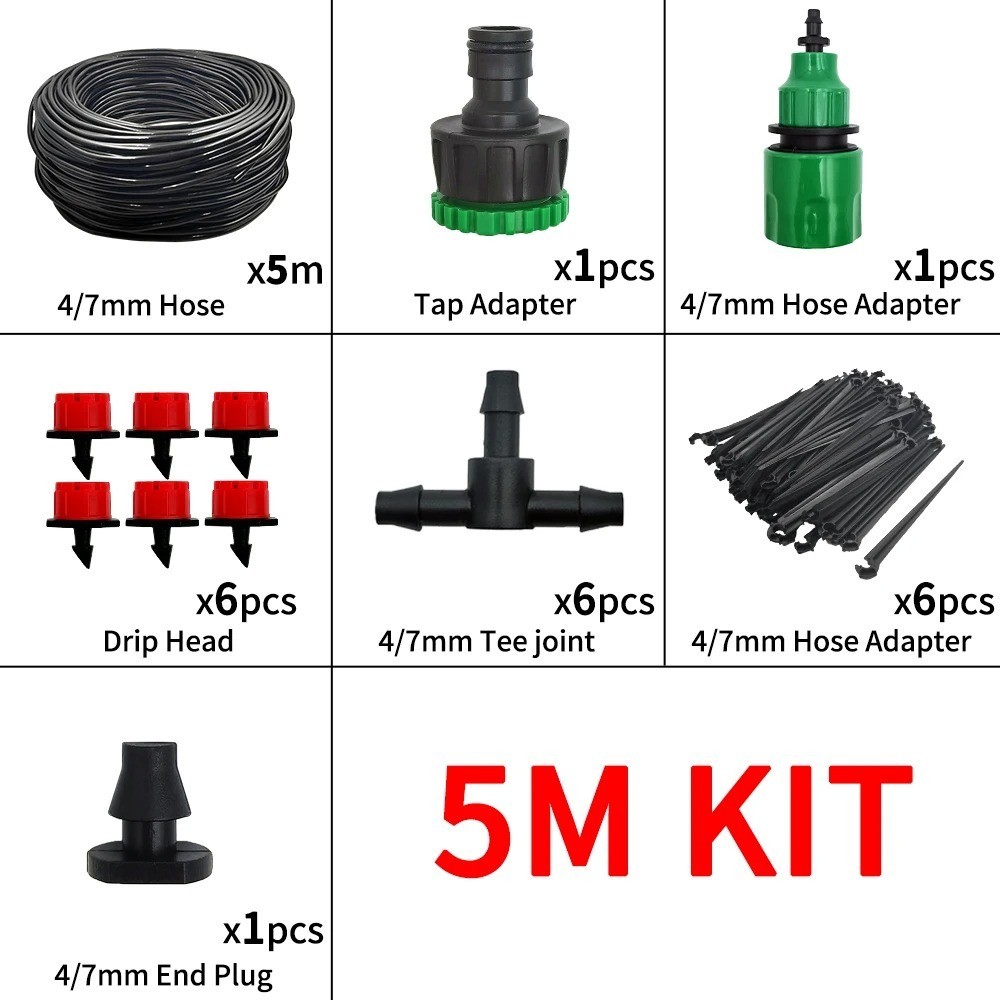 Drip Irrigation System Garden Plant Self Watering Mist Hose Micro Sprinkler Kit$10.70View on eBay
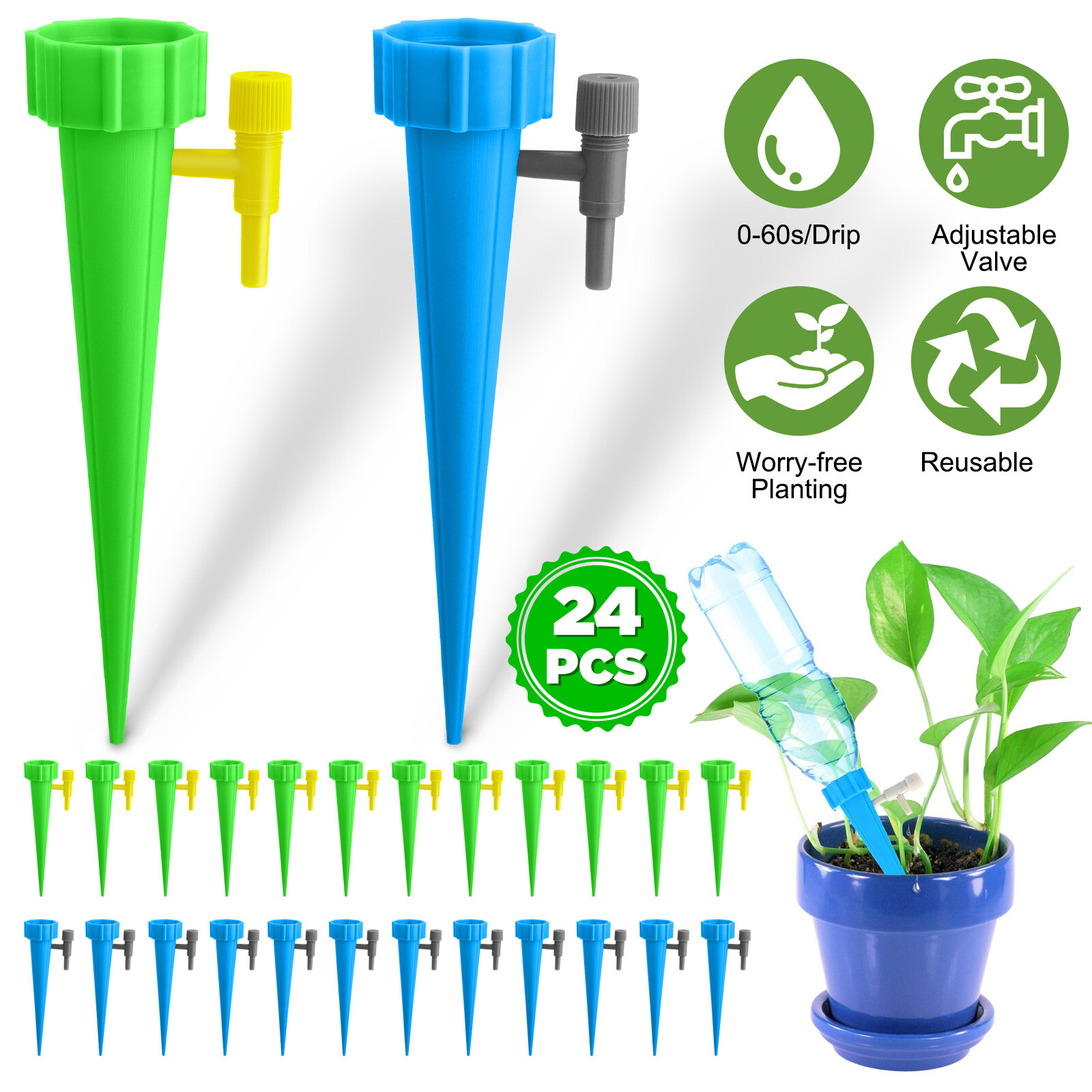 24PCS Self Watering Spikes Automatic Irrigation Watering Drip System for Plants$12.48Last checked Nov 19, 2026View on eBay
- 12/24PCS Automatic Self Watering System Plant Water Drip Irrigation Garden Tools$14.95Last checked Nov 19, 2026View on eBay
- 12/24PCS Plant Drip Irrigation Garden Tools - Automatic Self Watering System$15.59View on eBay
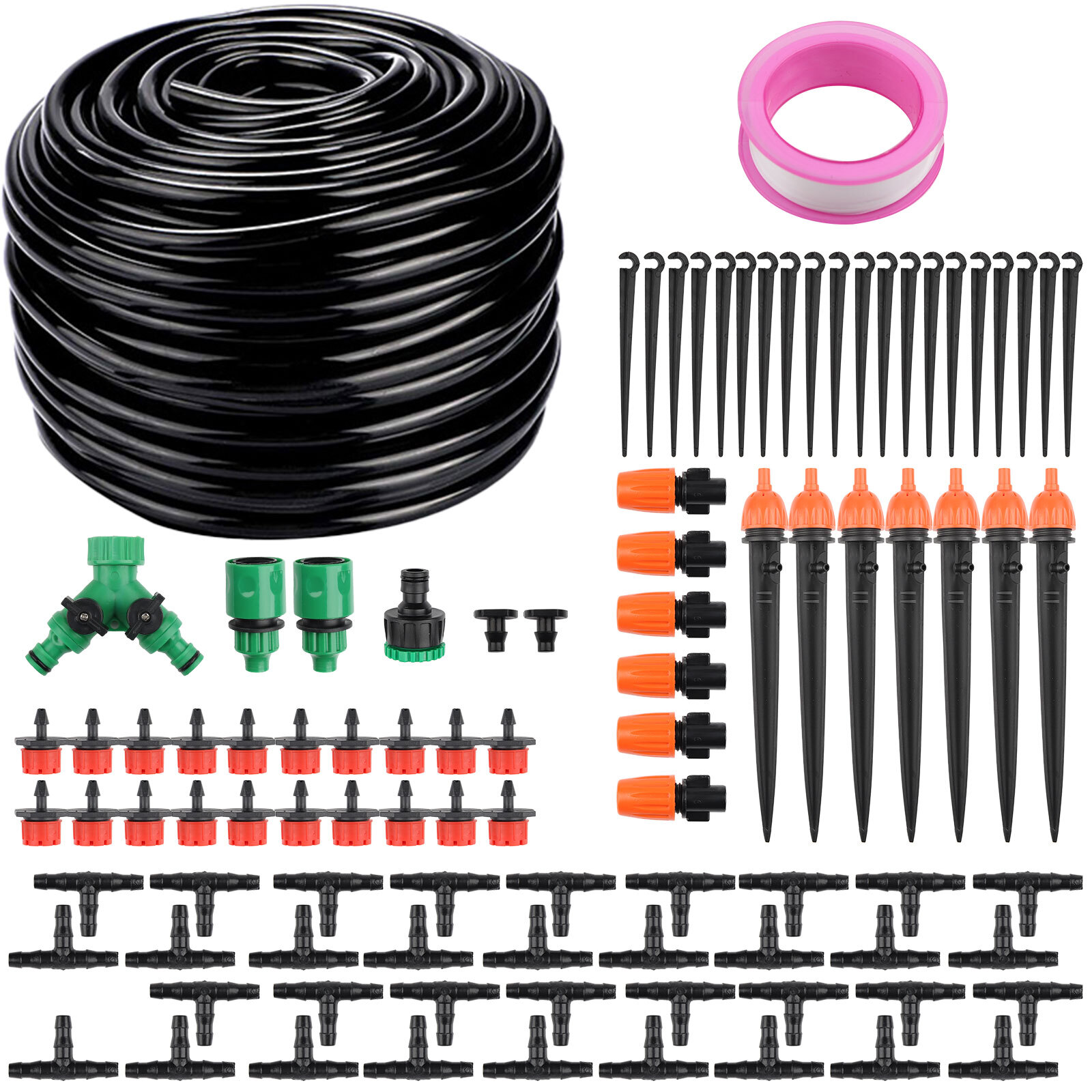 130FT Drip Irrigation System Garden Plant Self Watering Micro Hose Sprinkler Kit$15.99Last checked Nov 18, 2026View on eBay
- Drip Irrigation System Garden Plant Self Watering Hose Micro Sprinkler Kit$16.10Last checked Nov 19, 2026View on eBay
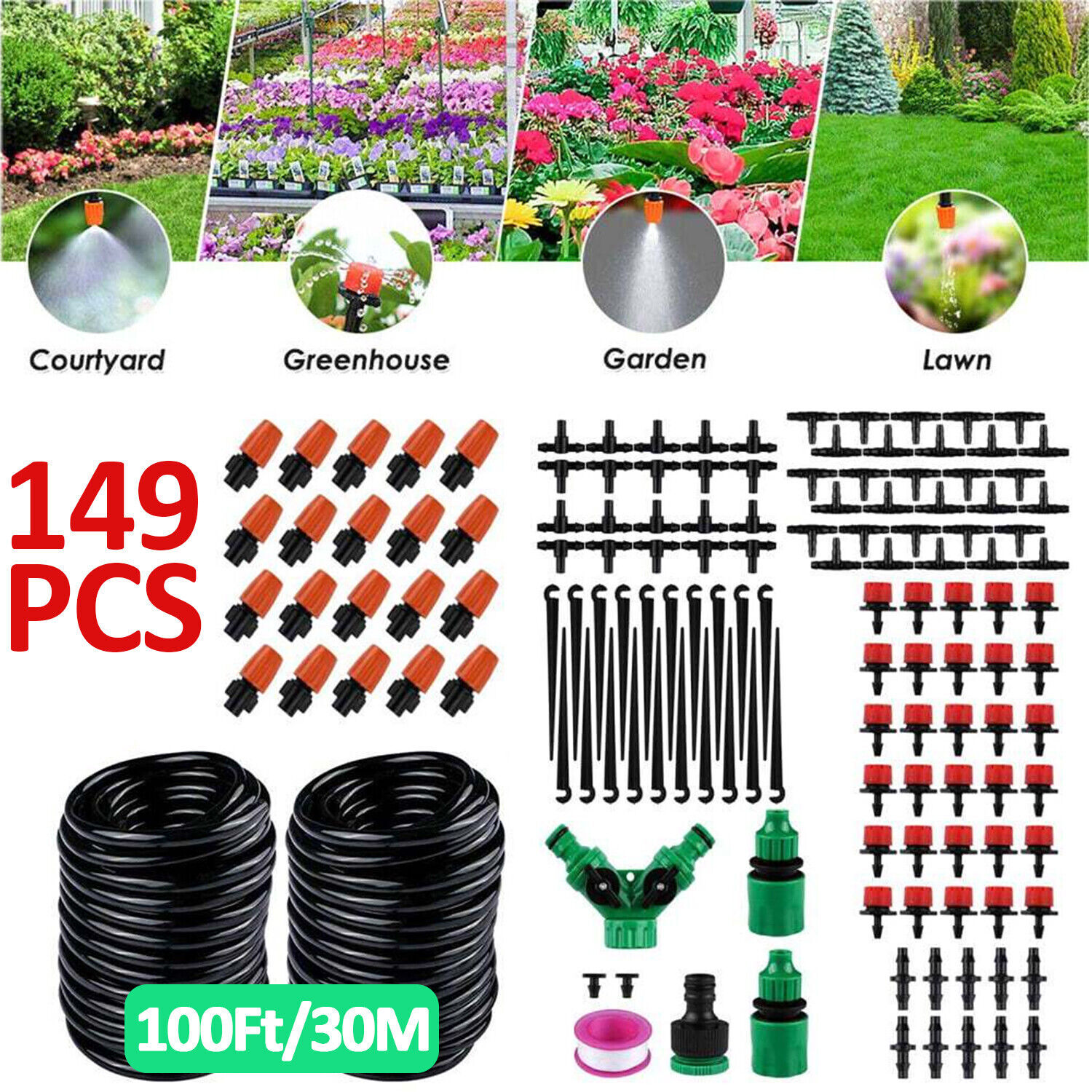 100ft Drip Irrigation System Garden Plant Self Watering Micro Hose Sprinkler Kit$19.94Last checked Nov 18, 2026View on eBay
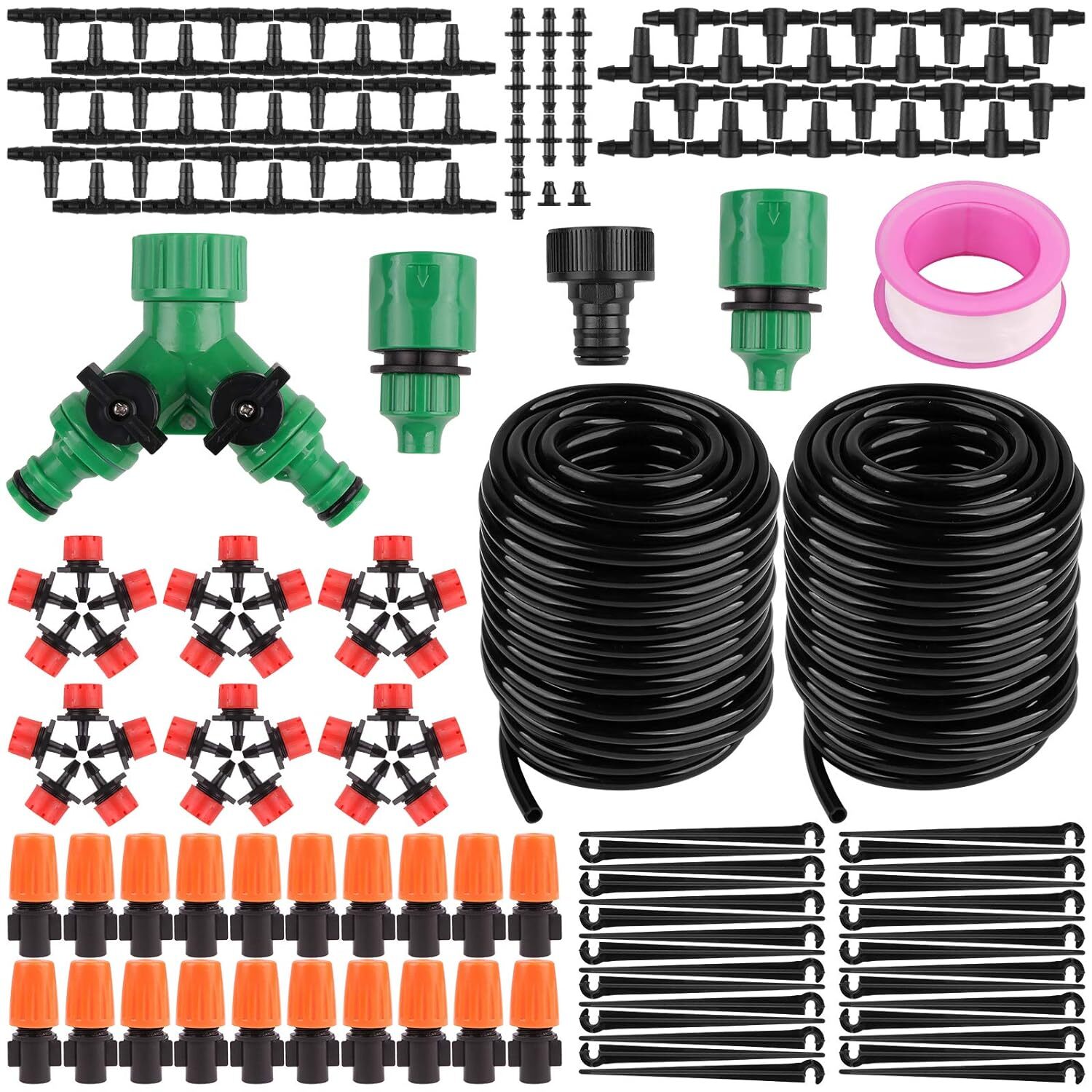 149PC Drip Irrigation System Garden Plant Self Watering Micro Hose Sprinkler Kit$19.98View on eBay
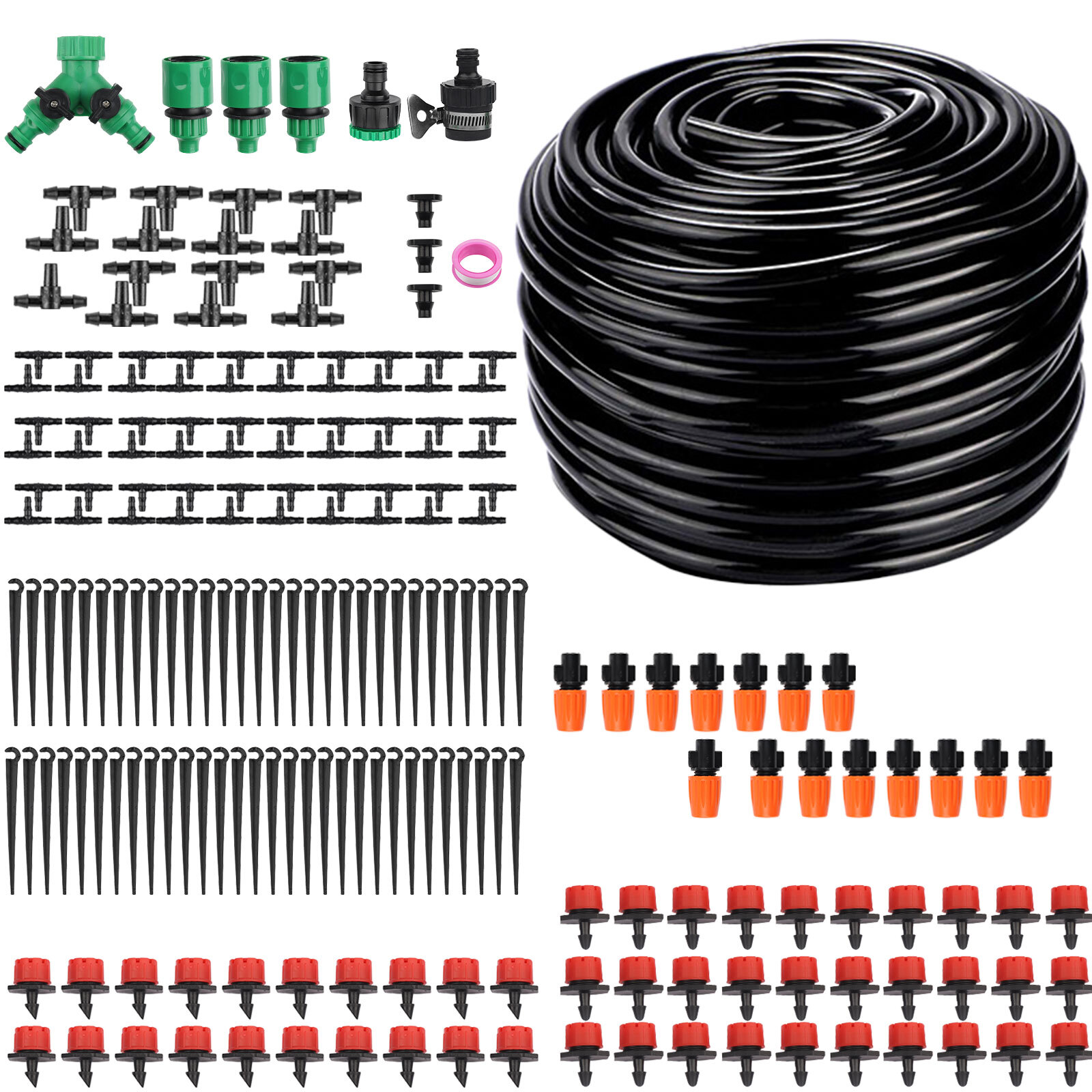 Drip Irrigation System Garden Plant Self Watering Hose Micro Sprinkler Kit$20.99Last checked Nov 19, 2026View on eBay
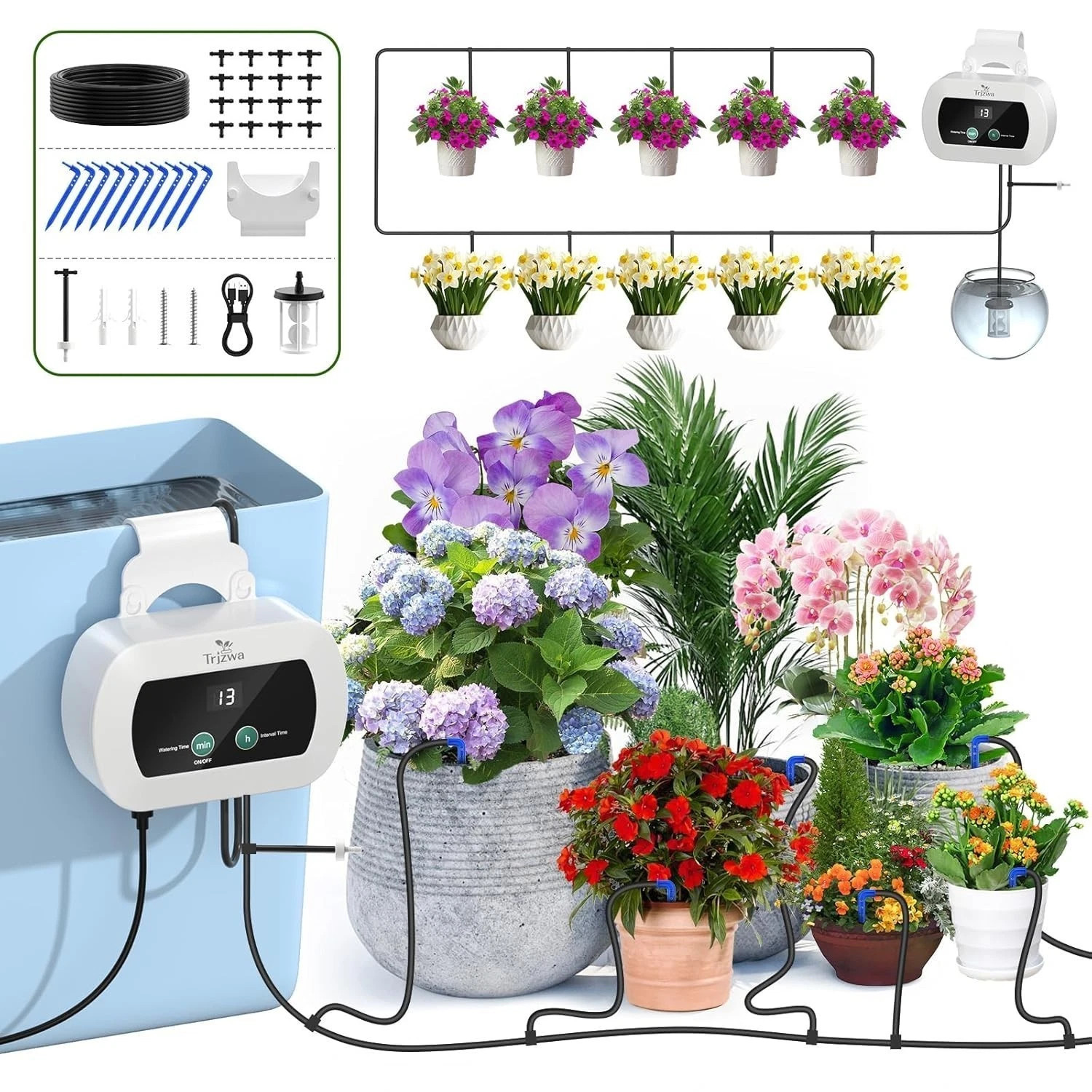 Watering System Automatic with Self Plant Watering Devices,Indoor Watering Set$23.99Last checked Nov 19, 2026View on eBay
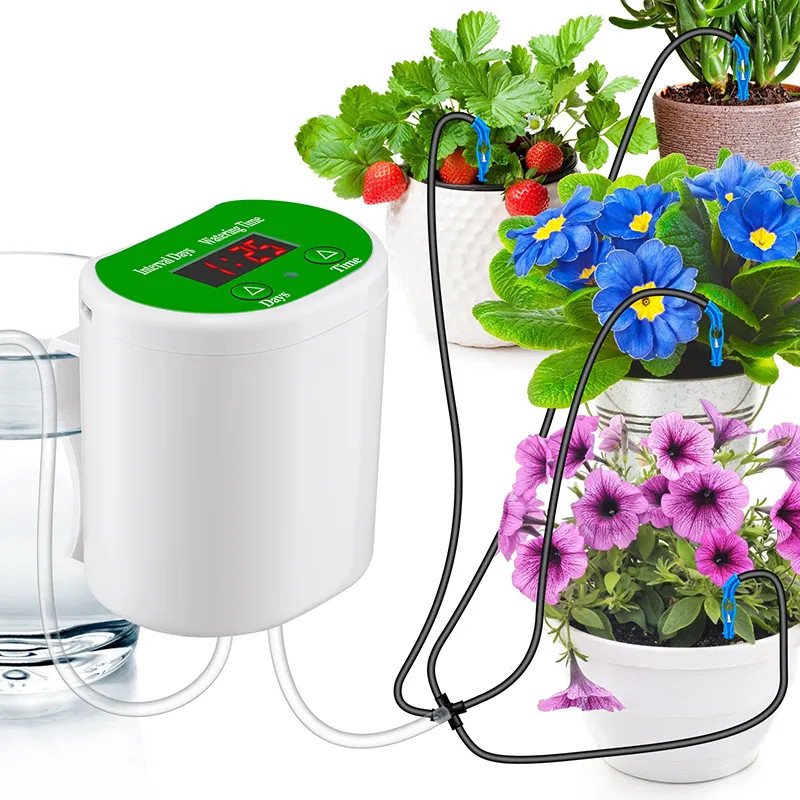 Automatic Drip Irrigation Kit, Houseplants DIY Micro Self Watering System 60 day$26.51Last checked Nov 28, 2026View on eBay
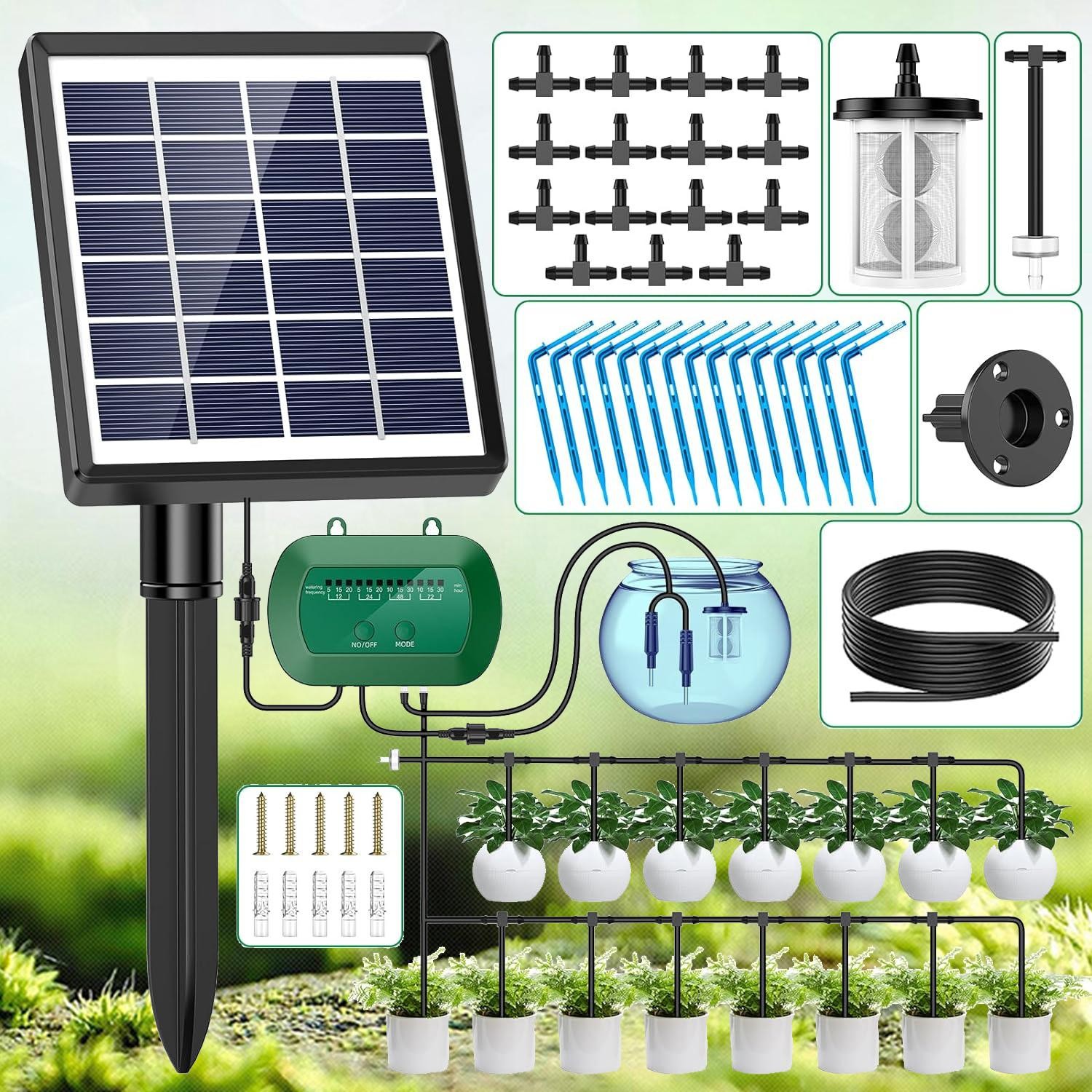 50FT Solar Power Self Watering System Drip Irrigation Kit Plant Timing Garden$26.99View on eBay
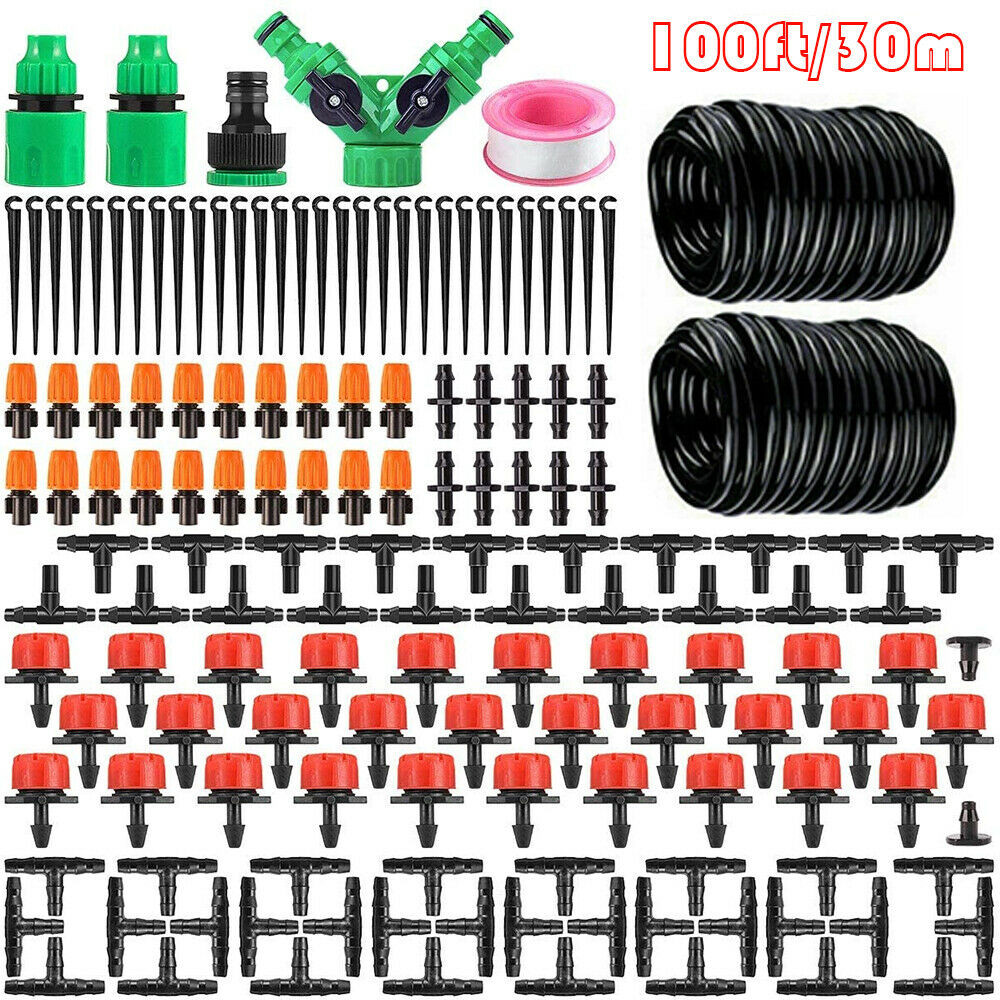 100FT Drip Irrigation System Plant Self Garden Watering Hose Spray Kit DIY USA$30.90Last checked Nov 18, 2026View on eBay
Highlights
- Active kits use a diaphragm or peristaltic pump rated for 1–3 L/min; peristaltic handles low flow and long runs better, diaphragm clogs faster on hard water.
- Passive spikes work by capillary suction and deliver roughly 50–150 mL/day per spike, heavily dependent on soil type and moisture tension, not on a set schedule.
- Rechargeable LCD timer heads typically program 1–16 drip arrows with interval and run-time settings; battery life falls sharply above 10 emitters or long daily run times.
- Solar drip kits pair a 5–10 W panel with a 3.7–7.4 V pump and inline filter; panel output and tank head height determine reachable emitter count more than the panel wattage alone.
Best use cases
- Best fit: indoor houseplant collections of 6–16 pots for 1–4 week vacations — pick a rechargeable LCD timer head with 1–16 arrow outlets and a 5–10 L reservoir. Skip passive spikes for ferns or calatheas that need consistent moisture.
- Best fit: balcony or patio drip rows with 50 ft of 1/4 in tubing and 10–20 emitters — choose a solar or AC pump kit with inline filter and pressure-compensating drippers, not gravity spikes.
- Wrong fit: large outdoor beds or raised garden rows needing zone control — a single-outlet vacation timer cannot deliver the flow or pressure; step up to a multi-zone hose timer instead.
- Wrong fit: succulents and cacti in gritty mix — passive spikes and drip kits both overwater; use a wick or nothing and skip timed irrigation.
Buying tips
- Match emitter count to pump: LCD timer heads reliably drive up to 16 arrows at low flow; beyond that add a second head or a pump with higher head pressure (≥1.5 m lift).
- Choose tubing by run length: 1/4 in micro tubing for runs under 15 ft and ≤10 emitters; 1/2 in mainline with 1/4 in laterals for longer runs to avoid pressure drop at the far end.
- Battery and solar sizing: a 3.7 V rechargeable pump head lasts roughly 2–4 weeks at 10 emitters once daily; solar kits need 4–6 peak sun hours to sustain daily cycles.
- Material grade matters: ABS pump bodies and UV-stabilized polyethylene tubing outlast generic plastic by seasons outdoors; avoid brittle PVC spikes that crack in freeze-thaw.
Specs
| System Type | Passive spikes vs active pump drip |
|---|---|
| Emitter Capacity | 1–16 arrows (timer head dependent) |
| Power Source | USB rechargeable, solar, or AC adapter |
| Tubing Standard | 1/4 in micro / 1/2 in mainline |
Related searches
What to check before buying
- Count pots and measure the longest run from reservoir to farthest plant; add 10–15% tubing length for slack and confirm your chosen kit's max emitter count and max run length.
- Verify the reservoir: active kits need a container with a lid and a bulkhead or drop-in pump; a 5–10 L bucket covers 6–16 small pots for 1–2 weeks.
- For outdoor use, check pump and timer IP rating (IP65 or better) and confirm USB-C or DC input voltage matches your charger; avoid unsealed USB ports in rain.
- Check pot drainage and soil: drip kits need free-draining mix and saucers; passive spikes clog in high-organic or hard-water soil and need periodic vinegar soaking.
FAQ
Data sources: eBay / Amazon listings and product attribute feeds. Updated Nov 28, 2026.
Some links on this page are affiliate links. If you buy after clicking one, we may earn a commission at no extra cost to you. This does not change which products appear here or their order. Affiliate disclosure.