
Photos from current listings. Actual item, color, and included accessories may vary.
Plant Pot With Saucer Buying Guide
A plant pot with saucer is a two-part system: the pot holds soil and roots, while the saucer catches excess water to protect surfaces and retain humidity. The core trade-off is drainage versus mess—pots without a drain hole risk root rot, while pots with large holes need a saucer sized to the pot's base diameter. The decision rule: buy a pot whose saucer diameter equals or exceeds the pot's top diameter, and match material to environment (plastic for humidity-loving plants and budget, ceramic/stone for stability and breathability, fabric for root aeration outdoors).
Median $142.99
Key takeaways
- Saucer diameter should match or exceed the pot's top diameter; a saucer narrower than the base will overflow and fail to protect floors.
- Unglazed ceramic and terracotta are porous and wick moisture from soil, reducing overwatering risk but requiring more frequent watering than glazed or plastic pots.
- Fabric grow bags and fabric pots air-prune roots and drain freely but dry out fast; they are not paired with saucers and suit outdoor vegetable growing, not indoor decor.
At a glance
- Category
- Raised Garden Beds & Planters
- Last updated
- Nov 28, 2026
Current offers
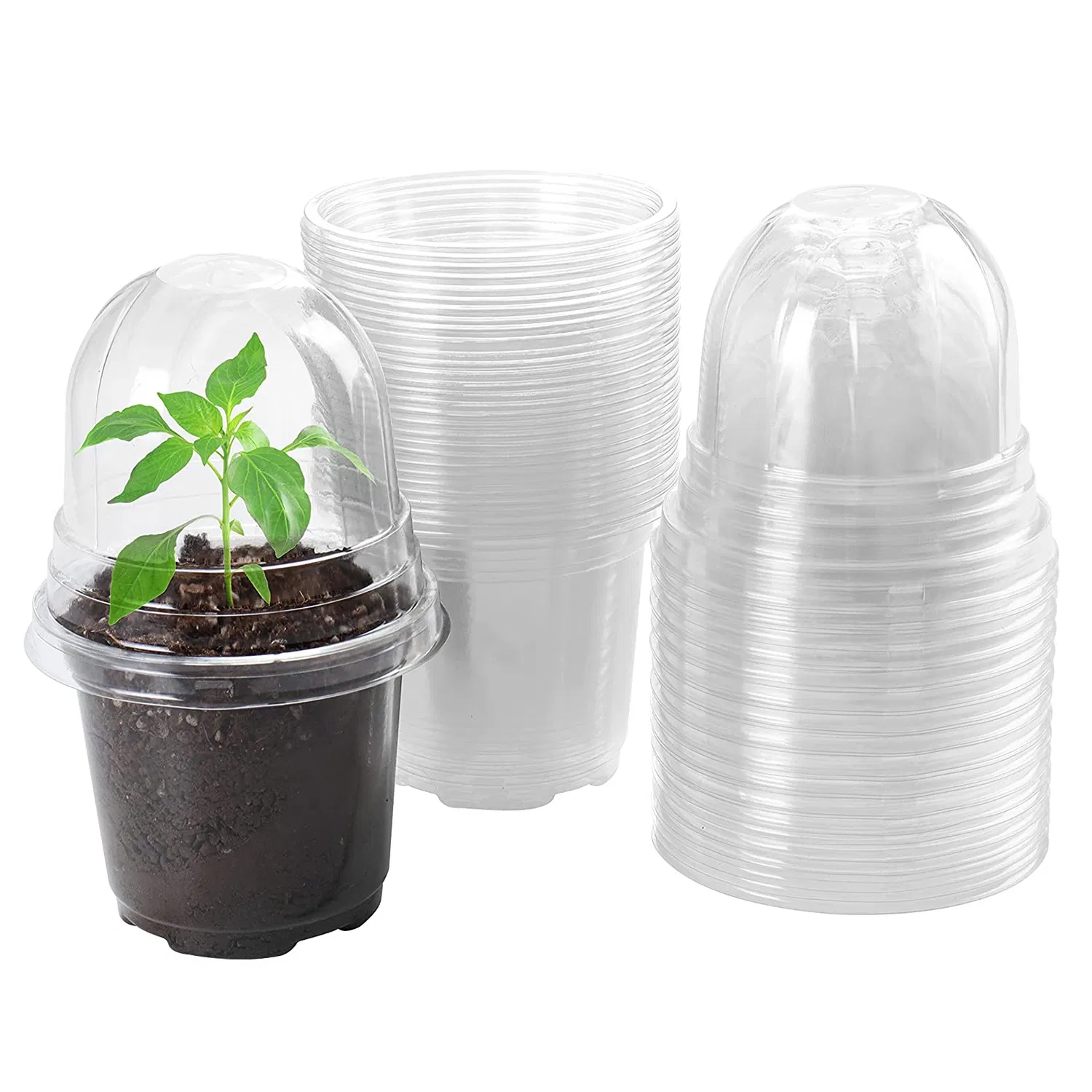 30Pcs Plant Nursery Pots PET Flower Seed Starting Container with Dome Drainage Holes$30.99View on Mallflare
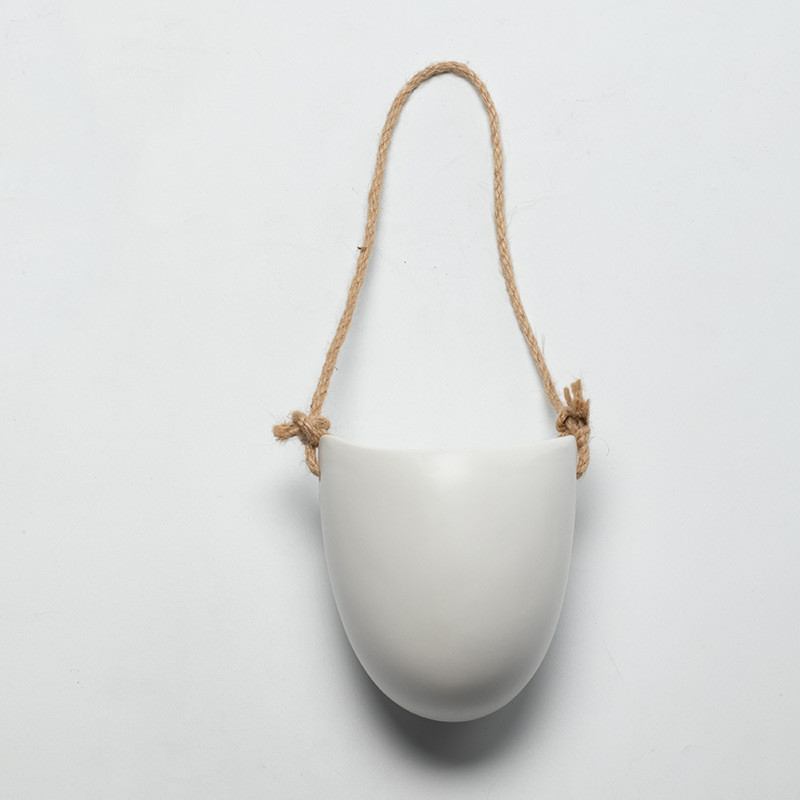 Wall-mounted Flower Pot Half Wall Ceramic Green Plant Free Perforation Balcony$31.99View on Mallflare
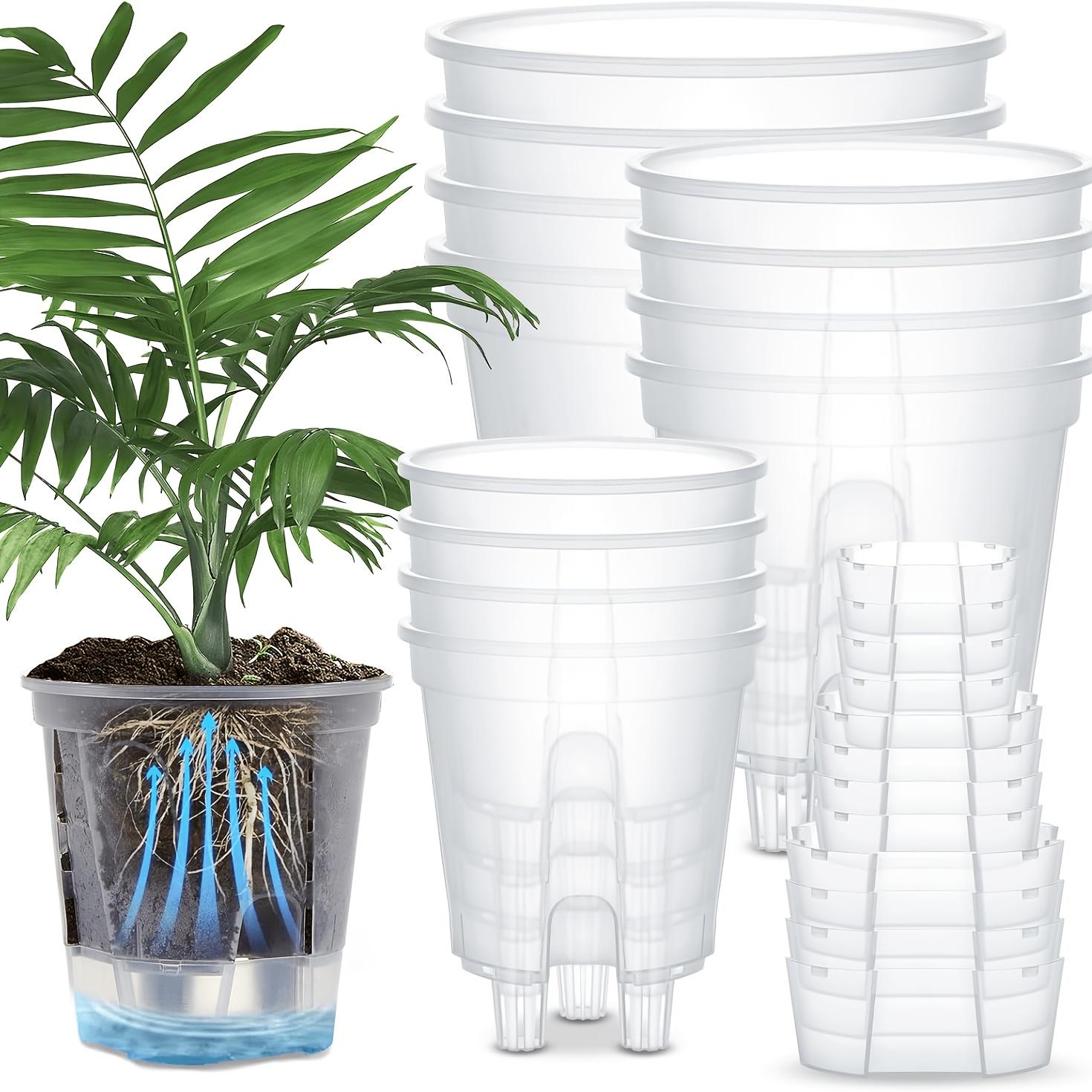 12 Pack Clear Self Watering Plant Pots, Transparent Root Viewing Planters With Water Storage Reservoir, Indoor Plastic Nursery For Orchid, Succulent$37.99View on Mallflare
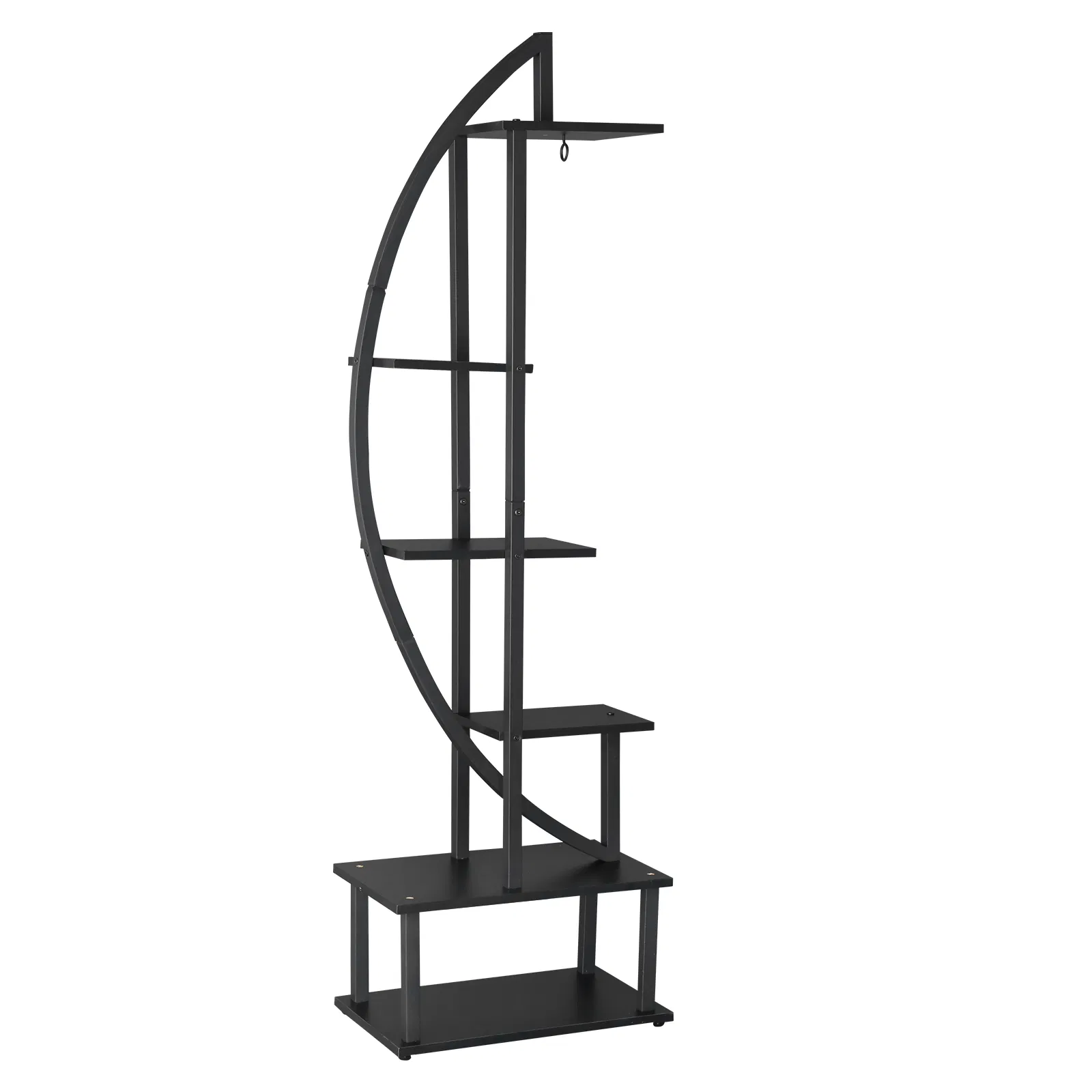 6th Floor Half Moon Ironwood Suitable For Garden Balcony Patio Lawn Home Decoration Plant Stand Flower Pot Iron Black$70.99View on Mallflare
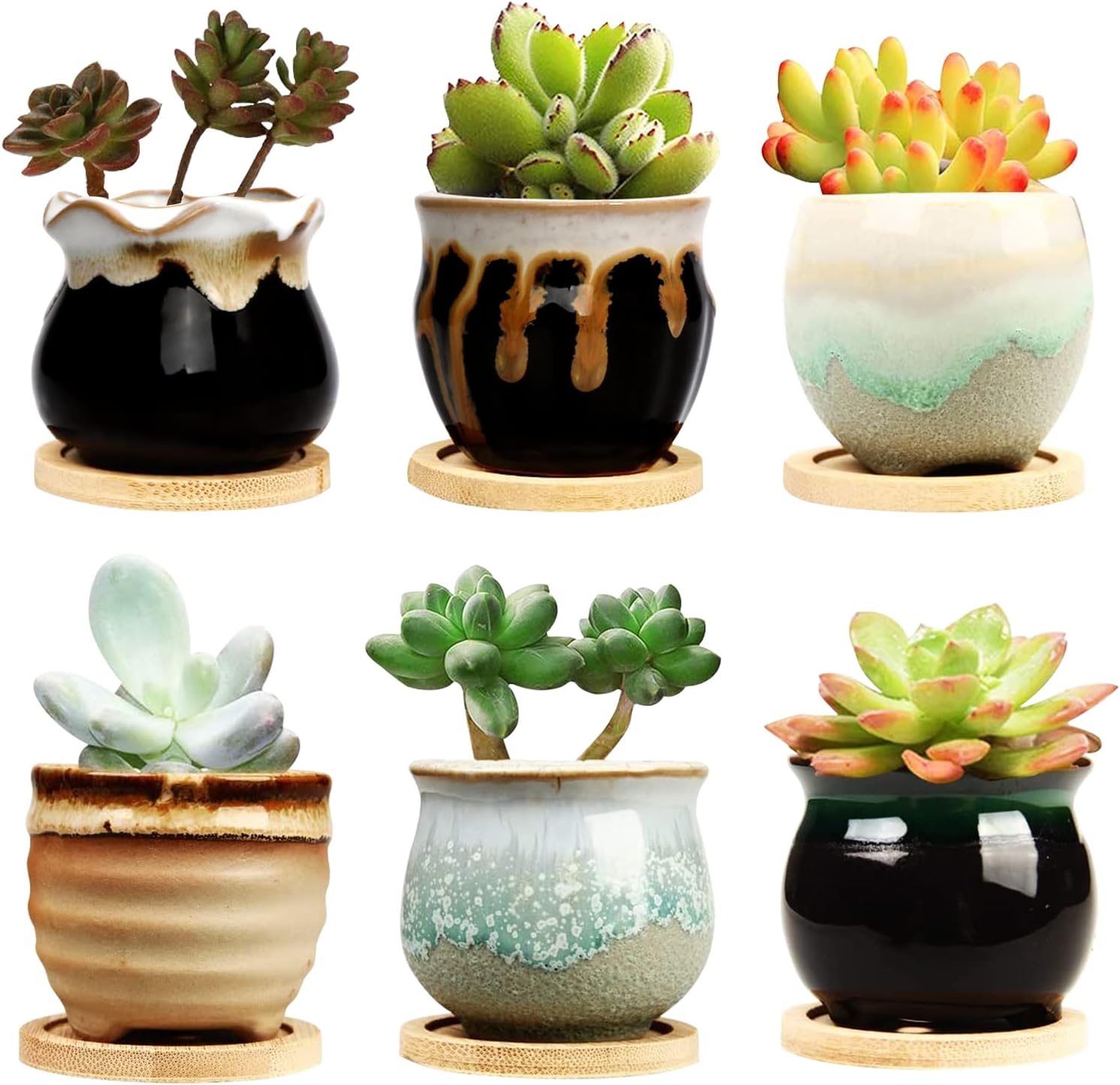 Ceramic Succulent Pot 2.1 Inch, Mini Plant Pot And Small Flower Planter For Succulents, Cactus, Desk And Home Decor$70.99View on Mallflare
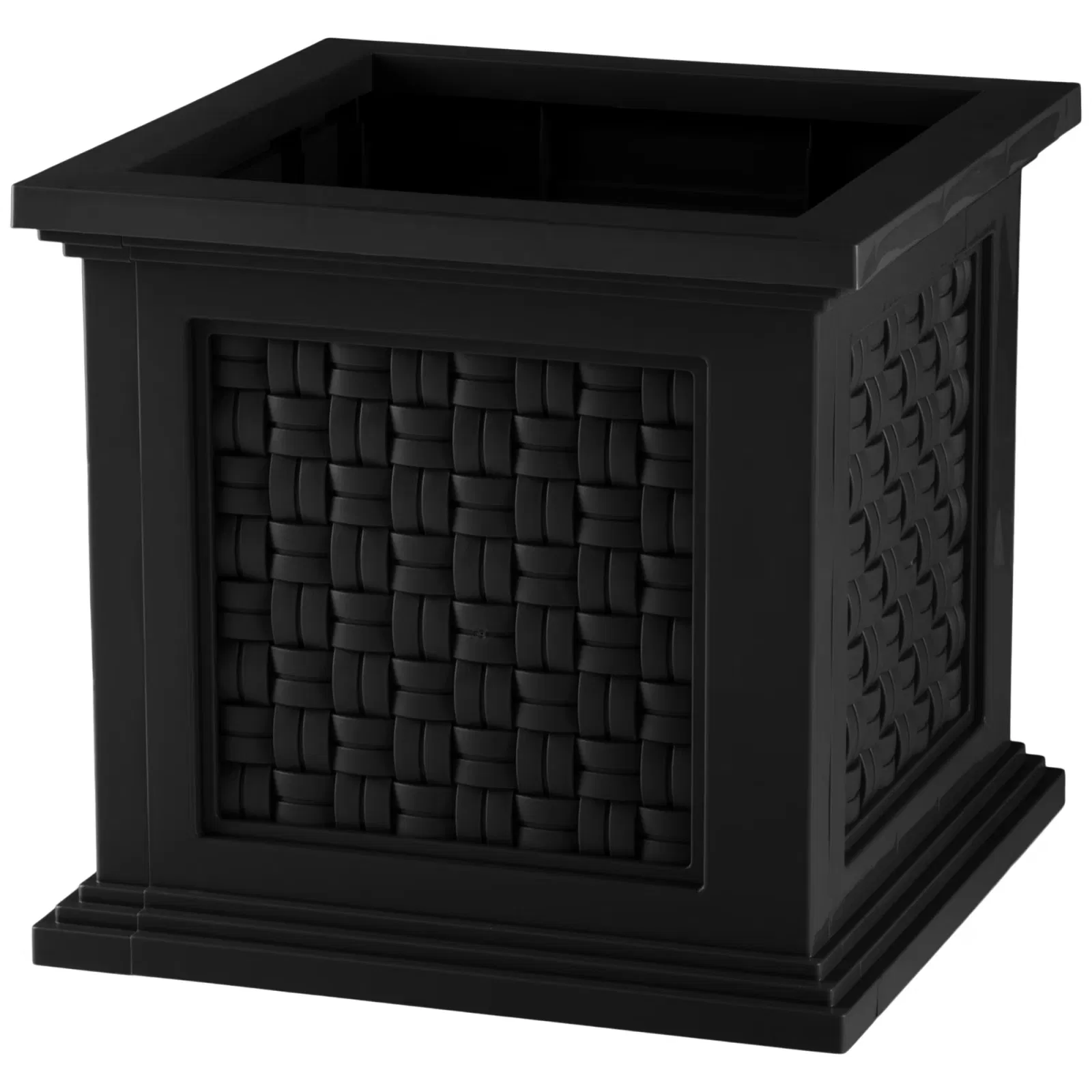 Outdoor Rattan Style Planter Box - 14.65-Inch Plant Pot, Black$87.99View on Mallflare
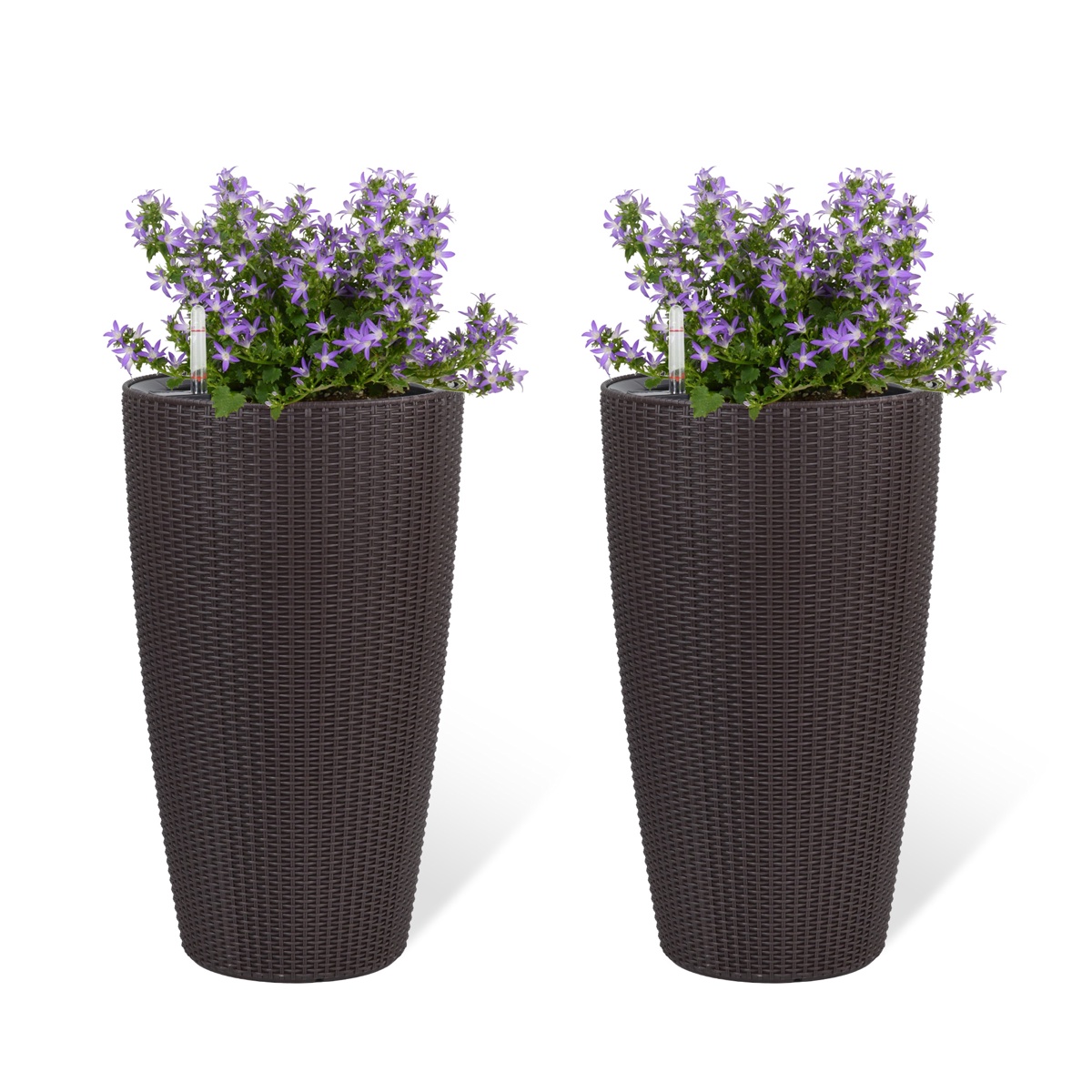 Set Of 2 Faux Rattan Tall Planters Outdoor Indoor Large With Water Level Monitor Inner Bucket, Automatic Watering, Flower Plant Pots For Garden, Patio, Porch, Brown, 22 Inch$112.99View on Mallflare
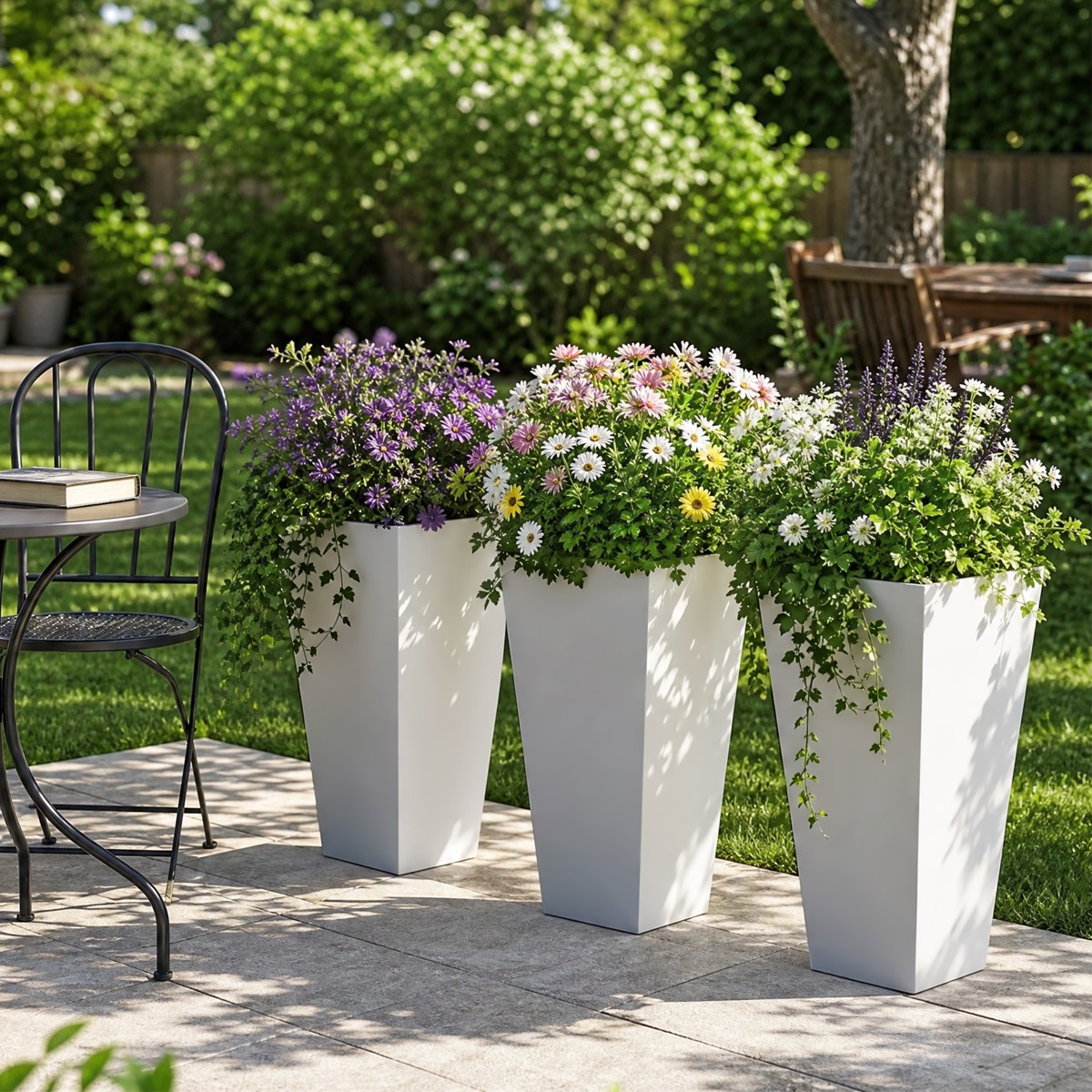 Tall Planters for Outdoor Plants Set of 3, 28 In Taper with Drainage Holes, Indoor Large Plant Pots, White$122.99View on Mallflare
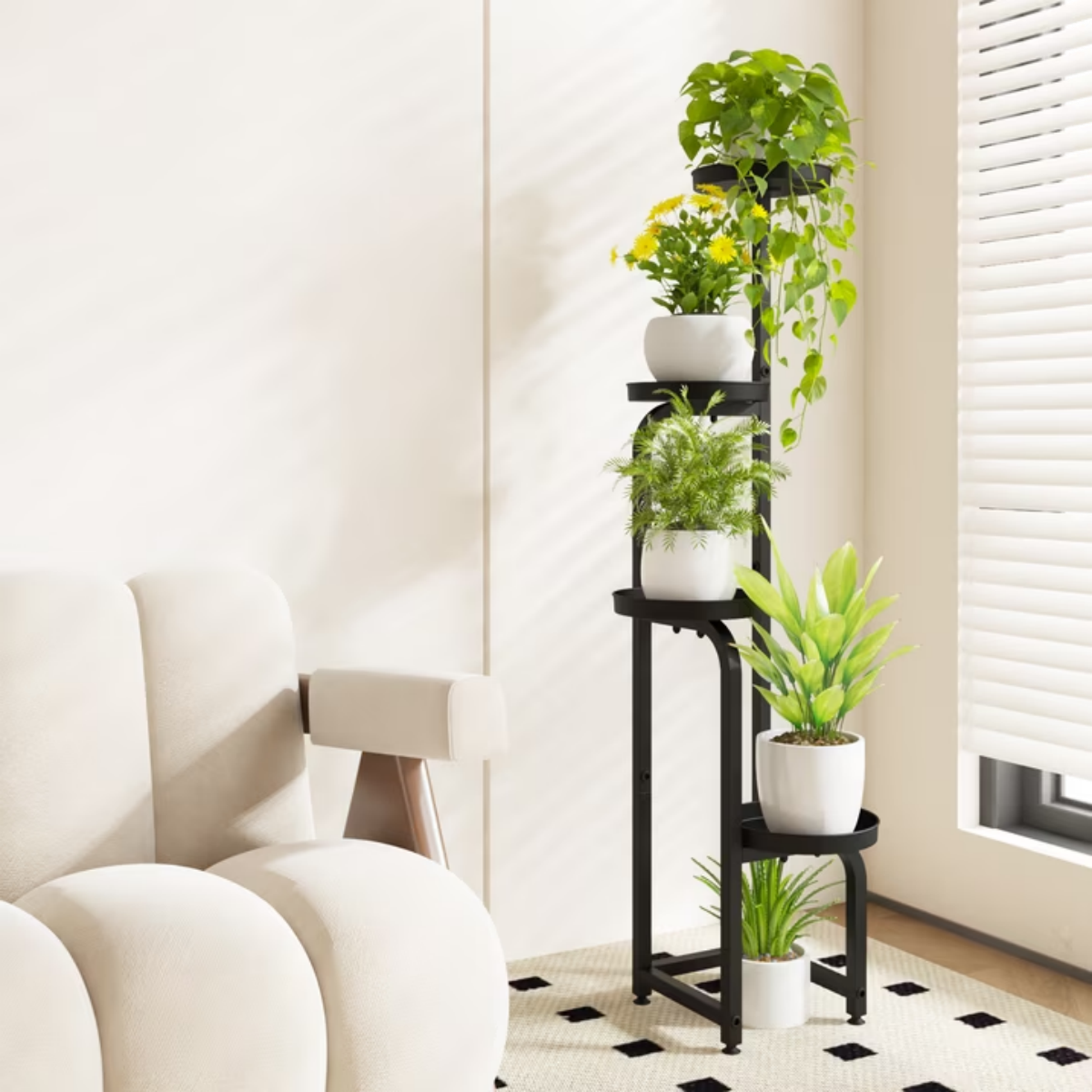 Tall Plant Stand Indoor Outdoor, Corner Metal Flower Pot Stands for Multiple Plants, 4 Tier Heavy Duty Shelf for Patio Garden Balcony Living Room Bedroom$122.99View on Mallflare
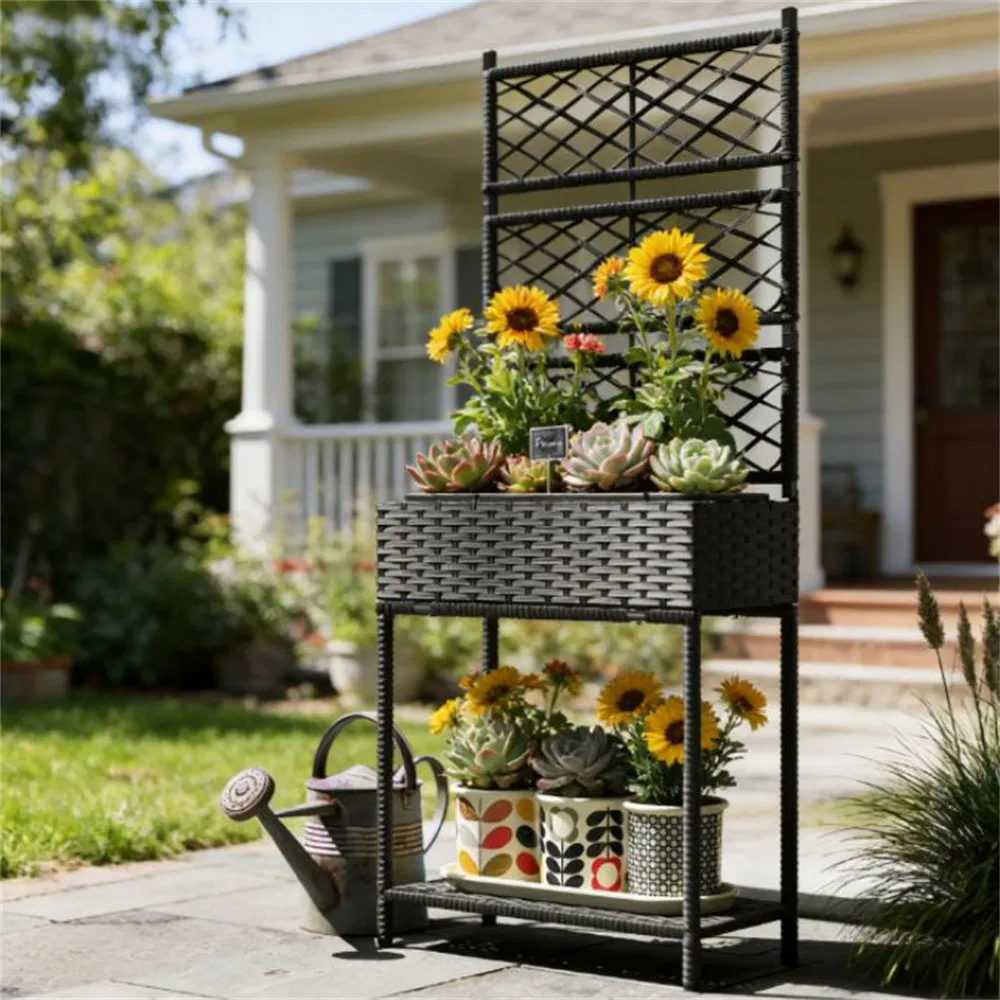 Outdoor flower pot, plant rack, garden box, planting box, bed, black$140.99View on Mallflare
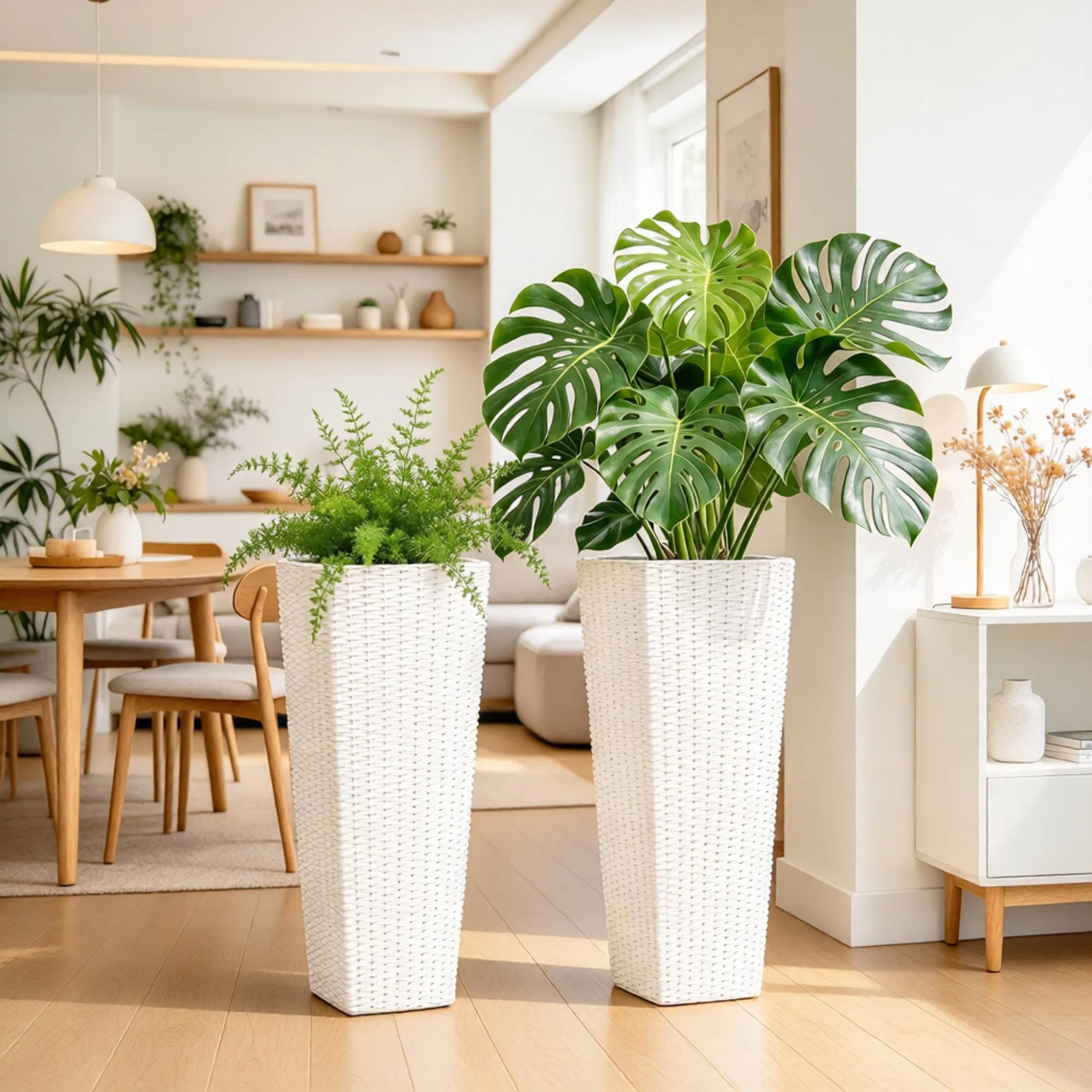 Set of 2 Tall Planters 32 Inch, Plastic Flower Pots for Outdoor Plants with Drainage Holes, White$144.99View on Mallflare
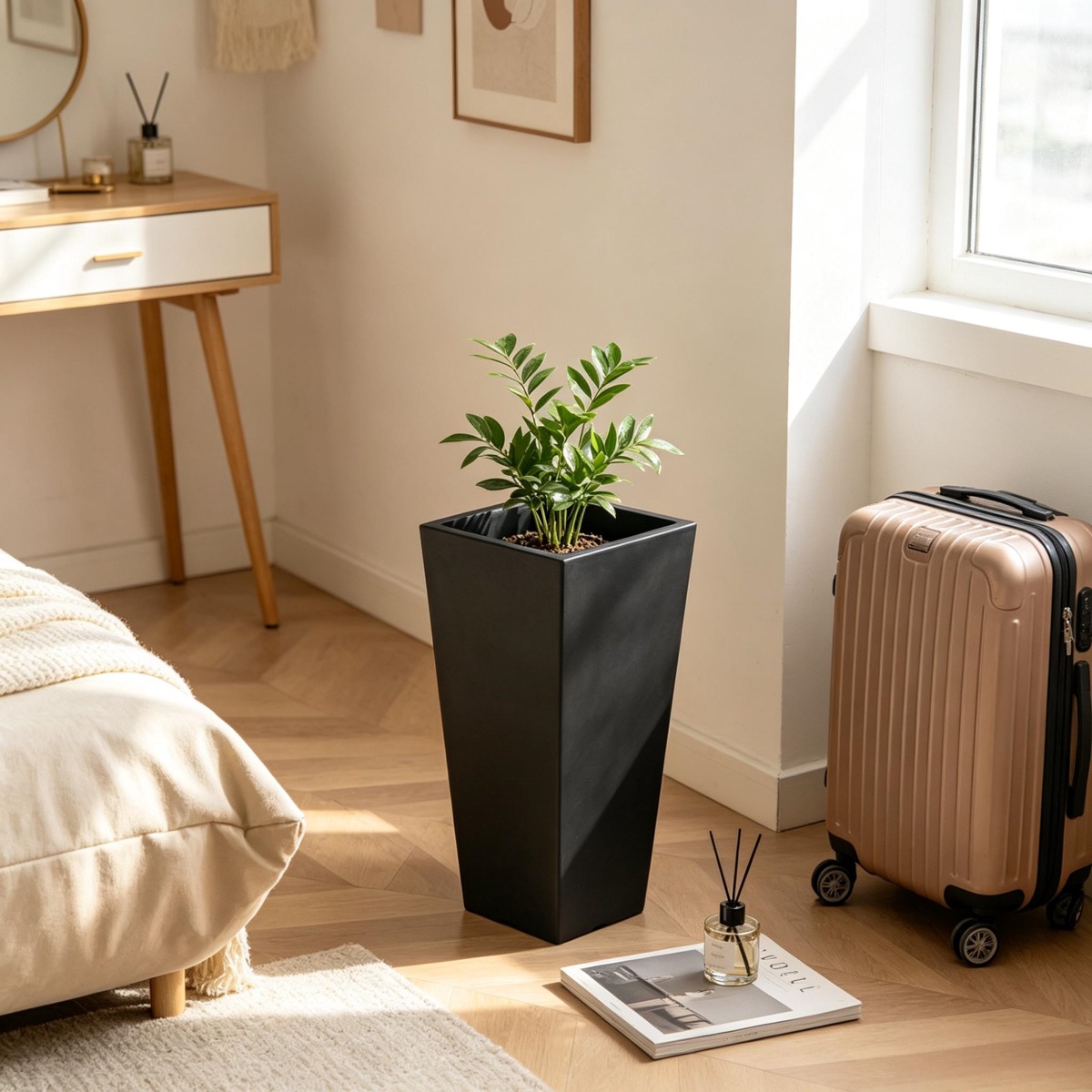 2-Pack 22" Tall Tapered Square Planters, Black Modern Plant Pots with Built-in Drainage, for Outdoor & Indoor Plants, Trees & Flowers$159.99View on Mallflare
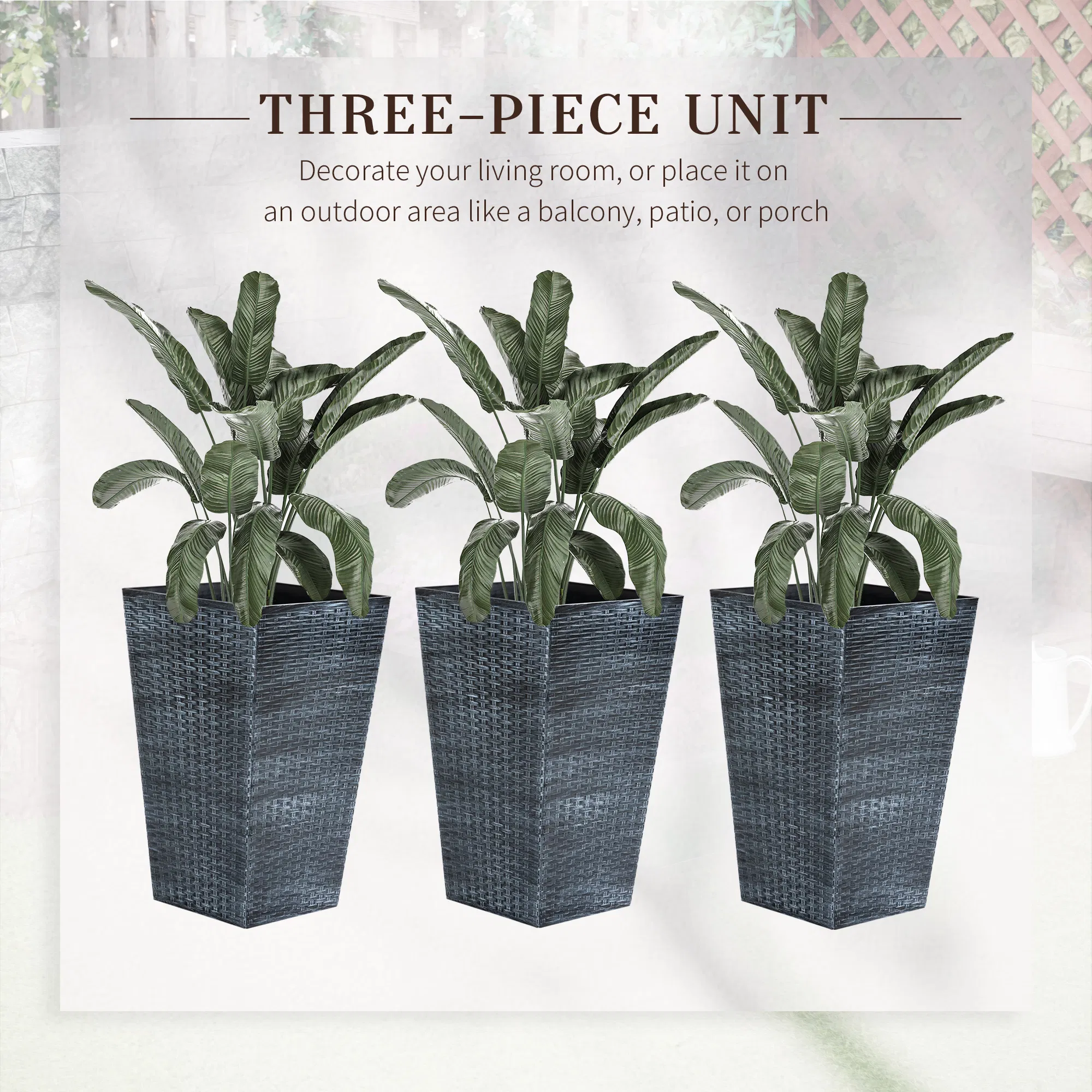 Set of 3 Tall Planters with Drainage Hole, 24" Outdoor Flower Plant Pots, Indoor for Porch, Front Door, Entryway, Patio and Deck, Gray$176.99View on Mallflare
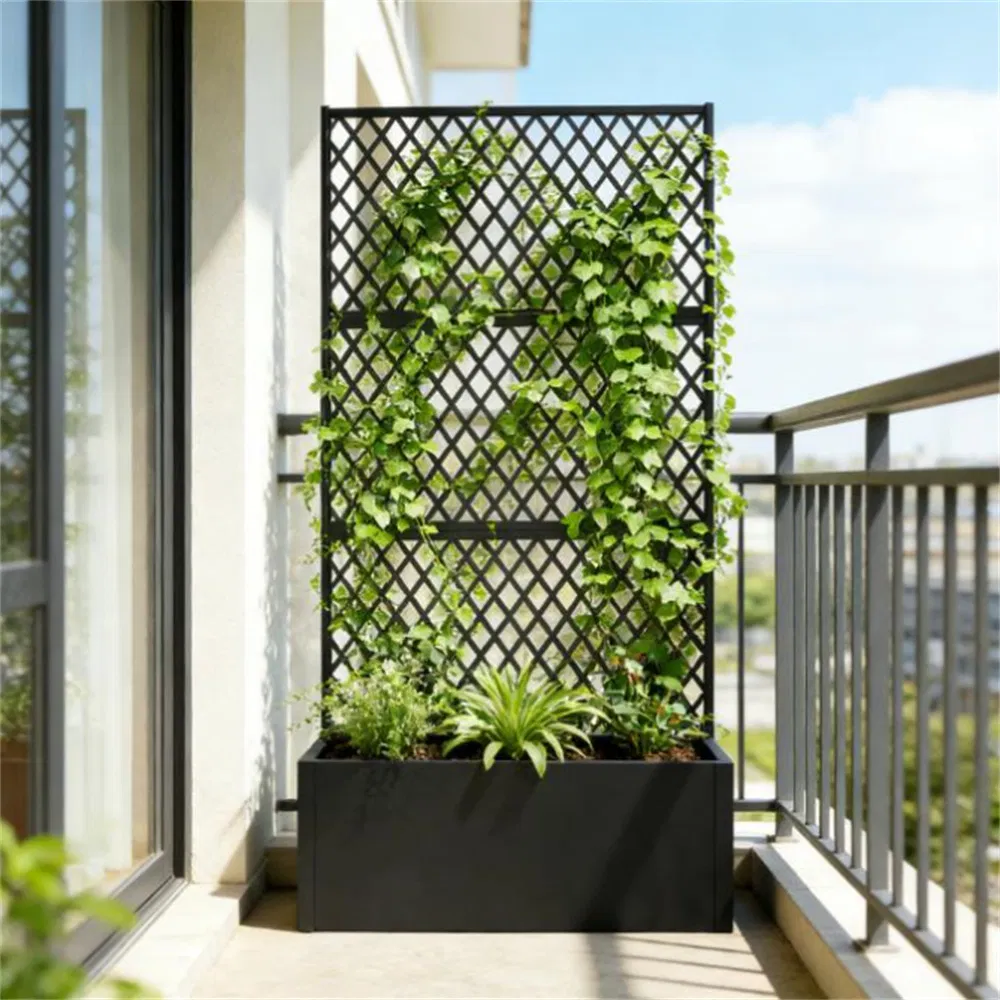 Flower racks, pots, plant garden elevated beds$193.99View on Mallflare
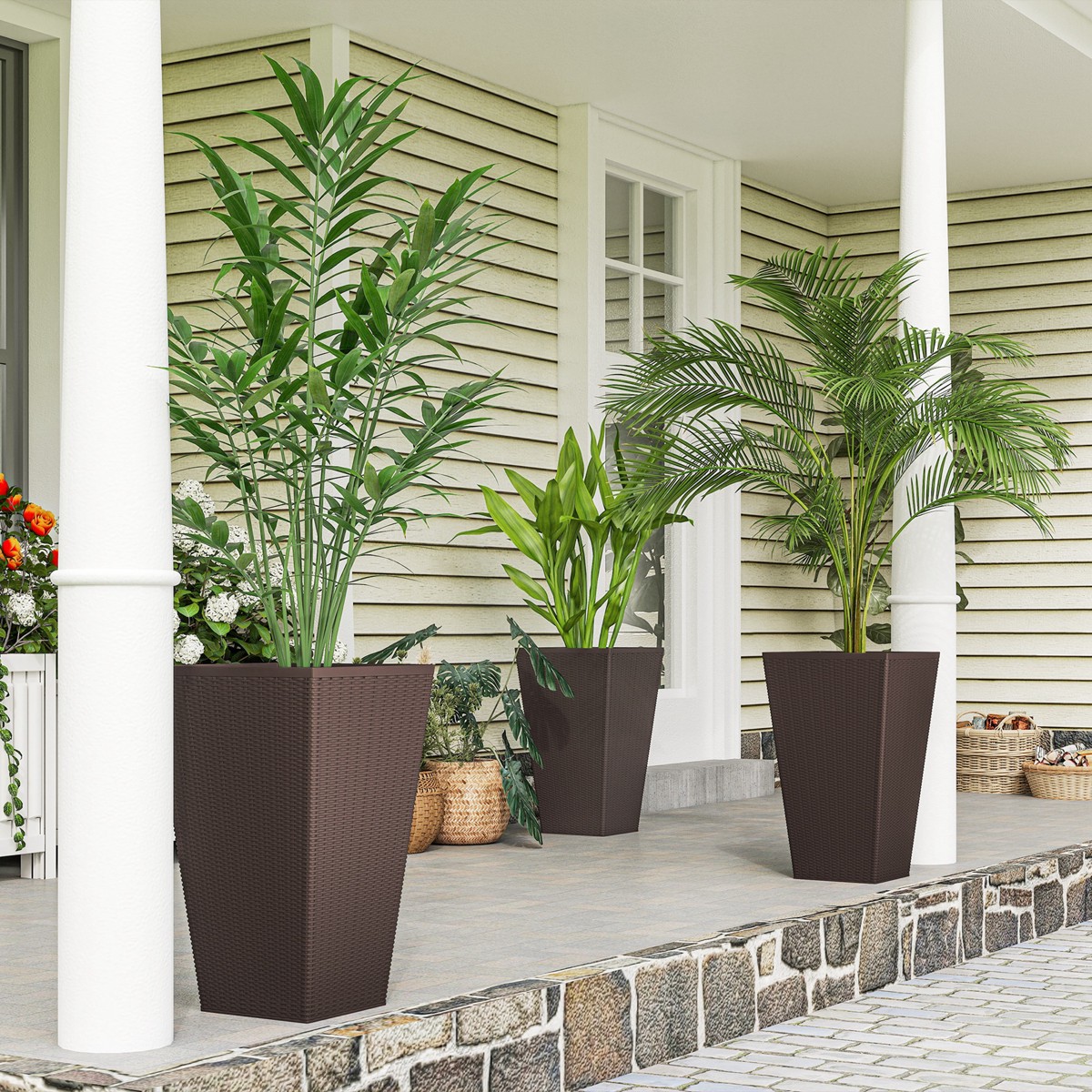 Set of 3 Tall Planters with Drainage Hole, 24" Outdoor Flower Plant Pots, Indoor for Porch, Front Door, Entryway, Patio and Deck, Brown$198.99View on Mallflare
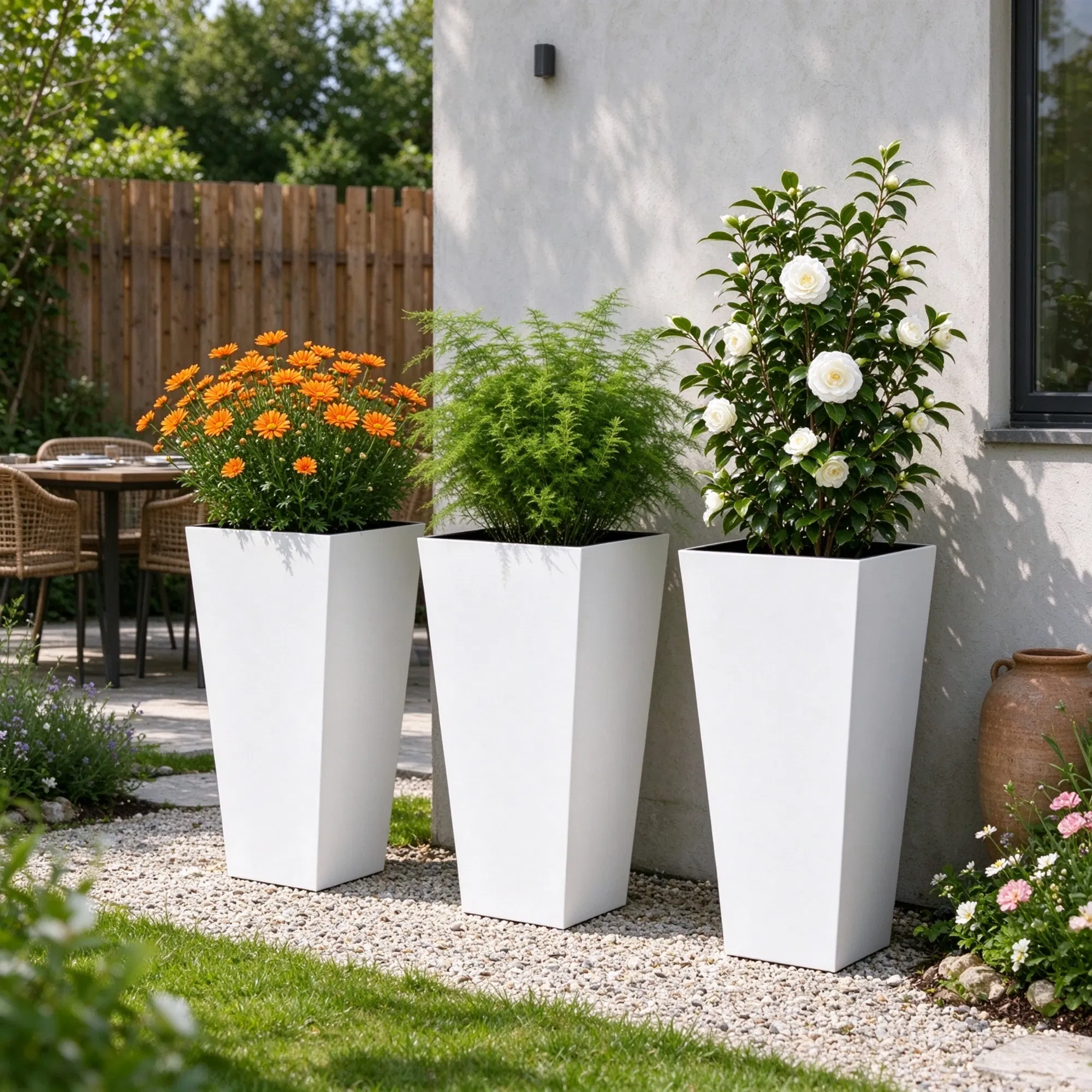 White Tall Planters for Outdoor Plants, Set of 3, 28 Inch Taper with Drainage Holes, Large Indoor Plant Pots$203.99View on Mallflare
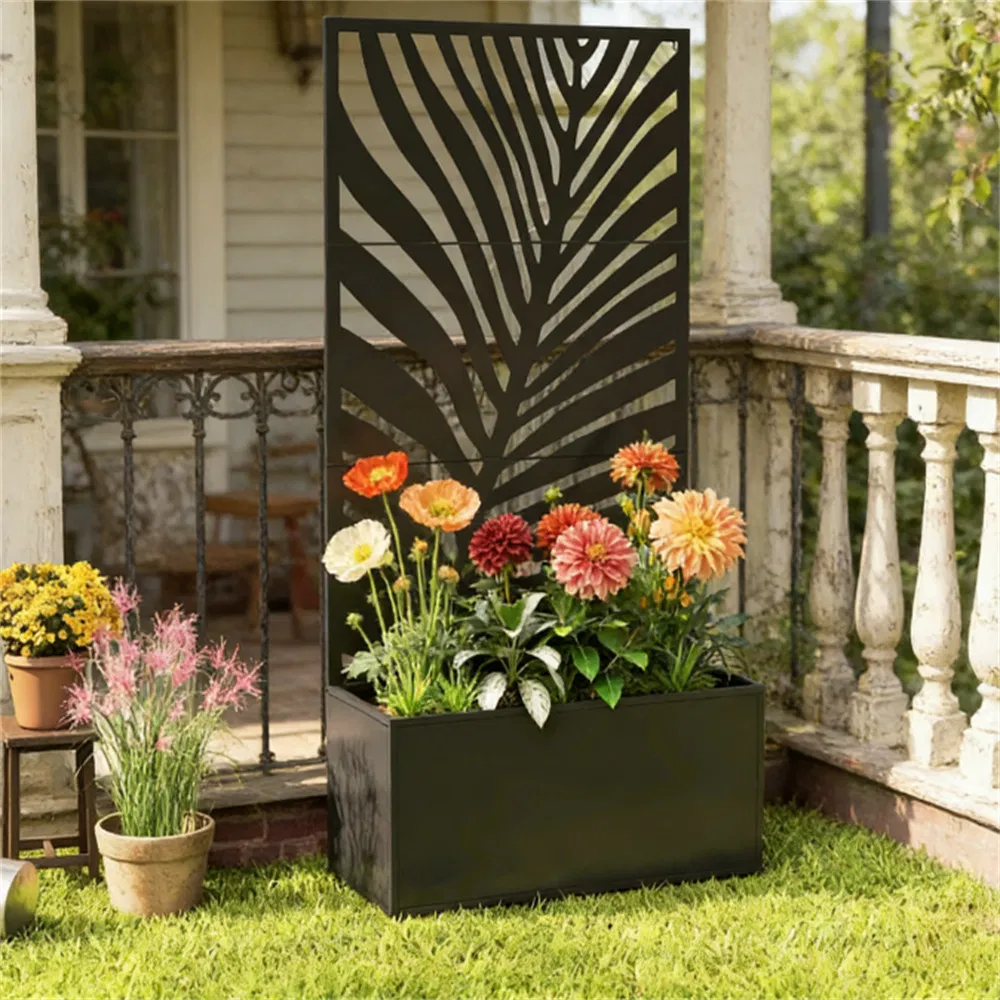 Metal flower pots, elevated garden beds, plant racks$215.99View on Mallflare
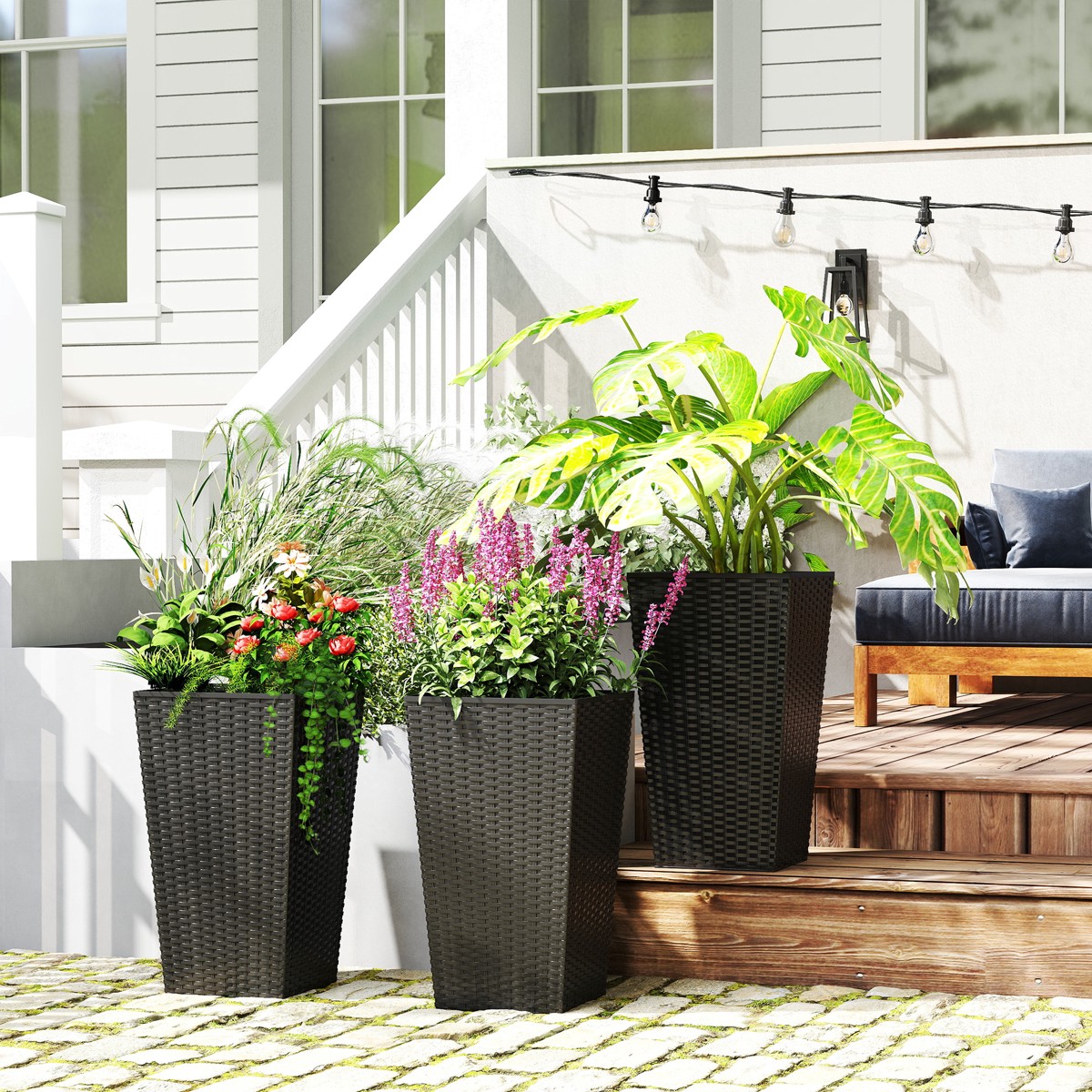 Tall Planters for Outdoor Plants Set of 3, 24 In Taper with Drainage Holes, Rattan Decor Plant Pots for Indoor Front Porch Patio Backyard, Black$225.99View on Mallflare
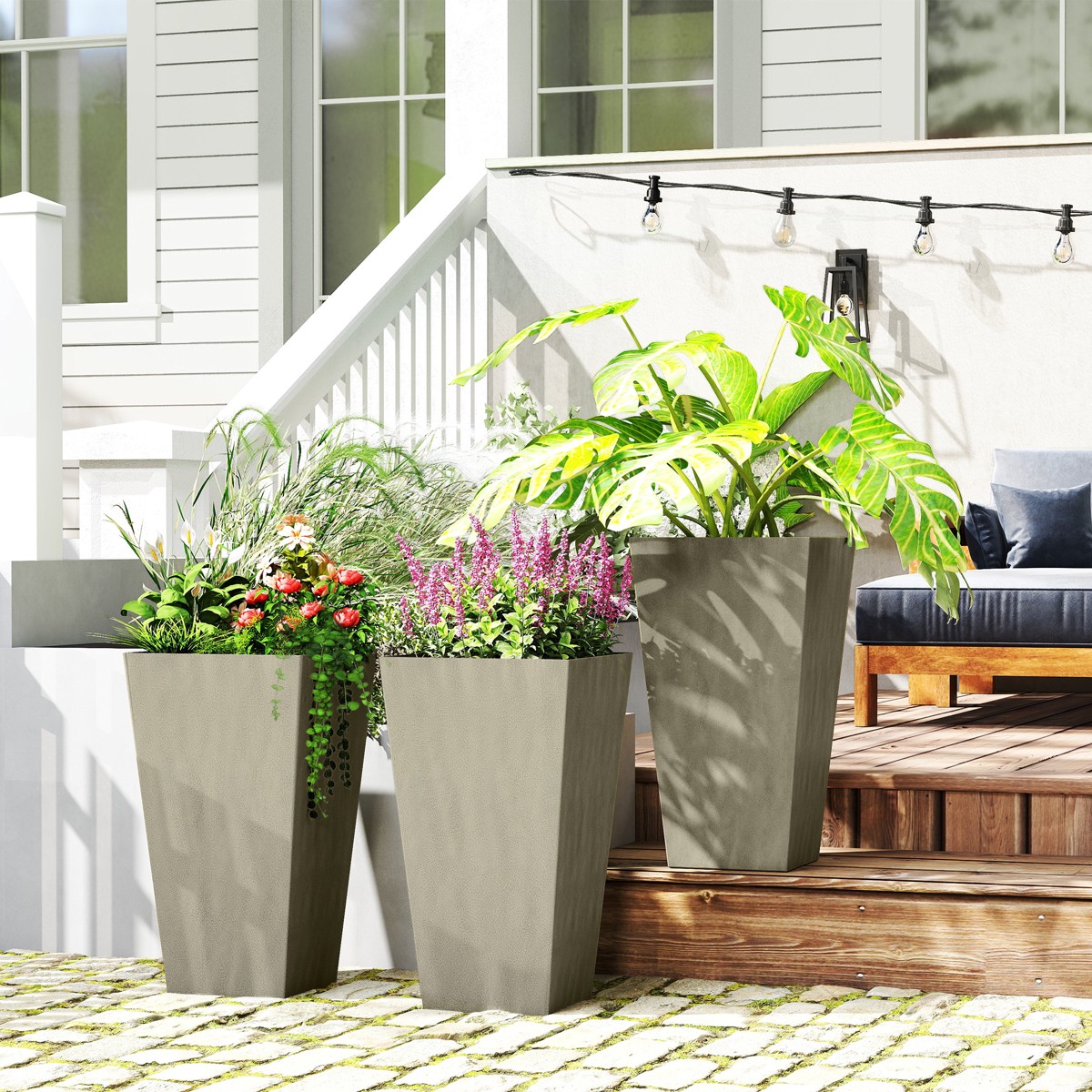 Tall Planters for Outdoor Plants Set of 3, 28 In Taper with Drainage Holes, Indoor Grande Plant Pots, Front Porch Decor, Grey$229.99View on Mallflare
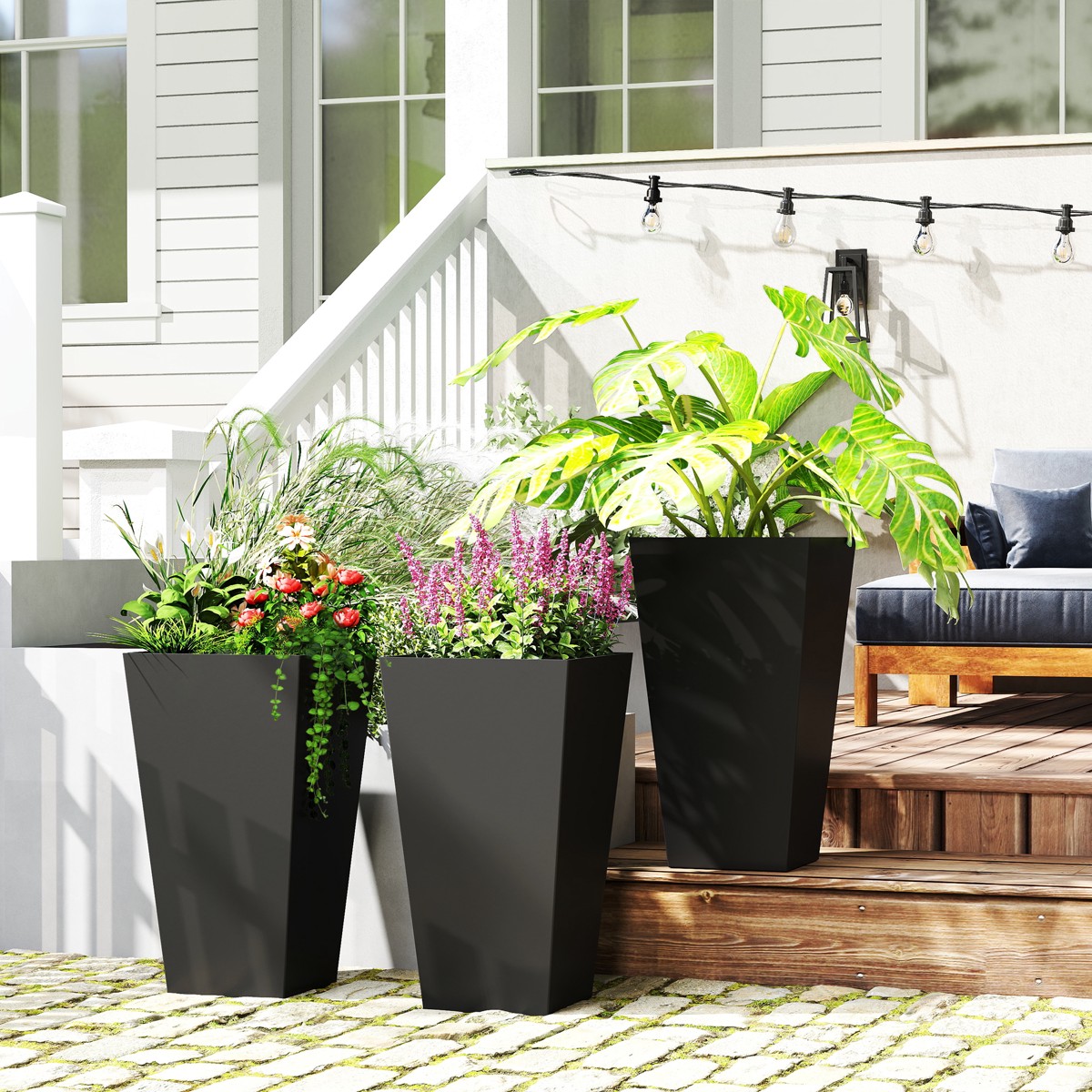 Tall Planters for Outdoor Plants Set of 3, 28 In Taper with Drainage Holes, Indoor Grande Plant Pots, Front Porch Decor, Black$295.99View on Mallflare
Highlights
- Saucer diameter should match or exceed the pot's top diameter; a saucer narrower than the base will overflow and fail to protect floors.
- Unglazed ceramic and terracotta are porous and wick moisture from soil, reducing overwatering risk but requiring more frequent watering than glazed or plastic pots.
- Fabric grow bags and fabric pots air-prune roots and drain freely but dry out fast; they are not paired with saucers and suit outdoor vegetable growing, not indoor decor.
- Self-watering pots with a reservoir and a separate saucer-style base use capillary wicks to deliver consistent moisture; they require a drain hole in the inner pot and a water-level indicator to prevent waterlogging.
Best use cases
- Best fit: indoor houseplants on wood or carpet—choose a glazed ceramic or plastic pot with a matched saucer and a drain hole; skip unglazed terracotta on porous surfaces unless sealed.
- Best fit: outdoor patio or porch—choose frost-resistant stone or thick plastic pots with wide saucers and drainage holes; skip fabric grow bags if you want a saucer-based water reservoir, as they drain directly.
- Best fit: succulents and cacti—choose a small porous ceramic or terracotta pot with a snug saucer and fast-draining gritty mix; skip self-watering reservoirs, which keep soil too moist.
- Wrong fit: hanging baskets or wall-mounted pots—these need integrated drip trays or mounting hardware, not a separate floor saucer; choose a pot with a built-in water reservoir or attach a removable tray.
Buying tips
- Measure the pot's top outer diameter and base diameter before buying a saucer; the saucer's inner diameter should be within 0.5–1 inch of the pot's base diameter for a stable, non-overflowing fit.
- For indoor use, pick a saucer with a raised rim of at least 0.5 inch to hold a water buffer; for outdoor use, drill or choose a saucer with a drain hole to prevent mosquito breeding and overflow.
- Match material to climate: glazed ceramic and plastic resist frost and UV; unglazed terracotta cracks in freeze-thaw cycles and should be brought indoors in winter.
- Check the pot's drainage hole count and size: one 0.5-inch hole suits small pots, while large planters need at least three 0.5–0.75-inch holes or a raised inner platform to prevent soggy bottoms.
Specs
| Material | Plastic / Ceramic / Stone / Fabric |
|---|---|
| Saucer Fit | Inner dia. = pot base ± 1 in |
| Drainage | 1–3 holes, 0.5–0.75 in |
| Self-Watering | Reservoir + wick + level indicator |
Related searches
What to check before buying
- Measure the pot's top and base diameter and the saucer's inner diameter; confirm the saucer is not smaller than the base and not so large it overhangs a shelf edge.
- Confirm the pot has at least one drainage hole; if it is a cachepot without holes, use a nursery pot inside and empty the saucer after watering.
- For outdoor placement, verify the pot and saucer are frost-resistant and UV-stable; unglazed terracotta and thin plastic degrade in freeze-thaw cycles.
- For self-watering pots, check that the reservoir capacity matches your plant's water use—small succulents need a small reservoir, while ferns and tropicals need a larger one refilled weekly.
FAQ
Data sources: eBay / Amazon listings and product attribute feeds. Updated Nov 28, 2026.
Some links on this page are affiliate links. If you buy after clicking one, we may earn a commission at no extra cost to you. This does not change which products appear here or their order. Affiliate disclosure.