GardenPulse Guide

GardenPulse Guide

Garden, Yard & Outdoor Living Reviews & Buying Guides

Compare garden, yard & outdoor living by use case, features, trade-offs, price, returns, and seller terms before you buy.

Buying guides

Buying guide image
Greenhouse & Hydroponics

Indoor Hydroponic Kit

Indoor hydroponic kits are self-contained growing systems that replace soil with a nutrient solution circulated through net pots, and the decisive trade-off is between active pumped systems (DWC, NFT, aeroponic) that need power and upkeep versus passive systems (Kratky, wick) that need near-zero hardware. Buy an active kit only if you will maintain pumps and reservoirs on a weekly cycle; choose passive or modular pipe systems if you want low-maintenance, scalable growing without electrical dependency.
Buying guide image
Garden Tools

Garden Support Stake

Garden support stakes are rigid or semi-rigid rods driven into soil to hold plants, netting, or row covers upright and stable. The core trade-off is between steel or metal stakes that resist bending and rot versus bamboo or plastic stakes that are cheaper but degrade in UV and wet soil. The decision rule is simple: buy metal stakes with a coated or galvanized finish for any support that must last multiple seasons, and accept bamboo or plastic only for single-season or lightweight crops.

Buying guide image
Patio Furniture

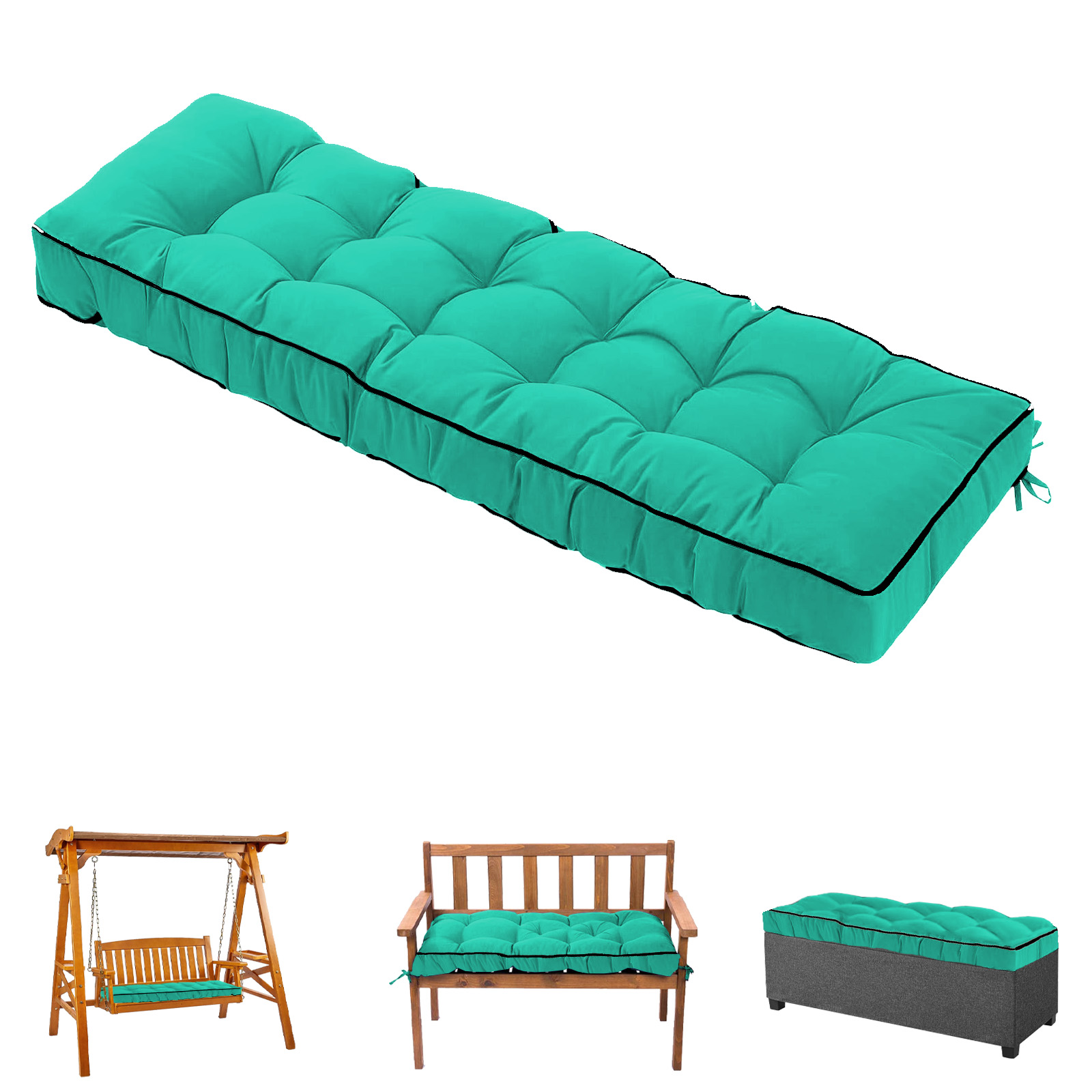
Bench Cushion

A bench cushion is one of the few patio purchases where fit and foam density decide whether you get years of comfort or a soggy, sliding pad. Most buyers err by ordering a pad that's slightly too long for the frame or too thin for the seat depth, so the cushion buckles at the corners and mildews within a season. Getting the tape measure, fabric grade, and tie-down system right before ordering matters far more than color or pattern.

Buying guide image
Patio Furniture

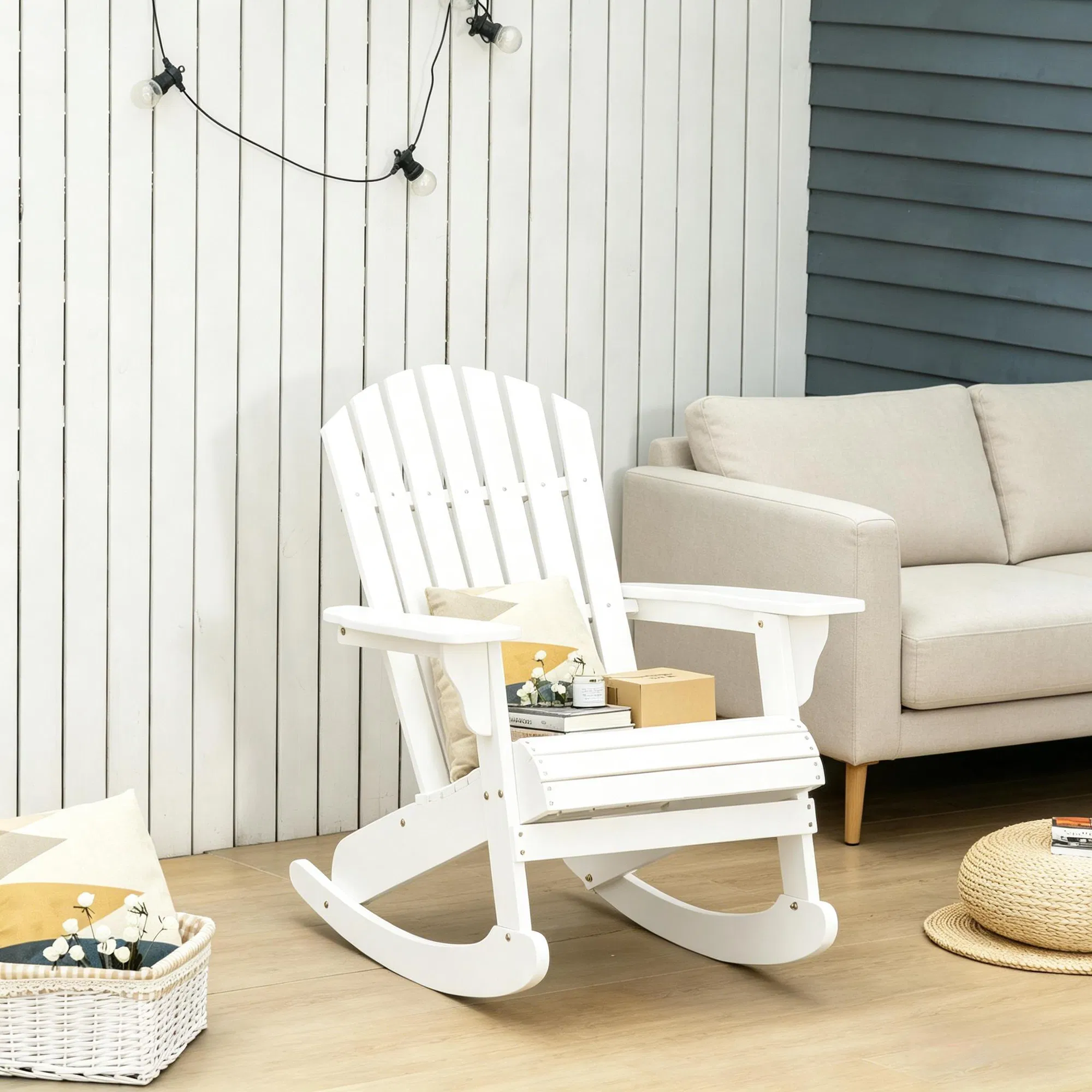
Fire Pit And Chair Set

A fire pit and chair set is only as good as its two independent halves: the pit's burn architecture and the chairs' weather resistance and seat geometry. Buyers routinely mismatch heat output to seating radius or pick chairs that look good but lack the slat drainage and UV-stable resin needed for year-round patio exposure. Start with fuel type and chair frame material, then size the arrangement to your actual hardscape footprint.

Buying guide image
Greenhouse & Hydroponics

Home Hydroponic Kit

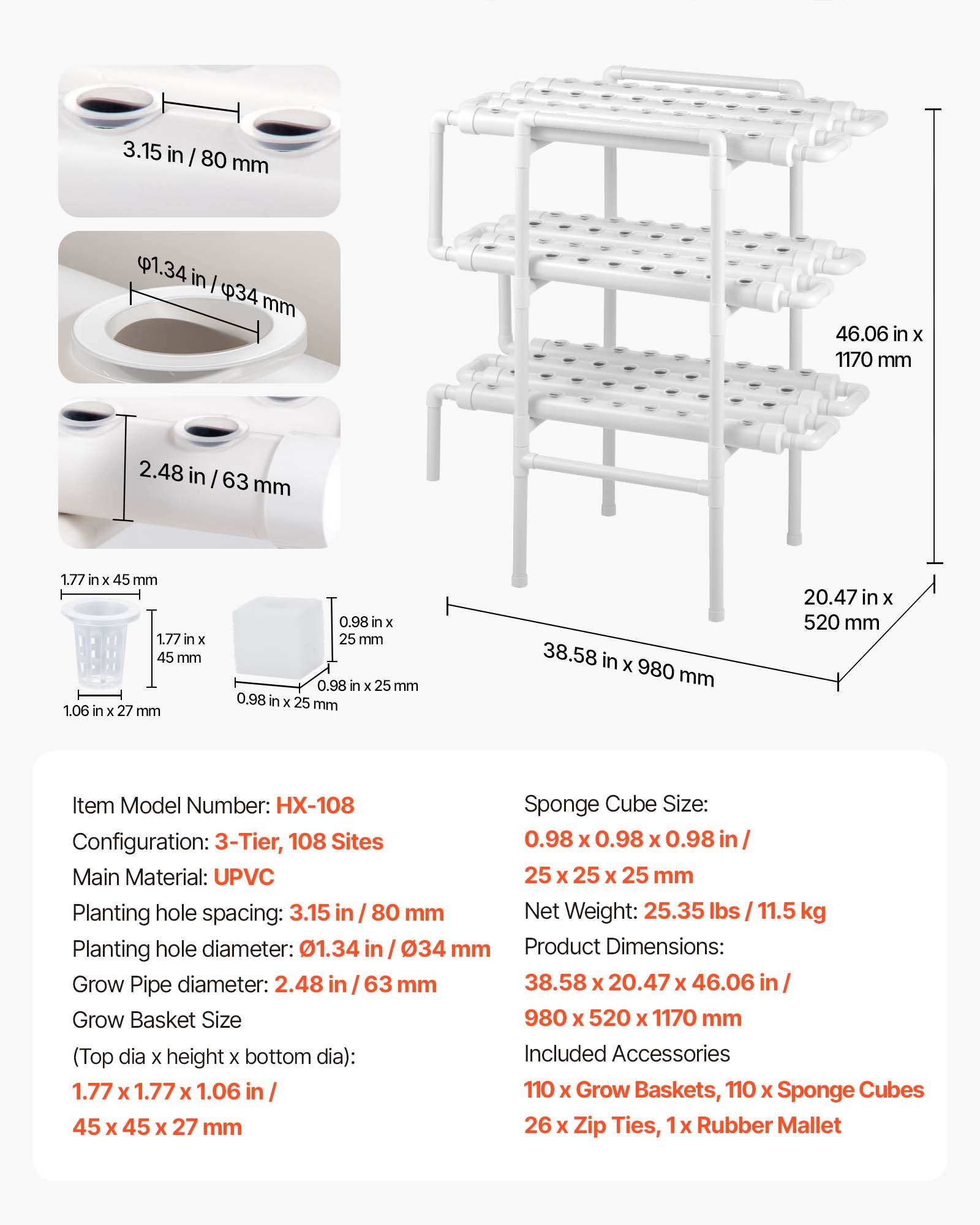
A home hydroponic kit is a self-contained growing system that replaces soil with a water-and-nutrient reservoir, a pump for circulation or irrigation, and a site-holding structure such as net pots or pipe channels. The core trade-off is site density versus light access and root-zone volume: high-count PVC pipe tiers maximize planting sites per square foot but demand strong dedicated grow lighting, while low-count bucket or tray systems give each plant more root space and simpler maintenance. Choose a pipe-rail kit only if you will run high-output full-spectrum lighting and can reach every tier for cleaning; choose a bucket, tray, or tower kit if you want fewer plants with deeper root zones and easier reservoir checks.

Buying guide image
Greenhouse & Hydroponics

Hydroponic Home Kit

A hydroponic home kit is a complete grow system that pairs a water reservoir, pump, and planting sites with either a circulation-only layout or integrated lighting, letting you grow herbs and greens without soil. The primary trade-off is site count and pipe diameter versus pump head pressure and light output: larger multi-tier NFT kits demand stronger pumps and more light, while compact single-tier units cap yield. Choose a kit whose reservoir volume, pump flow, and light coverage are matched to its site count; mismatched kits starve upper tiers and underperform.

Buying guide image
Chicken Fencing & Egg Handling

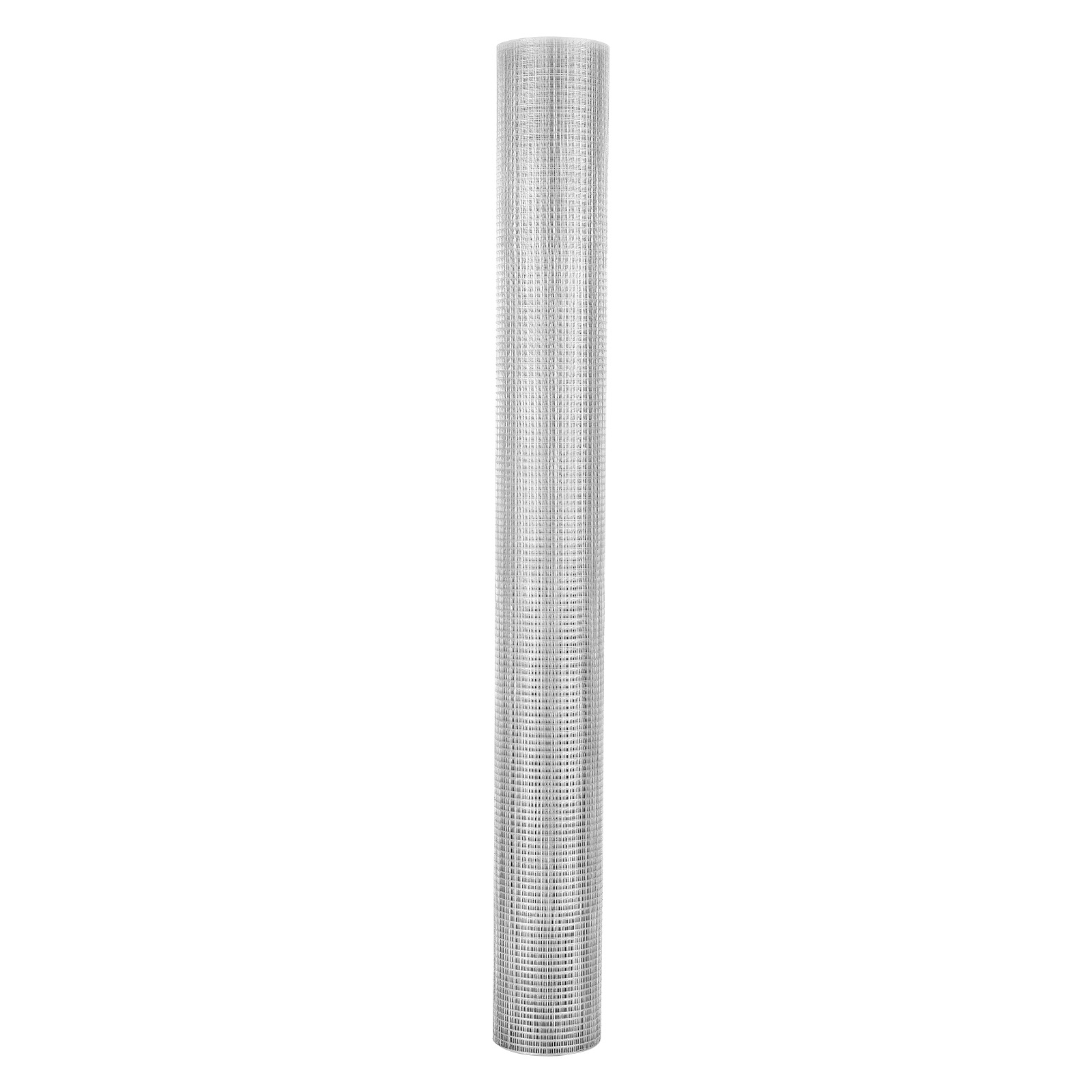
Mesh Chicken Wire

Mesh chicken wire spans two distinct products: true hexagonal woven netting and rigid welded hardware cloth, and the choice between them decides whether a coop survives raccoons or merely contains hens. The core trade-off is aperture size versus wire gauge: tight mesh and heavy gauge stop predators, while wide, light mesh only excludes birds. Buy welded, hot-dip galvanized hardware cloth at 1/2-inch aperture and 19 gauge or heavier for any predator-facing barrier; treat thin woven hex netting as a temporary above-ground divider only.

Buying guide image
Residential Outdoor Power Equipment

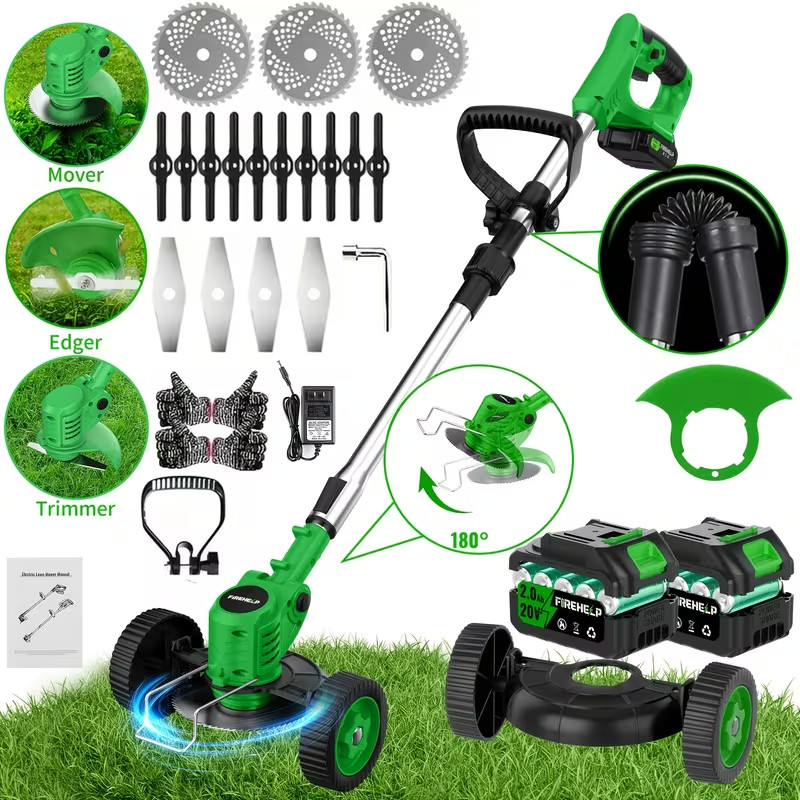
Battery Mower

Battery mowers span true walk-behind reel/rotary mowers and lightweight string trimmers marketed as mowers; the primary trade-off is battery platform voltage and cutting architecture versus deck width and build grade. Durable options use a branded 36-80V lithium platform with a metal deck and standard blade; compromises are 21-24V plastic-body trimmer kits that cannot cut a lawn.

Buying guide image
Outdoor Lighting & Decor

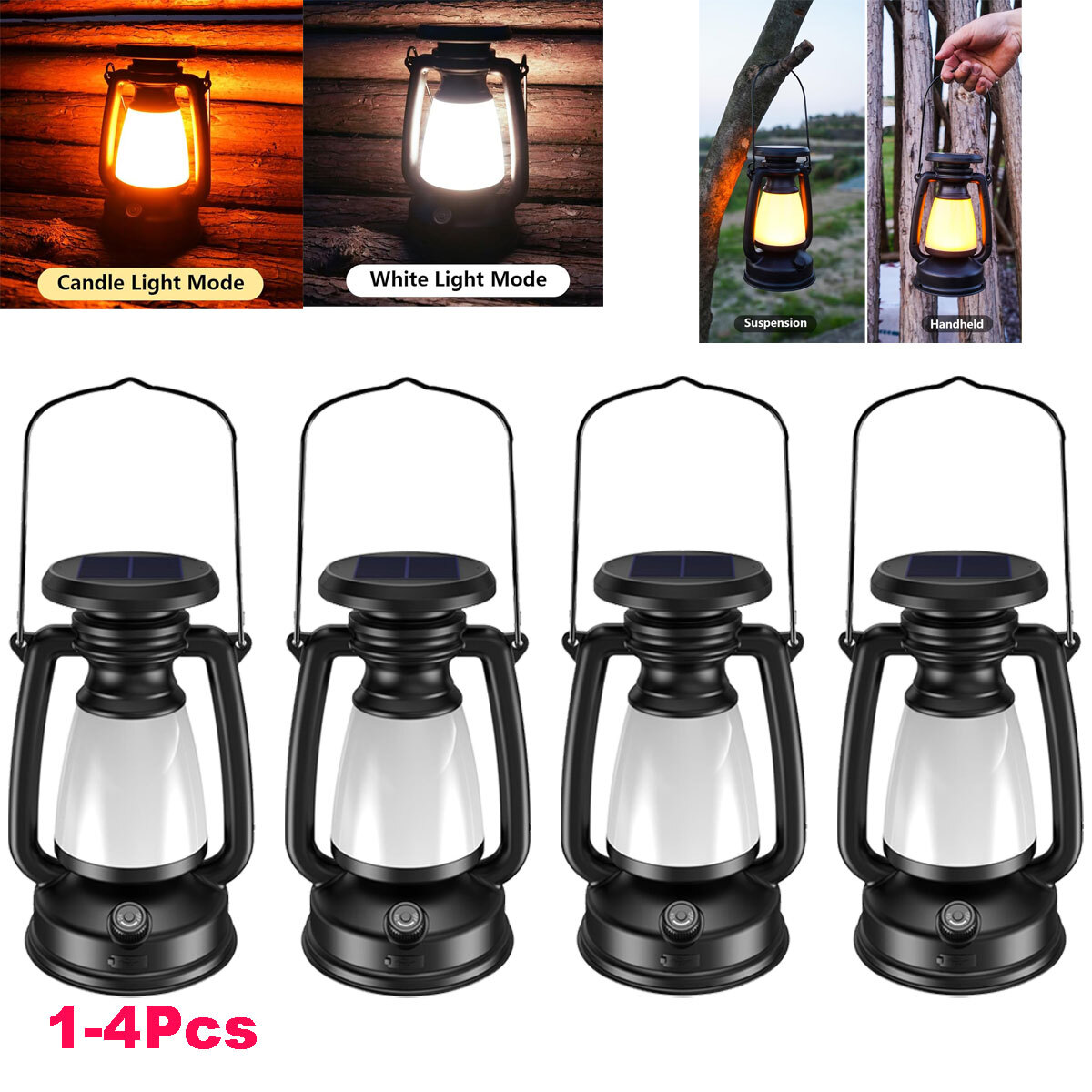
Outdoor Solar Hanging Lantern

An outdoor solar hanging lantern is a self-contained LED fixture combining a photovoltaic panel, rechargeable cell, and weather-sealed housing for fence, porch, or tree mounting without wiring. The core trade-off is battery capacity and ingress protection versus decorative housing quality: premium units pair monocrystalline panels and LiFePO4 cells with IP65 die-cast metal, while budget models use amorphous panels, NiMH cells, and thin plastic that yellow and crack within seasons. The decision rule is simple: buy for a replaceable battery and a declared IP rating first, then choose the housing aesthetic.

Buying guide image
Greenhouse & Hydroponics

Portable Grow Room

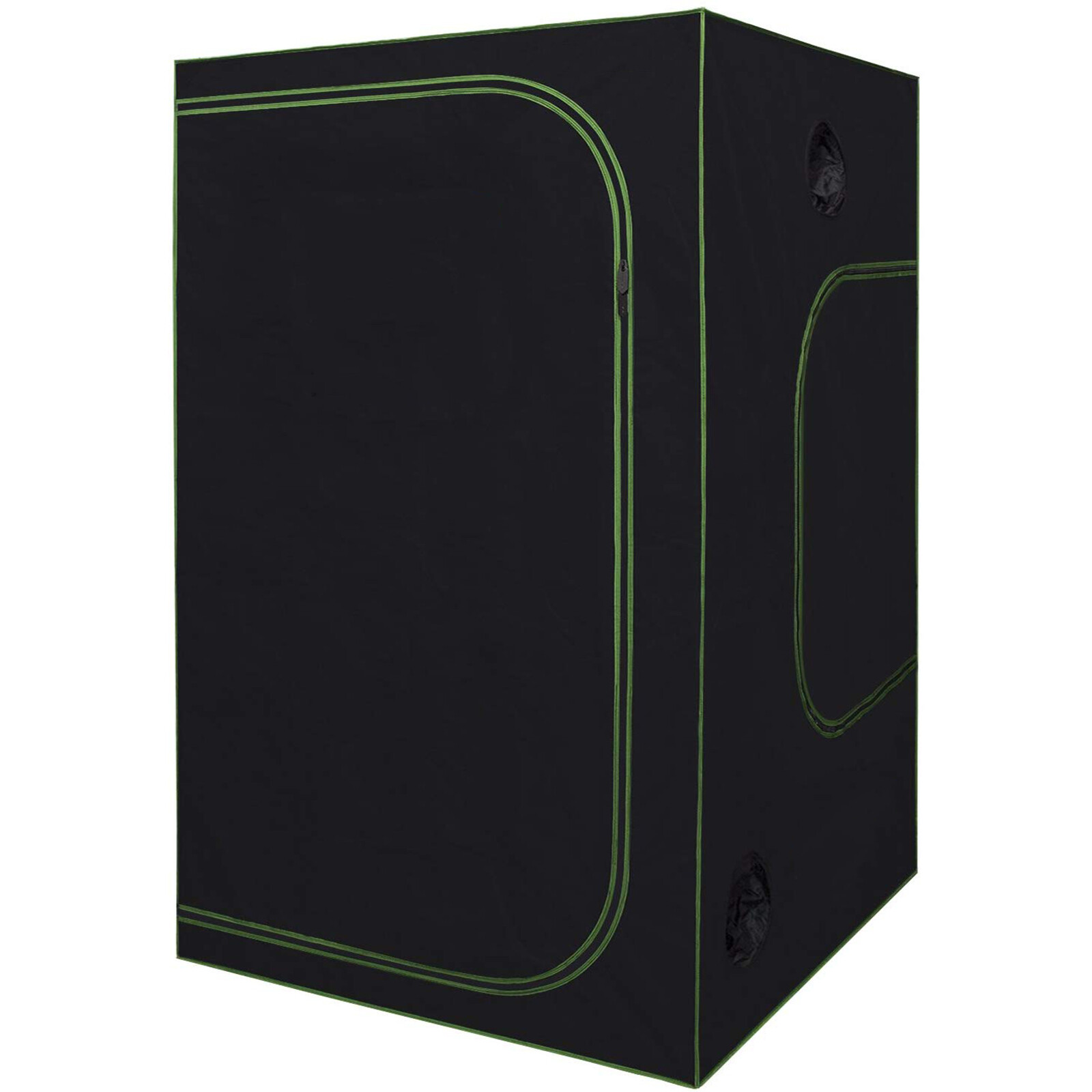
A portable grow room is a demountable, lightweight enclosure—typically a fabric tent or modular frame—that creates a controllable microclimate for plants indoors or in temporary spaces. The core trade-off is between light-proof, reflective fabric thickness and passive airflow versus cheap thin shells that trap heat and humidity. The decision rule: choose a 600D+ reflective tent on a steel or aluminum frame with dedicated intake/exhaust ports for any multi-cycle grow; accept a thin 210D pop-up only for short seedling or clone batches.

Buying guide image
Honey Extraction & Packaging

Honey Press

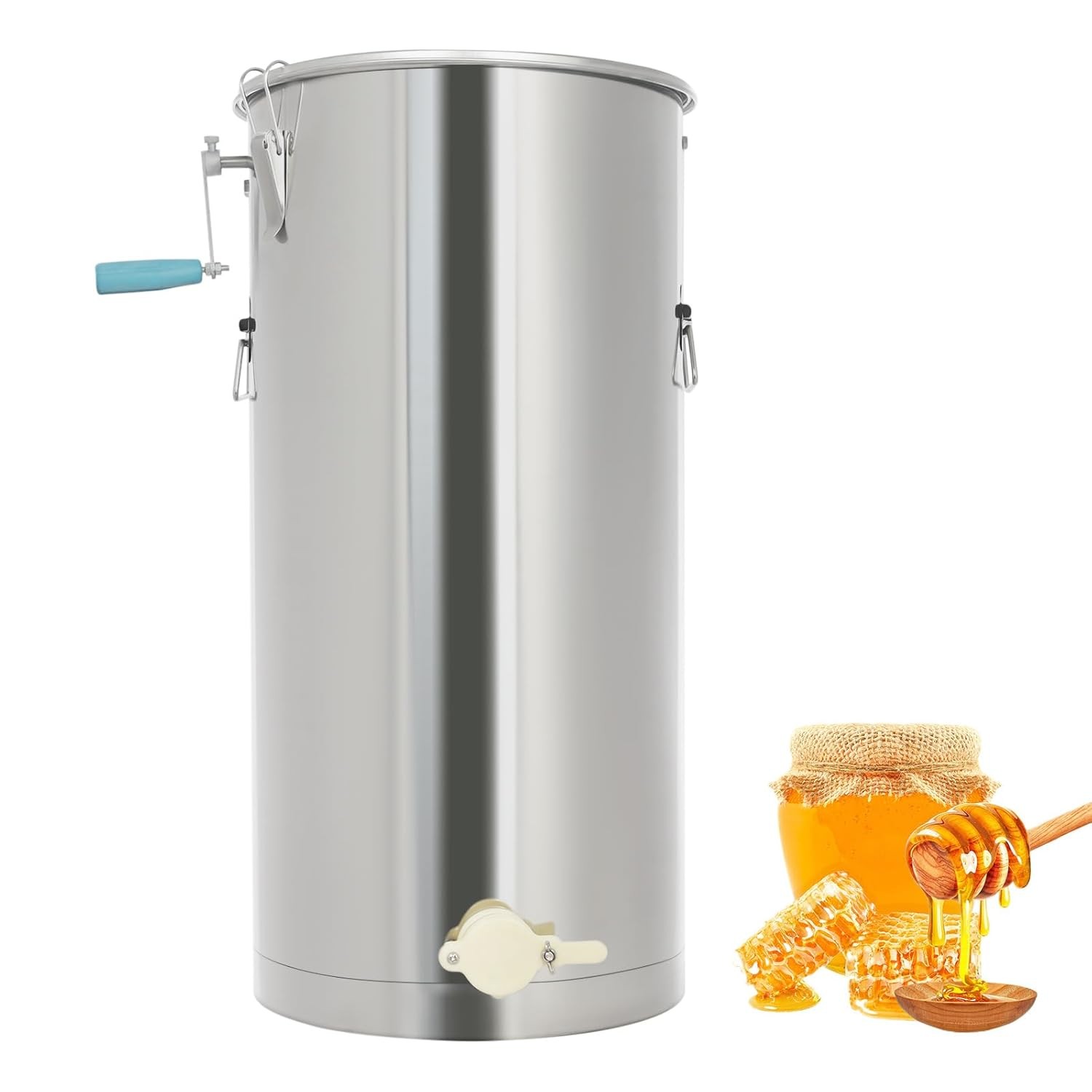
A honey press is a manual or motorized screw-press that separates liquid honey from crushed comb and cappings, distinct from a centrifugal extractor that spins intact frames. The core trade-off is throughput versus extraction yield: small two-frame basket presses are cheap but slow and leave more honey in the wax, while heavy-duty cage presses recover more honey per batch and handle cappings. Buy a press only if you crush comb or process cappings; buy an extractor if you spin uncapped frames.

Buying guide image
Chicken Fencing & Egg Handling

Electric Netting Fence Chicken

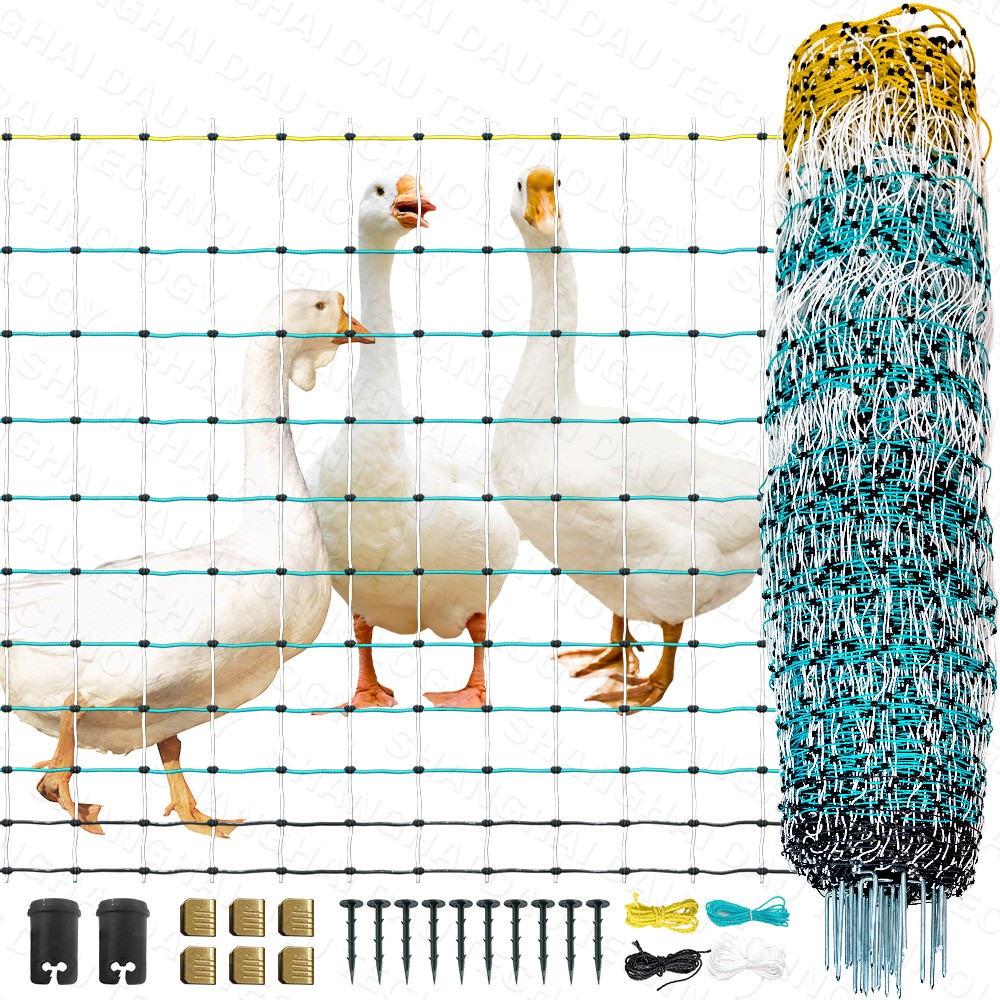
Electric netting fences for chickens are portable, pre-strung polyethylene mesh fences with conductive wires and built-in posts, powered by an energizer to deliver a psychological shock barrier against predators. The core trade-off is mesh height and strand count versus post spacing and kit completeness—taller nets with more conductive strands deter more predators but need stronger energizers and more careful grounding. The decision rule: buy a complete kit rated for poultry with at least 48-inch height, factory-attached posts, and a low-impedance energizer sized to total net length; skip bare netting or undersized energizers that cannot maintain voltage over wet grass.

Buying guide image
Chicken Fencing & Egg Handling

Roll Chicken Wire

Roll chicken wire spans two distinct product families: welded hardware cloth (rigid square/rectangular mesh for predator-proof coops) and woven hexagonal poultry netting (flexible, lighter-duty confinement). The core trade-off is wire gauge and mesh opening versus roll length and coating: heavier gauge and smaller openings stop predators but cost more and add weight, while thin woven netting only contains birds. Choose welded hardware cloth at 16-19 gauge for permanent coop barriers and hex netting only for temporary grazing or light containment.

Buying guide image
Pools & Spas

Inflation Hot Tub

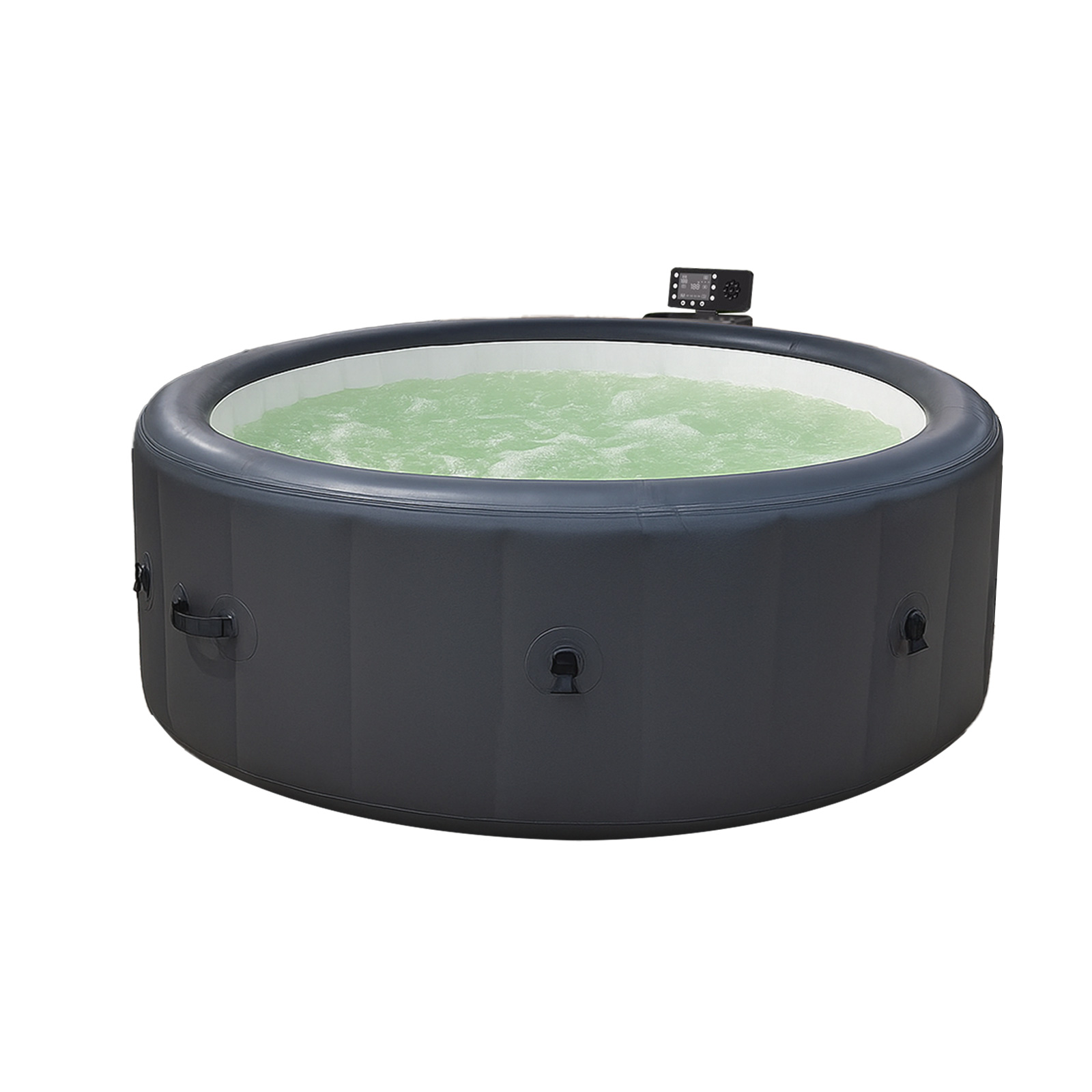
An inflation hot tub is a portable, plug-in spa with a PVC or TPU laminated wall, integrated bubble massage, and a 110–120V heater/filter unit; the core trade-off is wall thickness and chamber count versus heater wattage and pump duty cycle. Durable models use 3+ layers of PVC with vertical I-beam or tritech reinforcement and a 1,000W+ heater, while compromises use single-layer PVC and sub-800W heaters that cannot hold temperature. Buy a multi-layer, reinforced-chamber tub with a matched heater/filter cartridge if you want multi-season use; skip single-wall tubs if you expect nightly soaks below 40°F.

Buying guide image
Outdoor Lighting & Decor

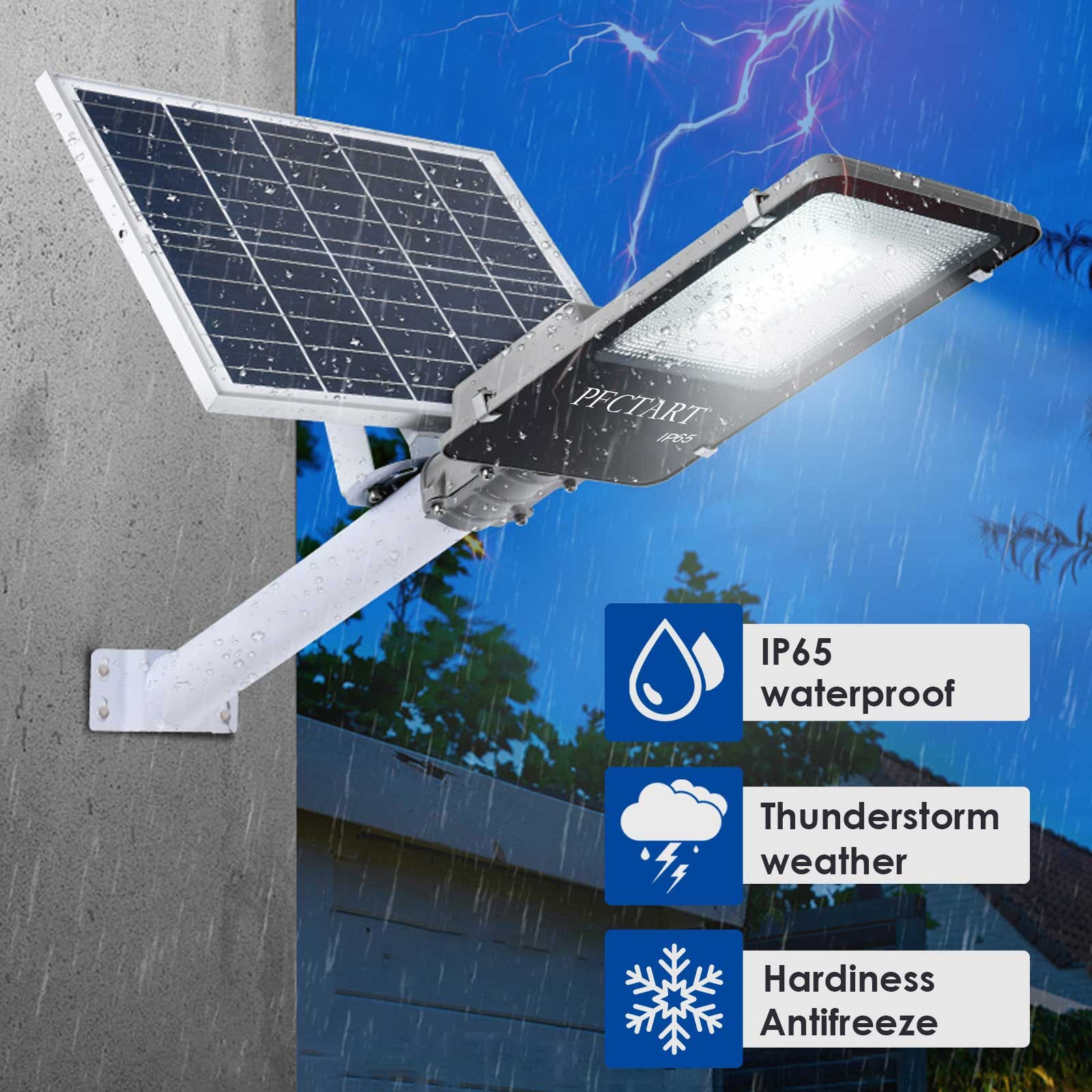
Outdoor Flood Light

Outdoor flood lights are high-output fixtures that cast a wide, directional beam for security, task lighting, or architectural highlighting. The core trade-off is between raw lumen output/beam control and long-term durability, which hinges on LED driver quality, IP sealing, and whether the fixture is line-voltage or low-voltage. Buyers should insist on an IP65-or-better sealed LED unit with a listed driver and a real mounting standard; anything rated IP44 or sold as a bare 'bulb-only' retrofit without housing is a compromise for permanent exterior use.

Buying guide image
Residential Outdoor Power Equipment

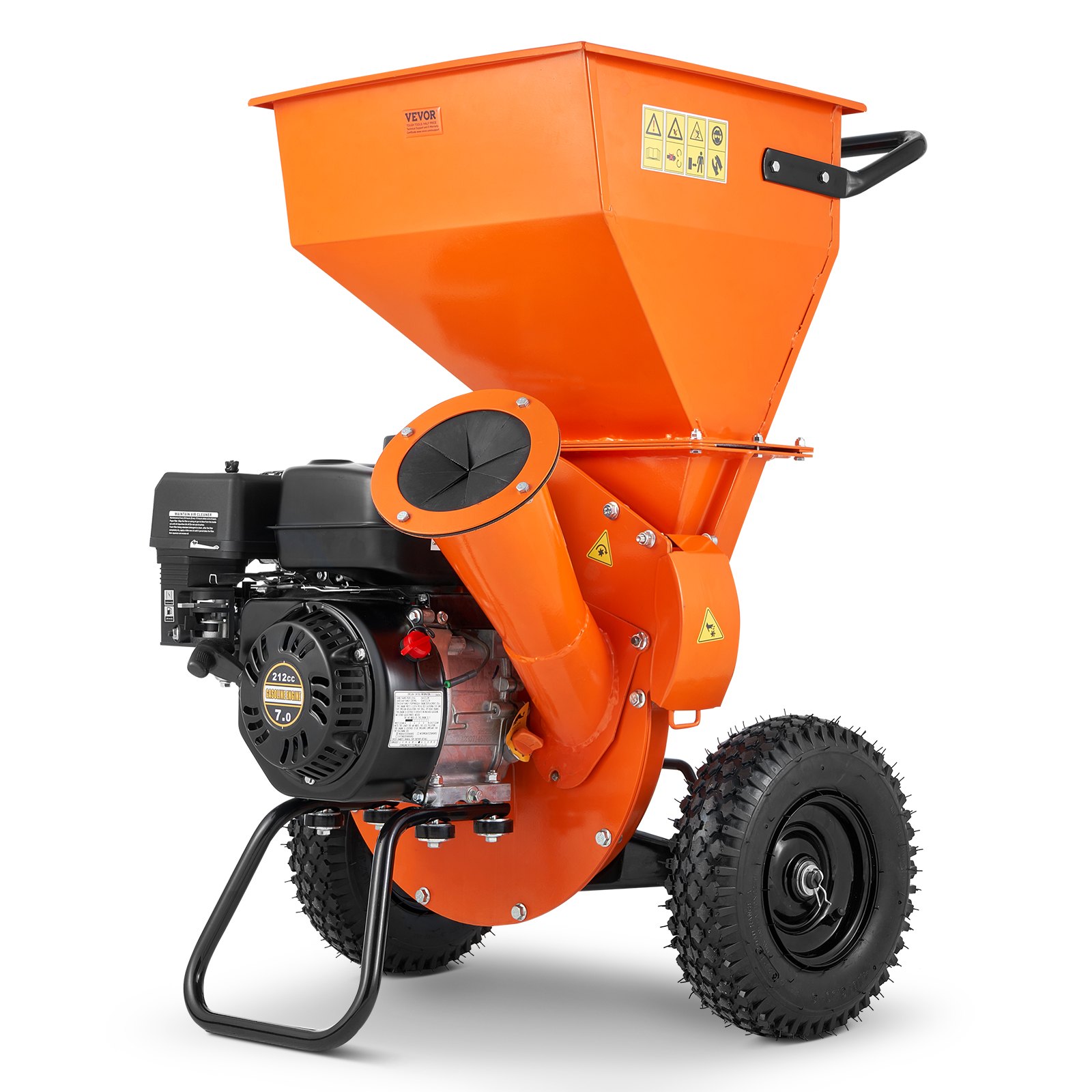
Wood Chipper

A wood chipper reduces branches and yard debris into mulch, and the core trade-off is engine architecture versus throughput: electric units are quiet and low-maintenance but limited to small-diameter softwood, while gas units deliver real torque for hardwood and larger limbs. Decide by branch diameter and volume first—if you routinely process limbs over 2 inches or need off-grid placement, buy gas; if you chip light prunings near an outlet, a 15-amp electric unit is the durable, low-fuss choice.

Buying guide image
Residential Outdoor Power Equipment

Electric Snow Blower

Electric snow blowers replace gas engines with corded or battery power, trading raw torque and unlimited runtime for zero emissions, push-button start, and lower maintenance. The key trade-off is clearing width and snow depth versus power source: corded units deliver constant high amps for wet, deep snow but tether you to an outlet, while battery units free you from cords at the cost of runtime and peak torque. Decide by driveway size and snow type: under 6 inches of light snow and a 1–2 car driveway favors a battery shovel or single-stage; wet, deep, or long driveways demand a corded 15-amp single-stage or a two-stage battery unit with metal augers.

Buying guide image
Residential Outdoor Power Equipment

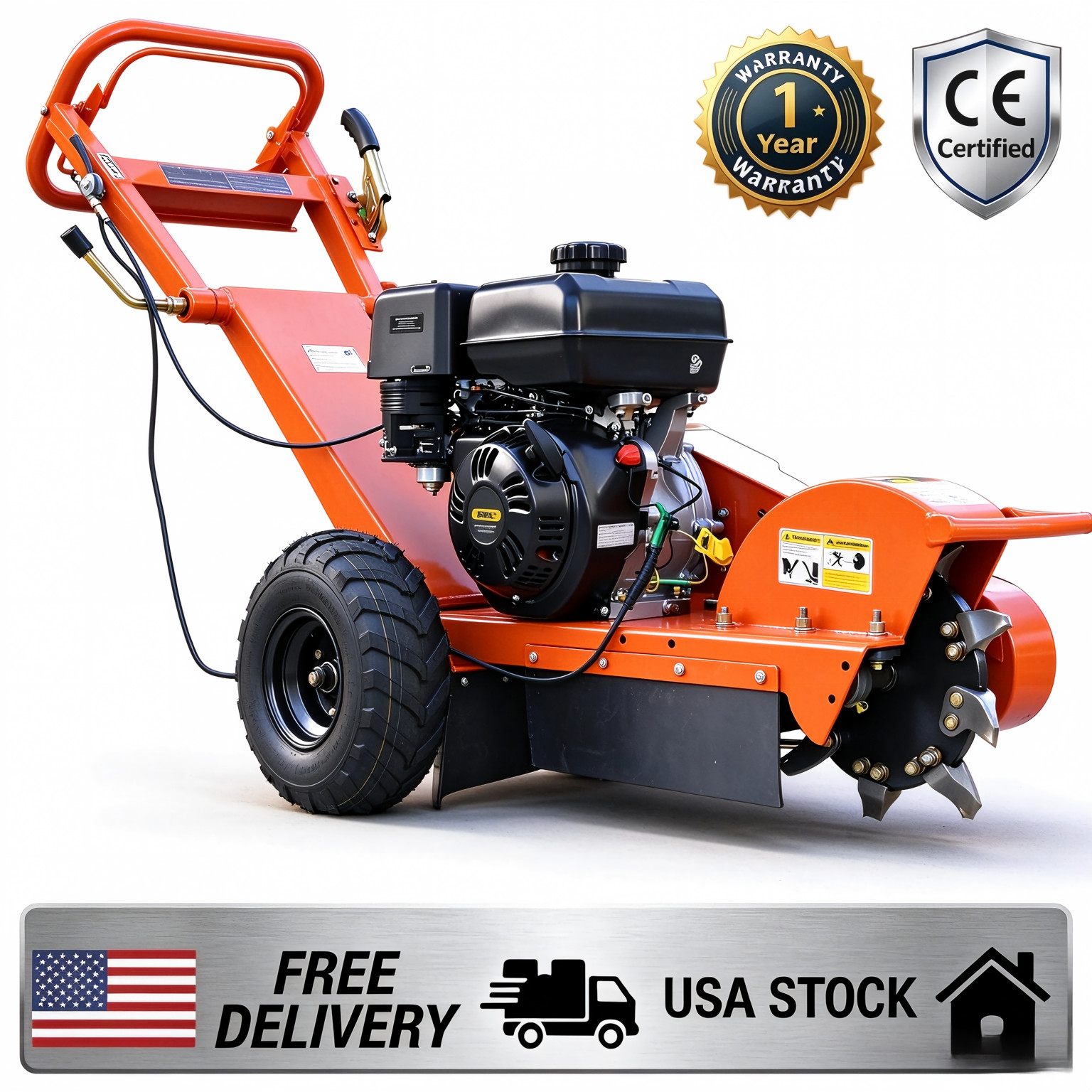
Stump Grinder

A stump grinder is a dedicated machine that reduces tree stumps below grade using a rotating carbide-tooth cutting wheel, available in walk-behind, tow-behind, and compact track or mini-skid configurations. The defining trade-off is cutting-wheel diameter and engine power versus machine weight and transport logistics: larger wheels and higher torque cut faster and handle bigger stumps, but require towing capacity or a rental delivery. The clear decision rule is to match wheel diameter and engine tier to maximum stump diameter and access width, and to skip any unit whose cutting wheel or engine falls below the class needed for your largest stump.

Buying guide image
Residential Outdoor Power Equipment

Riding Mower

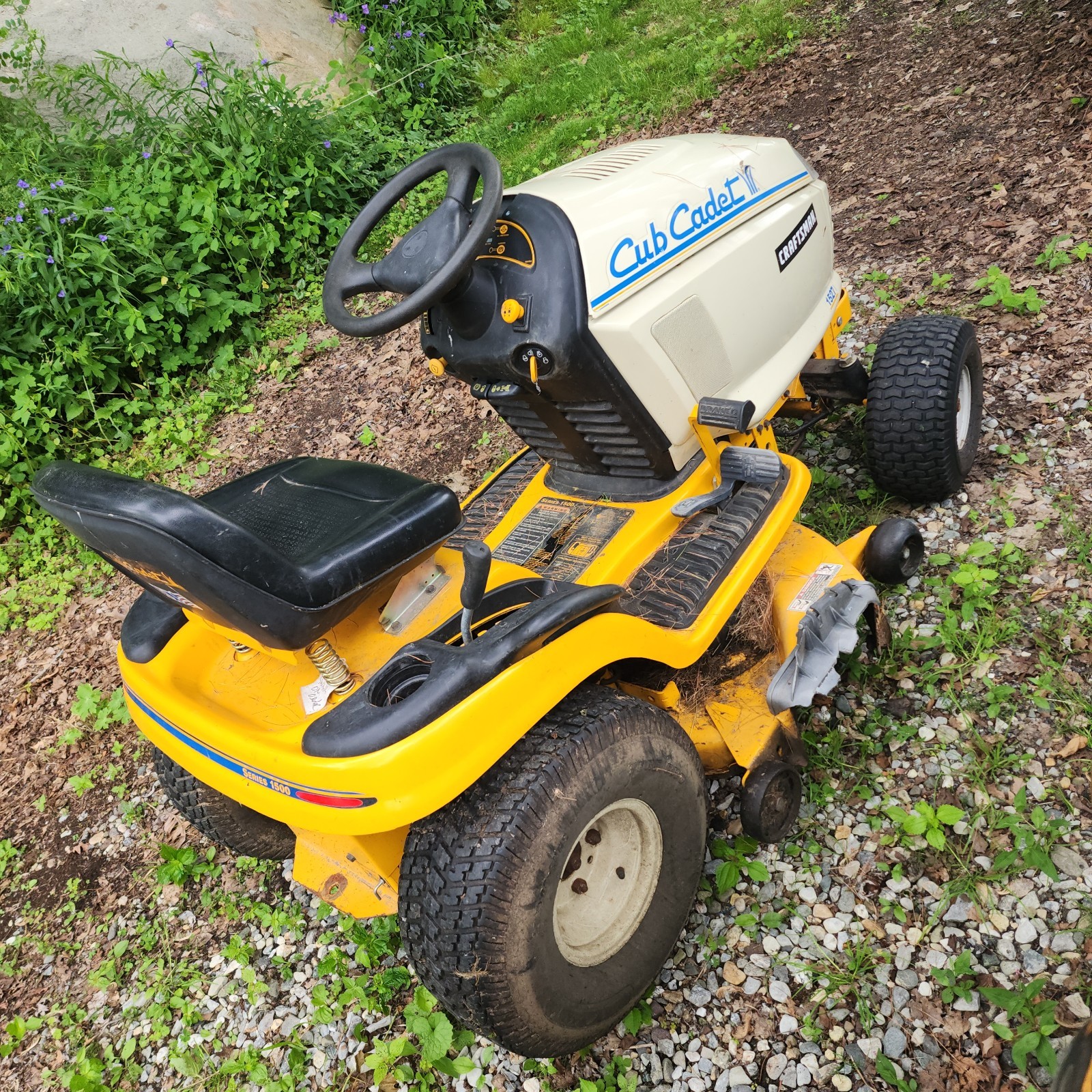
A riding mower is a ride-on lawn tractor engineered for large residential lots, defined by its transmission type (hydrostatic vs. geared), deck width, and frame gauge. The primary trade-off is maneuverability and speed versus outright durability and cost. Buy hydrostatic models with stamped or fabricated decks of at least 42 inches for lots over half an acre, and skip light-duty lawn tractors for steep or rocky terrain.

Buying guide image
Residential Outdoor Power Equipment

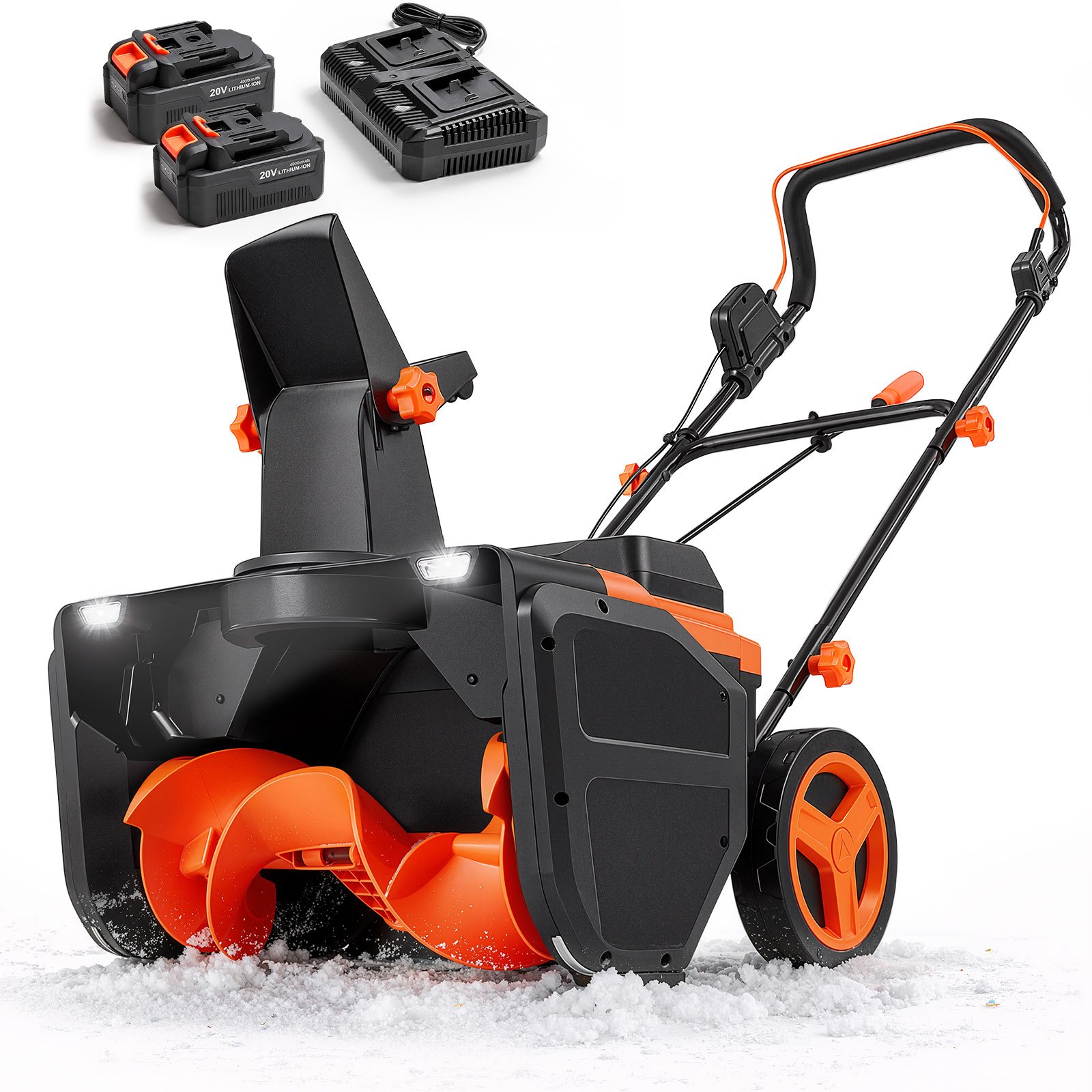
Cordless Snow Shovel With Battery

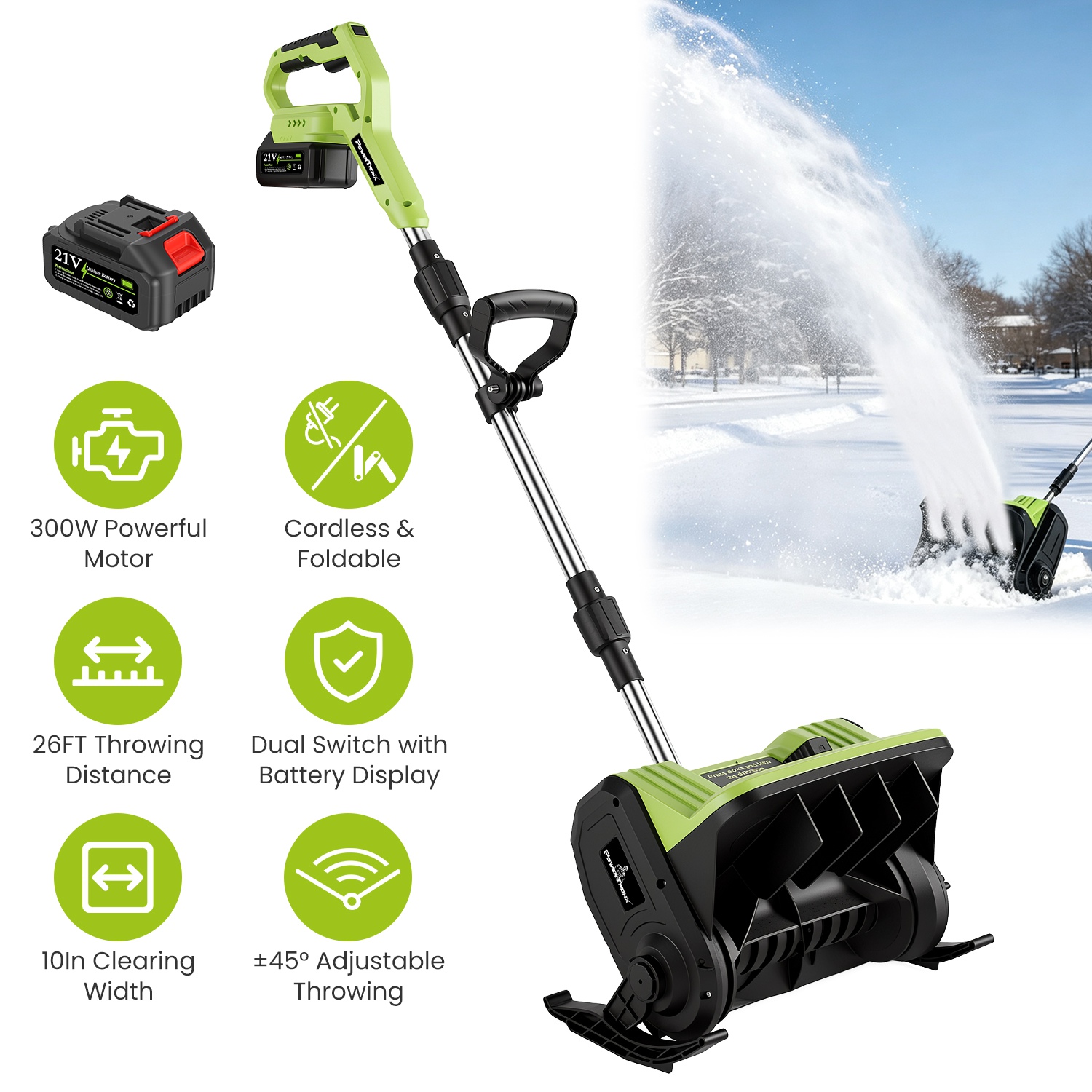
Cordless snow shovels are battery-powered single-stage tools that clear light-to-moderate snow from walkways, decks, and short driveways without a cord. The core trade-off is motor voltage and battery platform versus clearing width and throw distance: higher-voltage (20V–21V) brushless units with metal augers and 4Ah+ packs move wet snow reliably, while low-voltage plastic-only tools stall in heavy drifts. Buy a brushless 20V+ model with a metal auger and at least one 4Ah battery for real winter duty; skip 12V–18V plastic-auger shovels if you face frequent wet snow or more than about 6 inches per storm.

You may also like

Finding more guides for you…