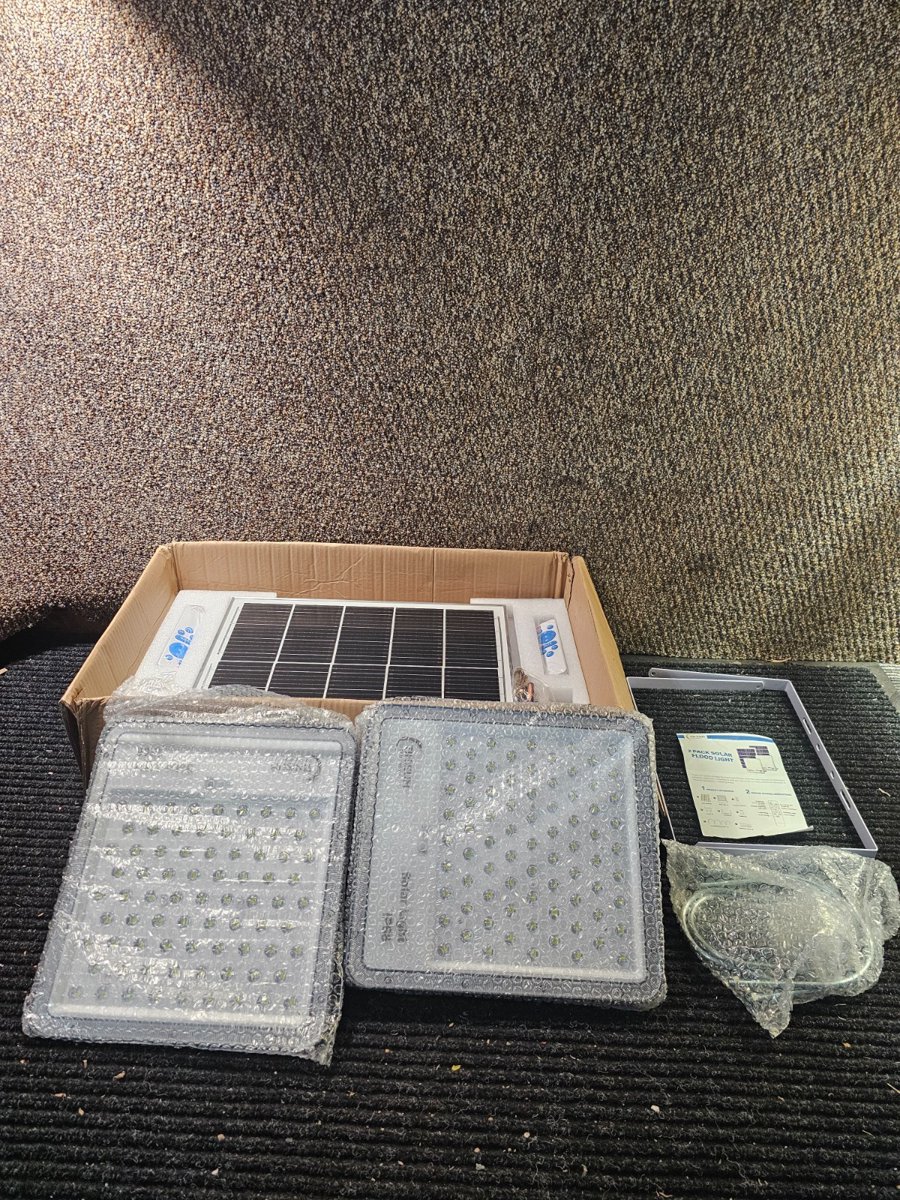

Photos from current listings. Actual item, color, and included accessories may vary.
Outdoor Flood Light Buying Guide
Outdoor flood lights are high-output fixtures that cast a wide, directional beam for security, task lighting, or architectural highlighting. The core trade-off is between raw lumen output/beam control and long-term durability, which hinges on LED driver quality, IP sealing, and whether the fixture is line-voltage or low-voltage. Buyers should insist on an IP65-or-better sealed LED unit with a listed driver and a real mounting standard; anything rated IP44 or sold as a bare 'bulb-only' retrofit without housing is a compromise for permanent exterior use.
Median $821.60 · New & pre-owned listings
Key takeaways
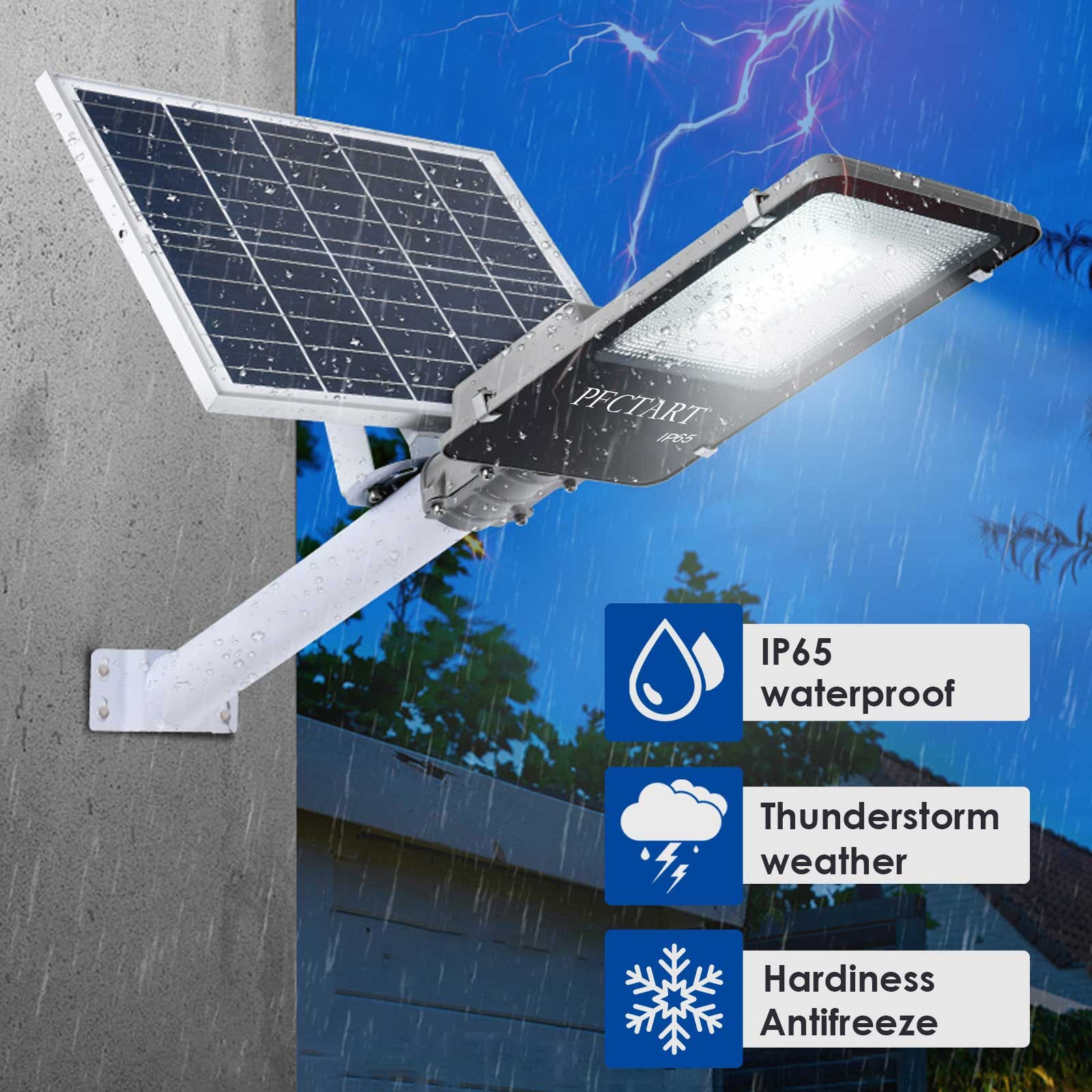
- IP rating is the durability gate: IP65 or IP66 sealed die-cast housings survive direct rain and washdown, while IP44 decorative fixtures leak at the lens gasket within a season or two.
- LED driver quality separates tiers: integral constant-current drivers with potted boards last years longer than cheap capacitor-fed boards that fail on voltage spikes and heat cycling.
- Beam and throw math: a 100-120 degree flood is wall-wash/area coverage; a 30-60 degree narrow flood throws 2-3x farther for security sightlines. Pick by distance, not by wattage.
At a glance
- Category
- Outdoor Lighting & Decor
- Last updated
- Nov 28, 2026
Current offers
Highlights
- IP rating is the durability gate: IP65 or IP66 sealed die-cast housings survive direct rain and washdown, while IP44 decorative fixtures leak at the lens gasket within a season or two.
- LED driver quality separates tiers: integral constant-current drivers with potted boards last years longer than cheap capacitor-fed boards that fail on voltage spikes and heat cycling.
- Beam and throw math: a 100-120 degree flood is wall-wash/area coverage; a 30-60 degree narrow flood throws 2-3x farther for security sightlines. Pick by distance, not by wattage.
- Low-voltage (12V AC/DC) landscape floods need a transformer sized to at least 1.25x total connected wattage, while 120V line-voltage units wire directly to a switch or photocell and avoid transformer losses.
Best use cases
- Best fit for perimeter security: a 120V IP65 LED flood in the 3000-5000K range, 3000-6000 lumens, mounted 8-10 ft high with a 60-90 degree beam and photocell or motion trigger. Skip IP44 decorative cans.
- Best fit for garden and path accent: 12V low-voltage die-cast aluminum floods with 2700-3000K warm LED and 30-40 degree beams, fed by a transformer rated 25% above total load. Skip 120V units unless you have an outdoor receptacle at each zone.
- Best fit for task/work lighting: a portable or hardwired 100W-equivalent flood with 5000K daylight, 8000-12000 lumens, and a heavy tripod or adjustable yoke. Skip narrow 30-degree security optics for broad work areas.
- Wrong fit to skip: battery/solar-only flood lights in high-traffic security zones — they dim after hours and cannot sustain full output through cloudy weeks; use them only as supplementary accent.
Buying tips
- Size lumens to distance: for a 30 ft throw at usable brightness, plan roughly 1500-2500 lumens per fixture with a 60-90 degree beam; doubling distance needs roughly quadruple lumens.
- Match color temperature to use: 2700-3000K for facades and patios, 4000K neutral for mixed areas, 5000-6500K daylight for security and work zones; never mix CCT on one facade.
- For low-voltage runs, calculate voltage drop: keep total cable run under about 100 ft at 12V for 20-30W loads, or step up to a 15V tap or thicker 12/2 gauge cable to avoid dim far-end fixtures.
- Demand a listed driver and surge protection: outdoor floods on branch circuits should have surge suppression (MOV) and a driver rated for -20 to 40 C ambient; unlisted wall-wart drivers fail in sealed housings.
Specs
| Voltage Class | 120V line vs 12V low-voltage |
|---|---|
| IP Rating | IP65/IP66 minimum exterior |
| Beam Angle | 30-60 deg spot / 90-120 deg flood |
| Lumen Tier | 800-12000 lm by throw distance |
Related searches
What to check before buying
- Measure mounting height and target distance first: beam angle and lumens must be chosen from throw distance, not from wattage alone.
- Confirm circuit and control: 120V hardwire needs a weatherproof box and switch leg; low-voltage needs a transformer location and conduit or direct-burial cable.
- Check housing material and finish: die-cast aluminum with powder coat outperforms plastic and stamped steel at the lens gasket and hinge points.
- Verify mounting standard: 1/2-inch NPT knuckle or yoke bolt pattern matches your stake, arm, or junction box before ordering multiples.
FAQ
Data sources: eBay / Amazon listings and product attribute feeds. Updated Nov 28, 2026.
Some links on this page are affiliate links. If you buy after clicking one, we may earn a commission at no extra cost to you. This does not change which products appear here or their order. Affiliate disclosure.