GardenPulse Guide

GardenPulse Guide

Garden, Yard & Outdoor Living Reviews & Buying Guides

Compare garden, yard & outdoor living by use case, features, trade-offs, price, returns, and seller terms before you buy.

Buying guides

Buying guide image
Patio Furniture

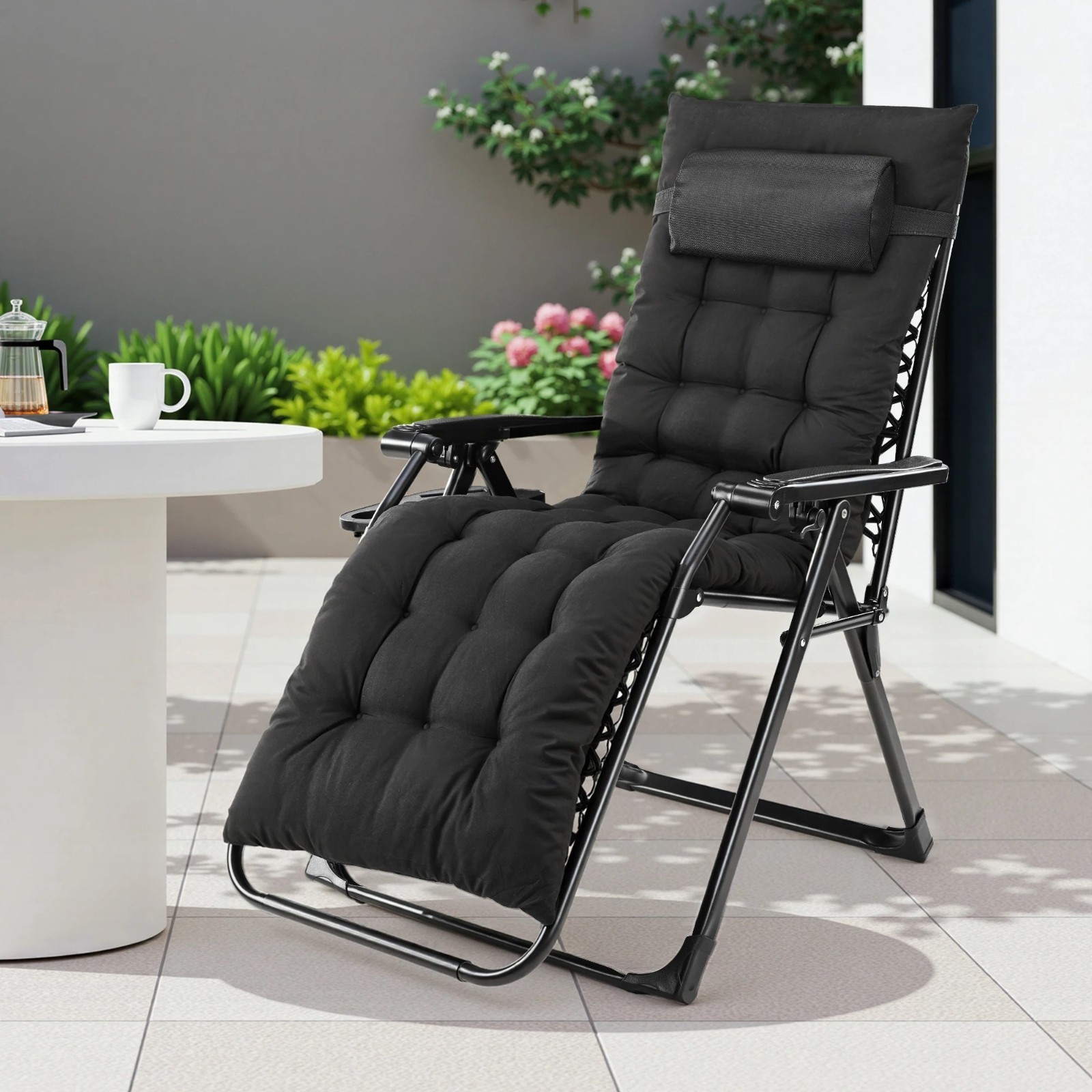
Outdoor Recliner

Outdoor recliners split into two distinct architectures: lightweight folding zero-gravity loungers for portable, stowable relaxation and rigid PE-wicker chaise lounges for permanent poolside or deck placement. Buyers most often err by choosing a folding lounger for year-round sun exposure or a heavy wicker chaise for balcony storage where its footprint and weight become liabilities. Frame material, recline-gear count, and weight rating decide durability and comfort far more than cushion color or minor styling differences.
Buying guide image
Outdoor Structures, Shade & Awnings

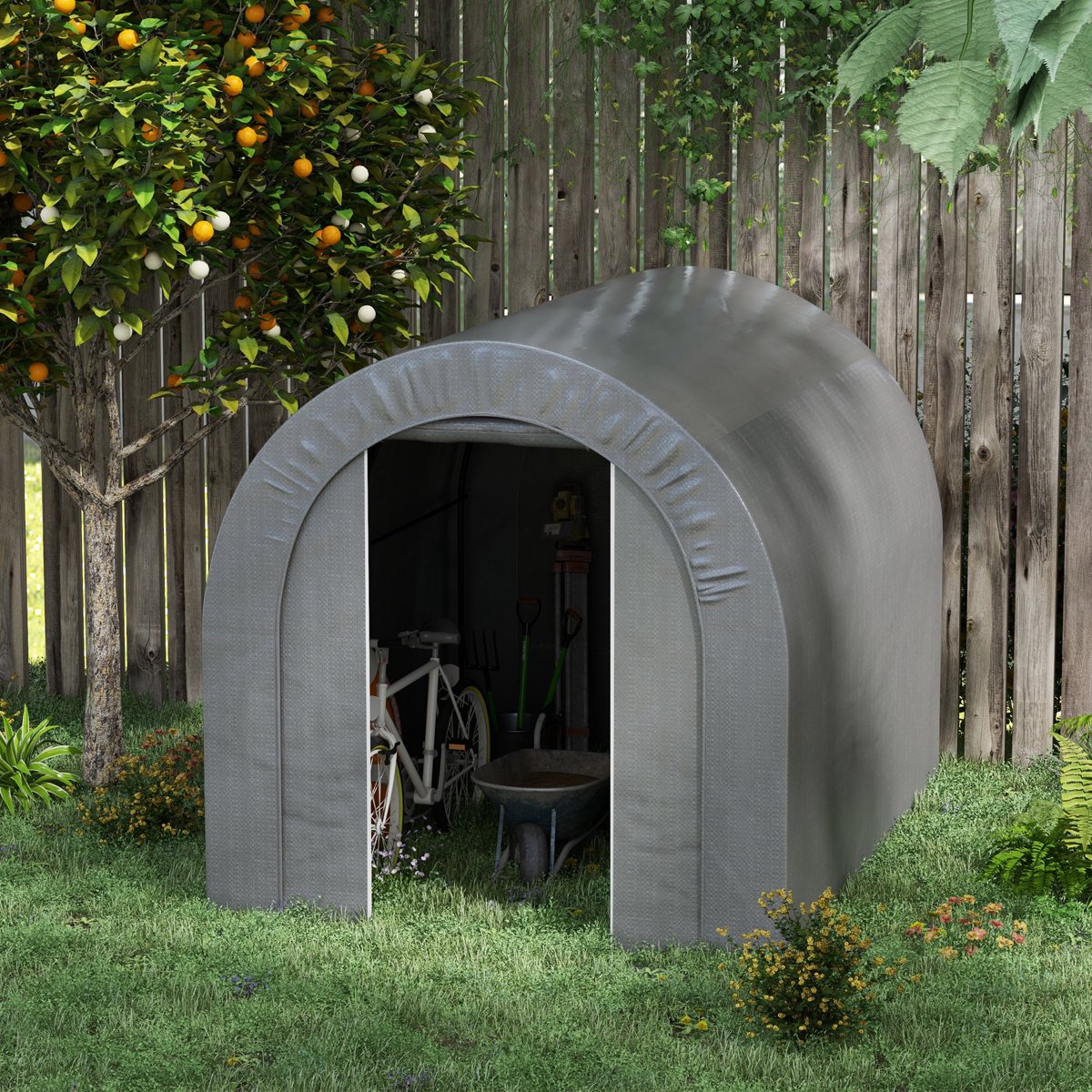
Bike Shed

Bike sheds protect bicycles from rain, UV, and theft, but most shed failures trace to flimsy fabric walls, undersized footprints, or missing anchor kits. Buyers should decide between a soft-shell tent for budget portability and a rigid metal or resin shed for year-round security, then size the footprint for actual handlebar and door clearance rather than advertised bike counts. A common mistake is buying a 4-5 bike tent for four adult mountain bikes, which only fit if you remove pedals or alternate handlebars.

Buying guide image
Outdoor Structures, Shade & Awnings

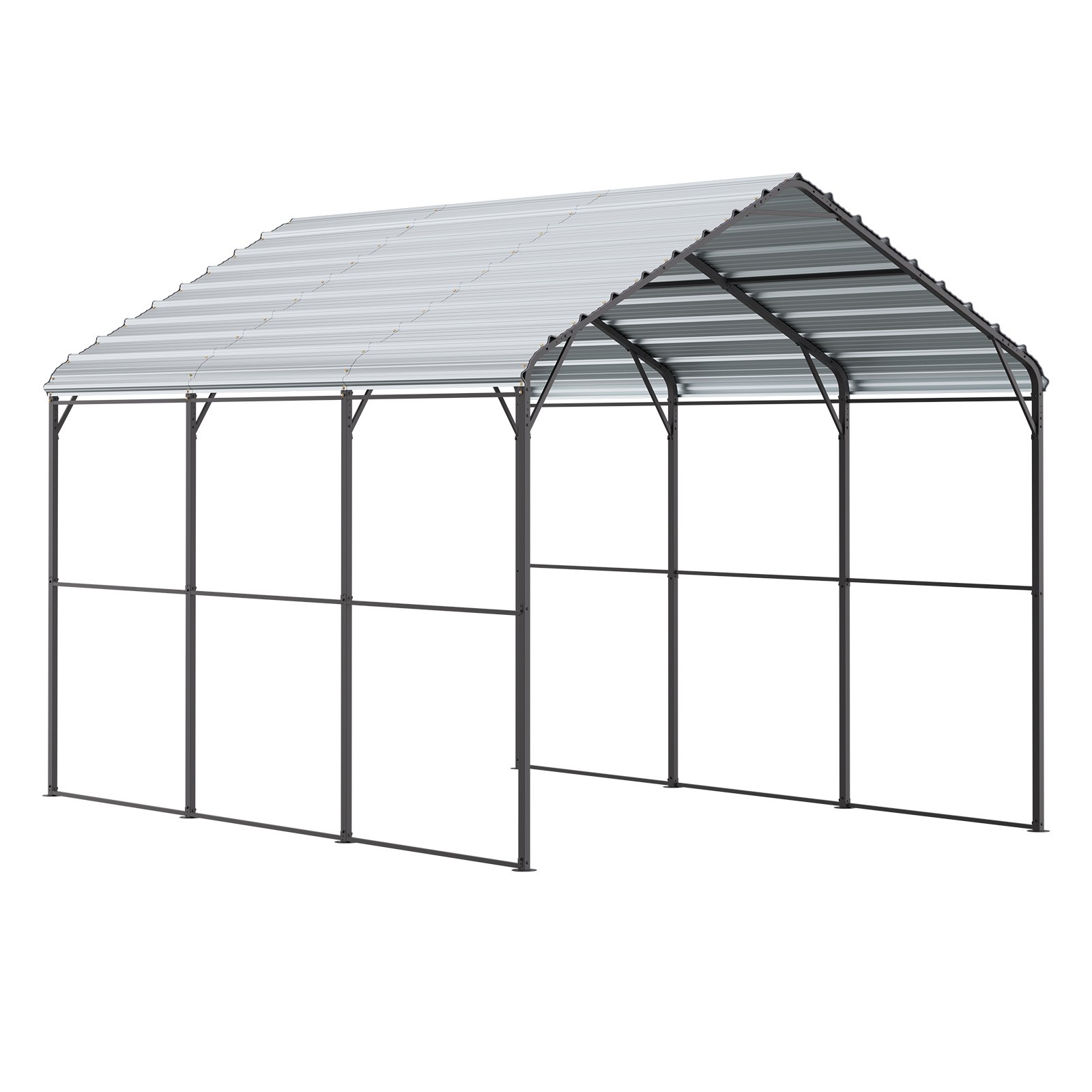
Metal Carport With Storage

A metal carport with storage solves two outdoor problems at once—covered vehicle parking and lockable space for tools, bikes, or lawn gear. Buyers who get it right start by measuring their tallest vehicle and confirming local snow and wind load requirements, because most failures come from undersized framing and missing permits rather than roof panels. The storage section can be a fully enclosed side shed, a back lean-to, or a sealed cabinet, and each layout imposes different clearance and foundation rules.

Buying guide image
Raised Garden Beds & Planters

Outdoor Plant Stand

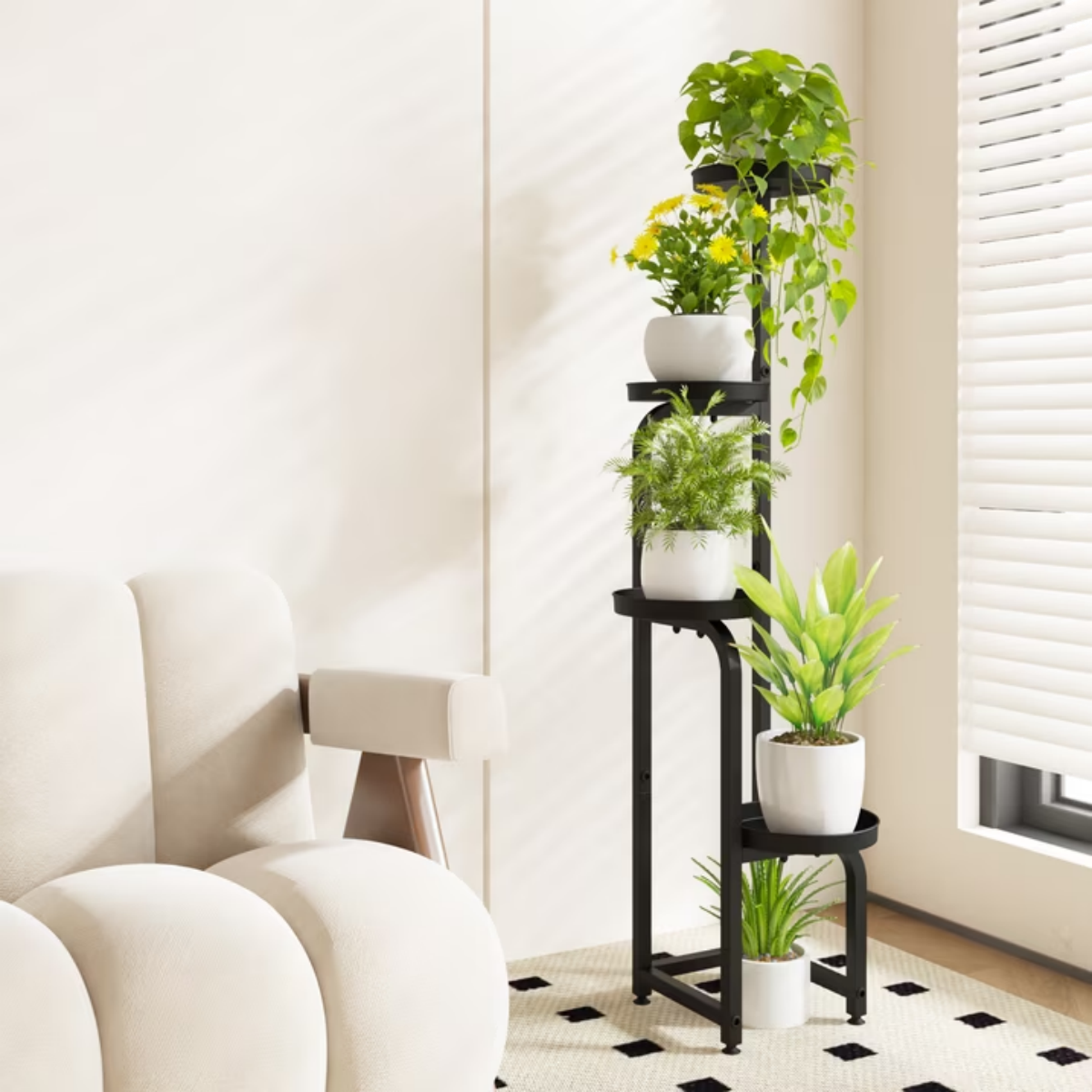
An outdoor plant stand is a freestanding, weather-exposed shelving or tiered frame that elevates multiple pots to improve light exposure, airflow, and floor-space efficiency. The deciding trade-off is load-rated frame rigidity versus corrosion resistance: thin tubular steel with powder coating is the durable baseline, while uncoated or sub-1mm wire frames sag and rust within a season. Buy by tier load rating and footprint, not by aesthetic tier count.

Buying guide image
Outdoor Storage

Storage Shed Plastic

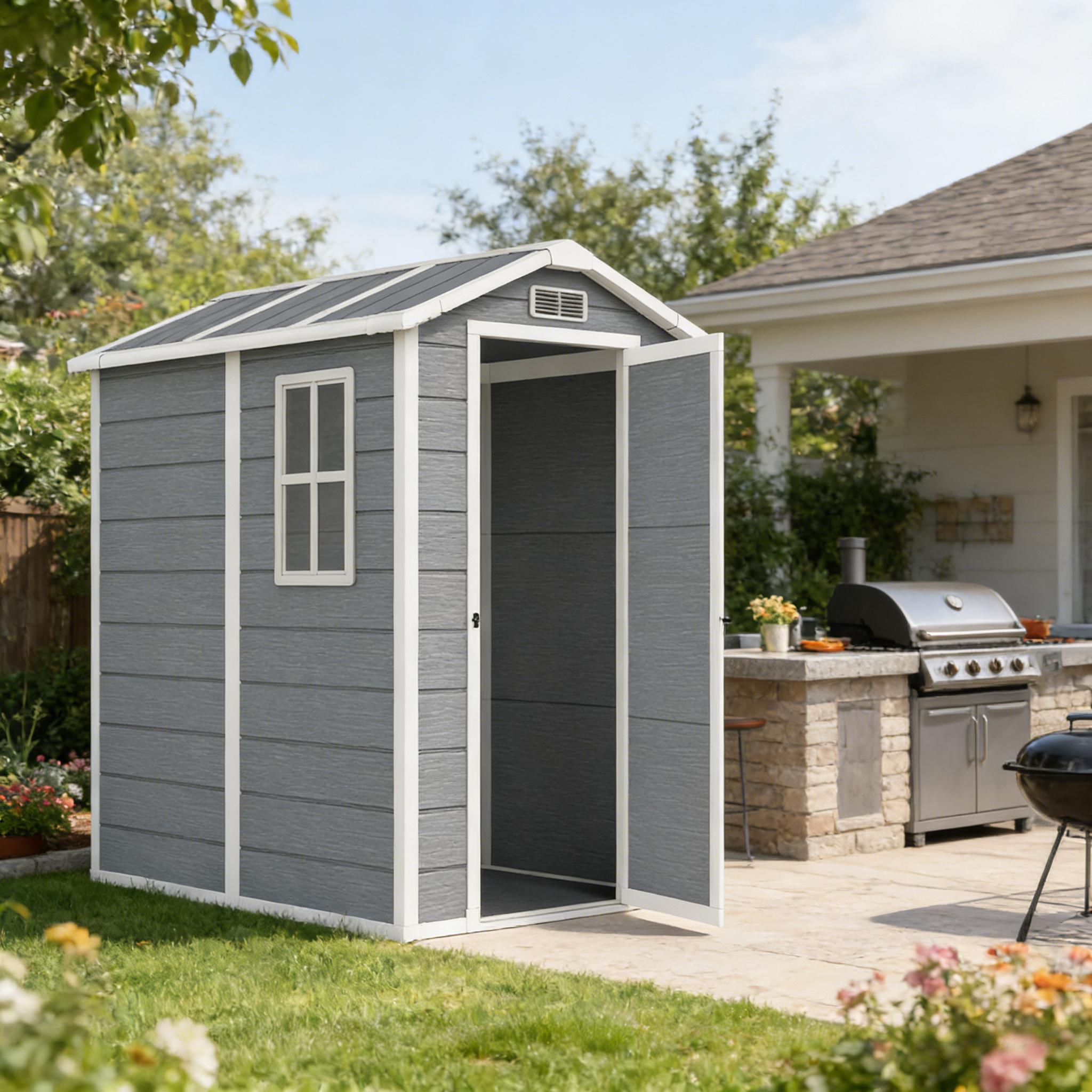
Plastic storage sheds have become the default choice for homeowners who want weatherproof utility space without the maintenance of wood or metal. The category splits into two very different architectures: small vertical storage cabinets for tools and pool chemicals, and full resin garden sheds sized from 8x6 up to 8x12 feet. Buyers most often regret undersizing the footprint or choosing a resin density too thin for their wind and snow loads.

Buying guide image
Outdoor Lighting & Decor

Waterproof Outdoor Solar Hanging Light

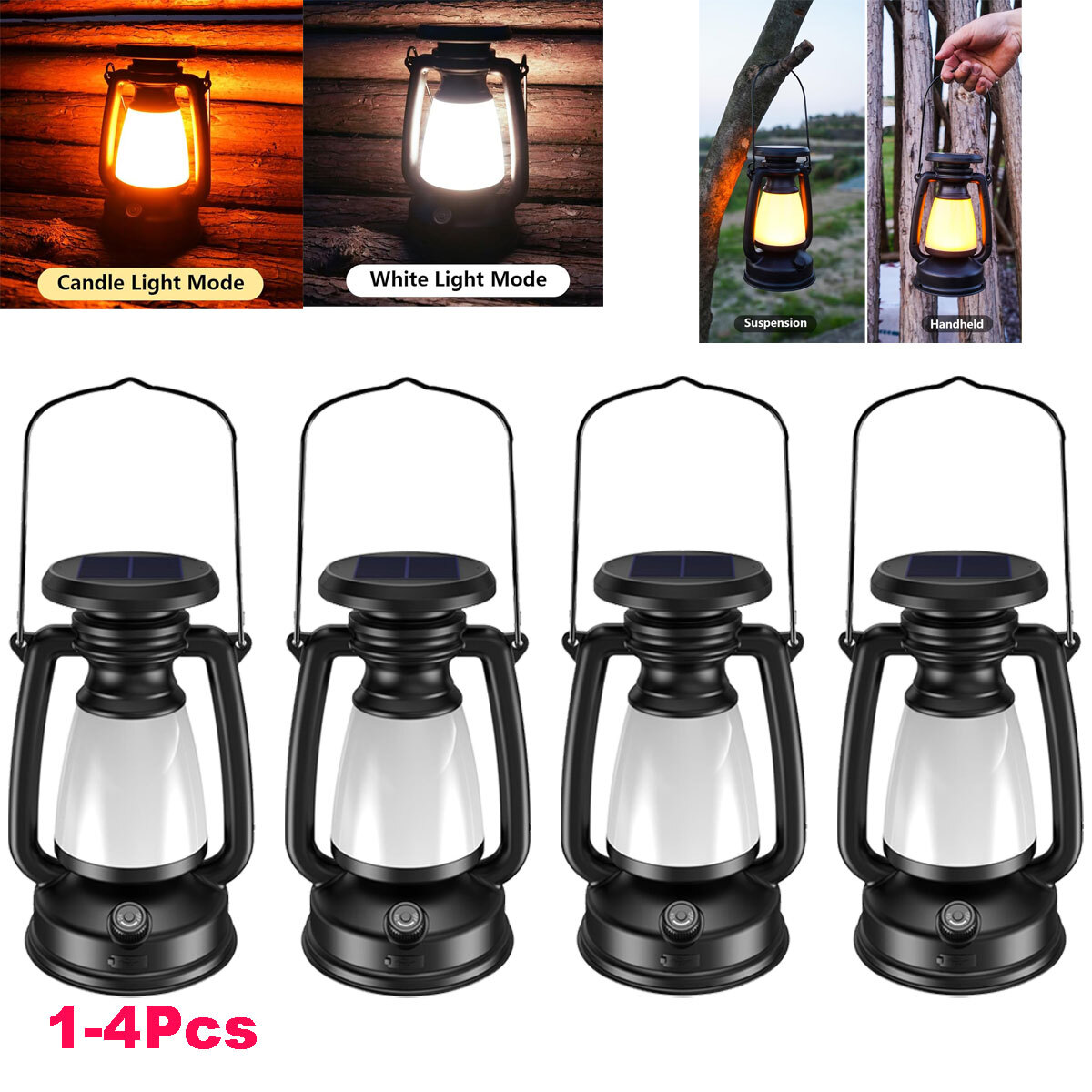
Waterproof outdoor solar hanging lights are decorative fixtures that combine a small photovoltaic panel, rechargeable cell, and LED light in a hanging form for patios, porches, and gardens. The core trade-off is between integrated solar-plus-LED assemblies with sealed electronics and decorative housings that may be metal or plastic, where waterproof rating and battery accessibility determine multi-season durability. Choose IP65 or higher with a replaceable AA/AAA NiMH cell for lasting performance, and treat IPX4-only or sealed disposable-battery designs as fair-weather decor.

Buying guide image
Garden Fencing & Privacy Screens

Artificial Ivy Privacy Fence

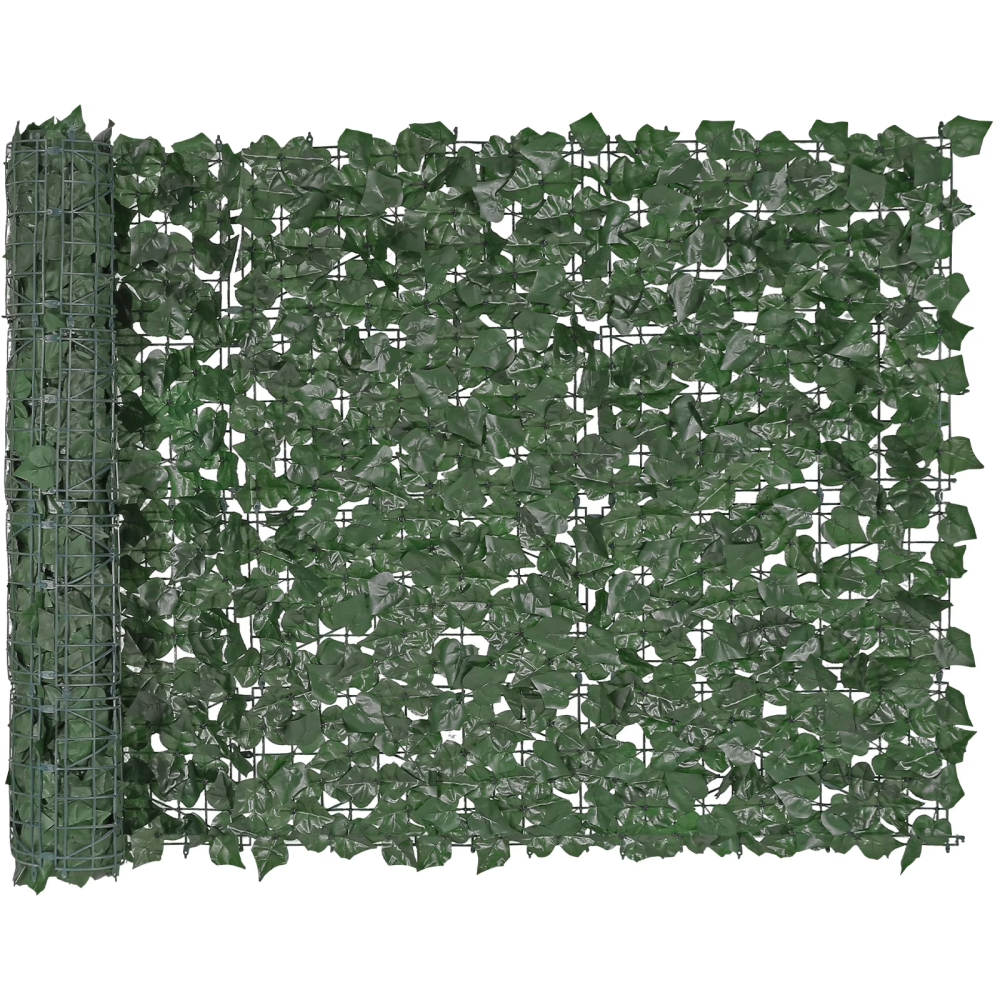
Artificial ivy privacy fences are mesh-backed faux-leaf panels that mount on railings or walls to block sightlines without the weight or maintenance of living hedges. The decisive trade-off is mesh density and UV-stabilized leaf material versus thin single-layer screens that fade, tear, or let light through. Buy UV-stabilized polyethylene leaves on a reinforced mesh backing with grommets at 8-12 inch intervals; skip unstabilized PVC or glue-only panels.

Buying guide image
Chicken Fencing & Egg Handling

Egg Incubator Machine

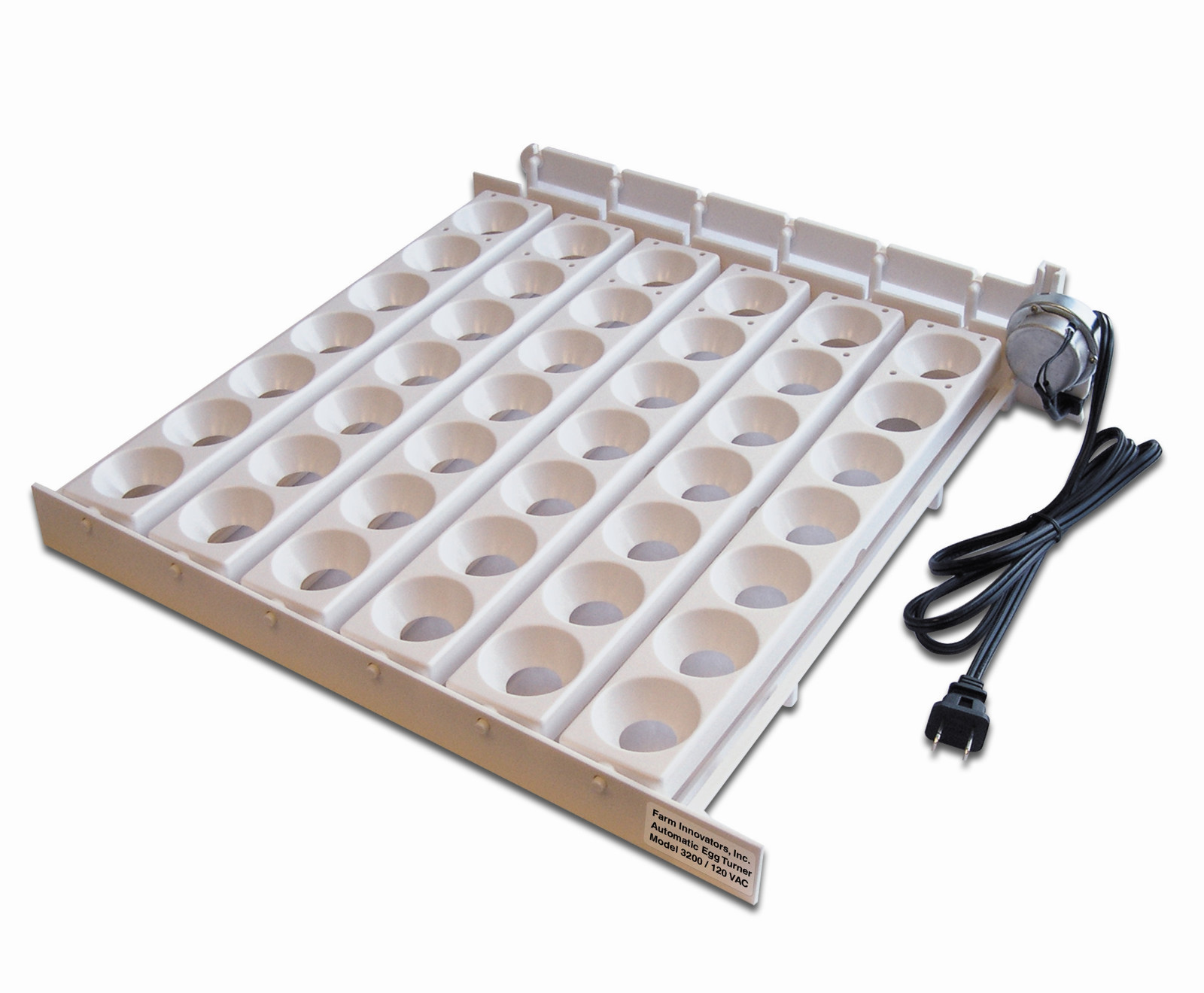
Egg incubators succeed or fail on two mechanical fundamentals: how evenly they move air and how precisely they hold temperature and humidity across the tray. Most beginners overbuy capacity they never fill, while serious hatchers underestimate how much egg turning and humidity stability affect hatch rates. Pick the capacity, turning method, and humidity system that match your hatch volume and species before considering cabinet size.

Buying guide image
Pools & Spas

Variable Speed Pool Pump

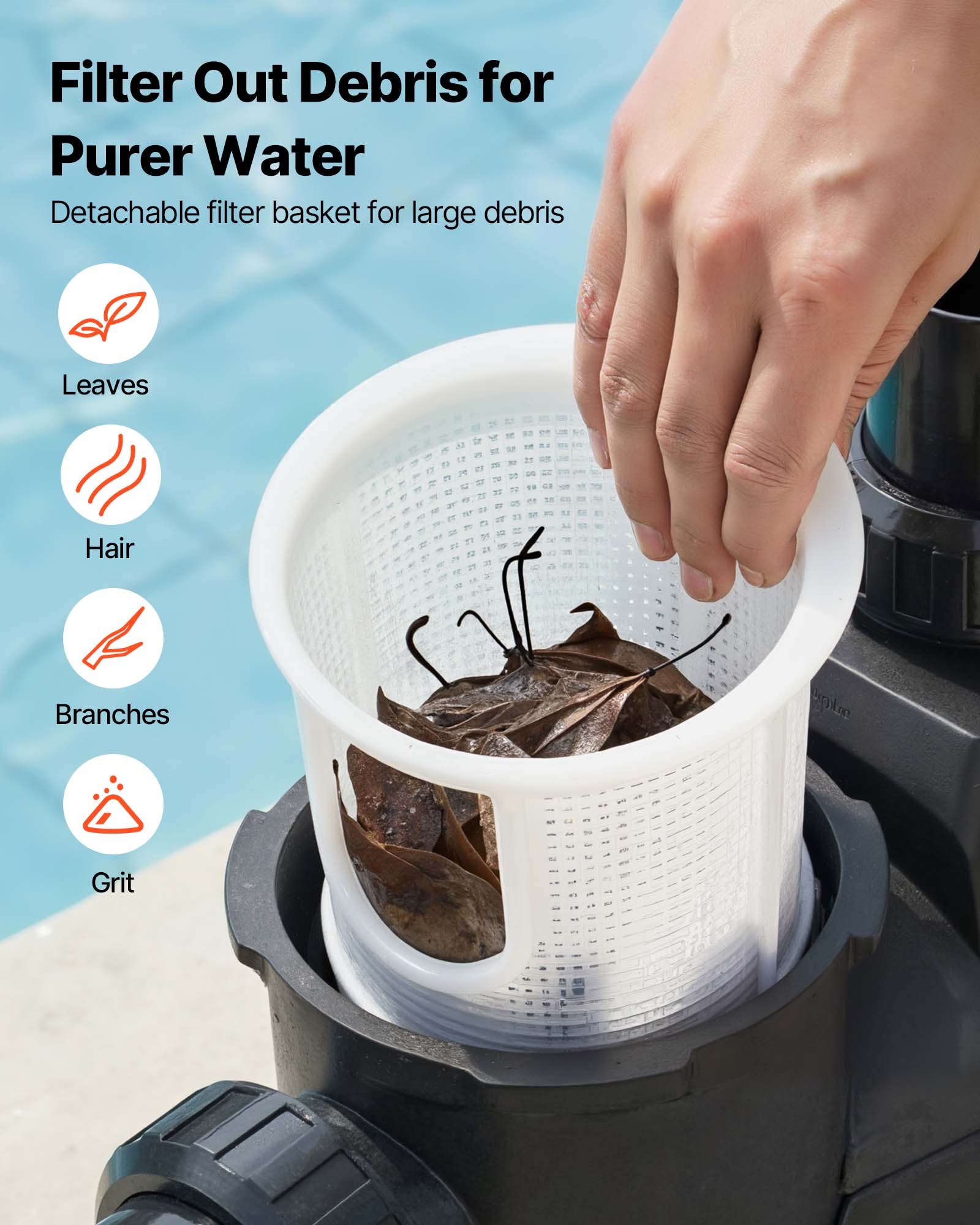
A variable speed pool pump replaces a single-speed motor with an electronically commutated (EC) motor and onboard controller, cutting energy use 50–75% by running longer at low RPM. The core trade-off is motor/drive quality versus headline horsepower: cheap AC-driven 'variable' pumps and overstated HP ratings sacrifice real efficiency and service life. The decision rule is simple: buy a true brushless DC/EC motor with a programmable timer and a serviceable seal stack, and size total dynamic head to your plumbing, not the biggest HP number on the box.

Buying guide image
Chicken Fencing & Egg Handling

Chicken Wire Mesh

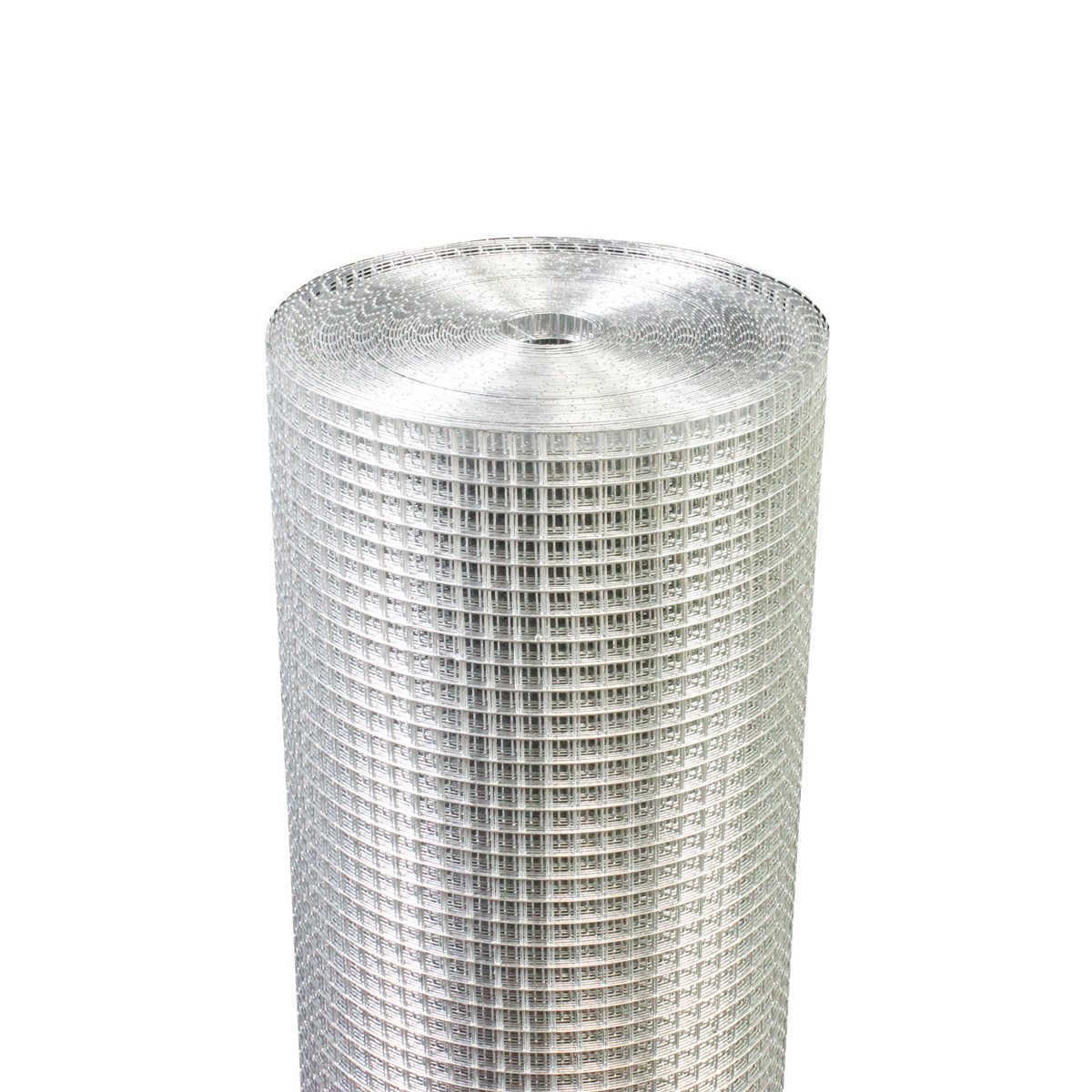
Chicken wire mesh spans two distinct product classes: true hexagonal woven poultry netting, which is light-duty and best for garden trellis or temporary containment, and welded hardware cloth, which is the only mesh that reliably excludes predators from a coop. The core trade-off is aperture size and wire gauge versus cost and weight: 1-inch hex netting stops chickens but not raccoons, while 1/2-inch 19-gauge welded cloth stops both. Buy welded hardware cloth for any permanent coop or run; reserve hex netting for plant support and non-security barriers.

Buying guide image
Outdoor Structures, Shade & Awnings

Gazebo 10x10

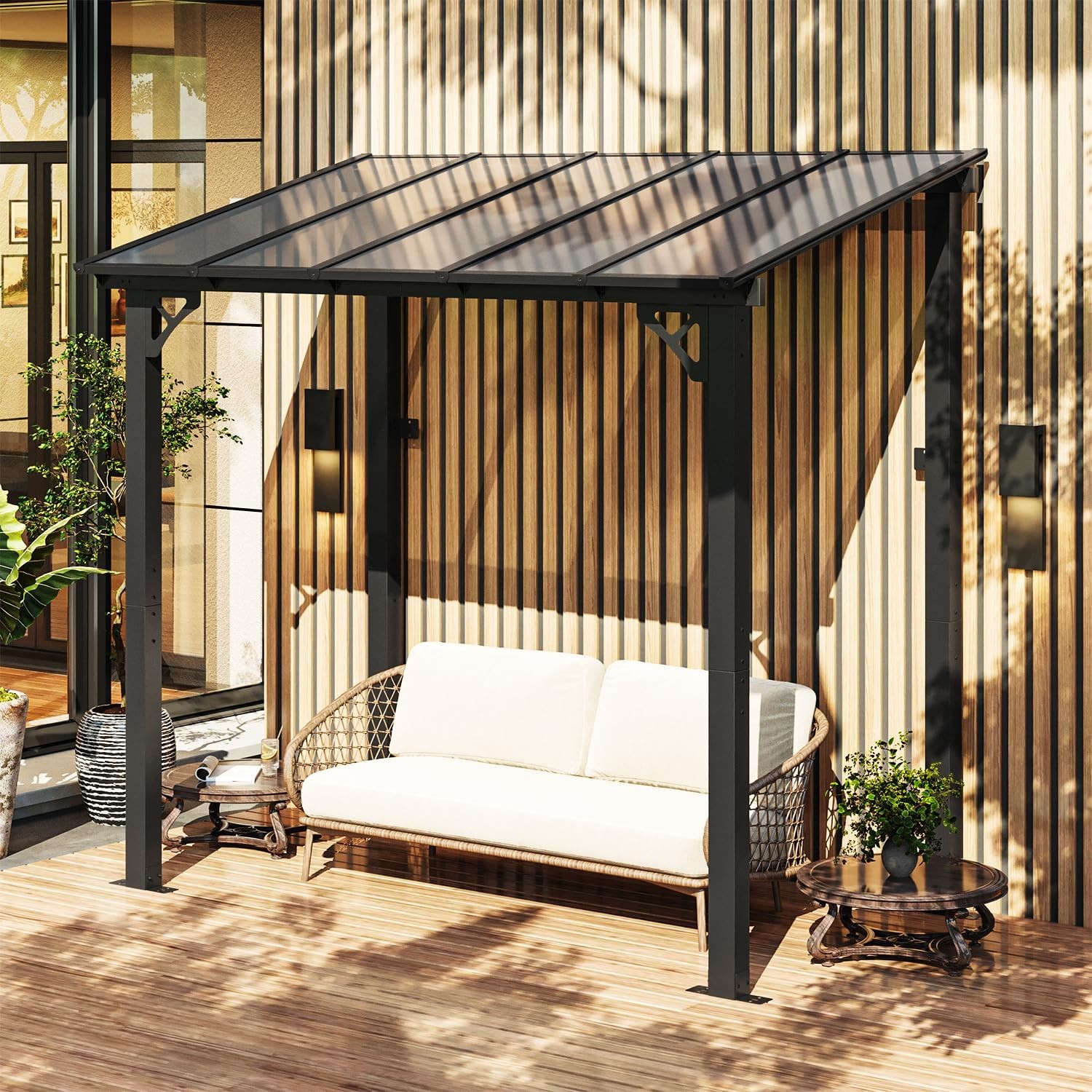
A 10x10 gazebo is the most common backyard shade footprint, but the category splits into hardtop, soft-top canopy, and wall-mounted awning types that are not interchangeable. Buyers routinely buy a soft-top canopy for year-round use or a hardtop for a rental patio, then discover anchoring, roof snow load, or HOA limits make it wrong. Nail down your mounting surface, wind exposure, and whether you need a freestanding structure or a wall-attached awning before comparing tiers.

Buying guide image
Watering & Irrigation

Hose Timer

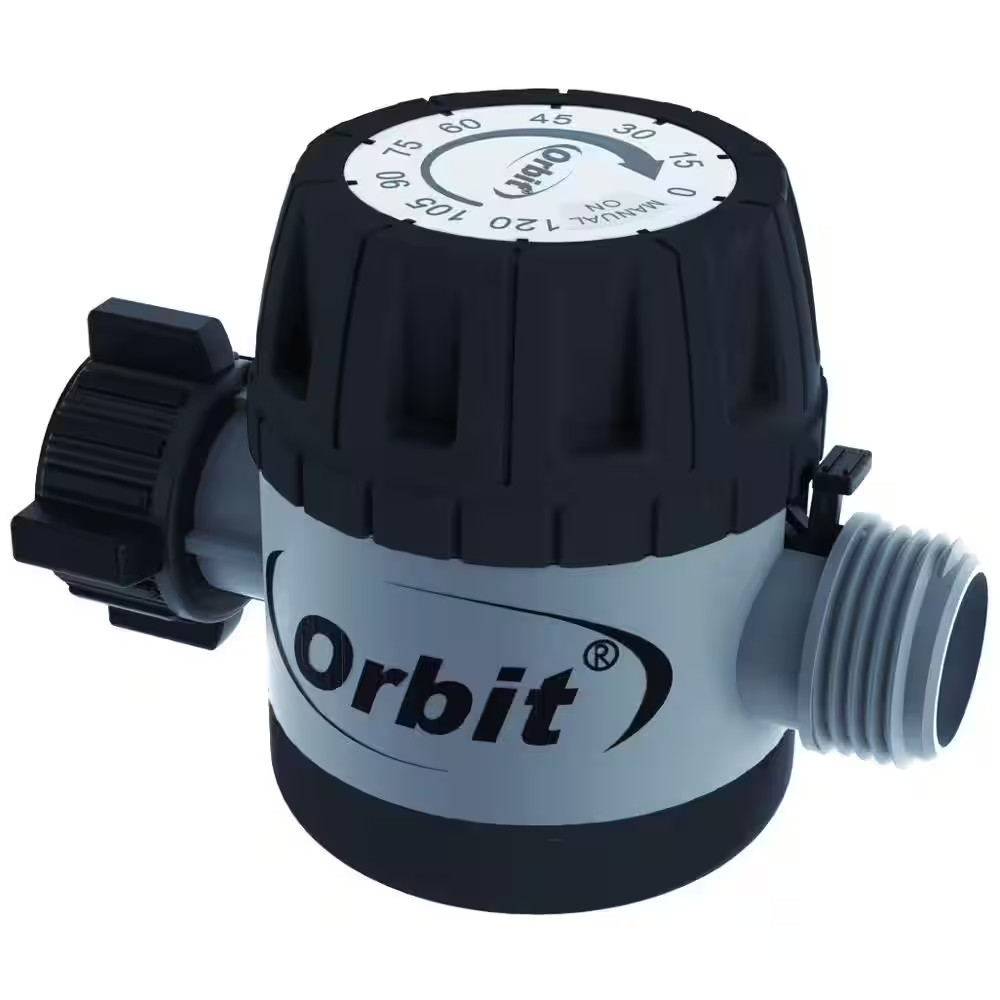
A hose timer is an inline shutoff valve between your spigot and hose or drip line, and the core trade-off is mechanical simplicity versus programmable electronic control that needs a battery and frost protection. Choose mechanical for freeze-tolerant, no-power scheduling of one watering duration; choose electronic for multi-start, odd-day, and rain-delay schedules that justify removal before winter.

Buying guide image
Chicken Coops & Runs

Chicken Duck Coop

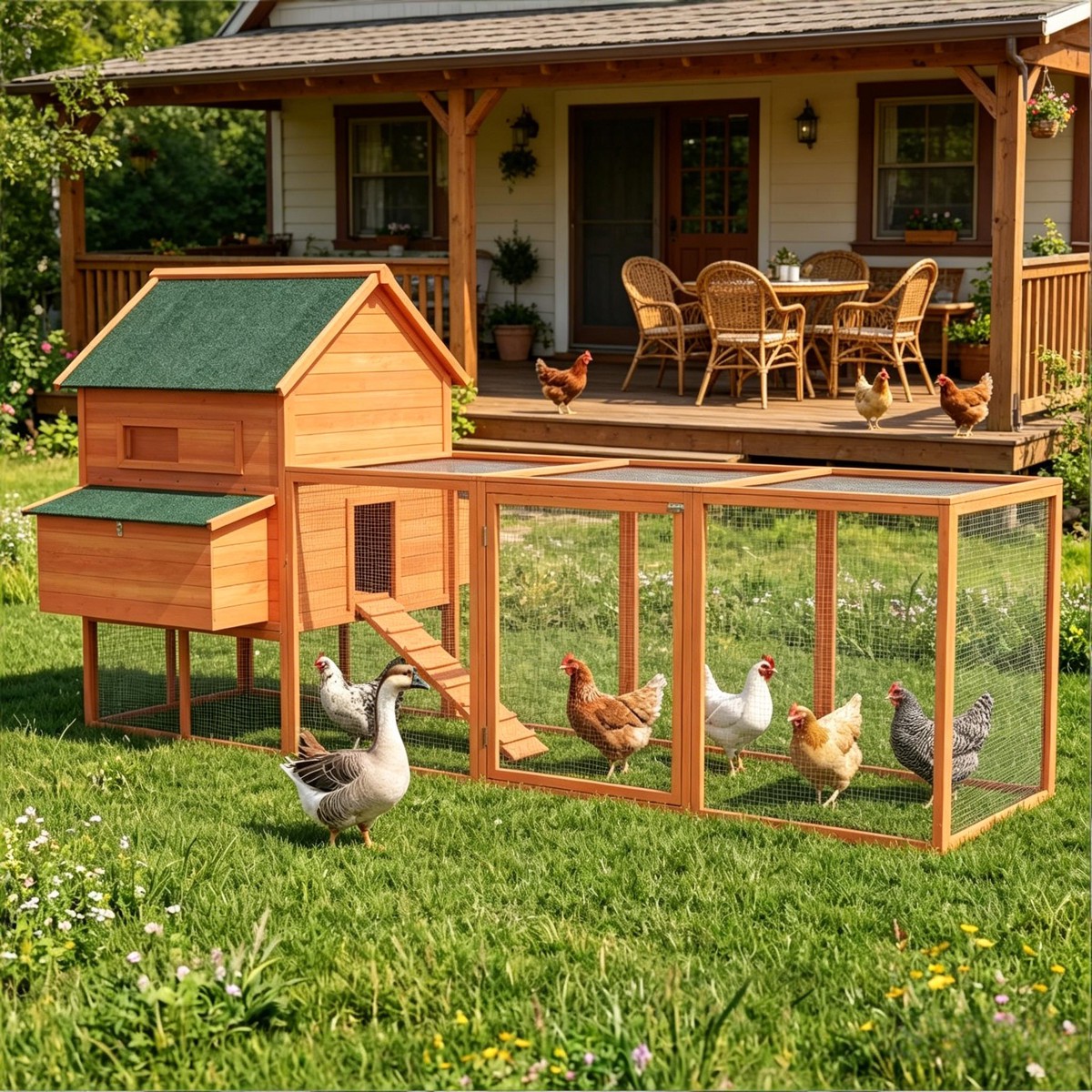
A chicken duck coop is a dual-purpose outdoor enclosure that must shelter waterfowl and chickens while resisting moisture, digging, and predators. The core trade-off is between thin pre-fab wire-and-cover runs and heavier framed or wooden houses with real ventilation and lockable hardware. Buy framed metal runs for temporary seasonal use and wood or reinforced metal houses with raised floors and nest boxes for year-round flock keeping.

Buying guide image
Outdoor Structures, Shade & Awnings

Outdoor Umbrella Canopy

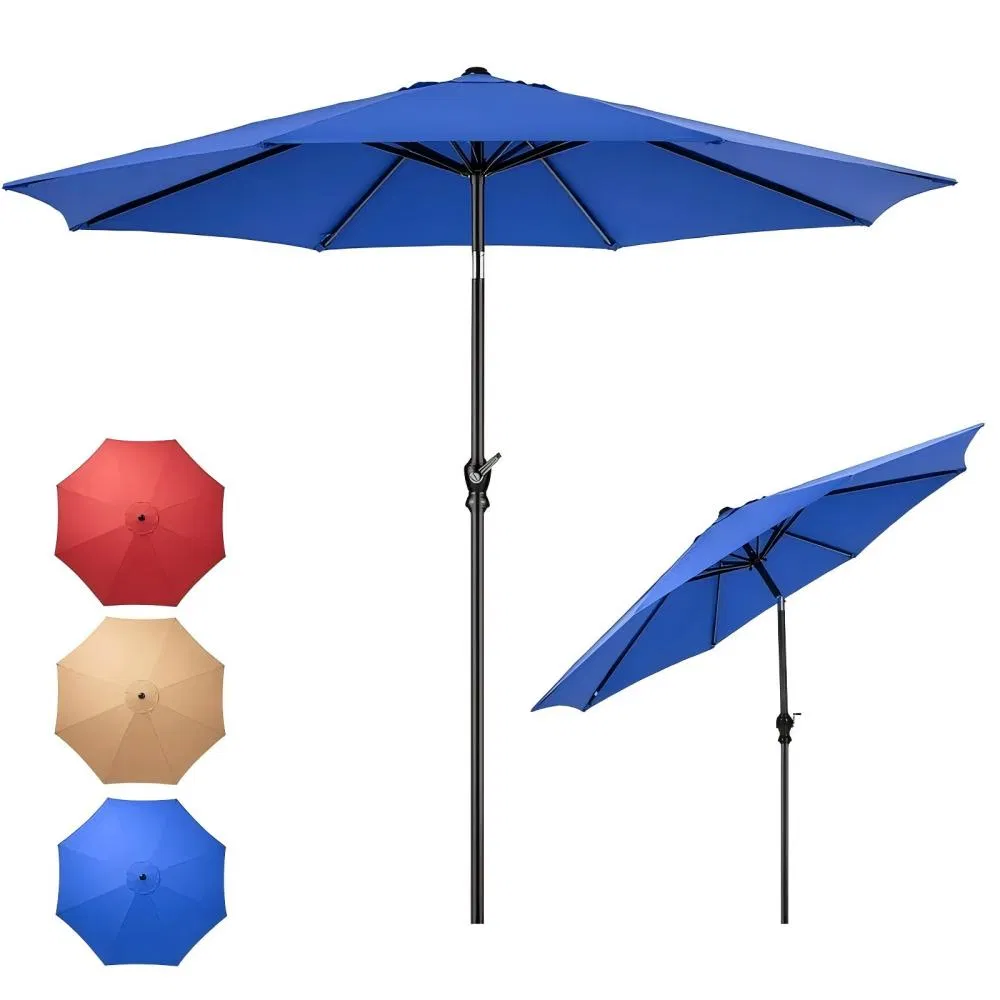
An outdoor umbrella canopy is the replacement fabric or complete top that blocks UV and rain over a patio table or freestanding frame. The core trade-off is between budget polyester with thin steel ribs and solution-dyed acrylic or heavy polyester on fiberglass or aluminum ribs—the former fades and tears within a season or two, the latter survives multi-year sun and wind. Choose a canopy rated UPF 50+ with a vented top and at least 6 ribs for 9 ft spans; skip unvented, sub-180 g/m² fabric on thin steel frames for anything beyond occasional shade.

Buying guide image
Outdoor Lighting & Decor

Metal Solar Light

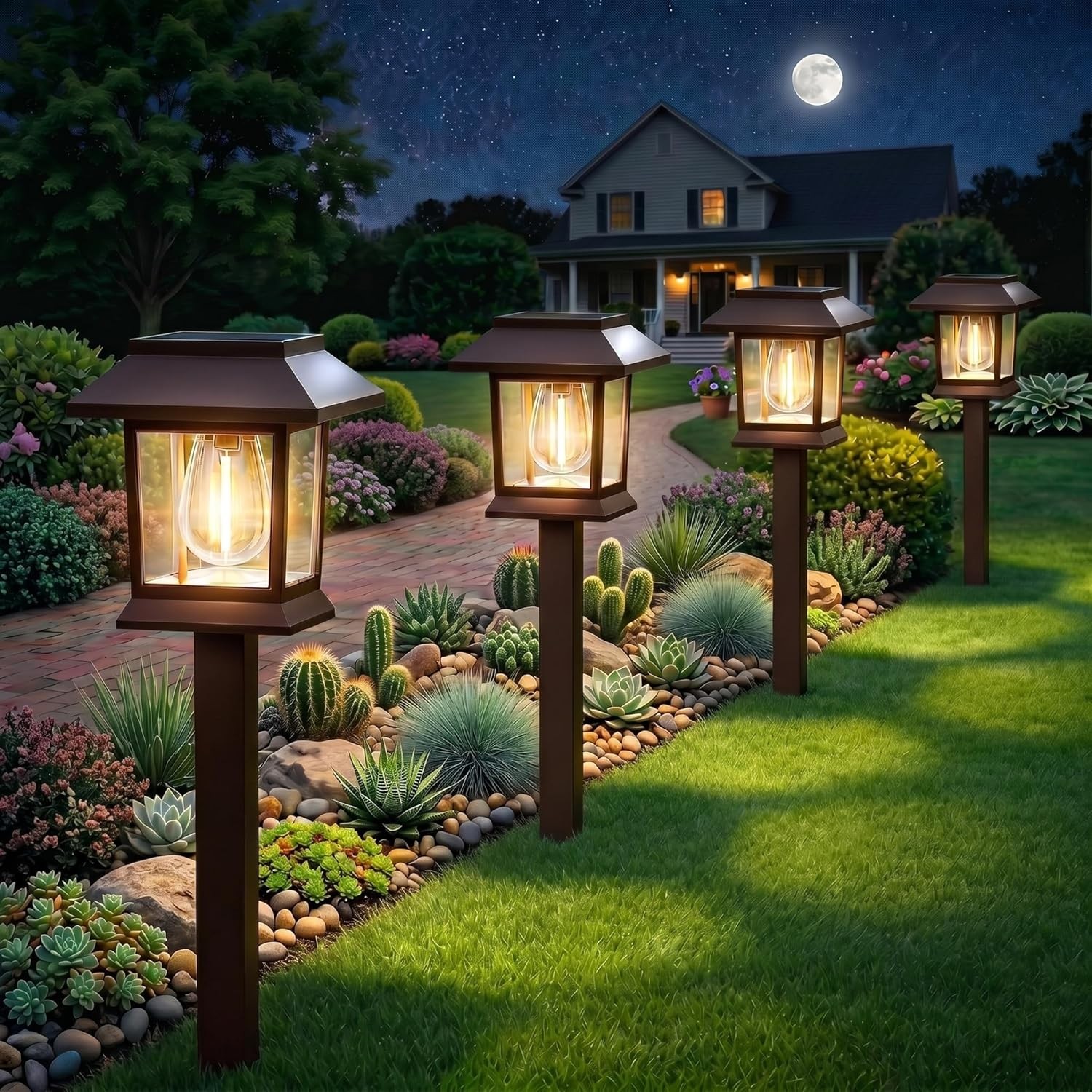
Metal solar lights combine a photovoltaic cell and LED with a powder-coated or stainless housing, trading structural rigidity and weather resistance against plastic alternatives. The core trade-off is housing gauge and coating quality versus electronic sealing: thin stamped metal rusts at cut edges, while unsealed battery compartments fail in rain regardless of metal thickness. Choose die-formed or welded steel with a baked powder coat and an IP65-or-better gasket; skip riveted sheet-metal decor with exposed wiring and press-fit plastic lenses.

Buying guide image
Greenhouse & Hydroponics

Backyard Greenhouse

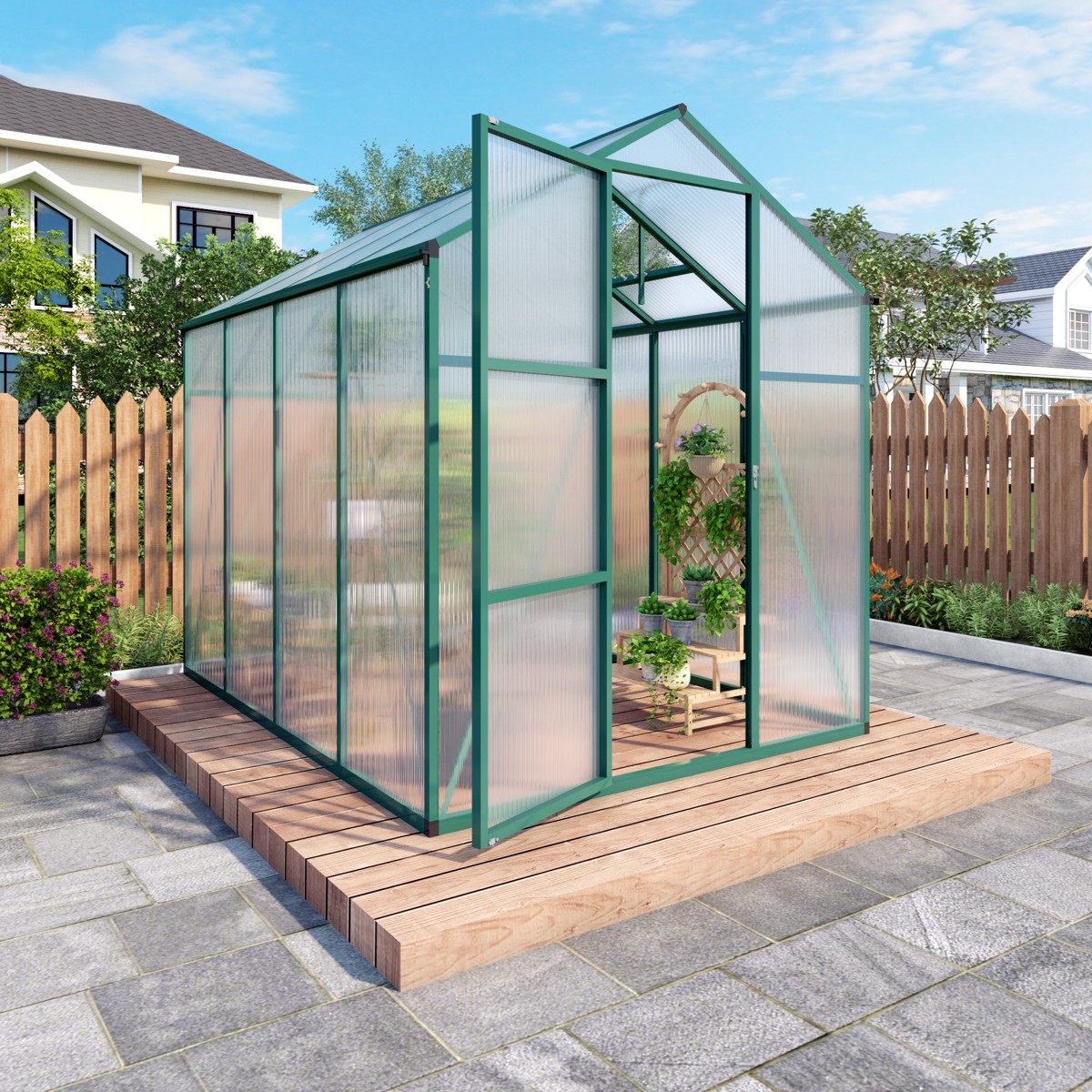
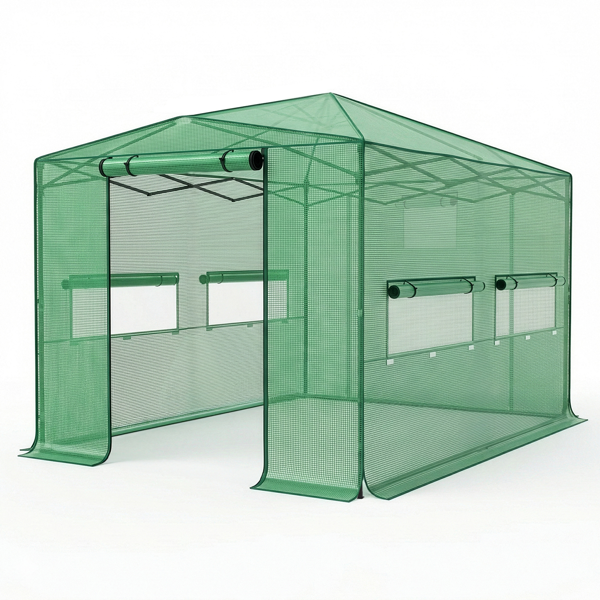
A backyard greenhouse is a semi-permanent outdoor structure that extends the growing season by trapping heat and protecting plants from frost, wind, and pests. The core trade-off is frame rigidity and glazing durability versus portability: light PVC/PE mini tents suit seedling hardening and mild climates, while aluminum or wood frames with twin-wall polycarbonate panels survive snow, wind, and multi-season use. Choose a walk-in polycarbonate greenhouse if you need year-round frost protection; choose a tiered mini cover only for seasonal seedling starts or sheltered patios.

Buying guide image
Greenhouse & Hydroponics

Cold Frame

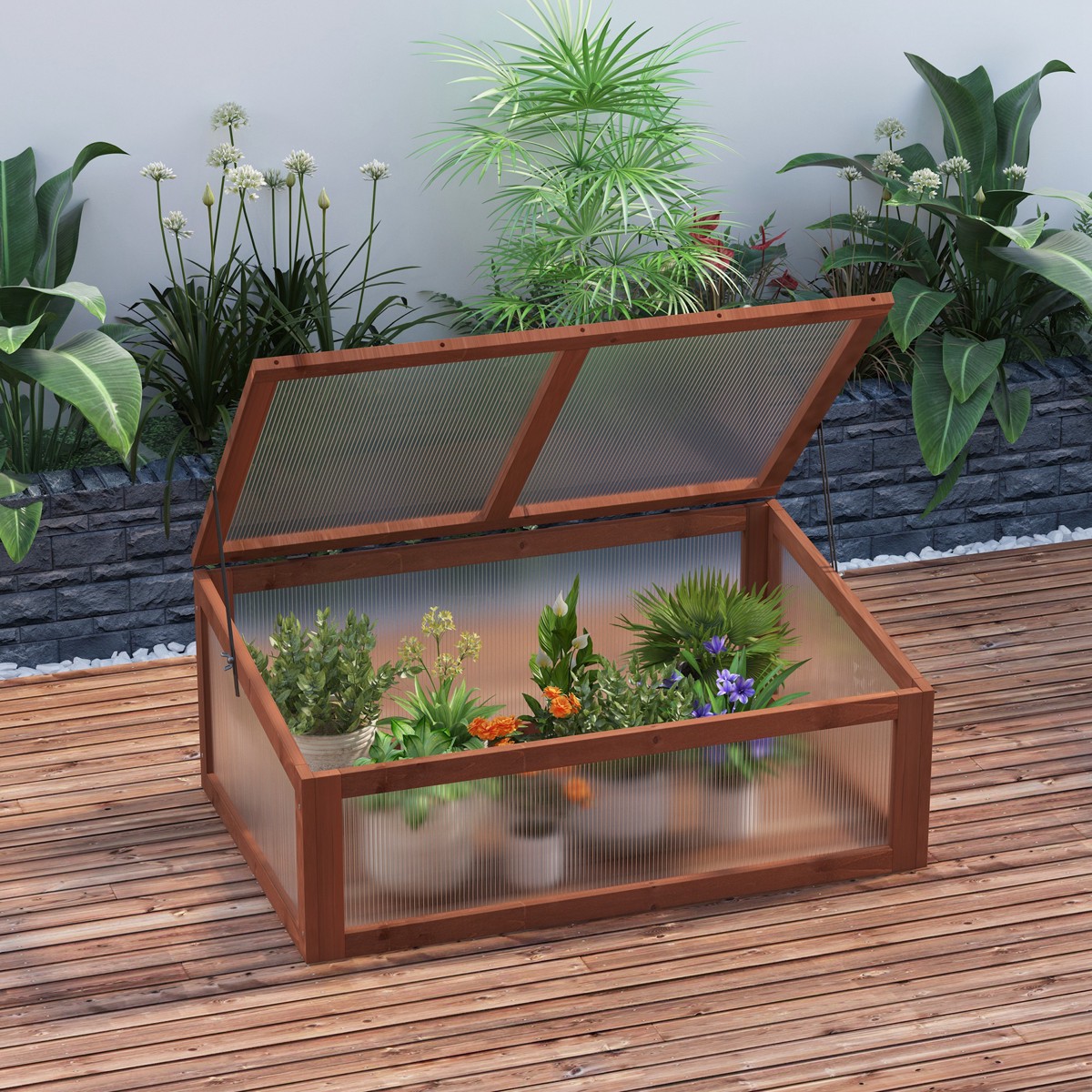
A cold frame is an unheated, low-profile enclosure that uses solar gain and insulation to extend the growing season, harden off seedlings, and overwinter hardy plants. The core trade-off is between insulating mass and ventilation control—wood frames with twin-wall polycarbonate hold heat but can overheat without adjustable lids, while single-wall plastic units are lighter and cheaper but swing wildly in temperature. The clear decision rule: buy a frame with an adjustable or hinged roof, at least 16 inches of interior height, and a rigid glazing panel (polycarbonate or glass) rather than flimsy film.

Buying guide image
Chicken Coops & Runs

Chicken And Duck Coop

Chicken and duck coops are dual-species enclosures where the main trade-off is predator-proof structure versus easy cleaning and ventilation. Ducks need water access and damp-resistant materials while chickens need elevated roosts and nesting privacy, so single-species designs usually force compromises. The decision rule: buy a coop with a walk-in metal frame and a raised, removable-floor house if you keep both species; skip low wooden hutches sold for '1-2 chickens' as duck housing.

Buying guide image
Chicken Feeders & Waterers

Waterproof Chicken Feeder

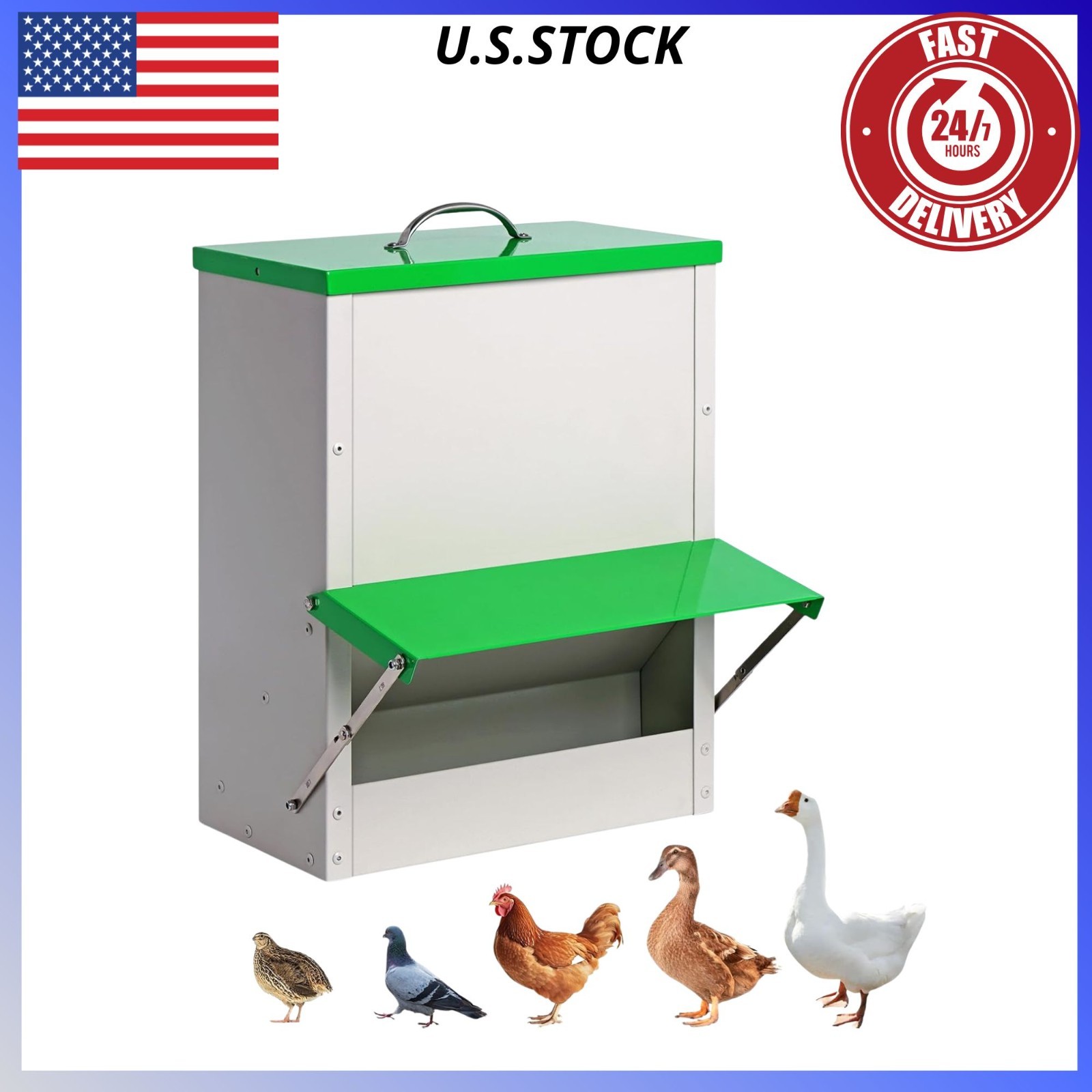
A waterproof chicken feeder is a feed storage and dispensing unit designed to keep grain dry and free of rain, humidity, and rodent moisture. The core trade-off is between open gravity designs that let feed sit exposed and sealed, gasketed, or covered systems that block water ingress while still allowing chickens to eat. Choose a feeder with a physical lid seal and raised feed ports if your coop or run is uncovered; skip open-trough or tray-style feeders for outdoor use.

Buying guide image
Greenhouse & Hydroponics

Heavy Duty Greenhouse Plastic

Heavy duty greenhouse plastic is a UV-stabilized, tear-resistant film (typically 4-6 mil, 3-5 year rated) used to skin hoop houses, high tunnels, and cold frames. The core trade-off is thickness and UV stabilization versus light transmission and cost: cheap 1-2 mil painter's drop cloths degrade in one season, while 6 mil woven-reinforced polyethylene with a 4-year UV rating survives multiple winters. The decision rule is simple: buy film explicitly rated for greenhouse use with a UV stabilizer and at least 4 mil thickness; skip clear tarps or general-purpose polyethylene that lack UV inhibitors and will yellow and shatter within 12 months.

You may also like

Finding more guides for you…