
Photos from current listings. Actual item, color, and included accessories may vary.
Portable Grow Room Buying Guide
A portable grow room is a demountable, lightweight enclosure—typically a fabric tent or modular frame—that creates a controllable microclimate for plants indoors or in temporary spaces. The core trade-off is between light-proof, reflective fabric thickness and passive airflow versus cheap thin shells that trap heat and humidity. The decision rule: choose a 600D+ reflective tent on a steel or aluminum frame with dedicated intake/exhaust ports for any multi-cycle grow; accept a thin 210D pop-up only for short seedling or clone batches.
Median $169.99
Key takeaways
- Fabric shell grade drives light retention and tear life: 600D oxford polyester with Mylar or diamond-film lining blocks 95%+ light, versus 210D nylon that leaks seams and punctures at zipper stress points.
- Frame architecture determines load ceiling: powder-coated steel poles (16-22 mm) support carbon filters and lights, while fiberglass or plastic push-lock frames sag under 5-10 lb of hanging gear.
- Environmental control relies on port diameter and fan throughput: 4-inch or 6-inch duct ports paired with 100-200 CFM inline exhaust complete a full air exchange every 1-3 minutes in a 2x2 to 4x4 tent.
At a glance
- Category
- Greenhouse & Hydroponics
- Last updated
- Nov 27, 2026
Current offers
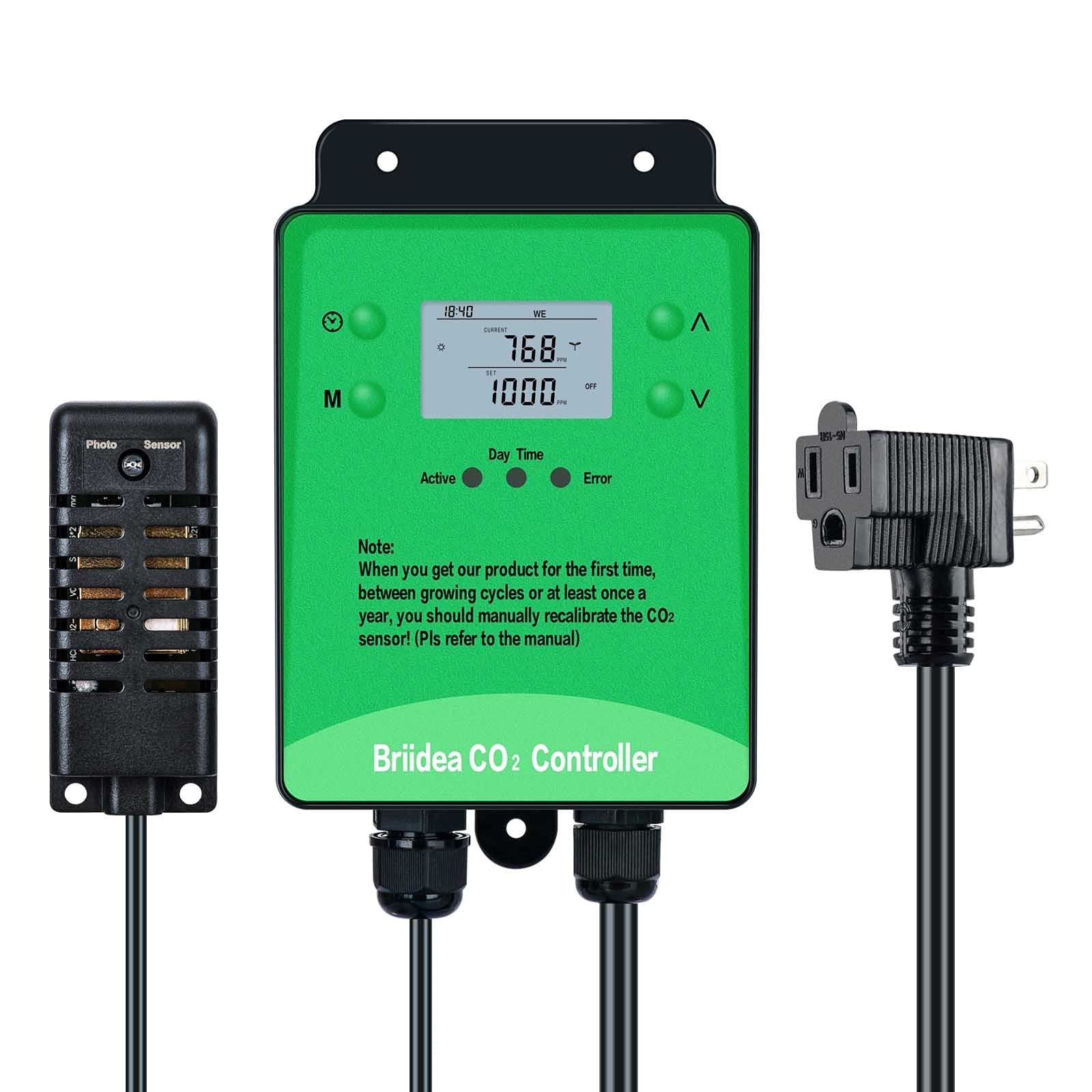 CO2 Monitor and Controller Grow Room Greenhouse Remote Sensor Photocell Day$53.10View on eBay
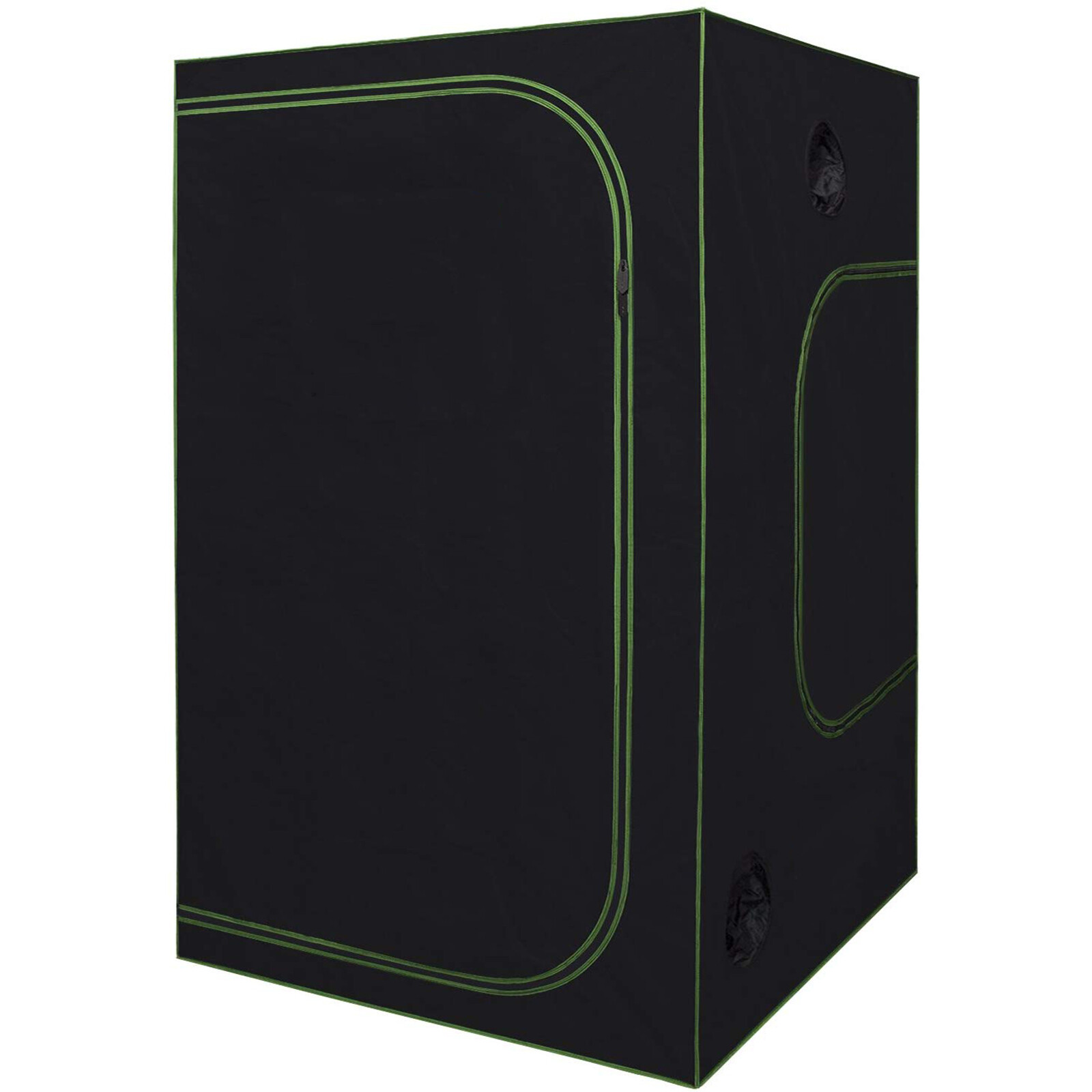 REFLECTIVE 5' x 5' x 7' HYDROPONIC INDOOR GROW ROOM TENT GREENHOUSE 100% Mylar$169.99View on eBay
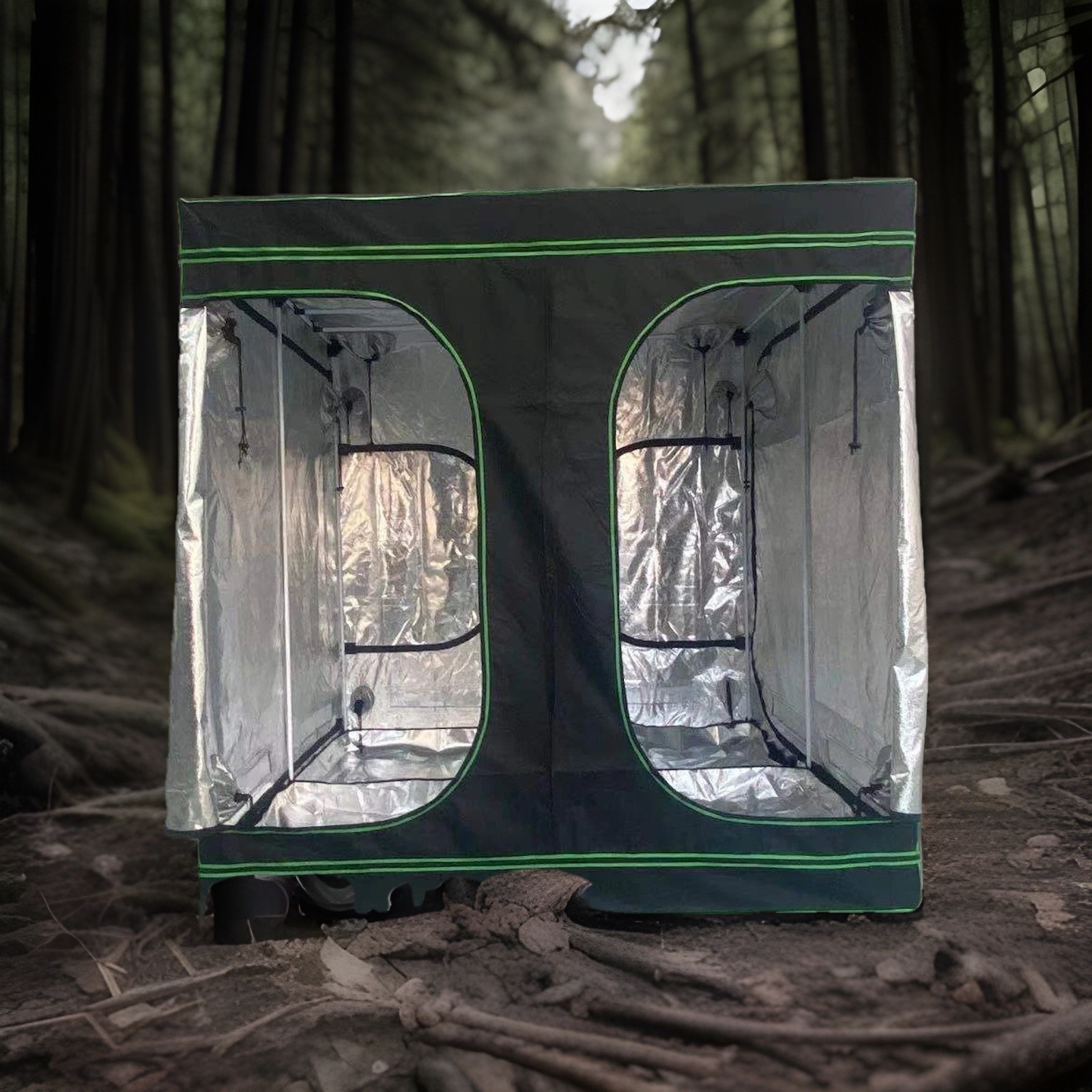 6.5' x 6.5' x 6.5' Hydroponic Indoor Reflective Mylar Grow Room Tent Greenhouse$199.99Last checked Nov 28, 2026View on eBay
Highlights
- Fabric shell grade drives light retention and tear life: 600D oxford polyester with Mylar or diamond-film lining blocks 95%+ light, versus 210D nylon that leaks seams and punctures at zipper stress points.
- Frame architecture determines load ceiling: powder-coated steel poles (16-22 mm) support carbon filters and lights, while fiberglass or plastic push-lock frames sag under 5-10 lb of hanging gear.
- Environmental control relies on port diameter and fan throughput: 4-inch or 6-inch duct ports paired with 100-200 CFM inline exhaust complete a full air exchange every 1-3 minutes in a 2x2 to 4x4 tent.
- Thermostatic PTC heaters (1500W class) with 3-speed fans maintain leaf-zone temperature without open coils, but require a tent rated for the heater's clearance and a dedicated 15A circuit.
Best use cases
- Multi-cycle photoperiod growing indoors: pick a 600D reflective tent (2x4 or 4x4) with steel poles and 6-inch duct ports; skip thin pop-ups that leak light during dark cycles.
- Seedling and clone propagation in a spare room: a 210D-300D small tent (2x2) with a low-CFM fan and 1500W thermostatic PTC heater is sufficient; skip oversized 4x8 frames that outrun your light and ventilation budget.
- Garage or basement winter growing: choose an insulated or double-layer shell plus a 1500W PTC heater on a thermostat; skip single-layer nylon tents that condense moisture and trip overheat protection.
- Temporary or rental spaces needing teardown: a modular push-fit frame with tool-free connectors and a carry bag is right; skip riveted or glued frames that cannot be disassembled without damage.
Buying tips
- Size the tent to your light footprint first: a 2x2 tent pairs with a 100-150W LED, 4x4 with 400-480W; oversizing the tent without matching light reduces yield density.
- Match exhaust CFM to tent volume: multiply length x width x height in feet, then divide by 1-3 minutes for air exchange; a 4x4x6.5 ft tent (~104 cu ft) needs roughly 35-105 CFM plus filter derating.
- Choose 600D or heavier fabric with double-stitched seams and light-blocking zipper flaps; 210D shells are for propagation only and will leak light at seams within a few cycles.
- Confirm pole diameter and material: 16 mm steel or aluminum poles with metal corner connectors handle carbon filters and ducting; plastic push-lock corners crack under load.
Specs
| Shell Fabric Grade | 600D reflective / 210D light-duty |
|---|---|
| Frame Material | Steel vs aluminum vs fiberglass |
| Duct Port Size | 4-inch / 6-inch flanged |
| Tent Footprint | 2x2 / 2x4 / 4x4 / 4x8 ft |
Related searches
What to check before buying
- Measure the room and doorways: a 4x4 tent needs at least 4.5x4.5 ft of floor and a door width greater than the collapsed frame length (typically 4-5 ft).
- Verify ceiling clearance for the tent height plus 12-18 inches for hanging lights and filters; most portable grow rooms run 5-7 ft tall.
- Check circuit capacity: a 1500W heater draws about 12.5A at 120V, so use a dedicated 15A circuit and avoid sharing with high-draw lights.
- Confirm duct port sizes (4-inch vs 6-inch) match your inline fan and carbon filter flanges; mismatched ports require reducers that cut airflow.
FAQ
Data sources: eBay / Amazon listings and product attribute feeds. Updated Nov 27, 2026.
Some links on this page are affiliate links. If you buy after clicking one, we may earn a commission at no extra cost to you. This does not change which products appear here or their order. Affiliate disclosure.