
Photos from current listings. Actual item, color, and included accessories may vary.
Indoor Hydroponic Kit Buying Guide
Indoor hydroponic kits are self-contained growing systems that replace soil with a nutrient solution circulated through net pots, and the decisive trade-off is between active pumped systems (DWC, NFT, aeroponic) that need power and upkeep versus passive systems (Kratky, wick) that need near-zero hardware. Buy an active kit only if you will maintain pumps and reservoirs on a weekly cycle; choose passive or modular pipe systems if you want low-maintenance, scalable growing without electrical dependency.
Median $83.99
Key takeaways
- Active systems split into DWC (deep water culture, roots submerged in aerated water), NFT (nutrient film technique, shallow continuous flow over roots), and aeroponic (misted roots); each dictates reservoir size, pump duty cycle, and root-zone oxygen levels.
- Pipe-based multi-tier kits use food-grade UPVC or PVC; light-blocking opaque walls are essential because transparent tubing grows algae that consumes nutrients and clogs emitters.
- Site count (net-pot holes) is the real capacity metric: 90–108 sites across 3 tiers suits leafy greens and herbs, while fruiting crops like tomatoes need far lower density for root and canopy space.
At a glance
- Category
- Greenhouse & Hydroponics
- Last updated
- Nov 27, 2026
Current offers
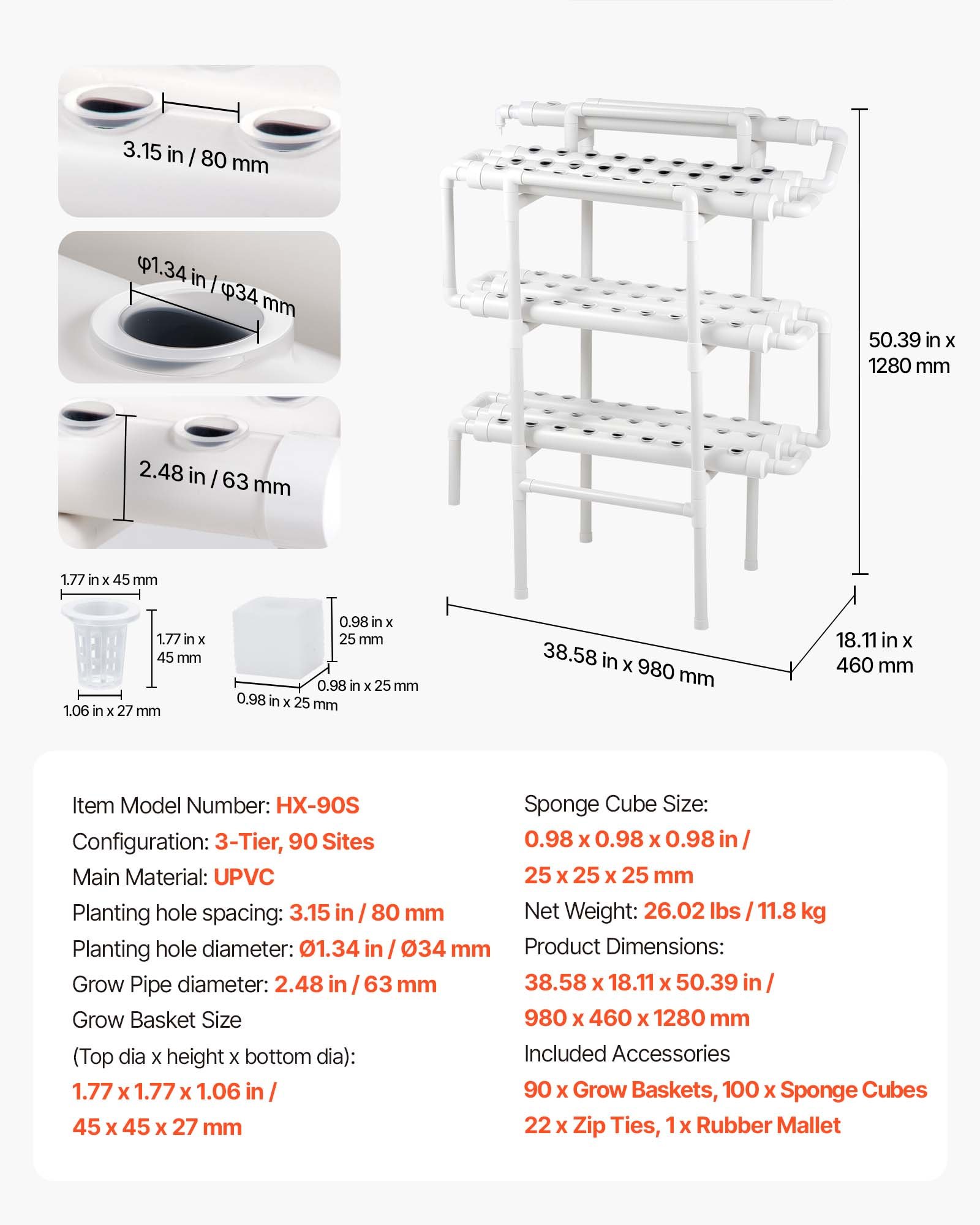 Hydroponics Growing System Kit, 3-Tier 90 Sites UPVC Pipe Hydroponic Grow Kit With Timed Irrigation, Sun & Light Blocking Pipes, Indoor Home Garden Vegetable Planting Kits For Fruit Herb$82.99View on Mallflare
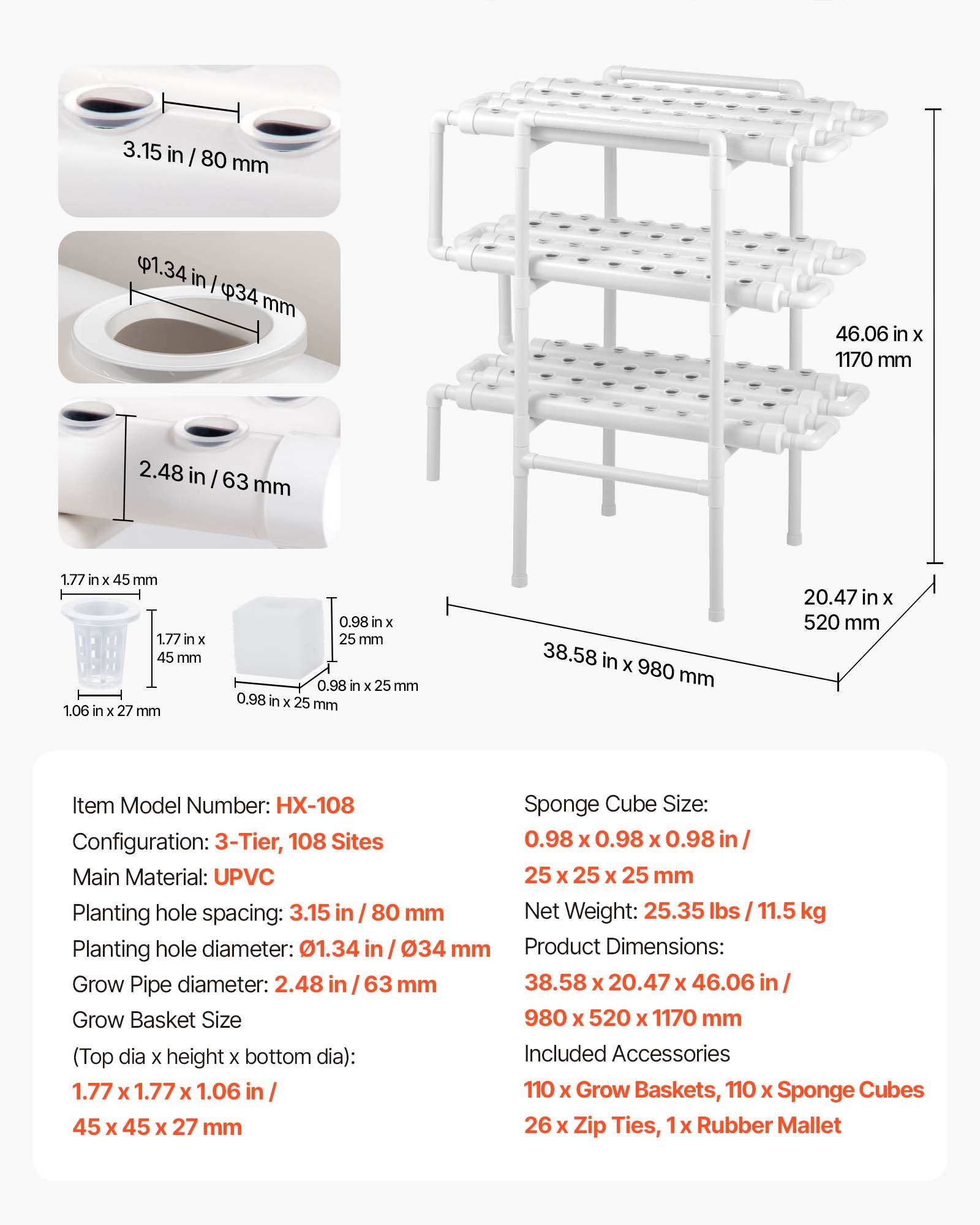 Hydroponics Growing System Kit, 3-Tier 108 Sites UPVC Pipe Hydroponic Grow Kit With Timed Irrigation, Thickened Pipes, Indoor Home Garden Vegetable Planting Kits For Fruit Herb$83.99View on Mallflare
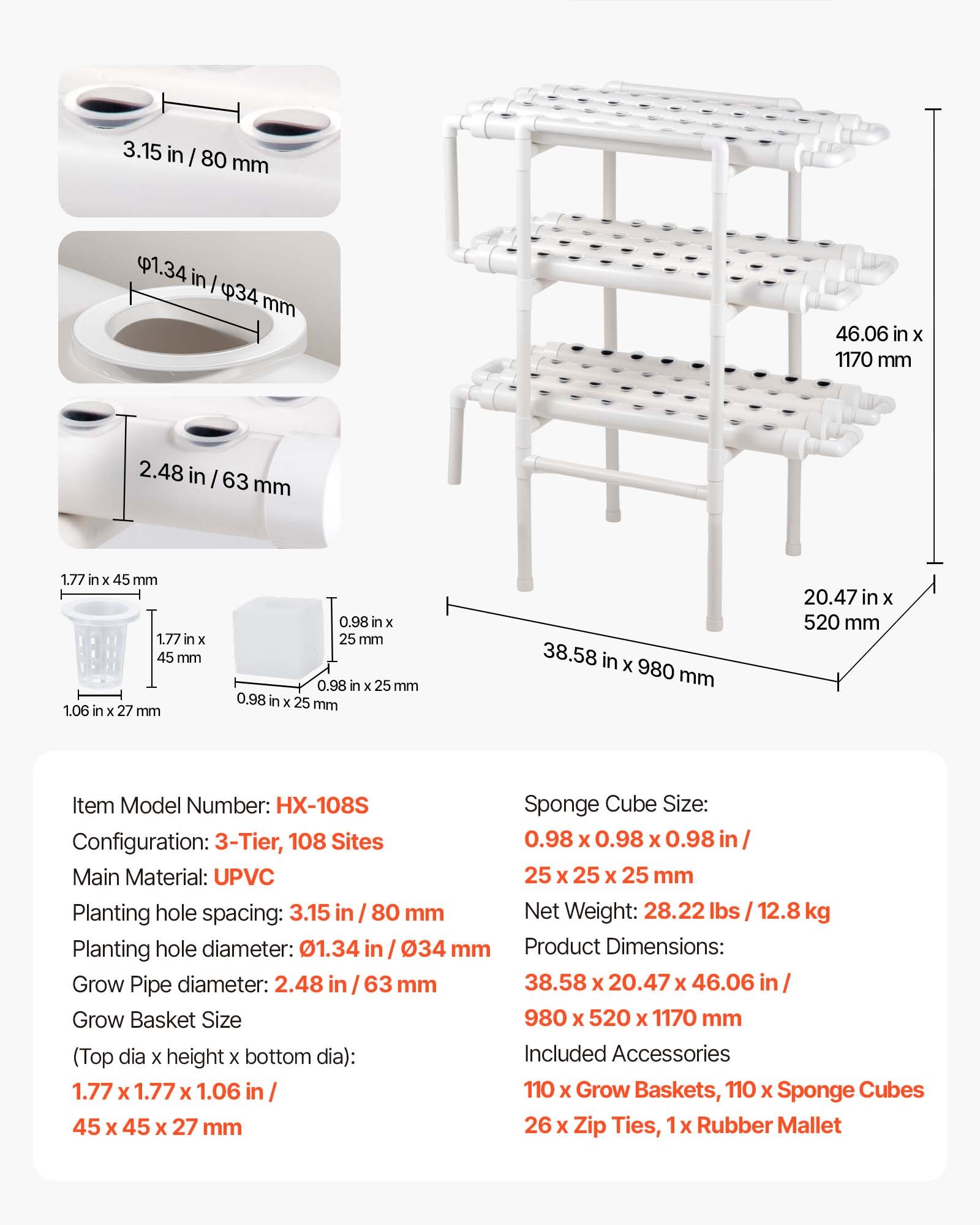 Hydroponics Growing System Kit, 3-Tier 108 Sites UPVC Pipe Hydroponic Grow Kit With Timed Irrigation, Sun & Light Blocking Pipes, Indoor Home Garden Vegetable Planting Kits For Fruit Herb$104.99View on Mallflare
Highlights
- Active systems split into DWC (deep water culture, roots submerged in aerated water), NFT (nutrient film technique, shallow continuous flow over roots), and aeroponic (misted roots); each dictates reservoir size, pump duty cycle, and root-zone oxygen levels.
- Pipe-based multi-tier kits use food-grade UPVC or PVC; light-blocking opaque walls are essential because transparent tubing grows algae that consumes nutrients and clogs emitters.
- Site count (net-pot holes) is the real capacity metric: 90–108 sites across 3 tiers suits leafy greens and herbs, while fruiting crops like tomatoes need far lower density for root and canopy space.
- Timer-controlled irrigation pumps run on short on/off cycles (commonly 15 min on, 30–60 min off); submerged pumps fail fastest, so external inline pumps and accessible reservoirs extend service life.
Best use cases
- Best fit: a 3-tier 90–108 site UPVC pipe kit with timed irrigation and light-blocking walls for a dedicated indoor herb and leafy-green wall; skip it for fruiting vegetables, which need wider spacing and stronger lighting.
- Best fit: a compact DWC or aeroponic countertop kit with integrated LED for a single crop cycle of lettuce or basil in a small kitchen; skip multi-tier pipe kits if you cannot reach every tier for reservoir refills.
- Best fit: passive Kratky or wick systems for low-maintenance growers who travel; wrong fit for anyone expecting fast growth of heavy feeders without active aeration and nutrient monitoring.
- Wrong fit: buying a high-site-count kit before confirming ceiling height and wall anchor points — a 3-tier system needs roughly 5–6 ft of vertical clearance plus access space for maintenance.
Buying tips
- Match site count to crop: 90–108 sites for herbs and lettuce; reduce to roughly 20–30 larger sites for peppers, and fewer still for tomatoes, which need 12–18 in between plants.
- Demand opaque, light-blocking UPVC/PVC pipe and reservoir lids; clear or translucent walls cause algae blooms and nutrient lockout within weeks.
- Choose a kit with an external or accessible inline pump and a drain valve; submerged pumps in sealed reservoirs are the most common failure point.
- Size the reservoir to at least 1–2 gallons per 10 net pots and confirm the pump's flow rate matches total system volume; undersized reservoirs swing pH and EC quickly.
Specs
| System Type | DWC / NFT / Aeroponic / Kratky |
|---|---|
| Site Count | 4–108 net-pot sites |
| Pipe Material | Opaque food-grade UPVC/PVC |
| Irrigation Control | Timer pump, 15 min on / 30–60 off |
Related searches
What to check before buying
- Measure ceiling height and wall space: a 3-tier pipe kit needs about 5–6 ft vertical clearance plus 2–3 ft front access for planting and reservoir service.
- Confirm a level, load-bearing floor or wall for a filled multi-tier system — water weight adds up fast, so anchor tall units to studs.
- Check that the kit's pump voltage and plug match your region (120V US vs 230V EU) and that you have a nearby grounded outlet, ideally on a timer or GFCI.
- Plan for companion parts the kit may not include: grow light (full-spectrum LED), pH/EC meter, net pots, grow media (clay pebbles or rockwool), and nutrients.
FAQ
Data sources: eBay / Amazon listings and product attribute feeds. Updated Nov 27, 2026.
Some links on this page are affiliate links. If you buy after clicking one, we may earn a commission at no extra cost to you. This does not change which products appear here or their order. Affiliate disclosure.