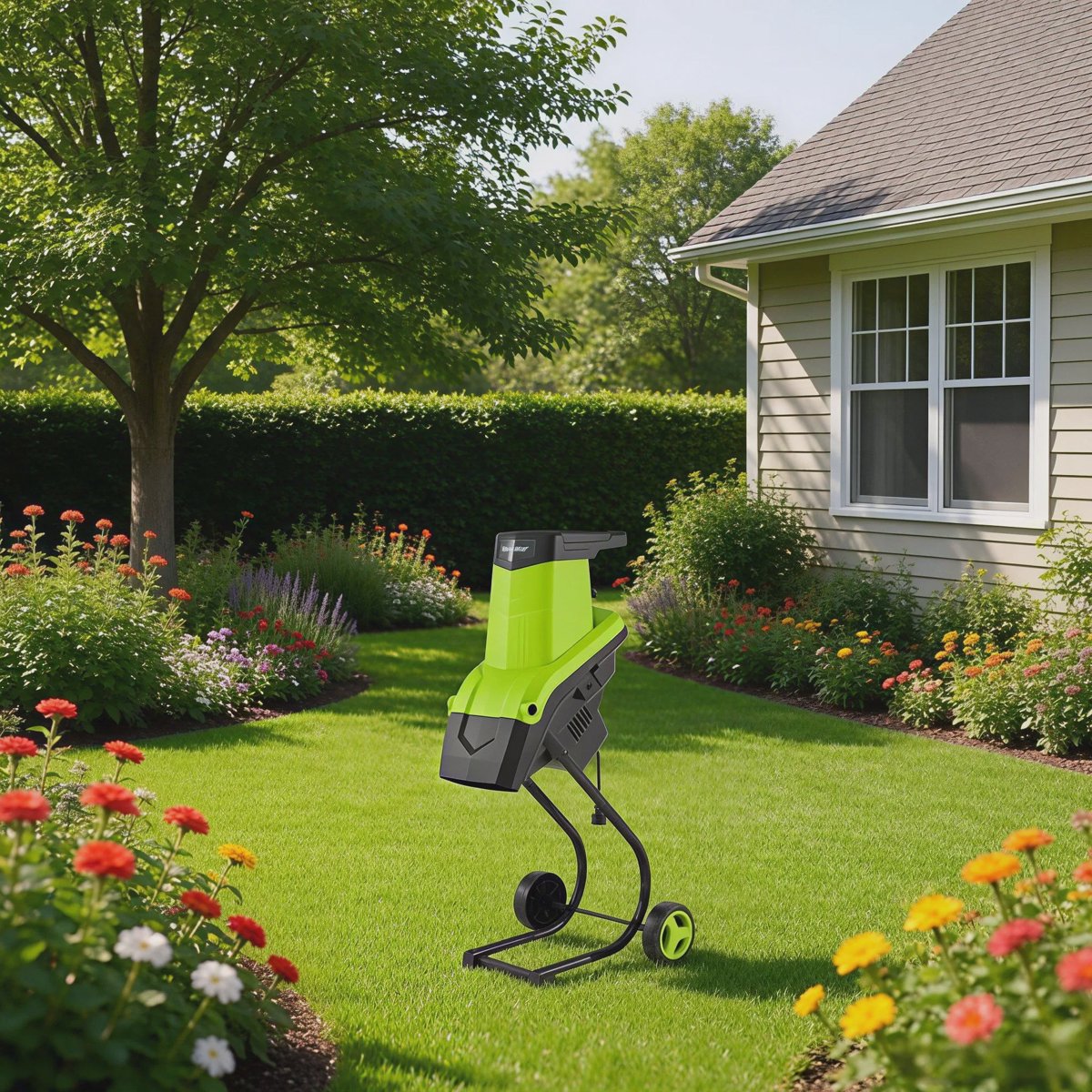

Photos from current listings. Actual item, color, and included accessories may vary.
Wood Chipper Buying Guide
A wood chipper reduces branches and yard debris into mulch, and the core trade-off is engine architecture versus throughput: electric units are quiet and low-maintenance but limited to small-diameter softwood, while gas units deliver real torque for hardwood and larger limbs. Decide by branch diameter and volume first—if you routinely process limbs over 2 inches or need off-grid placement, buy gas; if you chip light prunings near an outlet, a 15-amp electric unit is the durable, low-fuss choice.
Median $404.49
Key takeaways
- Electric chippers run 120V/15-amp motors (about 1.5–2 HP equivalent) and top out near 1.5–1.8 inch cutting capacity on fresh softwood.
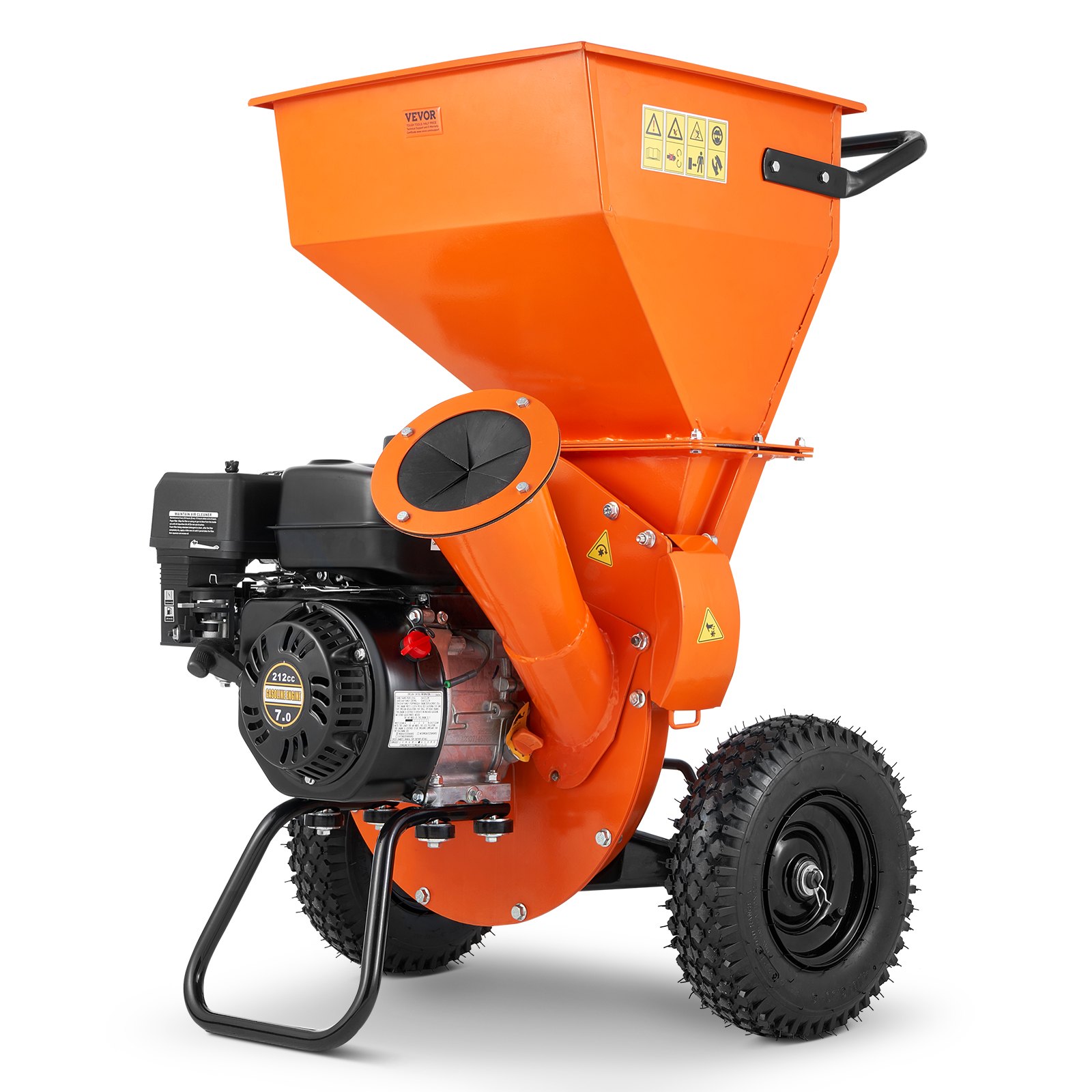
- Gas chippers use 196–212cc 4-stroke engines (6–7 HP) with 3-inch rated capacity, but real throughput drops sharply on dry hardwood.
- Cutting mechanism separates tiers: single-blade flywheels clog on stringy material, while dual-blade or flail-style drums handle fibrous branches with fewer jams.
At a glance
- Category
- Residential Outdoor Power Equipment
- Last updated
- Nov 28, 2026
Current offers
Highlights
- Electric chippers run 120V/15-amp motors (about 1.5–2 HP equivalent) and top out near 1.5–1.8 inch cutting capacity on fresh softwood.
- Gas chippers use 196–212cc 4-stroke engines (6–7 HP) with 3-inch rated capacity, but real throughput drops sharply on dry hardwood.
- Cutting mechanism separates tiers: single-blade flywheels clog on stringy material, while dual-blade or flail-style drums handle fibrous branches with fewer jams.
- Reduction ratio (typically 10:1 to 20:1) determines mulch volume and bag count—higher ratios mean fewer debris bags per yard of branches.
Best use cases
- Suburban yard with light prunings under 1.5 inches and an outdoor GFCI outlet: choose a 15-amp electric chipper; skip gas to avoid fuel storage and tune-ups.
- Rural property processing 2–3 inch hardwood limbs and brush piles away from power: buy a 212cc gas chipper; skip electric, which stalls on green hardwood.
- Fall leaf and garden-waste cleanup: pick a chipper-shredder with a vacuum or bag attachment and 10:1+ reduction; skip pure chippers that lack a shredder chute.
- Frequent large-volume chipping or commercial use: step up to a towable gas unit with 3-inch+ capacity and pneumatic tires; skip homeowner electric and light gas models.
Buying tips
- Match capacity to your thickest regular branch: electric 1.5–1.8 inch for softwood prunings; gas 3 inch for hardwood limbs up to 3 inches.
- For gas units, choose 196–212cc overhead-valve engines with low-oil shutdown; avoid off-brand engines with no parts network.
- Prefer dual-blade or drum/flail cutting systems over single-blade flywheels if you chip leafy, stringy branches that clog.
- Check discharge height and bag compatibility: high discharge chutes need a bag or mulch bed; low chutes suit direct ground discharge.
Specs
| Power Source | 120V electric vs 196–212cc gas |
|---|---|
| Cutting Capacity | 1.5–1.8 in electric / 3 in gas |
| Cutting Mechanism | Single-blade / dual-blade / drum-flail |
| Reduction Ratio | 10:1 to 20:1 mulch reduction |
Related searches
What to check before buying
- Measure your thickest regular branch diameter and confirm it sits below the chipper's rated capacity, not at the limit.
- Verify a 120V GFCI outdoor outlet within cord reach for electric models—most need a 12-gauge extension cord under 50 feet.
- Confirm chipping location and chip collection: decide between bagging, mulch bed, or direct discharge before choosing chute height.
- Check storage space and fuel handling for gas models: ethanol-free fuel and a covered, ventilated spot prevent carburetor issues.
FAQ
Data sources: eBay / Amazon listings and product attribute feeds. Updated Nov 28, 2026.
Some links on this page are affiliate links. If you buy after clicking one, we may earn a commission at no extra cost to you. This does not change which products appear here or their order. Affiliate disclosure.