
Photos from current listings. Actual item, color, and included accessories may vary.
Teak Bench Buying Guide
Teak benches earn their premium through dense, oily heartwood that resists rot and insects without chemical treatment, but the label 'teak' covers everything from solid A-grade slabs to thin veneers over acacia or eucalyptus. Buyers who skip construction details—joinery type, slat thickness, and whether the teak is genuinely solid—often end up with a bench that warps or grays unevenly within two seasons. The right pick depends on sun exposure, whether you want a backrest, and how much assembly and maintenance you're willing to take on.
Median $199.49
Key takeaways
- Solid teak heartwood (Tectona grandis) is naturally rot- and termite-resistant; sapwood and 'teak-finish' acacia or eucalyptus look similar but degrade faster outdoors.
- Mortise-and-tenon or dowel joinery with stainless or brass hardware outlasts screwed butt joints, which loosen as wood expands and contracts seasonally.
- Slat thickness of roughly 3/4 inch (18–20 mm) or more resists sagging across a 4–5 ft span; thinner slats cup and crack under repeated wet-dry cycles.
At a glance
- Category
- Patio Furniture
- Last updated
- Nov 28, 2026
Current offers
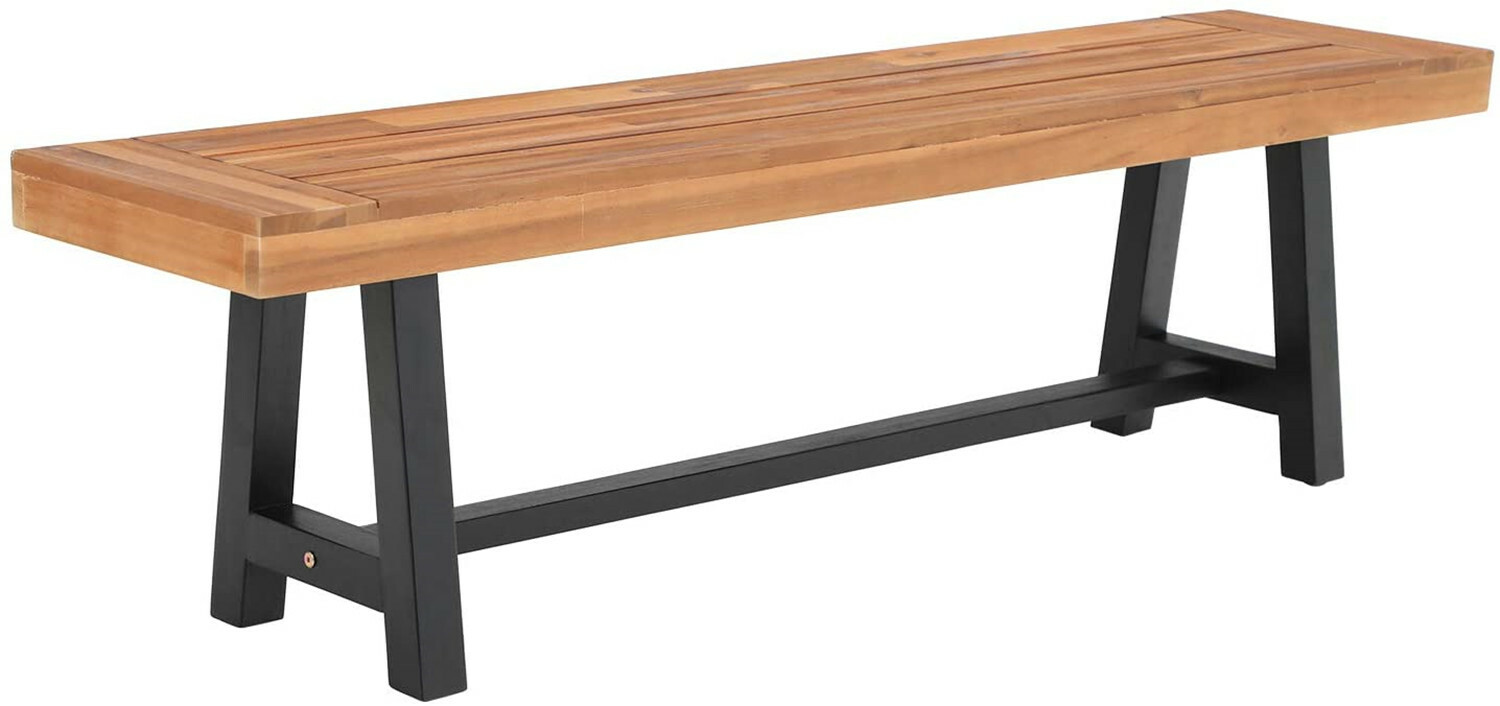 Outdoor Table Bench Set Wooden Patio Dining Tables Chair Garden Furniture Teak$132.99Last checked Nov 27, 2026View on eBay
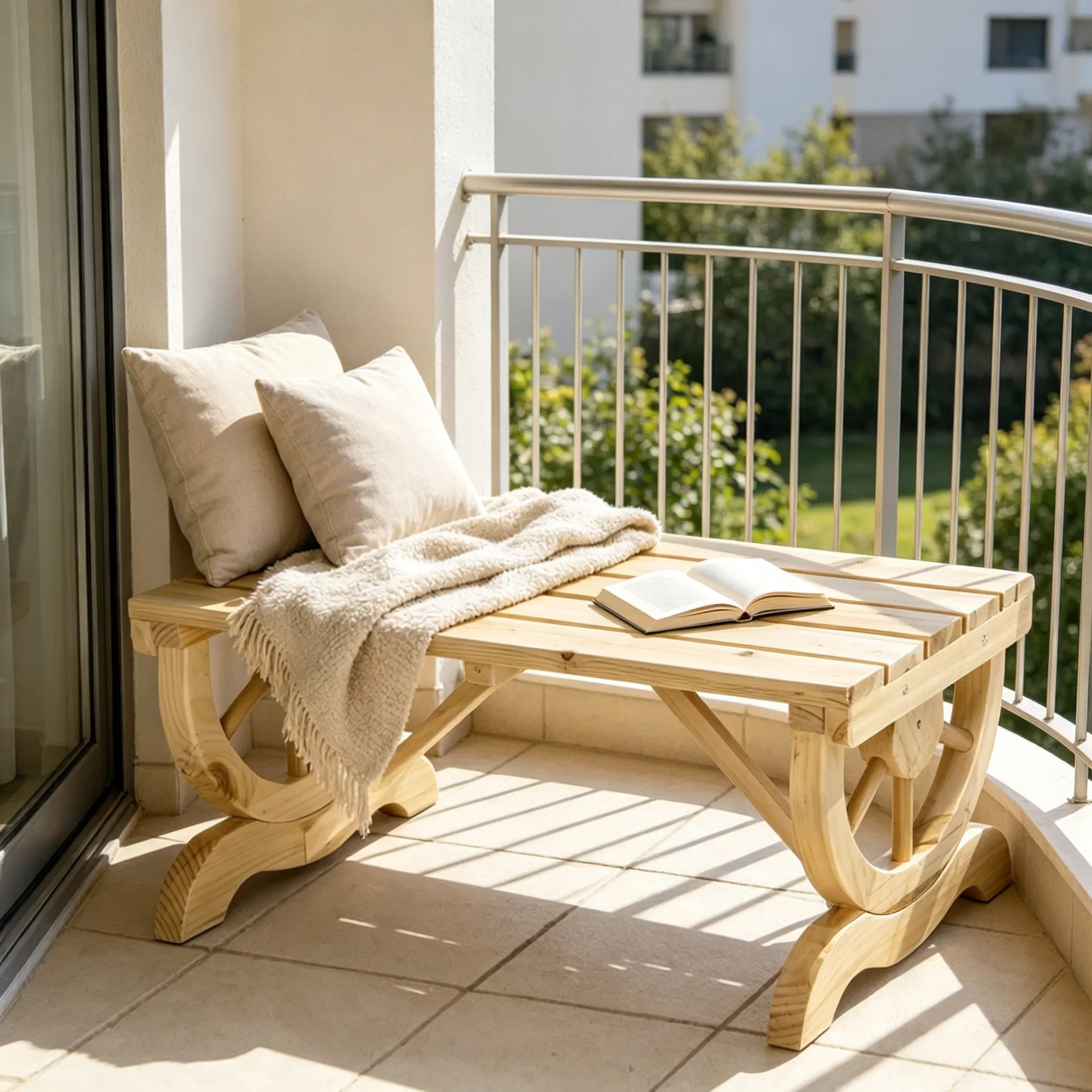 2-Person Outdoor Garden Bench Wagon Wheel Porch for Backyard Patio Natural Wood Furniture$117.99View on Mallflare
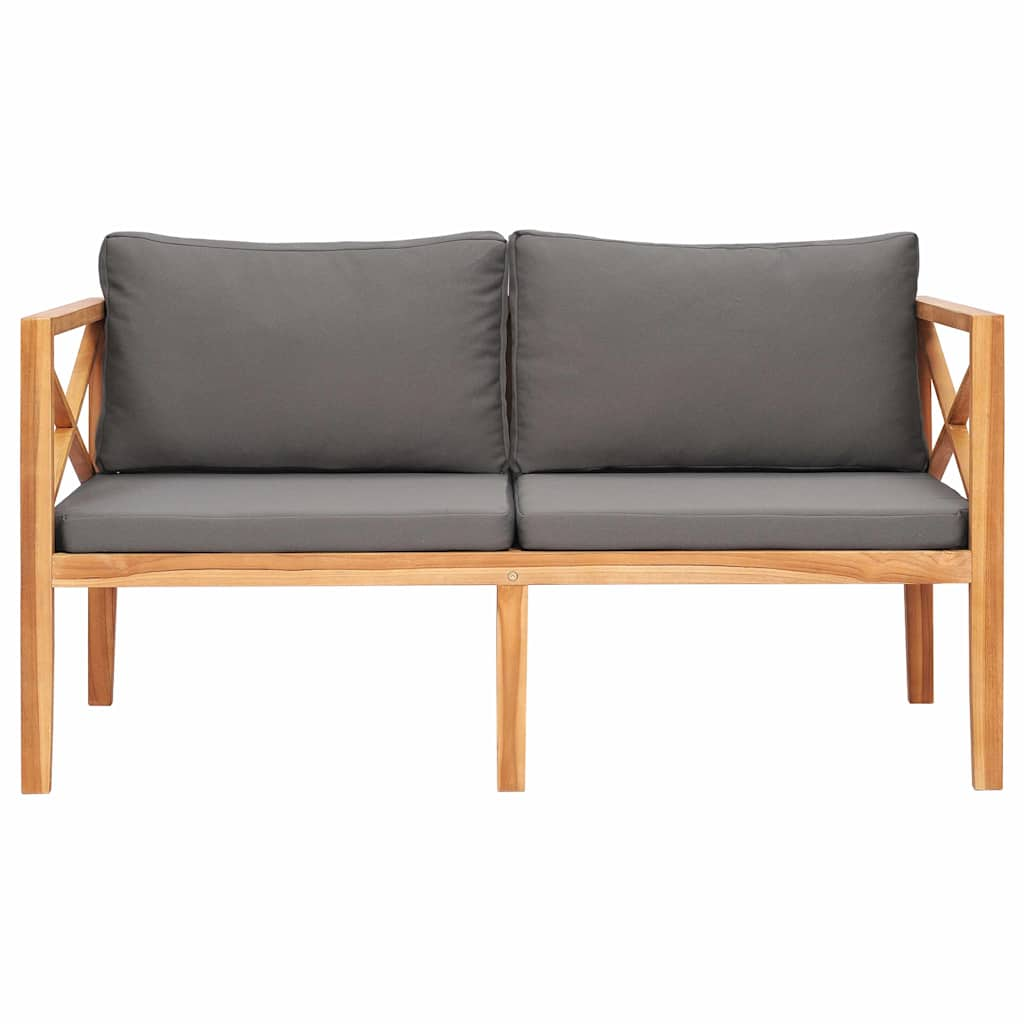 2-Seater Patio Bench Loveseat Chair Sofa with Cushions Solid Wood Teak vidaXL$216.99Last checked Nov 16, 2026View on eBay
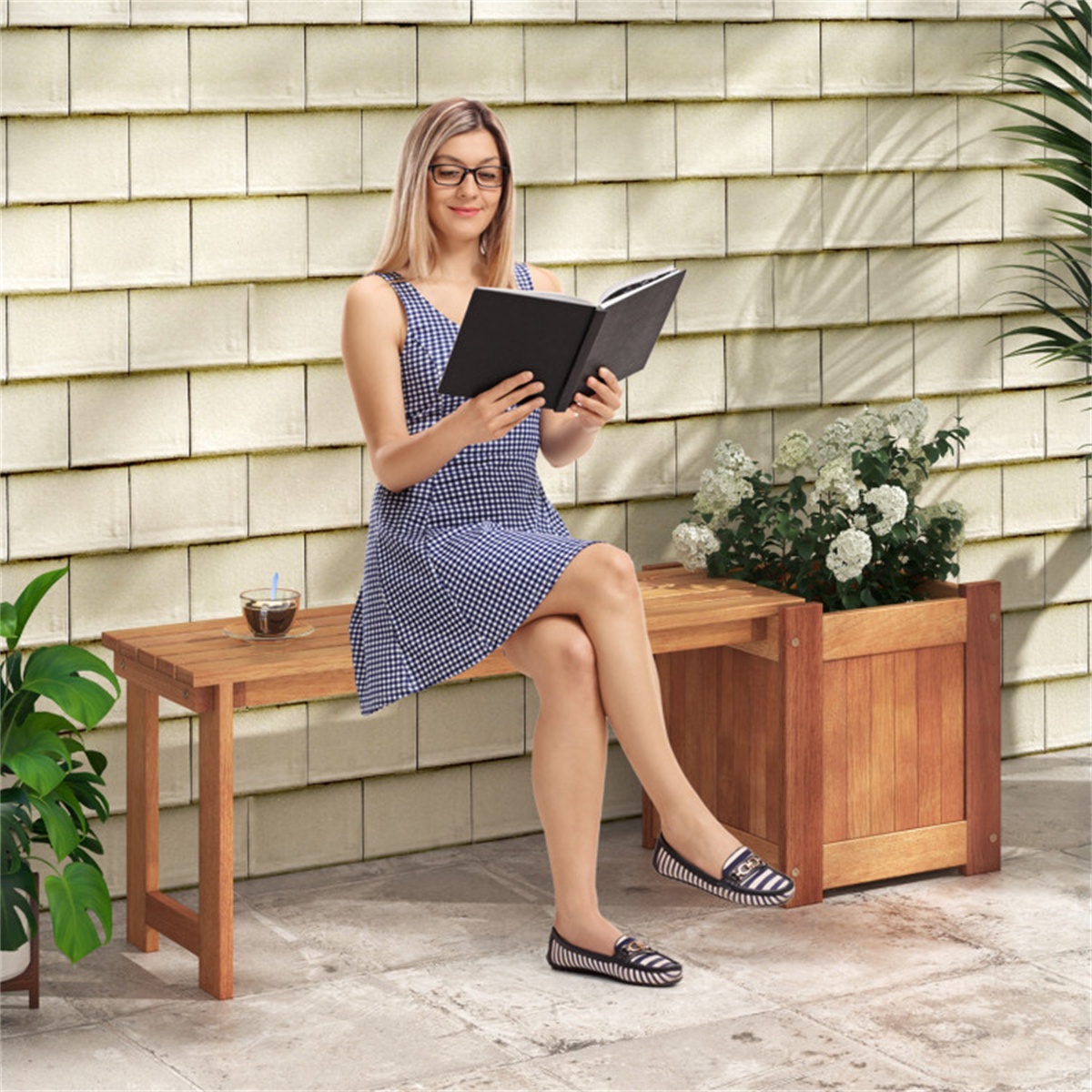 Outdoor bench with planter box, teak$181.99View on Mallflare
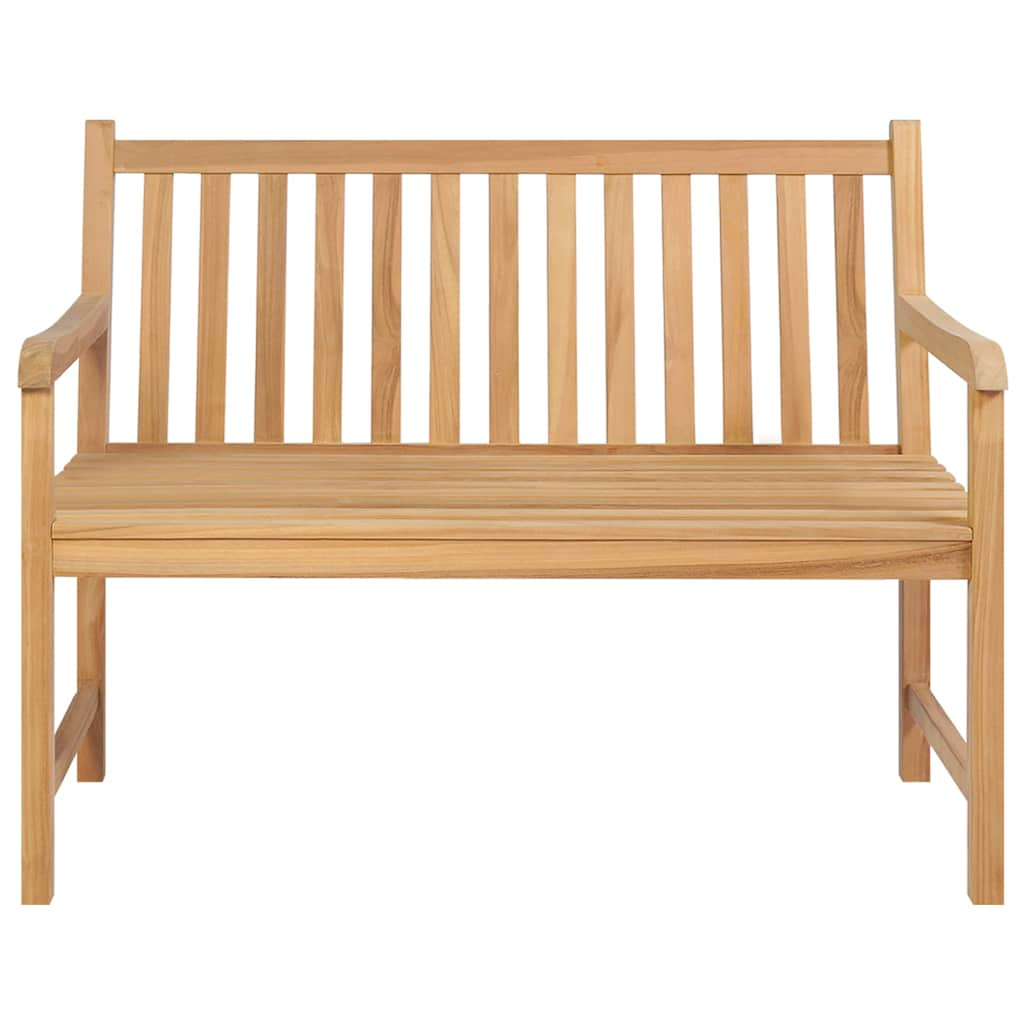 Outdoor Patio Bench Garden Front Porch Chair Bench Solid Wood Teak vidaXL$223.99Last checked Nov 16, 2026View on eBay
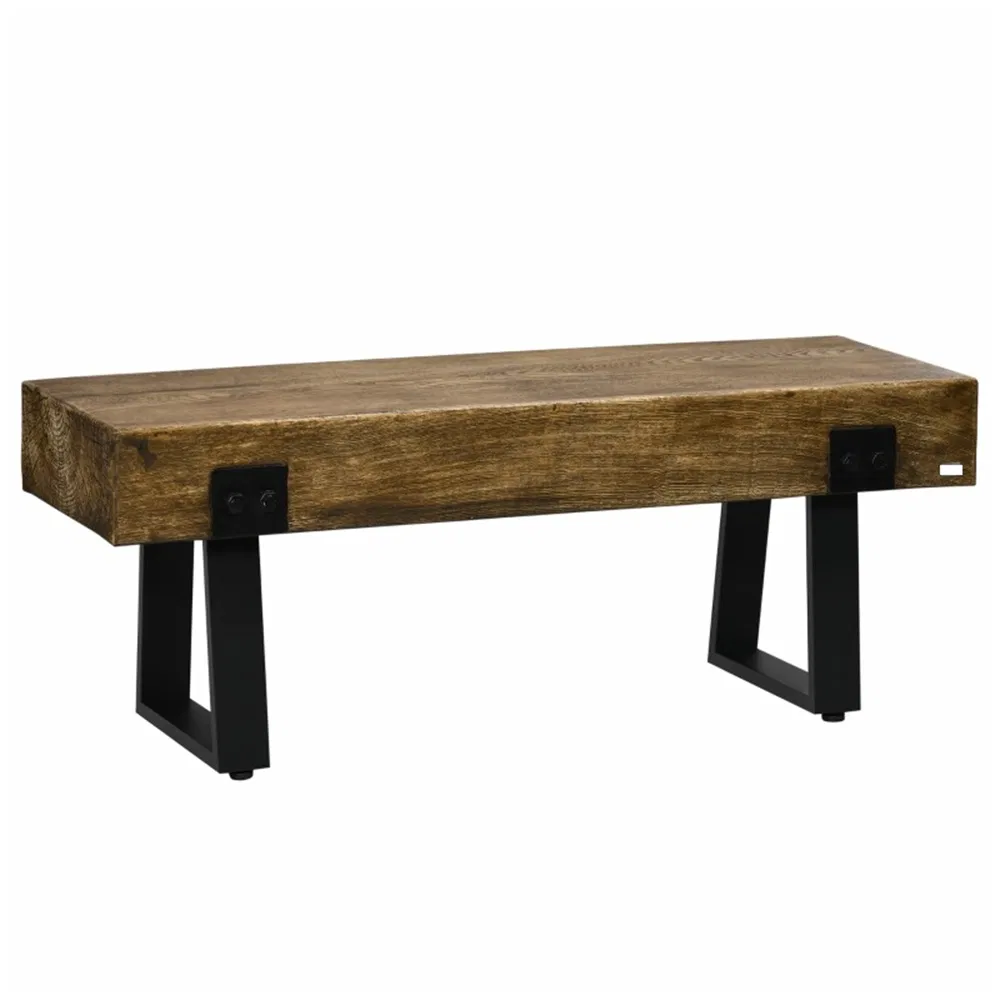 Garden Bench, Metal Base with Wood Grain Concrete Top, Indoor and Outdoor, 297 lbs Capacity, Natural and Black$352.99View on Mallflare
Highlights
- Solid teak heartwood (Tectona grandis) is naturally rot- and termite-resistant; sapwood and 'teak-finish' acacia or eucalyptus look similar but degrade faster outdoors.
- Mortise-and-tenon or dowel joinery with stainless or brass hardware outlasts screwed butt joints, which loosen as wood expands and contracts seasonally.
- Slat thickness of roughly 3/4 inch (18–20 mm) or more resists sagging across a 4–5 ft span; thinner slats cup and crack under repeated wet-dry cycles.
- Unfinished teak weathers to a silver-gray patina; oiling preserves the honey-brown tone but requires reapplication every 6–12 months depending on sun and rain.
Best use cases
- Best fit: a backless 4–5 ft solid teak bench for an uncovered patio or garden border—low profile, weathers gracefully, and needs no cushion storage.
- Best fit: a 2-seater teak loveseat with cushions and backrest for a covered porch or sunroom where you want lounging comfort and the frame stays dry.
- Wrong fit: a teak table-and-bench dining set for a small balcony—measure the full assembled footprint including chair pull-out space before ordering.
- Wrong fit: a hanging porch swing in teak for a pergola or beam that isn't rated for dynamic hanging loads—verify beam capacity and chain anchor points first.
Buying tips
- Prioritize solid teak heartwood over 'teak finish' or 'teak-look' acacia; check the product description for species name (Tectona grandis) and whether sapwood is excluded.
- Inspect joinery details in photos: mortise-and-tenon or doweled joints with stainless hardware hold up far better than visible screws through end grain.
- Choose a backless bench for walkway or garden-border seating and a backrest model for porch lounging; backrests add height and need clearance behind the bench.
- Size the bench to your space: allow about 24 inches of depth for seating plus 18–24 inches of pull-out clearance in front of a dining bench.
Specs
| Frame Material | Solid teak heartwood vs acacia/eucalyptus |
|---|---|
| Joinery Type | Mortise-tenon/dowel vs screwed butt joints |
| Slat Thickness | 18–20 mm solid vs thinner veneered slats |
| Finish | Unfinished gray patina vs oiled honey-brown |
What to check before buying
- Measure your patio or porch footprint including the bench depth (typically 20–24 inches) and any backrest clearance against walls or railings.
- Confirm the bench arrives unassembled or assembled and that you have the tools (usually an Allen key or wrench) and two people for heavier solid-teak frames.
- Check the hardware material—stainless steel or brass resists rust; zinc-plated or painted steel will corrode in coastal or humid climates.
- Decide on finish preference: leave unfinished for silver-gray patina or plan for teak oil/sealer reapplication every 6–12 months to keep the brown tone.
FAQ
Data sources: eBay / Amazon listings and product attribute feeds. Updated Nov 28, 2026.
Some links on this page are affiliate links. If you buy after clicking one, we may earn a commission at no extra cost to you. This does not change which products appear here or their order. Affiliate disclosure.