GardenPulse Guide

GardenPulse Guide

Garden, Yard & Outdoor Living Reviews & Buying Guides

Compare garden, yard & outdoor living by use case, features, trade-offs, price, returns, and seller terms before you buy.

Buying guides

Buying guide image
Garden Tools

Pruning Shear

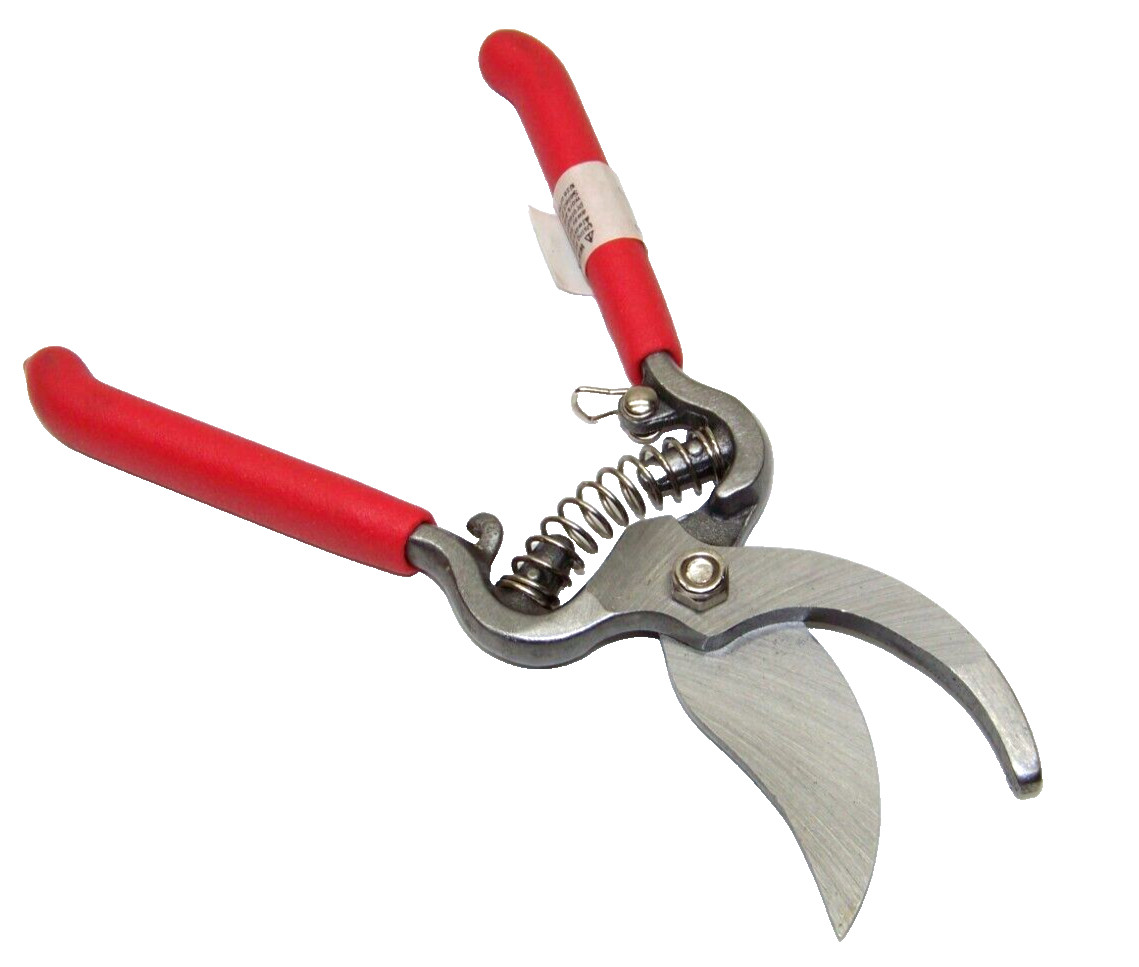
Pruning shears are the primary hand tool for cutting live stems and branches, and the core trade-off is between bypass and anvil cutting actions, blade steel hardness, and handle ergonomics. Bypass shears suit live growth; anvil shears crush and are for dead wood. Durable models use forged or high-carbon steel blades with replaceable parts, while compromises use soft stamped stainless that rolls or chips.
Buying guide image
Outdoor Storage

Resin Outdoor Shed

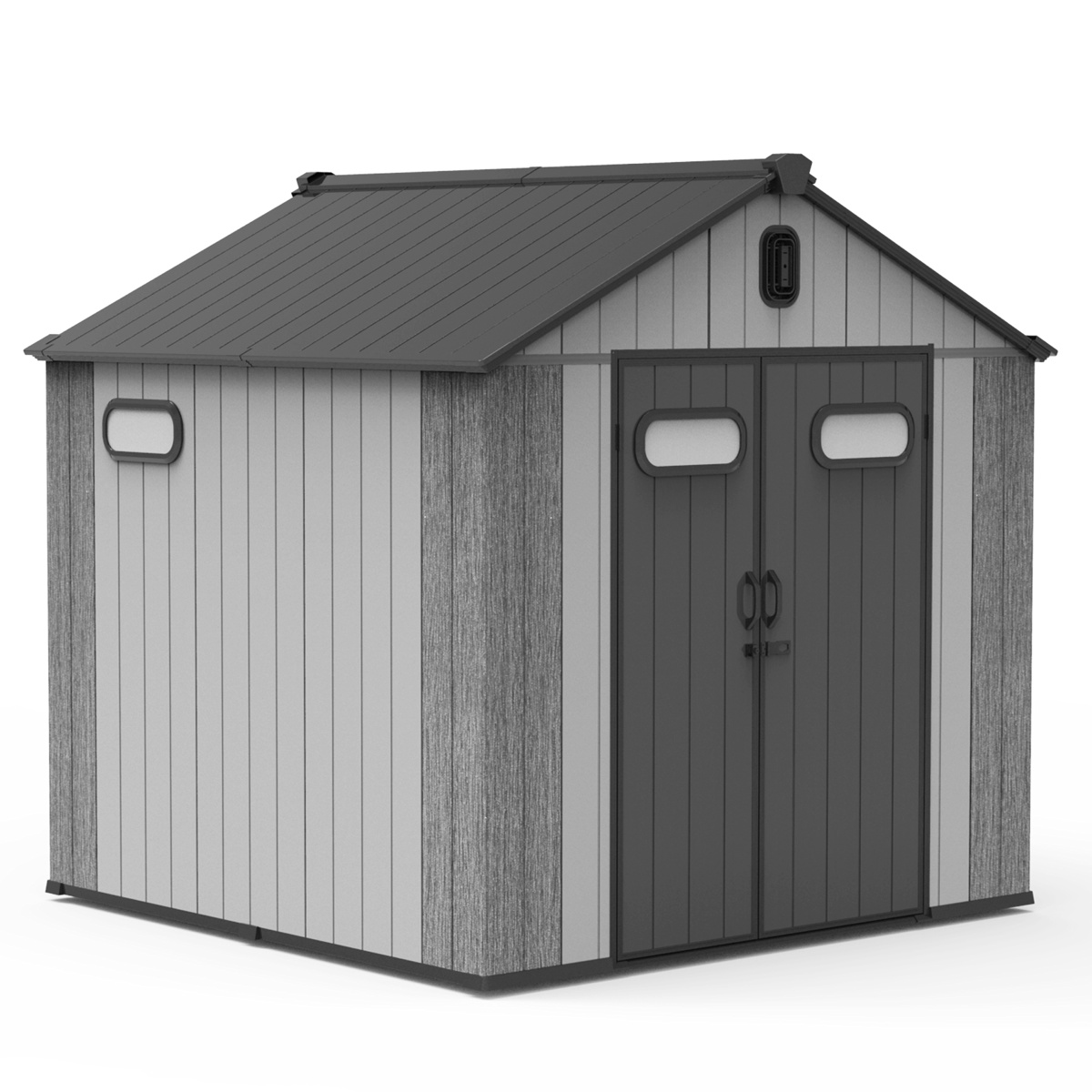
Resin outdoor sheds are molded plastic storage structures (typically high-density polyethylene or polypropylene) that trade the rigidity and repairability of metal or wood for rot-proof, rust-proof, low-maintenance weather resistance. The core trade-off is panel wall thickness and UV stabilization versus price: thin, single-wall panels (under 1 inch) flex, fade, and buckle in wind, while double-wall resin with steel reinforcement and anchored flooring holds shape for decades. The decision rule is simple: buy double-wall resin with a floor kit, anchored footings, and at least 1-inch wall thickness for anything holding mowers or bikes; skip thin single-wall kits for heavy equipment or high-wind zones.

Buying guide image
Garden Tools

Pole Saw

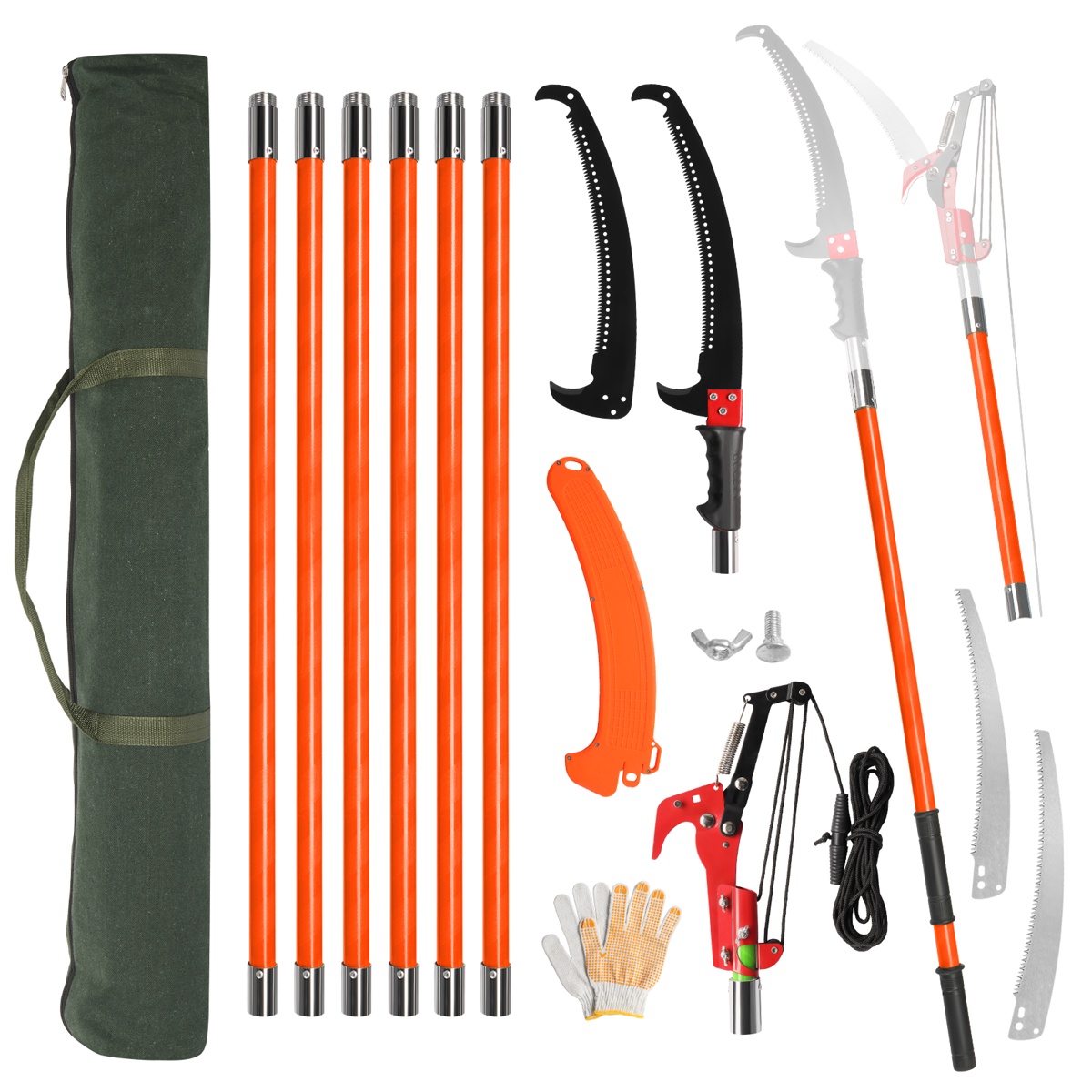
A pole saw is a long-reach cutting tool that combines a saw blade or chain with an extension pole to trim high branches without a ladder. The core trade-off is manual versus powered: manual poles are light, silent, and inexpensive but demand upper-body effort, while gas or battery chain pole saws cut faster but add weight, maintenance, and cost. Choose manual for occasional cuts under 3 inches and long reach; choose powered for frequent cuts over 3 inches and sustained trimming.

Buying guide image
Patio Furniture

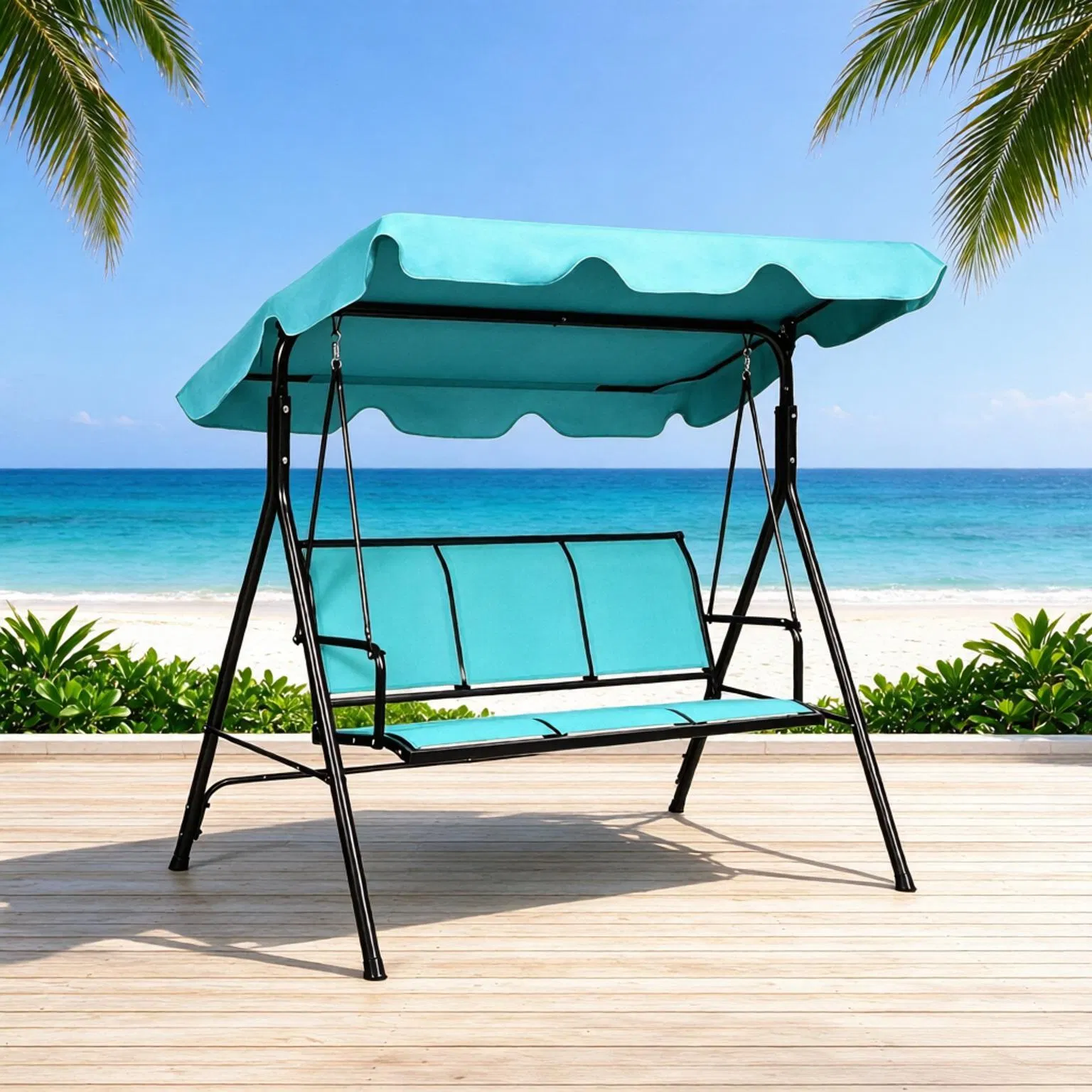
Outdoor Swing With Canopy

An outdoor swing with canopy is a freestanding or hanging seating unit pairing a weather-resistant fabric top with a steel, aluminum, or rattan-frame bench, sold in 2- and 3-seat widths. The central trade-off is frame steel gauge and canopy UV rating versus weight and assembly complexity: lighter tube frames flex and rust at welds, while heavier powder-coated frames demand two-person assembly and a level footprint. Buy a freestanding A-frame or glider base rated for your combined seated load with a UV-stabilized polyester canopy; skip thin-gauge hang-only frames and unrated fabric if the swing lives in full sun or on uneven ground.

Buying guide image
Patio Furniture

Chair With Shade

A chair with shade is an outdoor seating product that integrates a canopy or sunshade with the seat, spanning folding chaise lounges, freestanding swing gliders, and canopy patio chairs. The core trade-off is canopy coverage versus frame stability: larger shades and swing motions demand heavier steel or aluminum frames with wider bases, while portable or folding units compromise wind resistance and seating capacity. The decision rule: choose a freestanding swing or canopy chair with a powder-coated steel or aluminum frame and a UV-resistant fabric canopy for daily patio use; choose a folding chaise only for portable lounging where weight and packability matter more than all-day stability.

Buying guide image
Pools & Spas

Pool Float

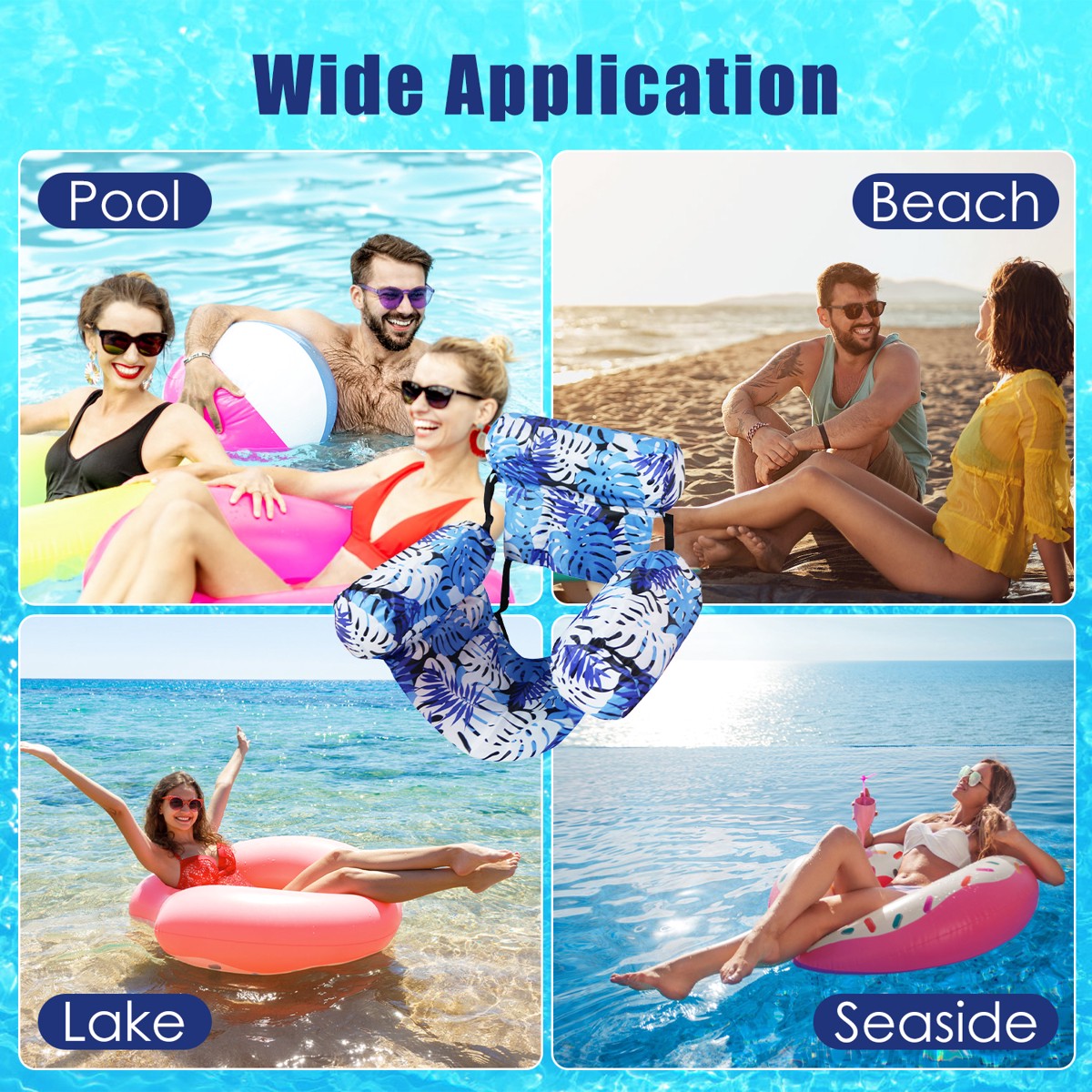
Pool floats range from thin PVC inflatables to foam-core and fabric-covered loungers, with the main trade-off being packability versus puncture resistance and stability. Durable floats use 0.35–0.6 mm PVC, reinforced drop-stitch or closed-cell foam, while compromises are sub-0.25 mm vinyl that fails at seams. The decision rule: buy foam-core or 0.5 mm+ PVC for adult weight and rough surfaces; buy thin inflatables only for occasional light use.

Buying guide image
Patio Furniture

Outdoor Furniture Cover

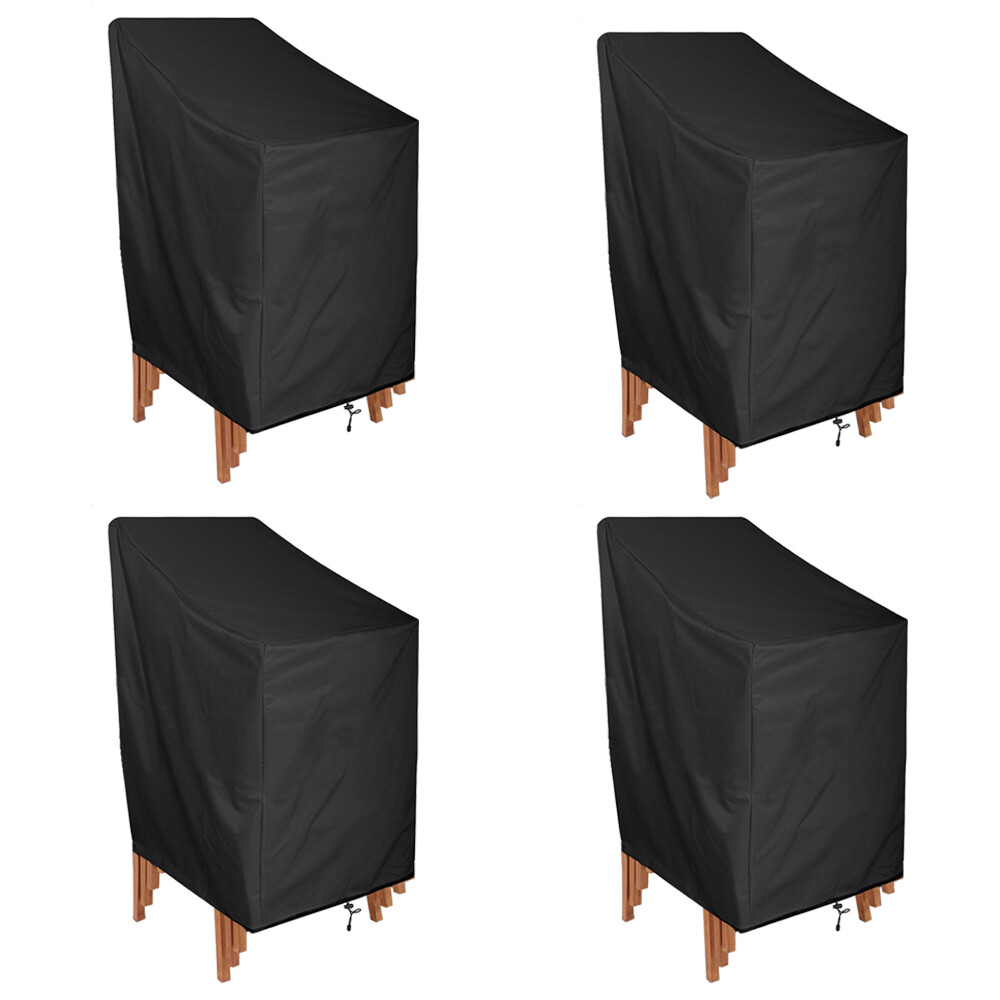
Outdoor furniture covers are protective fabric shells that shield patio tables, chairs, and sofas from rain, UV, dust, and debris. The core trade-off is fabric weight and coating quality versus breathability: heavier woven polyester with a polyurethane or PVC backing resists water and tears, but traps condensation unless it has vents. Choose a cover rated 600D or higher with taped seams and air vents for multi-season durability; skip thin 210D-300D covers with single-stitched seams if the furniture stays outside year-round.

Buying guide image
Watering & Irrigation

Irrigation Timer

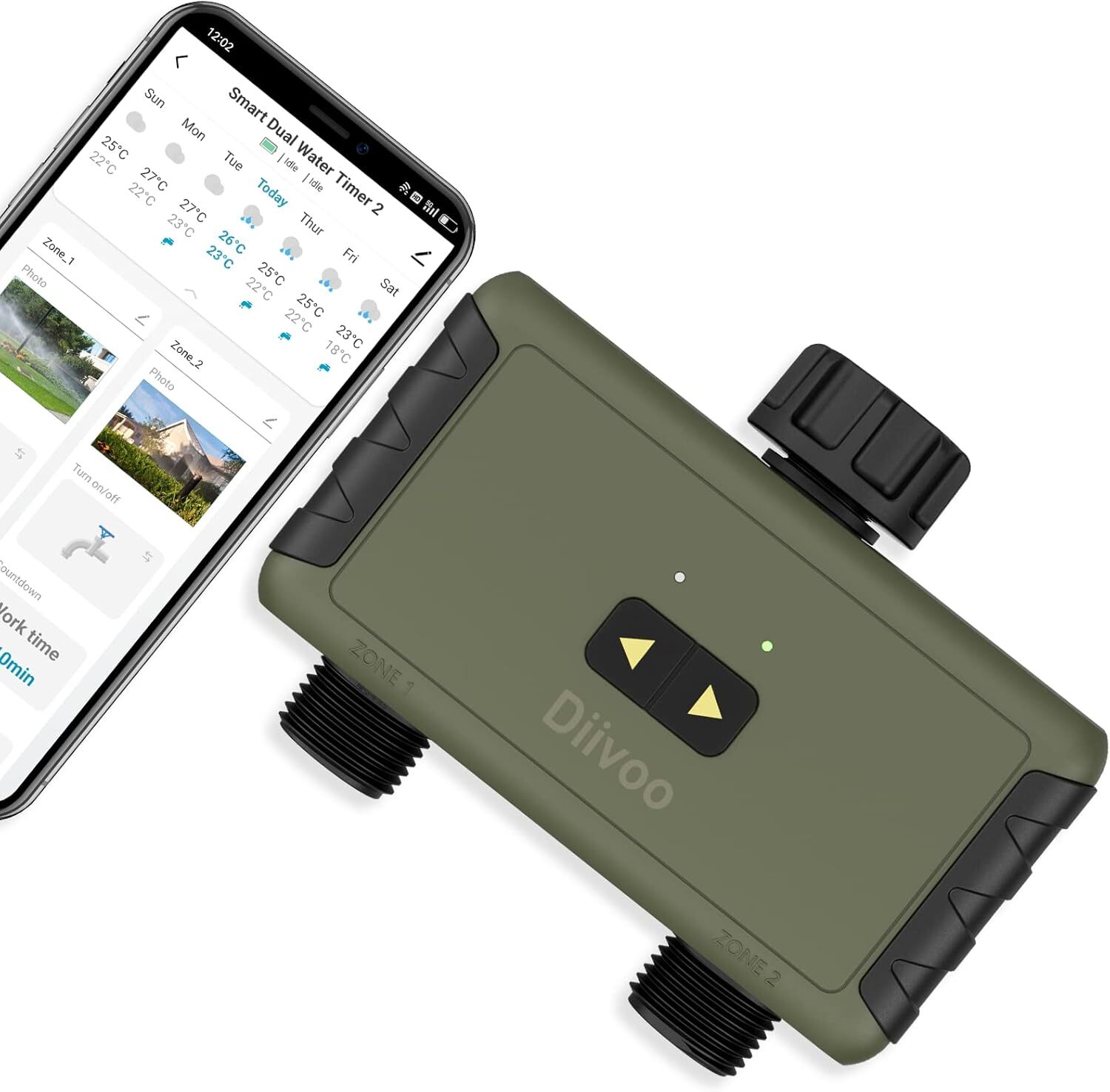
An irrigation timer is a faucet- or hose-mounted control valve that automates watering schedules, ranging from simple mechanical dials to programmable electronic and app-connected controllers. The core trade-off is valve architecture: mechanical timers use a clockwork dial and rubber seals with no power source, while electronic solenoid timers add programmability but depend on batteries and rated seals. Buy mechanical if you water a single zone and want zero power dependency; buy an electronic timer only if you need multiple start times, durations, or drip-line control.

Buying guide image
Chicken Coops & Runs

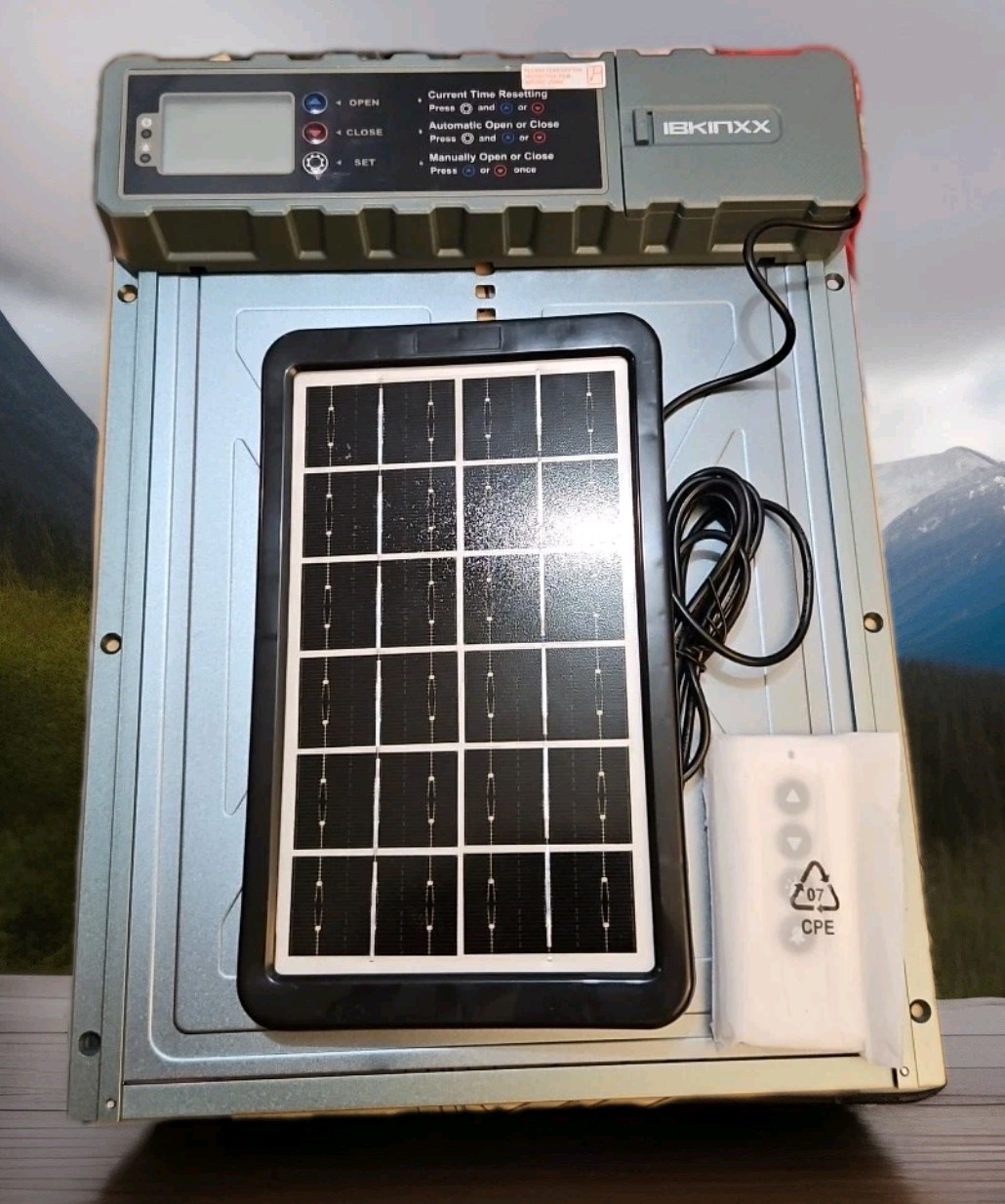
Chicken Door

A chicken door is the weakest link in predator defense and daily flock management, so choosing between automatic and manual styles determines your morning routine and flock safety. Focus on opening size, power source, and mechanism durability rather than cosmetic features. The most common mistake is buying a door that fits the coop wall but not the flock—or a solar unit that never gets enough light.

Buying guide image
Chicken Coops & Runs

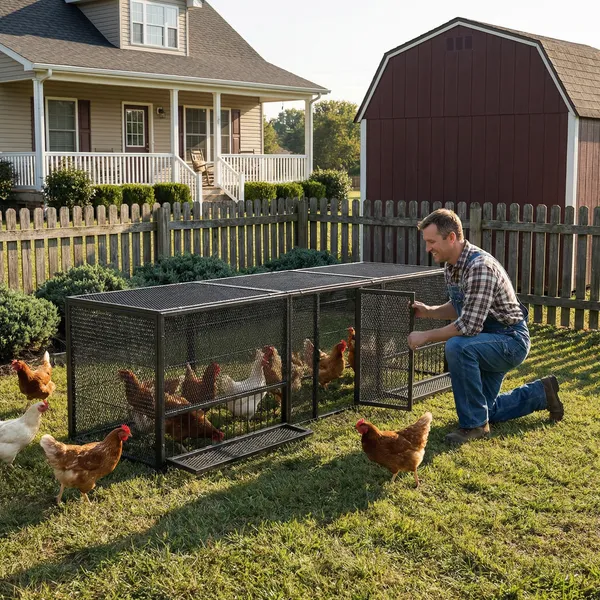
Easy Chicken Coop

Easy chicken coops are metal runs and tunnels sold on assembly speed, but the real trade-off is thin snap-together tubing versus thicker welded mesh that survives predators and wind. Pick a walk-in welded-wire run with a rated cover for permanent backyard flocks, and a foldable or tube-and-sleeve tunnel kit only for temporary, supervised daytime use.

Buying guide image
Outdoor Lighting & Decor

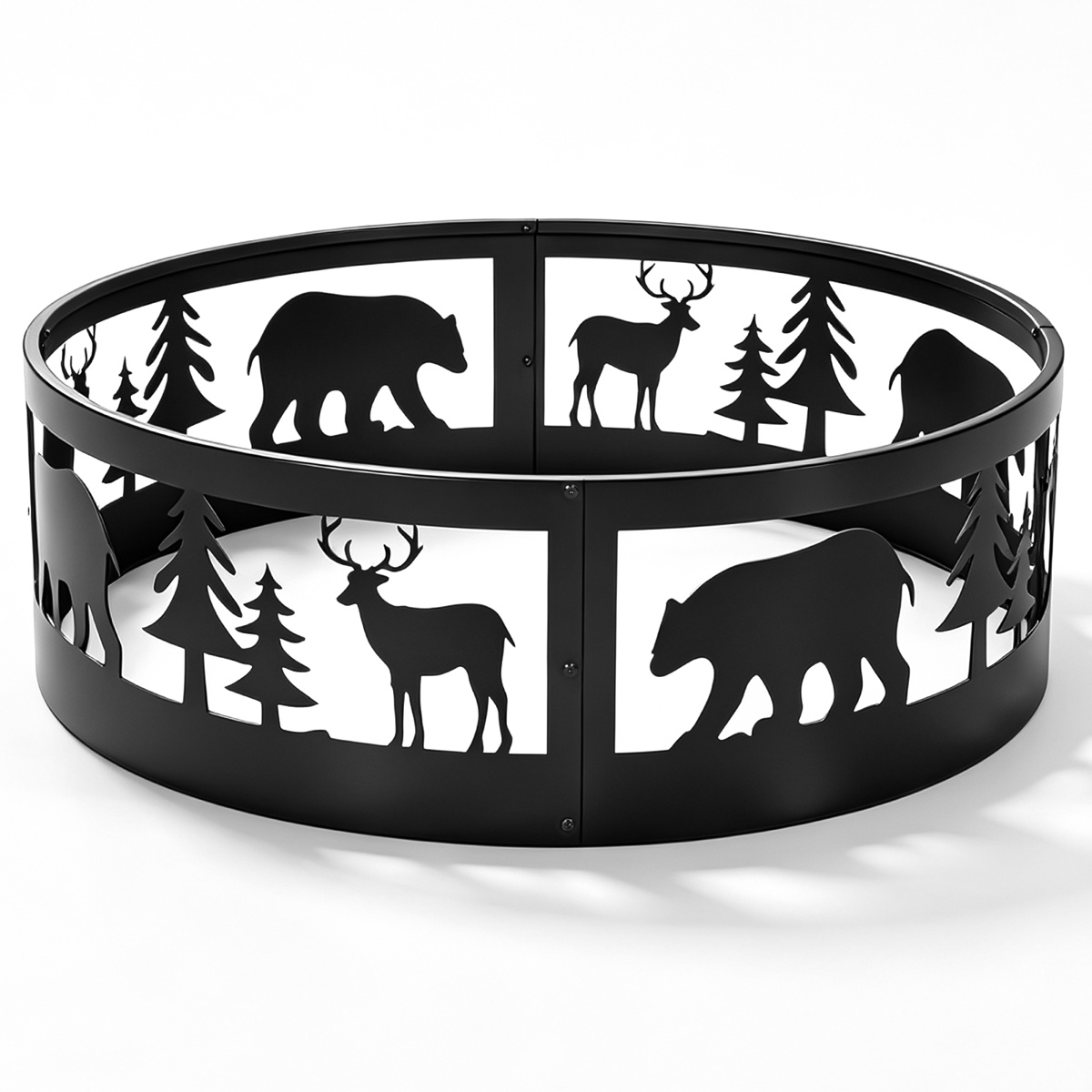
Portable Fire Ring

A portable fire ring is a freestanding, often collapsible or foldable fire containment device used for campfires, backyard ambience, and travel. The core trade-off is between heat durability (thicker steel, welded joints, high-temp finish) and portability (weight, pack size, tool-free assembly). Buyers should choose stainless or powder-coated carbon steel with a minimum 1.5 mm wall thickness and a secondary burn or spark-arrest design for lasting performance; thin, riveted, or painted mild-steel rings are disposable compromises.

Buying guide image
Beehives & Frames

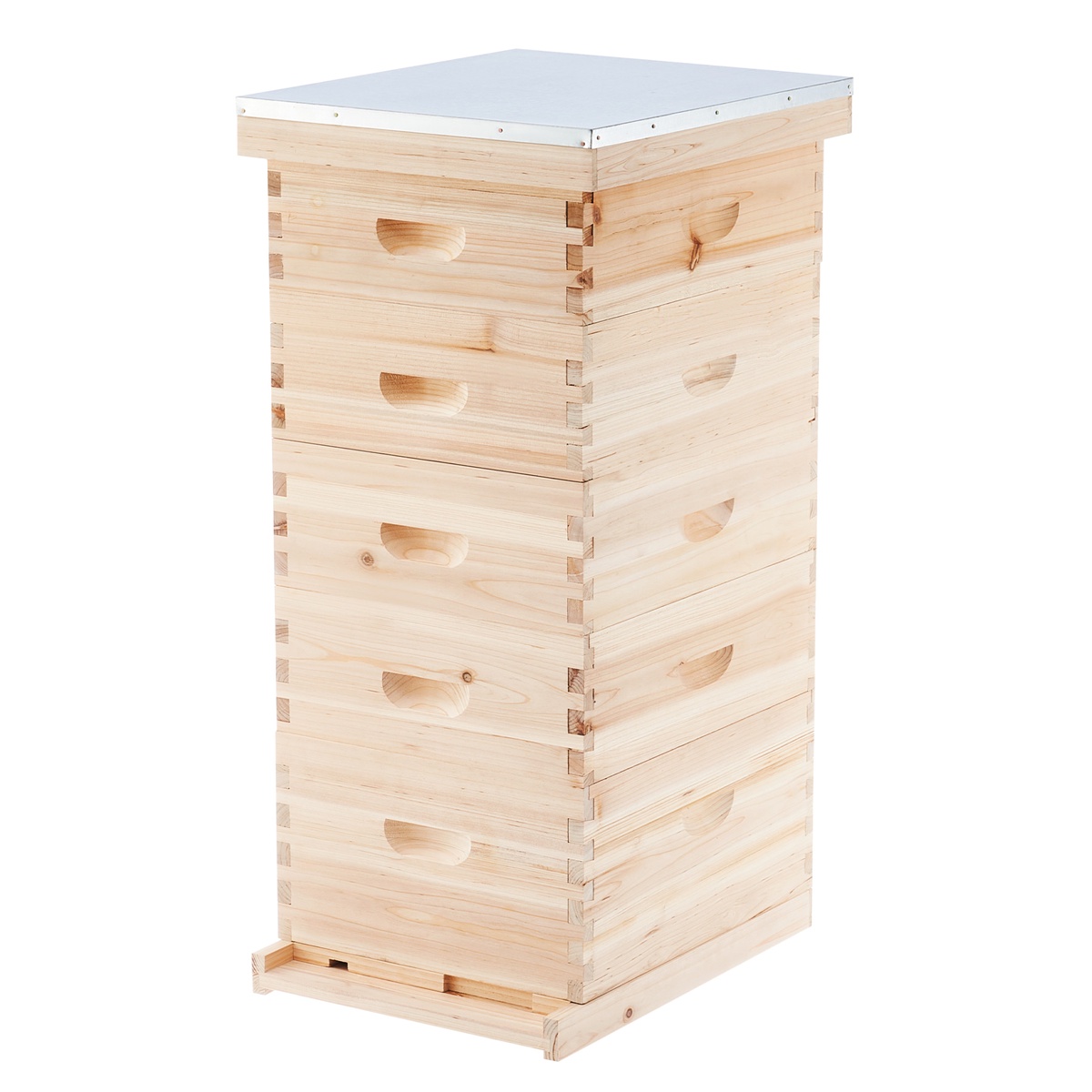
Honey Bee Beehive

A honey bee beehive is a managed colony structure built around standardized frame geometry, with the Langstroth 10-frame deep box as the global reference architecture. The primary trade-off is modular standardization versus weather-exposed material and joinery quality: thin cedar or pine with staples and plastic foundations is a short-life compromise, while kiln-dried cedar or cypress with box joints, metal roof, and wax-coated frames is the durable tier. Decision rule: choose a hive whose boxes, frames, and excluder all share the same Langstroth-derived dimensions, because mixed or proprietary frame spacing breaks interchangeability and colony expansion.

Buying guide image
Beekeeping Suits & Protection

Beekeeper Suit

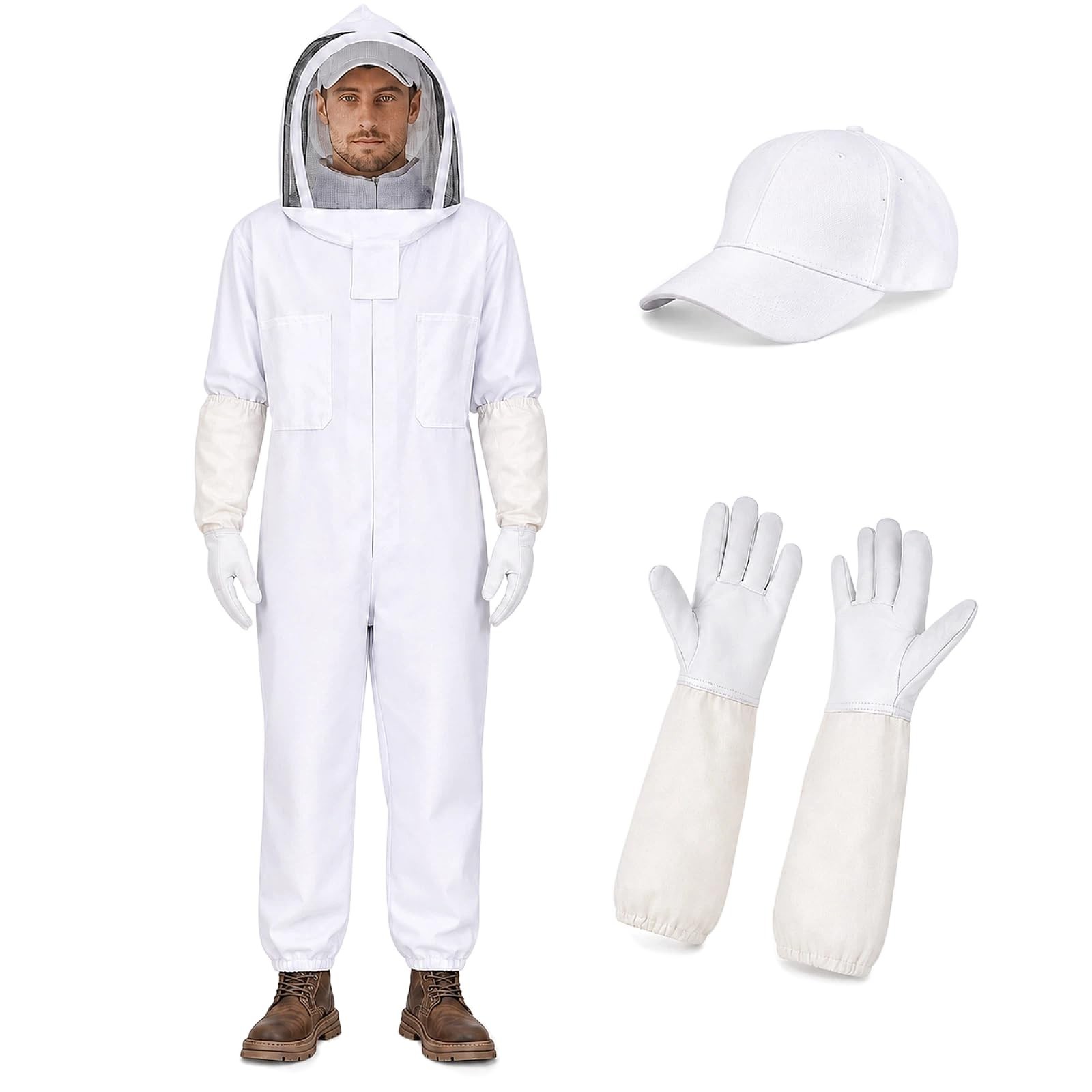
A beekeeper suit is a full-body or jacket-and-veil barrier that must stop stings while allowing enough airflow and movement for hive work. The core trade-off is fabric weight and mesh fineness versus heat stress: thin, open-weave suits are cooler but sting-permeable at pressure points, while dense cotton or ventilated three-layer mesh blocks stingers at the cost of breathability. The decision rule: buy a suit whose veil is self-supporting and whose fabric is at least 220 GSM cotton or a true three-layer ventilated mesh, and skip any unvented single-layer suit sold without a fencing-style veil.

Buying guide image
Residential Outdoor Power Equipment

Lawn Mower Tractor

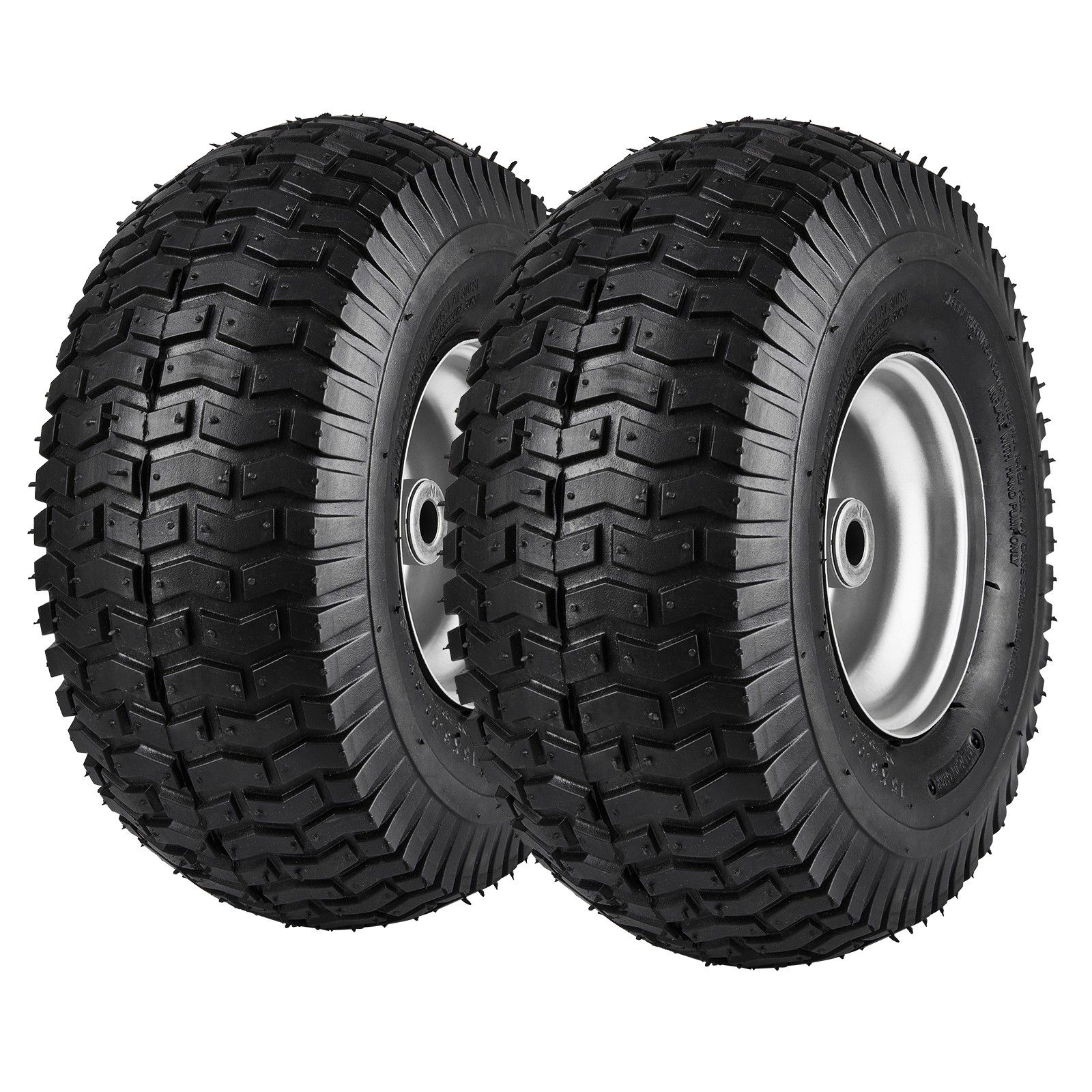
A lawn mower tractor is a long-term investment, and the wrong deck, transmission, or tire setup turns mowing into a repair cycle. Most buyers focus on horsepower while ignoring deck gauge, transaxle grade, and turf tire ply ratings that actually determine lifespan. Whether buying new or used, size the deck to your gates and obstacles first, then confirm the transmission handles slopes before comparing brand tiers.

Buying guide image
Raised Garden Beds & Planters

Rectangular Planter

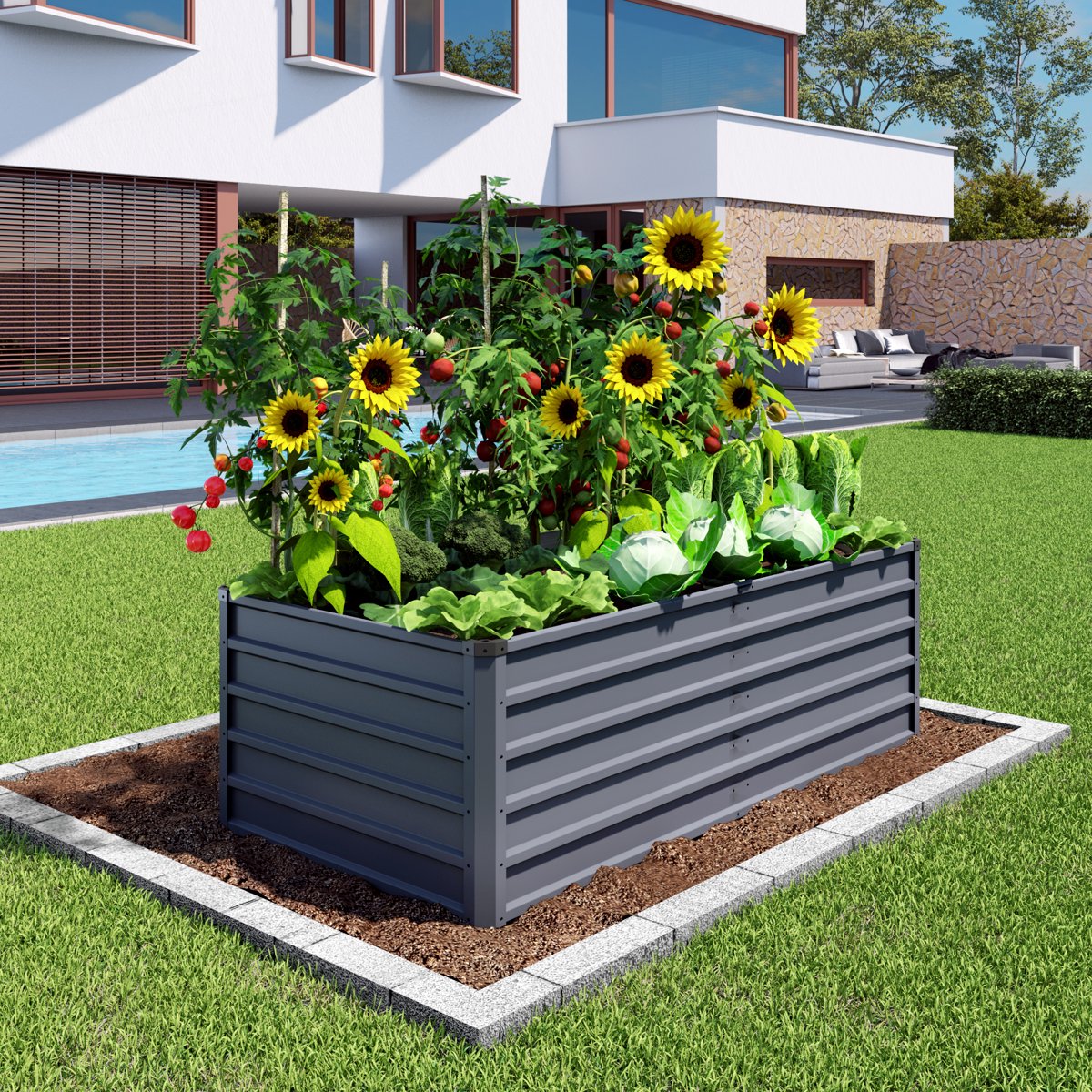
Rectangular planters are long, narrow growing containers used for hedging, balcony screening, vegetable rows, and formal garden edging. The decisive trade-off is material and drainage architecture: powder-coated steel or thick-walled HDPE resists rot and UV for a decade, while untreated or thin wood and unlined metal fail within two to three seasons. Buy metal or UV-stabilized composite for permanent outdoor exposure, wood only for sheltered patios or short-season floral displays.

Buying guide image
Greenhouse & Hydroponics

Grow Tent AC

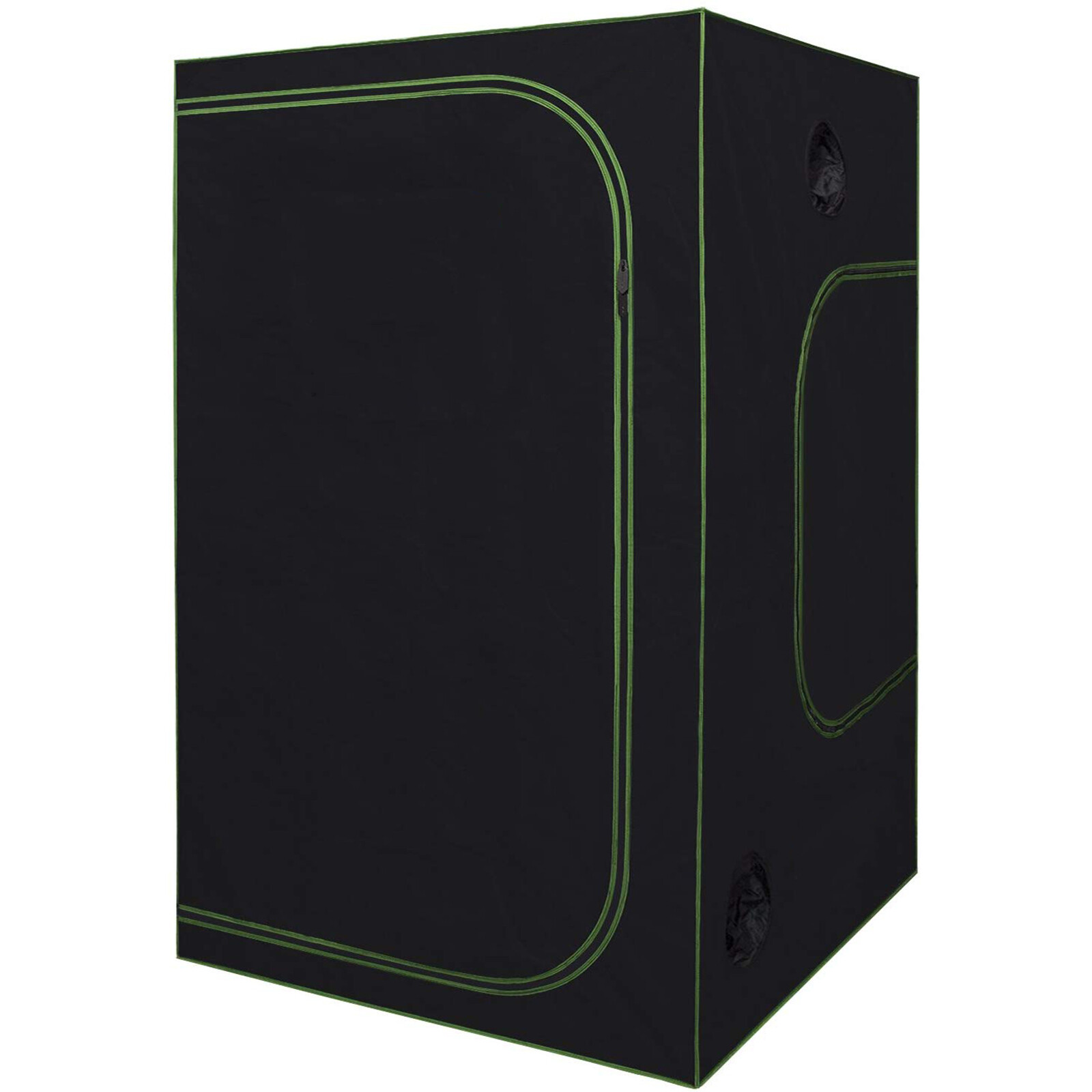
A grow tent AC is a sealed-environment cooling and ventilation system that manages heat load inside a reflective hydroponic tent, where the core trade-off is matching BTU capacity and airflow CFM to tent volume and lighting wattage without over-venting CO2 or humidity. The decision rule is simple: size the AC to the light's heat output and tent cubic footage, and choose a ducted or portable unit with a thermostat and external exhaust rather than a passive vent or fan-only solution.

Buying guide image
Patio Furniture

Gas Firepit

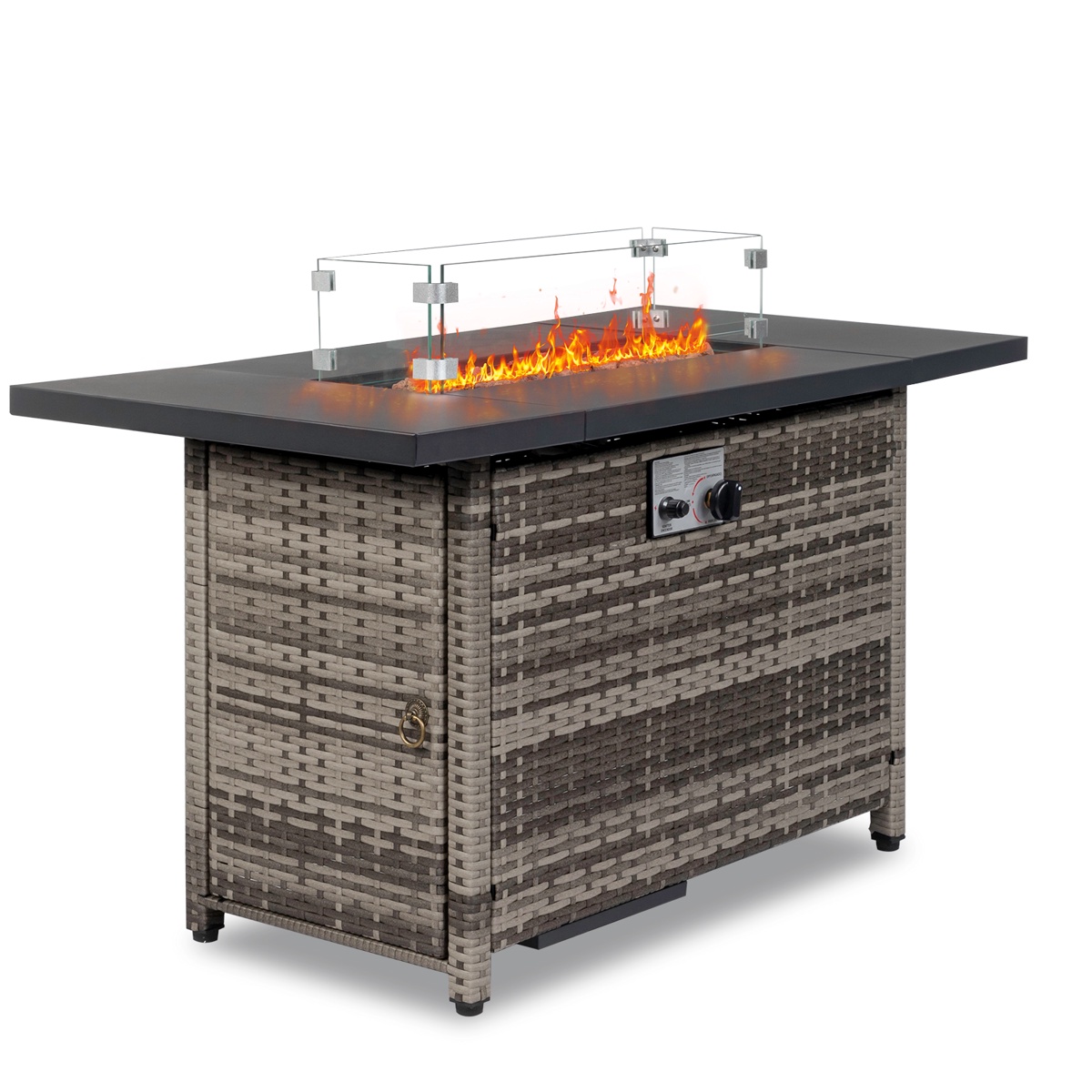
A gas firepit is an outdoor table or bowl with a burner plumbed to propane or natural gas, trading wood-smoke hassle for instant, controllable flame. The primary trade-off is heat output and build material against fuel storage and table footprint. Choose by BTU-to-space ratio and whether you want a hidden tank or a plumbed line — anything under 40,000 BTU or thin stamped steel is a compromise for year-round use.

Buying guide image
Patio Furniture

Outdoor Wood Lounge Chair

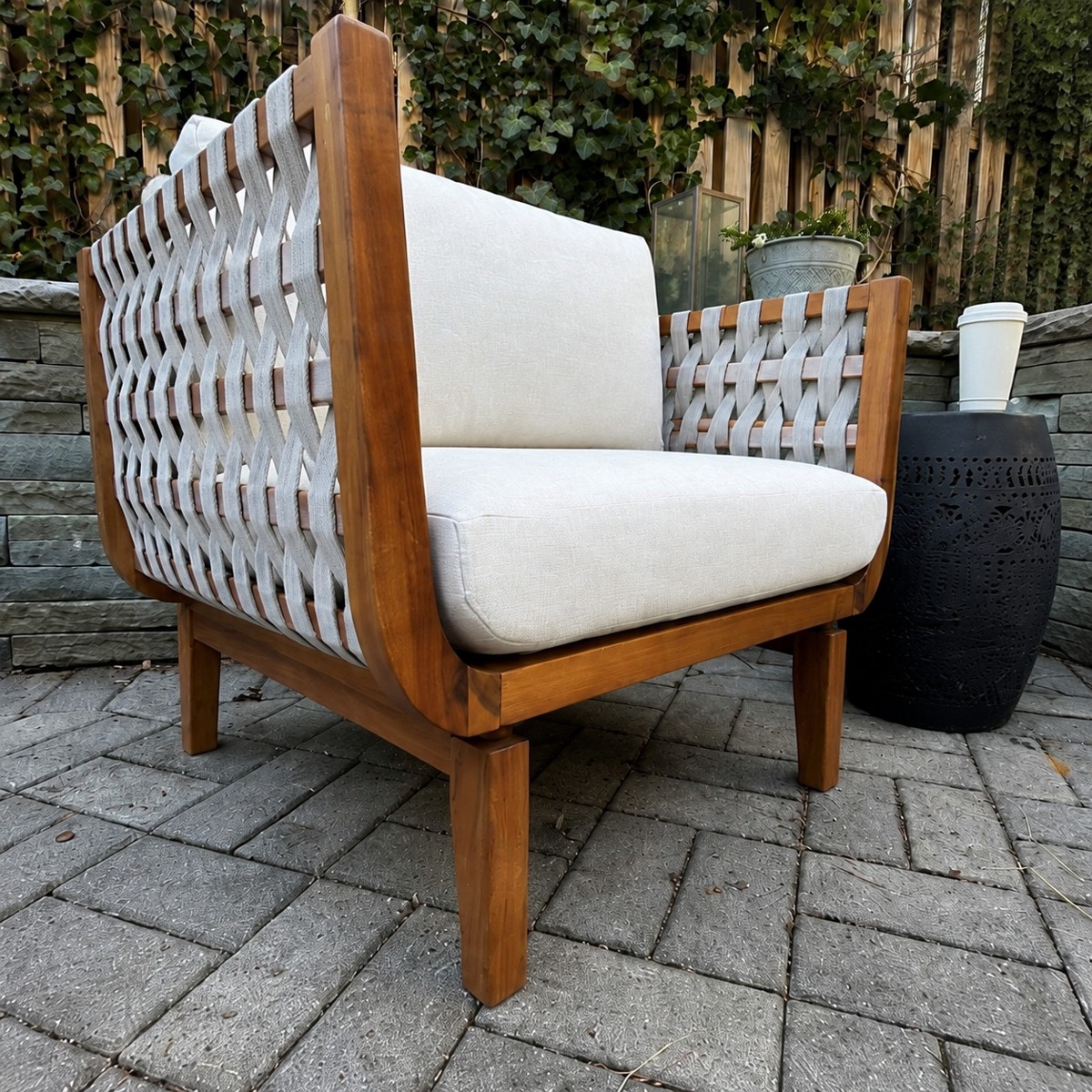
Outdoor wood lounge chairs split into two real architectures: solid acacia frames with deep cushions, and folding Adirondack-style slat chairs. Pick by whether you want sink-in lounging or a stowable, weather-tolerant seat, then verify frame joinery and cushion drainage before buying.

Buying guide image
Outdoor Structures, Shade & Awnings

Pavilion

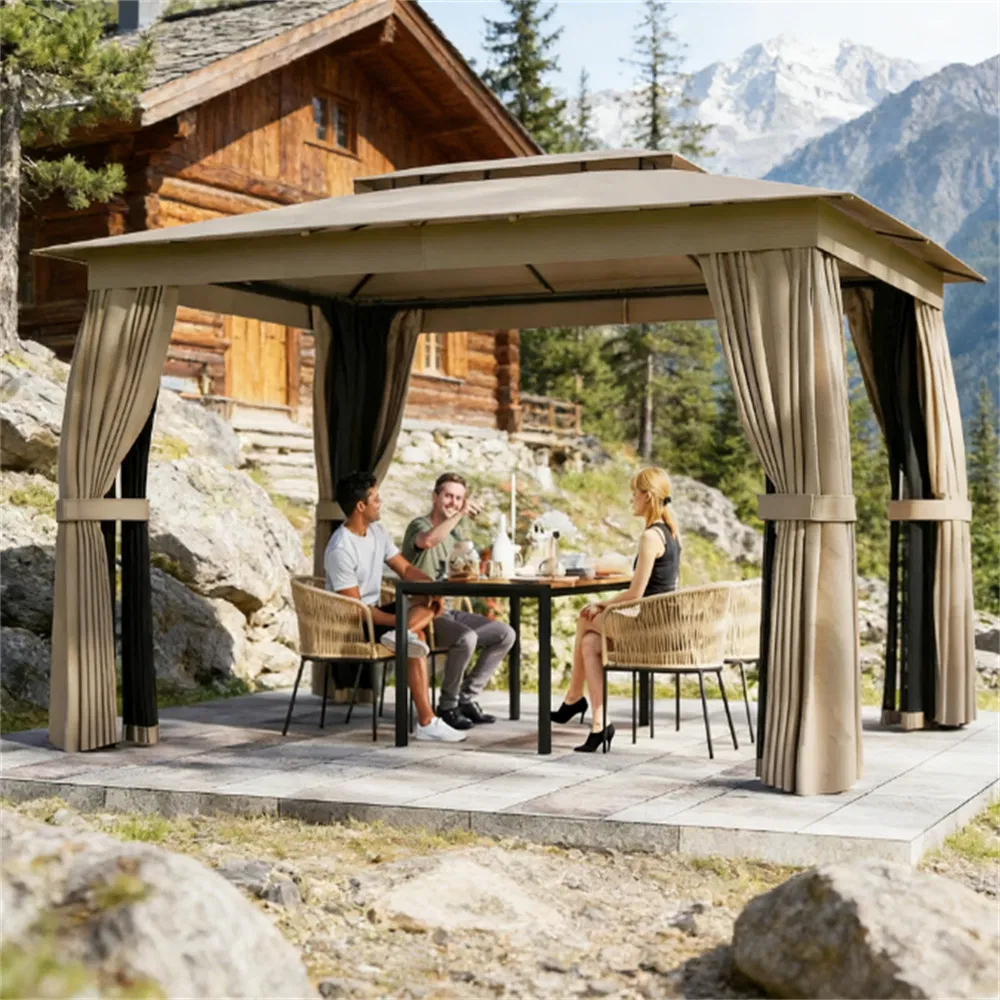
Pavilions split cleanly into soft-top canopy kits and rigid hardtop structures, and picking the wrong class wastes money faster than any spec choice. Soft-tops suit seasonal shade and portable event use; hardtops are permanent backyard builds that handle snow load, wind, and year-round UV. Settle roof material, footprint, and anchoring before comparing frame gauges or included netting.

Buying guide image
Garden Fencing & Privacy Screens

Stainless Hardware Cloth

Stainless hardware cloth is a welded-wire mesh used for garden fencing, soil screening, and pest exclusion where rust resistance matters more than cost. The core trade-off is alloy grade (304 vs 316) and wire gauge versus mesh opening: thinner wire and coarser mesh save money but deform under load and fail in coastal or chemical soil. Decide by exposure: 316 for salt/fertilizer/coastal, 304 for general garden, galvanized only for dry inland short-term use.

You may also like

Finding more guides for you…