
Photos from current listings. Actual item, color, and included accessories may vary.
Plastic Bee Hive Buying Guide
Plastic bee hives use molded food-grade polymer brood boxes and frames instead of wood, trading some breathability and repairability for rot resistance, UV stability, and uniform fit. The core trade-off is polymer grade and wall thickness versus colony insulation and moisture control; durable options use high-density polyethylene (HDPE) or polypropylene with UV inhibitors and interlocking joints, while compromises are thin recycled blends that warp, crack, or shed fittings within a few seasons.
Median $218.69 · New listings
Key takeaways
- Food-grade HDPE or UV-stabilized polypropylene resists rot, termites, and moisture far better than pine, but has lower thermal mass and higher summer heat gain.
- Wall thickness of 3-5 mm and interlocking tongue-and-groove joints separate rigid, warp-resistant boxes from thin 2 mm shells that bow under comb weight.
- Poly frames and foundations accept standard Langstroth dimensions (deep 9-5/8 in, medium 6-5/8 in), so plastic boxes must match your existing wooden supers and extractor.
At a glance
- Category
- Beehives & Frames
- Last updated
- Nov 27, 2026
Current offers
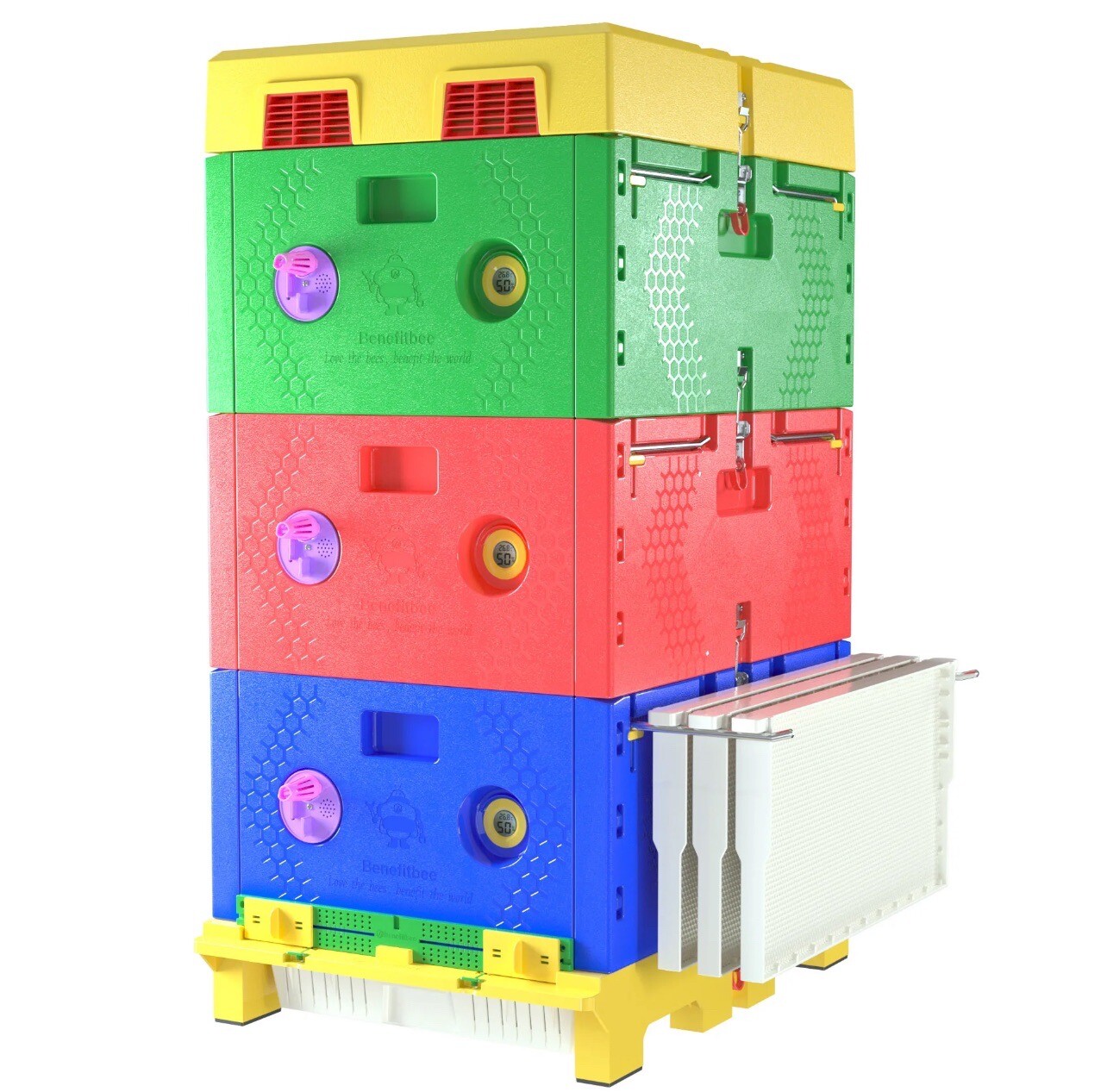 BeeHive Plastic Langstroth Size ,3 layers INSULATED Plastic Beehive (OPEN BOX)$189.00View on eBay
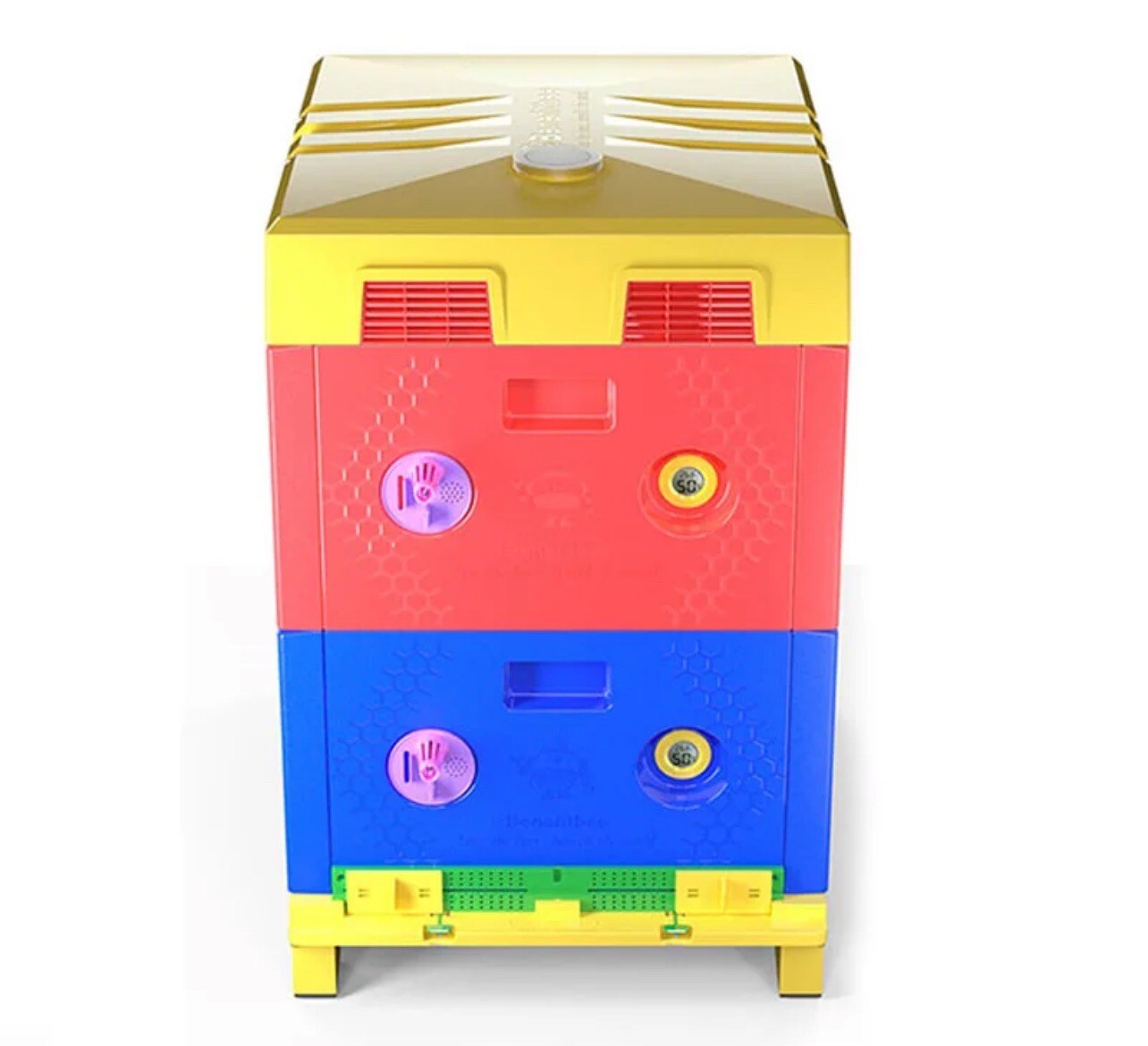 BeeHive Plastic Langstroth Size - 2 layers INSULATED Plastic$210.00New · Last checked Nov 18, 2026View on eBay
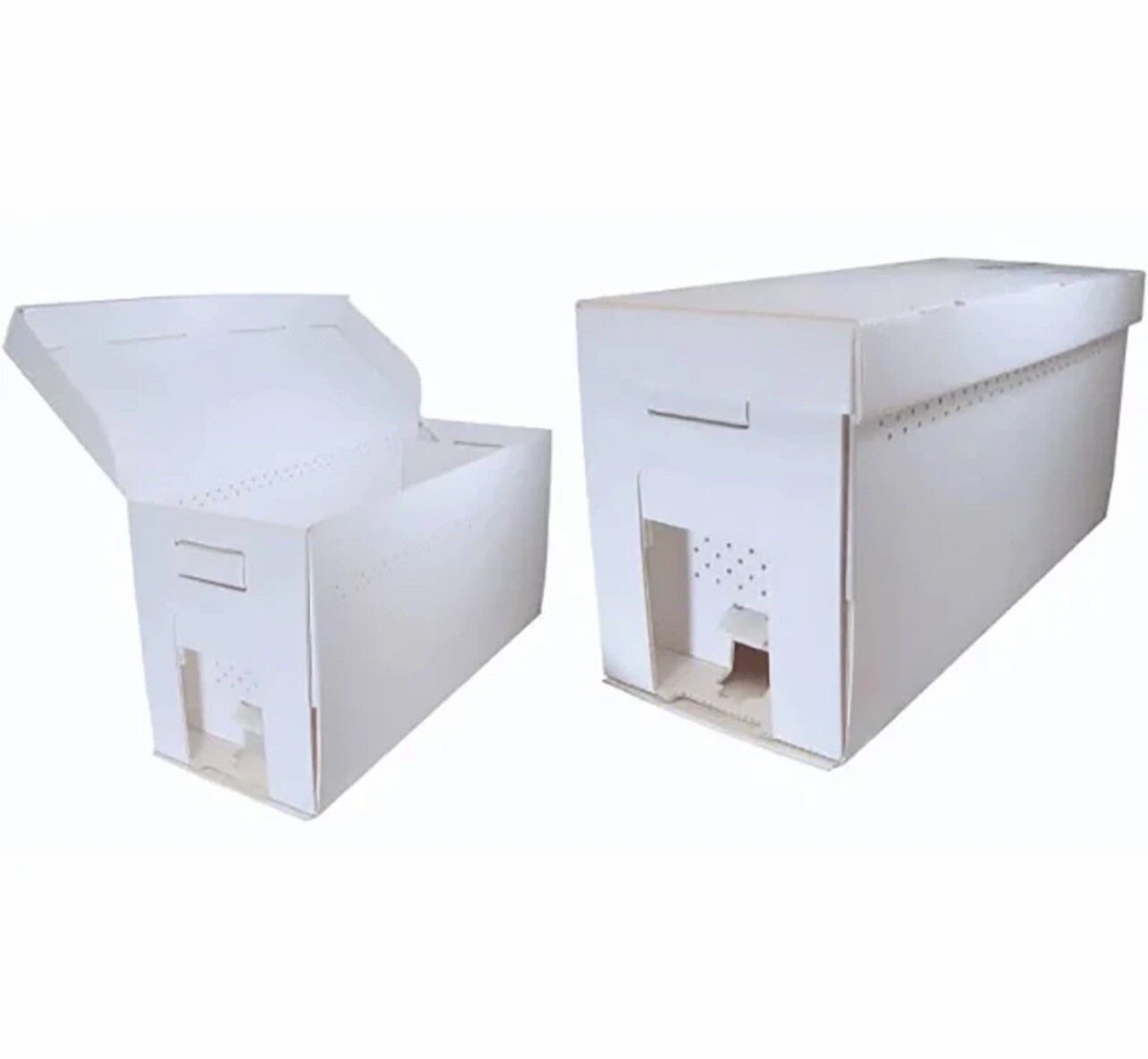 5 frame Nucs , Corrugated plastic Langstroth beehive deep frame box 12 PACK$218.69New · Last checked Nov 23, 2026View on eBay
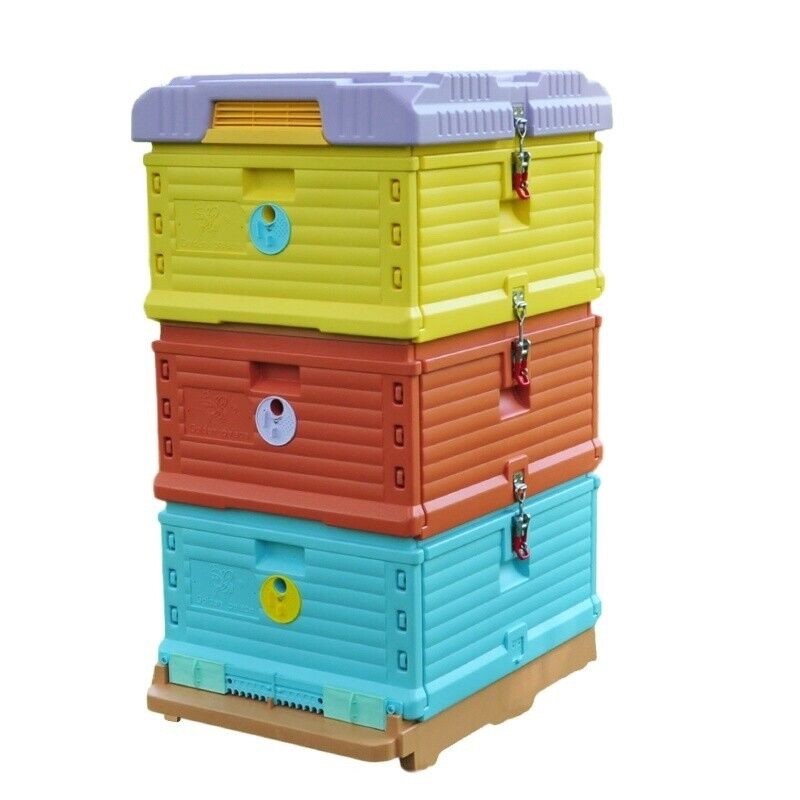 Beehive Insulated Plastic 10 Frame 3 Box 2x Brood 1x Honey Super Beekeeping$259.95New · Last checked Nov 18, 2026View on eBay
- BeeHive Plastic Langstroth Size - 3 layers INSULATED Plastic Beehive- 3 LAYERS$289.00New · Last checked Nov 18, 2026View on eBay
Highlights
- Food-grade HDPE or UV-stabilized polypropylene resists rot, termites, and moisture far better than pine, but has lower thermal mass and higher summer heat gain.
- Wall thickness of 3-5 mm and interlocking tongue-and-groove joints separate rigid, warp-resistant boxes from thin 2 mm shells that bow under comb weight.
- Poly frames and foundations accept standard Langstroth dimensions (deep 9-5/8 in, medium 6-5/8 in), so plastic boxes must match your existing wooden supers and extractor.
- UV inhibitors and molded-in hive stands or bottom boards determine service life; unbranded thin-wall kits typically degrade in 3-5 years versus 10+ for stabilized thick-wall systems.
Best use cases
- Best fit: buy a UV-stabilized HDPE Langstroth kit with 3-5 mm walls and interlocking joints for humid, termite-prone, or high-rain climates where wood rots.
- Best fit: choose plastic frames with molded foundation for high-volume extraction and uniform comb spacing; skip wooden frames if you want no wax-moth harborage and easy scraping.
- Wrong fit: skip thin recycled-plastic bargain boxes in hot, full-sun sites, since low thermal mass and dark colors can overheat brood; use insulated or light-colored wood instead.
- Wrong fit: skip plastic hives if you plan frequent migratory hauling or heavy propolis scraping, because polymer joints crack under repeated flex and cannot be nailed or easily repaired.
Buying tips
- Match box size to Langstroth standards: deep boxes (9-5/8 in) for brood, medium (6-5/8 in) for honey supers; confirm inner dimensions accept 19 in top bars and 10-frame or 8-frame spacing.
- Require food-grade HDPE or UV-stabilized PP with wall thickness of at least 3 mm; thin 2 mm walls warp in heat and crack at screw bosses.
- Check frame compatibility: plastic boxes need either molded frame rests for standard Hoffman frames or proprietary frames; standard Langstroth frames fit only if the box lists Langstroth compatibility.
- Choose light colors (white, beige) for hot climates; dark plastic absorbs solar heat and raises brood-nest temperature, so pair with ventilation ports or screened bottom boards.
Specs
| Polymer Grade | Food-grade HDPE / UV-stabilized PP |
|---|---|
| Wall Thickness | 3-5 mm rigid / 2 mm thin-wall |
| Hive Standard | Langstroth 8- or 10-frame |
| Box Depth | Deep 9-5/8 in / Medium 6-5/8 in |
Related searches
What to check before buying
- Measure your existing brood chamber footprint and confirm the plastic box matches your Langstroth 10-frame or 8-frame top-bar spacing before mixing with wooden supers.
- Verify your climate: humid/termite zones favor plastic, but full-sun hot sites need light color and extra ventilation or insulation.
- Check frame and foundation compatibility—standard wooden frames, plastic frames, or proprietary molded frames—so you do not buy a box that only accepts one system.
- Confirm the kit includes bottom board, inner cover, and telescoping top; incomplete kits require matching plastic parts that may not interchange with wooden lids.
FAQ
Data sources: eBay / Amazon listings and product attribute feeds. Updated Nov 27, 2026.
Some links on this page are affiliate links. If you buy after clicking one, we may earn a commission at no extra cost to you. This does not change which products appear here or their order. Affiliate disclosure.