
Photos from current listings. Actual item, color, and included accessories may vary.
Chicken Door Buying Guide
A chicken door is the weakest link in predator defense and daily flock management, so choosing between automatic and manual styles determines your morning routine and flock safety. Focus on opening size, power source, and mechanism durability rather than cosmetic features. The most common mistake is buying a door that fits the coop wall but not the flock—or a solar unit that never gets enough light.
Median $123.49
Key takeaways
- Automatic doors use light sensors, timers, or remotes; solar models need direct sun for the panel, while battery units rely on AA or rechargeable packs.
- Opening dimensions typically range from 8x10 to 12x12 inches; smaller doors exclude predators but may block heavy hens or ducks.
- Aluminum alloy and UV-stabilized plastic resist rust and warping; fabric or thin metal doors fail quickly in wet climates.
At a glance
- Category
- Chicken Coops & Runs
- Last updated
- Nov 28, 2026
Current offers
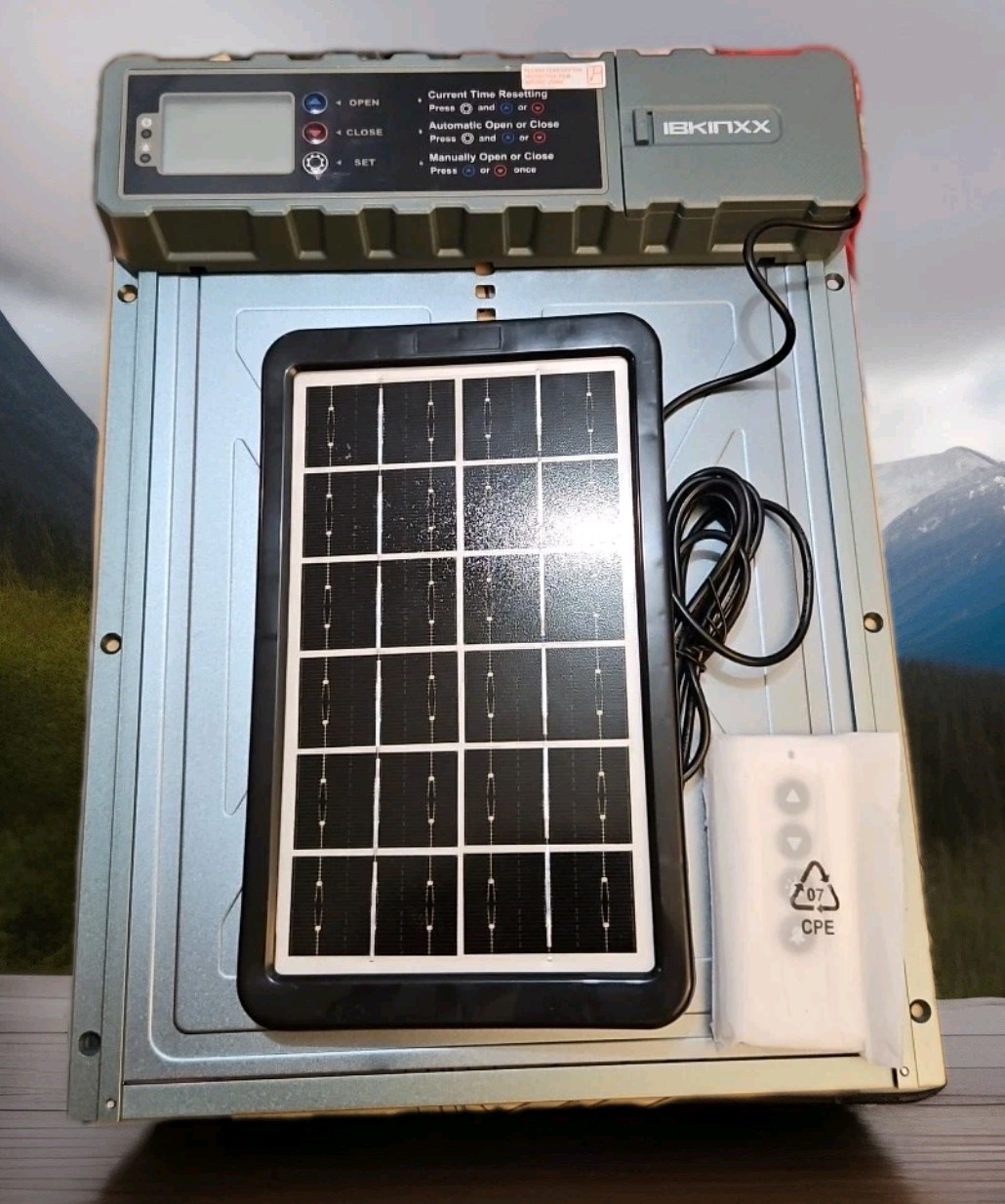 Solar Automatic Chicken Coop Door with Light Sensor Timer LCD Display$29.99View on eBay
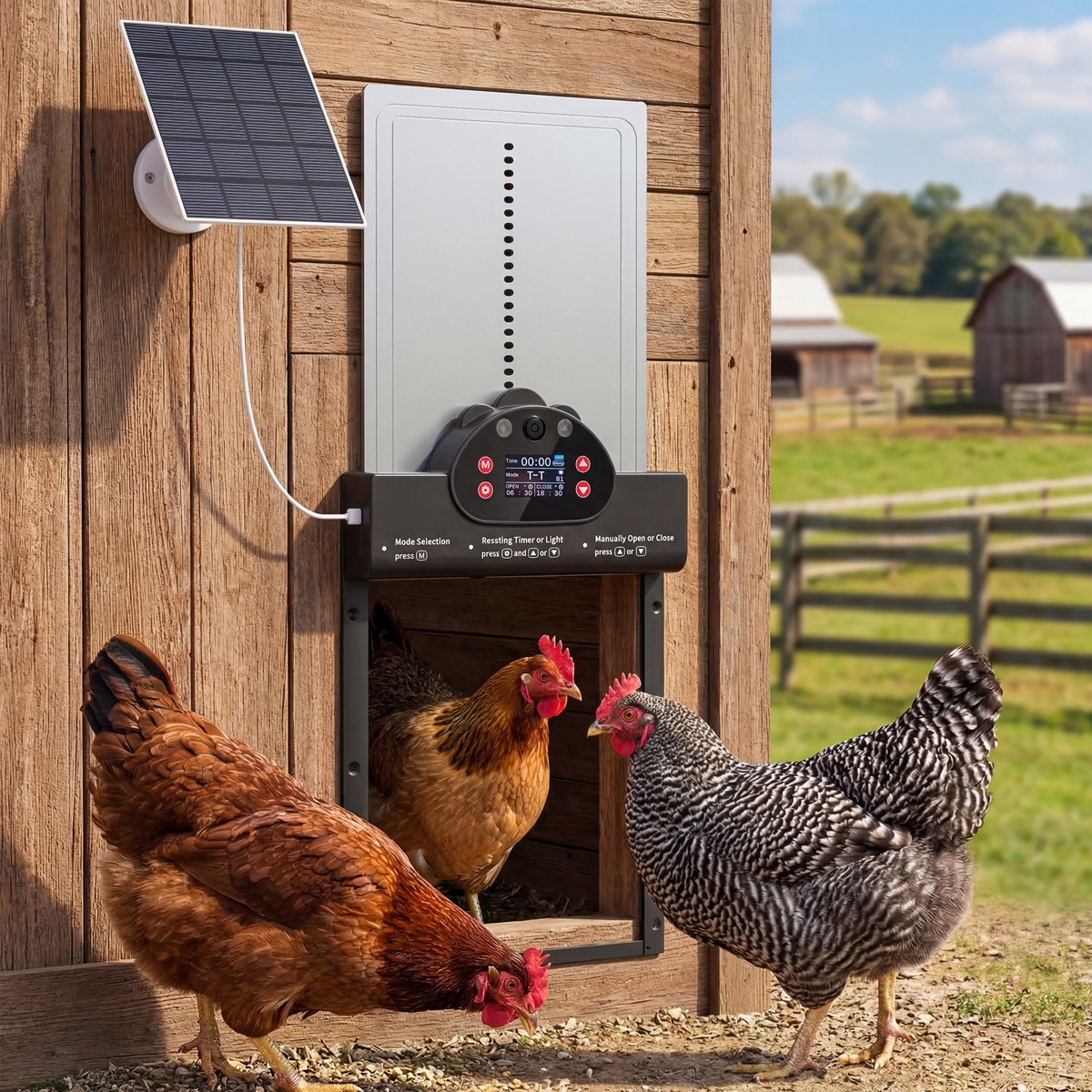 2K HD AI Camera Automatic Chicken Coop Door with APP Remote Control, WiFi Solar Powered 5200 mAh Large Battery$111.99View on Mallflare
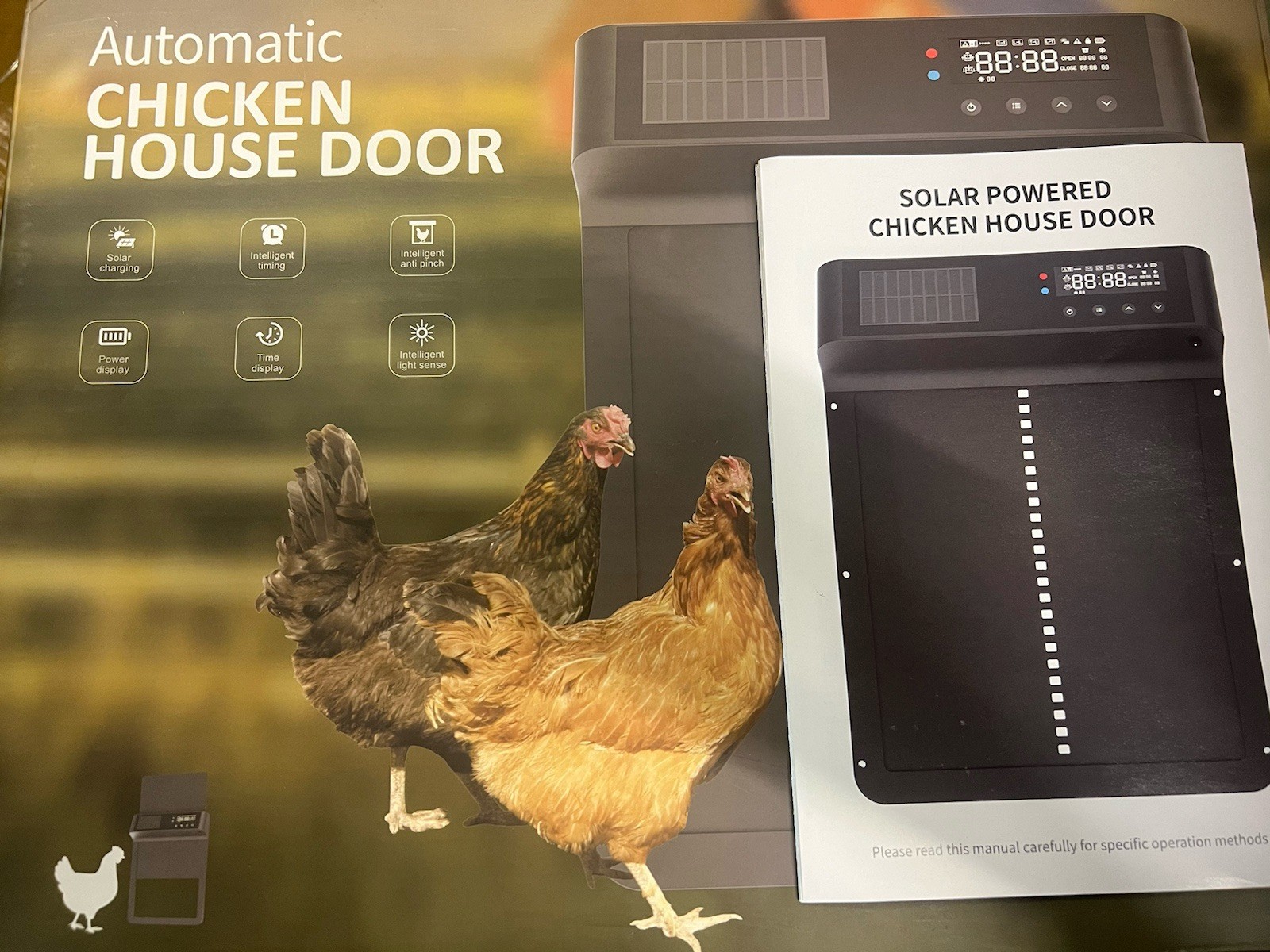 Automatic Chicken Door with Timer & Light Sensor- solar power 14.4x10.7$29.99View on eBay
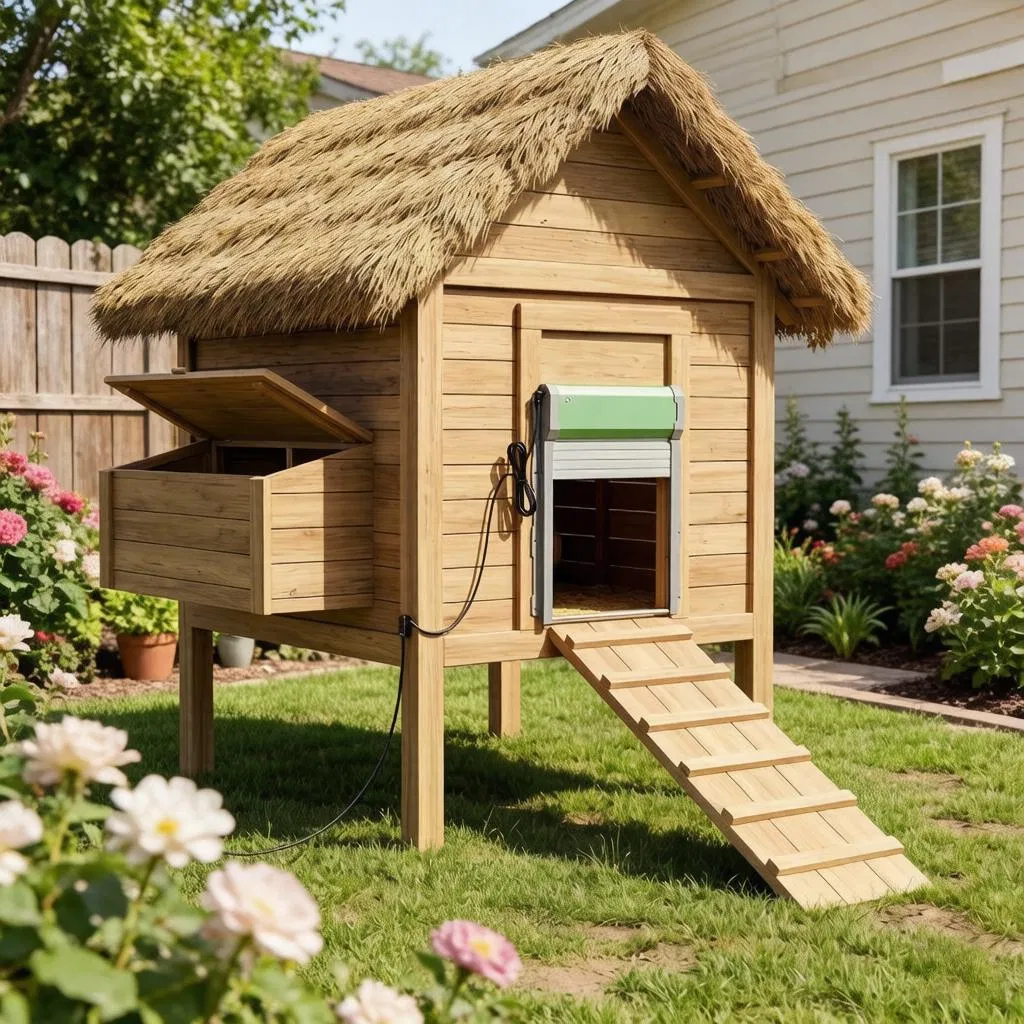 Automatic chicken coop door , equipped with remote control light sensor and outdoor timer$134.99View on Mallflare
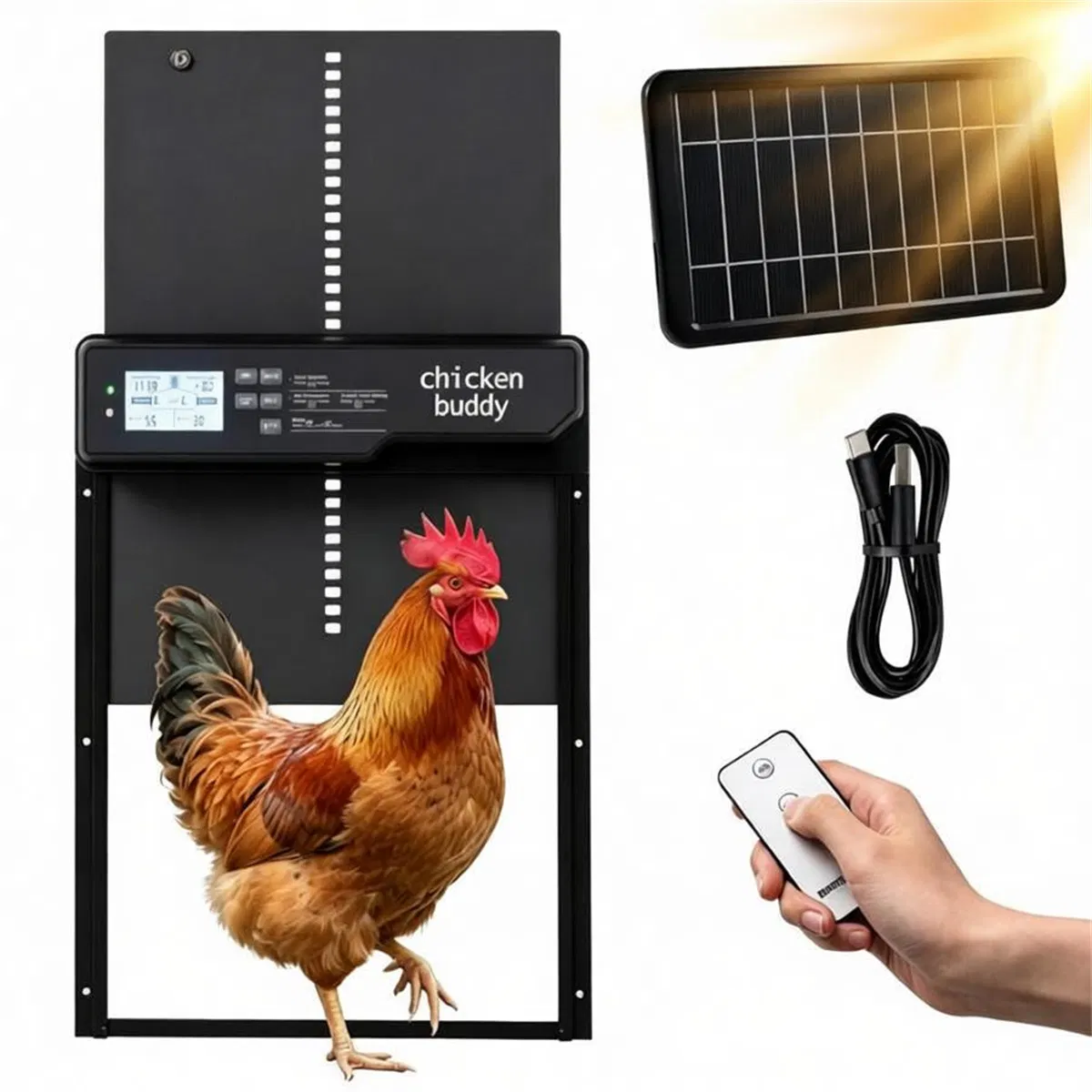 Solar Powered Automatic Chicken Coop Door with 4 Control Modes Light Sensor Timer Remote Manual, Anti-Pinch Weatherproof Aluminum Alloy Poultry Opener for Chickens Ducks Pigeons$141.99View on Mallflare
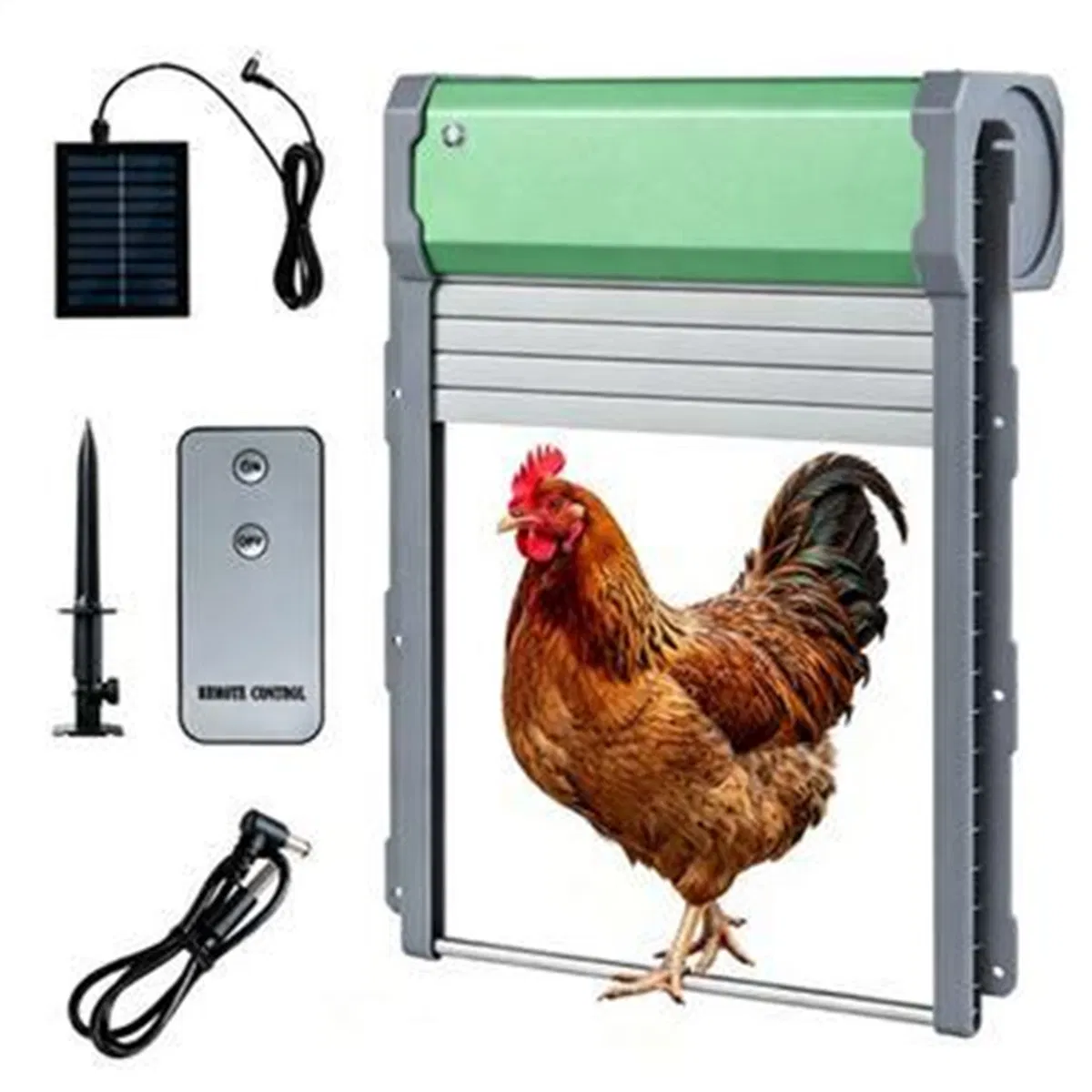 Solar Powered Automatic Chicken Coop Door with 4 Modes Light Sensor Timer Remote Control, Anti-Pinch Weatherproof Aluminum Opener for Chickens Ducks Rabbits Poultry$141.99View on Mallflare
Highlights
- Automatic doors use light sensors, timers, or remotes; solar models need direct sun for the panel, while battery units rely on AA or rechargeable packs.
- Opening dimensions typically range from 8x10 to 12x12 inches; smaller doors exclude predators but may block heavy hens or ducks.
- Aluminum alloy and UV-stabilized plastic resist rust and warping; fabric or thin metal doors fail quickly in wet climates.
- Anti-pinch safety reverses the door on obstruction, and manual override or remote control prevents lockouts during power or sensor failure.
Best use cases
- Choose a solar automatic door with light sensor and timer for remote coops or busy mornings; skip it if the coop sits in deep shade all day.
- Pick a manual sliding or hinged metal door for small flocks and low-predator areas; avoid it if you leave before dawn or return after dark.
- Select an aluminum alloy automatic door with anti-pinch and remote for raccoon-heavy regions; skip plastic doors where large predators pry or chew.
Buying tips
- Measure the coop wall opening and flock height: a 12x12-inch door suits most standard hens, while bantams need 8x10 inches or less.
- Prioritize aluminum alloy or thick UV-resistant plastic over fabric or thin sheet metal for predator resistance and weather durability.
- Check power: solar panels need 4-6 hours of direct sun, battery models require accessible AA or rechargeable packs, and WiFi cameras demand strong 2.4GHz signal.
- Inspect the closing mechanism for anti-pinch reversal and a manual release so a sensor failure never traps birds inside or out.
Specs
| Power Source | Solar / Battery / Wired |
|---|---|
| Opening Size | 8x10 to 12x12 in |
| Door Material | Aluminum / Plastic / Metal |
| Control Type | Light sensor / Timer / Remote |
Related searches
What to check before buying
- Measure the coop wall opening and confirm the door frame fits the unit's outer dimensions without gaps a predator can exploit.
- Verify sun exposure at the mounting spot; solar panels need direct light, and shaded coops require battery or wired power.
- Confirm the door opens wide enough for your largest bird and that the coop floor is level so the door slides or swings freely.
- Check WiFi range at the coop if choosing a camera or app-controlled model, and ensure a manual override exists for power outages.
FAQ
Data sources: eBay / Amazon listings and product attribute feeds. Updated Nov 28, 2026.
Some links on this page are affiliate links. If you buy after clicking one, we may earn a commission at no extra cost to you. This does not change which products appear here or their order. Affiliate disclosure.