
Photos from current listings. Actual item, color, and included accessories may vary.
Honey Bee Beehive Buying Guide
A honey bee beehive is a managed colony structure built around standardized frame geometry, with the Langstroth 10-frame deep box as the global reference architecture. The primary trade-off is modular standardization versus weather-exposed material and joinery quality: thin cedar or pine with staples and plastic foundations is a short-life compromise, while kiln-dried cedar or cypress with box joints, metal roof, and wax-coated frames is the durable tier. Decision rule: choose a hive whose boxes, frames, and excluder all share the same Langstroth-derived dimensions, because mixed or proprietary frame spacing breaks interchangeability and colony expansion.
Median $82.47 · New listings
Key takeaways
- Standard Langstroth deep frames measure 19 in x 9-1/8 in, with boxes typically holding 8 or 10 frames; frame count and spacing, not box finish, drive brood capacity.
- Foundation material splits into pure beeswax sheet, wax-coated plastic, and embossed plastic; wax foundation accelerates comb drawing but warps in heat, while plastic survives extraction cycles.
- Outer cover material grades range from flat wood to galvanized or painted metal over wood; a metal roof with drip edge is the minimum for rain and UV durability.
At a glance
- Category
- Beehives & Frames
- Last updated
- Nov 27, 2026
Current offers
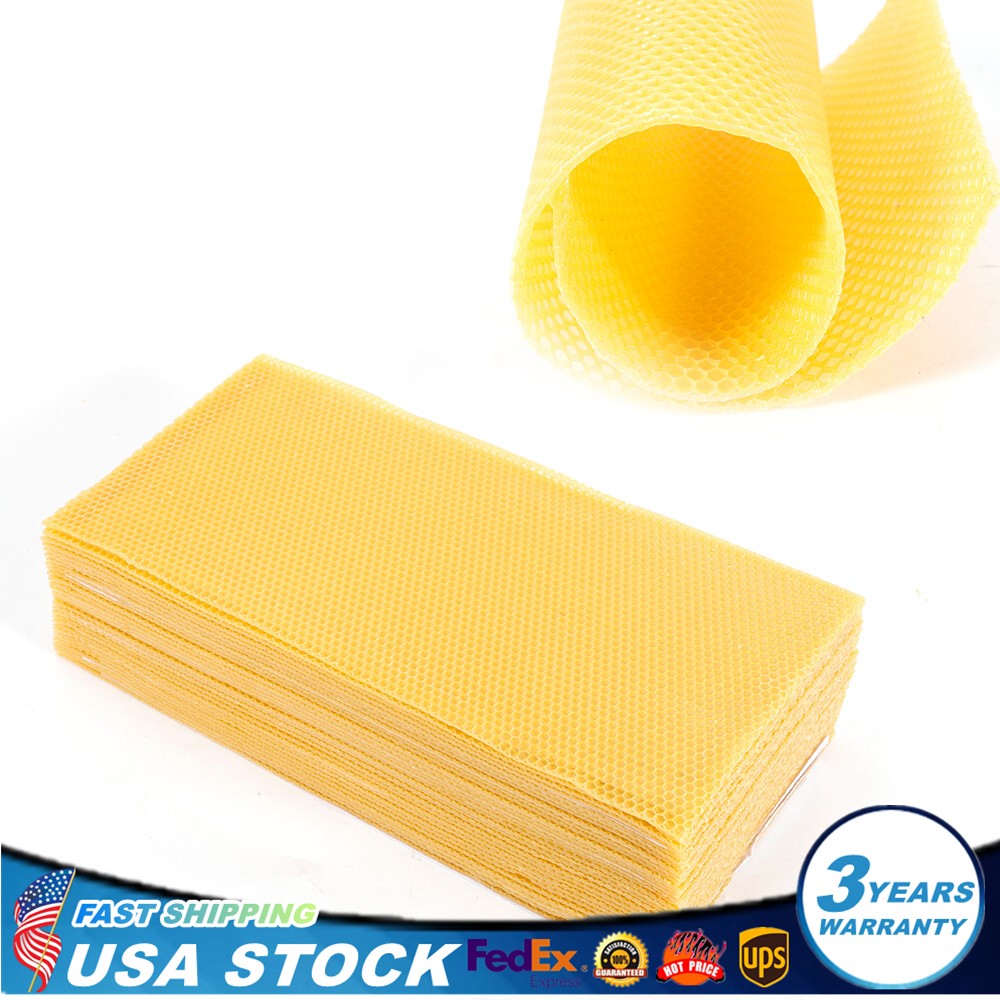 30x Bee Hive Foundation Honey Hive Equipment Deep House Nest Honeycomb Wax Frame$31.99View on eBay
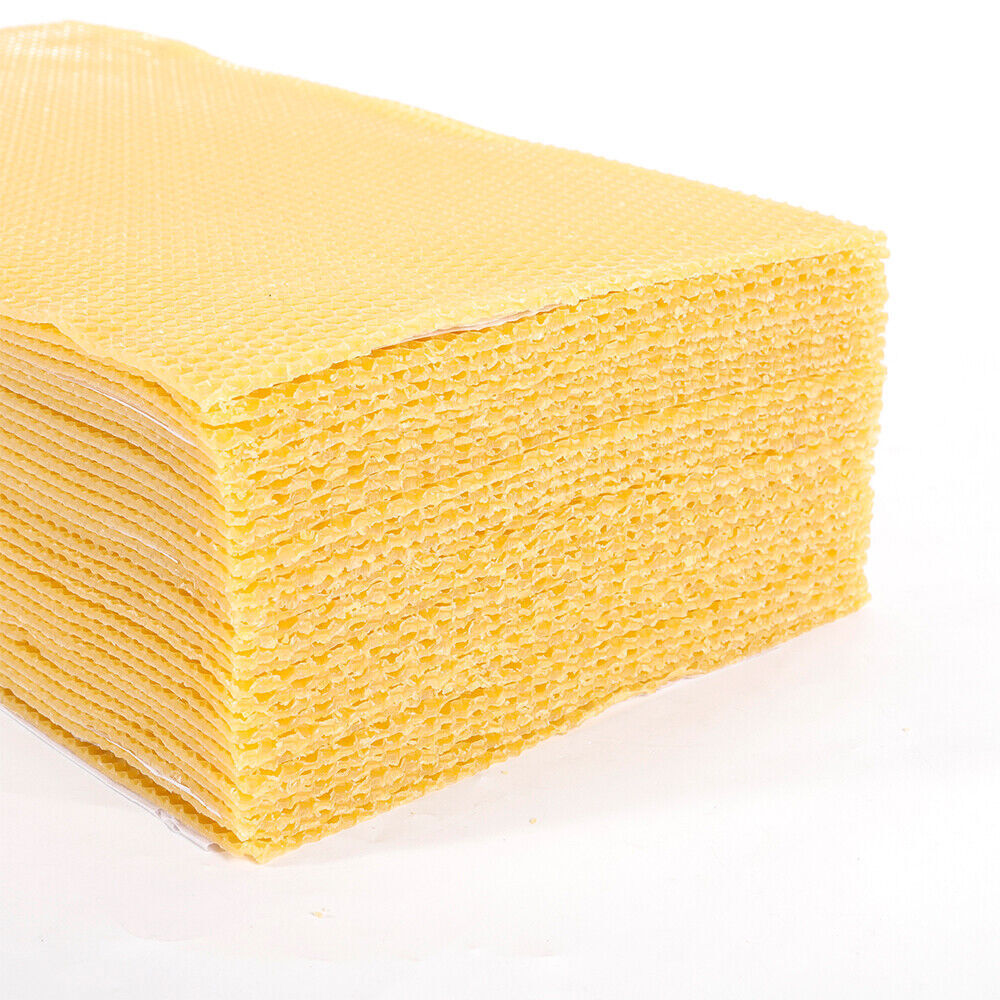 Bee Hive Foundation Honey Hive Equipment Deep House Nest Honeycomb Wax Frame$37.37View on eBay
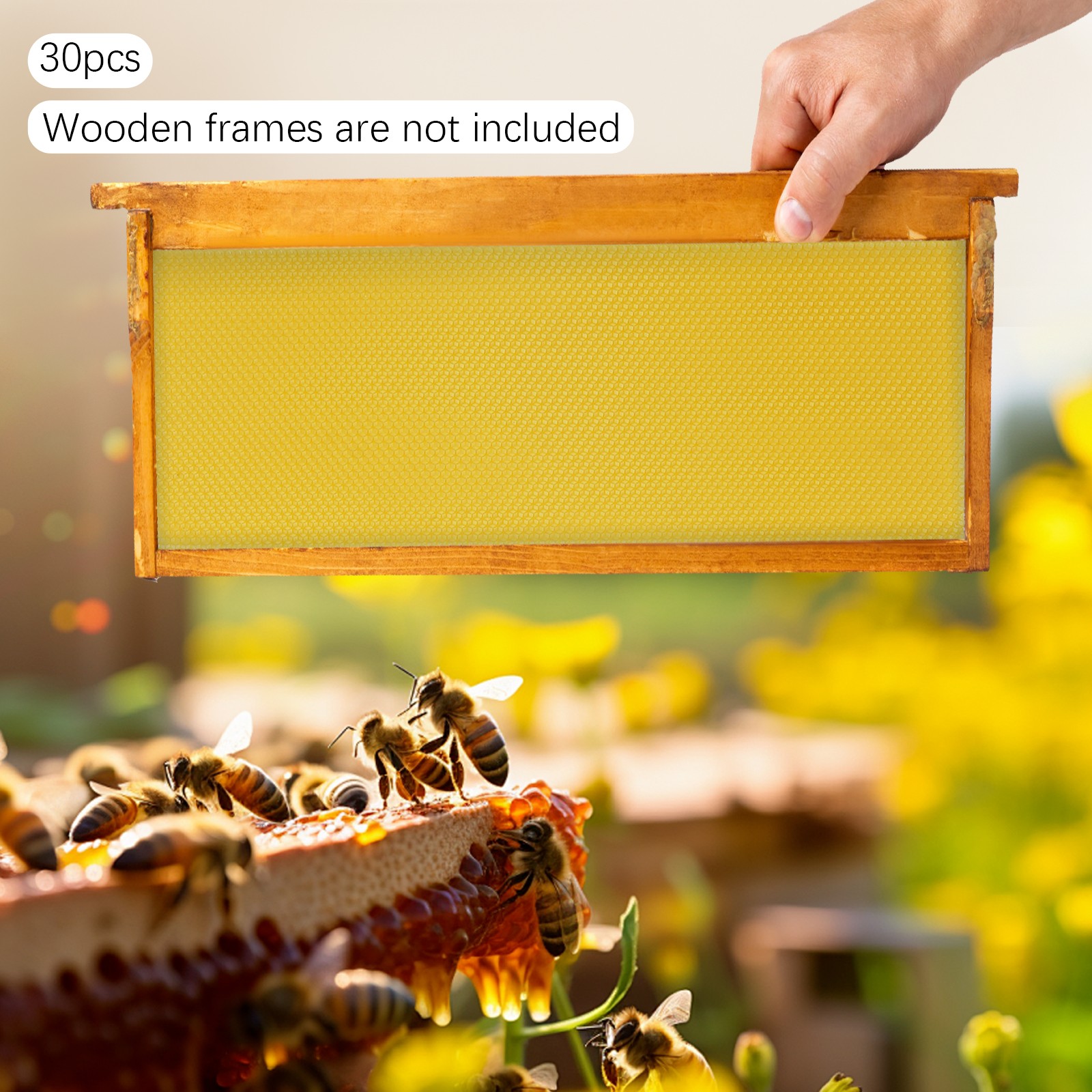 Bee Hive Foundation Honey Hive Equipment Deep House Nest Honeycomb Wax Frame$39.95View on eBay
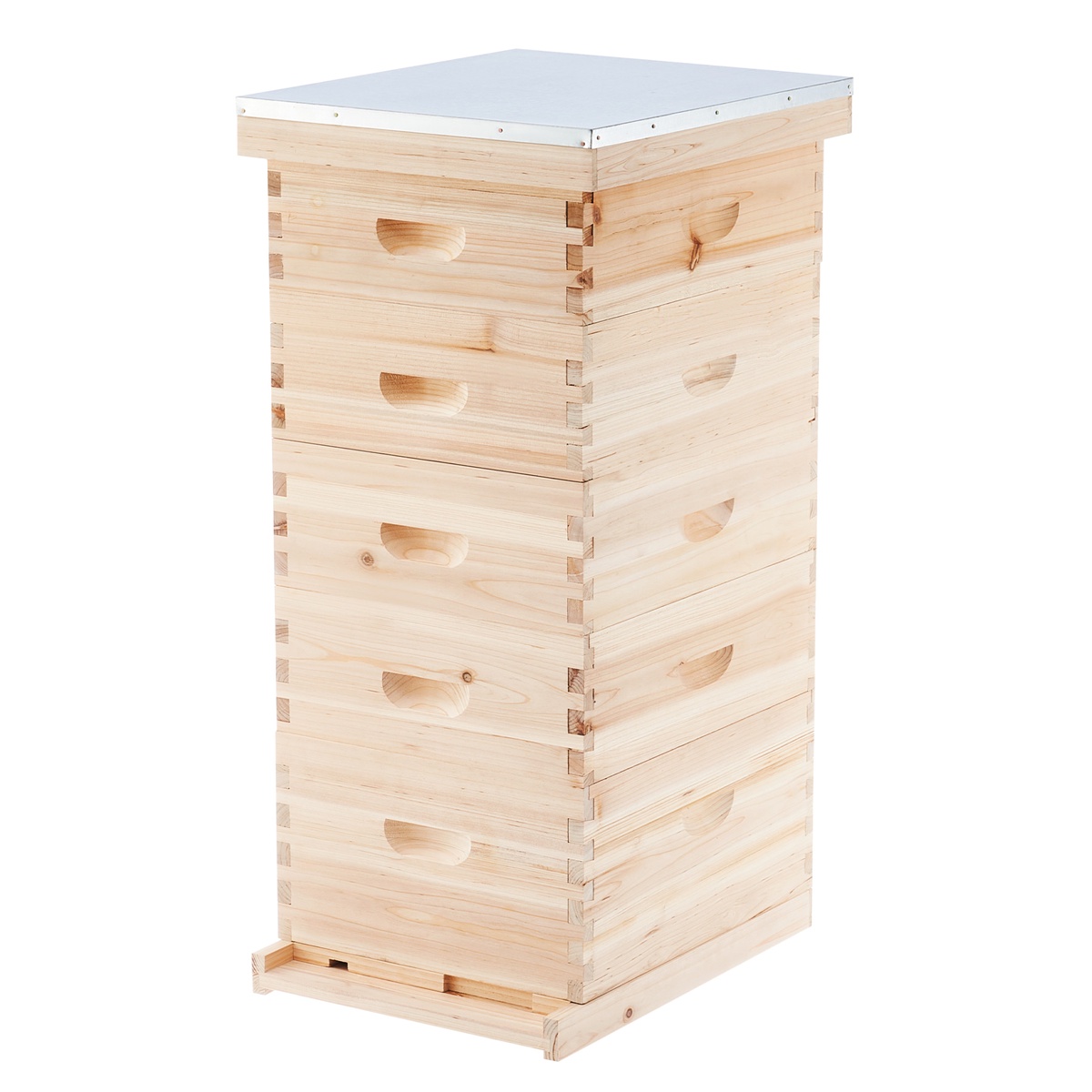 Upgraded Beehive 5 layer Honey Bee Hive W/ Metal Roof and queen excluder$124.99View on eBay
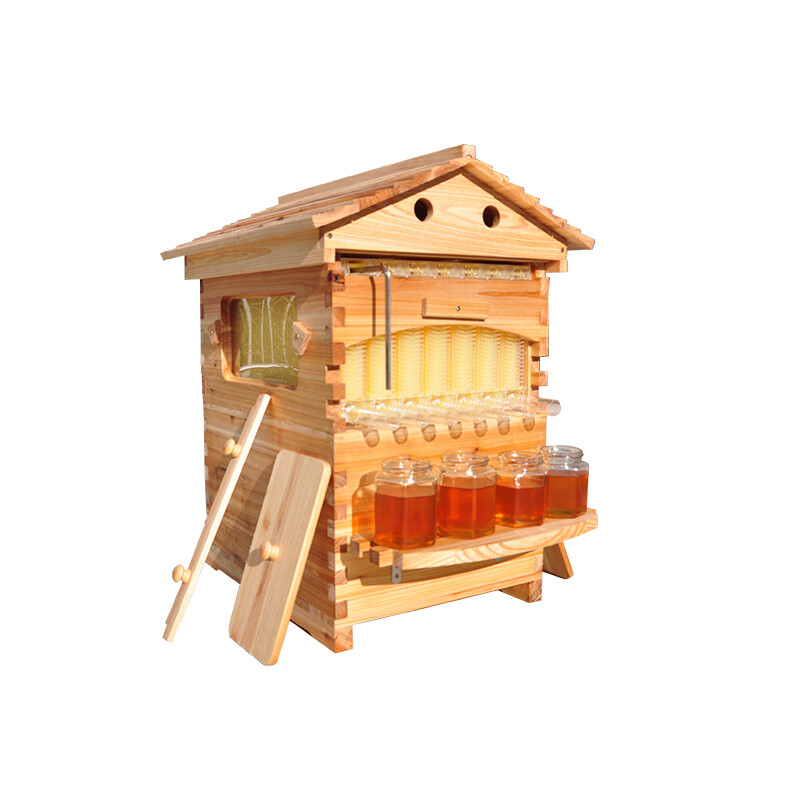 Auto Honey Bee Hives Boxes Langstroth Bee Hive HOUSE + 7x Bee Beekeeping Frames$199.59Last checked Nov 18, 2026View on eBay
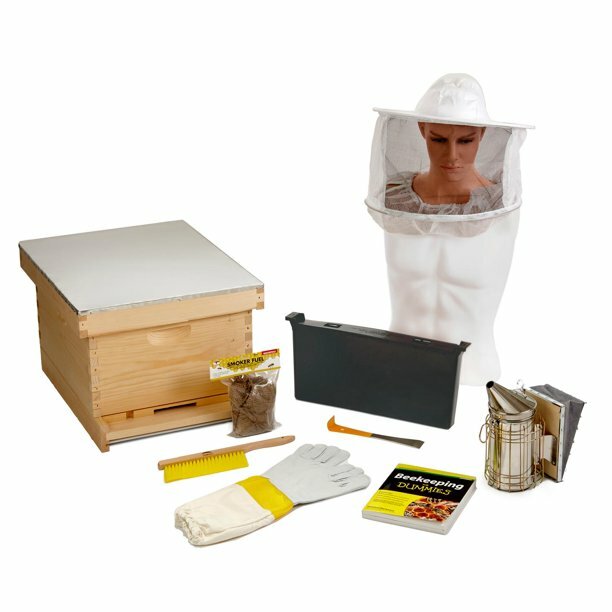 Miller Little Giant HIVE10KT Ten Frame Deluxe Beginner Smoker Honey Bee Hive Kit$309.95New · Last checked Nov 18, 2026View on eBay
Highlights
- Standard Langstroth deep frames measure 19 in x 9-1/8 in, with boxes typically holding 8 or 10 frames; frame count and spacing, not box finish, drive brood capacity.
- Foundation material splits into pure beeswax sheet, wax-coated plastic, and embossed plastic; wax foundation accelerates comb drawing but warps in heat, while plastic survives extraction cycles.
- Outer cover material grades range from flat wood to galvanized or painted metal over wood; a metal roof with drip edge is the minimum for rain and UV durability.
- Queen excluders are either galvanized steel grid or molded plastic slot; steel resists propolis warping and bee chewing, plastic is lighter but degrades under sun exposure.
Best use cases
- Beginner establishing a first colony: pick a complete Langstroth kit with 10-frame deep brood box, wax-coated plastic foundation, metal roof, and entrance reducer; skip frameless or top-bar novelty hives.
- Beekeeper expanding for honey production: add matched medium supers with the same frame length and a steel queen excluder; avoid mismatched box depths that leave bee space gaps.
- Backyard keeper in high-rain or coastal climate: choose kiln-dried cedar or cypress with box joints and galvanized metal top; skip stapled pine boxes with bare wood bottoms.
- Apiary scaling beyond two hives: standardize on one frame size across all boxes so frames, excluders, and feeders interchange; skip proprietary flow-style frames that lock you into one vendor.
Buying tips
- Match every box to Langstroth frame length of 19 in; boxes advertised with metric or non-standard frame counts will not accept standard foundation or excluders.
- Choose 10-frame deep boxes for brood and 8-frame medium boxes for honey supers to keep lifted weight manageable; deep honey supers become too heavy to move safely.
- Select foundation that is either pure beeswax or wax-coated plastic; uncoated plastic embossed sheets draw comb slowly and are often rejected by new colonies.
- Require box joints or dovetail joinery over butt joints with staples; glued and nailed butt joints separate within a few seasons of moisture cycling.
Specs
| Hive Standard | Langstroth 8 or 10-frame |
|---|---|
| Box Material | Kiln-dried cedar, cypress, or pine |
| Foundation Type | Beeswax sheet or wax-coated plastic |
| Roof & Excluder | Metal-skinned top, steel excluder |
Related searches
What to check before buying
- Measure your apiary footprint: a 10-frame Langstroth hive occupies roughly 20 in x 22 in per box stack, and hives need rear clearance for inspections.
- Confirm local climate frost depth and wind exposure; in cold zones, plan for a solid bottom board, entrance reducer, and insulation wrap rather than open-screen only.
- Check that your stand or hive base raises the bottom board at least 12 in off the ground for moisture and pest control.
- Verify frame and box count needs: a starter colony needs one deep brood box plus frames and foundation before adding supers.
FAQ
Data sources: eBay / Amazon listings and product attribute feeds. Updated Nov 27, 2026.
Some links on this page are affiliate links. If you buy after clicking one, we may earn a commission at no extra cost to you. This does not change which products appear here or their order. Affiliate disclosure.