
Photos from current listings. Actual item, color, and included accessories may vary.
Rectangular Planter Buying Guide
Rectangular planters are long, narrow growing containers used for hedging, balcony screening, vegetable rows, and formal garden edging. The decisive trade-off is material and drainage architecture: powder-coated steel or thick-walled HDPE resists rot and UV for a decade, while untreated or thin wood and unlined metal fail within two to three seasons. Buy metal or UV-stabilized composite for permanent outdoor exposure, wood only for sheltered patios or short-season floral displays.
Median $111.49
Key takeaways
- Steel planters need 0.8–1.2 mm powder-coated walls with pre-drilled drainage; thinner 0.4 mm sheet dents and rusts at cut edges within two winters.
- HDPE and composite planters resist rot and UV indefinitely; wood planters require cedar, larch, or pressure-treated pine at 20 mm+ wall thickness to last beyond three seasons.
- Drainage holes plus a 20–50 mm gravel or hydroton base layer prevent waterlogging; sealed decorative boxes need a removable inner plastic liner with its own drainage.
At a glance
- Category
- Raised Garden Beds & Planters
- Last updated
- Nov 27, 2026
Current offers
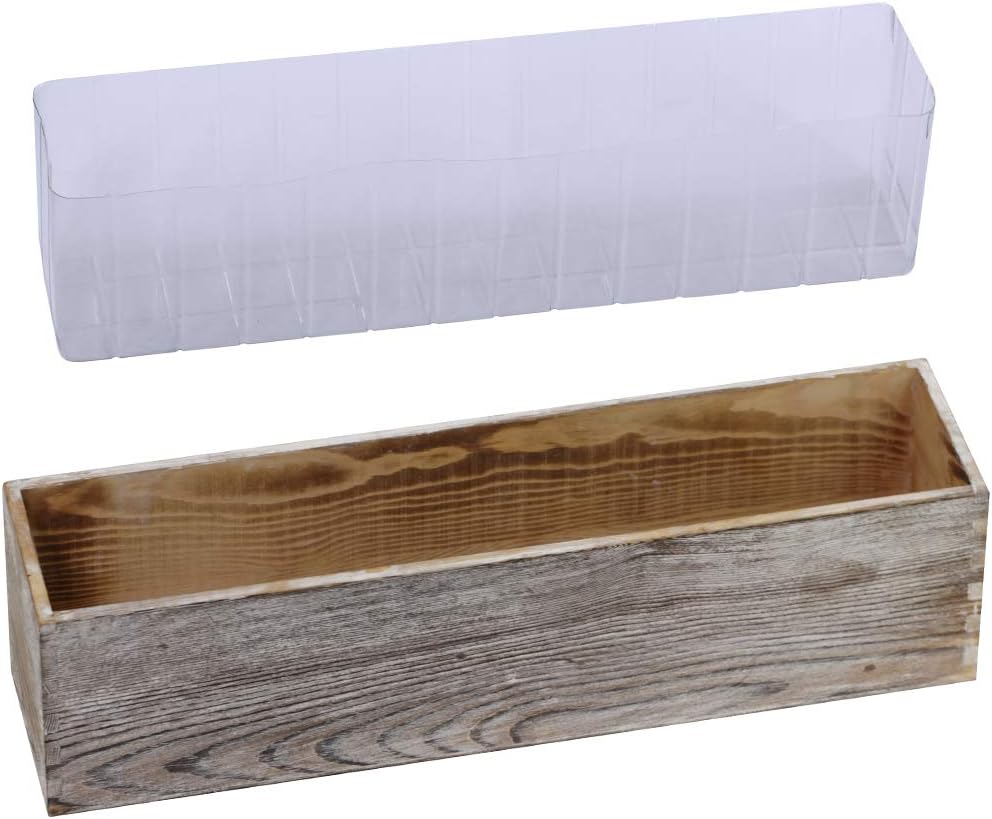 Wood Planter Box 1 PCS, 17.3x3.9x3.9 Inch Whitewashed Rectangular Wooden Box With Inner Plastic Liner For Floral Decor$68.99View on Mallflare
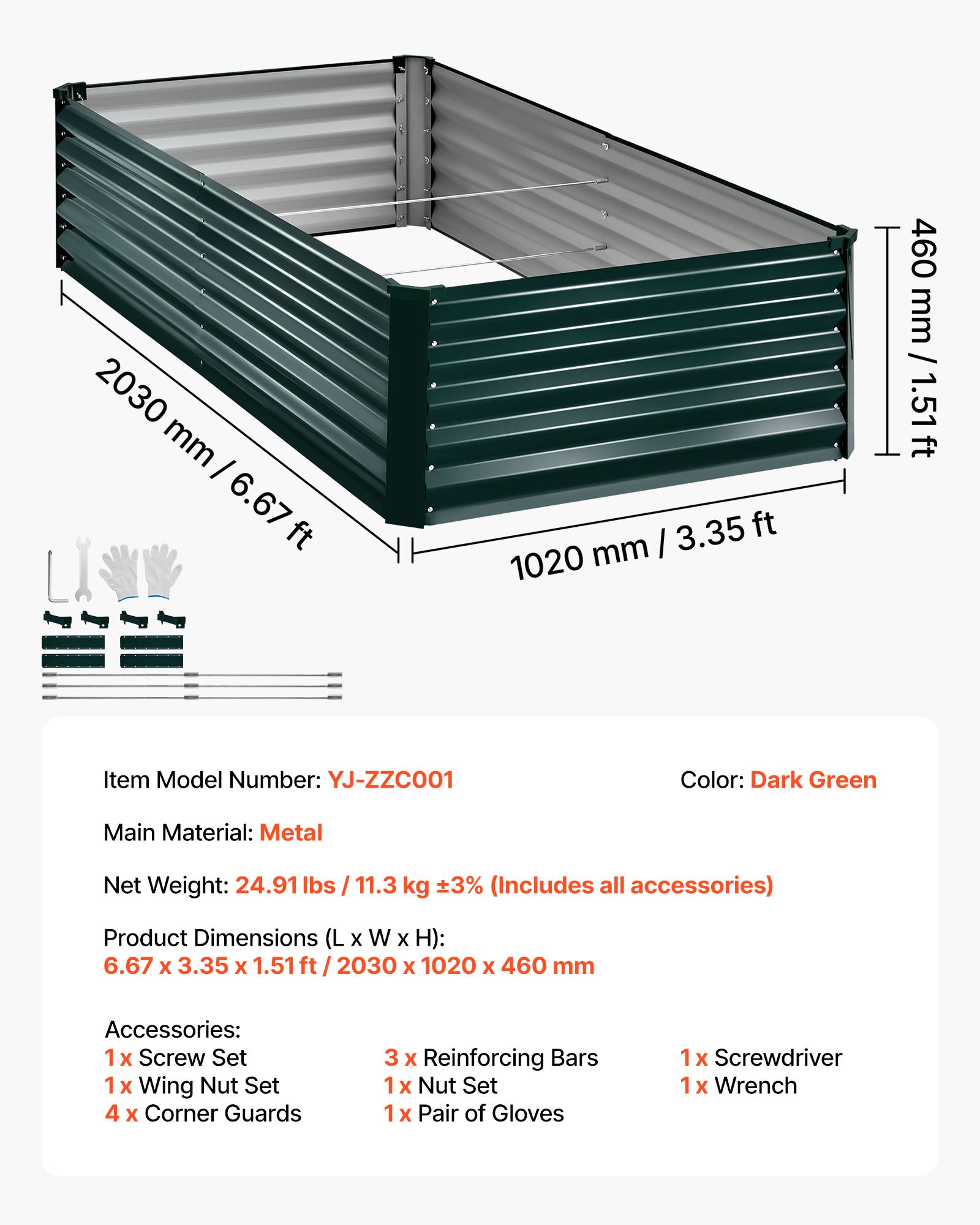 Galvanized Raised Garden Bed, 6.67 X 3.35 X 1.51 Ft, Rectangular Metal Planter Box Kit Outdoor, Rustproof Elevated Planting Box With Gloves, Alu-Zinc, For Growing Flowers Vegetables, Dark Green$72.99View on Mallflare
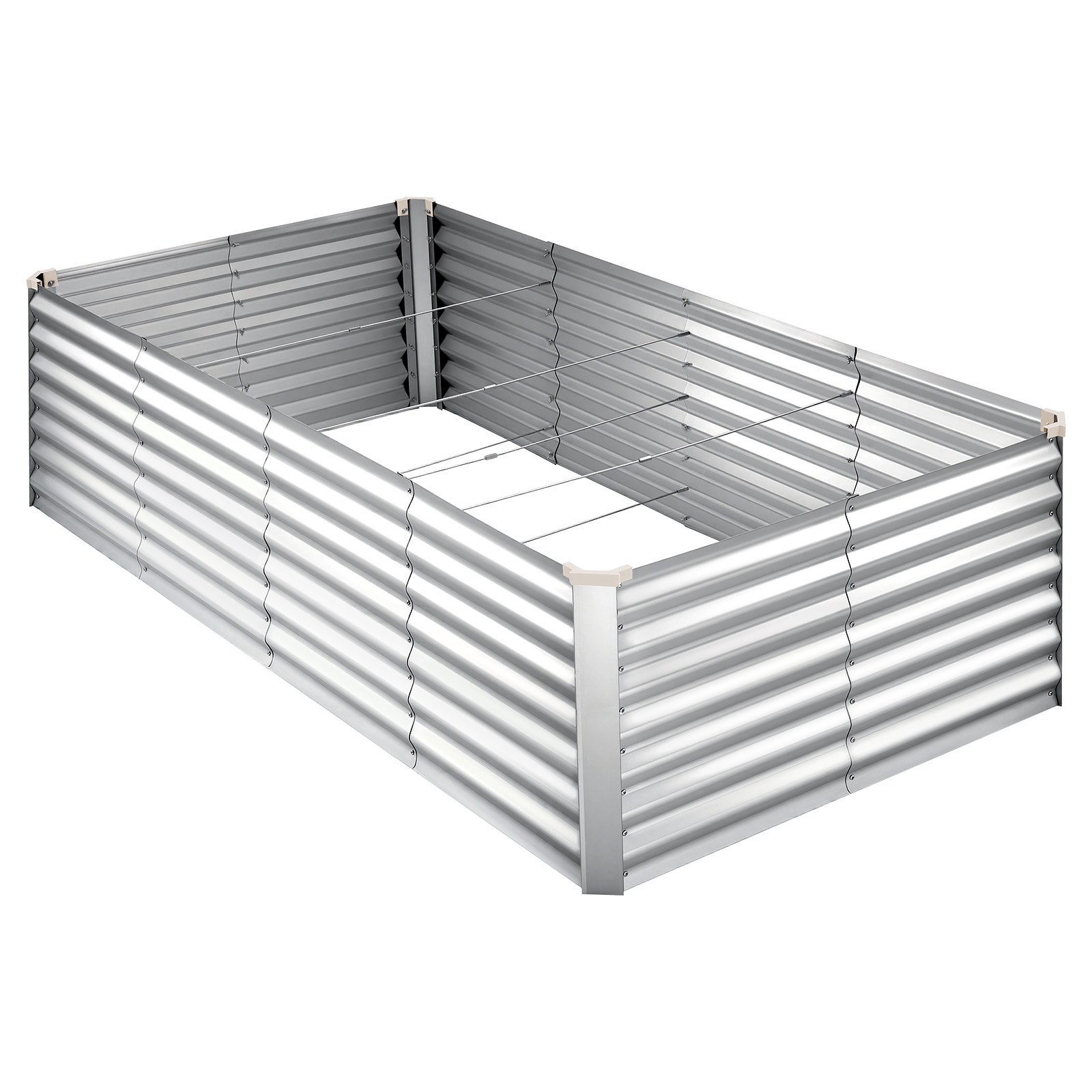 Galvanized Raised Garden Bed, 8 X 4 X 2 Ft, Rectangular Metal Planter Box Kit Outdoor, Bottomless Elevated Planting Box With Gloves, Rustproof Alu-Zinc, For Growing Flowers Vegetables, Silver$95.99View on Mallflare
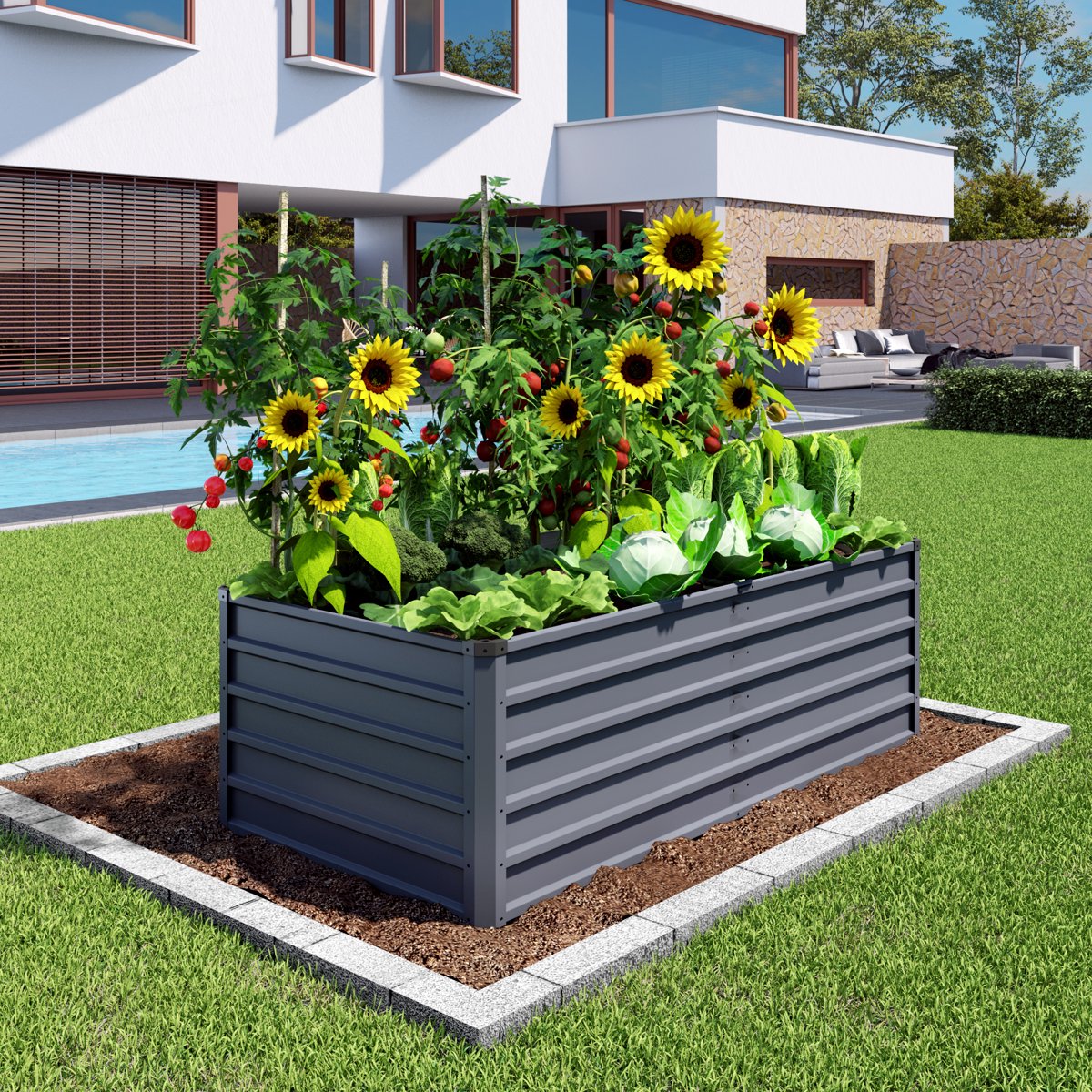 6x3x2ft 2pcs Large Raised Garden Bed Kit, Grey Rectangular Galvanized Metal Outdoor Bed, Planter Boxes Beds For Growing Plants, Vegetables And Flowers.$126.99View on Mallflare
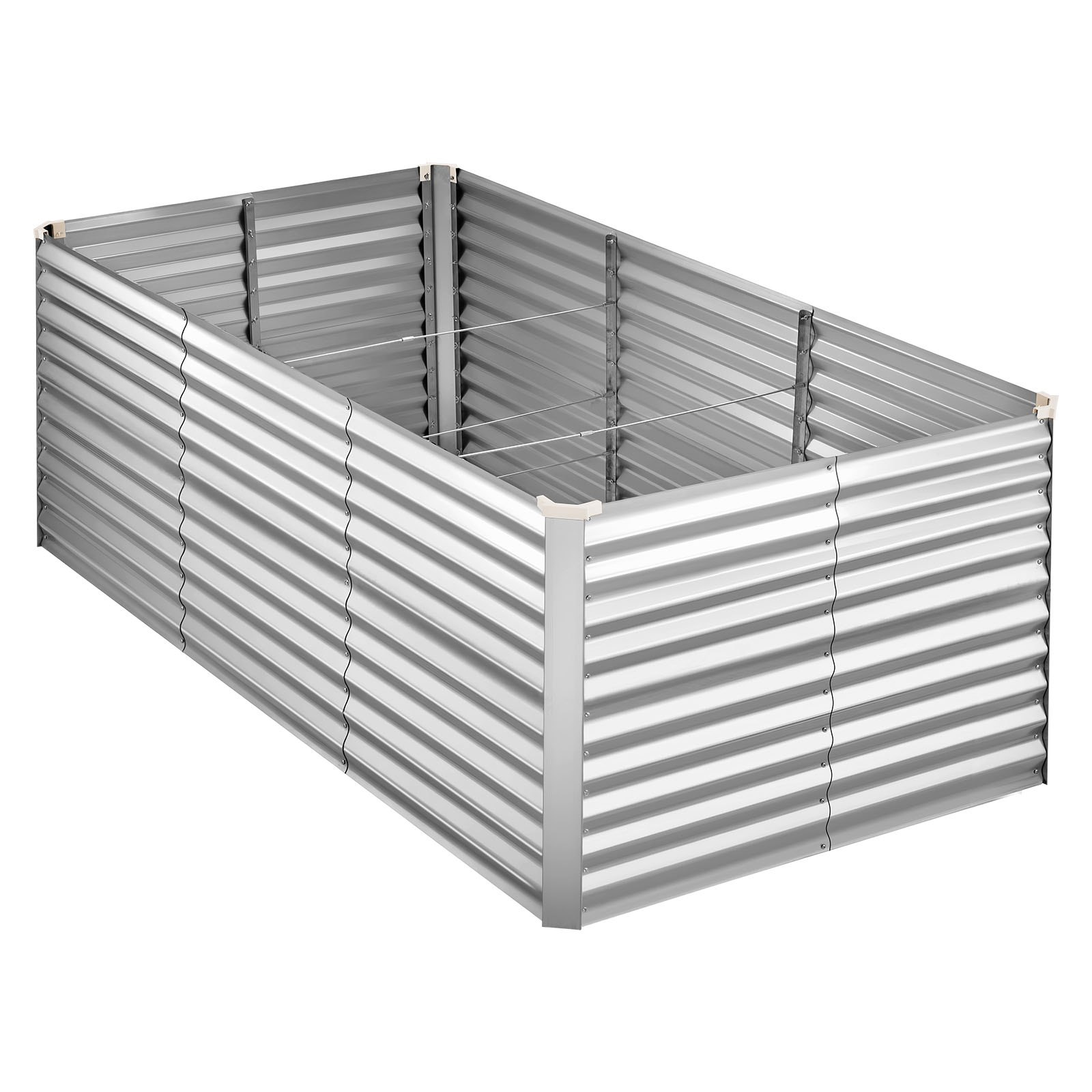 Galvanized Raised Garden Bed, 8 X 4 X 3 Ft, Rectangular Metal Planter Box Kit Outdoor, Bottomless Elevated Planting Box With Gloves, Rustproof Alu-Zinc, For Growing Flowers Vegetables, Silver$128.99View on Mallflare
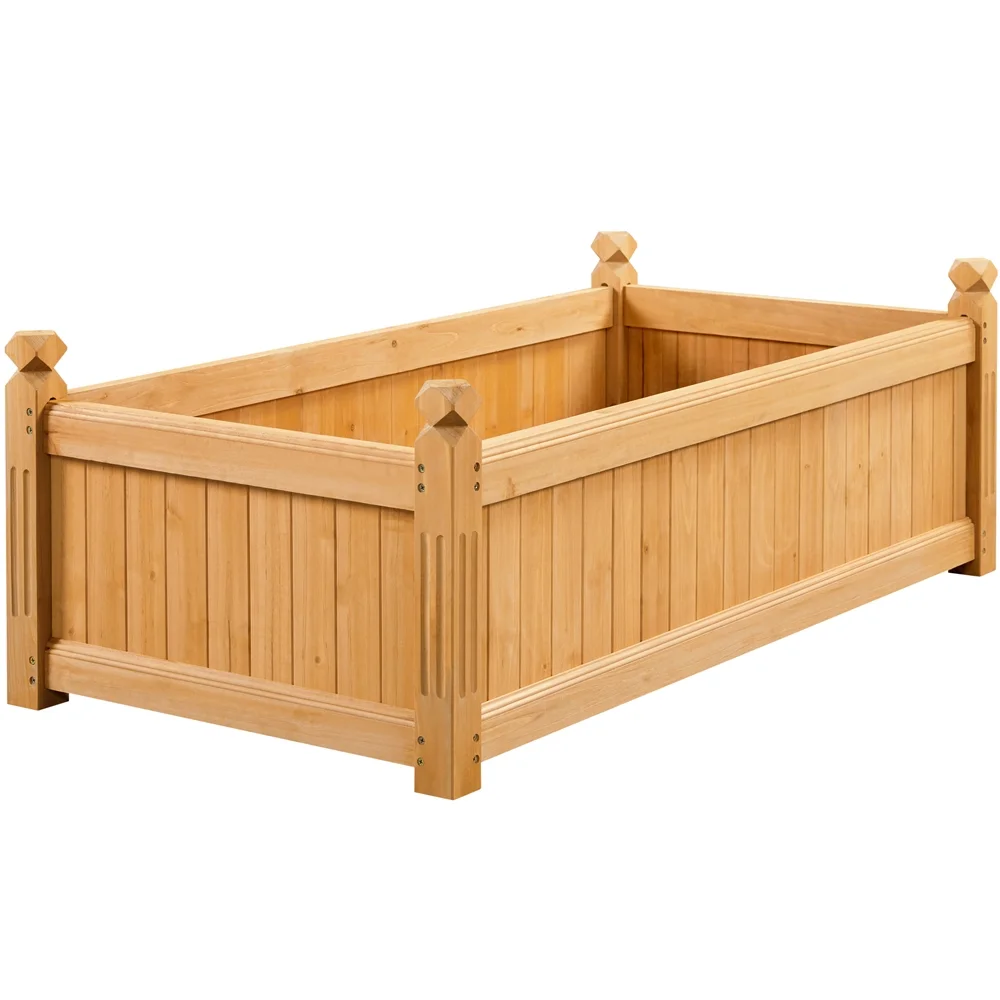 Wood Rectangular Garden Planter for Yard/Greenhouse, Light Brown$141.99View on Mallflare
Highlights
- Steel planters need 0.8–1.2 mm powder-coated walls with pre-drilled drainage; thinner 0.4 mm sheet dents and rusts at cut edges within two winters.
- HDPE and composite planters resist rot and UV indefinitely; wood planters require cedar, larch, or pressure-treated pine at 20 mm+ wall thickness to last beyond three seasons.
- Drainage holes plus a 20–50 mm gravel or hydroton base layer prevent waterlogging; sealed decorative boxes need a removable inner plastic liner with its own drainage.
- Rectangular planters deeper than 400 mm hold enough soil volume for shrubs and small trees; 200–250 mm depth suits annuals, herbs, and shallow-rooted vegetables only.
Best use cases
- Balcony and terrace screening: choose a 300–400 mm deep, 1.2–1.8 m long powder-coated steel or HDPE planter with drainage holes and a saucer — skip thin decorative wood boxes that warp and stain rails.
- Vegetable and herb rows: pick a 250–300 mm deep, 0.9–1.2 m long rectangular planter with at least four drainage holes and 30 L+ soil volume per meter — skip 100 mm-deep windowsill boxes for anything beyond lettuce.
- Formal garden edging and hedging: use 400 mm+ deep, 1.5 m+ long rigid metal or composite planters set on level paving — skip lightweight plastic troughs that bow under wet soil weight.
- Indoor floral decor: a lined wood or ceramic rectangular box under 400 mm long works on a sideboard — skip untreated wood and unlined metal indoors where condensation stains surfaces.
Buying tips
- Match planter length to the space: for a 1.5 m balcony rail, two 700–750 mm planters leave clearance; a single 1.5 m box needs a 1.6 m+ clear span.
- Calculate soil volume as length × width × depth in meters × 1000 = liters; a 1 m × 0.3 m × 0.3 m planter holds 90 L and needs a rigid wall, not flexible plastic.
- For outdoor metal, demand powder-coated or galvanized steel at 0.8 mm+ wall; bare or painted mild steel rusts through at the soil line in two seasons.
- Wood planters outdoors must be cedar, larch, or pressure-treated class 3–4; whitewashed softwood boxes are indoor/decor grade only and rot within one to two years outside.
Specs
| Material Grade | Powder-coated steel / HDPE / cedar |
|---|---|
| Wall Thickness | Steel 0.8–1.2 mm / wood 20 mm+ |
| Planter Depth | 200–250 mm annuals / 400 mm+ shrubs |
| Drainage | Pre-drilled holes + gravel base layer |
Related searches
What to check before buying
- Measure the exact length, width, and height of the intended spot plus door/gate clearance — a 1.2 m planter will not pass through a 0.8 m doorway assembled.
- Confirm the surface: paved patio needs feet or a saucer to prevent staining; decking needs a 20 mm air gap and weight check for wet soil at 1.2–1.5 kg per liter.
- Check drainage: outdoor planters need pre-drilled holes or you must drill 8–10 mm holes yourself; indoor planters need a sealed liner or drip tray.
- Verify climate and UV: in full sun and frost, choose HDPE, composite, or powder-coated steel; untreated wood and thin plastic craze and split within two winters.
FAQ
Data sources: eBay / Amazon listings and product attribute feeds. Updated Nov 27, 2026.
Some links on this page are affiliate links. If you buy after clicking one, we may earn a commission at no extra cost to you. This does not change which products appear here or their order. Affiliate disclosure.