
Photos from current listings. Actual item, color, and included accessories may vary.
Grow Tent AC Buying Guide
A grow tent AC is a sealed-environment cooling and ventilation system that manages heat load inside a reflective hydroponic tent, where the core trade-off is matching BTU capacity and airflow CFM to tent volume and lighting wattage without over-venting CO2 or humidity. The decision rule is simple: size the AC to the light's heat output and tent cubic footage, and choose a ducted or portable unit with a thermostat and external exhaust rather than a passive vent or fan-only solution.
Median $172.49 · New listings
Key takeaways
- Cooling capacity must exceed lighting heat load: a 1000W HID lamp produces roughly 3,400 BTU/hr, while a 200W LED panel produces about 680 BTU/hr, so portable AC sizing starts at the lamp wattage multiplied by 3.41.
- Tent airflow is rated in CFM: a 4x4x6.5 ft tent is 104 cubic feet and needs 100-200 CFM of extraction, while a 5x5x7 ft tent is 175 cubic feet and requires 175-350 CFM for one air exchange per minute.
- Reflective wall material grade determines light retention and heat rejection: 600D Oxford with double-sided mylar reflects over 95% of PAR light, whereas thin PE or single-layer PVC covers degrade and trap heat.
At a glance
- Category
- Greenhouse & Hydroponics
- Last updated
- Nov 27, 2026
Current offers
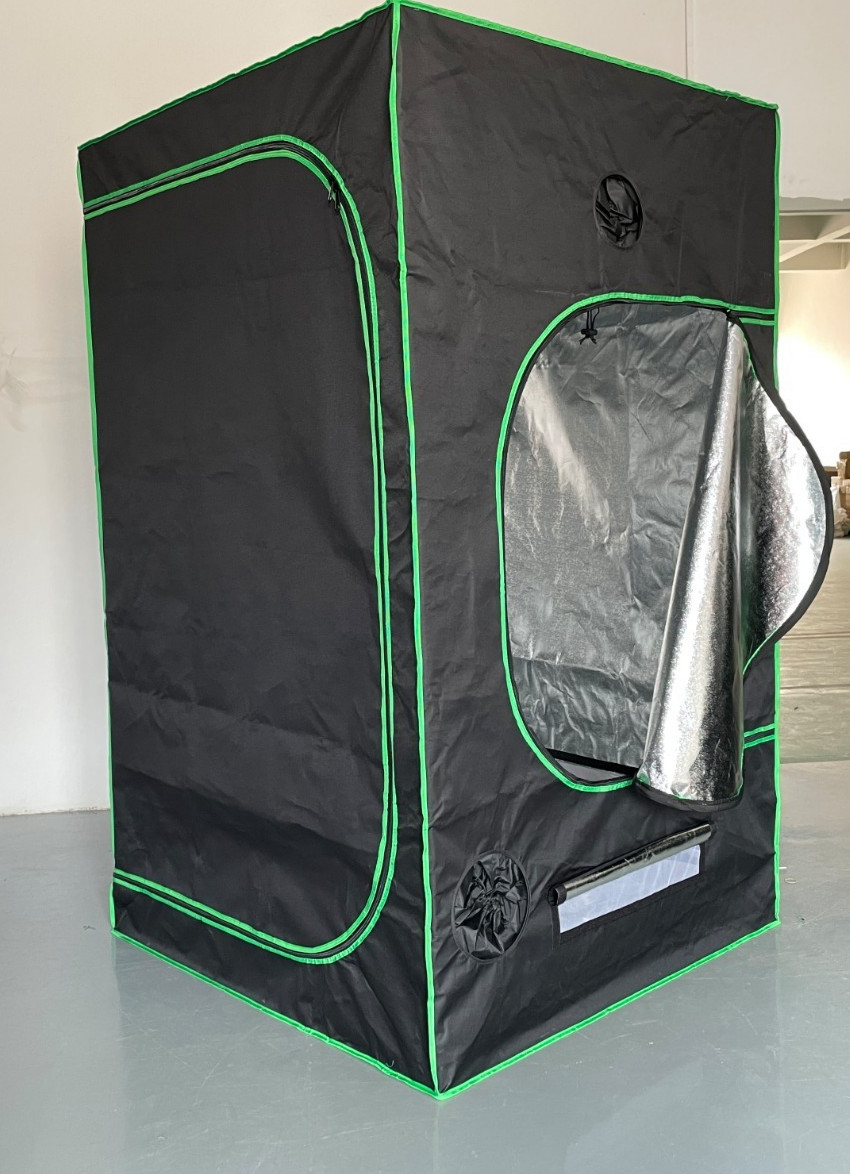 4'x4' Indoor Hydroponic Grow Tent Greenhouse Reflective Mylar Wall$129.99View on eBay
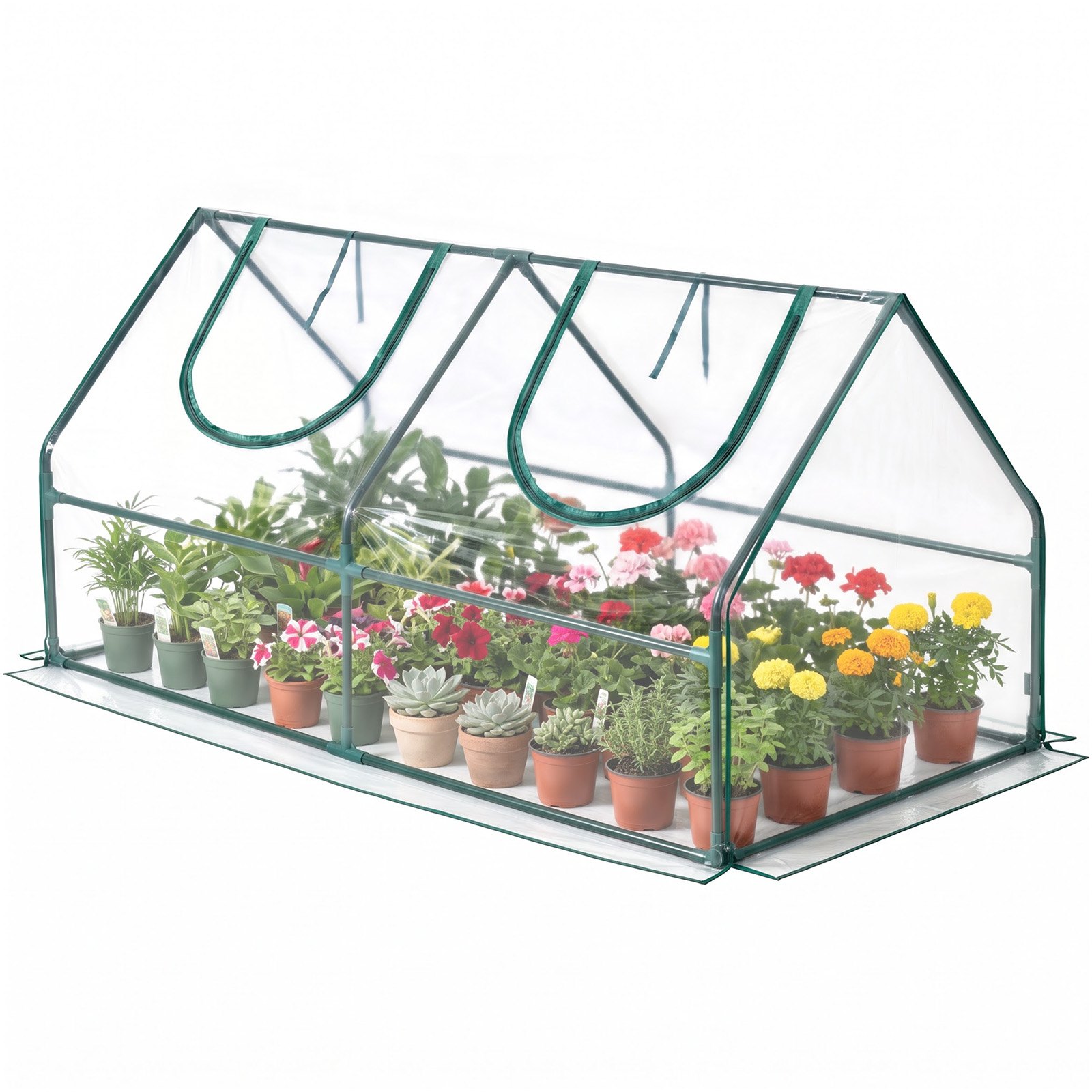 Mini Greenhouse 70.87"x35.43"x35.43" Portable Green House Grow Tent, for Indoor Outdoor Garden Bulk Plant Seed Starting, Small with PVC Cover, Roll-Up Zippered Door & Ventilation Windows$32.99View on Mallflare
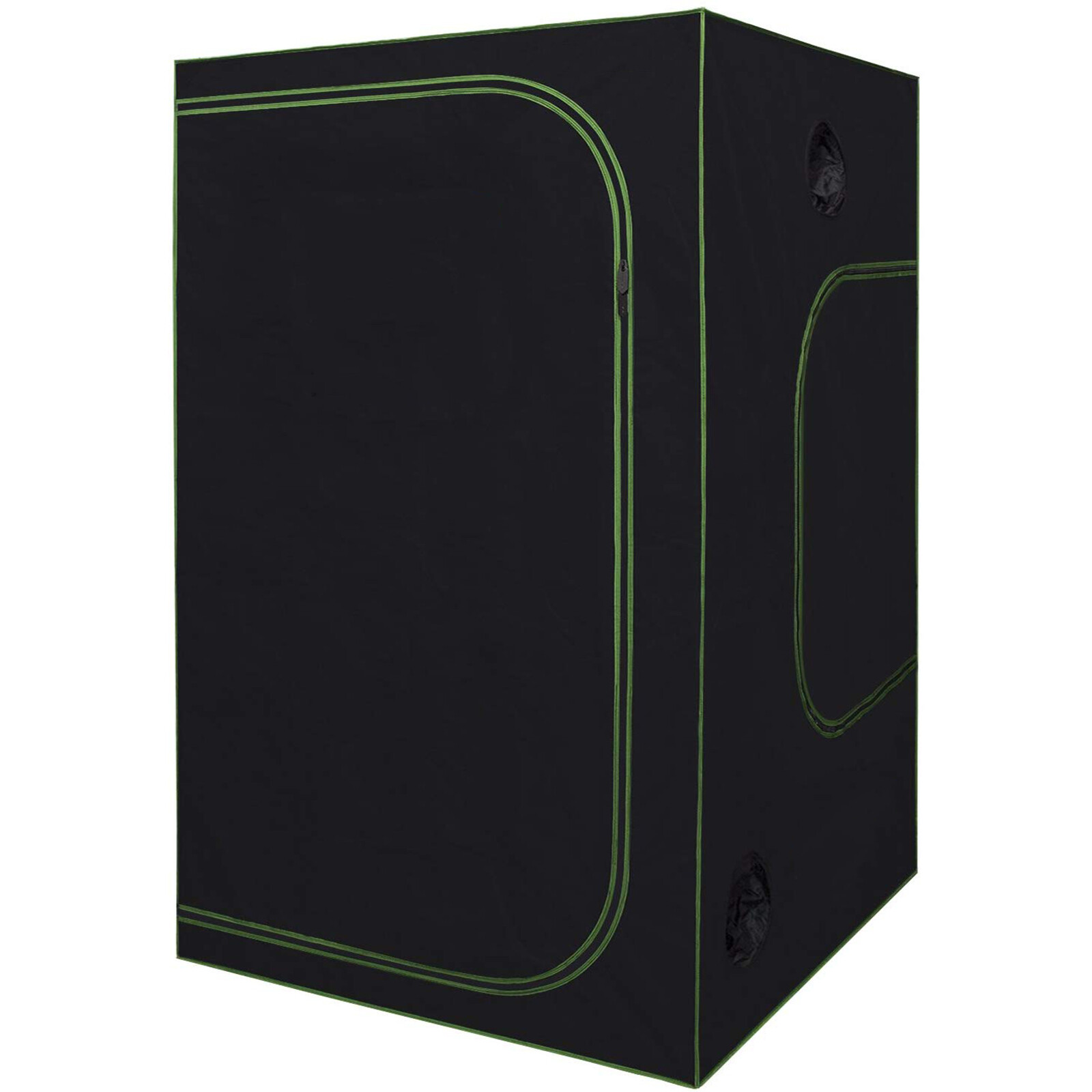 REFLECTIVE 5' x 5' x 7' HYDROPONIC INDOOR GROW ROOM TENT GREENHOUSE 100% Mylar$169.99View on eBay
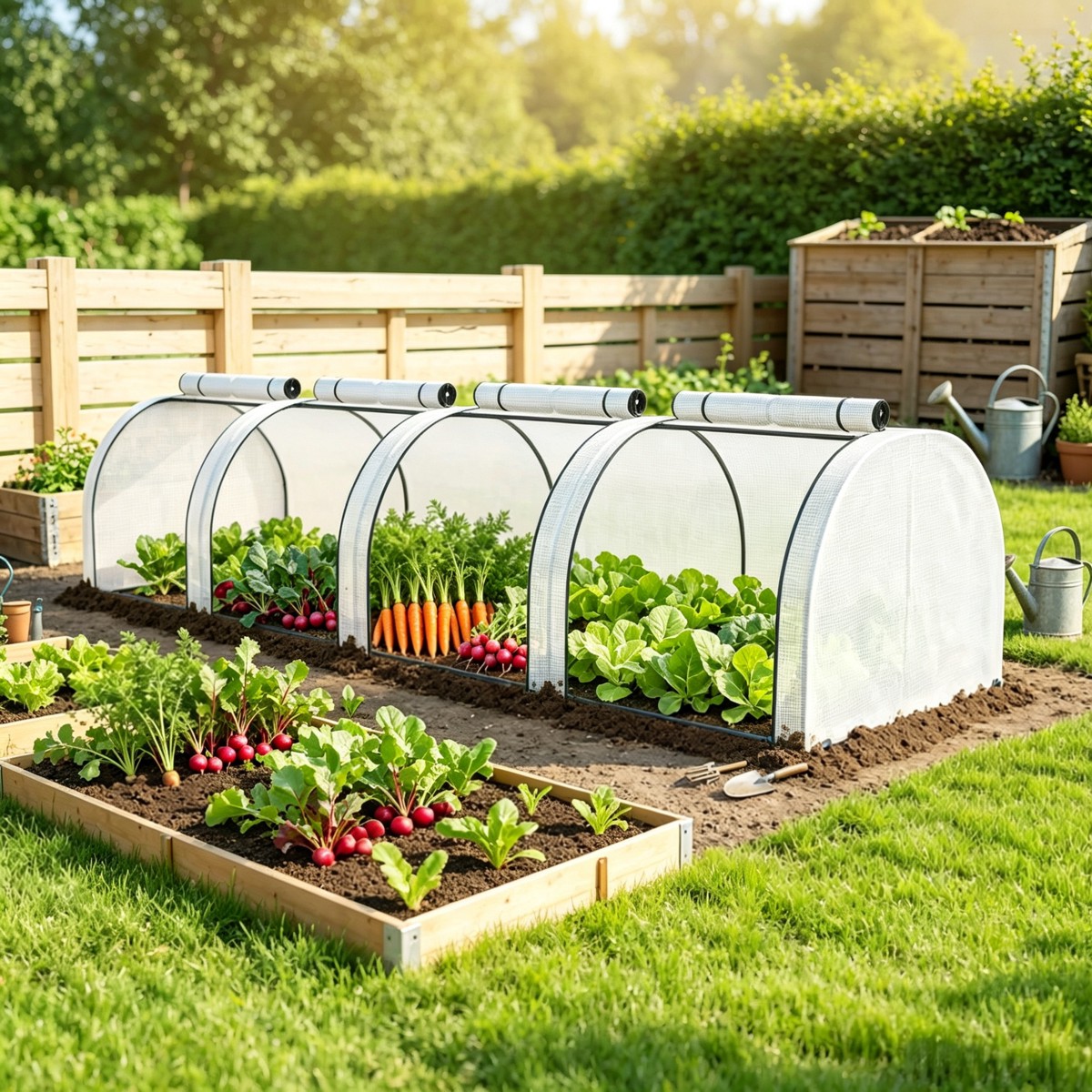 White Portable 13' L x 3' W x 2.5' H Tunnel Greenhouse – Garden Grow Tent with 4 Zipper Doors, Water/UV Protected PE Cover$174.99View on Mallflare
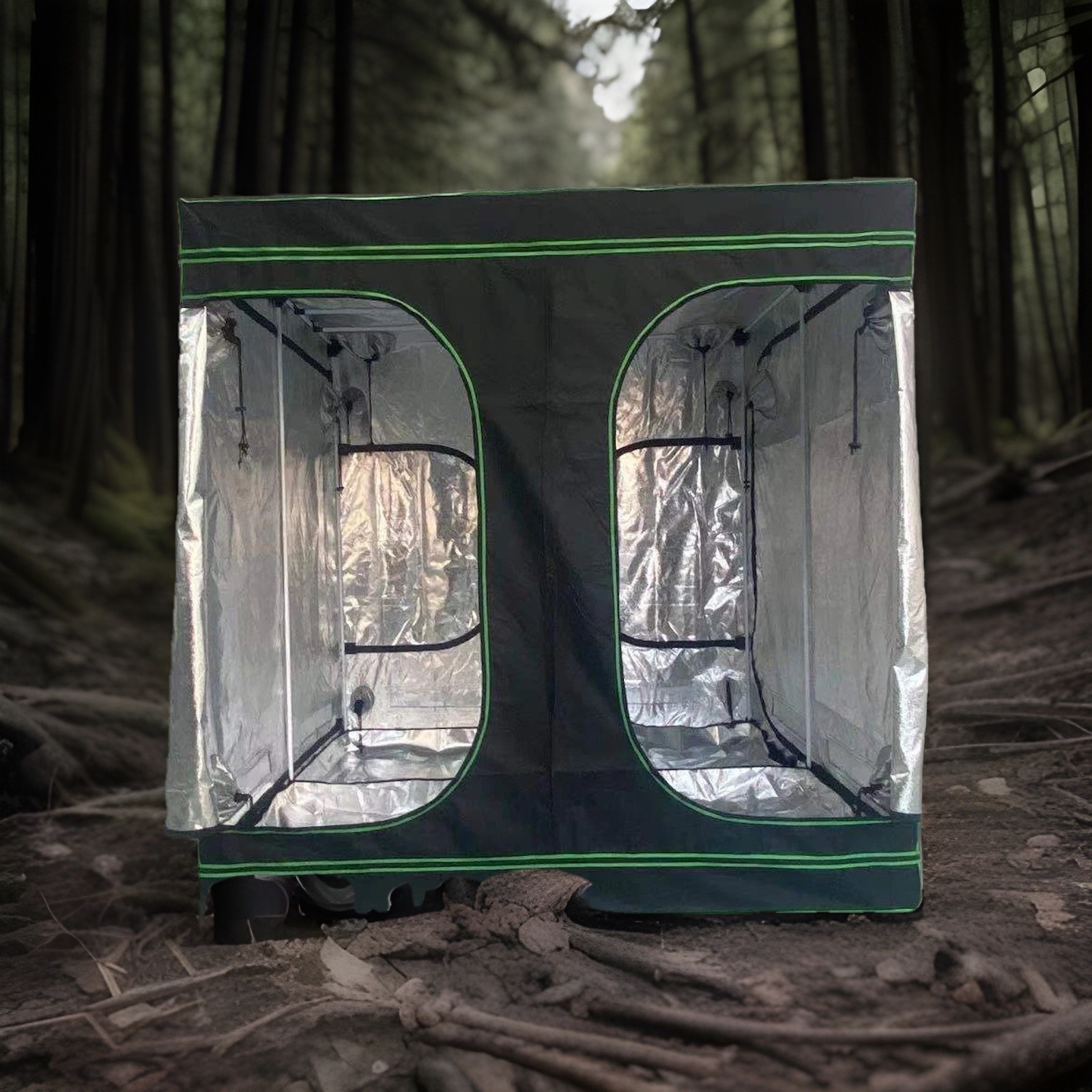 6.5' x 6.5' x 6.5' Hydroponic Indoor Reflective Mylar Grow Room Tent Greenhouse$199.99Last checked Nov 28, 2026View on eBay
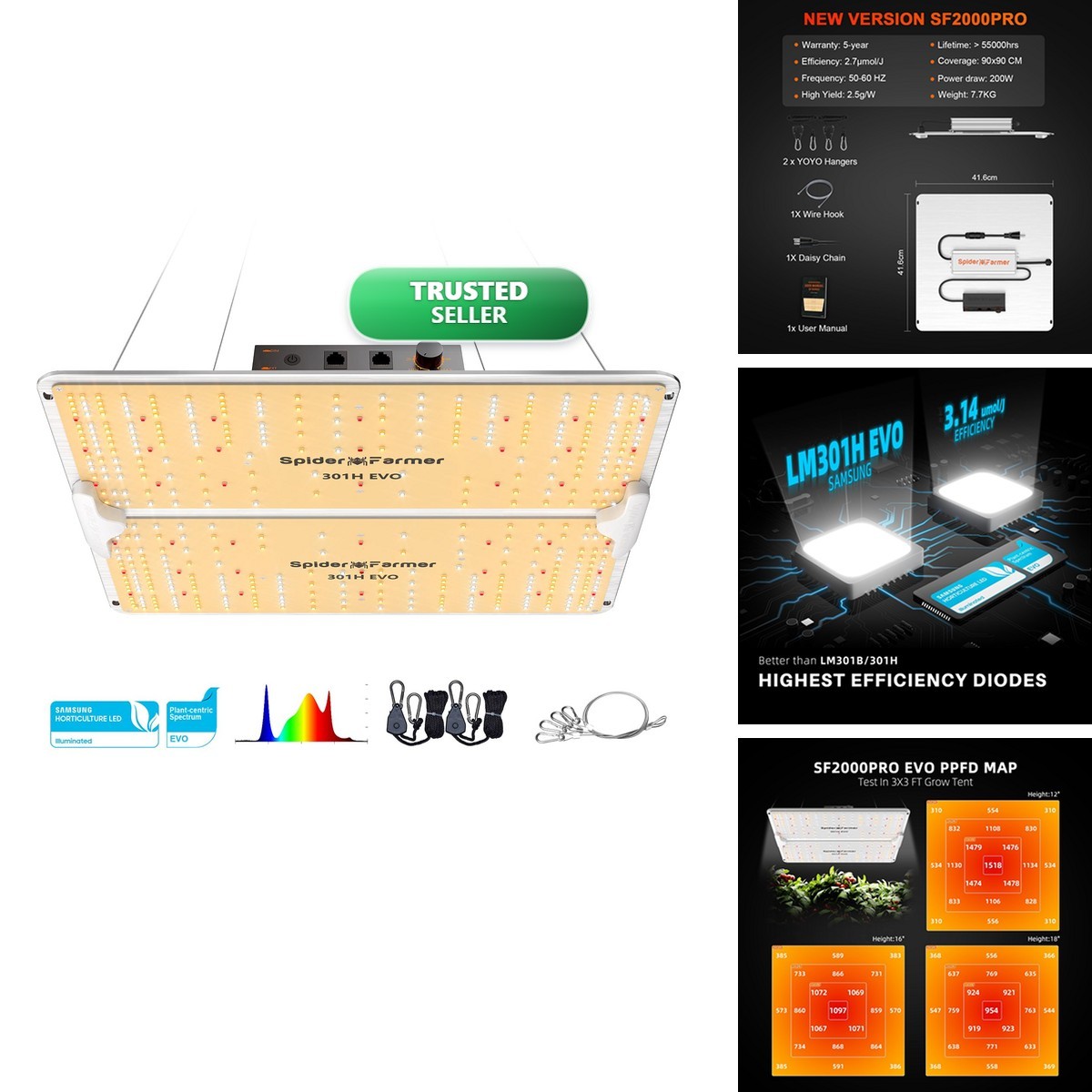 Spider Farmer SF2000 Pro LED Grow Lights for Indoor Plants in 3x3 Grow Tent$249.36New · Last checked Nov 20, 2026View on eBay
Highlights
- Cooling capacity must exceed lighting heat load: a 1000W HID lamp produces roughly 3,400 BTU/hr, while a 200W LED panel produces about 680 BTU/hr, so portable AC sizing starts at the lamp wattage multiplied by 3.41.
- Tent airflow is rated in CFM: a 4x4x6.5 ft tent is 104 cubic feet and needs 100-200 CFM of extraction, while a 5x5x7 ft tent is 175 cubic feet and requires 175-350 CFM for one air exchange per minute.
- Reflective wall material grade determines light retention and heat rejection: 600D Oxford with double-sided mylar reflects over 95% of PAR light, whereas thin PE or single-layer PVC covers degrade and trap heat.
- Ducting diameter is a hard compatibility standard: 4-inch, 6-inch, and 8-inch flanges dictate which inline fans, carbon filters, and AC exhaust adapters fit, and stepping down diameter cuts airflow by 25-50%.
Best use cases
- Best fit: a 4x4 or 5x5 reflective mylar tent running 400-600W of LED lighting in a garage or spare room — pair a 5,000-8,000 BTU portable AC with a 6-inch inline fan and thermostat controller; skip fan-only cooling, which cannot drop temperature below ambient.
- Best fit: a small 2x4 propagation tent with a 200W dimmable LED — a 4-inch inline fan plus passive intake handles heat, and a 1500W PTC heater with thermostat covers cold nights; skip a full portable AC because the tent volume is too small to justify the ducting footprint.
- Wrong fit: a tunnel greenhouse or PVC-covered mini greenhouse with roll-up doors — these are passive structures with no sealed envelope, so an AC unit will exhaust cooling to the outdoors; use shade cloth and ventilation windows instead.
- Best fit: a sealed 6.5x6.5x6.5 ft tent with CO2 enrichment — a dual-hose portable AC keeps cooling isolated from the tent air while a 6-inch fan recirculates internally; skip single-hose units, which create negative pressure and pull untreated room air into the tent.
Buying tips
- Calculate tent volume in cubic feet (length x width x height) and choose an extraction fan rated at 1-2 air exchanges per minute; a 4x4x6.5 ft tent (104 cu ft) needs 100-200 CFM, and a 5x5x7 ft tent (175 cu ft) needs 175-350 CFM.
- Size the AC by lighting heat: multiply lamp watts by 3.41 to get BTU/hr, then add 10-20% margin for pumps and ambient gain; a 600W LED setup needs about 2,050 BTU/hr baseline, so a 5,000 BTU portable AC provides headroom.
- Match duct flange diameter across every component — tent ports, inline fan, carbon filter, and AC exhaust — at 4, 6, or 8 inches; a 6-inch fan necked down to 4-inch duct loses roughly half its rated CFM.
- Choose 600D Oxford fabric with double-sided mylar and metal corner poles over 210D or PE covers for light-proofing and tear resistance; check that zippers are heavy-duty and double-stitched at stress points.
Specs
| Cooling Capacity | 5,000-14,000 BTU/hr portable |
|---|---|
| Tent Airflow | 100-400 CFM inline extraction |
| Duct Flange Size | 4 / 6 / 8 inch standard |
| Tent Wall Material | 600D Oxford + double-sided mylar |
Related searches
What to check before buying
- Measure the tent footprint and height against the room's ceiling and door clearance; a 5x5x7 ft tent needs at least 7.5 ft of ceiling height for the frame plus fan and filter space above.
- Confirm the electrical circuit: a 5,000-8,000 BTU portable AC draws 4-7 amps at 115V, so a dedicated 15A circuit is required and extension cords must be 14 AWG or heavier.
- Check window or wall access for AC exhaust ducting within 5-7 ft, and verify the duct diameter matches the tent's port flange (4, 6, or 8 inch).
- Verify floor load and drainage: a 5x5 ft tent with pots and reservoir can weigh several hundred pounds, so use a reinforced floor or tray and keep the AC unit on a level, dry surface outside the tent.
FAQ
Data sources: eBay / Amazon listings and product attribute feeds. Updated Nov 27, 2026.
Some links on this page are affiliate links. If you buy after clicking one, we may earn a commission at no extra cost to you. This does not change which products appear here or their order. Affiliate disclosure.