
Photos from current listings. Actual item, color, and included accessories may vary.
Pruning Shear Buying Guide
Pruning shears are the primary hand tool for cutting live stems and branches, and the core trade-off is between bypass and anvil cutting actions, blade steel hardness, and handle ergonomics. Bypass shears suit live growth; anvil shears crush and are for dead wood. Durable models use forged or high-carbon steel blades with replaceable parts, while compromises use soft stamped stainless that rolls or chips.
Median $41.08
Key takeaways
- Bypass (two curved blades slice) vs anvil (one blade cuts against flat plate) determines cut quality: bypass for live stems, anvil for dead wood.
- Blade steel matters: high-carbon forged steel holds an edge; stamped stainless is softer and dulls faster under repetitive cuts.
- Replaceable blade and spring assemblies extend service life; riveted non-serviceable heads become disposable after wear.
At a glance
- Category
- Garden Tools
- Last updated
- Nov 28, 2026
Current offers
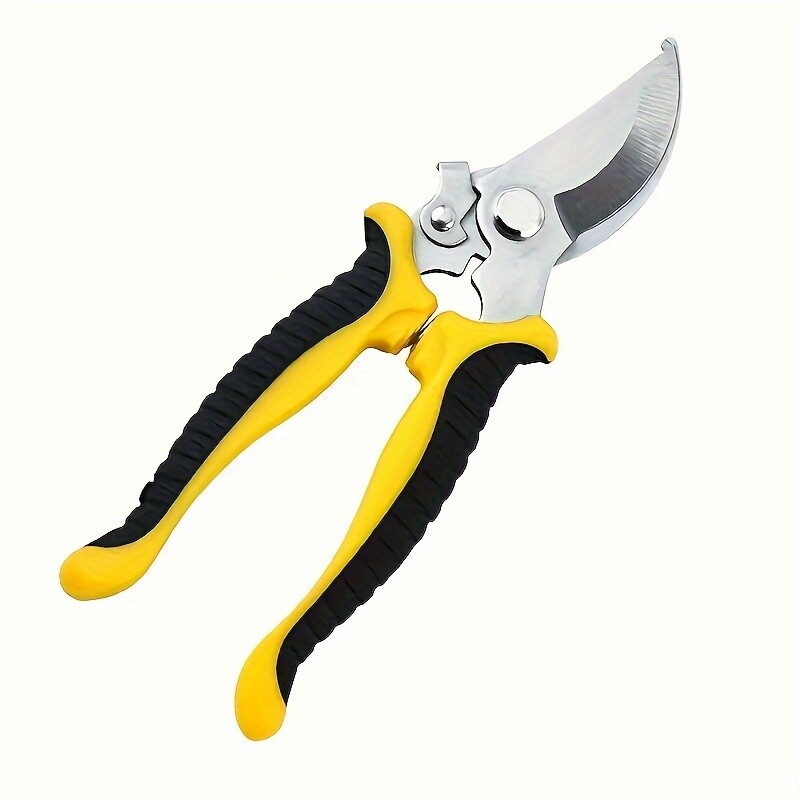 Garden Pruning Shears Ultra-Sharp Stainless Steel Gardening Trimming Tool$7.99Last checked Nov 26, 2026View on eBay
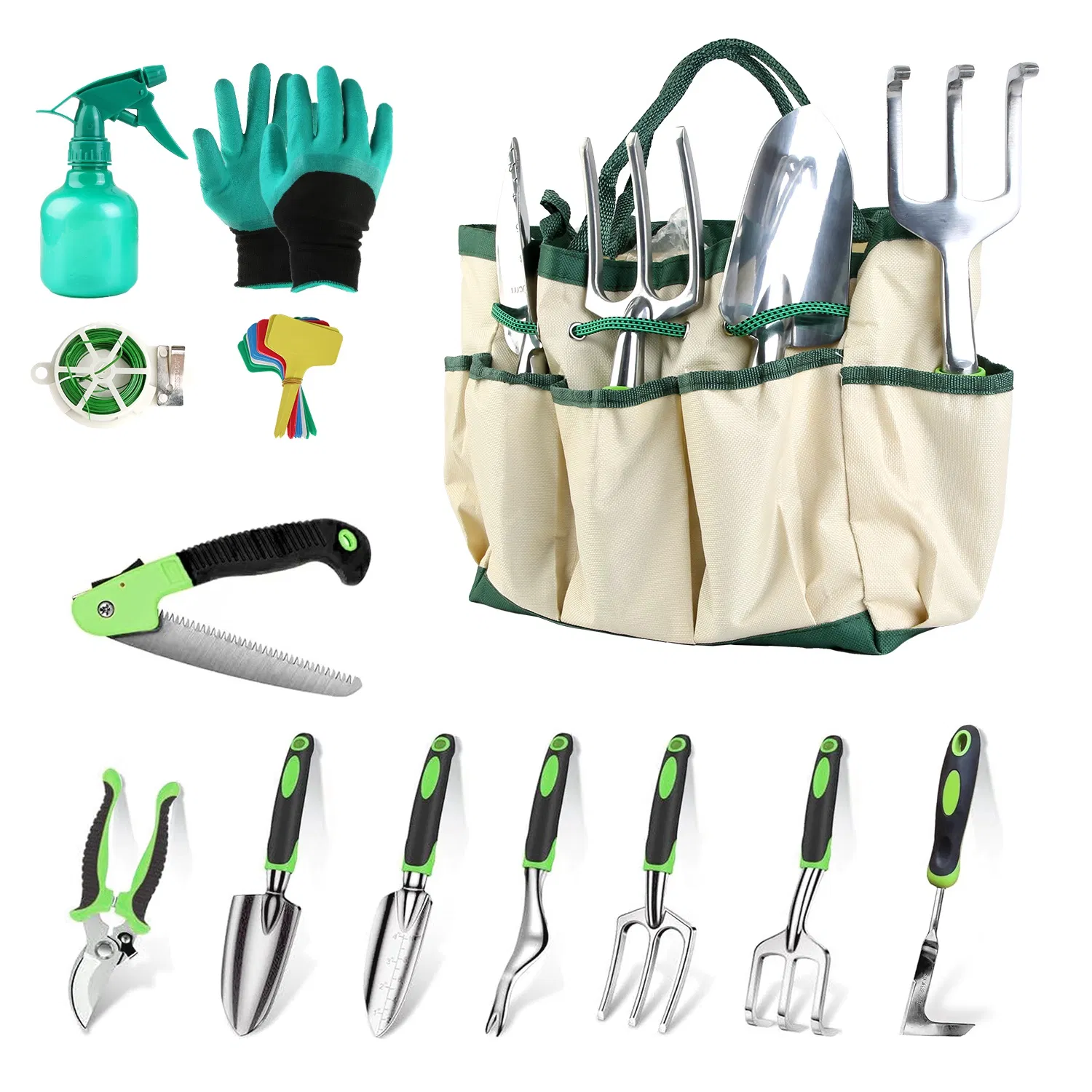 Aluminum Alloy Gardening Hand Tools 13-Piece Set, Multi-Function Garden Kit with Oxford Carry Bag, Plant Tags, Pruning Shears for Planting, Weeding & Outdoor Yard Maintenance$63.99View on Mallflare
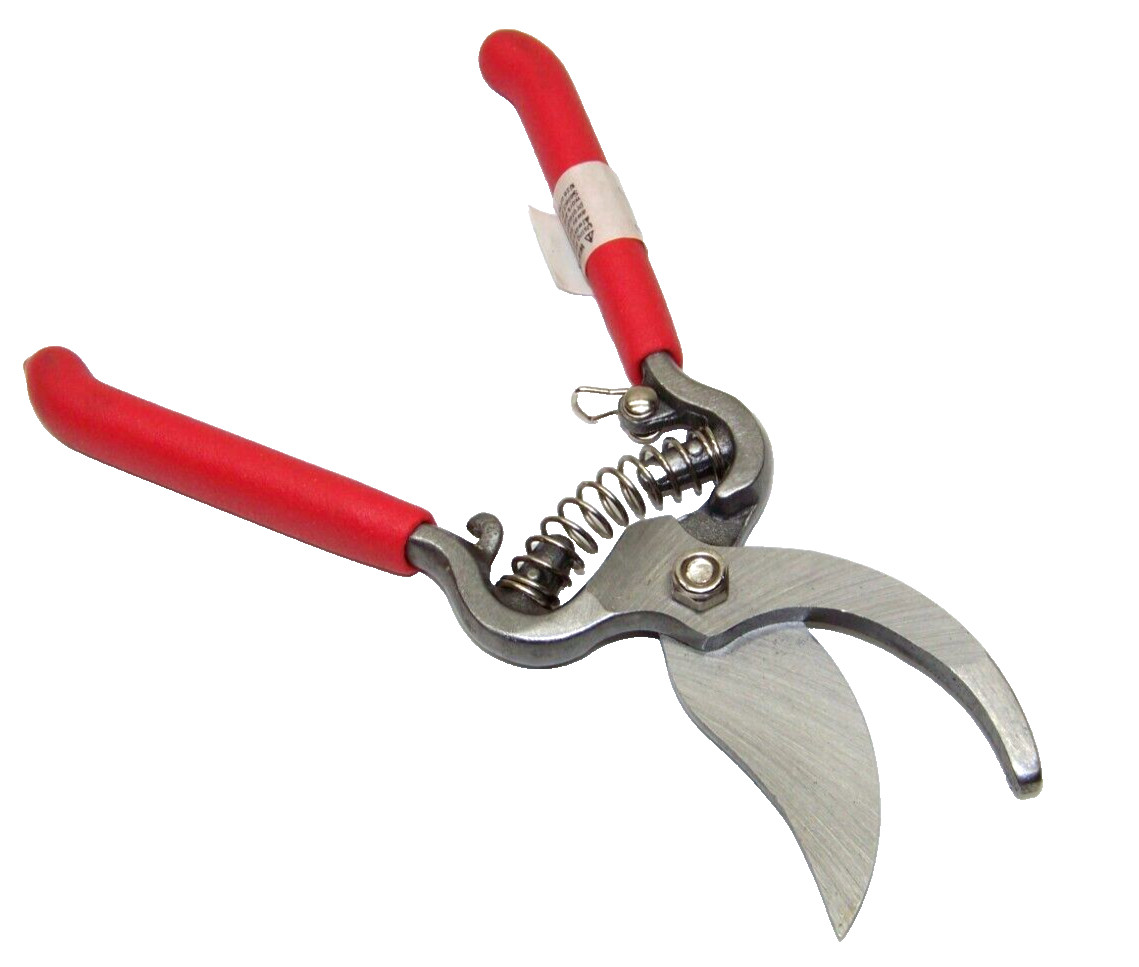 8" Pruning Shears Heavy Duty Garden Plant Trimmer Hand Pruner Gardens Tools New$12.99Last checked Nov 20, 2026View on eBay
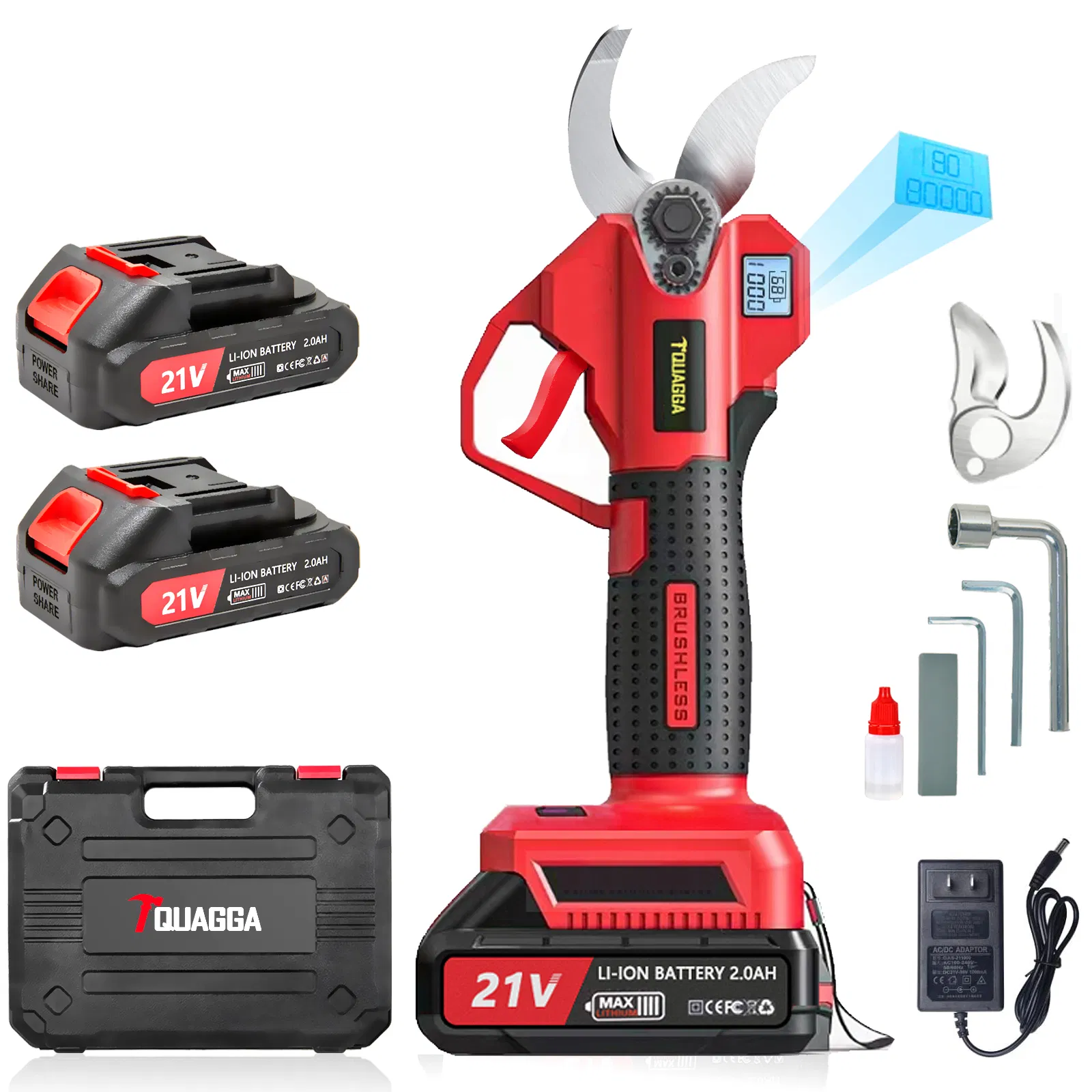 Electric Pruning Shears,1.2" Cutting Diameter Cordless Power Pruner with LCD Display, Brushless Motor Shears 2000mAh*2 Rechargeable Batteries for Garden Tree Branch$69.99View on Mallflare
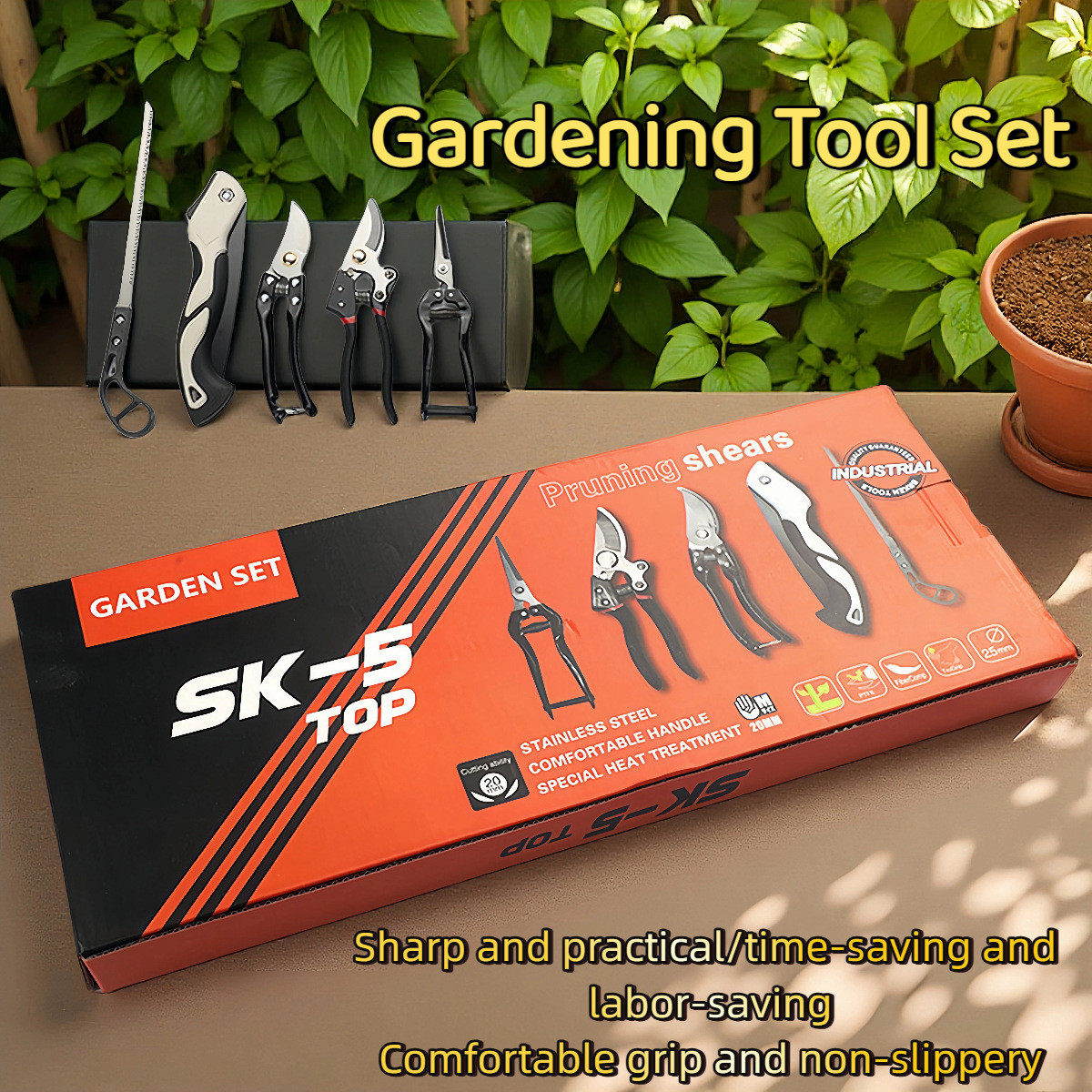 5-Piece Gardening Tool Set with Pruning Shears, Folding Saw & Storage Case – Hea$18.17Last checked Nov 24, 2026View on eBay
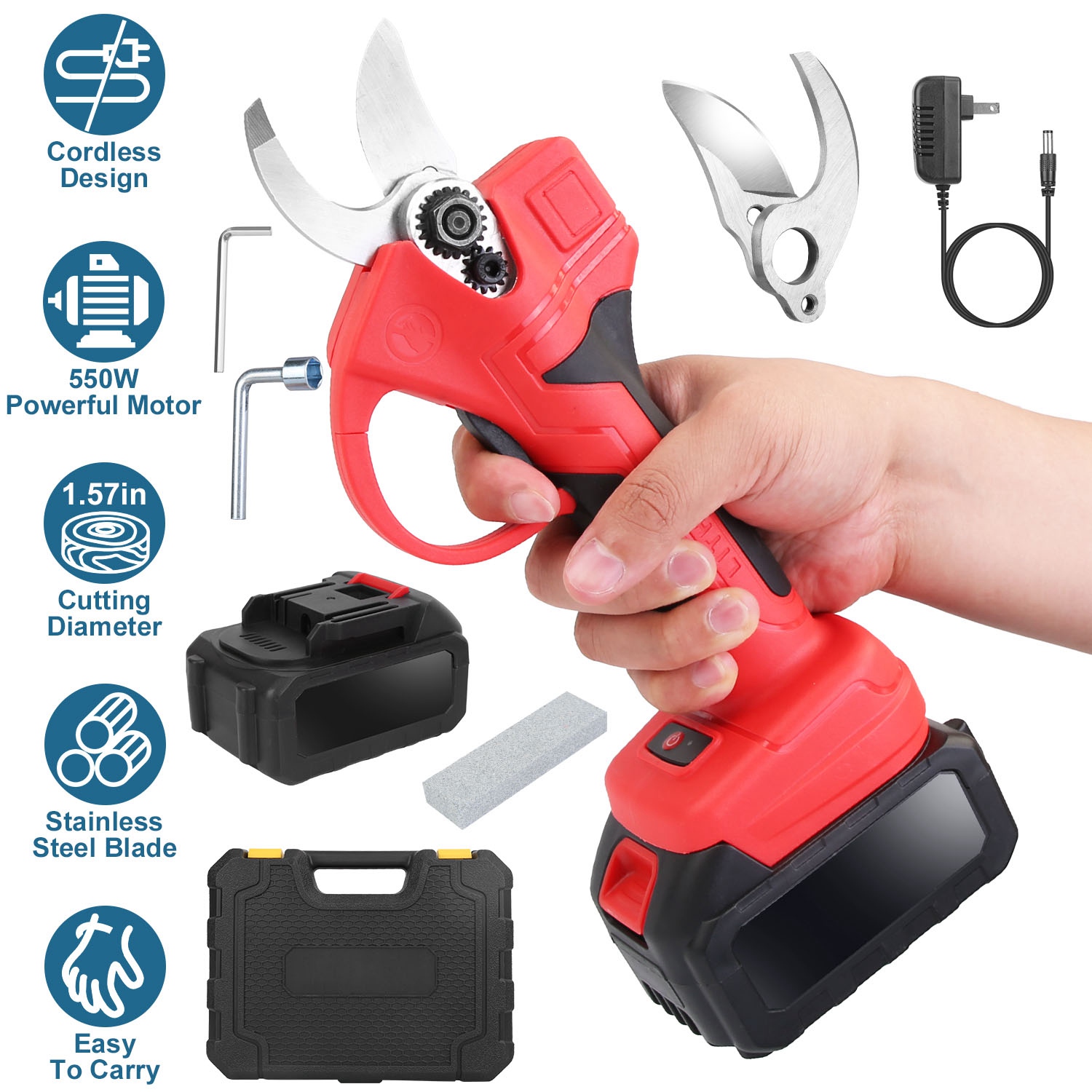 21V Cordless Electric Pruning Shears 40mm 1.57in Branch Scissors Tree Cutter With 2 Rechargeable Batteries Sharpening Stone Blade Replacement Carry Box$87.99View on Mallflare
Highlights
- Bypass (two curved blades slice) vs anvil (one blade cuts against flat plate) determines cut quality: bypass for live stems, anvil for dead wood.
- Blade steel matters: high-carbon forged steel holds an edge; stamped stainless is softer and dulls faster under repetitive cuts.
- Replaceable blade and spring assemblies extend service life; riveted non-serviceable heads become disposable after wear.
- Handle material and grip geometry: aluminum or fiberglass-reinforced nylon handles reduce fatigue; soft TPR grips improve wet-weather control.
Best use cases
- Best for live shrubs, roses, and green stems up to 1/2 inch: choose a bypass pruner with high-carbon steel blades and replaceable spring.
- Best for dead branches and dry wood up to 3/4 inch: choose an anvil pruner or a geared lopper; do not use bypass on dry wood to avoid blade separation.
- Best for arthritis or high-volume pruning: choose a ratchet or geared bypass model with rotating handle; skip fixed straight handles.
- Wrong fit: cordless electric shears for fine detail work or tightaccess spots; they are heavy and better for repetitive cuts on branches up to 1.2 inches.
Buying tips
- Match cutting capacity to stem size: bypass pruners typically cut up to 1/2 inch; anvil up to 3/4 inch; electric pruners up to 1.2-1.57 inches.
- Choose forged high-carbon steel blades over stamped stainless for edge retention; look for replaceable blade and spring parts.
- For repetitive cuts, pick a model with a rolling handle or ratchet mechanism; test grip span fits your hand (typically 7-8.5 inches overall length).
- Cordless electric pruners need 18V-21V batteries with 2.0Ah or higher capacity; confirm spare batteries and sharpening stone are included.
Specs
| Cutting Action | Bypass vs Anvil |
|---|---|
| Blade Steel | Forged high-carbon vs stamped stainless |
| Max Cut Capacity | 1/2 in hand / 1.57 in electric |
| Handle Material | Aluminum / FRN / TPR grip |
Related searches
What to check before buying
- Measure your hand span and grip size: overall pruner length 7-8.5 inches suits most adults; smaller hands need compact models.
- Check stem size in your garden: if most cuts exceed 1/2 inch, step up to loppers or electric pruners.
- For electric models, confirm battery voltage (18V/21V) and that a spare battery and charger are included.
- Verify blade replacement availability: springs, blades, and pivot bolts should be user-serviceable with common tools.
FAQ
Data sources: eBay / Amazon listings and product attribute feeds. Updated Nov 28, 2026.
Some links on this page are affiliate links. If you buy after clicking one, we may earn a commission at no extra cost to you. This does not change which products appear here or their order. Affiliate disclosure.