
Photos from current listings. Actual item, color, and included accessories may vary.
Garden Fencing Buying Guide
Garden fencing spans two distinct product classes: lightweight plastic border/edging panels for bed definition and decorative privacy, and galvanized welded-wire mesh rolls (hardware cloth) for physical exclusion of animals and pests. The core trade-off is material durability versus installation effort: plastic panels install in minutes but degrade under UV and frost, while metal mesh requires posts and tensioning but lasts decades. The decision rule is simple: choose plastic edging only for cosmetic bed borders and seasonal privacy, and choose hot-dip galvanized welded wire whenever the fence must physically stop rabbits, chickens, or deer.
Median $84.49
Key takeaways
- Welded wire durability hinges on zinc coating: hot-dipped galvanized after welding resists rust 3-5x longer than electro-galvanized or pre-galvanized mesh.
- Wire gauge governs animal exclusion: 19-gauge hardware cloth stops rabbits and chickens, while 23-gauge mesh is decorative only and deforms under light pressure.
- Mesh aperture sets the pest barrier: 1/2-inch openings block mice and juvenile rabbits; 1-inch or larger mesh only deters larger animals like deer and dogs.
At a glance
- Category
- Garden Fencing & Privacy Screens
- Last updated
- Nov 27, 2026
Current offers
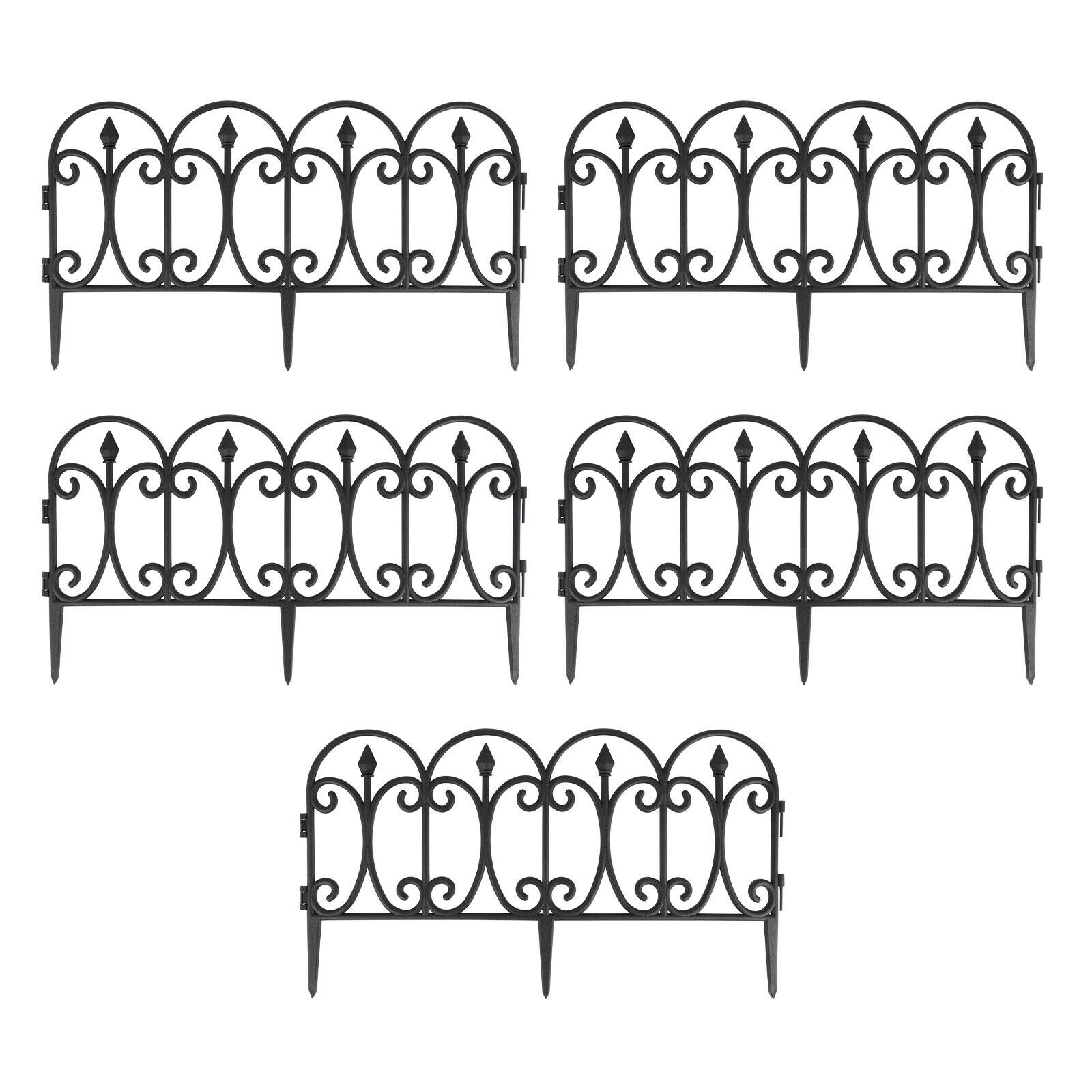 5pcs/set Garden Plastic Fence Panels Lawn Edging Border Panel Edge Fencing Yard$21.99Last checked Nov 25, 2026View on eBay
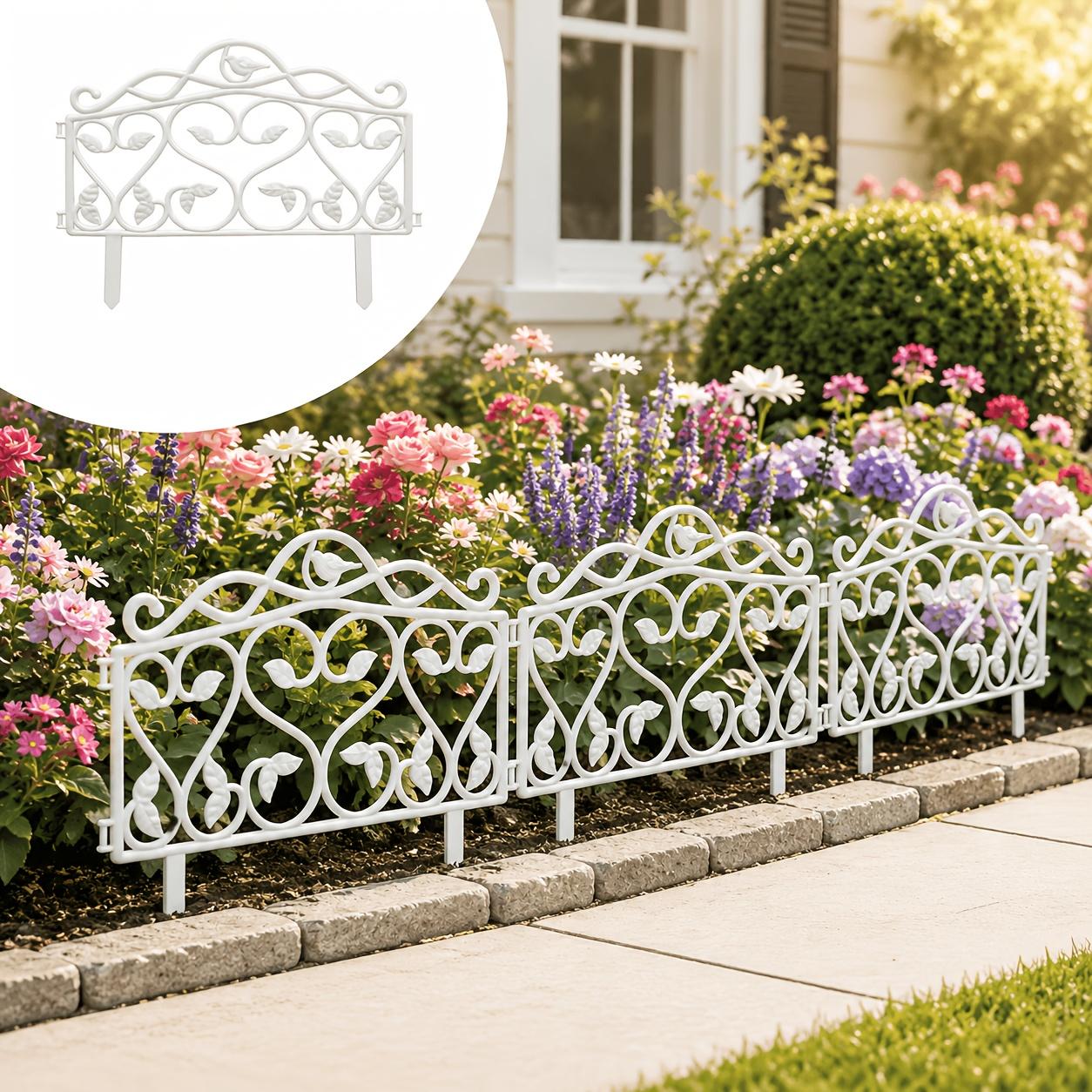 Set Of 10 New Decorative Garden Fences European-Style Plastic Courtyard Fencing With Floral, Bird, And Scrollwork Motifs Outdoor Landscape Edging For Lawns And Flowerbeds$32.99View on Mallflare
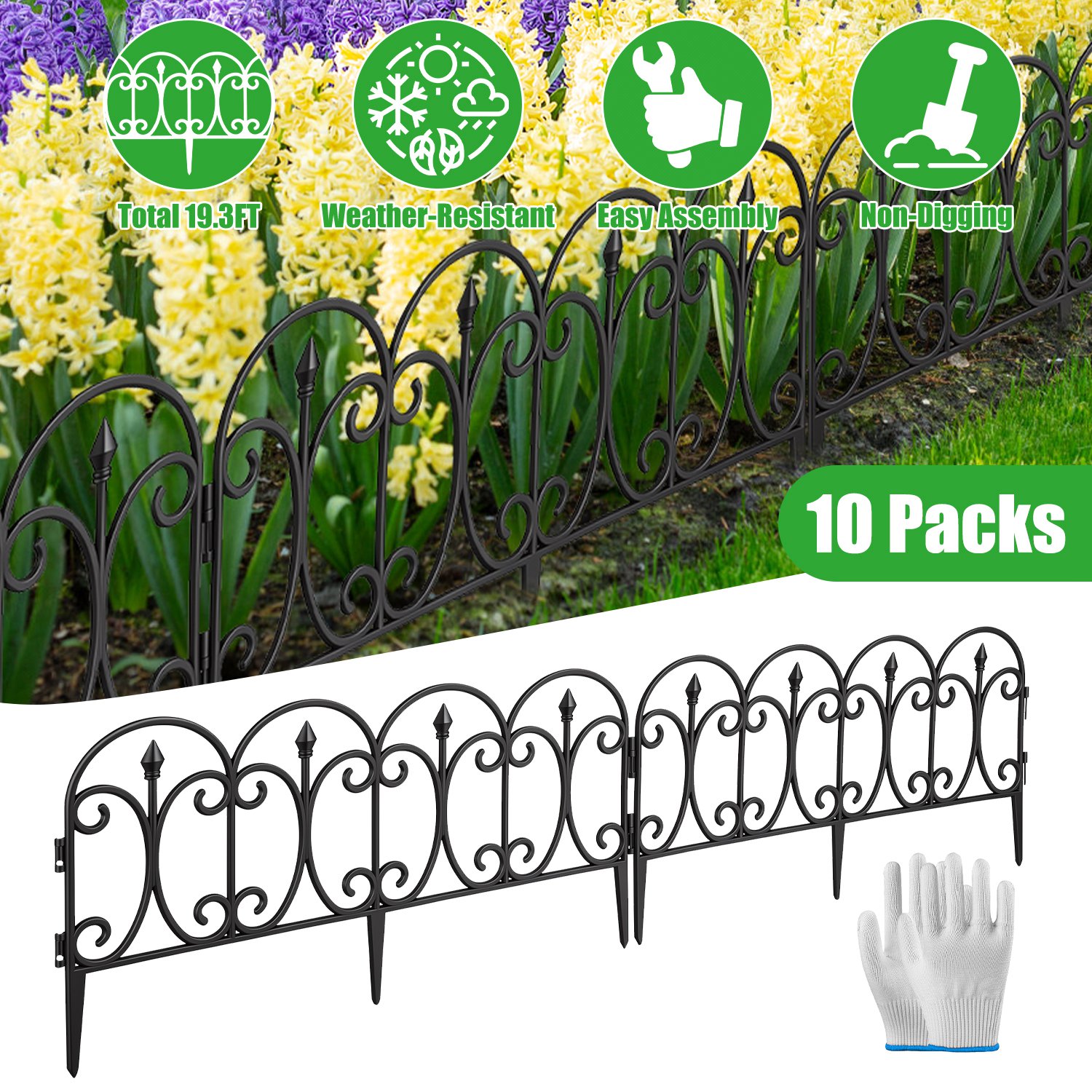 10 Packs Garden Decorative Lawn Edging Border PP Fence Panels Easy Assembly Outdoor Flower Bed Landscape Fencing No-Dig Spikes With Gloves Total 19.3FT$41.99View on Mallflare
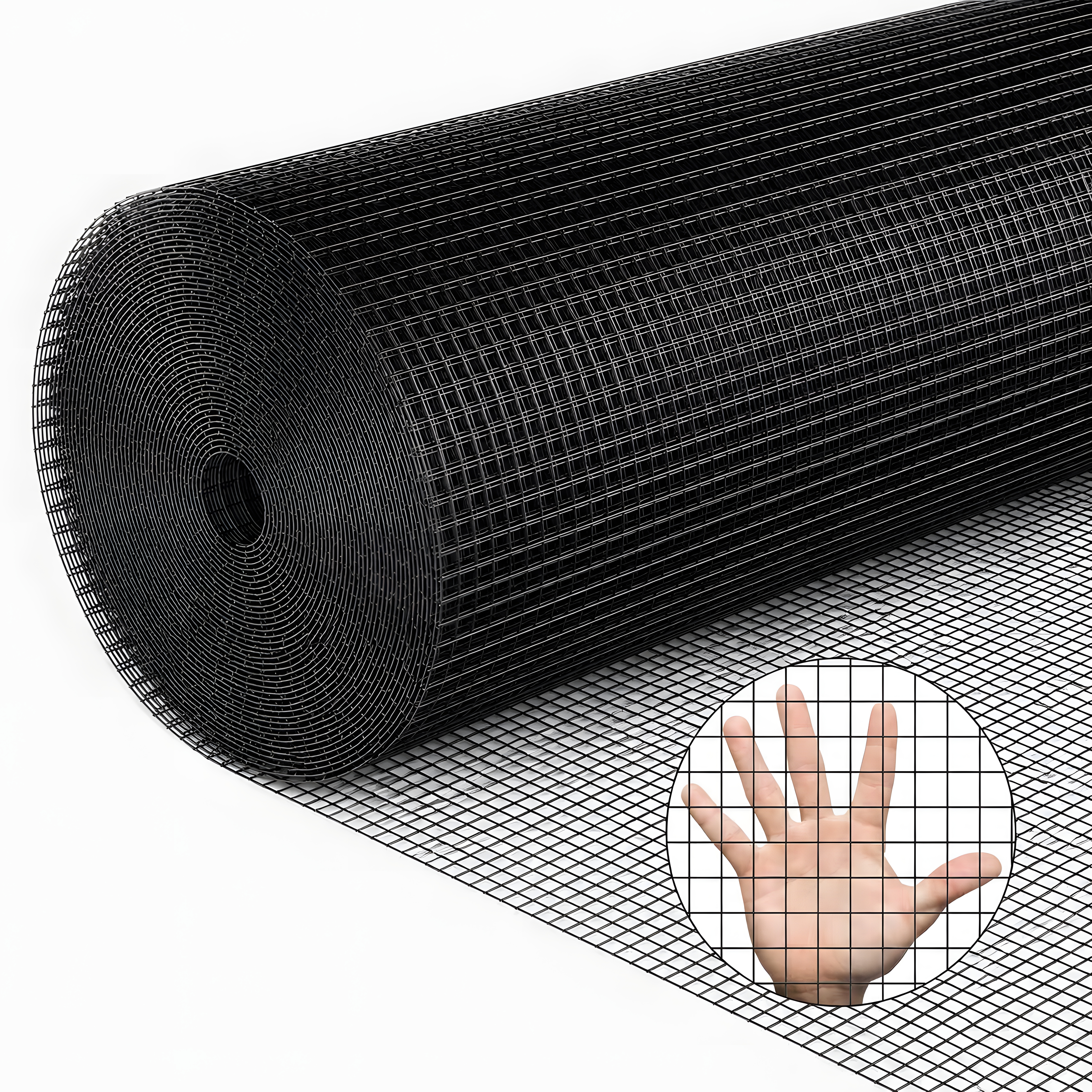 24in x 50ft black metal mesh, 1/2-inch welded chicken wire roll, garden plant fencing, suitable for coops and home renovation$62.99View on Mallflare
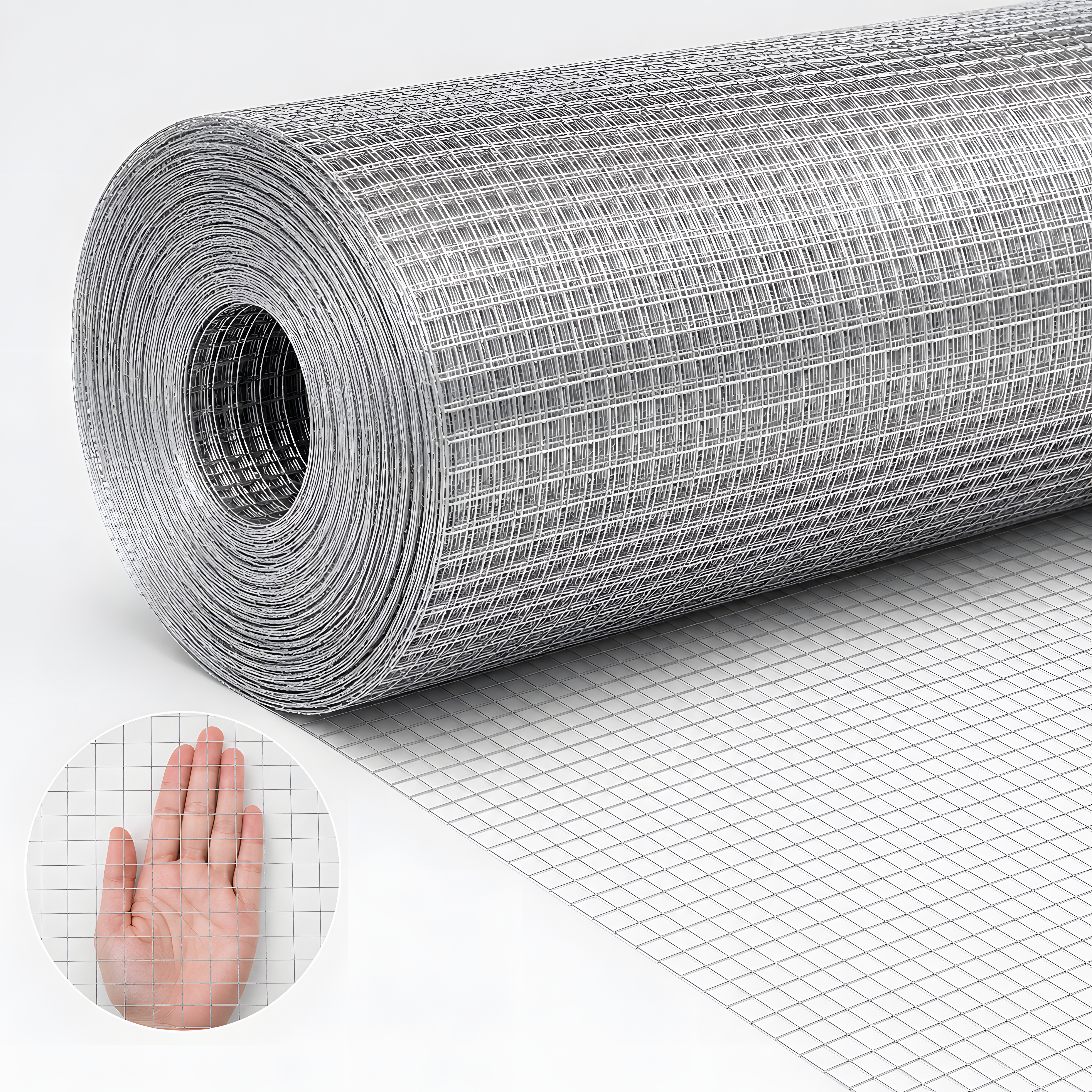 24in X 50ft Silver Metal Mesh, 1- 2-inch Welded Chicken Wire Roll, Garden Plant Fencing, Suitable For Coops And Home Renovation$62.99View on Mallflare
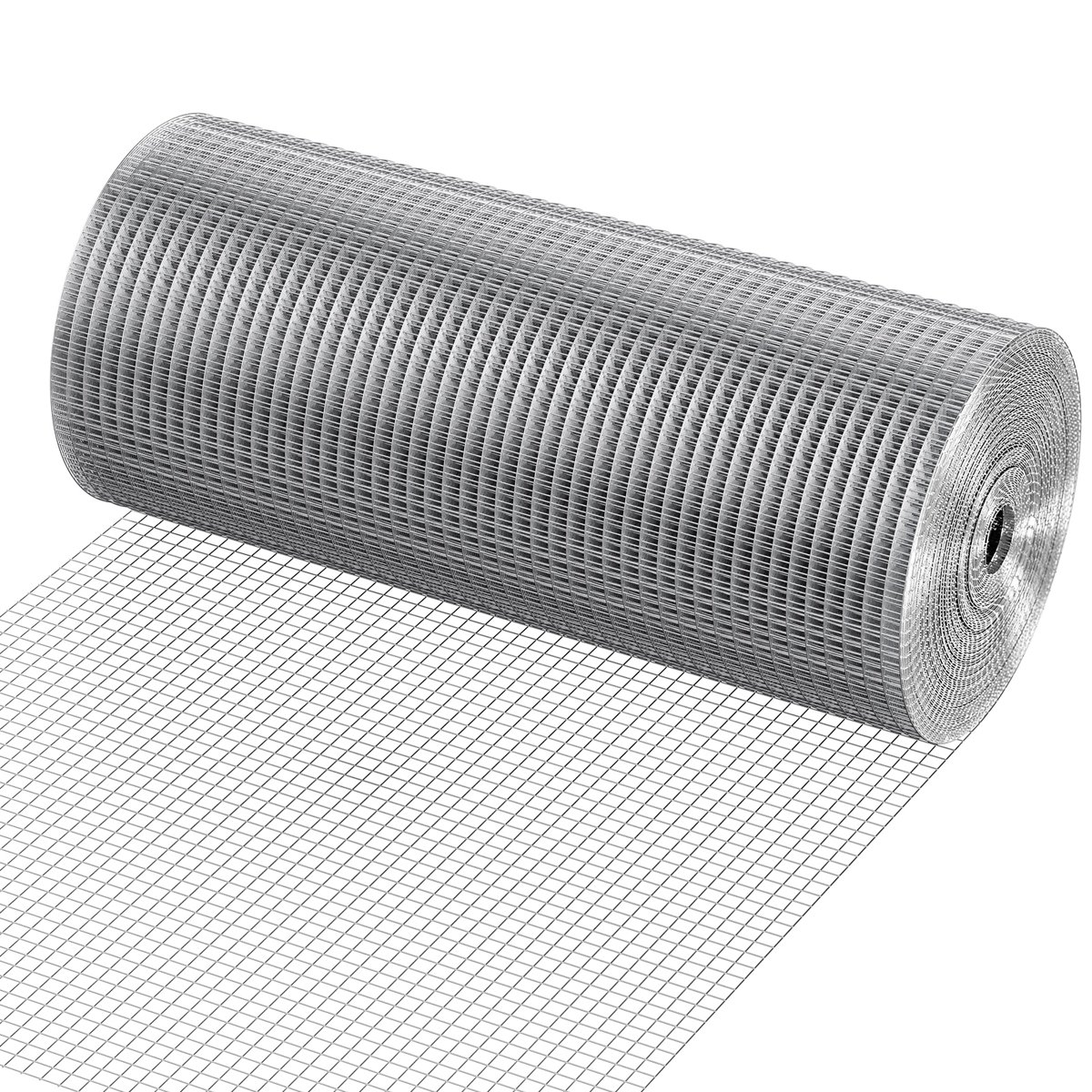 Hardware Cloth 1/2 Inch 24 X 100 Ft 19 Gauge Chicken Wire Fence, Hot-Dip Galvanized After Welding Metal Mesh Roll, Garden Plant Welded Fencing Supports Poultry Netting Cage$67.99View on Mallflare
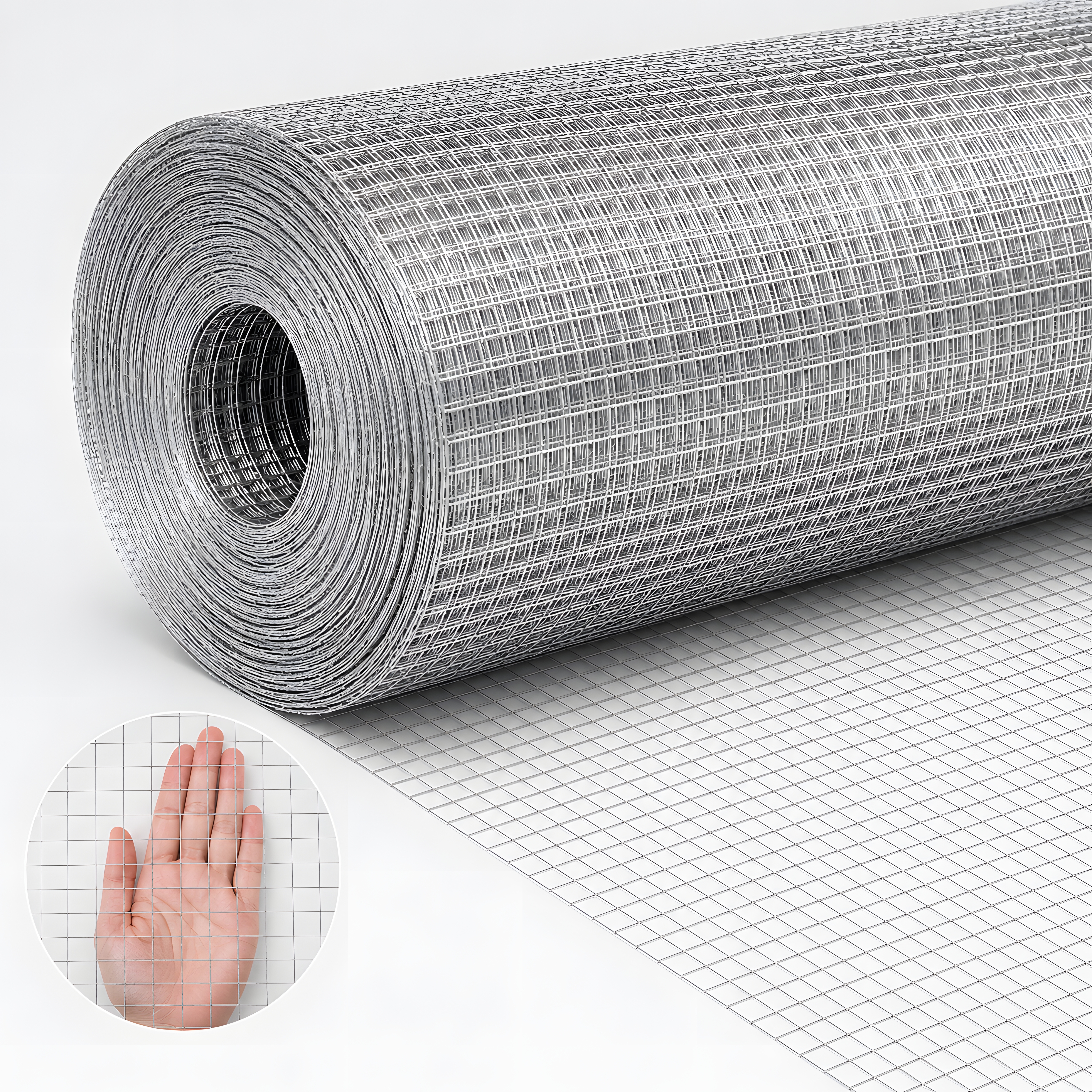 36in X 50ft Silver Metal Mesh, 1-2-inch Welded Chicken Wire Roll, Garden Plant Fencing, Suitable For Coops And Home Renovation$70.99View on Mallflare
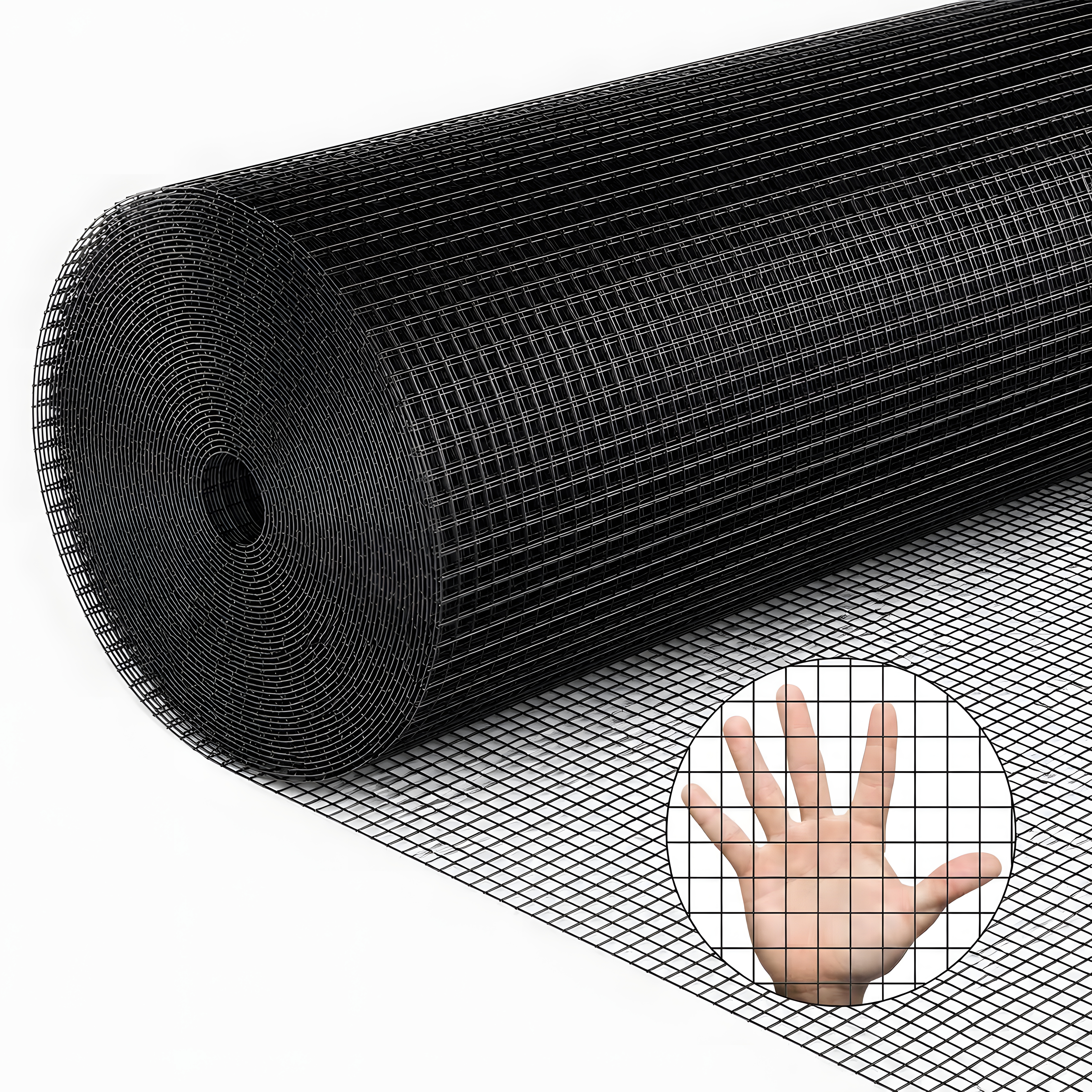 36in x 50ft black metal mesh, 1/2-inch welded chicken wire roll, garden plant fencing, suitable for coops and home renovation$71.99View on Mallflare
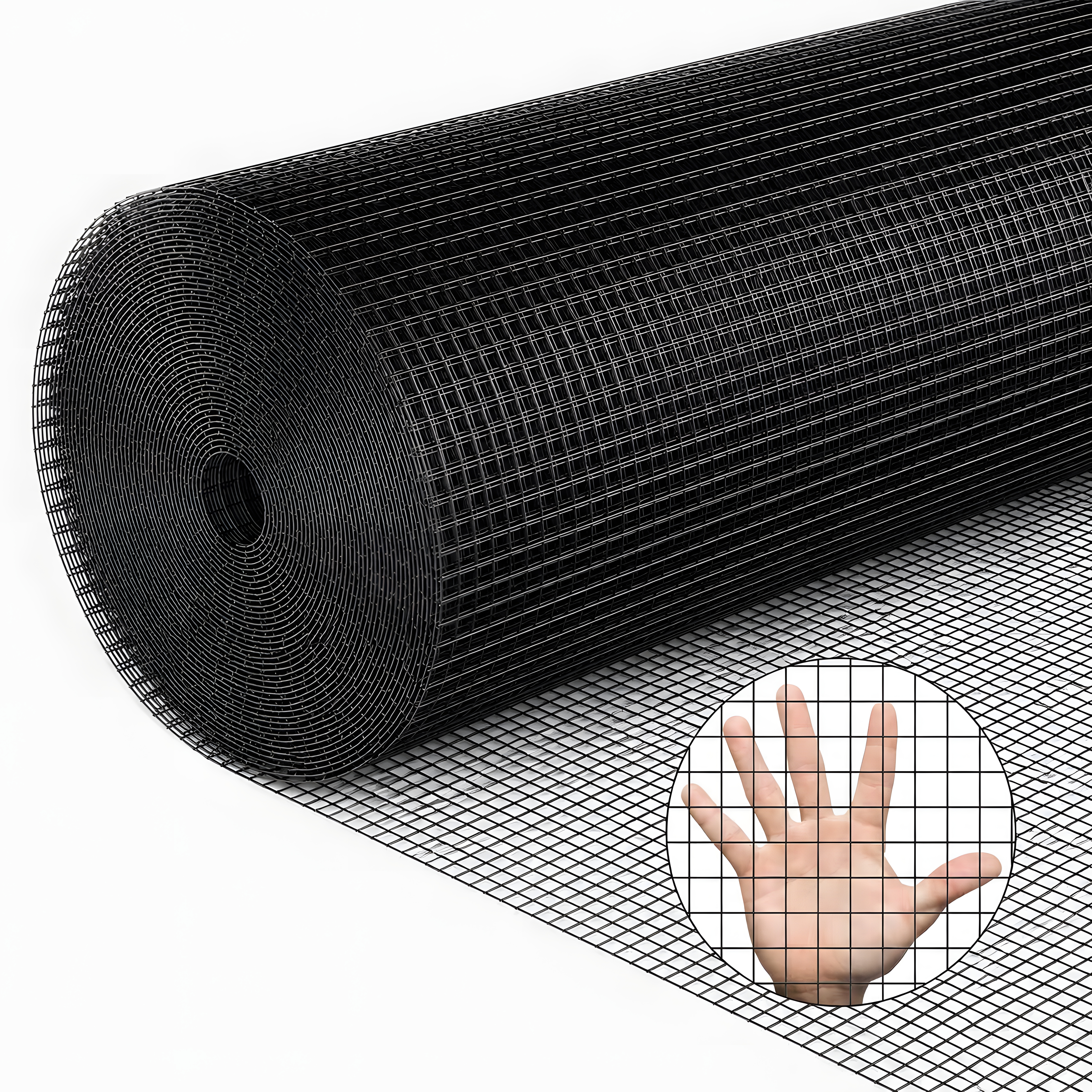 24in x 100ft black metal mesh, 1/2-inch welded chicken wire roll, garden plant fencing, suitable for coops and home renovation$73.99View on Mallflare
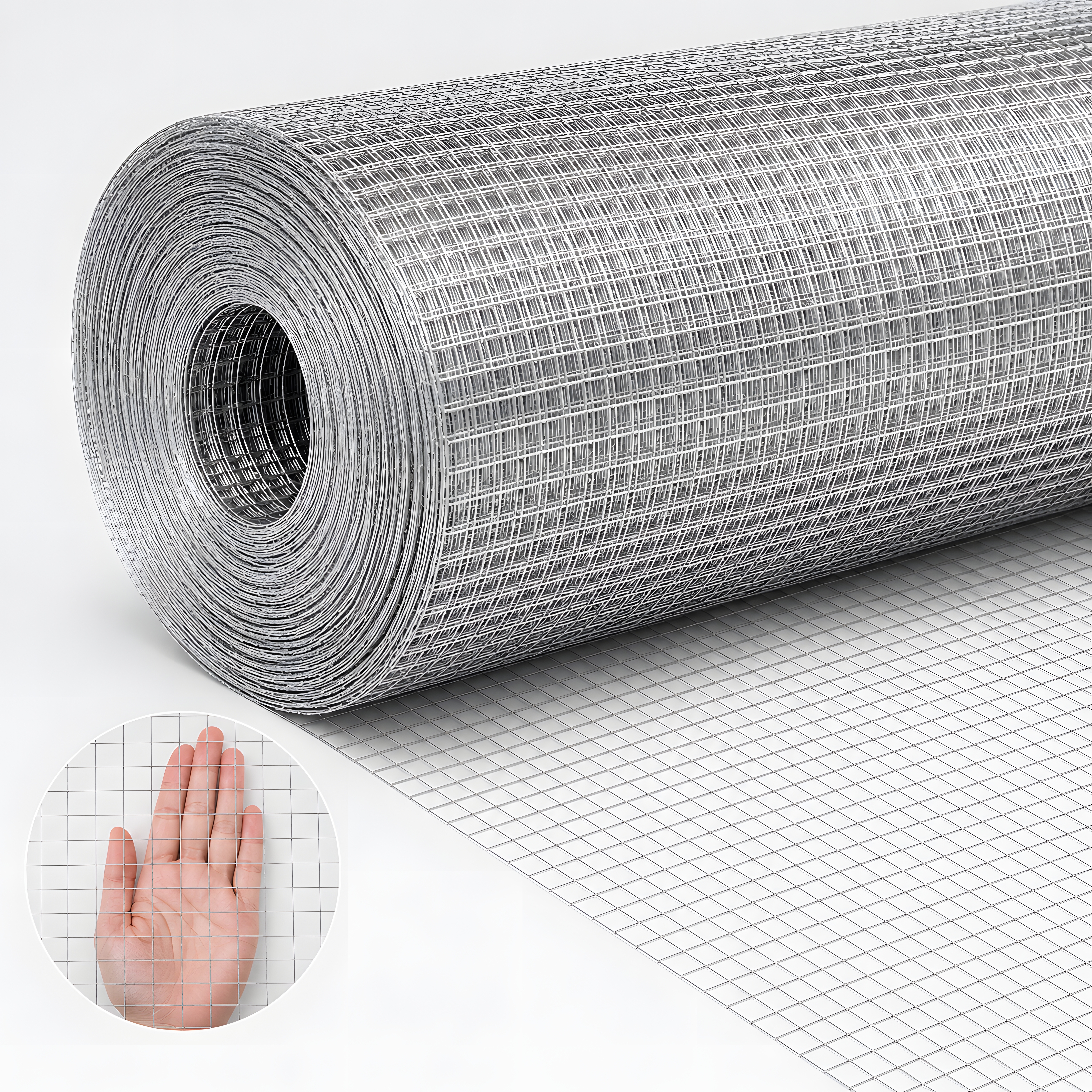 48in X 50ft Silver Metal Mesh, 1-2-inch Welded Chicken Wire Roll, Garden Plant Fencing, Suitable For Coops And Home Renovation$73.99View on Mallflare
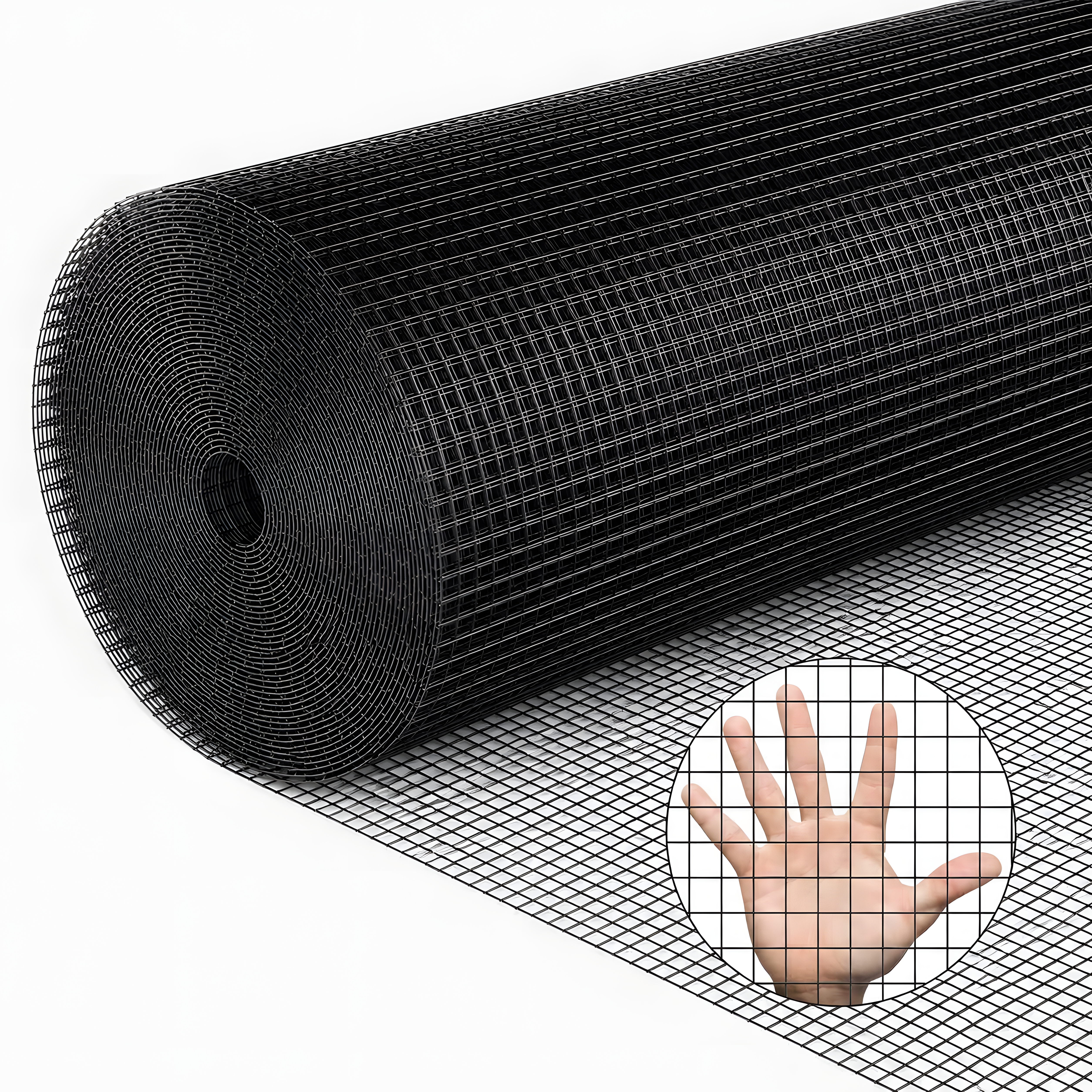 48in x 50ft black metal mesh, 1/2-inch welded chicken wire roll, garden plant fencing, suitable for coops and home renovation$79.99View on Mallflare
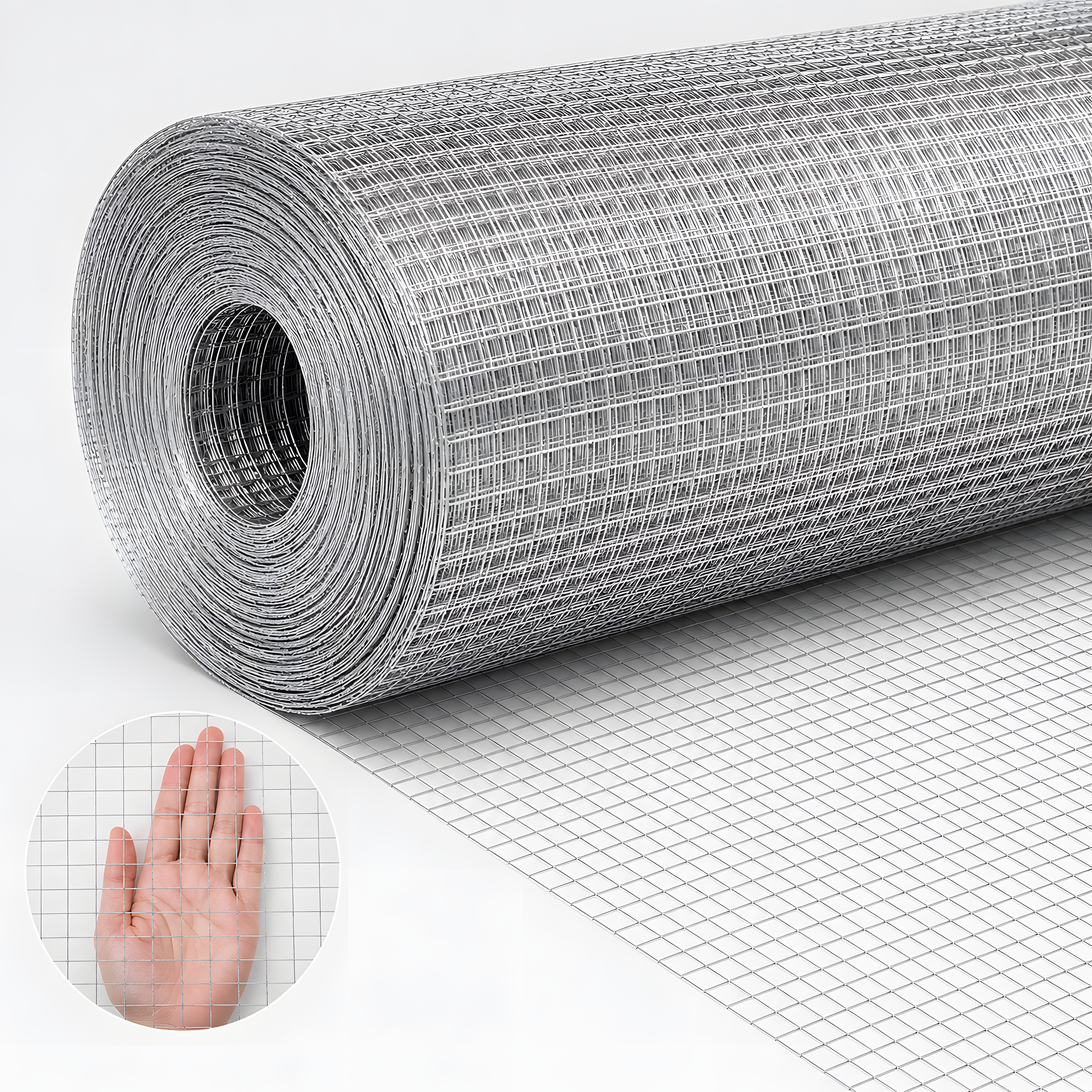 24in X 100ft Silver Metal Mesh, 1-2-inch Welded Chicken Wire Roll, Garden Plant Fencing, Suitable For Coops And Home Renovation$82.99View on Mallflare
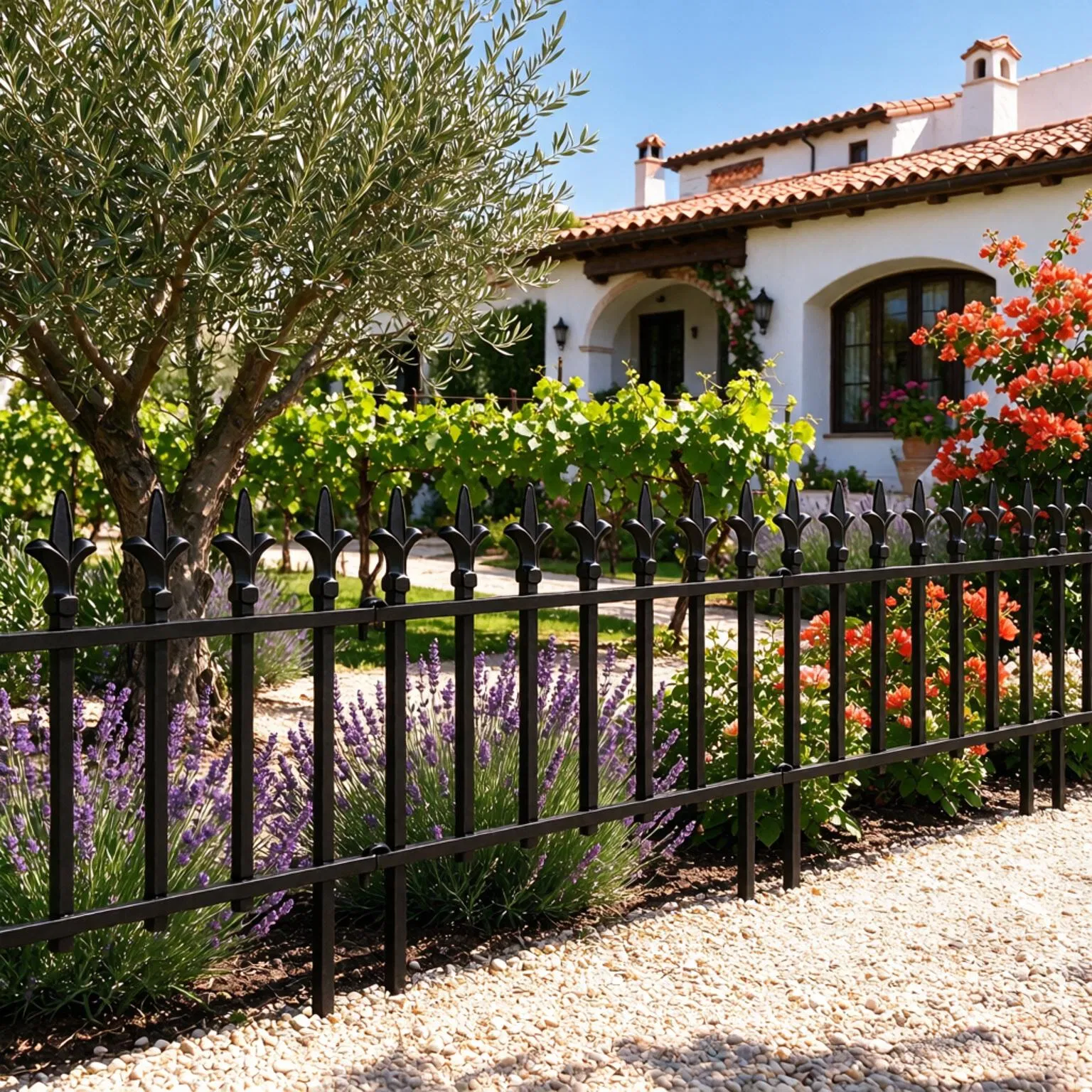 5-Pack Decorative Metal Garden Fence No Dig Landscape Fencing for Lawn Easy Install Greenery Protection$85.99View on Mallflare
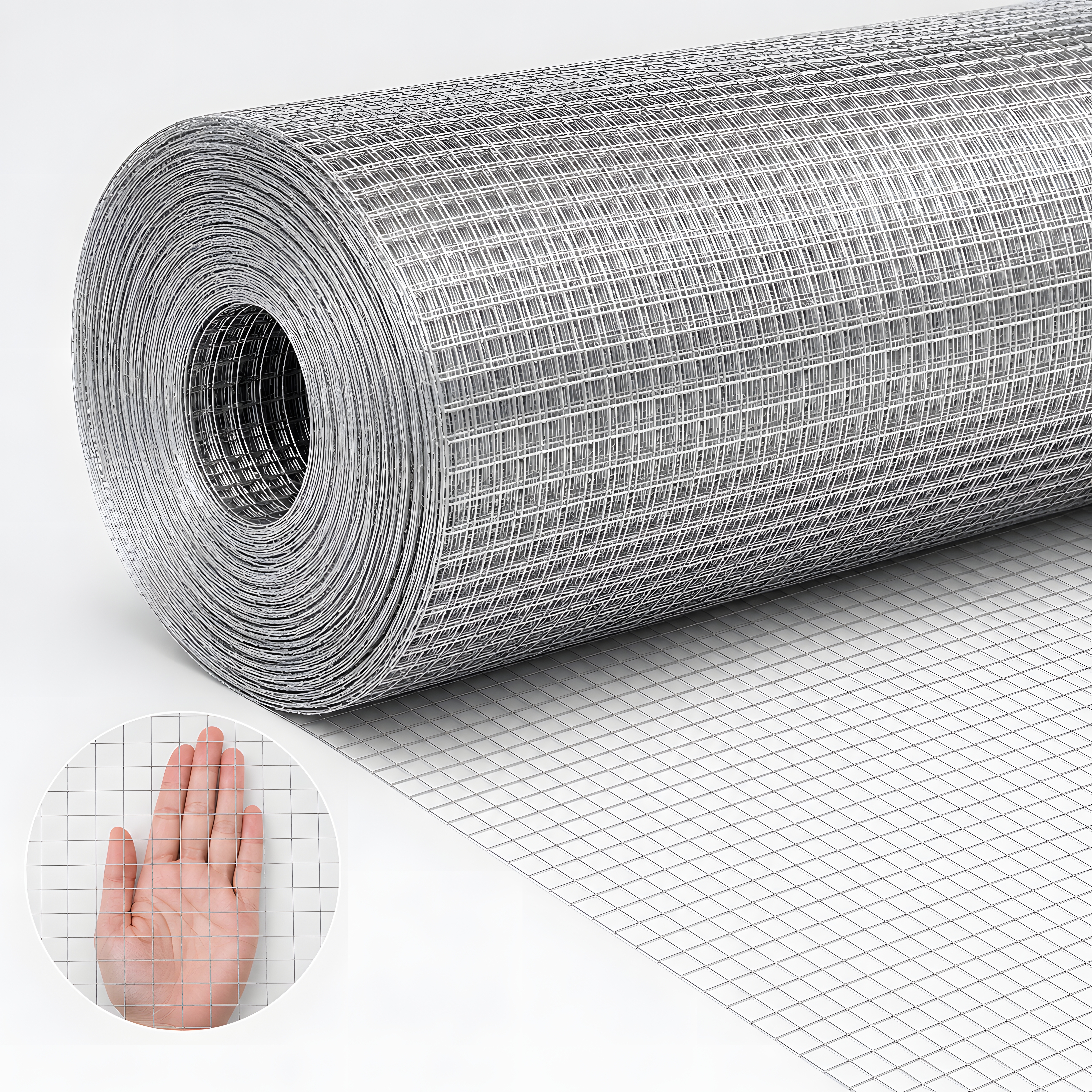 36in X 100ft Silver Metal Mesh, 1-2-inch Welded Chicken Wire Roll, Garden Plant Fencing, Suitable For Coops And Home Renovatio$96.99View on Mallflare
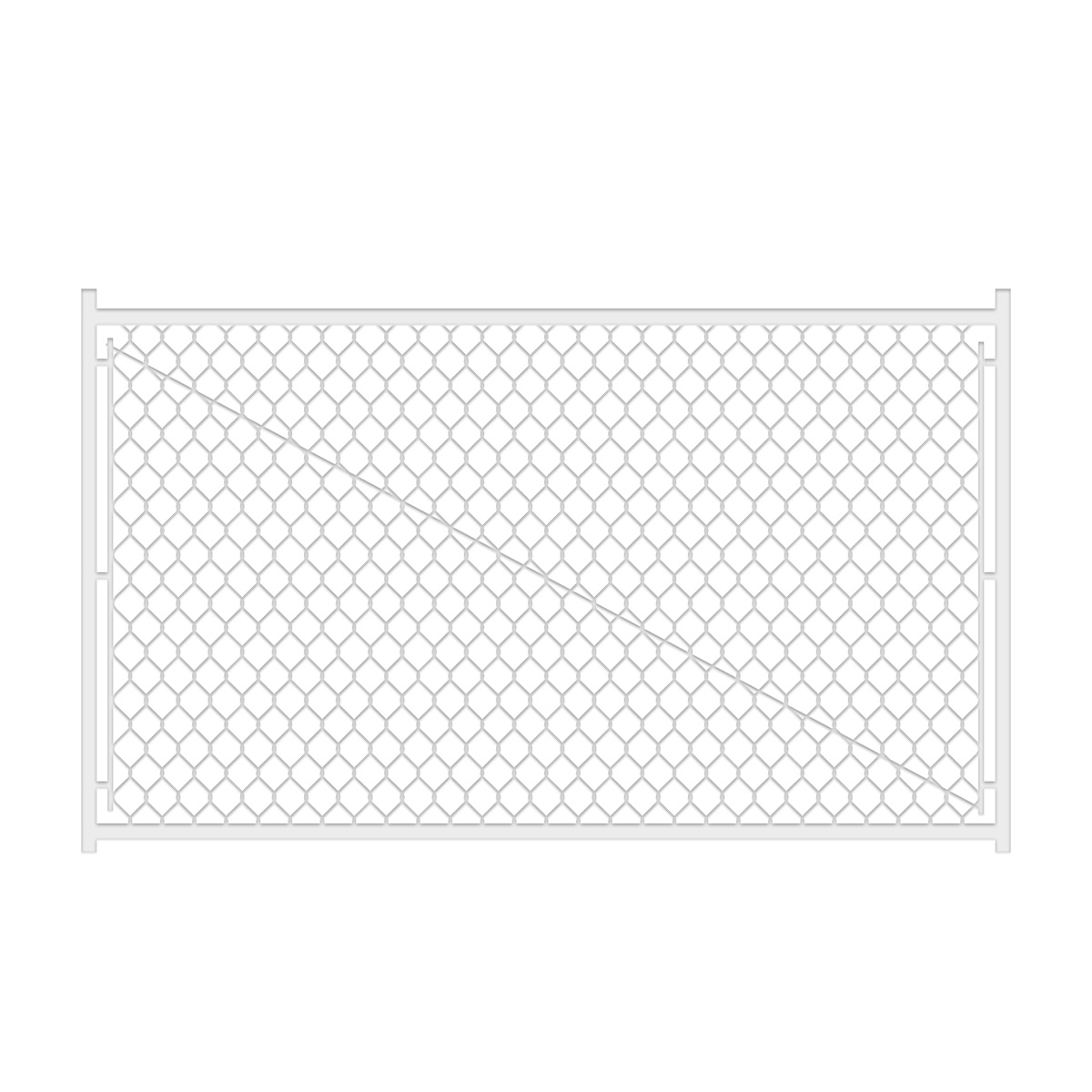 Adjustable 3.8FT Chain Link Walk Gate Kit, Round Corner Frame Design, Heavy-Duty Galvanized Steel Outdoor Fencing DIY Fit For Garden, Patio, And Pool Decks$98.99View on Mallflare
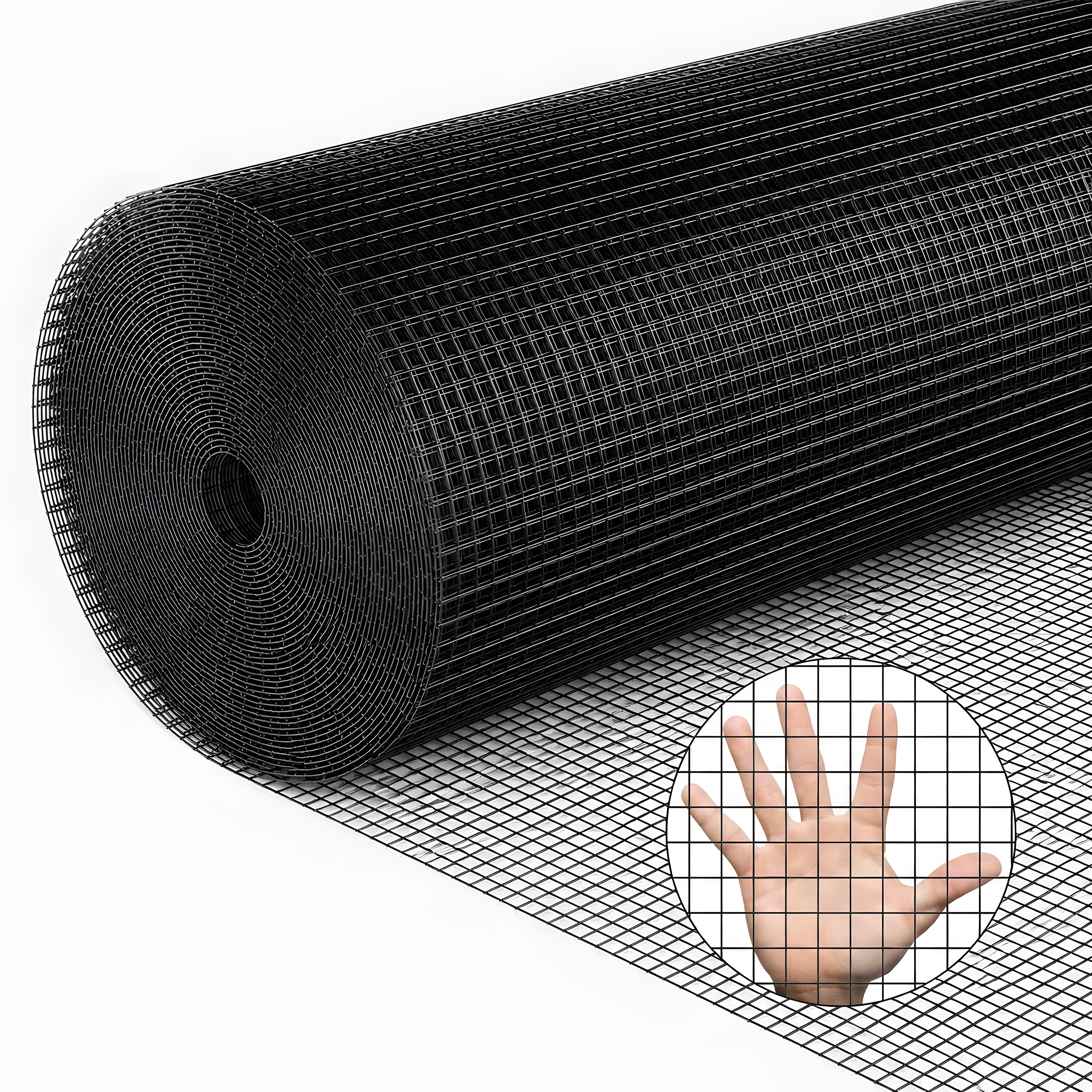 36in x 100ft black metal mesh, 1/2-inch welded chicken wire roll, garden plant fencing, suitable for coops and home renovation$103.99View on Mallflare
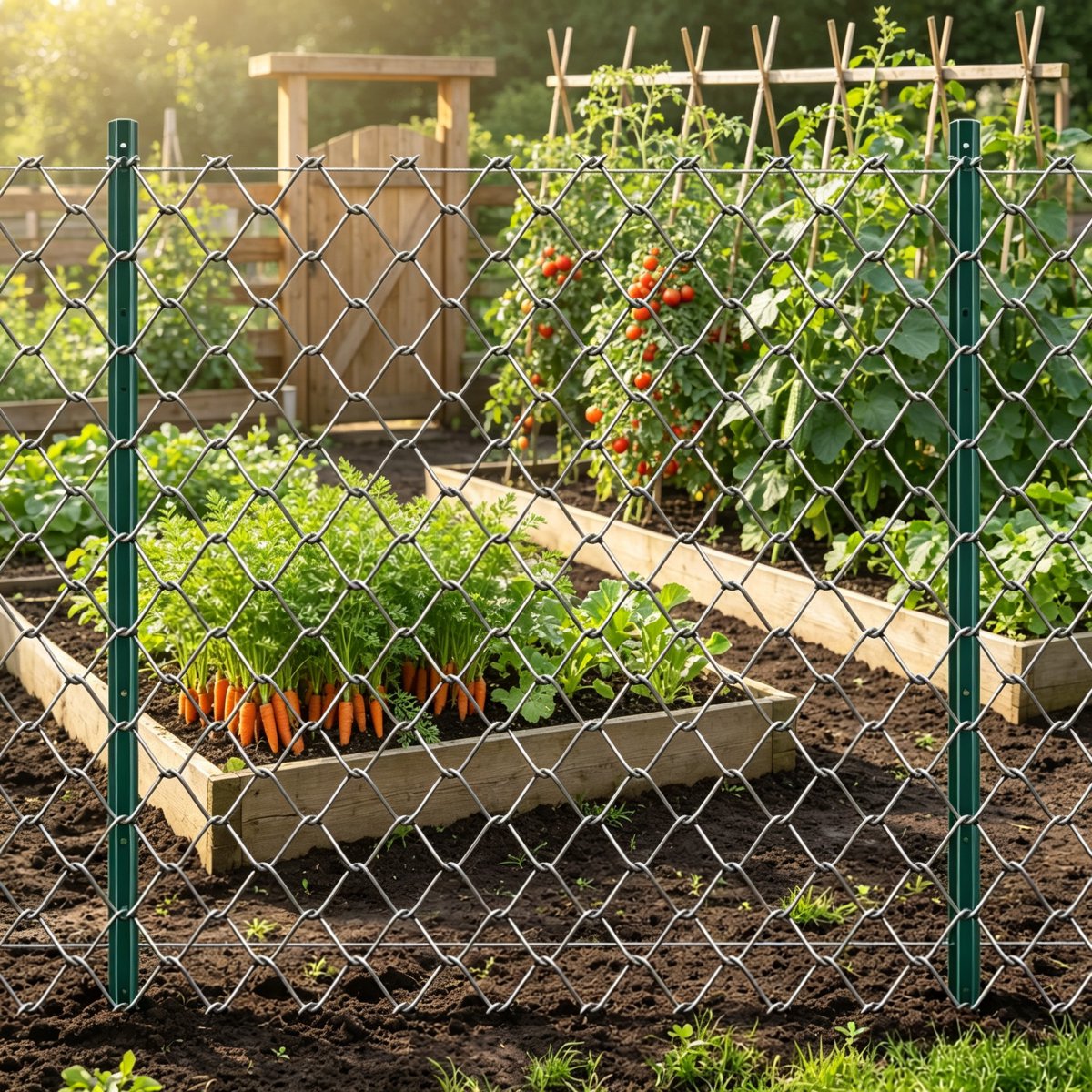 10-Pack 4ft U-Channel Fence Posts, Heavy Duty Steel Wire Fencing Stakes for Garden$111.99View on Mallflare
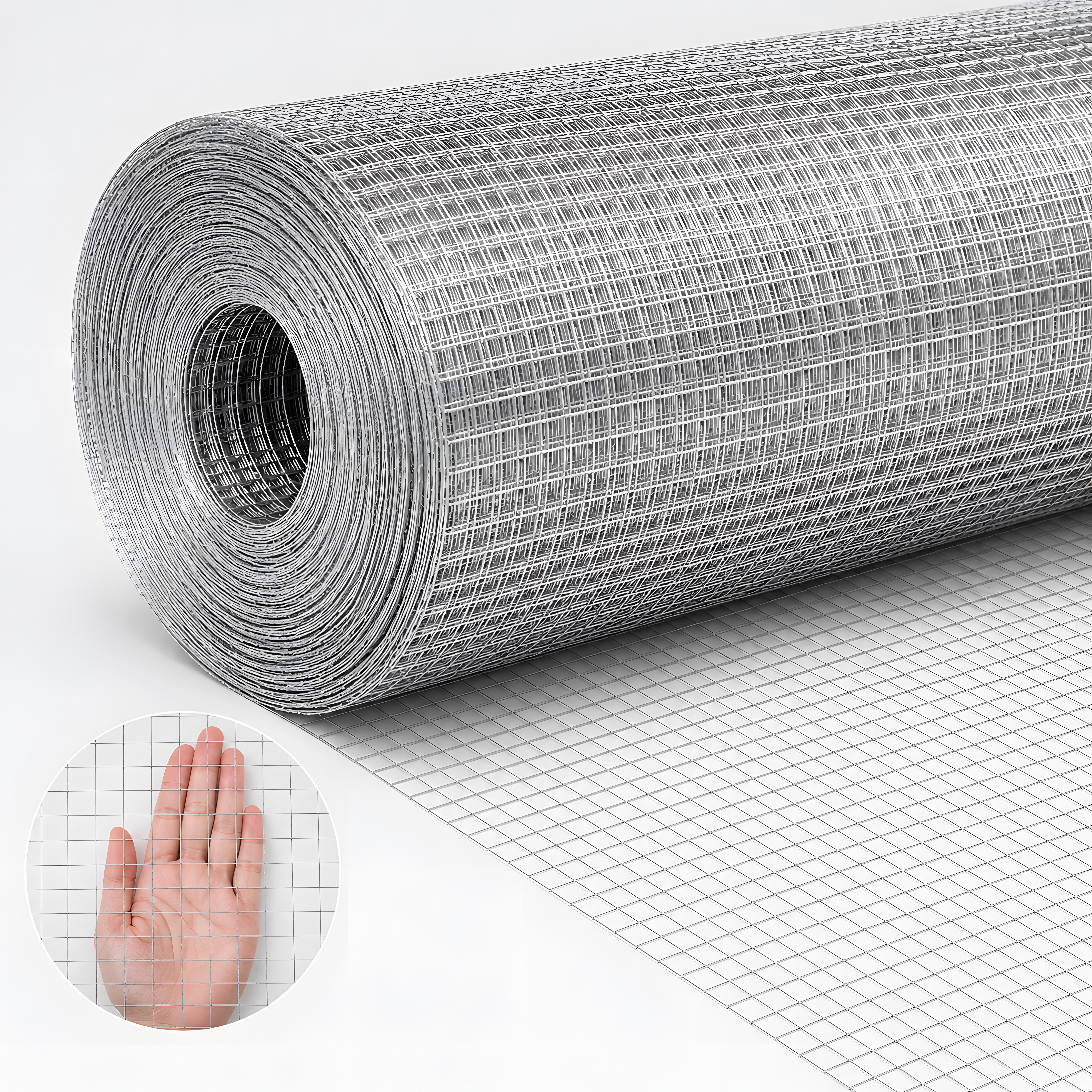 48in X 100ft Silver Metal Mesh, 1-2-inch Welded Chicken Wire Roll, Garden Plant Fencing, Suitable For Coops And Home Renovation$112.99View on Mallflare
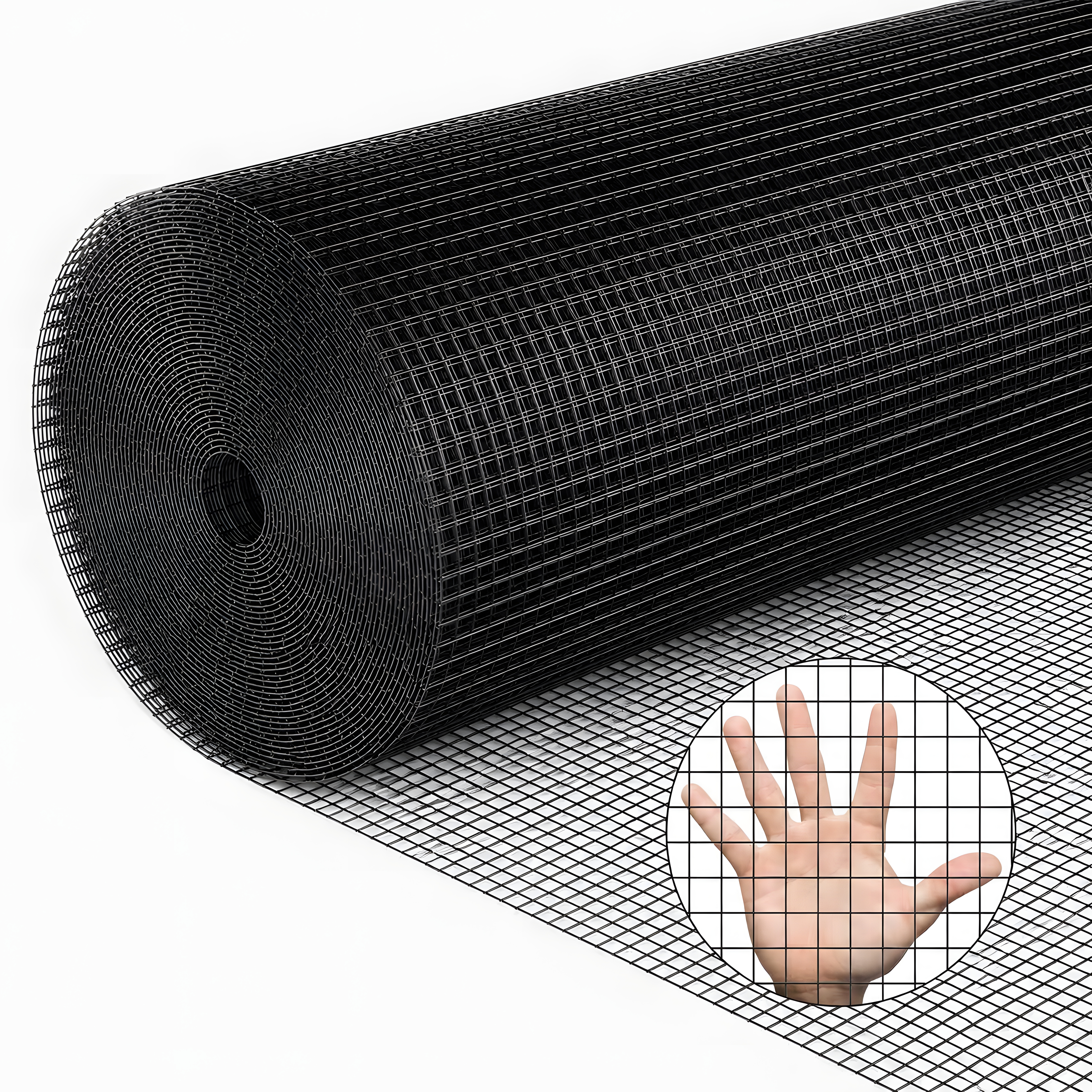 48in x 100ft black metal mesh, 1/2-inch welded chicken wire roll, garden plant fencing, suitable for coops and home renovation$113.99View on Mallflare
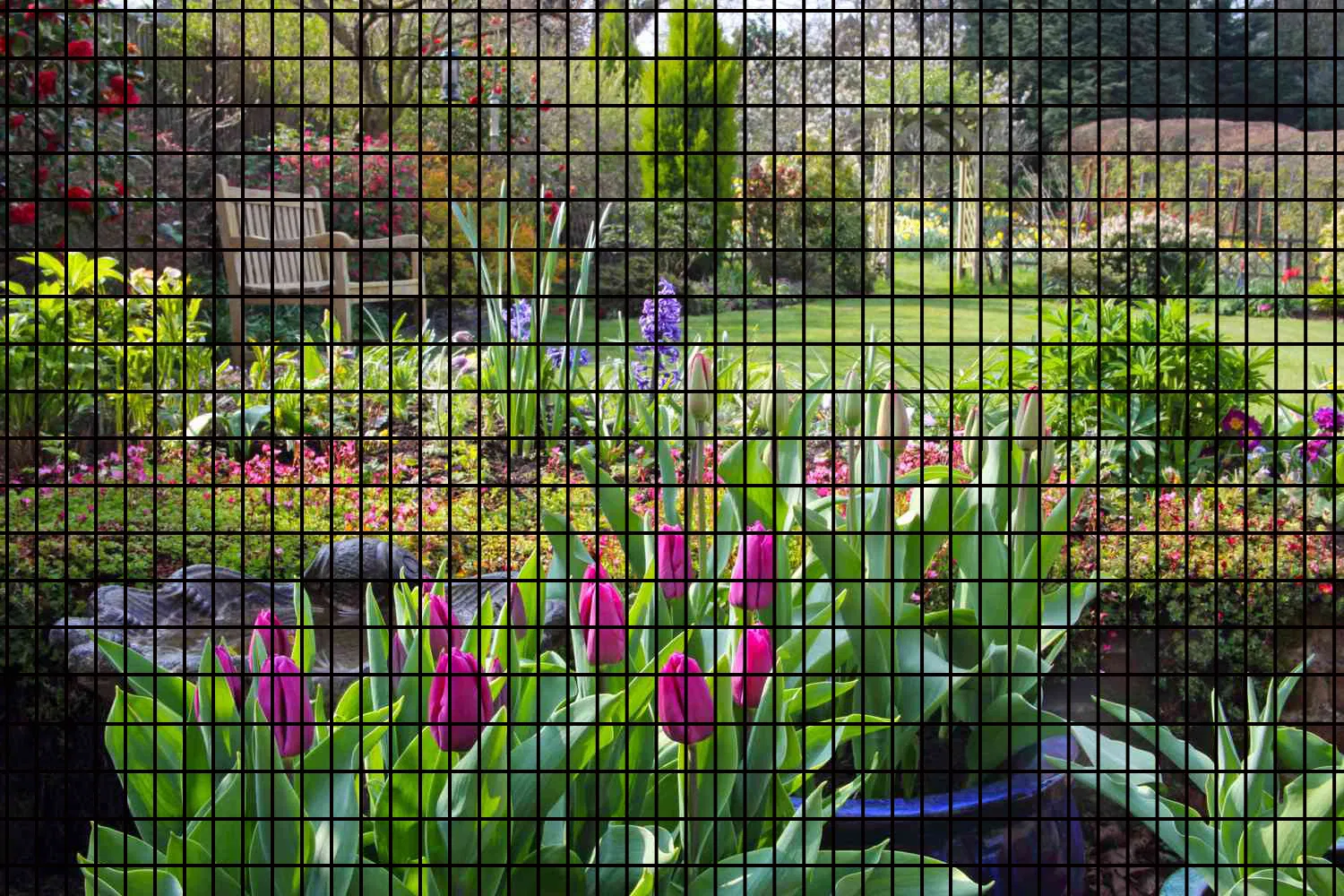 60inch x 50ft Black Vinyl Coated Hardware Cloth 2" X 4" 16Ga Welded Wire Mesh fence, PVC Chicken Fencing, Metal Garden Plant for Coop and Home Improvement$128.99View on Mallflare
Highlights
- Welded wire durability hinges on zinc coating: hot-dipped galvanized after welding resists rust 3-5x longer than electro-galvanized or pre-galvanized mesh.
- Wire gauge governs animal exclusion: 19-gauge hardware cloth stops rabbits and chickens, while 23-gauge mesh is decorative only and deforms under light pressure.
- Mesh aperture sets the pest barrier: 1/2-inch openings block mice and juvenile rabbits; 1-inch or larger mesh only deters larger animals like deer and dogs.
- Plastic border panels are polypropylene or recycled plastic; UV-stabilized grades survive 3-5 seasons, while thin non-stabilized panels crack after one hard freeze.
Best use cases
- Best fit: 1/2-inch, 19-gauge hot-dip galvanized hardware cloth at 24-48 inch height for vegetable beds, rabbit exclusion, and chicken run skirts—skip 23-gauge for any animal contact.
- Best fit: interlocking plastic border panels with no-dig spikes for flowerbed edging and seasonal courtyard definition—skip them where pets or foot traffic will lean on the border.
- Best fit: black vinyl-coated welded wire for modern garden borders and trellis backing—choose it for visibility and aesthetics, but confirm the core wire is galvanized before coating.
- Wrong fit: decorative plastic panels as a true privacy screen or dog barrier—they lack the height, anchoring, and wind load capacity; use rigid metal or wood fencing instead.
Buying tips
- Size mesh by the smallest animal: 1/2-inch aperture for mice and juvenile rabbits, 1-inch for adult rabbits and chickens, 2-inch or larger only for deer and large dogs.
- Match gauge to pressure: 19-gauge or thicker for ground-contact and animal barriers; 23-gauge only for trellis, plant support, and light craft use.
- Buy hot-dip galvanized after welding for buried or ground-contact edges; cut edges and buried wire are the first rust points on cheaper electro-galvanized rolls.
- For plastic edging, calculate panel count from run length: most interlocking panels cover roughly 19-20 inches each, so a 20-foot border needs about 12 panels plus corners.
Specs
| Material Class | Galvanized steel wire / PP plastic |
|---|---|
| Wire Gauge | 19-23 ga (19 ga for animal barriers) |
| Mesh Aperture | 1/2 in to 2 in (1/2 in pest-proof) |
| Plastic Panel Coverage | ~19-20 in per interlocking panel |
Related searches
What to check before buying
- Measure the full run and height needed before ordering rolls: hardware cloth comes in 24, 36, and 48-inch heights and 50 or 100-foot roll lengths.
- Plan posts and tensioning: welded wire needs stakes or a frame every 6-8 feet, plus washers or hog rings to secure the mesh edge.
- Check ground conditions: no-dig plastic spikes seat only in soft soil or mulch; rocky or compacted ground needs pre-dug trenches or metal stakes.
- Confirm exposure: UV-stabilized plastic and hot-dip galvanized metal suit full sun and wet climates; standard electro-galvanized mesh rusts quickly in coastal or humid areas.
FAQ
Data sources: eBay / Amazon listings and product attribute feeds. Updated Nov 27, 2026.
Some links on this page are affiliate links. If you buy after clicking one, we may earn a commission at no extra cost to you. This does not change which products appear here or their order. Affiliate disclosure.