
Photos from current listings. Actual item, color, and included accessories may vary.
Grow Light Tomato Buying Guide
Grow lights for tomatoes must deliver high photosynthetic photon flux density (PPFD) and a spectrum weighted toward red and blue to support fruiting, not just vegetative growth. The key trade-off is upfront electrical efficiency (LED vs. legacy HID) versus heat output and initial cost, with LED quantum boards and bar fixtures now dominating durable, high-yield setups. Choose fixtures rated for full-cycle flowering with dimming and daisy-chaining; skip low-power gooseneck or seed-starter LEDs for mature tomato plants.
Median $169.99 · New listings
Key takeaways
- LED quantum board and bar fixtures using Samsung LM301B or LM301H diodes with Mean Well drivers deliver 2.5–3.0 µmol/J efficacy, while budget blurple panels often fall below 1.5 µmol/J.
- Tomatoes need 20–40 DLI (daily light integral) for fruiting; a 2x2 ft canopy requires roughly 150–200 W of quality LED to hit 30 DLI at 18 inches.
- Full-spectrum white LEDs (3000K–4000K plus 660 nm red) outperform narrow red/blue blurple for tomato fruit set and truss development.
At a glance
- Category
- Greenhouse & Hydroponics
- Last updated
- Nov 27, 2026
Current offers
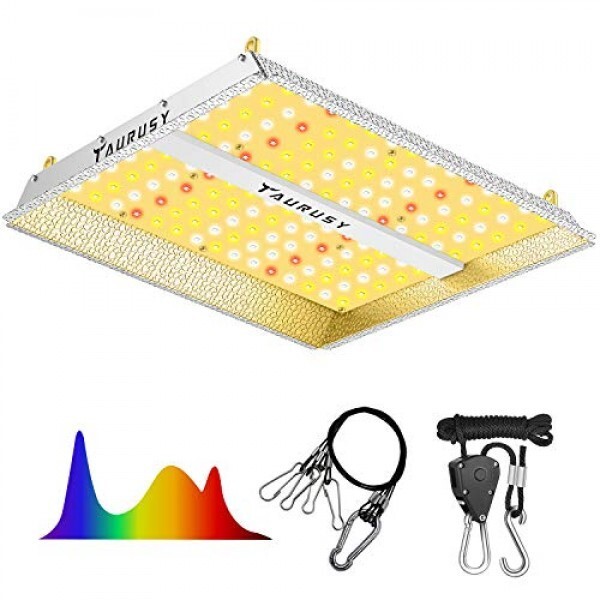 Full Spectrum Quantum Board LED Grow Light 2x2ft Coverage Green House Grow Light$19.99View on eBay
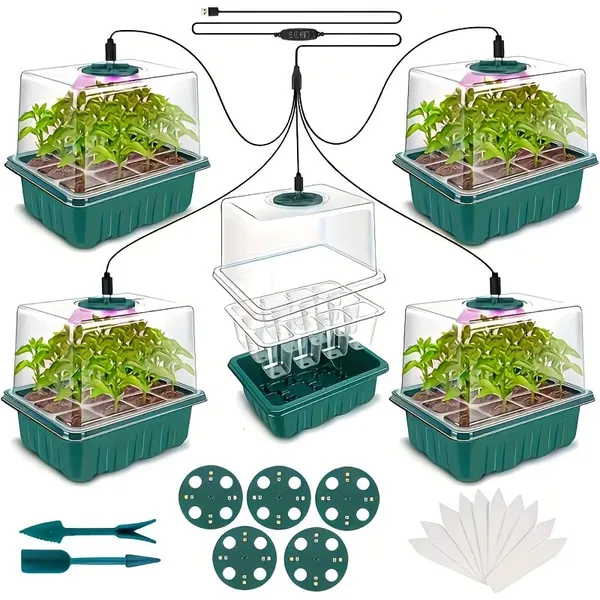 5-Pack Seed Starter Kit With LED Grow Lights – Indoor Propagation Trays Adjustable Humidity Dome & Clear Cell Seedling Mini Greenhouse Starting Set For Plants & Vegetables$62.99View on Mallflare
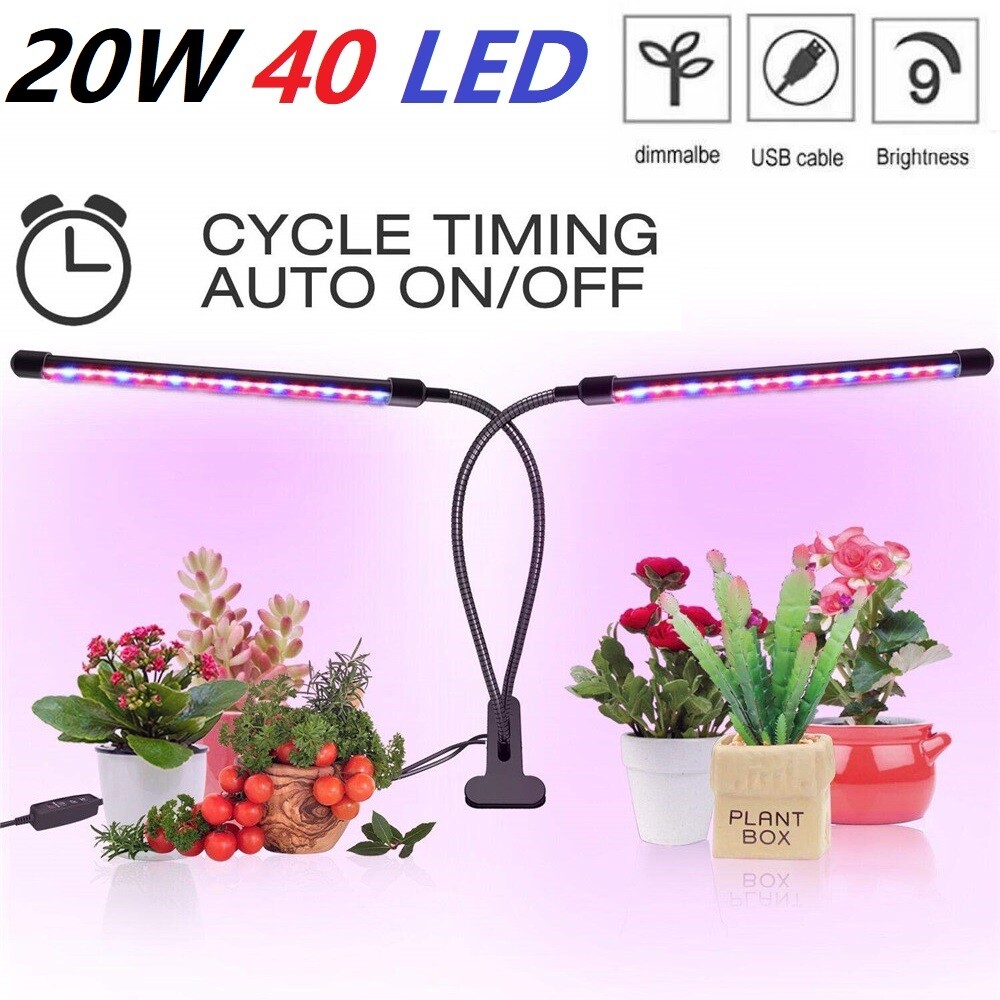 Plant Grow Light Gooseneck Dual Head LED Lamp Hydroponics Greenhouse Dimmable US$22.98View on eBay
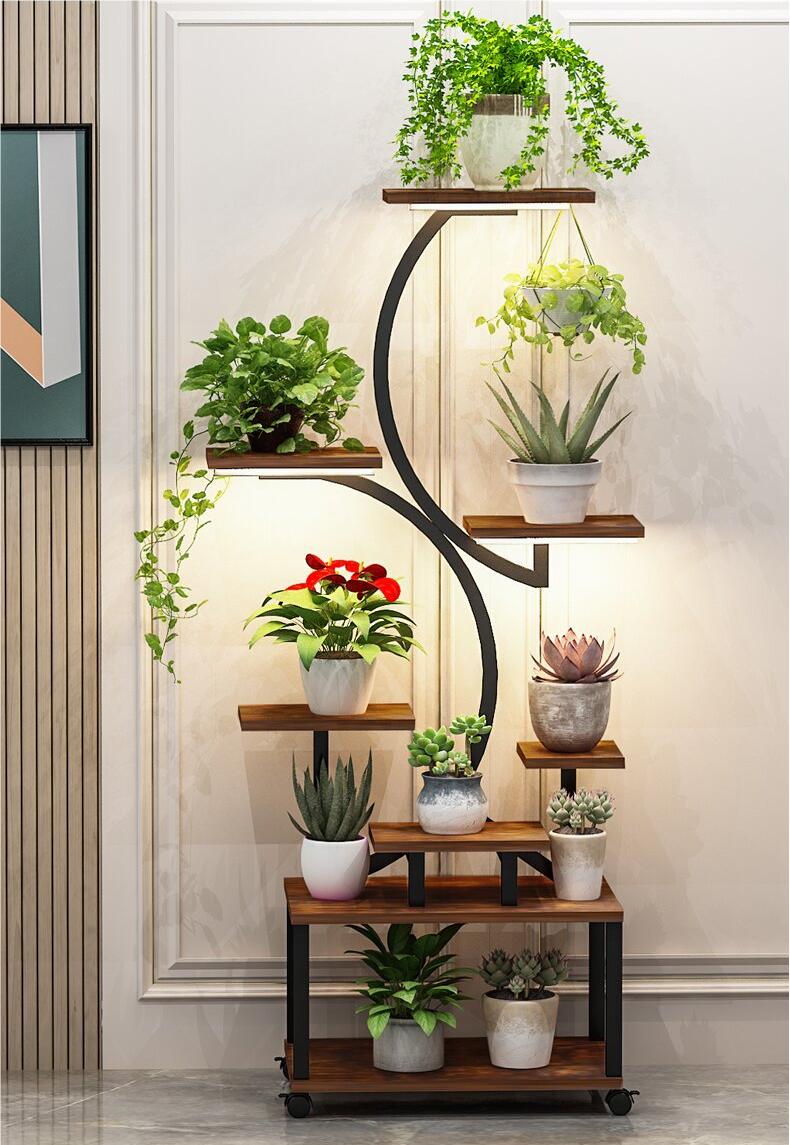 Plant Stand With Grow Lights, 8 Tiered Indoor Shelf, 61 Tall For Plants Multiple, Metal Flower Holder S-Shaped Rack For Home Patio$92.99View on Mallflare
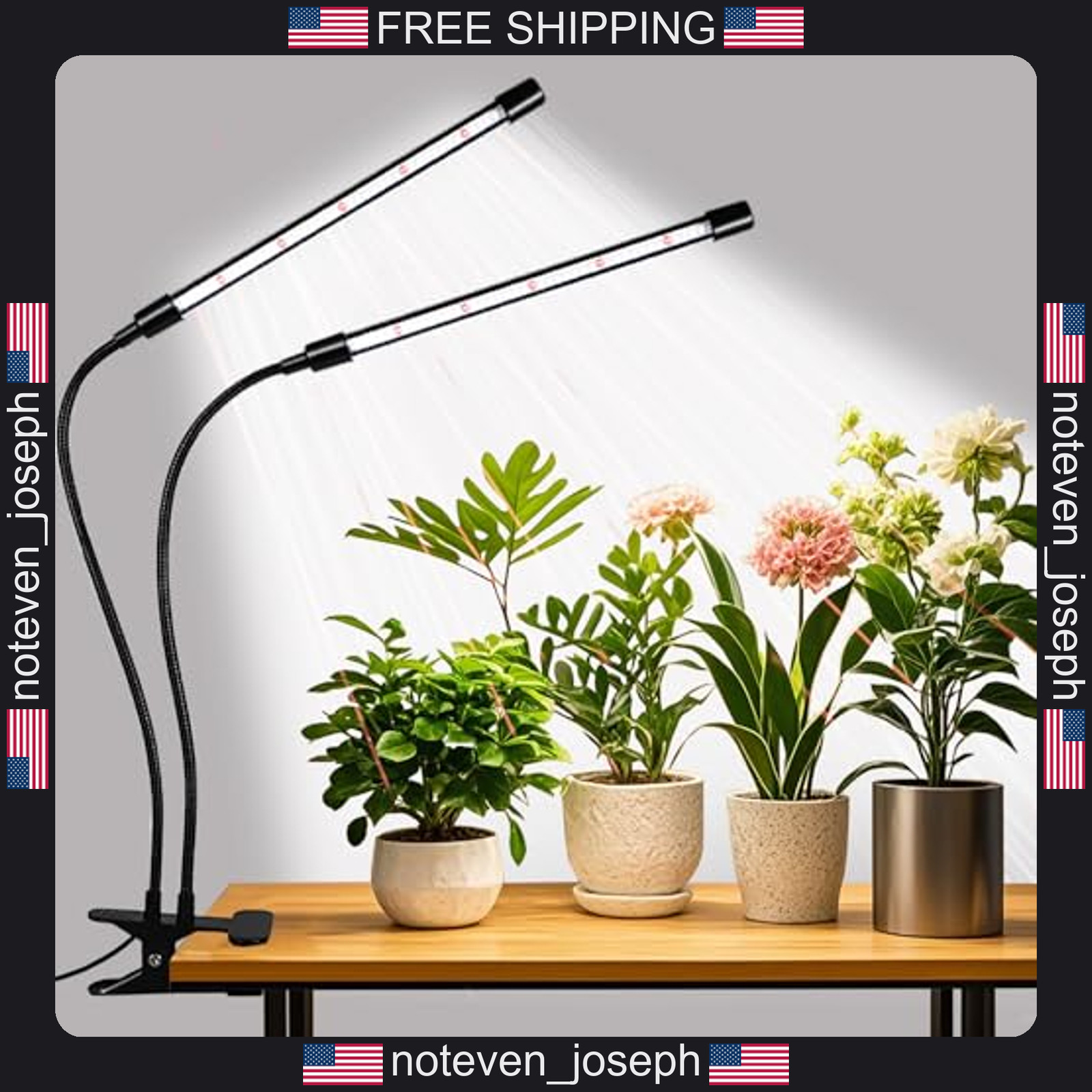 RWNTAO 4-Head LED Grow Light with Timer and Dimmable Full Spectrum Plant Lamp$32.18View on eBay
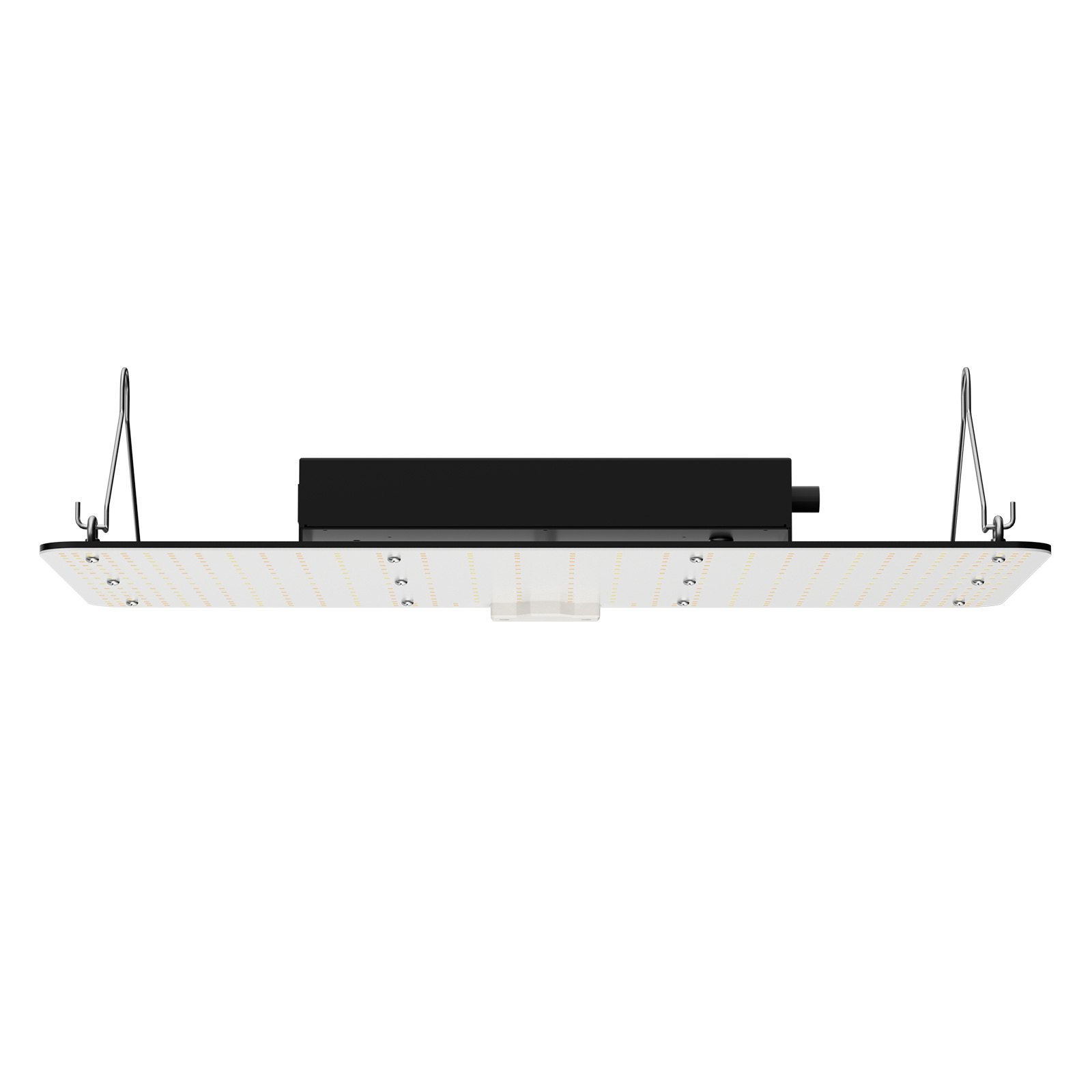 200W LED Grow Light, Samsung 281B+PRO Chips For Indoor Plants Growing, Full Spectrum Dimmable, High Yield Lamp, Daisy Chain Driver, 2x4/3x3 Ft Tent$122.99View on Mallflare
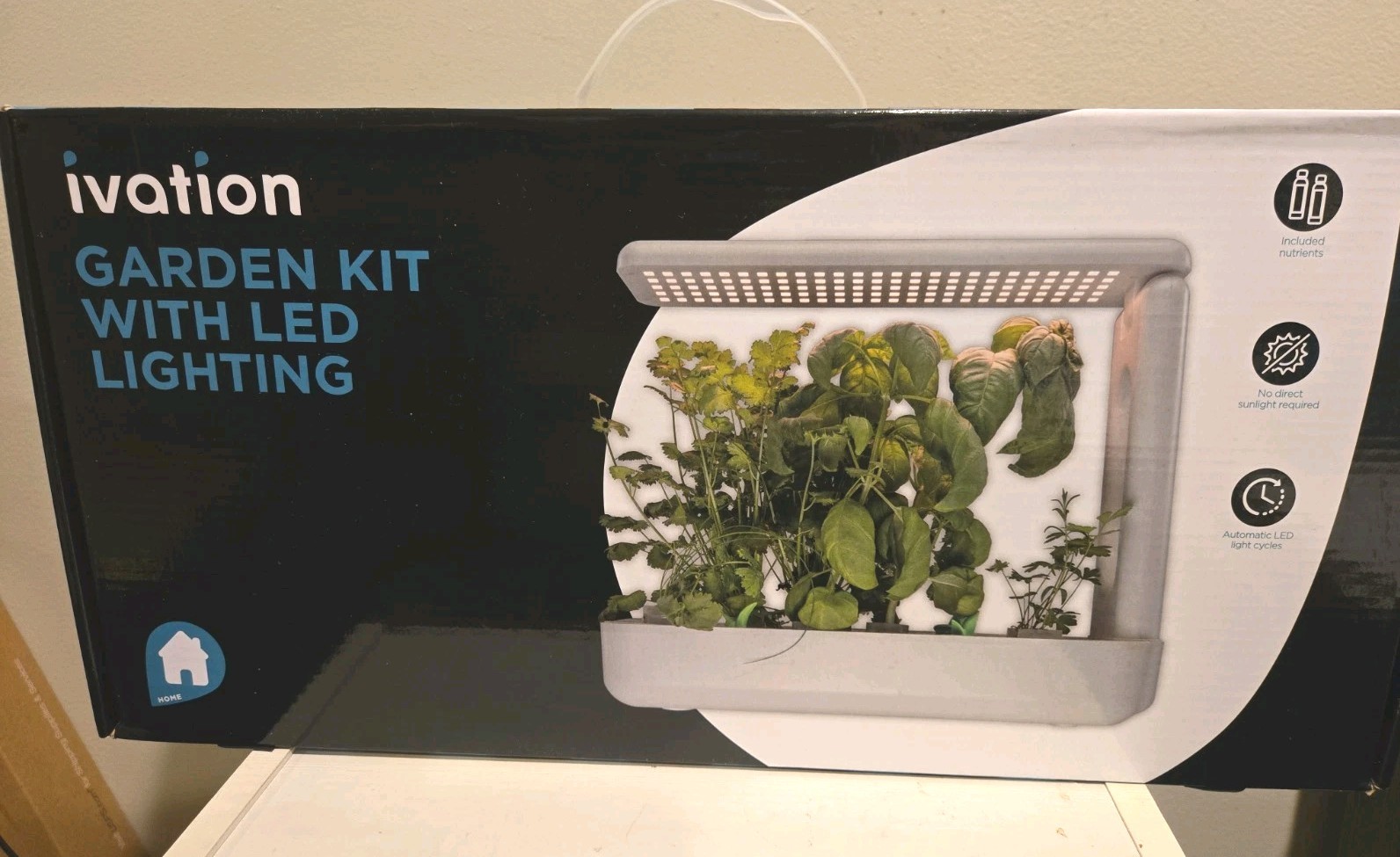 Indoor Greenhouse Box 12-Pod Hydroponics Growing System Grow Light Ivation NIB$39.99View on eBay
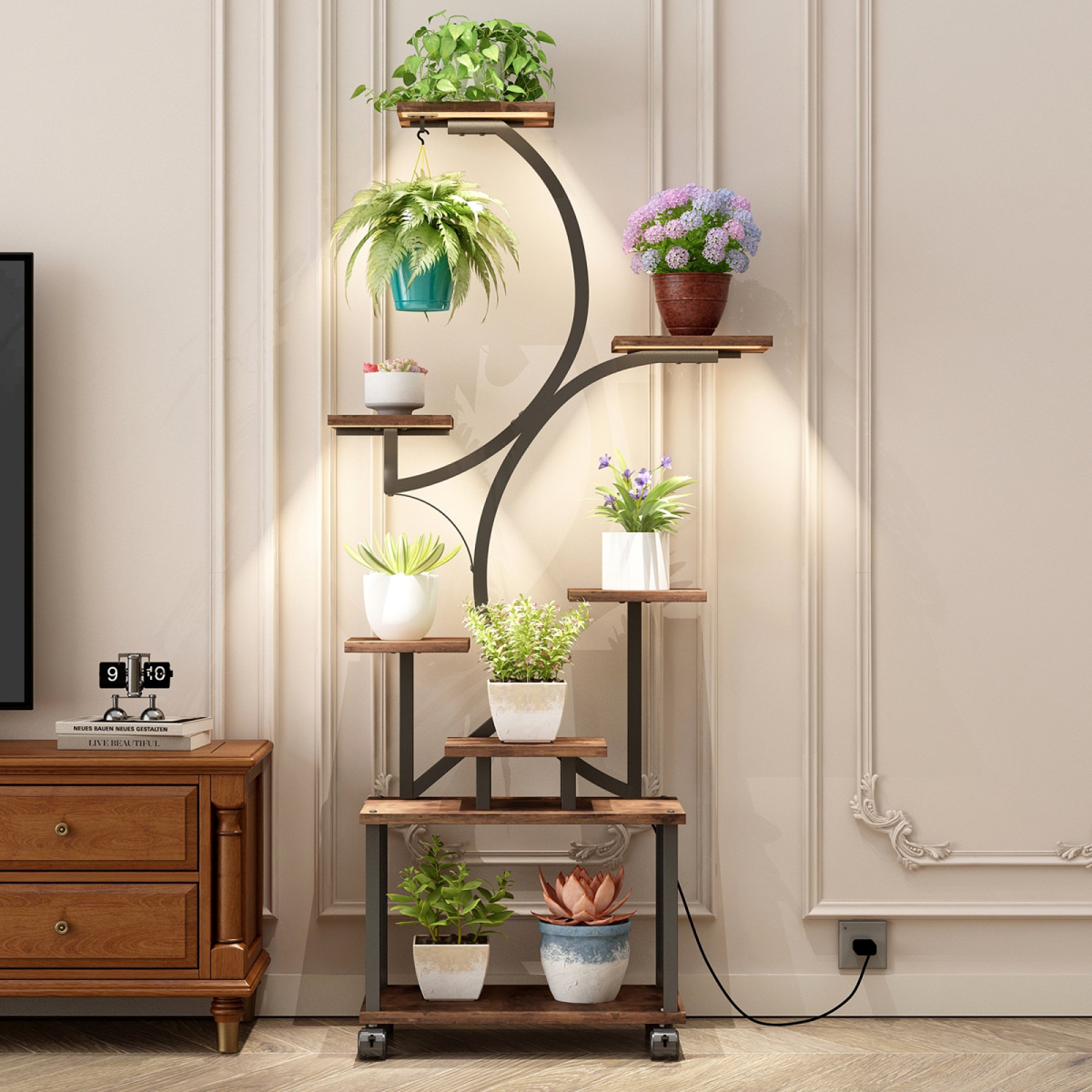 Plant Stand with Grow Lights, 62" Tall Shelf, Lighted Corner Stands for Indoor Growing, 8 Tiered Large Flower Holder, S-Shaped Decorative Rack for Living Room Home Patio Brown$151.99View on Mallflare
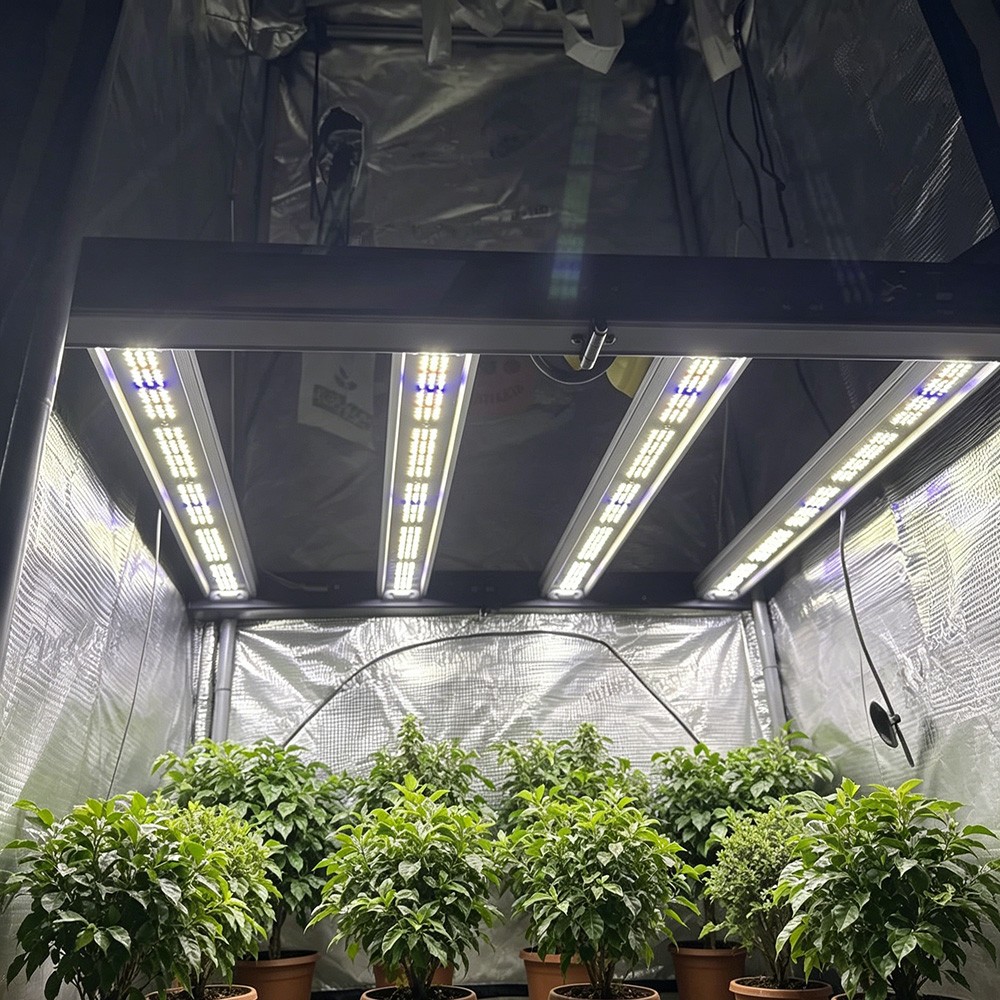 3000W Spider LED Greenhouse Grow Light Full Spectrum for Indoor Veg Bloom Plants$79.59Last checked Nov 28, 2026View on eBay
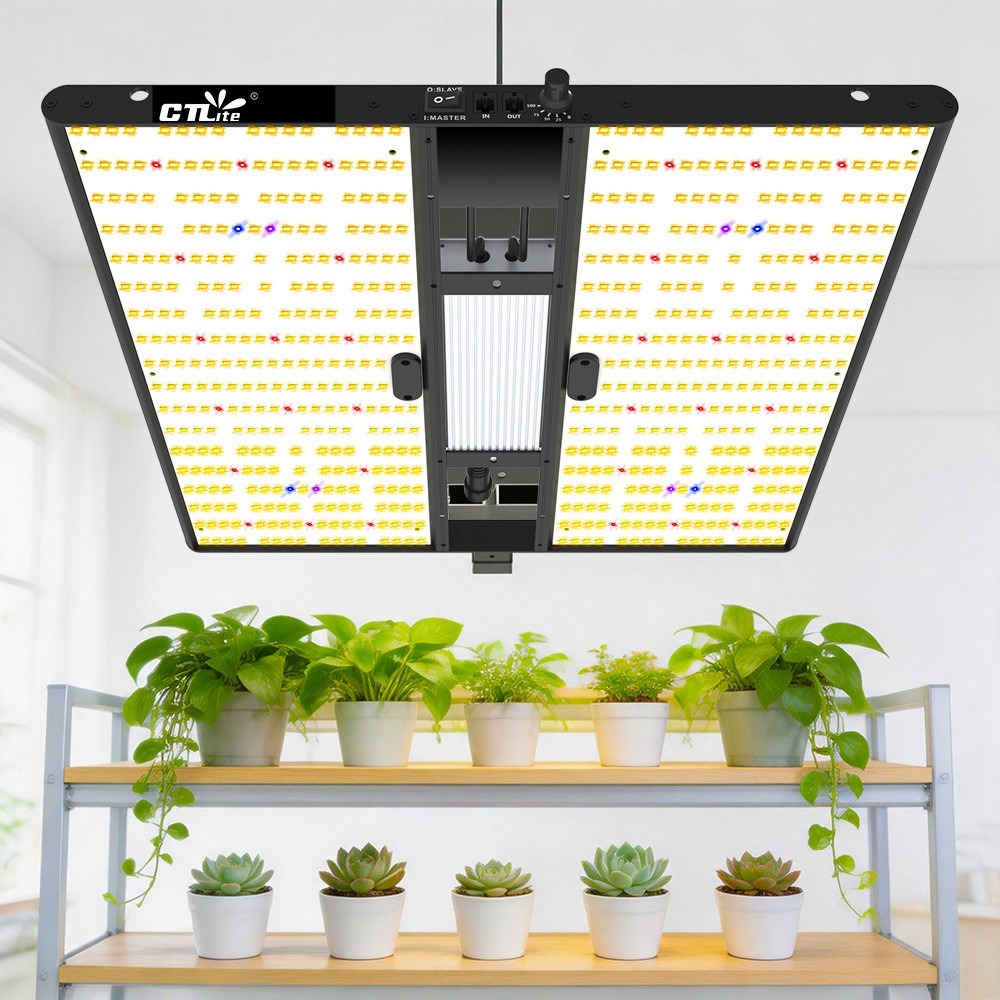 Spider 5000W LED Greenhouse Grow Light 5x5 4x4ft Veg Flower Full Spectrum Light$122.69View on eBay
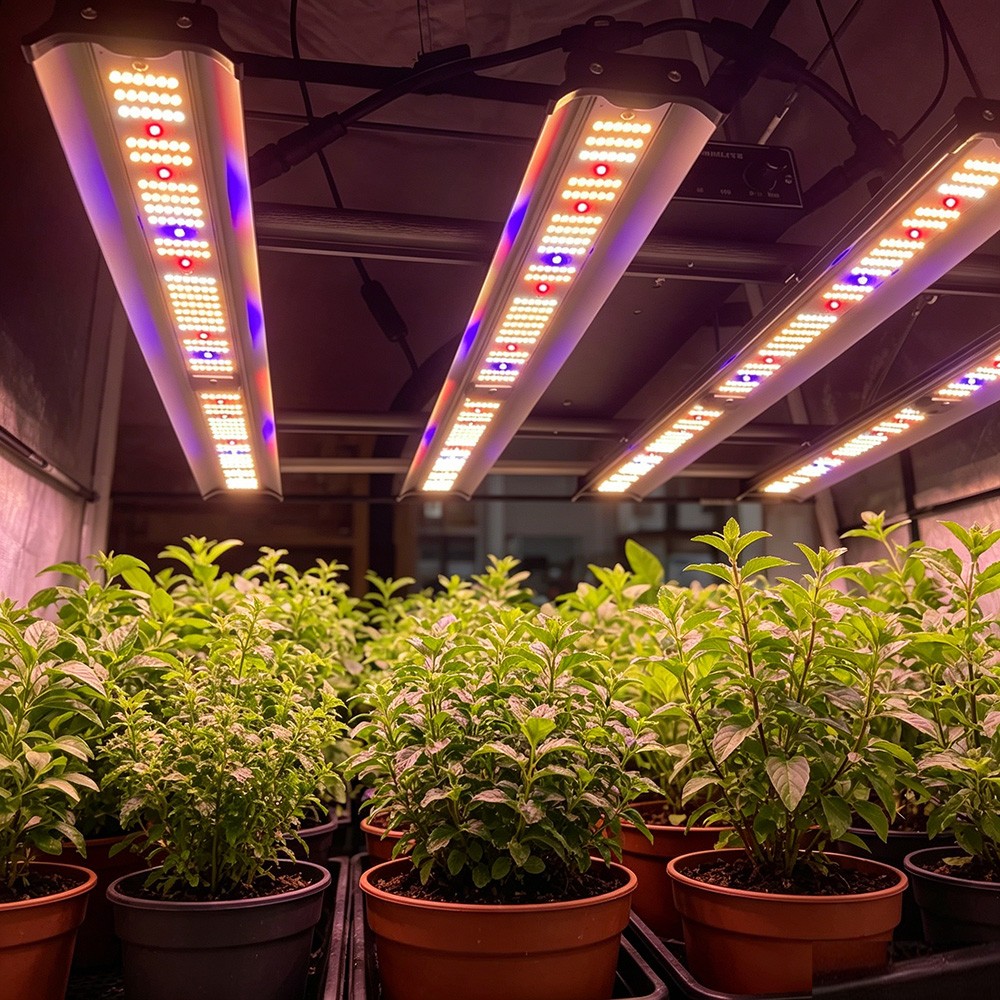 4000W Spider Commercial Greenhouse LED Grow Light High Yield Indoor Growing Lamp$139.29Last checked Nov 28, 2026View on eBay
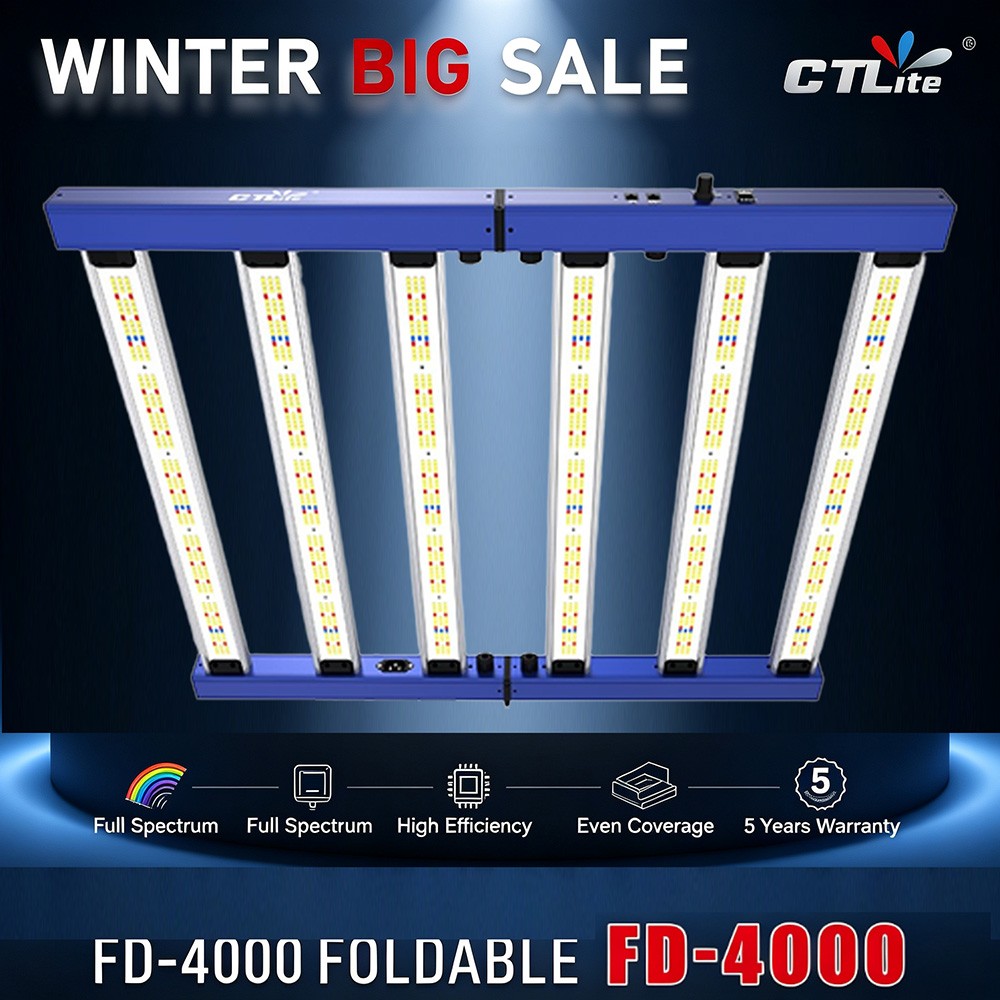 Dimmable Spider 4000W LED Greenhouse Grow Light Bar Full Spectrum for Indoor Use$169.99View on eBay
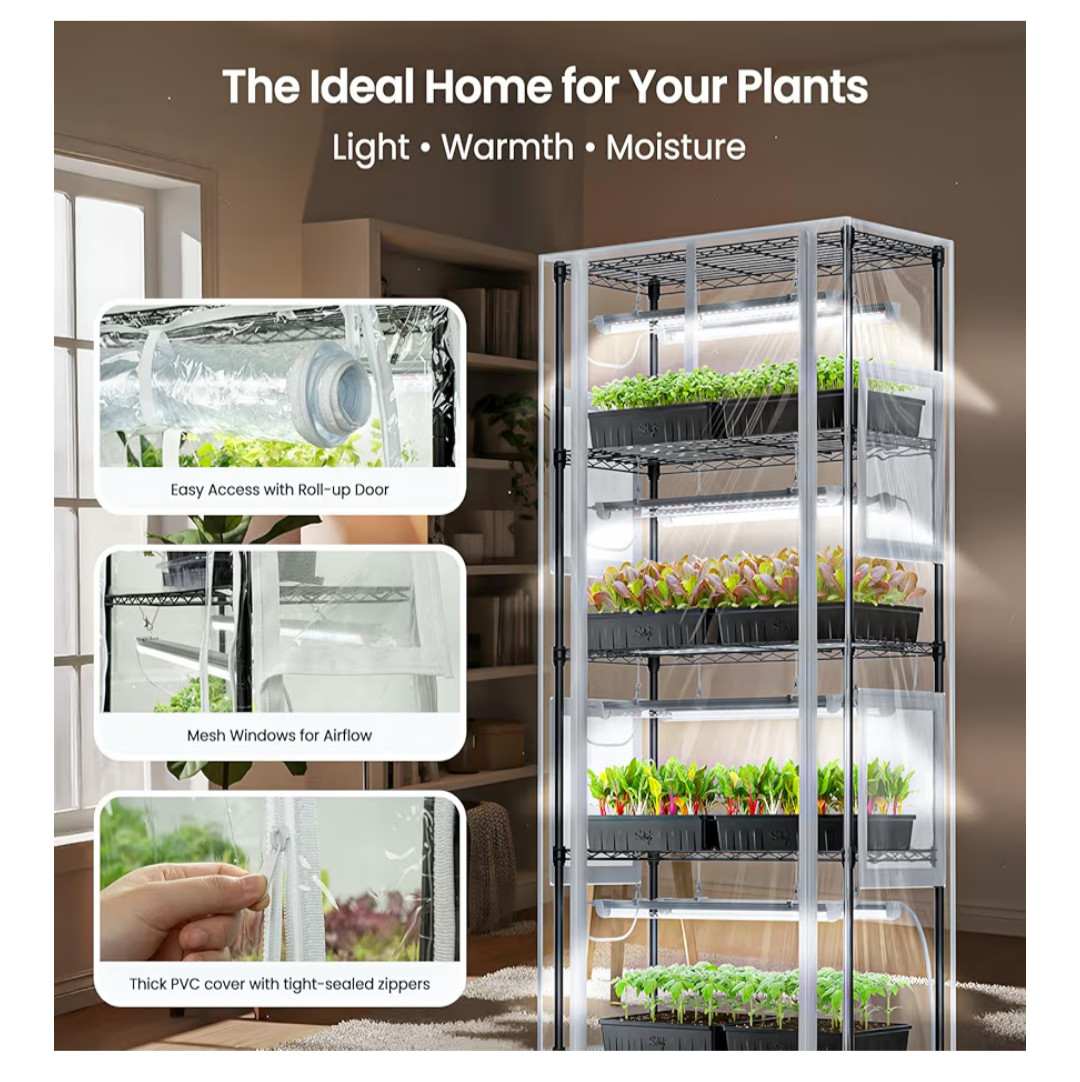 SOLIGT Indoor Greenhouse with Grow Lights - 5 Tier Plant Shelf & 8 x 2FT 6000K F$175.00View on eBay
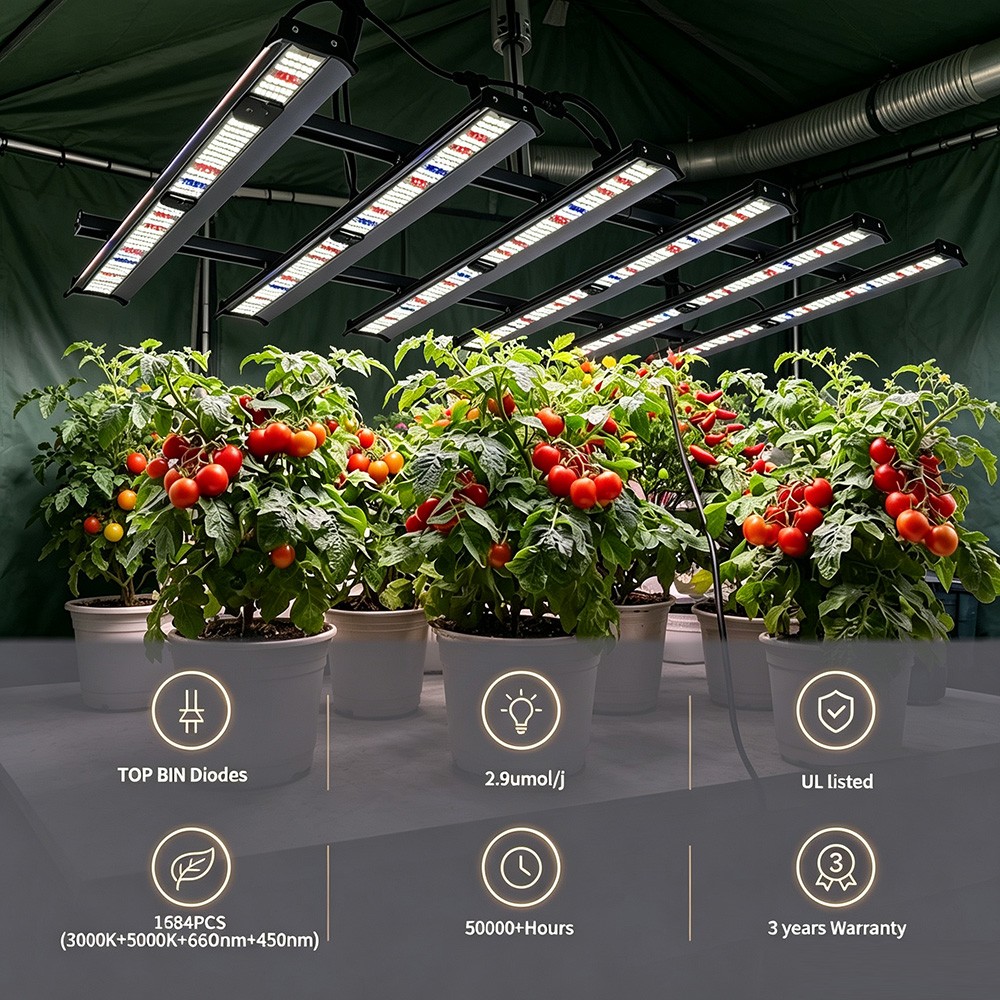 5000W Grow Light 4X4FT Full Spectrum LM281B LED Commercial Greenhouse Plant Lamp$175.55View on eBay
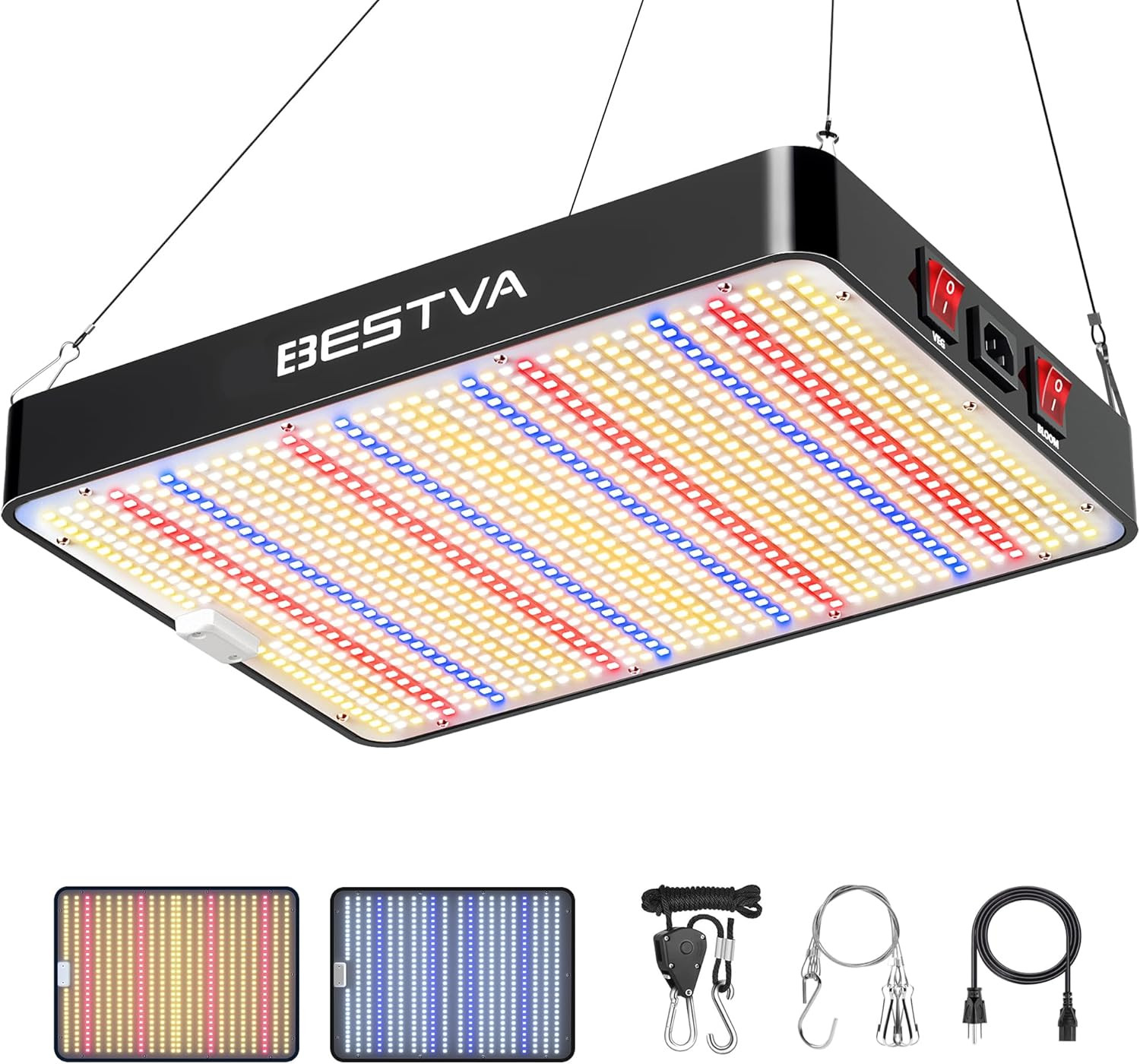 DC2000 Grow Light for Indoor Plants, Dimmable Full Spectrum LED Plant Light$207.93New · Last checked Nov 20, 2026View on eBay
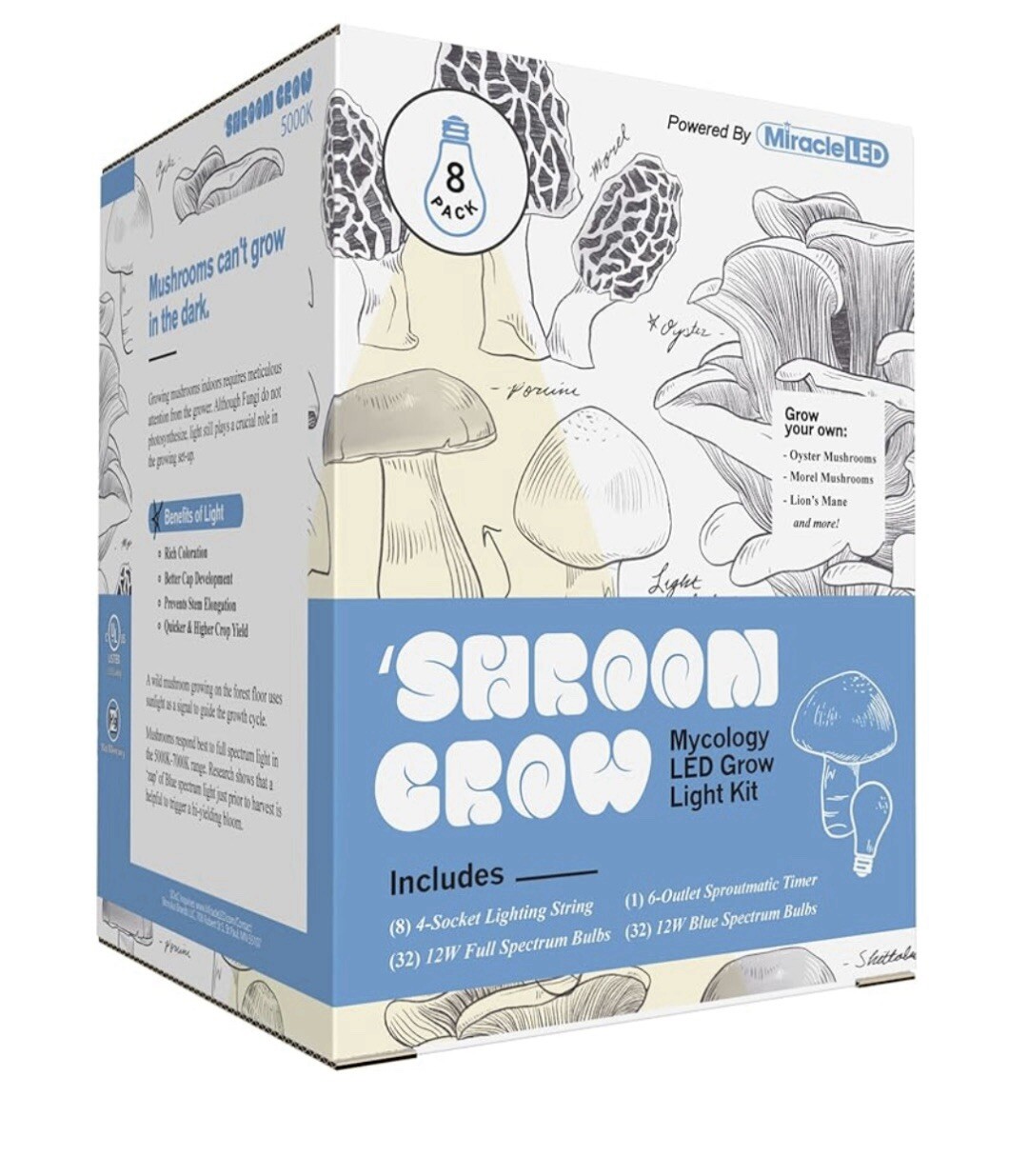 Miracle LED Shroom Indoor Grow Light Kit for Oyster, Shitake, Lions Mane 8 Packs$209.30New · Last checked Nov 20, 2026View on eBay
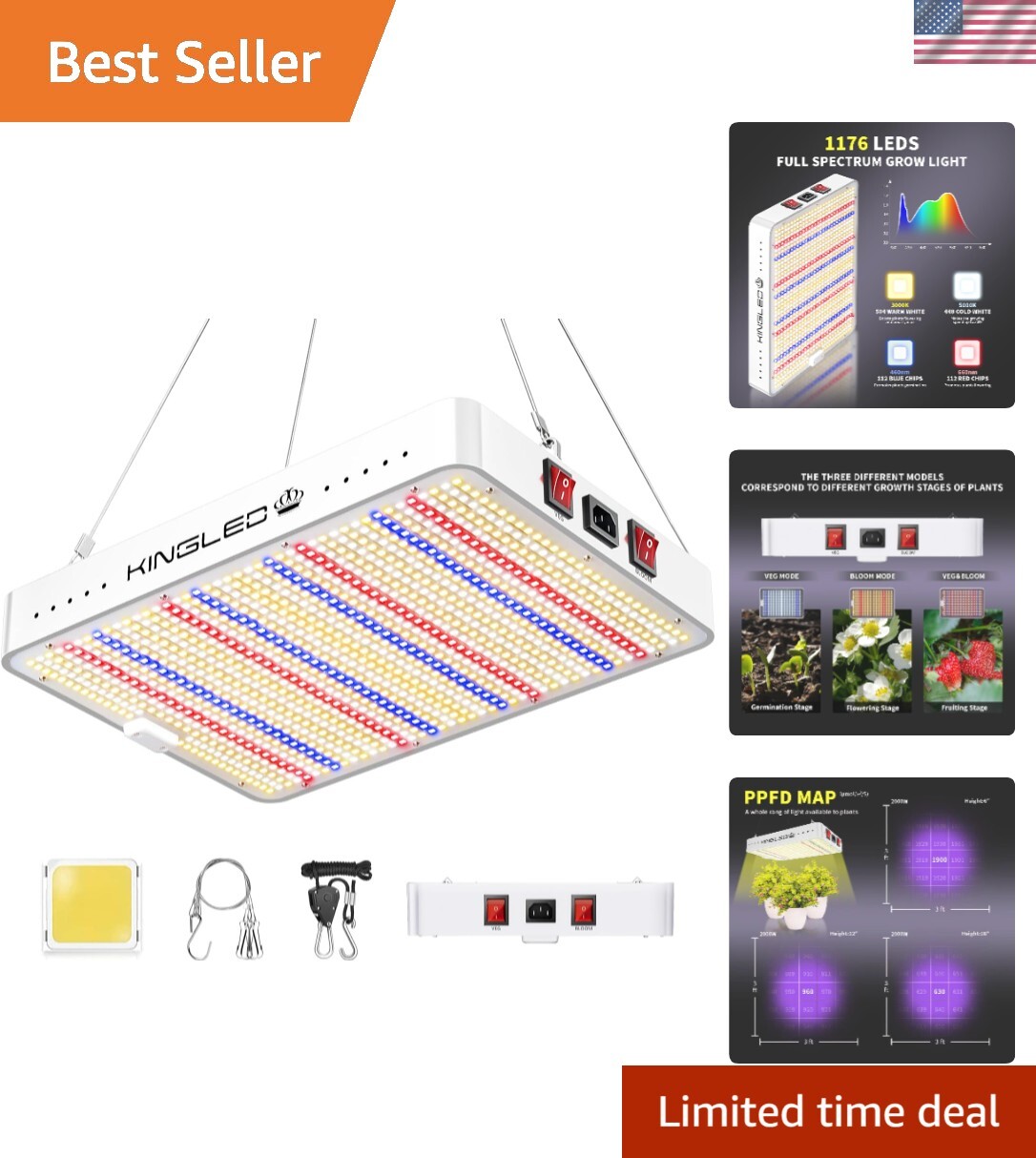 Grow Lights, KP2000 Full Spectrum Grow Lamp for Indoor Plant, Veg Bloom Dual ...$213.99New · Last checked Nov 20, 2026View on eBay
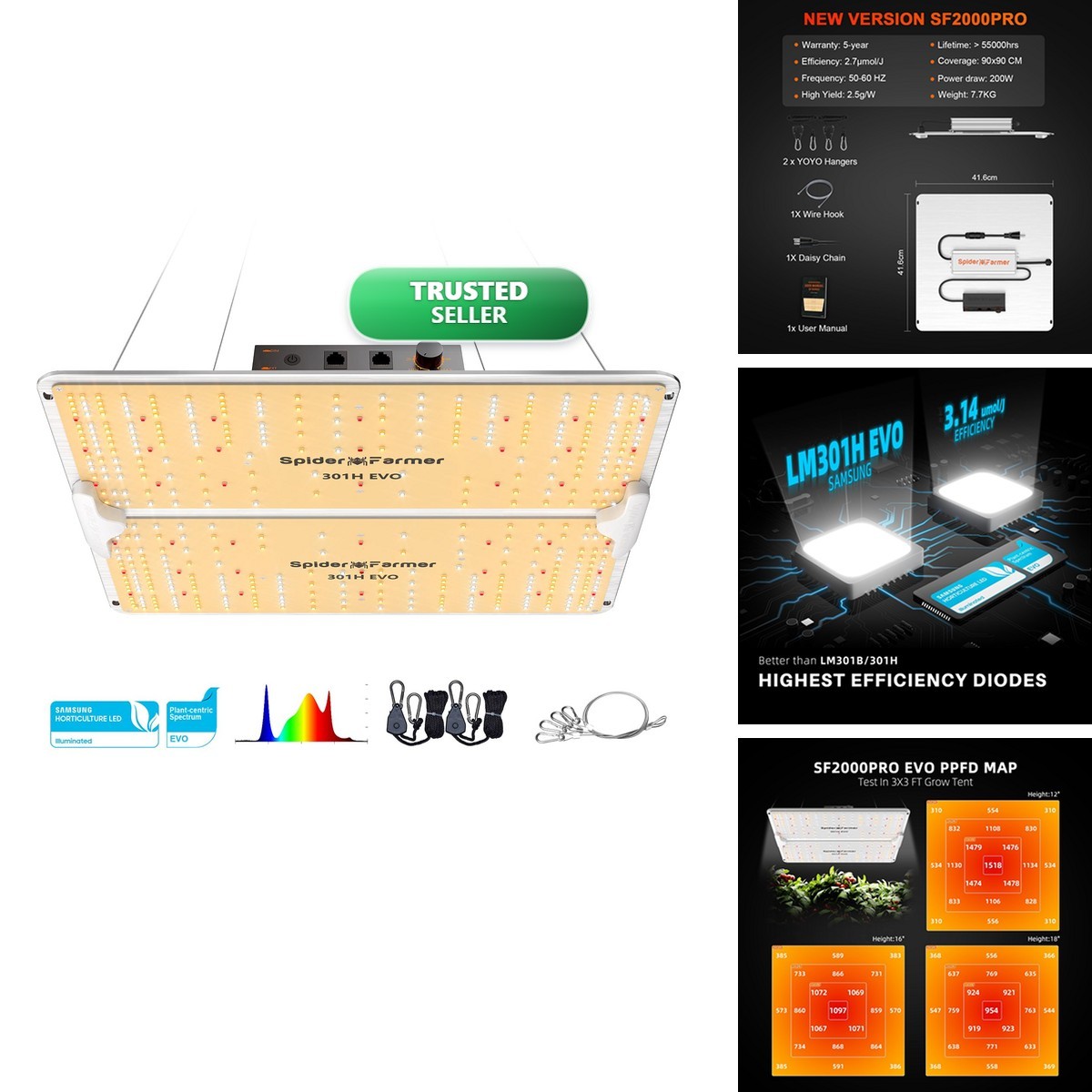 Spider Farmer SF2000 Pro LED Grow Lights for Indoor Plants in 3x3 Grow Tent$249.36New · Last checked Nov 20, 2026View on eBay
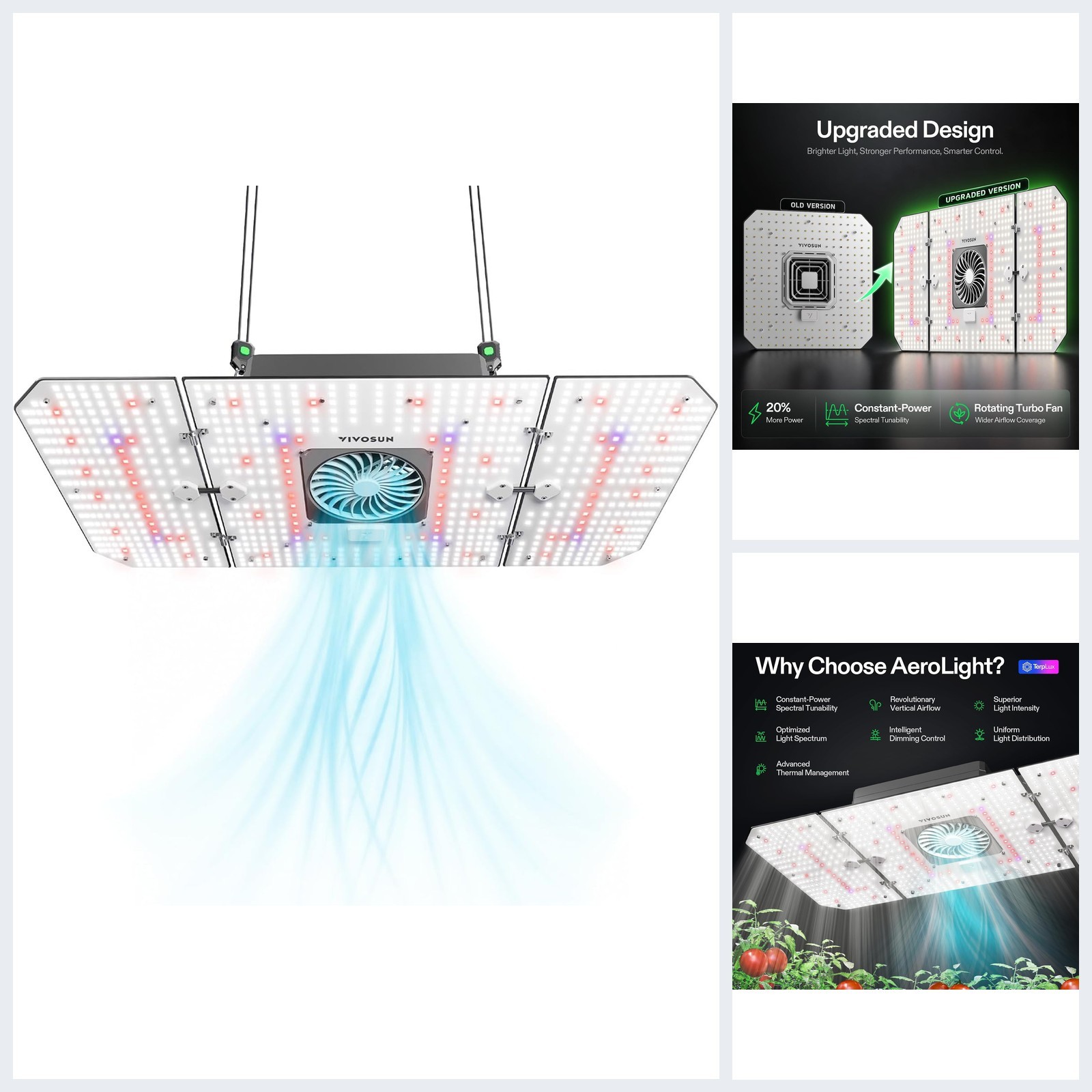 240W Full Spectrum LED Grow Light with Fan for Indoor Plants, Grow Tent, 2600$291.66New · Last checked Nov 20, 2026View on eBay
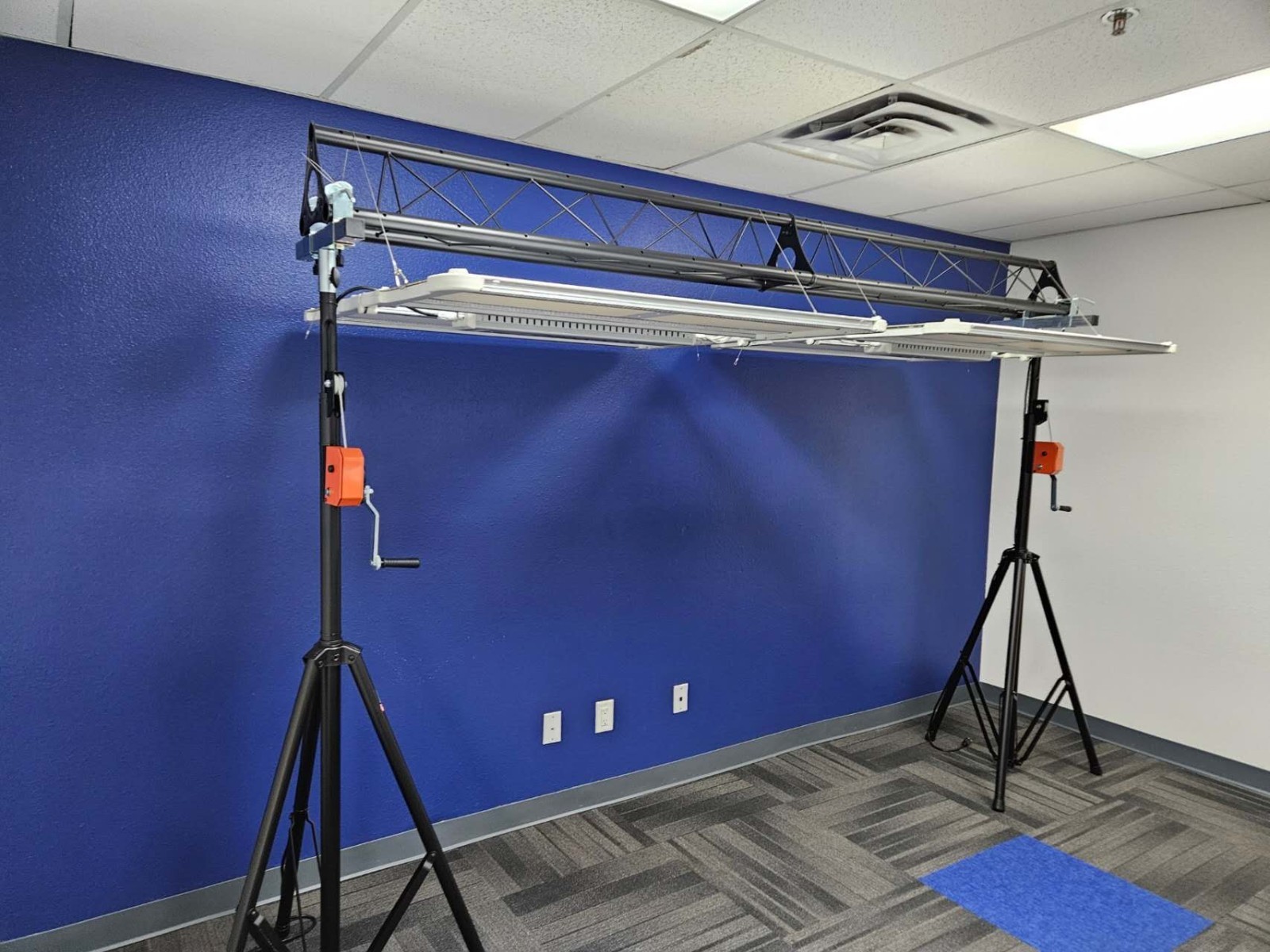 Sanabio 680W LED Grow Light for Indoor Plants White$299.99New · Last checked Nov 20, 2026View on eBay
Highlights
- LED quantum board and bar fixtures using Samsung LM301B or LM301H diodes with Mean Well drivers deliver 2.5–3.0 µmol/J efficacy, while budget blurple panels often fall below 1.5 µmol/J.
- Tomatoes need 20–40 DLI (daily light integral) for fruiting; a 2x2 ft canopy requires roughly 150–200 W of quality LED to hit 30 DLI at 18 inches.
- Full-spectrum white LEDs (3000K–4000K plus 660 nm red) outperform narrow red/blue blurple for tomato fruit set and truss development.
- Seed-starter tray LEDs (5–15 W) and gooseneck lamps (10–30 W) are propagation-only; they cannot support a fruiting tomato plant beyond the seedling stage.
Best use cases
- Indoor seed starting (Jan–Mar): pick a 2x2 ft quantum board at 100–150 W with dimming for seedlings, then raise intensity as true leaves develop; skip multi-head gooseneck lamps for more than 4 weeks.
- Year-round indoor tomato fruiting in a tent or greenhouse: choose a bar-style LED at 300–480 W covering 4x4 ft with 660 nm red boost and daisy-chain dimming; skip blurple panels and 2x2 fixtures for full-size indeterminate varieties.
- Supplemental greenhouse lighting in winter: use high-output bar LEDs rated IP65 with 20–30% red enhancement, mounted 12–18 inches above canopy; skip seed-starter tray kits and PVC-cover mini greenhouses with integrated low-watt LEDs for mature plants.
- Hydroponic 3-tier pipe systems and 12-pod countertop boxes: match integrated light wattage to canopy area (30–50 W per tier minimum); skip these all-in-one kits for large indeterminate tomatoes—they suit dwarf or determinate cherry varieties.
Buying tips
- Size the fixture by canopy: 30–40 W per square foot of quality LED for flowering tomatoes; a 2x4 ft canopy needs 240–320 W actual draw, not equivalent wattage.
- Demand PPFD maps or third-party PAR tests; target 400–600 PPFD at canopy for vegetative growth and 600–900 PPFD for fruiting, measured at the recommended hang height.
- Prioritize dimming (0–100%) and daisy-chaining for heat and intensity control; Mean Well HLG or XLG drivers signal higher-end builds over generic drivers.
- For greenhouse supplemental light, confirm IP65 or higher ingress rating and 240 V compatibility if using commercial controllers; avoid open-frame boards in humid zones.
Specs
| Fixture Type | Quantum board, bar LED, blurple panel |
|---|---|
| Efficacy | 2.5–3.0 µmol/J (LM301B/H) |
| Tomato Flowering Power | 30–40 W actual LED per sq ft |
| Spectrum | Full-spectrum white + 660 nm red |
Related searches
What to check before buying
- Measure your grow area (tent, shelf, or greenhouse bed) and calculate square footage; match fixture coverage to that area at 18–24 inch hang height.
- Confirm ceiling height or tent height allows 12–24 inches between fixture and canopy plus 12+ inches for heat clearance; low-profile bar LEDs fit tighter spaces than quantum boards with drivers.
- Check electrical circuit capacity: a 480 W LED at 120 V draws ~4 A; ensure your timer or controller is rated for the inrush current of multiple drivers.
- For greenhouse use, verify fixture IP rating and operating temperature range; unheated greenhouses in winter may need fixtures rated for condensation and 0°C+ operation.
FAQ
Data sources: eBay / Amazon listings and product attribute feeds. Updated Nov 27, 2026.
Some links on this page are affiliate links. If you buy after clicking one, we may earn a commission at no extra cost to you. This does not change which products appear here or their order. Affiliate disclosure.