
Photos from current listings. Actual item, color, and included accessories may vary.
Portable Privacy Fence Outdoor Buying Guide
Portable privacy fencing is a free-standing or semi-permanent screen system that blocks sightlines without a buried post foundation. The core trade-off is wind load versus portability: heavy ballasted bases and rigid panels resist gusts but require two people to move, while lightweight fabric and pop-up panels are easy to reposition but demand guy-lines or stakes. Choose ballasted rigid panels for exposed, long-season privacy and lightweight stake-down fabric or accordion panels for temporary, calm-weather use.
Median $142.99
Key takeaways
- Rigid panel systems use interlocking posts with water- or sand-ballasted bases; a single empty base is manageable but weighs 50-80 lb filled, so panels are repositioned one at a time.
- Wind rating is set by base weight plus anchoring: open fabric screens pass wind, while solid panels must be staked or ballasted to resist uplift in gusts above 30 mph.
- Privacy fabric is rated by GSM and weave: 180-220 GSM woven HDPE blocks sightlines and resists UV fading, while sub-150 GSM material stretches and tears at grommets.
At a glance
- Category
- Garden Fencing & Privacy Screens
- Last updated
- Nov 29, 2026
Current offers
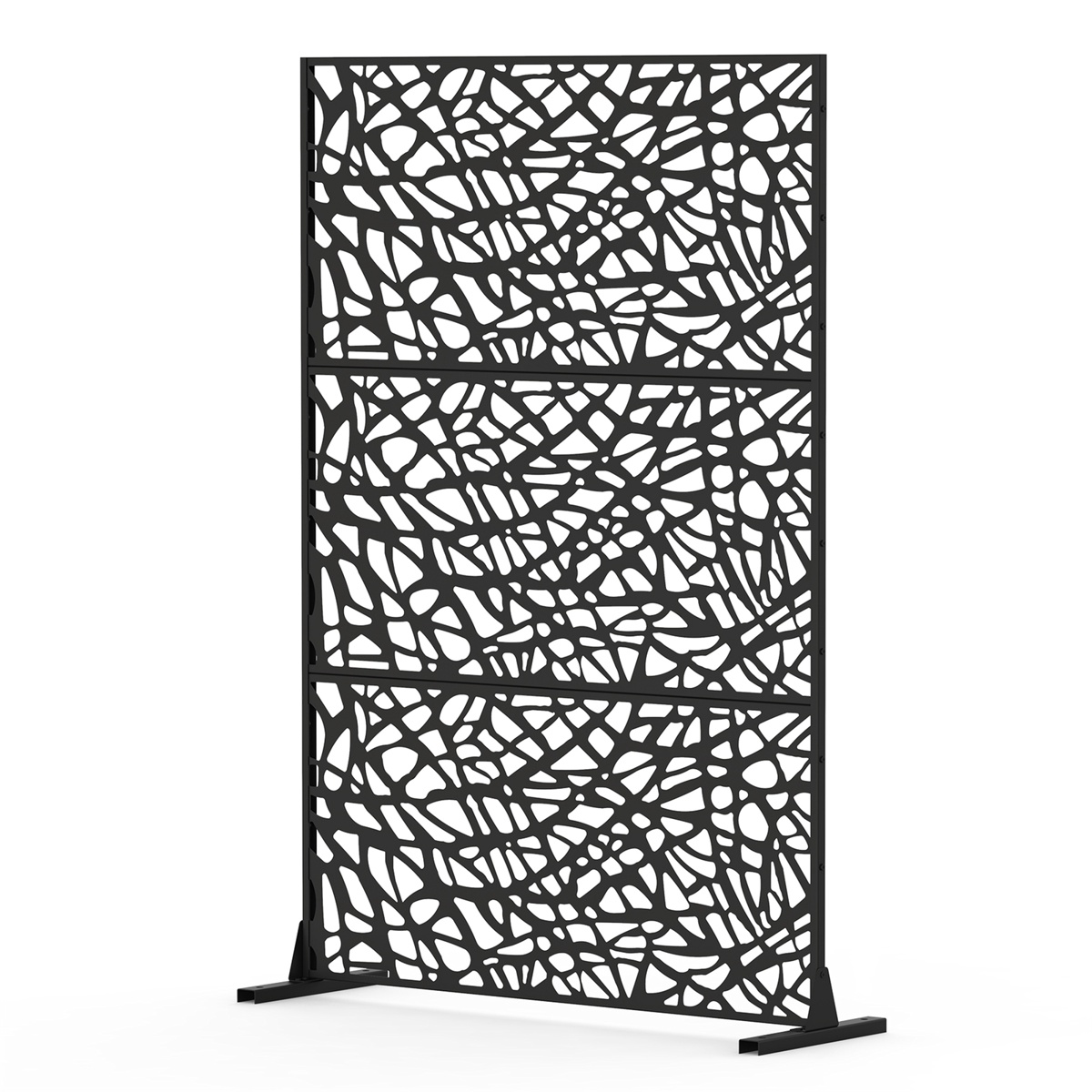 4'x6' Decorative Fence, Indoor &Outdoor Freestanding Metal Privacy Screen Panels$164.86Last checked Nov 24, 2026View on eBay
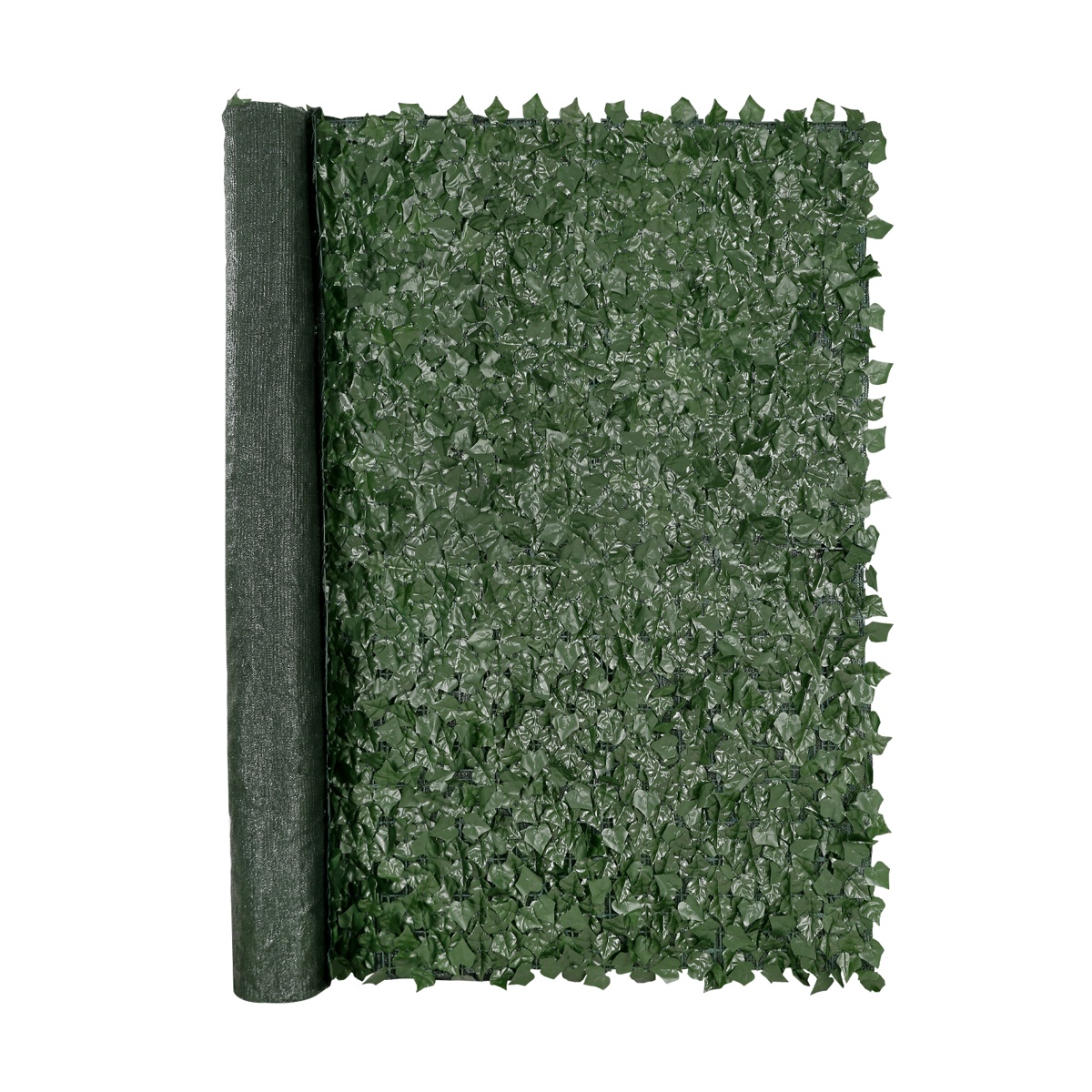 VEVOR Ivy Privacy Fence, 96 X 72 In Artificial Green Wall Screen, Greenery Ivy With Mesh Cloth Backing And Strengthened Joint, Faux Hedges Vine Leaf Decoration For Outdoor Garden, Yard, Balcony$39.99View on Mallflare
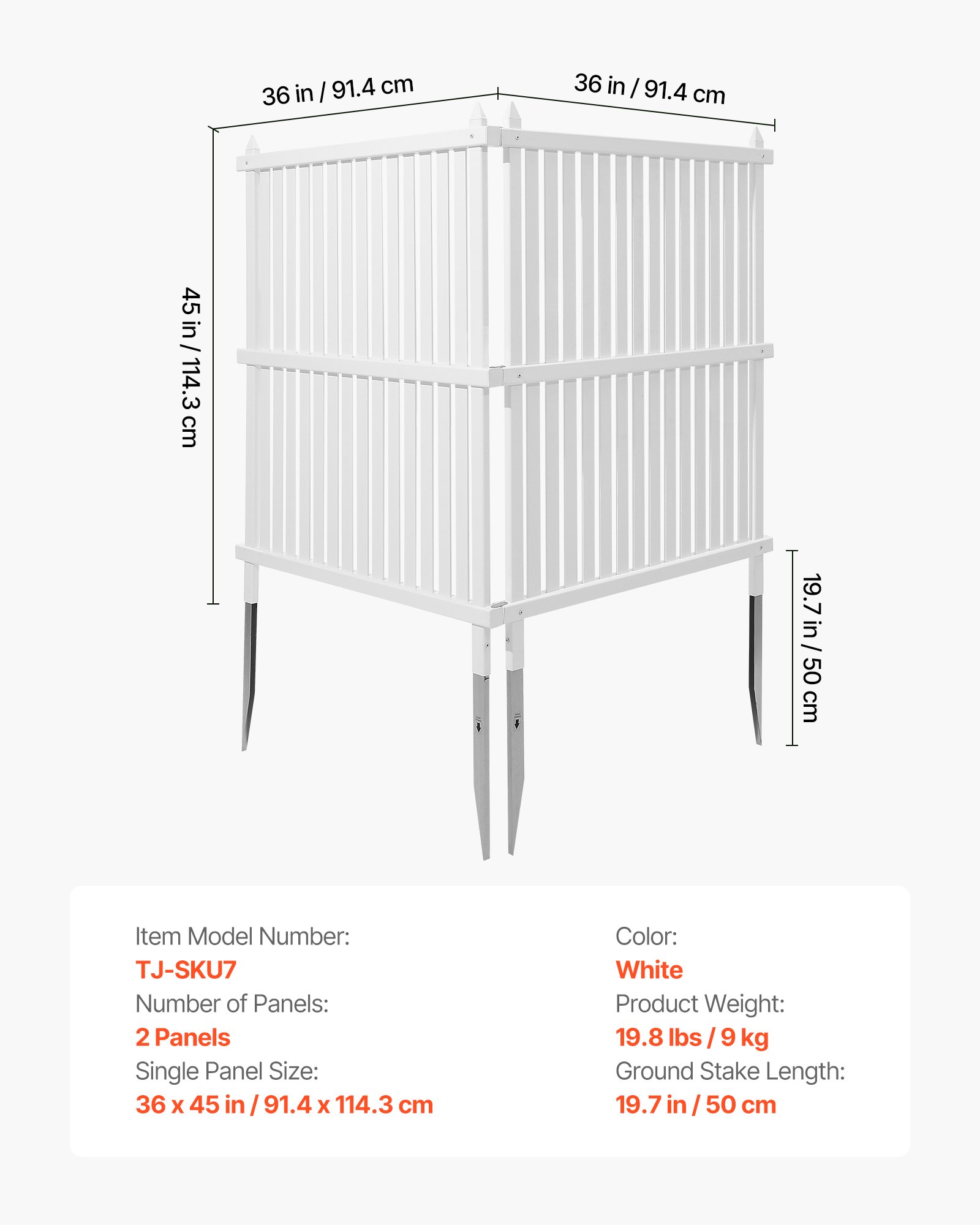 2 Panels Outdoor Privacy Screen, 36 X 45 In Air Conditioner Fence With 19.7 In Ground Stakes, Pool Equipment Enclosure, Strip Vinyl Ideal For Trash Can And A/C Units, White$82.99View on Mallflare
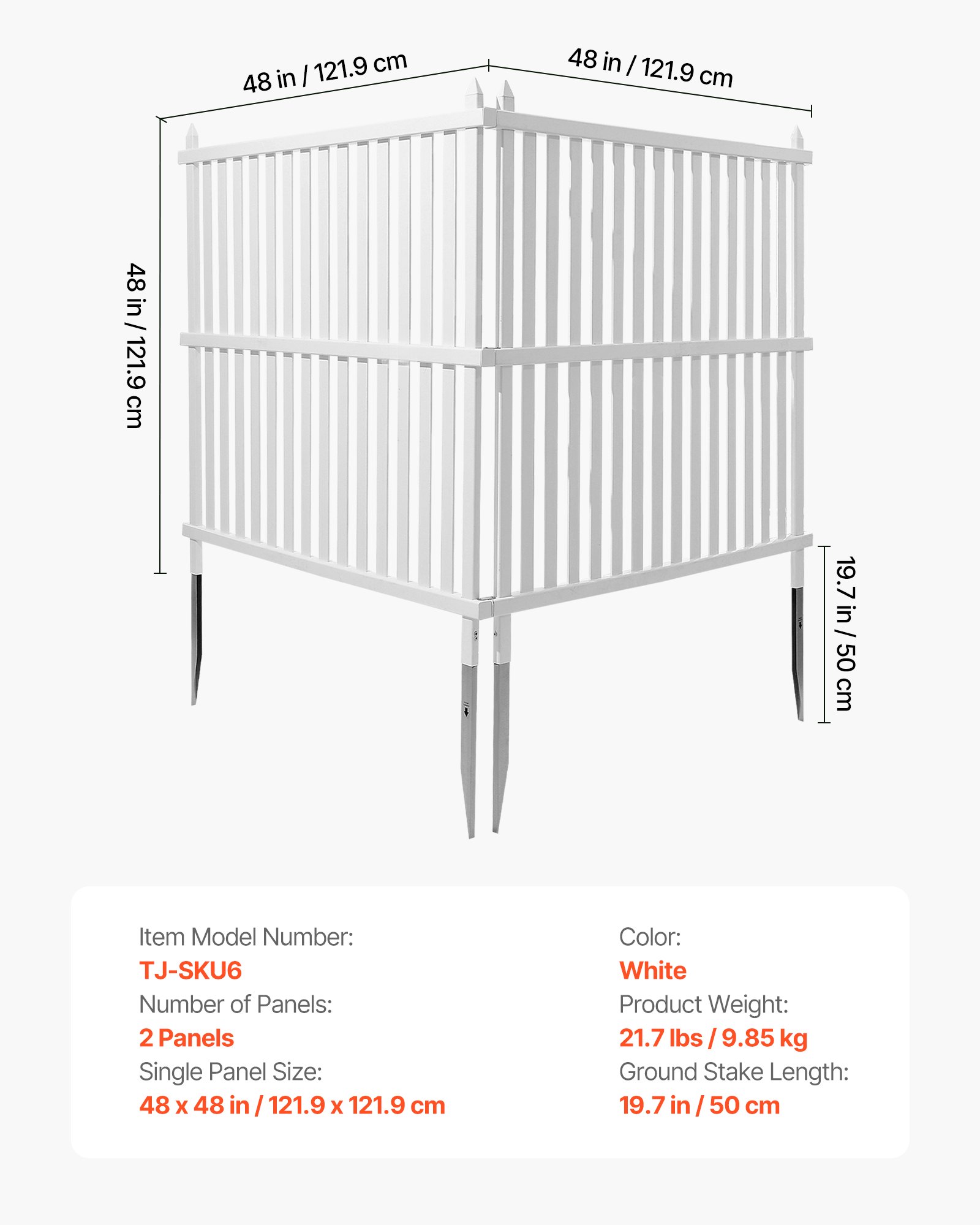 2 Panels Outdoor Privacy Screen, 48 X 48 In Air Conditioner Fence With 19.7 In Ground Stakes, Pool Equipment Enclosure, Strip Vinyl Ideal For Trash Can And A/C Units, White$88.99View on Mallflare
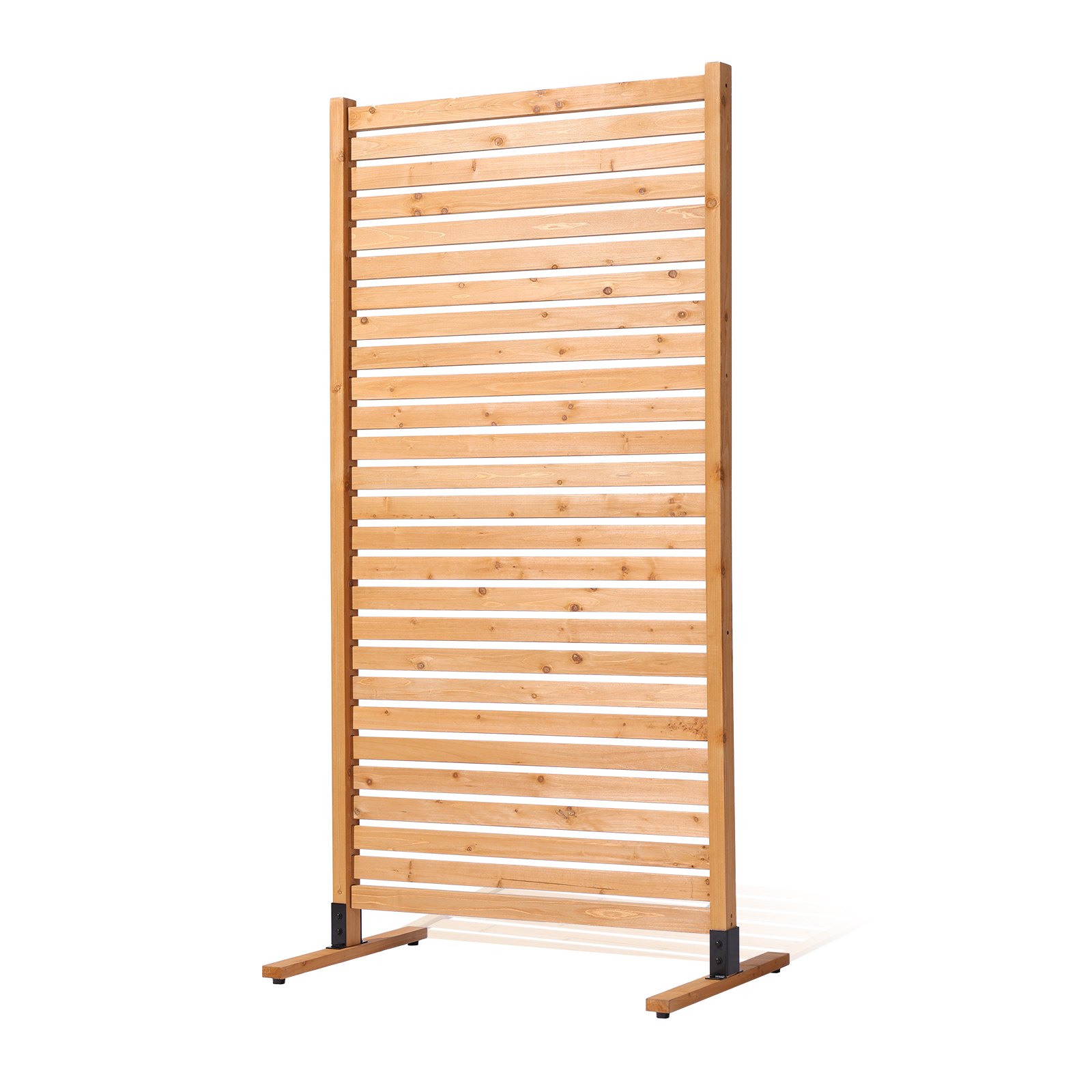 Wooden Privacy Screen 36' X 76' Freestanding Outdoor For Patio$100.99View on Mallflare
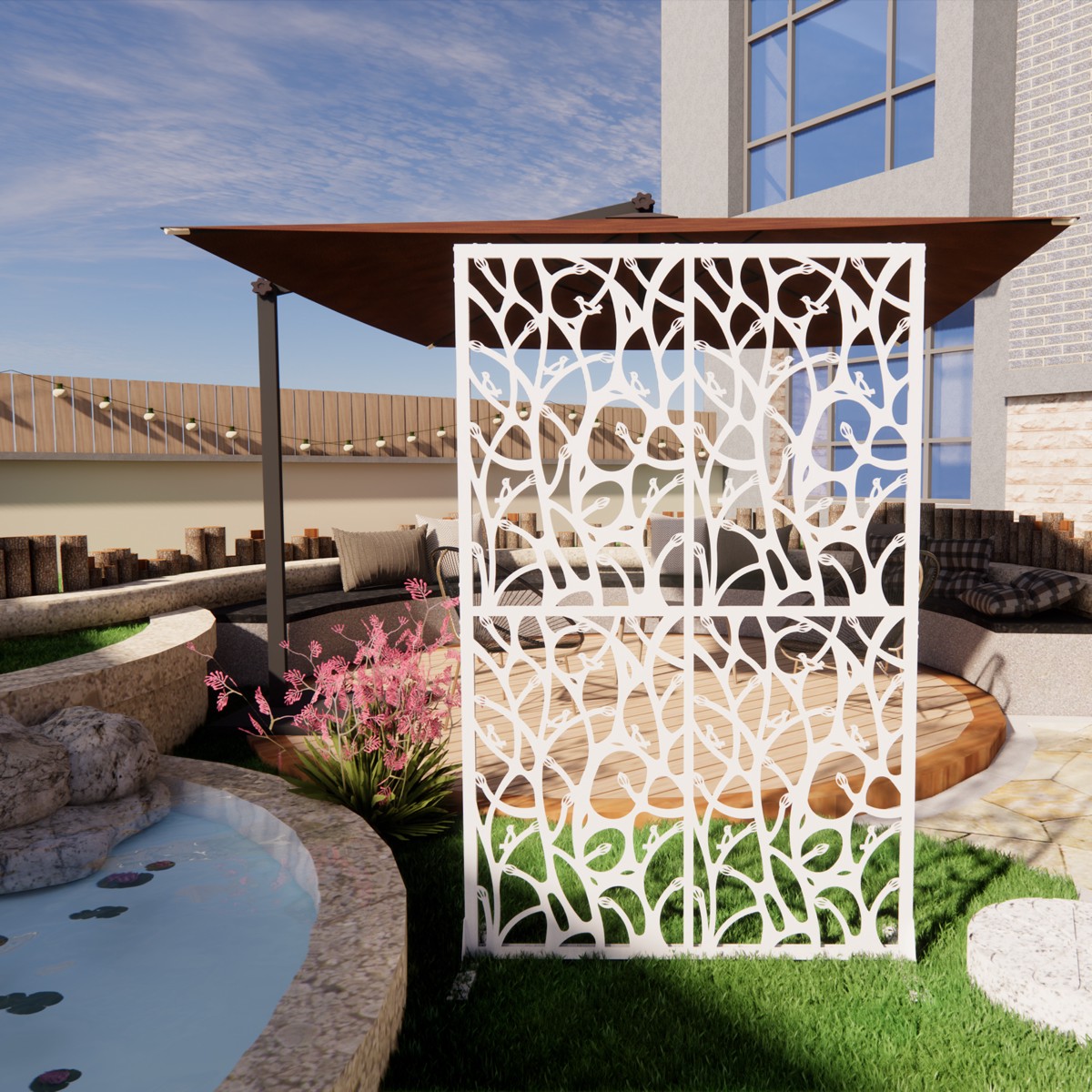 Metal Privacy Screens W3.8Ft X H6Ft Outdoor And Indoor Divider With Free Standing Decorative Screen For Balcony Patio Garden Room White Bird Shape$105.99View on Mallflare
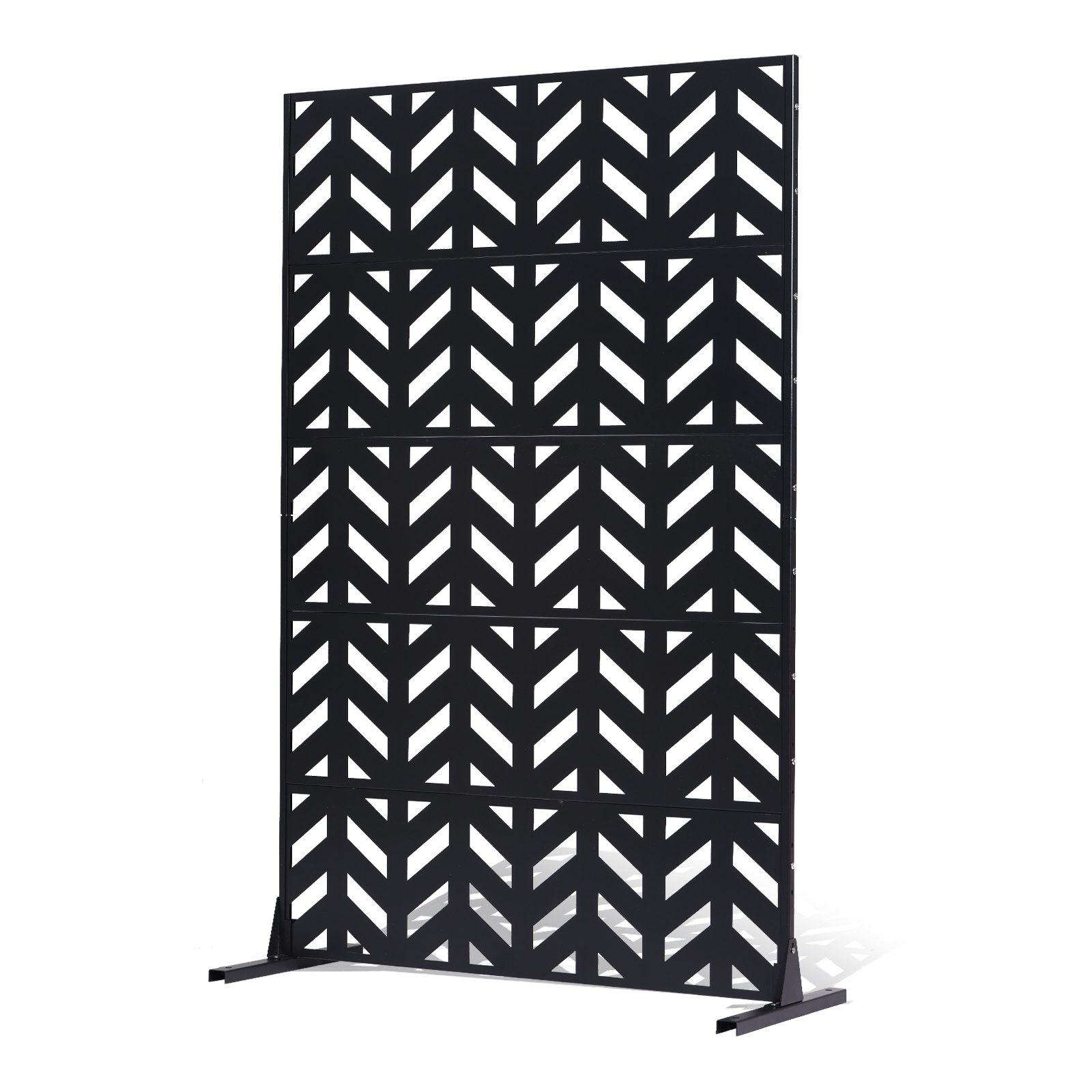 Metal Privacy Screen 47' X 72' Freestanding Outdoor Screens For Patio$107.99View on Mallflare
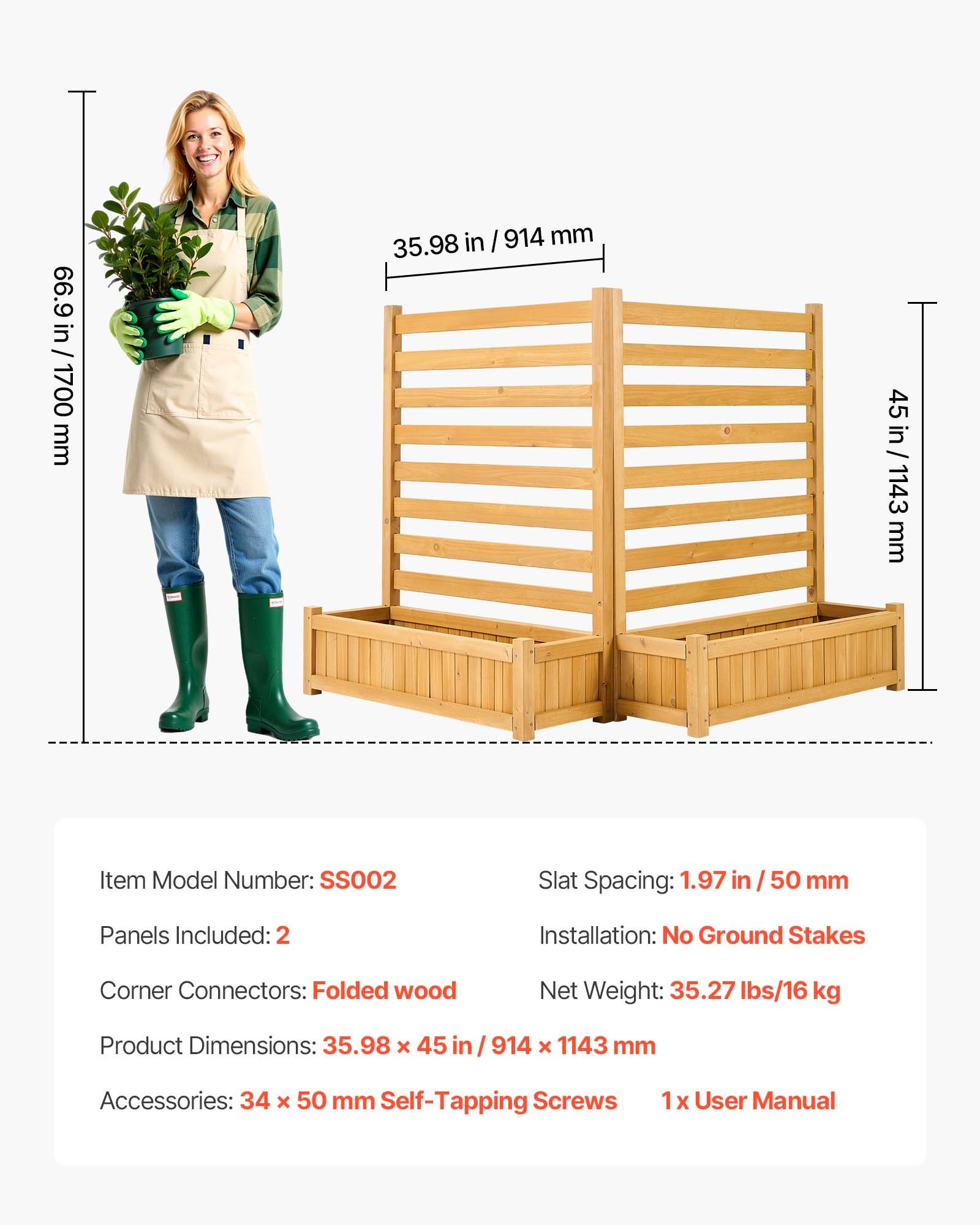 Wooden Privacy Fence, 36 X 45 Inch Air Conditioner 2 Slatted Panel Solid Outdoor Wood Screen With 2 Planters, Metal Stakes, Trash Can Hider Fences Suitable For Garden, Pool$113.99View on Mallflare
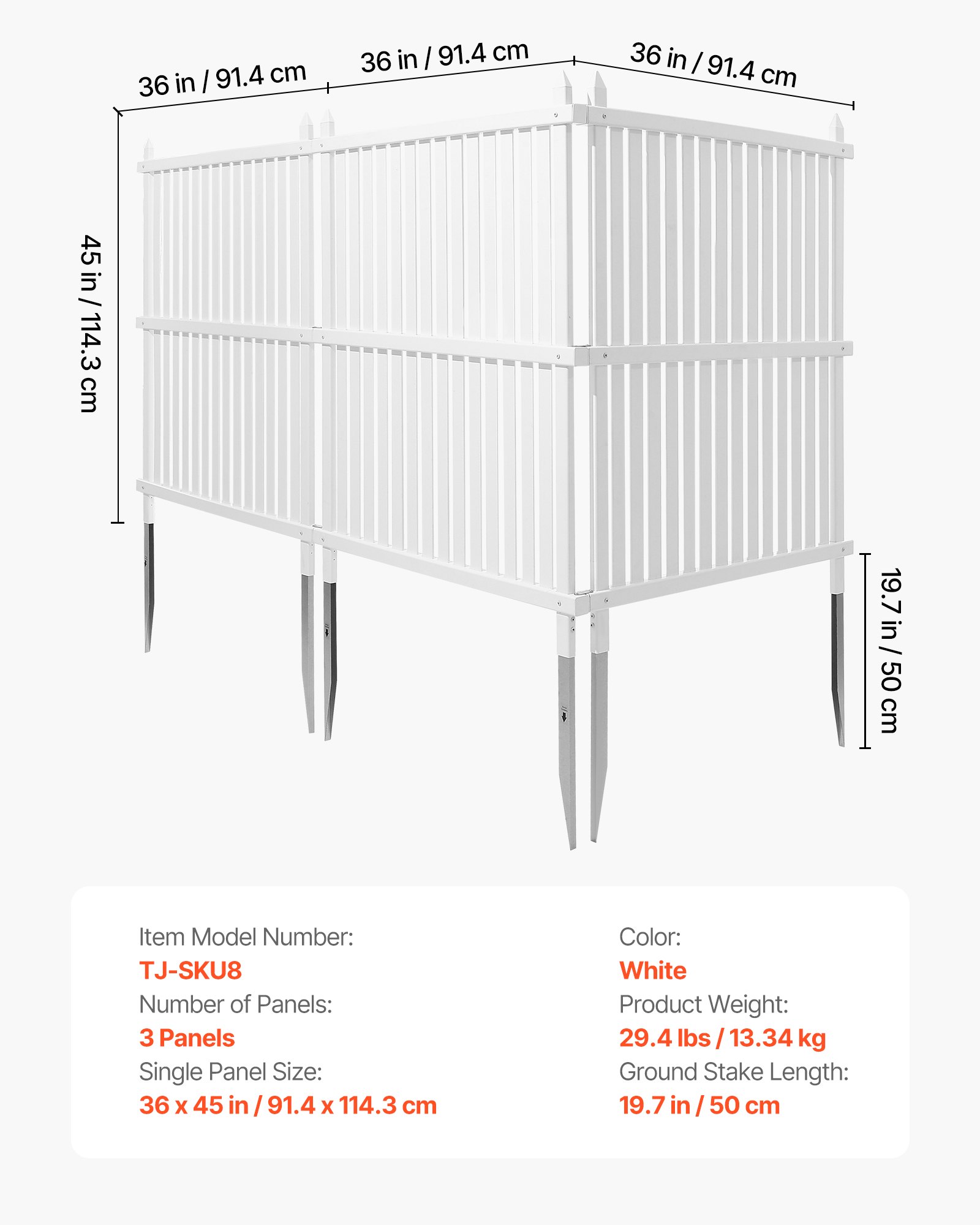 3 Panels Outdoor Privacy Screen, 36 X 45 In Air Conditioner Fence With 19.7 In Ground Stakes, Pool Equipment Enclosure, Strip Vinyl Ideal For Trash Can And A/C Units, White$114.99View on Mallflare
 Decorative Outdoor Privacy Screen, See-Through Divider/Separator with Twisted Branch Motif for Fun Shadows or Climbing Plant Trellis, Fence Panel for Garden Walkway, Backyard, 6.5FT$115.99View on Mallflare
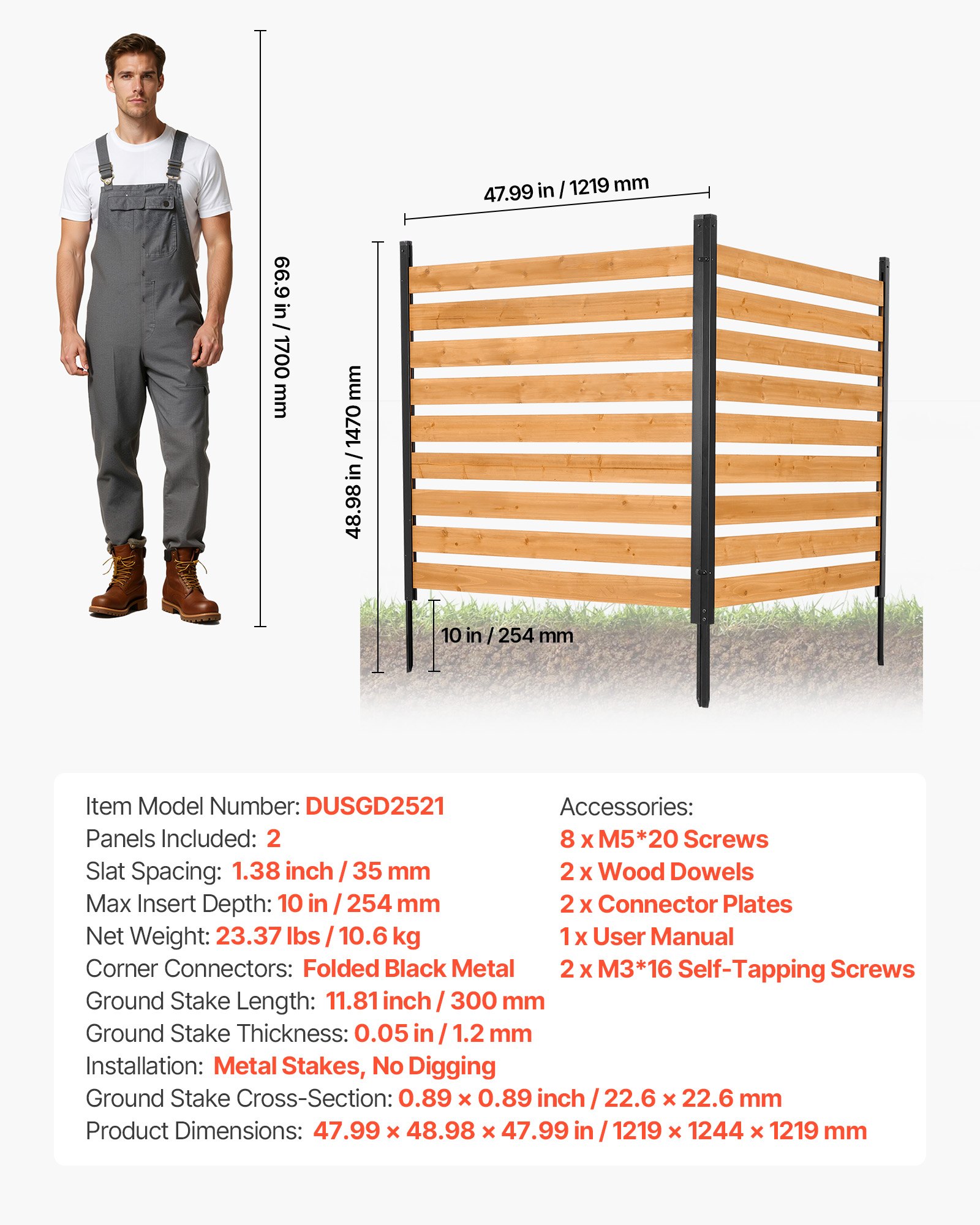 Wooden Privacy Fence, 48 X 49 X 28 Inch Air Conditioner 2 Panel Solid Outdoor Wood Screen With Metal Stakes, Steel Frame, Trash Can Hider Fences Suitable For Garden, Pool$117.99View on Mallflare
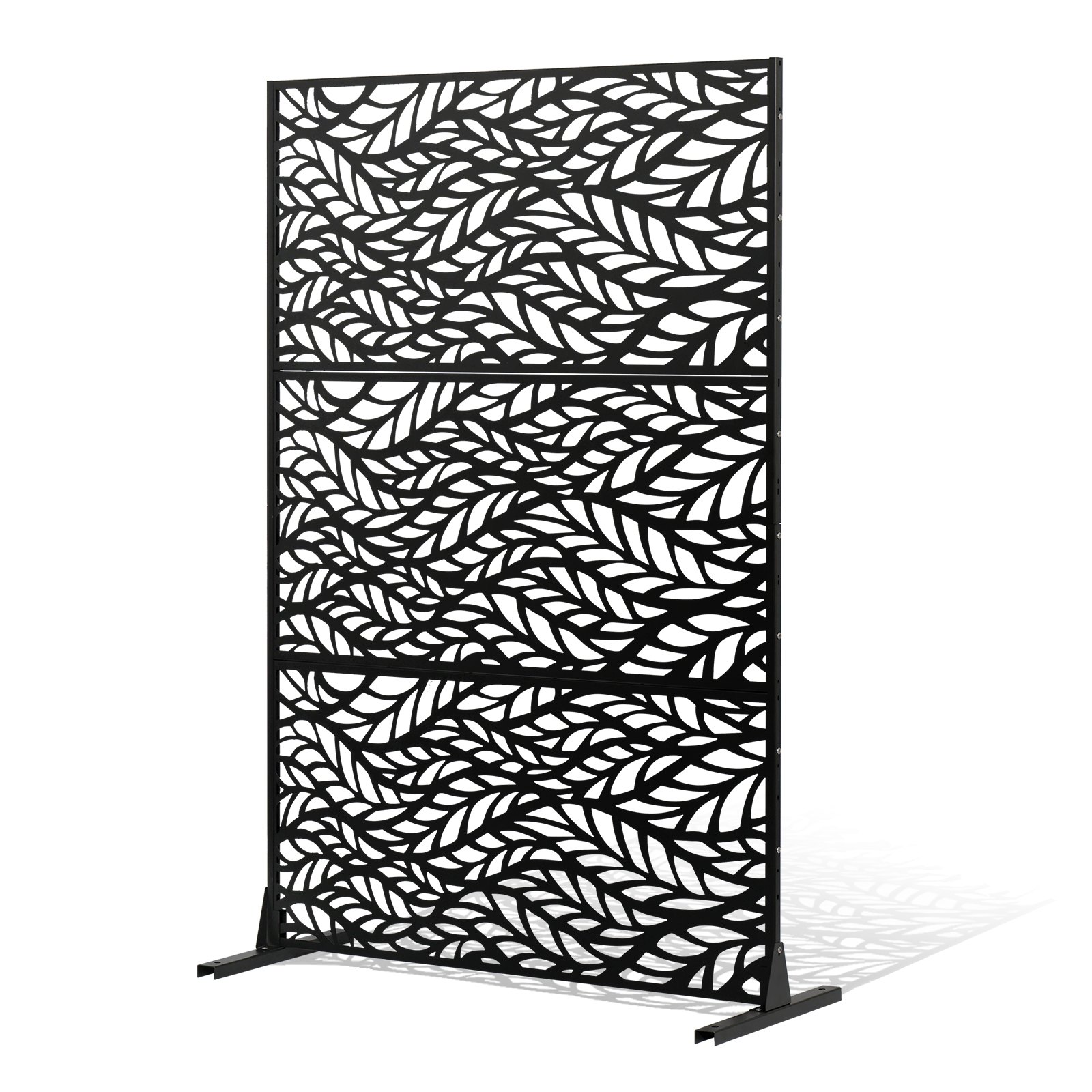 Metal Privacy Screen 47' X 72' Outdoor Screens & Panels For Patio Black$129.99View on Mallflare
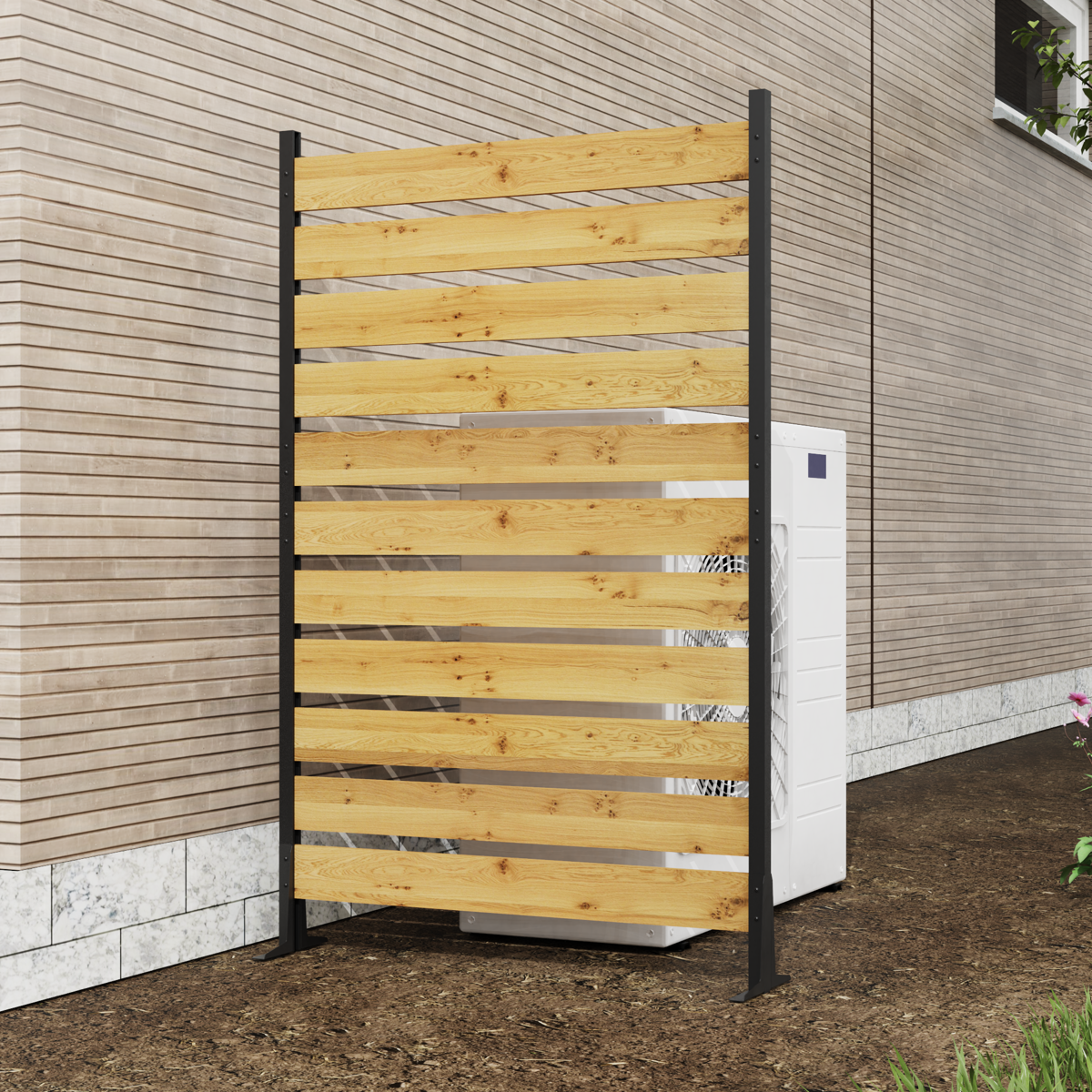 72.8"H x 38.5"W(1 Panel) Cedar Wood Privacy Screen, Outdoor Walls, Fence for Pool Equipment Enclosure, Trash Can Enclosures, Air Conditioner$136.99View on Mallflare
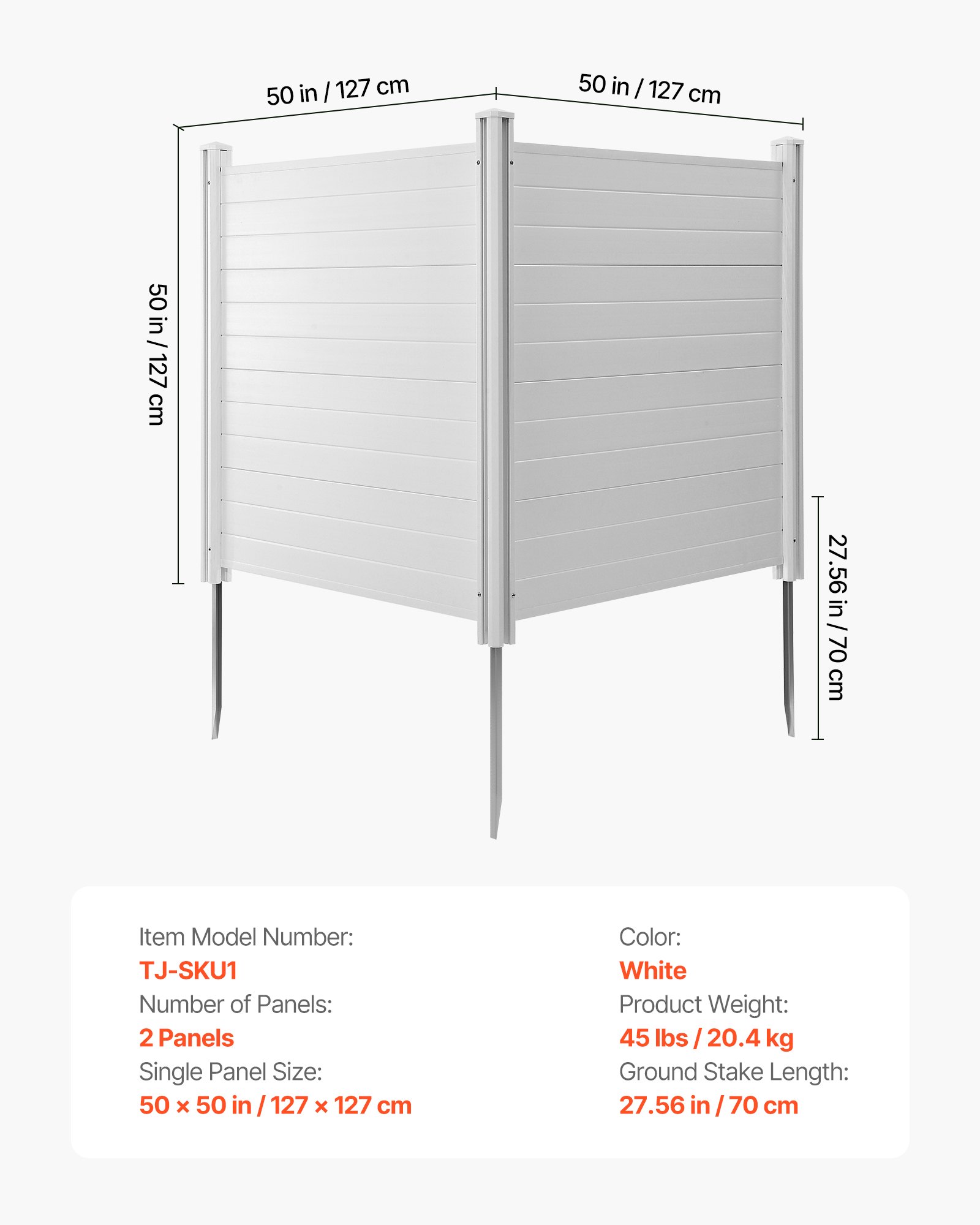 2 Panels Outdoor Privacy Screen, 50 X 50 In Air Conditioner Fence With 27.6 In Ground Stakes, Pool Equipment Enclosure, Horizontal Vinyl Ideal For Trash Can And A/C Units, White$142.99View on Mallflare
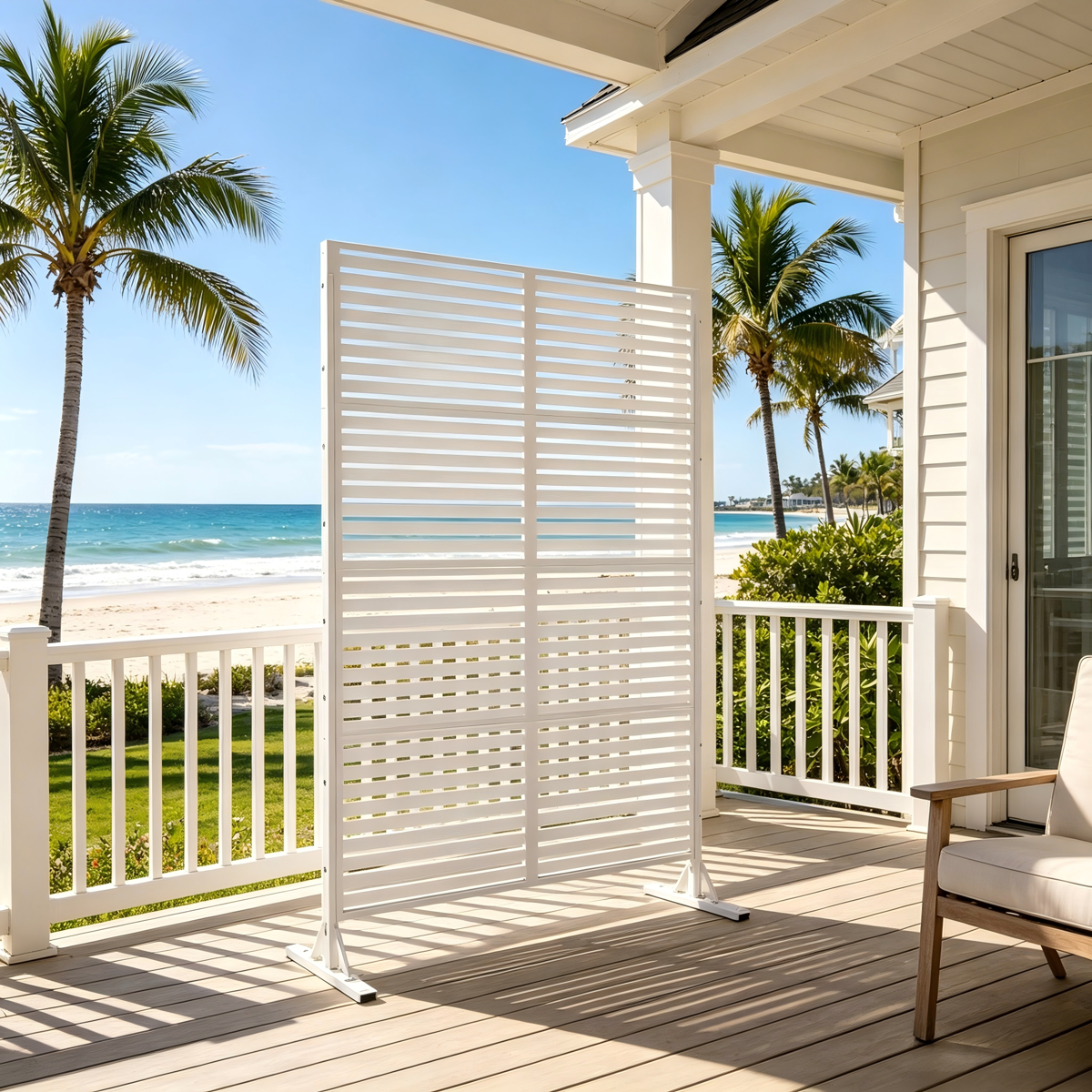 70.87" H × 46.06" W White Metal Privacy Screen, Freestanding Slatted Patio Divider Fence, Coastal & Beach House Decor, Indoor Room & Sunroom Partition, Kid Play Yard & Pet Safe Outdoor Deck Balcony Ba$146.99View on Mallflare
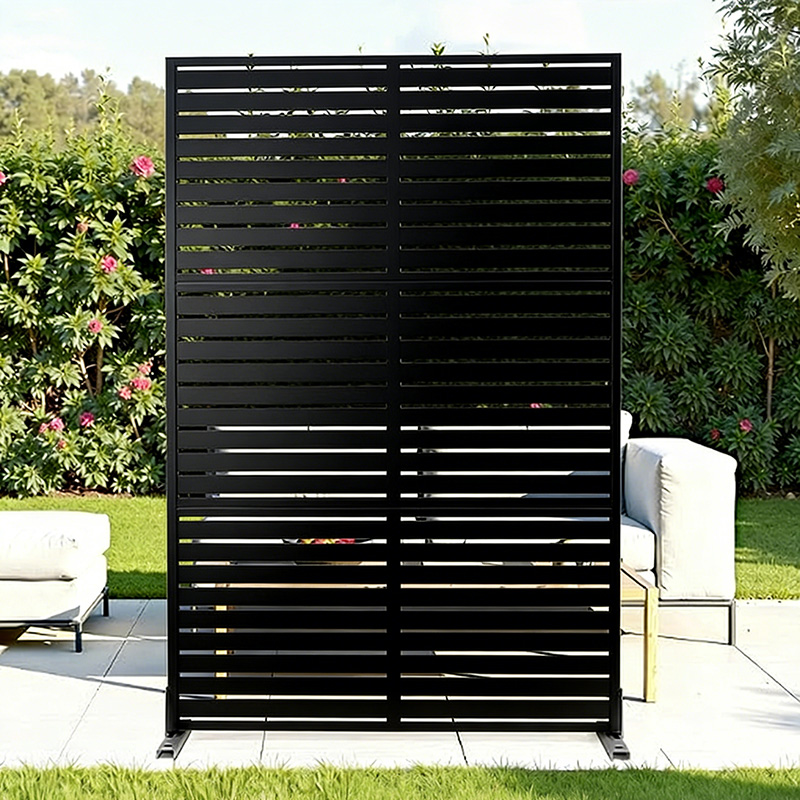 70.87" H × 46.06" W Black Metal Outdoor Privacy Screen, Freestanding Slatted Patio Decorative Fence Divider for Balcony Backyard Deck$146.99View on Mallflare
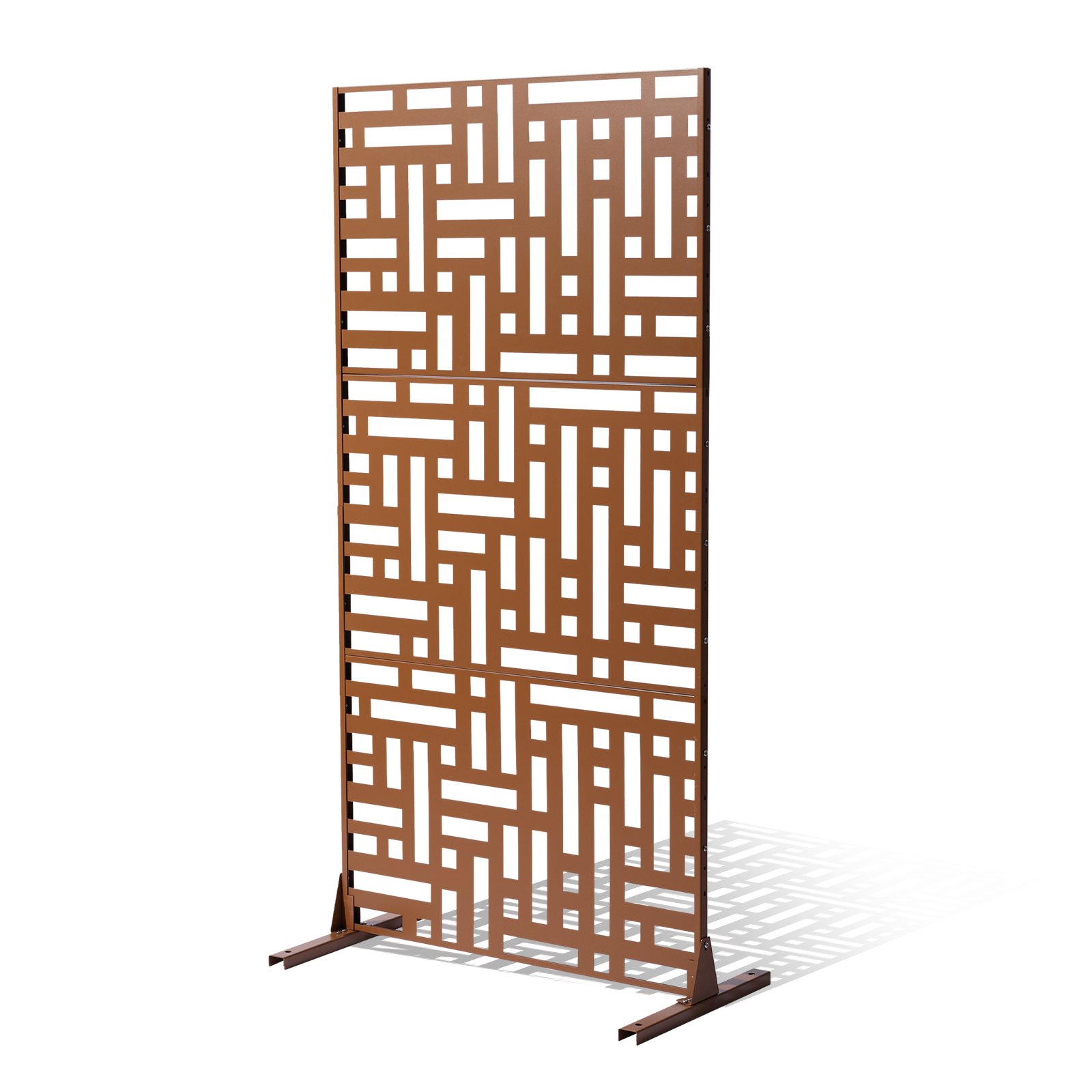 Metal Privacy Screen 47'x76' Outdoor Screens & Panels For Patio Brown$147.99View on Mallflare
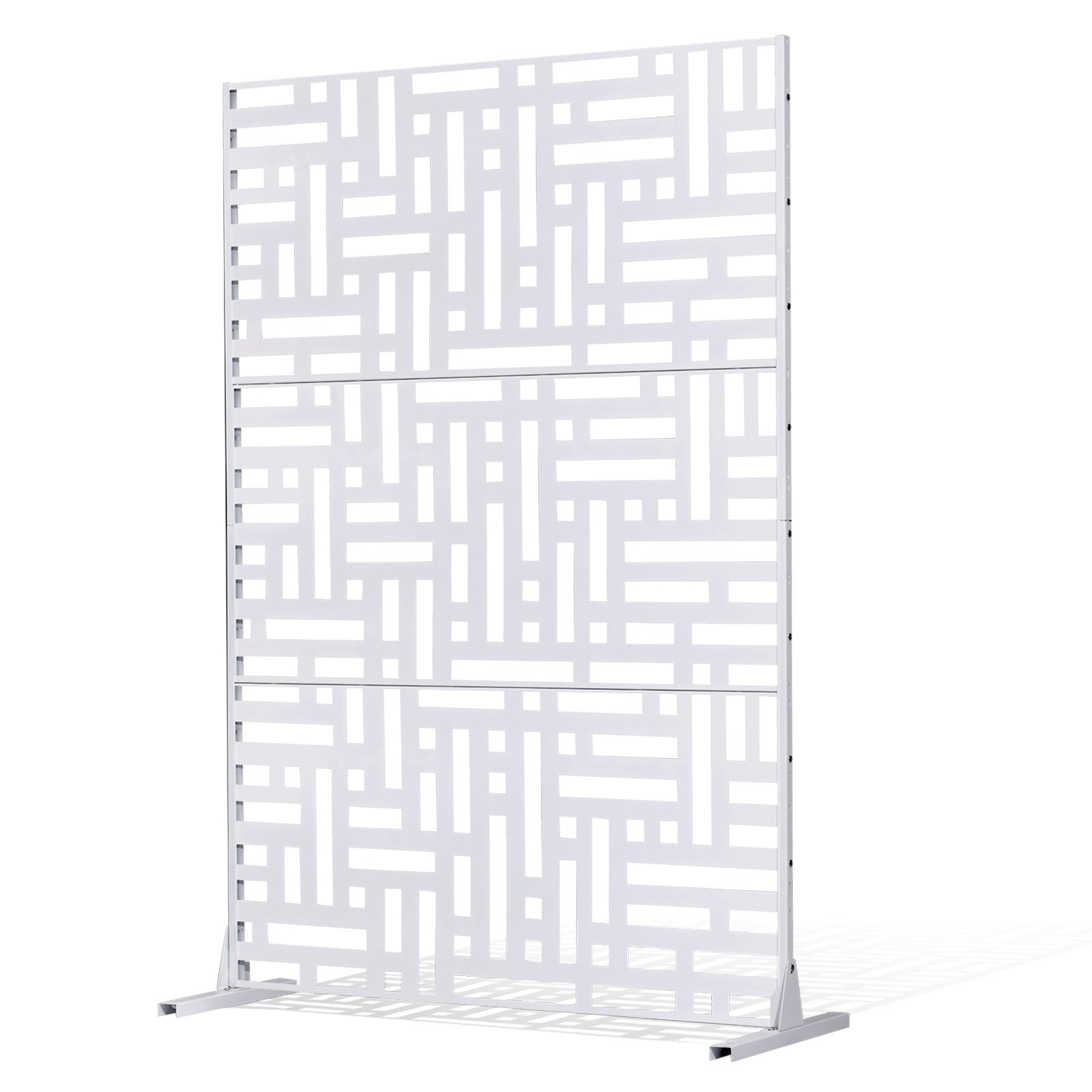 Metal Privacy Screen 47' X 76' Outdoor Screens & Panels For Patio White$152.99View on Mallflare
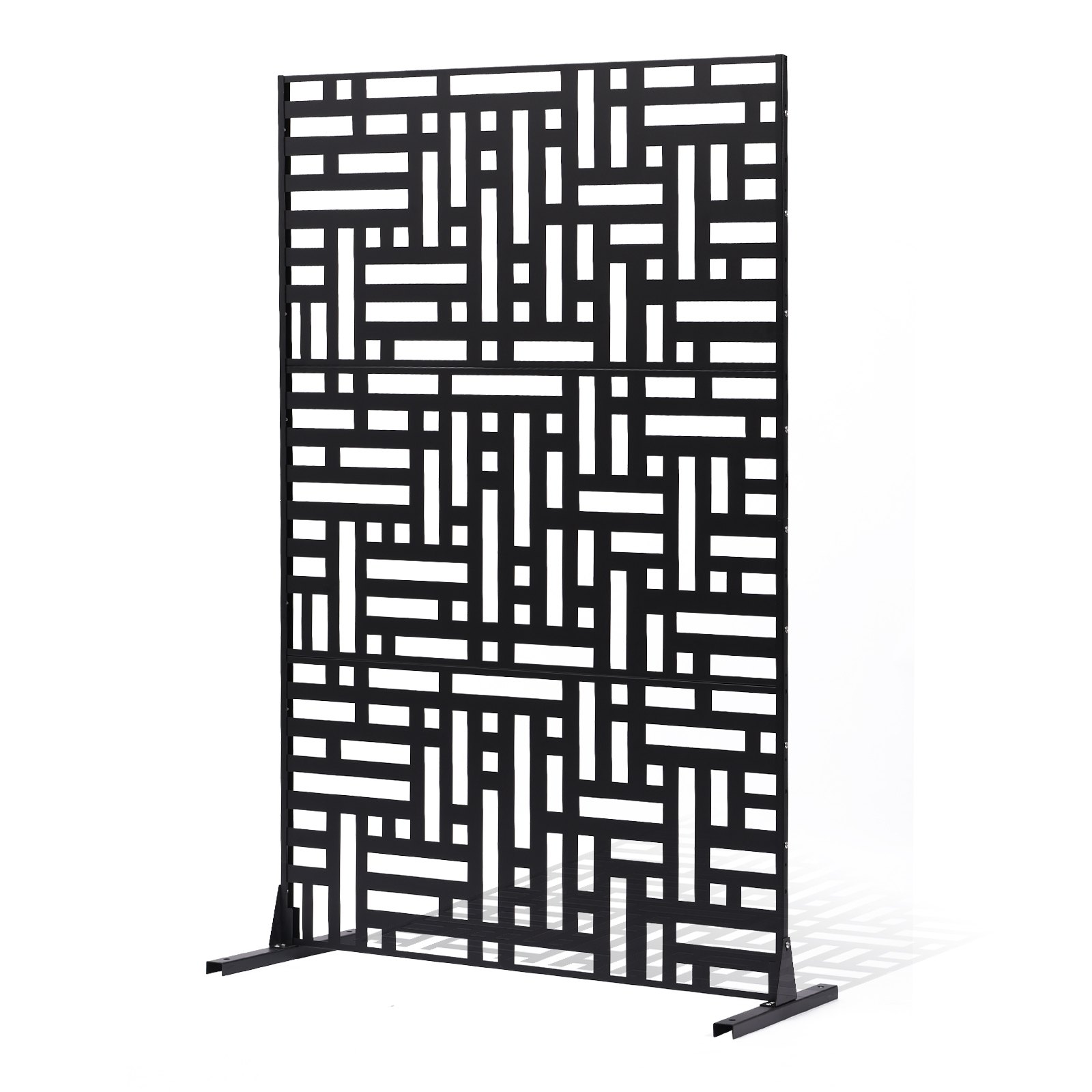 Metal Privacy Screen 47' X 76' Outdoor Screens & Panels For Patio Black$153.99View on Mallflare
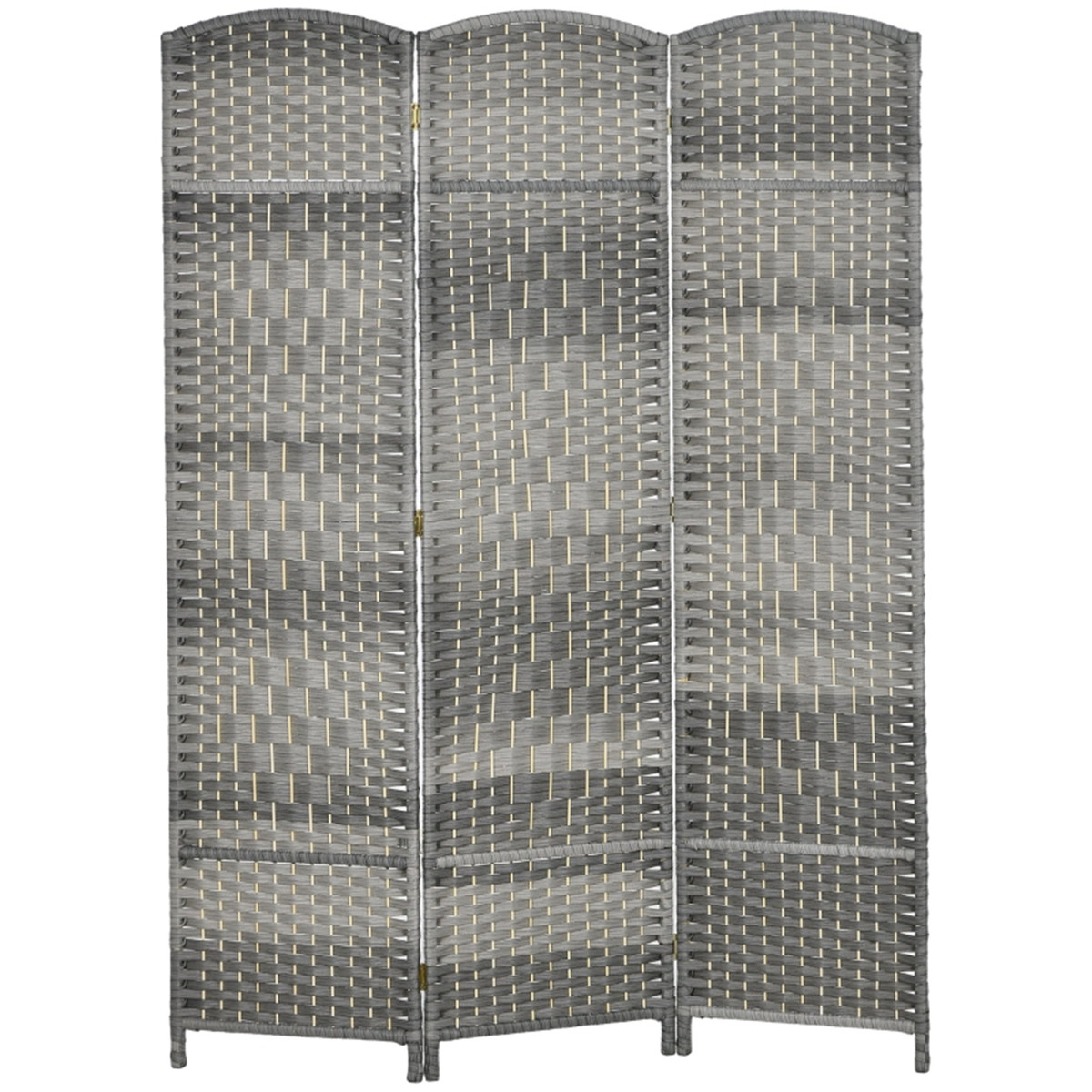 Outdoor Privacy Screen$171.99View on Mallflare
Highlights
- Rigid panel systems use interlocking posts with water- or sand-ballasted bases; a single empty base is manageable but weighs 50-80 lb filled, so panels are repositioned one at a time.
- Wind rating is set by base weight plus anchoring: open fabric screens pass wind, while solid panels must be staked or ballasted to resist uplift in gusts above 30 mph.
- Privacy fabric is rated by GSM and weave: 180-220 GSM woven HDPE blocks sightlines and resists UV fading, while sub-150 GSM material stretches and tears at grommets.
- Panel height determines coverage: 4 ft screens hide seated sightlines, 6 ft blocks standing eye-level views, and 8 ft requires stiffer posts or bracing to stay upright.
Best use cases
- Best fit: renters needing a temporary patio or hot-tub screen should pick ballasted rigid panels or weighted fabric with stakes; skip buried-post wood and lattice, which need excavation.
- Best fit: event and job-site screening should use pop-up accordion or fabric panels on weighted feet; skip heavy composite panels that need two people and a vehicle for each section.
- Best fit: exposed, windy yards need solid panels with sand-filled bases plus ground stakes or guy-lines; skip lightweight PVC fabric and thin pop-up frames that buckle in gusts.
- Wrong fit: permanent property-boundary privacy should use a code-compliant fence; portable screens are not substitutes for a structural fence in HOA or permit contexts.
Buying tips
- Match screen area to wind exposure: keep solid panel runs under about 6 ft tall in open sites, and choose open-weave fabric or slatted designs where gusts are routine.
- Calculate ballast: a filled water base is roughly 8.3 lb per gallon, so a 5-gallon base adds about 40 lb; use two bases or sand fill for 6 ft solid panels.
- Check post and panel connection: interlocking aluminum or steel posts with locking pins outlast push-fit plastic joints, which crack and loosen after repeated setup.
- Verify anchoring hardware: panels should include ground stakes or guy-line tabs; fabric screens need grommets every 12-18 in and reinforced edges to avoid tearing.
Specs
| Panel Style | Rigid panel / Fabric roll / Accordion |
|---|---|
| Height Range | 4 ft / 6 ft / 8 ft tiers |
| Anchoring Type | Ballasted base vs ground stakes |
| Fabric Weight | 150-220 GSM woven HDPE |
Related searches
What to check before buying
- Measure the run and gate location first; order enough panels to cover the span plus one panel for corners, since most systems cannot bend without a corner post.
- Confirm ground type: stakes need soil or lawn, while ballasted bases work on patios and decks; rocky or hard ground requires weighted feet instead of stakes.
- Check the base footprint and filled weight against your storage and doorway clearance; a filled 5-gallon base is bulky and heavy to move through a standard door.
- Confirm panel height against local sightline and HOA rules; many HOAs cap temporary screening at 6 ft and restrict solid vs open-weave materials.
FAQ
Data sources: eBay / Amazon listings and product attribute feeds. Updated Nov 29, 2026.
Some links on this page are affiliate links. If you buy after clicking one, we may earn a commission at no extra cost to you. This does not change which products appear here or their order. Affiliate disclosure.