
Photos from current listings. Actual item, color, and included accessories may vary.
Plant Pot Buying Guide
Plant pots are rigid containers that hold growing media and roots, and the segment splits into porous natural materials (terracotta, unglazed ceramic, fabric) that breathe and non-porous materials (glazed ceramic, plastic, metal) that seal in moisture. The primary trade-off is breathability and weight versus moisture retention and weather resistance: porous pots dry faster and suit succulents and orchids, while sealed pots suit moisture-loving tropicals and outdoor exposure. The decision rule is simple—match the pot's drainage, porosity, and frost rating to the plant's root needs and the pot's exposure, because a sealed pot without drainage is a root-rot compromise regardless of style.
Median $142.99
Key takeaways
- Drainage is the non-negotiable spec: pots need at least one hole (ideally 3+ or a raised center hole) plus a saucer; sealed decorative cachepots require a nursery pot insert with its own drainage.
- Fabric grow bags (5-3 gallon) air-prune roots and dry fast—ideal for tomatoes and vegetables—while glazed ceramic and plastic retain moisture longer for ferns and tropicals.
- Terracotta and unglazed ceramic wick moisture through the wall, dropping watering frequency needs but risking salt buildup; glazed ceramic and metal are sealed and frost-crack risk rises with trapped water.
At a glance
- Category
- Raised Garden Beds & Planters
- Last updated
- Nov 28, 2026
Current offers
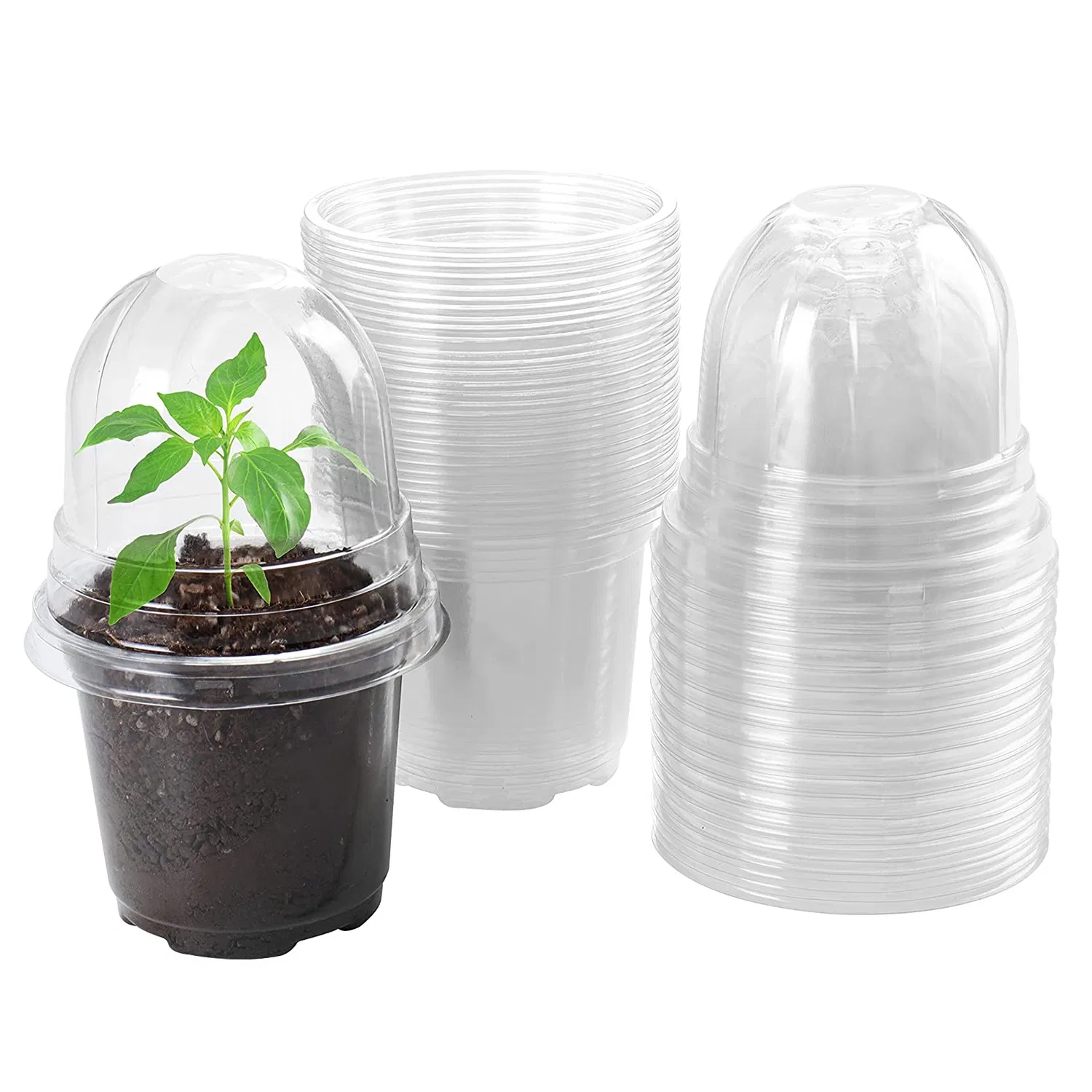 30Pcs Plant Nursery Pots PET Flower Seed Starting Container with Dome Drainage Holes$30.99View on Mallflare
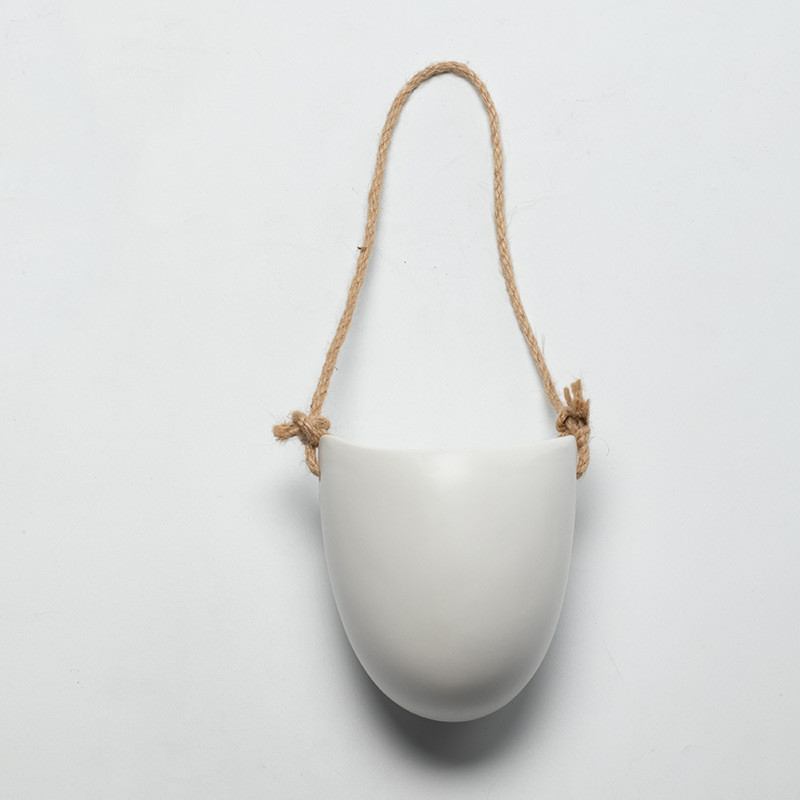 Wall-mounted Flower Pot Half Wall Ceramic Green Plant Free Perforation Balcony$31.99View on Mallflare
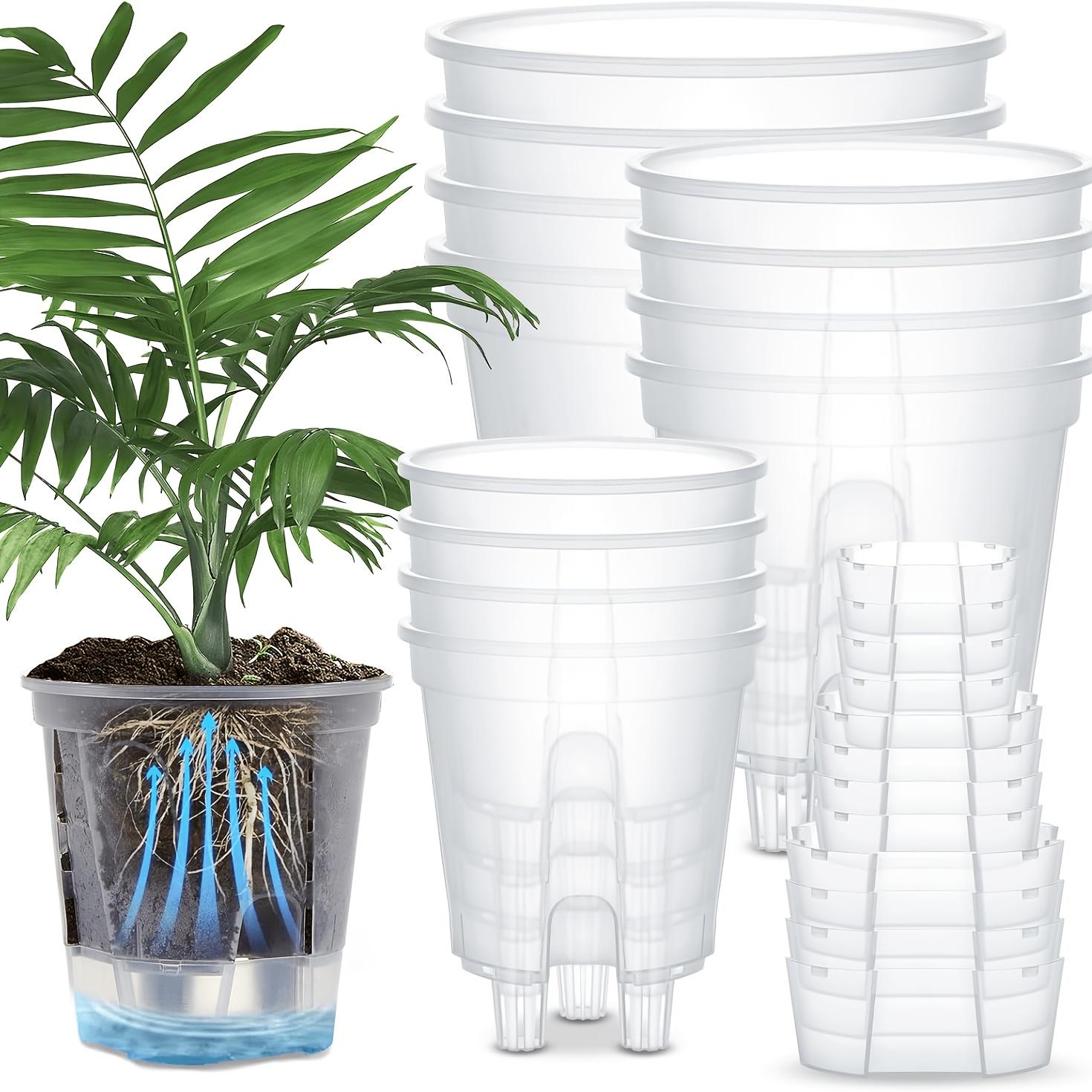 12 Pack Clear Self Watering Plant Pots, Transparent Root Viewing Planters With Water Storage Reservoir, Indoor Plastic Nursery For Orchid, Succulent$37.99View on Mallflare
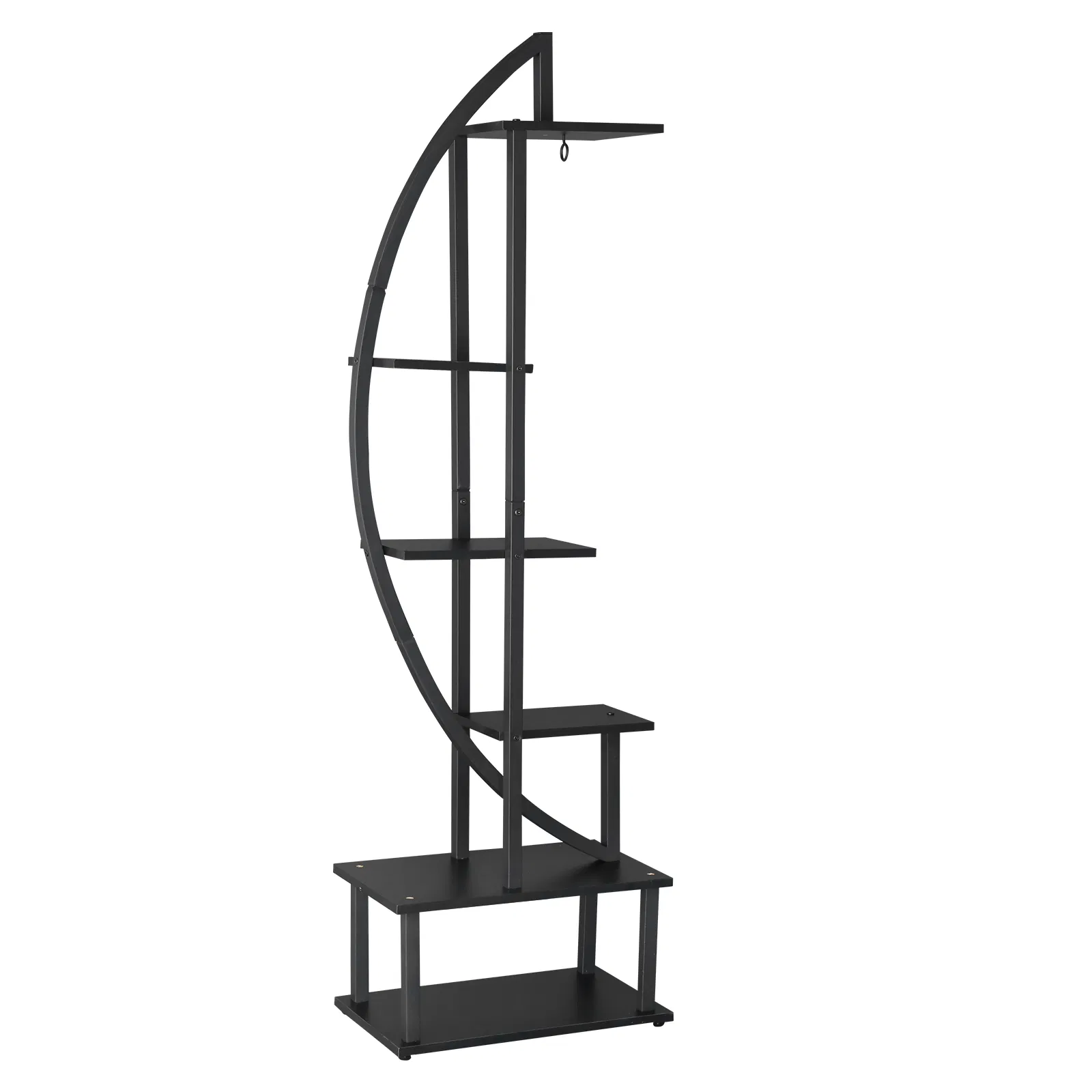 6th Floor Half Moon Ironwood Suitable For Garden Balcony Patio Lawn Home Decoration Plant Stand Flower Pot Iron Black$70.99View on Mallflare
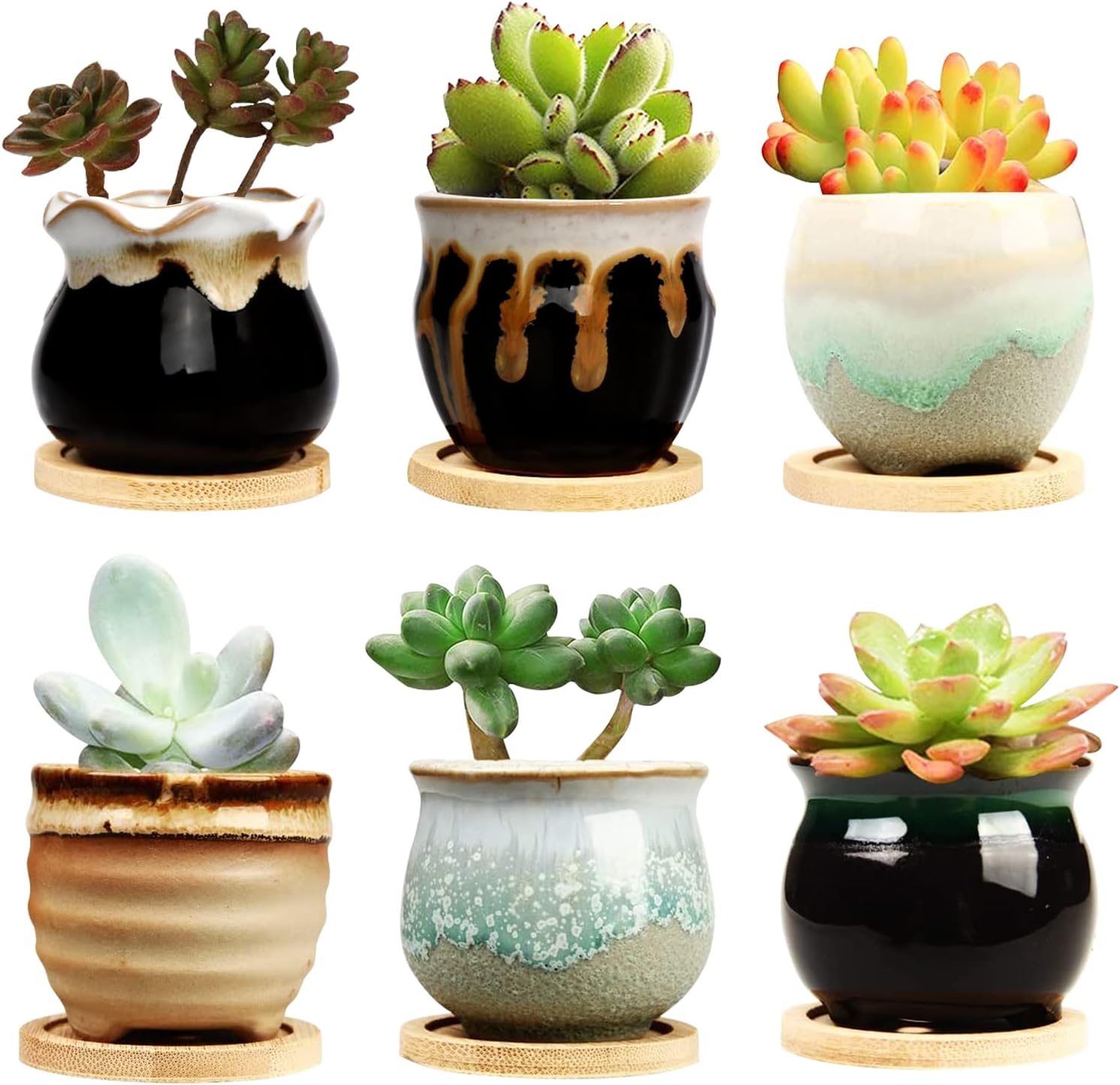 Ceramic Succulent Pot 2.1 Inch, Mini Plant Pot And Small Flower Planter For Succulents, Cactus, Desk And Home Decor$70.99View on Mallflare
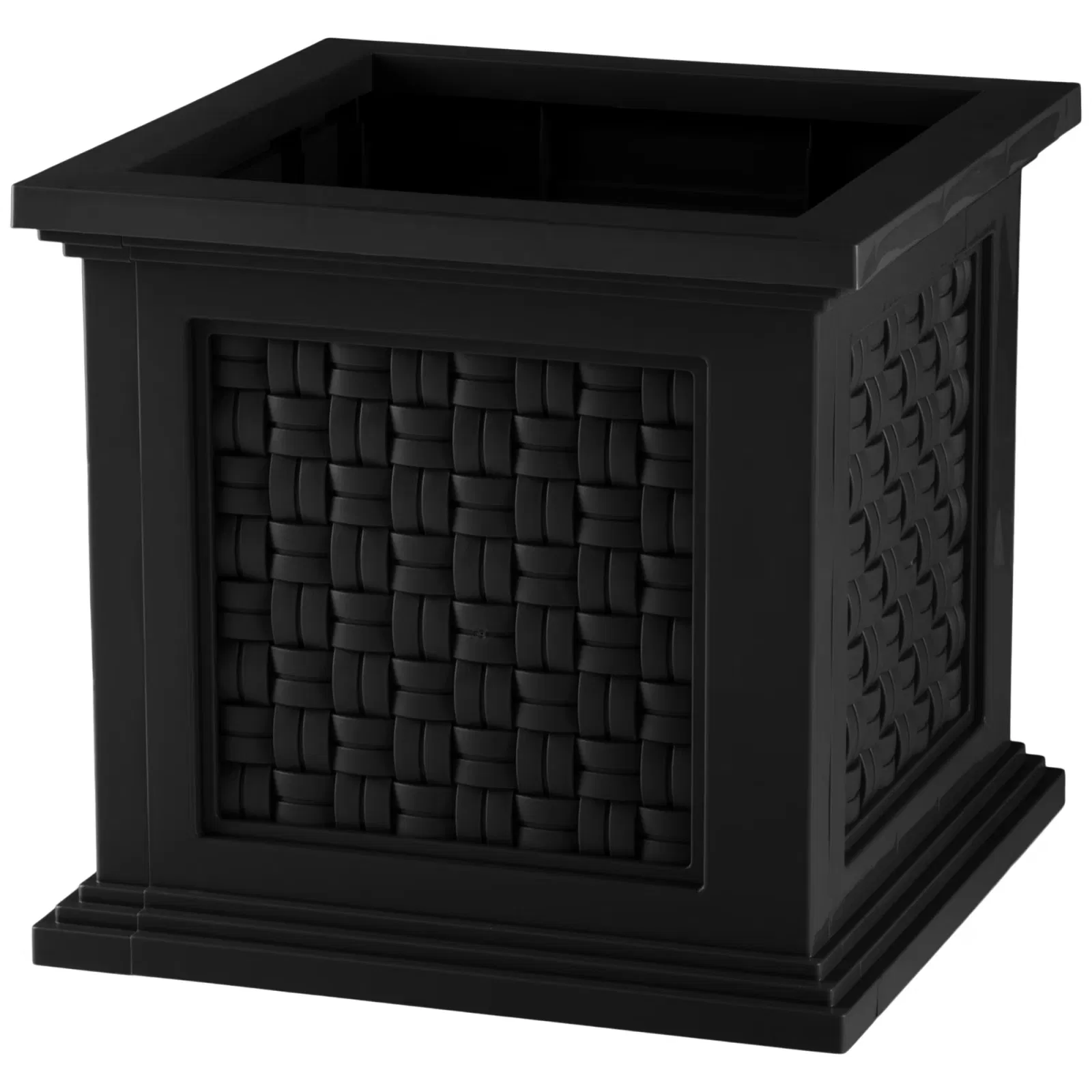 Outdoor Rattan Style Planter Box - 14.65-Inch Plant Pot, Black$87.99View on Mallflare
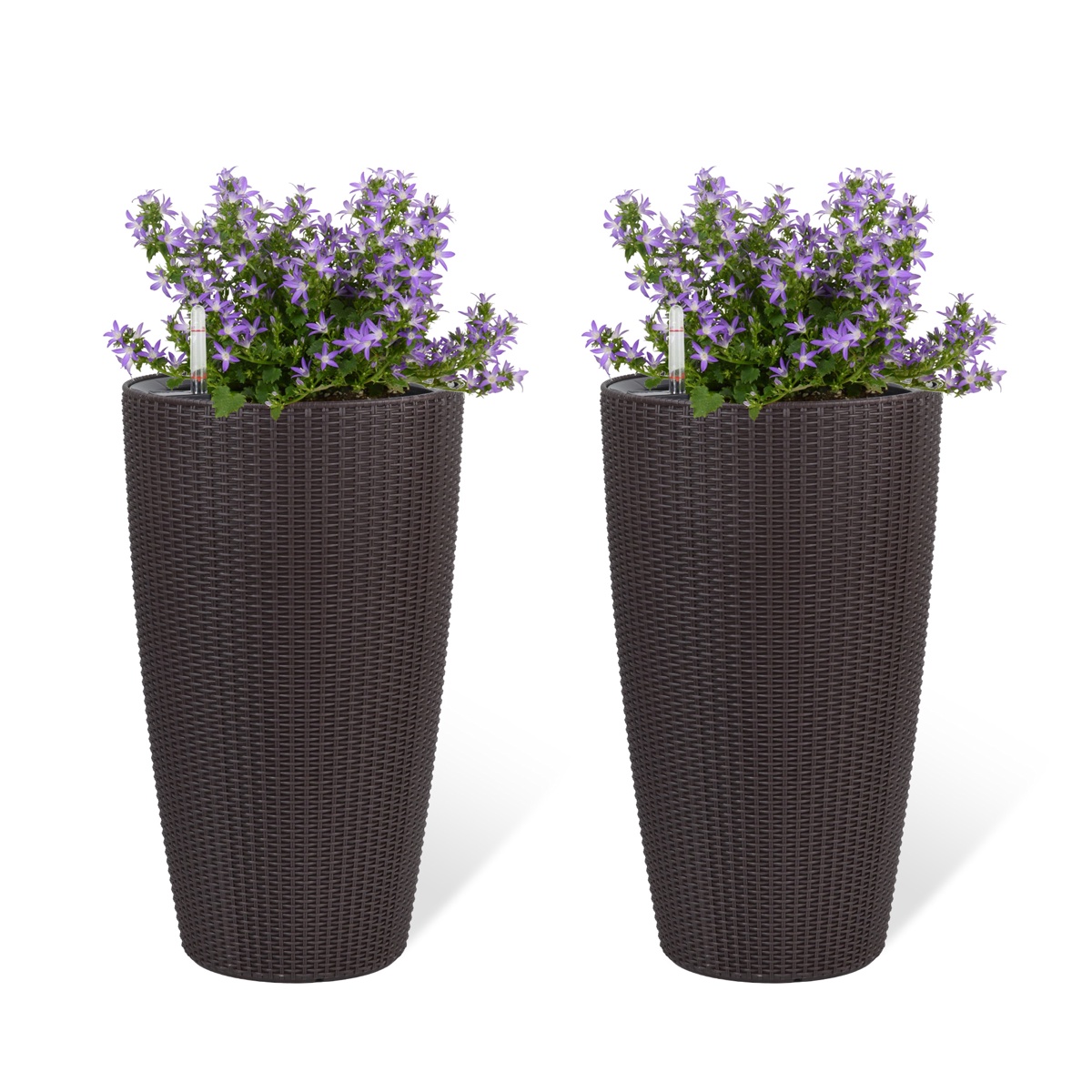 Set Of 2 Faux Rattan Tall Planters Outdoor Indoor Large With Water Level Monitor Inner Bucket, Automatic Watering, Flower Plant Pots For Garden, Patio, Porch, Brown, 22 Inch$112.99View on Mallflare
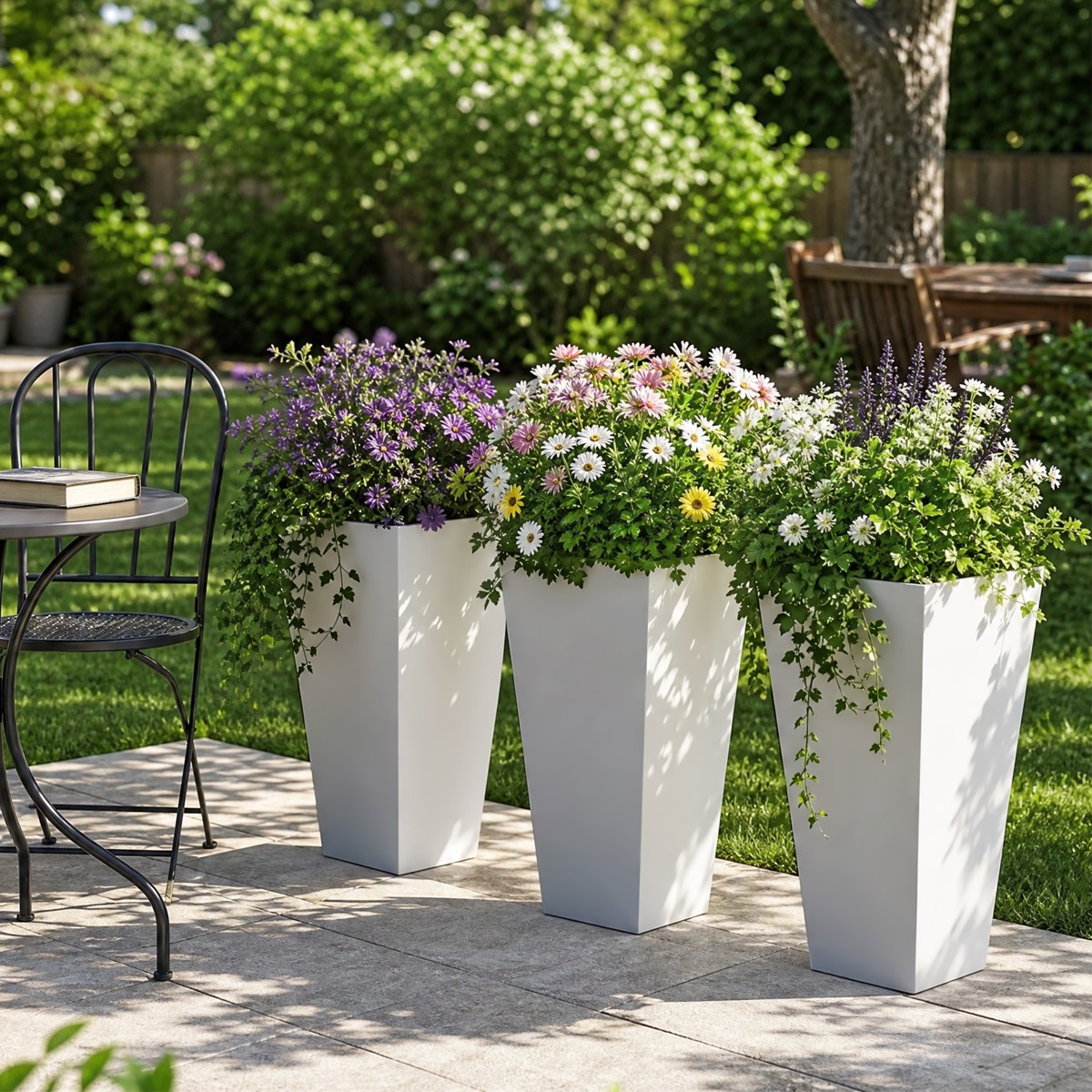 Tall Planters for Outdoor Plants Set of 3, 28 In Taper with Drainage Holes, Indoor Large Plant Pots, White$122.99View on Mallflare
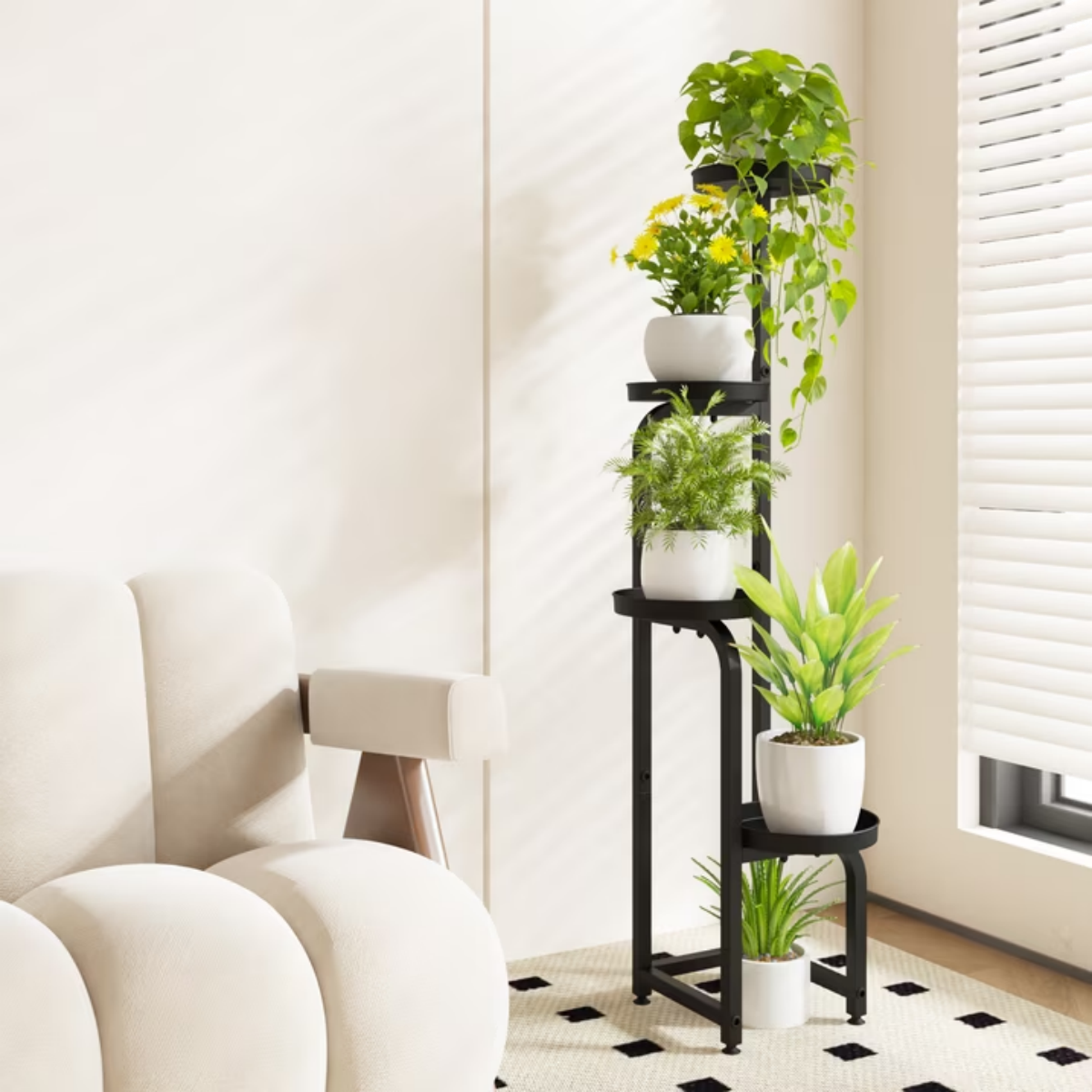 Tall Plant Stand Indoor Outdoor, Corner Metal Flower Pot Stands for Multiple Plants, 4 Tier Heavy Duty Shelf for Patio Garden Balcony Living Room Bedroom$122.99View on Mallflare
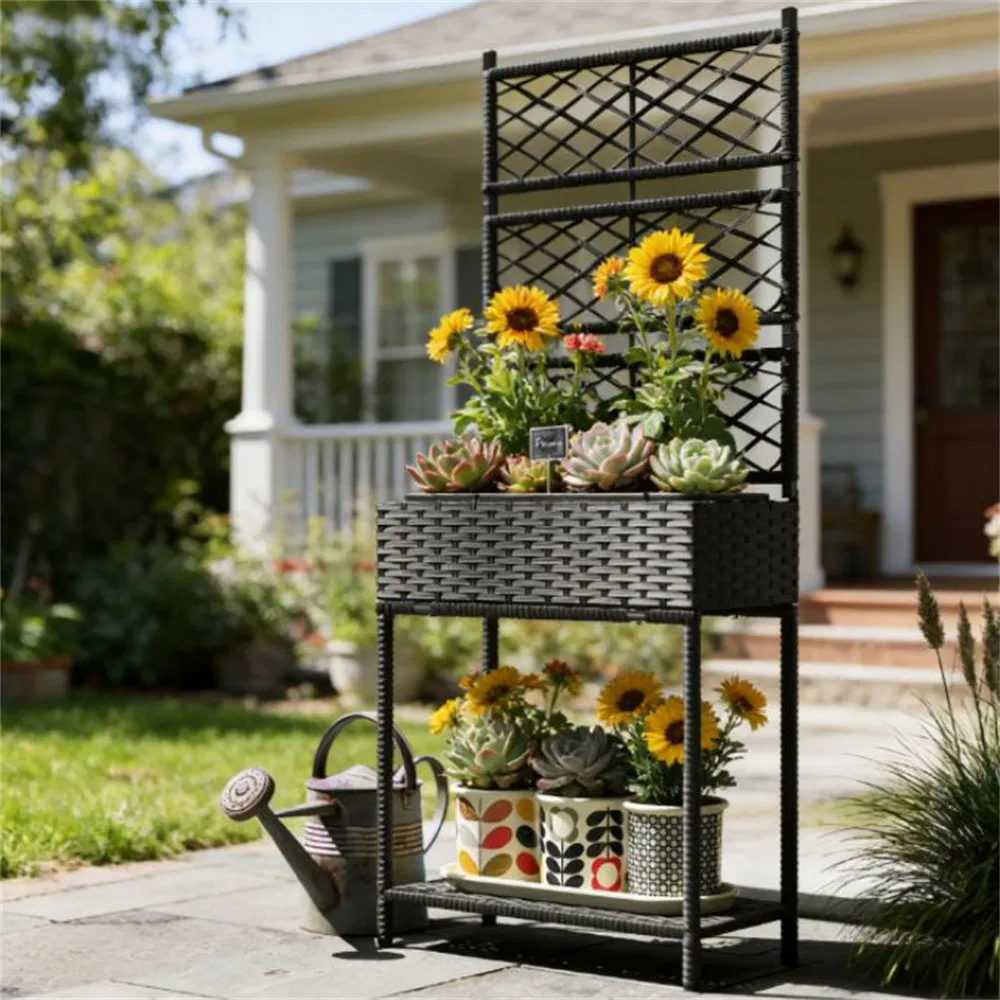 Outdoor flower pot, plant rack, garden box, planting box, bed, black$140.99View on Mallflare
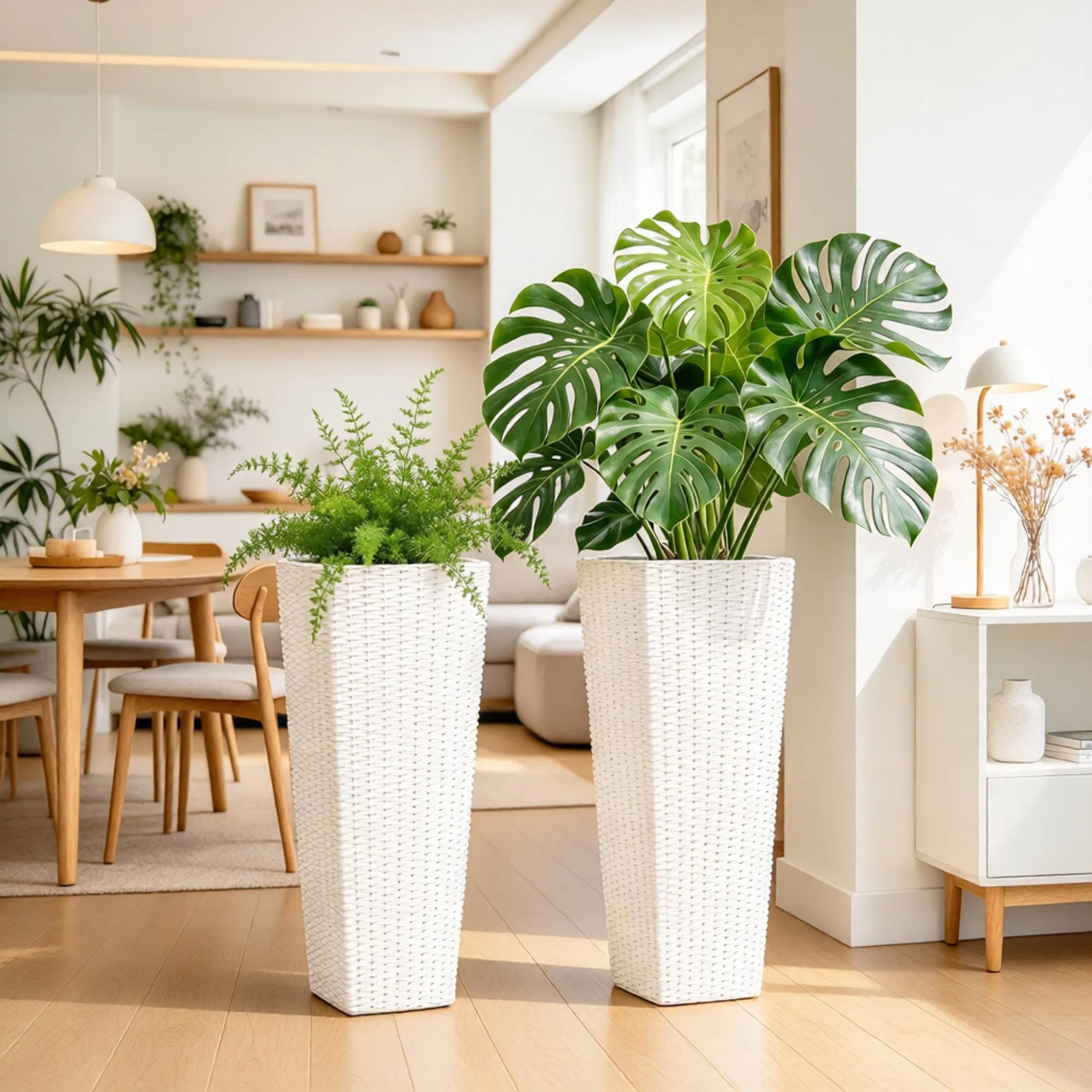 Set of 2 Tall Planters 32 Inch, Plastic Flower Pots for Outdoor Plants with Drainage Holes, White$144.99View on Mallflare
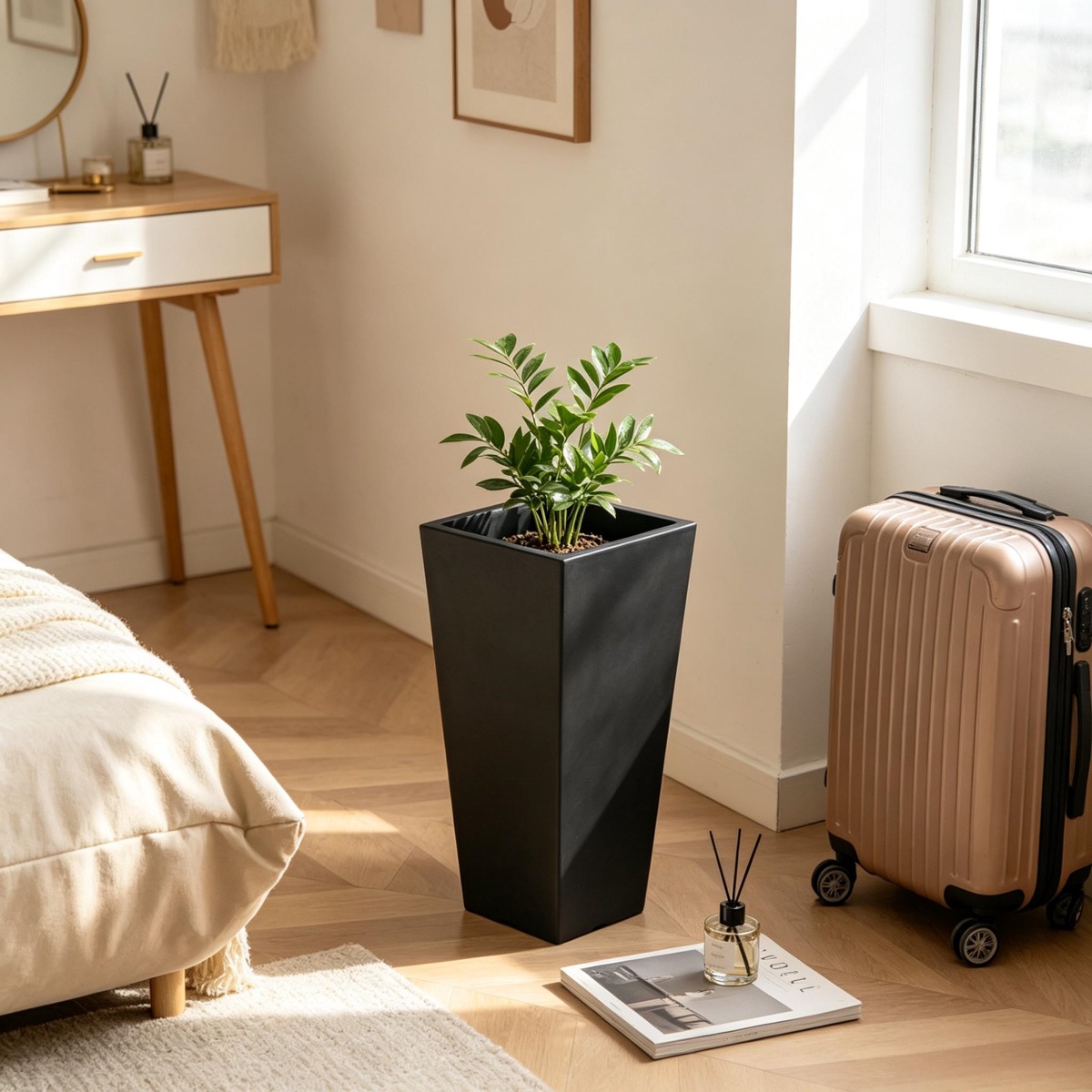 2-Pack 22" Tall Tapered Square Planters, Black Modern Plant Pots with Built-in Drainage, for Outdoor & Indoor Plants, Trees & Flowers$159.99View on Mallflare
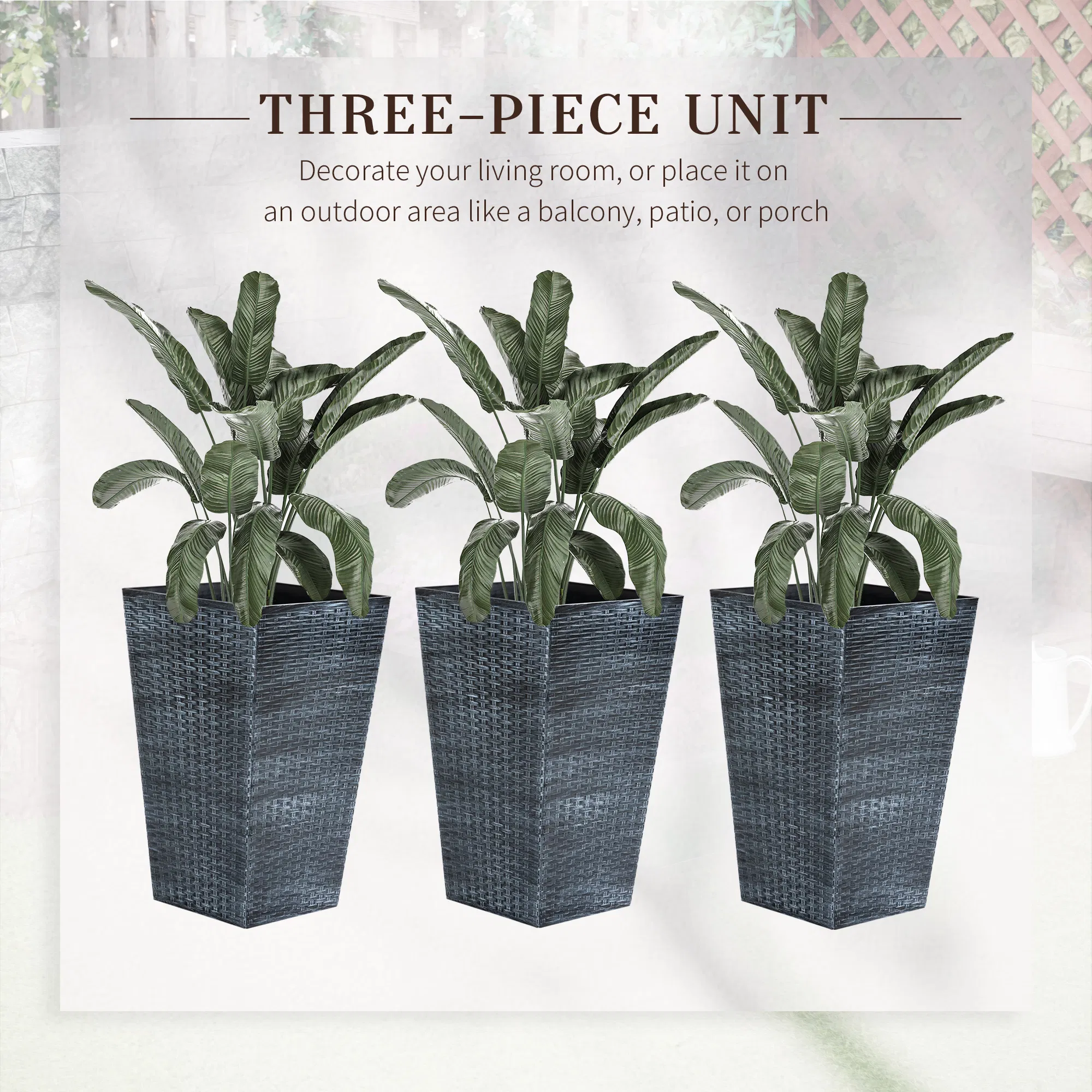 Set of 3 Tall Planters with Drainage Hole, 24" Outdoor Flower Plant Pots, Indoor for Porch, Front Door, Entryway, Patio and Deck, Gray$176.99View on Mallflare
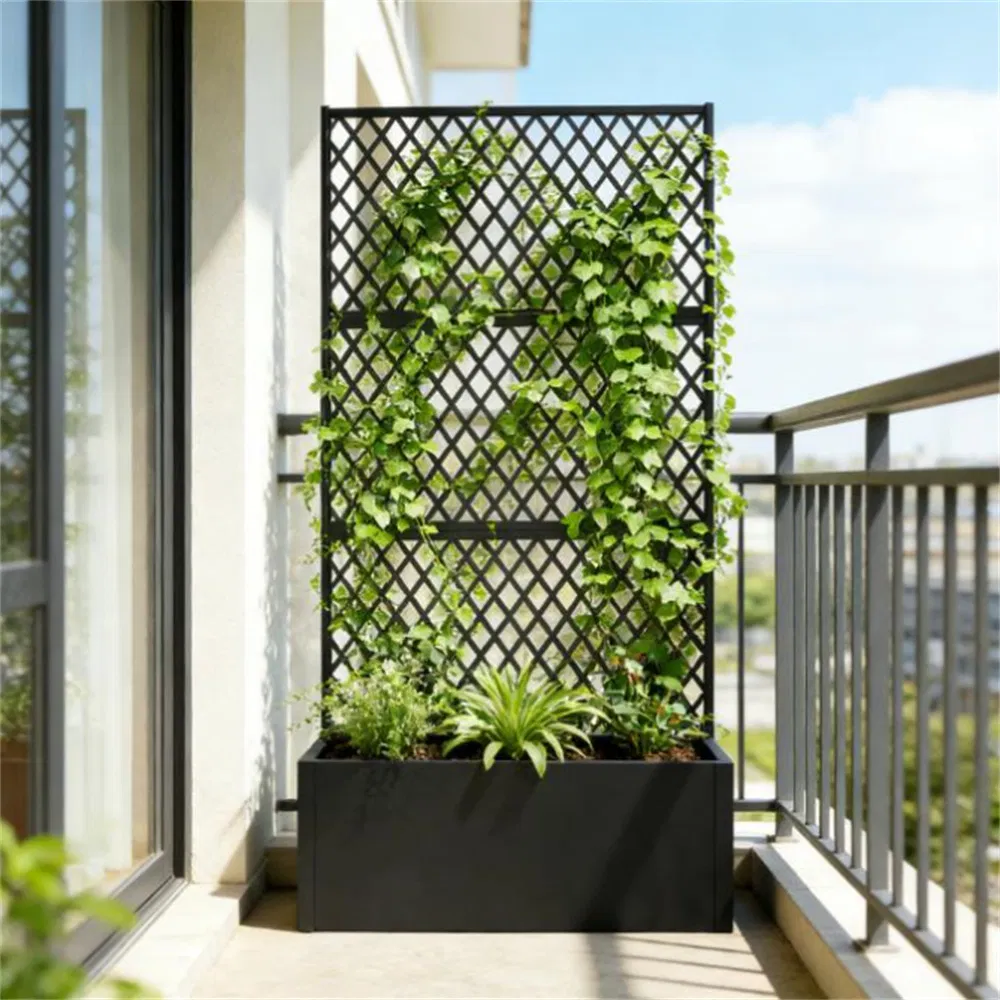 Flower racks, pots, plant garden elevated beds$193.99View on Mallflare
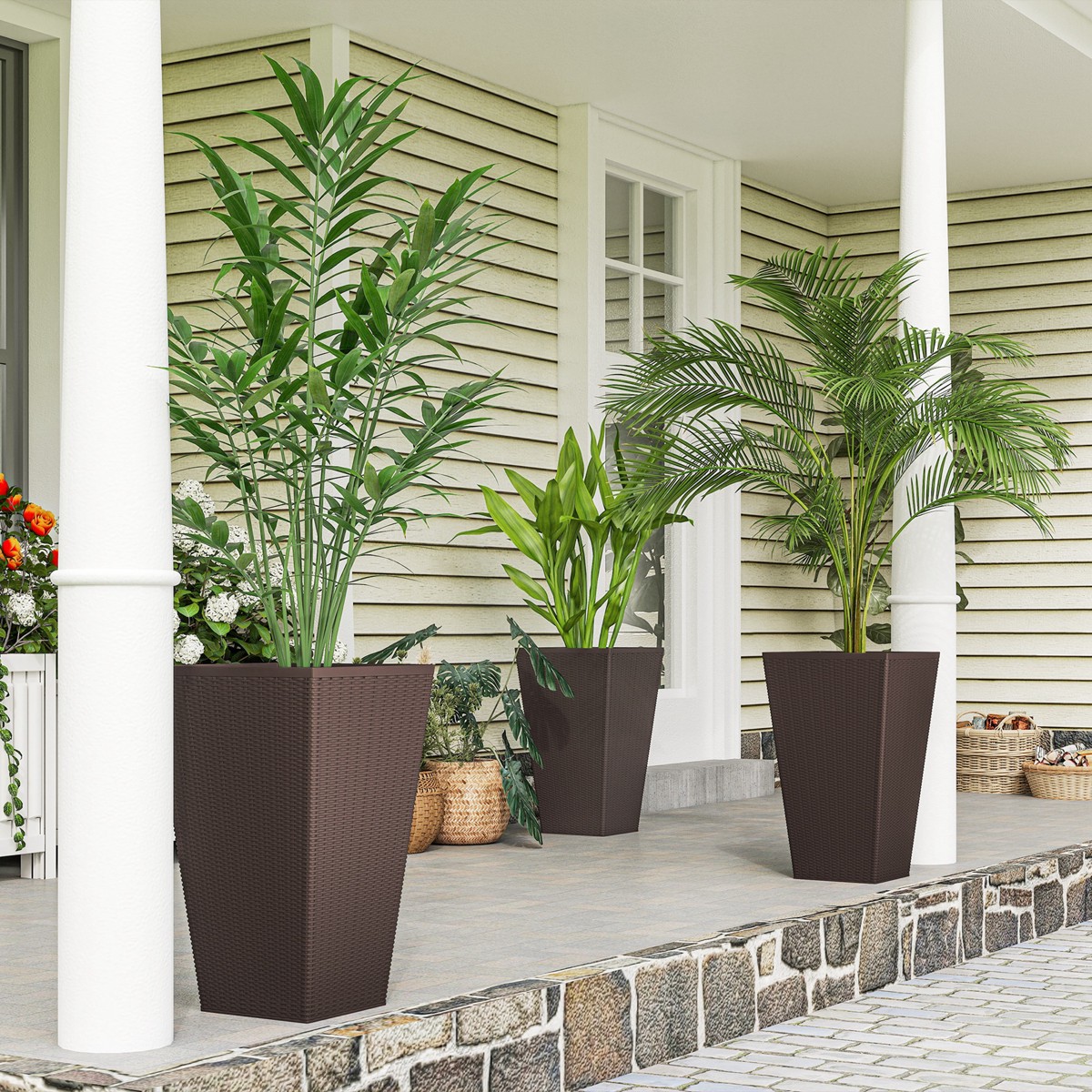 Set of 3 Tall Planters with Drainage Hole, 24" Outdoor Flower Plant Pots, Indoor for Porch, Front Door, Entryway, Patio and Deck, Brown$198.99View on Mallflare
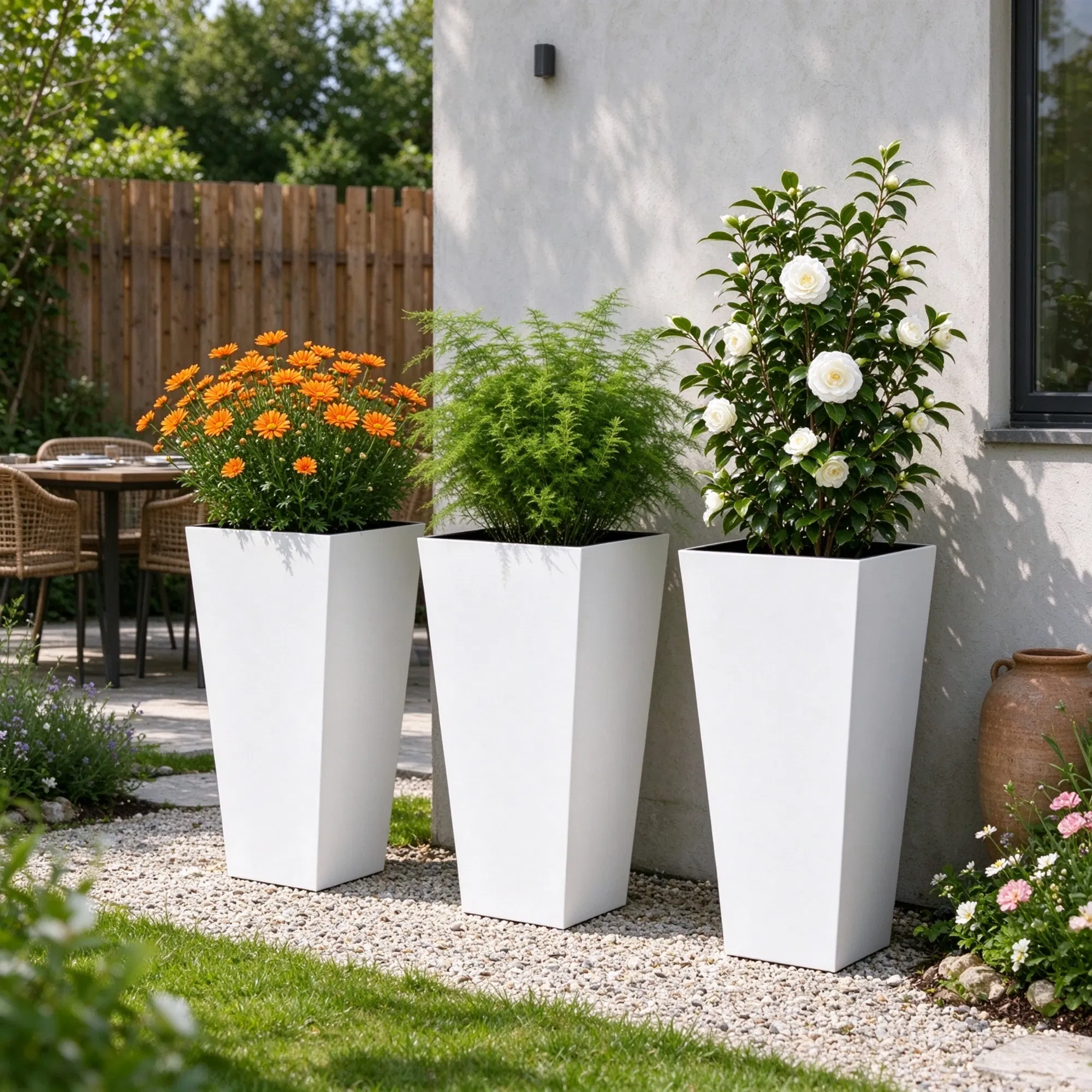 White Tall Planters for Outdoor Plants, Set of 3, 28 Inch Taper with Drainage Holes, Large Indoor Plant Pots$203.99View on Mallflare
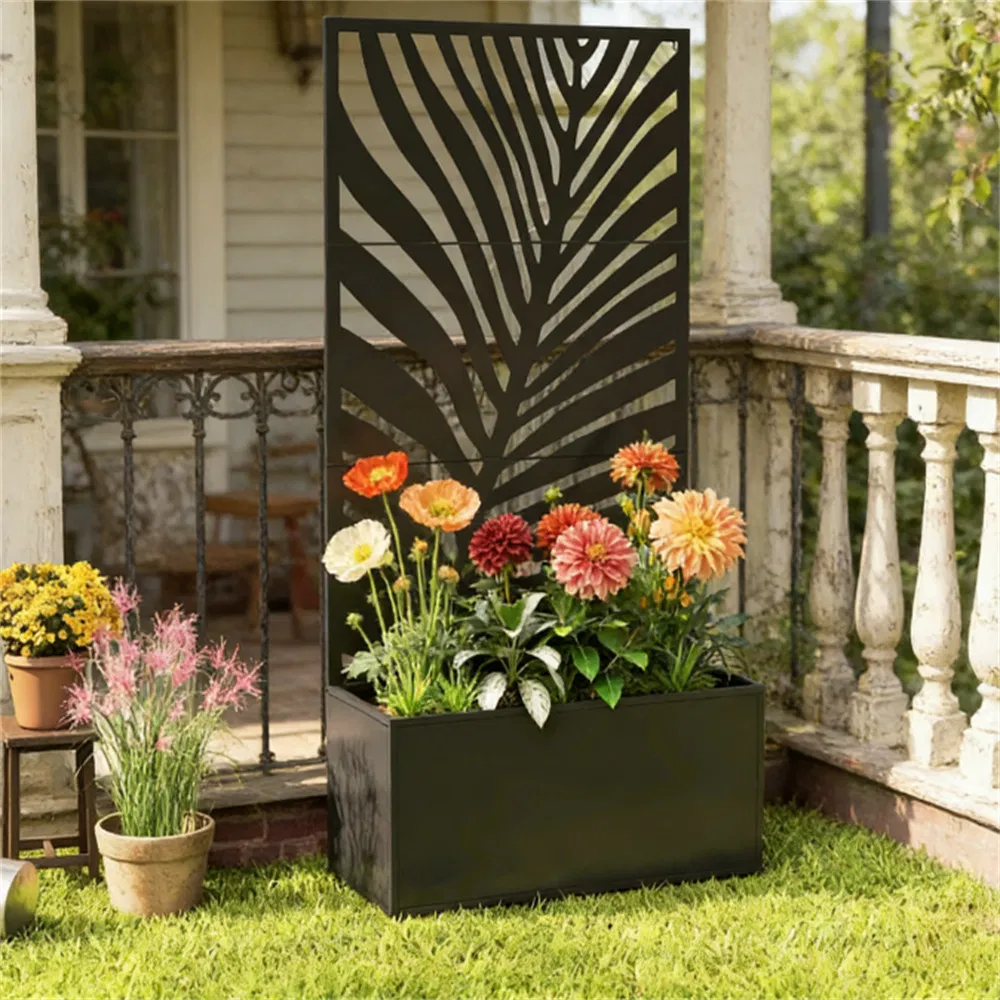 Metal flower pots, elevated garden beds, plant racks$215.99View on Mallflare
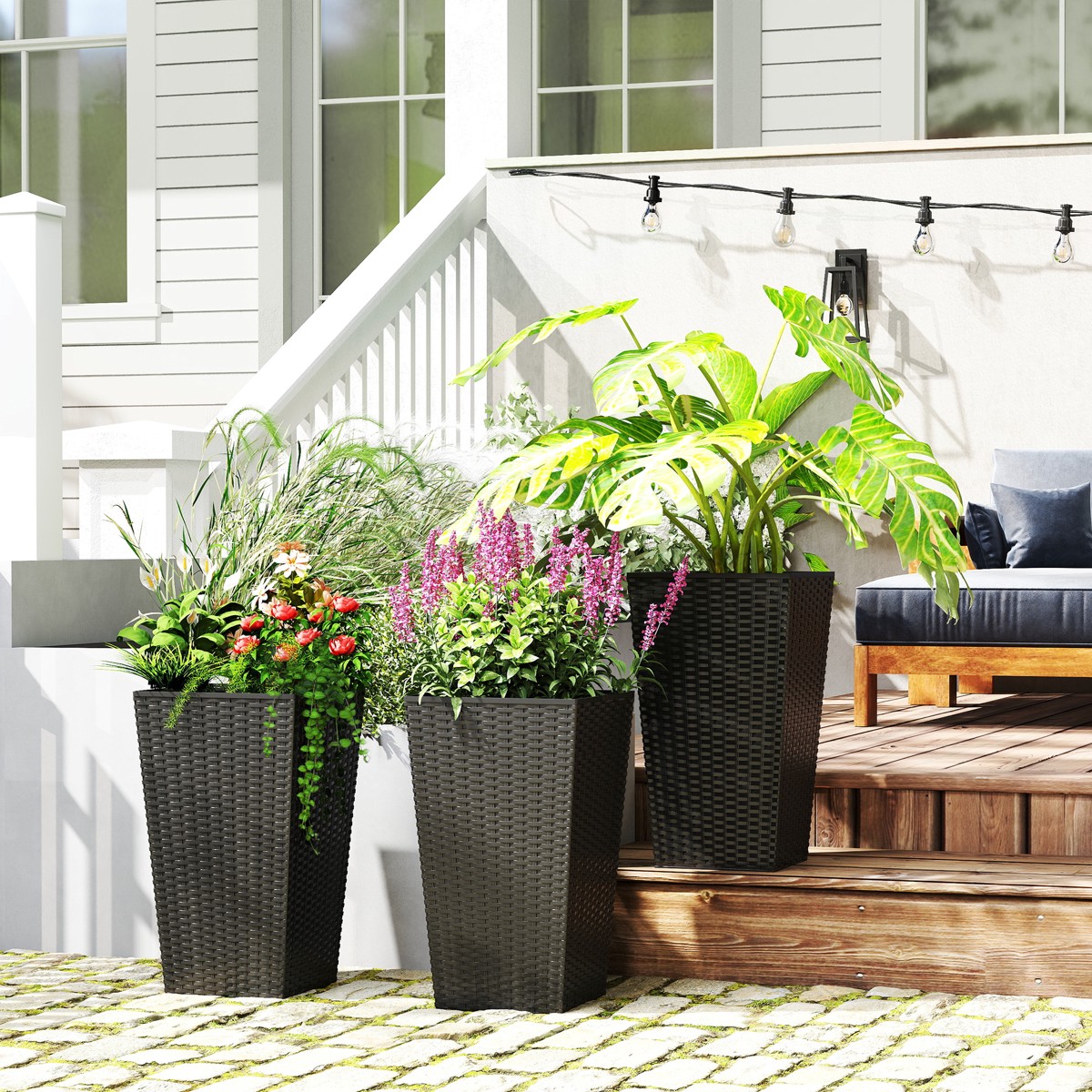 Tall Planters for Outdoor Plants Set of 3, 24 In Taper with Drainage Holes, Rattan Decor Plant Pots for Indoor Front Porch Patio Backyard, Black$225.99View on Mallflare
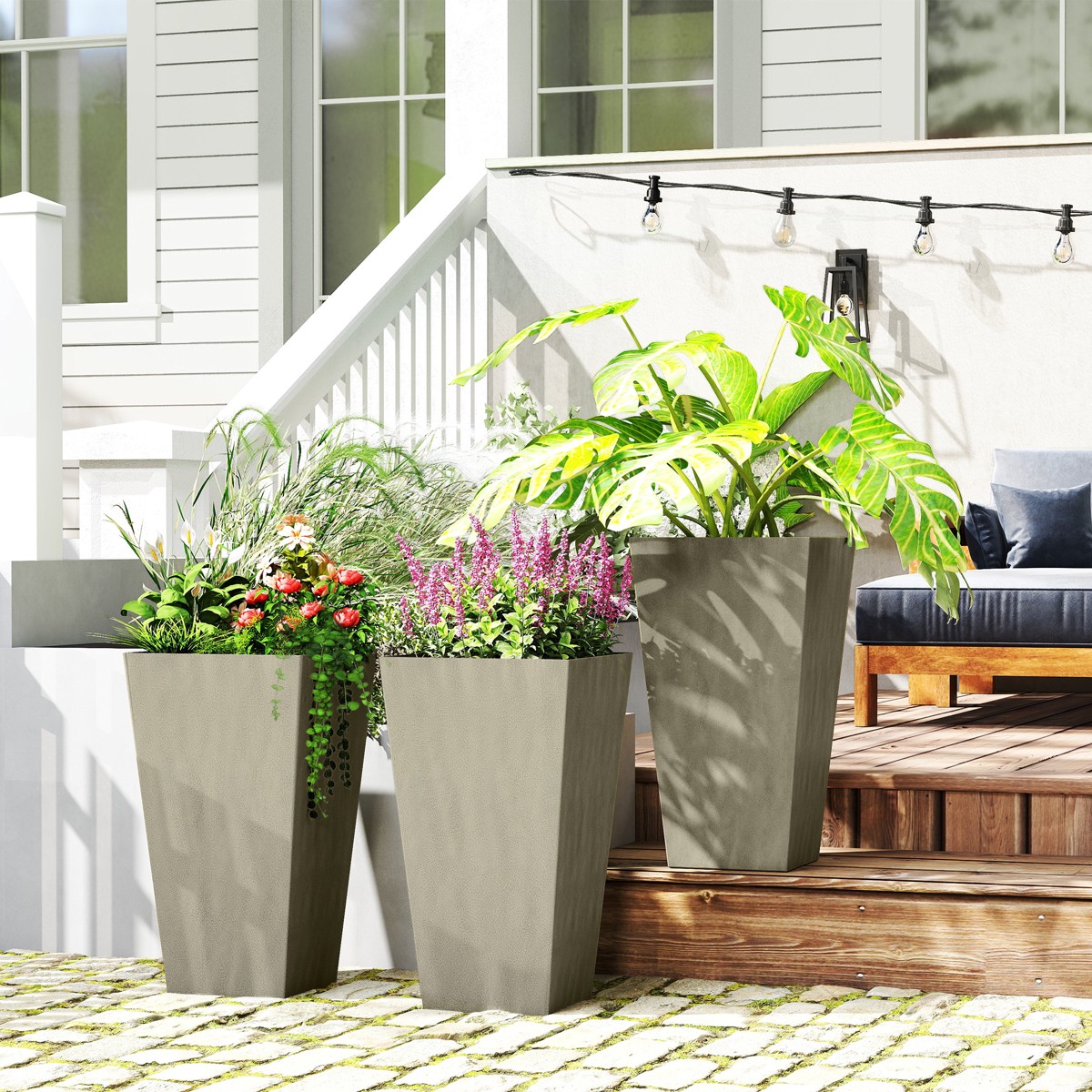 Tall Planters for Outdoor Plants Set of 3, 28 In Taper with Drainage Holes, Indoor Grande Plant Pots, Front Porch Decor, Grey$229.99View on Mallflare
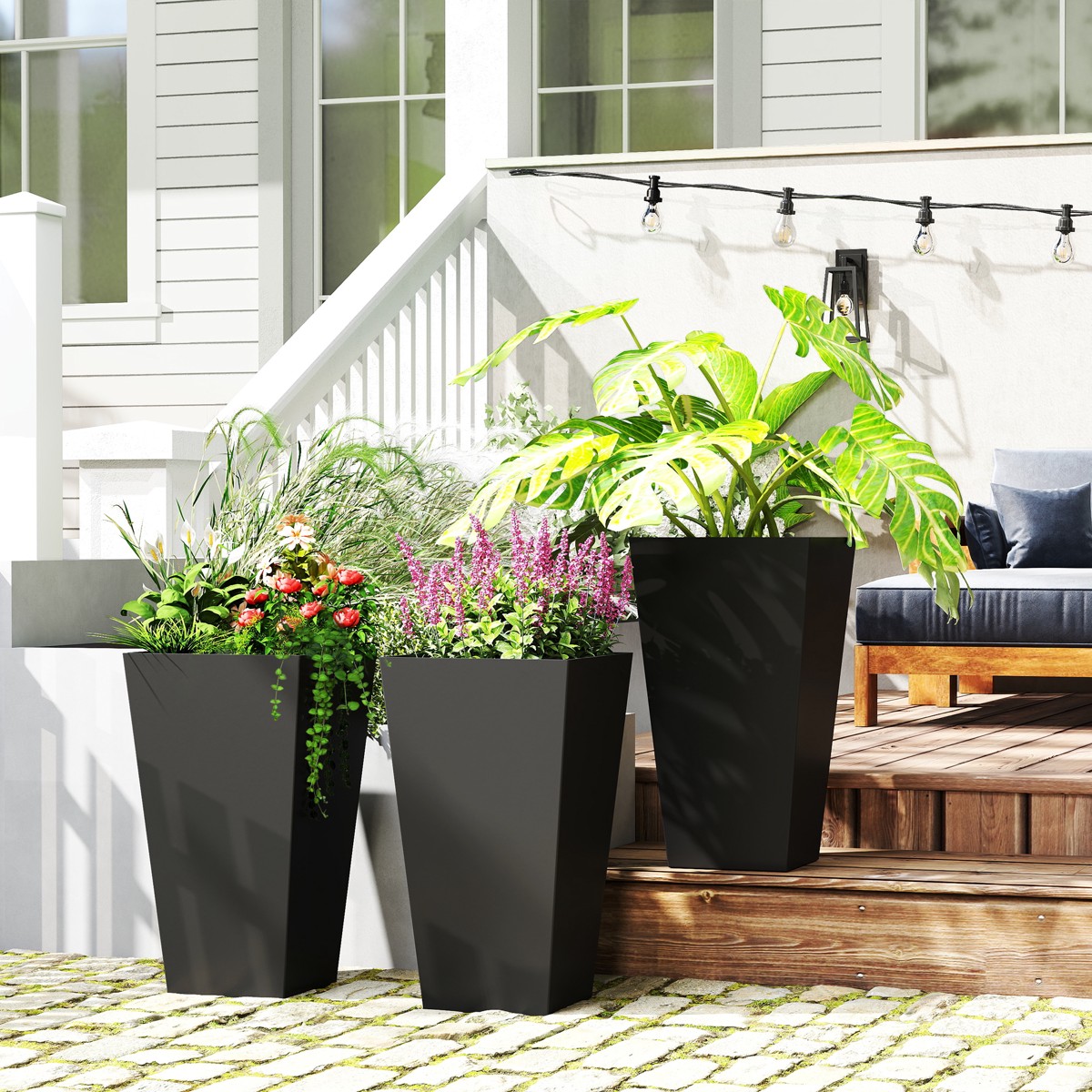 Tall Planters for Outdoor Plants Set of 3, 28 In Taper with Drainage Holes, Indoor Grande Plant Pots, Front Porch Decor, Black$295.99View on Mallflare
Highlights
- Drainage is the non-negotiable spec: pots need at least one hole (ideally 3+ or a raised center hole) plus a saucer; sealed decorative cachepots require a nursery pot insert with its own drainage.
- Fabric grow bags (5-3 gallon) air-prune roots and dry fast—ideal for tomatoes and vegetables—while glazed ceramic and plastic retain moisture longer for ferns and tropicals.
- Terracotta and unglazed ceramic wick moisture through the wall, dropping watering frequency needs but risking salt buildup; glazed ceramic and metal are sealed and frost-crack risk rises with trapped water.
- Outdoor tall planters (22-28 in) need UV-stabilized resin or metal with drainage and a frost-safe rating; lightweight resin needs ballast or a wide base to resist wind tipping.
Best use cases
- Best fit: 22-28 in tall outdoor planters in UV-stable resin or powder-coated metal with drainage for porches and entryways; skip thin unglazed ceramic outdoors in freezing climates.
- Best fit: 5-gallon (approx. 14-16 in diameter) fabric grow bags for tomatoes, peppers, and vegetables; skip fabric for succulents that need fast-drying mineral mix in a rigid pot.
- Best fit: 2-4 in mini ceramic or terracotta pots for succulents, cacti, and desk decor with gritty mix; skip these for moisture-loving ferns that need 6+ in pots and consistent moisture.
- Best fit: self-watering pots with a reservoir and water-level monitor for orchids and busy owners; skip them for succulents, which rot in constant moisture.
Buying tips
- Size by root volume: pick a pot 1-2 in wider than the current root ball; going from a 4 in to a 10 in pot overshoots and waterlogs soil—step up gradually (4→6→8 in).
- For outdoor vegetables, use 5-gallon (approx. 14-16 in) fabric or plastic pots per tomato plant; 3-gallon suits peppers and herbs, and 1-2 gallon suits lettuce and seedlings.
- Choose terracotta or unglazed ceramic for succulents and orchids (breathable), and glazed ceramic, plastic, or metal for ferns, peace lilies, and other moisture lovers.
- Outdoor pots need UV-stabilized resin or powder-coated metal plus drainage; in freezing zones choose frost-rated stone or thick resin and avoid thin glazed ceramic that cracks.
Specs
| Material | Terracotta / Ceramic / Plastic / Metal / Fabric |
|---|---|
| Drainage | Holes + saucer vs sealed cachepot |
| Outdoor Rating | UV-stable + frost-safe vs indoor-only |
| Pot Size | 2-4 in mini to 22-28 in tall planters |
Related searches
What to check before buying
- Measure the plant's current root ball and the final pot's top diameter and depth; the new pot should be 1-2 in wider and deep enough to cover roots with 1 in of soil headroom.
- Confirm drainage holes and a matching saucer or tray; for cachepots and self-watering designs, confirm an inner nursery pot or reservoir with overflow.
- For outdoor use, check the pot's UV/frost rating and add ballast (sand or gravel) to lightweight tall planters to resist wind.
- Match potting mix to pot porosity: gritty fast-draining mix for terracotta and fabric, moisture-retentive mix for glazed and plastic; check that the pot fits your shelf, sill, or balcony rail.
FAQ
Data sources: eBay / Amazon listings and product attribute feeds. Updated Nov 28, 2026.
Some links on this page are affiliate links. If you buy after clicking one, we may earn a commission at no extra cost to you. This does not change which products appear here or their order. Affiliate disclosure.