GardenPulse Guide

GardenPulse Guide

Garden, Yard & Outdoor Living Reviews & Buying Guides

Compare garden, yard & outdoor living by use case, features, trade-offs, price, returns, and seller terms before you buy.

Buying guides

Buying guide image
Chicken Coops & Runs

Walk In Chicken Run With Roof

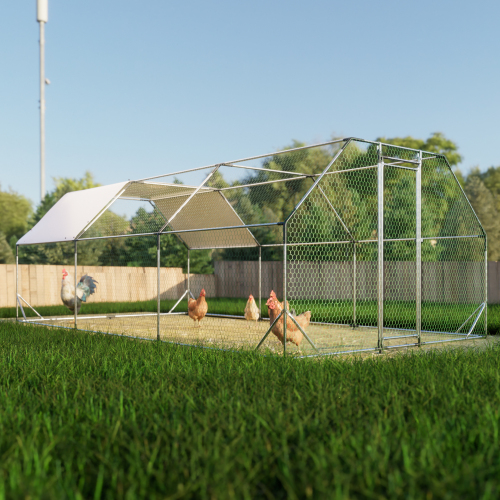
Walk-in chicken runs with roofs solve the two biggest flock-keeping problems at once: human access for cleaning and egg collection, and weather protection that keeps feed and bedding dry. The structural decisions—tubing gauge, roof style, and footprint depth—matter far more than cosmetic extras, because a run that flexes in wind or sags under snow load will fail within a season. Most buyers misjudge footprint versus flock size and end up with a run that is tall enough to enter but too shallow to keep hens from feather-pecking.
Buying guide image
Chicken Coops & Runs

Metal Walk Chicken Run

A metal walk-in chicken run solves the two biggest failure points of backyard poultry: predator access from above and human access for cleaning and feeding. The category splits cleanly by tube gauge, roof style (spire, dome, flat), and footprint length, so the right pick depends on flock count and how much snow, wind, or hawk pressure your site carries. Most buyer mistakes trace to undersizing the footprint, accepting thin 0.8mm tubing that bends under wind load, and skipping a ground-level skirt that lets diggers in.

Buying guide image
Patio Furniture

Garden Table Set

A garden table set pairs a table with matching seating—bistro (2 seats), dining (4–6), or bench-style picnic configurations—built from metal, wood, rattan, or fabric-cushioned frames. The core trade-off is weather durability vs. initial cost: powder-coated aluminum and solid acacia resist rust and rot, while thin steel, hollow rattan, and untreated pine degrade within a season or two. Decide by frame material and joinery first; cushion fabric and tabletop grade second.

Buying guide image
Chicken Feeders & Waterers

Chicken Feeder

Chicken feeders range from simple gravity troughs to port-based no-waste systems, and the primary trade-off is feed capacity versus waste and predator protection. Durable feeders use galvanized steel or UV-stabilized plastic with sealed lids and anti-rodent latches, while compromise units rely on thin plastic, open troughs, and friction-fit lids. The decision rule: match capacity to flock size (about 0.25 lb per bird per day), choose port or treadle designs for outdoor runs, and skip open troughs unless you feed measured rations daily.

Buying guide image
Greenhouse & Hydroponics

Grow Light

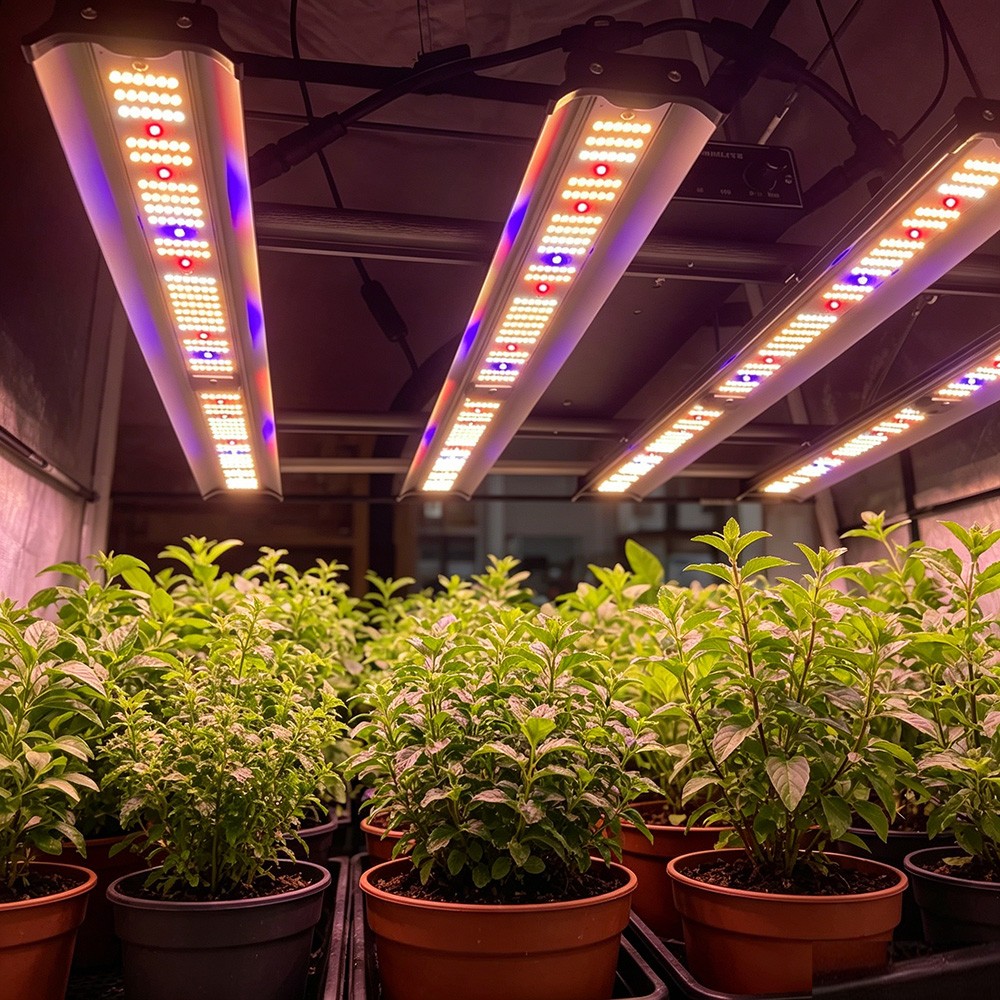
Grow lights are artificial light sources that provide the spectrum and intensity plants need for photosynthesis, spanning from tiny seed-starting LEDs to high-output quantum boards for full tents. The primary trade-off is upfront electrical efficiency (PPF/W, µmol/J) versus heat management and coverage uniformity—cheap blurples waste power and distort leaf growth, while modern full-spectrum diodes deliver more usable light per watt. The clear rule: buy by measured PPFD at canopy height and diode/board architecture, not by advertised wattage or fixture count.

Buying guide image
Outdoor Lighting & Decor

Solar Landscape Light

Solar landscape lights are self-contained, sun-charged fixtures that illuminate paths, beds, walls, and focal garden features without trenching or wiring. The core trade-off is between decorative novelty and durable architecture: monocrystalline panels with LiFePO4 or high-capacity Li-ion cells and die-cast aluminum or stainless housings outperform amorphous-panel plastic stakes that dim within months. Buy metal-bodied fixtures rated IP65 or higher with replaceable batteries for longevity; treat integrated-battery plastic sets as short-life seasonal décor.

Buying guide image
Patio Furniture

Folding Chaise Lounge Chair

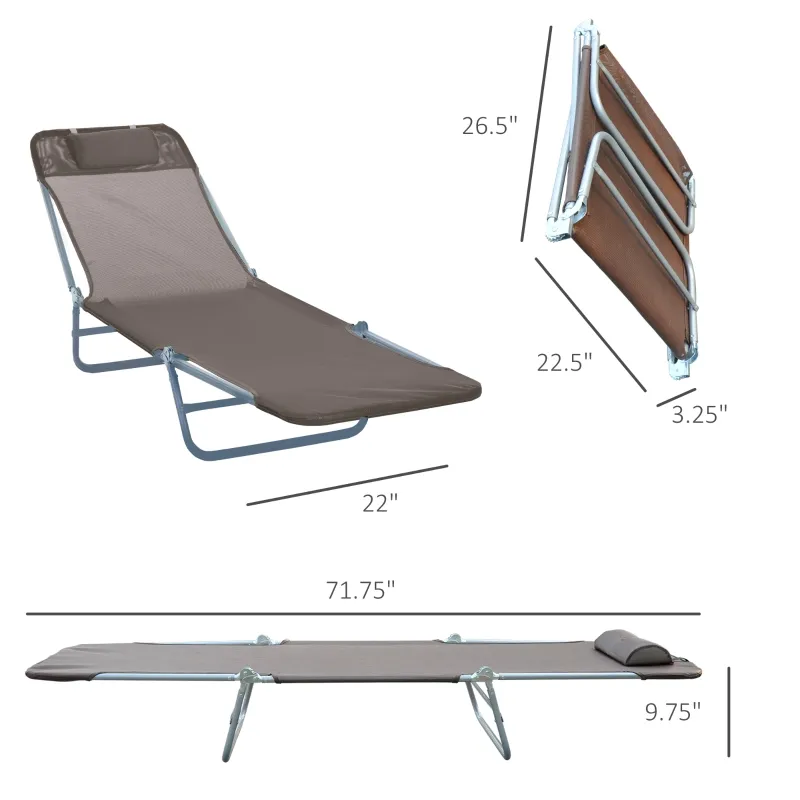
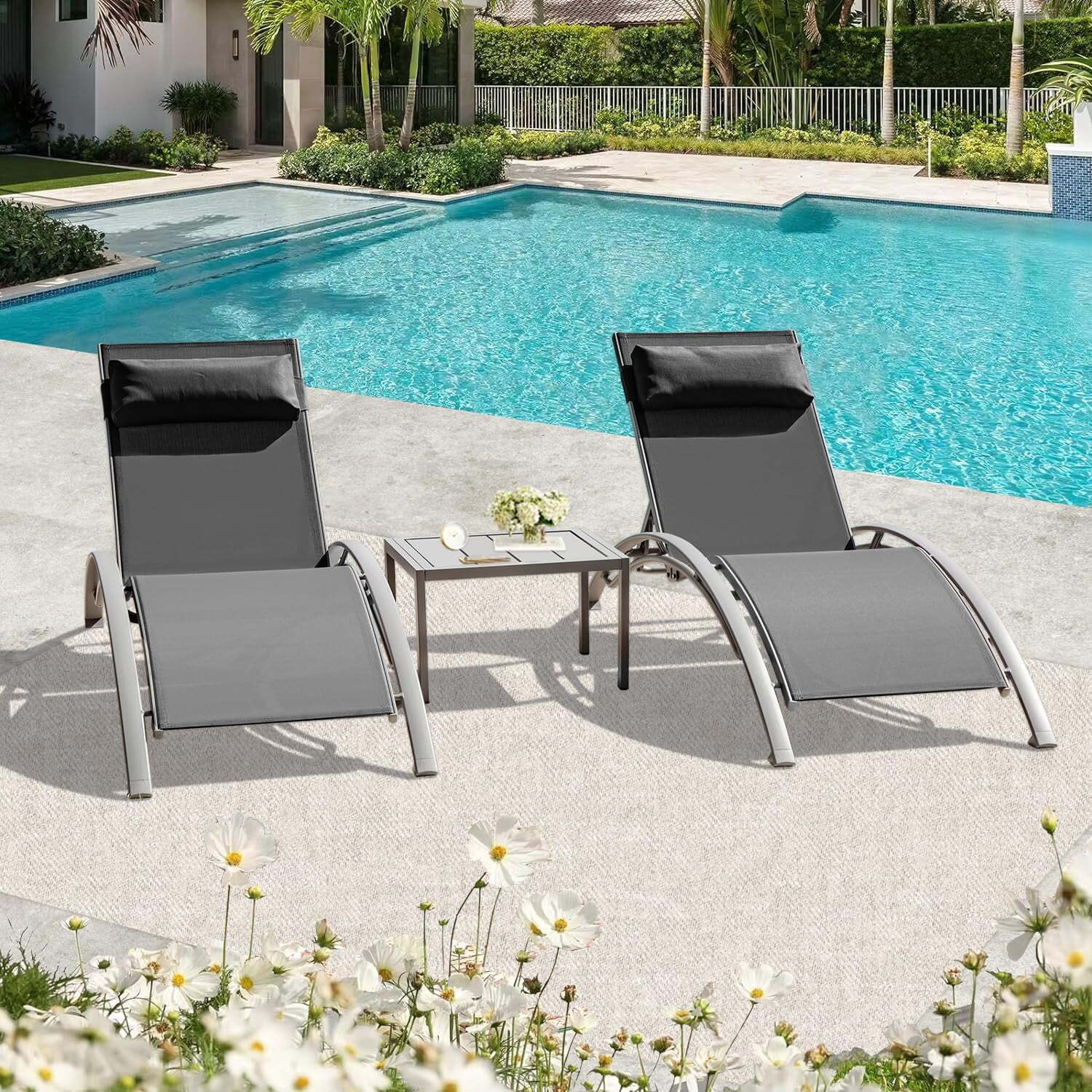
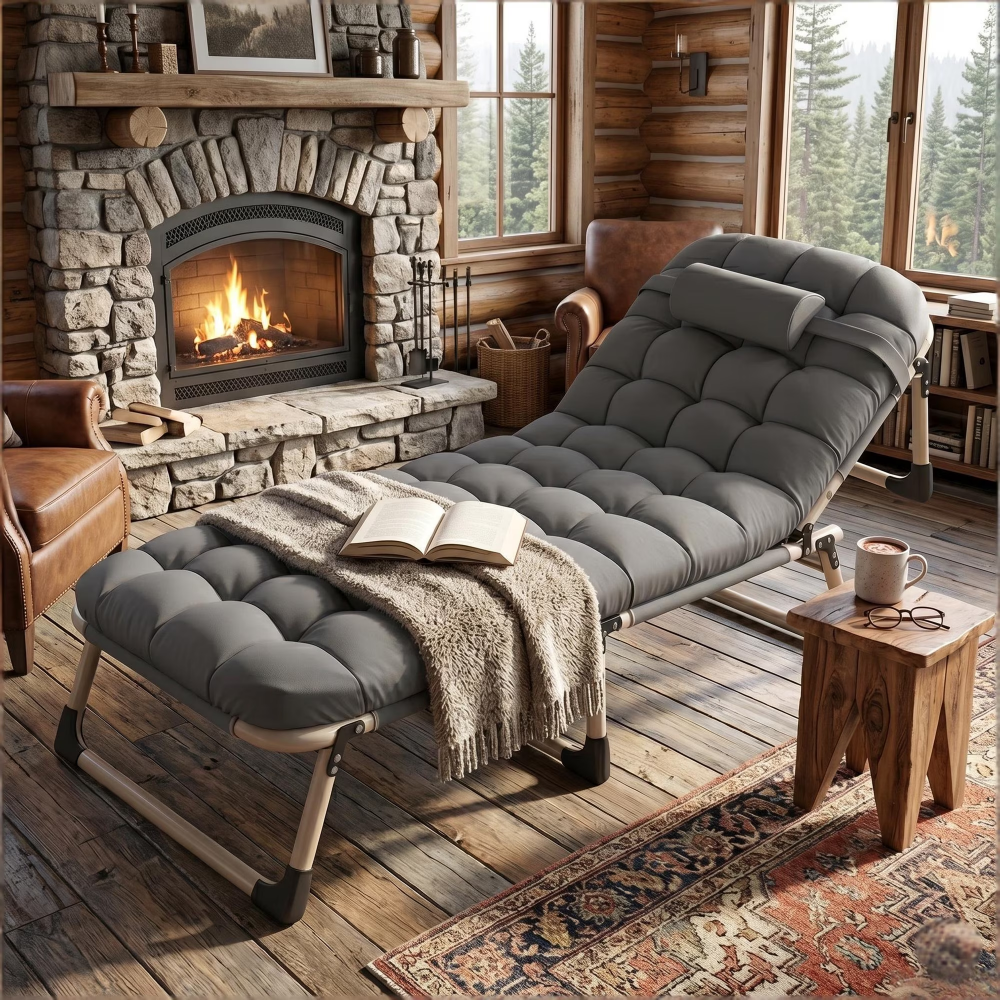
A folding chaise lounge chair is a portable, adjustable recliner built for sun tanning, poolside lounging, and camping — typically a steel or aluminum frame with a fabric sling seat. The core trade-off is frame rigidity and fabric durability versus folded weight and packed size, so the decision rule is simple: prioritize a powder-coated steel or aluminum frame with 600D+ or Textilene fabric if you need multi-season outdoor use, and accept lighter-duty polyester and thinner tubes only for occasional, covered use.

Buying guide image
Greenhouse & Hydroponics

High Tunnel Greenhouse

High tunnels are unheated, walk-in seasonal growing structures defined by a steel hoop frame and a single-layer polyethylene film cover, balancing low cost against limited climate control. The core trade-off is film lifespan versus frame steel gauge: budget kits use thin 4-year film and 1.5-inch tubing, while durable tunnels use 6-mil 4-season film and 2-inch galvanized steel. The decision rule: buy a tunnel whose frame wind rating and film UV warranty match your snow load and sun exposure, not the cheapest hoop kit.

Buying guide image
Chicken Coops & Runs

Hen Run

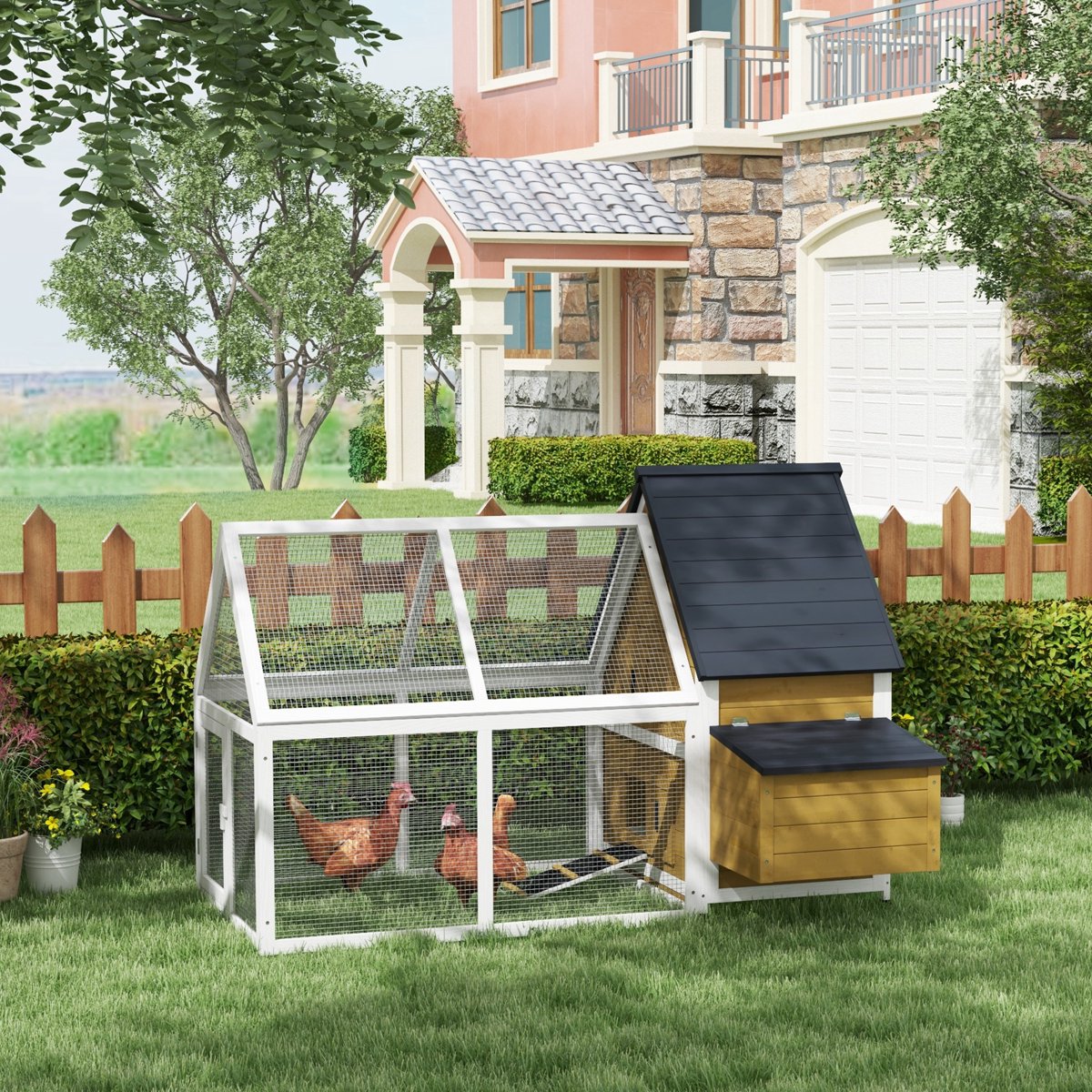
A hen run is the predator-proof outdoor enclosure attached to or surrounding a coop, and the decisive trade-off is welded galvanized steel tube versus stapled wire on softwood. Choose a walk-in steel run with a roof or heavy-gauge mesh if you need permanent flock protection; accept a light wooden run only for small flocks in fenced, low-predator yards.

Buying guide image
Patio Furniture

Outdoor Chaise Lounge Chair

An outdoor chaise lounge chair is a reclining single-seat lounger built for sunbathing, poolside relaxation, and patio use. The core trade-off is frame metal and fabric grade: powder-coated aluminum resists rust for years, while budget steel and thin mesh degrade quickly in wet or coastal climates. Buy aluminum with a high-Denier mesh or solution-dyed sling if the chair will stay outdoors; choose folding steel only for portable, stored-away use.

Buying guide image
Outdoor Structures, Shade & Awnings

Retractable Patio Awning

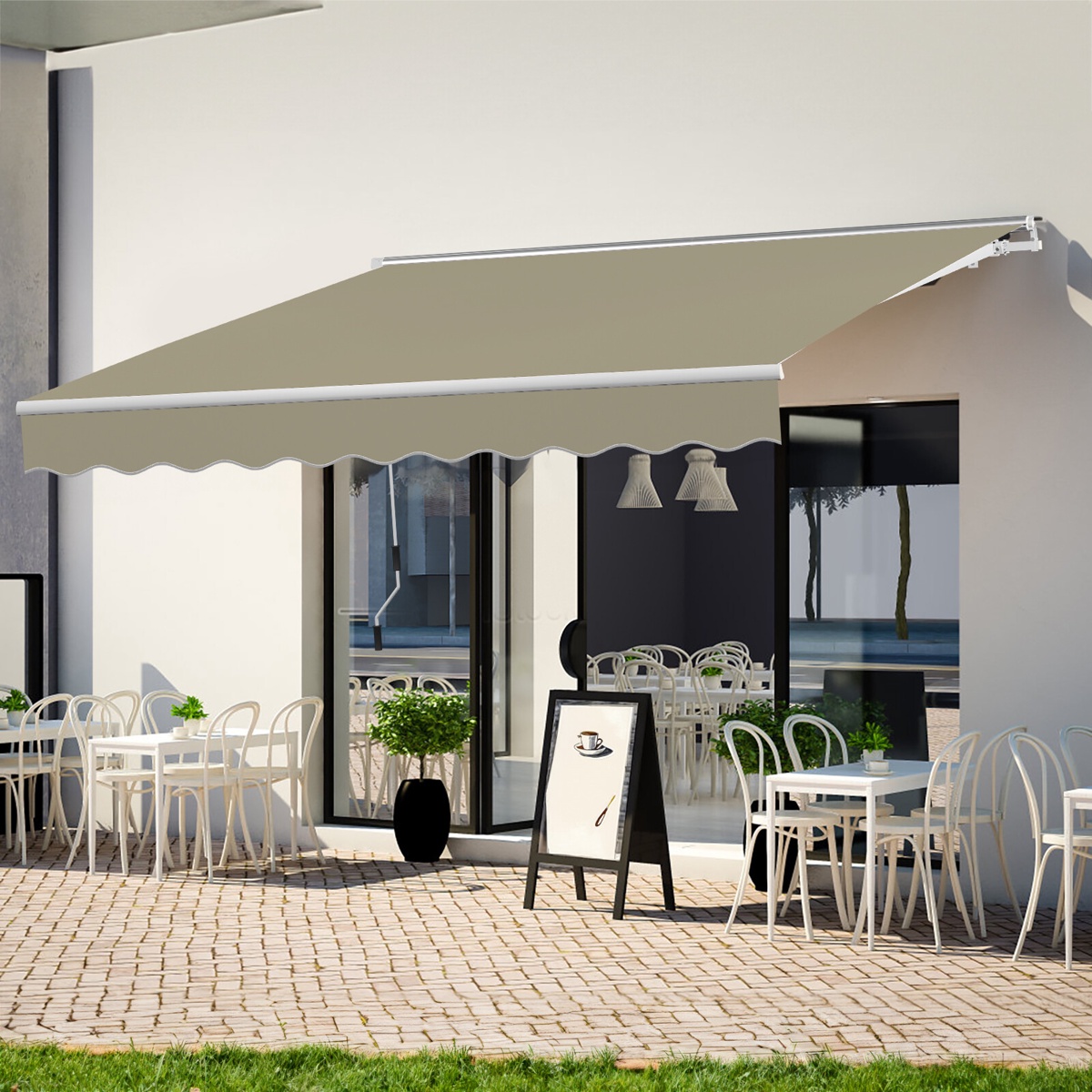
Retractable patio awnings are a home-improvement decision, not a decor impulse buy: the wrong mount or fabric grade fails in one season. Most buyer mistakes come from ordering by color and price while ignoring arm length, wall substrate, and the difference between a front-projecting patio awning and a side-roll privacy screen.

Buying guide image
Patio Furniture

Patio Swing Chair

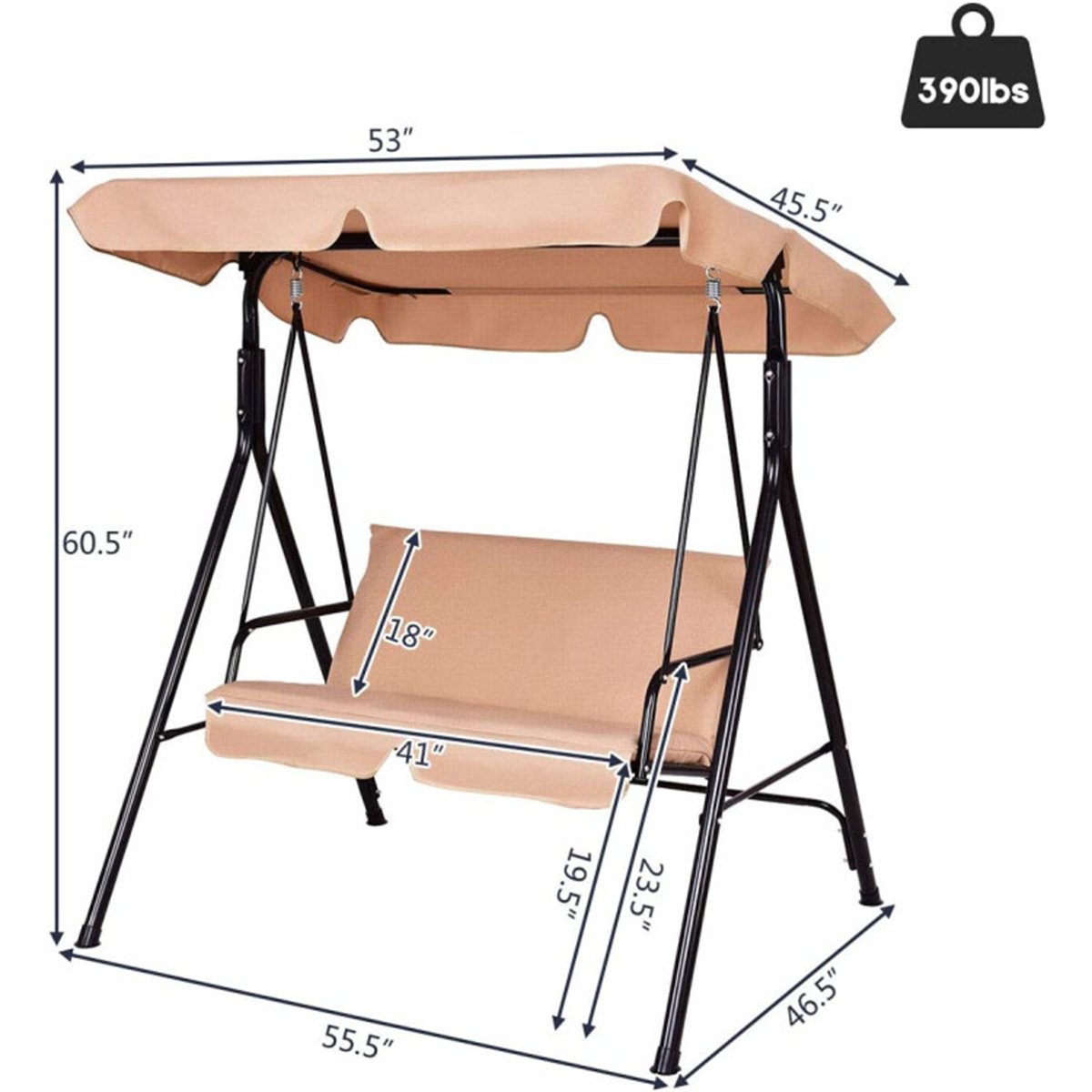
A patio swing chair is one of the few outdoor pieces where frame geometry, canopy engineering, and seat capacity determine whether it survives seasons or sags by fall. Buyers most often misjudge seat count versus actual body width, assume all steel frames are equal, and overlook how the canopy tilt mechanism and fabric grade affect sun protection and mildew resistance. The right pick hinges on whether you need a freestanding steel-stand swing, a hanging chain model, or a glider—each with different anchoring and footprint requirements.

Buying guide image
Patio Furniture

Wicker Chair

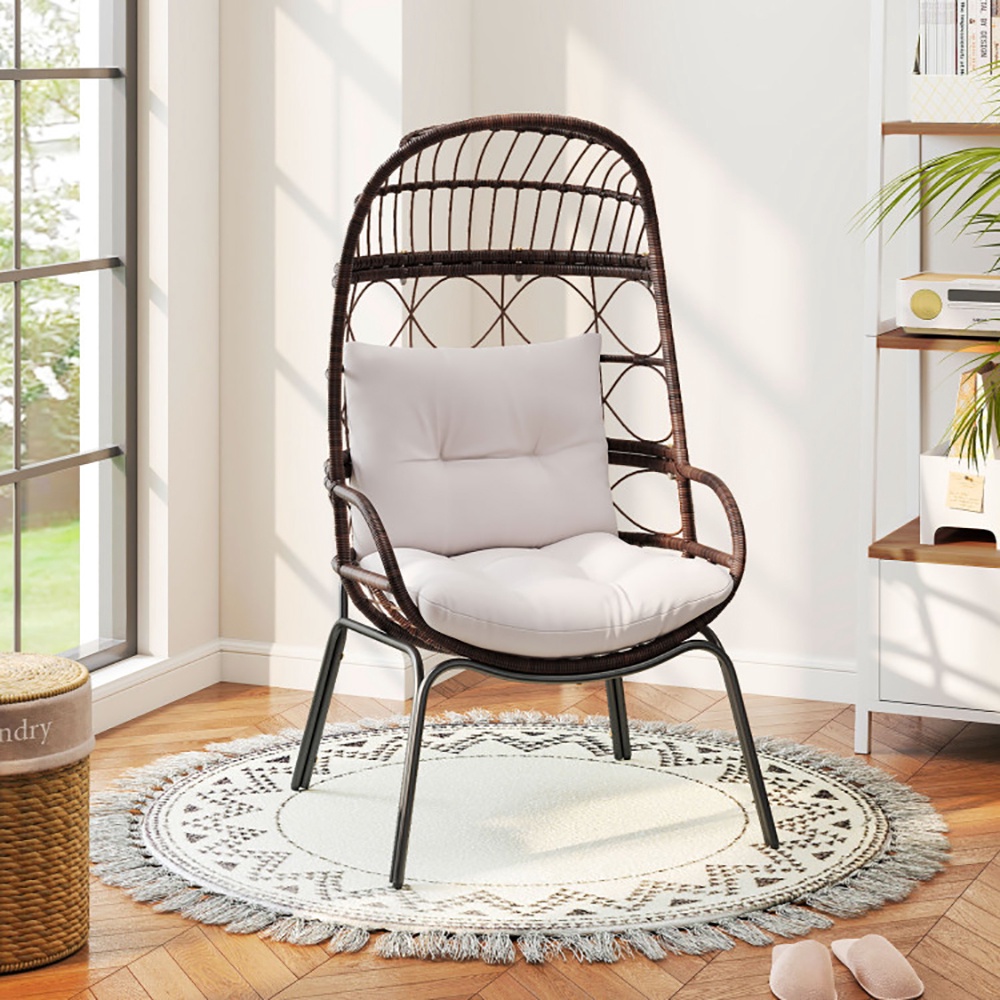
Wicker chairs cover a wide range of outdoor seating, from stackable dining chairs to swivel gliders, and the material and frame construction determine how long they survive sun and rain. Focus on the weave type (PE vs natural rattan), the frame metal and gauge, and whether the chair's footprint fits your table or conversation layout.

Buying guide image
Garden Tools

Aluminum Garden Tool

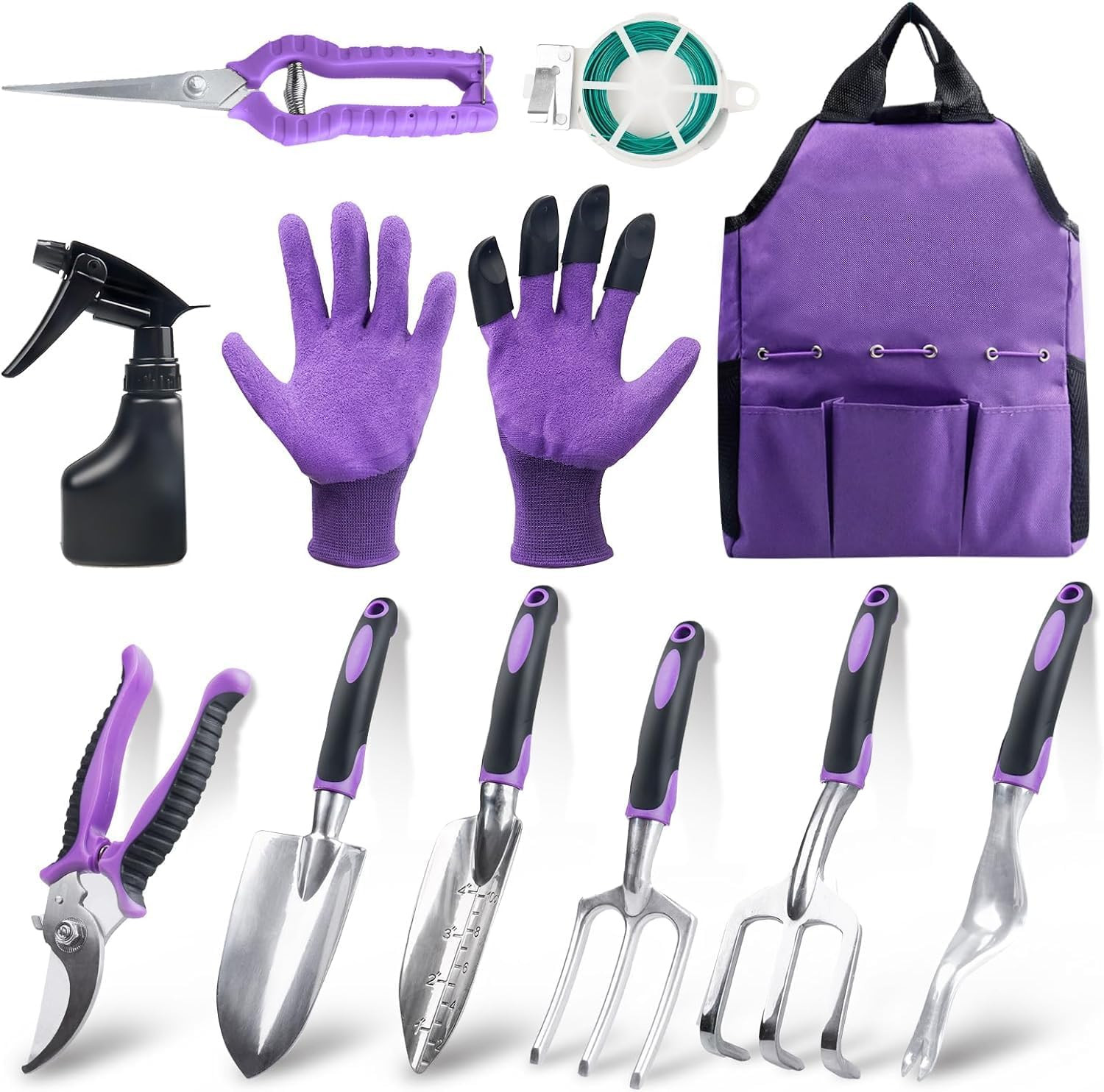
Aluminum garden tools are lightweight, rust-resistant hand tools and long-handled implements for digging, weeding, raking, and planting. The core trade-off is alloy grade and wall thickness versus weight: 6061-T6 aluminum with thick walls and reinforced sockets survives rocky soil, while thin 6063 or stamped heads bend at the neck. Buy only tools with through-tang construction, full-socket welds, and a stated alloy temper—skip any set that hides the metal grade behind vague 'heavy-duty aluminum' claims.

Buying guide image
Outdoor Lighting & Decor

Outdoor Patio Light

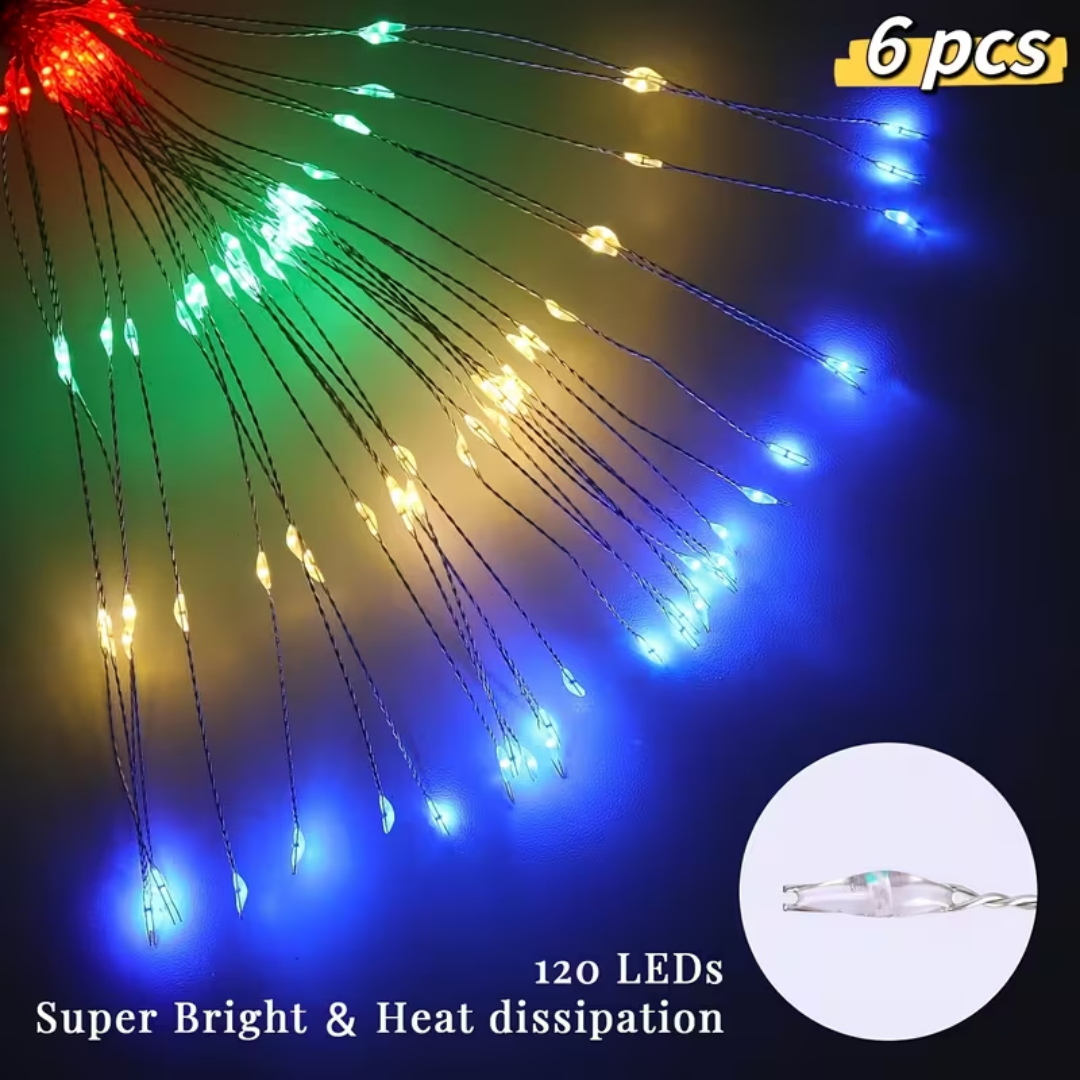
Outdoor patio lights span solar accent/decor fixtures, low-voltage wired systems, and 110V plug-in string lights; the key trade-off is convenience versus durability and code compliance. Choose IP65+ solar or low-voltage for permanent exposed installs; choose 110V only for covered, GFCI-protected zones.

Buying guide image
Outdoor Storage

Waterproof Outdoor Storage Box

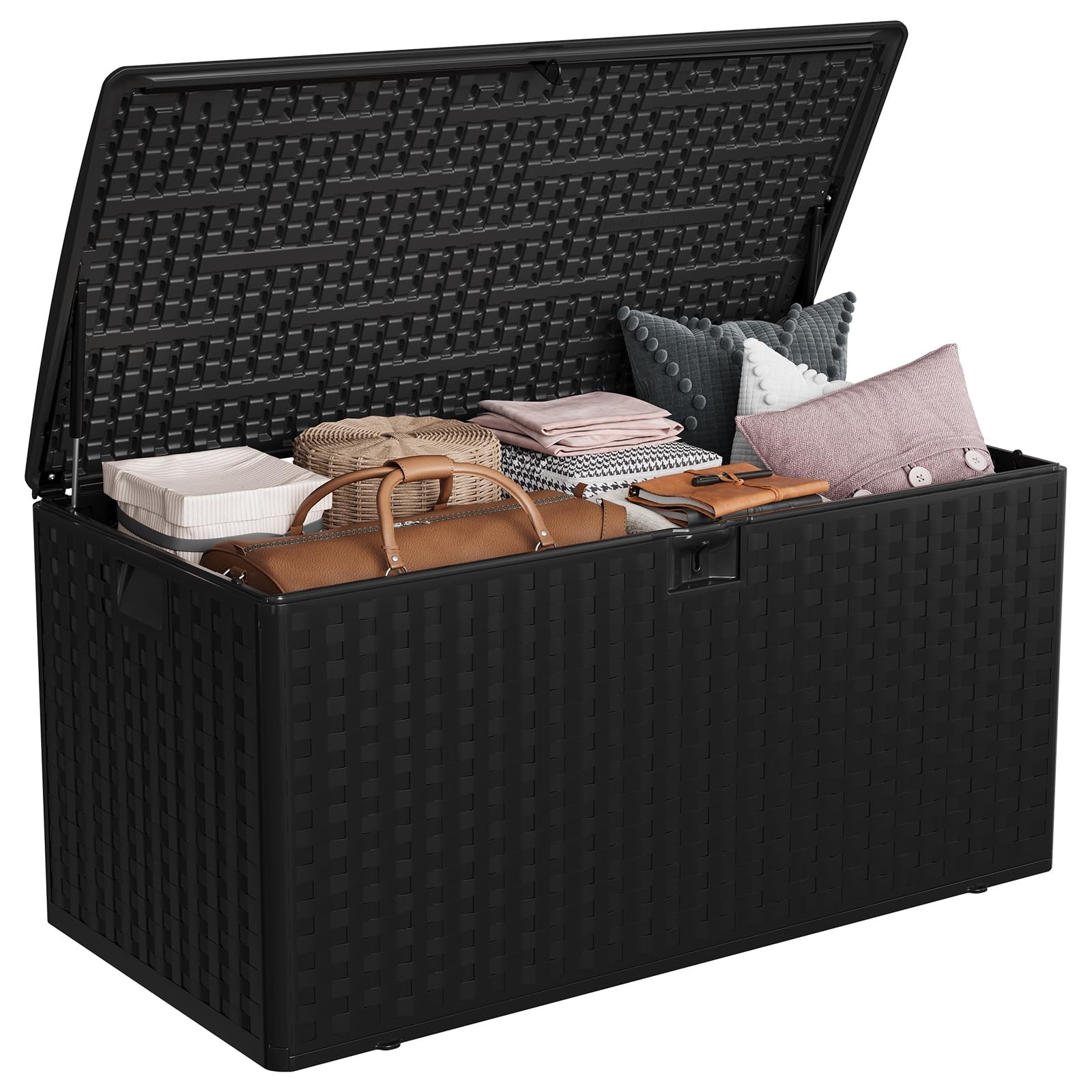
Waterproof outdoor storage boxes are deck boxes, resin containers, and lockable bins built to keep patio cushions, tools, and deliveries dry through rain and UV exposure. The primary trade-off is resin vs. metal construction: resin resists rust and dents but can fade and crack in extreme cold, while steel adds security and rigidity but demands rust-proof coating and drain management. The decision rule: buy a resin box rated UV-resistant with a gasketed, lockable lid for weatherproofing, and choose powder-coated steel only when theft deterrence outweighs long-term rust risk.

Buying guide image
Patio Furniture

Outdoor Chaise Lounge

An outdoor chaise lounge is a reclining single-seat patio or beach piece defined by its frame material, backrest adjustability, and weather resistance. The core trade-off is between lightweight folding steel/mesh for portability and heavy aluminum or PE rattan for permanent patio durability. Buy aluminum or PE rattan with UV-stable cushions for year-round exposure; pick powder-coated steel folding frames only for seasonal, stowed, or transportable use.

Buying guide image
Beehives & Frames

Beehive With Bees

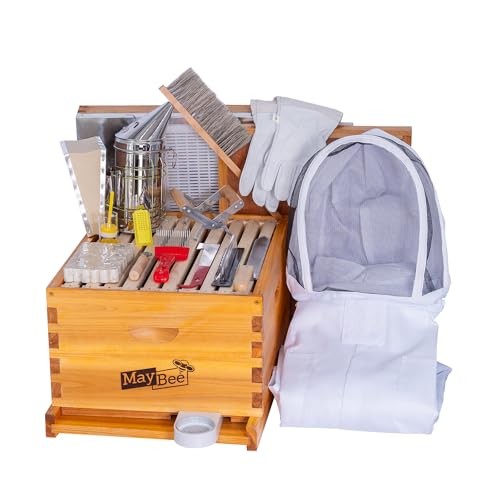
A beehive with bees is a complete colony package: a Langstroth hive body plus a live nucleus (nuc) or package of bees with a mated queen. The core trade-off is hive material and frame count versus colony size and season, since a 10-frame deep box with wax-coated fir/pine suits a 5-frame nuc but needs a feeder and second box early. The decision rule: match box depth and frame count to the nuc's frame count, choose cedar or wax-coated pine over untreated softwood, and skip 8-frame starter kits if you plan to winter over in cold zones.

Buying guide image
Chicken Coops & Runs

Walk In Chicken Coop And Run

Walk-in coops solve the daily crouch-and-reach problem that low tractors and ark-style houses create, but the tube gauge, roof profile, and cover attachment decide whether the frame survives winter wind and predator pressure. Buyers most often err by sizing the footprint to the flock instead of to the run area chickens actually need, or by choosing a lightweight pop-up frame for permanent backyard duty.

Buying guide image
Chicken Coops & Runs

Walk In Chicken Coop Run

Walk-in chicken coop runs solve the daily friction of feeding, cleaning, and catching birds by letting you stand upright inside a secured enclosure. The sizing, tube gauge, mesh aperture, and roof style determine whether it survives wind and predators or becomes a flimsy seasonal pen. Most buyer mistakes come from choosing a footprint too small for the flock and ignoring anchor and cover requirements.

You may also like

Finding more guides for you…