
Photos from current listings. Actual item, color, and included accessories may vary.
Portable Outdoor Privacy Screen Buying Guide
A portable outdoor privacy screen is a freestanding or tension-mounted barrier that creates instant visual seclusion on decks, patios, balconies, and rental yards without a permanent fence build. The core trade-off is between lightweight roll-up fabric panels that pack away but flap and fade, and rigid frame-and-panel systems that hold shape but weigh more and cost more. Buy a reinforced, UV-stabilized, wind-rated panel with a mechanical anchoring method for anything left out seasonally; reserve lightweight pop-up fabric only for temporary, calm-weather use.
Median $142.99
Key takeaways
- Fabric density and weave drive opacity: 180–260 GSM woven HDPE or polyester blocks sightlines; below 150 GSM becomes semi-sheer and backlit at night.
- UV stabilization is the lifespan metric: solution-dyed HDPE with added UV inhibitors holds color 5+ seasons; surface-coated prints chalk and crack within 1–2 summers.
- Wind rating depends on anchoring, not fabric: grommet-and-bungee panels need a rigid frame or tensioned cable; freestanding panels require weighted bases or ground stakes.
At a glance
- Category
- Garden Fencing & Privacy Screens
- Last updated
- Nov 29, 2026
Current offers
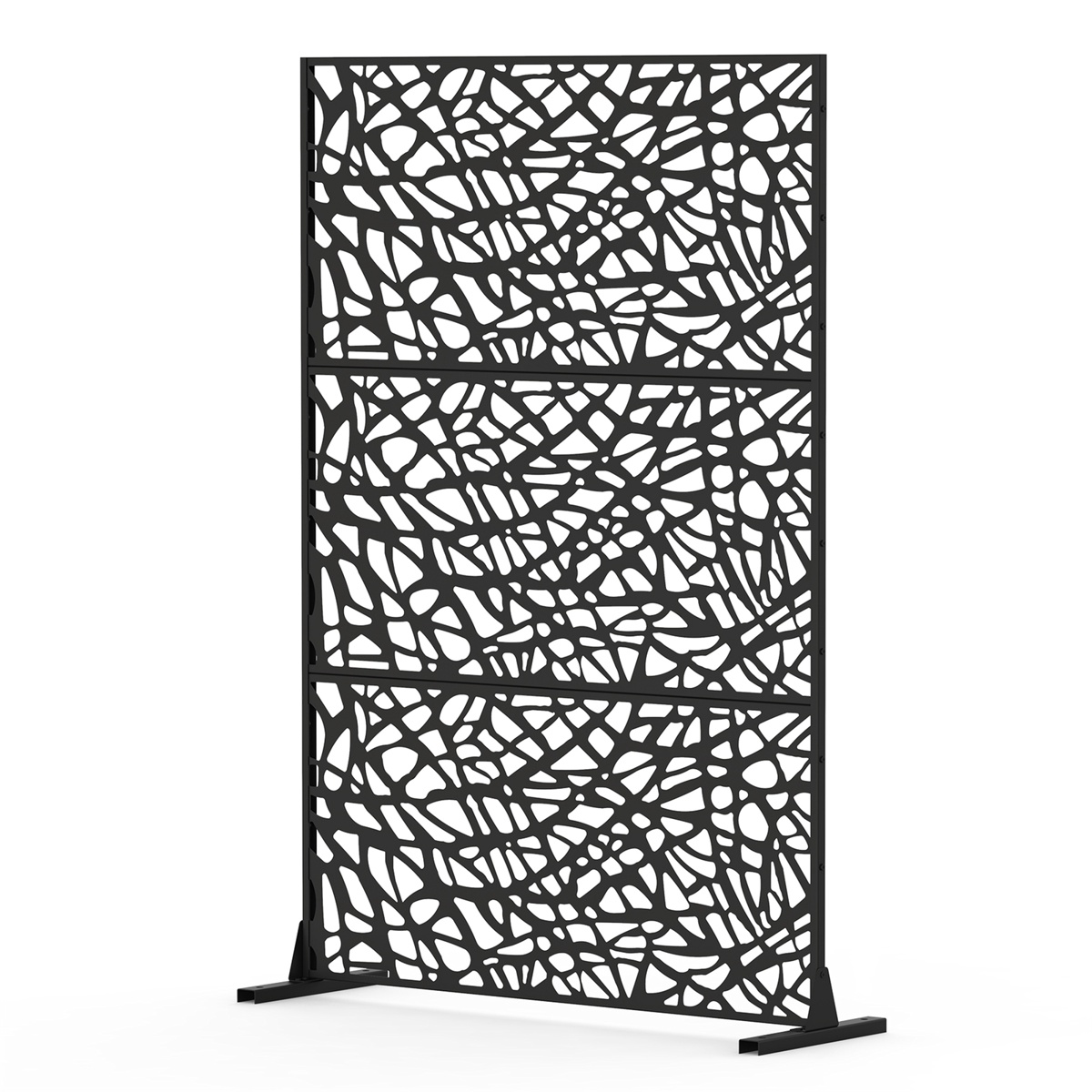 4'x6' Decorative Fence, Indoor &Outdoor Freestanding Metal Privacy Screen Panels$164.86Last checked Nov 24, 2026View on eBay
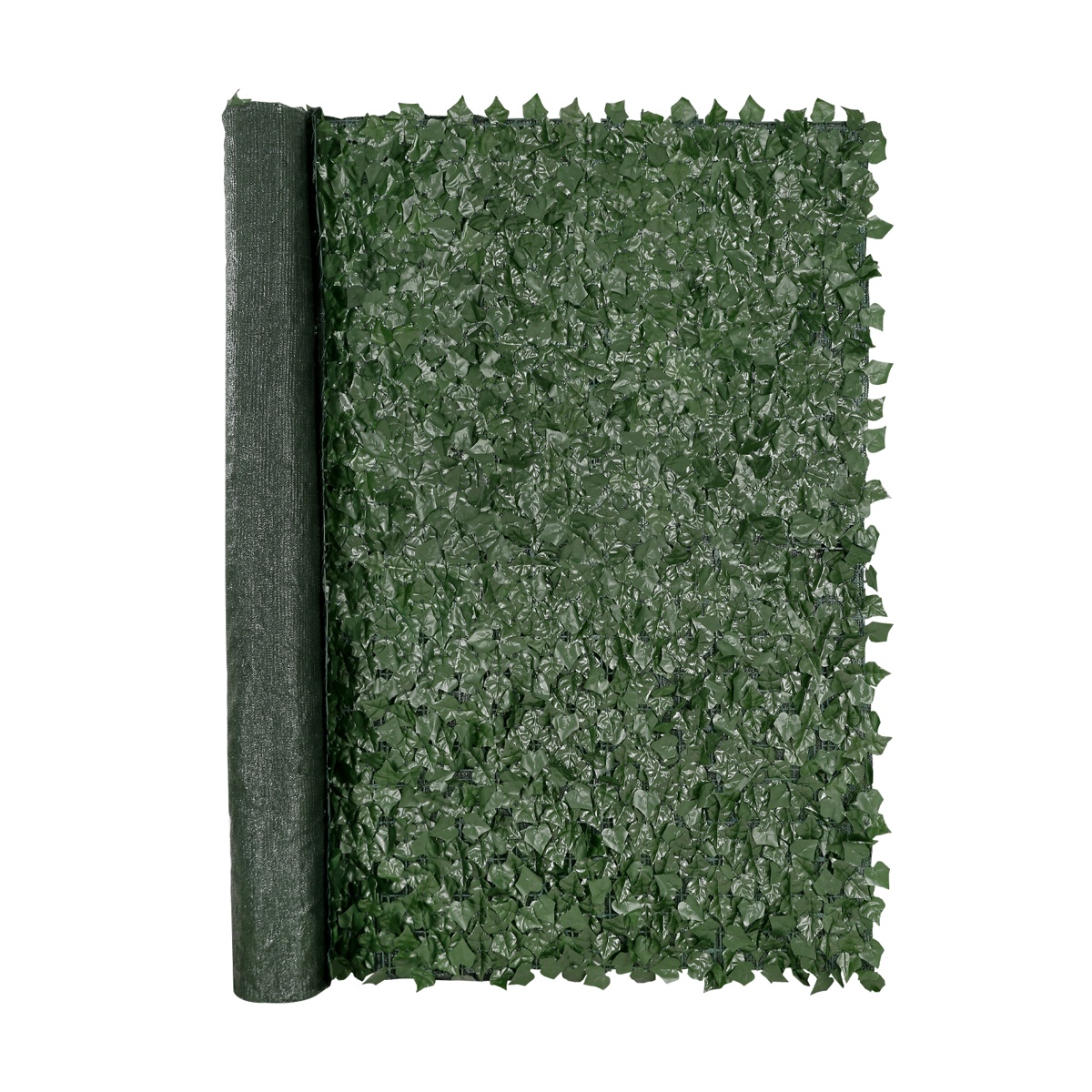 VEVOR Ivy Privacy Fence, 96 X 72 In Artificial Green Wall Screen, Greenery Ivy With Mesh Cloth Backing And Strengthened Joint, Faux Hedges Vine Leaf Decoration For Outdoor Garden, Yard, Balcony$39.99View on Mallflare
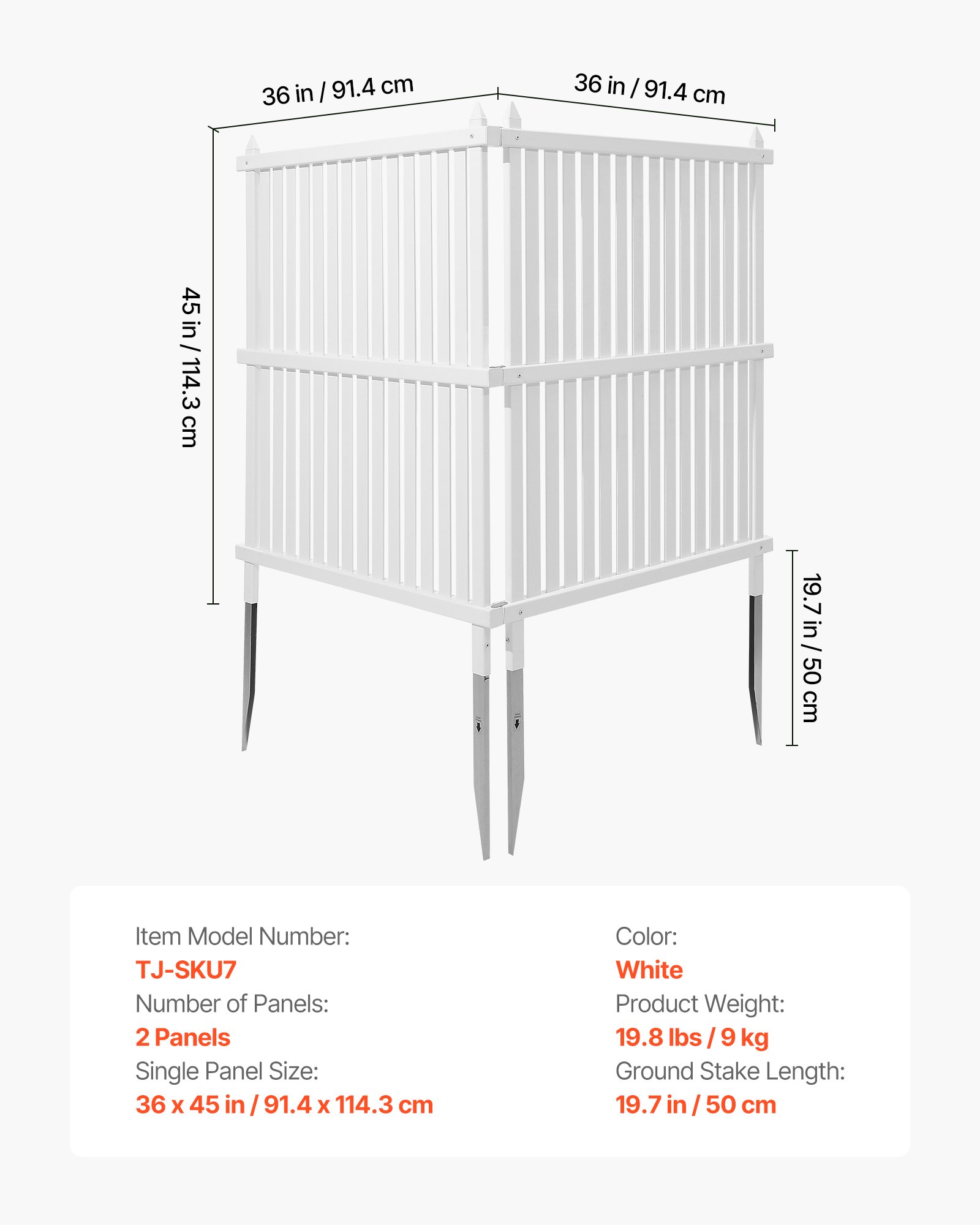 2 Panels Outdoor Privacy Screen, 36 X 45 In Air Conditioner Fence With 19.7 In Ground Stakes, Pool Equipment Enclosure, Strip Vinyl Ideal For Trash Can And A/C Units, White$82.99View on Mallflare
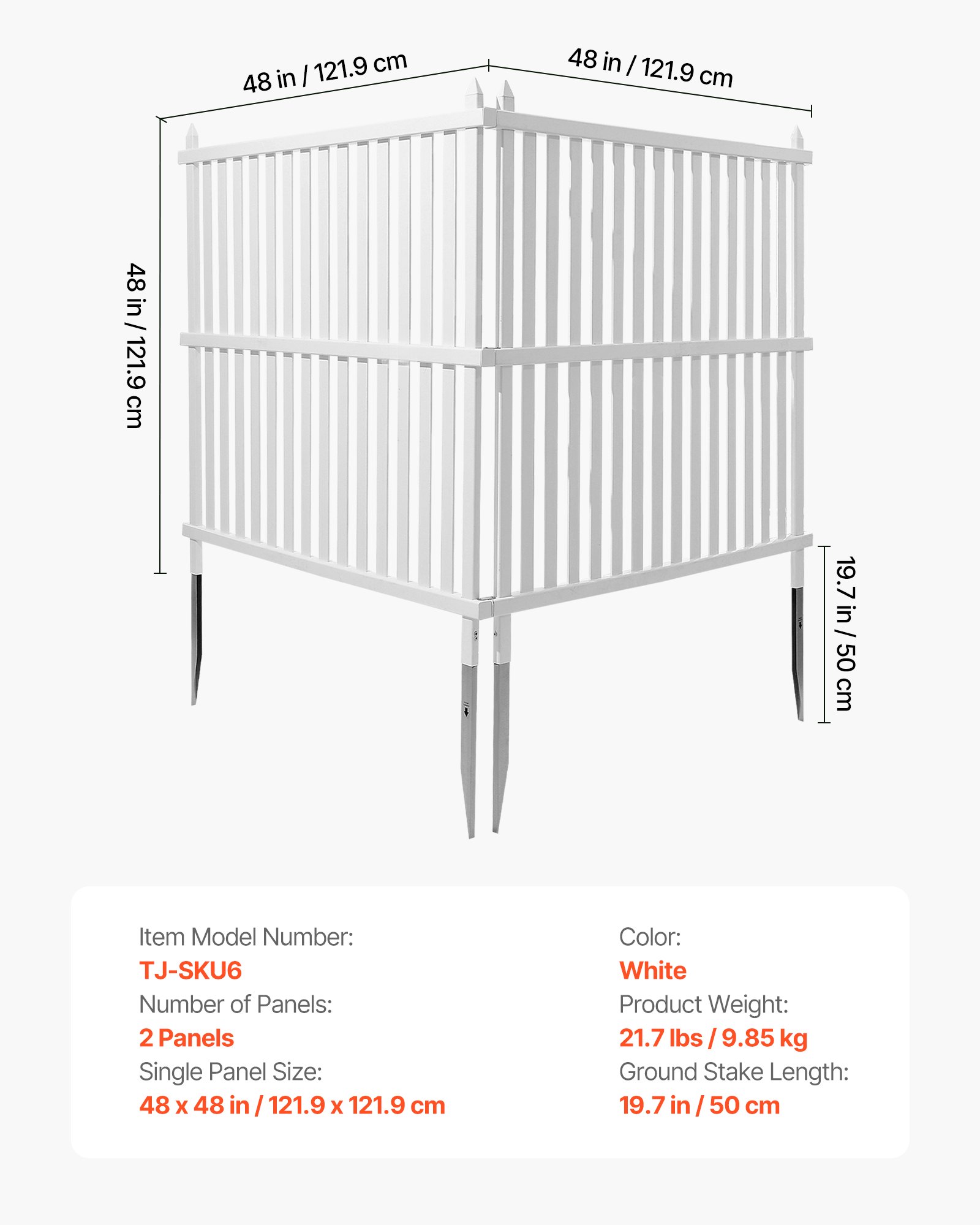 2 Panels Outdoor Privacy Screen, 48 X 48 In Air Conditioner Fence With 19.7 In Ground Stakes, Pool Equipment Enclosure, Strip Vinyl Ideal For Trash Can And A/C Units, White$88.99View on Mallflare
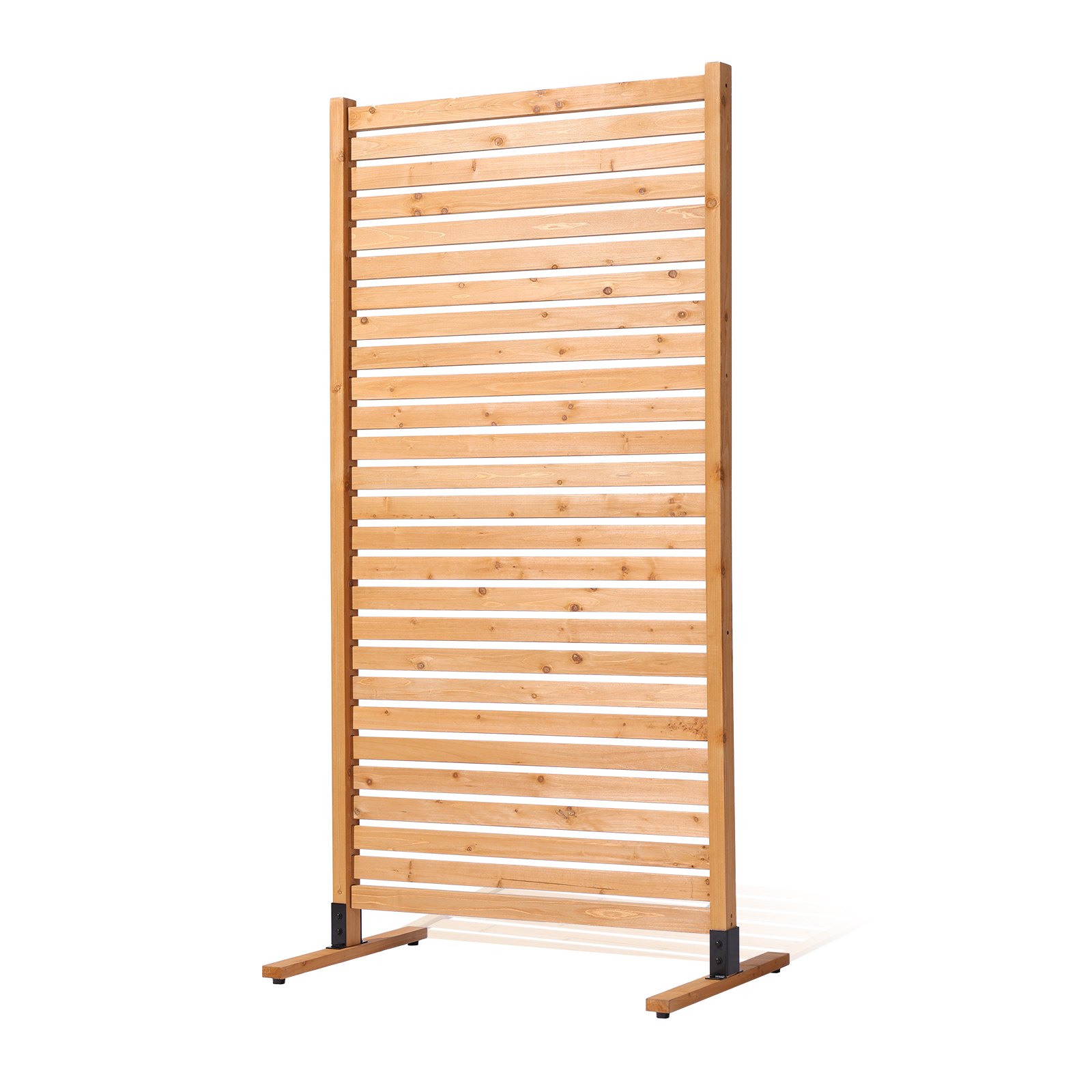 Wooden Privacy Screen 36' X 76' Freestanding Outdoor For Patio$100.99View on Mallflare
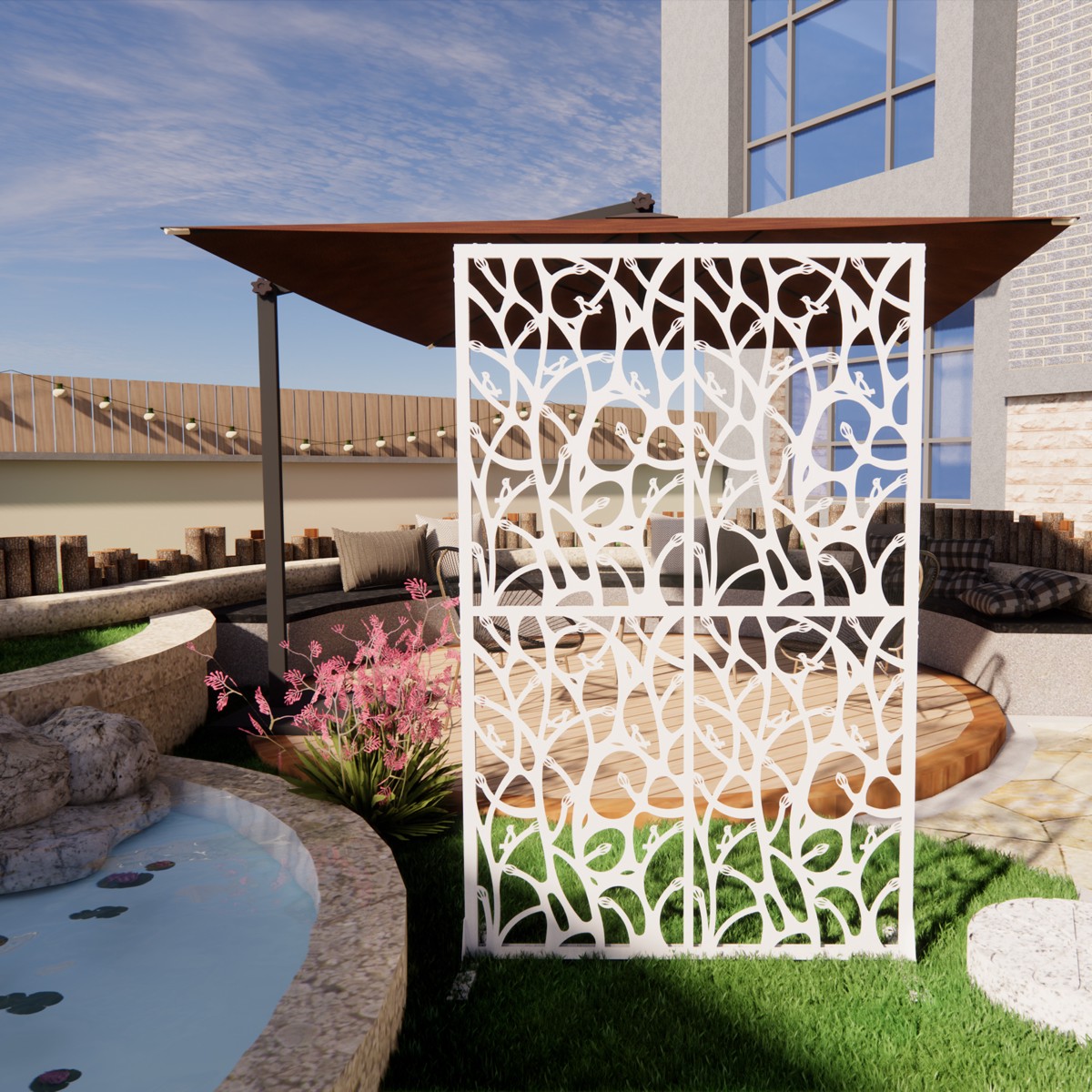 Metal Privacy Screens W3.8Ft X H6Ft Outdoor And Indoor Divider With Free Standing Decorative Screen For Balcony Patio Garden Room White Bird Shape$105.99View on Mallflare
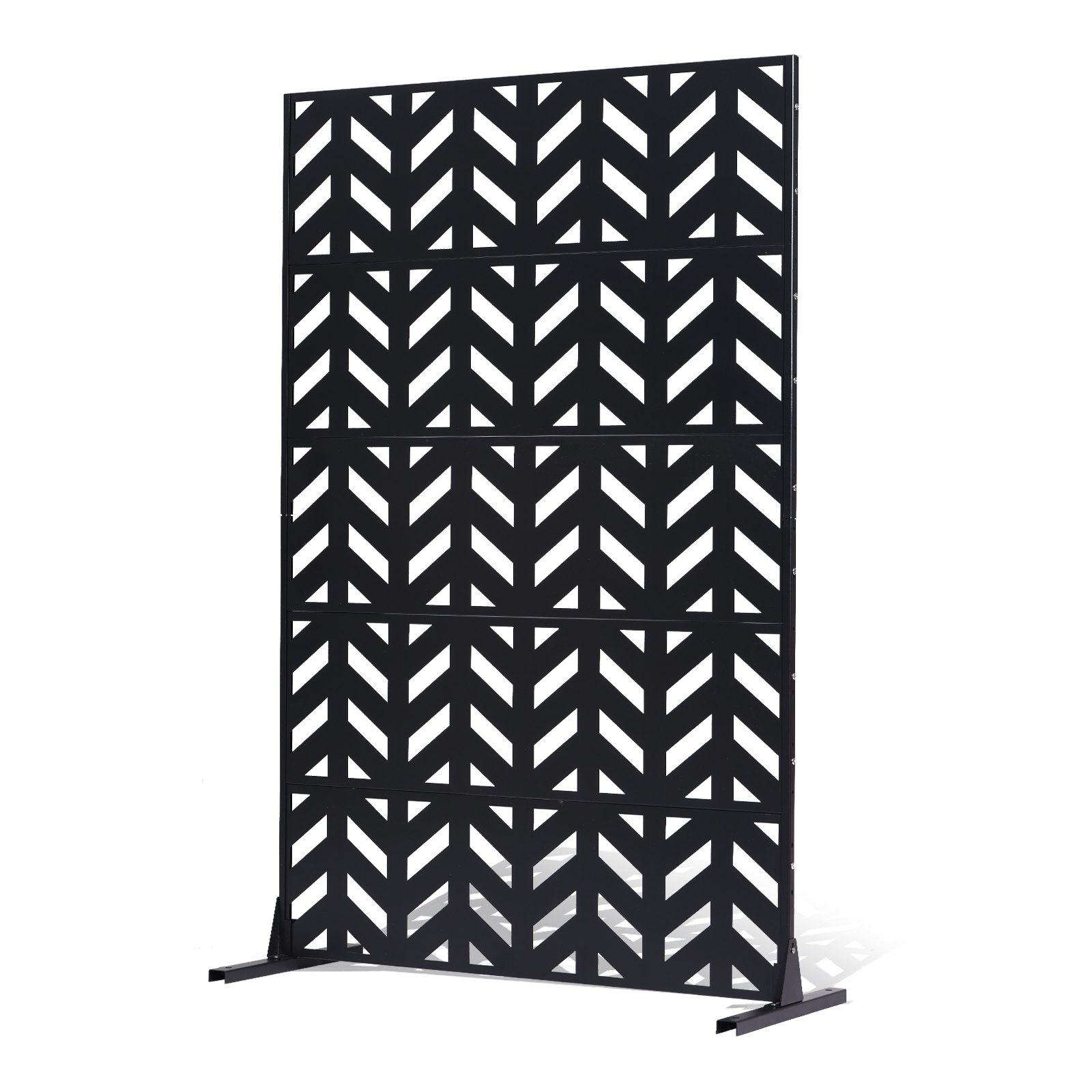 Metal Privacy Screen 47' X 72' Freestanding Outdoor Screens For Patio$107.99View on Mallflare
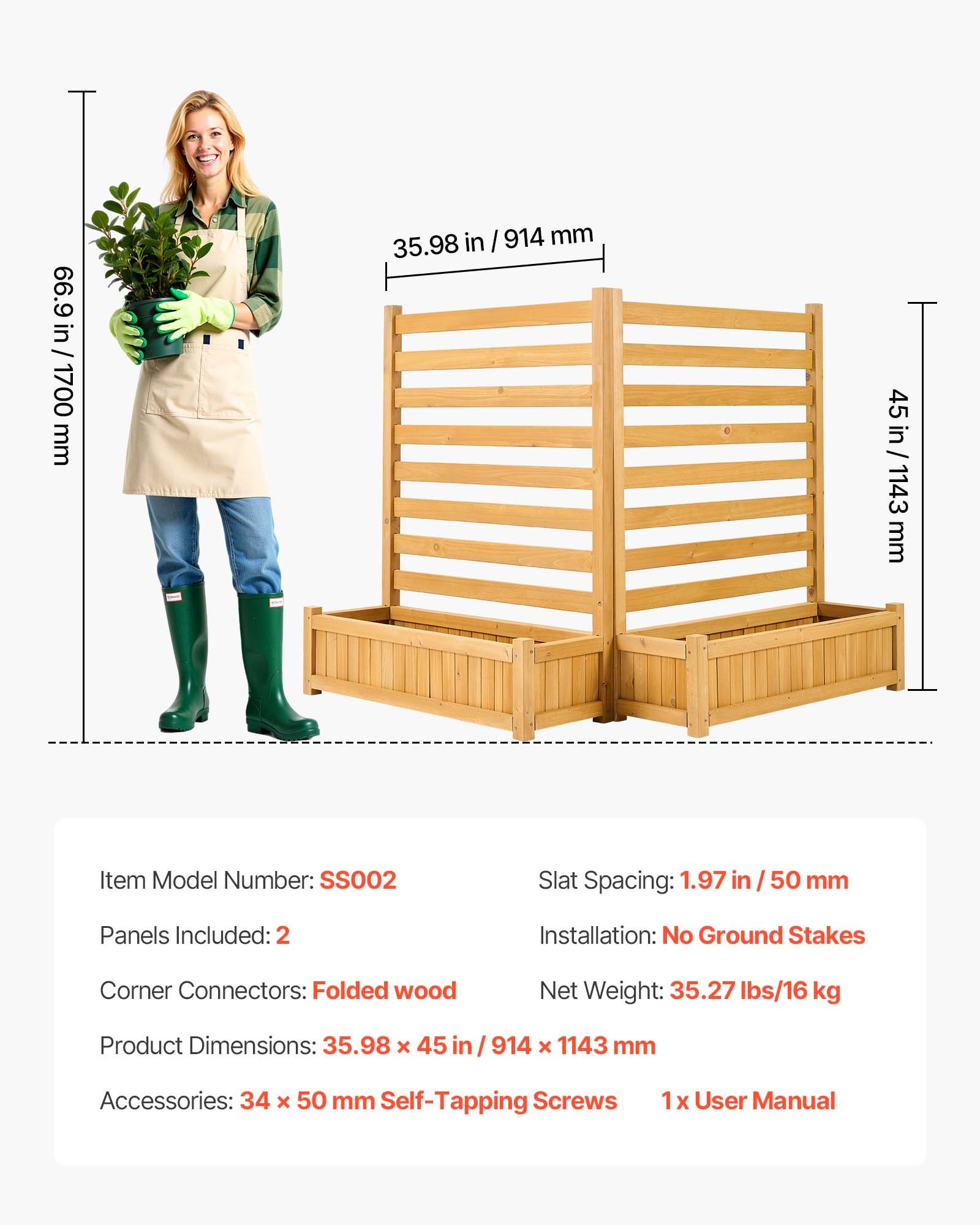 Wooden Privacy Fence, 36 X 45 Inch Air Conditioner 2 Slatted Panel Solid Outdoor Wood Screen With 2 Planters, Metal Stakes, Trash Can Hider Fences Suitable For Garden, Pool$113.99View on Mallflare
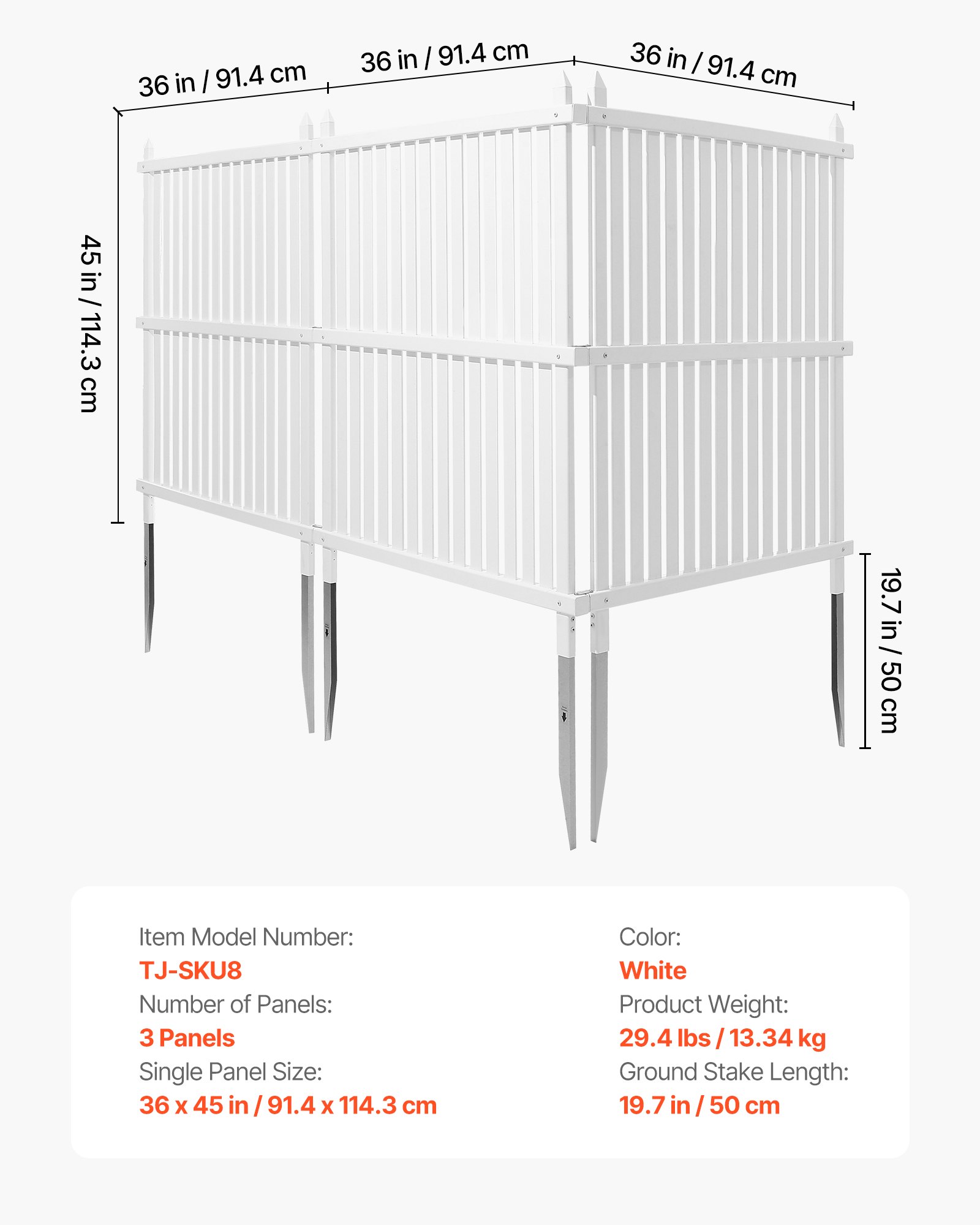 3 Panels Outdoor Privacy Screen, 36 X 45 In Air Conditioner Fence With 19.7 In Ground Stakes, Pool Equipment Enclosure, Strip Vinyl Ideal For Trash Can And A/C Units, White$114.99View on Mallflare
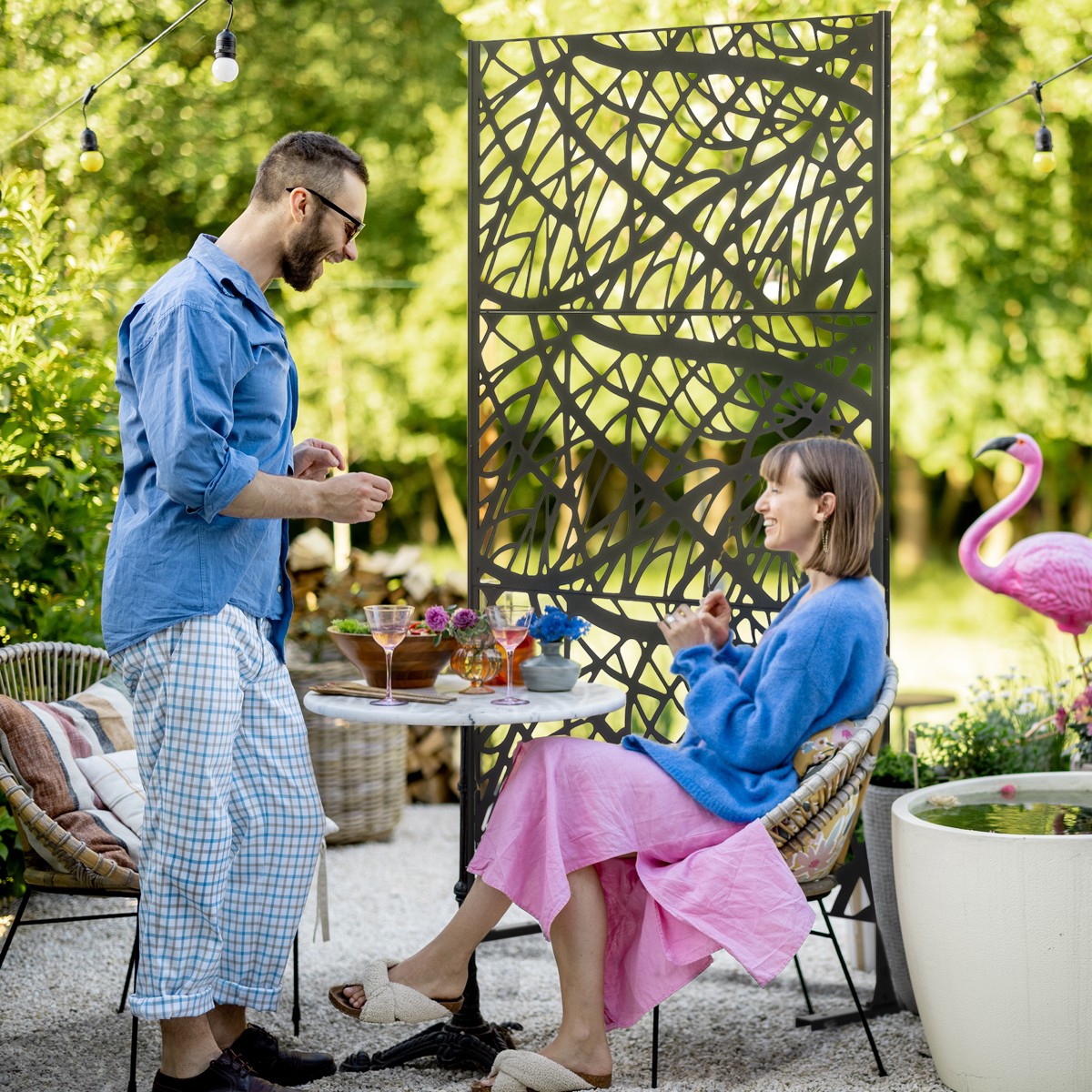 Decorative Outdoor Privacy Screen, See-Through Divider/Separator with Twisted Branch Motif for Fun Shadows or Climbing Plant Trellis, Fence Panel for Garden Walkway, Backyard, 6.5FT$115.99View on Mallflare
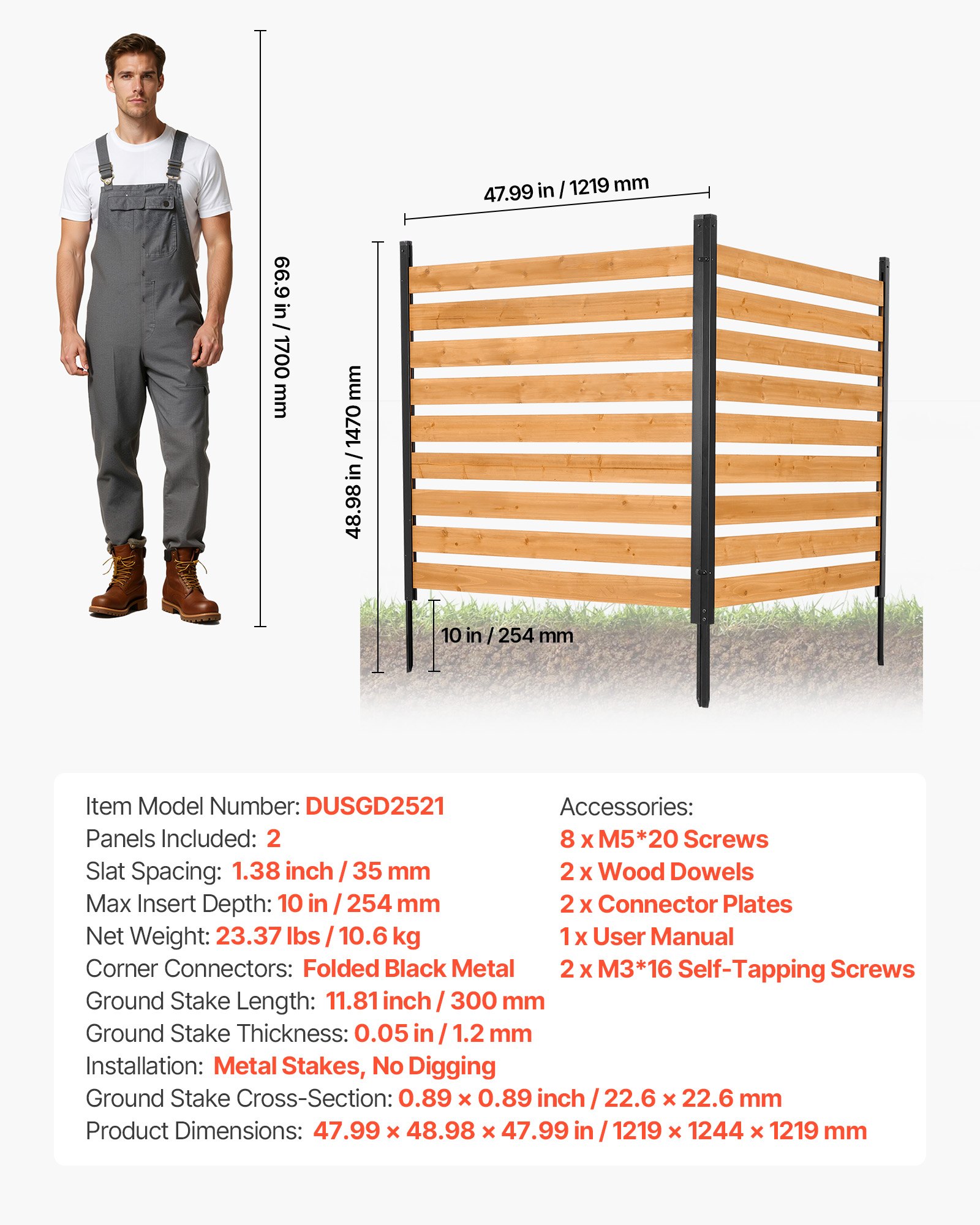 Wooden Privacy Fence, 48 X 49 X 28 Inch Air Conditioner 2 Panel Solid Outdoor Wood Screen With Metal Stakes, Steel Frame, Trash Can Hider Fences Suitable For Garden, Pool$117.99View on Mallflare
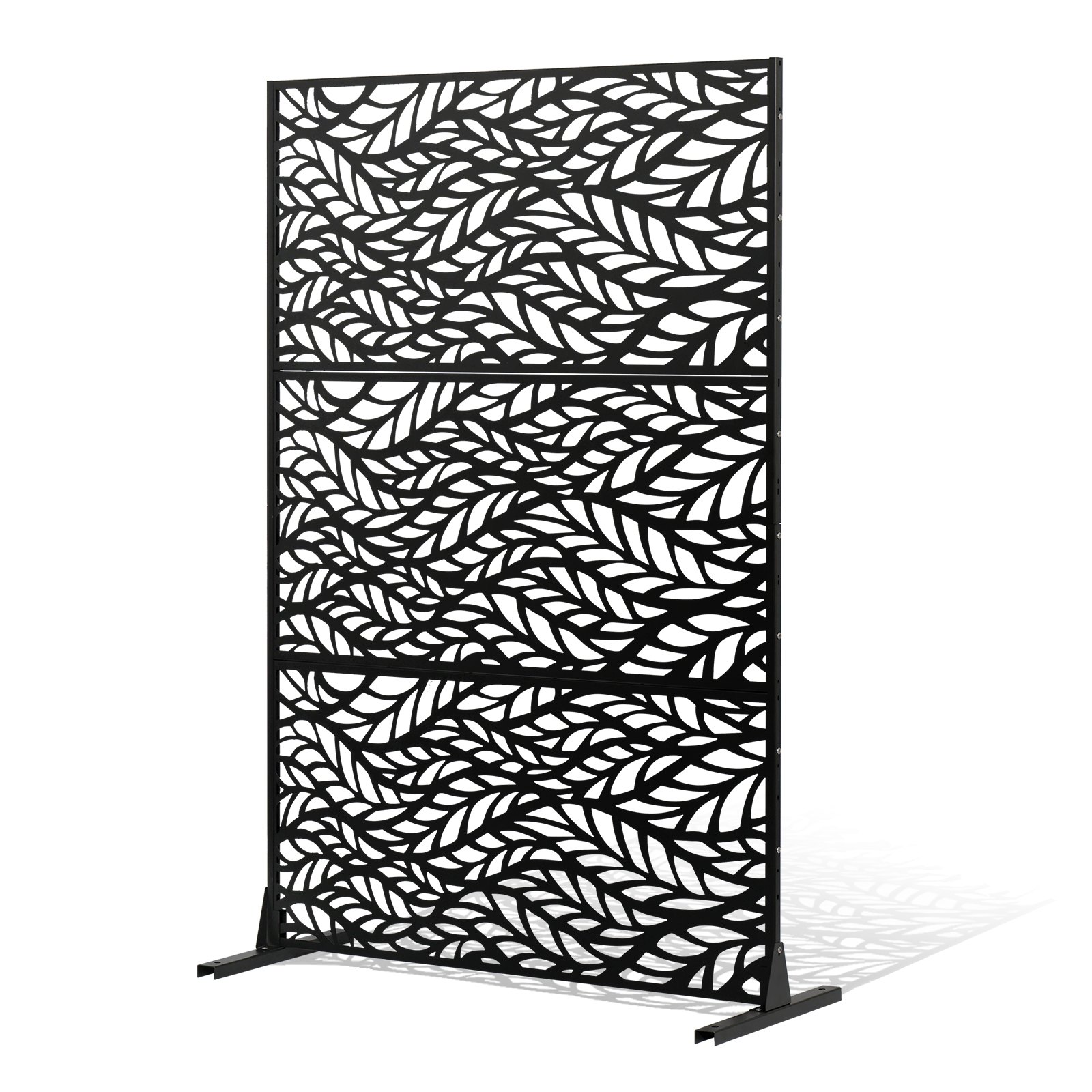 Metal Privacy Screen 47' X 72' Outdoor Screens & Panels For Patio Black$129.99View on Mallflare
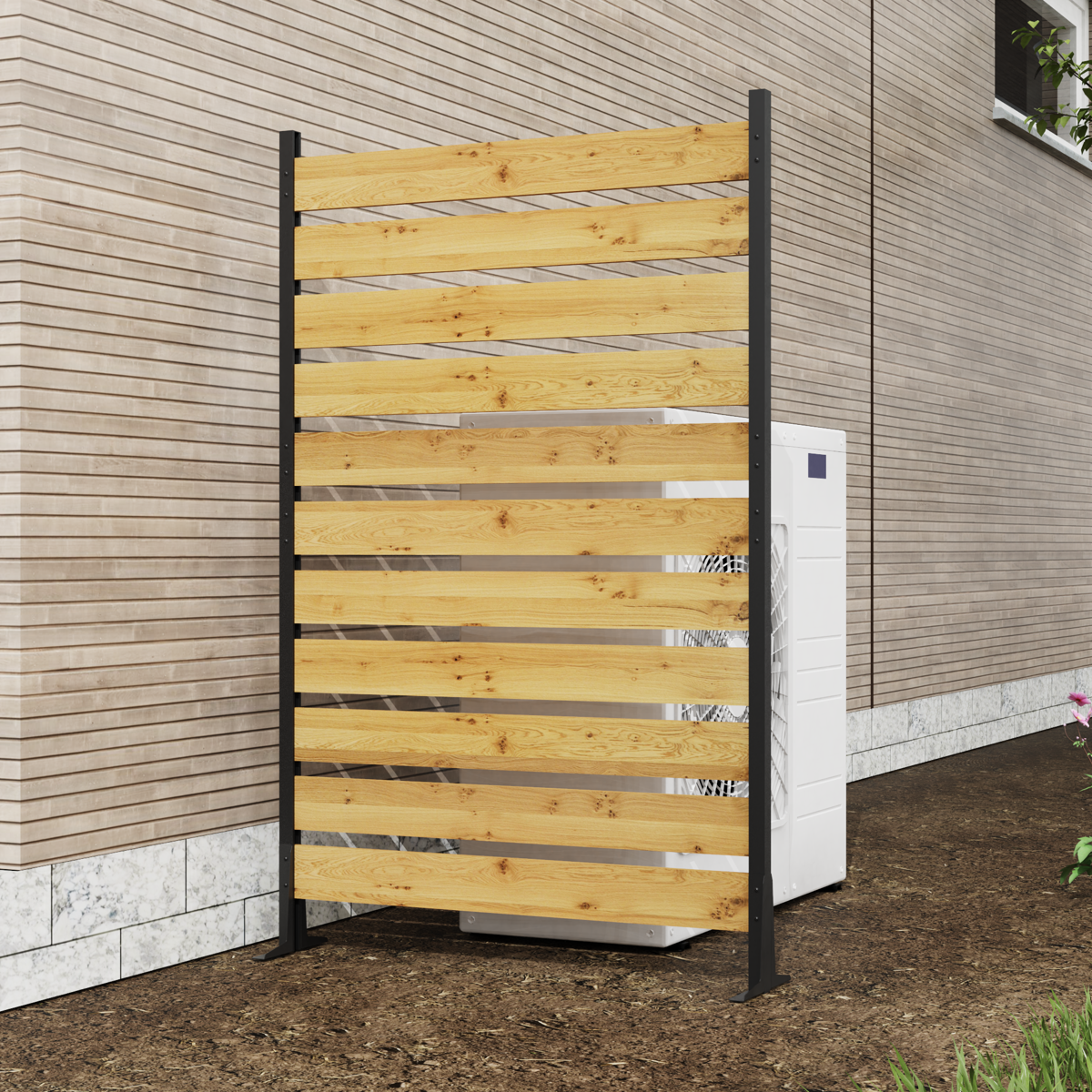 72.8"H x 38.5"W(1 Panel) Cedar Wood Privacy Screen, Outdoor Walls, Fence for Pool Equipment Enclosure, Trash Can Enclosures, Air Conditioner$136.99View on Mallflare
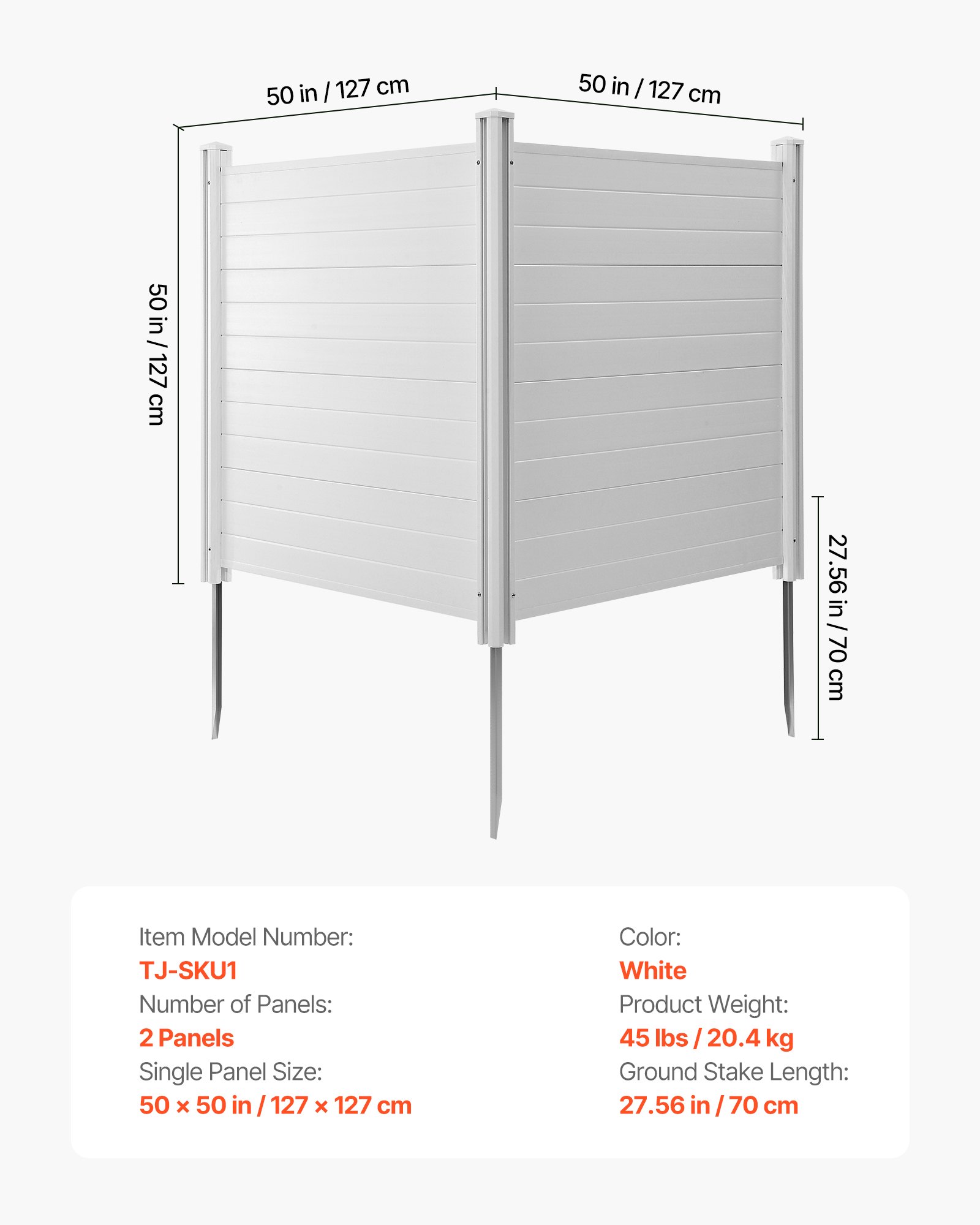 2 Panels Outdoor Privacy Screen, 50 X 50 In Air Conditioner Fence With 27.6 In Ground Stakes, Pool Equipment Enclosure, Horizontal Vinyl Ideal For Trash Can And A/C Units, White$142.99View on Mallflare
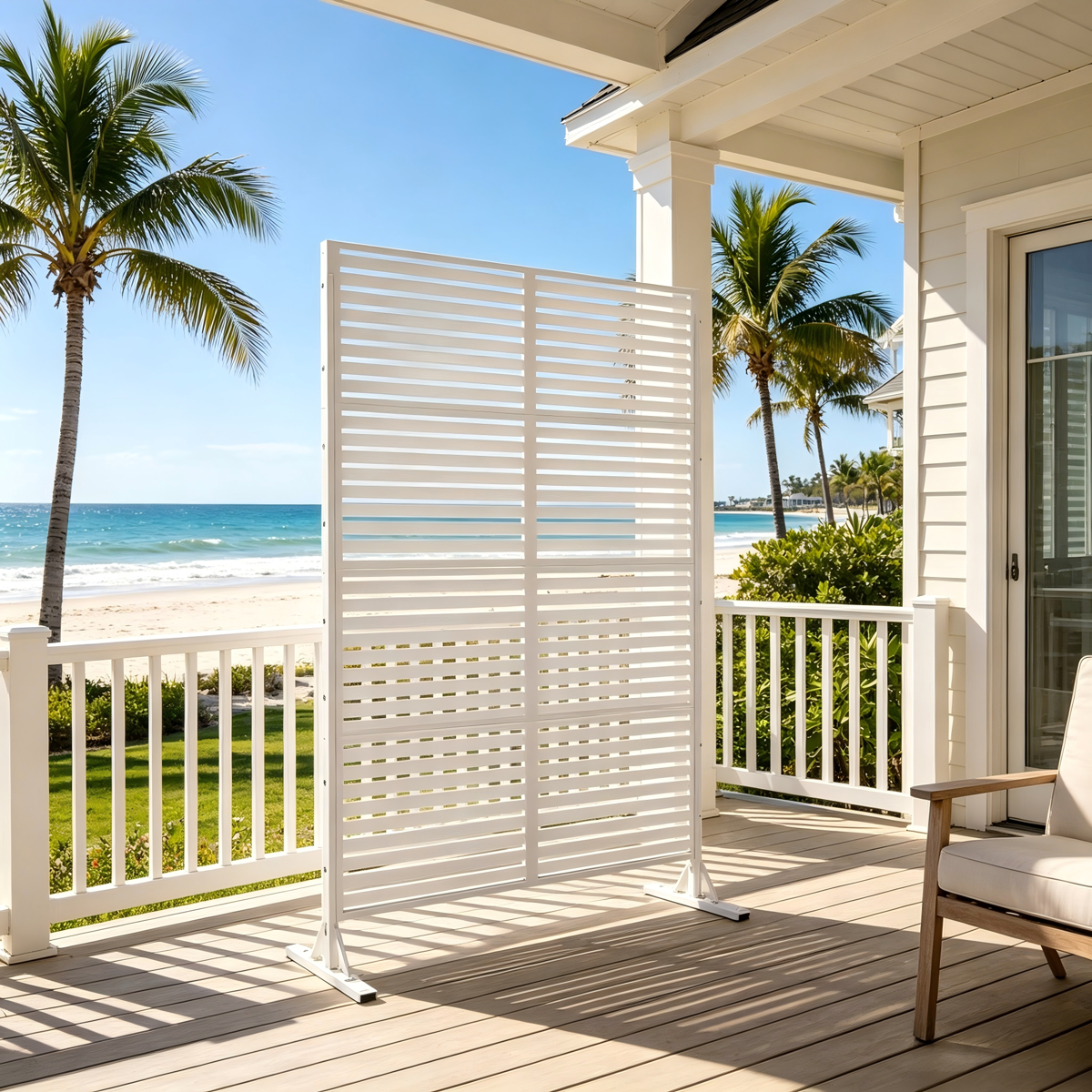 70.87" H × 46.06" W White Metal Privacy Screen, Freestanding Slatted Patio Divider Fence, Coastal & Beach House Decor, Indoor Room & Sunroom Partition, Kid Play Yard & Pet Safe Outdoor Deck Balcony Ba$146.99View on Mallflare
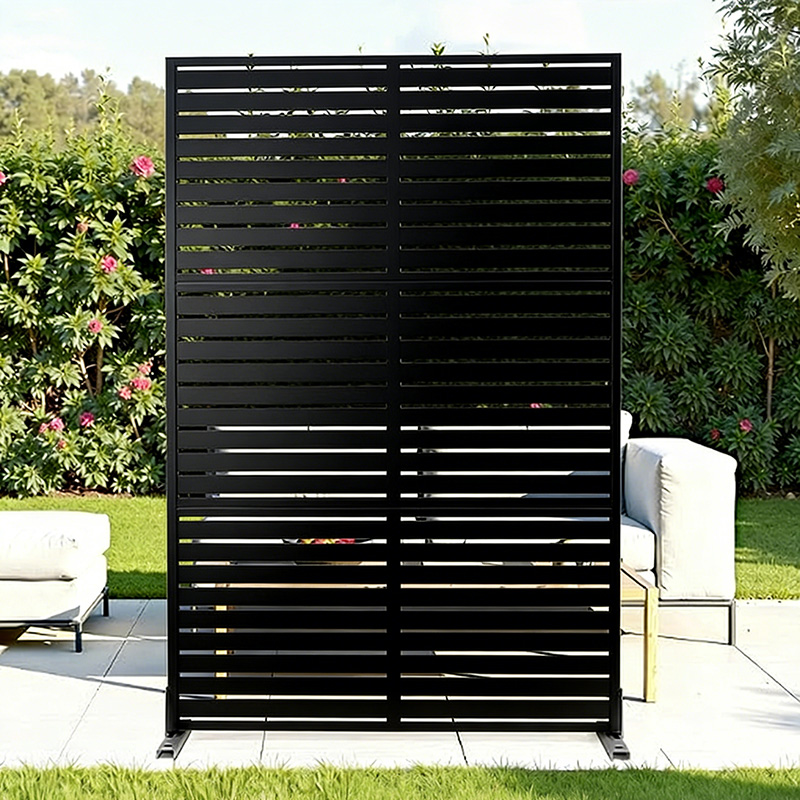 70.87" H × 46.06" W Black Metal Outdoor Privacy Screen, Freestanding Slatted Patio Decorative Fence Divider for Balcony Backyard Deck$146.99View on Mallflare
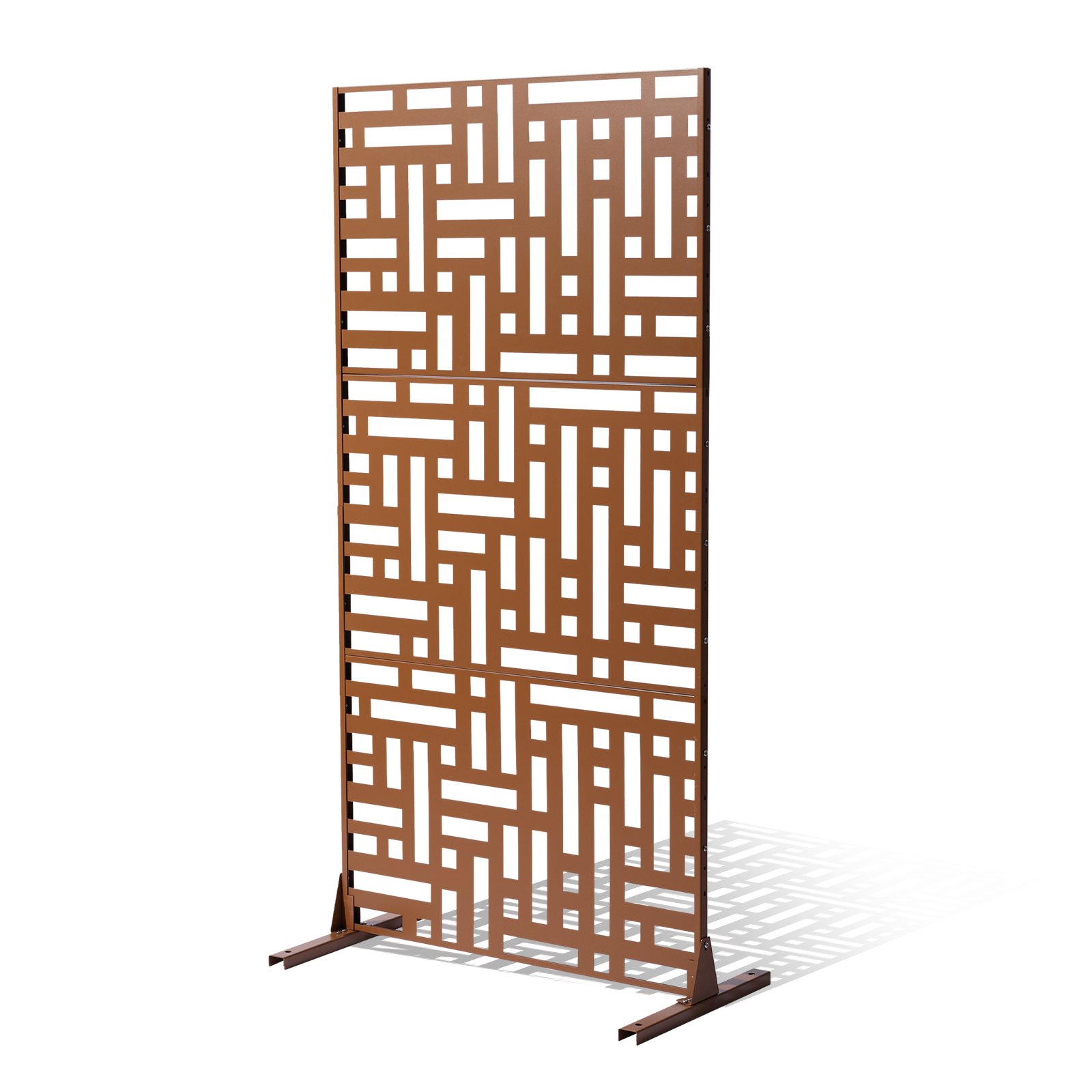 Metal Privacy Screen 47'x76' Outdoor Screens & Panels For Patio Brown$147.99View on Mallflare
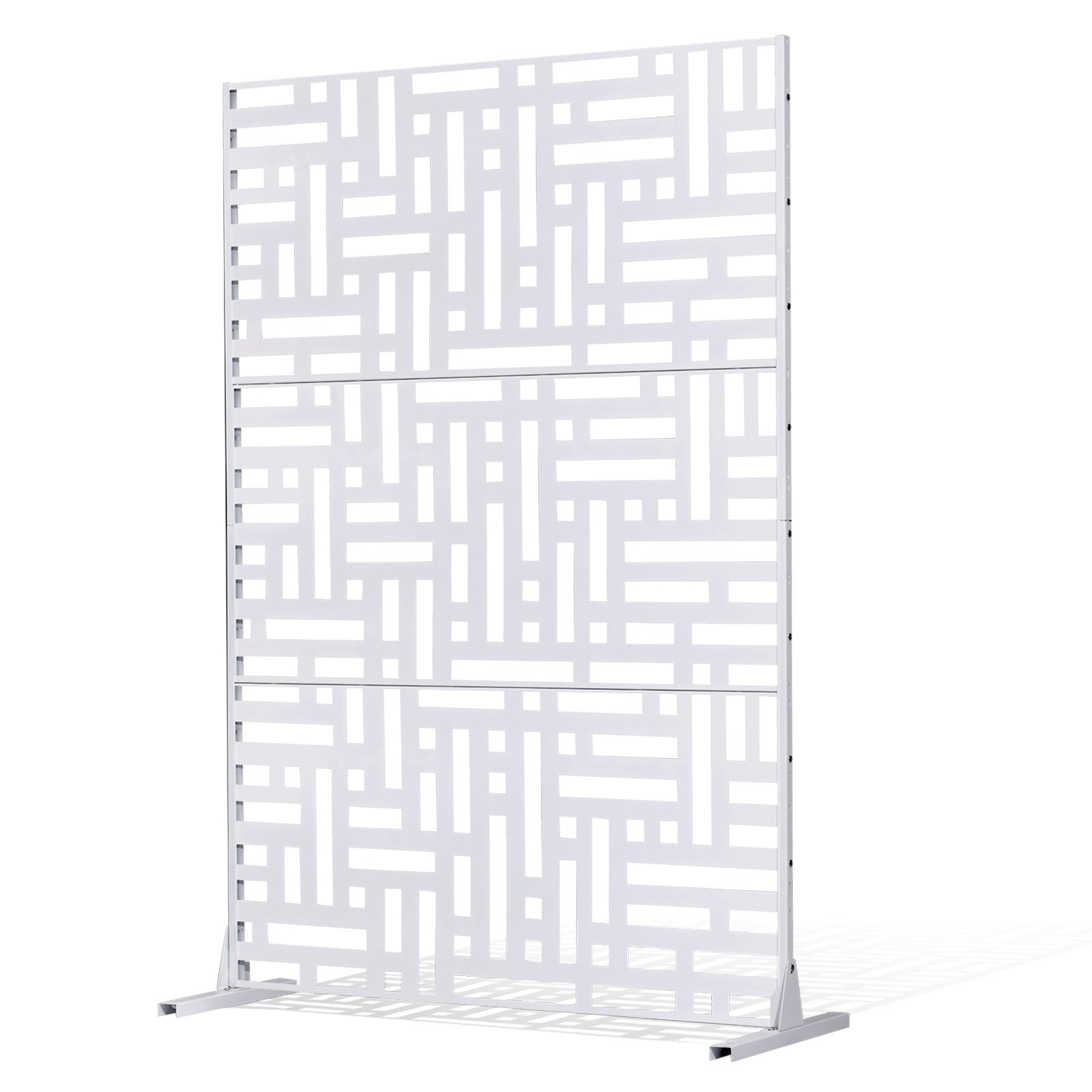 Metal Privacy Screen 47' X 76' Outdoor Screens & Panels For Patio White$152.99View on Mallflare
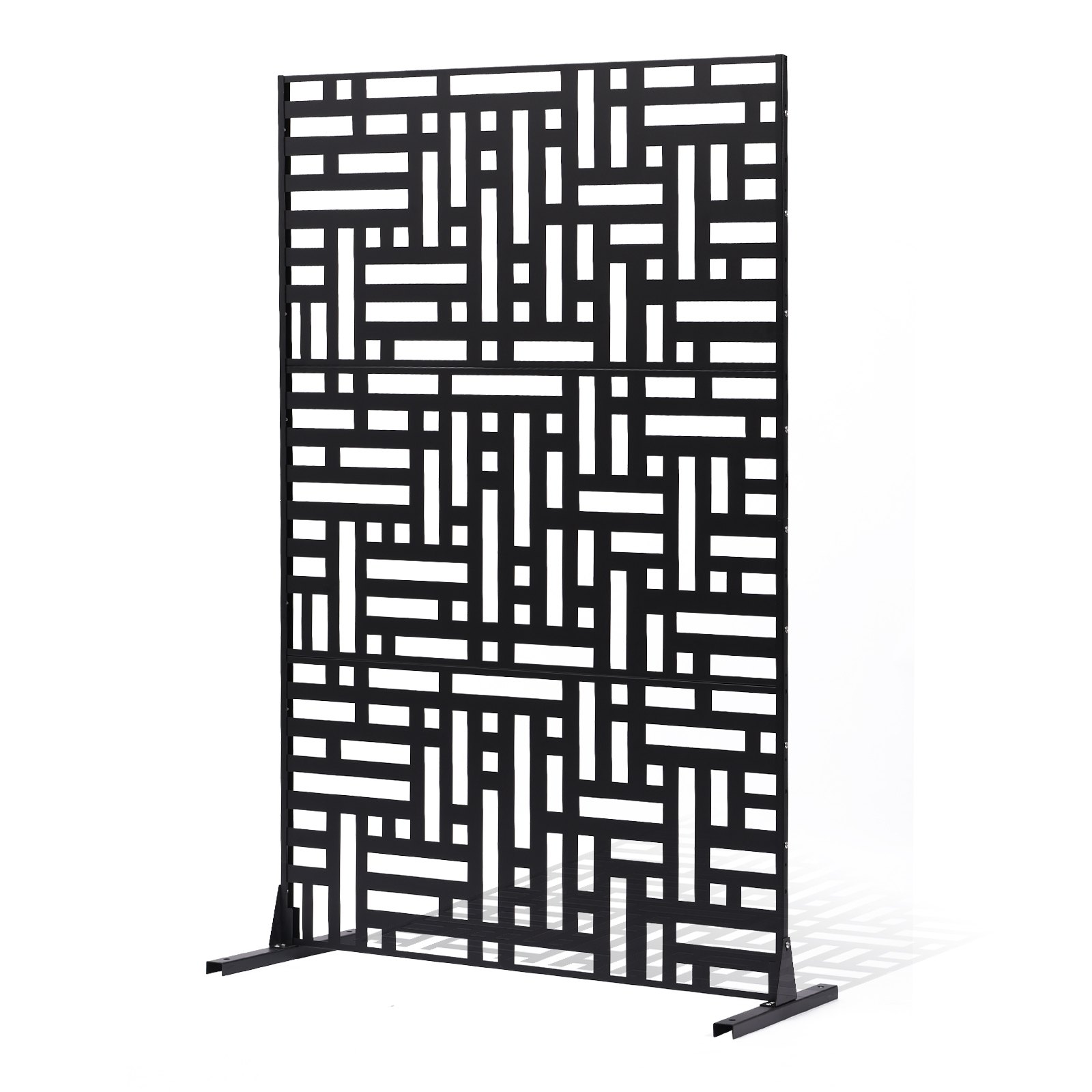 Metal Privacy Screen 47' X 76' Outdoor Screens & Panels For Patio Black$153.99View on Mallflare
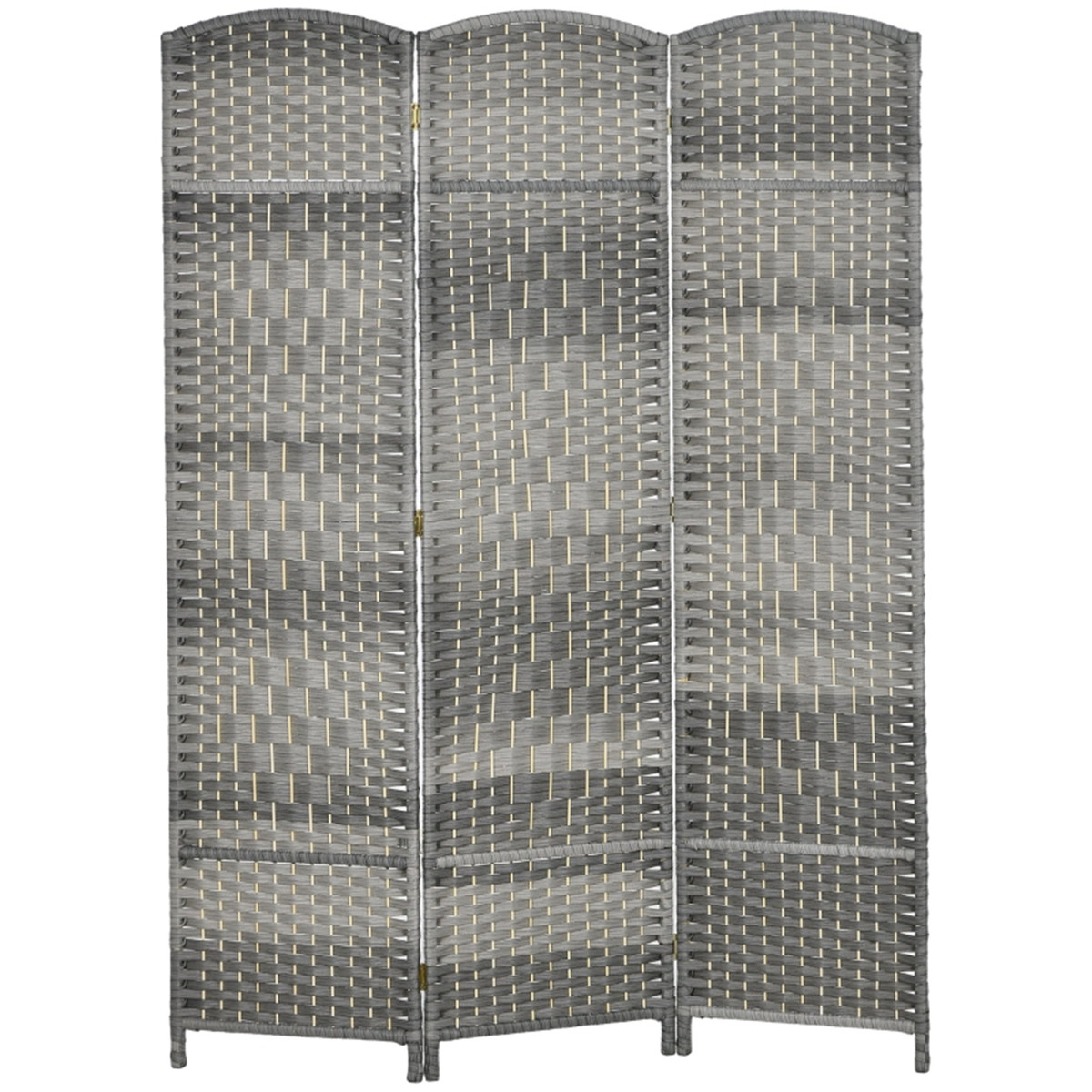 Outdoor Privacy Screen$171.99View on Mallflare
Highlights
- Fabric density and weave drive opacity: 180–260 GSM woven HDPE or polyester blocks sightlines; below 150 GSM becomes semi-sheer and backlit at night.
- UV stabilization is the lifespan metric: solution-dyed HDPE with added UV inhibitors holds color 5+ seasons; surface-coated prints chalk and crack within 1–2 summers.
- Wind rating depends on anchoring, not fabric: grommet-and-bungee panels need a rigid frame or tensioned cable; freestanding panels require weighted bases or ground stakes.
- Frame architecture splits tiers: powder-coated aluminum or steel frames resist rust and hold panels taut; plastic pop-up hubs are light but rack and sag above moderate breeze.
Best use cases
- Rental balcony or apartment patio: choose a tension-rod or freestanding folding panel with weighted feet—skip permanent post-anchor systems that require drilling.
- Deck privacy between neighboring houses: pick a rigid aluminum-framed panel with 200+ GSM fabric and bolt-down or weighted base plates; skip lightweight roll-up fabric that flaps and gaps.
- Temporary event, campsite, or market stall: use a pop-up screen with included stakes and guylines; skip heavy glass or composite rigid panels that need two people and a vehicle.
- Garden bed or pool-equipment concealment: select a roll-up grommeted HDPE panel rated for outdoor season-long exposure and lash it to an existing fence or posts; skip indoor-rated fabric that mildews.
Buying tips
- Match panel height to the sightline you are blocking: 4 ft screens hide seating areas, 5–6 ft blocks standing neighbors, and 6.5 ft+ is needed for full standing privacy.
- Measure the exact span and add 10–15% for tensioning and overlap—panels pull short when stretched on a frame, and butt-jointed panels leave visible gaps.
- Choose solution-dyed HDPE or acrylic fabric over printed polyester for any screen left out more than one season; color goes through the fiber rather than sitting on the surface.
- Confirm the anchoring kit is included: weighted base plates, ground stakes, or tension cables are frequently sold separately and are what actually keep the screen upright in wind.
Specs
| Fabric Weight | 150–260 GSM woven HDPE/polyester |
|---|---|
| UV Rating | Solution-dyed, UV-stabilized 5+ seasons |
| Mounting Type | Freestanding weighted vs tension/grommet |
| Frame Material | Powder-coated aluminum vs plastic pop-up |
Related searches
What to check before buying
- Measure the opening width, height, and any railing or eave obstructions before choosing a freestanding versus tension-mounted design.
- Check wind exposure at the site: upper-floor balconies and open corners need weighted or anchored bases, not just a lightweight pop-up frame.
- Verify the mounting surface—concrete, wood decking, or rental railing—determines whether bolt-down, clamp-on, or weighted-base hardware is viable.
- Confirm the panel is rated for outdoor UV and moisture exposure and that frame hardware is rust-resistant for year-round placement.
FAQ
Data sources: eBay / Amazon listings and product attribute feeds. Updated Nov 29, 2026.
Some links on this page are affiliate links. If you buy after clicking one, we may earn a commission at no extra cost to you. This does not change which products appear here or their order. Affiliate disclosure.