GardenPulse Guide

GardenPulse Guide

Garden, Yard & Outdoor Living Reviews & Buying Guides

Compare garden, yard & outdoor living by use case, features, trade-offs, price, returns, and seller terms before you buy.

Buying guides

Buying guide image
Chicken Coops & Runs

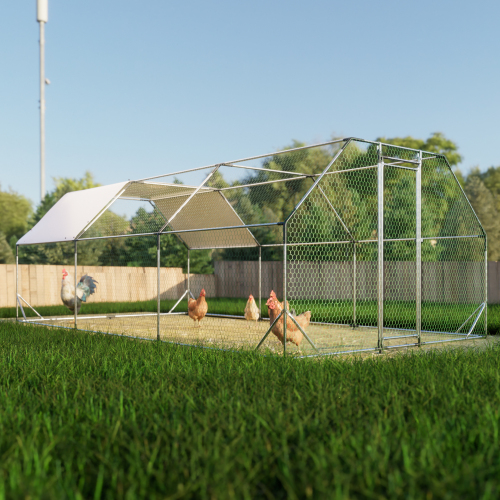
Large Chicken Run

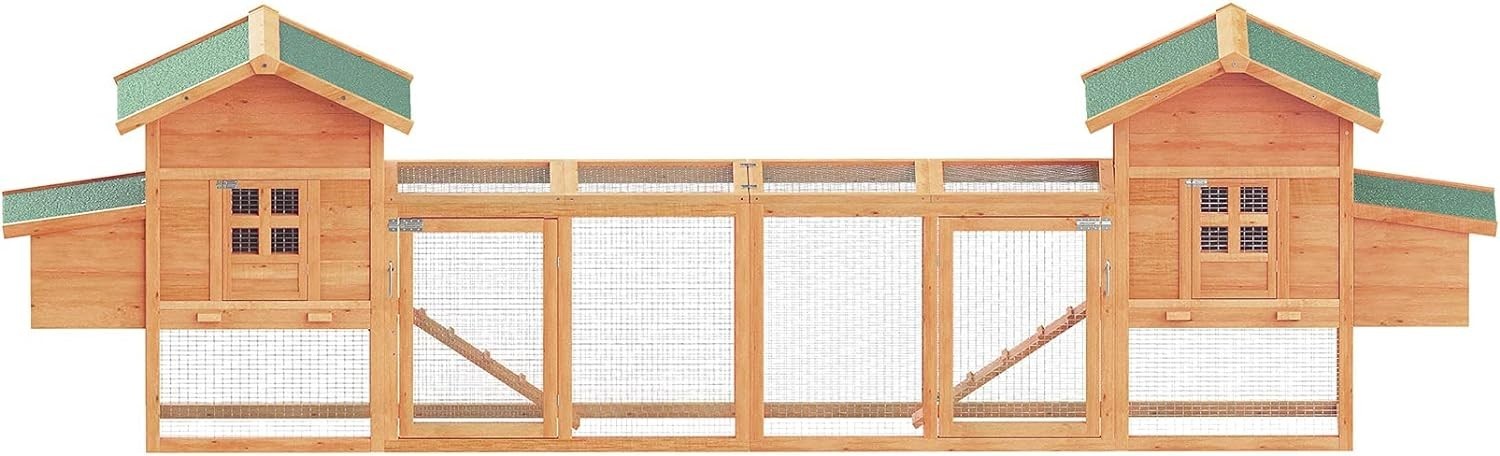
A large chicken run is the single biggest welfare upgrade you can make, but oversized footprints often hide weak wire gauges, undersized tube frames, and covers that shred in wind. Sizing for floor space per bird, ground anchoring, and predator-grade mesh matters far more than the headline dimensions stamped on the box. Most buyers misjudge either the footprint or the mesh spec and end up with a run that is too small or too flimsy.

Buying guide image
Outdoor Storage

Patio Storage Box

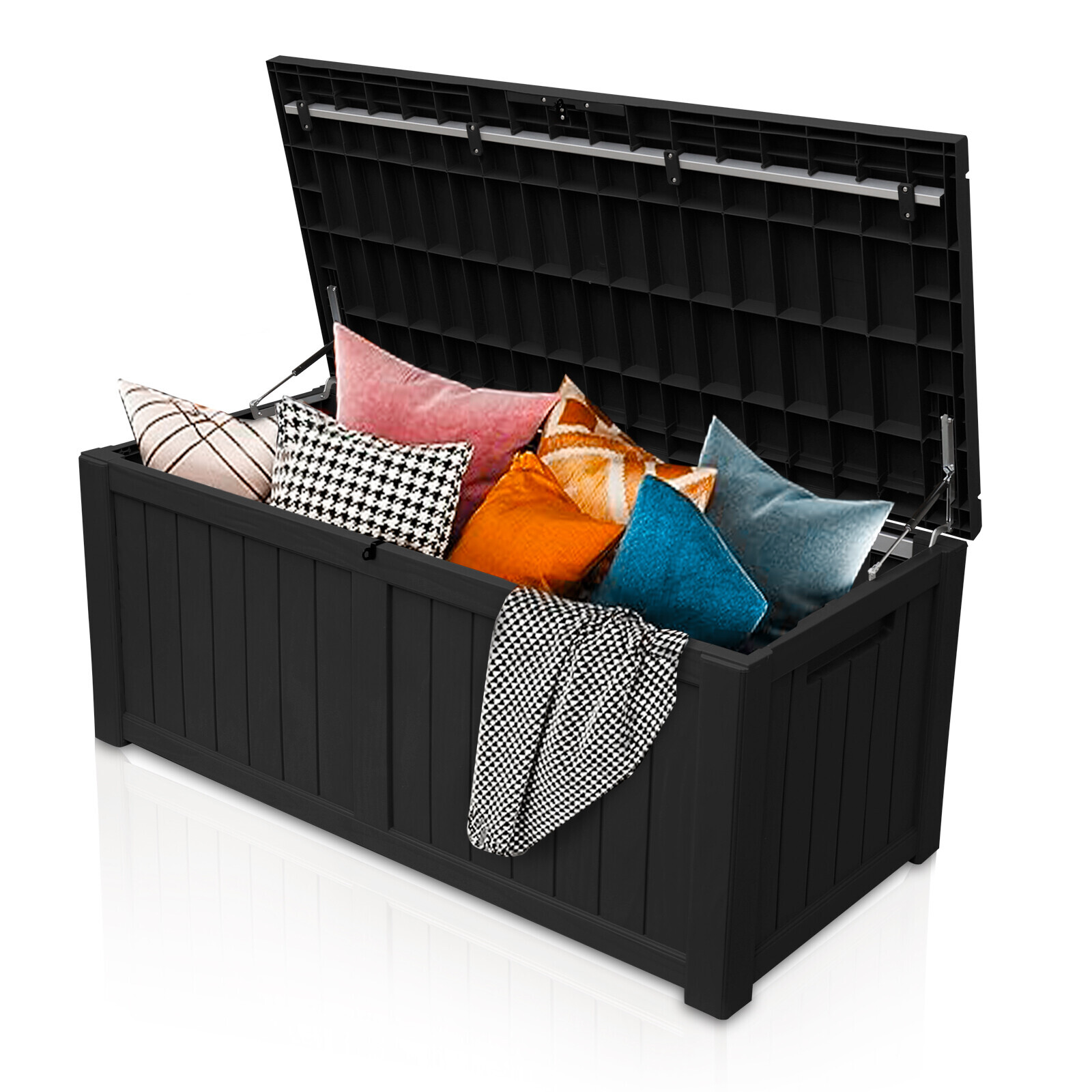
A patio storage box only earns its footprint when the lid seals, the base drains, and the walls resist UV without warping. Most buyers misjudge capacity by eyeballing the exterior, then discover cushions and pool tools need 20–30% more interior volume than expected. Lock the material grade and lid geometry before comparing gallon ratings.

Buying guide image
Outdoor Lighting & Decor

Patio Decor

Patio decor covers a wide range of functional and ornamental pieces, from solar statues and fountains to metal signs and sculptural yard art. Buyers often misjudge material durability for year-round exposure or overlook power and drainage requirements for water and light features. Focus on construction grade, realistic dimensions, and whether the piece needs direct sun, a power source, or freeze protection before committing.

Buying guide image
Chicken Coops & Runs

Heavy Duty Metal Chicken Run

Heavy-duty metal chicken runs are walk-in, galvanized-steel frame enclosures that replace flimsy wooden or thin-wire tractors for permanent predator defense. The core trade-off is tube gauge and mesh thickness versus modular bolt-together assembly: thicker 1.0–1.2 mm walls and 1×1 inch 16–18 gauge welded wire hold up for years, while 0.6–0.8 mm tube and 1×2 inch 20–22 gauge mesh deform under dog or raccoon pressure. The decision rule: buy a run rated at 1.0 mm or thicker tube with a full-coverage waterproof roof and ground-level apron; skip anything sold on 'heavy-duty' wording alone without a stated gauge or mesh thickness.

Buying guide image
Watering & Irrigation

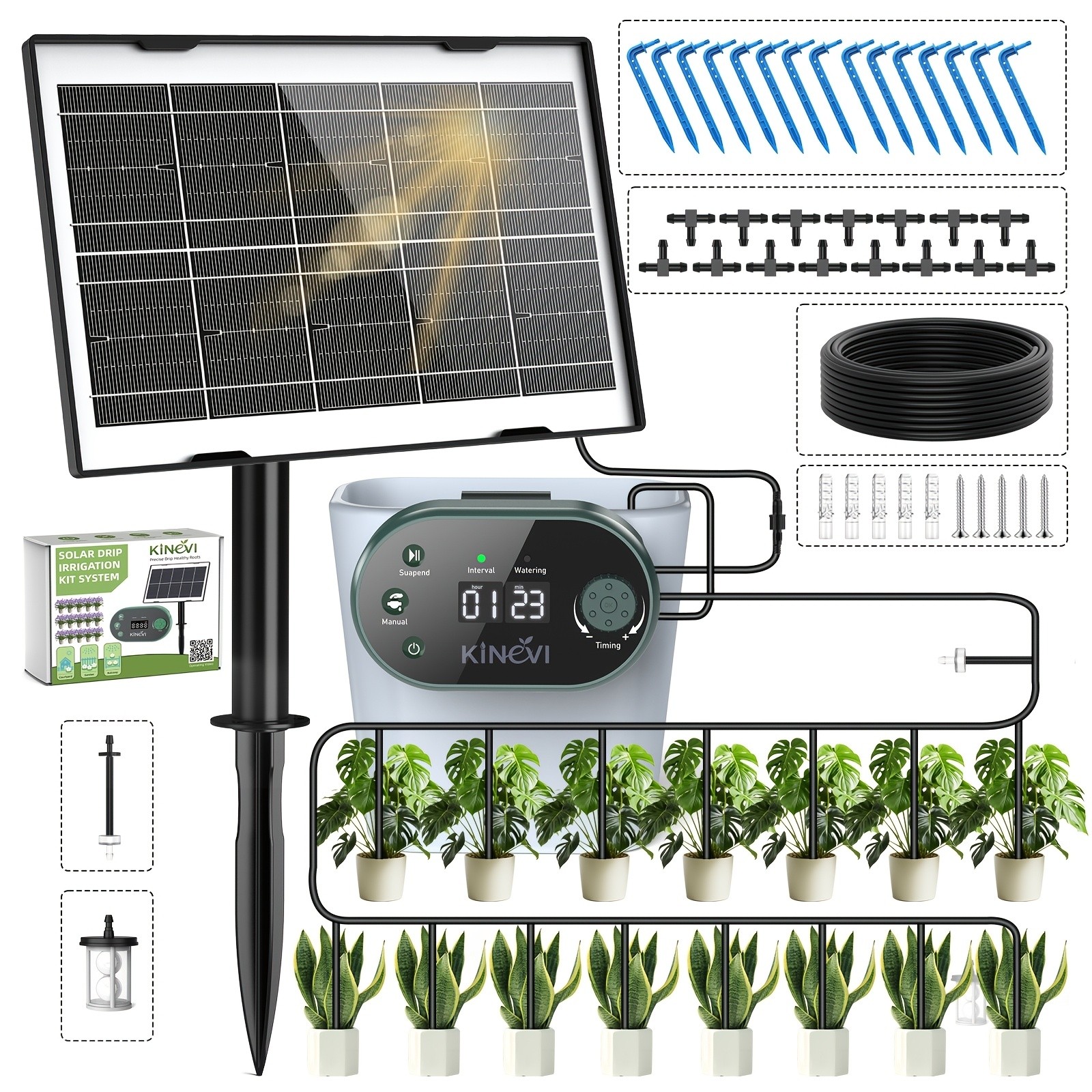
Automatic Irrigation System

Automatic irrigation systems range from passive ceramic spikes to timer-driven drip and mist lines, and the core trade-off is water control versus clogging and pressure reliability. Timer-based drip systems with pressure regulation and filtration are the durable choice; unregulated spike kits are short-term compromises that silt up or overwater. The decision rule: buy a system with a programmable timer, a 25-psi regulator, and serviceable emitters for anything beyond a single vacation cycle.

Buying guide image
Outdoor Structures, Shade & Awnings

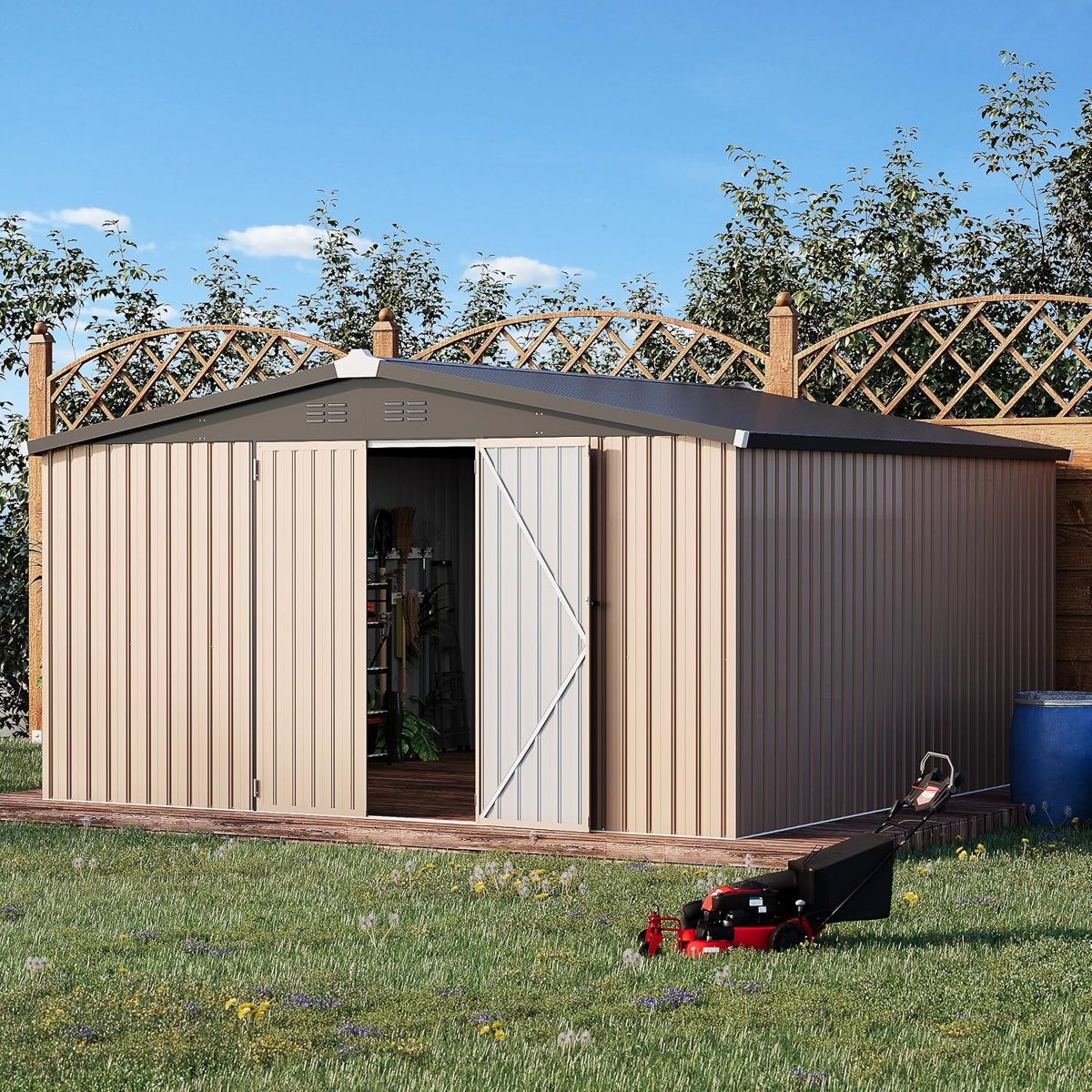
Metal Garden Shed

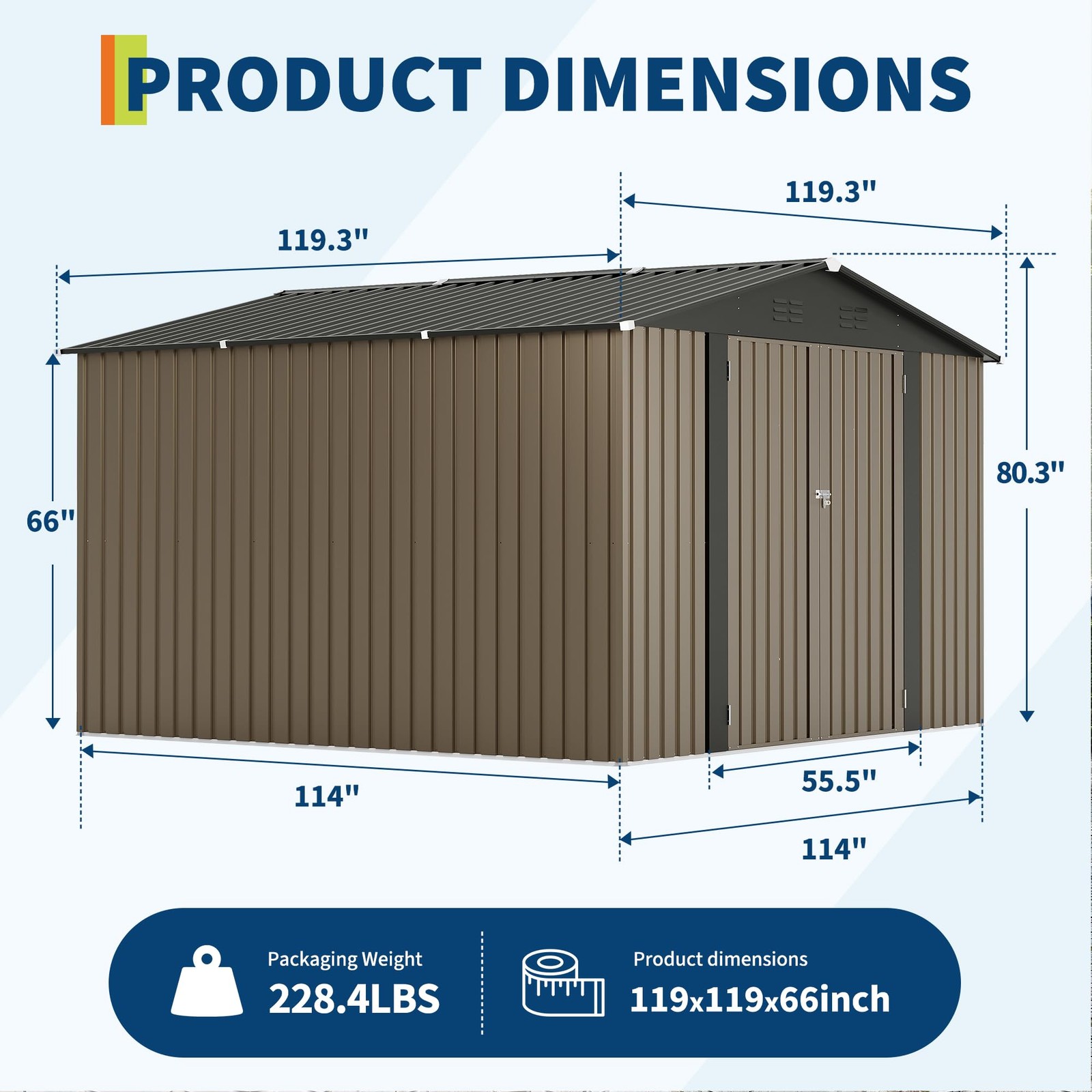
A metal garden shed is a steel or aluminum outbuilding for weather-tight storage of tools, bikes, and gear, where panel gauge, coating system, and roof pitch dictate lifespan. The core trade-off is thin galvanized steel with a limited paint warranty versus heavier, pre-painted steel on a rigid frame with a pitched roof that sheds water and snow. Buyers should step up to a framed, double-door, pitched-roof model in the 8x6 ft class for real durability; compact 5x3 ft cabinet-style sheds are bike-and-bin boxes, not all-season structures.

Buying guide image
Patio Furniture

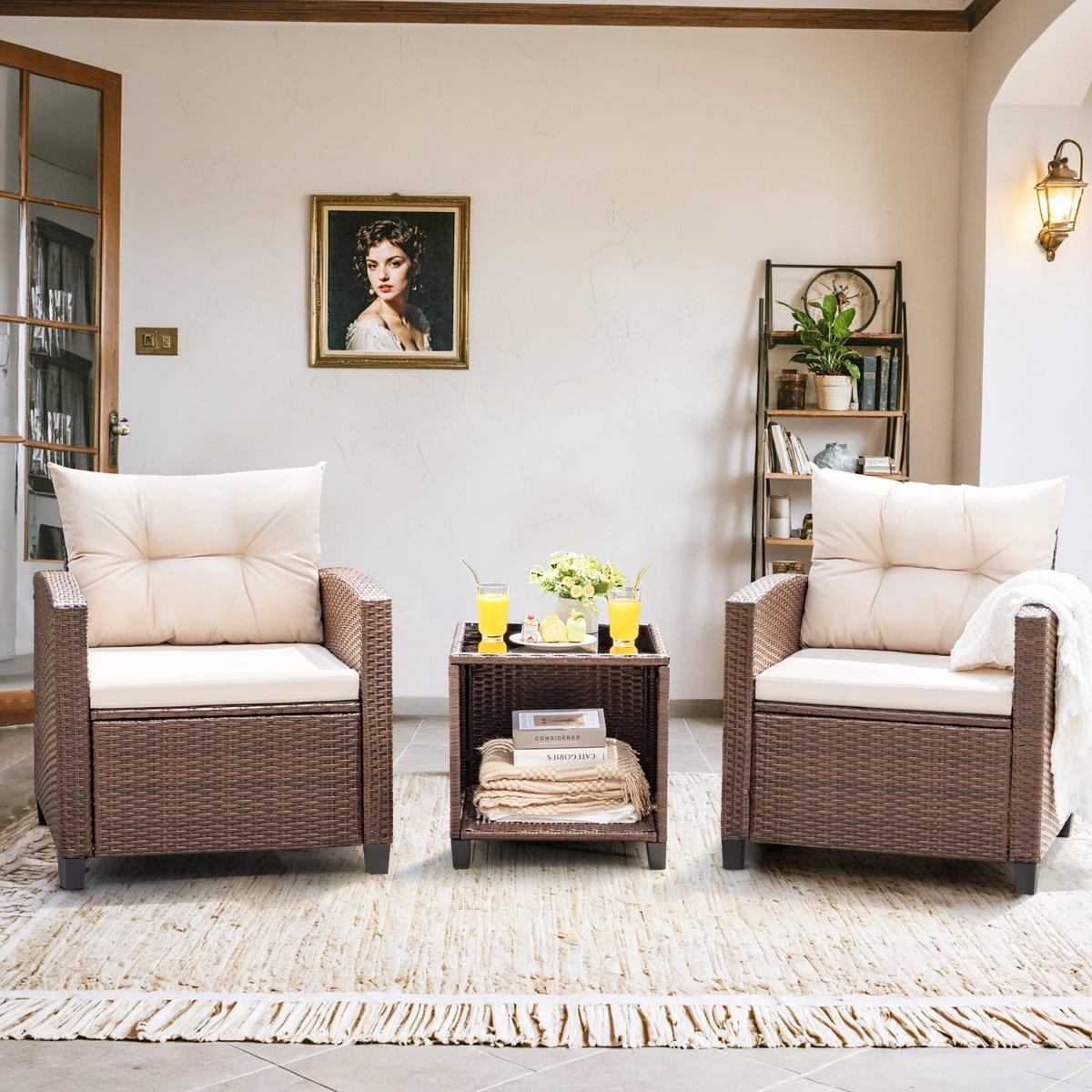
Bistro Patio Set

A bistro patio set is a compact 2- or 3-piece outdoor dining set (typically two chairs and a small table) designed for balconies, porches, and small patios. The core trade-off is frame construction and material durability versus portability and low maintenance. Buyers should prioritize powder-coated steel or aluminum frames with rust-resistant hardware and UV-stabilized synthetic weave, skipping untreated wood and thin-gauge tubular frames.

Buying guide image
Greenhouse & Hydroponics

Mini Greenhouse

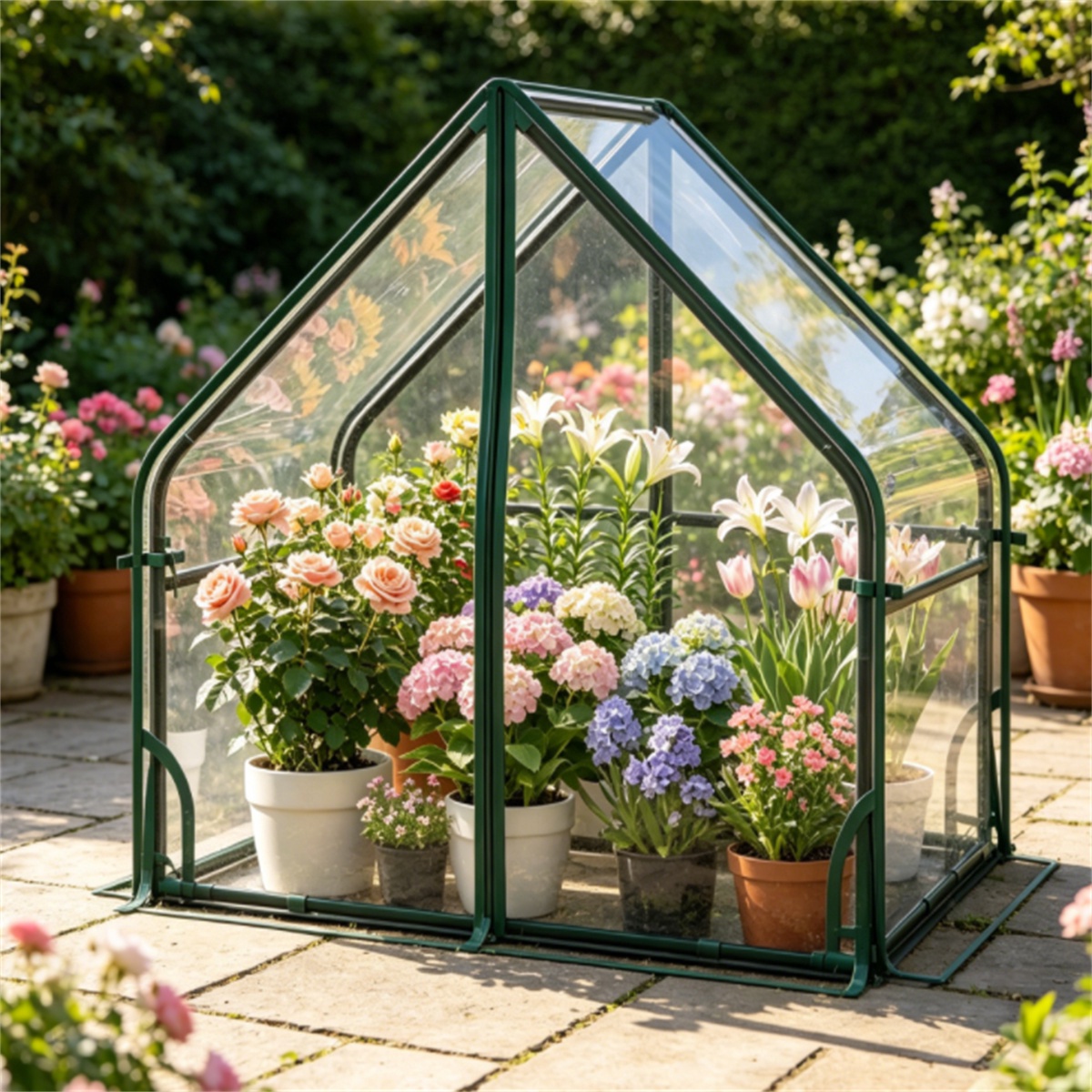
Mini greenhouses split into two distinct architectures: countertop seed-starter kits (trays, domes, grow lights) for germination, and freestanding walk-in or shelving units (PVC/PE covers over metal frames) for overwintering and season extension. The core trade-off is cover material and frame gauge versus cost: flimsy PVC and thin wire frames fail in wind and UV within a season, while PE or reinforced covers on powder-coated steel last multiple years. Buy a seed-starter kit if you need germination control indoors; buy a framed unit with a zippered door and UV-stabilized cover if you need outdoor plant protection through winter.

Buying guide image
Outdoor Structures, Shade & Awnings

Metal Garden Shed With Floor

A metal garden shed with floor combines a galvanized or zinc-steel panel structure with an integrated base kit, solving the two classic failure points of budget sheds: ground contact corrosion and a missing level foundation. The decisive trade-off is steel gauge plus floor construction—thicker steel (20–22 ga) and a framed, panelized floor separate a decade-long structure from a two-season tarp alternative. Buyers should treat the floor kit as a structural system, not an accessory: if the base is not included or not galvanized, the shed is a compromise.

Buying guide image
Raised Garden Beds & Planters

Planter Outdoor

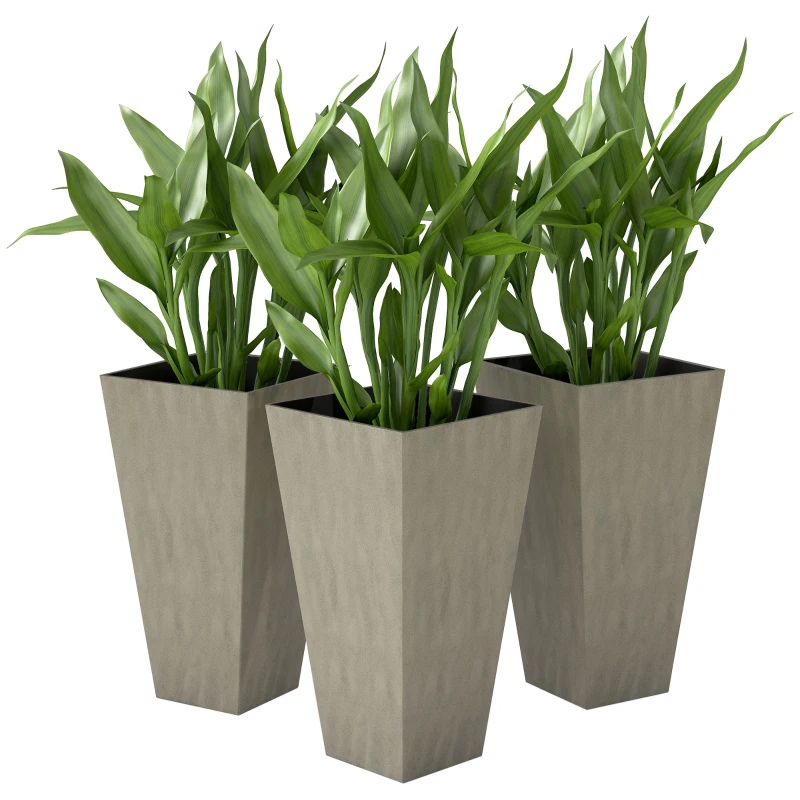
Outdoor planters range from fabric grow bags and plastic urns to galvanized metal raised beds and wood boxes; the primary trade-off is weather durability and root-zone control versus cost and weight. Buy metal or UV-stabilized plastic for permanent patios, fabric for seasonal vegetables, and wood only with rot-resistant species or liners. The decision rule: match material to sun exposure, drainage needs, and whether the planter must survive frost and freeze-thaw cycles.

Buying guide image
Raised Garden Beds & Planters

Outdoor Planter Box

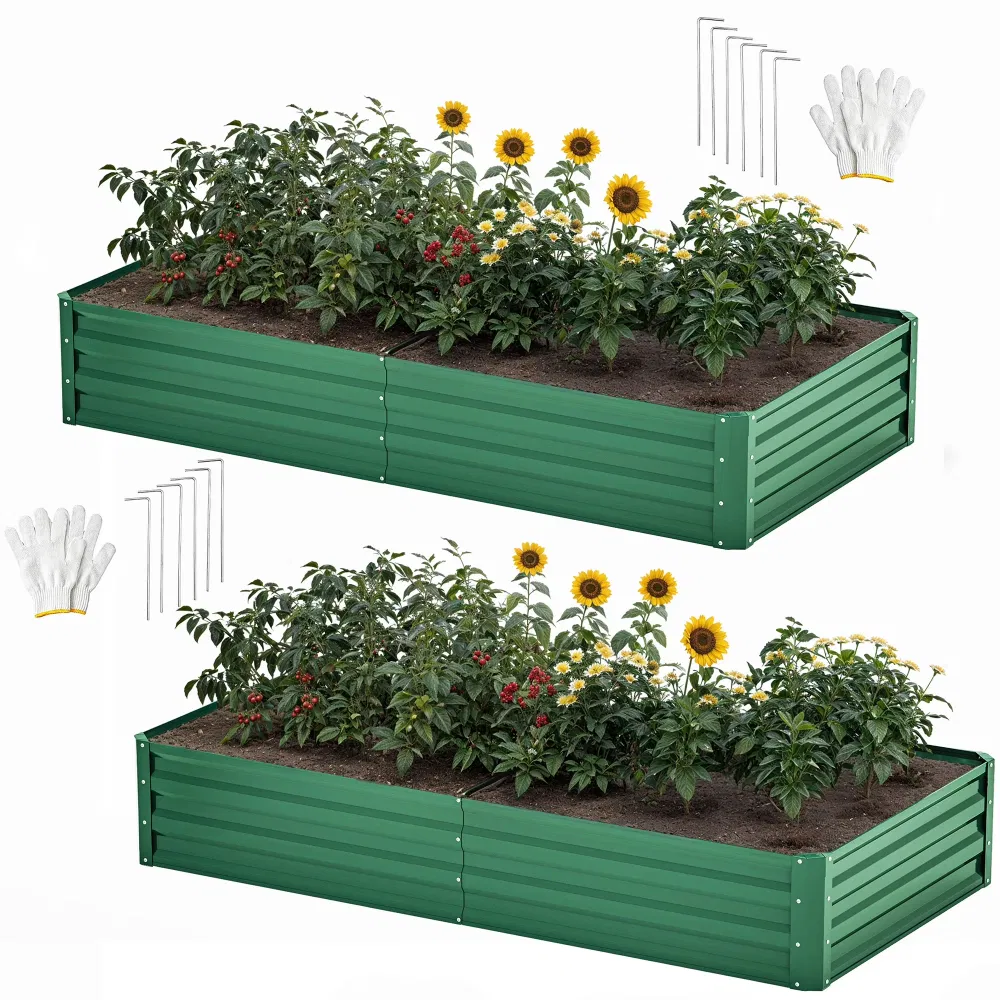
Outdoor planter boxes range from decorative containers to functional raised beds, with the core trade-off being material durability versus cost and weight. Galvanized steel and rot-resistant wood offer long-term structural integrity, while plastic and fabric suit lighter, movable applications. The decision rule: choose metal or thick-walled wood for permanent, soil-filled installations; choose UV-stabilized plastic or heavy-duty fabric for seasonal or portable use.

Buying guide image
Outdoor Structures, Shade & Awnings

Outdoor Gazebo

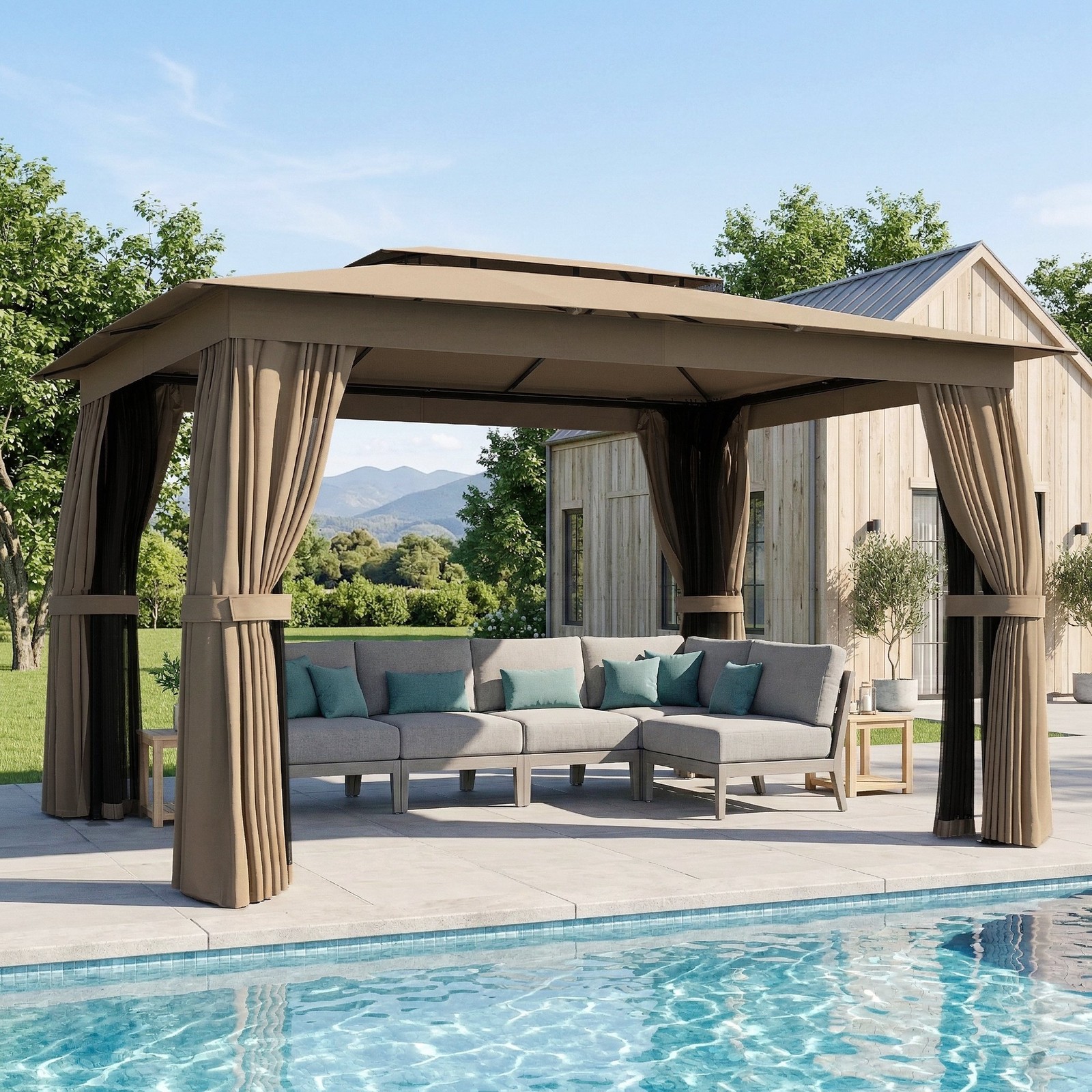
An outdoor gazebo blends shade, weather protection, and semi-permanent structure, so the wrong frame or roof material fails within a season. Start with the roof type and frame gauge, then confirm footprint against your patio slab, deck, or lawn anchors. Most buyer mistakes come from treating pop-up canopies and hardtop gazebos as interchangeable.

Buying guide image
Patio Furniture

Patio Bench

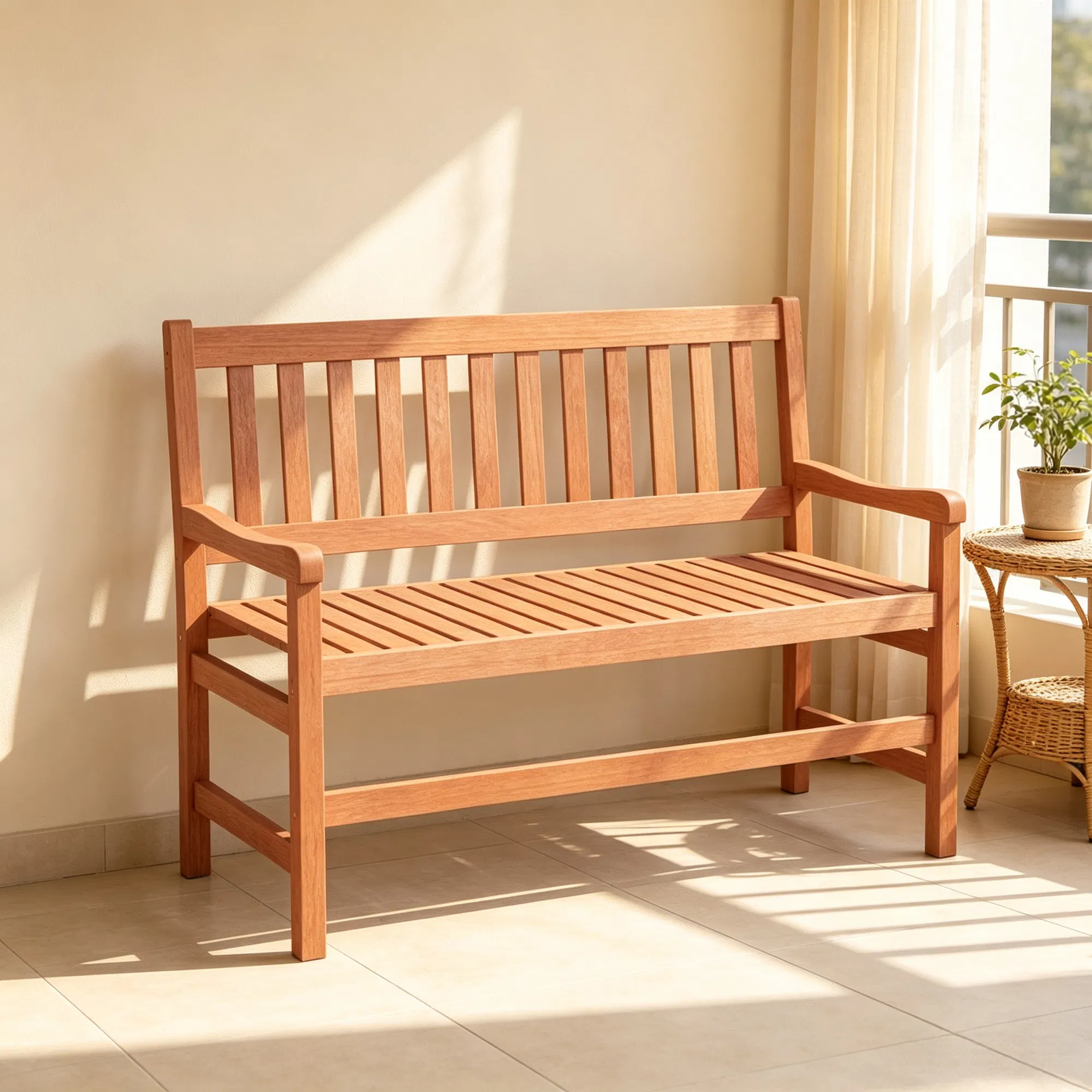
A patio bench is the hardest-working seat outdoors, so material and frame construction matter far more than cushions or styling. Buyers commonly misjudge two things: how the bench will weather in their climate, and whether the seat depth and back height actually suit lounging versus upright sitting. Pick the frame material and mounting type first, then size to your space and use.

Buying guide image
Outdoor Storage

Storage Shed

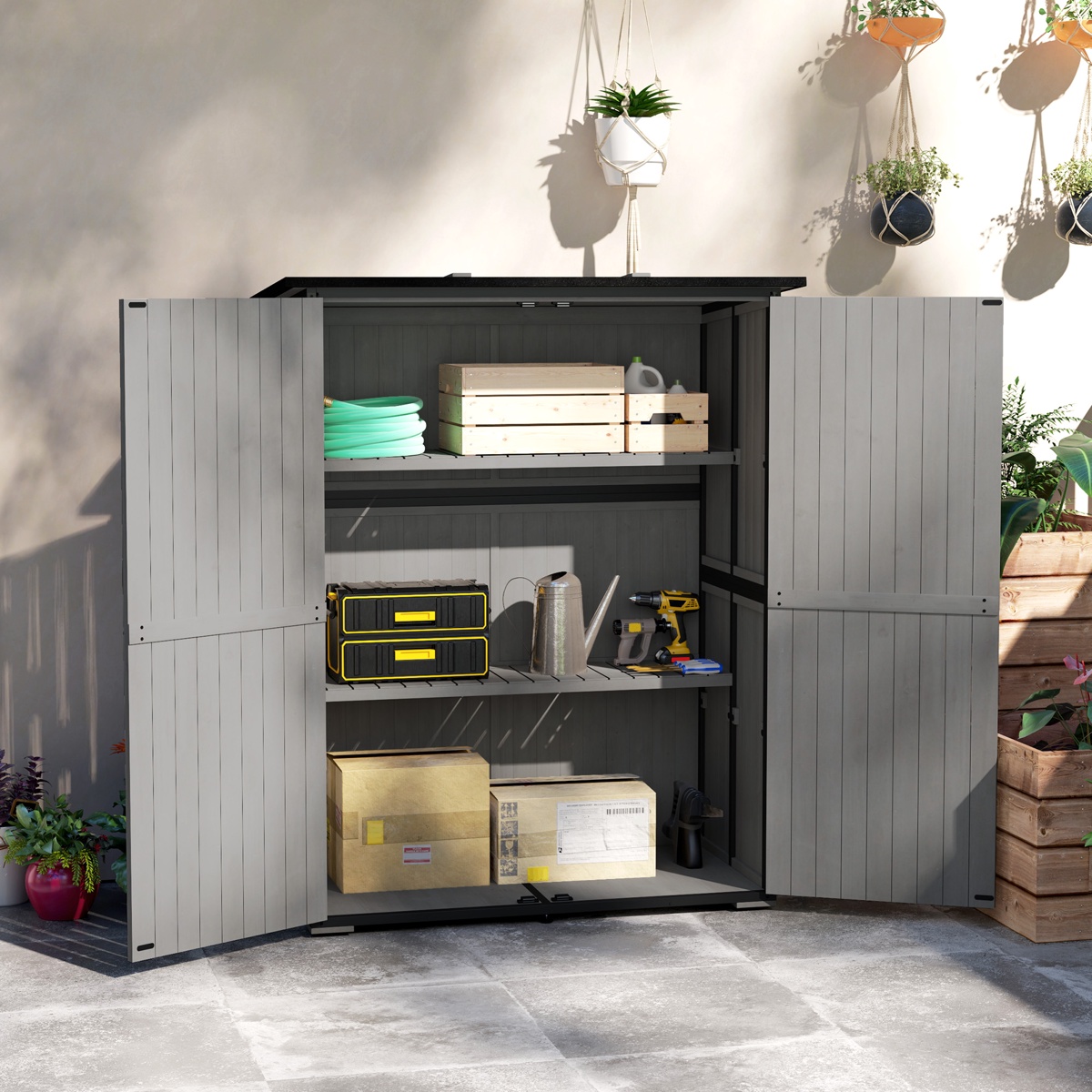
A storage shed is a weatherproof outdoor structure for securing tools, bikes, and garden gear, spanning soft fabric tents to rigid resin and galvanized-steel buildings. The core trade-off is upfront cost versus wind/snow load capacity and UV lifespan: fabric tents fail in high wind, while thin steel dents and rusts at cut edges. The decision rule is simple: choose resin or heavy-gauge steel for permanent year-round storage, and reserve fabric tents for seasonal, low-wind, lightweight gear.

Buying guide image
Patio Furniture

Garden Furniture

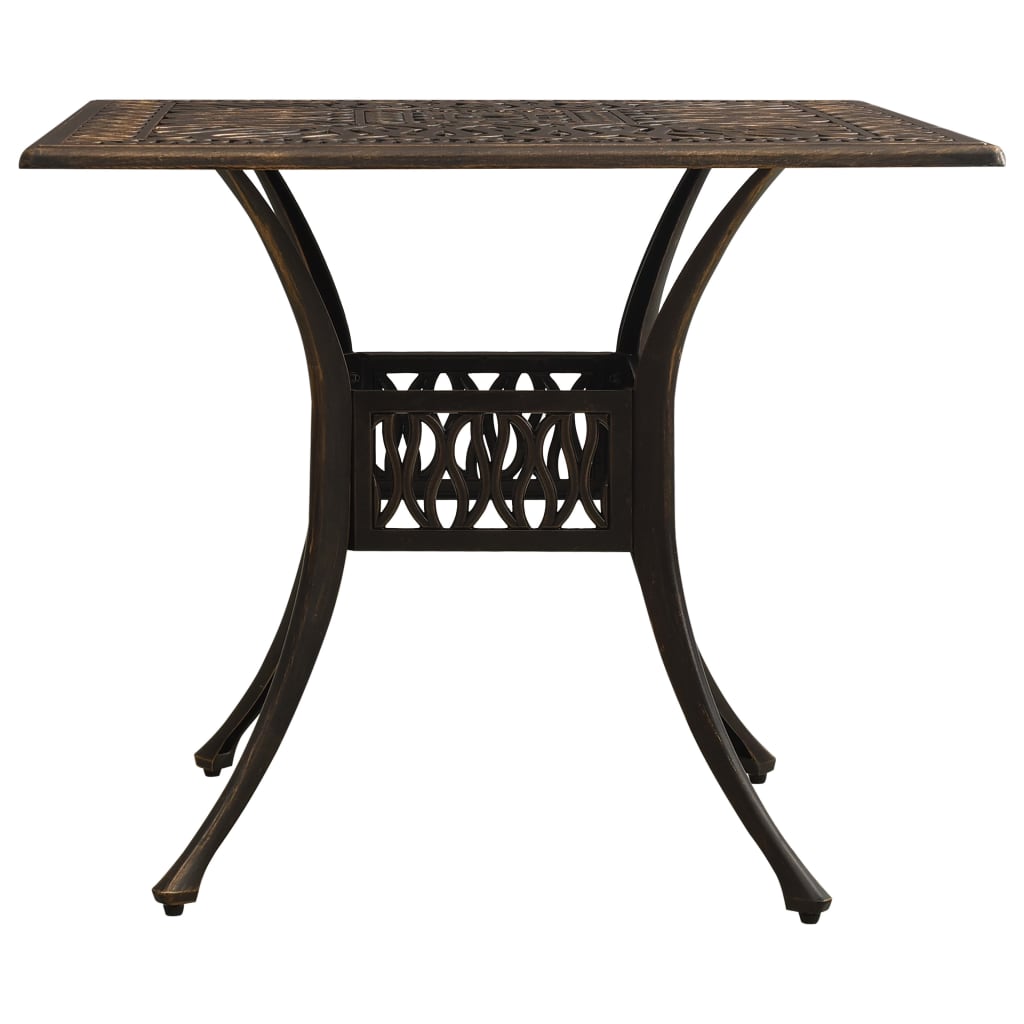
Garden furniture covers the full range of outdoor seating, dining, and relaxation pieces built for patios and lawns, where the main trade-off is weather-resistant material grade versus structural rigidity. Durable pieces use powder-coated steel or aluminum frames with high-density polyethylene (HDPE) rattan or kiln-dried hardwoods; compromises rely on thin tubular steel, low-GSM polyester, or unseasoned softwood that fails within a season. The decision rule: buy frame gauge and weave density first, cushion fabric second, and never prioritize style over joinery and finish.

Buying guide image
Garden Fencing & Privacy Screens

Privacy Screen

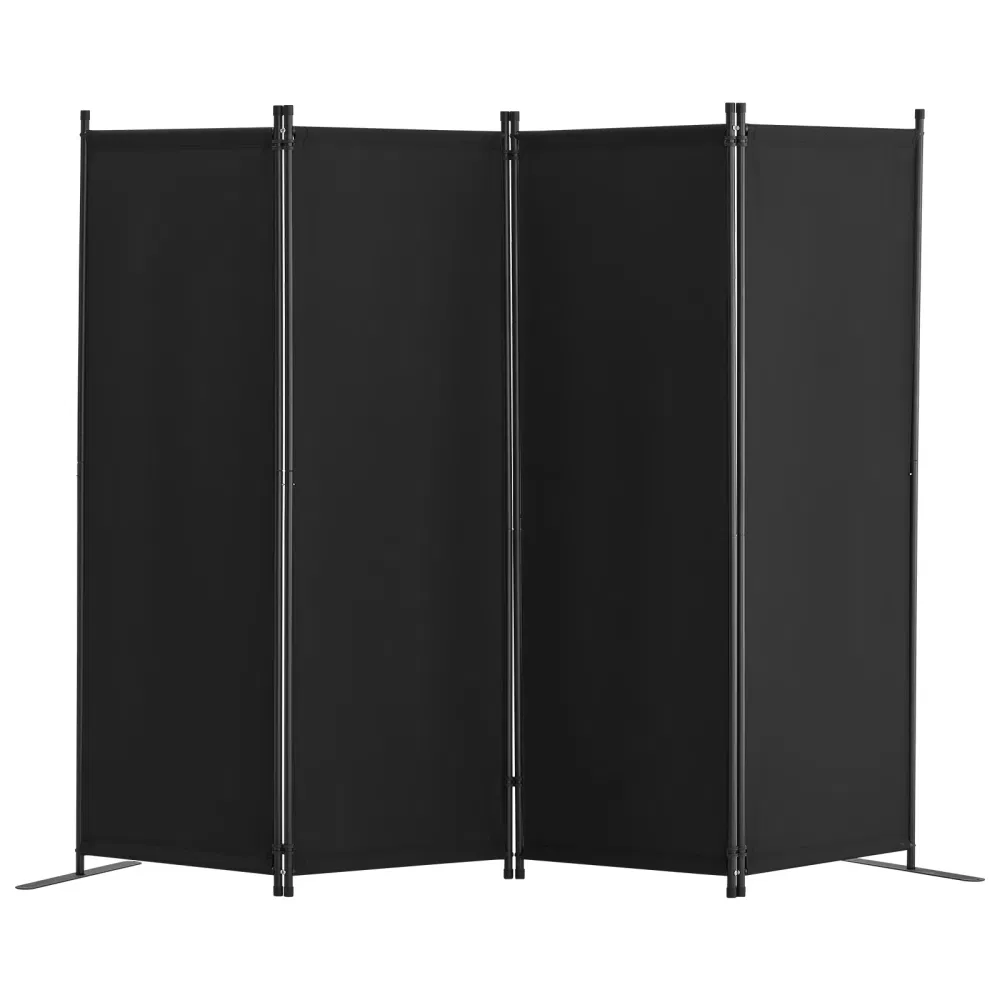
Privacy screens are free-standing or fence-mounted panels that block sightlines on patios, decks, balconies, and utility areas while letting air and light through. The core trade-off is structural anchoring versus flexibility: ground-staked or hard-mounted panels survive wind, while freestanding and folding panels trade wind resistance for portability and renter-friendly setup. Buy a staked or fence-clamped system for permanent outdoor exposure and a freestanding or hinged panel only for sheltered, temporary, or indoor use.

Buying guide image
Outdoor Storage

Storage Shed With Floor

A storage shed with floor is a freestanding outdoor structure whose integral base panel or floor kit creates a level, moisture-isolated platform for tools, bikes, and garden gear. The core trade-off is floor construction versus shed material: resin and plastic floors resist rot and insects but can sag under heavy point loads, while wood floors need plywood grade and joist spacing that survive ground moisture. Choose a shed whose floor is rated for your heaviest item and whose base is raised off soil; skip any unit that expects the floor to sit directly on dirt.

Buying guide image
Outdoor Storage

Portable Storage Shed

A portable storage shed is a lightweight, relocatable shelter for motorcycles, bikes, garden tools, or overflow gear, trading permanent structural integrity for fast setup and no foundation permit. The core decision is fabric-and-frame engineering: a powder-coated steel tube frame with reinforced polyethylene or PVC tarp resists wind and UV, while budget pop-up tents use thin poles and non-woven fabric that degrade within a season. Choose a tensioned tube-frame shelter with a rated fabric weight, anchored ground stakes, and a roll-up or zippered door; skip thin pop-up or polyester-shell units for anything left outdoors year-round.

Buying guide image
Outdoor Storage

Storage Shed Clearance

Storage shed clearance refers to the minimum unobstructed space required around a shed for installation, ventilation, and long-term structural integrity—not merely a discount event. The core trade-off is between maximizing usable interior footprint and preserving the wall-to-obstacle gaps that prevent rot, warping, and voided warranties. The decisive rule: any shed placed with less than the manufacturer's specified clearance (typically 12–24 inches on sides and rear, 24–36 inches at the door) is a compromise that risks moisture damage and code violations, regardless of build quality.

Buying guide image
Garden Fencing & Privacy Screens

Privacy Fence

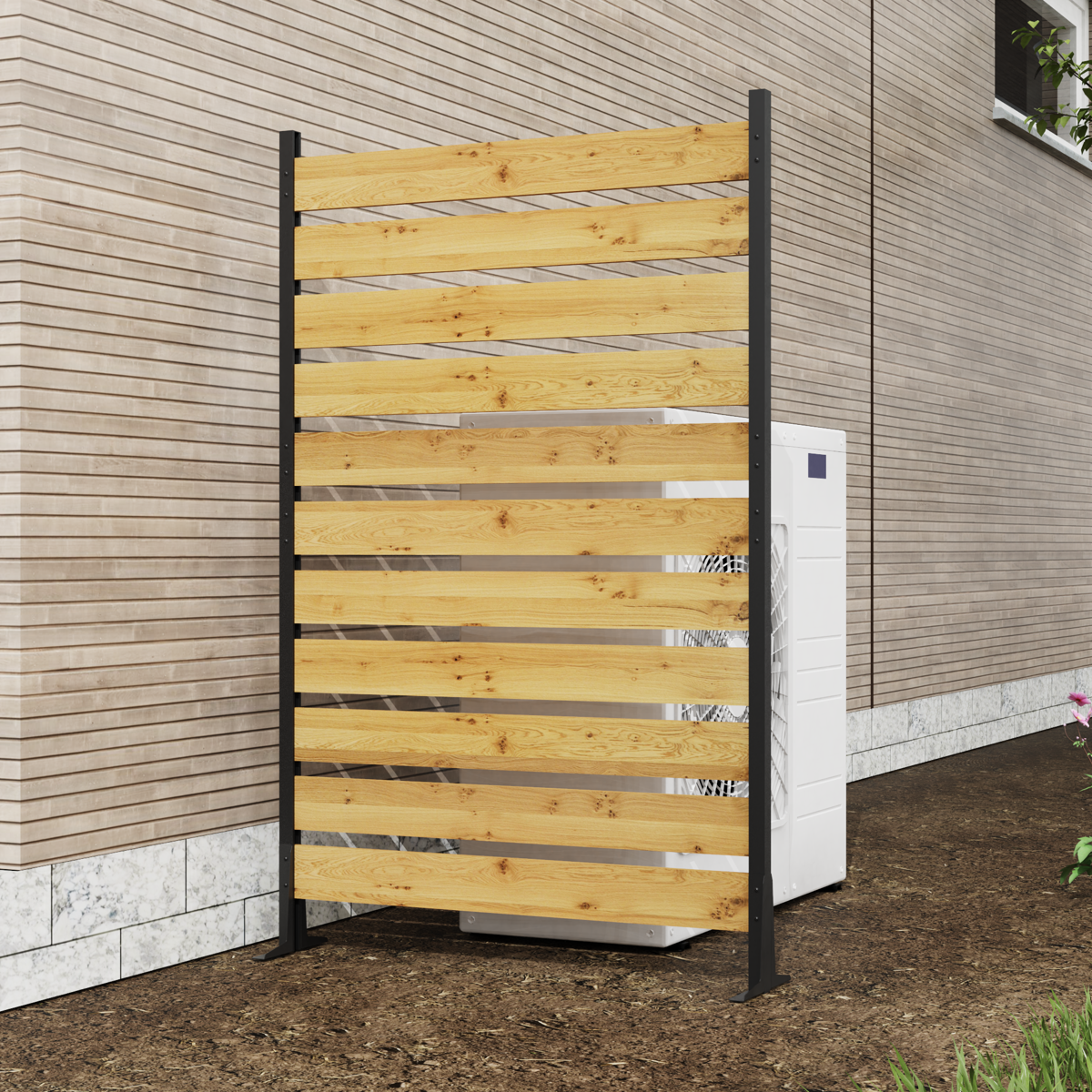
Privacy fences are free-standing or mountable barriers that block sightlines on decks, around AC units, trash cans, and property lines. The primary trade-off is between rigid, wind-rated hardscape panels (wood, metal, composite) and lightweight visual screening (artificial hedge, mesh tape) that offers no structural or security value. The clear decision rule: if the screen must survive wind, support climbing plants, or hide bulky equipment permanently, buy a framed hard panel with ground stakes rated for your wind zone; if you only need to soften a chain-link line or block a neighbor's window view cheaply, choose UV-stabilized faux greenery and skip anything marketed as a 'fence' without a frame.

You may also like

Finding more guides for you…